ಕ್ರಮದಲ್ಲಿ ಕಥೆ
ಘಟನೆಗಳು ನಡೆದ ಕ್ರಮದಲ್ಲಿ ಬೈಬಲ್ ನಮ್ಮ ಕೈಗೆ ಬರಲಿಲ್ಲ. ಅರಸುಗಳು ಮತ್ತು ಪೂರ್ವಕಾಲವೃತ್ತಾಂತ ಅದೇ ಆಳ್ವಿಕೆಗಳನ್ನು ಮತ್ತೆ ಹೇಳುತ್ತವೆ; ಕೀರ್ತನೆಗಳು ಒಂದು ಜೀವಮಾನದುದ್ದಕ್ಕೂ ಬರೆಯಲ್ಪಟ್ಟರೂ ಒಂದೇ ಪುಸ್ತಕವಾಗಿ ಸಂಗ್ರಹಿಸಲ್ಪಟ್ಟವು; ಪ್ರವಾದಿಗಳು ತಾವು ಮಾತನಾಡಿದ ಇತಿಹಾಸದಿಂದ ಬೇರೆಯಾಗಿ ಇಡಲ್ಪಟ್ಟಿದ್ದಾರೆ; ನಾಲ್ಕು ಸುವಾರ್ತೆಗಳು ಒಂದೇ ಜೀವನವನ್ನು ನಾಲ್ಕು ಬಾರಿ ಹೇಳುತ್ತವೆ. ಕಾಲಕ್ರಮದಲ್ಲಿ ಓದಿದರೆ ತುಂಡುಗಳು ಮತ್ತೆ ತಮ್ಮ ಸ್ಥಳಕ್ಕೆ ಜಾರಿ ಕುಳಿತುಕೊಳ್ಳುತ್ತವೆ — ಕಥೆ ಮುಂದೆ ಸಾಗುವುದನ್ನು, ಕಾರಣದಿಂದ ಪರಿಣಾಮಕ್ಕೆ, ವಾಗ್ದಾನದಿಂದ ನೆರವೇರಿಕೆಯತ್ತ ಸಾಗುವುದನ್ನು ನೀವು ನೋಡುತ್ತೀರಿ. ಈ ಮಾರ್ಗದರ್ಶಿ ಅಧ್ಯಾಯದ ನಂತರ ಅಧ್ಯಾಯ ನಡೆಯುತ್ತಾ, ಪ್ರತಿಯೊಂದು ಭಾಗ ಕಥೆಯಲ್ಲಿ ಎಲ್ಲಿದೆ, ಅದು ಏನು ಮಾಡುತ್ತಿದೆ, ಮತ್ತು — ದಿನಾಂಕ ವಿವಾದದಲ್ಲಿರುವಲ್ಲಿ — ಯಾರಾದರೂ ಎಷ್ಟು ಖಚಿತವಾಗಿ ಹೇಳಬಹುದು ಎಂಬುದನ್ನು ತಿಳಿಸುತ್ತದೆ.
- ದಾಖಲಿತ
- ದಿನಾಂಕ ಅಥವಾ ಕ್ರಮ ಚೆನ್ನಾಗಿ ಸ್ಥಿರಪಟ್ಟಿದೆ — ಹೊರಗಿನ ದಾಖಲೆಗಳು, ಸಮಕಾಲೀನ ಘಟನೆಗಳ ಹೋಲಿಕೆ, ಅಥವಾ ವ್ಯಾಪಕ ವಿದ್ವತ್ ಒಮ್ಮತದಿಂದ.
- ವಿವಾದಿತ
- ನಿಜವಾಗಿಯೂ ವಿವಾದಿತ — ವರ್ಷ, ಶತಮಾನ, ಅಥವಾ ಸ್ಥಾನದ ಬಗ್ಗೆ ಭಿನ್ನಾಭಿಪ್ರಾಯವಿದೆ. ನಾವು ಮಿತಿಗಳನ್ನೂ ನಮ್ಮ ಓದನ್ನೂ ನೀಡುತ್ತೇವೆ.
ಸೃಷ್ಟಿಯಿಂದ ಬಾಬೆಲಿನವರೆಗೆ
ದಾಖಲಿತ ಇತಿಹಾಸಕ್ಕಿಂತ ಮುಂಚೆ (ದಿನಾಂಕವಿಲ್ಲ) — ಆದಿಕಾಂಡ 1–11: ಸೃಷ್ಟಿ, ಮೊದಲ ಪಾಪ, ಜಲಪ್ರಳಯ ಮತ್ತು ಬಾಬೆಲಿನಲ್ಲಿ ಚದುರುವಿಕೆ. ಇಲ್ಲಿ ಯಾವ ದಿನಾಂಕವನ್ನೂ ಸ್ಥಿರಪಡಿಸಲಾಗದು; ಈ ಅಧ್ಯಾಯಗಳನ್ನು ಹೇಗೆ ಓದಬೇಕು ಎಂಬುದೇ ವಿವಾದಿತವಾಗಿದೆ.
ಆದಿಯಲ್ಲಿ ದೇವರು
ಬೇರೆ ಏನೇ ಆಗುವ ಮೊದಲು, ಲೋಕದ ಹಿಂದೆ ಇರುವವರು ಯಾರು, ಅದು ಯಾವುದಕ್ಕಾಗಿ ಎಂಬುದಕ್ಕೆ ಬೈಬಲ್ ಉತ್ತರ ಕೊಡುತ್ತದೆ: ಆರು ದಿನಗಳಲ್ಲಿ ಮಾಡಲ್ಪಟ್ಟು, ದೇವರ ಸ್ವರೂಪದಲ್ಲಿ ಸೃಷ್ಟಿಸಲ್ಪಟ್ಟ ಮನುಷ್ಯರಿಂದ ಕಿರೀಟಧಾರಿಯಾದ, ಕ್ರಮಬದ್ಧವಾದ, ಒಳ್ಳೆಯ ಸೃಷ್ಟಿ.
ಆದಿಕಾಂಡ 2 · ದಿನಾಂಕವಿಲ್ಲ — ದಾಖಲಿತ ಇತಿಹಾಸಕ್ಕಿಂತ ಮುಂಚೆಧೂಳು, ಉಸಿರು ಮತ್ತು ಒಂದು ತೋಟ
ಕ್ಯಾಮರಾ ಹತ್ತಿರಕ್ಕೆ ಬರುತ್ತದೆ: ದೇವರು ನೆಲದ ಮಣ್ಣಿನಿಂದ ಒಬ್ಬ ಮನುಷ್ಯನನ್ನು ರೂಪಿಸಿ, ಅವನೊಳಗೆ ಜೀವಶ್ವಾಸವನ್ನು ಊದಿ, ಒಂದು ತೋಟವನ್ನು ನೆಟ್ಟು, ಒಂದೇ ಆಜ್ಞೆಯನ್ನು ಕೊಟ್ಟು, ಅವನನ್ನು ಪೂರ್ಣಗೊಳಿಸುವ ಒಬ್ಬ ಸಂಗಾತಿಯನ್ನು ಅವನ ಬಳಿಗೆ ತರುತ್ತಾನೆ.
ಆದಿಕಾಂಡ 3 · ದಿನಾಂಕವಿಲ್ಲ — ದಾಖಲಿತ ಇತಿಹಾಸಕ್ಕಿಂತ ಮುಂಚೆತೋಟ ಕಳೆದುಹೋಗುತ್ತದೆ
ಒಂದು ಸರ್ಪದ ಪ್ರಶ್ನೆ, ಒಂದು ಹಣ್ಣು, ಮತ್ತು ನಾಚಿಕೆಗೆ ತೆರೆದ ಕಣ್ಣುಗಳು. ಮನುಷ್ಯರು ಮತ್ತು ದೇವರ ನಡುವೆ, ಗಂಡು ಹೆಣ್ಣಿನ ನಡುವೆ, ಮತ್ತು ನೆಲದೊಂದಿಗೇ ಭರವಸೆ ಮುರಿಯುತ್ತದೆ — ಆದರೂ ಅಧ್ಯಾಯ ಉಡುಪಿನೊಂದಿಗೆ ಮತ್ತು ರಕ್ಷಣೆಯ ಒಂದು ಸುಳಿವಿನೊಂದಿಗೆ ಮುಗಿಯುತ್ತದೆ.
ಆದಿಕಾಂಡ 4 · ದಿನಾಂಕವಿಲ್ಲ — ದಾಖಲಿತ ಇತಿಹಾಸಕ್ಕಿಂತ ಮುಂಚೆಕಾಯಿನ ಮತ್ತು ಹೇಬೆಲ
ಏದೆನಿನ ಹೊರಗೆ, ಅಸೂಯೆ ಮೊದಲ ಕೊಲೆಯಾಗಿ ಬೆಳೆಯುತ್ತದೆ. ಕಾಯಿನನ ವಂಶ ನಗರಗಳನ್ನು, ಸಂಗೀತವನ್ನು, ಲೋಹಕೆಲಸವನ್ನು ಕಟ್ಟುತ್ತದೆ — ಮತ್ತು ಎಪ್ಪತ್ತೇಳರಷ್ಟು ಪ್ರತೀಕಾರದ ಒಂದು ಬಡಾಯಿಯನ್ನೂ — ಆದರೆ ಸೇತನ ವಂಶ ಯೆಹೋವನ ಹೆಸರಿನಲ್ಲಿ ಪ್ರಾರ್ಥಿಸಲು ಆರಂಭಿಸುತ್ತದೆ.
ಆದಿಕಾಂಡ 5 · ದಿನಾಂಕವಿಲ್ಲ — ದಾಖಲಿತ ಇತಿಹಾಸಕ್ಕಿಂತ ಮುಂಚೆಆದಾಮನಿಂದ ನೋಹನವರೆಗೆ
ಆದಾಮನಿಂದ ನೋಹನವರೆಗೆ ಹತ್ತು ತಲೆಮಾರುಗಳು, ಪ್ರತಿಯೊಂದೂ 'ಅವನು ಸತ್ತನು' ಎಂದು ಮುಗಿಯುತ್ತದೆ — ದೇವರೊಂದಿಗೆ ನಡೆದು ತೆಗೆದುಕೊಳ್ಳಲ್ಪಟ್ಟ ಹನೋಕನನ್ನು ಬಿಟ್ಟು. ಆ ದೀರ್ಘ ಆಯುಷ್ಯಗಳು ಆದಿಕಾಂಡದಲ್ಲಿ ಅತಿ ಹೆಚ್ಚು ಚರ್ಚಿಸಲ್ಪಡುವ ಸಂಖ್ಯೆಗಳಲ್ಲಿ ಸೇರಿವೆ.
ಆದಿಕಾಂಡ 6 · ದಿನಾಂಕವಿಲ್ಲ — ದಾಖಲಿತ ಇತಿಹಾಸಕ್ಕಿಂತ ಮುಂಚೆದುಃಖ, ಹಿಂಸೆ ಮತ್ತು ಒಂದು ನಾವೆ
ಮಾನವಕುಲದ ದುಷ್ಟತನ ಭೂಮಿಯನ್ನು ತುಂಬುತ್ತದೆ, ಮತ್ತು ದೇವರು ತನ್ನ ಹೃದಯದಲ್ಲಿ ದುಃಖಿಸುತ್ತಾನೆ. ಆತನು ಜಲಪ್ರಳಯವನ್ನು ಕಳುಹಿಸಲು ನಿರ್ಧರಿಸುತ್ತಾನೆ — ಆದರೆ ನೋಹನು ದಯೆಯನ್ನು ಹೊಂದುತ್ತಾನೆ, ಮತ್ತು ಒಂದು ನಾವೆಯನ್ನು ಕಟ್ಟಿ ನೀರಿನ ಮೂಲಕ ಜೀವವನ್ನು ದಾಟಿಸಲು ಅವನಿಗೆ ಹೇಳಲಾಗುತ್ತದೆ.
ಆದಿಕಾಂಡ 7 · ದಿನಾಂಕವಿಲ್ಲ — ದಾಖಲಿತ ಇತಿಹಾಸಕ್ಕಿಂತ ಮುಂಚೆಬಾಗಿಲು ಮುಚ್ಚುತ್ತದೆ, ನೀರು ಏರುತ್ತದೆ
ನೋಹನ ಕುಟುಂಬ ಮತ್ತು ಪ್ರಾಣಿಗಳು ನಾವೆಯೊಳಗೆ ಹೋಗುತ್ತವೆ, ದೇವರು ಬಾಗಿಲು ಮುಚ್ಚುತ್ತಾನೆ, ಮತ್ತು ನೀರು ಎಲ್ಲವನ್ನೂ ಮುಚ್ಚುತ್ತದೆ. ಆದಿಕಾಂಡ 1ರ ಲೋಕ ಹಿಮ್ಮುಖವಾಗುತ್ತದೆ, ಮತ್ತು ಉಳಿದದ್ದನ್ನು ಒಂದು ದೋಣಿ ಹೊತ್ತೊಯ್ಯುತ್ತದೆ.
ಆದಿಕಾಂಡ 8 · ದಿನಾಂಕವಿಲ್ಲ — ದಾಖಲಿತ ಇತಿಹಾಸಕ್ಕಿಂತ ಮುಂಚೆದೇವರು ನೋಹನನ್ನು ನೆನಪಿಸಿಕೊಳ್ಳುತ್ತಾನೆ
ನೀರು ಇಳಿಯುತ್ತದೆ, ಒಂದು ಪಾರಿವಾಳ ಎಣ್ಣೆಮರದ ಎಲೆಯೊಂದಿಗೆ ಹಿಂದಿರುಗುತ್ತದೆ, ಮತ್ತು ನೋಹನು ಒಣನೆಲದ ಮೇಲೆ ಕಾಲಿಡುತ್ತಾನೆ. ಅವನ ಮೊದಲ ಕೃತ್ಯ ಆರಾಧನೆ, ಮತ್ತು ದೇವರ ಉತ್ತರ ಋತುಗಳು ಸ್ಥಿರವಾಗಿರುವವು ಎಂಬ ವಾಗ್ದಾನ.
ಆದಿಕಾಂಡ 9 · ದಿನಾಂಕವಿಲ್ಲ — ದಾಖಲಿತ ಇತಿಹಾಸಕ್ಕಿಂತ ಮುಂಚೆಮುಗಿಲುಬಿಲ್ಲು ಮತ್ತು ದ್ರಾಕ್ಷಿತೋಟ
ದೇವರು ನೋಹನನ್ನು ಆಶೀರ್ವದಿಸಿ, ಪ್ರತಿಯೊಂದು ಮಾನವ ಜೀವಕ್ಕೂ ಮೌಲ್ಯವನ್ನು ನಿಗದಿಪಡಿಸಿ, ಮುಗಿಲುಬಿಲ್ಲಿನ ಗುರುತಿನಡಿಯಲ್ಲಿ ಎಲ್ಲಾ ಜೀವಿಗಳೊಂದಿಗೆ ಒಂದು ಒಡಂಬಡಿಕೆ ಮಾಡಿಕೊಳ್ಳುತ್ತಾನೆ. ನಂತರ ಜಲಪ್ರಳಯದ ನಾಯಕ ಮದ್ಯಪಾನದಿಂದ ಮತ್ತನಾಗುತ್ತಾನೆ, ಮತ್ತು ಹಳೆಯ ತೊಂದರೆ ಮರಳಿ ಬರುತ್ತದೆ.
ಆದಿಕಾಂಡ 10 · ದಿನಾಂಕವಿಲ್ಲ — ದಾಖಲಿತ ಇತಿಹಾಸಕ್ಕಿಂತ ಮುಂಚೆಜನಾಂಗಗಳ ಪಟ್ಟಿ
ಒಂದು ವಂಶವೃಕ್ಷ ಒಂದು ನಕ್ಷೆಯಾಗುತ್ತದೆ: ನೋಹನ ಮೂವರು ಮಕ್ಕಳು ತಿಳಿದಿದ್ದ ಲೋಕದ ಜನಾಂಗಗಳಾಗಿ ಹರಡುತ್ತಾರೆ. ದೇವರು ಒಂದು ಕುಟುಂಬವನ್ನು ಕರೆಯುವ ಮೊದಲು, ಅದು ಆಶೀರ್ವದಿಸಲು ಕಳುಹಿಸಲ್ಪಡಲಿರುವ ಅನೇಕರನ್ನು ಆದಿಕಾಂಡ ಹೆಸರಿಸುತ್ತದೆ.
ಆದಿಕಾಂಡ 11 · ದಿನಾಂಕವಿಲ್ಲ — ದಾಖಲಿತ ಇತಿಹಾಸಕ್ಕಿಂತ ಮುಂಚೆಬಾಬೆಲ್, ಮತ್ತು ಅಬ್ರಾಮನತ್ತ ದಾರಿ
ಮಾನವಕುಲ ತನಗೆ ತಾನೇ ಹೆಸರು ಮಾಡಿಕೊಳ್ಳಲು ಒಂದು ಗೋಪುರವನ್ನು ಕಟ್ಟಿ, ಕೊನೆಗೆ ಚದುರಿಹೋಗುತ್ತದೆ. ನಂತರ ಕಥೆ ತಲೆಮಾರಿನಿಂದ ತಲೆಮಾರಿಗೆ ಕುಗ್ಗುತ್ತಾ ಊರಿನಲ್ಲಿರುವ ತೆರಹನ ಕುಟುಂಬದ ಮೇಲೆ ಬಂದು ನಿಲ್ಲುತ್ತದೆ — ಮತ್ತು ಮಕ್ಕಳನ್ನು ಹೆರಲಾಗದ ಹೆಂಡತಿಯಿರುವ ಒಬ್ಬ ಮಗನ ಮೇಲೆ.
ಓದುವ ಕ್ರಮ · 11 ಓದುಗಳಲ್ಲಿ 11 ಬರೆಯಲಾಗಿದೆ
- ಆದಿಕಾಂಡ 1 ಆದಿಯಲ್ಲಿ ದೇವರು ವಿವಾದಿತ
- ಆದಿಕಾಂಡ 2 ಧೂಳು, ಉಸಿರು ಮತ್ತು ಒಂದು ತೋಟ ವಿವಾದಿತ
- ಆದಿಕಾಂಡ 3 ತೋಟ ಕಳೆದುಹೋಗುತ್ತದೆ ವಿವಾದಿತ
- ಆದಿಕಾಂಡ 4 ಕಾಯಿನ ಮತ್ತು ಹೇಬೆಲ ವಿವಾದಿತ
- ಆದಿಕಾಂಡ 5 ಆದಾಮನಿಂದ ನೋಹನವರೆಗೆ ವಿವಾದಿತ
- ಆದಿಕಾಂಡ 6 ದುಃಖ, ಹಿಂಸೆ ಮತ್ತು ಒಂದು ನಾವೆ ವಿವಾದಿತ
- ಆದಿಕಾಂಡ 7 ಬಾಗಿಲು ಮುಚ್ಚುತ್ತದೆ, ನೀರು ಏರುತ್ತದೆ ವಿವಾದಿತ
- ಆದಿಕಾಂಡ 8 ದೇವರು ನೋಹನನ್ನು ನೆನಪಿಸಿಕೊಳ್ಳುತ್ತಾನೆ ವಿವಾದಿತ
- ಆದಿಕಾಂಡ 9 ಮುಗಿಲುಬಿಲ್ಲು ಮತ್ತು ದ್ರಾಕ್ಷಿತೋಟ ವಿವಾದಿತ
- ಆದಿಕಾಂಡ 10 ಜನಾಂಗಗಳ ಪಟ್ಟಿ ವಿವಾದಿತ
- ಆದಿಕಾಂಡ 11 ಬಾಬೆಲ್, ಮತ್ತು ಅಬ್ರಾಮನತ್ತ ದಾರಿ ವಿವಾದಿತ
ಮೂಲಪಿತೃಗಳು
ಸುಮಾರು ಕ್ರಿ.ಪೂ. 2100–1800 (ವಿವಾದಿತ) — ಅಬ್ರಹಾಮನಿಂದ ಯೋಸೇಫನವರೆಗೆ — ಒಂದು ಜನಾಂಗ ರೂಪುಗೊಳ್ಳುವುದಕ್ಕೆ ಬಹಳ ಮುಂಚೆ, ಒಂದು ವಾಗ್ದಾನವನ್ನು ಹೊತ್ತ ಒಂದು ಕುಟುಂಬ. ಇಲ್ಲಿ ಕಾಲನಿರ್ಣಯ ಒಂದು ವ್ಯಾಪ್ತಿ, ಒಂದು ವರ್ಷವಲ್ಲ.
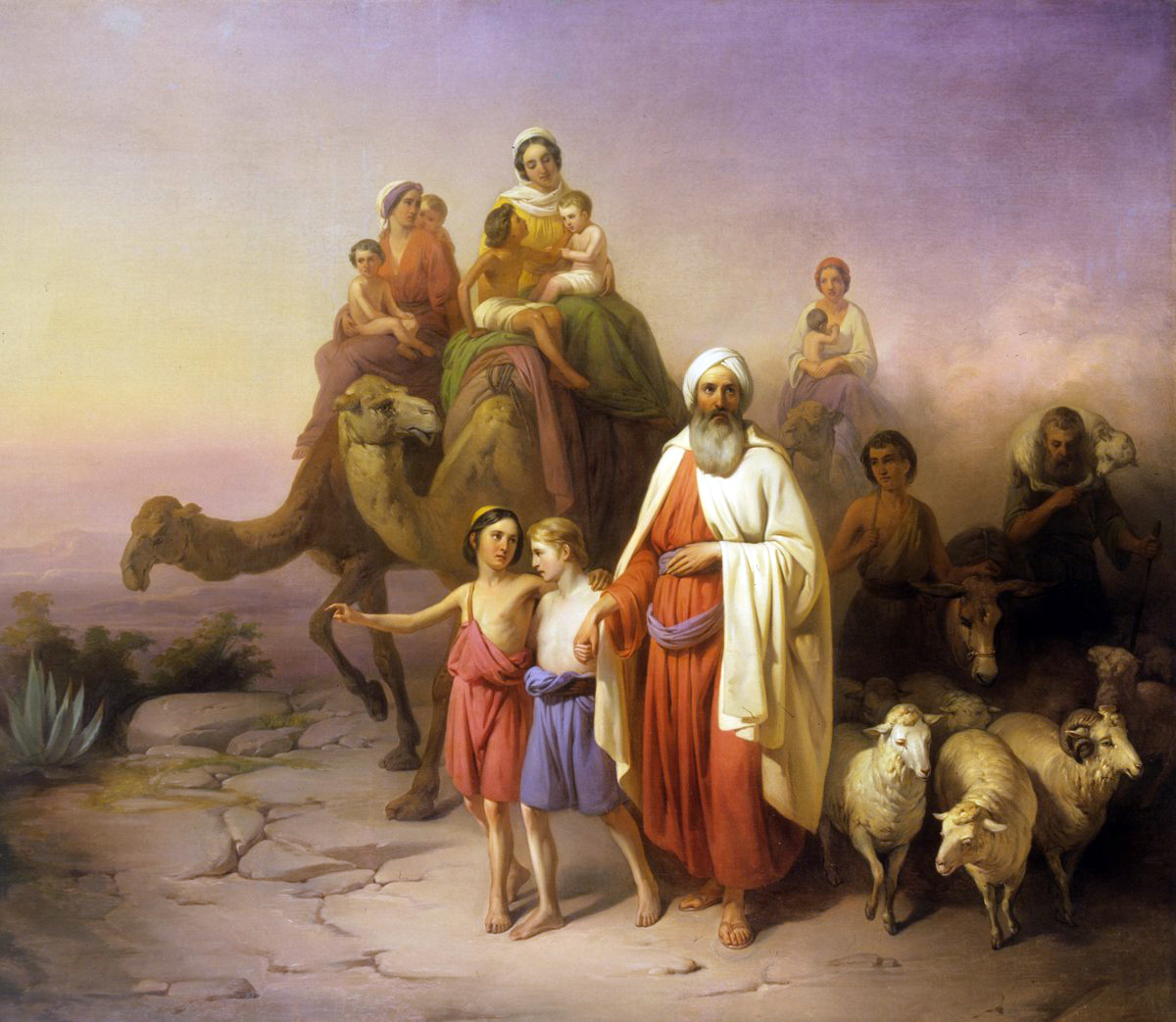 ಆದಿಕಾಂಡ 12 · ಸುಮಾರು ಕ್ರಿ.ಪೂ. 2091 (ಸಾಂಪ್ರದಾಯಿಕ ಕಾಲಗಣನೆಯ ಪ್ರಕಾರ; ಕೆಳಗೆ ನೋಡಿ)
ಅಬ್ರಾಮನ ಕರೆ
ಇಡೀ ಬೈಬಲ್ 'ಎಲ್ಲರಿಂದ' ಕುಗ್ಗಿ ಮಕ್ಕಳಿಲ್ಲದ ಒಬ್ಬ ವೃದ್ಧನ ಮೇಲೆ ಮತ್ತು ಒಂದು ವಾಗ್ದಾನದ ಮೇಲೆ ಬಂದು ನಿಲ್ಲುತ್ತದೆ — ದೇಶ, ಒಂದು ಜನಾಂಗ, ಮತ್ತು ಎಲ್ಲಾ ಜನರಿಗೆ ಆಶೀರ್ವಾದ. ಇಲ್ಲಿ ರಕ್ಷಣೆಯ ಯೋಜನೆಗೆ ಒಂದು ಮುಖ ಸಿಗುತ್ತದೆ.
ಆದಿಕಾಂಡ 13 · ಸುಮಾರು ಕ್ರಿ.ಪೂ. 2091ರ ಸ್ವಲ್ಪ ನಂತರ (ಸಾಂಪ್ರದಾಯಿಕ ಕಾಲಗಣನೆ — ಒಂದು ವ್ಯಾಪ್ತಿ, ಒಂದು ವರ್ಷವಲ್ಲ)ಅಬ್ರಾಮ ಮತ್ತು ಲೋಟ ಬೇರೆಯಾಗುತ್ತಾರೆ
ಹಿಂಡುಗಳು ಬಹಳ, ಹುಲ್ಲು ಸಾಲದು. ಅಬ್ರಾಮನು ತನ್ನ ಸಹೋದರನ ಮಗನಿಗೆ ಮೊದಲು ಆರಿಸಿಕೊಳ್ಳಲು ಬಿಡುತ್ತಾನೆ; ಲೋಟನು ಸೊದೋಮಿನ ಬಳಿಯ ಹಸಿರು ಕಣಿವೆಯನ್ನು ತೆಗೆದುಕೊಳ್ಳುತ್ತಾನೆ, ಅಬ್ರಾಮನ ಕೈಯಲ್ಲಿ ಉಳಿಯುವುದು ಒಂದು ವಾಗ್ದಾನ ಮಾತ್ರ.
ಆದಿಕಾಂಡ 14 · ಸುಮಾರು ಕ್ರಿ.ಪೂ. 2091 ಮತ್ತು 2081ರ ನಡುವೆ (ಸಾಂಪ್ರದಾಯಿಕ ಕಾಲಗಣನೆ)ರಾಜರ ಯುದ್ಧ, ಮೆಲ್ಕಿಜೆದೇಕನ ರೊಟ್ಟಿ
ಪೂರ್ವದ ನಾಲ್ಕು ರಾಜರು ಯೊರ್ದನ್ ಕಣಿವೆಯ ಮೇಲೆ ದಾಳಿ ಮಾಡಿ ಲೋಟನನ್ನು ಸೆರೆಹಿಡಿದು ಒಯ್ಯುತ್ತಾರೆ. ಅಬ್ರಾಮನು ಅವನನ್ನು ಬಿಡಿಸುತ್ತಾನೆ, ನಿಗೂಢ ಯಾಜಕ-ರಾಜನಾದ ಮೆಲ್ಕಿಜೆದೇಕನಿಂದ ಆಶೀರ್ವಾದ ಪಡೆಯುತ್ತಾನೆ, ಮತ್ತು ಸೊದೋಮಿನ ಬಹುಮಾನವನ್ನು ನಿರಾಕರಿಸುತ್ತಾನೆ.
ಆದಿಕಾಂಡ 15 · ಸುಮಾರು ಕ್ರಿ.ಪೂ. 2091 ಮತ್ತು 2081ರ ನಡುವೆ (ಸಾಂಪ್ರದಾಯಿಕ ಕಾಲಗಣನೆ)ನಕ್ಷತ್ರಗಳು, ನಂಬಿಕೆ ಮತ್ತು ಒಂದು ಒಡಂಬಡಿಕೆ
ಮಕ್ಕಳಿಲ್ಲದೆ ಭಯದಲ್ಲಿರುವ ಅಬ್ರಾಮನಿಗೆ ನಕ್ಷತ್ರಗಳನ್ನು ಎಣಿಸು ಎಂದು ಹೇಳಲಾಗುತ್ತದೆ. ಅವನು ನಂಬುತ್ತಾನೆ, ಮತ್ತು ರಾತ್ರಿಯ ಒಂದು ನಿಗೂಢ ಒಡಂಬಡಿಕೆಯ ವಿಧಿಯಲ್ಲಿ ದೇವರು ತನ್ನನ್ನು ತಾನೇ ವಾಗ್ದಾನಕ್ಕೆ ಬದ್ಧನನ್ನಾಗಿ ಮಾಡಿಕೊಳ್ಳುತ್ತಾನೆ.
ಆದಿಕಾಂಡ 16 · ಸುಮಾರು ಕ್ರಿ.ಪೂ. 2081–2080 (ಸಾಂಪ್ರದಾಯಿಕ ಕಾಲಗಣನೆ; ಅಬ್ರಾಮನಿಗೆ 85–86)ಹಾಗರ್ ಮತ್ತು ನೋಡುವ ದೇವರು
ಕಾದು ಕಾದು ಬೇಸತ್ತ ಸಾರಯಳು ತನ್ನ ಐಗುಪ್ತ್ಯ ದಾಸಿ ಹಾಗರಳನ್ನು ಅಬ್ರಾಮನಿಗೆ ಕೊಡುತ್ತಾಳೆ. ಗರ್ಭಧಾರಣೆ ತಿರಸ್ಕಾರವನ್ನೂ ಕ್ರೌರ್ಯವನ್ನೂ ತರುತ್ತದೆ; ಹಾಗರಳು ಓಡಿಹೋಗುತ್ತಾಳೆ, ಮತ್ತು ಮರುಭೂಮಿಯ ಒಂದು ಬುಗ್ಗೆಯ ಬಳಿ ದೇವರು ಅವಳನ್ನು ಸಂಧಿಸುತ್ತಾನೆ.
ಆದಿಕಾಂಡ 17 · ಸುಮಾರು ಕ್ರಿ.ಪೂ. 2067 (ಸಾಂಪ್ರದಾಯಿಕ ಕಾಲಗಣನೆ; ಅಬ್ರಹಾಮನಿಗೆ 99)ಹೊಸ ಹೆಸರುಗಳು, ಮತ್ತು ಒಂದು ಗುರುತು
ಹದಿಮೂರು ವರ್ಷಗಳ ನಂತರ ದೇವರು ಒಡಂಬಡಿಕೆಯನ್ನು ನವೀಕರಿಸುತ್ತಾನೆ: ಅಬ್ರಾಮನು ಅಬ್ರಹಾಮನಾಗುತ್ತಾನೆ, ಸಾರಯಳು ಸಾರಳಾಗುತ್ತಾಳೆ, ಸುನ್ನತಿ ಗುರುತಾಗುತ್ತದೆ, ಮತ್ತು ವಾಗ್ದಾನ ಮಾಡಲ್ಪಟ್ಟ ಮಗ ಒಂದು ವರ್ಷದೊಳಗೆ ಬರುವನು.
ಆದಿಕಾಂಡ 18 · ಸುಮಾರು ಕ್ರಿ.ಪೂ. 2067 (ಸಾಂಪ್ರದಾಯಿಕ ಕಾಲಗಣನೆ)ಮಮ್ರೆಯಲ್ಲಿ ಅತಿಥಿಗಳು, ಸೊದೋಮಿಗಾಗಿ ಚೌಕಾಸಿ
ಮೂವರು ಅಪರಿಚಿತರನ್ನು ಸ್ವಾಗತಿಸಲು ಅಬ್ರಹಾಮನು ಓಡುತ್ತಾನೆ; ಅವರು ಸಾರಳಿಗೆ ಒಬ್ಬ ಮಗನನ್ನು ವಾಗ್ದಾನ ಮಾಡುತ್ತಾರೆ. ನಂತರ, ಸೊದೋಮಿನ ಮೇಲೆ ನ್ಯಾಯತೀರ್ಪು ಸಮೀಪಿಸುತ್ತಿರುವಾಗ, ಆ ನಗರಕ್ಕಾಗಿ ದೇವರೊಂದಿಗೆ ವಾದಿಸಲು ಅಬ್ರಹಾಮನು ಧೈರ್ಯ ಮಾಡುತ್ತಾನೆ.
ಆದಿಕಾಂಡ 19 · ಸುಮಾರು ಕ್ರಿ.ಪೂ. 2067 (ಸಾಂಪ್ರದಾಯಿಕ ಕಾಲಗಣನೆ)ಸೊದೋಮಿನ ಪತನ
ಇಬ್ಬರು ದೂತರು ಸೊದೋಮಿನಲ್ಲಿ ತನ್ನ ಅತಿಥಿಗಳನ್ನು ಅತ್ಯಾಚಾರ ಮಾಡಲು ಬಯಸುವ ಒಂದು ಗುಂಪನ್ನು ಕಾಣುತ್ತಾರೆ. ಲೋಟನನ್ನು ಎಳೆದು ಹೊರತರಲಾಗುತ್ತದೆ, ನಗರಗಳು ಸುಟ್ಟುಹೋಗುತ್ತವೆ, ಅವನ ಹೆಂಡತಿ ಹಿಂದಕ್ಕೆ ನೋಡುತ್ತಾಳೆ, ಮತ್ತು ಒಂದು ಗುಹೆಯಲ್ಲಿ ಕರಾಳ ಉಪಸಂಹಾರ ನಡೆಯುತ್ತದೆ.
ಆದಿಕಾಂಡ 20 · ಸುಮಾರು ಕ್ರಿ.ಪೂ. 2067 (ಸಾಂಪ್ರದಾಯಿಕ ಕಾಲಗಣನೆ)ಗೆರಾರಿನಲ್ಲಿ ಅಬ್ರಹಾಮನ ಹಳೆಯ ಸುಳ್ಳು
ಅಬ್ರಹಾಮನು ಐಗುಪ್ತದ ತನ್ನ ಸುಳ್ಳನ್ನು ಪುನರಾವರ್ತಿಸಿ, ಸಾರಳನ್ನು ತನ್ನ ತಂಗಿ ಎಂದು ಗೆರಾರಿನ ರಾಜನಿಗೆ ಹೇಳುತ್ತಾನೆ. ಇಸಾಕನ ಜನನಕ್ಕೆ ಸ್ವಲ್ಪ ಮುಂಚೆ ದೇವರು ಅವಳನ್ನು ಕಾಪಾಡುತ್ತಾನೆ, ಮತ್ತು ಅನ್ಯಜನಾಂಗದ ರಾಜನು ಪ್ರವಾದಿಗಿಂತ ಹೆಚ್ಚು ಗೌರವಾನ್ವಿತನೆಂದು ತೋರುತ್ತಾನೆ.
ಆದಿಕಾಂಡ 21 · ಸುಮಾರು ಕ್ರಿ.ಪೂ. 2066 (ಸಾಂಪ್ರದಾಯಿಕ ಕಾಲಗಣನೆ; ಅಬ್ರಹಾಮನಿಗೆ 100)ನಗು ಹುಟ್ಟುತ್ತದೆ, ಒಬ್ಬ ಮಗ ಕಳುಹಿಸಲ್ಪಡುತ್ತಾನೆ
ಕೊನೆಗೂ ಇಸಾಕನು ಹುಟ್ಟುತ್ತಾನೆ ಮತ್ತು ಸಾರಳು ಸಂತೋಷದಿಂದ ನಗುತ್ತಾಳೆ. ಆದರೆ ಹಾಗರ್ ಮತ್ತು ಇಷ್ಮಾಯೇಲರನ್ನು ಮರುಭೂಮಿಗೆ ಅಟ್ಟಲಾಗುತ್ತದೆ; ಅಲ್ಲಿ ದೇವರು ಹುಡುಗನ ಧ್ವನಿಯನ್ನು ಕೇಳಿ ಒಂದು ಬಾವಿಯನ್ನು ತೆರೆಯುತ್ತಾನೆ.
ಆದಿಕಾಂಡ 22 · ಸುಮಾರು ಕ್ರಿ.ಪೂ. 2066ರ ಕೆಲವು ವರ್ಷಗಳ ನಂತರ (ಸಾಂಪ್ರದಾಯಿಕ ಕಾಲಗಣನೆ); ಇಸಾಕನ ವಯಸ್ಸನ್ನು ಕೊಡಲಾಗಿಲ್ಲಇಸಾಕನನ್ನು ಕಟ್ಟುವುದು
ವಾಗ್ದಾನದ ಮಗನಾದ ಇಸಾಕನನ್ನು ಅರ್ಪಿಸು ಎಂದು ದೇವರು ಅಬ್ರಹಾಮನಿಗೆ ಹೇಳುತ್ತಾನೆ. ಬೆಟ್ಟದ ಮೇಲೆ ಕತ್ತಿ ಎತ್ತಲ್ಪಡುತ್ತದೆ — ಮತ್ತು ತಡೆಯಲ್ಪಡುತ್ತದೆ. ಇದುವರೆಗೆ ಬರೆಯಲ್ಪಟ್ಟ ಕಥೆಗಳಲ್ಲಿ ಅತಿ ಹೆಚ್ಚು ಹೋರಾಟದಿಂದ ಚಿಂತಿಸಲ್ಪಟ್ಟ ಕಥೆಗಳಲ್ಲಿ ಒಂದು.
ಆದಿಕಾಂಡ 23 · ಸಾಂಪ್ರದಾಯಿಕ ಕಾಲಗಣನೆಯ ಪ್ರಕಾರ ಸುಮಾರು ಕ್ರಿ.ಪೂ. 2030 (ಒಂದು ಚೌಕಟ್ಟಿನ ದಿನಾಂಕ, ಸ್ಥಿರಪಡಿಸಿದ್ದಲ್ಲ)ವಾಗ್ದತ್ತ ದೇಶದಲ್ಲಿ ಒಂದು ಸಮಾಧಿ
ಸಾರಳು ಹೆಬ್ರೋನಿನಲ್ಲಿ ಸಾಯುತ್ತಾಳೆ, ಮತ್ತು ಇಡೀ ದೇಶದ ವಾಗ್ದಾನ ಪಡೆದ ಅಬ್ರಹಾಮನು ಅವಳನ್ನು ಹೂಳಲು ಒಂದೇ ಒಂದು ಗುಹೆಗೆ ಪೂರ್ಣ ಬೆಲೆ ಕೊಡುತ್ತಾನೆ. ಕಾನಾನಿನಲ್ಲಿ ಅವನ ಸ್ವಂತದ ಮೊದಲ ನೆಲ ಒಂದು ಸಮಾಧಿ.
ಆದಿಕಾಂಡ 24 · ಸಾಂಪ್ರದಾಯಿಕ ಕಾಲಗಣನೆಯ ಪ್ರಕಾರ ಸುಮಾರು ಕ್ರಿ.ಪೂ. 2025 (ಒಂದು ಚೌಕಟ್ಟಿನ ದಿನಾಂಕ)ಬಾವಿಯ ಬಳಿ ಸಿಕ್ಕ ವಧು
ಅಬ್ರಹಾಮನ ಸೇವಕನು ಕುಟುಂಬದ ಹಳೆಯ ತವರುನಾಡಿಗೆ ಪ್ರಯಾಣಿಸಿ, ಒಂದು ಬಾವಿಯ ಬಳಿ ಒಂದು ಸೂಚನೆಗಾಗಿ ಪ್ರಾರ್ಥಿಸಿ, ರೆಬೆಕ್ಕಳನ್ನು ಭೇಟಿಯಾಗುತ್ತಾನೆ — ಅವಳು ಎಲ್ಲವನ್ನೂ ಬಿಟ್ಟು ಇಸಾಕನನ್ನು ಮದುವೆಯಾಗಲು ಆರಿಸಿಕೊಳ್ಳುತ್ತಾಳೆ.
ಆದಿಕಾಂಡ 25 · ಸಾಂಪ್ರದಾಯಿಕ ಕಾಲಗಣನೆಯ ಪ್ರಕಾರ ಸುಮಾರು ಕ್ರಿ.ಪೂ. 2005–1990 (ಒಂದು ಚೌಕಟ್ಟಿನ ವ್ಯಾಪ್ತಿ)ಹೋರಾಡುವ ಅವಳಿಗಳು, ಮಾರಲ್ಪಟ್ಟ ಜ್ಯೇಷ್ಠತ್ವ
ಅಬ್ರಹಾಮನು ಸಾಯುತ್ತಾನೆ ಮತ್ತು ಅವನ ಇಬ್ಬರೂ ಮಕ್ಕಳು ಅವನನ್ನು ಹೂಳುತ್ತಾರೆ. ರೆಬೆಕ್ಕಳು ಗರ್ಭದಿಂದಲೇ ಹೋರಾಡುವ ಅವಳಿಗಳನ್ನು ಹೆರುತ್ತಾಳೆ, ಮತ್ತು ಹಸಿದ ಏಸಾವನು ಒಂದು ಬಟ್ಟಲು ಸಾರಿಗಾಗಿ ತನ್ನ ಜ್ಯೇಷ್ಠತ್ವವನ್ನು ಯಾಕೋಬನಿಗೆ ಮಾರುತ್ತಾನೆ.
ಆದಿಕಾಂಡ 26 · ಇಸಾಕನ ಜೀವಿತಾವಧಿಯೊಳಗೆ ದಿನಾಂಕವಿಲ್ಲ; ಸಾಂಪ್ರದಾಯಿಕ ಕಾಲಗಣನೆ ಸುಮಾರು ಕ್ರಿ.ಪೂ. 2000–1950ಇಸಾಕ ಮತ್ತು ಬಾವಿ ತೋಡುವವರು
ಬರಗಾಲದಲ್ಲಿ ಇಸಾಕನು ದೇಶದಲ್ಲೇ ಉಳಿಯುತ್ತಾನೆ, ತನ್ನ ಹೆಂಡತಿಯ ಬಗ್ಗೆ ತಂದೆಯ ಸುಳ್ಳನ್ನು ಪುನರಾವರ್ತಿಸುತ್ತಾನೆ, ಶ್ರೀಮಂತನಾಗುತ್ತಾನೆ, ಮತ್ತು ಬೇರ್ಷೆಬದಲ್ಲಿ ಸ್ಥಳವನ್ನೂ — ಶಾಂತಿಯನ್ನೂ — ಕಂಡುಕೊಳ್ಳುವವರೆಗೆ ಬಾವಿಗಳನ್ನು ಮತ್ತೆ ಮತ್ತೆ ತೋಡುತ್ತಲೇ ಇರುತ್ತಾನೆ.
ಆದಿಕಾಂಡ 27 · ಸಾಂಪ್ರದಾಯಿಕ ಕಾಲಗಣನೆಯ ಪ್ರಕಾರ ಸುಮಾರು ಕ್ರಿ.ಪೂ. 1930 (ಒಂದು ಚೌಕಟ್ಟಿನ ದಿನಾಂಕ)ಕದಿಯಲ್ಪಟ್ಟ ಆಶೀರ್ವಾದ
ರೆಬೆಕ್ಕ ಮತ್ತು ಯಾಕೋಬರು ಕುರುಡನಾದ ಇಸಾಕನನ್ನು ಮೋಸಗೊಳಿಸಿ, ಏಸಾವನ ಬದಲಿಗೆ ಕಿರಿಯ ಮಗನನ್ನು ಆಶೀರ್ವದಿಸುವಂತೆ ಮಾಡುತ್ತಾರೆ. ವಂಚನೆ ಫಲಿಸುತ್ತದೆ — ಮತ್ತು ಕುಟುಂಬವನ್ನು ಒಡೆದು, ಯಾಕೋಬನನ್ನು ದೇಶಭ್ರಷ್ಟತೆಗೆ ಕಳುಹಿಸುತ್ತದೆ.
ಆದಿಕಾಂಡ 28 · ಸಾಂಪ್ರದಾಯಿಕ ಕಾಲಗಣನೆಯ ಪ್ರಕಾರ ಸುಮಾರು ಕ್ರಿ.ಪೂ. 1930 (ಒಂದು ಚೌಕಟ್ಟಿನ ದಿನಾಂಕ)ಬೇತೇಲಿನಲ್ಲಿ ಒಂದು ಏಣಿ
ಏಸಾವನಿಂದ ಓಡಿಹೋಗುತ್ತಿರುವ ಯಾಕೋಬನು ಒಂದು ಕಲ್ಲಿನ ಮೇಲೆ ಮಲಗಿ, ಭೂಮಿ ಮತ್ತು ಆಕಾಶದ ನಡುವಿನ ಒಂದು ಏಣಿಯ ಕನಸು ಕಾಣುತ್ತಾನೆ. ದೇವರು ವಾಗ್ದಾನವನ್ನು ಪುನರಾವರ್ತಿಸಿ, ಸೇರಿಸುತ್ತಾನೆ: 'ನಾನು ನಿನ್ನ ಸಂಗಡ ಇದ್ದೇನೆ.'
ಆದಿಕಾಂಡ 29 · ಸಾಂಪ್ರದಾಯಿಕ ಕಾಲಗಣನೆಯ ಪ್ರಕಾರ ಸುಮಾರು ಕ್ರಿ.ಪೂ. 1930–1920 (ಒಂದು ಚೌಕಟ್ಟಿನ ವ್ಯಾಪ್ತಿ)ವಂಚಕನು ವಂಚಿಸಲ್ಪಡುತ್ತಾನೆ
ಯಾಕೋಬನು ಒಂದು ಬಾವಿಯ ಬಳಿ ರಾಹೇಲಳನ್ನು ಭೇಟಿಯಾಗಿ ಅವಳಿಗಾಗಿ ಏಳು ವರ್ಷ ದುಡಿಯುತ್ತಾನೆ — ನಂತರ ಎಚ್ಚರಗೊಂಡಾಗ ಲಾಬಾನನು ಬದಲಿಗೆ ಲೇಯಳನ್ನು ಕೊಟ್ಟಿದ್ದಾನೆ ಎಂದು ಕಾಣುತ್ತಾನೆ. ಪ್ರೀತಿಸಲ್ಪಡದ ಲೇಯಳು ಗಂಡುಮಕ್ಕಳನ್ನು ಹೆರಲು ಆರಂಭಿಸುತ್ತಾಳೆ.
ಆದಿಕಾಂಡ 30 · ಸಾಂಪ್ರದಾಯಿಕ ಕಾಲಗಣನೆಯ ಪ್ರಕಾರ ಸುಮಾರು ಕ್ರಿ.ಪೂ. 1920–1910 (ಒಂದು ಚೌಕಟ್ಟಿನ ವ್ಯಾಪ್ತಿ)ಗಂಡುಮಕ್ಕಳು, ಕಾಮಜನಕ ಫಲಗಳು ಮತ್ತು ಚುಕ್ಕೆಯ ಮಂದೆಗಳು
ಕೊನೆಗೆ ರಾಹೇಲಳು ಯೋಸೇಫನನ್ನು ಹೆರುವವರೆಗೆ, ರಾಹೇಲ ಮತ್ತು ಲೇಯರು ಮಕ್ಕಳು ಮತ್ತು ದಾಸಿ-ಹೆಂಡತಿಯರ ಮೂಲಕ ಯಾಕೋಬನಿಗಾಗಿ ಸ್ಪರ್ಧಿಸುತ್ತಾರೆ. ನಂತರ ಯಾಕೋಬನು ಲಾಬಾನನನ್ನು ಮೀರಿಸಿ ಮಂದೆಗಳಲ್ಲಿ ಶ್ರೀಮಂತನಾಗುತ್ತಾನೆ.
ಆದಿಕಾಂಡ 31 · ಸಾಂಪ್ರದಾಯಿಕ ಕಾಲಗಣನೆಯ ಪ್ರಕಾರ ಸುಮಾರು ಕ್ರಿ.ಪೂ. 1910 (ಒಂದು ಚೌಕಟ್ಟಿನ ದಿನಾಂಕ)ಲಾಬಾನನಿಂದ ಪಲಾಯನ
ಇಪ್ಪತ್ತು ವರ್ಷಗಳ ನಂತರ, ಮನೆಗೆ ಹೋಗು ಎಂದು ದೇವರು ಯಾಕೋಬನಿಗೆ ಹೇಳುತ್ತಾನೆ. ಅವನು ತನ್ನ ಕುಟುಂಬದೊಂದಿಗೆ ಗುಟ್ಟಾಗಿ ಹೊರಡುತ್ತಾನೆ; ರಾಹೇಲಳು ತನ್ನ ತಂದೆಯ ಮನೆದೇವತೆಗಳನ್ನು ಕದಿಯುತ್ತಾಳೆ; ಲಾಬಾನನು ಬೆನ್ನಟ್ಟುತ್ತಾನೆ, ಮತ್ತು ಇಬ್ಬರೂ ಒಂದು ಗಡಿ ಒಪ್ಪಂದದೊಂದಿಗೆ ಮುಗಿಸುತ್ತಾರೆ.
ಆದಿಕಾಂಡ 32 · ಸಾಂಪ್ರದಾಯಿಕ ಕಾಲಗಣನೆಯ ಪ್ರಕಾರ ಸುಮಾರು ಕ್ರಿ.ಪೂ. 1910 (ಒಂದು ಚೌಕಟ್ಟಿನ ದಿನಾಂಕ)ಬೆಳಗಾಗುವವರೆಗೆ ಹೋರಾಟ
ಏಸಾವನ ನಾನೂರು ಜನರಿಗೆ ಹೆದರಿ, ಯಾಕೋಬನು ಪ್ರಾರ್ಥಿಸುತ್ತಾನೆ, ಮುಂದಾಗಿ ಉಡುಗೊರೆಗಳನ್ನು ಕಳುಹಿಸುತ್ತಾನೆ, ಮತ್ತು ಯಬ್ಬೋಕಿನ ಬಳಿ ರಾತ್ರಿಯನ್ನು ಒಬ್ಬನೇ ಕಳೆಯುತ್ತಾನೆ — ತನಗೆ ಇಸ್ರಾಯೇಲ್ ಎಂದು ಮರುಹೆಸರಿಡುವ ಒಬ್ಬ ನಿಗೂಢ ಪುರುಷನೊಂದಿಗೆ ಹೋರಾಡುತ್ತಾ.
ಆದಿಕಾಂಡ 33 · ಸುಮಾರು ಕ್ರಿ.ಪೂ. 1900ರ ಆಸುಪಾಸು (ಸಾಂಪ್ರದಾಯಿಕ ವ್ಯಾಪ್ತಿ; ವಿವಾದಿತ)ಏಸಾವನು ಅವನನ್ನು ಎದುರುಗೊಳ್ಳಲು ಓಡಿ ಬರುತ್ತಾನೆ
ತನ್ನ ಅಣ್ಣನ ಆಶೀರ್ವಾದವನ್ನು ಕದ್ದ ಇಪ್ಪತ್ತು ವರ್ಷಗಳ ನಂತರ, ಕುಂಟುತ್ತಿರುವ ಯಾಕೋಬನು ಸೇಡಿಗೆ ಸಿದ್ಧನಾಗಿ ಏಳು ಬಾರಿ ಬಾಗಿ ನಮಸ್ಕರಿಸುತ್ತಾನೆ. ಏಸಾವನು ಓಡಿ ಬಂದು ಅವನನ್ನು ಅಪ್ಪಿಕೊಂಡು ಅಳುತ್ತಾನೆ. ನಂತರ ಯಾಕೋಬನು ಶೆಕೆಮಿನ ಬಳಿ ನೆಲೆಸಿ ಒಂದು ಯಜ್ಞವೇದಿಯನ್ನು ಕಟ್ಟುತ್ತಾನೆ.
ಆದಿಕಾಂಡ 34 · ಸುಮಾರು ಕ್ರಿ.ಪೂ. 1900ರ ಆಸುಪಾಸು (ಸಾಂಪ್ರದಾಯಿಕ ವ್ಯಾಪ್ತಿ; ವಿವಾದಿತ)ದೀನಳು, ಮತ್ತು ಶೆಕೆಮಿನಲ್ಲಿ ಕತ್ತಿ
ಯಾಕೋಬನ ಮಗಳು ದೀನಳನ್ನು ಶೆಕೆಮಿನ ರಾಜಕುಮಾರನು ಹಿಡಿದೊಯ್ದು ಕೆಡಿಸುತ್ತಾನೆ. ಅವಳ ಅಣ್ಣಂದಿರು ಮೋಸದಿಂದಲೂ ಹತ್ಯಾಕಾಂಡದಿಂದಲೂ ಉತ್ತರಿಸುತ್ತಾರೆ. ಇದು ಆದಿಕಾಂಡದ ಅತ್ಯಂತ ಕರಾಳ ಅಧ್ಯಾಯಗಳಲ್ಲಿ ಒಂದು — ದೀನಳ ಬಾಯಿಂದ ಒಂದೇ ಒಂದು ಮಾತೂ ಇಲ್ಲದೆ ಹೇಳಲ್ಪಟ್ಟಿದೆ.
ಆದಿಕಾಂಡ 35 · ಸುಮಾರು ಕ್ರಿ.ಪೂ. 1900ರ ಆಸುಪಾಸು (ಸಾಂಪ್ರದಾಯಿಕ ವ್ಯಾಪ್ತಿ; ವಿವಾದಿತ)ಮರಳಿ ಬೇತೇಲಿಗೆ
ಯಾಕೋಬನು ಮನೆಯವರ ವಿಗ್ರಹಗಳನ್ನು ಹೂತುಹಾಕಿ ಬೇತೇಲಿಗೆ ಹಿಂದಿರುಗುತ್ತಾನೆ; ಅಲ್ಲಿ ದೇವರು ಇಸ್ರಾಯೇಲ್ ಎಂಬ ಹೆಸರನ್ನೂ ವಾಗ್ದಾನವನ್ನೂ ನವೀಕರಿಸುತ್ತಾನೆ. ನಂತರ ನಷ್ಟದ ಮೇಲೆ ನಷ್ಟ: ಬೆನ್ಯಾಮೀನನಿಗೆ ಜನ್ಮ ಕೊಡುವಾಗ ರಾಹೇಲಳು ಸಾಯುತ್ತಾಳೆ, ರೂಬೇನನು ತನ್ನ ತಂದೆಗೆ ಅವಮಾನ ಮಾಡುತ್ತಾನೆ, ಮತ್ತು ಇಸಾಕನ ಶವಸಂಸ್ಕಾರವಾಗುತ್ತದೆ.
ಆದಿಕಾಂಡ 36 · ಏಸಾವನು ಸುಮಾರು ಕ್ರಿ.ಪೂ. 1900ರ ಆಸುಪಾಸು (ಸಾಂಪ್ರದಾಯಿಕ ವ್ಯಾಪ್ತಿ); ಅರಸರ ಪಟ್ಟಿ ನಂತರದ ಕಾಲದವರೆಗೆ ಮುಂದೆ ಸಾಗುತ್ತದೆಏಸಾವನ ವಂಶ: ಎದೋಮಿನ ಅರಸರು
ಏಸಾವನ ವಂಶಾವಳಿ: ಅವನ ಹೆಂಡತಿಯರು ಮತ್ತು ಮಕ್ಕಳು, ಎದೋಮಿನ ಕುಲಾಧಿಪತಿಗಳು, ಸೇಯೀರಿನ ಹಳೆಯ ಹೋರಿಯ ಕುಲಗಳು, ಮತ್ತು ಇಸ್ರಾಯೇಲಿಗೆ ಅರಸನಿರುವುದಕ್ಕಿಂತ ಮೊದಲು ಎದೋಮನ್ನು ಆಳಿದ ಎಂಟು ಅರಸರು. ವಾಗ್ದಾನದ ಹೊರಗಿರುವ ಸಹೋದರನು ಮರೆಯಲ್ಪಟ್ಟಿಲ್ಲ.
ಆದಿಕಾಂಡ 37 · ಸುಮಾರು ಕ್ರಿ.ಪೂ. 1900–1850 (ಸಾಂಪ್ರದಾಯಿಕ ವ್ಯಾಪ್ತಿ; ವಿವಾದಿತ)ಅಣ್ಣಂದಿರಿಂದ ಮಾರಲ್ಪಟ್ಟ ಯೋಸೇಫನು
ಯಾಕೋಬನ ಅತಿ ಪ್ರಿಯ ಮಗನು ವಿಶೇಷ ನಿಲುವಂಗಿಯನ್ನು ಧರಿಸುತ್ತಾನೆ, ಮತ್ತು ತನ್ನ ಅಣ್ಣಂದಿರು ತನಗೆ ಅಡ್ಡಬೀಳುವ ಕನಸು ಕಾಣುತ್ತಾನೆ. ಅವರು ಅವನ ಬಟ್ಟೆ ಕಿತ್ತುಕೊಂಡು, ಗುಂಡಿಗೆ ತಳ್ಳಿ, ಐಗುಪ್ತಕ್ಕೆ ಹೋಗುತ್ತಿದ್ದ ವ್ಯಾಪಾರಿಗಳಿಗೆ ಮಾರುತ್ತಾರೆ. ಅವನು ಸತ್ತುಹೋದನೆಂದು ಯಾಕೋಬನಿಗೆ ಹೇಳಲಾಗುತ್ತದೆ.
ಆದಿಕಾಂಡ 38 · ಸುಮಾರು ಕ್ರಿ.ಪೂ. 1900–1850 (ಸಾಂಪ್ರದಾಯಿಕ ವ್ಯಾಪ್ತಿ; ವಿವಾದಿತ)ಯೂದನು ಮತ್ತು ತಾಮಾರಳು
ಎರಡು ಬಾರಿ ವಿಧವೆಯಾಗಿ, ನಂತರ ತನ್ನ ಮಾವ ಯೂದನಿಂದ ಕೈಬಿಡಲ್ಪಟ್ಟ ತಾಮಾರಳು, ಕುಟುಂಬದಲ್ಲಿ ತನ್ನ ಸ್ಥಾನವನ್ನು ಪಡೆಯಲು ಒಂದು ಹತಾಶ ಅಪಾಯವನ್ನು ಎದುರಿಸುತ್ತಾಳೆ. ಅವಳು ಸಿಕ್ಕಿಬಿದ್ದಾಗ, ಯೂದನು ಒಪ್ಪಿಕೊಳ್ಳುತ್ತಾನೆ: ಅವಳು ತನಗಿಂತ ಹೆಚ್ಚು ನೀತಿವಂತಳು.
ಆದಿಕಾಂಡ 39 · ಸುಮಾರು ಕ್ರಿ.ಪೂ. 1900–1850 (ಸಾಂಪ್ರದಾಯಿಕ ವ್ಯಾಪ್ತಿ; ವಿವಾದಿತ)ಪೋಟೀಫರನ ಮನೆಯಲ್ಲಿ ಯೋಸೇಫನು
ಐಗುಪ್ತದಲ್ಲಿ ಗುಲಾಮನಾಗಿ ಮಾರಲ್ಪಟ್ಟ ಯೋಸೇಫನು ತನ್ನ ಯಜಮಾನನ ಮನೆಯನ್ನೆಲ್ಲಾ ನಡೆಸುವ ಸ್ಥಾನಕ್ಕೆ ಏರುತ್ತಾನೆ. ಯಜಮಾನನ ಹೆಂಡತಿಯ ಆಹ್ವಾನವನ್ನು ಅವನು ನಿರಾಕರಿಸುತ್ತಾನೆ, ಸುಳ್ಳು ಆರೋಪಕ್ಕೆ ಗುರಿಯಾಗಿ ಸೆರೆಮನೆ ಸೇರುತ್ತಾನೆ — ಅಲ್ಲಿಯೂ ಯೆಹೋವನು ಅವನೊಂದಿಗಿದ್ದಾನೆ.
ಆದಿಕಾಂಡ 40 · ಸುಮಾರು ಕ್ರಿ.ಪೂ. 1900–1850 (ಸಾಂಪ್ರದಾಯಿಕ ವ್ಯಾಪ್ತಿ; ವಿವಾದಿತ)ಅರಸನ ಸೆರೆಮನೆಯಲ್ಲಿ ಕನಸುಗಳು
ಫರೋಹನ ಪಾನದಾಯಕನೂ ಭಕ್ಷ್ಯಕಾರನೂ ಯೋಸೇಫನಿರುವ ಸೆರೆಮನೆಗೆ ಬರುತ್ತಾರೆ, ಮತ್ತು ಪ್ರತಿಯೊಬ್ಬನೂ ಕಳವಳಗೊಳಿಸುವ ಕನಸು ಕಾಣುತ್ತಾನೆ. ಯೋಸೇಫನು ಎರಡರ ಅರ್ಥವನ್ನೂ ಹೇಳುತ್ತಾನೆ: ಒಬ್ಬನು ಮತ್ತೆ ತನ್ನ ಸ್ಥಾನಕ್ಕೆ ಬರುವನು, ಇನ್ನೊಬ್ಬನು ಗಲ್ಲಿಗೇರುವನು. ನಿಖರವಾಗಿ ಹಾಗೆಯೇ ನಡೆಯುತ್ತದೆ — ಮತ್ತು ಪಾನದಾಯಕನು ಯೋಸೇಫನನ್ನು ಮರೆತುಬಿಡುತ್ತಾನೆ.
ಆದಿಕಾಂಡ 41 · ಸುಮಾರು ಕ್ರಿ.ಪೂ. 1900–1800 (ಸಾಂಪ್ರದಾಯಿಕ ವ್ಯಾಪ್ತಿ; ವಿವಾದಿತ)ಸೆರೆಮನೆಯಿಂದ ಫರೋಹನ ಬಲಗೈಗೆ
ಏಳು ಕೊಬ್ಬಿದ ಹಸುಗಳನ್ನು ಏಳು ಬಡಕಲು ಹಸುಗಳು ತಿನ್ನುವ ಕನಸನ್ನು ಫರೋಹನು ಕಾಣುತ್ತಾನೆ. ಸೆರೆಮನೆಯಿಂದ ಹೊರತರಲ್ಪಟ್ಟ ಯೋಸೇಫನು ಅರ್ಥ ಹೇಳುತ್ತಾನೆ: ಏಳು ವರ್ಷ ಸಮೃದ್ಧಿ, ನಂತರ ಏಳು ವರ್ಷ ಕ್ಷಾಮ. ಸಿದ್ಧತೆ ಮಾಡಲು ಫರೋಹನು ಅವನನ್ನು ಇಡೀ ಐಗುಪ್ತದ ಮೇಲೆ ನೇಮಿಸುತ್ತಾನೆ.
ಆದಿಕಾಂಡ 42 · ಸುಮಾರು ಕ್ರಿ.ಪೂ. 1900–1800 (ಸಾಂಪ್ರದಾಯಿಕ ವ್ಯಾಪ್ತಿ; ವಿವಾದಿತ)ಅಣ್ಣಂದಿರು ಅಡ್ಡಬೀಳುತ್ತಾರೆ
ಕ್ಷಾಮದ ನಿಮಿತ್ತ ಯಾಕೋಬನ ಹತ್ತು ಮಕ್ಕಳು ಧಾನ್ಯಕ್ಕಾಗಿ ಐಗುಪ್ತಕ್ಕೆ ಹೋಗುತ್ತಾರೆ. ಅಧಿಪತಿ ಯೋಸೇಫನೆಂದು ತಿಳಿಯದೆ ಅವನ ಮುಂದೆ ಅಡ್ಡಬೀಳುತ್ತಾರೆ. ಅವನು ಅವರನ್ನು ಗೂಢಚಾರರೆಂದು ಆರೋಪಿಸಿ, ಸಿಮೆಯೋನನನ್ನು ಒತ್ತೆಯಾಳಾಗಿ ಇಟ್ಟುಕೊಂಡು, ಬೆನ್ಯಾಮೀನನನ್ನು ಕರೆತರುವಂತೆ ಒತ್ತಾಯಿಸುತ್ತಾನೆ.
ಆದಿಕಾಂಡ 43 · ಸಾಂಪ್ರದಾಯಿಕ ಕಾಲಗಣನೆಯ ಪ್ರಕಾರ ಸುಮಾರು ಕ್ರಿ.ಪೂ. 1876; ಅನೇಕರು ಯೋಸೇಫನನ್ನು ನಂತರದ ಕಾಲದಲ್ಲಿ ಇರಿಸುತ್ತಾರೆ (ಆದಿಕಾಂಡ 45 ನೋಡಿ)ಬೆನ್ಯಾಮೀನನು ಐಗುಪ್ತಕ್ಕೆ ಹೋಗುತ್ತಾನೆ
ಧಾನ್ಯ ಮುಗಿದುಹೋಗುತ್ತದೆ, ಮತ್ತು ಕಳೆದುಕೊಳ್ಳಲು ತಾಳಲಾರದ ಮಗನನ್ನು ಯಾಕೋಬನು ಅಪಾಯಕ್ಕೆ ಒಡ್ಡಬೇಕಾಗುತ್ತದೆ. ಯೂದನು ಬೆನ್ಯಾಮೀನನಿಗಾಗಿ ತನ್ನ ಸ್ವಂತ ಪ್ರಾಣವನ್ನೇ ಹೊಣೆಯಾಗಿಡುತ್ತಾನೆ, ಮತ್ತು ಅಣ್ಣತಮ್ಮಂದಿರು ತಮಗೆ ಅರ್ಥವಾಗದ ಒಂದು ಔತಣಕ್ಕೆ ಕುಳಿತುಕೊಳ್ಳುತ್ತಾರೆ.
ಆದಿಕಾಂಡ 44 · ಸಾಂಪ್ರದಾಯಿಕ ಕಾಲಗಣನೆಯ ಪ್ರಕಾರ ಸುಮಾರು ಕ್ರಿ.ಪೂ. 1876; ದಿನಾಂಕ ಒಂದು ವ್ಯಾಪ್ತಿಬೆಳ್ಳಿಯ ಪಾತ್ರೆ
ಯೋಸೇಫನು ತನ್ನ ಪಾತ್ರೆಯನ್ನು ಬೆನ್ಯಾಮೀನನ ಚೀಲದಲ್ಲಿ ಇಡಿಸಿ, ಆ ಹುಡುಗನನ್ನು ಗುಲಾಮನಾಗಿ ಕೇಳುತ್ತಾನೆ. ಯೂದನು ಮುಂದೆ ಬಂದು ಬದಲಿಗೆ ತನ್ನನ್ನೇ ಒಪ್ಪಿಸುತ್ತಾನೆ — ಇಡೀ ಯೋಸೇಫನ ಕಥೆಯನ್ನು ತಿರುಗಿಸುವ ಭಾಷಣ ಅದು.
ಆದಿಕಾಂಡ 45 · ಸಾಂಪ್ರದಾಯಿಕ ಕಾಲಗಣನೆಯ ಪ್ರಕಾರ ಸುಮಾರು ಕ್ರಿ.ಪೂ. 1876; ಇತರರು ಯೋಸೇಫನನ್ನು ಸುಮಾರು ಕ್ರಿ.ಪೂ. 1700–1550ರಲ್ಲಿ ಇರಿಸುತ್ತಾರೆನಾನೇ ಯೋಸೇಫನು
ಯೋಸೇಫನು ಎಲ್ಲರನ್ನೂ ಹೊರಗೆ ಕಳುಹಿಸಿ, ಗಟ್ಟಿಯಾಗಿ ಅತ್ತು, ತಾನು ಯಾರೆಂದು ತನ್ನ ಅಣ್ಣಂದಿರಿಗೆ ಹೇಳುತ್ತಾನೆ. ಅವರ ಅಪರಾಧವನ್ನು ಹೆಸರಿಸಲಾಗುತ್ತದೆ — ಮತ್ತು ಹೊಸ ಬೆಳಕಿನಲ್ಲಿ ನೋಡಲಾಗುತ್ತದೆ: ಪ್ರಾಣಗಳನ್ನು ಉಳಿಸಲು ದೇವರು ಅವನನ್ನು ಮುಂಚಿತವಾಗಿ ಕಳುಹಿಸಿದನು. ತನ್ನ ಮಗನು ಜೀವಂತವಾಗಿದ್ದಾನೆ ಎಂದು ಯಾಕೋಬನಿಗೆ ತಿಳಿಯುತ್ತದೆ.
ಆದಿಕಾಂಡ 46 · ಸಾಂಪ್ರದಾಯಿಕ ಕಾಲಗಣನೆಯ ಪ್ರಕಾರ ಸುಮಾರು ಕ್ರಿ.ಪೂ. 1876; ಇತರ ಲೆಕ್ಕಗಳ ಪ್ರಕಾರ ನಂತರಯಾಕೋಬನು ಐಗುಪ್ತಕ್ಕೆ ಹೋಗುತ್ತಾನೆ
ಬೇರ್ಷೆಬದಲ್ಲಿ, ಐಗುಪ್ತಕ್ಕೆ ಹೋಗಲು ಭಯಪಡಬೇಡ ಎಂದು ದೇವರು ವೃದ್ಧ ಯಾಕೋಬನಿಗೆ ಹೇಳುತ್ತಾನೆ: 'ನಾನು ನಿನ್ನ ಸಂಗಡ ಬರುವೆನು.' ಎಪ್ಪತ್ತು ಜನರು ಪ್ರಯಾಣ ಮಾಡುತ್ತಾರೆ, ಮತ್ತು ಸತ್ತುಹೋದನೆಂದು ಭಾವಿಸಿದ್ದ ಮಗನನ್ನು ಒಬ್ಬ ತಂದೆ ಅಪ್ಪಿಕೊಳ್ಳುತ್ತಾನೆ.
ಆದಿಕಾಂಡ 47 · ಸಾಂಪ್ರದಾಯಿಕ ಕಾಲಗಣನೆಯ ಪ್ರಕಾರ ಸುಮಾರು ಕ್ರಿ.ಪೂ. 1876–1859; ದಿನಾಂಕ ಒಂದು ವ್ಯಾಪ್ತಿಯಾಕೋಬನು ಫರೋಹನನ್ನು ಆಶೀರ್ವದಿಸುತ್ತಾನೆ
ಕುಟುಂಬ ಗೋಷೆನಿನಲ್ಲಿ ನೆಲೆಸುತ್ತದೆ, ಮತ್ತು ಒಬ್ಬ ವೃದ್ಧ ಕುರುಬನು ಐಗುಪ್ತದ ಅರಸನನ್ನು ಆಶೀರ್ವದಿಸುತ್ತಾನೆ. ಈ ನಡುವೆ ಯೋಸೇಫನ ಕ್ಷಾಮ ನೀತಿ ಐಗುಪ್ತದ ಜನರನ್ನು ಫರೋಹನ ಗೇಣಿದಾರರನ್ನಾಗಿ ಮಾಡುತ್ತದೆ — ಓದುಗರು ಇಂದಿಗೂ ಚರ್ಚಿಸುವ ಒಂದು ಭಾಗ.
ಆದಿಕಾಂಡ 48 · ಸಾಂಪ್ರದಾಯಿಕ ಕಾಲಗಣನೆಯ ಪ್ರಕಾರ ಸುಮಾರು ಕ್ರಿ.ಪೂ. 1859; ದಿನಾಂಕ ಒಂದು ವ್ಯಾಪ್ತಿಅಡ್ಡಹಾಕಿದ ಕೈಗಳು
ಸಾಯುತ್ತಿರುವ ಯಾಕೋಬನು ಐಗುಪ್ತದಲ್ಲಿ ಹುಟ್ಟಿದ ಯೋಸೇಫನ ಇಬ್ಬರು ಮಕ್ಕಳನ್ನು ತನ್ನವರನ್ನಾಗಿ ದತ್ತು ತೆಗೆದುಕೊಂಡು, ಕೈಗಳನ್ನು ಅಡ್ಡಹಾಕಿ, ಕಿರಿಯವನಾದ ಎಫ್ರಾಯೀಮನನ್ನು ಮನಸ್ಸೆಗಿಂತ ಮುಂದಿಡುತ್ತಾನೆ. ಮತ್ತೊಮ್ಮೆ ವಾಗ್ದಾನ ನಿರೀಕ್ಷಿತ ಕ್ರಮಕ್ಕೆ ವಿರುದ್ಧವಾಗಿ ಸಾಗುತ್ತದೆ.
ಆದಿಕಾಂಡ 49 · ಸಾಂಪ್ರದಾಯಿಕ ಕಾಲಗಣನೆಯ ಪ್ರಕಾರ ಸುಮಾರು ಕ್ರಿ.ಪೂ. 1859; ಕಾವ್ಯದ ಪ್ರಾಚೀನತೆ ವಿವಾದಿತಯಾಕೋಬನ ಕೊನೆಯ ಮಾತುಗಳು
ಯಾಕೋಬನು ತನ್ನ ಹನ್ನೆರಡು ಮಕ್ಕಳನ್ನು ಒಟ್ಟುಗೂಡಿಸಿ, ಪ್ರತಿಯೊಬ್ಬನ ಬಗ್ಗೆಯೂ ಕಾವ್ಯದಲ್ಲಿ ಮಾತನಾಡುತ್ತಾನೆ — ಗದರಿಕೆ, ಎಚ್ಚರಿಕೆ ಮತ್ತು ವಾಗ್ದಾನ. ಯೂದನಿಗೆ ರಾಜದಂಡ ಕೊಡಲ್ಪಡುತ್ತದೆ, ನಂತರ ಆ ಮುದುಕನು ಕೊನೆಯುಸಿರೆಳೆಯುತ್ತಾನೆ.
ಆದಿಕಾಂಡ 50 · ಸಾಂಪ್ರದಾಯಿಕ ಕಾಲಗಣನೆಯ ಪ್ರಕಾರ ಸುಮಾರು ಕ್ರಿ.ಪೂ. 1859–1805; ದಿನಾಂಕ ಒಂದು ವ್ಯಾಪ್ತಿನೀವು ಕೇಡನ್ನು ಉದ್ದೇಶಿಸಿದಿರಿ, ದೇವರು ಒಳ್ಳೆಯದನ್ನು ಉದ್ದೇಶಿಸಿದನು
ಐಗುಪ್ತ ಯಾಕೋಬನಿಗಾಗಿ ಶೋಕಿಸುತ್ತದೆ, ಮತ್ತು ಒಂದು ದೊಡ್ಡ ಮೆರವಣಿಗೆ ಅವನನ್ನು ಕಾನಾನಿನಲ್ಲಿ ಹೂಳುತ್ತದೆ. ಅವನ ಮಕ್ಕಳು ಸೇಡಿಗೆ ಭಯಪಡುತ್ತಾರೆ, ಆದರೆ ಯೋಸೇಫನು ಅವರನ್ನು ಕ್ಷಮಿಸುತ್ತಾನೆ. ಐಗುಪ್ತದಲ್ಲಿನ ಒಂದು ಶವಪೆಟ್ಟಿಗೆ ಮತ್ತು ಮನೆಗೆ ಹಿಂದಿರುಗುವ ಒಂದು ವಾಗ್ದಾನದೊಂದಿಗೆ ಆದಿಕಾಂಡ ಮುಗಿಯುತ್ತದೆ.
ಯೋಬನು 1 · ದಿನಾಂಕವಿಲ್ಲ — ಮೂಲಪಿತೃಗಳ ಯುಗದ ಹಿನ್ನೆಲೆ; ಬರೆಯಲ್ಪಟ್ಟ ದಿನಾಂಕ ತಿಳಿದಿಲ್ಲಯೋಬನು ಕಾರಣವಿಲ್ಲದೆ ದೇವರಿಗೆ ಭಯಪಡುತ್ತಾನೆಯೇ?
ಪರಲೋಕದ ಆಸ್ಥಾನದಲ್ಲಿ ಒಂದು ಪ್ರಶ್ನೆ ಎತ್ತಲ್ಪಟ್ಟ ನಂತರ — ಅವನ ನಂಬಿಗಸ್ತಿಕೆ ಆಶೀರ್ವಾದಕ್ಕೆ ಕೇವಲ ಪ್ರತಿಫಲವೋ? — ಒಬ್ಬ ಒಳ್ಳೆಯ ಮನುಷ್ಯನು ಒಂದೇ ದಿನದಲ್ಲಿ ಎಲ್ಲವನ್ನೂ ಕಳೆದುಕೊಳ್ಳುತ್ತಾನೆ. ಯೋಬನು ದುಃಖಿಸುತ್ತಾನೆ — ಮತ್ತು ಆದರೂ ಆರಾಧಿಸುತ್ತಾನೆ.
ಯೋಬನು 2 · ದಿನಾಂಕವಿಲ್ಲ — ಮೂಲಪಿತೃಗಳ ಯುಗದ ಹಿನ್ನೆಲೆ; ಬರೆಯಲ್ಪಟ್ಟ ದಿನಾಂಕ ತಿಳಿದಿಲ್ಲಬೂದಿಯಲ್ಲಿ ಮೌನ
ದೂರುಗಾರನು ಮತ್ತೆ ಬರುತ್ತಾನೆ, ಮತ್ತು ಯೋಬನು ತಲೆಯಿಂದ ಅಂಗಾಲಿನವರೆಗೆ ಹುಣ್ಣುಗಳಿಂದ ಬಾಧಿಸಲ್ಪಡುತ್ತಾನೆ. ದೇವರನ್ನು ದೂಷಿಸಿ ಸಾಯುವಂತೆ ಅವನ ಹೆಂಡತಿ ಹೇಳುತ್ತಾಳೆ. ಮೂವರು ಸ್ನೇಹಿತರು ಬಂದು ಏಳು ದಿನ ಮೌನವಾಗಿ ಅವನೊಂದಿಗೆ ಕುಳಿತುಕೊಳ್ಳುತ್ತಾರೆ.
ಯೋಬನು 3 · ಹಿನ್ನೆಲೆ: ಮೂಲಪಿತೃಗಳ ಕಾಲ (ಬರೆದ ದಿನಾಂಕ ತಿಳಿದಿಲ್ಲ)ಯೋಬನು ತನ್ನ ಜನ್ಮದಿನವನ್ನು ಶಪಿಸುತ್ತಾನೆ
ಏಳು ದಿನಗಳ ಮೌನದ ನಂತರ ಯೋಬನು ಕೊನೆಗೂ ಮಾತನಾಡುತ್ತಾನೆ — ಅವನ ಮೊದಲ ಮಾತುಗಳೇ ತಾನು ಹುಟ್ಟಿದ ದಿನದ ಮೇಲಿನ ಶಾಪ. ಪೀಠಿಕೆಯ ಸಹನಶೀಲ ಮನುಷ್ಯನ ಸ್ಥಾನದಲ್ಲಿ ಈಗ ಹಸಿಯಾದ, ಪ್ರಾಮಾಣಿಕವಾದ ಪ್ರಲಾಪ ಕೇಳಿಬರುತ್ತದೆ.
ಯೋಬನು 4 · ಹಿನ್ನೆಲೆ: ಮೂಲಪಿತೃಗಳ ಕಾಲ (ಬರೆದ ದಿನಾಂಕ ತಿಳಿದಿಲ್ಲ)ಎಲೀಫಜ ಮತ್ತು ರಾತ್ರಿಯ ದರ್ಶನ
ಮೊದಲನೆಯ, ಅತ್ಯಂತ ಸೌಮ್ಯನಾದ ಸ್ನೇಹಿತ ಮಾತನಾಡುತ್ತಾನೆ: ಯೋಬನು ಇತರರನ್ನು ಸಂತೈಸಿದ್ದಾನೆ, ಆದ್ದರಿಂದ ಈಗ ಅವನು ಭರವಸೆಯಿಡಬೇಕು — ನಿರಪರಾಧಿಗಳು ಎಂದಿಗೂ ನಾಶವಾಗುವುದಿಲ್ಲ. ಆಮೇಲೆ ಎಲೀಫಜನು ಮೈ ನಡುಗಿಸುವ ಒಂದು ದರ್ಶನವನ್ನು ವರದಿ ಮಾಡುತ್ತಾನೆ: ದೇವರ ಮುಂದೆ ಯಾವ ಮನುಷ್ಯನೂ ಶುದ್ಧನಲ್ಲ.
ಯೋಬನು 5 · ಹಿನ್ನೆಲೆ: ಮೂಲಪಿತೃಗಳ ಕಾಲ (ಬರೆದ ದಿನಾಂಕ ತಿಳಿದಿಲ್ಲ)ದೇವರು ತಿದ್ದುವವನು ಧನ್ಯನು
ಎಲೀಫಜನು ಮುಗಿಸುತ್ತಾನೆ: ಕಷ್ಟ ಮಾನವ ಜೀವನದ ಭಾಗ, ಆದ್ದರಿಂದ ದೇವರ ಕಡೆಗೆ ತಿರುಗು, ಆತನ ಶಿಕ್ಷಣವನ್ನು ಸ್ವೀಕರಿಸು, ಆತನು ನಿನ್ನನ್ನು ಪುನಃಸ್ಥಾಪಿಸುವನು. ಸುಂದರವಾದ ಮಾತುಗಳು — ಆದರೆ ತಪ್ಪಾದ ಮನುಷ್ಯನತ್ತ ಗುರಿಯಿಟ್ಟವು.
ಯೋಬನು 6 · ಹಿನ್ನೆಲೆ: ಮೂಲಪಿತೃಗಳ ಕಾಲ (ಬರೆದ ದಿನಾಂಕ ತಿಳಿದಿಲ್ಲ)ಬತ್ತಿದ ಹಳ್ಳದಂಥ ಸ್ನೇಹಿತರು
ಯೋಬನು ಎಲೀಫಜನಿಗೆ ಉತ್ತರಿಸುತ್ತಾನೆ: ತನ್ನ ವೇದನೆ ಸಮುದ್ರದ ಮರಳಿಗಿಂತ ಭಾರವಾಗಿದೆ, ದೇವರು ತನ್ನ ಜೀವವನ್ನು ಕೊನೆಗೊಳಿಸಲಿ ಎಂದು ಈಗಲೂ ಬಯಸುತ್ತಾನೆ, ಮತ್ತು ಬೇಸಿಗೆಯಲ್ಲಿ ಬತ್ತಿದ ಹಳ್ಳದ ಪಾತ್ರದಂತೆ ತನ್ನ ಸ್ನೇಹಿತರು ನಿರಾಶೆಗೊಳಿಸಿದ್ದಾರೆ.
ಯೋಬನು 7 · ಹಿನ್ನೆಲೆ: ಮೂಲಪಿತೃಗಳ ಕಾಲ (ಬರೆದ ದಿನಾಂಕ ತಿಳಿದಿಲ್ಲ)ಮನುಷ್ಯನು ಏನು?
ಯೋಬನು ತನ್ನ ಸ್ನೇಹಿತರಿಂದ ತಿರುಗಿ ದೇವರ ಕಡೆಗೇ ಮಾತನಾಡುತ್ತಾನೆ: ಜೀವನವು ಕಠಿಣ ದುಡಿಮೆ, ಅವನ ರಾತ್ರಿಗಳು ಯಾತನೆ, ಮತ್ತು ದೇವರು ತನ್ನನ್ನು ಏಕೆ ಇಷ್ಟು ಸೂಕ್ಷ್ಮವಾಗಿ ಗಮನಿಸುತ್ತಾನೆ ಎಂದು ಕೇಳುತ್ತಾನೆ. ಸ್ತುತಿಯ ಕೀರ್ತನೆಯೊಂದನ್ನು ಅವನು ದೂರಾಗಿ ತಿರುಚುತ್ತಾನೆ.
ಯೋಬನು 8 · ಹಿನ್ನೆಲೆ: ಮೂಲಪಿತೃಗಳ ಕಾಲ (ಬರೆದ ದಿನಾಂಕ ತಿಳಿದಿಲ್ಲ)ಬಿಲ್ದದ: ಪೂರ್ವಿಕರನ್ನು ಕೇಳು
ಎರಡನೆಯ ಸ್ನೇಹಿತ ಹೆಚ್ಚು ನೇರ: ದೇವರು ನ್ಯಾಯವನ್ನು ತಿರುಚುವುದಿಲ್ಲ, ಆದ್ದರಿಂದ ಯೋಬನ ಮಕ್ಕಳು ಪಾಪಮಾಡಿರಲೇಬೇಕು. ಹಿಂದಿನ ತಲೆಮಾರುಗಳ ಜ್ಞಾನವನ್ನು ಕೇಳು — ಭಕ್ತಿಹೀನರು ನೀರಿಲ್ಲದ ಜೊಂಡಿನಂತೆ ಒಣಗಿಹೋಗುತ್ತಾರೆ.
ಯೋಬನು 9 · ಹಿನ್ನೆಲೆ: ಮೂಲಪಿತೃಗಳ ಕಾಲ (ಬರೆದ ದಿನಾಂಕ ತಿಳಿದಿಲ್ಲ)ಮಧ್ಯಸ್ಥನೊಬ್ಬನಿದ್ದರೆ!
ದೇವರು ನ್ಯಾಯವಂತನೂ ಶಕ್ತನೂ ಎಂದು ಯೋಬನು ಒಪ್ಪುತ್ತಾನೆ — ಅದೇ ನಿಜವಾದ ಸಮಸ್ಯೆ. ಬೆಟ್ಟಗಳನ್ನು ಕದಲಿಸುವಾತನೊಂದಿಗೆ ಮನುಷ್ಯನು ಹೇಗೆ ವಾದಿಸಬಲ್ಲನು? ಅವರಿಬ್ಬರ ನಡುವೆ ನಿಲ್ಲುವ ಒಬ್ಬ ಮಧ್ಯಸ್ಥನಿಗಾಗಿ ಅವನು ಹಂಬಲಿಸುತ್ತಾನೆ.
ಯೋಬನು 10 · ಹಿನ್ನೆಲೆ: ಮೂಲಪಿತೃಗಳ ಕಾಲ (ಬರೆದ ದಿನಾಂಕ ತಿಳಿದಿಲ್ಲ)ನಿನ್ನ ಕೈಗಳು ನನ್ನನ್ನು ರೂಪಿಸಿದವು
ಯೋಬನು ನೇರವಾಗಿ ದೇವರೊಂದಿಗೆ ಮಾತನಾಡುತ್ತಾನೆ: ಗರ್ಭದಲ್ಲಿ ನೀನು ನನ್ನನ್ನು ಜಾಗರೂಕತೆಯಿಂದ ರೂಪಿಸಿದೆ; ಹಾಗಾದರೆ ಈಗ ಸಿಂಹದಂತೆ ನನ್ನನ್ನು ಏಕೆ ಬೇಟೆಯಾಡುತ್ತೀ? ಕತ್ತಲೆಗೆ ಹೋಗುವ ಮೊದಲು ಸ್ವಲ್ಪ ಉಪಶಮನಕ್ಕಾಗಿ ಅವನು ಬೇಡುತ್ತಾನೆ.
ಯೋಬನು 11 · ಹಿನ್ನೆಲೆ: ಮೂಲಪಿತೃಗಳ ಕಾಲ (ಬರೆದ ದಿನಾಂಕ ತಿಳಿದಿಲ್ಲ)ಚೋಫರ: ನಿನಗೆ ತಕ್ಕದ್ದಕ್ಕಿಂತ ಕಡಿಮೆ
ಮೂರನೆಯ ಸ್ನೇಹಿತ ತಾಳ್ಮೆ ಕಳೆದುಕೊಳ್ಳುತ್ತಾನೆ: ಯೋಬನ ಅತಿಮಾತುಗಳಿಗೆ ಗದರಿಕೆ ಬೇಕು, ದೇವರ ಜ್ಞಾನ ಶೋಧನೆಗೆ ಮೀರಿದ್ದು, ಮತ್ತು ಯೋಬನು ತನಗೆ ತಕ್ಕದ್ದಕ್ಕಿಂತ ಕಡಿಮೆ ಶಿಕ್ಷೆ ಪಡೆಯುತ್ತಿದ್ದಾನೆ. ಪಶ್ಚಾತ್ತಾಪಪಡು, ನಿರೀಕ್ಷೆ ಮರಳುವುದು.
ಯೋಬನು 12 · ಹಿನ್ನೆಲೆ: ಮೂಲಪಿತೃಗಳ ಕಾಲ (ಬರೆದ ದಿನಾಂಕ ತಿಳಿದಿಲ್ಲ)ಪ್ರಾಣಿಗಳನ್ನು ಕೇಳು
ಯೋಬನು ತನ್ನ ಅತಿ ದೀರ್ಘ ಉತ್ತರವನ್ನು ವ್ಯಂಗ್ಯದೊಂದಿಗೆ ಆರಂಭಿಸುತ್ತಾನೆ — ಜ್ಞಾನ ನಿಮ್ಮೊಂದಿಗೇ ಸಾಯುವುದು! — ನಂತರ ತನಗೂ ಅವರಷ್ಟೇ ಗೊತ್ತು ಎಂದು ಒತ್ತಿಹೇಳುತ್ತಾನೆ. ಎಲ್ಲದರ ಹಿಂದೆ ದೇವರ ಕೈ ಇದೆ ಎಂದು ಪ್ರಾಣಿಗಳಿಗೂ ಗೊತ್ತು; ಪ್ರಶ್ನೆಯೆಂದರೆ ಅದರ ಅರ್ಥವೇನು ಎಂಬುದು.
ಯೋಬನು 13 · ಹಿನ್ನೆಲೆ: ಮೂಲಪಿತೃಗಳ ಕಾಲ (ಬರೆದ ದಿನಾಂಕ ತಿಳಿದಿಲ್ಲ)ಯೋಬನು ವಿಚಾರಣೆಯನ್ನು ಕೇಳುತ್ತಾನೆ
ನಿಮ್ಮ ಔಷಧಿ ನಿಷ್ಪ್ರಯೋಜಕ, ದೇವರ ಪರವಾದ ನಿಮ್ಮ ಸಮರ್ಥನೆ ಅಪ್ರಾಮಾಣಿಕ ಎಂದು ಯೋಬನು ತನ್ನ ಸ್ನೇಹಿತರಿಗೆ ಹೇಳುತ್ತಾನೆ. ನಂತರ ಅವರಿಂದ ತಿರುಗಿ ನೇರವಾಗಿ ದೇವರೊಂದಿಗೆ ಮಾತನಾಡಿ ನ್ಯಾಯವಾದ ವಿಚಾರಣೆಯನ್ನು ಕೇಳುತ್ತಾನೆ.
ಯೋಬನು 14 · ಹಿನ್ನೆಲೆ: ಮೂಲಪಿತೃಗಳ ಕಾಲ (ಬರೆದ ದಿನಾಂಕ ತಿಳಿದಿಲ್ಲ)ಮರಕ್ಕೆ ನಿರೀಕ್ಷೆಯುಂಟು
ಕಡಿದ ಮರ ಮಳೆಯ ನಂತರ ಮತ್ತೆ ಚಿಗುರಬಲ್ಲದು; ಸತ್ತ ಮನುಷ್ಯನು ಮತ್ತೆ ಬದುಕಬಲ್ಲನೇ? ಕೋಪ ಹಾದುಹೋಗುವವರೆಗೆ ದೇವರು ತನ್ನನ್ನು ಸಮಾಧಿಯಲ್ಲಿ ಮರೆಮಾಡಲಿ ಎಂದು ಯೋಬನು ಬಯಸುತ್ತಾನೆ — ನಂತರ ಅಂಥ ನಿರೀಕ್ಷೆ ತನಗೆ ಕಾಣುತ್ತಿಲ್ಲ ಎಂದು ಒಪ್ಪಿಕೊಳ್ಳುತ್ತಾನೆ.
ಯೋಬನು 15 · ಹಿನ್ನೆಲೆ: ಮೂಲಪಿತೃಗಳ ಕಾಲ (ಬರೆದ ದಿನಾಂಕ ತಿಳಿದಿಲ್ಲ)ಎಲೀಫಜನು ತಾಳ್ಮೆ ಕಳೆದುಕೊಳ್ಳುತ್ತಾನೆ
ಯಾವ ಮೃದುತ್ವವೂ ಉಳಿಯದೆ ಎಲೀಫಜನು ಎರಡನೆಯ ಸುತ್ತನ್ನು ತೆರೆಯುತ್ತಾನೆ. ಯೋಬನ ಮಾತುಗಳು ಬರೀ ಗಾಳಿ, ನಂಬಿಕೆಗೆ ಅಪಾಯಕರ; ದುಷ್ಟರು ಭಯದಲ್ಲಿ ಬಾಳಿ ನಾಶದಲ್ಲಿ ಕೊನೆಗೊಳ್ಳುತ್ತಾರೆ ಎಂದು ಜ್ಞಾನಿಗಳಿಗೆ ಯಾವಾಗಲೂ ಗೊತ್ತಿತ್ತು.
ಯೋಬನು 16 · ಹಿನ್ನೆಲೆ: ಮೂಲಪಿತೃಗಳ ಕಾಲ (ಬರೆದ ದಿನಾಂಕ ತಿಳಿದಿಲ್ಲ)ಪರಲೋಕದಲ್ಲಿ ಒಬ್ಬ ಸಾಕ್ಷಿ
ಯೋಬನು ತನ್ನ ಸ್ನೇಹಿತರನ್ನು ಕಷ್ಟಕೊಡುವ ಸಂತೈಸುವವರು ಎನ್ನುತ್ತಾನೆ, ದೇವರನ್ನು ತನ್ನನ್ನು ಸೀಳಿಹಾಕಿದ ಆಕ್ರಮಣಕಾರನಾಗಿ ವರ್ಣಿಸುತ್ತಾನೆ — ಮತ್ತು ನಂತರ, ಅಚ್ಚರಿಯೆಂಬಂತೆ, ತನ್ನ ಪರವಾಗಿ ವಾದಿಸುವ ಒಬ್ಬ ಸಾಕ್ಷಿ ಪರಲೋಕದಲ್ಲಿ ಇದ್ದಾನೆ ಎನ್ನುತ್ತಾನೆ.
ಯೋಬನು 17 · ಹಿನ್ನೆಲೆ: ಮೂಲಪಿತೃಗಳ ಕಾಲ (ಬರೆದ ದಿನಾಂಕ ತಿಳಿದಿಲ್ಲ)ಜಾಮೀನು ನಿಲ್ಲುವವರು ಯಾರು?
ಅಪಹಾಸ್ಯಕ್ಕೆ ಗುರಿಯಾಗಿ, ಗಾದೆಮಾತಾಗಿ, ತನ್ನ ಜೀವನ ಮುಗಿಯುತ್ತಿದೆ ಎಂದು ಯೋಬನಿಗೆ ಅನಿಸುತ್ತದೆ. ತನಗಾಗಿ ದೇವರೇ ಜಾಮೀನು ನಿಲ್ಲಲಿ ಎಂದು ಕೇಳುತ್ತಾನೆ — ಮತ್ತು ಸಮಾಧಿಯೇ ತನ್ನ ಮನೆಯಾದರೆ, ತನ್ನ ನಿರೀಕ್ಷೆ ಎಲ್ಲಿರಬಲ್ಲದು ಎಂದು ಕೇಳುತ್ತಾನೆ.
ಯೋಬನು 18 · ಹಿನ್ನೆಲೆ: ಮೂಲಪಿತೃಗಳ ಕಾಲ (ಬರೆದ ದಿನಾಂಕ ತಿಳಿದಿಲ್ಲ)ದುಷ್ಟನ ಮೇಲೆ ಉರುಲು ಬಿಗಿಯುತ್ತದೆ
ತಮ್ಮನ್ನು ಪಶುಗಳಂತೆ ಕಾಣಲಾಗುತ್ತಿದೆ ಎಂದು ಬಿಲ್ದದನು ಅಸಮಾಧಾನಪಡುತ್ತಾನೆ ಮತ್ತು ಒಂದು ನಿರ್ದಯ ಕಾವ್ಯದೊಂದಿಗೆ ಯೋಬನಿಗೆ ಉತ್ತರಿಸುತ್ತಾನೆ: ದುಷ್ಟನ ದೀಪ ಆರಿಹೋಗುತ್ತದೆ, ಉರುಲುಗಳು ಅವನ ಕಾಲುಗಳನ್ನು ಬಿಗಿಯುತ್ತವೆ, ಮತ್ತು ಅವನ ಹೆಸರು ಭೂಮಿಯಿಂದ ಅಳಿಸಿಹೋಗುತ್ತದೆ.
ಯೋಬನು 19 · ಹಿನ್ನೆಲೆ: ಮೂಲಪಿತೃಗಳ ಕಾಲ (ಬರೆದ ದಿನಾಂಕ ತಿಳಿದಿಲ್ಲ)ನನ್ನ ವಿಮೋಚಕನು ಜೀವಿಸುತ್ತಾನೆ ಎಂದು ಬಲ್ಲೆನು
ಕುಟುಂಬದಿಂದಲೂ ಸ್ನೇಹಿತರಿಂದಲೂ ಕೈಬಿಡಲ್ಪಟ್ಟು, ದೇವರು ತನ್ನನ್ನು ಬೇಟೆಯಾಡುತ್ತಿದ್ದಾನೆ ಎಂದು ಅನಿಸುತ್ತಿರುವಾಗ, ತನ್ನ ಮಾತುಗಳು ಬಂಡೆಯಲ್ಲಿ ಕೆತ್ತಲ್ಪಡಲಿ ಎಂದು ಯೋಬನು ಬಯಸುತ್ತಾನೆ — ನಂತರ ತನ್ನ ವಿಮೋಚಕನು ಜೀವಿಸುತ್ತಾನೆ, ತಾನು ದೇವರನ್ನು ಕಾಣುವೆನು ಎಂದು ಘೋಷಿಸುತ್ತಾನೆ.
ಯೋಬನು 20 · ಹಿನ್ನೆಲೆ: ಮೂಲಪಿತೃಗಳ ಕಾಲ (ಬರೆದ ದಿನಾಂಕ ತಿಳಿದಿಲ್ಲ)ನಾಲಿಗೆಗೆ ಸಿಹಿ
ಅವಮಾನಿತನಾದ ಚೋಫರನು ದುಷ್ಟರ ಸಂತೋಷ ಯಾವಾಗಲೂ ಅಲ್ಪಕಾಲದ್ದು ಎಂದು ಒತ್ತಿಹೇಳುತ್ತಾನೆ: ಕದ್ದ ಸಂಪತ್ತು ಹೊಟ್ಟೆಯಲ್ಲಿ ವಿಷವಾಗುವ ಸಿಹಿ ಆಹಾರದಂತೆ, ಮತ್ತು ದೇವರ ಕೋಪ ಅದನ್ನು ಖಾಲಿಮಾಡುವುದು.
ಯೋಬನು 21 · ಹಿನ್ನೆಲೆ: ಮೂಲಪಿತೃಗಳ ಕಾಲ (ಬರೆದ ದಿನಾಂಕ ತಿಳಿದಿಲ್ಲ)ದುಷ್ಟರು ಏಕೆ ಏಳಿಗೆ ಹೊಂದುತ್ತಾರೆ?
ಯೋಬನು ತನ್ನ ಸ್ನೇಹಿತರಿಗೆ ಪುರಾವೆಯೊಂದಿಗೆ ಉತ್ತರಿಸುತ್ತಾನೆ: ದುಷ್ಟರು ಅನೇಕ ಸಲ ದೀರ್ಘಕಾಲ ಬಾಳುತ್ತಾರೆ, ಶ್ರೀಮಂತರಾಗುತ್ತಾರೆ, ತಮ್ಮ ಮಕ್ಕಳು ಕುಣಿಯುವುದನ್ನು ನೋಡುತ್ತಾರೆ, ಮತ್ತು ಶಾಂತಿಯಿಂದ ಸಾಯುತ್ತಾರೆ. ಅವರ ಅಚ್ಚುಕಟ್ಟಾದ ಸಿದ್ಧಾಂತ ಲೋಕಕ್ಕೆ ಹೊಂದುವುದಿಲ್ಲ ಎನ್ನುತ್ತಾನೆ.
ಯೋಬನು 22 · ಹಿನ್ನೆಲೆ: ಮೂಲಪಿತೃಗಳ ಕಾಲ (ಬರೆದ ದಿನಾಂಕ ತಿಳಿದಿಲ್ಲ)ಎಲೀಫಜನು ಆರೋಪಗಳನ್ನು ಕಲ್ಪಿಸುತ್ತಾನೆ
ವಾದಗಳು ಮುಗಿದುಹೋದಾಗ, ಎಲೀಫಜನು ಬಡವರ, ವಿಧವೆಯರ ಮತ್ತು ಅನಾಥರ ವಿರುದ್ಧದ ನಿರ್ದಿಷ್ಟ ಅಪರಾಧಗಳನ್ನು ಯೋಬನ ಮೇಲೆ ಹೊರಿಸುತ್ತಾನೆ — ಅವುಗಳಲ್ಲಿ ಯಾವುದೂ ಸತ್ಯವಲ್ಲ — ನಂತರ ದೇವರ ಬಳಿಗೆ ಹಿಂದಿರುಗಿ ಶಾಂತಿಯನ್ನು ಕಂಡುಕೊಳ್ಳು ಎಂದು ಅವನನ್ನು ಬೇಡಿಕೊಳ್ಳುತ್ತಾನೆ.
ಯೋಬನು 23 · ಹಿನ್ನೆಲೆ: ಮೂಲಪಿತೃಗಳ ಕಾಲ (ಬರೆದ ದಿನಾಂಕ ತಿಳಿದಿಲ್ಲ)ಆತನನ್ನು ಎಲ್ಲಿ ಕಂಡುಕೊಳ್ಳಬೇಕೆಂದು ನನಗೆ ತಿಳಿದಿದ್ದರೆ!
ಯೋಬನು ತನ್ನ ಸ್ನೇಹಿತರಿಗೆ ಉತ್ತರ ಕೊಡುವುದನ್ನು ನಿಲ್ಲಿಸಿ ದೇವರನ್ನು ಹುಡುಕಲು ಆರಂಭಿಸುತ್ತಾನೆ — ಪೂರ್ವ, ಪಶ್ಚಿಮ, ಉತ್ತರ, ದಕ್ಷಿಣ — ಆದರೆ ಎಲ್ಲಿಯೂ ಆತನನ್ನು ಕಾಣುವುದಿಲ್ಲ. ಆದರೂ ಅದೇ ಉಸಿರಿನಲ್ಲಿ, ದೇವರು ತನ್ನ ದಾರಿಯನ್ನು ಬಲ್ಲನು, ತಾನು ಬಂಗಾರದಂತೆ ಹೊರಬರುವೆನು ಎಂದು ಹೇಳುತ್ತಾನೆ.
ಯೋಬನು 24 · ಹಿನ್ನೆಲೆ: ಮೂಲಪಿತೃಗಳ ಕಾಲ (ಬರೆದ ದಿನಾಂಕ ತಿಳಿದಿಲ್ಲ)ದೇವರು ನ್ಯಾಯವಿಚಾರಣೆಯ ದಿನವನ್ನು ಏಕೆ ನೇಮಿಸುವುದಿಲ್ಲ?
ಯೋಬನು ತನ್ನ ಸ್ವಂತ ನೋವನ್ನು ದಾಟಿ ಭೂಮಿಯಿಲ್ಲದ ಬಡವರತ್ತ ನೋಡುತ್ತಾನೆ — ಸ್ಥಳಾಂತರಿಸಿದ ಗಡಿಕಲ್ಲುಗಳು, ಕದ್ದ ಹಿಂಡುಗಳು, ಬೆಟ್ಟದ ಮೇಲೆ ನಡುಗುವ ಕುಟುಂಬಗಳು — ಮತ್ತು ದೇವರು ಏಕೆ ನ್ಯಾಯಸಭೆ ನಡೆಸುವುದಿಲ್ಲ ಎಂದು ಕೇಳುತ್ತಾನೆ. ಅಧ್ಯಾಯದ ಕೊನೆಯ ಭಾಗ ನಿಜವಾದ ಪಠ್ಯ ಸಮಸ್ಯೆಯೊಂದನ್ನು ಎತ್ತುತ್ತದೆ.
ಯೋಬನು 25 · ಹಿನ್ನೆಲೆ: ಮೂಲಪಿತೃಗಳ ಕಾಲ (ಬರೆದ ದಿನಾಂಕ ತಿಳಿದಿಲ್ಲ)ಬಿಲ್ದದನ ಕೊನೆಯ, ಚಿಕ್ಕ ಮಾತು
ಬಿಲ್ದದನ ಮೂರನೆಯ ಭಾಷಣ ಕೇವಲ ಆರು ವಚನಗಳು: ದೇವರು ಉನ್ನತ ಸ್ಥಳಗಳನ್ನು ಆಳುತ್ತಾನೆ, ಆತನ ದೃಷ್ಟಿಯಲ್ಲಿ ಚಂದ್ರನೂ ನಕ್ಷತ್ರಗಳೂ ಶುದ್ಧವಲ್ಲ, ಹಾಗಾದರೆ ಯಾವ ಮನುಷ್ಯನು ನೀತಿವಂತನಾಗಬಲ್ಲನು? ನಂತರ ಸ್ನೇಹಿತರು ಮೌನವಾಗುತ್ತಾರೆ.
ಯೋಬನು 26 · ಹಿನ್ನೆಲೆ: ಮೂಲಪಿತೃಗಳ ಕಾಲ (ಬರೆದ ದಿನಾಂಕ ತಿಳಿದಿಲ್ಲ)ಆತನ ಮಾರ್ಗಗಳ ಅಂಚುಗಳು
ಯೋಬನು ತನಗೆ ಸಿಕ್ಕಿದ 'ಸಹಾಯ'ವನ್ನು ಅಣಕಿಸುತ್ತಾನೆ, ನಂತರ ಬೈಬಲಿನ ಮಹಾ ಸೃಷ್ಟಿ ಕವನಗಳಲ್ಲೊಂದನ್ನು ಹೇಳುತ್ತಾನೆ: ಶೂನ್ಯದ ಮೇಲೆ ತೂಗುಹಾಕಿದ ಭೂಮಿ, ಶಾಂತಗೊಳಿಸಿದ ಸಮುದ್ರ, ತಿವಿಯಲ್ಪಟ್ಟ ಸರ್ಪ — ಇವೆಲ್ಲವೂ ದೇವರ ಶಕ್ತಿಯ ಒಂದು ಪಿಸುಮಾತು ಮಾತ್ರ.
ಯೋಬನು 27 · ಹಿನ್ನೆಲೆ: ಮೂಲಪಿತೃಗಳ ಕಾಲ (ಬರೆದ ದಿನಾಂಕ ತಿಳಿದಿಲ್ಲ)ನನ್ನ ಯಥಾರ್ಥತೆಯನ್ನು ನಾನು ಬಿಡುವುದಿಲ್ಲ
ತನಗೆ ಅನ್ಯಾಯ ಮಾಡಿದ ದೇವರ ಮೇಲೆಯೇ ಆಣೆಯಿಟ್ಟು, ತನ್ನ ನಿರ್ದೋಷತ್ವದ ಬಗ್ಗೆ ಎಂದಿಗೂ ಸುಳ್ಳು ಹೇಳುವುದಿಲ್ಲ ಎಂದು ಯೋಬನು ಪ್ರಮಾಣ ಮಾಡುತ್ತಾನೆ. ನಂತರ ದುಷ್ಟರ ಗತಿಯ ಒಂದು ಚಿತ್ರಣ ಬರುತ್ತದೆ — ಸ್ನೇಹಿತರ ಭಾಷಣಗಳಿಗೆ ಅದೆಷ್ಟು ಹೋಲುತ್ತದೆಂದರೆ, ಅದು ಒಮ್ಮೆ ಚೋಫರನಿಗೆ ಸೇರಿತ್ತು ಎಂದು ಅನೇಕರು ಭಾವಿಸುತ್ತಾರೆ.
ಯೋಬನು 28 · ಹಿನ್ನೆಲೆ: ಮೂಲಪಿತೃಗಳ ಕಾಲ (ಬರೆದ ದಿನಾಂಕ ತಿಳಿದಿಲ್ಲ)ಜ್ಞಾನ ಎಲ್ಲಿ ಸಿಗುತ್ತದೆ?
ವಾದದ ನಡುವೆ ಒಂದು ಕವನ ನುಗ್ಗುತ್ತದೆ: ಜನರು ಬೆಳ್ಳಿಗಾಗಿ ಮತ್ತು ನೀಲಮಣಿಗಾಗಿ ಭೂಮಿಯ ಆಳಕ್ಕೆ ಅಗೆಯುತ್ತಾರೆ, ಆದರೆ ಜ್ಞಾನ ಯಾವ ಗಣಿಯಲ್ಲೂ ಯಾವ ಪೇಟೆಯಲ್ಲೂ ಇಲ್ಲ. ಅದರ ಸ್ಥಳ ದೇವರಿಗೆ ಮಾತ್ರ ಗೊತ್ತು — ಮತ್ತು ಕರ್ತನ ಭಯವೇ ಜ್ಞಾನ.
ಯೋಬನು 29 · ಹಿನ್ನೆಲೆ: ಮೂಲಪಿತೃಗಳ ಕಾಲ (ಬರೆದ ದಿನಾಂಕ ತಿಳಿದಿಲ್ಲ)ದೇವರು ನನ್ನ ಸ್ನೇಹಿತನಾಗಿದ್ದಾಗ
ಯೋಬನು ಒಳ್ಳೆಯ ವರ್ಷಗಳನ್ನು ನೆನಪಿಸಿಕೊಳ್ಳುತ್ತಾನೆ: ತನ್ನ ತಲೆಯ ಮೇಲೆ ದೇವರ ದೀಪ, ಸುತ್ತಲೂ ತನ್ನ ಮಕ್ಕಳು, ಪಟ್ಟಣದ ಬಾಗಿಲಿಗೆ ತಾನು ಬಂದಾಗ ಎದ್ದುನಿಲ್ಲುತ್ತಿದ್ದ ಹಿರಿಯರು — ಮತ್ತು ಕುರುಡರಿಗೆ ಕಣ್ಣಾಗಿ, ಬಡವರಿಗೆ ತಂದೆಯಾಗಿ ತನ್ನ ಸ್ವಂತ ದಾಖಲೆ.
ಯೋಬನು 30 · ಹಿನ್ನೆಲೆ: ಮೂಲಪಿತೃಗಳ ಕಾಲ (ಬರೆದ ದಿನಾಂಕ ತಿಳಿದಿಲ್ಲ)ಆದರೆ ಈಗ ಅವರು ನನ್ನನ್ನು ಅಣಕಿಸುತ್ತಾರೆ
29ನೆಯ ಅಧ್ಯಾಯದ ಮಹಾಪುರುಷ ಈಗ ಸಮಾಜದಿಂದ ತಳ್ಳಲ್ಪಟ್ಟವರು ಹಾಡುವ ಹಾಡುಗಳ ವಿಷಯವಾಗಿದ್ದಾನೆ. ಅವನ ದೇಹ ಉರಿಯುತ್ತದೆ, ಅವನ ರಾತ್ರಿಗಳು ವಿಶ್ರಾಂತಿ ಕೊಡುವುದಿಲ್ಲ, ಮತ್ತು ಅವನು ದೇವರಿಗೆ ಮೊರೆಯಿಟ್ಟಾಗ ಉತ್ತರವಿಲ್ಲ.
ಯೋಬನು 31 · ಹಿನ್ನೆಲೆ: ಮೂಲಪಿತೃಗಳ ಕಾಲ (ಬರೆದ ದಿನಾಂಕ ತಿಳಿದಿಲ್ಲ)ಯೋಬನು ತನ್ನ ನಿರ್ದೋಷತ್ವದ ಆಣೆಗೆ ಸಹಿ ಹಾಕುತ್ತಾನೆ
ಯೋಬನು ಪಾಪದ ನಂತರ ಪಾಪವನ್ನು ಪಟ್ಟಿಮಾಡುತ್ತಾನೆ — ಕಾಮ, ವಂಚನೆ, ಸೇವಕರ ಮೇಲಿನ ಕ್ರೌರ್ಯ, ಬಡವರ ನಿರ್ಲಕ್ಷ್ಯ, ಬಂಗಾರದಲ್ಲಿ ಭರವಸೆ — ಮತ್ತು ಅವುಗಳಲ್ಲಿ ಯಾವುದನ್ನೂ ತಾನು ಮಾಡಿಲ್ಲ ಎಂದು ಆಣೆಯಿಡುತ್ತಾನೆ. ನಂತರ ತನ್ನ ವ್ಯಾಜ್ಯಕ್ಕೆ ಸಹಿ ಹಾಕಿ ದೇವರ ಉತ್ತರಕ್ಕಾಗಿ ಕಾಯುತ್ತಾನೆ.
ಯೋಬನು 32 · ಹಿನ್ನೆಲೆ: ಮೂಲಪಿತೃಗಳ ಕಾಲ (ಬರೆದ ದಿನಾಂಕ ತಿಳಿದಿಲ್ಲ)ಒಬ್ಬ ಯುವಕನು ಮಾತನಾಡುತ್ತಾನೆ
ಯೋಬನ ಮಾತುಗಳು ಮುಗಿದು ಸ್ನೇಹಿತರು ಮೌನವಾದಾಗ, ಎಲೀಹು ಮಧ್ಯೆ ಪ್ರವೇಶಿಸುತ್ತಾನೆ. ಅವನು ಯುವಕ, ಅವನು ಕಾದಿದ್ದಾನೆ, ಮತ್ತು ಅವನು ಎಲ್ಲರ ಮೇಲೂ ಕೋಪಗೊಂಡಿದ್ದಾನೆ — ಮತ್ತು ವಿವೇಕ ವಯಸ್ಸಿನಿಂದಲ್ಲ, ದೇವರ ಆತ್ಮದಿಂದ ಬರುತ್ತದೆ ಎಂದು ಅವನು ಹೇಳುತ್ತಾನೆ.
ಯೋಬನು 33 · ಹಿನ್ನೆಲೆ: ಮೂಲಪಿತೃಗಳ ಕಾಲ (ಬರೆದ ದಿನಾಂಕ ತಿಳಿದಿಲ್ಲ)ಎಲೀಹು: ದೇವರು ಎರಡು ಬಾರಿ ಮಾತನಾಡುತ್ತಾನೆ
ಯುವಕ ಎಲೀಹು ನೇರವಾಗಿ ಯೋಬನತ್ತ ತಿರುಗಿ, ದೇವರು ಮೌನವಾಗಿದ್ದಾನೆ ಎಂಬುದನ್ನು ನಿರಾಕರಿಸುತ್ತಾನೆ: ಆತನು ರಾತ್ರಿಯ ಕನಸುಗಳಲ್ಲೂ ರೋಗಶಯ್ಯೆಯ ನೋವಿನ ಮೂಲಕವೂ ಮಾತನಾಡುತ್ತಾನೆ, ಮತ್ತು ಒಬ್ಬ ಮಧ್ಯಸ್ಥನು ಇನ್ನೂ ಬಾಧೆಪಡುವವನ ಪರವಾಗಿ ಬೇಡಿಕೊಳ್ಳಬಹುದು.
ಯೋಬನು 34 · ಹಿನ್ನೆಲೆ: ಮೂಲಪಿತೃಗಳ ಕಾಲ (ಬರೆದ ದಿನಾಂಕ ತಿಳಿದಿಲ್ಲ)ದೇವರಿಗೆ ಅದು ದೂರವಾಗಿರಲಿ
ದೇವರನ್ನು ಮೆಚ್ಚಿಸುವುದರಿಂದ ಯಾವ ಪ್ರಯೋಜನವೂ ಇಲ್ಲ ಎಂಬ ಯೋಬನ ದೂರನ್ನು ಎಲೀಹು ಎದುರಿಸುತ್ತಾನೆ. ಸರ್ವಶಕ್ತನು ತಪ್ಪು ಮಾಡಲಾರನು ಎಂದು ಅವನು ಒತ್ತಿ ಹೇಳುತ್ತಾನೆ: ಸಕಲ ಶ್ವಾಸದ ಅಧಿಪತಿ ಅರಸರಿಗೂ ಬಡವರಿಗೂ ಸಮಾನವಾಗಿ ನ್ಯಾಯತೀರಿಸುತ್ತಾನೆ.
ಯೋಬನು 35 · ಹಿನ್ನೆಲೆ: ಮೂಲಪಿತೃಗಳ ಕಾಲ (ಬರೆದ ದಿನಾಂಕ ತಿಳಿದಿಲ್ಲ)ರಾತ್ರಿಯಲ್ಲಿ ಹಾಡುಗಳು
ಎಲೀಹುವಿನ ಅತ್ಯಂತ ಚಿಕ್ಕ ಭಾಷಣ: ನಿನ್ನ ಒಳ್ಳೆಯತನ ದೇವರನ್ನು ಶ್ರೀಮಂತನನ್ನಾಗಿ ಮಾಡುವುದಿಲ್ಲ, ನಿನ್ನ ಪಾಪ ಆತನನ್ನು ಗಾಯಗೊಳಿಸುವುದಿಲ್ಲ. ಜನರು ದಬ್ಬಾಳಿಕೆಯಲ್ಲಿ ಮೊರೆಯಿಡುತ್ತಾರೆ, ಆದರೆ ರಾತ್ರಿಯಲ್ಲಿ ಹಾಡುಗಳನ್ನು ಕೊಡುವ ಸೃಷ್ಟಿಕರ್ತನನ್ನು ವಿರಳವಾಗಿ ಹುಡುಕುತ್ತಾರೆ ಎಂದು ಅವನು ಹೇಳುತ್ತಾನೆ.
ಯೋಬನು 36 · ಹಿನ್ನೆಲೆ: ಮೂಲಪಿತೃಗಳ ಕಾಲ (ಬರೆದ ದಿನಾಂಕ ತಿಳಿದಿಲ್ಲ)ಕಿವಿಗಳನ್ನು ತೆರೆಯುವ ಬಾಧೆ
ಎಲೀಹು 'ದೇವರ ಪರವಾಗಿ' ಮಾತನಾಡುತ್ತಾನೆ: ದೇವರು ಯಾರನ್ನೂ ತಿರಸ್ಕರಿಸುವುದಿಲ್ಲ, ಮತ್ತು ಬೋಧಿಸಲು ಆತನು ಸಂಕಟವನ್ನು ಬಳಸುತ್ತಾನೆ. ನಂತರ ಅವನ ಭಾಷಣ ಮಳೆ ಮತ್ತು ಮಿಂಚಿನತ್ತ ತಿರುಗುತ್ತದೆ — ದಿಗಂತದಲ್ಲಿ ಬಿರುಗಾಳಿ ಒಟ್ಟುಗೂಡುತ್ತಿರುವಂತೆ.
ಯೋಬನು 37 · ಹಿನ್ನೆಲೆ: ಮೂಲಪಿತೃಗಳ ಕಾಲ (ಬರೆದ ದಿನಾಂಕ ತಿಳಿದಿಲ್ಲ)ಗುಡುಗು, ಹಿಮ ಮತ್ತು ಸುವರ್ಣ ಪ್ರಕಾಶ
ಎಲೀಹುವಿನ ಕೊನೆಯ ಮಾತುಗಳು ಬಿರುಗಾಳಿಯೊಂದಿಗೆ ನಡುಗುತ್ತವೆ: ಗುಡುಗು ದೇವರ ಧ್ವನಿ, ಹಿಮ ಮತ್ತು ಮಳೆ ಮನುಷ್ಯರ ಕೆಲಸವನ್ನು ನಿಲ್ಲಿಸುತ್ತವೆ, ಮತ್ತು ಜ್ವಲಿಸುವ ಆಕಾಶವನ್ನು ಯಾರೂ ದಿಟ್ಟಿಸಿ ನೋಡಲಾರರು. ನಂತರ ಅವನು ಮೌನವಾಗುತ್ತಾನೆ — ಮತ್ತೆಂದೂ ಮಾತನಾಡುವುದಿಲ್ಲ.
ಯೋಬನು 38 · ಹಿನ್ನೆಲೆ: ಮೂಲಪಿತೃಗಳ ಕಾಲ (ಬರೆದ ದಿನಾಂಕ ತಿಳಿದಿಲ್ಲ)ಸುಂಟರಗಾಳಿಯೊಳಗಿಂದ
ಕೊನೆಗೂ ದೇವರು ಯೋಬನಿಗೆ ಉತ್ತರಿಸುತ್ತಾನೆ — ವಿವರಣೆಯಿಂದಲ್ಲ, ಪ್ರಶ್ನೆಗಳಿಂದ. ನಾನು ಭೂಮಿಗೆ ಅಸ್ತಿವಾರ ಹಾಕಿದಾಗ ನೀನು ಎಲ್ಲಿದ್ದೆ? ಉದಯನಕ್ಷತ್ರಗಳಿಂದ ಹಸಿದ ಸಿಂಹದ ಮರಿಗಳವರೆಗೆ ಸೃಷ್ಟಿಯ ಒಂದು ಪ್ರವಾಸ.
ಯೋಬನು 39 · ಹಿನ್ನೆಲೆ: ಮೂಲಪಿತೃಗಳ ಕಾಲ (ಬರೆದ ದಿನಾಂಕ ತಿಳಿದಿಲ್ಲ)ಕಾಡುಕತ್ತೆಯನ್ನು ಸ್ವತಂತ್ರವಾಗಿ ಬಿಟ್ಟವನು ಯಾರು?
ದೇವರ ಪ್ರಶ್ನೆಗಳು ಕಾಡಿನಲ್ಲಿ ಅಲೆದಾಡುತ್ತವೆ: ಯಾರೂ ನೋಡದಿರುವಾಗ ಮರಿಹಾಕುವ ಆಡುಗಳು, ಪಳಗಿಸಲಾಗದ ಕಾಡುಕೋಣ, ಅಜಾಗರೂಕ ಉಷ್ಟ್ರಪಕ್ಷಿ, ನಿರ್ಭಯ ಯುದ್ಧಾಶ್ವ, ತನ್ನ ಎತ್ತರದ ಬಂಡೆಯ ಮೇಲಿನ ಹದ್ದು. ಇವುಗಳಲ್ಲಿ ಯಾವುದಕ್ಕೂ ಯೋಬನ ಅಗತ್ಯವಿಲ್ಲ.
ಯೋಬನು 40 · ಹಿನ್ನೆಲೆ: ಮೂಲಪಿತೃಗಳ ಕಾಲ (ಬರೆದ ದಿನಾಂಕ ತಿಳಿದಿಲ್ಲ)ಬಾಯಿಯ ಮೇಲೆ ಕೈ, ಮತ್ತು ಬೆಹೆಮೋತ್
ಯೋಬನು ತನ್ನ ಬಾಯಿಯ ಮೇಲೆ ಕೈಯಿಡುತ್ತಾನೆ. ದೇವರು ಮತ್ತೆ ಮಾತನಾಡುತ್ತಾನೆ: ನಿನ್ನನ್ನು ನೀತಿವಂತನೆಂದು ಸ್ಥಾಪಿಸಿಕೊಳ್ಳಲು ನನ್ನನ್ನು ಅಪರಾಧಿಯೆಂದು ನಿರ್ಣಯಿಸುವೆಯಾ? ನಂತರ ಆತನು ಬೆಹೆಮೋತನ್ನು ತೋರಿಸುತ್ತಾನೆ — ಅದರ ಸೃಷ್ಟಿಕರ್ತನು ಮಾತ್ರ ಸಮೀಪಿಸಬಲ್ಲ ನದಿಯ ಒಂದು ಬೃಹತ್ ಜೀವಿ.
ಯೋಬನು 41 · ಹಿನ್ನೆಲೆ: ಮೂಲಪಿತೃಗಳ ಕಾಲ (ಬರೆದ ದಿನಾಂಕ ತಿಳಿದಿಲ್ಲ)ಲಿವ್ಯಾತಾನ್, ಗರ್ವಿಷ್ಠರ ರಾಜ
ದೇವರ ಕೊನೆಯ ಮತ್ತು ಅತ್ಯಂತ ದೀರ್ಘ ಚಿತ್ರಣ: ಲಿವ್ಯಾತಾನ್ — ಯಾವ ಗಾಳವೂ ಹಿಡಿಯಲಾಗದ, ಯಾವ ಆಯುಧವೂ ಚುಚ್ಚಲಾಗದ, ಬೆಂಕಿಯುಗುಳುತ್ತಾ ಆಳವನ್ನು ಕದಡುವ ಜೀವಿ. ಅದನ್ನು ಎದುರಿಸಲು ಯಾರೂ ಧೈರ್ಯ ಮಾಡದಿದ್ದರೆ, ಅದರ ಸೃಷ್ಟಿಕರ್ತನ ಮುಂದೆ ಯಾರು ನಿಲ್ಲಬಲ್ಲರು?
ಯೋಬನು 42 · ಹಿನ್ನೆಲೆ: ಮೂಲಪಿತೃಗಳ ಕಾಲ (ಬರೆದ ದಿನಾಂಕ ತಿಳಿದಿಲ್ಲ)ಈಗ ನನ್ನ ಕಣ್ಣು ನಿನ್ನನ್ನು ನೋಡುತ್ತದೆ
ಯೋಬನು ಉತ್ತರಿಸುತ್ತಾನೆ: ಅವನು ದೇವರ ಬಗ್ಗೆ ಕೇಳಿದ್ದನು, ಆದರೆ ಈಗ ಆತನನ್ನು ನೋಡುತ್ತಾನೆ. ದೇವರು ಸ್ನೇಹಿತರನ್ನು ಗದರಿಸುತ್ತಾನೆ, ಅವರಿಗಾಗಿ ಯೋಬನು ಮಾಡಿದ ಪ್ರಾರ್ಥನೆಯನ್ನು ಸ್ವೀಕರಿಸುತ್ತಾನೆ, ಮತ್ತು ಯೋಬನ ಸೌಭಾಗ್ಯವನ್ನು ಎರಡರಷ್ಟು ಪುನಃಸ್ಥಾಪಿಸುತ್ತಾನೆ — ತಮ್ಮ ಸಹೋದರರೊಂದಿಗೆ ಸ್ವಾಸ್ತ್ಯ ಪಡೆಯುವ ಹೆಣ್ಣುಮಕ್ಕಳೊಂದಿಗೆ.
ಓದುವ ಕ್ರಮ · 81 ಓದುಗಳಲ್ಲಿ 81 ಬರೆಯಲಾಗಿದೆ
- ಆದಿಕಾಂಡ 12 ಅಬ್ರಾಮನ ಕರೆ ವಿವಾದಿತ
- ಆದಿಕಾಂಡ 13 ಅಬ್ರಾಮ ಮತ್ತು ಲೋಟ ಬೇರೆಯಾಗುತ್ತಾರೆ ವಿವಾದಿತ
- ಆದಿಕಾಂಡ 14 ರಾಜರ ಯುದ್ಧ, ಮೆಲ್ಕಿಜೆದೇಕನ ರೊಟ್ಟಿ ವಿವಾದಿತ
- ಆದಿಕಾಂಡ 15 ನಕ್ಷತ್ರಗಳು, ನಂಬಿಕೆ ಮತ್ತು ಒಂದು ಒಡಂಬಡಿಕೆ ವಿವಾದಿತ
- ಆದಿಕಾಂಡ 16 ಹಾಗರ್ ಮತ್ತು ನೋಡುವ ದೇವರು ವಿವಾದಿತ
- ಆದಿಕಾಂಡ 17 ಹೊಸ ಹೆಸರುಗಳು, ಮತ್ತು ಒಂದು ಗುರುತು ವಿವಾದಿತ
- ಆದಿಕಾಂಡ 18 ಮಮ್ರೆಯಲ್ಲಿ ಅತಿಥಿಗಳು, ಸೊದೋಮಿಗಾಗಿ ಚೌಕಾಸಿ ವಿವಾದಿತ
- ಆದಿಕಾಂಡ 19 ಸೊದೋಮಿನ ಪತನ ವಿವಾದಿತ
- ಆದಿಕಾಂಡ 20 ಗೆರಾರಿನಲ್ಲಿ ಅಬ್ರಹಾಮನ ಹಳೆಯ ಸುಳ್ಳು ವಿವಾದಿತ
- ಆದಿಕಾಂಡ 21 ನಗು ಹುಟ್ಟುತ್ತದೆ, ಒಬ್ಬ ಮಗ ಕಳುಹಿಸಲ್ಪಡುತ್ತಾನೆ ವಿವಾದಿತ
- ಆದಿಕಾಂಡ 22 ಇಸಾಕನನ್ನು ಕಟ್ಟುವುದು ವಿವಾದಿತ
- ಆದಿಕಾಂಡ 23 ವಾಗ್ದತ್ತ ದೇಶದಲ್ಲಿ ಒಂದು ಸಮಾಧಿ ವಿವಾದಿತ
- ಆದಿಕಾಂಡ 24 ಬಾವಿಯ ಬಳಿ ಸಿಕ್ಕ ವಧು ವಿವಾದಿತ
- ಆದಿಕಾಂಡ 25 ಹೋರಾಡುವ ಅವಳಿಗಳು, ಮಾರಲ್ಪಟ್ಟ ಜ್ಯೇಷ್ಠತ್ವ ವಿವಾದಿತ
- ಆದಿಕಾಂಡ 26 ಇಸಾಕ ಮತ್ತು ಬಾವಿ ತೋಡುವವರು ವಿವಾದಿತ
- ಆದಿಕಾಂಡ 27 ಕದಿಯಲ್ಪಟ್ಟ ಆಶೀರ್ವಾದ ವಿವಾದಿತ
- ಆದಿಕಾಂಡ 28 ಬೇತೇಲಿನಲ್ಲಿ ಒಂದು ಏಣಿ ವಿವಾದಿತ
- ಆದಿಕಾಂಡ 29 ವಂಚಕನು ವಂಚಿಸಲ್ಪಡುತ್ತಾನೆ ವಿವಾದಿತ
- ಆದಿಕಾಂಡ 30 ಗಂಡುಮಕ್ಕಳು, ಕಾಮಜನಕ ಫಲಗಳು ಮತ್ತು ಚುಕ್ಕೆಯ ಮಂದೆಗಳು ವಿವಾದಿತ
- ಆದಿಕಾಂಡ 31 ಲಾಬಾನನಿಂದ ಪಲಾಯನ ವಿವಾದಿತ
- ಆದಿಕಾಂಡ 32 ಬೆಳಗಾಗುವವರೆಗೆ ಹೋರಾಟ ವಿವಾದಿತ
- ಆದಿಕಾಂಡ 33 ಏಸಾವನು ಅವನನ್ನು ಎದುರುಗೊಳ್ಳಲು ಓಡಿ ಬರುತ್ತಾನೆ ವಿವಾದಿತ
- ಆದಿಕಾಂಡ 34 ದೀನಳು, ಮತ್ತು ಶೆಕೆಮಿನಲ್ಲಿ ಕತ್ತಿ ವಿವಾದಿತ
- ಆದಿಕಾಂಡ 35 ಮರಳಿ ಬೇತೇಲಿಗೆ ವಿವಾದಿತ
- ಆದಿಕಾಂಡ 36 ಏಸಾವನ ವಂಶ: ಎದೋಮಿನ ಅರಸರು ವಿವಾದಿತ
- ಆದಿಕಾಂಡ 37 ಅಣ್ಣಂದಿರಿಂದ ಮಾರಲ್ಪಟ್ಟ ಯೋಸೇಫನು ವಿವಾದಿತ
- ಆದಿಕಾಂಡ 38 ಯೂದನು ಮತ್ತು ತಾಮಾರಳು ವಿವಾದಿತ
- ಆದಿಕಾಂಡ 39 ಪೋಟೀಫರನ ಮನೆಯಲ್ಲಿ ಯೋಸೇಫನು ವಿವಾದಿತ
- ಆದಿಕಾಂಡ 40 ಅರಸನ ಸೆರೆಮನೆಯಲ್ಲಿ ಕನಸುಗಳು ವಿವಾದಿತ
- ಆದಿಕಾಂಡ 41 ಸೆರೆಮನೆಯಿಂದ ಫರೋಹನ ಬಲಗೈಗೆ ವಿವಾದಿತ
- ಆದಿಕಾಂಡ 42 ಅಣ್ಣಂದಿರು ಅಡ್ಡಬೀಳುತ್ತಾರೆ ವಿವಾದಿತ
- ಆದಿಕಾಂಡ 43 ಬೆನ್ಯಾಮೀನನು ಐಗುಪ್ತಕ್ಕೆ ಹೋಗುತ್ತಾನೆ ವಿವಾದಿತ
- ಆದಿಕಾಂಡ 44 ಬೆಳ್ಳಿಯ ಪಾತ್ರೆ ವಿವಾದಿತ
- ಆದಿಕಾಂಡ 45 ನಾನೇ ಯೋಸೇಫನು ವಿವಾದಿತ
- ಆದಿಕಾಂಡ 46 ಯಾಕೋಬನು ಐಗುಪ್ತಕ್ಕೆ ಹೋಗುತ್ತಾನೆ ವಿವಾದಿತ
- ಆದಿಕಾಂಡ 47 ಯಾಕೋಬನು ಫರೋಹನನ್ನು ಆಶೀರ್ವದಿಸುತ್ತಾನೆ ವಿವಾದಿತ
- ಆದಿಕಾಂಡ 48 ಅಡ್ಡಹಾಕಿದ ಕೈಗಳು ವಿವಾದಿತ
- ಆದಿಕಾಂಡ 49 ಯಾಕೋಬನ ಕೊನೆಯ ಮಾತುಗಳು ವಿವಾದಿತ
- ಆದಿಕಾಂಡ 50 ನೀವು ಕೇಡನ್ನು ಉದ್ದೇಶಿಸಿದಿರಿ, ದೇವರು ಒಳ್ಳೆಯದನ್ನು ಉದ್ದೇಶಿಸಿದನು ವಿವಾದಿತ
- ಯೋಬನು 1 ಯೋಬನು ಕಾರಣವಿಲ್ಲದೆ ದೇವರಿಗೆ ಭಯಪಡುತ್ತಾನೆಯೇ? ವಿವಾದಿತ
- ಯೋಬನು 2 ಬೂದಿಯಲ್ಲಿ ಮೌನ ವಿವಾದಿತ
- ಯೋಬನು 3 ಯೋಬನು ತನ್ನ ಜನ್ಮದಿನವನ್ನು ಶಪಿಸುತ್ತಾನೆ ವಿವಾದಿತ
- ಯೋಬನು 4 ಎಲೀಫಜ ಮತ್ತು ರಾತ್ರಿಯ ದರ್ಶನ ವಿವಾದಿತ
- ಯೋಬನು 5 ದೇವರು ತಿದ್ದುವವನು ಧನ್ಯನು ವಿವಾದಿತ
- ಯೋಬನು 6 ಬತ್ತಿದ ಹಳ್ಳದಂಥ ಸ್ನೇಹಿತರು ವಿವಾದಿತ
- ಯೋಬನು 7 ಮನುಷ್ಯನು ಏನು? ವಿವಾದಿತ
- ಯೋಬನು 8 ಬಿಲ್ದದ: ಪೂರ್ವಿಕರನ್ನು ಕೇಳು ವಿವಾದಿತ
- ಯೋಬನು 9 ಮಧ್ಯಸ್ಥನೊಬ್ಬನಿದ್ದರೆ! ವಿವಾದಿತ
- ಯೋಬನು 10 ನಿನ್ನ ಕೈಗಳು ನನ್ನನ್ನು ರೂಪಿಸಿದವು ವಿವಾದಿತ
- ಯೋಬನು 11 ಚೋಫರ: ನಿನಗೆ ತಕ್ಕದ್ದಕ್ಕಿಂತ ಕಡಿಮೆ ವಿವಾದಿತ
- ಯೋಬನು 12 ಪ್ರಾಣಿಗಳನ್ನು ಕೇಳು ವಿವಾದಿತ
- ಯೋಬನು 13 ಯೋಬನು ವಿಚಾರಣೆಯನ್ನು ಕೇಳುತ್ತಾನೆ ವಿವಾದಿತ
- ಯೋಬನು 14 ಮರಕ್ಕೆ ನಿರೀಕ್ಷೆಯುಂಟು ವಿವಾದಿತ
- ಯೋಬನು 15 ಎಲೀಫಜನು ತಾಳ್ಮೆ ಕಳೆದುಕೊಳ್ಳುತ್ತಾನೆ ವಿವಾದಿತ
- ಯೋಬನು 16 ಪರಲೋಕದಲ್ಲಿ ಒಬ್ಬ ಸಾಕ್ಷಿ ವಿವಾದಿತ
- ಯೋಬನು 17 ಜಾಮೀನು ನಿಲ್ಲುವವರು ಯಾರು? ವಿವಾದಿತ
- ಯೋಬನು 18 ದುಷ್ಟನ ಮೇಲೆ ಉರುಲು ಬಿಗಿಯುತ್ತದೆ ವಿವಾದಿತ
- ಯೋಬನು 19 ನನ್ನ ವಿಮೋಚಕನು ಜೀವಿಸುತ್ತಾನೆ ಎಂದು ಬಲ್ಲೆನು ವಿವಾದಿತ
- ಯೋಬನು 20 ನಾಲಿಗೆಗೆ ಸಿಹಿ ವಿವಾದಿತ
- ಯೋಬನು 21 ದುಷ್ಟರು ಏಕೆ ಏಳಿಗೆ ಹೊಂದುತ್ತಾರೆ? ವಿವಾದಿತ
- ಯೋಬನು 22 ಎಲೀಫಜನು ಆರೋಪಗಳನ್ನು ಕಲ್ಪಿಸುತ್ತಾನೆ ವಿವಾದಿತ
- ಯೋಬನು 23 ಆತನನ್ನು ಎಲ್ಲಿ ಕಂಡುಕೊಳ್ಳಬೇಕೆಂದು ನನಗೆ ತಿಳಿದಿದ್ದರೆ! ವಿವಾದಿತ
- ಯೋಬನು 24 ದೇವರು ನ್ಯಾಯವಿಚಾರಣೆಯ ದಿನವನ್ನು ಏಕೆ ನೇಮಿಸುವುದಿಲ್ಲ? ವಿವಾದಿತ
- ಯೋಬನು 25 ಬಿಲ್ದದನ ಕೊನೆಯ, ಚಿಕ್ಕ ಮಾತು ವಿವಾದಿತ
- ಯೋಬನು 26 ಆತನ ಮಾರ್ಗಗಳ ಅಂಚುಗಳು ವಿವಾದಿತ
- ಯೋಬನು 27 ನನ್ನ ಯಥಾರ್ಥತೆಯನ್ನು ನಾನು ಬಿಡುವುದಿಲ್ಲ ವಿವಾದಿತ
- ಯೋಬನು 28 ಜ್ಞಾನ ಎಲ್ಲಿ ಸಿಗುತ್ತದೆ? ವಿವಾದಿತ
- ಯೋಬನು 29 ದೇವರು ನನ್ನ ಸ್ನೇಹಿತನಾಗಿದ್ದಾಗ ವಿವಾದಿತ
- ಯೋಬನು 30 ಆದರೆ ಈಗ ಅವರು ನನ್ನನ್ನು ಅಣಕಿಸುತ್ತಾರೆ ವಿವಾದಿತ
- ಯೋಬನು 31 ಯೋಬನು ತನ್ನ ನಿರ್ದೋಷತ್ವದ ಆಣೆಗೆ ಸಹಿ ಹಾಕುತ್ತಾನೆ ವಿವಾದಿತ
- ಯೋಬನು 32 ಒಬ್ಬ ಯುವಕನು ಮಾತನಾಡುತ್ತಾನೆ ವಿವಾದಿತ
- ಯೋಬನು 33 ಎಲೀಹು: ದೇವರು ಎರಡು ಬಾರಿ ಮಾತನಾಡುತ್ತಾನೆ ವಿವಾದಿತ
- ಯೋಬನು 34 ದೇವರಿಗೆ ಅದು ದೂರವಾಗಿರಲಿ ವಿವಾದಿತ
- ಯೋಬನು 35 ರಾತ್ರಿಯಲ್ಲಿ ಹಾಡುಗಳು ವಿವಾದಿತ
- ಯೋಬನು 36 ಕಿವಿಗಳನ್ನು ತೆರೆಯುವ ಬಾಧೆ ವಿವಾದಿತ
- ಯೋಬನು 37 ಗುಡುಗು, ಹಿಮ ಮತ್ತು ಸುವರ್ಣ ಪ್ರಕಾಶ ವಿವಾದಿತ
- ಯೋಬನು 38 ಸುಂಟರಗಾಳಿಯೊಳಗಿಂದ ವಿವಾದಿತ
- ಯೋಬನು 39 ಕಾಡುಕತ್ತೆಯನ್ನು ಸ್ವತಂತ್ರವಾಗಿ ಬಿಟ್ಟವನು ಯಾರು? ವಿವಾದಿತ
- ಯೋಬನು 40 ಬಾಯಿಯ ಮೇಲೆ ಕೈ, ಮತ್ತು ಬೆಹೆಮೋತ್ ವಿವಾದಿತ
- ಯೋಬನು 41 ಲಿವ್ಯಾತಾನ್, ಗರ್ವಿಷ್ಠರ ರಾಜ ವಿವಾದಿತ
- ಯೋಬನು 42 ಈಗ ನನ್ನ ಕಣ್ಣು ನಿನ್ನನ್ನು ನೋಡುತ್ತದೆ ವಿವಾದಿತ
ವಿಮೋಚನೆ ಮತ್ತು ಅರಣ್ಯ
ಕ್ರಿ.ಪೂ. 15ನೇ ಅಥವಾ 13ನೇ ಶತಮಾನ (ವಿವಾದಿತ) — ಗುಲಾಮಗಿರಿಯಲ್ಲಿದ್ದ ಒಂದು ಜನ ಬಿಡುಗಡೆಯಾಗಿ, ಸೀನಾಯಿಯಲ್ಲಿ ದೇವರನ್ನು ಸಂಧಿಸಿ, ಪ್ರಯಾಣದಲ್ಲೇ ಒಂದು ಜನಾಂಗವಾಗಿ ರೂಪುಗೊಳ್ಳುತ್ತದೆ.
ಹೊಸ ಅರಸ, ಹಳೆಯ ಭಯ
ಯಾಕೋಬನ ಕುಟುಂಬ ಒಂದು ಜನವಾಗಿ ಬೆಳೆದಿದೆ, ಹೊಸ ಫರೋಹನು ಅವರನ್ನು ಅಪಾಯವೆಂದು ನೋಡುತ್ತಾನೆ. ಬಲವಂತದ ದುಡಿಮೆ, ನಂತರ ಗಂಡು ಶಿಶುಗಳನ್ನು ಕೊಲ್ಲುವ ಆಜ್ಞೆ — ಮತ್ತು ಅದನ್ನು ಮೌನವಾಗಿ ನಿರಾಕರಿಸುವ ಇಬ್ಬರು ಸೂಲಗಿತ್ತಿಯರು.
ವಿಮೋಚನಕಾಂಡ 2 · ಕ್ರಿ.ಪೂ. 15ನೇ ಅಥವಾ 13ನೇ ಶತಮಾನ (ವಿವಾದಿತ); ಮೋಶೆಯ ಜನನ, ವಿಮೋಚನೆಗೆ ಸುಮಾರು 80 ವರ್ಷ ಮುಂಚೆಜೊಂಡಿನ ನಡುವೆ ಒಂದು ಪೆಟ್ಟಿಗೆ
ಒಬ್ಬ ಇಬ್ರಿಯ ತಾಯಿ ತನ್ನ ಮಗನನ್ನು ನೈಲ್ ನದಿಯಲ್ಲಿ ಒಂದು ಪೆಟ್ಟಿಗೆಯಲ್ಲಿ ಬಚ್ಚಿಡುತ್ತಾಳೆ, ಫರೋಹನ ಸ್ವಂತ ಮಗಳೇ ಅವನನ್ನು ಬೆಳೆಸುತ್ತಾಳೆ. ದೊಡ್ಡವನಾದ ಮೇಲೆ ಮೋಶೆ ಒಬ್ಬ ಐಗುಪ್ತನನ್ನು ಕೊಂದು ಮಿದ್ಯಾನಿಗೆ ಓಡಿಹೋಗುತ್ತಾನೆ; ಇಸ್ರಾಯೇಲ್ ನರಳುತ್ತಿರುವಾಗ ಕಾಯುತ್ತಾನೆ.
ವಿಮೋಚನಕಾಂಡ 3 · ಕ್ರಿ.ಪೂ. 15ನೇ ಅಥವಾ 13ನೇ ಶತಮಾನ (ವಿವಾದಿತ); ಮೋಶೆಗೆ ಸುಮಾರು 80 ವರ್ಷ (ವಿಮೋಚನಕಾಂಡ 7:7)ಸುಟ್ಟುಹೋಗದ ಪೊದೆ
ಹೋರೇಬಿನಲ್ಲಿ ಕುರಿಗಳನ್ನು ಮೇಯಿಸುತ್ತಿರುವಾಗ ಮೋಶೆ ಬೆಂಕಿಯಿಂದ ಉರಿಯುತ್ತಿದ್ದರೂ ಸುಟ್ಟುಹೋಗದ ಒಂದು ಪೊದೆಯನ್ನು ಕಾಣುತ್ತಾನೆ. ದೇವರು ಅವನನ್ನು ಹೆಸರಿಡಿದು ಕರೆಯುತ್ತಾನೆ, ತನ್ನ ಹೆಸರನ್ನು — 'ಇರುವಾತನು' — ಪ್ರಕಟಿಸುತ್ತಾನೆ, ಮತ್ತು ಅವನನ್ನು ಫರೋಹನ ಬಳಿಗೆ ಹಿಂದಕ್ಕೆ ಕಳುಹಿಸುತ್ತಾನೆ.
ವಿಮೋಚನಕಾಂಡ 4 · ಕ್ರಿ.ಪೂ. 15ನೇ ಅಥವಾ 13ನೇ ಶತಮಾನ (ವಿವಾದಿತ)ನೆಪಗಳು, ಸೂಚಕಕಾರ್ಯಗಳು ಮತ್ತು ಒಬ್ಬ ಸಹೋದರ
ಮೋಶೆ 'ಇಲ್ಲ' ಎನ್ನುತ್ತಲೇ ಇರುತ್ತಾನೆ. ದೇವರು ಅವನಿಗೆ ಸೂಚಕಕಾರ್ಯಗಳನ್ನು ಕೊಡುತ್ತಾನೆ, ನಂತರ ಅವನ ಸಹೋದರನಾದ ಆರೋನನನ್ನು ಅವನ ಪರವಾಗಿ ಮಾತನಾಡುವವನಾಗಿ ಕೊಡುತ್ತಾನೆ. ಐಗುಪ್ತಕ್ಕೆ ಹಿಂದಿರುಗುವ ದಾರಿಯಲ್ಲಿ ರಾತ್ರಿ ಒಂದು ವಿಚಿತ್ರ ಮುಖಾಮುಖಿ ನಡೆಯುತ್ತದೆ, ನಂತರ ಜನರು ನಂಬುತ್ತಾರೆ.
ವಿಮೋಚನಕಾಂಡ 5 · ಕ್ರಿ.ಪೂ. 15ನೇ ಅಥವಾ 13ನೇ ಶತಮಾನ (ವಿವಾದಿತ)ಹುಲ್ಲಿಲ್ಲದೆ ಇಟ್ಟಿಗೆಗಳು
ಇಸ್ರಾಯೇಲ್ ಹೋಗಿ ಆರಾಧಿಸುವಂತೆ ಬಿಡಬೇಕೆಂದು ಮೋಶೆ ಫರೋಹನನ್ನು ಕೇಳುತ್ತಾನೆ. ಫರೋಹನು ಅವರ ಹುಲ್ಲನ್ನು ಕಿತ್ತುಕೊಂಡು, ಇಟ್ಟಿಗೆಗಳ ಲೆಕ್ಕವನ್ನು ಹಾಗೆಯೇ ಉಳಿಸಿ ಉತ್ತರಿಸುತ್ತಾನೆ. ಜನರ ನಿರೀಕ್ಷೆ ಕಹಿಯಾಗುತ್ತದೆ, ಮೋಶೆ ದೇವರ ಕಡೆಗೆ ತಿರುಗುತ್ತಾನೆ.
ವಿಮೋಚನಕಾಂಡ 6 · ಕ್ರಿ.ಪೂ. 15ನೇ ಅಥವಾ 13ನೇ ಶತಮಾನ (ವಿವಾದಿತ)ನಾನೇ ಯೆಹೋವನು
ದೇವರು ಮೋಶೆಯ ದೂರಿಗೆ ತನ್ನ ಹೆಸರಿನಿಂದಲೂ ಏಳು ವಾಗ್ದಾನಗಳಿಂದಲೂ ಉತ್ತರಿಸುತ್ತಾನೆ: ನಾನು ನಿಮ್ಮನ್ನು ಹೊರಗೆ ತರುವೆನು, ಬಿಡಿಸುವೆನು, ವಿಮೋಚಿಸುವೆನು, ನನ್ನ ಜನರನ್ನಾಗಿ ಸ್ವೀಕರಿಸುವೆನು. ಜನರು ಕೇಳಲಾರದಷ್ಟು ಜಜ್ಜಿಹೋಗಿದ್ದಾರೆ; ಒಂದು ವಂಶಾವಳಿ ಮೋಶೆ ಮತ್ತು ಆರೋನರನ್ನು ಇಸ್ರಾಯೇಲಿನಲ್ಲಿ ಬೇರೂರಿಸುತ್ತದೆ.
ವಿಮೋಚನಕಾಂಡ 7 · ಕ್ರಿ.ಪೂ. 15ನೇ ಅಥವಾ 13ನೇ ಶತಮಾನ (ವಿವಾದಿತ); ಮೋಶೆಗೆ 80, ಆರೋನನಿಗೆ 83 ವರ್ಷನೈಲ್ ನದಿ ರಕ್ತವಾಗುತ್ತದೆ
ಮೋಶೆ ಮತ್ತು ಆರೋನರು ಫರೋಹನನ್ನು ಎದುರಿಸುತ್ತಾರೆ. ಆರೋನನ ಕೋಲು ಸರ್ಪವಾಗಿ ಮಂತ್ರಗಾರರ ಕೋಲುಗಳನ್ನು ನುಂಗಿಬಿಡುತ್ತದೆ; ನಂತರ ಐಗುಪ್ತದ ಜೀವನಾಡಿಯಾದ ನೈಲ್ ನದಿ ರಕ್ತವಾಗುತ್ತದೆ. ಫರೋಹನ ಹೃದಯ ಕಠಿಣವಾಗಿಯೇ ಉಳಿಯುತ್ತದೆ.
ವಿಮೋಚನಕಾಂಡ 8 · ಕ್ರಿ.ಪೂ. 15ನೇ ಅಥವಾ 13ನೇ ಶತಮಾನ (ವಿವಾದಿತ)ಕಪ್ಪೆಗಳು, ಹೇನುಗಳು ಮತ್ತು ನೊಣಗಳು
ಐಗುಪ್ತದಲ್ಲಿ ಕಪ್ಪೆಗಳು ತುಂಬಿಕೊಳ್ಳುತ್ತವೆ, ಹೇನುಗಳು ದೇಶವನ್ನು ಆವರಿಸುತ್ತವೆ, ನೊಣಗಳು ಐಗುಪ್ತ್ಯರ ಮನೆಗಳನ್ನು ತುಂಬುತ್ತವೆ — ಆದರೆ ಗೋಷೆನನ್ನಲ್ಲ. ಮಂತ್ರಗಾರರು 'ದೇವರ ಬೆರಳು' ಎಂದು ಒಪ್ಪಿಕೊಳ್ಳುತ್ತಾರೆ; ಫರೋಹನು ಚೌಕಾಸಿ ಮಾಡುತ್ತಾನೆ, ವಾಗ್ದಾನ ಮಾಡುತ್ತಾನೆ, ಹಿಂದೆ ಸರಿಯುತ್ತಾನೆ.
ವಿಮೋಚನಕಾಂಡ 9 · ಕ್ರಿ.ಪೂ. 15ನೇ ಅಥವಾ 13ನೇ ಶತಮಾನ (ವಿವಾದಿತ)ಜಾನುವಾರು, ಹುಣ್ಣುಗಳು ಮತ್ತು ಕಲ್ಮಳೆ
ವ್ಯಾಧಿ ಐಗುಪ್ತದ ಜಾನುವಾರುಗಳನ್ನು ಕೊಲ್ಲುತ್ತದೆ, ಜನರ ಮೇಲೆ ಹುಣ್ಣುಗಳು ಏಳುತ್ತವೆ, ಐಗುಪ್ತದ ಇತಿಹಾಸದಲ್ಲೇ ಅತಿ ಭೀಕರವಾದ ಕಲ್ಮಳೆ ಹೊಲಗಳನ್ನು ನೆಲಸಮ ಮಾಡುತ್ತದೆ. ಕೆಲವು ಐಗುಪ್ತ್ಯರು ಈಗ ದೇವರ ಮಾತಿಗೆ ಭಯಪಡುತ್ತಾರೆ; ಫರೋಹನು ಪಾಪವನ್ನು ಒಪ್ಪಿಕೊಂಡು ಮತ್ತೆ ಕಠಿಣನಾಗುತ್ತಾನೆ.
ವಿಮೋಚನಕಾಂಡ 10 · ಕ್ರಿ.ಪೂ. 15ನೇ ಅಥವಾ 13ನೇ ಶತಮಾನ (ವಿವಾದಿತ)ಮಿಡತೆಗಳು ಮತ್ತು ಕತ್ತಲು
ಫರೋಹನ ಸ್ವಂತ ಅಧಿಕಾರಿಗಳೇ ಅವನಿಗೆ ಮಣಿಯುವಂತೆ ಬೇಡಿಕೊಳ್ಳುತ್ತಾರೆ. ಅವನು ಸಂಧಾನಕ್ಕೆ ಪ್ರಯತ್ನಿಸುತ್ತಾನೆ; ಮಿಡತೆಗಳು ದೇಶವನ್ನು ಬರಿದುಮಾಡುತ್ತವೆ, ನಂತರ ಇಸ್ರಾಯೇಲ್ ವಾಸಿಸುವ ಸ್ಥಳವನ್ನು ಬಿಟ್ಟು ಮೂರು ದಿನಗಳ ಕತ್ತಲು ಕವಿಯುತ್ತದೆ. ಫರೋಹನು ಮೋಶೆಯನ್ನು ಶಾಶ್ವತವಾಗಿ ಹೊರಗಟ್ಟುತ್ತಾನೆ.
ವಿಮೋಚನಕಾಂಡ 11 · ಕ್ರಿ.ಪೂ. 15ನೇ ಅಥವಾ 13ನೇ ಶತಮಾನ (ವಿವಾದಿತ)ಕೊನೆಯ ಒಂದು ಏಟು
ಕೊನೆಯ ಬಾಧೆಗೆ ಮುಂಚೆ, ಏನು ಬರಲಿದೆ ಎಂದು ದೇವರು ಮೋಶೆಗೆ ಹೇಳುತ್ತಾನೆ: ಐಗುಪ್ತದ ಪ್ರತಿಯೊಬ್ಬ ಚೊಚ್ಚಲ ಮಗನ ಮರಣ. ಮೋಶೆ ಎಚ್ಚರಿಕೆಯನ್ನು ತಿಳಿಸಿ, ಕಡುಕೋಪದಿಂದ ಫರೋಹನ ಸನ್ನಿಧಿಯಿಂದ ಹೊರನಡೆಯುತ್ತಾನೆ.
ವಿಮೋಚನಕಾಂಡ 12 · ಕ್ರಿ.ಪೂ. 15ನೇ ಅಥವಾ 13ನೇ ಶತಮಾನ (ವಿವಾದಿತ)ಬಾಗಿಲಚೌಕಟ್ಟಿನ ಮೇಲೆ ರಕ್ತ
ದೇವರು ಇಸ್ರಾಯೇಲಿಗೆ ಪಸ್ಕವನ್ನು ಕೊಡುತ್ತಾನೆ — ಒಂದು ಕುರಿಮರಿ, ಬಾಗಿಲಚೌಕಟ್ಟುಗಳ ಮೇಲೆ ರಕ್ತ, ಅವಸರದ ಭೋಜನ — ಮತ್ತು ಮಧ್ಯರಾತ್ರಿಯಲ್ಲಿ ಐಗುಪ್ತದ ಚೊಚ್ಚಲರು ಸಾಯುತ್ತಾರೆ. ಫರೋಹನು ಜನರನ್ನು ಹೊರಗಟ್ಟುತ್ತಾನೆ, ಮತ್ತು ಅವರು ಕೊನೆಗೂ ಹೊರಡುತ್ತಾರೆ.
ವಿಮೋಚನಕಾಂಡ 13 · ಕ್ರಿ.ಪೂ. 15ನೇ ಅಥವಾ 13ನೇ ಶತಮಾನ (ವಿವಾದಿತ)ಸುತ್ತುಬಳಸಿನ ದಾರಿ
ಇಸ್ರಾಯೇಲಿನ ಚೊಚ್ಚಲರನ್ನು ದೇವರಿಗಾಗಿ ಪ್ರತ್ಯೇಕಿಸಲಾಗುತ್ತದೆ, ಹುಳಿಯಿಲ್ಲದ ರೊಟ್ಟಿಯ ಹಬ್ಬವನ್ನು ವಾರ್ಷಿಕ ಜ್ಞಾಪಕವಾಗಿ ನಿಗದಿಪಡಿಸಲಾಗುತ್ತದೆ. ನಂತರ ದೇವರು ಜನರನ್ನು ಹತ್ತಿರದ ದಾರಿಯಲ್ಲಲ್ಲ, ಅರಣ್ಯದ ಮಾರ್ಗವಾಗಿ ನಡೆಸುತ್ತಾನೆ — ಮೇಘಸ್ತಂಭ ಮತ್ತು ಅಗ್ನಿಸ್ತಂಭದೊಂದಿಗೆ.
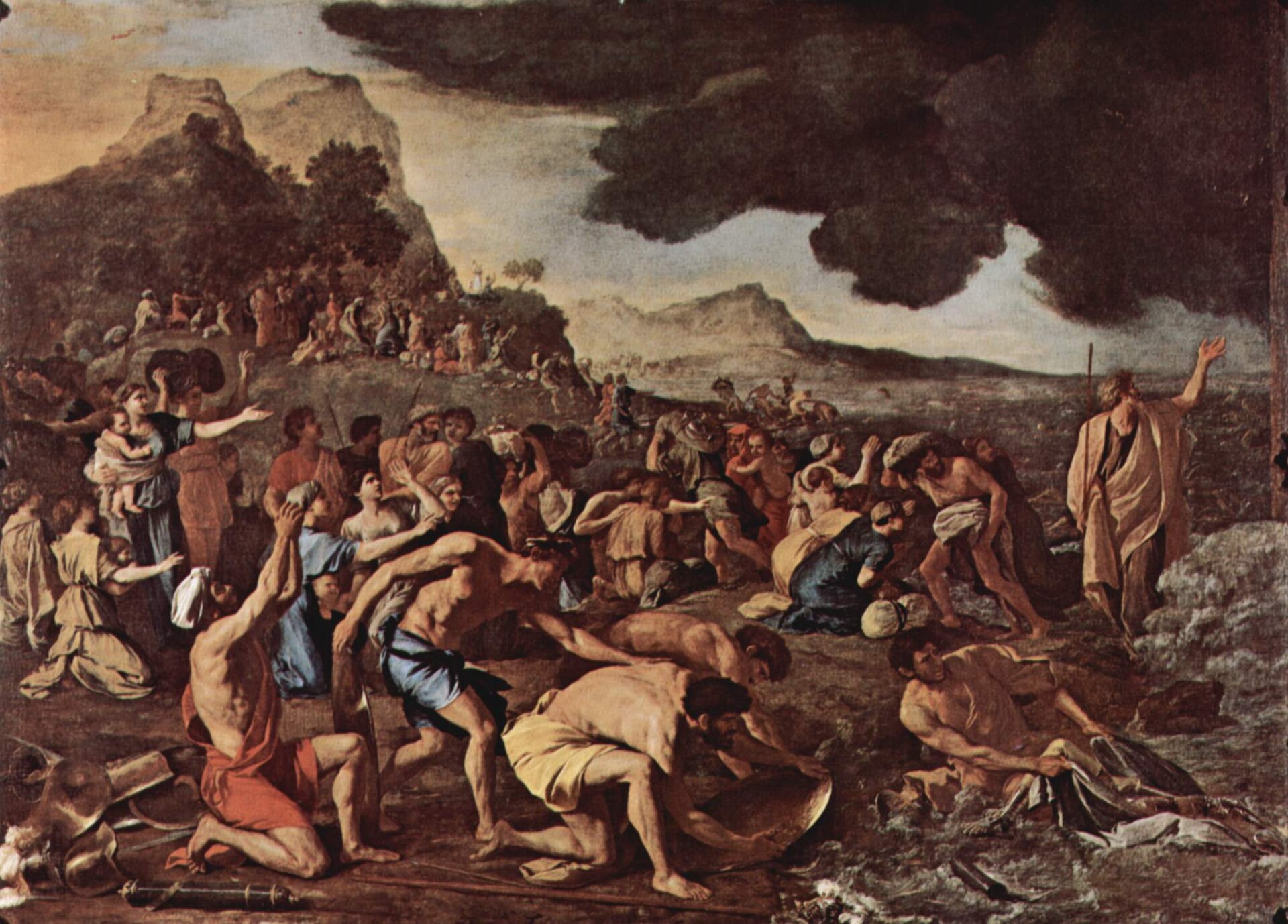 ವಿಮೋಚನಕಾಂಡ 14 · ಕ್ರಿ.ಪೂ. 15ನೇ ಶತಮಾನ (ಸುಮಾರು 1446) ಅಥವಾ ಕ್ರಿ.ಪೂ. 13ನೇ ಶತಮಾನ (ಸುಮಾರು 1260) — ವಿಮೋಚನೆಯ ದಿನಾಂಕದ ಕುರಿತ ದೊಡ್ಡ ಚರ್ಚೆ
ಸಮುದ್ರ ಇಬ್ಭಾಗವಾಗುತ್ತದೆ
ಫರೋಹನ ರಥಗಳು ಮತ್ತು ಆಳವಾದ ನೀರಿನ ನಡುವೆ ಸಿಕ್ಕಿಬಿದ್ದ ಇಸ್ರಾಯೇಲಿಗೆ 'ಮುಂದೆ ಸಾಗಿರಿ' ಎಂದು ಹೇಳಲಾಗುತ್ತದೆ. ಹಳೆಯ ಒಡಂಬಡಿಕೆಯಲ್ಲಿ ರಕ್ಷಣೆಯ ಪ್ರಧಾನ ಚಿತ್ರವಾಗುವ ಬಿಡುಗಡೆ.
ವಿಮೋಚನಕಾಂಡ 15 · ಕ್ರಿ.ಪೂ. 15ನೇ ಅಥವಾ 13ನೇ ಶತಮಾನ (ವಿವಾದಿತ)ಸಮುದ್ರದ ಗೀತೆ
ಆಚೆ ದಡದಲ್ಲಿ ಮೋಶೆ ಮತ್ತು ಇಸ್ರಾಯೇಲ್ಯರು ಫರೋಹನ ಸೈನ್ಯದ ಮೇಲೆ ದೇವರು ಸಾಧಿಸಿದ ಜಯದ ಬಗ್ಗೆ ಹಾಡುತ್ತಾರೆ, ಮಿರ್ಯಾಮಳು ದಮ್ಮಡಿಗಳೊಂದಿಗೆ ಸ್ತ್ರೀಯರನ್ನು ಮುನ್ನಡೆಸುತ್ತಾಳೆ. ಮೂರು ದಿನಗಳ ನಂತರ, ಮಾರದಲ್ಲಿ, ಕಹಿನೀರಿನ ನಿಮಿತ್ತ ಹಾಡು ಗೊಣಗಾಟವಾಗುತ್ತದೆ.
ವಿಮೋಚನಕಾಂಡ 16 · ಕ್ರಿ.ಪೂ. 15ನೇ ಅಥವಾ 13ನೇ ಶತಮಾನ (ವಿವಾದಿತ)ಆಕಾಶದಿಂದ ರೊಟ್ಟಿ
ಅರಣ್ಯದಲ್ಲಿ ಹಸಿದ ಇಸ್ರಾಯೇಲ್ ತಾನು ಐಗುಪ್ತದಲ್ಲೇ ಇದ್ದಿದ್ದರೆ ಚೆನ್ನಾಗಿತ್ತು ಎಂದು ಬಯಸುತ್ತದೆ. ದೇವರು ಸಂಜೆ ಲಾವಕ್ಕಿಗಳನ್ನೂ ಪ್ರತಿ ಬೆಳಿಗ್ಗೆ ಮನ್ನವನ್ನೂ ಕಳುಹಿಸುತ್ತಾನೆ — ಒಂದು ದಿನಕ್ಕೆ ಸಾಕಷ್ಟು, ಸಬ್ಬತ್ತಿಗೆ ಮುಂಚೆ ಎರಡರಷ್ಟು — ಮತ್ತು ಪ್ರತಿದಿನ ನಂಬುವುದನ್ನು ಒಂದು ಜನಕ್ಕೆ ಕಲಿಸುತ್ತಾನೆ.
ವಿಮೋಚನಕಾಂಡ 17 · ಕ್ರಿ.ಪೂ. 15ನೇ ಅಥವಾ 13ನೇ ಶತಮಾನ (ವಿವಾದಿತ)ಬಂಡೆಯಿಂದ ನೀರು
ರೆಫೀದೀಮಿನಲ್ಲಿ ನೀರಿಗಾಗಿ ಜನರು ಮೋಶೆಯನ್ನು ಕಲ್ಲೆಸೆದು ಕೊಲ್ಲುವ ಹಂತಕ್ಕೆ ಬರುತ್ತಾರೆ, ದೇವರು ಬಂಡೆಯಿಂದ ನೀರನ್ನು ಹೊರಡಿಸುತ್ತಾನೆ. ನಂತರ ಅಮಾಲೇಕ್ಯರು ದಾಳಿಮಾಡುತ್ತಾರೆ; ಮೋಶೆಯ ಎತ್ತಿದ ಕೈಗಳನ್ನು ಆರೋನ ಮತ್ತು ಹೂರರು ಆಧರಿಸಿ ಹಿಡಿದಿರುವಾಗ ಇಸ್ರಾಯೇಲ್ ಜಯಿಸುತ್ತದೆ.
ವಿಮೋಚನಕಾಂಡ 18 · ಕ್ರಿ.ಪೂ. 15ನೇ ಅಥವಾ 13ನೇ ಶತಮಾನ (ವಿವಾದಿತ)ಇತ್ರೋವಿನ ಒಳ್ಳೆಯ ಸಲಹೆ
ಮೋಶೆಯ ಮಾವನೂ ಮಿದ್ಯಾನ್ಯ ಯಾಜಕನೂ ಆದ ಇತ್ರೋ ದೇವರು ಮಾಡಿದ್ದನ್ನು ಕೇಳಿ ಆತನನ್ನು ಸ್ತುತಿಸುತ್ತಾನೆ. ಮೋಶೆ ಬೆಳಿಗ್ಗೆಯಿಂದ ಸಂಜೆಯವರೆಗೆ ಏಕಾಂಗಿಯಾಗಿ ಜನರಿಗೆ ನ್ಯಾಯತೀರಿಸುವುದನ್ನು ಕಂಡು, ಸಮರ್ಥ ನಾಯಕರೊಂದಿಗೆ ಹೊರೆಯನ್ನು ಹಂಚಿಕೊಳ್ಳುವಂತೆ ಸಲಹೆ ಕೊಡುತ್ತಾನೆ.
ವಿಮೋಚನಕಾಂಡ 19 · ಕ್ರಿ.ಪೂ. 15ನೇ ಅಥವಾ 13ನೇ ಶತಮಾನ (ವಿವಾದಿತ)ಬೆಟ್ಟದ ತಪ್ಪಲಿನಲ್ಲಿ
ಐಗುಪ್ತವನ್ನು ಬಿಟ್ಟು ಮೂರು ತಿಂಗಳ ನಂತರ ಇಸ್ರಾಯೇಲ್ ಸೀನಾಯಿ ಬೆಟ್ಟದ ಮುಂದೆ ಇಳಿದುಕೊಳ್ಳುತ್ತದೆ. ಅವರನ್ನು ತನ್ನ ಅಮೂಲ್ಯ ಸ್ವತ್ತಾಗಿ, ಯಾಜಕರ ರಾಜ್ಯವಾಗಿ ಮಾಡುವುದಾಗಿ ದೇವರು ಪ್ರಸ್ತಾಪಿಸುತ್ತಾನೆ; ಜನರು ತಮ್ಮನ್ನು ಶುದ್ಧೀಕರಿಸಿಕೊಳ್ಳುತ್ತಾರೆ, ಮತ್ತು ಬೆಟ್ಟ ಹೊಗೆ ಮತ್ತು ಬೆಂಕಿಯಲ್ಲಿ ನಡುಗುತ್ತದೆ.
ವಿಮೋಚನಕಾಂಡ 20 · ಕ್ರಿ.ಪೂ. 15ನೇ ಅಥವಾ 13ನೇ ಶತಮಾನ (ವಿವಾದಿತ)ಬೆಟ್ಟದಿಂದ ಹತ್ತು ಮಾತುಗಳು
ದೇವರು ಇಸ್ರಾಯೇಲಿಗೆ ದಶಾಜ್ಞೆಗಳನ್ನು ಹೇಳುತ್ತಾನೆ — ತನಗೆ ಮಾತ್ರ ನಿಷ್ಠೆ, ವಿಗ್ರಹಗಳು ಬೇಡ, ತನ್ನ ಹೆಸರಿಗೆ ಗೌರವ, ಸಬ್ಬತ್, ತಂದೆತಾಯಿಗಳಿಗೆ ಮಾನ, ಮತ್ತು ಜೀವ, ವಿವಾಹ, ಸ್ವತ್ತು ಮತ್ತು ಸತ್ಯಕ್ಕೆ ಗೌರವ. ಭಯಗೊಂಡ ಜನರು ದೇವರ ಪರವಾಗಿ ಮಾತನಾಡುವಂತೆ ಮೋಶೆಯನ್ನು ಕೇಳುತ್ತಾರೆ.
ವಿಮೋಚನಕಾಂಡ 21 · ಕ್ರಿ.ಪೂ. 15ನೇ ಅಥವಾ 13ನೇ ಶತಮಾನ (ವಿವಾದಿತ); ರಚನೆಯ ಕಾಲ ವಿವಾದಿತಸೇವಕರು ಮತ್ತು ಗಾಯಗಳ ಕುರಿತ ನಿಯಮಗಳು
ಒಡಂಬಡಿಕೆಯ ಗ್ರಂಥ ವ್ಯಾಜ್ಯ ನಿಯಮಗಳಿಂದ ಆರಂಭವಾಗುತ್ತದೆ: ಆರು ವರ್ಷಗಳ ನಂತರ ಇಬ್ರಿಯ ಸೇವಕರಿಗೆ ಬಿಡುಗಡೆ, ಹಿಂಸೆಗೆ ದಂಡನೆಗಳು, ಮತ್ತು ಗಾಯಗಳಿಗೆ ಪರಿಹಾರ — 'ಕಣ್ಣಿಗೆ ಕಣ್ಣು' ಸೇರಿದಂತೆ. ಇದು ಪ್ರಾಚೀನ ಧರ್ಮಶಾಸ್ತ್ರ; ಹಾನಿಯನ್ನು ಮಿತಿಗೊಳಿಸುತ್ತದೆ, ತನ್ನ ಲೋಕವನ್ನೂ ಪ್ರತಿಬಿಂಬಿಸುತ್ತದೆ.
ವಿಮೋಚನಕಾಂಡ 22 · ಕ್ರಿ.ಪೂ. 15ನೇ ಅಥವಾ 13ನೇ ಶತಮಾನ (ವಿವಾದಿತ); ಹಿನ್ನೆಲೆ ಸೀನಾಯಿಕದ್ದ ಎತ್ತುಗಳು ಮತ್ತು ವಿಧವೆಯ ಹೊದಿಕೆ
ಕಳ್ಳತನ, ನಷ್ಟ, ಎರವಲು ಮತ್ತು ವಶೀಕರಣದ ಕುರಿತ ನಿಯಮಗಳ ನಂತರ ಪರದೇಶಿ, ವಿಧವೆ, ಅನಾಥ ಮತ್ತು ಬಡ ಸಾಲಗಾರನ ಬಗ್ಗೆ ದೇವರ ಉಗ್ರ ರಕ್ಷಣೆ ಬರುತ್ತದೆ.
ವಿಮೋಚನಕಾಂಡ 23 · ಕ್ರಿ.ಪೂ. 15ನೇ ಅಥವಾ 13ನೇ ಶತಮಾನ (ವಿವಾದಿತ); ಹಿನ್ನೆಲೆ ಸೀನಾಯಿನ್ಯಾಯ, ವಿಶ್ರಾಂತಿ ಮತ್ತು ಮೂರು ಹಬ್ಬಗಳು
ಪ್ರಾಮಾಣಿಕ ನ್ಯಾಯಾಲಯಗಳು, ಶತ್ರುವಿನ ಕತ್ತೆಗೂ ಸಹಾಯ, ಭೂಮಿಗೆ ಸಬ್ಬತ್ ವರ್ಷ, ಮೂರು ವಾರ್ಷಿಕ ಹಬ್ಬಗಳು, ಮತ್ತು ದೇವರ ದೂತನು ಇಸ್ರಾಯೇಲನ್ನು ಕಾನಾನಿಗೆ ನಡೆಸುವನು ಎಂಬ ವಾಗ್ದಾನ.
ವಿಮೋಚನಕಾಂಡ 24 · ಕ್ರಿ.ಪೂ. 15ನೇ ಅಥವಾ 13ನೇ ಶತಮಾನ (ವಿವಾದಿತ); ಹಿನ್ನೆಲೆ ಸೀನಾಯಿಒಡಂಬಡಿಕೆಯ ರಕ್ತ
ಇಸ್ರಾಯೇಲ್ ದೇವರ ಮಾತುಗಳಿಗೆ 'ಹೌದು' ಎನ್ನುತ್ತದೆ; ಮೋಶೆ ಯಜ್ಞದ ರಕ್ತದಿಂದ ಒಡಂಬಡಿಕೆಯನ್ನು ಮುದ್ರಿಸುತ್ತಾನೆ, ಹಿರಿಯರು ಬೆಟ್ಟದ ಮೇಲೆ ದೇವರನ್ನು ಕಂಡು ಊಟಮಾಡುತ್ತಾರೆ, ಮತ್ತು ಮೋಶೆ ನಲವತ್ತು ದಿನಗಳ ಕಾಲ ಮೇಘದೊಳಗೆ ಪ್ರವೇಶಿಸುತ್ತಾನೆ.
ವಿಮೋಚನಕಾಂಡ 25 · ಕ್ರಿ.ಪೂ. 15ನೇ ಅಥವಾ 13ನೇ ಶತಮಾನ (ವಿವಾದಿತ); ಹಿನ್ನೆಲೆ ಸೀನಾಯಿದೇವರು ವಾಸಿಸಲು ಒಂದು ಮನೆ
ದೇವರು ಮನಃಪೂರ್ವಕವಾಗಿ ಕೊಡುವ ಕಾಣಿಕೆಗಳನ್ನು ಕೇಳಿ, ಒಂದು ಸಂಚಾರಿ ಪವಿತ್ರಸ್ಥಾನದ ಯೋಜನೆಗಳನ್ನು ಮೋಶೆಗೆ ಕೊಡುತ್ತಾನೆ — ಅದರ ಮೂರು ನಿಧಿಗಳಿಂದ ಆರಂಭಿಸಿ: ಮಂಜೂಷ, ಮೇಜು ಮತ್ತು ಬಂಗಾರದ ದೀಪಸ್ತಂಭ.
ವಿಮೋಚನಕಾಂಡ 26 · ಕ್ರಿ.ಪೂ. 15ನೇ ಅಥವಾ 13ನೇ ಶತಮಾನ (ವಿವಾದಿತ); ಹಿನ್ನೆಲೆ ಸೀನಾಯಿಪರದೆಗಳು, ಚೌಕಟ್ಟುಗಳು ಮತ್ತು ತೆರೆ
ಗುಡಾರವೇ: ಪದರಪದರವಾದ ಪರದೆಗಳು ಮತ್ತು ಹೊದಿಕೆಗಳು, ಬಂಗಾರ ಹೊದಿಸಿದ ಜಾಲಿಮರದ ಹಲಗೆಗಳ ಚೌಕಟ್ಟು, ಮತ್ತು ಪರಿಶುದ್ಧ ಸ್ಥಳವನ್ನು ಅತಿ ಪರಿಶುದ್ಧ ಸ್ಥಳದಿಂದ ಬೇರ್ಪಡಿಸುವ ನೇಯ್ದ ತೆರೆ.
ವಿಮೋಚನಕಾಂಡ 27 · ಕ್ರಿ.ಪೂ. 15ನೇ ಅಥವಾ 13ನೇ ಶತಮಾನ (ವಿವಾದಿತ); ಹಿನ್ನೆಲೆ ಸೀನಾಯಿಯಜ್ಞವೇದಿ ಮತ್ತು ಅಂಗಳ
ಯಜ್ಞಕ್ಕಾಗಿ ಒಂದು ತಾಮ್ರದ ಯಜ್ಞವೇದಿ, ಗುಡಾರದ ಸುತ್ತ ನಾರುಬಟ್ಟೆಯ ಗೋಡೆಗಳುಳ್ಳ ಒಂದು ದೊಡ್ಡ ಅಂಗಳ, ಮತ್ತು ಪ್ರತಿ ರಾತ್ರಿಯೆಲ್ಲಾ ಉರಿಯಬೇಕಾದ ದೀಪಕ್ಕಾಗಿ ಎಣ್ಣೆ.
ವಿಮೋಚನಕಾಂಡ 28 · ಕ್ರಿ.ಪೂ. 15ನೇ ಅಥವಾ 13ನೇ ಶತಮಾನ (ವಿವಾದಿತ); ಹಿನ್ನೆಲೆ ಸೀನಾಯಿಮಹಿಮೆಗೂ ಅಲಂಕಾರಕ್ಕೂ ವಸ್ತ್ರಗಳು
ಆರೋನನೂ ಅವನ ಮಕ್ಕಳೂ ಯಾಜಕರಾಗಿ ಪ್ರತ್ಯೇಕಿಸಲ್ಪಡುತ್ತಾರೆ — ಮಹಾಯಾಜಕನ ಹೆಗಲುಗಳ ಮೇಲೂ ಹೃದಯದ ಮೇಲೂ ಇಸ್ರಾಯೇಲಿನ ಕುಲಗಳನ್ನು ಹೊರುವ ವಸ್ತ್ರಗಳೊಂದಿಗೆ, ಮತ್ತು 'ಯೆಹೋವನಿಗೆ ಪರಿಶುದ್ಧ' ಎಂದು ಬರೆದ ಒಂದು ಬಂಗಾರದ ಪಟ್ಟಿಯೊಂದಿಗೆ.
ವಿಮೋಚನಕಾಂಡ 29 · ಕ್ರಿ.ಪೂ. 15ನೇ ಅಥವಾ 13ನೇ ಶತಮಾನ (ವಿವಾದಿತ); ಹಿನ್ನೆಲೆ ಸೀನಾಯಿಯಾಜಕರ ಪ್ರತಿಷ್ಠೆ
ತೊಳೆಯುವಿಕೆ, ವಸ್ತ್ರಧಾರಣೆ, ಅಭಿಷೇಕ ಮತ್ತು ಯಜ್ಞದ ಏಳು ದಿನಗಳ ವಿಧಿ ಆರೋನನ ಕುಟುಂಬವನ್ನು ಪ್ರತ್ಯೇಕಿಸುತ್ತದೆ; ನಂತರ ದಿನನಿತ್ಯದ ಬೆಳಗಿನ ಮತ್ತು ಸಂಜೆಯ ಯಜ್ಞ, ಮತ್ತು ಇಸ್ರಾಯೇಲಿನೊಂದಿಗೆ ವಾಸಿಸುವೆನು ಎಂಬ ದೇವರ ವಾಗ್ದಾನ.
ವಿಮೋಚನಕಾಂಡ 30 · ಕ್ರಿ.ಪೂ. 15ನೇ ಅಥವಾ 13ನೇ ಶತಮಾನ (ವಿವಾದಿತ); ಹಿನ್ನೆಲೆ ಸೀನಾಯಿಧೂಪ, ಈಡು ಮತ್ತು ಪರಿಶುದ್ಧ ತೈಲ
ತೆರೆಯ ಮುಂದೆ ಒಂದು ಧೂಪವೇದಿ, ಶ್ರೀಮಂತರೂ ಬಡವರೂ ಸಮನಾಗಿ ಕೊಡುವ ಅರ್ಧ ಶೆಕೆಲ್, ತೊಳೆಯುವುದಕ್ಕಾಗಿ ಒಂದು ತಾಮ್ರದ ಗಂಗಾಳ, ಮತ್ತು ದೇವರಿಗೆ ಮಾತ್ರವೇ ಮೀಸಲಾದ ಪವಿತ್ರ ಅಭಿಷೇಕತೈಲ ಹಾಗೂ ಧೂಪ.
ವಿಮೋಚನಕಾಂಡ 31 · ಕ್ರಿ.ಪೂ. 15ನೇ ಅಥವಾ 13ನೇ ಶತಮಾನ (ವಿವಾದಿತ); ಹಿನ್ನೆಲೆ ಸೀನಾಯಿಆತ್ಮಭರಿತ ಕುಶಲಕರ್ಮಿಗಳು ಮತ್ತು ಸಬ್ಬತ್
ದೇವರು ಬೆಚಲೇಲನನ್ನೂ ಒಹೊಲೀಯಾಬನನ್ನೂ ಹೆಸರಿಸಿ ಪವಿತ್ರಸ್ಥಾನವನ್ನು ಕಟ್ಟುವ ಕೌಶಲದಿಂದ ಅವರನ್ನು ತುಂಬಿಸುತ್ತಾನೆ, ಸಬ್ಬತ್ ಒಡಂಬಡಿಕೆಯ ಗುರುತು ಎಂದು ಮತ್ತೆ ಹೇಳುತ್ತಾನೆ, ಮತ್ತು ಮೋಶೆಗೆ ಎರಡು ಕಲ್ಲಿನ ಹಲಗೆಗಳನ್ನು ಕೊಡುತ್ತಾನೆ.
ವಿಮೋಚನಕಾಂಡ 32 · ಸೀನಾಯಿ ಒಡಂಬಡಿಕೆಯ ಕೆಲವು ವಾರಗಳ ನಂತರ; ಕ್ರಿ.ಪೂ. 15ನೇ ಅಥವಾ 13ನೇ ಶತಮಾನ (ವಿವಾದಿತ)ಬಂಗಾರದ ಬಸವ
ಮೋಶೆ ಬೆಟ್ಟದ ಮೇಲಿರುವಾಗ, ಇಸ್ರಾಯೇಲ್ ತನ್ನ ಬಂಗಾರವನ್ನು ಕರಗಿಸಿ ಒಂದು ಬಸವನನ್ನು ಮಾಡಿ, ಅದನ್ನು ತಮ್ಮನ್ನು ರಕ್ಷಿಸಿದ ದೇವರು ಎಂದು ಕರೆಯುತ್ತದೆ. ದೇವರು ನ್ಯಾಯತೀರ್ಪಿನ ಎಚ್ಚರಿಕೆ ನೀಡುತ್ತಾನೆ; ಮೋಶೆ ಬಿರುಕಿನಲ್ಲಿ ನಿಲ್ಲುತ್ತಾನೆ.
ವಿಮೋಚನಕಾಂಡ 33 · ಬಂಗಾರದ ಬಸವನ ಸ್ವಲ್ಪ ಸಮಯದ ನಂತರ; ಕ್ರಿ.ಪೂ. 15ನೇ ಅಥವಾ 13ನೇ ಶತಮಾನ (ವಿವಾದಿತ)ನಿನ್ನ ಮಹಿಮೆಯನ್ನು ನನಗೆ ತೋರಿಸು
ದೇವರು ತನ್ನ ಸಾನ್ನಿಧ್ಯವಿಲ್ಲದೆ ಇಸ್ರಾಯೇಲಿಗೆ ದೇಶವನ್ನು ಕೊಡುವ ಪ್ರಸ್ತಾಪ ಮಾಡುತ್ತಾನೆ. ಆತನಿಲ್ಲದೆ ಹೋಗಲು ಮೋಶೆ ನಿರಾಕರಿಸುತ್ತಾನೆ, ದೇವರೊಂದಿಗೆ ಮುಖಾಮುಖಿಯಾಗಿ ಮಾತನಾಡುತ್ತಾನೆ, ಮತ್ತು ಆತನ ಮಹಿಮೆಯನ್ನು ನೋಡಲು ಕೇಳುತ್ತಾನೆ.
ವಿಮೋಚನಕಾಂಡ 34 · ಸೀನಾಯಿಯಲ್ಲಿ, ಬಂಗಾರದ ಬಸವನ ನಂತರ; ಕ್ರಿ.ಪೂ. 15ನೇ ಅಥವಾ 13ನೇ ಶತಮಾನ (ವಿವಾದಿತ)ಹೆಸರು ಮತ್ತೆ ಘೋಷಿಸಲ್ಪಡುತ್ತದೆ
ಹೊಸ ಕಲ್ಲಿನ ಹಲಗೆಗಳ ಮೇಲೆ ಮುರಿದ ಒಡಂಬಡಿಕೆ ನವೀಕರಿಸಲ್ಪಡುತ್ತದೆ. ದೇವರು ತಾನು ಕರುಣಾಳು, ದಯಾಳು ಮತ್ತು ನೀತಿವಂತನು ಎಂದು ಘೋಷಿಸುತ್ತಾ ಮೋಶೆಯ ಮುಂದೆ ಹಾದುಹೋಗುತ್ತಾನೆ, ಮತ್ತು ಮೋಶೆ ಹೊಳೆಯುವ ಮುಖದೊಂದಿಗೆ ಇಳಿದು ಬರುತ್ತಾನೆ.
ವಿಮೋಚನಕಾಂಡ 35 · ಸೀನಾಯಿಯಲ್ಲಿ, ಒಡಂಬಡಿಕೆಯ ನವೀಕರಣದ ನಂತರ; ಕ್ರಿ.ಪೂ. 15ನೇ ಅಥವಾ 13ನೇ ಶತಮಾನ (ವಿವಾದಿತ)ಸಿದ್ಧ ಹೃದಯಗಳು, ನಿಪುಣ ಕೈಗಳು
ಮೋಶೆ ಮನಃಪೂರ್ವಕ ಕಾಣಿಕೆಗಳನ್ನೂ ನಿಪುಣ ಕೆಲಸಗಾರರನ್ನೂ ಕರೆಯುತ್ತಾನೆ. ಪುರುಷರೂ ಸ್ತ್ರೀಯರೂ ಬಂಗಾರ, ಬಟ್ಟೆ ಮತ್ತು ಕಸುಬನ್ನು ಸುರಿಸುತ್ತಾರೆ, ಮತ್ತು ಬೆಚಲೇಲನೂ ಒಹೊಲೀಯಾಬನೂ ಆತ್ಮಭರಿತ ಮುಖ್ಯ ಕುಶಲಕರ್ಮಿಗಳಾಗಿ ಹೆಸರಿಸಲ್ಪಡುತ್ತಾರೆ.
ವಿಮೋಚನಕಾಂಡ 36 · ಸೀನಾಯಿಯಲ್ಲಿ, ವಿಮೋಚನೆಯ ನಂತರದ ವರ್ಷದಲ್ಲಿ; ಕ್ರಿ.ಪೂ. 15ನೇ ಅಥವಾ 13ನೇ ಶತಮಾನ (ವಿವಾದಿತ)ಸಾಕಾಗುವುದಕ್ಕಿಂತ ಹೆಚ್ಚು
ಜನರು ಎಷ್ಟು ಉದಾರವಾಗಿ ಕೊಡುತ್ತಾರೆಂದರೆ ಮೋಶೆ ಅವರನ್ನು ನಿಲ್ಲಿಸಬೇಕಾಗುತ್ತದೆ. ಕುಶಲಕರ್ಮಿಗಳು ಪರದೆಗಳನ್ನು ನೇಯುತ್ತಾರೆ, ಚೌಕಟ್ಟುಗಳನ್ನು ನಿಲ್ಲಿಸುತ್ತಾರೆ, ಮತ್ತು ಅತಿ ಪರಿಶುದ್ಧ ಸ್ಥಳವನ್ನು ಮರೆಮಾಡುವ ತೆರೆಯನ್ನು ತೂಗುಹಾಕುತ್ತಾರೆ.
ವಿಮೋಚನಕಾಂಡ 37 · ಸೀನಾಯಿಯಲ್ಲಿ, ವಿಮೋಚನೆಯ ನಂತರದ ವರ್ಷದಲ್ಲಿ; ಕ್ರಿ.ಪೂ. 15ನೇ ಅಥವಾ 13ನೇ ಶತಮಾನ (ವಿವಾದಿತ)ಮಂಜೂಷ, ಮೇಜು ಮತ್ತು ದೀಪಸ್ತಂಭ
ಬೆಚಲೇಲನು ದೇವರ ವಾಸಸ್ಥಾನದ ಸಾಮಗ್ರಿಗಳನ್ನು ರಚಿಸುತ್ತಾನೆ: ಕೆರೂಬಿಗಳಿಂದ ಆವರಿಸಿದ ಮುಚ್ಚಳವುಳ್ಳ ಮಂಜೂಷ, ರೊಟ್ಟಿಯ ಮೇಜು, ಏಳು ಕವಲುಗಳ ದೀಪಸ್ತಂಭ ಮತ್ತು ಬಂಗಾರದ ಧೂಪವೇದಿ.
ವಿಮೋಚನಕಾಂಡ 38 · ಸೀನಾಯಿಯಲ್ಲಿ, ವಿಮೋಚನೆಯ ನಂತರದ ವರ್ಷದಲ್ಲಿ; ಕ್ರಿ.ಪೂ. 15ನೇ ಅಥವಾ 13ನೇ ಶತಮಾನ (ವಿವಾದಿತ)ಯಜ್ಞವೇದಿ ಮತ್ತು ಲೆಕ್ಕಪತ್ರ
ತಾಮ್ರದ ಯಜ್ಞವೇದಿ, ಸ್ತ್ರೀಯರ ಕನ್ನಡಿಗಳಿಂದ ಮಾಡಿದ ಗಂಗಾಳ ಮತ್ತು ಅಂಗಳ ಪೂರ್ಣಗೊಳ್ಳುತ್ತವೆ, ಮತ್ತು ಬಂಗಾರ, ಬೆಳ್ಳಿ ಹಾಗೂ ತಾಮ್ರದ ಪ್ರತಿಯೊಂದು ತಲಾಂತಿನ ಲೆಕ್ಕಪರಿಶೋಧನೆಯೊಂದಿಗೆ ಅಧ್ಯಾಯ ಮುಗಿಯುತ್ತದೆ.
ವಿಮೋಚನಕಾಂಡ 39 · ಸೀನಾಯಿಯಲ್ಲಿ, ವಿಮೋಚನೆಯ ನಂತರದ ವರ್ಷದಲ್ಲಿ; ಕ್ರಿ.ಪೂ. 15ನೇ ಅಥವಾ 13ನೇ ಶತಮಾನ (ವಿವಾದಿತ)ಯಾಜಕರಿಗಾಗಿ ನಿಲುವಂಗಿಗಳು
ಮಹಾಯಾಜಕನ ಏಫೋದ್, ರತ್ನಖಚಿತ ಎದೆಪದಕ, ನೀಲಿ ನಿಲುವಂಗಿ ಮತ್ತು ಬಂಗಾರದ ಪಟ್ಟಿ ಮಾಡಲ್ಪಡುತ್ತವೆ. ಪೂರ್ಣಗೊಂಡ ಪ್ರತಿಯೊಂದು ವಸ್ತುವನ್ನೂ ಮೋಶೆಯ ಬಳಿಗೆ ತರಲಾಗುತ್ತದೆ; ಆಜ್ಞಾಪಿಸಿದಂತೆಯೇ ಮಾಡಲಾಗಿದೆ ಎಂದು ಅವನು ಕಂಡು ಅವರನ್ನು ಆಶೀರ್ವದಿಸುತ್ತಾನೆ.
ವಿಮೋಚನಕಾಂಡ 40 · ವಿಮೋಚನೆಯ ನಂತರದ ಎರಡನೆಯ ವರ್ಷದ ಮೊದಲ ದಿನ; ಕ್ರಿ.ಪೂ. 15ನೇ ಅಥವಾ 13ನೇ ಶತಮಾನ (ವಿವಾದಿತ)ಮಹಿಮೆ ಗುಡಾರವನ್ನು ತುಂಬುತ್ತದೆ
ಹೊಸ ವರ್ಷದ ದಿನದಂದು ಮೋಶೆ ಗುಡಾರವನ್ನು ನಿಲ್ಲಿಸಿ ಅಭಿಷೇಕಿಸುತ್ತಾನೆ. ಮೇಘ ಗುಡಾರವನ್ನು ಆವರಿಸುತ್ತದೆ ಮತ್ತು ಯೆಹೋವನ ಮಹಿಮೆ ಅದನ್ನು ತುಂಬುತ್ತದೆ — ಎಷ್ಟೆಂದರೆ ಮೋಶೆಯೂ ಒಳಗೆ ಪ್ರವೇಶಿಸಲಾರನು.
ಯಾಜಕಕಾಂಡ 1 · ಗುಡಾರವನ್ನು ನಿಲ್ಲಿಸಿದ ಸ್ವಲ್ಪ ಸಮಯದ ನಂತರ; ಕ್ರಿ.ಪೂ. 15ನೇ ಅಥವಾ 13ನೇ ಶತಮಾನ (ವಿವಾದಿತ)ಮೇಲಕ್ಕೇರುವ ಯಜ್ಞ
ಹೊಸ ಗುಡಾರದಿಂದ ಯೆಹೋವನು ಸರ್ವಾಂಗಹೋಮವನ್ನು ಕಲಿಸುತ್ತಾನೆ: ಹೊಗೆಯಾಗಿ ಸಂಪೂರ್ಣವಾಗಿ ಅರ್ಪಿಸಲ್ಪಡುವ ಒಂದು ಇಡೀ ಪಶು — ಶ್ರೀಮಂತರಿಗೆ ದುಬಾರಿಯಾದ ಆಯ್ಕೆ, ಬಡವರಿಗೆ ಒಂದು ಜೋಡಿ ಪಕ್ಷಿಗಳು.
ಯಾಜಕಕಾಂಡ 2 · ಕ್ರಿ.ಪೂ. 15ನೇ ಅಥವಾ 13ನೇ ಶತಮಾನ (ವಿವಾದಿತ) — ಇಸ್ರಾಯೇಲ್ ಸೀನಾಯಿಯಲ್ಲಿ ಪಾಳೆಯ ಹೂಡಿದೆಹಿಟ್ಟು, ಎಣ್ಣೆ ಮತ್ತು ಉಪ್ಪು
ಧಾನ್ಯನೈವೇದ್ಯ: ಬೇಯಿಸಿದ ಅಥವಾ ಹಸಿಯಾದ, ಉಪ್ಪು ಬೆರೆಸಿದ, ಹುಳಿಯೂ ಜೇನೂ ಇಲ್ಲದ ಹಿಟ್ಟು, ಎಣ್ಣೆ ಮತ್ತು ಧೂಪದ ಕಾಣಿಕೆ. ಬಹುತೇಕ ಯಾರು ಬೇಕಾದರೂ ತರಬಹುದಾದ ದಿನನಿತ್ಯದ ಯಜ್ಞ.
ಯಾಜಕಕಾಂಡ 3 · ಕ್ರಿ.ಪೂ. 15ನೇ ಅಥವಾ 13ನೇ ಶತಮಾನ (ವಿವಾದಿತ) — ಇಸ್ರಾಯೇಲ್ ಸೀನಾಯಿಯಲ್ಲಿ ಪಾಳೆಯ ಹೂಡಿದೆದೇವರೊಂದಿಗೆ ಹಂಚಿಕೊಂಡ ಊಟ
ಸಮಾಧಾನಯಜ್ಞ ಅಥವಾ ಅನ್ಯೋನ್ಯತೆಯ ಯಜ್ಞ: ಯಜ್ಞವಾಗಿ ಅರ್ಪಿಸಿ ನಂತರ ತಿನ್ನಲಾಗುವ ಪಶು, ಅತ್ಯುತ್ತಮ ಕೊಬ್ಬನ್ನು ದೇವರಿಗೆ ಕೊಡಲಾಗುತ್ತದೆ. ಕೇವಲ ಹೊಗೆಯಲ್ಲಲ್ಲ, ಊಟದ ಮೇಜಿನ ಬಳಿ ಮುಗಿಯುವ ಯಜ್ಞ.
ಯಾಜಕಕಾಂಡ 4 · ಕ್ರಿ.ಪೂ. 15ನೇ ಅಥವಾ 13ನೇ ಶತಮಾನ (ವಿವಾದಿತ) — ಇಸ್ರಾಯೇಲ್ ಸೀನಾಯಿಯಲ್ಲಿ ಪಾಳೆಯ ಹೂಡಿದೆಯಾರಾದರೂ ತಿಳಿಯದೆ ಪಾಪಮಾಡಿದಾಗ
ಪಾಪಪರಿಹಾರಕ ಯಜ್ಞ ಅಥವಾ ಶುದ್ಧೀಕರಣದ ಯಜ್ಞ — ತಪ್ಪು ಮಾಡಿದವರು ಯಾರು ಎಂಬುದಕ್ಕೆ ತಕ್ಕಂತೆ: ಮಹಾಯಾಜಕ, ಇಡೀ ಸಮುದಾಯ, ನಾಯಕ ಅಥವಾ ಸಾಮಾನ್ಯ ವ್ಯಕ್ತಿ. ಉದ್ದೇಶಿಸದ ತಪ್ಪುಗಳೂ ಶುದ್ಧೀಕರಿಸಬೇಕಾದ ಕಲೆಯನ್ನು ಬಿಟ್ಟುಹೋಗುತ್ತವೆ.
ಯಾಜಕಕಾಂಡ 5 · ಕ್ರಿ.ಪೂ. 15ನೇ ಅಥವಾ 13ನೇ ಶತಮಾನ (ವಿವಾದಿತ) — ಇಸ್ರಾಯೇಲ್ ಸೀನಾಯಿಯಲ್ಲಿ ಪಾಳೆಯ ಹೂಡಿದೆಎರಡು ಪಾರಿವಾಳಗಳು ಅಥವಾ ಒಂದು ಹಿಡಿ ಹಿಟ್ಟು
ದಿನನಿತ್ಯದ ತಪ್ಪುಗಳು — ನ್ಯಾಯಾಲಯದಲ್ಲಿ ಮೌನ, ಗಮನಿಸದ ಅಶುದ್ಧತೆ, ಆತುರದ ಪ್ರಮಾಣ — ಅರಿಕೆ ಮಾಡಲ್ಪಡಬೇಕು. ಬಡವರು ಕುರಿಮರಿಯ ಬದಲು ಪಕ್ಷಿಗಳನ್ನೋ ಹಿಟ್ಟನ್ನೋ ತರಬಹುದು, ಮತ್ತು ದೋಷಪರಿಹಾರಕ ಯಜ್ಞ ನಷ್ಟ ತುಂಬಿಕೊಡುವಿಕೆಯನ್ನು ಸೇರಿಸುತ್ತದೆ.
ಯಾಜಕಕಾಂಡ 6 · ಕ್ರಿ.ಪೂ. 15ನೇ ಅಥವಾ 13ನೇ ಶತಮಾನ (ವಿವಾದಿತ) — ಇಸ್ರಾಯೇಲ್ ಸೀನಾಯಿಯಲ್ಲಿ ಪಾಳೆಯ ಹೂಡಿದೆಬೆಂಕಿ ಎಂದಿಗೂ ಆರಬಾರದು
ನೆರೆಯವನಿಗೆ ಅನ್ಯಾಯ ಮಾಡುವುದು ದೇವರ ವಿರುದ್ಧದ ತಪ್ಪೂ ಹೌದು, ಮತ್ತು ಐದನೆಯ ಒಂದು ಭಾಗವನ್ನು ಸೇರಿಸಿ ತುಂಬಿಕೊಡಬೇಕು. ನಂತರ ಯಾಜಕರು ತಮ್ಮ ಕರ್ತವ್ಯಗಳನ್ನು ಕಲಿಯುತ್ತಾರೆ: ಯಜ್ಞವೇದಿಯ ಬೆಂಕಿಯನ್ನು ಉರಿಯುತ್ತಿರುವಂತೆ ಇಡುವುದು, ಪರಿಶುದ್ಧ ಆಹಾರವನ್ನು ಎಚ್ಚರಿಕೆಯಿಂದ ನಿರ್ವಹಿಸುವುದು.
ಯಾಜಕಕಾಂಡ 7 · ಕ್ರಿ.ಪೂ. 15ನೇ ಅಥವಾ 13ನೇ ಶತಮಾನ (ವಿವಾದಿತ) — ಇಸ್ರಾಯೇಲ್ ಸೀನಾಯಿಯಲ್ಲಿ ಪಾಳೆಯ ಹೂಡಿದೆಕೃತಜ್ಞತಾ ರೊಟ್ಟಿ ಮತ್ತು ಯಾಜಕರ ಪಾಲು
ಯಾಜಕೀಯ ಕೈಪಿಡಿ ಮುಗಿಯುತ್ತದೆ: ದೋಷಪರಿಹಾರಕ ಯಜ್ಞದ ನಿಯಮಗಳು, ಕೃತಜ್ಞತಾ ಮತ್ತು ಹರಕೆಯ ಯಜ್ಞಗಳು, ಕೊಬ್ಬು ಮತ್ತು ರಕ್ತದ ನಿಷೇಧ, ಮತ್ತು ಯಾಜಕರ ಆಹಾರಕ್ಕಾಗಿ ಮೀಸಲಿಟ್ಟ ಪಾಲುಗಳು.
ಯಾಜಕಕಾಂಡ 8 · ಕ್ರಿ.ಪೂ. 15ನೇ ಅಥವಾ 13ನೇ ಶತಮಾನ (ವಿವಾದಿತ) — ಐಗುಪ್ತವನ್ನು ಬಿಟ್ಟ ಸುಮಾರು ಒಂದು ವರ್ಷದ ನಂತರಆರೋನನೂ ಅವನ ಮಕ್ಕಳೂ ಪ್ರತಿಷ್ಠಿಸಲ್ಪಡುತ್ತಾರೆ
ಇಡೀ ಸಮುದಾಯದ ಮುಂದೆ ಮೋಶೆ ಆರೋನನನ್ನೂ ಅವನ ಮಕ್ಕಳನ್ನೂ ತೊಳೆದು, ವಸ್ತ್ರ ತೊಡಿಸಿ, ಅಭಿಷೇಕಿಸಿ, ಪ್ರತಿಷ್ಠಾ ಯಜ್ಞಗಳನ್ನು ಅರ್ಪಿಸಿ, ರಕ್ತದಿಂದ ಅವರನ್ನು ಗುರುತಿಸುತ್ತಾನೆ. ಏಳು ದಿನ ಅವರು ಗುಡಾರದ ಪ್ರವೇಶದ್ವಾರದಲ್ಲೇ ಉಳಿಯುತ್ತಾರೆ.
ಯಾಜಕಕಾಂಡ 9 · ಕ್ರಿ.ಪೂ. 15ನೇ ಅಥವಾ 13ನೇ ಶತಮಾನ (ವಿವಾದಿತ) — ಐಗುಪ್ತವನ್ನು ಬಿಟ್ಟ ಸುಮಾರು ಒಂದು ವರ್ಷದ ನಂತರಯೆಹೋವನ ಸನ್ನಿಧಿಯಿಂದ ಬೆಂಕಿ
ಎಂಟನೆಯ ದಿನದಂದು ಆರೋನನು ತನಗಾಗಿಯೂ ಜನರಿಗಾಗಿಯೂ ತನ್ನ ಮೊದಲ ಯಜ್ಞಗಳನ್ನು ಅರ್ಪಿಸಿ, ನಂತರ ಅವರನ್ನು ಆಶೀರ್ವದಿಸುತ್ತಾನೆ. ಯೆಹೋವನ ಮಹಿಮೆ ಕಾಣಿಸಿಕೊಳ್ಳುತ್ತದೆ, ಮತ್ತು ಬೆಂಕಿ ಯಜ್ಞವೇದಿಯ ಮೇಲಿನ ಯಜ್ಞವನ್ನು ದಹಿಸುತ್ತದೆ.
ಯಾಜಕಕಾಂಡ 10 · ಕ್ರಿ.ಪೂ. 15ನೇ ಅಥವಾ 13ನೇ ಶತಮಾನ (ವಿವಾದಿತ) — ಯಾಜಕರ ಸೇವೆಯ ಮೊದಲ ದಿನನಾದಾಬ, ಅಬೀಹು ಮತ್ತು ಅನ್ಯಾಗ್ನಿ
ಯೆಹೋವನು ಆಜ್ಞಾಪಿಸದ ಬೆಂಕಿಯನ್ನು ಆರೋನನ ಇಬ್ಬರು ಮಕ್ಕಳು ಅರ್ಪಿಸಿ ದಹಿಸಲ್ಪಡುತ್ತಾರೆ. ಆರೋನನು ಮೌನವಾಗಿರುತ್ತಾನೆ; ಯಾಜಕರು ಸಾರ್ವಜನಿಕವಾಗಿ ಶೋಕಿಸಬಾರದು, ಮದ್ಯಪಾನ ಮಾಡಿ ಎಂದಿಗೂ ಸೇವೆಮಾಡಬಾರದು, ಮತ್ತು ಪರಿಶುದ್ಧವಾದದ್ದನ್ನೂ ಸಾಮಾನ್ಯವಾದದ್ದನ್ನೂ ಬೇರ್ಪಡಿಸಿ ಕಲಿಸಬೇಕು ಎಂದು ಹೇಳಲ್ಪಡುತ್ತಾರೆ.
ಯಾಜಕಕಾಂಡ 11 · ಕ್ರಿ.ಪೂ. 15ನೇ ಅಥವಾ 13ನೇ ಶತಮಾನ (ವಿವಾದಿತ) — ಇಸ್ರಾಯೇಲ್ ಸೀನಾಯಿಯಲ್ಲಿ ಪಾಳೆಯ ಹೂಡಿದೆಶುದ್ಧ ಮತ್ತು ಅಶುದ್ಧ ಆಹಾರ
ಇಸ್ರಾಯೇಲ್ ಯಾವ ಪ್ರಾಣಿಗಳನ್ನು ತಿನ್ನಬಹುದು — ಮೆಲುಕು ಹಾಕುವ ಮತ್ತು ಸೀಳುಗೊರಸುಳ್ಳ ಭೂಪ್ರಾಣಿಗಳು, ರೆಕ್ಕೆಗಳೂ ಹುರುಪೆಗಳೂ ಇರುವ ಮೀನುಗಳು, ಕೆಲವು ಕೀಟಗಳು — ಮತ್ತು ಶವಗಳ ಸಂಪರ್ಕ ಒಬ್ಬ ವ್ಯಕ್ತಿಯನ್ನು ಹೇಗೆ ಅಶುದ್ಧನನ್ನಾಗಿಸುತ್ತದೆ.
ಯಾಜಕಕಾಂಡ 12 · ಹಿನ್ನೆಲೆ ಸೀನಾಯಿ, ಕ್ರಿ.ಪೂ. 15ನೇ ಅಥವಾ 13ನೇ ಶತಮಾನ (ವಿವಾದಿತ)ಹೆರಿಗೆಯ ನಂತರ
ಹೊಸ ತಾಯಂದಿರಿಗಾಗಿ ಒಂದು ಚಿಕ್ಕ ನಿಯಮ: ಹೆರಿಗೆಯ ನಂತರ ಪ್ರತ್ಯೇಕತೆಯ ಒಂದು ನಿಗದಿತ ಅವಧಿ, ನಂತರ ಅವಳನ್ನು ಪವಿತ್ರಸ್ಥಾನಕ್ಕೆ ಮರಳಿ ತರುವ ಒಂದು ಯಜ್ಞ. ಮುಂದೊಂದು ದಿನ ಮರಿಯಳು ಅರ್ಪಿಸುವ ಯಜ್ಞ ಅದೇ.
ಯಾಜಕಕಾಂಡ 13 · ಹಿನ್ನೆಲೆ ಸೀನಾಯಿ, ಕ್ರಿ.ಪೂ. 15ನೇ ಅಥವಾ 13ನೇ ಶತಮಾನ (ವಿವಾದಿತ)ಯಾಜಕನು ಚರ್ಮವನ್ನು ಪರೀಕ್ಷಿಸುತ್ತಾನೆ
ಚರ್ಮದ ಸ್ಥಿತಿಗಳಿಗೂ ಬೂಷ್ಟಿಗೂ ಯಾಜಕನ ಕೈಪಿಡಿ: ನೋಡು, ಏಳು ದಿನ ಕಾಯು, ಮತ್ತೆ ನೋಡು. ಅಶುದ್ಧರೆಂದು ಘೋಷಿಸಲ್ಪಟ್ಟವರು ಪಾಳೆಯದ ಹೊರಗೆ ವಾಸಿಸಬೇಕು — ನಿಯಮಗಳಲ್ಲೇ ಅತ್ಯಂತ ಏಕಾಂಗಿಯಾದ ವಾಕ್ಯಗಳಲ್ಲಿ ಒಂದು.
ಯಾಜಕಕಾಂಡ 14 · ಹಿನ್ನೆಲೆ ಸೀನಾಯಿ, ಕ್ರಿ.ಪೂ. 15ನೇ ಅಥವಾ 13ನೇ ಶತಮಾನ (ವಿವಾದಿತ)ಎರಡು ಪಕ್ಷಿಗಳು ಮತ್ತು ಮನೆಗೆ ಮರಳುವ ದಾರಿ
ಗುಣಹೊಂದಿದ ವ್ಯಕ್ತಿಯನ್ನು ಒಂದು ಸ್ಪಷ್ಟ ಚಿತ್ರಣದ ವಿಧಿಯ ಮೂಲಕ ಪಾಳೆಯದೊಳಗೆ ಮರಳಿ ತರಲಾಗುತ್ತದೆ — ಹರಿಯುವ ನೀರಿನ ಮೇಲೆ ಒಂದು ಪಕ್ಷಿಯನ್ನು ಕೊಂದು, ಇನ್ನೊಂದನ್ನು ಹಾರಿಬಿಡಲಾಗುತ್ತದೆ — ಮತ್ತು ಎಂಟು ದಿನಗಳ ನಂತರ ಯಜ್ಞವೇದಿಯ ಬಳಿ ಪುನಃಸ್ಥಾಪಿಸಲಾಗುತ್ತದೆ. ಬೂಷ್ಟು ಹಿಡಿದ ಮನೆಗಳಿಗೆ ತಮ್ಮದೇ ಆದ ವಿಧಾನವಿದೆ.
ಯಾಜಕಕಾಂಡ 15 · ಹಿನ್ನೆಲೆ ಸೀನಾಯಿ, ಕ್ರಿ.ಪೂ. 15ನೇ ಅಥವಾ 13ನೇ ಶತಮಾನ (ವಿವಾದಿತ)ದೇಹ ಮತ್ತು ಪವಿತ್ರಸ್ಥಾನ
ಪುರುಷರ ಮತ್ತು ಸ್ತ್ರೀಯರ ದೇಹದ ಸ್ರಾವಗಳ ಕುರಿತು — ಸಾಮಾನ್ಯವಾದವು ಮತ್ತು ದೀರ್ಘಕಾಲದವು — ಮತ್ತು ಮತ್ತೆ ಶುದ್ಧರಾಗುವುದು ಹೇಗೆ ಎಂಬುದರ ಕುರಿತು ನೇರವಾದ ನಿಯಮಗಳು. ಕೊನೆಯ ವಚನ ಉದ್ದೇಶವನ್ನು ವಿವರಿಸುತ್ತದೆ: ಸಾಮಾನ್ಯ ದೇಹಗಳ ನಡುವೆ ಒಂದು ಪರಿಶುದ್ಧ ವಾಸಸ್ಥಾನ.
ಯಾಜಕಕಾಂಡ 16 · ಹಿನ್ನೆಲೆ ಸೀನಾಯಿ, ಕ್ರಿ.ಪೂ. 15ನೇ ಅಥವಾ 13ನೇ ಶತಮಾನ (ವಿವಾದಿತ)ಪ್ರಾಯಶ್ಚಿತ್ತದ ದಿನ
ವರ್ಷಕ್ಕೊಮ್ಮೆ ಮಹಾಯಾಜಕನು ರಕ್ತದೊಂದಿಗೆ ತೆರೆಯ ಹಿಂದೆ ಹೋಗುತ್ತಾನೆ, ಮತ್ತು ಎರಡನೆಯ ಮೇಕೆ ಜನರ ಪಾಪಗಳನ್ನು ಅರಣ್ಯಕ್ಕೆ ಹೊತ್ತುಕೊಂಡು ಹೋಗುತ್ತದೆ. ಯಾಜಕಕಾಂಡದ ಕೇಂದ್ರ, ಇಂದಿಗೂ ಯೋಮ್ ಕಿಪ್ಪೂರ್ ಆಗಿ ಆಚರಿಸಲ್ಪಡುವುದು.
ಯಾಜಕಕಾಂಡ 17 · ಹಿನ್ನೆಲೆ ಸೀನಾಯಿ, ಕ್ರಿ.ಪೂ. 15ನೇ ಅಥವಾ 13ನೇ ಶತಮಾನ (ವಿವಾದಿತ)ಜೀವವು ರಕ್ತದಲ್ಲಿದೆ
ಪರಿಶುದ್ಧತೆಯ ಸಂಹಿತೆ ಆರಂಭವಾಗುತ್ತದೆ: ಎಲ್ಲಾ ಯಜ್ಞಗಳು ಗುಡಾರಕ್ಕೇ ಬರಬೇಕು, ಮತ್ತು ರಕ್ತವನ್ನು ಎಂದಿಗೂ ತಿನ್ನಬಾರದು — ಏಕೆಂದರೆ ಜೀವ ದೇವರಿಗೆ ಸೇರಿದ್ದು ಮತ್ತು ರಕ್ತ ಪ್ರಾಯಶ್ಚಿತ್ತಕ್ಕಾಗಿ ಕೊಡಲ್ಪಟ್ಟಿದೆ.
ಯಾಜಕಕಾಂಡ 18 · ಹಿನ್ನೆಲೆ ಸೀನಾಯಿ, ಕ್ರಿ.ಪೂ. 15ನೇ ಅಥವಾ 13ನೇ ಶತಮಾನ (ವಿವಾದಿತ)ಐಗುಪ್ತದಂತೆ ಅಲ್ಲ, ಕಾನಾನಿನಂತೆ ಅಲ್ಲ
ನಿಷಿದ್ಧ ಲೈಂಗಿಕ ಸಂಬಂಧಗಳ ಒಂದು ಪಟ್ಟಿ — ಹತ್ತಿರದ ಸಂಬಂಧಿಕರು, ನೆರೆಯವನ ಹೆಂಡತಿ, ಪುರುಷನೊಂದಿಗೆ ಪುರುಷ, ಪಶುಗಳು — ಜೊತೆಗೆ ಮೋಲೆಕನಿಗೆ ಮಕ್ಕಳನ್ನು ಬಲಿಕೊಡುವುದರ ನಿಷೇಧ; ಇವೆಲ್ಲವೂ ಐಗುಪ್ತ ಮತ್ತು ಕಾನಾನಿನ ಮಾರ್ಗಗಳನ್ನು ಇಸ್ರಾಯೇಲ್ ನಿರಾಕರಿಸುವುದಾಗಿ ಮಂಡಿಸಲ್ಪಟ್ಟಿವೆ.
ಯಾಜಕಕಾಂಡ 19 · ಹಿನ್ನೆಲೆ ಸೀನಾಯಿ, ಕ್ರಿ.ಪೂ. 15ನೇ ಅಥವಾ 13ನೇ ಶತಮಾನ (ವಿವಾದಿತ)ನಿನ್ನ ನೆರೆಯವನನ್ನು ನಿನ್ನಂತೆಯೇ ಪ್ರೀತಿಸು
ಪರಿಶುದ್ಧತೆ ದಿನನಿತ್ಯದ ಜೀವನವಾಗುತ್ತದೆ: ಬಡವರಿಗಾಗಿ ಧಾನ್ಯವನ್ನು ಬಿಡು, ಅದೇ ದಿನ ಕೂಲಿ ಕೊಡು, ಕಿವುಡನನ್ನು ಅಪಹಾಸ್ಯ ಮಾಡಬೇಡ, ವೃದ್ಧರನ್ನು ಗೌರವಿಸು, ಪರದೇಶಿಯನ್ನು ಪ್ರೀತಿಸು — ಮತ್ತು ನಿನ್ನ ನೆರೆಯವನನ್ನು ನಿನ್ನಂತೆಯೇ ಪ್ರೀತಿಸು.
ಯಾಜಕಕಾಂಡ 20 · ಹಿನ್ನೆಲೆ ಸೀನಾಯಿ, ಕ್ರಿ.ಪೂ. 15ನೇ ಅಥವಾ 13ನೇ ಶತಮಾನ (ವಿವಾದಿತ)ಮುರಿದ ಪರಿಶುದ್ಧತೆಗೆ ದಂಡನೆಗಳು
ಯಾಜಕಕಾಂಡ 18–19ರ ಅನೇಕ ನಿಷಿದ್ಧ ಕಾರ್ಯಗಳಿಗೆ ಈಗ ದಂಡನೆಗಳು ನಿಗದಿಯಾಗುತ್ತವೆ, ಅವುಗಳಲ್ಲಿ ಹಲವು ಮರಣದಂಡನೆ: ಮೋಲೆಕನ ಆರಾಧನೆ, ತಂದೆತಾಯಿಯರನ್ನು ಶಪಿಸುವುದು, ವ್ಯಭಿಚಾರ, ಅಗಮ್ಯಗಮನ, ಪುರುಷರ ನಡುವಿನ ಲೈಂಗಿಕ ಸಂಬಂಧ, ಪಶುಸಂಭೋಗ ಮತ್ತು ಪ್ರೇತವಿಚಾರಕರನ್ನು ಸಂಪರ್ಕಿಸುವುದಕ್ಕಾಗಿ.
ಯಾಜಕಕಾಂಡ 21 · ಹಿನ್ನೆಲೆ ಸೀನಾಯಿ, ಕ್ರಿ.ಪೂ. 15ನೇ ಅಥವಾ 13ನೇ ಶತಮಾನ (ವಿವಾದಿತ)ಯಾಜಕರಿಗಾಗಿ ಪರಿಶುದ್ಧತೆಯ ನಿಯಮಗಳು
ಯಾಜಕರು, ಎಲ್ಲಕ್ಕಿಂತ ಹೆಚ್ಚಾಗಿ ಮಹಾಯಾಜಕನು, ಶೋಕ ಮತ್ತು ಮದುವೆಯ ವಿಷಯದಲ್ಲಿ ಹೆಚ್ಚು ಕಠಿಣ ನಿಯಮಗಳ ಅಡಿಯಲ್ಲಿ ಬದುಕುತ್ತಾರೆ; ದೈಹಿಕ ಊನವಿರುವ ಯಾಜಕರು ಯಜ್ಞವೇದಿಯ ಬಳಿ ಸೇವೆ ಮಾಡಬಾರದು, ಆದರೂ ಅವರು ಪರಿಶುದ್ಧ ಆಹಾರದಲ್ಲಿ ಪಾಲು ಪಡೆಯುತ್ತಾರೆ.
ಯಾಜಕಕಾಂಡ 22 · ಸೀನಾಯಿಯಲ್ಲಿ, ಕ್ರಿ.ಪೂ. 15ನೇ ಅಥವಾ 13ನೇ ಶತಮಾನ (ವಿವಾದಿತ)ಯಜ್ಞವೇದಿಗೆ ಅತ್ಯುತ್ತಮವಾದದ್ದು ಮಾತ್ರ
ಯಾಜಕರು ಪರಿಶುದ್ಧ ಆಹಾರವನ್ನು ಎಚ್ಚರಿಕೆಯಿಂದ ನಿರ್ವಹಿಸಬೇಕು, ಮತ್ತು ಕುರುಡಾದ, ಕುಂಟಾದ ಅಥವಾ ದೋಷವುಳ್ಳ ಯಾವ ಪಶುವನ್ನೂ ಅರ್ಪಿಸಬಾರದು. ನೀವು ದೇವರಿಗೆ ತರುವುದು ನಿಮಗೆ ನಿಜವಾದ ಬೆಲೆ ತೆರುವಂಥದ್ದಾಗಿರಬೇಕು.
ಯಾಜಕಕಾಂಡ 23 · ಸೀನಾಯಿಯಲ್ಲಿ, ಕ್ರಿ.ಪೂ. 15ನೇ ಅಥವಾ 13ನೇ ಶತಮಾನ (ವಿವಾದಿತ)ಪರಿಶುದ್ಧ ದಿನಗಳ ಪಂಚಾಂಗ
ಸಬ್ಬತ್, ಪಸ್ಕ, ಪ್ರಥಮಫಲ, ವಾರಗಳ ಹಬ್ಬ, ತುತೂರಿಗಳ ಹಬ್ಬ, ಪ್ರಾಯಶ್ಚಿತ್ತದ ದಿನ ಮತ್ತು ಪರ್ಣಶಾಲೆಗಳ ಹಬ್ಬ — ಇಸ್ರಾಯೇಲಿನ ವರ್ಷ ಬಿಡುಗಡೆ, ಸುಗ್ಗಿ ಮತ್ತು ಕ್ಷಮೆಯ ಲಯಕ್ಕೆ ಹೊಂದಿಸಲ್ಪಟ್ಟಿದೆ.
ಯಾಜಕಕಾಂಡ 24 · ಸೀನಾಯಿಯಲ್ಲಿ, ಕ್ರಿ.ಪೂ. 15ನೇ ಅಥವಾ 13ನೇ ಶತಮಾನ (ವಿವಾದಿತ)ದೀಪ, ರೊಟ್ಟಿ ಮತ್ತು ಶಪಿಸಲ್ಪಟ್ಟ ಹೆಸರು
ದೀಪ ಉರಿಯುತ್ತಿರಬೇಕು ಮತ್ತು ಹನ್ನೆರಡು ರೊಟ್ಟಿಗಳು ದೇವರ ಮುಂದೆ ಇರಬೇಕು — ನಂತರ ಪಾಳೆಯದಲ್ಲಿನ ಒಂದು ಜಗಳ ಒಬ್ಬ ಮನುಷ್ಯನು ದೇವರ ಹೆಸರನ್ನು ಶಪಿಸುವುದರಲ್ಲಿ ಕೊನೆಗೊಳ್ಳುತ್ತದೆ, ಮತ್ತು ಸ್ವದೇಶಿಗೂ ಪರದೇಶಿಗೂ ಒಂದೇ ನಿಯಮ ನಿಗದಿಯಾಗುತ್ತದೆ.
ಯಾಜಕಕಾಂಡ 25 · ಸೀನಾಯಿಯಲ್ಲಿ, ಕ್ರಿ.ಪೂ. 15ನೇ ಅಥವಾ 13ನೇ ಶತಮಾನ (ವಿವಾದಿತ)ಜೂಬಿಲಿ ವರ್ಷ
ಪ್ರತಿ ಏಳನೆಯ ವರ್ಷ ಭೂಮಿ ವಿಶ್ರಾಂತಿ ಪಡೆಯುತ್ತದೆ; ಪ್ರತಿ ಐವತ್ತನೆಯ ವರ್ಷ ಭೂಮಿಯ ಸಾಲಗಳು ರದ್ದಾಗುತ್ತವೆ ಮತ್ತು ಕುಟುಂಬಗಳು ಮನೆಗೆ ಹಿಂದಿರುಗುತ್ತವೆ. ಭೂಮಿಯ ಒಡೆಯನು ದೇವರು — ಇಸ್ರಾಯೇಲ್ ಅದರ ಮೇಲೆ ಆತನ ಅತಿಥಿಗಳಾಗಿ ಮಾತ್ರ ವಾಸಿಸುತ್ತದೆ.
ಯಾಜಕಕಾಂಡ 26 · ಸೀನಾಯಿಯಲ್ಲಿ, ಕ್ರಿ.ಪೂ. 15ನೇ ಅಥವಾ 13ನೇ ಶತಮಾನ (ವಿವಾದಿತ)ಎರಡು ದಾರಿಗಳು: ಆಶೀರ್ವಾದ ಅಥವಾ ನಾಶ
ಮಳೆ, ಸುಗ್ಗಿ, ಸಮಾಧಾನ ಮತ್ತು ದೇವರು ಅವರ ನಡುವೆ ನಡೆದಾಡುವುದು — ಅಥವಾ ಬರ, ಸೋಲು ಮತ್ತು ಸೆರೆವಾಸ. ಪರಿಶುದ್ಧತೆಯ ಸಂಹಿತೆ ಒಂದು ಕಠಿಣ ಆಯ್ಕೆಯೊಂದಿಗೆ ಮುಗಿಯುತ್ತದೆ, ಮತ್ತು ದೇವರು ತನ್ನ ಒಡಂಬಡಿಕೆಯನ್ನು ಮರೆಯುವುದಿಲ್ಲ ಎಂಬ ವಾಗ್ದಾನದೊಂದಿಗೆ.
ಯಾಜಕಕಾಂಡ 27 · ಸೀನಾಯಿಯಲ್ಲಿ, ಕ್ರಿ.ಪೂ. 15ನೇ ಅಥವಾ 13ನೇ ಶತಮಾನ (ವಿವಾದಿತ)ದೇವರಿಗೆ ಮಾಡಿದ ವಾಗ್ದಾನಗಳು
ಯಾಜಕಕಾಂಡ ಭಕ್ತಿಯ ಸೂಕ್ಷ್ಮ ನಿಯಮಗಳೊಂದಿಗೆ ಮುಗಿಯುತ್ತದೆ: ಹರಕೆಗಳನ್ನು ಹೇಗೆ ಸಲ್ಲಿಸುವುದು, ಸಮರ್ಪಿಸಿದ್ದನ್ನು ಹೇಗೆ ಬಿಡಿಸಿಕೊಳ್ಳುವುದು, ಮತ್ತು ಹತ್ತನೆಯ ಒಂದು ಭಾಗವನ್ನು ಹೇಗೆ ಕೊಡುವುದು. ದೇವರಿಗೆ ಆಡಿದ ಮಾತುಗಳನ್ನು ಗಂಭೀರವಾಗಿ ಪರಿಗಣಿಸಬೇಕು.
ಅರಣ್ಯಕಾಂಡ 1 · ವಿಮೋಚನೆಯ ನಂತರದ ಎರಡನೆಯ ವರ್ಷ: ಕ್ರಿ.ಪೂ. 15ನೇ ಅಥವಾ 13ನೇ ಶತಮಾನ (ವಿವಾದಿತ)ಪಾಳೆಯವನ್ನು ಎಣಿಸುವುದು
ಐಗುಪ್ತವನ್ನು ಬಿಟ್ಟ ಒಂದು ವರ್ಷದ ನಂತರ, ಮೋಶೆ ಯುದ್ಧಮಾಡಲು ಶಕ್ತನಾದ ಪ್ರತಿಯೊಬ್ಬ ಪುರುಷನನ್ನೂ ಎಣಿಸುತ್ತಾನೆ: 603,550. ಗುಡಾರವನ್ನು ಕಾಯಲು ಲೇವಿಯರು ಪ್ರತ್ಯೇಕಿಸಲ್ಪಡುತ್ತಾರೆ. ದಾಸರ ಒಂದು ಗುಂಪು ಸಂಘಟಿತ ಜನಾಂಗವಾಗುತ್ತಿದೆ.
ಅರಣ್ಯಕಾಂಡ 2 · ವಿಮೋಚನೆಯ ನಂತರದ ಎರಡನೆಯ ವರ್ಷ: ಕ್ರಿ.ಪೂ. 15ನೇ ಅಥವಾ 13ನೇ ಶತಮಾನ (ವಿವಾದಿತ)ಎಲ್ಲರೂ ಕೇಂದ್ರದ ಕಡೆಗೆ ಮುಖಮಾಡಿ
ಹನ್ನೆರಡು ಕುಲಗಳು, ಪ್ರತಿ ಬದಿಯಲ್ಲಿ ಮೂರು, ಎಲ್ಲವೂ ಗುಡಾರದ ಸುತ್ತಲೂ ಪಾಳೆಯ ಹೂಡಿವೆ. ಯೆಹೂದ ಪೂರ್ವದಿಂದ ಮುನ್ನಡೆಸುತ್ತದೆ. ಇಸ್ರಾಯೇಲಿನ ಹೃದಯದಲ್ಲಿ ಯಾರು ನಿಂತಿದ್ದಾರೆ ಎಂಬುದನ್ನು ಪಾಳೆಯದ ಆಕಾರ ಹೇಳುತ್ತದೆ.
ಅರಣ್ಯಕಾಂಡ 3 · ವಿಮೋಚನೆಯ ನಂತರದ ಎರಡನೆಯ ವರ್ಷ: ಕ್ರಿ.ಪೂ. 15ನೇ ಅಥವಾ 13ನೇ ಶತಮಾನ (ವಿವಾದಿತ)ಚೊಚ್ಚಲಮಕ್ಕಳ ಸ್ಥಾನದಲ್ಲಿ ಲೇವಿಯರು
ಇಸ್ರಾಯೇಲಿನ ಪ್ರತಿಯೊಬ್ಬ ಚೊಚ್ಚಲ ಮಗನ ಬದಲಾಗಿ ದೇವರು ಲೇವಿಯರನ್ನು ತನ್ನವರನ್ನಾಗಿ ತೆಗೆದುಕೊಳ್ಳುತ್ತಾನೆ. ಅವರ ಗೋತ್ರಗಳನ್ನು ಎಣಿಸಿ, ಗುಡಾರದ ಸುತ್ತಲೂ ಇರಿಸಲಾಗುತ್ತದೆ, ಮತ್ತು ಹೆಚ್ಚುವರಿ ಚೊಚ್ಚಲಮಕ್ಕಳನ್ನು ಬೆಳ್ಳಿಯಿಂದ ಬಿಡಿಸಿಕೊಳ್ಳಲಾಗುತ್ತದೆ.
ಅರಣ್ಯಕಾಂಡ 4 · ವಿಮೋಚನೆಯ ನಂತರದ ಎರಡನೆಯ ವರ್ಷ: ಕ್ರಿ.ಪೂ. 15ನೇ ಅಥವಾ 13ನೇ ಶತಮಾನ (ವಿವಾದಿತ)ಪರಿಶುದ್ಧ ವಸ್ತುಗಳನ್ನು ಹೊರುವುದು
ಗುಡಾರವನ್ನು ಸಾಗಿಸುವ ಮುಂಚೆ ಪ್ರತಿಯೊಂದು ಭಾಗವನ್ನೂ ಮುಚ್ಚಿ, ಕಟ್ಟಿ, ಹಂಚಿಕೆ ಮಾಡಬೇಕು. ಕೆಹಾತ್ಯರು ಅತಿ ಪರಿಶುದ್ಧ ವಸ್ತುಗಳನ್ನು ಹೊರುತ್ತಾರೆ, ಆದರೆ ಮುಚ್ಚದ ಸ್ಥಿತಿಯಲ್ಲಿ ಅವುಗಳನ್ನು ಮುಟ್ಟಬಾರದು, ನೋಡಲೂಬಾರದು.
ಅರಣ್ಯಕಾಂಡ 5 · ಕ್ರಿ.ಪೂ. 15ನೇ ಅಥವಾ 13ನೇ ಶತಮಾನ (ವಿವಾದಿತ); ನಿಯಮ ಸೀನಾಯಿ ಪಾಳೆಯದ ಕಾಲಕ್ಕೆ ಸೇರಿಸಲ್ಪಟ್ಟಿದೆಶುದ್ಧ ಪಾಳೆಯ ಮತ್ತು ಕಹಿನೀರು
ಪಾಳೆಯ ದೇವರ ಸಾನ್ನಿಧ್ಯದ ಸುತ್ತ ವ್ಯವಸ್ಥೆಗೊಳ್ಳುತ್ತದೆ: ಅಶುದ್ಧರು ಹೊರಗೆ ಹೋಗುತ್ತಾರೆ, ತಪ್ಪುಗಳನ್ನು ಐದನೆಯ ಒಂದು ಭಾಗ ಸೇರಿಸಿ ತುಂಬಿಕೊಡಲಾಗುತ್ತದೆ, ಮತ್ತು ಸಂಶಯಪಡುವ ಗಂಡನ ಸಂಶಯವನ್ನು ಅವನ ಕೈಯಿಂದ ತೆಗೆದು ದೇವರ ಮುಂದೆ ತರಲಾಗುತ್ತದೆ.
ಅರಣ್ಯಕಾಂಡ 6 · ಕ್ರಿ.ಪೂ. 15ನೇ ಅಥವಾ 13ನೇ ಶತಮಾನ (ವಿವಾದಿತ); ನಿಯಮ ಸೀನಾಯಿ ಪಾಳೆಯದ ಕಾಲಕ್ಕೆ ಸೇರಿಸಲ್ಪಟ್ಟಿದೆನಾಜೀರ ಮತ್ತು ಆಶೀರ್ವಾದ
ಗಂಡಸಾಗಲಿ ಹೆಂಗಸಾಗಲಿ ಯಾವ ಇಸ್ರಾಯೇಲ್ಯರಾದರೂ ನಾಜೀರ ಹರಕೆಯಿಂದ ಸ್ವಲ್ಪ ಕಾಲ ತಮ್ಮನ್ನು ದೇವರಿಗೆ ಪ್ರತ್ಯೇಕಿಸಿಕೊಳ್ಳಬಹುದು. ನಂತರ ಜನರನ್ನು ಆಶೀರ್ವದಿಸಲು ಯಾಜಕರಿಗೆ ಮಾತುಗಳು ಕೊಡಲ್ಪಡುತ್ತವೆ — ಮುಂದೆ ಯೆರೂಸಲೇಮಿನ ಬೆಳ್ಳಿಯ ತಾಯಿತಗಳ ಮೇಲೆ ಕಂಡುಬಂದ ಮಾತುಗಳು.
ಅರಣ್ಯಕಾಂಡ 7 · ಕ್ರಿ.ಪೂ. 15ನೇ ಅಥವಾ 13ನೇ ಶತಮಾನ (ವಿವಾದಿತ); ಗುಡಾರವನ್ನು ನಿಲ್ಲಿಸಿದ ದಿನಒಂದೇ ಬಗೆಯ ಕಾಣಿಕೆಗಳ ಹನ್ನೆರಡು ದಿನಗಳು
ಹನ್ನೆರಡು ಕುಲಗಳ ನಾಯಕರು ಲೇವಿಯರಿಗಾಗಿ ಬಂಡಿಗಳನ್ನು ತರುತ್ತಾರೆ, ನಂತರ ಸತತ ಹನ್ನೆರಡು ದಿನಗಳಲ್ಲಿ ಯಜ್ಞವೇದಿಯ ಪ್ರತಿಷ್ಠೆಗಾಗಿ ಒಂದೇ ಬಗೆಯ ಕಾಣಿಕೆಗಳನ್ನು ತರುತ್ತಾರೆ. ತೋರಾದ ಅತಿ ಉದ್ದವಾದ ಅಧ್ಯಾಯ ಮಂಜೂಷದ ಮೇಲಿನಿಂದ ದೇವರ ಸ್ವರವನ್ನು ಮೋಶೆ ಕೇಳುವುದರೊಂದಿಗೆ ಮುಗಿಯುತ್ತದೆ.
ಅರಣ್ಯಕಾಂಡ 8 · ಕ್ರಿ.ಪೂ. 15ನೇ ಅಥವಾ 13ನೇ ಶತಮಾನ (ವಿವಾದಿತ); ನಿಯಮ ಸೀನಾಯಿ ಪಾಳೆಯದ ಕಾಲಕ್ಕೆ ಸೇರಿಸಲ್ಪಟ್ಟಿದೆದೀಪಗಳು ಹಚ್ಚಲ್ಪಡುತ್ತವೆ, ಲೇವಿಯರು ಒಪ್ಪಿಸಲ್ಪಡುತ್ತಾರೆ
ದೀಪಸ್ತಂಭದ ಏಳು ದೀಪಗಳು ಮುಂದಕ್ಕೆ ಬೆಳಕು ಬೀರುವಂತೆ ಆರೋನನು ಅವುಗಳನ್ನು ಇಡುತ್ತಾನೆ. ನಂತರ ಲೇವಿಯರು ಶುದ್ಧೀಕರಿಸಲ್ಪಟ್ಟು, ಇಸ್ರಾಯೇಲಿನ ಚೊಚ್ಚಲಮಕ್ಕಳ ಸ್ಥಾನದಲ್ಲಿ ಗುಡಾರದಲ್ಲಿ ಸೇವೆ ಮಾಡಲು ಜೀವಂತ ಕಾಣಿಕೆಯಾಗಿ ದೇವರಿಗೆ ಸಮರ್ಪಿಸಲ್ಪಡುತ್ತಾರೆ.
ಅರಣ್ಯಕಾಂಡ 9 · ಕ್ರಿ.ಪೂ. 15ನೇ ಅಥವಾ 13ನೇ ಶತಮಾನ (ವಿವಾದಿತ); ವಿಮೋಚನೆಯ ನಂತರದ ಎರಡನೆಯ ವರ್ಷದ ಮೊದಲನೆಯ ತಿಂಗಳುಎರಡನೆಯ ಪಸ್ಕ ಮತ್ತು ಮೇಘ
ಐಗುಪ್ತವನ್ನು ಬಿಟ್ಟ ಒಂದು ವರ್ಷದ ನಂತರ ಇಸ್ರಾಯೇಲ್ ಪಸ್ಕವನ್ನು ಆಚರಿಸುತ್ತದೆ, ಮತ್ತು ಶವದ ಸಂಪರ್ಕದಿಂದ ತಡೆಯಲ್ಪಟ್ಟ ಪುರುಷರಿಗೆ ಒಂದು ತಿಂಗಳ ನಂತರ ಎರಡನೆಯ ದಿನಾಂಕ ಕೊಡಲ್ಪಡುತ್ತದೆ. ನಂತರ ಗುಡಾರದ ಮೇಲಿನ ಮೇಘ ಪಾಳೆಯ ಯಾವಾಗ ಹೊರಡಬೇಕೆಂದು ನಿರ್ಧರಿಸಲು ಆರಂಭಿಸುತ್ತದೆ.
ಅರಣ್ಯಕಾಂಡ 10 · ಕ್ರಿ.ಪೂ. 15ನೇ ಅಥವಾ 13ನೇ ಶತಮಾನ (ವಿವಾದಿತ); ವಿಮೋಚನೆಯ ನಂತರದ ಎರಡನೆಯ ವರ್ಷದ ಎರಡನೆಯ ತಿಂಗಳುತುತೂರಿಗಳು ಮೊಳಗುತ್ತವೆ, ಸೀನಾಯಿ ಹಿಂದೆ ಉಳಿಯುತ್ತದೆ
ಪಾಳೆಯವನ್ನು ಕೂಡಿಸಲು ಮತ್ತು ಹೊರಡಿಸಲು ಎರಡು ಬೆಳ್ಳಿಯ ತುತೂರಿಗಳನ್ನು ಮಾಡಲಾಗುತ್ತದೆ. ಎರಡನೆಯ ತಿಂಗಳ ಇಪ್ಪತ್ತನೆಯ ದಿನ ಮೇಘ ಮೇಲಕ್ಕೆ ಏಳುತ್ತದೆ, ಮತ್ತು ಸೀನಾಯಿಯಲ್ಲಿ ಸುಮಾರು ಒಂದು ವರ್ಷದ ನಂತರ ಇಸ್ರಾಯೇಲ್ ಕ್ರಮವಾಗಿ ಹೊರಡುತ್ತದೆ, ಮಂಜೂಷ ಮುಂದೆ ದಾರಿ ತೋರಿಸುತ್ತದೆ.
ಅರಣ್ಯಕಾಂಡ 11 · ಕ್ರಿ.ಪೂ. 15ನೇ ಅಥವಾ 13ನೇ ಶತಮಾನ (ವಿವಾದಿತ); ಸೀನಾಯಿಯನ್ನು ಬಿಟ್ಟ ಸ್ವಲ್ಪ ಸಮಯದ ನಂತರಮಾಂಸದ ಆಸೆ, ಭಾರಗಳನ್ನು ಹೊರುವುದು
ಸೀನಾಯಿಯಿಂದ ಹೊರಟು ಕೆಲವೇ ದಿನಗಳಲ್ಲಿ, ಜನರು ಗೊಣಗುಟ್ಟುತ್ತಾರೆ ಮತ್ತು ಐಗುಪ್ತದ ಆಹಾರಕ್ಕಾಗಿ ಹಂಬಲಿಸುತ್ತಾರೆ. ನಾಯಕತ್ವದ ಭಾರದಡಿಯಲ್ಲಿ ಮೋಶೆ ಕುಸಿಯುತ್ತಾನೆ; ದೇವರು ತನ್ನ ಆತ್ಮವನ್ನು ಎಪ್ಪತ್ತು ಹಿರಿಯರೊಂದಿಗೆ ಹಂಚಿಕೊಂಡು, ಅಗಾಧವಾದ, ಮಾರಕವಾದ ಸಮೃದ್ಧಿಯಲ್ಲಿ ಲಾವಕಪಕ್ಷಿಗಳನ್ನು ಕಳುಹಿಸುತ್ತಾನೆ.
ಅರಣ್ಯಕಾಂಡ 12 · ಕ್ರಿ.ಪೂ. 15ನೇ ಅಥವಾ 13ನೇ ಶತಮಾನ (ವಿವಾದಿತ); ಅರಣ್ಯ ಪ್ರಯಾಣದ ಸಮಯದಲ್ಲಿಮಿರ್ಯಾಮಳೂ ಆರೋನನೂ ಮೋಶೆಗೆ ವಿರುದ್ಧವಾಗಿ ಮಾತನಾಡುತ್ತಾರೆ
ಮೋಶೆಯ ಅಕ್ಕ ಮತ್ತು ಅಣ್ಣ ಅವನ ಕೂಷ್ಯ ಹೆಂಡತಿಯನ್ನು ಟೀಕಿಸಿ, ದೇವರು ಅವನ ಮೂಲಕ ಮಾತ್ರ ಮಾತನಾಡುತ್ತಾನೆಯೇ ಎಂದು ಪ್ರಶ್ನಿಸುತ್ತಾರೆ. ದೇವರು ಮೋಶೆಯನ್ನು ಸಮರ್ಥಿಸುತ್ತಾನೆ, ಮಿರ್ಯಾಮಳು ಚರ್ಮರೋಗದಿಂದ ಬಾಧಿಸಲ್ಪಡುತ್ತಾಳೆ, ಮತ್ತು ಮೋಶೆ ಅವಳ ಸ್ವಸ್ಥತೆಗಾಗಿ ಪ್ರಾರ್ಥಿಸುತ್ತಾನೆ.
ಅರಣ್ಯಕಾಂಡ 13 · ಕ್ರಿ.ಪೂ. 15ನೇ ಅಥವಾ 13ನೇ ಶತಮಾನ (ವಿವಾದಿತ); ವಿಮೋಚನೆಯ ನಂತರದ ಎರಡನೆಯ ವರ್ಷಹನ್ನೆರಡು ಗೂಢಚಾರರು, ಎರಡು ವರದಿಗಳು
ಹನ್ನೆರಡು ಕುಲನಾಯಕರು ನಲವತ್ತು ದಿನ ಕಾನಾನನ್ನು ಸಂಚರಿಸಿ ನೋಡಿ, ದೊಡ್ಡ ದ್ರಾಕ್ಷಿಗಳನ್ನೂ ಭಯಹುಟ್ಟಿಸುವ ಸುದ್ದಿಯನ್ನೂ ತರುತ್ತಾರೆ. ಅವರು ದೇಶವನ್ನು ಸ್ವಾಧೀನಮಾಡಿಕೊಳ್ಳಬಲ್ಲರು ಎಂದು ಕಾಲೇಬನು ಹೇಳುತ್ತಾನೆ; ಅದರ ದೈತ್ಯರ ಪಕ್ಕದಲ್ಲಿ ತಾವು ಮಿಡತೆಗಳಂತೆ ಕಾಣುತ್ತಿದ್ದೆವು ಎಂದು ಇತರರು ಹೇಳುತ್ತಾರೆ.
ಅರಣ್ಯಕಾಂಡ 14 · ಕ್ರಿ.ಪೂ. 15ನೇ ಅಥವಾ 13ನೇ ಶತಮಾನ (ವಿವಾದಿತ); ವಿಮೋಚನೆಯ ನಂತರದ ಎರಡನೆಯ ವರ್ಷಕಾದೇಶಿನಲ್ಲಿ ನಿರಾಕರಣೆ
ಇಸ್ರಾಯೇಲ್ ದೇಶವನ್ನು ಪ್ರವೇಶಿಸಲು ನಿರಾಕರಿಸಿ ಐಗುಪ್ತಕ್ಕೆ ಹಿಂದಿರುಗುವ ಮಾತನಾಡುತ್ತದೆ. ಮೋಶೆ ಬೇಡಿಕೊಳ್ಳುತ್ತಾನೆ ಮತ್ತು ದೇವರು ಕ್ಷಮಿಸುತ್ತಾನೆ, ಆದರೂ ವಯಸ್ಕ ತಲೆಮಾರು ನಲವತ್ತು ವರ್ಷಗಳಲ್ಲಿ ಅರಣ್ಯದಲ್ಲೇ ಸಾಯುವುದು. ತಡವಾಗಿ ಆಕ್ರಮಿಸುವ ಪ್ರಯತ್ನ ಸೋಲಿನಲ್ಲಿ ಕೊನೆಗೊಳ್ಳುತ್ತದೆ.
ಕೀರ್ತನೆಗಳು 90 · ಶೀರ್ಷಿಕೆ ಮೋಶೆಯನ್ನು ಹೆಸರಿಸುತ್ತದೆ; ರಚನೆಯ ಕಾಲ ವಿವಾದಿತಅರಣ್ಯದಿಂದ ಒಂದು ಪ್ರಾರ್ಥನೆ
'ಮೋಶೆಯದು' ಎಂಬ ಶೀರ್ಷಿಕೆಯುಳ್ಳ ಏಕೈಕ ಕೀರ್ತನೆ ದೇವರ ಅನಂತತೆಯನ್ನು ನಮ್ಮ ಚಿಕ್ಕ, ಮಾಸಿಹೋಗುವ ಜೀವನಗಳ ಎದುರು ಇಡುತ್ತದೆ — ಮತ್ತು ನಮ್ಮ ದಿನಗಳನ್ನು ಎಣಿಸುವ ಜ್ಞಾನವನ್ನೂ ನಮ್ಮ ದುಃಖಗಳಿಗೆ ಸರಿಸಮನಾದ ಸಂತೋಷವನ್ನೂ ಕೇಳುತ್ತದೆ.
ಅರಣ್ಯಕಾಂಡ 15 · ಅರಣ್ಯವಾಸದ ವರ್ಷಗಳು, ಕ್ರಿ.ಪೂ. 15ನೇ ಅಥವಾ 13ನೇ ಶತಮಾನ (ವಿವಾದಿತ)ಇನ್ನೂ ತಲುಪದ ದೇಶಕ್ಕಾಗಿ ನಿಯಮಗಳು
ನಲವತ್ತು ವರ್ಷಗಳ ತೀರ್ಪಿನ ನಂತರ ಕೂಡಲೇ, ದೇವರು 'ನೀವು ದೇಶಕ್ಕೆ ಬಂದಾಗ' ಎಂದು ಮಾತನಾಡುತ್ತಾನೆ. ಯಜ್ಞಗಳು, ತಿಳಿಯದೆ ಮಾಡಿದ ಪಾಪಕ್ಕೆ ಕ್ಷಮೆ, ಸಬ್ಬತ್ತಿನ ಒಂದು ಪ್ರಕರಣ, ಮತ್ತು ಇಸ್ರಾಯೇಲ್ ನೆನಪಿಸಿಕೊಳ್ಳಲು ಸಹಾಯಮಾಡುವ ನೀಲಿ ದಾರದ ಕುಚ್ಚುಗಳು.
ಅರಣ್ಯಕಾಂಡ 16 · ಅರಣ್ಯವಾಸದ ವರ್ಷಗಳು, ಕ್ರಿ.ಪೂ. 15ನೇ ಅಥವಾ 13ನೇ ಶತಮಾನ (ವಿವಾದಿತ)ಕೋರಹನ ದಂಗೆ
ಲೇವಿಯನಾದ ಕೋರಹನು ದಾತಾನ, ಅಬೀರಾಮ ಮತ್ತು 250 ನಾಯಕರೊಂದಿಗೆ ಸೇರಿ ಮೋಶೆ ಮತ್ತು ಆರೋನರನ್ನು ಪ್ರಶ್ನಿಸುತ್ತಾನೆ. ನೆಲ ಬಾಯ್ದೆರೆಯುತ್ತದೆ, ಬೆಂಕಿ ಬೀಳುತ್ತದೆ, ಮತ್ತು ಸತ್ತವರಿಗೂ ಜೀವಂತರಿಗೂ ನಡುವೆ ಆರೋನನು ನಿಂತಾಗ ಮಾತ್ರ ವ್ಯಾಧಿ ನಿಲ್ಲುತ್ತದೆ.
ಅರಣ್ಯಕಾಂಡ 17 · ಅರಣ್ಯವಾಸದ ವರ್ಷಗಳು, ಕ್ರಿ.ಪೂ. 15ನೇ ಅಥವಾ 13ನೇ ಶತಮಾನ (ವಿವಾದಿತ)ಚಿಗುರಿದ ಕೋಲು
ಹನ್ನೆರಡು ಕುಲಗಳ ಕೋಲುಗಳನ್ನು ರಾತ್ರಿಯಿಡೀ ಯೆಹೋವನ ಮುಂದೆ ಇಡಲಾಗುತ್ತದೆ. ಬೆಳಗಾಗುವಷ್ಟರಲ್ಲಿ ಆರೋನನ ಕೋಲು ಚಿಗುರಿ, ಹೂಬಿಟ್ಟು, ಬಾದಾಮಿ ಕಾಯಿಗಳನ್ನು ಬಿಟ್ಟಿದೆ — ಯಾಜಕತ್ವದ ಕುರಿತ ವಾದವನ್ನು ಕೊನೆಗೊಳಿಸುವ ಶಾಂತವಾದ, ಜೀವಂತ ಗುರುತು.
ಅರಣ್ಯಕಾಂಡ 18 · ಅರಣ್ಯವಾಸದ ವರ್ಷಗಳು, ಕ್ರಿ.ಪೂ. 15ನೇ ಅಥವಾ 13ನೇ ಶತಮಾನ (ವಿವಾದಿತ)ಪರಿಶುದ್ಧ ಸ್ಥಳದ ಕಾವಲುಗಾರರು
ಜನರ ಭಯಕ್ಕೆ ಉತ್ತರವಾಗಿ, ದೇವರು ಪವಿತ್ರಸ್ಥಳವನ್ನು ಕಾಯಲು ಮತ್ತು ಅದರ ಅಪಾಯಗಳನ್ನು ಹೊರಲು ಯಾಜಕರನ್ನೂ ಲೇವಿಯರನ್ನೂ ನೇಮಿಸುತ್ತಾನೆ. ಪ್ರತಿಯಾಗಿ ಅವರು ಭೂಮಿಯ ಬದಲು ಕಾಣಿಕೆಗಳನ್ನೂ ದಶಮಾಂಶಗಳನ್ನೂ ಪಡೆಯುತ್ತಾರೆ: ದೇವರೇ ಆರೋನನ ಪಾಲು.
ಅರಣ್ಯಕಾಂಡ 19 · ಅರಣ್ಯವಾಸದ ವರ್ಷಗಳು, ಕ್ರಿ.ಪೂ. 15ನೇ ಅಥವಾ 13ನೇ ಶತಮಾನ (ವಿವಾದಿತ)ಕೆಂಪು ಕಡಸು
ದೋಷವಿಲ್ಲದ ಕೆಂಪು ಹಸುವನ್ನು ಪಾಳೆಯದ ಹೊರಗೆ ಸುಡಲಾಗುತ್ತದೆ, ಮತ್ತು ನೀರಿನಲ್ಲಿ ಬೆರೆಸಿದ ಅದರ ಬೂದಿ ಶವವನ್ನು ಮುಟ್ಟಿದ ಯಾರನ್ನೇ ಆಗಲಿ ಶುದ್ಧೀಕರಿಸುತ್ತದೆ. ಮರಣಕ್ಕೆ ಶುದ್ಧೀಕರಣದಿಂದ ಉತ್ತರಿಸುವ, ತೋರಾದ ಅತ್ಯಂತ ಗೊಂದಲಮಯ ವಿಧಿಗಳಲ್ಲಿ ಒಂದು.
ಅರಣ್ಯಕಾಂಡ 20 · ಸಾಮಾನ್ಯವಾಗಿ ಅಲೆದಾಟದ ನಲವತ್ತನೆಯ ವರ್ಷದಲ್ಲಿ ಇರಿಸಲಾಗುತ್ತದೆ (ಹೋಲಿಸಿ ಅರಣ್ಯಕಾಂಡ 33:38); ಕ್ರಿ.ಪೂ. 15ನೇ ಅಥವಾ 13ನೇ ಶತಮಾನ (ವಿವಾದಿತ)ಬಂಡೆಯಿಂದ ನೀರು
ಮಿರ್ಯಾಮಳು ಕಾದೇಶಿನಲ್ಲಿ ಸಾಯುತ್ತಾಳೆ. ಬಾಯಾರಿದ ಜನರಿಂದ ಕೆರಳಿದ ಮೋಶೆ ಬಂಡೆಯನ್ನು ಹೊಡೆಯುತ್ತಾನೆ ಮತ್ತು ದೇಶದೊಳಗೆ ಪ್ರವೇಶಿಸುವುದರಿಂದ ತಡೆಯಲ್ಪಡುತ್ತಾನೆ. ಎದೋಮ್ ದಾರಿ ಕೊಡಲು ನಿರಾಕರಿಸುತ್ತದೆ, ಮತ್ತು ಆರೋನನು ಹೋರ್ ಬೆಟ್ಟದ ಮೇಲೆ ಸಾಯುತ್ತಾನೆ. ಒಂದು ತಲೆಮಾರು ಗತಿಸುತ್ತಿದೆ.
ಅರಣ್ಯಕಾಂಡ 21 · ಅಲೆದಾಟದ ಕೊನೆಯ ವರ್ಷ, ಕ್ರಿ.ಪೂ. 15ನೇ ಅಥವಾ 13ನೇ ಶತಮಾನ (ವಿವಾದಿತ)ತಾಮ್ರದ ಸರ್ಪ
ಇಸ್ರಾಯೇಲ್ ಅರಾದನ್ನು ಸೋಲಿಸುತ್ತದೆ, ಆಮೇಲೆ ಮತ್ತೆ ಗೊಣಗುಟ್ಟಿ ವಿಷಸರ್ಪಗಳಿಂದ ಕಚ್ಚಲ್ಪಡುತ್ತದೆ; ಕಂಬದ ಮೇಲಿನ ತಾಮ್ರದ ಸರ್ಪವನ್ನು ನೋಡುವುದು ಗುಣವನ್ನು ತರುತ್ತದೆ. ಸೀಹೋನ ಮತ್ತು ಓಗರ ಮೇಲಿನ ಜಯಗಳು ಯೊರ್ದನಿನ ಪೂರ್ವದ ದೇಶವನ್ನು ತೆರೆಯುತ್ತವೆ.
ಅರಣ್ಯಕಾಂಡ 22 · ಅಲೆದಾಟದ ಕೊನೆಯ ವರ್ಷ, ಕ್ರಿ.ಪೂ. 15ನೇ ಅಥವಾ 13ನೇ ಶತಮಾನ (ವಿವಾದಿತ)ಬಿಳಾಮ ಮತ್ತು ಕತ್ತೆ
ಭಯಗೊಂಡ ಮೋವಾಬ್ ಇಸ್ರಾಯೇಲನ್ನು ಶಪಿಸಲು ಪ್ರಸಿದ್ಧ ದರ್ಶಿಯಾದ ಬಿಳಾಮನನ್ನು ಕೂಲಿಗೆ ಗೊತ್ತುಮಾಡುತ್ತದೆ. ದೇವರು ನಿಷೇಧಿಸುತ್ತಾನೆ, ಆಮೇಲೆ ಅವನು ಹೋಗಲು ಅನುಮತಿಸುತ್ತಾನೆ — ಮತ್ತು ದಾರಿಯಲ್ಲಿ ಅವನಿಗೆ ಕಾಣದ ದೂತನನ್ನು ಅವನ ಕತ್ತೆ ಕಾಣುತ್ತದೆ. ದೇವರು ಕೊಡುವುದನ್ನು ಮಾತ್ರ ಅವನು ಹೇಳಬಹುದು.
ಅರಣ್ಯಕಾಂಡ 23 · ಅಲೆದಾಟದ ಕೊನೆಯ ವರ್ಷ, ಕ್ರಿ.ಪೂ. 15ನೇ ಅಥವಾ 13ನೇ ಶತಮಾನ (ವಿವಾದಿತ)ಕೂಲಿಯ ಬಾಯಿಂದ ಆಶೀರ್ವಾದ
ಬಾಲಾಕನು ಯಜ್ಞವೇದಿಗಳನ್ನು ಕಟ್ಟಿ ಶಾಪಕ್ಕಾಗಿ ಕಾಯುತ್ತಾನೆ. ಎರಡು ಬಾರಿ ಬಿಳಾಮನು ಬಾಯಿ ತೆರೆದು ಬದಲಾಗಿ ಇಸ್ರಾಯೇಲನ್ನು ಆಶೀರ್ವದಿಸುತ್ತಾನೆ — ಪ್ರತ್ಯೇಕಿಸಲ್ಪಟ್ಟ ಒಂದು ಜನ, ಮತ್ತು ಸುಳ್ಳಾಡದ, ಮನಸ್ಸು ಬದಲಾಯಿಸದ ಒಬ್ಬ ದೇವರು.
ಅರಣ್ಯಕಾಂಡ 24 · ಕ್ರಿ.ಪೂ. 15ನೇ ಅಥವಾ 13ನೇ ಶತಮಾನ (ವಿವಾದಿತ); ಅರಣ್ಯದಲ್ಲಿ ನಲವತ್ತನೆಯ ವರ್ಷಯಾಕೋಬನಿಂದ ಒಂದು ನಕ್ಷತ್ರ
ಬಿಳಾಮನು ಶಕುನಗಳನ್ನು ಹುಡುಕುವುದನ್ನು ನಿಲ್ಲಿಸಿ ಸುಮ್ಮನೆ ಇಸ್ರಾಯೇಲಿನ ಪಾಳೆಯವನ್ನು ನೋಡುತ್ತಾನೆ. ಹೊರಬರುವುದು ಆಶೀರ್ವಾದ, ಆಮೇಲೆ ಯಾಕೋಬನಿಂದ ಏಳುವ ಒಬ್ಬ ಅಧಿಪತಿಯ ದೂರದ ದರ್ಶನ.
ಅರಣ್ಯಕಾಂಡ 25 · ಕ್ರಿ.ಪೂ. 15ನೇ ಅಥವಾ 13ನೇ ಶತಮಾನ (ವಿವಾದಿತ); ಅರಣ್ಯದಲ್ಲಿ ನಲವತ್ತನೆಯ ವರ್ಷಪೆಗೋರಿನಲ್ಲಿ ಸಂಕಟ
ಗುಡ್ಡದ ತುದಿಗಳಿಂದ ಆಶೀರ್ವದಿಸಲ್ಪಟ್ಟ ಇಸ್ರಾಯೇಲ್ ಕಣಿವೆಯಲ್ಲಿ ಎಡವುತ್ತದೆ: ಮೋವಾಬ್ಯ ಮತ್ತು ಮಿದ್ಯಾನ್ಯ ಸ್ತ್ರೀಯರೊಂದಿಗಿನ ಔತಣವೂ ಲೈಂಗಿಕ ಸಂಬಂಧವೂ ಪೆಗೋರಿನ ಬಾಳನ ಆರಾಧನೆಯಾಗಿ ಮಾರ್ಪಡುತ್ತವೆ, ಮತ್ತು ಫೀನೆಹಾಸನು ಕ್ರಮ ಕೈಗೊಳ್ಳುವವರೆಗೆ ಒಂದು ವ್ಯಾಧಿ ಹಿಂಬಾಲಿಸುತ್ತದೆ.
ಅರಣ್ಯಕಾಂಡ 26 · ಕ್ರಿ.ಪೂ. 15ನೇ ಅಥವಾ 13ನೇ ಶತಮಾನ (ವಿವಾದಿತ); ಅರಣ್ಯದಲ್ಲಿ ನಲವತ್ತನೆಯ ವರ್ಷಎರಡನೆಯ ಜನಗಣತಿ
ವ್ಯಾಧಿಯ ನಂತರ ಇಸ್ರಾಯೇಲನ್ನು ಕುಲಕುಲವಾಗಿ, ಗೋತ್ರಗೋತ್ರವಾಗಿ ಮತ್ತೆ ಎಣಿಸಲಾಗುತ್ತದೆ. ಒಟ್ಟು ಸಂಖ್ಯೆಗಳು ಮೊದಲ ಜನಗಣತಿಗೆ ಹತ್ತಿರವಾಗಿವೆ, ಆದರೆ ಹೆಸರುಗಳು ಹೊಸವು: ಅರಣ್ಯದ ತಲೆಮಾರು ಇನ್ನಿಲ್ಲ.
ಅರಣ್ಯಕಾಂಡ 27 · ಕ್ರಿ.ಪೂ. 15ನೇ ಅಥವಾ 13ನೇ ಶತಮಾನ (ವಿವಾದಿತ); ಅರಣ್ಯದಲ್ಲಿ ನಲವತ್ತನೆಯ ವರ್ಷಐದು ಮಂದಿ ಹೆಣ್ಣುಮಕ್ಕಳು ಮತ್ತು ಒಬ್ಬ ಕುರುಬ
ಚೆಲೋಫಹಾದನ ಹೆಣ್ಣುಮಕ್ಕಳು ತಮ್ಮ ತಂದೆಯ ಸ್ವಾಸ್ತ್ಯವನ್ನು ಕೇಳುತ್ತಾರೆ, ಮತ್ತು ಅವರು ಹೇಳುವುದು ಸರಿ ಎಂದು ದೇವರು ಹೇಳುತ್ತಾನೆ. ಆಮೇಲೆ ತಾನು ಬೇಗನೆ ಸಾಯುವೆನೆಂದು ತಿಳಿಸಲ್ಪಟ್ಟ ಮೋಶೆ ಒಬ್ಬ ಕುರುಬನಿಗಾಗಿ ಕೇಳಿಕೊಳ್ಳುತ್ತಾನೆ, ಮತ್ತು ಯೆಹೋಶುವನನ್ನು ನೇಮಿಸಲಾಗುತ್ತದೆ.
ಅರಣ್ಯಕಾಂಡ 28 · ಅರಣ್ಯದಲ್ಲಿ ನಲವತ್ತನೆಯ ವರ್ಷದ ಹಿನ್ನೆಲೆ; ರಚನೆಯ ಕಾಲ ವಿವಾದಿತಯಜ್ಞಗಳ ಲಯ
ದೇಶವನ್ನು ಪ್ರವೇಶಿಸುವ ಮೊದಲು ಇಸ್ರಾಯೇಲಿಗೆ ಒಂದು ಆರಾಧನಾ ಪಂಚಾಂಗವನ್ನು ಕೊಡಲಾಗುತ್ತದೆ: ಪ್ರತಿ ಬೆಳಿಗ್ಗೆ ಮತ್ತು ಸಂಜೆ ಕುರಿಮರಿಗಳು, ಸಬ್ಬತ್ ದಿನಗಳಲ್ಲೂ ಅಮಾವಾಸ್ಯೆಗಳಲ್ಲೂ ಹೆಚ್ಚುವರಿ ಯಜ್ಞಗಳು, ಮತ್ತು ವಸಂತಕಾಲದ ಪಸ್ಕ ಹಾಗೂ ವಾರಗಳ ಹಬ್ಬಗಳು.
ಅರಣ್ಯಕಾಂಡ 29 · ಅರಣ್ಯದಲ್ಲಿ ನಲವತ್ತನೆಯ ವರ್ಷದ ಹಿನ್ನೆಲೆ; ರಚನೆಯ ಕಾಲ ವಿವಾದಿತಏಳನೆಯ ತಿಂಗಳ ಹಬ್ಬಗಳು
ಶರತ್ಕಾಲದ ಹಬ್ಬಗಳು: ತುತೂರಿಗಳ ಧ್ವನಿಯ ಒಂದು ದಿನ, ಗಂಭೀರವಾದ ದೋಷಪರಿಹಾರಕ ದಿನ, ಮತ್ತು ಎಂಟು ದಿನಗಳ ಪರ್ಣಶಾಲೆಗಳ ಹಬ್ಬ — ನಿಧಾನವಾಗಿ ಇಳಿಯುತ್ತಾ ಹೋಗುವ ಲೆಕ್ಕದಲ್ಲಿ ಅರ್ಪಿಸಲ್ಪಡುವ ಎಪ್ಪತ್ತು ಹೋರಿಗಳೊಂದಿಗೆ.
ಅರಣ್ಯಕಾಂಡ 30 · ಅರಣ್ಯದಲ್ಲಿ ನಲವತ್ತನೆಯ ವರ್ಷದ ಹಿನ್ನೆಲೆ; ರಚನೆಯ ಕಾಲ ವಿವಾದಿತಕೊಟ್ಟ ಮಾತನ್ನು ಉಳಿಸಿಕೊಳ್ಳುವುದು
ಒಬ್ಬ ಗಂಡಸು ದೇವರಿಗೆ ಮಾಡಿದ ಹರಕೆಯನ್ನು ಸಲ್ಲಿಸಲೇಬೇಕು. ಒಬ್ಬ ಸ್ತ್ರೀಯ ಹರಕೆಯೂ ನಿಲ್ಲುತ್ತದೆ, ಆದರೆ ತಂದೆ ಅಥವಾ ಗಂಡ ಅದರ ಬಗ್ಗೆ ಕೇಳಿದ ದಿನವೇ ಅದನ್ನು ರದ್ದುಮಾಡಬಹುದು. ಪಿತೃಪ್ರಧಾನ ಮನೆತನದಿಂದ ಬಂದ ಒಂದು ನಿಯಮದ ಪ್ರಾಮಾಣಿಕ ಅವಲೋಕನ.
ಅರಣ್ಯಕಾಂಡ 31 · ಕ್ರಿ.ಪೂ. 15ನೇ ಅಥವಾ 13ನೇ ಶತಮಾನ (ವಿವಾದಿತ); ಅರಣ್ಯದಲ್ಲಿ ನಲವತ್ತನೆಯ ವರ್ಷಮಿದ್ಯಾನಿನ ಮೇಲೆ ಯುದ್ಧ
ಪೆಗೋರಿನಲ್ಲಿ ಮಿದ್ಯಾನಿನ ಪಾತ್ರಕ್ಕಾಗಿ ಇಸ್ರಾಯೇಲ್ ಅದರ ಮೇಲೆ ದಾಳಿ ಮಾಡುತ್ತದೆ. ವೃತ್ತಾಂತದಲ್ಲಿ ಸ್ತ್ರೀಯರನ್ನೂ ಹುಡುಗರನ್ನೂ ಕೊಲ್ಲುವುದು ಮತ್ತು ಚಿಕ್ಕ ಹುಡುಗಿಯರನ್ನು ಸೆರೆಯಾಳುಗಳಾಗಿ ತೆಗೆದುಕೊಳ್ಳುವುದು ಸೇರಿದೆ: ಇಲ್ಲಿ ಪ್ರಾಮಾಣಿಕವಾಗಿ ಓದಲಾಗುವ ಒಂದು ಕಠಿಣ ಪಾಠ.
ಅರಣ್ಯಕಾಂಡ 32 · ಕ್ರಿ.ಪೂ. 15ನೇ ಅಥವಾ 13ನೇ ಶತಮಾನ (ವಿವಾದಿತ); ಅರಣ್ಯದಲ್ಲಿ ನಲವತ್ತನೆಯ ವರ್ಷಪೂರ್ವದಲ್ಲೇ ಉಳಿದ ಕುಲಗಳು
ದನಕರುಗಳಲ್ಲಿ ಸಮೃದ್ಧರಾದ ರೂಬೇನ್ ಮತ್ತು ಗಾದ್ ಕುಲಗಳು ಯೊರ್ದನಿನ ಪೂರ್ವದ ಹುಲ್ಲುಗಾವಲುಗಳಲ್ಲಿ ನೆಲೆಸಲು ಕೇಳುತ್ತವೆ. ಗೂಢಚಾರರ ವೈಫಲ್ಯ ಮರುಕಳಿಸುವುದೆಂದು ಮೋಶೆ ಭಯಪಡುತ್ತಾನೆ — ಮೊದಲು ತಮ್ಮ ಸಹೋದರರೊಂದಿಗೆ ಹೋರಾಡುವೆವು ಎಂದು ಅವರು ವಾಗ್ದಾನ ಮಾಡುವವರೆಗೆ.
ಅರಣ್ಯಕಾಂಡ 33 · ಕ್ರಿ.ಪೂ. 15ನೇ ಅಥವಾ 13ನೇ ಶತಮಾನ (ವಿವಾದಿತ); ನಲವತ್ತು ವರ್ಷಗಳ ಕಡೆಗೆ ಹಿಂತಿರುಗಿ ನೋಡುತ್ತಾನಲವತ್ತು ವರ್ಷಗಳು, ಬೀಡಿನಿಂದ ಬೀಡಿಗೆ
ಐಗುಪ್ತದಿಂದ ಮೋವಾಬಿನ ಬಯಲುಗಳವರೆಗಿನ ಪ್ರತಿಯೊಂದು ತಂಗುದಾಣವನ್ನು ಮೋಶೆ ದಾಖಲಿಸುತ್ತಾನೆ — ಇಡೀ ಪ್ರಯಾಣದ ಒಂದು ಪ್ರವಾಸದ ದಿನಚರಿ — ಆಮೇಲೆ ಮುಂದಿರುವ ದೇಶವನ್ನು ಸ್ವಾಧೀನಪಡಿಸಿಕೊಳ್ಳಲು ಆಜ್ಞೆಗಳನ್ನು ಕೊಡುತ್ತಾನೆ.
ಅರಣ್ಯಕಾಂಡ 34 · ಅರಣ್ಯವಾಸದ ವರ್ಷಗಳ ಕೊನೆ — ಕ್ರಿ.ಪೂ. 15ನೇ ಅಥವಾ 13ನೇ ಶತಮಾನ (ವಿವಾದಿತ)ಮನೆಯ ಗಡಿರೇಖೆಗಳನ್ನು ಎಳೆಯುವುದು
ಒಂದೇ ಒಂದು ಕುಲ ಯೊರ್ದನನ್ನು ದಾಟುವ ಮೊದಲೇ, ದೇವರು ಕಾನಾನಿನ ಗಡಿಗಳನ್ನು ಗುರುತಿಸಿ, ಅದನ್ನು ಹಂಚುವ ಜನರನ್ನು ಹೆಸರಿಸುತ್ತಾನೆ. ಇನ್ನೂ ಕೈವಶವಾಗದ ದೇಶಕ್ಕಾಗಿ ನಂಬಿಕೆಯಿಂದ ಎಳೆದ ಒಂದು ನಕ್ಷೆ.
ಅರಣ್ಯಕಾಂಡ 35 · ಅರಣ್ಯವಾಸದ ವರ್ಷಗಳ ಕೊನೆ — ಕ್ರಿ.ಪೂ. 15ನೇ ಅಥವಾ 13ನೇ ಶತಮಾನ (ವಿವಾದಿತ)ಆಶ್ರಯನಗರಗಳು
ಲೇವಿಯರು ಪ್ರತಿಯೊಂದು ಕುಲದಲ್ಲೂ ಚದುರಿರುವ ಪಟ್ಟಣಗಳನ್ನು ಪಡೆಯುತ್ತಾರೆ, ಮತ್ತು ಅವುಗಳಲ್ಲಿ ಆರು ಪಟ್ಟಣಗಳು ಅಕಸ್ಮಾತ್ತಾಗಿ ಕೊಂದವನು ಓಡಿಹೋಗಬಹುದಾದ ಸ್ಥಳಗಳಾಗುತ್ತವೆ — ಒಳಗೇ ಒಂದು 'ವಿರಾಮದ ಗುಂಡಿ' ಇರುವ ನ್ಯಾಯ.
ಅರಣ್ಯಕಾಂಡ 36 · ಅರಣ್ಯವಾಸದ ವರ್ಷಗಳ ಕೊನೆ — ಕ್ರಿ.ಪೂ. 15ನೇ ಅಥವಾ 13ನೇ ಶತಮಾನ (ವಿವಾದಿತ)ಮತ್ತೆ ಚೆಲೋಫಹಾದನ ಹೆಣ್ಣುಮಕ್ಕಳು
ಹೆಣ್ಣುಮಕ್ಕಳು ಕುಲದ ಹೊರಗೆ ಮದುವೆಯಾದರೆ ಅವರ ಭೂಮಿಗೆ ಏನಾಗುವುದು ಎಂದು ಗಿಲ್ಯಾದಿನ ಗೋತ್ರನಾಯಕರು ಕೇಳುತ್ತಾರೆ. ಉತ್ತರ ಸ್ತ್ರೀಯರ ಸ್ವಾಸ್ತ್ಯವನ್ನೂ ಕುಲದ ಪಾಲನ್ನೂ ಅಖಂಡವಾಗಿ ಉಳಿಸುತ್ತದೆ, ಮತ್ತು ಅರಣ್ಯಕಾಂಡ ಮುಗಿಯುತ್ತದೆ.
ಧರ್ಮೋಪದೇಶಕಾಂಡ 1 · ವಿಮೋಚನೆಯ ನಂತರ ನಲವತ್ತನೆಯ ವರ್ಷ — ಸುಮಾರು ಕ್ರಿ.ಪೂ. 1406 ಅಥವಾ ಸುಮಾರು ಕ್ರಿ.ಪೂ. 1220 (ವಿವಾದಿತ)ಹನ್ನೊಂದು ದಿನಗಳು, ನಲವತ್ತು ವರ್ಷಗಳು
ವಾಗ್ದತ್ತ ದೇಶದ ಅಂಚಿನಲ್ಲಿ ಮೋಶೆ ಪ್ರಯಾಣವನ್ನು ಮತ್ತೆ ಹೇಳುವ ಮೂಲಕ ತನ್ನ ವಿದಾಯವನ್ನು ಆರಂಭಿಸುತ್ತಾನೆ — ತಾನು ನೇಮಿಸಿದ ನ್ಯಾಯಾಧಿಪತಿಗಳು, ಗೂಢಚಾರರು, ಮತ್ತು ಹನ್ನೊಂದು ದಿನಗಳ ಪ್ರಯಾಣವನ್ನು ನಲವತ್ತು ವರ್ಷಗಳನ್ನಾಗಿ ಮಾಡಿದ ಧೈರ್ಯಗೇಡಿತನ.
ಧರ್ಮೋಪದೇಶಕಾಂಡ 2 · ವಿಮೋಚನೆಯ ನಂತರ ನಲವತ್ತನೆಯ ವರ್ಷ — ಸುಮಾರು ಕ್ರಿ.ಪೂ. 1406 ಅಥವಾ ಸುಮಾರು ಕ್ರಿ.ಪೂ. 1220 (ವಿವಾದಿತ)ನಿಮ್ಮದಲ್ಲದ ದೇಶಗಳು
ಸೇಯೀರಿನ ಸುತ್ತ ಬಹುಕಾಲ ಅಲೆದಾಡಿದ್ದನ್ನು ಮೋಶೆ ನೆನಪಿಸಿಕೊಳ್ಳುತ್ತಾನೆ, ಮತ್ತು ಎದೋಮ್, ಮೋವಾಬ್ ಮತ್ತು ಅಮ್ಮೋನನ್ನು ಮುಟ್ಟದೆ ಬಿಡಬೇಕೆಂಬ ದೇವರ ಅನಿರೀಕ್ಷಿತ ಆಜ್ಞೆಯನ್ನೂ — ಅವರ ದೇಶಗಳೂ ಆತನ ವರವೇ. ಆಮೇಲೆ ಹೆಷ್ಬೋನಿನ ಸೀಹೋನನೊಂದಿಗೆ ಘರ್ಷಣೆ ಬರುತ್ತದೆ.
ಧರ್ಮೋಪದೇಶಕಾಂಡ 3 · ವಿಮೋಚನೆಯ ನಂತರ ನಲವತ್ತನೆಯ ವರ್ಷ — ಸುಮಾರು ಕ್ರಿ.ಪೂ. 1406 ಅಥವಾ ಸುಮಾರು ಕ್ರಿ.ಪೂ. 1220 (ವಿವಾದಿತ)ಮೋಶೆ ನೋಡುತ್ತಾನೆ, ಆದರೆ ದಾಟಲಾರನು
ಬಾಷಾನಿನ ಓಗನು ಬೀಳುತ್ತಾನೆ, ಪೂರ್ವದ ದೇಶಗಳು ಎರಡೂವರೆ ಕುಲಗಳ ನಡುವೆ ಹಂಚಲ್ಪಡುತ್ತವೆ, ಮತ್ತು ಯೊರ್ದನನ್ನು ದಾಟಲು ಮೋಶೆ ಬೇಡಿಕೊಳ್ಳುತ್ತಾನೆ. ಪಿಸ್ಗಾ ಬೆಟ್ಟವನ್ನು ಹತ್ತಿ, ನೋಡಿ, ನಾಯಕತ್ವವನ್ನು ಯೆಹೋಶುವನಿಗೆ ಒಪ್ಪಿಸುವಂತೆ ದೇವರು ಅವನಿಗೆ ಹೇಳುತ್ತಾನೆ.
ಧರ್ಮೋಪದೇಶಕಾಂಡ 4 · ವಿಮೋಚನೆಯ ನಂತರ ನಲವತ್ತನೆಯ ವರ್ಷ — ಸುಮಾರು ಕ್ರಿ.ಪೂ. 1406 ಅಥವಾ ಸುಮಾರು ಕ್ರಿ.ಪೂ. 1220 (ವಿವಾದಿತ)ನೀವು ಯಾವ ರೂಪವನ್ನೂ ಕಾಣಲಿಲ್ಲ
ಮೋಶೆಯ ಮೊದಲ ಭಾಷಣ ತನ್ನ ಪರಾಕಾಷ್ಠೆಯನ್ನು ತಲುಪುತ್ತದೆ: ಧರ್ಮಶಾಸ್ತ್ರವನ್ನು ಕೈಕೊಳ್ಳಿರಿ, ಒಂದು ಧ್ವನಿಯನ್ನು ಕೇಳಿದರೂ ಯಾವ ಆಕಾರವನ್ನೂ ಕಾಣದ ಹೋರೇಬನ್ನು ನೆನಪಿಸಿಕೊಳ್ಳಿರಿ, ವಿಗ್ರಹಗಳನ್ನು ಮಾಡಬೇಡಿರಿ — ಮತ್ತು ಸೆರೆವಾಸದಲ್ಲೂ, ನೀವು ದೇವರನ್ನು ಹುಡುಕಿದರೆ, ಆತನನ್ನು ಕಂಡುಕೊಳ್ಳುವಿರಿ.
ಧರ್ಮೋಪದೇಶಕಾಂಡ 5 · ವಿಮೋಚನೆಯ ನಂತರ ನಲವತ್ತನೆಯ ವರ್ಷ — ಸುಮಾರು ಕ್ರಿ.ಪೂ. 1406 ಅಥವಾ ಸುಮಾರು ಕ್ರಿ.ಪೂ. 1220 (ವಿವಾದಿತ)ಹತ್ತು ಮಾತುಗಳು, ಮತ್ತೊಮ್ಮೆ ನುಡಿಯಲ್ಪಟ್ಟವು
ಒಡಂಬಡಿಕೆ 'ಇಂದು ಜೀವದಿಂದಿರುವ ನಮ್ಮೆಲ್ಲರೊಂದಿಗೆ' ಮಾಡಲ್ಪಟ್ಟಿತು ಎಂದು ಒತ್ತಿಹೇಳುತ್ತಾ, ಮೋಶೆ ಅರಣ್ಯದಲ್ಲಿ ಹುಟ್ಟಿದ ತಲೆಮಾರಿಗೆ ದಶಾಜ್ಞೆಗಳನ್ನು ಪುನರುಚ್ಚರಿಸುತ್ತಾನೆ. ಸಬ್ಬತ್ತಿನ ಕಾರಣದಂತಹ ಚಿಕ್ಕ ಬದಲಾವಣೆಗಳು ದೊಡ್ಡ ಅರ್ಥವನ್ನು ಹೊತ್ತಿವೆ.
ಧರ್ಮೋಪದೇಶಕಾಂಡ 6 · ವಿಮೋಚನೆಯ ನಂತರ ನಲವತ್ತನೆಯ ವರ್ಷ — ಸುಮಾರು ಕ್ರಿ.ಪೂ. 1406 ಅಥವಾ ಸುಮಾರು ಕ್ರಿ.ಪೂ. 1220 (ವಿವಾದಿತ)ಇಸ್ರಾಯೇಲೇ, ಕೇಳು
ಶೆಮಾ — ನಮ್ಮ ದೇವರಾದ ಯೆಹೋವನು, ಯೆಹೋವನು ಒಬ್ಬನೇ; ನಿನ್ನ ಪೂರ್ಣ ಹೃದಯದಿಂದಲೂ ಪೂರ್ಣ ಆತ್ಮದಿಂದಲೂ ಪೂರ್ಣ ಶಕ್ತಿಯಿಂದಲೂ ಆತನನ್ನು ಪ್ರೀತಿಸು — ನುಡಿಯಲ್ಪಡುತ್ತದೆ, ಮತ್ತು ಅಂಥ ಪ್ರೀತಿ ಸುಖಸೌಕರ್ಯ, ಮರೆವು ಮತ್ತು ಮಕ್ಕಳ ಪ್ರಶ್ನೆಗಳ ನಡುವೆ ಹೇಗೆ ಉಳಿಯುತ್ತದೆ ಎಂದು ಅಧ್ಯಾಯದ ಉಳಿದ ಭಾಗ ಕೇಳುತ್ತದೆ.
ಧರ್ಮೋಪದೇಶಕಾಂಡ 7 · ವಿಮೋಚನೆಯ ನಂತರ ನಲವತ್ತನೆಯ ವರ್ಷ — ಸುಮಾರು ಕ್ರಿ.ಪೂ. 1406 ಅಥವಾ ಸುಮಾರು ಕ್ರಿ.ಪೂ. 1220 (ವಿವಾದಿತ)ನೀವು ದೊಡ್ಡವರಾಗಿದ್ದರಿಂದ ಅಲ್ಲ, ಆದುಕೊಳ್ಳಲ್ಪಟ್ಟವರು
ಕಾನಾನಿನ ಏಳು ಜನಾಂಗಗಳನ್ನೂ ಅವರ ಯಜ್ಞವೇದಿಗಳನ್ನೂ ನಾಶಮಾಡುವಂತೆ ಇಸ್ರಾಯೇಲಿಗೆ ಆಜ್ಞಾಪಿಸಲಾಗುತ್ತದೆ, ಮತ್ತು ಅದು ಆದುಕೊಳ್ಳಲ್ಪಟ್ಟದ್ದು ಅದರ ಗಾತ್ರದಿಂದಲ್ಲ, ದೇವರು ಅದನ್ನು ಪ್ರೀತಿಸಿದ್ದರಿಂದ ಎಂದು ಹೇಳಲಾಗುತ್ತದೆ. ಬೈಬಲಿನ ಅತ್ಯಂತ ಕಠಿಣ ಆಜ್ಞೆಗಳಲ್ಲಿ ಒಂದು, ಅದರ ಅತ್ಯಂತ ಕೋಮಲ ವಾಗ್ದಾನಗಳಲ್ಲಿ ಒಂದರ ಪಕ್ಕದಲ್ಲೇ.
ಧರ್ಮೋಪದೇಶಕಾಂಡ 8 · ಅರಣ್ಯವಾಸದ ವರ್ಷಗಳ ಕೊನೆ — ಕ್ರಿ.ಪೂ. 15ನೇ ಅಥವಾ 13ನೇ ಶತಮಾನ (ವಿವಾದಿತ)ರೊಟ್ಟಿಯಿಂದ ಮಾತ್ರವಲ್ಲ
ಹಸಿವಿನ ಅರಣ್ಯದ ವರ್ಷಗಳನ್ನು ನೆನಪಿಸಿಕೊಳ್ಳುವಂತೆ ಮೋಶೆ ಇಸ್ರಾಯೇಲಿಗೆ ಹೇಳುತ್ತಾನೆ, ಏಕೆಂದರೆ ನಿಜವಾದ ಅಪಾಯ ಮುಂದಿದೆ: ತುಂಬಿದ ಹೊಟ್ಟೆಗಳು ತಮಗೆ ಉಣಿಸಿದವನು ಯಾರು ಎಂಬುದನ್ನು ಜನರು ಮರೆಯುವಂತೆ ಮಾಡುವ ಒಂದು ಸಮೃದ್ಧ ದೇಶ.
ಧರ್ಮೋಪದೇಶಕಾಂಡ 9 · ಅರಣ್ಯವಾಸದ ವರ್ಷಗಳ ಕೊನೆ — ಕ್ರಿ.ಪೂ. 15ನೇ ಅಥವಾ 13ನೇ ಶತಮಾನ (ವಿವಾದಿತ)ನೀವು ಒಳ್ಳೆಯವರಾಗಿರುವುದರಿಂದ ಅಲ್ಲ
ಇಸ್ರಾಯೇಲ್ ನದಿ ದಾಟುವ ಮೊದಲು ಮೋಶೆ ಎಲ್ಲಾ ಗರ್ವವನ್ನು ಚುಚ್ಚಿ ಇಳಿಸುತ್ತಾನೆ: ದೇಶ ಸದ್ಗುಣಕ್ಕೆ ಬಹುಮಾನವಲ್ಲ. ಅವನು ಬಂಗಾರದ ಬಸವನನ್ನೂ ಜನರ ಪರವಾಗಿ ತಾನು ನಲವತ್ತು ದಿನ ಬೇಡಿಕೊಂಡದ್ದನ್ನೂ ಮತ್ತೆ ಹೇಳುತ್ತಾನೆ.
ಧರ್ಮೋಪದೇಶಕಾಂಡ 10 · ಅರಣ್ಯವಾಸದ ವರ್ಷಗಳ ಕೊನೆ — ಕ್ರಿ.ಪೂ. 15ನೇ ಅಥವಾ 13ನೇ ಶತಮಾನ (ವಿವಾದಿತ)ದೇವರು ಏನನ್ನು ಅಪೇಕ್ಷಿಸುತ್ತಾನೆ?
ಹೊಸ ಹಲಗೆಗಳನ್ನು ಕೆತ್ತಿ ಮಂಜೂಷದಲ್ಲಿ ಇಡಲಾಗುತ್ತದೆ, ಲೇವಿಯರನ್ನು ಪ್ರತ್ಯೇಕಿಸಲಾಗುತ್ತದೆ, ಮತ್ತು ಮೋಶೆ ಧರ್ಮಶಾಸ್ತ್ರವನ್ನು ಕೆಲವೇ ಮಾತುಗಳಿಗೆ ಇಳಿಸುತ್ತಾನೆ: ದೇವರಿಗೆ ಭಯಪಡಿರಿ, ಆತನನ್ನು ಪ್ರೀತಿಸಿರಿ, ಮತ್ತು ಪರದೇಶಿಯನ್ನು ಪ್ರೀತಿಸಿರಿ — ಏಕೆಂದರೆ ನೀವೂ ಒಮ್ಮೆ ಪರದೇಶಿಗಳಾಗಿದ್ದಿರಿ.
ಧರ್ಮೋಪದೇಶಕಾಂಡ 11 · ಅರಣ್ಯವಾಸದ ವರ್ಷಗಳ ಕೊನೆ — ಕ್ರಿ.ಪೂ. 15ನೇ ಅಥವಾ 13ನೇ ಶತಮಾನ (ವಿವಾದಿತ)ಮಳೆಯನ್ನು ಕುಡಿಯುವ ದೇಶ
ಮೋಶೆ ಐಗುಪ್ತದ ನೀರಾವರಿ ಹೊಲಗಳನ್ನು ಆಕಾಶದ ಮಳೆಯನ್ನೇ ಅವಲಂಬಿಸಿರುವ ದೇಶದೊಂದಿಗೆ ಹೋಲಿಸುತ್ತಾನೆ, ದೇವರ ಮಾತುಗಳನ್ನು ಹೃದಯಗಳ ಮೇಲೂ ಬಾಗಿಲಿನ ನಿಲುವುಗಳ ಮೇಲೂ ಕಟ್ಟಿಕೊಳ್ಳಬೇಕೆಂಬ ಕರೆಯನ್ನು ಪುನರುಚ್ಚರಿಸುತ್ತಾನೆ, ಮತ್ತು ಆಶೀರ್ವಾದವನ್ನೂ ಶಾಪವನ್ನೂ ಇಸ್ರಾಯೇಲಿನ ಮುಂದೆ ಇಡುತ್ತಾನೆ.
ಧರ್ಮೋಪದೇಶಕಾಂಡ 12 · ಅರಣ್ಯವಾಸದ ವರ್ಷಗಳ ಕೊನೆ — ಕ್ರಿ.ಪೂ. 15ನೇ ಅಥವಾ 13ನೇ ಶತಮಾನ (ವಿವಾದಿತ); ರಚನೆಯ ಕಾಲ ವಿವಾದಿತದೇವರು ಆರಿಸಿಕೊಳ್ಳುವ ಸ್ಥಳ
ನಿಯಮಸಂಹಿತೆ ಒಂದು ವ್ಯಾಪಕ ಬದಲಾವಣೆಯೊಂದಿಗೆ ಆರಂಭವಾಗುತ್ತದೆ: ಕಾನಾನ್ಯರ ಪೂಜಾಸ್ಥಳಗಳನ್ನು ಕೆಡವಿಹಾಕಿ, ದೇವರು ಆರಿಸಿಕೊಳ್ಳುವ ಒಂದೇ ಸ್ಥಳಕ್ಕೆ ಮಾತ್ರ ಕಾಣಿಕೆಗಳನ್ನು ತನ್ನಿರಿ; ಆದರೆ ಮಾಂಸವನ್ನು ಈಗ ಎಲ್ಲಿ ಬೇಕಾದರೂ ತಿನ್ನಬಹುದು.
ಧರ್ಮೋಪದೇಶಕಾಂಡ 13 · ಅರಣ್ಯವಾಸದ ವರ್ಷಗಳ ಕೊನೆ — ಕ್ರಿ.ಪೂ. 15ನೇ ಅಥವಾ 13ನೇ ಶತಮಾನ (ವಿವಾದಿತ); ರಚನೆಯ ಕಾಲ ವಿವಾದಿತಒಂದು ಸೂಚಕಕಾರ್ಯ ದಾರಿತಪ್ಪಿಸಿದಾಗ
ಸೂಚಕಕಾರ್ಯಗಳನ್ನು ಮಾಡುವ ಒಬ್ಬ ಪ್ರವಾದಿ, ಪ್ರೀತಿಯ ಒಬ್ಬ ಸಂಬಂಧಿಕ, ಒಂದು ಇಡೀ ಊರು ಕೂಡ — ಇವರಲ್ಲಿ ಯಾರಾದರೂ ಇಸ್ರಾಯೇಲನ್ನು ಬೇರೆ ದೇವರುಗಳ ಕಡೆಗೆ ಪ್ರೇರೇಪಿಸಿದರೆ, ದೇವರಿಗೆ ನಿಷ್ಠೆಯೇ ಮೊದಲು ಬರಬೇಕು. ಧರ್ಮೋಪದೇಶಕಾಂಡದ ಅತಿ ಕಠಿಣ ಅಧ್ಯಾಯಗಳಲ್ಲಿ ಒಂದು.
ಧರ್ಮೋಪದೇಶಕಾಂಡ 14 · ಅರಣ್ಯವಾಸದ ವರ್ಷಗಳ ಕೊನೆ — ಕ್ರಿ.ಪೂ. 15ನೇ ಅಥವಾ 13ನೇ ಶತಮಾನ (ವಿವಾದಿತ); ರಚನೆಯ ಕಾಲ ವಿವಾದಿತಊಟದ ಮೇಜಿನಲ್ಲಿ ಒಂದು ಪವಿತ್ರ ಜನ
ದುಃಖದಲ್ಲೂ ಊಟದಲ್ಲೂ ಇಸ್ರಾಯೇಲ್ ಭಿನ್ನವಾಗಿರಬೇಕು: ದೇಹವನ್ನು ಗಾಯಮಾಡಿಕೊಳ್ಳುವ ಶೋಕಾಚರಣೆಗಳು ಬೇಡ, ಶುದ್ಧ ಮತ್ತು ಅಶುದ್ಧ ಪ್ರಾಣಿಗಳ ಒಂದು ಪಟ್ಟಿ, ಮತ್ತು ಔತಣವಾಗುವ — ಪ್ರತಿ ಮೂರನೇ ವರ್ಷ ಬಡವರಿಗೆ ಆಹಾರವಾಗುವ — ದಶಮಾಂಶ.
ಧರ್ಮೋಪದೇಶಕಾಂಡ 15 · ಅರಣ್ಯವಾಸದ ವರ್ಷಗಳ ಕೊನೆ — ಕ್ರಿ.ಪೂ. 15ನೇ ಅಥವಾ 13ನೇ ಶತಮಾನ (ವಿವಾದಿತ); ರಚನೆಯ ಕಾಲ ವಿವಾದಿತಬಿಡುಗಡೆಯ ವರ್ಷ
ಪ್ರತಿ ಏಳನೆಯ ವರ್ಷ ಸಾಲಗಳು ಬಿಡುಗಡೆಯಾಗುತ್ತವೆ, ಮತ್ತು ಇಬ್ರಿಯ ಸೇವಕರು ಉದಾರ ಉಡುಗೊರೆಗಳೊಂದಿಗೆ ಸ್ವತಂತ್ರರಾಗಿ ಹೋಗುತ್ತಾರೆ. ಬಿಡುಗಡೆಯ ವರ್ಷ ಸಮೀಪಿಸುತ್ತಿರುವಾಗ ಜಿಪುಣ ಹೃದಯಗಳ ವಿರುದ್ಧ ಮೋಶೆ ಎಚ್ಚರಿಸುತ್ತಾನೆ.
ಧರ್ಮೋಪದೇಶಕಾಂಡ 16 · ಅರಣ್ಯವಾಸದ ವರ್ಷಗಳ ಕೊನೆ — ಕ್ರಿ.ಪೂ. 15ನೇ ಅಥವಾ 13ನೇ ಶತಮಾನ (ವಿವಾದಿತ); ರಚನೆಯ ಕಾಲ ವಿವಾದಿತಮೂರು ಹಬ್ಬಗಳು ಮತ್ತು ನ್ಯಾಯವಂತ ನ್ಯಾಯಾಧಿಪತಿಗಳು
ಪಸ್ಕ, ವಾರಗಳ ಹಬ್ಬ ಮತ್ತು ಪರ್ಣಶಾಲೆಗಳ ಹಬ್ಬಗಳನ್ನು ಆರಿಸಲ್ಪಟ್ಟ ಸ್ಥಳದಲ್ಲಿ ಆಚರಿಸಬೇಕು, ಸೇವಕರು, ಪರದೇಶಿಗಳು, ಅನಾಥರು ಮತ್ತು ವಿಧವೆಯರು ಆ ಸಂತೋಷದಲ್ಲಿ ಪಾಲುಗೊಳ್ಳಬೇಕು. ಆಮೇಲೆ: ನ್ಯಾಯಾಧಿಪತಿಗಳನ್ನು ನೇಮಿಸಿ ನ್ಯಾಯವನ್ನು ಬೆನ್ನಟ್ಟಿರಿ.
ಧರ್ಮೋಪದೇಶಕಾಂಡ 17 · ಅರಣ್ಯವಾಸದ ವರ್ಷಗಳ ಕೊನೆ — ಕ್ರಿ.ಪೂ. 15ನೇ ಅಥವಾ 13ನೇ ಶತಮಾನ (ವಿವಾದಿತ); ರಚನೆಯ ಕಾಲ ವಿವಾದಿತಧರ್ಮಶಾಸ್ತ್ರದ ಅಧೀನನಾದ ಅರಸ
ಸಾಕ್ಷಿಗಳು ಮತ್ತು ಕೇಂದ್ರ ನ್ಯಾಯಾಲಯದ ಕುರಿತ ನಿಯಮಗಳು ಒಂದು ಬೆರಗುಗೊಳಿಸುವ ಭಾಗಕ್ಕೆ ನಡೆಸುತ್ತವೆ: ಇಸ್ರಾಯೇಲಿಗೆ ಅರಸನಿದ್ದರೆ, ಅವನು ಕುದುರೆಗಳನ್ನೂ ಹೆಂಡತಿಯರನ್ನೂ ಬಂಗಾರವನ್ನೂ ರಾಶಿಮಾಡಿಕೊಳ್ಳಬಾರದು, ಮತ್ತು ದೇವರ ಧರ್ಮಶಾಸ್ತ್ರವನ್ನು ಪ್ರತಿ ಮಾಡಿಕೊಂಡು ಪ್ರತಿದಿನ ಓದಬೇಕು.
ಧರ್ಮೋಪದೇಶಕಾಂಡ 18 · ಕ್ರಿ.ಪೂ. 15ನೇ ಅಥವಾ 13ನೇ ಶತಮಾನ (ವಿವಾದಿತ); ಅಂತಿಮ ಲಿಖಿತ ರೂಪದ ಕಾಲವೂ ವಿವಾದಿತಮೋಶೆಯಂತಹ ಒಬ್ಬ ಪ್ರವಾದಿ
ಮೋಶೆ ಲೇವಿಯರಿಗೆ ಪೋಷಣೆಯ ಏರ್ಪಾಡು ಮಾಡುತ್ತಾನೆ, ಭವಿಷ್ಯ ಹೇಳುವ ಪ್ರತಿಯೊಂದು ರೂಪವನ್ನೂ ನಿಷೇಧಿಸುತ್ತಾನೆ, ಮತ್ತು ದೇವರು ತನ್ನಂತಹ ಇನ್ನೊಬ್ಬ ಪ್ರವಾದಿಯನ್ನು ಎಬ್ಬಿಸುವನು ಎಂದು ವಾಗ್ದಾನ ಮಾಡುತ್ತಾನೆ — ಸತ್ಯ ಪ್ರವಾದಿಯನ್ನು ಸುಳ್ಳು ಪ್ರವಾದಿಯಿಂದ ಬೇರ್ಪಡಿಸುವ ಒಂದು ಪರೀಕ್ಷೆಯೊಂದಿಗೆ.
ಧರ್ಮೋಪದೇಶಕಾಂಡ 19 · ಕ್ರಿ.ಪೂ. 15ನೇ ಅಥವಾ 13ನೇ ಶತಮಾನ (ವಿವಾದಿತ); ಅಂತಿಮ ಲಿಖಿತ ರೂಪದ ಕಾಲವೂ ವಿವಾದಿತಆಶ್ರಯನಗರಗಳು
ಆಕಸ್ಮಿಕವಾಗಿ ಕೊಂದವನು ಸೇಡಿನಿಂದ ತಪ್ಪಿಸಿಕೊಂಡು ಓಡಿಹೋಗಬಹುದಾದ ನಗರಗಳನ್ನು ಮೋಶೆ ಪ್ರತ್ಯೇಕಿಸುತ್ತಾನೆ, ಭೂಮಿಯ ಗಡಿಗಳನ್ನು ಕಾಪಾಡುತ್ತಾನೆ, ಮತ್ತು ನ್ಯಾಯಾಲಯದಲ್ಲಿ ಇಬ್ಬರು ಅಥವಾ ಮೂವರು ಸಾಕ್ಷಿಗಳನ್ನು ಕಡ್ಡಾಯಗೊಳಿಸುತ್ತಾನೆ; ಸುಳ್ಳುಸಾಕ್ಷಿ ತಾನು ಉದ್ದೇಶಿಸಿದ್ದ ದಂಡನೆಯನ್ನೇ ತೆರಬೇಕು.
ಧರ್ಮೋಪದೇಶಕಾಂಡ 20 · ಕ್ರಿ.ಪೂ. 15ನೇ ಅಥವಾ 13ನೇ ಶತಮಾನ (ವಿವಾದಿತ); ಅಂತಿಮ ಲಿಖಿತ ರೂಪದ ಕಾಲವೂ ವಿವಾದಿತಯುದ್ಧದ ನಿಯಮಗಳು
ಇಸ್ರಾಯೇಲಿನ ಸೈನ್ಯಕ್ಕೆ ಭಯಪಡಬೇಡಿರಿ ಎಂದು ಹೇಳಲಾಗುತ್ತದೆ, ಉದಾರವಾದ ವಿನಾಯಿತಿಗಳು ಅನೇಕ ಸೈನಿಕರನ್ನು ಮನೆಗೆ ಕಳುಹಿಸುತ್ತವೆ, ದೂರದ ನಗರಗಳಿಗೆ ಸಮಾಧಾನವನ್ನು ಮುಂದಿಡಬೇಕು, ಕಾನಾನ್ಯ ನಗರಗಳು ನಾಶಕ್ಕೆ ಮೀಸಲಾಗಬೇಕು, ಮತ್ತು ಹಣ್ಣಿನ ಮರಗಳನ್ನು ಉಳಿಸಬೇಕು.
ಧರ್ಮೋಪದೇಶಕಾಂಡ 21 · ಕ್ರಿ.ಪೂ. 15ನೇ ಅಥವಾ 13ನೇ ಶತಮಾನ (ವಿವಾದಿತ); ಅಂತಿಮ ಲಿಖಿತ ರೂಪದ ಕಾಲವೂ ವಿವಾದಿತರಕ್ತ, ಸೆರೆಯಾಳುಗಳು ಮತ್ತು ದಂಗೆಕೋರ ಮಗ
ಪತ್ತೆಯಾಗದ ಕೊಲೆಗಾಗಿ ಒಂದು ವಿಧಿ, ಯುದ್ಧದಲ್ಲಿ ಸೆರೆಹಿಡಿಯಲ್ಪಟ್ಟ ಸ್ತ್ರೀಗಾಗಿ ನಿಯಮಗಳು, ಪ್ರೀತಿಸಲ್ಪಡದ ಹೆಂಡತಿಯ ಚೊಚ್ಚಲ ಮಗನಿಗೆ ರಕ್ಷಣೆ, ದಂಗೆಕೋರ ಮಗನ ಪ್ರಕರಣ, ಮತ್ತು ಮರಣದಂಡನೆಗೊಳಗಾದವರ ಶೀಘ್ರ ಸಮಾಧಿ.
ಧರ್ಮೋಪದೇಶಕಾಂಡ 22 · ಕ್ರಿ.ಪೂ. 15ನೇ ಅಥವಾ 13ನೇ ಶತಮಾನ (ವಿವಾದಿತ); ಅಂತಿಮ ಲಿಖಿತ ರೂಪದ ಕಾಲವೂ ವಿವಾದಿತನೆರೆಯವರು, ಪಕ್ಷಿಗಳು ಮತ್ತು ಮದುವೆ
ಕಳೆದುಹೋದ ಪ್ರಾಣಿಗಳನ್ನು ಹಿಂದಿರುಗಿಸುವುದು, ತಾಯಿ ಪಕ್ಷಿಯನ್ನು ಉಳಿಸುವುದು ಮತ್ತು ಮಾಳಿಗೆಗೆ ಕೈಪಿಡಿಗೋಡೆ ಕಟ್ಟುವುದರ ಕುರಿತ ನಿಯಮಗಳು, ಕನ್ಯೆಯಲ್ಲವೆಂದು ಆರೋಪಿಸಲ್ಪಟ್ಟ ವಧು, ವ್ಯಭಿಚಾರ ಮತ್ತು ಲೈಂಗಿಕ ಹಿಂಸೆಯ ಕುರಿತ ಕಠಿಣ ನಿಯಮಗಳ ಪಕ್ಕದಲ್ಲೇ ಇವೆ.
ಧರ್ಮೋಪದೇಶಕಾಂಡ 23 · ಕ್ರಿ.ಪೂ. 15ನೇ ಅಥವಾ 13ನೇ ಶತಮಾನ (ವಿವಾದಿತ); ಅಂತಿಮ ಲಿಖಿತ ರೂಪದ ಕಾಲವೂ ವಿವಾದಿತಯಾರು ಸೇರಿದವರು, ಮತ್ತು ತಪ್ಪಿಸಿಕೊಂಡು ಬಂದವನ ಆಶ್ರಯ
ಯೆಹೋವನ ಸಭೆಯನ್ನು ಯಾರು ಸೇರಬಹುದು ಎಂಬುದರ ನಿಯಮಗಳು, ಯುದ್ಧ ಪಾಳೆಯದಲ್ಲಿ ಶುಚಿತ್ವ, ತಪ್ಪಿಸಿಕೊಂಡು ಬಂದ ದಾಸರಿಗೆ ಆಶ್ರಯ, ಸಹ ಇಸ್ರಾಯೇಲ್ಯರಿಗೆ ಕೊಡುವ ಸಾಲಗಳಿಗೆ ಬಡ್ಡಿ ಇಲ್ಲ, ಹರಕೆಗಳನ್ನು ಸಲ್ಲಿಸುವುದು, ಮತ್ತು ನೆರೆಯವನ ಹೊಲದಿಂದ ತಿನ್ನುವುದು.
ಧರ್ಮೋಪದೇಶಕಾಂಡ 24 · ಕ್ರಿ.ಪೂ. 15ನೇ ಅಥವಾ 13ನೇ ಶತಮಾನ (ವಿವಾದಿತ); ಅಂತಿಮ ಲಿಖಿತ ರೂಪದ ಕಾಲವೂ ವಿವಾದಿತಸೂರ್ಯ ಮುಳುಗುವ ಮುನ್ನ ಕೂಲಿ
ವಿಚ್ಛೇದನ ಮತ್ತು ಮರುವಿವಾಹ, ನವವಿವಾಹಿತನು ಮನೆಯಲ್ಲಿ ಕಳೆಯುವ ಒಂದು ವರ್ಷ, ಸಾಲಗಾರರು ಮತ್ತು ಕೂಲಿಯಾಳುಗಳನ್ನು ನ್ಯಾಯವಾಗಿ ನಡೆಸಿಕೊಳ್ಳುವುದು, ಅಪರಾಧಕ್ಕೆ ವೈಯಕ್ತಿಕ ಹೊಣೆ, ಮತ್ತು ಸುಗ್ಗಿಯ ಉಳಿಕೆಯನ್ನು ಬಡವರಿಗಾಗಿ ಬಿಡುವುದರ ಕುರಿತ ನಿಯಮಗಳು.
ಧರ್ಮೋಪದೇಶಕಾಂಡ 25 · ಕ್ರಿ.ಪೂ. 15ನೇ ಅಥವಾ 13ನೇ ಶತಮಾನ (ವಿವಾದಿತ); ಅಂತಿಮ ಲಿಖಿತ ರೂಪದ ಕಾಲವೂ ವಿವಾದಿತಎತ್ತಿನ ಬಾಯಿ ಕಟ್ಟಬೇಡ
ಚಡಿಯೇಟುಗಳ ಮೇಲೆ ಮಿತಿ, ದುಡಿಯುವ ಎತ್ತು ತಿನ್ನಲು ಅವಕಾಶ, ಸತ್ತ ಸಹೋದರನ ವಿಧವೆಯನ್ನು ಮದುವೆಯಾಗುವ ಕರ್ತವ್ಯ, ಪ್ರಾಮಾಣಿಕ ತೂಕ ಮತ್ತು ಅಳತೆಗಳು, ಮತ್ತು ಅಮಾಲೇಕ್ಯರು ಮಾಡಿದ್ದನ್ನು ನೆನಪಿಸಿಕೊಳ್ಳಬೇಕೆಂಬ ಆಜ್ಞೆ.
ಧರ್ಮೋಪದೇಶಕಾಂಡ 26 · ಕ್ರಿ.ಪೂ. 15ನೇ ಅಥವಾ 13ನೇ ಶತಮಾನ (ವಿವಾದಿತ); ಅಂತಿಮ ಲಿಖಿತ ರೂಪದ ಕಾಲವೂ ವಿವಾದಿತಪ್ರಥಮಫಲಗಳ ಒಂದು ಬುಟ್ಟಿ
ದೇಶದಲ್ಲಿ ನೆಲೆಸಿದ ಮೇಲೆ, ಪ್ರತಿಯೊಬ್ಬ ಇಸ್ರಾಯೇಲ್ಯನೂ ಮೊದಲ ಬೆಳೆಯನ್ನು ಪವಿತ್ರಸ್ಥಾನಕ್ಕೆ ತಂದು, 'ಅಲೆಮಾರಿಯಾದ ಒಬ್ಬ ಅರಾಮ್ಯನಿಂದ' ಬಿಡುಗಡೆಯವರೆಗಿನ ಕುಟುಂಬದ ಕಥೆಯನ್ನು ಹೇಳುತ್ತಾನೆ. ಆಮೇಲೆ ದೇವರೂ ಇಸ್ರಾಯೇಲೂ ತಮ್ಮ ಪರಸ್ಪರ ಬದ್ಧತೆಯನ್ನು ಘೋಷಿಸುತ್ತಾರೆ.
ಧರ್ಮೋಪದೇಶಕಾಂಡ 27 · ಕ್ರಿ.ಪೂ. 15ನೇ ಅಥವಾ 13ನೇ ಶತಮಾನ (ವಿವಾದಿತ); ಈ ವಿಧಿಯನ್ನು ಯೊರ್ದನ್ ದಾಟಿದ ನಂತರ ಇರಿಸಲಾಗಿದೆ (ಯೆಹೋಶುವನು 8)ಏಬಾಲಿನಲ್ಲಿ ಕಲ್ಲುಗಳು ಮತ್ತು ಶಾಪಗಳು
ಇಸ್ರಾಯೇಲ್ ಯೊರ್ದನನ್ನು ದಾಟಿದ ಮೇಲೆ ಧರ್ಮಶಾಸ್ತ್ರವನ್ನು ಗಾರೆ ಬಳಿದ ಕಲ್ಲುಗಳ ಮೇಲೆ ಬರೆದು, ಏಬಾಲ್ ಬೆಟ್ಟದ ಮೇಲೆ ಒಂದು ಯಜ್ಞವೇದಿಯನ್ನು ಕಟ್ಟಬೇಕೆಂದು ಮೋಶೆ ಆಜ್ಞಾಪಿಸುತ್ತಾನೆ; ಕುಲಗಳು ಎರಡು ಬೆಟ್ಟಗಳ ನಡುವೆ ವಿಭಾಗಿಸಲ್ಪಡುತ್ತವೆ, ಮತ್ತು ಹನ್ನೆರಡು ಶಾಪಗಳಿಗೆ 'ಆಮೆನ್' ಎಂದು ಉತ್ತರಿಸಲಾಗುತ್ತದೆ.
ಧರ್ಮೋಪದೇಶಕಾಂಡ 28 · ಅರಣ್ಯವಾಸದ ವರ್ಷಗಳ ಕೊನೆ — ಕ್ರಿ.ಪೂ. 15ನೇ ಅಥವಾ 13ನೇ ಶತಮಾನ (ವಿವಾದಿತ); ರಚನೆಯ ಕುರಿತ ಟಿಪ್ಪಣಿಯನ್ನು ನೋಡಿಎರಡು ದಾರಿಗಳು: ಆಶೀರ್ವಾದ ಮತ್ತು ಶಾಪ
ಮೋಶೆ ಎರಡು ಭವಿಷ್ಯಗಳನ್ನು ಅಕ್ಕಪಕ್ಕದಲ್ಲಿ ಇಡುತ್ತಾನೆ — ದೇವರಿಗೆ ನಂಬಿಗಸ್ತರಾಗಿ ಉಳಿಯುವ ಜನರ ಜೀವನ, ಮತ್ತು ಹಾಗೆ ಉಳಿಯದ ಜನರ ದೀರ್ಘ ಶಿಥಿಲತೆ. ಶಾಪಗಳೇ ಅತಿ ದೀರ್ಘವಾಗಿವೆ, ಮತ್ತು ಅವು ಸೆರೆವಾಸದ ಒಂದು ನಕ್ಷೆಯಂತೆ ಓದಿಸಿಕೊಳ್ಳುತ್ತವೆ.
ಧರ್ಮೋಪದೇಶಕಾಂಡ 29 · ಅರಣ್ಯವಾಸದ ವರ್ಷಗಳ ಕೊನೆ — ಕ್ರಿ.ಪೂ. 15ನೇ ಅಥವಾ 13ನೇ ಶತಮಾನ (ವಿವಾದಿತ)ಮೋವಾಬಿನಲ್ಲಿ ನವೀಕರಿಸಲ್ಪಟ್ಟ ಒಡಂಬಡಿಕೆ
ಸೀನಾಯಿಯ ನಲವತ್ತು ವರ್ಷಗಳ ನಂತರ, ಮೋಶೆ ಒಂದು ಹೊಸ ತಲೆಮಾರನ್ನು — ನಾಯಕರು, ಮಕ್ಕಳು, ಪರದೇಶಿಗಳು, ನೀರು ಹೊರುವವರನ್ನು ಕೂಡ — ಒಟ್ಟುಗೂಡಿಸಿ, 'ಇಂದು ಇಲ್ಲಿ ಇಲ್ಲದವರನ್ನೂ' ಸೇರಿಸಿ, ಅವರನ್ನು ಒಡಂಬಡಿಕೆಗೆ ಬದ್ಧರನ್ನಾಗಿ ಮಾಡುತ್ತಾನೆ.
ಧರ್ಮೋಪದೇಶಕಾಂಡ 30 · ಅರಣ್ಯವಾಸದ ವರ್ಷಗಳ ಕೊನೆ — ಕ್ರಿ.ಪೂ. 15ನೇ ಅಥವಾ 13ನೇ ಶತಮಾನ (ವಿವಾದಿತ)ಜೀವವನ್ನು ಆರಿಸಿಕೊಳ್ಳಿರಿ
ಶಾಪಗಳ ನಂತರ, ಒಂದು ವಾಗ್ದಾನ: ಸೆರೆವಾಸದಿಂದಲೂ ದೇವರು ತನ್ನ ಜನರನ್ನು ಒಟ್ಟುಗೂಡಿಸಿ ಅವರ ಹೃದಯಗಳನ್ನು ಬದಲಾಯಿಸುವನು. ಆಮೇಲೆ ಮೋಶೆ ಆಯ್ಕೆಯನ್ನು ಸ್ಪಷ್ಟವಾಗಿ ಮುಂದಿಡುತ್ತಾನೆ — ಜೀವ ಮತ್ತು ಒಳಿತು, ಅಥವಾ ಮರಣ ಮತ್ತು ಕೆಡುಕು. ಜೀವವನ್ನು ಆರಿಸಿಕೊಳ್ಳಿರಿ.
ಧರ್ಮೋಪದೇಶಕಾಂಡ 31 · ಅರಣ್ಯವಾಸದ ವರ್ಷಗಳ ಕೊನೆ — ಕ್ರಿ.ಪೂ. 15ನೇ ಅಥವಾ 13ನೇ ಶತಮಾನ (ವಿವಾದಿತ)ಯೆಹೋಶುವನ ನೇಮಕ, ಧರ್ಮಶಾಸ್ತ್ರದ ಬರವಣಿಗೆ
ಈಗ 120 ವರ್ಷದವನಾದ ಮೋಶೆಗೆ ತಾನು ಯೊರ್ದನನ್ನು ದಾಟುವುದಿಲ್ಲ ಎಂದು ತಿಳಿದಿದೆ. ಅವನು ಯೆಹೋಶುವನನ್ನು ನೇಮಿಸುತ್ತಾನೆ, ಪ್ರತಿ ಏಳು ವರ್ಷಗಳಿಗೊಮ್ಮೆ ಬಹಿರಂಗವಾಗಿ ಓದುವುದಕ್ಕಾಗಿ ಧರ್ಮಶಾಸ್ತ್ರವನ್ನು ಬರೆದಿಡುತ್ತಾನೆ, ಮತ್ತು ಇಸ್ರಾಯೇಲ್ ದೂರ ತಿರುಗುವುದು ಎಂದು — ನೋವಿನ ಪ್ರಾಮಾಣಿಕತೆಯೊಂದಿಗೆ — ಅವನಿಗೆ ಹೇಳಲಾಗುತ್ತದೆ.
ಧರ್ಮೋಪದೇಶಕಾಂಡ 32 · ಅರಣ್ಯವಾಸದ ವರ್ಷಗಳ ಕೊನೆ — ಕ್ರಿ.ಪೂ. 15ನೇ ಅಥವಾ 13ನೇ ಶತಮಾನ (ವಿವಾದಿತ); ಕವಿತೆಯ ಸ್ವಂತ ಕಾಲವೂ ವಿವಾದಿತಮೋಶೆಯ ಹಾಡು
ಇಸ್ರಾಯೇಲ್ ಮರೆತಾಗ ನೆನಪಿಸಿಕೊಳ್ಳಲು ಮೋಶೆ ಅವರಿಗೆ ಒಂದು ಹಾಡನ್ನು ಕಲಿಸುತ್ತಾನೆ: ನಂಬಿಗಸ್ತನಾದ ಬಂಡೆಯಾದ ದೇವರು, ದಾರಿತಪ್ಪಿದ ಜನ, ನ್ಯಾಯತೀರ್ಪು, ಮತ್ತು ಕೊನೆಯಲ್ಲಿ ಕರುಣೆ. ಆಮೇಲೆ ಸಾಯಲು ನೆಬೋ ಬೆಟ್ಟವನ್ನು ಹತ್ತುವಂತೆ ಅವನಿಗೆ ಹೇಳಲಾಗುತ್ತದೆ.
ಧರ್ಮೋಪದೇಶಕಾಂಡ 33 · ಅರಣ್ಯವಾಸದ ವರ್ಷಗಳ ಕೊನೆ — ಕ್ರಿ.ಪೂ. 15ನೇ ಅಥವಾ 13ನೇ ಶತಮಾನ (ವಿವಾದಿತ); ಕವಿತೆಯ ಕಾಲ ವಿವಾದಿತಮೋಶೆ ಕುಲಗಳನ್ನು ಆಶೀರ್ವದಿಸುತ್ತಾನೆ
ತನಗಿಂತ ಮುಂಚೆ ಯಾಕೋಬನು ಮಾಡಿದಂತೆ, ಮೋಶೆ ಕುಲದಿಂದ ಕುಲಕ್ಕೆ ವಿದಾಯದ ಆಶೀರ್ವಾದವನ್ನು ಕೊಡುತ್ತಾನೆ — ಬೋಧಕರಾದ ಲೇವಿ, ಫಲಭರಿತನಾದ ಯೋಸೇಫ, ಪ್ರಿಯನಾದ ಬೆನ್ಯಾಮೀನ — ಮತ್ತು ಇಡೀ ಜನದ ಮೇಲೆ ಸಂತೋಷದ ಉದ್ಗಾರದೊಂದಿಗೆ ಮುಗಿಸುತ್ತಾನೆ.
ಧರ್ಮೋಪದೇಶಕಾಂಡ 34 · ಅರಣ್ಯವಾಸದ ವರ್ಷಗಳ ಕೊನೆ — ಕ್ರಿ.ಪೂ. 15ನೇ ಅಥವಾ 13ನೇ ಶತಮಾನ (ವಿವಾದಿತ)ಮೋಶೆಯ ಮರಣ
ಮೋಶೆ ನೆಬೋ ಬೆಟ್ಟವನ್ನು ಹತ್ತಿ, ತಾನು ಪ್ರವೇಶಿಸದ ಇಡೀ ವಾಗ್ದತ್ತ ದೇಶವನ್ನು ನೋಡಿ, ಸಾಯುತ್ತಾನೆ. ದೇವರು ಅವನನ್ನು ಅಜ್ಞಾತ ಸಮಾಧಿಯಲ್ಲಿ ಹೂಳುತ್ತಾನೆ. ಇಸ್ರಾಯೇಲ್ ಮೂವತ್ತು ದಿನ ಶೋಕಿಸುತ್ತದೆ, ಮತ್ತು ಯೆಹೋಶುವನು ನಾಯಕತ್ವವನ್ನು ವಹಿಸಿಕೊಳ್ಳುತ್ತಾನೆ.
ಓದುವ ಕ್ರಮ · 138 ಓದುಗಳಲ್ಲಿ 138 ಬರೆಯಲಾಗಿದೆ
- ವಿಮೋಚನಕಾಂಡ 1 ಹೊಸ ಅರಸ, ಹಳೆಯ ಭಯ ವಿವಾದಿತ
- ವಿಮೋಚನಕಾಂಡ 2 ಜೊಂಡಿನ ನಡುವೆ ಒಂದು ಪೆಟ್ಟಿಗೆ ವಿವಾದಿತ
- ವಿಮೋಚನಕಾಂಡ 3 ಸುಟ್ಟುಹೋಗದ ಪೊದೆ ವಿವಾದಿತ
- ವಿಮೋಚನಕಾಂಡ 4 ನೆಪಗಳು, ಸೂಚಕಕಾರ್ಯಗಳು ಮತ್ತು ಒಬ್ಬ ಸಹೋದರ ವಿವಾದಿತ
- ವಿಮೋಚನಕಾಂಡ 5 ಹುಲ್ಲಿಲ್ಲದೆ ಇಟ್ಟಿಗೆಗಳು ವಿವಾದಿತ
- ವಿಮೋಚನಕಾಂಡ 6 ನಾನೇ ಯೆಹೋವನು ವಿವಾದಿತ
- ವಿಮೋಚನಕಾಂಡ 7 ನೈಲ್ ನದಿ ರಕ್ತವಾಗುತ್ತದೆ ವಿವಾದಿತ
- ವಿಮೋಚನಕಾಂಡ 8 ಕಪ್ಪೆಗಳು, ಹೇನುಗಳು ಮತ್ತು ನೊಣಗಳು ವಿವಾದಿತ
- ವಿಮೋಚನಕಾಂಡ 9 ಜಾನುವಾರು, ಹುಣ್ಣುಗಳು ಮತ್ತು ಕಲ್ಮಳೆ ವಿವಾದಿತ
- ವಿಮೋಚನಕಾಂಡ 10 ಮಿಡತೆಗಳು ಮತ್ತು ಕತ್ತಲು ವಿವಾದಿತ
- ವಿಮೋಚನಕಾಂಡ 11 ಕೊನೆಯ ಒಂದು ಏಟು ವಿವಾದಿತ
- ವಿಮೋಚನಕಾಂಡ 12 ಬಾಗಿಲಚೌಕಟ್ಟಿನ ಮೇಲೆ ರಕ್ತ ವಿವಾದಿತ
- ವಿಮೋಚನಕಾಂಡ 13 ಸುತ್ತುಬಳಸಿನ ದಾರಿ ವಿವಾದಿತ
- ವಿಮೋಚನಕಾಂಡ 14 ಸಮುದ್ರ ಇಬ್ಭಾಗವಾಗುತ್ತದೆ ವಿವಾದಿತ
- ವಿಮೋಚನಕಾಂಡ 15 ಸಮುದ್ರದ ಗೀತೆ ವಿವಾದಿತ
- ವಿಮೋಚನಕಾಂಡ 16 ಆಕಾಶದಿಂದ ರೊಟ್ಟಿ ವಿವಾದಿತ
- ವಿಮೋಚನಕಾಂಡ 17 ಬಂಡೆಯಿಂದ ನೀರು ವಿವಾದಿತ
- ವಿಮೋಚನಕಾಂಡ 18 ಇತ್ರೋವಿನ ಒಳ್ಳೆಯ ಸಲಹೆ ವಿವಾದಿತ
- ವಿಮೋಚನಕಾಂಡ 19 ಬೆಟ್ಟದ ತಪ್ಪಲಿನಲ್ಲಿ ವಿವಾದಿತ
- ವಿಮೋಚನಕಾಂಡ 20 ಬೆಟ್ಟದಿಂದ ಹತ್ತು ಮಾತುಗಳು ವಿವಾದಿತ
- ವಿಮೋಚನಕಾಂಡ 21 ಸೇವಕರು ಮತ್ತು ಗಾಯಗಳ ಕುರಿತ ನಿಯಮಗಳು ವಿವಾದಿತ
- ವಿಮೋಚನಕಾಂಡ 22 ಕದ್ದ ಎತ್ತುಗಳು ಮತ್ತು ವಿಧವೆಯ ಹೊದಿಕೆ ವಿವಾದಿತ
- ವಿಮೋಚನಕಾಂಡ 23 ನ್ಯಾಯ, ವಿಶ್ರಾಂತಿ ಮತ್ತು ಮೂರು ಹಬ್ಬಗಳು ವಿವಾದಿತ
- ವಿಮೋಚನಕಾಂಡ 24 ಒಡಂಬಡಿಕೆಯ ರಕ್ತ ವಿವಾದಿತ
- ವಿಮೋಚನಕಾಂಡ 25 ದೇವರು ವಾಸಿಸಲು ಒಂದು ಮನೆ ವಿವಾದಿತ
- ವಿಮೋಚನಕಾಂಡ 26 ಪರದೆಗಳು, ಚೌಕಟ್ಟುಗಳು ಮತ್ತು ತೆರೆ ವಿವಾದಿತ
- ವಿಮೋಚನಕಾಂಡ 27 ಯಜ್ಞವೇದಿ ಮತ್ತು ಅಂಗಳ ವಿವಾದಿತ
- ವಿಮೋಚನಕಾಂಡ 28 ಮಹಿಮೆಗೂ ಅಲಂಕಾರಕ್ಕೂ ವಸ್ತ್ರಗಳು ವಿವಾದಿತ
- ವಿಮೋಚನಕಾಂಡ 29 ಯಾಜಕರ ಪ್ರತಿಷ್ಠೆ ವಿವಾದಿತ
- ವಿಮೋಚನಕಾಂಡ 30 ಧೂಪ, ಈಡು ಮತ್ತು ಪರಿಶುದ್ಧ ತೈಲ ವಿವಾದಿತ
- ವಿಮೋಚನಕಾಂಡ 31 ಆತ್ಮಭರಿತ ಕುಶಲಕರ್ಮಿಗಳು ಮತ್ತು ಸಬ್ಬತ್ ವಿವಾದಿತ
- ವಿಮೋಚನಕಾಂಡ 32 ಬಂಗಾರದ ಬಸವ ವಿವಾದಿತ
- ವಿಮೋಚನಕಾಂಡ 33 ನಿನ್ನ ಮಹಿಮೆಯನ್ನು ನನಗೆ ತೋರಿಸು ವಿವಾದಿತ
- ವಿಮೋಚನಕಾಂಡ 34 ಹೆಸರು ಮತ್ತೆ ಘೋಷಿಸಲ್ಪಡುತ್ತದೆ ವಿವಾದಿತ
- ವಿಮೋಚನಕಾಂಡ 35 ಸಿದ್ಧ ಹೃದಯಗಳು, ನಿಪುಣ ಕೈಗಳು ವಿವಾದಿತ
- ವಿಮೋಚನಕಾಂಡ 36 ಸಾಕಾಗುವುದಕ್ಕಿಂತ ಹೆಚ್ಚು ವಿವಾದಿತ
- ವಿಮೋಚನಕಾಂಡ 37 ಮಂಜೂಷ, ಮೇಜು ಮತ್ತು ದೀಪಸ್ತಂಭ ವಿವಾದಿತ
- ವಿಮೋಚನಕಾಂಡ 38 ಯಜ್ಞವೇದಿ ಮತ್ತು ಲೆಕ್ಕಪತ್ರ ವಿವಾದಿತ
- ವಿಮೋಚನಕಾಂಡ 39 ಯಾಜಕರಿಗಾಗಿ ನಿಲುವಂಗಿಗಳು ವಿವಾದಿತ
- ವಿಮೋಚನಕಾಂಡ 40 ಮಹಿಮೆ ಗುಡಾರವನ್ನು ತುಂಬುತ್ತದೆ ವಿವಾದಿತ
- ಯಾಜಕಕಾಂಡ 1 ಮೇಲಕ್ಕೇರುವ ಯಜ್ಞ ವಿವಾದಿತ
- ಯಾಜಕಕಾಂಡ 2 ಹಿಟ್ಟು, ಎಣ್ಣೆ ಮತ್ತು ಉಪ್ಪು ವಿವಾದಿತ
- ಯಾಜಕಕಾಂಡ 3 ದೇವರೊಂದಿಗೆ ಹಂಚಿಕೊಂಡ ಊಟ ವಿವಾದಿತ
- ಯಾಜಕಕಾಂಡ 4 ಯಾರಾದರೂ ತಿಳಿಯದೆ ಪಾಪಮಾಡಿದಾಗ ವಿವಾದಿತ
- ಯಾಜಕಕಾಂಡ 5 ಎರಡು ಪಾರಿವಾಳಗಳು ಅಥವಾ ಒಂದು ಹಿಡಿ ಹಿಟ್ಟು ವಿವಾದಿತ
- ಯಾಜಕಕಾಂಡ 6 ಬೆಂಕಿ ಎಂದಿಗೂ ಆರಬಾರದು ವಿವಾದಿತ
- ಯಾಜಕಕಾಂಡ 7 ಕೃತಜ್ಞತಾ ರೊಟ್ಟಿ ಮತ್ತು ಯಾಜಕರ ಪಾಲು ವಿವಾದಿತ
- ಯಾಜಕಕಾಂಡ 8 ಆರೋನನೂ ಅವನ ಮಕ್ಕಳೂ ಪ್ರತಿಷ್ಠಿಸಲ್ಪಡುತ್ತಾರೆ ವಿವಾದಿತ
- ಯಾಜಕಕಾಂಡ 9 ಯೆಹೋವನ ಸನ್ನಿಧಿಯಿಂದ ಬೆಂಕಿ ವಿವಾದಿತ
- ಯಾಜಕಕಾಂಡ 10 ನಾದಾಬ, ಅಬೀಹು ಮತ್ತು ಅನ್ಯಾಗ್ನಿ ವಿವಾದಿತ
- ಯಾಜಕಕಾಂಡ 11 ಶುದ್ಧ ಮತ್ತು ಅಶುದ್ಧ ಆಹಾರ ವಿವಾದಿತ
- ಯಾಜಕಕಾಂಡ 12 ಹೆರಿಗೆಯ ನಂತರ ವಿವಾದಿತ
- ಯಾಜಕಕಾಂಡ 13 ಯಾಜಕನು ಚರ್ಮವನ್ನು ಪರೀಕ್ಷಿಸುತ್ತಾನೆ ವಿವಾದಿತ
- ಯಾಜಕಕಾಂಡ 14 ಎರಡು ಪಕ್ಷಿಗಳು ಮತ್ತು ಮನೆಗೆ ಮರಳುವ ದಾರಿ ವಿವಾದಿತ
- ಯಾಜಕಕಾಂಡ 15 ದೇಹ ಮತ್ತು ಪವಿತ್ರಸ್ಥಾನ ವಿವಾದಿತ
- ಯಾಜಕಕಾಂಡ 16 ಪ್ರಾಯಶ್ಚಿತ್ತದ ದಿನ ವಿವಾದಿತ
- ಯಾಜಕಕಾಂಡ 17 ಜೀವವು ರಕ್ತದಲ್ಲಿದೆ ವಿವಾದಿತ
- ಯಾಜಕಕಾಂಡ 18 ಐಗುಪ್ತದಂತೆ ಅಲ್ಲ, ಕಾನಾನಿನಂತೆ ಅಲ್ಲ ವಿವಾದಿತ
- ಯಾಜಕಕಾಂಡ 19 ನಿನ್ನ ನೆರೆಯವನನ್ನು ನಿನ್ನಂತೆಯೇ ಪ್ರೀತಿಸು ವಿವಾದಿತ
- ಯಾಜಕಕಾಂಡ 20 ಮುರಿದ ಪರಿಶುದ್ಧತೆಗೆ ದಂಡನೆಗಳು ವಿವಾದಿತ
- ಯಾಜಕಕಾಂಡ 21 ಯಾಜಕರಿಗಾಗಿ ಪರಿಶುದ್ಧತೆಯ ನಿಯಮಗಳು ವಿವಾದಿತ
- ಯಾಜಕಕಾಂಡ 22 ಯಜ್ಞವೇದಿಗೆ ಅತ್ಯುತ್ತಮವಾದದ್ದು ಮಾತ್ರ ವಿವಾದಿತ
- ಯಾಜಕಕಾಂಡ 23 ಪರಿಶುದ್ಧ ದಿನಗಳ ಪಂಚಾಂಗ ವಿವಾದಿತ
- ಯಾಜಕಕಾಂಡ 24 ದೀಪ, ರೊಟ್ಟಿ ಮತ್ತು ಶಪಿಸಲ್ಪಟ್ಟ ಹೆಸರು ವಿವಾದಿತ
- ಯಾಜಕಕಾಂಡ 25 ಜೂಬಿಲಿ ವರ್ಷ ವಿವಾದಿತ
- ಯಾಜಕಕಾಂಡ 26 ಎರಡು ದಾರಿಗಳು: ಆಶೀರ್ವಾದ ಅಥವಾ ನಾಶ ವಿವಾದಿತ
- ಯಾಜಕಕಾಂಡ 27 ದೇವರಿಗೆ ಮಾಡಿದ ವಾಗ್ದಾನಗಳು ವಿವಾದಿತ
- ಅರಣ್ಯಕಾಂಡ 1 ಪಾಳೆಯವನ್ನು ಎಣಿಸುವುದು ವಿವಾದಿತ
- ಅರಣ್ಯಕಾಂಡ 2 ಎಲ್ಲರೂ ಕೇಂದ್ರದ ಕಡೆಗೆ ಮುಖಮಾಡಿ ವಿವಾದಿತ
- ಅರಣ್ಯಕಾಂಡ 3 ಚೊಚ್ಚಲಮಕ್ಕಳ ಸ್ಥಾನದಲ್ಲಿ ಲೇವಿಯರು ವಿವಾದಿತ
- ಅರಣ್ಯಕಾಂಡ 4 ಪರಿಶುದ್ಧ ವಸ್ತುಗಳನ್ನು ಹೊರುವುದು ವಿವಾದಿತ
- ಅರಣ್ಯಕಾಂಡ 5 ಶುದ್ಧ ಪಾಳೆಯ ಮತ್ತು ಕಹಿನೀರು ವಿವಾದಿತ
- ಅರಣ್ಯಕಾಂಡ 6 ನಾಜೀರ ಮತ್ತು ಆಶೀರ್ವಾದ ವಿವಾದಿತ
- ಅರಣ್ಯಕಾಂಡ 7 ಒಂದೇ ಬಗೆಯ ಕಾಣಿಕೆಗಳ ಹನ್ನೆರಡು ದಿನಗಳು ವಿವಾದಿತ
- ಅರಣ್ಯಕಾಂಡ 8 ದೀಪಗಳು ಹಚ್ಚಲ್ಪಡುತ್ತವೆ, ಲೇವಿಯರು ಒಪ್ಪಿಸಲ್ಪಡುತ್ತಾರೆ ವಿವಾದಿತ
- ಅರಣ್ಯಕಾಂಡ 9 ಎರಡನೆಯ ಪಸ್ಕ ಮತ್ತು ಮೇಘ ವಿವಾದಿತ
- ಅರಣ್ಯಕಾಂಡ 10 ತುತೂರಿಗಳು ಮೊಳಗುತ್ತವೆ, ಸೀನಾಯಿ ಹಿಂದೆ ಉಳಿಯುತ್ತದೆ ವಿವಾದಿತ
- ಅರಣ್ಯಕಾಂಡ 11 ಮಾಂಸದ ಆಸೆ, ಭಾರಗಳನ್ನು ಹೊರುವುದು ವಿವಾದಿತ
- ಅರಣ್ಯಕಾಂಡ 12 ಮಿರ್ಯಾಮಳೂ ಆರೋನನೂ ಮೋಶೆಗೆ ವಿರುದ್ಧವಾಗಿ ಮಾತನಾಡುತ್ತಾರೆ ವಿವಾದಿತ
- ಅರಣ್ಯಕಾಂಡ 13 ಹನ್ನೆರಡು ಗೂಢಚಾರರು, ಎರಡು ವರದಿಗಳು ವಿವಾದಿತ
- ಅರಣ್ಯಕಾಂಡ 14 ಕಾದೇಶಿನಲ್ಲಿ ನಿರಾಕರಣೆ ವಿವಾದಿತ
- ಕೀರ್ತನೆಗಳು 90 ಅರಣ್ಯದಿಂದ ಒಂದು ಪ್ರಾರ್ಥನೆ ವಿವಾದಿತ
- ಅರಣ್ಯಕಾಂಡ 15 ಇನ್ನೂ ತಲುಪದ ದೇಶಕ್ಕಾಗಿ ನಿಯಮಗಳು ವಿವಾದಿತ
- ಅರಣ್ಯಕಾಂಡ 16 ಕೋರಹನ ದಂಗೆ ವಿವಾದಿತ
- ಅರಣ್ಯಕಾಂಡ 17 ಚಿಗುರಿದ ಕೋಲು ವಿವಾದಿತ
- ಅರಣ್ಯಕಾಂಡ 18 ಪರಿಶುದ್ಧ ಸ್ಥಳದ ಕಾವಲುಗಾರರು ವಿವಾದಿತ
- ಅರಣ್ಯಕಾಂಡ 19 ಕೆಂಪು ಕಡಸು ವಿವಾದಿತ
- ಅರಣ್ಯಕಾಂಡ 20 ಬಂಡೆಯಿಂದ ನೀರು ವಿವಾದಿತ
- ಅರಣ್ಯಕಾಂಡ 21 ತಾಮ್ರದ ಸರ್ಪ ವಿವಾದಿತ
- ಅರಣ್ಯಕಾಂಡ 22 ಬಿಳಾಮ ಮತ್ತು ಕತ್ತೆ ವಿವಾದಿತ
- ಅರಣ್ಯಕಾಂಡ 23 ಕೂಲಿಯ ಬಾಯಿಂದ ಆಶೀರ್ವಾದ ವಿವಾದಿತ
- ಅರಣ್ಯಕಾಂಡ 24 ಯಾಕೋಬನಿಂದ ಒಂದು ನಕ್ಷತ್ರ ವಿವಾದಿತ
- ಅರಣ್ಯಕಾಂಡ 25 ಪೆಗೋರಿನಲ್ಲಿ ಸಂಕಟ ವಿವಾದಿತ
- ಅರಣ್ಯಕಾಂಡ 26 ಎರಡನೆಯ ಜನಗಣತಿ ವಿವಾದಿತ
- ಅರಣ್ಯಕಾಂಡ 27 ಐದು ಮಂದಿ ಹೆಣ್ಣುಮಕ್ಕಳು ಮತ್ತು ಒಬ್ಬ ಕುರುಬ ವಿವಾದಿತ
- ಅರಣ್ಯಕಾಂಡ 28 ಯಜ್ಞಗಳ ಲಯ ವಿವಾದಿತ
- ಅರಣ್ಯಕಾಂಡ 29 ಏಳನೆಯ ತಿಂಗಳ ಹಬ್ಬಗಳು ವಿವಾದಿತ
- ಅರಣ್ಯಕಾಂಡ 30 ಕೊಟ್ಟ ಮಾತನ್ನು ಉಳಿಸಿಕೊಳ್ಳುವುದು ವಿವಾದಿತ
- ಅರಣ್ಯಕಾಂಡ 31 ಮಿದ್ಯಾನಿನ ಮೇಲೆ ಯುದ್ಧ ವಿವಾದಿತ
- ಅರಣ್ಯಕಾಂಡ 32 ಪೂರ್ವದಲ್ಲೇ ಉಳಿದ ಕುಲಗಳು ವಿವಾದಿತ
- ಅರಣ್ಯಕಾಂಡ 33 ನಲವತ್ತು ವರ್ಷಗಳು, ಬೀಡಿನಿಂದ ಬೀಡಿಗೆ ವಿವಾದಿತ
- ಅರಣ್ಯಕಾಂಡ 34 ಮನೆಯ ಗಡಿರೇಖೆಗಳನ್ನು ಎಳೆಯುವುದು ವಿವಾದಿತ
- ಅರಣ್ಯಕಾಂಡ 35 ಆಶ್ರಯನಗರಗಳು ವಿವಾದಿತ
- ಅರಣ್ಯಕಾಂಡ 36 ಮತ್ತೆ ಚೆಲೋಫಹಾದನ ಹೆಣ್ಣುಮಕ್ಕಳು ವಿವಾದಿತ
- ಧರ್ಮೋಪದೇಶಕಾಂಡ 1 ಹನ್ನೊಂದು ದಿನಗಳು, ನಲವತ್ತು ವರ್ಷಗಳು ವಿವಾದಿತ
- ಧರ್ಮೋಪದೇಶಕಾಂಡ 2 ನಿಮ್ಮದಲ್ಲದ ದೇಶಗಳು ವಿವಾದಿತ
- ಧರ್ಮೋಪದೇಶಕಾಂಡ 3 ಮೋಶೆ ನೋಡುತ್ತಾನೆ, ಆದರೆ ದಾಟಲಾರನು ವಿವಾದಿತ
- ಧರ್ಮೋಪದೇಶಕಾಂಡ 4 ನೀವು ಯಾವ ರೂಪವನ್ನೂ ಕಾಣಲಿಲ್ಲ ವಿವಾದಿತ
- ಧರ್ಮೋಪದೇಶಕಾಂಡ 5 ಹತ್ತು ಮಾತುಗಳು, ಮತ್ತೊಮ್ಮೆ ನುಡಿಯಲ್ಪಟ್ಟವು ವಿವಾದಿತ
- ಧರ್ಮೋಪದೇಶಕಾಂಡ 6 ಇಸ್ರಾಯೇಲೇ, ಕೇಳು ವಿವಾದಿತ
- ಧರ್ಮೋಪದೇಶಕಾಂಡ 7 ನೀವು ದೊಡ್ಡವರಾಗಿದ್ದರಿಂದ ಅಲ್ಲ, ಆದುಕೊಳ್ಳಲ್ಪಟ್ಟವರು ವಿವಾದಿತ
- ಧರ್ಮೋಪದೇಶಕಾಂಡ 8 ರೊಟ್ಟಿಯಿಂದ ಮಾತ್ರವಲ್ಲ ವಿವಾದಿತ
- ಧರ್ಮೋಪದೇಶಕಾಂಡ 9 ನೀವು ಒಳ್ಳೆಯವರಾಗಿರುವುದರಿಂದ ಅಲ್ಲ ವಿವಾದಿತ
- ಧರ್ಮೋಪದೇಶಕಾಂಡ 10 ದೇವರು ಏನನ್ನು ಅಪೇಕ್ಷಿಸುತ್ತಾನೆ? ವಿವಾದಿತ
- ಧರ್ಮೋಪದೇಶಕಾಂಡ 11 ಮಳೆಯನ್ನು ಕುಡಿಯುವ ದೇಶ ವಿವಾದಿತ
- ಧರ್ಮೋಪದೇಶಕಾಂಡ 12 ದೇವರು ಆರಿಸಿಕೊಳ್ಳುವ ಸ್ಥಳ ವಿವಾದಿತ
- ಧರ್ಮೋಪದೇಶಕಾಂಡ 13 ಒಂದು ಸೂಚಕಕಾರ್ಯ ದಾರಿತಪ್ಪಿಸಿದಾಗ ವಿವಾದಿತ
- ಧರ್ಮೋಪದೇಶಕಾಂಡ 14 ಊಟದ ಮೇಜಿನಲ್ಲಿ ಒಂದು ಪವಿತ್ರ ಜನ ವಿವಾದಿತ
- ಧರ್ಮೋಪದೇಶಕಾಂಡ 15 ಬಿಡುಗಡೆಯ ವರ್ಷ ವಿವಾದಿತ
- ಧರ್ಮೋಪದೇಶಕಾಂಡ 16 ಮೂರು ಹಬ್ಬಗಳು ಮತ್ತು ನ್ಯಾಯವಂತ ನ್ಯಾಯಾಧಿಪತಿಗಳು ವಿವಾದಿತ
- ಧರ್ಮೋಪದೇಶಕಾಂಡ 17 ಧರ್ಮಶಾಸ್ತ್ರದ ಅಧೀನನಾದ ಅರಸ ವಿವಾದಿತ
- ಧರ್ಮೋಪದೇಶಕಾಂಡ 18 ಮೋಶೆಯಂತಹ ಒಬ್ಬ ಪ್ರವಾದಿ ವಿವಾದಿತ
- ಧರ್ಮೋಪದೇಶಕಾಂಡ 19 ಆಶ್ರಯನಗರಗಳು ವಿವಾದಿತ
- ಧರ್ಮೋಪದೇಶಕಾಂಡ 20 ಯುದ್ಧದ ನಿಯಮಗಳು ವಿವಾದಿತ
- ಧರ್ಮೋಪದೇಶಕಾಂಡ 21 ರಕ್ತ, ಸೆರೆಯಾಳುಗಳು ಮತ್ತು ದಂಗೆಕೋರ ಮಗ ವಿವಾದಿತ
- ಧರ್ಮೋಪದೇಶಕಾಂಡ 22 ನೆರೆಯವರು, ಪಕ್ಷಿಗಳು ಮತ್ತು ಮದುವೆ ವಿವಾದಿತ
- ಧರ್ಮೋಪದೇಶಕಾಂಡ 23 ಯಾರು ಸೇರಿದವರು, ಮತ್ತು ತಪ್ಪಿಸಿಕೊಂಡು ಬಂದವನ ಆಶ್ರಯ ವಿವಾದಿತ
- ಧರ್ಮೋಪದೇಶಕಾಂಡ 24 ಸೂರ್ಯ ಮುಳುಗುವ ಮುನ್ನ ಕೂಲಿ ವಿವಾದಿತ
- ಧರ್ಮೋಪದೇಶಕಾಂಡ 25 ಎತ್ತಿನ ಬಾಯಿ ಕಟ್ಟಬೇಡ ವಿವಾದಿತ
- ಧರ್ಮೋಪದೇಶಕಾಂಡ 26 ಪ್ರಥಮಫಲಗಳ ಒಂದು ಬುಟ್ಟಿ ವಿವಾದಿತ
- ಧರ್ಮೋಪದೇಶಕಾಂಡ 27 ಏಬಾಲಿನಲ್ಲಿ ಕಲ್ಲುಗಳು ಮತ್ತು ಶಾಪಗಳು ವಿವಾದಿತ
- ಧರ್ಮೋಪದೇಶಕಾಂಡ 28 ಎರಡು ದಾರಿಗಳು: ಆಶೀರ್ವಾದ ಮತ್ತು ಶಾಪ ವಿವಾದಿತ
- ಧರ್ಮೋಪದೇಶಕಾಂಡ 29 ಮೋವಾಬಿನಲ್ಲಿ ನವೀಕರಿಸಲ್ಪಟ್ಟ ಒಡಂಬಡಿಕೆ ವಿವಾದಿತ
- ಧರ್ಮೋಪದೇಶಕಾಂಡ 30 ಜೀವವನ್ನು ಆರಿಸಿಕೊಳ್ಳಿರಿ ವಿವಾದಿತ
- ಧರ್ಮೋಪದೇಶಕಾಂಡ 31 ಯೆಹೋಶುವನ ನೇಮಕ, ಧರ್ಮಶಾಸ್ತ್ರದ ಬರವಣಿಗೆ ವಿವಾದಿತ
- ಧರ್ಮೋಪದೇಶಕಾಂಡ 32 ಮೋಶೆಯ ಹಾಡು ವಿವಾದಿತ
- ಧರ್ಮೋಪದೇಶಕಾಂಡ 33 ಮೋಶೆ ಕುಲಗಳನ್ನು ಆಶೀರ್ವದಿಸುತ್ತಾನೆ ವಿವಾದಿತ
- ಧರ್ಮೋಪದೇಶಕಾಂಡ 34 ಮೋಶೆಯ ಮರಣ ವಿವಾದಿತ
ದೇಶದ ಸ್ವಾಧೀನ ಮತ್ತು ನ್ಯಾಯಸ್ಥಾಪಕರು
ಸುಮಾರು ಕ್ರಿ.ಪೂ. 1400 ಅಥವಾ 1200 – 1050 (ವಿವಾದಿತ) — ಯೆಹೋಶುವನು ದೇಶವನ್ನು ಸ್ವಾಧೀನಪಡಿಸಿಕೊಳ್ಳುತ್ತಾನೆ; ನಂತರ ತಲೆಮಾರುಗಳ ನ್ಯಾಯಸ್ಥಾಪಕರು ಮತ್ತು ಮರೆವಿನ ಒಂದು ಸುಳಿ — ಅದೇ ಕತ್ತಲ ದಿನಗಳಲ್ಲಿ ನಡೆಯುವ ನಿಷ್ಠೆಯ ಒಂದು ಶಾಂತ ಕಥೆಯಾದ ರೂತಳ ಕಥೆಯೊಂದಿಗೆ.
ಬಲವಾಗಿಯೂ ಧೈರ್ಯವಾಗಿಯೂ ಇರು
ಮೋಶೆ ಸತ್ತಿದ್ದಾನೆ, ಮತ್ತು ಕೆಲಸ ಅವನ ಸಹಾಯಕನ ಹೆಗಲಿಗೆ ಬೀಳುತ್ತದೆ. ಇಸ್ರಾಯೇಲನ್ನು ಯೊರ್ದನಿನ ಆಚೆಗೆ ನಡೆಸುವಂತೆ ದೇವರು ಯೆಹೋಶುವನನ್ನು ನೇಮಿಸುತ್ತಾನೆ, ಬಲವಾಗಿಯೂ ಧೈರ್ಯವಾಗಿಯೂ ಇರು ಎಂದು ಮೂರು ಸಾರಿ ಹೇಳುತ್ತಾನೆ, ಮತ್ತು ಪೂರ್ವದ ಕುಲಗಳು ಅವನನ್ನು ಹಿಂಬಾಲಿಸುವುದಾಗಿ ಮಾತುಕೊಡುತ್ತವೆ.
ಯೆಹೋಶುವನು 2 · ಸುಮಾರು ಕ್ರಿ.ಪೂ. 1400 ಅಥವಾ ಸುಮಾರು ಕ್ರಿ.ಪೂ. 1200 (ವಿವಾದಿತ)ರಾಹಾಬಳು ಮತ್ತು ಕಡುಗೆಂಪು ಹಗ್ಗ
ಇಬ್ಬರು ಇಸ್ರಾಯೇಲ್ಯ ಗೂಢಚಾರರು ಗುಟ್ಟಾಗಿ ಯೆರಿಕೋವನ್ನು ಪ್ರವೇಶಿಸುತ್ತಾರೆ; ಇಸ್ರಾಯೇಲಿನ ದೇವರು ಮಾಡಿದ್ದನ್ನು ಕೇಳಿದ್ದ ಕಾನಾನ್ಯ ವೇಶ್ಯೆಯಾದ ರಾಹಾಬಳು ಅವರನ್ನು ಬಚ್ಚಿಡುತ್ತಾಳೆ. ಅವಳು ಅವರನ್ನು ಕಾಪಾಡಿ, ಅವರ ದೇವರಲ್ಲಿ ತನ್ನ ನಂಬಿಕೆಯನ್ನು ಅರಿಕೆಮಾಡಿ, ತನ್ನ ಕುಟುಂಬಕ್ಕಾಗಿ ಒಂದು ವಾಗ್ದಾನವನ್ನು ಪಡೆಯುತ್ತಾಳೆ.
ಯೆಹೋಶುವನು 3 · ಸುಮಾರು ಕ್ರಿ.ಪೂ. 1400 ಅಥವಾ ಸುಮಾರು ಕ್ರಿ.ಪೂ. 1200 (ವಿವಾದಿತ); ವಸಂತಕಾಲ, ಸುಗ್ಗಿಯ ಪ್ರವಾಹದ ಸಮಯಯೊರ್ದನನ್ನು ದಾಟುವುದು
ಯಾಜಕರು ಒಡಂಬಡಿಕೆಯ ಮಂಜೂಷವನ್ನು ಪ್ರವಾಹದಲ್ಲಿರುವ ಯೊರ್ದನಿನೊಳಗೆ ಹೊತ್ತುಕೊಂಡು ಹೋಗುತ್ತಾರೆ. ಆದಾಮ್ ಎಂಬ ಊರಿನ ಬಳಿ ಮೇಲ್ಭಾಗದಲ್ಲಿ ನೀರು ನಿಂತುಹೋಗುತ್ತದೆ, ಮತ್ತು ಇಡೀ ಜನಾಂಗ ಯೆರಿಕೋವಿಗೆ ಎದುರಾಗಿ ಒಣನೆಲದ ಮೇಲೆ ದಾಟುತ್ತದೆ.
ಯೆಹೋಶುವನು 4 · ಸುಮಾರು ಕ್ರಿ.ಪೂ. 1400 ಅಥವಾ ಸುಮಾರು ಕ್ರಿ.ಪೂ. 1200 (ವಿವಾದಿತ); ಮೊದಲನೆಯ ತಿಂಗಳಿನ ಹತ್ತನೆಯ ದಿನಗಿಲ್ಗಾಲಿನಲ್ಲಿ ಹನ್ನೆರಡು ಕಲ್ಲುಗಳು
ಪ್ರತಿಯೊಂದು ಕುಲದಿಂದ ಒಬ್ಬೊಬ್ಬನು ಒಣಗಿದ ನದಿಪಾತ್ರದಿಂದ ಒಂದು ಕಲ್ಲನ್ನು ಹೊತ್ತು ತರುತ್ತಾನೆ. ಮಕ್ಕಳು ಅವುಗಳ ಅರ್ಥವೇನೆಂದು ಕೇಳಿದಾಗ ದಾಟುವಿಕೆಯ ಕಥೆಯನ್ನು ಮತ್ತೆ ಹೇಳುವಂತೆ, ಆ ಕಲ್ಲುಗಳನ್ನು ಗಿಲ್ಗಾಲಿನಲ್ಲಿ ನಿಲ್ಲಿಸಲಾಗುತ್ತದೆ.
ಯೆಹೋಶುವನು 5 · ಸುಮಾರು ಕ್ರಿ.ಪೂ. 1400 ಅಥವಾ ಸುಮಾರು ಕ್ರಿ.ಪೂ. 1200 (ವಿವಾದಿತ); ಪಸ್ಕದ ಕಾಲಸುನ್ನತಿ, ಪಸ್ಕ ಮತ್ತು ಒಬ್ಬ ಸೇನಾಪತಿ
ಯಾವ ಯುದ್ಧಕ್ಕೂ ಮುಂಚೆ, ಇಸ್ರಾಯೇಲ್ ಒಡಂಬಡಿಕೆಯ ಚಿಹ್ನೆಯಾದ ಸುನ್ನತಿಯನ್ನು ನವೀಕರಿಸಿ, ದೇಶದಲ್ಲಿ ಮೊದಲ ಪಸ್ಕಹಬ್ಬವನ್ನು ಆಚರಿಸುತ್ತದೆ. ಮನ್ನ ನಿಂತುಹೋಗುತ್ತದೆ. ಆಮೇಲೆ ಯೆಹೋಶುವನು ಕತ್ತಿ ಹಿಡಿದ ಒಂದು ವ್ಯಕ್ತಿಯನ್ನು ಸಂಧಿಸುತ್ತಾನೆ; ಅವನು ತಾನು ಯೆಹೋವನ ಸೈನ್ಯದ ಸೇನಾಪತಿ ಎಂದು ಹೇಳುತ್ತಾನೆ.
ಯೆಹೋಶುವನು 6 · ಸುಮಾರು ಕ್ರಿ.ಪೂ. 1400 ಅಥವಾ ಸುಮಾರು ಕ್ರಿ.ಪೂ. 1200 (ವಿವಾದಿತ)ಯೆರಿಕೋವಿನ ಗೋಡೆಗಳು ಬೀಳುತ್ತವೆ
ಇಸ್ರಾಯೇಲ್ ಆರು ದಿನ ದಿನಕ್ಕೊಮ್ಮೆಯೂ ಏಳನೆಯ ದಿನ ಏಳು ಸಾರಿಯೂ ಮೌನವಾಗಿ ಯೆರಿಕೋವನ್ನು ಸುತ್ತುತ್ತದೆ. ತುತೂರಿಗಳು ಊದಲ್ಪಡುತ್ತವೆ, ಜನರು ಆರ್ಭಟಿಸುತ್ತಾರೆ, ಗೋಡೆಗಳು ಕುಸಿಯುತ್ತವೆ, ಮತ್ತು ನಗರ ನಾಶನಕ್ಕೆ ಒಪ್ಪಿಸಲ್ಪಡುತ್ತದೆ — ರಾಹಾಬಳನ್ನೂ ಅವಳ ಕುಟುಂಬವನ್ನೂ ಬಿಟ್ಟು.
ಯೆಹೋಶುವನು 7 · ಸುಮಾರು ಕ್ರಿ.ಪೂ. 1400 ಅಥವಾ ಸುಮಾರು ಕ್ರಿ.ಪೂ. 1200 (ವಿವಾದಿತ)ಆಕಾನನು ಮತ್ತು ಆಯಿಯಲ್ಲಿನ ಸೋಲು
ಯೆರಿಕೋವಿನ ನಂತರ, ಒಂದು ಸಣ್ಣ ಪಡೆ ಆಯಿಯ ಮೇಲೆ ಆಕ್ರಮಣ ಮಾಡಿ ಸೋತು ಓಡಿಹೋಗುತ್ತದೆ. ದೇವರು ಯೆಹೋಶುವನಿಗೆ ಕಾರಣವನ್ನು ಹೇಳುತ್ತಾನೆ: ಒಪ್ಪಿಸಲ್ಪಟ್ಟ ಕೊಳ್ಳೆಯಿಂದ ಯಾರೋ ಕದ್ದಿದ್ದಾರೆ. ಚೀಟು ಆಕಾನನ ಮೇಲೆ ಬೀಳುತ್ತದೆ; ಅವನು ಅರಿಕೆಮಾಡುತ್ತಾನೆ, ಮತ್ತು ಅವನನ್ನೂ ಅವನ ಮನೆಯವರನ್ನೂ ಆಕೋರ್ ತಗ್ಗಿನಲ್ಲಿ ಕಲ್ಲೆಸೆದು ಕೊಲ್ಲಲಾಗುತ್ತದೆ.
ಯೆಹೋಶುವನು 8 · ಸುಮಾರು ಕ್ರಿ.ಪೂ. 1400 ಅಥವಾ ಸುಮಾರು ಕ್ರಿ.ಪೂ. 1200 (ವಿವಾದಿತ)ಆಯಿ ವಶವಾಗುತ್ತದೆ, ಧರ್ಮಶಾಸ್ತ್ರ ನವೀಕರಿಸಲ್ಪಡುತ್ತದೆ
ಆಯಿಯ ರಕ್ಷಕರನ್ನು ಹೊರಗೆ ಸೆಳೆದು ಅವರ ಹಿಂದೆ ಹೊಂಚುದಾಳಿ ನಡೆಸುವ ಮೂಲಕ ಇಸ್ರಾಯೇಲ್ ಆಯಿಯನ್ನು ವಶಪಡಿಸಿಕೊಳ್ಳುತ್ತದೆ. ಆಮೇಲೆ ಯೆಹೋಶುವನು ಜನರನ್ನು ಉತ್ತರಕ್ಕೆ ಏಬಾಲ್ ಬೆಟ್ಟಕ್ಕೆ ನಡೆಸಿ, ಯಜ್ಞವೇದಿಯನ್ನು ಕಟ್ಟಿ, ಧರ್ಮಶಾಸ್ತ್ರವನ್ನು ಕಲ್ಲುಗಳ ಮೇಲೆ ಬರೆದು, ಅದನ್ನು ಎಲ್ಲರಿಗೂ ಗಟ್ಟಿಯಾಗಿ ಓದುತ್ತಾನೆ.
ಯೆಹೋಶುವನು 9 · ಸುಮಾರು ಕ್ರಿ.ಪೂ. 1400 ಅಥವಾ ಸುಮಾರು ಕ್ರಿ.ಪೂ. 1200 (ವಿವಾದಿತ)ಗಿಬ್ಯೋನ್ಯರ ಮೋಸ
ಇಸ್ರಾಯೇಲಿಗೆ ಭಯಪಟ್ಟ ಗಿಬ್ಯೋನಿನ ಜನರು, ಹಳೆಯ ಚೀಲಗಳೂ ಬೂಷ್ಟುಹಿಡಿದ ರೊಟ್ಟಿಯೂ ಹಿಡಿದು, ತಾವು ದೂರದೇಶದಿಂದ ಬಂದವರೆಂದು ನಟಿಸುತ್ತಾರೆ. ಇಸ್ರಾಯೇಲ್ ದೇವರನ್ನು ಕೇಳದೆ ಒಪ್ಪಂದ ಮಾಡಿಕೊಳ್ಳುತ್ತದೆ. ತಂತ್ರ ಬಯಲಾದಾಗಲೂ ಪ್ರಮಾಣವನ್ನು ಪಾಲಿಸಲಾಗುತ್ತದೆ.
ಯೆಹೋಶುವನು 10 · ಸುಮಾರು ಕ್ರಿ.ಪೂ. 1400 ಅಥವಾ ಸುಮಾರು ಕ್ರಿ.ಪೂ. 1200 (ವಿವಾದಿತ)ಸೂರ್ಯನು ನಿಂತ ದಿನ
ಐದು ಅಮೋರಿಯ ಅರಸರು ಗಿಬ್ಯೋನಿನ ಮೇಲೆ ಆಕ್ರಮಣ ಮಾಡುತ್ತಾರೆ. ಯೆಹೋಶುವನು ಅದರ ರಕ್ಷಣೆಗೆ ರಾತ್ರಿಯೆಲ್ಲಾ ನಡೆದು ಬರುತ್ತಾನೆ, ಆಲಿಕಲ್ಲುಗಳಿಂದ ಶತ್ರು ಸೋತು ಓಡಿಹೋಗುತ್ತದೆ, ಮತ್ತು — ಯಾಷಾರನ ಗ್ರಂಥದಿಂದ ಉಲ್ಲೇಖಿಸಿದ ಒಂದು ಸಾಲಿನಲ್ಲಿ — ಸೂರ್ಯನು ನಿಲ್ಲುತ್ತಾನೆ. ದಕ್ಷಿಣದಲ್ಲಿ ವ್ಯಾಪಕವಾದ ದಂಡಯಾತ್ರೆ ಅನುಸರಿಸುತ್ತದೆ.
ಯೆಹೋಶುವನು 11 · ಸುಮಾರು ಕ್ರಿ.ಪೂ. 1400 ಅಥವಾ ಸುಮಾರು ಕ್ರಿ.ಪೂ. 1200 (ವಿವಾದಿತ)ಹಾಚೋರಿನ ಮೇಲೆ ಬೆಂಕಿ
ಉತ್ತರದ ಅರಸರು ಹಾಚೋರಿನ ಯಾಬೀನನ ಅಡಿಯಲ್ಲಿ ಒಂದಾಗುತ್ತಾರೆ; ಯೆಹೋಶುವನು ಮೇರೋಮ್ ನೀರಿನ ಬಳಿ ಅವರನ್ನು ಮುರಿದು ಹಾಚೋರನ್ನು ಸುಡುತ್ತಾನೆ. ಆಮೇಲೆ ಇಡೀ ಯುದ್ಧದ ವ್ಯಾಪಕ ಸಾರಾಂಶ, ಮತ್ತು ಅದು ತೋರುವುದಕ್ಕಿಂತ ಬಹಳ ಹೆಚ್ಚು ಕಾಲ ಹಿಡಿಯಿತು ಎಂಬ ಸುಳಿವು.
ಯೆಹೋಶುವನು 12 · ಸುಮಾರು ಕ್ರಿ.ಪೂ. 1400 ಅಥವಾ ಸುಮಾರು ಕ್ರಿ.ಪೂ. 1200 (ವಿವಾದಿತ)ಮೂವತ್ತೊಂದು ಅರಸರು
ಸೋಲಿಸಲ್ಪಟ್ಟ ಪ್ರತಿಯೊಬ್ಬ ಅರಸನ ಹೆಸರುಪಟ್ಟಿ — ಯೊರ್ದನಿನ ಪೂರ್ವದಲ್ಲಿ ಮೋಶೆಯ ಅಡಿಯಲ್ಲಿ ಇಬ್ಬರು, ಪಶ್ಚಿಮದಲ್ಲಿ ಯೆಹೋಶುವನ ಅಡಿಯಲ್ಲಿ ಮೂವತ್ತೊಂದು. ಸೂಕ್ಷ್ಮವಾಗಿ ಓದಿದರೆ, ಒಬ್ಬ ಅರಸನನ್ನು ಸೋಲಿಸುವುದೂ ಅವನ ನಗರವನ್ನು ಹಿಡಿದಿಟ್ಟುಕೊಳ್ಳುವುದೂ ಒಂದೇ ಅಲ್ಲ ಎಂದು ಪಟ್ಟಿ ಮೌನವಾಗಿ ತೋರಿಸುತ್ತದೆ.
ಯೆಹೋಶುವನು 13 · ಸುಮಾರು ಕ್ರಿ.ಪೂ. 1400 ಅಥವಾ ಸುಮಾರು ಕ್ರಿ.ಪೂ. 1200 (ವಿವಾದಿತ)ಇನ್ನೂ ಬಹಳ ದೇಶ ಉಳಿದಿದೆ
ಯೆಹೋಶುವನು ಮುದುಕನಾಗಿದ್ದಾನೆ, ಮತ್ತು ಇನ್ನೂ ಬಹಳ ದೇಶ ವಶವಾಗದೆ ಉಳಿದಿದೆ ಎಂದು ದೇವರು ಅವನಿಗೆ ಸ್ಪಷ್ಟವಾಗಿ ಹೇಳುತ್ತಾನೆ. ಆಮೇಲೆ ಯೊರ್ದನಿನ ಪೂರ್ವದಲ್ಲಿ ರೂಬೇನ್, ಗಾದ್ ಮತ್ತು ಮನಸ್ಸೆಯ ಅರ್ಧಕುಲದ ಪಾಲುಗಳನ್ನು ನಿಗದಿಪಡಿಸಲಾಗುತ್ತದೆ, ಮತ್ತು ಲೇವಿಗೆ ಯಾವ ದೇಶವೂ ಕೊಡಲ್ಪಡುವುದಿಲ್ಲ.
ಯೆಹೋಶುವನು 14 · ಸುಮಾರು ಕ್ರಿ.ಪೂ. 1400 ಅಥವಾ ಸುಮಾರು ಕ್ರಿ.ಪೂ. 1200 (ವಿವಾದಿತ)ಈ ಬೆಟ್ಟವನ್ನು ನನಗೆ ಕೊಡು
ಪಶ್ಚಿಮದ ಹಂಚಿಕೆ ಚೀಟಿನ ಮೂಲಕ ಆರಂಭವಾಗುತ್ತದೆ. ಸಾಲಿನಲ್ಲಿ ಮೊದಲಿಗನು ಎಂಬತ್ತೈದು ವರ್ಷದ, ಇನ್ನೂ ಬಲಿಷ್ಠನಾದ ಕಾಲೇಬನು; ನಲವತ್ತೈದು ವರ್ಷಗಳ ಹಿಂದೆ ತನಗೆ ವಾಗ್ದಾನಮಾಡಲ್ಪಟ್ಟ ದೈತ್ಯರ ಗುಡ್ಡಗಾಡು ಪ್ರದೇಶವನ್ನು ಅವನು ಕೇಳುತ್ತಾನೆ.
ಯೆಹೋಶುವನು 15 · ಸುಮಾರು ಕ್ರಿ.ಪೂ. 1400 ಅಥವಾ ಸುಮಾರು ಕ್ರಿ.ಪೂ. 1200 (ವಿವಾದಿತ); ಊರುಗಳ ಪಟ್ಟಿಗಳು ಬಹುಶಃ ನಂತರದ ಆಡಳಿತವನ್ನು ಪ್ರತಿಬಿಂಬಿಸುತ್ತವೆಯೆಹೂದದ ನಕ್ಷೆ ಮತ್ತು ಅಕ್ಸಳ ಬುಗ್ಗೆಗಳು
ಅತಿ ದೀರ್ಘವಾದ ಹಂಚಿಕೆ: ಯೆಹೂದದ ಗಡಿಗಳು ಮತ್ತು ಪ್ರಾಂತ್ಯಗಳ ಪ್ರಕಾರ ಗುಂಪುಮಾಡಿದ ನೂರಕ್ಕೂ ಹೆಚ್ಚು ಊರುಗಳು. ನಕ್ಷೆಯ ಮಧ್ಯದಲ್ಲಿ, ಕಾಲೇಬನ ಮಗಳಾದ ಅಕ್ಸಳು ನೀರಿನ ಬುಗ್ಗೆಗಳನ್ನು ಕೇಳಿ ಅವುಗಳನ್ನು ಪಡೆಯುತ್ತಾಳೆ.
ಯೆಹೋಶುವನು 16 · ಸುಮಾರು ಕ್ರಿ.ಪೂ. 1400 ಅಥವಾ ಸುಮಾರು ಕ್ರಿ.ಪೂ. 1200 (ವಿವಾದಿತ)ಎಫ್ರಾಯೀಮಿನ ಗಡಿ ಮತ್ತು ಗೆಜೆರ್
ಯೋಸೇಫನ ಕುಟುಂಬಕ್ಕೆ ಚೀಟು, ಮತ್ತು ಮಧ್ಯದ ಬೆಟ್ಟಗಳಲ್ಲಿ ಎಫ್ರಾಯೀಮಿನ ಪಾಲು. ಅಧ್ಯಾಯ ಚಿಕ್ಕದು, ಮತ್ತು ಗೆಜೆರಿನ ಕಾನಾನ್ಯರನ್ನು ಎಂದಿಗೂ ಹೊರಡಿಸಲಿಲ್ಲ, ಬಿಟ್ಟಿಚಾಕರಿಗೆ ಮಾತ್ರ ಹಚ್ಚಲಾಯಿತು ಎಂದು ಒಪ್ಪಿಕೊಳ್ಳುವುದರೊಂದಿಗೆ ಅದು ಕೊನೆಗೊಳ್ಳುತ್ತದೆ.
ಯೆಹೋಶುವನು 17 · ಸುಮಾರು ಕ್ರಿ.ಪೂ. 1400 ಅಥವಾ ಸುಮಾರು ಕ್ರಿ.ಪೂ. 1200 (ವಿವಾದಿತ)ಐದು ಸಹೋದರಿಯರು ಮತ್ತು ಕಾಡು
ಮನಸ್ಸೆಯ ಪಾಲು — ಮೋಶೆಯ ಮಾತನ್ನು ಅವನಿಗೇ ನೆನಪಿಸಿ ಹಿಡಿದುಕೊಳ್ಳುವ ಚಲ್ಪಹಾದನ ಐದು ಹೆಣ್ಣುಮಕ್ಕಳಿಗೆ ಭೂಮಿಯೂ ಸೇರಿದಂತೆ. ಆಮೇಲೆ ಯೋಸೇಫ ಕುಲಗಳು ತಮ್ಮ ದೇಶ ತೀರಾ ಚಿಕ್ಕದು ಎಂದು ದೂರುತ್ತವೆ, ಮತ್ತು ಕಾಡನ್ನು ಕಡಿದು ಹಸನುಮಾಡಿರಿ ಎಂದು ಯೆಹೋಶುವನು ಅವರಿಗೆ ಹೇಳುತ್ತಾನೆ.
ಯೆಹೋಶುವನು 18 · ಸುಮಾರು ಕ್ರಿ.ಪೂ. 1400 ಅಥವಾ ಸುಮಾರು ಕ್ರಿ.ಪೂ. 1200 (ವಿವಾದಿತ)ಶೀಲೋವಿನಿಂದ ಕಳುಹಿಸಲ್ಪಟ್ಟ ಸರ್ವೆಗಾರರು
ದೇವದರ್ಶನದ ಗುಡಾರವನ್ನು ಶೀಲೋವಿನಲ್ಲಿ ನಿಲ್ಲಿಸಲಾಗುತ್ತದೆ. ಏಳು ಕುಲಗಳು ಇನ್ನೂ ಕಾಯುತ್ತಿವೆ; ಆದ್ದರಿಂದ ದೇಶವನ್ನು ಏಳು ಭಾಗಗಳಾಗಿ ಬರೆದುಕೊಳ್ಳಲು ಯೆಹೋಶುವನು ಸರ್ವೆಗಾರರನ್ನು ಕಳುಹಿಸುತ್ತಾನೆ. ಮೊದಲ ಚೀಟು ಯೆಹೂದ ಮತ್ತು ಎಫ್ರಾಯೀಮಿನ ನಡುವೆ ಹಿಸುಕಲ್ಪಟ್ಟ ಬೆನ್ಯಾಮೀನಿಗೆ ಬೀಳುತ್ತದೆ.
ಯೆಹೋಶುವನು 19 · ಸುಮಾರು ಕ್ರಿ.ಪೂ. 1400 ಅಥವಾ ಸುಮಾರು ಕ್ರಿ.ಪೂ. 1200 (ವಿವಾದಿತ)ಆರು ಚೀಟುಗಳು ಮತ್ತು ಕಳೆದುಹೋದ ಸ್ವಾಸ್ತ್ಯ
ಸಿಮೆಯೋನ್, ಜೆಬುಲೂನ್, ಇಸ್ಸಾಕಾರ್, ಆಶೇರ್, ನಫ್ತಾಲಿ ಮತ್ತು ದಾನ್ ತಮ್ಮ ಪಾಲುಗಳನ್ನು ಪಡೆಯುತ್ತವೆ. ಸಿಮೆಯೋನ್ ಯೆಹೂದದೊಳಗೆ ವಾಸಿಸುತ್ತದೆ, ದಾನ್ ತನ್ನ ದೇಶವನ್ನು ಕಳೆದುಕೊಂಡು ಉತ್ತರಕ್ಕೆ ಹೋಗುತ್ತದೆ, ಮತ್ತು ಯೆಹೋಶುವನು ಎಲ್ಲರಿಗಿಂತ ಕೊನೆಯಲ್ಲಿ ತನ್ನ ಸ್ವಂತ ಊರನ್ನು ತೆಗೆದುಕೊಳ್ಳುತ್ತಾನೆ.
ಯೆಹೋಶುವನು 20 · ಸುಮಾರು ಕ್ರಿ.ಪೂ. 1400 ಅಥವಾ ಸುಮಾರು ಕ್ರಿ.ಪೂ. 1200 (ವಿವಾದಿತ)ಆರು ಆಶ್ರಯನಗರಗಳು
ಆಕಸ್ಮಿಕವಾಗಿ ಕೊಲೆಮಾಡಿದವನು ಸತ್ತವನ ಪ್ರತೀಕಾರ ತೀರಿಸುವ ಬಂಧುವಿನಿಂದ ಓಡಿಹೋಗಿ ನ್ಯಾಯವಾದ ವಿಚಾರಣೆ ಪಡೆಯಲು ಆರು ಊರುಗಳನ್ನು ಪ್ರತ್ಯೇಕಿಸಲಾಗುತ್ತದೆ. ಇದು ತಪ್ಪಿಸಿಕೊಳ್ಳುವ ದಾರಿಯನ್ನು ತನ್ನೊಳಗೇ ಹೊಂದಿರುವ ನ್ಯಾಯ.
ಯೆಹೋಶುವನು 21 · ಸುಮಾರು ಕ್ರಿ.ಪೂ. 1400 ಅಥವಾ ಸುಮಾರು ಕ್ರಿ.ಪೂ. 1200 (ವಿವಾದಿತ)ಲೇವಿಯರಿಗಾಗಿ ಊರುಗಳು
ಪ್ರದೇಶವಿಲ್ಲದ ಕುಲಕ್ಕೆ ಇತರ ಪ್ರತಿಯೊಂದು ಕುಲದಾದ್ಯಂತ ಚದುರಿದ ನಲವತ್ತೆಂಟು ಊರುಗಳನ್ನು ಕೊಡಲಾಗುತ್ತದೆ — ಮತ್ತು ದೇವರ ಒಳ್ಳೆಯ ವಾಗ್ದಾನಗಳಲ್ಲಿ ಒಂದೂ ತಪ್ಪಿಹೋಗಲಿಲ್ಲ ಎಂದು ಹೇಳಲು ಪುಸ್ತಕ ನಿಲ್ಲುತ್ತದೆ.
ಯೆಹೋಶುವನು 22 · ಸುಮಾರು ಕ್ರಿ.ಪೂ. 1400 ಅಥವಾ ಸುಮಾರು ಕ್ರಿ.ಪೂ. 1200 (ವಿವಾದಿತ)ಸಾಕ್ಷಿಯ ಯಜ್ಞವೇದಿ
ಪೂರ್ವದ ಕುಲಗಳು ಮನೆಗೆ ಹೋಗಿ ಯೊರ್ದನಿನ ಬಳಿ ಒಂದು ಬೃಹತ್ ಯಜ್ಞವೇದಿಯನ್ನು ಕಟ್ಟುತ್ತವೆ. ಉಳಿದ ಇಸ್ರಾಯೇಲ್ ಯುದ್ಧಕ್ಕೆ ಸಿದ್ಧವಾಗುತ್ತದೆ — ಯಜ್ಞವೇದಿ ಯಾವುದಕ್ಕಾಗಿ ಎಂದು ಯಾರೋ ಕೇಳುವವರೆಗೆ.
ಯೆಹೋಶುವನು 23 · ಯೆಹೋಶುವನ ಜೀವನದ ಕೊನೆಯ ಭಾಗ — ಸುಮಾರು ಕ್ರಿ.ಪೂ. 1380 ಅಥವಾ ಸುಮಾರು ಕ್ರಿ.ಪೂ. 1180 (ವಿವಾದಿತ)ನಾಯಕರಿಗೆ ಯೆಹೋಶುವನ ಎಚ್ಚರಿಕೆ
ಪ್ರತಿಯೊಂದು ಯುದ್ಧವನ್ನೂ ಕಂಡಿರುವ ಒಬ್ಬ ಮುದುಕನು, ಇಸ್ರಾಯೇಲಿನ ಭವಿಷ್ಯವನ್ನು ನಿಜವಾಗಿ ನಿರ್ಧರಿಸುವುದು ಏನು ಎಂದು ಅದರ ನಾಯಕರಿಗೆ ಹೇಳುತ್ತಾನೆ: ಕತ್ತಿಗಳಲ್ಲ, ತಮಗಾಗಿ ಹೋರಾಡಿದ ದೇವರಿಗೆ ಅವರು ನಿಷ್ಠರಾಗಿ ಉಳಿಯುವರೋ ಇಲ್ಲವೋ ಎಂಬುದು.
ಯೆಹೋಶುವನು 24 · ಯೆಹೋಶುವನ ಜೀವನದ ಅಂತ್ಯ — ಸುಮಾರು ಕ್ರಿ.ಪೂ. 1380 ಅಥವಾ ಸುಮಾರು ಕ್ರಿ.ಪೂ. 1180 (ವಿವಾದಿತ)ಯಾರನ್ನು ಸೇವಿಸುವಿರಿ ಎಂದು ಆರಿಸಿಕೊಳ್ಳಿರಿ
ಶೆಕೆಮಿನಲ್ಲಿ ಯೆಹೋಶುವನು ಇಸ್ರಾಯೇಲಿನ ಇಡೀ ಕಥೆಯನ್ನು ದೇವರ ವರವಾಗಿ ಮತ್ತೆ ಹೇಳಿ, ಆಮೇಲೆ ಆಯ್ಕೆಯನ್ನು ಅವರ ಮುಂದಿಡುತ್ತಾನೆ. ಜನರು ಒಡಂಬಡಿಕೆಯಿಂದ ತಮ್ಮನ್ನು ಬಂಧಿಸಿಕೊಳ್ಳುತ್ತಾರೆ; ಯೆಹೋಶುವನು ಸಾಯುತ್ತಾನೆ, ಮತ್ತು ಯೋಸೇಫನ ಎಲುಬುಗಳು ಕೊನೆಗೂ ವಿಶ್ರಾಂತಿಗೆ ಹೂಳಲ್ಪಡುತ್ತವೆ.
ನ್ಯಾಯಸ್ಥಾಪಕರು 1 · ನ್ಯಾಯಸ್ಥಾಪಕರ ಕಾಲದ ಆರಂಭ — ಸುಮಾರು ಕ್ರಿ.ಪೂ. 14ನೇ ಅಥವಾ 12ನೇ ಶತಮಾನ (ವಿವಾದಿತ)ವಶವಾಗದ ದೇಶ
ಯೆಹೋಶುವನು ಸತ್ತ ನಂತರ, ಕುಲಗಳು ನಾಯಕನಿಲ್ಲದೆ ಹೋರಾಟ ಮುಂದುವರಿಸುತ್ತವೆ. ಯೆಹೂದ ನೆಲವನ್ನು ಗೆಲ್ಲುತ್ತದೆ, ಅಕ್ಸಳು ನೀರನ್ನು ಕೇಳುತ್ತಾಳೆ, ಆಮೇಲೆ ಇಸ್ರಾಯೇಲ್ ಹೊರಡಿಸದ ಕಾನಾನ್ಯರ ದೀರ್ಘವಾದ, ಗಂಭೀರಗೊಳಿಸುವ ಪಟ್ಟಿ ಬರುತ್ತದೆ.
ನ್ಯಾಯಸ್ಥಾಪಕರು 2 · ನ್ಯಾಯಸ್ಥಾಪಕರ ಕಾಲದ ಆರಂಭ — ಸುಮಾರು ಕ್ರಿ.ಪೂ. 14ನೇ ಅಥವಾ 12ನೇ ಶತಮಾನ (ವಿವಾದಿತ)ಮರೆತುಹೋದ ಒಂದು ತಲೆಮಾರು
ಬೋಕೀಮಿನಲ್ಲಿ ಜನರು ತಮ್ಮ ಅವಿಧೇಯತೆಗಾಗಿ ಅಳುತ್ತಾರೆ. ಆಮೇಲೆ ಪುಸ್ತಕ ತನ್ನ ಮಾದರಿಯನ್ನು ಮುಂದಿಡುತ್ತದೆ: ಹೊಸ ತಲೆಮಾರು ದೇವರನ್ನು ಮರೆಯುತ್ತದೆ, ಶತ್ರುಗಳ ಕೈಗೆ ಬೀಳುತ್ತದೆ, ಮೊರೆಯಿಡುತ್ತದೆ, ಒಬ್ಬ ನ್ಯಾಯಸ್ಥಾಪಕನಿಂದ ಬಿಡುಗಡೆ ಹೊಂದುತ್ತದೆ — ಮತ್ತು ಮತ್ತೆ ಬೀಳುತ್ತದೆ.
ನ್ಯಾಯಸ್ಥಾಪಕರು 17 · ನ್ಯಾಯಸ್ಥಾಪಕರ ಕಾಲದ ಆರಂಭ — ಸುಮಾರು ಕ್ರಿ.ಪೂ. 14ನೇ ಅಥವಾ 12ನೇ ಶತಮಾನ (ವಿವಾದಿತ)ಮೀಕನ ಮನೆಯಲ್ಲೇ ಮಾಡಿದ ಪೂಜಾಸ್ಥಳ
ಒಬ್ಬ ಮನುಷ್ಯನು ತನ್ನ ತಾಯಿಯಿಂದ ಬೆಳ್ಳಿಯನ್ನು ಕದ್ದು, ಹಿಂದಿರುಗಿಸುತ್ತಾನೆ; ಅವಳು ಅದನ್ನು "ಯೆಹೋವನಿಗಾಗಿ" ಒಂದು ವಿಗ್ರಹವನ್ನಾಗಿ ಮಾಡಿಸುತ್ತಾಳೆ. ಅವನು ಮನೆಯಲ್ಲೇ ಒಂದು ಪೂಜಾಸ್ಥಳವನ್ನು ಕಟ್ಟಿ, ಅಲೆಯುತ್ತಿದ್ದ ಒಬ್ಬ ಲೇವಿಯನನ್ನು ಕೂಲಿಗೆ ಇಟ್ಟುಕೊಳ್ಳುತ್ತಾನೆ; ದೇವರು ಈಗ ತನ್ನನ್ನು ಆಶೀರ್ವದಿಸಲೇಬೇಕು ಎಂದು ಅವನಿಗೆ ಖಚಿತ.
ನ್ಯಾಯಸ್ಥಾಪಕರು 18 · ನ್ಯಾಯಸ್ಥಾಪಕರ ಕಾಲದ ಆರಂಭ — ಸುಮಾರು ಕ್ರಿ.ಪೂ. 14ನೇ ಅಥವಾ 12ನೇ ಶತಮಾನ (ವಿವಾದಿತ)ದಾನ್ಯರು ಒಬ್ಬ ಯಾಜಕನನ್ನು ಕೊಂಡೊಯ್ಯುತ್ತಾರೆ
ತನ್ನ ನೆಲದಿಂದ ಹೊರದಬ್ಬಲ್ಪಟ್ಟ ದಾನ್ ಕುಲ ಉತ್ತರಕ್ಕೆ ಗೂಢಚಾರರನ್ನು ಕಳುಹಿಸುತ್ತದೆ, ದಾರಿಯಲ್ಲಿ ಮೀಕನ ವಿಗ್ರಹಗಳನ್ನೂ ಯಾಜಕನನ್ನೂ ಕದಿಯುತ್ತದೆ, ಮತ್ತು ಹೊಸ ನೆಲೆಯನ್ನು ಮಾಡಿಕೊಳ್ಳಲು ಶಾಂತವಾದ ಲಾಯಿಷ್ ಊರನ್ನು ನಿರ್ನಾಮಮಾಡುತ್ತದೆ.
ನ್ಯಾಯಸ್ಥಾಪಕರು 19 · ನ್ಯಾಯಸ್ಥಾಪಕರ ಕಾಲದ ಆರಂಭ — ಸುಮಾರು ಕ್ರಿ.ಪೂ. 14ನೇ ಅಥವಾ 12ನೇ ಶತಮಾನ (ವಿವಾದಿತ)ಗಿಬೆಯದಲ್ಲಿನ ಘೋರ ಕೃತ್ಯ
ಒಬ್ಬ ಲೇವಿಯನು ತನ್ನ ಉಪಪತ್ನಿಯನ್ನು ಬೇತ್ಲೆಹೇಮಿನಿಂದ ಮರಳಿ ಕರೆದುಕೊಂಡು ಬರುತ್ತಾನೆ. ಬೆನ್ಯಾಮೀನ್ಯರ ಗಿಬೆಯದಲ್ಲಿ ಊರಿನ ಜನರು ಮನೆಯನ್ನು ಸುತ್ತುವರಿಯುತ್ತಾರೆ; ಅವನು ಅವಳನ್ನು ಬಲವಂತವಾಗಿ ಅವರ ಬಳಿಗೆ ಹೊರಗೆ ತಳ್ಳುತ್ತಾನೆ, ಮತ್ತು ಅವಳು ಬಾಗಿಲ ಬಳಿ ಸಾಯುತ್ತಾಳೆ. ಶಾಸ್ತ್ರದ ಅತ್ಯಂತ ಕರಾಳ ಅಧ್ಯಾಯಗಳಲ್ಲಿ ಒಂದು.
ನ್ಯಾಯಸ್ಥಾಪಕರು 20 · ನ್ಯಾಯಸ್ಥಾಪಕರ ಕಾಲದ ಆರಂಭ — ಸುಮಾರು ಕ್ರಿ.ಪೂ. 14ನೇ ಅಥವಾ 12ನೇ ಶತಮಾನ (ವಿವಾದಿತ)ಬೆನ್ಯಾಮೀನಿನ ವಿರುದ್ಧ ಇಸ್ರಾಯೇಲಿನ ಯುದ್ಧ
ಗಿಬೆಯದ ಗಂಡಸರನ್ನು ಒಪ್ಪಿಸುವಂತೆ ಕುಲಗಳು ಬೆನ್ಯಾಮೀನನ್ನು ಆಗ್ರಹಿಸುತ್ತವೆ. ಬೆನ್ಯಾಮೀನ್ ನಿರಾಕರಿಸುತ್ತದೆ; ಎರಡು ರಕ್ತಸಿಕ್ತ ಸೋಲುಗಳ ನಂತರ ಇಸ್ರಾಯೇಲ್ ಹೊಂಚುದಾಳಿಯಿಂದ ಗೆದ್ದು, ಒಂದು ಇಡೀ ಕುಲವನ್ನೇ ಬಹುತೇಕ ನಿರ್ನಾಮಮಾಡುತ್ತದೆ.
ನ್ಯಾಯಸ್ಥಾಪಕರು 21 · ನ್ಯಾಯಸ್ಥಾಪಕರ ಕಾಲದ ಆರಂಭದಲ್ಲಿ — ಸುಮಾರು ಕ್ರಿ.ಪೂ. 1380 ಅಥವಾ ಸುಮಾರು ಕ್ರಿ.ಪೂ. 1200 (ವಿವಾದಿತ)ಬೆನ್ಯಾಮೀನ್ಯರಿಗೆ ಹೆಂಡತಿಯರು
ತನ್ನದೇ ಕುಲಗಳಲ್ಲಿ ಒಂದನ್ನು ಬಹುತೇಕ ನಿರ್ನಾಮಮಾಡಿದ ನಂತರ ಇಸ್ರಾಯೇಲ್ ದುಃಖಿಸುತ್ತದೆ — ಆಮೇಲೆ ತಾನು ಮುರಿಯಲು ಇಚ್ಛಿಸದ ಒಂದು ಪ್ರಮಾಣಕ್ಕೆ ಒಂದು ಊರನ್ನು ಸಂಹರಿಸುವ ಮೂಲಕವೂ ಶೀಲೋವಿನಲ್ಲಿ ನರ್ತಿಸುತ್ತಿದ್ದ ಹುಡುಗಿಯರನ್ನು ಹೊತ್ತೊಯ್ಯುವ ಮೂಲಕವೂ 'ಪರಿಹಾರ' ಕಂಡುಕೊಳ್ಳುತ್ತದೆ. ಪುಸ್ತಕದ ತೀರ್ಪು ಅದನ್ನು ಮುಕ್ತಾಯಗೊಳಿಸುತ್ತದೆ.
ನ್ಯಾಯಸ್ಥಾಪಕರು 3 · ನ್ಯಾಯಸ್ಥಾಪಕರ ಕಾಲದ ಆರಂಭ — ಸುಮಾರು ಕ್ರಿ.ಪೂ. 1370–1300 ಅಥವಾ ಸುಮಾರು ಕ್ರಿ.ಪೂ. 1200 (ವಿವಾದಿತ)ಒತ್ನೀಯೇಲ, ಏಹೂದ ಮತ್ತು ಮೊನೆಗೋಲು
ನ್ಯಾಯಸ್ಥಾಪಕರು ಪುಸ್ತಕದ ಮಾದರಿ ತಿರುಗಲಾರಂಭಿಸುತ್ತದೆ: ಇಸ್ರಾಯೇಲ್ ಮರೆಯುತ್ತದೆ, ದಬ್ಬಾಳಿಕೆಗೆ ಒಳಗಾಗುತ್ತದೆ, ಮೊರೆಯಿಡುತ್ತದೆ, ಮತ್ತು ದೇವರು ಒಬ್ಬ ರಕ್ಷಕನನ್ನು ಎಬ್ಬಿಸುತ್ತಾನೆ. ಮೊದಲು ಒತ್ನೀಯೇಲ, ಆಮೇಲೆ ಅಡಗಿಸಿಟ್ಟ ಕತ್ತಿಯೊಂದಿಗೆ ಎಡಚನಾದ ಏಹೂದ, ಆಮೇಲೆ ಶಮ್ಗರ.
ನ್ಯಾಯಸ್ಥಾಪಕರು 4 · ನ್ಯಾಯಸ್ಥಾಪಕರ ಕಾಲ — ಹೆಚ್ಚಿನ ಲೆಕ್ಕಾಚಾರಗಳ ಪ್ರಕಾರ ಕ್ರಿ.ಪೂ. 13ನೇ ಅಥವಾ 12ನೇ ಶತಮಾನ (ವಿವಾದಿತ)ದೆಬೋರಳು, ಬಾರಾಕ ಮತ್ತು ಯಾಯೇಲಳು
ಖರ್ಜೂರದ ಮರದ ಕೆಳಗೆ ಒಬ್ಬ ಪ್ರವಾದಿನಿ-ನ್ಯಾಯಸ್ಥಾಪಕಿ, ಹಿಂಜರಿಯುವ ಒಬ್ಬ ಸೇನಾಪತಿ, ಒಂಬೈನೂರು ರಥಗಳು, ಮತ್ತು ಒಂದು ಗುಡಾರದ ಗೂಟ. ಜಯದ ಗೌರವ ಒಬ್ಬ ಸ್ತ್ರೀಗೆ ಹೋಗುವುದು ಎಂದು ದೆಬೋರಳು ಎಚ್ಚರಿಸುತ್ತಾಳೆ — ಮತ್ತು ಹಾಗೆಯೇ ಆಗುತ್ತದೆ.
ನ್ಯಾಯಸ್ಥಾಪಕರು 5 · ನ್ಯಾಯಸ್ಥಾಪಕರು 4ರ ಅದೇ ಜಯ; ಕಾವ್ಯವನ್ನು ಅನೇಕವೇಳೆ ಕ್ರಿ.ಪೂ. 12ನೇ ಅಥವಾ 11ನೇ ಶತಮಾನಕ್ಕೆ ನಿಗದಿಪಡಿಸಲಾಗುತ್ತದೆ (ವಿವಾದಿತ)ದೆಬೋರಳ ಹಾಡು
ಸೀಸೆರನ ಮೇಲಿನ ಜಯ, ಹಾಡಿನ ರೂಪದಲ್ಲಿ. ಬಂದ ಕುಲಗಳನ್ನು ಹೊಗಳುವ, ಮನೆಯಲ್ಲೇ ಉಳಿದವರನ್ನು ನಾಚಿಕೆಗೊಳಿಸುವ, ಯಾಯೇಲಳನ್ನು ಆಶೀರ್ವದಿಸುವ, ಮತ್ತು ಕಾಯುತ್ತಿರುವ ಸೀಸೆರನ ತಾಯಿಯ ಕಿಟಕಿಯ ಬಳಿ ಕೊನೆಗೊಳ್ಳುವ ಒಂದು ಪುರಾತನ ಯುದ್ಧಗೀತೆ.
ನ್ಯಾಯಸ್ಥಾಪಕರು 6 · ನ್ಯಾಯಸ್ಥಾಪಕರ ಕಾಲ — ಅನೇಕವೇಳೆ ಕ್ರಿ.ಪೂ. 12ನೇ ಶತಮಾನದಲ್ಲಿ ಇರಿಸಲಾಗುತ್ತದೆ (ವಿವಾದಿತ)ದ್ರಾಕ್ಷಿಯ ಆಲೆಯಲ್ಲಿ ಗಿದ್ಯೋನ
ಮಿದ್ಯಾನಿನ ಸುಲಿಗೆಗಾರರು ಪ್ರತಿ ಸುಗ್ಗಿಯಲ್ಲೂ ದೇಶವನ್ನು ಬರಿದುಮಾಡುತ್ತಾರೆ. ದ್ರಾಕ್ಷಿಯ ಆಲೆಯಲ್ಲಿ ಅಡಗಿಕೊಂಡಿದ್ದ ಹೆದರಿದ ಒಬ್ಬ ರೈತನನ್ನು ದೇವರು ಕಂಡು, ಅವನನ್ನು ಪರಾಕ್ರಮಶಾಲಿ ಯೋಧ ಎಂದು ಕರೆದು, ಅವನ ತಂದೆಯ ಬಾಳ್ ಯಜ್ಞವೇದಿಯಿಂದಲೇ ಆರಂಭಿಸುತ್ತಾನೆ.
ನ್ಯಾಯಸ್ಥಾಪಕರು 7 · ನ್ಯಾಯಸ್ಥಾಪಕರ ಕಾಲ — ಅನೇಕವೇಳೆ ಕ್ರಿ.ಪೂ. 12ನೇ ಶತಮಾನದಲ್ಲಿ ಇರಿಸಲಾಗುತ್ತದೆ (ವಿವಾದಿತ)ಪಂಜುಗಳನ್ನು ಹಿಡಿದ ಮುನ್ನೂರು ಜನರು
ಯಾರೂ ಹೊಗಳಿಕೊಳ್ಳದಂತೆ ದೇವರು ಗಿದ್ಯೋನನ ಸೈನ್ಯವನ್ನು ಮೂವತ್ತೆರಡು ಸಾವಿರದಿಂದ ಮುನ್ನೂರಕ್ಕೆ ಇಳಿಸುತ್ತಾನೆ. ತುತ್ತೂರಿಗಳು, ಮಡಕೆಗಳು ಮತ್ತು ಪಂಜುಗಳೊಂದಿಗೆ ಅವರು ಮಿದ್ಯಾನ್ಯರ ವಿಶಾಲ ಪಾಳೆಯವನ್ನು ಗಲಿಬಿಲಿಗೊಳಿಸುತ್ತಾರೆ.
ನ್ಯಾಯಸ್ಥಾಪಕರು 8 · ನ್ಯಾಯಸ್ಥಾಪಕರ ಕಾಲ — ಅನೇಕವೇಳೆ ಕ್ರಿ.ಪೂ. 12ನೇ ಶತಮಾನದಲ್ಲಿ ಇರಿಸಲಾಗುತ್ತದೆ (ವಿವಾದಿತ)ಗಿದ್ಯೋನನು ಕಿರೀಟವನ್ನು ನಿರಾಕರಿಸುತ್ತಾನೆ
ಗಿದ್ಯೋನನು ಎಫ್ರಾಯೀಮನ್ನು ಶಾಂತಗೊಳಿಸುತ್ತಾನೆ, ಸುಕ್ಕೋತ್ ಮತ್ತು ಪೆನೂವೇಲನ್ನು ಶಿಕ್ಷಿಸುತ್ತಾನೆ, ಮತ್ತು ಮಿದ್ಯಾನ್ಯ ಅರಸರನ್ನು ಕೊಲ್ಲುತ್ತಾನೆ. ಅವನು ಅರಸನಾಗಲು ನಿರಾಕರಿಸುತ್ತಾನೆ — ಆಮೇಲೆ ಇಡೀ ಇಸ್ರಾಯೇಲಿಗೆ ಉರುಲಾಗುವ ಒಂದು ಚಿನ್ನದ ಏಫೋದನ್ನು ಮಾಡುತ್ತಾನೆ.
ನ್ಯಾಯಸ್ಥಾಪಕರು 9 · ನ್ಯಾಯಸ್ಥಾಪಕರ ಕಾಲ — ಅನೇಕವೇಳೆ ಕ್ರಿ.ಪೂ. 12ನೇ ಶತಮಾನದಲ್ಲಿ ಇರಿಸಲಾಗುತ್ತದೆ (ವಿವಾದಿತ)ಅಬೀಮೆಲೆಕ ಮತ್ತು ಮುಳ್ಳುಪೊದೆಯ ಅರಸ
ಗಿದ್ಯೋನನ ಮಗನು ಎಪ್ಪತ್ತು ಸಹೋದರರನ್ನು ಕೊಲೆಮಾಡಿ ಶೆಕೆಮಿನಲ್ಲಿ ತನ್ನನ್ನು ತಾನೇ ಅರಸನನ್ನಾಗಿ ಮಾಡಿಕೊಳ್ಳುತ್ತಾನೆ. ಉಳಿದ ಒಬ್ಬನೇ ಒಬ್ಬನು ಮರಗಳು ಒಂದು ಮುಳ್ಳುಪೊದೆಯನ್ನು ಆರಿಸಿಕೊಳ್ಳುವ ಒಂದು ನೀತಿಕಥೆಯನ್ನು ಹೇಳುತ್ತಾನೆ; ಮೂರು ವರ್ಷಗಳೊಳಗೆ ಅದು ಬೆಂಕಿಯಲ್ಲಿ ನಿಜವಾಗುತ್ತದೆ.
ನ್ಯಾಯಸ್ಥಾಪಕರು 10 · ನ್ಯಾಯಸ್ಥಾಪಕರ ಕಾಲದ ಉತ್ತರಾರ್ಧ — ಅನೇಕ ಲೆಕ್ಕಾಚಾರಗಳ ಪ್ರಕಾರ ಸುಮಾರು ಕ್ರಿ.ಪೂ. 1100 (ವಿವಾದಿತ)“ನಾನು ಇನ್ನು ನಿಮ್ಮನ್ನು ರಕ್ಷಿಸುವುದಿಲ್ಲ”
ಇಬ್ಬರು ಸದ್ದಿಲ್ಲದ ನ್ಯಾಯಸ್ಥಾಪಕರು, ಆಮೇಲೆ ಇಸ್ರಾಯೇಲಿನ ಇದುವರೆಗಿನ ಅತ್ಯಂತ ಕೆಟ್ಟ ಹಿಂಜಾರುವಿಕೆ — ಏಳು ಜನಾಂಗಗಳ ಅನ್ಯದೇವತೆಗಳು. ಫಿಲಿಷ್ಟಿಯರಿಂದಲೂ ಅಮ್ಮೋನ್ಯರಿಂದಲೂ ಬಾಧಿತರಾಗಿ ಅವರು ಮೊರೆಯಿಡುತ್ತಾರೆ, ಮತ್ತು ದೇವರು ಮೊದಲು ನಿರಾಕರಿಸುತ್ತಾನೆ. ಆಮೇಲೆ ಅವರ ದುರವಸ್ಥೆಯನ್ನು ಆತನಿಂದ ಸಹಿಸಲಾಗುವುದಿಲ್ಲ.
ನ್ಯಾಯಸ್ಥಾಪಕರು 11 · ಕೆಲವು ಲೆಕ್ಕಾಚಾರಗಳ ಪ್ರಕಾರ ಸುಮಾರು ಕ್ರಿ.ಪೂ. 1100; ಭಾಗಶಃ 11:26ರ '300 ವರ್ಷ'ಗಳನ್ನು ಆಧರಿಸಿ (ವಿವಾದಿತ)ಯೆಪ್ತಾಹ ಮತ್ತು ಅವನ ಮಗಳು
ಒಬ್ಬ ವೇಶ್ಯೆಯ ಬಹಿಷ್ಕೃತ ಮಗನು ಅಮ್ಮೋನಿನಿಂದ ಗಿಲ್ಯಾದನ್ನು ರಕ್ಷಿಸಲು ಮರಳಿ ಕರೆಯಲ್ಪಡುತ್ತಾನೆ. ಅವನು ಅಮ್ಮೋನ್ಯರ ಅರಸನೊಂದಿಗೆ ಇತಿಹಾಸದ ಬಗ್ಗೆ ವಾದಿಸಿ, ಯುದ್ಧವನ್ನು ಗೆಲ್ಲುತ್ತಾನೆ — ಮತ್ತು ಒಂದು ದುಡುಕಿನ ಹರಕೆಗಾಗಿ ತನ್ನ ಏಕೈಕ ಮಗುವನ್ನು ಬೆಲೆಯಾಗಿ ತೆರುತ್ತಾನೆ.
ನ್ಯಾಯಸ್ಥಾಪಕರು 12 · ಬಹುಶಃ ಸುಮಾರು ಕ್ರಿ.ಪೂ. 1100 (ಅಂದಾಜು; ನ್ಯಾಯಸ್ಥಾಪಕರ ಕಾಲಗಳು ವಿವಾದಿತ)ಶಿಬ್ಬೋಲೆತ್ ಮತ್ತು ಸದ್ದಿಲ್ಲದ ನ್ಯಾಯಸ್ಥಾಪಕರು
ಎಫ್ರಾಯೀಮ್ ಯೆಪ್ತಾಹನೊಂದಿಗೆ ಜಗಳ ತೆಗೆಯುತ್ತದೆ, ಮತ್ತು ತಪ್ಪಾಗಿ ಉಚ್ಚರಿಸಿದ ಒಂದೇ ಪದ ಯೊರ್ದನಿನ ಹಾಯುವ ಸ್ಥಳಗಳಲ್ಲಿ ಮರಣದಂಡನೆಯಾಗುತ್ತದೆ. ಆಮೇಲೆ ಮೂರು ಚಿಕ್ಕ ಉಲ್ಲೇಖಗಳು: ಹೆಚ್ಚು ಶಾಂತವಾದ ವರ್ಷಗಳಲ್ಲಿ ಇಬ್ಚಾನ, ಏಲೋನ ಮತ್ತು ಅಬ್ದೋನರು ಇಸ್ರಾಯೇಲಿಗೆ ನ್ಯಾಯತೀರಿಸುತ್ತಾರೆ.
ನ್ಯಾಯಸ್ಥಾಪಕರು 13 · ಕ್ರಿ.ಪೂ. 12ನೇ ಶತಮಾನದ ಕೊನೆ ಅಥವಾ 11ನೇ ಶತಮಾನ (ಅಂದಾಜು; ವಿವಾದಿತ)ಮಾನೋಹನಿಗೆ ವಾಗ್ದಾನ ಮಾಡಲ್ಪಟ್ಟ ಮಗ
ಇಸ್ರಾಯೇಲ್ ನಲವತ್ತು ವರ್ಷ ಫಿಲಿಷ್ಟಿಯರ ಅಧೀನಕ್ಕೆ ಬೀಳುತ್ತದೆ. ಮಕ್ಕಳಿಲ್ಲದ ಮಾನೋಹನ ಹೆಂಡತಿಗೆ ಒಬ್ಬ ದೂತನು, ಹುಟ್ಟಿನಿಂದಲೇ ನಾಜೀರನಾಗಿ ಪ್ರತ್ಯೇಕಿಸಲ್ಪಟ್ಟ ಒಬ್ಬ ಮಗನನ್ನು ಅವಳು ಹೆರುವಳು ಎಂದು ಹೇಳುತ್ತಾನೆ — ಇಸ್ರಾಯೇಲನ್ನು ರಕ್ಷಿಸಲು ಆರಂಭಿಸುವವನು. ಸಂಸೋನನು ಹುಟ್ಟುತ್ತಾನೆ.
ನ್ಯಾಯಸ್ಥಾಪಕರು 14 · ಕ್ರಿ.ಪೂ. 12ನೇ ಶತಮಾನದ ಕೊನೆ ಅಥವಾ 11ನೇ ಶತಮಾನ (ಅಂದಾಜು; ವಿವಾದಿತ)ಸಿಂಹ, ಜೇನು, ಒಗಟು
ಸಂಸೋನನು ತಿಮ್ನಾದ ಒಬ್ಬ ಫಿಲಿಷ್ಟಿಯ ಸ್ತ್ರೀಯನ್ನು ಮದುವೆಯಾಗಲು ಹಠಹಿಡಿಯುತ್ತಾನೆ, ಬರಿಗೈಯಿಂದ ಒಂದು ಸಿಂಹವನ್ನು ಕೊಲ್ಲುತ್ತಾನೆ, ಅದರ ಶವದಿಂದ ಜೇನನ್ನು ತಿನ್ನುತ್ತಾನೆ ಮತ್ತು ತನ್ನ ಮದುವೆಯ ಔತಣದಲ್ಲಿ ಒಂದು ಒಗಟನ್ನು ಹಾಕುತ್ತಾನೆ. ಒತ್ತಡಕ್ಕೆ ಸಿಕ್ಕ ಮದುವೆಯ ಅತಿಥಿಗಳು ಅವನ ವಧುವನ್ನು ಬೆದರಿಸುತ್ತಾರೆ; ಔತಣ ಮೂವತ್ತು ಸಾವುಗಳಲ್ಲಿ ಕೊನೆಗೊಳ್ಳುತ್ತದೆ.
ನ್ಯಾಯಸ್ಥಾಪಕರು 15 · ಕ್ರಿ.ಪೂ. 12ನೇ ಶತಮಾನದ ಕೊನೆ ಅಥವಾ 11ನೇ ಶತಮಾನ (ಅಂದಾಜು; ವಿವಾದಿತ)ನರಿಗಳು, ಬೆಂಕಿ ಮತ್ತು ದವಡೆಯ ಎಲುಬು
ಸಂಸೋನನು ತನ್ನ ಹೆಂಡತಿಗಾಗಿ ಹಿಂದಿರುಗಿ, ಅವಳು ಬೇರೆಯವನಿಗೆ ಕೊಡಲ್ಪಟ್ಟಿರುವುದನ್ನು ಕಂಡು, ಮುನ್ನೂರು ನರಿಗಳಿಂದ ಫಿಲಿಷ್ಟಿಯರ ಬೆಳೆಯನ್ನು ಸುಡುತ್ತಾನೆ. ಸೇಡಿಗೆ ಸೇಡು ಉತ್ತರಿಸುತ್ತದೆ. ಯೆಹೂದ ಅವನನ್ನು ಕಟ್ಟಿ ಒಪ್ಪಿಸುತ್ತದೆ, ಆದರೆ ಅವನು ಬಿಡಿಸಿಕೊಂಡು ಕತ್ತೆಯ ದವಡೆಯ ಎಲುಬಿನಿಂದ ಸಾವಿರ ಜನರನ್ನು ಕೊಲ್ಲುತ್ತಾನೆ.
ನ್ಯಾಯಸ್ಥಾಪಕರು 16 · ಕ್ರಿ.ಪೂ. 12ನೇ ಶತಮಾನದ ಕೊನೆ ಅಥವಾ 11ನೇ ಶತಮಾನ (ಅಂದಾಜು; ವಿವಾದಿತ)ದೆಲೀಲಳು ಮತ್ತು ಸಂಸೋನನ ಪತನ
ಸಂಸೋನನು ಗಾಜಾದ ಊರುಬಾಗಿಲುಗಳನ್ನು ಹೊತ್ತುಕೊಂಡು ಹೋಗುತ್ತಾನೆ, ಆಮೇಲೆ ಅವನ ಬಲದ ರಹಸ್ಯವನ್ನು ತಿಳಿಯಲು ಹಣ ಪಡೆದ ದೆಲೀಲಳ ಮೋಹಕ್ಕೆ ಬೀಳುತ್ತಾನೆ. ಕ್ಷೌರಮಾಡಲ್ಪಟ್ಟು, ಕುರುಡನಾಗಿ, ಗುಲಾಮನಾಗಿ, ಅವನು ಕೊನೆಯ ಬಾರಿಗೆ ಪ್ರಾರ್ಥಿಸಿ ಫಿಲಿಷ್ಟಿಯ ಅಧಿಪತಿಗಳ ಮೇಲೆ ದಾಗೋನನ ಗುಡಿಯನ್ನು ಉರುಳಿಸುತ್ತಾನೆ.
ರೂತಳು 1 · ನ್ಯಾಯಸ್ಥಾಪಕರ ದಿನಗಳಲ್ಲಿ — ಬಹುಶಃ ಕ್ರಿ.ಪೂ. 12ನೇ–11ನೇ ಶತಮಾನ (ವಿವಾದಿತ)ನೀನು ಹೋಗುವಲ್ಲಿಗೆ ನಾನೂ ಬರುವೆನು
ಬರಗಾಲ ನೊವೊಮಿಯ ಕುಟುಂಬವನ್ನು ಬೇತ್ಲೆಹೇಮಿನಿಂದ ಮೋವಾಬಿಗೆ ಓಡಿಸುತ್ತದೆ. ಅಲ್ಲಿ ಅವಳ ಗಂಡನೂ ಇಬ್ಬರು ಗಂಡುಮಕ್ಕಳೂ ಸಾಯುತ್ತಾರೆ. ಅವಳು ಬರಿಗೈಯಲ್ಲಿ ಕಹಿಮನಸ್ಸಿನಿಂದ ಮನೆಗೆ ಹೊರಡುತ್ತಾಳೆ, ಮತ್ತು ಅವಳ ಮೋವಾಬ್ಯ ಸೊಸೆಯಾದ ರೂತಳು ಅವಳನ್ನು ಒಬ್ಬಂಟಿಯಾಗಿ ಹೋಗಲು ಬಿಡುವುದಿಲ್ಲ.
ರೂತಳು 2 · ನ್ಯಾಯಸ್ಥಾಪಕರ ದಿನಗಳಲ್ಲಿ — ಬಹುಶಃ ಕ್ರಿ.ಪೂ. 12ನೇ–11ನೇ ಶತಮಾನ (ವಿವಾದಿತ)ಬೋವಜನ ಹೊಲದಲ್ಲಿ ಹಕ್ಕಲಾಯುವುದು
ರೂತಳು ಉಳಿದ ಧಾನ್ಯವನ್ನು ಆಯ್ದುಕೊಳ್ಳಲು ಹೊರಗೆ ಹೋಗಿ, ಆಕಸ್ಮಿಕವಾಗಿ ನೊವೊಮಿಯ ಗಂಡನ ಸಂಬಂಧಿಕನಾದ ಬೋವಜನ ಹೊಲಕ್ಕೆ ಬರುತ್ತಾಳೆ. ಅವನು ಅವಳನ್ನು ಕಾಪಾಡಿ ಉಣಿಸುತ್ತಾನೆ, ಮತ್ತು ನೊವೊಮಿ ಮತ್ತೆ ನಿರೀಕ್ಷಿಸಲಾರಂಭಿಸುತ್ತಾಳೆ.
ರೂತಳು 3 · ನ್ಯಾಯಸ್ಥಾಪಕರ ದಿನಗಳಲ್ಲಿ — ಬಹುಶಃ ಕ್ರಿ.ಪೂ. 12ನೇ–11ನೇ ಶತಮಾನ (ವಿವಾದಿತ)ಕಣದಲ್ಲಿ ಒಂದು ರಾತ್ರಿ
ನೊವೊಮಿ ರೂತಳನ್ನು ರಾತ್ರಿಯಲ್ಲಿ ಕಣದಲ್ಲಿರುವ ಬೋವಜನ ಬಳಿಗೆ ಕಳುಹಿಸುತ್ತಾಳೆ. ತನ್ನ ಮೇಲೆ ತನ್ನ ಹೊದಿಕೆಯನ್ನು ಹರಡುವಂತೆ — ಮದುವೆಯಾಗಿ ಬಿಡಿಸುವಂತೆ — ರೂತಳು ಅವನನ್ನು ಕೇಳುತ್ತಾಳೆ. ಬೋವಜನು ವಾಗ್ದಾನ ಮಾಡುತ್ತಾನೆ, ಆದರೆ ಮೊದಲ ಹಕ್ಕುಳ್ಳ ಇನ್ನೂ ಹತ್ತಿರದ ಒಬ್ಬ ಸಂಬಂಧಿಕನಿದ್ದಾನೆ.
ರೂತಳು 4 · ನ್ಯಾಯಸ್ಥಾಪಕರ ದಿನಗಳಲ್ಲಿ — ಬಹುಶಃ ಕ್ರಿ.ಪೂ. 12ನೇ–11ನೇ ಶತಮಾನ (ವಿವಾದಿತ)ಒಬ್ಬ ಬಿಡಿಸುವವನು ಮತ್ತು ಒಬ್ಬ ಮಗ
ಊರುಬಾಗಿಲಲ್ಲಿ ಹತ್ತಿರದ ಸಂಬಂಧಿಕನು ಬಿಡಿಸಲು ನಿರಾಕರಿಸುತ್ತಾನೆ, ಮತ್ತು ಬೋವಜನು ಎಲೀಮೆಲೆಕನ ಭೂಮಿಯನ್ನು ಕೊಂಡು ರೂತಳನ್ನು ಮದುವೆಯಾಗುತ್ತಾನೆ. ಅವರ ಮಗನಾದ ಓಬೇದನು ನೊವೊಮಿಯ ಮಡಿಲಲ್ಲಿ ಇಡಲ್ಪಡುತ್ತಾನೆ. ದಾವೀದನವರೆಗೆ ಸಾಗುವ ಒಂದು ವಂಶಾವಳಿಯೊಂದಿಗೆ ಪುಸ್ತಕ ಮುಗಿಯುತ್ತದೆ.
ಓದುವ ಕ್ರಮ · 49 ಓದುಗಳಲ್ಲಿ 49 ಬರೆಯಲಾಗಿದೆ
- ಯೆಹೋಶುವನು 1 ಬಲವಾಗಿಯೂ ಧೈರ್ಯವಾಗಿಯೂ ಇರು ವಿವಾದಿತ
- ಯೆಹೋಶುವನು 2 ರಾಹಾಬಳು ಮತ್ತು ಕಡುಗೆಂಪು ಹಗ್ಗ ವಿವಾದಿತ
- ಯೆಹೋಶುವನು 3 ಯೊರ್ದನನ್ನು ದಾಟುವುದು ವಿವಾದಿತ
- ಯೆಹೋಶುವನು 4 ಗಿಲ್ಗಾಲಿನಲ್ಲಿ ಹನ್ನೆರಡು ಕಲ್ಲುಗಳು ವಿವಾದಿತ
- ಯೆಹೋಶುವನು 5 ಸುನ್ನತಿ, ಪಸ್ಕ ಮತ್ತು ಒಬ್ಬ ಸೇನಾಪತಿ ವಿವಾದಿತ
- ಯೆಹೋಶುವನು 6 ಯೆರಿಕೋವಿನ ಗೋಡೆಗಳು ಬೀಳುತ್ತವೆ ವಿವಾದಿತ
- ಯೆಹೋಶುವನು 7 ಆಕಾನನು ಮತ್ತು ಆಯಿಯಲ್ಲಿನ ಸೋಲು ವಿವಾದಿತ
- ಯೆಹೋಶುವನು 8 ಆಯಿ ವಶವಾಗುತ್ತದೆ, ಧರ್ಮಶಾಸ್ತ್ರ ನವೀಕರಿಸಲ್ಪಡುತ್ತದೆ ವಿವಾದಿತ
- ಯೆಹೋಶುವನು 9 ಗಿಬ್ಯೋನ್ಯರ ಮೋಸ ವಿವಾದಿತ
- ಯೆಹೋಶುವನು 10 ಸೂರ್ಯನು ನಿಂತ ದಿನ ವಿವಾದಿತ
- ಯೆಹೋಶುವನು 11 ಹಾಚೋರಿನ ಮೇಲೆ ಬೆಂಕಿ ವಿವಾದಿತ
- ಯೆಹೋಶುವನು 12 ಮೂವತ್ತೊಂದು ಅರಸರು ವಿವಾದಿತ
- ಯೆಹೋಶುವನು 13 ಇನ್ನೂ ಬಹಳ ದೇಶ ಉಳಿದಿದೆ ವಿವಾದಿತ
- ಯೆಹೋಶುವನು 14 ಈ ಬೆಟ್ಟವನ್ನು ನನಗೆ ಕೊಡು ವಿವಾದಿತ
- ಯೆಹೋಶುವನು 15 ಯೆಹೂದದ ನಕ್ಷೆ ಮತ್ತು ಅಕ್ಸಳ ಬುಗ್ಗೆಗಳು ವಿವಾದಿತ
- ಯೆಹೋಶುವನು 16 ಎಫ್ರಾಯೀಮಿನ ಗಡಿ ಮತ್ತು ಗೆಜೆರ್ ವಿವಾದಿತ
- ಯೆಹೋಶುವನು 17 ಐದು ಸಹೋದರಿಯರು ಮತ್ತು ಕಾಡು ವಿವಾದಿತ
- ಯೆಹೋಶುವನು 18 ಶೀಲೋವಿನಿಂದ ಕಳುಹಿಸಲ್ಪಟ್ಟ ಸರ್ವೆಗಾರರು ವಿವಾದಿತ
- ಯೆಹೋಶುವನು 19 ಆರು ಚೀಟುಗಳು ಮತ್ತು ಕಳೆದುಹೋದ ಸ್ವಾಸ್ತ್ಯ ವಿವಾದಿತ
- ಯೆಹೋಶುವನು 20 ಆರು ಆಶ್ರಯನಗರಗಳು ವಿವಾದಿತ
- ಯೆಹೋಶುವನು 21 ಲೇವಿಯರಿಗಾಗಿ ಊರುಗಳು ವಿವಾದಿತ
- ಯೆಹೋಶುವನು 22 ಸಾಕ್ಷಿಯ ಯಜ್ಞವೇದಿ ವಿವಾದಿತ
- ಯೆಹೋಶುವನು 23 ನಾಯಕರಿಗೆ ಯೆಹೋಶುವನ ಎಚ್ಚರಿಕೆ ವಿವಾದಿತ
- ಯೆಹೋಶುವನು 24 ಯಾರನ್ನು ಸೇವಿಸುವಿರಿ ಎಂದು ಆರಿಸಿಕೊಳ್ಳಿರಿ ವಿವಾದಿತ
- ನ್ಯಾಯಸ್ಥಾಪಕರು 1 ವಶವಾಗದ ದೇಶ ವಿವಾದಿತ
- ನ್ಯಾಯಸ್ಥಾಪಕರು 2 ಮರೆತುಹೋದ ಒಂದು ತಲೆಮಾರು ವಿವಾದಿತ
- ನ್ಯಾಯಸ್ಥಾಪಕರು 17 ಮೀಕನ ಮನೆಯಲ್ಲೇ ಮಾಡಿದ ಪೂಜಾಸ್ಥಳ ವಿವಾದಿತ
- ನ್ಯಾಯಸ್ಥಾಪಕರು 18 ದಾನ್ಯರು ಒಬ್ಬ ಯಾಜಕನನ್ನು ಕೊಂಡೊಯ್ಯುತ್ತಾರೆ ವಿವಾದಿತ
- ನ್ಯಾಯಸ್ಥಾಪಕರು 19 ಗಿಬೆಯದಲ್ಲಿನ ಘೋರ ಕೃತ್ಯ ವಿವಾದಿತ
- ನ್ಯಾಯಸ್ಥಾಪಕರು 20 ಬೆನ್ಯಾಮೀನಿನ ವಿರುದ್ಧ ಇಸ್ರಾಯೇಲಿನ ಯುದ್ಧ ವಿವಾದಿತ
- ನ್ಯಾಯಸ್ಥಾಪಕರು 21 ಬೆನ್ಯಾಮೀನ್ಯರಿಗೆ ಹೆಂಡತಿಯರು ವಿವಾದಿತ
- ನ್ಯಾಯಸ್ಥಾಪಕರು 3 ಒತ್ನೀಯೇಲ, ಏಹೂದ ಮತ್ತು ಮೊನೆಗೋಲು ವಿವಾದಿತ
- ನ್ಯಾಯಸ್ಥಾಪಕರು 4 ದೆಬೋರಳು, ಬಾರಾಕ ಮತ್ತು ಯಾಯೇಲಳು ವಿವಾದಿತ
- ನ್ಯಾಯಸ್ಥಾಪಕರು 5 ದೆಬೋರಳ ಹಾಡು ವಿವಾದಿತ
- ನ್ಯಾಯಸ್ಥಾಪಕರು 6 ದ್ರಾಕ್ಷಿಯ ಆಲೆಯಲ್ಲಿ ಗಿದ್ಯೋನ ವಿವಾದಿತ
- ನ್ಯಾಯಸ್ಥಾಪಕರು 7 ಪಂಜುಗಳನ್ನು ಹಿಡಿದ ಮುನ್ನೂರು ಜನರು ವಿವಾದಿತ
- ನ್ಯಾಯಸ್ಥಾಪಕರು 8 ಗಿದ್ಯೋನನು ಕಿರೀಟವನ್ನು ನಿರಾಕರಿಸುತ್ತಾನೆ ವಿವಾದಿತ
- ನ್ಯಾಯಸ್ಥಾಪಕರು 9 ಅಬೀಮೆಲೆಕ ಮತ್ತು ಮುಳ್ಳುಪೊದೆಯ ಅರಸ ವಿವಾದಿತ
- ನ್ಯಾಯಸ್ಥಾಪಕರು 10 “ನಾನು ಇನ್ನು ನಿಮ್ಮನ್ನು ರಕ್ಷಿಸುವುದಿಲ್ಲ” ವಿವಾದಿತ
- ನ್ಯಾಯಸ್ಥಾಪಕರು 11 ಯೆಪ್ತಾಹ ಮತ್ತು ಅವನ ಮಗಳು ವಿವಾದಿತ
- ನ್ಯಾಯಸ್ಥಾಪಕರು 12 ಶಿಬ್ಬೋಲೆತ್ ಮತ್ತು ಸದ್ದಿಲ್ಲದ ನ್ಯಾಯಸ್ಥಾಪಕರು ವಿವಾದಿತ
- ನ್ಯಾಯಸ್ಥಾಪಕರು 13 ಮಾನೋಹನಿಗೆ ವಾಗ್ದಾನ ಮಾಡಲ್ಪಟ್ಟ ಮಗ ವಿವಾದಿತ
- ನ್ಯಾಯಸ್ಥಾಪಕರು 14 ಸಿಂಹ, ಜೇನು, ಒಗಟು ವಿವಾದಿತ
- ನ್ಯಾಯಸ್ಥಾಪಕರು 15 ನರಿಗಳು, ಬೆಂಕಿ ಮತ್ತು ದವಡೆಯ ಎಲುಬು ವಿವಾದಿತ
- ನ್ಯಾಯಸ್ಥಾಪಕರು 16 ದೆಲೀಲಳು ಮತ್ತು ಸಂಸೋನನ ಪತನ ವಿವಾದಿತ
- ರೂತಳು 1 ನೀನು ಹೋಗುವಲ್ಲಿಗೆ ನಾನೂ ಬರುವೆನು ವಿವಾದಿತ
- ರೂತಳು 2 ಬೋವಜನ ಹೊಲದಲ್ಲಿ ಹಕ್ಕಲಾಯುವುದು ವಿವಾದಿತ
- ರೂತಳು 3 ಕಣದಲ್ಲಿ ಒಂದು ರಾತ್ರಿ ವಿವಾದಿತ
- ರೂತಳು 4 ಒಬ್ಬ ಬಿಡಿಸುವವನು ಮತ್ತು ಒಬ್ಬ ಮಗ ವಿವಾದಿತ
ಏಕೀಕೃತ ರಾಜ್ಯ
ಸುಮಾರು ಕ್ರಿ.ಪೂ. 1050–930 — ಸೌಲ, ದಾವೀದ ಮತ್ತು ಸೊಲೊಮೋನ. ಸಮುವೇಲ, ಅರಸುಗಳು ಮತ್ತು ಪೂರ್ವಕಾಲವೃತ್ತಾಂತ ಜೊತೆಜೊತೆಯಾಗಿ ಸಾಗುತ್ತವೆ; ದಾವೀದನ ಕೀರ್ತನೆಗಳು ಅವುಗಳನ್ನು ಹುಟ್ಟಿಸಿದ ಜೀವನದೊಳಗೇ ಬಂದು ಸೇರುತ್ತವೆ.
ಶೀಲೋವಿನಲ್ಲಿ ಹನ್ನಳ ಪ್ರಾರ್ಥನೆ
ಮನೆಯಲ್ಲಿ ಅಪಹಾಸ್ಯಕ್ಕೆ ಗುರಿಯಾದ, ಗುಡಿಯಲ್ಲಿ ತಪ್ಪಾಗಿ ಅರ್ಥಮಾಡಿಕೊಳ್ಳಲ್ಪಟ್ಟ ಮಕ್ಕಳಿಲ್ಲದ ಒಬ್ಬ ಸ್ತ್ರೀ ತನ್ನ ದುಃಖವನ್ನು ದೇವರ ಮುಂದೆ ಸುರಿದು, ತನ್ನ ಮಗನನ್ನು ಆತನಿಗೇ ಹಿಂದಿರುಗಿಸುವೆನೆಂದು ಹರಕೆ ಮಾಡುತ್ತಾಳೆ. ಇಸ್ರಾಯೇಲಿನ ಮೊದಲ ಅರಸರನ್ನು ಅಭಿಷೇಕಿಸಲಿರುವ ಸಮುವೇಲನು ಜನಿಸುತ್ತಾನೆ.
1 ಸಮುವೇಲನು 2 · ಕ್ರಿ.ಪೂ. 11ನೇ ಶತಮಾನದ ಕೊನೆ (ಅಂದಾಜು; ವಿವಾದಿತ)ಒಂದು ಗೀತೆ ಮತ್ತು ಒಂದು ಹಗರಣ
ಲೋಕವನ್ನು ತಲೆಕೆಳಗು ಮಾಡುವ ದೇವರ ಬಗ್ಗೆ ಹನ್ನಳು ಹಾಡುತ್ತಾಳೆ; ಅತ್ತ ಗುಡಿಯಲ್ಲಿ ಏಲಿಯ ಮಕ್ಕಳು ಆರಾಧನೆಯನ್ನು ತಮ್ಮ ಖಾಸಗಿ ಮಾಂಸದ ಮಾರುಕಟ್ಟೆಯಂತೆ ನಡೆಸುತ್ತಾರೆ. ಬಾಲಕ ಸಮುವೇಲನು ಈ ಎರಡರ ನಡುವೆ ಬೆಳೆಯುತ್ತಾನೆ.
1 ಸಮುವೇಲನು 3 · ಕ್ರಿ.ಪೂ. 11ನೇ ಶತಮಾನದ ಕೊನೆ (ಅಂದಾಜು; ವಿವಾದಿತ)ಮಾತನಾಡು, ನಿನ್ನ ಸೇವಕನು ಕೇಳುತ್ತಿದ್ದಾನೆ
ದೇವರ ವಾಕ್ಯ ಅಪರೂಪವಾಗಿದ್ದ ಕಾಲದಲ್ಲಿ, ಮಂಜೂಷದ ಬಳಿ ಮಲಗಿದ್ದ ಒಬ್ಬ ಹುಡುಗ ತನ್ನ ಹೆಸರನ್ನು ಮೂರು ಬಾರಿ ಕರೆಯುವುದನ್ನು ಕೇಳುತ್ತಾನೆ. ಸಮುವೇಲನ ಮೊದಲ ಸಂದೇಶ ಕಠಿಣವಾದದ್ದು — ಅವನನ್ನು ಬೆಳೆಸಿದ ಮುದಿ ಯಾಜಕನಿಗೆ.
1 ಸಮುವೇಲನು 4 · ಕ್ರಿ.ಪೂ. 11ನೇ ಶತಮಾನದ ಕೊನೆ (ಅಂದಾಜು; ವಿವಾದಿತ)ಮಹಿಮೆ ಹೊರಟುಹೋಯಿತು
ಇಸ್ರಾಯೇಲ್ ಮಂಜೂಷವನ್ನು ಒಂದು ಅದೃಷ್ಟದ ತಾಯಿತದಂತೆ ಯುದ್ಧಕ್ಕೆ ಹೊತ್ತುಕೊಂಡು ಹೋಗಿ ಅದನ್ನು ಫಿಲಿಷ್ಟಿಯರಿಗೆ ಕಳೆದುಕೊಳ್ಳುತ್ತದೆ. ಏಲಿಯ ಮಕ್ಕಳು ಸಾಯುತ್ತಾರೆ, ಸುದ್ದಿ ಕೇಳಿ ಏಲಿ ಬಿದ್ದು ಸಾಯುತ್ತಾನೆ, ಮತ್ತು ಒಂದು ಮಗುವಿಗೆ ಈಕಾಬೋದ್ — 'ಮಹಿಮೆ ಹೊರಟುಹೋಯಿತು' — ಎಂದು ಹೆಸರಿಡಲಾಗುತ್ತದೆ.
1 ಸಮುವೇಲನು 5 · ಕ್ರಿ.ಪೂ. 11ನೇ ಶತಮಾನದ ಕೊನೆ (ಅಂದಾಜು; ವಿವಾದಿತ)ದಾಗೋನನ ಗುಡಿಯಲ್ಲಿ ಮಂಜೂಷ
ಫಿಲಿಷ್ಟಿಯರು ವಶಪಡಿಸಿಕೊಂಡ ಮಂಜೂಷವನ್ನು ಯುದ್ಧದ ಬಹುಮಾನವಾಗಿ ತಮ್ಮ ದೇವತೆಯಾದ ದಾಗೋನನ ಪಕ್ಕದಲ್ಲಿ ಇಡುತ್ತಾರೆ. ದಾಗೋನ್ ಮುಖ ಕೆಳಗಾಗಿ ಬಿದ್ದು ಮುರಿದುಹೋಗುತ್ತದೆ, ಗಡ್ಡೆಗಳ ವ್ಯಾಧಿ ಹರಡುತ್ತದೆ, ಮತ್ತು ಮೂರು ನಗರಗಳು ಮಂಜೂಷವನ್ನು ಸುಡುವ ಕೆಂಡದಂತೆ ಒಬ್ಬರಿಂದೊಬ್ಬರಿಗೆ ದಾಟಿಸುತ್ತವೆ.
1 ಸಮುವೇಲನು 6 · ಕ್ರಿ.ಪೂ. 11ನೇ ಶತಮಾನದ ಕೊನೆ (ಅಂದಾಜು; ವಿವಾದಿತ)ಎರಡು ಹಸುಗಳು ಮತ್ತು ಒಂದು ಬಂಡಿ
ಫಿಲಿಷ್ಟಿಯರು ಮಂಜೂಷವನ್ನು ಹಾಲೂಡಿಸುವ ಹಸುಗಳು ಎಳೆಯುವ ಒಂದು ಹೊಸ ಬಂಡಿಯ ಮೇಲೆ, ಚಿನ್ನದ ಕಾಣಿಕೆಗಳೊಂದಿಗೆ ಮನೆಗೆ ಕಳುಹಿಸುತ್ತಾರೆ — ತಮ್ಮ ತೊಂದರೆಗಳ ಹಿಂದೆ ದೇವರಿದ್ದಾನೆಯೇ ಎಂದು ನೋಡುವ ಒಂದು ಪರೀಕ್ಷೆ. ಹಸುಗಳು ನೇರವಾಗಿ ಬೇತ್ಷೆಮೆಷಿಗೆ ನಡೆಯುತ್ತವೆ.
1 ಸಮುವೇಲನು 7 · ಕ್ರಿ.ಪೂ. 11ನೇ ಶತಮಾನದ ಕೊನೆ, ಮಂಜೂಷ ಹಿಂದಿರುಗಿ ಸುಮಾರು ಇಪ್ಪತ್ತು ವರ್ಷಗಳ ನಂತರ (ಅಂದಾಜು; ವಿವಾದಿತ)ಇಲ್ಲಿಯವರೆಗೆ ಯೆಹೋವನು ನಮಗೆ ಸಹಾಯ ಮಾಡಿದ್ದಾನೆ
ಇಪ್ಪತ್ತು ವರ್ಷಗಳ ಶೋಕದ ನಂತರ, ಸಮುವೇಲನು ಇಸ್ರಾಯೇಲನ್ನು ತನ್ನ ಅನ್ಯದೇವತೆಗಳನ್ನು ತೆಗೆದುಹಾಕುವಂತೆ ಕರೆಯುತ್ತಾನೆ. ಮಿಚ್ಪೆಯಲ್ಲಿ ಫಿಲಿಷ್ಟಿಯರು ದಾಳಿ ಮಾಡುತ್ತಾರೆ, ಗುಡುಗು ಅವರನ್ನು ಚದರಿಸುತ್ತದೆ, ಮತ್ತು ಸಮುವೇಲನು ಎಬೆನೆಜೆರ್ ಎಂಬ ಒಂದು ಕಲ್ಲನ್ನು ನಿಲ್ಲಿಸುತ್ತಾನೆ.
1 ಸಮುವೇಲನು 8 · ಸುಮಾರು ಕ್ರಿ.ಪೂ. 1050, ಸೌಲನ ಆಳ್ವಿಕೆಗೆ ಸ್ವಲ್ಪ ಮುಂಚೆ (ಸಾಂಪ್ರದಾಯಿಕ ಕಾಲಗಣನೆ; ವಿವಾದಿತ)ನಮಗೊಬ್ಬ ಅರಸನನ್ನು ಕೊಡು
ಸಮುವೇಲನ ಮಕ್ಕಳು ಲಂಚ ತೆಗೆದುಕೊಳ್ಳುತ್ತಾರೆ, ಮತ್ತು ಹಿರಿಯರು 'ಎಲ್ಲಾ ಜನಾಂಗಗಳಂತೆ' ಒಬ್ಬ ಅರಸನನ್ನು ಕೇಳುತ್ತಾರೆ. ಅವರು ತಿರಸ್ಕರಿಸುತ್ತಿರುವುದು ತನ್ನನ್ನೇ ಎಂದು ದೇವರು ಸಮುವೇಲನಿಗೆ ಹೇಳುತ್ತಾನೆ, ಮತ್ತು ಅರಸನು ಅವರಿಂದ ಏನೇನು ತೆಗೆದುಕೊಳ್ಳುವನು ಎಂದು ಸಮುವೇಲನು ಎಚ್ಚರಿಸುತ್ತಾನೆ.
1 ಸಮುವೇಲನು 9 · ಸುಮಾರು ಕ್ರಿ.ಪೂ. 1050, ಸೌಲನ ಆಳ್ವಿಕೆಯ ಆರಂಭ (ಸಾಂಪ್ರದಾಯಿಕ ಕಾಲಗಣನೆ; ವಿವಾದಿತ)ಕತ್ತೆಗಳನ್ನು ಹುಡುಕುತ್ತಾ, ಕಿರೀಟ ಸಿಕ್ಕಿತು
ಎತ್ತರವಾದ ಬೆನ್ಯಾಮೀನ್ಯ ಯುವಕನಾದ ಸೌಲನನ್ನು ಅವನ ತಂದೆಯ ಕಳೆದುಹೋದ ಕತ್ತೆಗಳನ್ನು ಹುಡುಕಲು ಕಳುಹಿಸಲಾಗುತ್ತದೆ. ಆ ಹುಡುಕಾಟ ಅವನನ್ನು ಸಮುವೇಲನ ಬಳಿಗೆ ನಡೆಸುತ್ತದೆ; ಇಸ್ರಾಯೇಲನ್ನು ನಡೆಸಲಿರುವ ಮನುಷ್ಯನನ್ನು ನಿರೀಕ್ಷಿಸುವಂತೆ ದೇವರು ಸಮುವೇಲನಿಗೆ ಹೇಳಿದ್ದನು.
1 ಸಮುವೇಲನು 10 · ಸುಮಾರು ಕ್ರಿ.ಪೂ. 1050 (ಸಾಂಪ್ರದಾಯಿಕ ಕಾಲಗಣನೆ; ವಿವಾದಿತ)ಗುಟ್ಟಾಗಿ ಅಭಿಷೇಕ, ಬಹಿರಂಗವಾಗಿ ಆಯ್ಕೆ
ಸಮುವೇಲನು ಸೌಲನ ತಲೆಯ ಮೇಲೆ ತೈಲವನ್ನು ಸುರಿದು ಅವನಿಗೆ ಮೂರು ಗುರುತುಗಳನ್ನು ಕೊಡುತ್ತಾನೆ; ಅವೆಲ್ಲವೂ ನೆರವೇರುತ್ತವೆ. ನಂತರ ಮಿಚ್ಪೆಯಲ್ಲಿ ಚೀಟು ಸೌಲನ ಮೇಲೆ ಬೀಳುತ್ತದೆ — ಅವನು ಸಾಮಾನುಗಳ ನಡುವೆ ಅಡಗಿಕೊಂಡಿರುವುದು ಕಂಡುಬರುತ್ತದೆ.
1 ಸಮುವೇಲನು 11 · ಸೌಲನ ಆಳ್ವಿಕೆಯ ಆರಂಭ, ಸುಮಾರು ಕ್ರಿ.ಪೂ. 1050 (ಸಾಂಪ್ರದಾಯಿಕ ಕಾಲಗಣನೆ; ವಿವಾದಿತ)ಸೌಲನು ಯಾಬೇಷ್ಗಿಲ್ಯಾದನ್ನು ರಕ್ಷಿಸುತ್ತಾನೆ
ಯಾಬೇಷ್ಗಿಲ್ಯಾದಿನ ಪ್ರತಿಯೊಬ್ಬ ಗಂಡಸಿನ ಬಲಗಣ್ಣನ್ನು ಕಿತ್ತುಹಾಕುವೆನೆಂದು ಒಬ್ಬ ಅಮ್ಮೋನ್ಯ ಅರಸನು ಬೆದರಿಸುತ್ತಾನೆ. ಇನ್ನೂ ತನ್ನ ಹೊಲಗಳನ್ನು ಉಳುತ್ತಿದ್ದ ಸೌಲನು ಇಸ್ರಾಯೇಲನ್ನು ಒಟ್ಟುಗೂಡಿಸಿ, ಮುತ್ತಿಗೆಯನ್ನು ಮುರಿದು, ಗಿಲ್ಗಾಲಿನಲ್ಲಿ ಅರಸನಾಗಿ ದೃಢಪಡಿಸಲ್ಪಡುತ್ತಾನೆ.
1 ಸಮುವೇಲನು 12 · ಸೌಲನ ಆಳ್ವಿಕೆಯ ಆರಂಭ, ಸುಮಾರು ಕ್ರಿ.ಪೂ. 1050 (ಸಾಂಪ್ರದಾಯಿಕ ಕಾಲಗಣನೆ; ವಿವಾದಿತ)ಸಮುವೇಲನ ವಿದಾಯ
ಹಳೆಯ ಪ್ರವಾದಿ ಹೊಸ ಅರಸನಿಗಾಗಿ ಪಕ್ಕಕ್ಕೆ ಸರಿಯುತ್ತಾನೆ. ತನ್ನ ಪ್ರಾಮಾಣಿಕತೆಗೆ ಸಾಕ್ಷಿ ನೀಡುವಂತೆ ಸಮುವೇಲನು ಇಸ್ರಾಯೇಲನ್ನು ಕೇಳುತ್ತಾನೆ, ಅವರ ಇತಿಹಾಸವನ್ನು ಮತ್ತೆ ಹೇಳುತ್ತಾನೆ, ಸುಗ್ಗಿಯ ಕಾಲದಲ್ಲಿ ಗುಡುಗನ್ನು ಬರಮಾಡುತ್ತಾನೆ — ಮತ್ತು ಅವರಿಗಾಗಿ ಪ್ರಾರ್ಥಿಸುವುದನ್ನು ಎಂದಿಗೂ ನಿಲ್ಲಿಸುವುದಿಲ್ಲ ಎಂದು ವಾಗ್ದಾನ ಮಾಡುತ್ತಾನೆ.
1 ಸಮುವೇಲನು 13 · ಸೌಲನ ಆಳ್ವಿಕೆಯ ಆರಂಭದಲ್ಲಿ, ಸುಮಾರು ಕ್ರಿ.ಪೂ. 1050–1040 (ಸಾಂಪ್ರದಾಯಿಕ ಕಾಲಗಣನೆ; 13:1ರಲ್ಲಿ ಆಳ್ವಿಕೆಯ ಅವಧಿಯ ಸಂಖ್ಯೆಗಳು ಕಾಣೆಯಾಗಿವೆ)ಸೌಲನಿಗೆ ಕಾಯಲಾಗುವುದಿಲ್ಲ
ಫಿಲಿಷ್ಟಿಯರು ದಂಡುಕಟ್ಟುತ್ತಿರುವಾಗ, ತನ್ನ ಸೈನ್ಯ ಕರಗಿಹೋಗುತ್ತಿರುವಾಗ, ಸೌಲನು ಸಮುವೇಲನಿಗಾಗಿ ಕಾಯುವ ಬದಲು ತಾನೇ ಯಜ್ಞವನ್ನು ಅರ್ಪಿಸುತ್ತಾನೆ. ಸಮುವೇಲನು ಬಂದು, ಸೌಲನ ರಾಜ್ಯ ಸ್ಥಿರವಾಗಿ ಉಳಿಯುವುದಿಲ್ಲ ಎಂದು ಘೋಷಿಸುತ್ತಾನೆ.
1 ಸಮುವೇಲನು 14 · ಸೌಲನ ಆಳ್ವಿಕೆಯ ಆರಂಭದಲ್ಲಿ, ಸುಮಾರು ಕ್ರಿ.ಪೂ. 1050–1040 (ಸಾಂಪ್ರದಾಯಿಕ ಕಾಲಗಣನೆ; ವಿವಾದಿತ)ಕಣಿವೆದಾರಿಯಲ್ಲಿ ಯೋನಾತಾನ
ಯೋನಾತಾನನೂ ಅವನ ಆಯುಧವಾಹಕನೂ ಒಂದು ಬಂಡೆಯನ್ನು ಹತ್ತಿ ಫಿಲಿಷ್ಟಿಯರ ಒಂದು ಪಾಳೆಯವನ್ನು ಗಲಿಬಿಲಿಗೊಳಿಸುತ್ತಾರೆ. ಆದರೆ ಸೌಲನ ಆತುರದ ಪ್ರಮಾಣ ಅವನ ಸ್ವಂತ ಮಗನ ಪ್ರಾಣವನ್ನೇ ತೆಗೆಯುವುದರಲ್ಲಿತ್ತು — ಯೋನಾತಾನನು ಸಾಯಲು ಸೈನ್ಯ ಬಿಡದಿರುವವರೆಗೆ.
1 ಸಮುವೇಲನು 15 · ಸೌಲನ ಆಳ್ವಿಕೆ, ಸುಮಾರು ಕ್ರಿ.ಪೂ. 1050–1010 (ಸಾಂಪ್ರದಾಯಿಕ ಕಾಲಗಣನೆ; ವಿವಾದಿತ)ವಿಧೇಯತೆಯೇ ಶ್ರೇಷ್ಠ
ಅಮಾಲೇಕ್ಯರನ್ನು ಸಂಪೂರ್ಣವಾಗಿ ನಾಶಮಾಡುವಂತೆ ಹೇಳಲ್ಪಟ್ಟ ಸೌಲನು, ಅವರ ಅರಸನನ್ನೂ ಅತ್ಯುತ್ತಮ ಪಶುಗಳನ್ನೂ ಉಳಿಸುತ್ತಾನೆ. ಸಮುವೇಲನು ಅವನನ್ನು ಎದುರಿಸುತ್ತಾನೆ — ಯಜ್ಞಕ್ಕಿಂತ ವಿಧೇಯತೆಯೇ ಮುಖ್ಯ — ಮತ್ತು ಕರ್ತನು ಸೌಲನನ್ನು ಅರಸನ ಸ್ಥಾನದಿಂದ ತಿರಸ್ಕರಿಸುತ್ತಾನೆ.
1 ಸಮುವೇಲನು 16 · ಸೌಲನ ಆಳ್ವಿಕೆಯ ಕೊನೆಯ ಭಾಗದಲ್ಲಿ, ಸುಮಾರು ಕ್ರಿ.ಪೂ. 1025 (ಸಾಂಪ್ರದಾಯಿಕ ಕಾಲಗಣನೆ; ವಿವಾದಿತ)ಕಿರಿಯ ಮಗನ ಅಭಿಷೇಕ
ಇಷಯನ ಮಕ್ಕಳಲ್ಲಿ ಒಬ್ಬ ಹೊಸ ಅರಸನನ್ನು ಅಭಿಷೇಕಿಸಲು ಸಮುವೇಲನು ಬೇತ್ಲೆಹೇಮಿಗೆ ಹೋಗುತ್ತಾನೆ. ಪ್ರಭಾವಶಾಲಿಯಾದ ಹಿರಿಯ ಅಣ್ಣಂದಿರನ್ನು ದಾಟಿ ದೇವರು ಕಿರಿಯವನಾದ ದಾವೀದನನ್ನು ಆರಿಸುತ್ತಾನೆ; ನಂತರ ದಾವೀದನು ಒಬ್ಬ ಸಂಗೀತಗಾರನಾಗಿ ಸೌಲನ ಆಸ್ಥಾನವನ್ನು ಪ್ರವೇಶಿಸುತ್ತಾನೆ.
1 ಸಮುವೇಲನು 17 · ಸೌಲನ ಆಳ್ವಿಕೆಯ ಕೊನೆಯ ಭಾಗದಲ್ಲಿ, ಸುಮಾರು ಕ್ರಿ.ಪೂ. 1025 (ಸಾಂಪ್ರದಾಯಿಕ ಕಾಲಗಣನೆ; ವಿವಾದಿತ)ದಾವೀದ ಮತ್ತು ಗೊಲ್ಯಾತ
ನಲವತ್ತು ದಿನಗಳ ಕಾಲ ಫಿಲಿಷ್ಟಿಯರ ಶೂರನಾದ ಗೊಲ್ಯಾತನು ಇಸ್ರಾಯೇಲಿನ ಸೈನ್ಯವನ್ನು ಹೀಯಾಳಿಸುತ್ತಾನೆ. ತನ್ನ ಅಣ್ಣಂದಿರಿಗೆ ಆಹಾರ ತರುತ್ತಿದ್ದ ಒಬ್ಬ ಕುರುಬ ಹುಡುಗನು ಒಂದು ಕವಣೆ, ಐದು ಕಲ್ಲುಗಳು — ಮತ್ತು ಜೀವಸ್ವರೂಪನಾದ ದೇವರಲ್ಲಿ ಭರವಸೆಯೊಂದಿಗೆ ಆ ಸವಾಲನ್ನು ಸ್ವೀಕರಿಸುತ್ತಾನೆ.
1 ಸಮುವೇಲನು 18 · ಸೌಲನ ಆಳ್ವಿಕೆಯ ಕೊನೆಯ ಭಾಗದಲ್ಲಿ, ಸುಮಾರು ಕ್ರಿ.ಪೂ. 1020 (ಸಾಂಪ್ರದಾಯಿಕ ಕಾಲಗಣನೆ; ವಿವಾದಿತ)ಎಲ್ಲರಿಗೂ ಪ್ರಿಯನು, ಸೌಲನಿಗೆ ಭಯ
ಯೋನಾತಾನನು ಸ್ನೇಹದಲ್ಲಿ ದಾವೀದನಿಗೆ ತನ್ನನ್ನು ಬಂಧಿಸಿಕೊಳ್ಳುತ್ತಾನೆ, ಮತ್ತು ಸ್ತ್ರೀಯರು ಸೌಲನಿಗಿಂತ ಜೋರಾಗಿ ದಾವೀದನನ್ನು ಹಾಡಿ ಹೊಗಳುತ್ತಾರೆ. ಅರಸನ ಮೆಚ್ಚುಗೆ ಅಸೂಯೆಯಾಗಿ ಹುಳಿಯುತ್ತದೆ: ಎಸೆದ ಒಂದು ಈಟಿ, ಅಪಾಯಕರವಾದ ಒಂದು ವಧುದಕ್ಷಿಣೆ, ಮತ್ತು ಬೆಳೆಯುತ್ತಿರುವ ಭಯ.
1 ಸಮುವೇಲನು 19 · ಸೌಲನ ಆಳ್ವಿಕೆಯ ಕೊನೆಯ ಭಾಗದಲ್ಲಿ, ಸುಮಾರು ಕ್ರಿ.ಪೂ. 1020 (ಸಾಂಪ್ರದಾಯಿಕ ಕಾಲಗಣನೆ; ವಿವಾದಿತ)ಕಿಟಕಿಯ ಮೂಲಕ ಪಲಾಯನ
ಸೌಲನು ದಾವೀದನ ಮರಣಕ್ಕೆ ಆಜ್ಞೆ ಕೊಡುತ್ತಾನೆ. ಯೋನಾತಾನನು ಅವನ ಪರವಾಗಿ ಬೇಡಿಕೊಳ್ಳುತ್ತಾನೆ, ಮೀಕಲಳು ಅವನನ್ನು ಕಿಟಕಿಯಿಂದ ಇಳಿಸಿ ಕಾವಲುಗಾರರನ್ನು ಮೋಸಗೊಳಿಸುತ್ತಾಳೆ, ಮತ್ತು ರಾಮದಲ್ಲಿ ಸಮುವೇಲನ ಬಳಿಗೆ ಸೌಲನು ಅವನನ್ನು ಬೆನ್ನಟ್ಟಿದಾಗ, ಅರಸನೇ ಆತ್ಮನಿಂದ ಆವರಿಸಲ್ಪಡುತ್ತಾನೆ.
ಕೀರ್ತನೆಗಳು 59 · ದಾವೀದನ ಜೀವಮಾನ, ಸುಮಾರು ಕ್ರಿ.ಪೂ. 1020 (ಅದರ ಶೀರ್ಷಿಕೆಯ ಪ್ರಕಾರ; ವಿವಾದಿತ)ಸಂಜೆ ಸುತ್ತಾಡುವ ನಾಯಿಗಳು
ನಗರದ ಸುತ್ತಲೂ ನಾಯಿಗಳಂತೆ ಗುರುಗುಟ್ಟುತ್ತಾ ಪ್ರತಿ ಸಂಜೆ ಹಿಂದಿರುಗಿ ಬರುವ ಜನರಿಂದ ರಕ್ಷಣೆಗಾಗಿ ಒಂದು ಪ್ರಾರ್ಥನೆ. ಕೀರ್ತನೆಗಾರನು ಕಾರ್ಯ ಮಾಡುವಂತೆ ದೇವರನ್ನು ಬೇಡಿಕೊಂಡು, ನಂತರ ತನ್ನ ಕೋಟೆಯೂ ತನ್ನ ಅಚಲ ಪ್ರೀತಿಯೂ ಆದ ದೇವರನ್ನು ಬೆಳಿಗ್ಗೆ ಸ್ತುತಿಸುವ ಕಡೆಗೆ ತಿರುಗುತ್ತಾನೆ.
1 ಸಮುವೇಲನು 20 · ಸೌಲನ ಆಳ್ವಿಕೆಯ ಕೊನೆಯ ಭಾಗದಲ್ಲಿ, ಸುಮಾರು ಕ್ರಿ.ಪೂ. 1020–1010 (ಸಾಂಪ್ರದಾಯಿಕ ಕಾಲಗಣನೆ; ವಿವಾದಿತ)ಯೋನಾತಾನನ ಬಾಣಗಳು
ಅಮಾವಾಸ್ಯೆಯ ಹಬ್ಬದಲ್ಲಿ ಯೋನಾತಾನನು ತನ್ನ ತಂದೆಯ ಮನಸ್ಥಿತಿಯನ್ನು ಪರೀಕ್ಷಿಸಿ, ಅಲ್ಲಿ ಕೊಲೆಯ ಉದ್ದೇಶವನ್ನು ಕಂಡು, ಬಾಣಗಳ ಮೂಲಕ ದಾವೀದನಿಗೆ ಎಚ್ಚರಿಕೆ ಕಳುಹಿಸುತ್ತಾನೆ. ಇಬ್ಬರು ಸ್ನೇಹಿತರು ಒಂದು ಒಡಂಬಡಿಕೆ ಮಾಡಿಕೊಂಡು ಕಣ್ಣೀರಿನಿಂದ ಅಗಲುತ್ತಾರೆ.
1 ಸಮುವೇಲನು 21 · ಸೌಲನ ಆಳ್ವಿಕೆಯ ಕೊನೆಯ ಭಾಗದಲ್ಲಿ, ಸುಮಾರು ಕ್ರಿ.ಪೂ. 1020–1010 (ಸಾಂಪ್ರದಾಯಿಕ ಕಾಲಗಣನೆ; ವಿವಾದಿತ)ಪವಿತ್ರ ರೊಟ್ಟಿ ಮತ್ತು ನಟಿಸಿದ ಹುಚ್ಚು
ಪಲಾಯನದಲ್ಲಿ, ಬರಿಗೈಯಲ್ಲಿ, ದಾವೀದನು ರೊಟ್ಟಿಗಾಗಿಯೂ ಗೊಲ್ಯಾತನ ಕತ್ತಿಗಾಗಿಯೂ ಒಬ್ಬ ಯಾಜಕನಿಗೆ ಸುಳ್ಳು ಹೇಳುತ್ತಾನೆ, ನಂತರ ಗತ್ಗೆ ಓಡಿಹೋಗುತ್ತಾನೆ — ಅಲ್ಲಿ ಹುಚ್ಚನಂತೆ ನಟಿಸಿಯೇ ಅವನು ಫಿಲಿಷ್ಟಿಯರ ಅರಸನಿಂದ ತಪ್ಪಿಸಿಕೊಳ್ಳುತ್ತಾನೆ.
ಕೀರ್ತನೆಗಳು 34 · ದಾವೀದನ ಜೀವಮಾನ, ಸುಮಾರು ಕ್ರಿ.ಪೂ. 1015 (ಅದರ ಶೀರ್ಷಿಕೆಯ ಪ್ರಕಾರ; ವಿವಾದಿತ)ರುಚಿನೋಡಿ ತಿಳಿಯಿರಿ
ಕೂದಲೆಳೆಯ ಅಂತರದಲ್ಲಿ ಈಗಷ್ಟೇ ತಪ್ಪಿಸಿಕೊಂಡ ಒಬ್ಬ ಮನುಷ್ಯನ ಅಕ್ಷರಮಾಲೆಯ ಕೃತಜ್ಞತಾ ಕವಿತೆ: ಮುರಿದ ಹೃದಯದವರಿಗೆ ದೇವರು ಸಮೀಪವಾಗಿದ್ದಾನೆ, ಮತ್ತು ಆತನ ಕಡೆಗೆ ನೋಡುವವರು ನಾಚಿಕೆಪಡುವುದಿಲ್ಲ.
ಕೀರ್ತನೆಗಳು 56 · ದಾವೀದನ ಜೀವಮಾನ, ಸುಮಾರು ಕ್ರಿ.ಪೂ. 1015 (ಅದರ ಶೀರ್ಷಿಕೆಯ ಪ್ರಕಾರ; ವಿವಾದಿತ)ಬುದ್ದಲಿಯಲ್ಲಿ ಕಣ್ಣೀರು
ಎಲ್ಲಾ ಕಡೆಗಳಲ್ಲೂ ಶತ್ರುಗಳಿರುವಾಗ ಗತ್ನಿಂದ ಒಂದು ಪ್ರಾರ್ಥನೆ: ನಿದ್ರೆಯಿಲ್ಲದ ಪ್ರತಿಯೊಂದು ರಾತ್ರಿಯನ್ನೂ ಪ್ರತಿಯೊಂದು ಕಣ್ಣೀರನ್ನೂ ದೇವರು ಲೆಕ್ಕವಿಡುತ್ತಾನೆ, ಆದ್ದರಿಂದ ಪಲ್ಲವಿ ಮತ್ತೆ ಬರುತ್ತದೆ — ದೇವರಲ್ಲಿ ನಾನು ಭರವಸೆಯಿಡುತ್ತೇನೆ; ನಾನು ಭಯಪಡುವುದಿಲ್ಲ.
1 ಸಮುವೇಲನು 22 · ಸೌಲನ ಆಳ್ವಿಕೆಯ ಕೊನೆಯ ಭಾಗದಲ್ಲಿ, ಸುಮಾರು ಕ್ರಿ.ಪೂ. 1020–1010 (ಸಾಂಪ್ರದಾಯಿಕ ಕಾಲಗಣನೆ; ವಿವಾದಿತ)ಅದುಲ್ಲಾಮಿನ ಹೊರದೂಡಲ್ಪಟ್ಟವರು ಮತ್ತು ನೋಬಿನ ಹತ್ಯಾಕಾಂಡ
ನಾನೂರು ಮಂದಿ ಸಾಲಗಾರರೂ ಸಮಾಜಕ್ಕೆ ಹೊಂದದವರೂ ಒಂದು ಗವಿಯಲ್ಲಿ ದಾವೀದನ ಸುತ್ತ ಒಟ್ಟುಗೂಡುತ್ತಾರೆ; ಅತ್ತ ಒಂದು ಪಿತೂರಿ ನಡೆಯುತ್ತಿದೆ ಎಂದು ಮನವರಿಕೆ ಮಾಡಿಕೊಂಡ ಸೌಲನು ನೋಬಿನ ಎಂಬತ್ತೈದು ಯಾಜಕರನ್ನು ಕೊಲ್ಲಿಸುತ್ತಾನೆ. ಬದುಕುಳಿದ ಒಬ್ಬನು ದಾವೀದನ ಬಳಿಗೆ ತಪ್ಪಿಸಿಕೊಂಡು ಬರುತ್ತಾನೆ.
ಕೀರ್ತನೆಗಳು 52 · ದಾವೀದನ ಜೀವಮಾನ, ಸುಮಾರು ಕ್ರಿ.ಪೂ. 1015 (ಅದರ ಶೀರ್ಷಿಕೆಯ ಪ್ರಕಾರ; ವಿವಾದಿತ)ಬಡಾಯಿಗಾರನು ಮತ್ತು ಓಲೀವ್ ಮರ
ಸುಳ್ಳನ್ನು ಪ್ರೀತಿಸುವ, ತನ್ನ ಐಶ್ವರ್ಯದಲ್ಲಿ ಭರವಸೆಯಿಡುವ ಒಬ್ಬ ಬಲಿಷ್ಠನ ವಿರುದ್ಧ ಒಂದು ಚಿಕ್ಕ, ತೀವ್ರವಾದ ಕೀರ್ತನೆ. ಅವನು ಬೇರುಸಹಿತ ಕಿತ್ತುಹಾಕಲ್ಪಡುವನು; ದೇವರಲ್ಲಿ ಭರವಸೆಯಿಡುವವನು ದೇವರ ಆಲಯದಲ್ಲಿ ಓಲೀವ್ ಮರದಂತೆ ಸಮೃದ್ಧಿಯಾಗಿ ಬೆಳೆಯುವನು.
1 ಸಮುವೇಲನು 23 · ಸೌಲನ ಆಳ್ವಿಕೆಯ ಕೊನೆಯ ಭಾಗದಲ್ಲಿ, ಸುಮಾರು ಕ್ರಿ.ಪೂ. 1020–1010 (ಸಾಂಪ್ರದಾಯಿಕ ಕಾಲಗಣನೆ; ವಿವಾದಿತ)ಕೆಯೀಲಾ, ಜೀಫ್ ಮತ್ತು ತಪ್ಪಿಸಿಕೊಂಡ ಬಂಡೆ
ದಾವೀದನು ಒಂದು ಪಟ್ಟಣವನ್ನು ರಕ್ಷಿಸುತ್ತಾನೆ, ಆದರೆ ಆ ಪಟ್ಟಣವೇ ಅವನನ್ನು ಒಪ್ಪಿಸಿಕೊಡಲು ಯೋಜಿಸುತ್ತದೆ; ಅವನ ನಂಬಿಕೆಯನ್ನು ಬಲಪಡಿಸಲು ಯೋನಾತಾನನು ಅರಣ್ಯದಲ್ಲಿ ಅವನನ್ನು ಹುಡುಕಿಕೊಂಡು ಬರುತ್ತಾನೆ; ಸೌಲನ ಬಲೆ ಬಿಗಿಯಾಗುತ್ತದೆ — ಒಂದು ಫಿಲಿಷ್ಟಿಯರ ದಾಳಿ ಅರಸನನ್ನು ಬೇರೆಡೆಗೆ ಕರೆಯುವವರೆಗೆ.
ಕೀರ್ತನೆಗಳು 54 · ದಾವೀದನ ಜೀವಮಾನ, ಸುಮಾರು ಕ್ರಿ.ಪೂ. 1015 (ಅದರ ಶೀರ್ಷಿಕೆಯ ಪ್ರಕಾರ; ವಿವಾದಿತ)ನೆರೆಯವರು ತಿಳಿಸಿಬಿಟ್ಟಾಗ
ತಾನು ಅಡಗಿರುವ ಸ್ಥಳವನ್ನು ಈಗಷ್ಟೇ ಅರಸನಿಗೆ ವರದಿ ಮಾಡಲಾಗಿರುವ ಒಬ್ಬನ ಚಿಕ್ಕ, ತುರ್ತಿನ ಪ್ರಾರ್ಥನೆ: ದೇವರೇ, ನಿನ್ನ ನಾಮದ ನಿಮಿತ್ತ ನನ್ನನ್ನು ರಕ್ಷಿಸು. ಯಾವ ರಕ್ಷಣೆಯೂ ಕಣ್ಣಿಗೆ ಕಾಣುವ ಮುಂಚೆಯೇ, ಕೃತಜ್ಞತೆಯ ಅರ್ಪಣೆಯ ವಾಗ್ದಾನದೊಂದಿಗೆ ಅದು ಕೊನೆಗೊಳ್ಳುತ್ತದೆ.
1 ಸಮುವೇಲನು 24 · ಸೌಲನ ಆಳ್ವಿಕೆಯ ಕೊನೆಯ ಭಾಗದಲ್ಲಿ, ಸುಮಾರು ಕ್ರಿ.ಪೂ. 1020–1010 (ಸಾಂಪ್ರದಾಯಿಕ ಕಾಲಗಣನೆ; ವಿವಾದಿತ)ಸೌಲನ ನಿಲುವಂಗಿಯ ಅಂಚು
ದಾವೀದನು ಅಡಗಿಕೊಂಡಿರುವ ಅದೇ ಗವಿಯೊಳಗೆ ಸೌಲನು ಒಬ್ಬನೇ ಕಾಲಿಡುತ್ತಾನೆ. ಹೊಡೆಯುವಂತೆ ದಾವೀದನ ಜನರು ಅವನನ್ನು ಒತ್ತಾಯಿಸುತ್ತಾರೆ; ಅದರ ಬದಲು ಅವನು ಅರಸನ ನಿಲುವಂಗಿಯ ಅಂಚನ್ನು ಕತ್ತರಿಸುತ್ತಾನೆ, ನಂತರ ಸೌಲನನ್ನು ಕೂಗಿ ಕರೆಯುತ್ತಾನೆ; ಸೌಲನು ಅಳುತ್ತಾ ದಾವೀದನು ಅರಸನಾಗುವನು ಎಂದು ಒಪ್ಪಿಕೊಳ್ಳುತ್ತಾನೆ.
ಕೀರ್ತನೆಗಳು 57 · ದಾವೀದನ ಜೀವಮಾನ, ಸುಮಾರು ಕ್ರಿ.ಪೂ. 1015 (ಅದರ ಶೀರ್ಷಿಕೆಯ ಪ್ರಕಾರ; ವಿವಾದಿತ)ಕಿನ್ನರಿಯೇ, ವೀಣೆಯೇ, ಎಚ್ಚರಗೊಳ್ಳಿರಿ
ಹೊರಗೆ ಸಿಂಹಗಳಂಥ ಶತ್ರುಗಳಿರುವಾಗ ಒಂದು ಗವಿಯಿಂದ ಮಾಡಿದ ಈ ಕೀರ್ತನೆ ದೇವರ ರೆಕ್ಕೆಗಳ ನೆರಳಿನ ಕೆಳಗೆ ಆಶ್ರಯ ಪಡೆಯುತ್ತದೆ — ನಂತರ ಹಾಡಿನಿಂದ ಅರುಣೋದಯವನ್ನು ಎಬ್ಬಿಸಲೂ ಜನಾಂಗಗಳ ನಡುವೆ ದೇವರನ್ನು ಸ್ತುತಿಸಲೂ ಮೇಲೇರುತ್ತದೆ.
ಕೀರ್ತನೆಗಳು 142 · ದಾವೀದನ ತಲೆಮರೆಸಿಕೊಂಡಿದ್ದ ವರ್ಷಗಳು, ಸುಮಾರು ಕ್ರಿ.ಪೂ. 1015–1010 (ಅದರ ಶೀರ್ಷಿಕೆಯ ಪ್ರಕಾರ; ವಿವಾದಿತ)ಗವಿಯಿಂದ ಒಂದು ಪ್ರಾರ್ಥನೆ
ಬೇಟೆಯಾಡಲ್ಪಟ್ಟು ಒಂದು ಗವಿಯಲ್ಲಿ ಒಂಟಿಯಾಗಿರುವ ದಾವೀದನು ತನ್ನ ದೂರನ್ನು ಗಟ್ಟಿಯಾಗಿ ಸುರಿಯುತ್ತಾನೆ — ನಂತರ ಜೀವಿತರ ದೇಶದಲ್ಲಿ ದೇವರನ್ನು ತನ್ನ ಆಶ್ರಯವೆಂದೂ ತನ್ನ ಪಾಲೆಂದೂ ಹೆಸರಿಸುತ್ತಾನೆ.
1 ಸಮುವೇಲನು 25 · ಸೌಲನ ಆಳ್ವಿಕೆಯ ಕೊನೆಯ ಭಾಗದಲ್ಲಿ, ಸುಮಾರು ಕ್ರಿ.ಪೂ. 1010 (ಸಾಂಪ್ರದಾಯಿಕ ಕಾಲಗಣನೆ; ವಿವಾದಿತ)ಅಬೀಗೈಲಳು ಒಂದು ಹತ್ಯಾಕಾಂಡವನ್ನು ತಡೆಯುತ್ತಾಳೆ
ಸಮುವೇಲನು ಸಾಯುತ್ತಾನೆ, ಮತ್ತು ಒಬ್ಬ ಶ್ರೀಮಂತ ಮೂರ್ಖನು ದಾವೀದನ ಜನರನ್ನು ಅವಮಾನಿಸುತ್ತಾನೆ. ದಾವೀದನು ಸೇಡಿಗಾಗಿ ಹೊರಡುತ್ತಾನೆ — ಒಬ್ಬ ಜ್ಞಾನಿಯಾದ ಸ್ತ್ರೀ ದಾರಿಯಲ್ಲಿ ಅವನನ್ನು ಎದುರುಗೊಂಡು, ರಕ್ತಪಾತದಿಂದ ಅವನನ್ನು ಹಿಂತೆಗೆಯುವಂತೆ ಮಾತನಾಡುವವರೆಗೆ.
1 ಸಮುವೇಲನು 26 · ಸೌಲನ ಆಳ್ವಿಕೆಯ ಕೊನೆಯ ಭಾಗದಲ್ಲಿ, ಸುಮಾರು ಕ್ರಿ.ಪೂ. 1010 (ಸಾಂಪ್ರದಾಯಿಕ ಕಾಲಗಣನೆ; ವಿವಾದಿತ)ಈಟಿ ಮತ್ತು ನೀರಿನ ತಂಬಿಗೆ
ಎರಡನೆಯ ಬಾರಿ ದಾವೀದನು ನಿದ್ರಿಸುತ್ತಿರುವ ಸೌಲನ ಬಳಿ ನಿಂತು ಅವನನ್ನು ಕೊಲ್ಲಲು ನಿರಾಕರಿಸುತ್ತಾನೆ. ಅದರ ಬದಲು ಅರಸನ ಈಟಿಯನ್ನೂ ನೀರಿನ ತಂಬಿಗೆಯನ್ನೂ ತೆಗೆದುಕೊಳ್ಳುತ್ತಾನೆ — ಮತ್ತು ಆ ಇಬ್ಬರು ಕೊನೆಯ ಬಾರಿಗೆ ಅಗಲುತ್ತಾರೆ.
1 ಸಮುವೇಲನು 27 · ಸುಮಾರು ಕ್ರಿ.ಪೂ. 1011–1010, ಸೌಲನ ಮರಣಕ್ಕೆ ಹದಿನಾರು ತಿಂಗಳು ಮುಂಚೆ (ಸಾಂಪ್ರದಾಯಿಕ ಕಾಲಗಣನೆ)ಫಿಲಿಷ್ಟಿಯರ ನಡುವೆ ದಾವೀದನು
ಪಲಾಯನದಿಂದ ದಣಿದ ದಾವೀದನು ಇಸ್ರಾಯೇಲಿನ ಶತ್ರುವಾದ ಗತ್ ಊರಿನ ಅರಸನ ಕಡೆಗೆ ಪಕ್ಷಾಂತರ ಮಾಡುತ್ತಾನೆ. ಚಿಕ್ಲಗಿನಿಂದ ಅವನು ಮರುಭೂಮಿಯ ಜನಾಂಗಗಳ ಮೇಲೆ ದಾಳಿ ಮಾಡುತ್ತಾನೆ, ಯಾರನ್ನೂ ಜೀವಂತವಾಗಿ ಬಿಡುವುದಿಲ್ಲ, ಮತ್ತು ಅದರ ಬಗ್ಗೆ ತನಗೆ ಆಶ್ರಯ ಕೊಟ್ಟವನಿಗೆ ಸುಳ್ಳು ಹೇಳುತ್ತಾನೆ.
1 ಸಮುವೇಲನು 28 · ಸೌಲನ ಕೊನೆಯ ಯುದ್ಧದ ಹಿಂದಿನ ರಾತ್ರಿ, ಸುಮಾರು ಕ್ರಿ.ಪೂ. 1010 (ಸಾಂಪ್ರದಾಯಿಕ ಕಾಲಗಣನೆ; ವಿವಾದಿತ)ಏಂದೋರಿನಲ್ಲಿ ಸೌಲನು
ಫಿಲಿಷ್ಟಿಯರು ಗುಂಪುಗೂಡುತ್ತಿರುವಾಗ, ಪರಲೋಕ ಮೌನವಾಗಿರುವಾಗ, ಸೌಲನು ವೇಷಮರೆಸಿಕೊಂಡು ಸತ್ತ ಸಮುವೇಲನನ್ನು ಎಬ್ಬಿಸುವಂತೆ ಏಂದೋರಿನಲ್ಲಿ ಸತ್ತವರನ್ನು ಕರೆಯುವ ಒಬ್ಬ ಸ್ತ್ರೀಯನ್ನು ಕೇಳುತ್ತಾನೆ. ಅವನು ಕೇಳುವುದು ತನ್ನದೇ ಶಿಕ್ಷೆಯ ತೀರ್ಪು.
1 ಸಮುವೇಲನು 29 · ಸೌಲನ ಮರಣಕ್ಕೆ ಕೆಲವು ದಿನ ಮುಂಚೆ, ಸುಮಾರು ಕ್ರಿ.ಪೂ. 1010 (ಸಾಂಪ್ರದಾಯಿಕ ಕಾಲಗಣನೆ; ವಿವಾದಿತ)ಯುದ್ಧದಿಂದ ಮನೆಗೆ ಕಳುಹಿಸಲ್ಪಟ್ಟವನು
ಇಸ್ರಾಯೇಲಿನ ವಿರುದ್ಧದ ಯುದ್ಧದ ಕಡೆಗೆ ದಾವೀದನು ಫಿಲಿಷ್ಟಿಯರೊಂದಿಗೆ ಹೊರಡುತ್ತಾನೆ, ಆದರೆ ಅವರ ಸೇನಾಪತಿಗಳು ಅವನನ್ನು ನಂಬುವುದಿಲ್ಲ. ಆಕೀಷನು ಅವನನ್ನು ಮನೆಗೆ ಕಳುಹಿಸುತ್ತಾನೆ — ತನ್ನ ಸ್ವಂತ ಜನರೊಂದಿಗೆ ಹೋರಾಡುವುದರಿಂದ ಅವನನ್ನು ತಪ್ಪಿಸುತ್ತಾ.
1 ಸಮುವೇಲನು 30 · ಸೌಲನ ಕೊನೆಯ ಯುದ್ಧದ ದಿನಗಳು, ಸುಮಾರು ಕ್ರಿ.ಪೂ. 1010 (ಸಾಂಪ್ರದಾಯಿಕ ಕಾಲಗಣನೆ; ವಿವಾದಿತ)ಚಿಕ್ಲಗ್ ಸುಟ್ಟುಹೋಯಿತು, ಎಲ್ಲವೂ ಮರಳಿ ಸಿಕ್ಕಿತು
ದಾವೀದನು ಬೂದಿಯಾಗಿರುವ ಮನೆಗೆ ಹಿಂದಿರುಗುತ್ತಾನೆ: ಅಮಾಲೇಕ್ಯರು ಪ್ರತಿಯೊಬ್ಬ ಹೆಂಡತಿಯನ್ನೂ ಮಗುವನ್ನೂ ತೆಗೆದುಕೊಂಡು ಹೋಗಿದ್ದಾರೆ. ಅವನ ಸ್ವಂತ ಜನರೇ ಅವನನ್ನು ಕಲ್ಲೆಸೆದು ಕೊಲ್ಲುವ ಮಾತನಾಡುತ್ತಾರೆ, ಆದರೆ ಅವನು ದೇವರಲ್ಲಿ ಬಲವನ್ನು ಕಂಡುಕೊಂಡು, ಸುಲಿಗೆಗಾರರನ್ನು ಬೆನ್ನಟ್ಟಿ, ಎಲ್ಲರನ್ನೂ ಹಿಂದಕ್ಕೆ ಕರೆತರುತ್ತಾನೆ.
1 ಪೂರ್ವಕಾಲವೃತ್ತಾಂತ 1 · ಸೆರೆವಾಸದ ನಂತರ ಬರೆಯಲ್ಪಟ್ಟದ್ದು (ಸಾಮಾನ್ಯವಾಗಿ ಸುಮಾರು ಕ್ರಿ.ಪೂ. 400–250); ಪಟ್ಟಿಗಳು ಆದಾಮನವರೆಗೆ ಹಿಂದಕ್ಕೆ ತಲುಪುತ್ತವೆಆದಾಮನಿಂದ ಎದೋಮಿನವರೆಗೆ
ಪೂರ್ವಕಾಲವೃತ್ತಾಂತಕಾರನು ಕೇವಲ ಹೆಸರುಗಳೊಂದಿಗೆ ಆರಂಭಿಸುತ್ತಾನೆ: ಆದಾಮನಿಂದ ನೋಹನವರೆಗೆ, ಲೋಕದ ಜನಾಂಗಗಳು, ಅಬ್ರಹಾಮನ ಮಕ್ಕಳು ಮತ್ತು ಏಸಾವನ ಅರಸರು. ಇಸ್ರಾಯೇಲಿನ ಕಥೆಯನ್ನು ಹೇಳುವ ಮುಂಚೆ ಅವನು ಅದನ್ನು ಮಾನವಕುಲದ ಕಥೆಯೊಳಗೆ ಇಡುತ್ತಾನೆ.
1 ಪೂರ್ವಕಾಲವೃತ್ತಾಂತ 2 · ಸೆರೆವಾಸದ ನಂತರ ಬರೆಯಲ್ಪಟ್ಟದ್ದು (ಸಾಮಾನ್ಯವಾಗಿ ಸುಮಾರು ಕ್ರಿ.ಪೂ. 400–250); ವಂಶಗಳು ಮೂಲಪಿತೃಗಳಿಂದ ದಾವೀದನ ಕಾಲದವರೆಗೆ ಸಾಗುತ್ತವೆಯೆಹೂದನಿಂದ ದಾವೀದನವರೆಗಿನ ವಂಶ
ಇಸ್ರಾಯೇಲಿನ ಹನ್ನೆರಡು ಮಕ್ಕಳನ್ನು ಹೆಸರಿಸಲಾಗುತ್ತದೆ, ನಂತರ ಪಟ್ಟಿ ಯೆಹೂದನ ಕಡೆಗೆ ತಿರುಗುತ್ತದೆ — ತಾಮಾರಳು, ಪೆರೆಚ್ ಮತ್ತು ಬೋವಜನ ಮೂಲಕ ಇಷಯನವರೆಗೂ ಅವನ ಏಳನೆಯ ಮಗನಾದ ದಾವೀದನವರೆಗೂ — ಮತ್ತು ಯೆಹೂದದ ವಿಶಾಲ ಗೋತ್ರಗಳ ಮೂಲಕ ಮುಂದುವರಿಯುತ್ತದೆ.
1 ಪೂರ್ವಕಾಲವೃತ್ತಾಂತ 3 · ಸೆರೆವಾಸದ ನಂತರ ಬರೆಯಲ್ಪಟ್ಟದ್ದು (ಸಾಮಾನ್ಯವಾಗಿ ಸುಮಾರು ಕ್ರಿ.ಪೂ. 400–250); ವಂಶ ಸುಮಾರು ಕ್ರಿ.ಪೂ. 1000ದಿಂದ ಕ್ರಿ.ಪೂ. 500ನ್ನು ದಾಟಿ ಸಾಗುತ್ತದೆದಾವೀದನ ರಾಜವಂಶ
ಹೆಬ್ರೋನಿನಲ್ಲಿಯೂ ಯೆರೂಸಲೇಮಿನಲ್ಲಿಯೂ ಹುಟ್ಟಿದ ದಾವೀದನ ಮಕ್ಕಳು, ನಂತರ ಸೊಲೊಮೋನನಿಂದ ಸೆರೆವಾಸದವರೆಗಿನ ಯೆಹೂದದ ಅರಸರು — ಮತ್ತು ಅದನ್ನೂ ದಾಟಿ, ಸೆರೆಯಾಳಾದ ಅರಸ ಯೆಕೊನ್ಯನ ಮೂಲಕ ಜೆರುಬ್ಬಾಬೆಲ ಮತ್ತು ಅವನ ಸಂತತಿಯವರೆಗೆ.
1 ಪೂರ್ವಕಾಲವೃತ್ತಾಂತ 4 · ಸೆರೆವಾಸದ ನಂತರ ಬರೆಯಲ್ಪಟ್ಟದ್ದು (ಸಾಮಾನ್ಯವಾಗಿ ಸುಮಾರು ಕ್ರಿ.ಪೂ. 400–250); ಗೋತ್ರಗಳು ದೇಶದಲ್ಲಿ ನೆಲೆಸಿದ ಕಾಲದವರೆಗೆ ಹಿಂದಕ್ಕೆ ತಲುಪುತ್ತವೆಯೆಹೂದ, ಸಿಮೆಯೋನ್ ಮತ್ತು ಯಾಬೇಚನೆಂಬ ಒಬ್ಬ ಮನುಷ್ಯ
ಯೆಹೂದ ಮತ್ತು ಸಿಮೆಯೋನರ ಗೋತ್ರಗಳ ದೀರ್ಘ ಪಟ್ಟಿಗಳು — 'ನೋವು' ಎಂಬ ಅರ್ಥದ ಹೆಸರುಳ್ಳ ಒಬ್ಬ ಮನುಷ್ಯನ ಒಂದು ವಚನದ ಪ್ರಾರ್ಥನೆಯಿಂದಲೂ, ನೆನಪಿಸಿಕೊಳ್ಳಲ್ಪಟ್ಟ ಕುಂಬಾರರು, ನೇಕಾರರು ಮತ್ತು ದನಕಾಯುವವರಿಂದಲೂ ಅವು ತೆರೆದುಕೊಳ್ಳುತ್ತವೆ.
1 ಪೂರ್ವಕಾಲವೃತ್ತಾಂತ 5 · ಸೆರೆವಾಸದ ನಂತರ ಬರೆಯಲ್ಪಟ್ಟದ್ದು (ಸಾಮಾನ್ಯವಾಗಿ ಸುಮಾರು ಕ್ರಿ.ಪೂ. 400–250); ಪಟ್ಟಿಗಳು ಸುಮಾರು ಕ್ರಿ.ಪೂ. 733–732ರ ಅಶ್ಶೂರ್ಯ ಗಡೀಪಾರುಗಳವರೆಗೆ ಸಾಗುತ್ತವೆಯೊರ್ದನಿನ ಆಚೆಯ ಕುಲಗಳು
ರೂಬೇನ್, ಗಾದ್ ಮತ್ತು ಮನಸ್ಸೆಯ ಅರ್ಧಕುಲ ಯೊರ್ದನಿನ ಪೂರ್ವಕ್ಕೆ ನೆಲೆಸುತ್ತವೆ; ದೇವರಿಗೆ ಮೊರೆಯಿಟ್ಟಾಗ ಯುದ್ಧಗಳನ್ನು ಗೆಲ್ಲುತ್ತವೆ, ಮತ್ತು ಆತನಿಂದ ದೂರ ಸರಿದಾಗ ಎಲ್ಲವನ್ನೂ ಕಳೆದುಕೊಳ್ಳುತ್ತವೆ — ಅಶ್ಶೂರ್ಯರಿಂದ ಸೆರೆಗೆ ಒಯ್ಯಲ್ಪಡುತ್ತವೆ.
1 ಪೂರ್ವಕಾಲವೃತ್ತಾಂತ 6 · ಸೆರೆವಾಸದ ನಂತರ ಬರೆಯಲ್ಪಟ್ಟದ್ದು (ಸಾಮಾನ್ಯವಾಗಿ ಸುಮಾರು ಕ್ರಿ.ಪೂ. 400–250); ಯಾಜಕ ವಂಶ ಕ್ರಿ.ಪೂ. 586ರ ಸೆರೆವಾಸದವರೆಗೆ ಸಾಗುತ್ತದೆಯಾಜಕರು, ಗಾಯಕರು ಮತ್ತು ಲೇವಿಯರ ಪಟ್ಟಣಗಳು
ವಂಶಾವಳಿಗಳಲ್ಲಿನ ಅತಿ ದೀರ್ಘವಾದ ಪಟ್ಟಿ: ಲೇವಿಯ ಕುಟುಂಬ — ಆರೋನನಿಂದ ಸೆರೆವಾಸದವರೆಗಿನ ಮಹಾಯಾಜಕರು, ದಾವೀದನು ನೇಮಿಸಿದ ಗಾಯಕರು, ಮತ್ತು ಇಸ್ರಾಯೇಲಿನಾದ್ಯಂತ ಲೇವಿಯರಿಗಾಗಿ ಪ್ರತ್ಯೇಕಿಸಲಾದ ಪಟ್ಟಣಗಳು.
1 ಪೂರ್ವಕಾಲವೃತ್ತಾಂತ 7 · ಸೆರೆವಾಸದ ನಂತರ ಬರೆಯಲ್ಪಟ್ಟದ್ದು (ಸಾಮಾನ್ಯವಾಗಿ ಸುಮಾರು ಕ್ರಿ.ಪೂ. 400–250); ಗೋತ್ರಗಳ ಎಣಿಕೆಗಳನ್ನು ದಾವೀದನ ಯುಗದಲ್ಲಿಯೂ ಅದಕ್ಕಿಂತ ಮುಂಚೆಯೂ ಇಡಲಾಗಿದೆಉತ್ತರದ ಕುಲಗಳು, ಸೈನಿಕರು ಮತ್ತು ದುಃಖ
ಯುದ್ಧವೀರರಾಗಿ ಎಣಿಸಲ್ಪಟ್ಟ ಉತ್ತರದ ಆರು ಕುಲಗಳ ಒಂದು ಚುರುಕಾದ ಹಾಜರಿ ಪಟ್ಟಿ — ಒಂದು ದಾಳಿಯಲ್ಲಿ ಕೊಲ್ಲಲ್ಪಟ್ಟ ಮಕ್ಕಳಿಗಾಗಿ ಗೋಳಾಡುವ ಒಬ್ಬ ತಂದೆ ಮತ್ತು ಪಟ್ಟಣಗಳನ್ನು ಕಟ್ಟಿದ್ದಕ್ಕಾಗಿ ನೆನಪಿಸಿಕೊಳ್ಳಲ್ಪಟ್ಟ ಒಬ್ಬ ಸ್ತ್ರೀಯಿಂದ ಅದು ತಡೆಯಲ್ಪಡುತ್ತದೆ.
1 ಪೂರ್ವಕಾಲವೃತ್ತಾಂತ 8 · ಸೆರೆವಾಸದ ನಂತರ ಬರೆಯಲ್ಪಟ್ಟದ್ದು (ಸಾಮಾನ್ಯವಾಗಿ ಸುಮಾರು ಕ್ರಿ.ಪೂ. 400–250); ಸೌಲನ ವಂಶವನ್ನು ಅವನ ಆಳ್ವಿಕೆಯನ್ನು (ಸುಮಾರು ಕ್ರಿ.ಪೂ. 1050–1010) ಬಹಳ ದಾಟಿ ಗುರುತಿಸಲಾಗಿದೆಬೆನ್ಯಾಮೀನ್ ಮತ್ತು ಸೌಲನ ಮನೆತನ
ಬೆನ್ಯಾಮೀನಿನ ಗೋತ್ರಗಳು — ಕೆಲವರು ಯೆರೂಸಲೇಮಿನಲ್ಲಿ, ಕೆಲವರು ಮೋವಾಬಿನಲ್ಲಿ, ಕೆಲವರು ಸೆರೆಯಲ್ಲಿ — ಮೊದಲ ಅರಸನಾದ ಸೌಲನ ಕುಟುಂಬದವರೆಗೆ ನಡೆಸುತ್ತವೆ; ಅವನ ಮರಣವನ್ನು ಕಥೆ ಈಗ ತಲುಪಲಿದೆ.
1 ಪೂರ್ವಕಾಲವೃತ್ತಾಂತ 9 · ಸೆರೆವಾಸದ ನಂತರ ಮತ್ತೆ ನೆಲೆಸುವಿಕೆ (ಕ್ರಿ.ಪೂ. 538ರಿಂದ ಮುಂದಕ್ಕೆ); ಬರೆಯಲ್ಪಟ್ಟದ್ದು ಸುಮಾರು ಕ್ರಿ.ಪೂ. 400–250 (ಸಾಮಾನ್ಯವಾಗಿ)ಮತ್ತೆ ಮನೆಗೆ: ಯೆರೂಸಲೇಮಿಗೆ ಹಿಂದಿರುಗಿದವರು
ವಂಶಾವಳಿಗಳು ಪೂರ್ವಕಾಲವೃತ್ತಾಂತಕಾರನ ಸ್ವಂತ ಲೋಕವನ್ನು ತಲುಪುತ್ತವೆ: ಸೆರೆವಾಸದ ನಂತರ ಯೆರೂಸಲೇಮಿನಲ್ಲಿ ಮತ್ತೆ ನೆಲೆಸಿದ ಕುಟುಂಬಗಳು, ಯಾಜಕರು, ಲೇವಿಯರು ಮತ್ತು ದ್ವಾರಪಾಲಕರು — ನಂತರ ಕಥೆಯನ್ನು ತೆರೆಯಲು ಮತ್ತೊಮ್ಮೆ ಸೌಲನ ಕುಟುಂಬ.
1 ಸಮುವೇಲನು 31 ‖ 1 ಪೂರ್ವಕಾಲವೃತ್ತಾಂತ 10 · ಸುಮಾರು ಕ್ರಿ.ಪೂ. 1010 (ಸಾಂಪ್ರದಾಯಿಕ ಕಾಲಗಣನೆ)ಗಿಲ್ಬೋವ ಬೆಟ್ಟದ ಮೇಲೆ ಮರಣ
ಫಿಲಿಷ್ಟಿಯರು ಗಿಲ್ಬೋವವನ್ನು ಆಕ್ರಮಿಸುತ್ತಿರುವಾಗ ಇಸ್ರಾಯೇಲಿನ ಮೊದಲ ಅರಸನು ತನ್ನ ಸ್ವಂತ ಕತ್ತಿಯಿಂದಲೇ ಸಾಯುತ್ತಾನೆ. ಅವನ ಮಕ್ಕಳು ಅವನ ಪಕ್ಕದಲ್ಲೇ ಬೀಳುತ್ತಾರೆ, ಮತ್ತು ಅವನು ಒಮ್ಮೆ ತಮಗಾಗಿ ಮಾಡಿದ್ದನ್ನು ಯಾಬೇಷ್ ಗಿಲ್ಯಾದಿನ ಜನರು ಮಾತ್ರ ನೆನಪಿಸಿಕೊಳ್ಳುತ್ತಾರೆ.
2 ಸಮುವೇಲನು 1 · ಸುಮಾರು ಕ್ರಿ.ಪೂ. 1010 (ಸಾಂಪ್ರದಾಯಿಕ ಕಾಲಗಣನೆ)ಶೂರರು ಹೇಗೆ ಬಿದ್ದುಹೋದರು
ಒಬ್ಬ ಅಮಾಲೇಕ್ಯನು ಸೌಲನ ಕಿರೀಟವನ್ನು ದಾವೀದನ ಬಳಿಗೆ ತಂದು, ತಾನೇ ಅರಸನನ್ನು ಕೊಂದೆನೆಂದು ಹೇಳಿಕೊಳ್ಳುತ್ತಾನೆ. ದಾವೀದನು ಅವನನ್ನು ಕೊಲ್ಲಿಸುತ್ತಾನೆ, ನಂತರ ಸೌಲ ಮತ್ತು ಯೋನಾತಾನರಿಗಾಗಿ ಬೈಬಲಿನ ಮಹಾ ಶೋಕಗೀತೆಗಳಲ್ಲಿ ಒಂದನ್ನು ಹಾಡುತ್ತಾನೆ.
2 ಸಮುವೇಲನು 2 · ಸುಮಾರು ಕ್ರಿ.ಪೂ. 1010, ಹೆಬ್ರೋನಿನಲ್ಲಿ ದಾವೀದನ ಆಳ್ವಿಕೆಯ ಆರಂಭ (ಸಾಂಪ್ರದಾಯಿಕ ಕಾಲಗಣನೆ)ಇಬ್ಬರು ಅರಸರು, ಒಂದೇ ಕೊಳ
ಯೆಹೂದ ದಾವೀದನಿಗೆ ಹೆಬ್ರೋನಿನಲ್ಲಿ ಪಟ್ಟ ಕಟ್ಟುತ್ತದೆ, ಆದರೆ ಅಬ್ನೇರನು ಸೌಲನ ಮಗನಾದ ಈಷ್ಬೋಶೆತನನ್ನು ಇಸ್ರಾಯೇಲಿನ ಉಳಿದ ಭಾಗದ ಮೇಲೆ ಅರಸನನ್ನಾಗಿ ಮಾಡುತ್ತಾನೆ. ಗಿಬ್ಯೋನಿನ ಕೊಳದ ಬಳಿ ನಡೆದ ಪ್ರಾಣಾಂತಕ ಸ್ಪರ್ಧೆ ಅಂತರ್ಯುದ್ಧವಾಗಿ ಬದಲಾಗುತ್ತದೆ.
2 ಸಮುವೇಲನು 3 · ಸುಮಾರು ಕ್ರಿ.ಪೂ. 1010–1003, ಹೆಬ್ರೋನಿನಲ್ಲಿ ದಾವೀದನ ವರ್ಷಗಳ ಅವಧಿಯಲ್ಲಿ (ಸಾಂಪ್ರದಾಯಿಕ ಕಾಲಗಣನೆ)ಅಬ್ನೇರನು ಪಕ್ಷ ಬದಲಾಯಿಸುತ್ತಾನೆ
ದಾವೀದನ ಮನೆತನ ಬಲಗೊಳ್ಳುತ್ತಿರುವಾಗ, ಅಬ್ನೇರನು ಈಷ್ಬೋಶೆತನೊಂದಿಗೆ ಜಗಳವಾಡಿ ಸಮಸ್ತ ಇಸ್ರಾಯೇಲನ್ನು ದಾವೀದನಿಗೆ ಒಪ್ಪಿಸುವುದಾಗಿ ಹೇಳುತ್ತಾನೆ. ಯೋವಾಬನು ಹೆಬ್ರೋನಿನ ಬಾಗಿಲಲ್ಲಿ ಅವನನ್ನು ಕೊಲೆಮಾಡುತ್ತಾನೆ, ಮತ್ತು ದಾವೀದನು ಆ ಮನುಷ್ಯನಿಗಾಗಿ ಬಹಿರಂಗವಾಗಿ ಗೋಳಾಡುತ್ತಾನೆ.
2 ಸಮುವೇಲನು 4 · ಸುಮಾರು ಕ್ರಿ.ಪೂ. 1000 (ಹೆಬ್ರೋನಿನಲ್ಲಿ ದಾವೀದನ ವರ್ಷಗಳ ಕೊನೆ; ಸಾಂಪ್ರದಾಯಿಕ ಕಾಲಗಣನೆ)ದಾವೀದನು ಒಪ್ಪದ ಒಂದು ಕೊಲೆ
ಇಬ್ಬರು ದಳಪತಿಗಳು ಸೌಲನ ಮಗನಾದ ಈಷ್ಬೋಶೆತನನ್ನು ಅವನ ಹಾಸಿಗೆಯಲ್ಲೇ ಕೊಂದು, ಬಹುಮಾನ ನಿರೀಕ್ಷಿಸುತ್ತಾ ಅವನ ತಲೆಯನ್ನು ದಾವೀದನ ಬಳಿಗೆ ತರುತ್ತಾರೆ. ಬದಲಾಗಿ ದಾವೀದನು ಅವರನ್ನೇ ಕೊಲ್ಲಿಸುತ್ತಾನೆ. ಸಿಂಹಾಸನವನ್ನು ಕೊಲೆಯ ಮೂಲಕ ಗಳಿಸಲಾಗುವುದಿಲ್ಲ.
2 ಸಮುವೇಲನು 5 ‖ 1 ಪೂರ್ವಕಾಲವೃತ್ತಾಂತ 11–12 ‖ 1 ಪೂರ್ವಕಾಲವೃತ್ತಾಂತ 14 · ಸುಮಾರು ಕ್ರಿ.ಪೂ. 1003ರಿಂದ ಮುಂದೆ (ಸಾಂಪ್ರದಾಯಿಕ ಕಾಲಗಣನೆ; ಕೆಳಗೆ ನೋಡಿ)ಸಮಸ್ತ ಇಸ್ರಾಯೇಲಿನ ಮೇಲೆ ಅರಸನು
ಕುಲಗಳು ಹೆಬ್ರೋನಿಗೆ ಬಂದು ದಾವೀದನನ್ನು ಸಮಸ್ತ ಇಸ್ರಾಯೇಲಿನ ಮೇಲೆ ಅರಸನನ್ನಾಗಿ ಅಭಿಷೇಕಿಸುತ್ತವೆ. ಅವನು ಯೆಬೂಸಿಯರ ಯೆರೂಸಲೇಮನ್ನು ವಶಪಡಿಸಿಕೊಂಡು ಅದನ್ನು ತನ್ನ ರಾಜಧಾನಿಯನ್ನಾಗಿ ಮಾಡುತ್ತಾನೆ ಮತ್ತು ಫಿಲಿಷ್ಟಿಯರನ್ನು ಎರಡು ಬಾರಿ ಸೋಲಿಸುತ್ತಾನೆ. ಅವನೊಂದಿಗೆ ನಿಂತ ಯೋಧರ ಹೆಸರುಪಟ್ಟಿಯನ್ನು ಪೂರ್ವಕಾಲವೃತ್ತಾಂತ ಸೇರಿಸುತ್ತದೆ.
2 ಸಮುವೇಲನು 6 ‖ 1 ಪೂರ್ವಕಾಲವೃತ್ತಾಂತ 13 ‖ 1 ಪೂರ್ವಕಾಲವೃತ್ತಾಂತ 15–16 · ಯೆರೂಸಲೇಮಿನಲ್ಲಿ ದಾವೀದನ ಆಳ್ವಿಕೆಯ ಆರಂಭದಲ್ಲಿ, ಸುಮಾರು ಕ್ರಿ.ಪೂ. 1000 (ಸಾಂಪ್ರದಾಯಿಕ ಕಾಲಗಣನೆ)ಮಂಜೂಷ ಯೆರೂಸಲೇಮಿಗೆ ಬರುತ್ತದೆ
ಮಂಜೂಷವನ್ನು ಯೆರೂಸಲೇಮಿಗೆ ತರುವ ದಾವೀದನ ಮೊದಲ ಪ್ರಯತ್ನ ಉಜ್ಜನ ಮರಣದಲ್ಲಿ ಕೊನೆಗೊಳ್ಳುತ್ತದೆ. ಸರಿಯಾದ ರೀತಿಯಲ್ಲಿ ಮಾಡಿದ ಎರಡನೆಯ ಪ್ರಯತ್ನ ಒಂದು ಉತ್ಸವವಾಗುತ್ತದೆ; ದಾವೀದನು ಯೆಹೋವನ ಸನ್ನಿಧಿಯಲ್ಲಿ ನರ್ತಿಸುತ್ತಾನೆ. ಲೇವಿಯರನ್ನು, ಗಾಯಕರನ್ನು ಮತ್ತು ಒಂದು ಕೃತಜ್ಞತಾ ಕೀರ್ತನೆಯನ್ನು ಪೂರ್ವಕಾಲವೃತ್ತಾಂತ ಸೇರಿಸುತ್ತದೆ.
ಕೀರ್ತನೆಗಳು 105 · ದಿನಾಂಕವಿಲ್ಲ (ಮಂಜೂಷದ ಆಗಮನದ ವೇಳೆ, ಸುಮಾರು ಕ್ರಿ.ಪೂ. 1000, ಪೂರ್ವಕಾಲವೃತ್ತಾಂತ ಉದ್ಧರಿಸುತ್ತದೆ; ರಚನೆಯ ಕಾಲ ವಿವಾದಿತ)ಕಥೆಯನ್ನು ಮತ್ತೆ ಹೇಳಿರಿ
ಇಸ್ರಾಯೇಲಿನ ಇತಿಹಾಸವನ್ನು ನೆರವೇರಿದ ವಾಗ್ದಾನಗಳ ಸರಪಳಿಯಾಗಿ ಮತ್ತೆ ಹೇಳುವ ಒಂದು ದೀರ್ಘ ಕೃತಜ್ಞತಾಗೀತೆ — ಅಬ್ರಹಾಮನಿಂದ ಯೋಸೇಫ, ಐಗುಪ್ತ, ಬಾಧೆಗಳು ಮತ್ತು ಅರಣ್ಯದ ಮೂಲಕ ದೇಶದವರೆಗೆ. ಪೂರ್ವಕಾಲವೃತ್ತಾಂತ ಇದರ ಆರಂಭವನ್ನು ಮಂಜೂಷದ ಆಗಮನದ ವೇಳೆ ಇಡುತ್ತದೆ.
ಕೀರ್ತನೆಗಳು 96 · ದಿನಾಂಕವಿಲ್ಲ (ಮಂಜೂಷದ ಆಗಮನದ ವೇಳೆ, ಸುಮಾರು ಕ್ರಿ.ಪೂ. 1000, ಪೂರ್ವಕಾಲವೃತ್ತಾಂತ ಉದ್ಧರಿಸುತ್ತದೆ; ರಚನೆಯ ಕಾಲ ವಿವಾದಿತ)ಭೂಲೋಕದವರೆಲ್ಲರೇ, ಯೆಹೋವನಿಗೆ ಹಾಡಿರಿ
ಇಸ್ರಾಯೇಲಿನ ದೇವರನ್ನು ಸ್ತುತಿಸಲು ಪ್ರತಿಯೊಂದು ಜನಾಂಗವನ್ನು ಕರೆಯುವ, ಜನಗಳ ದೇವತೆಗಳನ್ನು ವಿಗ್ರಹಗಳೆಂದು ತಳ್ಳಿಹಾಕುವ, ಮತ್ತು ಯೆಹೋವನು ಲೋಕಕ್ಕೆ ನ್ಯಾಯವಾಗಿ ತೀರ್ಪುಮಾಡಲು ಬರುವುದರಿಂದ ಇಡೀ ಸೃಷ್ಟಿ ಸಂಭ್ರಮಿಸುವುದನ್ನು ಚಿತ್ರಿಸುವ ಒಂದು 'ಹೊಸ ಹಾಡು'.
ಕೀರ್ತನೆಗಳು 106 · ದಿನಾಂಕವಿಲ್ಲ (ಅದರ ಚೌಕಟ್ಟನ್ನು ಮಂಜೂಷದ ಆಗಮನದ ವೇಳೆ ಪೂರ್ವಕಾಲವೃತ್ತಾಂತ ಉದ್ಧರಿಸುತ್ತದೆ; ರಚನೆಯ ಕಾಲ ವಿವಾದಿತ)ನಮ್ಮ ಪೂರ್ವಿಕರಂತೆ ನಾವೂ ಪಾಪಮಾಡಿದ್ದೇವೆ
ಕೀರ್ತನೆ 105ರ ಇತಿಹಾಸವನ್ನು ಮತ್ತೆ ಹೇಳುತ್ತದೆ, ಈ ಬಾರಿ ಅರಿಕೆಯಾಗಿ: ಕೆಂಪು ಸಮುದ್ರದಿಂದ ದೇಶದವರೆಗೆ ಇಸ್ರಾಯೇಲಿನ ಪುನರಾವರ್ತಿತ ವೈಫಲ್ಯಗಳು, ಪ್ರತಿ ಬಾರಿಯೂ ದೇವರ ತಾಳ್ಮೆಯನ್ನು ಎದುರುಗೊಳ್ಳುತ್ತವೆ. ಪೂರ್ವಕಾಲವೃತ್ತಾಂತ ದಾವೀದನ ಗೀತೆಯನ್ನು ಇದರ ಮೊದಲ ಮತ್ತು ಕೊನೆಯ ಸಾಲುಗಳಿಂದ ಮುಗಿಸುತ್ತದೆ.
2 ಸಮುವೇಲನು 7 ‖ 1 ಪೂರ್ವಕಾಲವೃತ್ತಾಂತ 17 · ಯೆರೂಸಲೇಮಿನಲ್ಲಿ ದಾವೀದನ ಆಳ್ವಿಕೆ, ಸುಮಾರು ಕ್ರಿ.ಪೂ. 1000–990 (ಸಾಂಪ್ರದಾಯಿಕ ಕಾಲಗಣನೆ; ಅವನ ಆಳ್ವಿಕೆಯಲ್ಲಿ ಇದರ ಸ್ಥಾನ ವಿವಾದಿತ)ದಾವೀದನಿಗಾಗಿ ಒಂದು ಮನೆ
ದಾವೀದನು ದೇವರಿಗೆ ಒಂದು ಮನೆಯನ್ನು ಕಟ್ಟಲು ಬಯಸುತ್ತಾನೆ. ನಾತಾನನ ಮೂಲಕ ದೇವರು ಬೇಡವೆನ್ನುತ್ತಾನೆ, ಮತ್ತು ಬದಲಾಗಿ ದಾವೀದನಿಗೆ ಒಂದು ಮನೆಯನ್ನು — ಸಿಂಹಾಸನ ಎಂದೆಂದಿಗೂ ನಿಲ್ಲುವ ರಾಜವಂಶವನ್ನು — ಕಟ್ಟುವೆನೆಂದು ವಾಗ್ದಾನ ಮಾಡುತ್ತಾನೆ. ದಾವೀದನು ವಿಸ್ಮಯಭರಿತ ಕೃತಜ್ಞತೆಯ ಪ್ರಾರ್ಥನೆಯಿಂದ ಉತ್ತರಿಸುತ್ತಾನೆ.
2 ಸಮುವೇಲನು 8 ‖ 1 ಪೂರ್ವಕಾಲವೃತ್ತಾಂತ 18 · ದಾವೀದನ ಮಧ್ಯವಯಸ್ಸಿನ ವರ್ಷಗಳು, ಸುಮಾರು ಕ್ರಿ.ಪೂ. 1000–980 (ಸಾಂಪ್ರದಾಯಿಕ ಕಾಲಗಣನೆ; ಸಾರಾಂಶ, ಕಟ್ಟುನಿಟ್ಟಾದ ಅನುಕ್ರಮವಲ್ಲ)ಎಲ್ಲಾ ಕಡೆಗಳಲ್ಲಿ ದಾವೀದನ ಯುದ್ಧಗಳು
ಫಿಲಿಷ್ಟಿಯ, ಮೋವಾಬ್, ಅರಾಮ್ಯರ ರಾಜ್ಯಗಳಾದ ಚೋಬ ಮತ್ತು ದಮಸ್ಕ, ಮತ್ತು ಎದೋಮಿನ ಮೇಲೆ ದಾವೀದನು ಪಡೆದ ಜಯಗಳ ಸಂಕ್ಷಿಪ್ತ ವರದಿ, ಅವನ ಅಧಿಕಾರಿಗಳ ಪಟ್ಟಿಯೊಂದಿಗೆ ಕೊನೆಗೊಳ್ಳುತ್ತದೆ. ವಶಪಡಿಸಿಕೊಂಡ ತಾಮ್ರ ನಂತರ ಸೊಲೊಮೋನನ ದೇವಾಲಯಕ್ಕೆ ಹೋಯಿತು ಎಂದು ಪೂರ್ವಕಾಲವೃತ್ತಾಂತ ಸೇರಿಸುತ್ತದೆ.
ಕೀರ್ತನೆಗಳು 60 · ಅರಾಮ್ ಮತ್ತು ಎದೋಮಿನೊಂದಿಗೆ ದಾವೀದನ ಯುದ್ಧಗಳು, ಸುಮಾರು ಕ್ರಿ.ಪೂ. 1000–980 (ಅದರ ಶೀರ್ಷಿಕೆಯ ಪ್ರಕಾರ; ವಿವಾದಿತ)ಜಯ ಬಹುತೇಕ ಕೈತಪ್ಪಿದಾಗ
ಯುದ್ಧಕಾಲದ ಒಂದು ರಾಷ್ಟ್ರೀಯ ಪ್ರಲಾಪ: ದೇವರು ತನ್ನ ಜನರನ್ನು ತಳ್ಳಿಬಿಟ್ಟು ದೇಶವನ್ನು ಅಲ್ಲಾಡಿಸಿದಂತೆ ತೋರುತ್ತದೆ. ಜನಾಂಗಗಳ ಮೇಲೆ ದೇವರ ಹಕ್ಕನ್ನು ಕೀರ್ತನೆ ನೆನಪಿಸಿಕೊಂಡು, ದೇವರ ಸಹಾಯದಿಂದ ಪರಾಕ್ರಮವನ್ನು ತೋರಿಸುವೆವು ಎಂಬ ಭರವಸೆಯೊಂದಿಗೆ ಕೊನೆಗೊಳ್ಳುತ್ತದೆ.
2 ಸಮುವೇಲನು 9 · ಯೆರೂಸಲೇಮಿನಲ್ಲಿ ದಾವೀದನ ಆಳ್ವಿಕೆಯ ಕೆಲವು ವರ್ಷಗಳ ನಂತರ, ಸುಮಾರು ಕ್ರಿ.ಪೂ. 995–985 (ಸಾಂಪ್ರದಾಯಿಕ ಕಾಲಗಣನೆ)ಅರಸನ ಮೇಜಿನ ಬಳಿ ಒಂದು ಆಸನ
ಯೋನಾತಾನನ ನಿಮಿತ್ತ, ಸೌಲನ ಮನೆತನದಲ್ಲಿ ಉಳಿದಿರುವ ಯಾರನ್ನಾದರೂ ದಾವೀದನು ಹುಡುಕುತ್ತಾನೆ. ಯೋನಾತಾನನ ಕುಂಟ ಮಗನಾದ ಮೆಫೀಬೋಶೆತನನ್ನು ಅವನು ಕಂಡುಕೊಂಡು, ಸೌಲನ ಭೂಮಿಯನ್ನು ಅವನಿಗೆ ಹಿಂದಿರುಗಿಸಿ, ರಾಜಮೇಜಿನ ಬಳಿ ಅವನಿಗೆ ಶಾಶ್ವತ ಸ್ಥಾನವನ್ನು ಕೊಡುತ್ತಾನೆ.
2 ಸಮುವೇಲನು 10 ‖ 1 ಪೂರ್ವಕಾಲವೃತ್ತಾಂತ 19 · ದಾವೀದನ ಆಳ್ವಿಕೆಯ ಮಧ್ಯಭಾಗ, ಸುಮಾರು ಕ್ರಿ.ಪೂ. 1000–990 (ಅಂದಾಜು)ಬೋಳಿಸಿದ ಗಡ್ಡಗಳು ಮತ್ತು ವಿಸ್ತರಿಸಿದ ಯುದ್ಧ
ದಾವೀದನು ಅಮ್ಮೋನಿನ ಹೊಸ ಅರಸನಿಗೆ ಸಂತಾಪ ಕಳುಹಿಸುತ್ತಾನೆ; ರಾಯಭಾರಿಗಳು ಅವಮಾನಿತರಾಗಿ ಮನೆಗೆ ಬರುತ್ತಾರೆ, ಮತ್ತು ಒಂದು ಅವಮಾನ ಅಮ್ಮೋನ್ ಮತ್ತು ಅರಾಮ್ಯ ರಾಜ್ಯಗಳೊಂದಿಗಿನ ಯುದ್ಧವಾಗಿ ಬೆಳೆಯುತ್ತದೆ; ಅದು ದಾವೀದನ ಶಕ್ತಿ ಯೂಫ್ರೇಟೀಸ್ ನದಿಯ ಕಡೆಗೆ ತಲುಪುವುದರೊಂದಿಗೆ ಕೊನೆಗೊಳ್ಳುತ್ತದೆ.
2 ಸಮುವೇಲನು 11 · ದಾವೀದನ ಆಳ್ವಿಕೆಯ ಮಧ್ಯಭಾಗ, ಸುಮಾರು ಕ್ರಿ.ಪೂ. 1000–990 (ಅಂದಾಜು)ದಾವೀದ, ಬತ್ಷೆಬ ಮತ್ತು ಊರೀಯ
ತನ್ನ ಸೈನ್ಯ ಯುದ್ಧದಲ್ಲಿರುವಾಗ ಅರಸನು ಇನ್ನೊಬ್ಬನ ಹೆಂಡತಿಯನ್ನು ತೆಗೆದುಕೊಳ್ಳುತ್ತಾನೆ. ಅವಳು ಗರ್ಭಿಣಿಯಾದಾಗ ಅವನು ಮುಚ್ಚಿಹಾಕಲು ಪ್ರಯತ್ನಿಸುತ್ತಾನೆ, ಅದು ವಿಫಲವಾದಾಗ ಅವಳ ಗಂಡನ ಮರಣವನ್ನು ಏರ್ಪಡಿಸುತ್ತಾನೆ. ಅಧ್ಯಾಯದ ಕೊನೆಯ ಸಾಲು ದೇವರ ತೀರ್ಪನ್ನು ಕೊಡುತ್ತದೆ.
2 ಸಮುವೇಲನು 12 ‖ 1 ಪೂರ್ವಕಾಲವೃತ್ತಾಂತ 20 · ದಾವೀದನ ಆಳ್ವಿಕೆಯ ಮಧ್ಯಭಾಗ, ಸುಮಾರು ಕ್ರಿ.ಪೂ. 1000–990 (ಅಂದಾಜು)'ಆ ಮನುಷ್ಯನು ನೀನೇ'
ನಾತಾನನು ಅರಸನಿಗೆ ಕದ್ದ ಕುರಿಮರಿಯ ಕುರಿತು ಒಂದು ಕಥೆ ಹೇಳುತ್ತಾನೆ, ಮತ್ತು ದಾವೀದನು ತನ್ನನ್ನು ತಾನೇ ಖಂಡಿಸಿಕೊಳ್ಳುತ್ತಾನೆ. ಅವನು ಅರಿಕೆ ಮಾಡಿ ಕ್ಷಮಿಸಲ್ಪಡುತ್ತಾನೆ, ಆದರೆ ಪರಿಣಾಮಗಳು ಉಳಿಯುತ್ತವೆ: ಒಂದು ಮಗು ಸಾಯುತ್ತದೆ, ಸೊಲೊಮೋನನು ಹುಟ್ಟುತ್ತಾನೆ, ಮತ್ತು ರಬ್ಬಾ ಬೀಳುತ್ತದೆ.
ಕೀರ್ತನೆಗಳು 51 · ದಾವೀದನ ಜೀವಮಾನ, ಸುಮಾರು ಕ್ರಿ.ಪೂ. 1000 (ಅದರ ಶೀರ್ಷಿಕೆಯ ಪ್ರಕಾರ; ವಿವಾದಿತ)ಶುದ್ಧ ಹೃದಯವನ್ನು ನಿರ್ಮಿಸು
ಬೈಬಲಿನ ಅತ್ಯಂತ ಪ್ರಸಿದ್ಧ ಅರಿಕೆಯ ಪ್ರಾರ್ಥನೆ: ಕರುಣೆಗಾಗಿ ಒಂದು ಮೊರೆ, ಯಾವುದೇ ನೆಪವಿಲ್ಲದ ದೋಷದ ಒಪ್ಪಿಗೆ, ಮತ್ತು ತೊಳೆಯಲ್ಪಡುವುದು ಮಾತ್ರವಲ್ಲ ಹೊಸದಾಗಿ ಮಾಡಲ್ಪಡುವುದಕ್ಕಾಗಿ ಒಂದು ಬೇಡಿಕೆ.
ಕೀರ್ತನೆಗಳು 32 · ಸಂಪ್ರದಾಯದ ಪ್ರಕಾರ ದಾವೀದನ ಜೀವಮಾನ, ಸುಮಾರು ಕ್ರಿ.ಪೂ. 1000 (ಅದರ ಶೀರ್ಷಿಕೆಯ ಪ್ರಕಾರ; ವಿವಾದಿತ)ಕ್ಷಮಿಸಲ್ಪಟ್ಟ ನಿರಾಳತೆ
ಅರಿಕೆಯ ಆಚೆ ದಡದಿಂದ ಬಂದ ಒಂದು ಹಾಡು: ತಪ್ಪಿನ ಬಗ್ಗೆ ಮೌನ ಕೀರ್ತನೆಗಾರನನ್ನು ಕುಗ್ಗಿಸಿತು, ದೇವರಿಗೆ ಸತ್ಯವನ್ನು ಹೇಳಿದ್ದು ಕ್ಷಮೆಯನ್ನು ತಂದಿತು, ಮತ್ತು ಕೇಳಲು ಸಿದ್ಧರಿರುವ ಯಾರಿಗಾದರೂ ಆ ಪಾಠವನ್ನು ದಾಟಿಸಲಾಗುತ್ತದೆ.
2 ಸಮುವೇಲನು 13 · ದಾವೀದನ ಆಳ್ವಿಕೆಯ ಮಧ್ಯಭಾಗ, ಸುಮಾರು ಕ್ರಿ.ಪೂ. 990–980 (ಅಂದಾಜು)ತಾಮಾರಳ ಪ್ರತಿಭಟನೆ ಮತ್ತು ಅಬ್ಷಾಲೋಮನ ಸೇಡು
ದಾವೀದನ ಮಗನಾದ ಅಮ್ನೋನನು ತನ್ನ ಮಲತಂಗಿಯಾದ ತಾಮಾರಳ ಮೇಲೆ ಅತ್ಯಾಚಾರ ಮಾಡುತ್ತಾನೆ. ದಾವೀದನು ಕೋಪಗೊಳ್ಳುತ್ತಾನೆ ಆದರೆ ಏನೂ ಮಾಡುವುದಿಲ್ಲ, ತಾಮಾರಳು ಹತಾಶಳಾಗಿ ಉಳಿಯುತ್ತಾಳೆ, ಮತ್ತು ಎರಡು ವರ್ಷಗಳ ನಂತರ ಅಬ್ಷಾಲೋಮನು ಅಮ್ನೋನನನ್ನು ಕೊಲ್ಲಿಸಿ ದೇಶಭ್ರಷ್ಟನಾಗಿ ಓಡಿಹೋಗುತ್ತಾನೆ.
2 ಸಮುವೇಲನು 14 · ದಾವೀದನ ಆಳ್ವಿಕೆಯ ಮಧ್ಯಭಾಗ, ಸುಮಾರು ಕ್ರಿ.ಪೂ. 985–980 (ಅಂದಾಜು)ತೆಕೋವದ ಜ್ಞಾನವಂತ ಸ್ತ್ರೀ
ಅಬ್ಷಾಲೋಮನನ್ನು ಮನೆಗೆ ಕರೆತರುವಂತೆ ದಾವೀದನ ಮನಸ್ಸನ್ನು ಒಲಿಸಲು ಯೋವಾಬನು ಒಂದು ಕಟ್ಟುಕಥೆಯೊಂದಿಗೆ ಜ್ಞಾನವಂತ ಸ್ತ್ರೀಯೊಬ್ಬಳನ್ನು ಕಳುಹಿಸುತ್ತಾನೆ. ಅಬ್ಷಾಲೋಮನು ಹಿಂದಿರುಗುತ್ತಾನೆ, ಆದರೆ ಎರಡು ವರ್ಷ ಅರಸನಿಂದ ದೂರವಿಡಲ್ಪಡುತ್ತಾನೆ; ಕೊನೆಗೆ ಅವನು ಬಲವಂತವಾಗಿ ಭೇಟಿಯನ್ನು ಏರ್ಪಡಿಸಿ ಒಂದು ಮುದ್ದನ್ನು ಪಡೆಯುತ್ತಾನೆ.
2 ಸಮುವೇಲನು 15 · ದಾವೀದನ ಆಳ್ವಿಕೆಯ ಕೊನೆಯ ಭಾಗ, ಸುಮಾರು ಕ್ರಿ.ಪೂ. 980–975 (ಅಂದಾಜು)ಅರಸನು ಯೆರೂಸಲೇಮಿನಿಂದ ಓಡಿಹೋಗುತ್ತಾನೆ
ಅಬ್ಷಾಲೋಮನು ವರ್ಷಗಟ್ಟಲೆ ನಗರದ ಬಾಗಿಲಲ್ಲಿ ಇಸ್ರಾಯೇಲಿನ ನಿಷ್ಠೆಯನ್ನು ಗೆಲ್ಲುತ್ತಾ ಕಳೆದು, ನಂತರ ಹೆಬ್ರೋನಿನಲ್ಲಿ ತನ್ನನ್ನು ಅರಸನೆಂದು ಘೋಷಿಸಿಕೊಳ್ಳುತ್ತಾನೆ. ದಾವೀದನು ಕಾಲ್ನಡಿಗೆಯಲ್ಲಿ ಯೆರೂಸಲೇಮನ್ನು ಬಿಟ್ಟು, ಮಂಜೂಷವನ್ನು ಹಿಂದಕ್ಕೆ ಕಳುಹಿಸಿ, ಅಳುತ್ತಾ ಎಣ್ಣೆಮರಗಳ ಗುಡ್ಡವನ್ನು ಹತ್ತುತ್ತಾನೆ.
ಕೀರ್ತನೆಗಳು 3 · ಅಬ್ಷಾಲೋಮನಿಂದ ದಾವೀದನ ಪಲಾಯನ, ಸುಮಾರು ಕ್ರಿ.ಪೂ. 980–975 (ಅದರ ಶೀರ್ಷಿಕೆಯ ಪ್ರಕಾರ; ವಿವಾದಿತ)ಮುತ್ತಿಗೆಯ ನಡುವೆಯೂ ನಿದ್ರೆ
ದೇವರು ತನ್ನನ್ನು ಕೈಬಿಟ್ಟಿದ್ದಾನೆ ಎಂದು ಹೇಳುವ ಶತ್ರುಗಳಿಂದ ಸುತ್ತುವರಿಯಲ್ಪಟ್ಟ ಒಬ್ಬ ಮನುಷ್ಯನ ಚಿಕ್ಕ ಬೆಳಗಿನ ಪ್ರಾರ್ಥನೆ. ದೇವರು ತನ್ನ ಗುರಾಣಿ ಎಂದು ಅವನು ಉತ್ತರಿಸುತ್ತಾನೆ, ತಾನು ನಿದ್ರಿಸಿ ಸುರಕ್ಷಿತವಾಗಿ ಎಚ್ಚರಗೊಂಡೆನೆಂದು ತಿಳಿಸುತ್ತಾನೆ, ಮತ್ತು ಜನರ ಮೇಲೆ ಆಶೀರ್ವಾದವನ್ನು ಬೇಡುತ್ತಾ ಕೊನೆಗೊಳಿಸುತ್ತಾನೆ.
2 ಸಮುವೇಲನು 16 · ದಾವೀದನ ಆಳ್ವಿಕೆಯ ಕೊನೆಯ ಭಾಗ, ಸುಮಾರು ಕ್ರಿ.ಪೂ. 980–975 (ಅಂದಾಜು)ದಾರಿಯಲ್ಲಿ ಶಾಪಗಳು
ಯೆರೂಸಲೇಮಿನಿಂದ ಹೊರಹೋಗುವ ದಾರಿಯಲ್ಲಿ, ಚೀಬನು ಸಾಮಗ್ರಿಗಳನ್ನು ತಂದು ತನ್ನ ಯಜಮಾನನ ಮೇಲೆ ಚಾಡಿ ಹೇಳುತ್ತಾನೆ, ಮತ್ತು ಶಿಮ್ಮಿ ದಾವೀದನನ್ನು ಶಪಿಸಿ ಕಲ್ಲೆಸೆಯುತ್ತಾನೆ; ದಾವೀದನು ಸೇಡು ತೀರಿಸಿಕೊಳ್ಳಲು ನಿರಾಕರಿಸುತ್ತಾನೆ. ಯೆರೂಸಲೇಮಿನಲ್ಲಿ, ತನ್ನ ತಂದೆಯ ಉಪಪತ್ನಿಯರನ್ನು ಬಹಿರಂಗವಾಗಿ ತೆಗೆದುಕೊಳ್ಳಲು ಅಹೀತೋಫೆಲನು ಅಬ್ಷಾಲೋಮನಿಗೆ ಸಲಹೆ ಕೊಡುತ್ತಾನೆ.
ಕೀರ್ತನೆಗಳು 63 · ದಾವೀದನ ಜೀವಮಾನ, ಸುಮಾರು ಕ್ರಿ.ಪೂ. 980 (ಅದರ ಶೀರ್ಷಿಕೆಯ ಪ್ರಕಾರ; ವಿವಾದಿತ)ಅರಣ್ಯದಲ್ಲಿ ಬಾಯಾರಿಕೆ
ಯೆಹೂದದ ಮರುಭೂಮಿಗೆ ಓಡಿಸಲ್ಪಟ್ಟ ದಾವೀದನು ನೀರಿನ ಬಗ್ಗೆ ಅಲ್ಲ, ದೇವರ ಬಗ್ಗೆ ಬರೆಯುತ್ತಾನೆ: ತನ್ನ ಸುತ್ತಲಿನ ಒಣನೆಲಕ್ಕಿಂತ ಆಳವಾದ ಬಾಯಾರಿಕೆ, ಮತ್ತು ರಾತ್ರಿಯ ಜಾಮಗಳುದ್ದಕ್ಕೂ ಅಚಲವಾಗಿ ನಿಲ್ಲುವ ಭರವಸೆ.
2 ಸಮುವೇಲನು 17 · ದಾವೀದನ ಆಳ್ವಿಕೆಯ ಕೊನೆಯ ಭಾಗ, ಸುಮಾರು ಕ್ರಿ.ಪೂ. 980 (ಅಂದಾಜು)ಅಬ್ಷಾಲೋಮನ ಗುಡಾರದಲ್ಲಿ ಎರಡು ಸಲಹೆಗಳು
ಆ ರಾತ್ರಿಯೇ ದಾವೀದನನ್ನು ಮುಗಿಸಿಬಿಡಬಹುದಾಗಿದ್ದ ಯೋಜನೆಯನ್ನು ಅಹೀತೋಫೆಲನು ಅಬ್ಷಾಲೋಮನಿಗೆ ಕೊಡುತ್ತಾನೆ; ಹೂಶೈ ಅವನ ಮನಸ್ಸನ್ನು ಅದರಿಂದ ತಿರುಗಿಸುತ್ತಾನೆ. ಗೂಢಚಾರರ ಒಂದು ಸರಪಳಿ ಯೊರ್ದನ್ ನದಿಯನ್ನು ತಲುಪುತ್ತದೆ, ಅಹೀತೋಫೆಲನು ತನ್ನ ಪ್ರಾಣವನ್ನು ತಾನೇ ತೆಗೆದುಕೊಳ್ಳುತ್ತಾನೆ, ಮತ್ತು ದಾವೀದನು ಮಹನಯಿಮಿನಲ್ಲಿ ಸ್ನೇಹಿತರನ್ನು ಕಂಡುಕೊಳ್ಳುತ್ತಾನೆ.
2 ಸಮುವೇಲನು 18 · ದಾವೀದನ ಆಳ್ವಿಕೆಯ ಕೊನೆಯ ಭಾಗ, ಸುಮಾರು ಕ್ರಿ.ಪೂ. 980 (ಅಂದಾಜು)ಅಬ್ಷಾಲೋಮನೇ, ನನ್ನ ಮಗನೇ
ಎಫ್ರಾಯೀಮಿನ ಕಾಡಿನಲ್ಲಿ ದಾವೀದನ ಸೈನ್ಯ ಗೆಲ್ಲುತ್ತದೆ, ಆದರೆ ಒಂದು ಏಲಾ ಮರದಲ್ಲಿ ಸಿಕ್ಕಿಬಿದ್ದ ಅಬ್ಷಾಲೋಮನನ್ನು ಅರಸನ ಆಜ್ಞೆಗೆ ವಿರುದ್ಧವಾಗಿ ಯೋವಾಬನು ಕೊಲ್ಲುತ್ತಾನೆ. ಸುದ್ದಿ ಮಹನಯಿಮನ್ನು ತಲುಪುತ್ತದೆ, ಮತ್ತು ತನ್ನನ್ನು ಕೊಲ್ಲಲು ಪ್ರಯತ್ನಿಸಿದ ಮಗನಿಗಾಗಿ ದಾವೀದನು ಅಳುತ್ತಾನೆ.
2 ಸಮುವೇಲನು 19 · ದಾವೀದನ ಆಳ್ವಿಕೆಯ ಕೊನೆಯ ಭಾಗ, ಸುಮಾರು ಕ್ರಿ.ಪೂ. 980 (ಅಂದಾಜು)ಮನೆಗೆ ದೀರ್ಘ ದಾರಿ
ಯೋವಾಬನು ದಾವೀದನನ್ನು ಅವನ ಗೋಳಾಟದಿಂದ ಅಲುಗಾಡಿಸಿ ಎಬ್ಬಿಸುತ್ತಾನೆ, ಮತ್ತು ಅರಸನು ಯೆರೂಸಲೇಮಿಗೆ ಹಿಂದಿರುಗಲು ಆರಂಭಿಸುತ್ತಾನೆ. ದಾರಿಯಲ್ಲಿ ಅವನು ಶಿಮ್ಮಿ, ಮೆಫೀಬೋಶೆತ ಮತ್ತು ವೃದ್ಧನಾದ ಬರ್ಜಿಲ್ಲೈಯನ್ನು ಭೇಟಿಯಾಗುತ್ತಾನೆ — ಮತ್ತು ಮುಂದಿನ ಬಿಕ್ಕಟ್ಟನ್ನು ಸೂಚಿಸುವ ಯೆಹೂದ ಮತ್ತು ಇಸ್ರಾಯೇಲಿನ ನಡುವಿನ ಜಗಳವನ್ನು ಎದುರಿಸುತ್ತಾನೆ.
2 ಸಮುವೇಲನು 20 · ದಾವೀದನ ಆಳ್ವಿಕೆಯ ಕೊನೆಯ ಭಾಗ, ಸುಮಾರು ಕ್ರಿ.ಪೂ. 980 (ಅಂದಾಜು)ಶೆಬನ ದಂಗೆ ಮತ್ತು ಒಬ್ಬ ಜ್ಞಾನವಂತ ಸ್ತ್ರೀ
ಶೆಬ ಎಂಬ ಬೆನ್ಯಾಮೀನ್ಯನು ಉತ್ತರದ ಕುಲಗಳನ್ನು ದಾವೀದನಿಂದ ದೂರ ಕರೆದೊಯ್ಯುತ್ತಾನೆ. ಯೋವಾಬನು ತನ್ನ ಪ್ರತಿಸ್ಪರ್ಧಿಯಾದ ಅಮಾಸನನ್ನು ಕೊಲೆಮಾಡಿ, ಆಬೇಲ್ ಬೇತ್ಮಾಕಾಕ್ಕೆ ಮುತ್ತಿಗೆ ಹಾಕುತ್ತಾನೆ, ಮತ್ತು ಒಬ್ಬ ಜ್ಞಾನವಂತ ಸ್ತ್ರೀ ಒಬ್ಬ ಮನುಷ್ಯನ ತಲೆಗಾಗಿ ಚೌಕಾಸಿ ಮಾಡಿ ತನ್ನ ಪಟ್ಟಣವನ್ನು ಉಳಿಸುತ್ತಾಳೆ.
2 ಸಮುವೇಲನು 21 · ದಾವೀದನ ಆಳ್ವಿಕೆಯ ಪ್ರಸಂಗಗಳು, ಸುಮಾರು ಕ್ರಿ.ಪೂ. 1000–975 (ಕಾಲಸ್ಥಾನ ಅನಿಶ್ಚಿತ)ರಿಚ್ಪಳ ಜಾಗರಣೆ ಮತ್ತು ದೈತ್ಯರನ್ನು ಕೊಂದವರು
ಒಂದು ಬರಗಾಲಕ್ಕೆ ಸೌಲನು ಗಿಬ್ಯೋನ್ಯರನ್ನು ಸಂಹರಿಸಿದ್ದೇ ಕಾರಣವೆಂದು ತಿಳಿದುಬರುತ್ತದೆ, ಮತ್ತು ಅವನ ಏಳು ಮಂದಿ ಸಂತತಿಯವರನ್ನು ಮರಣಕ್ಕೆ ಒಪ್ಪಿಸಲಾಗುತ್ತದೆ. ದುಃಖಿತಳಾದ ಒಬ್ಬ ತಾಯಿ ತಿಂಗಳುಗಟ್ಟಲೆ ಅವರ ಶವಗಳನ್ನು ಕಾಯುತ್ತಾಳೆ. ನಂತರ ಫಿಲಿಷ್ಟಿಯರ ವೀರರು ಸೋಲಿಸಲ್ಪಟ್ಟ ನಾಲ್ಕು ಕಥೆಗಳು ಬರುತ್ತವೆ.
2 ಸಮುವೇಲನು 22 ‖ ಕೀರ್ತನೆಗಳು 18 · ದಾವೀದನ ಜೀವಿತಕಾಲ, ಸುಮಾರು ಕ್ರಿ.ಪೂ. 1000–970 (ಅದರ ಶೀರ್ಷಿಕೆಯ ಪ್ರಕಾರ; ವಿವಾದಿತ)ಯೆಹೋವನು ನನ್ನ ಬಂಡೆ
ಸತ್ಯವೇದದಲ್ಲಿ ಎರಡು ಬಾರಿ ಉಳಿಸಲ್ಪಟ್ಟಿರುವ ದಾವೀದನ ಮಹಾ ಬಿಡುಗಡೆಯ ಹಾಡು: ಮರಣದ ಅಂಚಿನಿಂದ ಒಂದು ಮೊರೆ, ದೇವರು ರಕ್ಷಿಸಲು ಇಳಿದುಬರುವ ಒಂದು ಬಿರುಗಾಳಿ, ಮತ್ತು ತನ್ನ ಅಭಿಷಿಕ್ತ ಅರಸನಿಗೆ ನಂಬಿಗಸ್ತನಾಗಿರುವ ದೇವರಿಗೆ ಸ್ತುತಿ.
2 ಸಮುವೇಲನು 23 · ದಾವೀದನ ಜೀವನದ ಕೊನೆಯ ಭಾಗ, ಸುಮಾರು ಕ್ರಿ.ಪೂ. 970 (ಅಂದಾಜು)ಕೊನೆಯ ಮಾತುಗಳು ಮತ್ತು ಪರಾಕ್ರಮಶಾಲಿಗಳು
ದಾವೀದನ ಕೊನೆಯ ದೈವೋಕ್ತಿ ನೀತಿವಂತನಾದ ಆಡಳಿತಗಾರನನ್ನು ಮಳೆಯ ನಂತರದ ಸೂರ್ಯೋದಯಕ್ಕೆ ಹೋಲಿಸುತ್ತದೆ. ನಂತರ ಅವನ ಯೋಧರ ಪಟ್ಟಿ ಬರುತ್ತದೆ: ಆ ಮೂವರು, ಅಬೀಷೈ, ಬೆನಾಯ ಮತ್ತು ಆ ಮೂವತ್ತು ಮಂದಿ — ಅರ್ಥಪೂರ್ಣವಾಗಿ, ಹಿತ್ತಿಯನಾದ ಊರೀಯನೊಂದಿಗೆ ಅದು ಮುಗಿಯುತ್ತದೆ.
ಕೀರ್ತನೆಗಳು 1 · ದಿನಾಂಕವಿಲ್ಲ (ಕೀರ್ತನೆಗಳ ಪುಸ್ತಕದ ಪೀಠಿಕೆ; ವಿವಾದಿತ)ಎರಡು ಮಾರ್ಗಗಳು, ಒಂದು ಮರ
ಕೀರ್ತನೆಗಳ ಹೆಬ್ಬಾಗಿಲು: ದೇವರ ಉಪದೇಶದಲ್ಲಿ ಆನಂದಿಸುತ್ತಾ, ಹರಿಯುವ ನೀರಿನ ಬಳಿಯ ಮರದಂತೆ ಬೇರೂರಿರುವ ಧನ್ಯನು; ಅವನಿಗೆ ಎದುರಾಗಿ, ಹೊಟ್ಟಿನಂತೆ ಗಾಳಿಗೆ ಹಾರಿಹೋಗುವ ದುಷ್ಟರು.
ಕೀರ್ತನೆಗಳು 2 · ದಿನಾಂಕವಿಲ್ಲ (ರಾಜಕೀರ್ತನೆ; ಅಪೊಸ್ತಲರ ಕೃತ್ಯಗಳು 4:25ರಲ್ಲಿ ದಾವೀದನದೆಂದು ಹೇಳಲಾಗಿದೆ; ವಿವಾದಿತ)ಚೀಯೋನಿನ ಮೇಲಿನ ಅರಸನು
ಜನಾಂಗಗಳು ಯೆಹೋವನಿಗೂ ಆತನ ಅಭಿಷಿಕ್ತ ಅರಸನಿಗೂ ವಿರೋಧವಾಗಿ ಒಳಸಂಚು ಮಾಡುತ್ತವೆ, ಮತ್ತು ಪರಲೋಕ ನಗುತ್ತದೆ. ತಾನು ಚೀಯೋನಿನ ಮೇಲೆ ಸ್ಥಾಪಿಸಿದ ಅರಸನನ್ನು ದೇವರು ತನ್ನ ಮಗನೆಂದು ಘೋಷಿಸುತ್ತಾನೆ, ಮತ್ತು ಭೂಮಿಯ ಅಧಿಪತಿಗಳನ್ನು ವಿವೇಕದಿಂದ ಸೇವೆಮಾಡುವಂತೆ ಒತ್ತಾಯಿಸಲಾಗುತ್ತದೆ.
ಕೀರ್ತನೆಗಳು 4 · ದಿನಾಂಕವಿಲ್ಲ; ಶೀರ್ಷಿಕೆ 'ದಾವೀದನದು' (ವಿವಾದಿತ)ಹಸಿವಿನ ರಾತ್ರಿಯಲ್ಲಿ ಶಾಂತಿ
ಹಿಂದೆ ತನಗೆ ವಿಶಾಲತೆಯನ್ನು ಉಂಟುಮಾಡಿದ ದೇವರಿಗೆ ದಾವೀದನು ಮೊರೆಯಿಡುತ್ತಾನೆ, ಸುಳ್ಳಿನ ಹಿಂದೆ ಓಡುವವರನ್ನು ಗದರಿಸುತ್ತಾನೆ, ಮತ್ತು ಒಳ್ಳೆಯ ಸುಗ್ಗಿಗಿಂತ ಆಳವಾದ ಆನಂದದಲ್ಲೂ ಭಯ ಮುರಿಯಲಾಗದ ನಿದ್ರೆಯಲ್ಲೂ ಮುಕ್ತಾಯ ಮಾಡುತ್ತಾನೆ.
ಕೀರ್ತನೆಗಳು 5 · ದಿನಾಂಕವಿಲ್ಲ; ಶೀರ್ಷಿಕೆ 'ದಾವೀದನದು' (ವಿವಾದಿತ)ಮುಂಜಾನೆ ಮುಂದಿಟ್ಟ ಬಿನ್ನಹಗಳು
ಬೆಳಿಗ್ಗೆ ದಾವೀದನು ತನ್ನ ವಿಷಯವನ್ನು ದೇವರ ಮುಂದೆ ಇಟ್ಟು ಕಾಯುತ್ತಾನೆ. ಕೆಟ್ಟತನದಲ್ಲಿ ಸಂತೋಷಪಡದ ದೇವರನ್ನು ತನ್ನ ಶತ್ರುಗಳ ಮೋಸದೊಂದಿಗೆ ಹೋಲಿಸಿ ನೋಡುತ್ತಾನೆ, ಮತ್ತು ಯೆಹೋವನಲ್ಲಿ ಆಶ್ರಯ ಪಡೆಯುವವರೆಲ್ಲರ ಆನಂದದೊಂದಿಗೆ ಮುಕ್ತಾಯ ಮಾಡುತ್ತಾನೆ.
ಕೀರ್ತನೆಗಳು 6 · ದಿನಾಂಕವಿಲ್ಲ; ಶೀರ್ಷಿಕೆ 'ದಾವೀದನದು' (ವಿವಾದಿತ)ಕಣ್ಣೀರಿನಿಂದ ನೆನೆದ ಹಾಸಿಗೆ
ದೇಹದಲ್ಲೂ ಮನಸ್ಸಿನಲ್ಲೂ ಅಸ್ವಸ್ಥನಾದ ದಾವೀದನು, ದೇವರು ಕೋಪದಿಂದ ತನ್ನನ್ನು ದಂಡಿಸಬಾರದೆಂದು ಬೇಡಿಕೊಳ್ಳುತ್ತಾನೆ ಮತ್ತು ಇದು ಎಷ್ಟು ಕಾಲ ಎಂದು ಕೇಳುತ್ತಾನೆ. ನಂತರ ಇದ್ದಕ್ಕಿದ್ದಂತೆ ತನ್ನ ಶತ್ರುಗಳಿಗೆ ತೊಲಗಿಹೋಗಿರಿ ಎನ್ನುತ್ತಾನೆ: ಯೆಹೋವನು ಅವನ ಗೋಳಾಟವನ್ನು ಕೇಳಿದ್ದಾನೆ.
ಕೀರ್ತನೆಗಳು 7 · ದಿನಾಂಕವಿಲ್ಲ; ಶೀರ್ಷಿಕೆ 'ದಾವೀದನದು' (ವಿವಾದಿತ)ಯೆಹೋವನೇ, ನನಗೆ ನ್ಯಾಯತೀರಿಸು
ಬೇಟೆಯಾಡಲ್ಪಟ್ಟು ನಿಂದೆಗೆ ಗುರಿಯಾದ ದಾವೀದನು ತನ್ನ ನಿರಪರಾಧಿತ್ವದ ಪ್ರಮಾಣ ಮಾಡಿ, ನೀತಿವಂತ ನ್ಯಾಯಾಧಿಪತಿಯಾದ ದೇವರು ಎದ್ದು ತನ್ನ ವ್ಯಾಜ್ಯವನ್ನು ತೀರ್ಮಾನಿಸಬೇಕೆಂದು ಬೇಡುತ್ತಾನೆ. ಕೆಟ್ಟತನ ಗುಂಡಿ ತೋಡಿ ಅದರಲ್ಲೇ ಬೀಳುತ್ತದೆ ಎಂದು ಅವನು ಹೇಳುತ್ತಾನೆ.
ಕೀರ್ತನೆಗಳು 8 · ದಿನಾಂಕವಿಲ್ಲ; ಶೀರ್ಷಿಕೆ 'ದಾವೀದನದು' (ವಿವಾದಿತ)ಮನುಷ್ಯನು ಎಷ್ಟರವನು?
ರಾತ್ರಿಯ ಆಕಾಶದ ಕೆಳಗೆ, ಚಂದ್ರನನ್ನೂ ನಕ್ಷತ್ರಗಳನ್ನೂ ಸೃಷ್ಟಿಸಿದವನು ದುರ್ಬಲ ಮನುಷ್ಯರನ್ನು ಲಕ್ಷಿಸುತ್ತಾನೆ ಮಾತ್ರವಲ್ಲದೆ ಅವರಿಗೆ ಮಹಿಮೆಯ ಕಿರೀಟವನ್ನಿಟ್ಟು ತನ್ನ ಸೃಷ್ಟಿಯ ಮೇಲೆ ನೇಮಿಸಿದ್ದಾನೆ ಎಂದು ದಾವೀದನು ಬೆರಗಾಗುತ್ತಾನೆ.
ಕೀರ್ತನೆಗಳು 9 · ದಿನಾಂಕವಿಲ್ಲ; ಶೀರ್ಷಿಕೆ 'ದಾವೀದನದು' (ವಿವಾದಿತ)ದಿಕ್ಕಿಲ್ಲದವರು ಮರೆಯಲ್ಪಡುವುದಿಲ್ಲ
ಶತ್ರುಗಳನ್ನು ಸೋಲಿಸಿ ಜನಾಂಗಗಳನ್ನು ನ್ಯಾಯದಿಂದ ಆಳುವುದಕ್ಕಾಗಿ ದಾವೀದನು ದೇವರಿಗೆ ಕೃತಜ್ಞತೆ ಸಲ್ಲಿಸುತ್ತಾನೆ, ನಂತರ ಬಿಡುಗಡೆಗಾಗಿ ಮತ್ತೆ ಪ್ರಾರ್ಥಿಸುತ್ತಾನೆ: ಯೆಹೋವನು ದಬ್ಬಾಳಿಕೆಗೆ ಒಳಗಾದವರಿಗೆ ದುರ್ಗ, ಮತ್ತು ಜನಾಂಗಗಳು ತಾವೇ ತೋಡಿದ ಗುಂಡಿಗಳಲ್ಲಿ ಬೀಳುತ್ತವೆ.
ಕೀರ್ತನೆಗಳು 10 · ದಿನಾಂಕವಿಲ್ಲ; ಶೀರ್ಷಿಕೆಯಿಲ್ಲ, ಕೀರ್ತನೆ 9ಕ್ಕೆ ಜೋಡಿಸಲ್ಪಟ್ಟಿದೆ (ವಿವಾದಿತ)ನೀನು ಏಕೆ ದೂರದಲ್ಲಿ ನಿಂತಿರುವೆ?
ಗರ್ವಿಷ್ಠರು ಬಡವರನ್ನು ಬೇಟೆಯಾಡುತ್ತಾ, ದೇವರು ಎಂದಿಗೂ ಗಮನಿಸುವುದಿಲ್ಲ ಎಂದು ಅಣಕಿಸುತ್ತಿರುವಾಗ ದೇವರು ಏಕೆ ಇಲ್ಲದಂತೆ ಕಾಣುತ್ತಾನೆ ಎಂದು ಕೀರ್ತನೆಗಾರನು ಕೇಳುತ್ತಾನೆ. ತನ್ನ ದೂರಿಗೆ ಅವನೇ ಉತ್ತರ ಕೊಡುತ್ತಾನೆ: ಯೆಹೋವನು ನೋಡುತ್ತಾನೆ, ಬಾಧಿತರ ಮೊರೆಯನ್ನು ಕೇಳುತ್ತಾನೆ ಮತ್ತು ಅವರಿಗೆ ನ್ಯಾಯ ಒದಗಿಸುವನು.
ಕೀರ್ತನೆಗಳು 11 · ದಿನಾಂಕವಿಲ್ಲ; ಶೀರ್ಷಿಕೆ 'ದಾವೀದನದು' (ವಿವಾದಿತ)ಪಕ್ಷಿಯಂತೆ ಓಡಿಹೋಗಬೇಕೇ?
ಅಡಿಪಾಯಗಳು ಕುಸಿಯುತ್ತಿರುವುದರಿಂದ ಬೆಟ್ಟಗಳಿಗೆ ತಪ್ಪಿಸಿಕೊಂಡು ಹೋಗುವಂತೆ ಸ್ನೇಹಿತರು ದಾವೀದನನ್ನು ಒತ್ತಾಯಿಸುತ್ತಾರೆ. ಅವನು ನಿರಾಕರಿಸುತ್ತಾನೆ: ಯೆಹೋವನು ಈಗಲೂ ತನ್ನ ಪರಲೋಕದ ಸಿಂಹಾಸನದ ಮೇಲಿದ್ದು, ನೀತಿವಂತರನ್ನು ಪರೀಕ್ಷಿಸುತ್ತಾ ದುಷ್ಟರಿಗೆ ನ್ಯಾಯತೀರಿಸುತ್ತಿದ್ದಾನೆ.
ಕೀರ್ತನೆಗಳು 12 · ದಿನಾಂಕವಿಲ್ಲ; ಶೀರ್ಷಿಕೆ 'ದಾವೀದನದು' (ವಿವಾದಿತ)ಸುಳ್ಳಿನ ಯುಗದಲ್ಲಿ ಬೆಳ್ಳಿಯಂಥ ಮಾತುಗಳು
ನಂಬಿಗಸ್ತರು ಕಣ್ಮರೆಯಾದಂತೆ ತೋರುತ್ತದೆ, ಮತ್ತು ಎಲ್ಲರೂ ಮುಖಸ್ತುತಿಯ ತುಟಿಗಳಿಂದಲೂ ಎರಡು ಮನಸ್ಸಿನಿಂದಲೂ ಮಾತನಾಡುತ್ತಾರೆ. ಸುಲಿಗೆಗೆ ಒಳಗಾದ ಬಡವರಿಗಾಗಿ ತಾನು ಏಳುವೆನು ಎಂದು ದೇವರು ಉತ್ತರಿಸುತ್ತಾನೆ, ಮತ್ತು ಆತನ ಮಾತುಗಳು ಏಳು ಸಾರಿ ಶುದ್ಧೀಕರಿಸಿದ ಬೆಳ್ಳಿಯಂತೆ ನಿರ್ಮಲವಾಗಿವೆ.
ಕೀರ್ತನೆಗಳು 13 · ದಿನಾಂಕವಿಲ್ಲ; ಶೀರ್ಷಿಕೆ 'ದಾವೀದನದು' (ವಿವಾದಿತ)ಯೆಹೋವನೇ, ಎಷ್ಟು ಕಾಲ?
ಆರು ಚಿಕ್ಕ ವಚನಗಳಲ್ಲಿ ದಾವೀದನು ದೇವರು ಎಷ್ಟು ಕಾಲ ತನ್ನನ್ನು ಮರೆತಿರುವನು ಎಂದು ನಾಲ್ಕು ಸಾರಿ ಕೇಳುತ್ತಾನೆ, ಮರಣ ತನ್ನನ್ನು ಕೊಂಡೊಯ್ಯುವ ಮೊದಲು ಬೆಳಕಿಗಾಗಿ ಬೇಡುತ್ತಾನೆ, ಮತ್ತು ನಂತರ ದೇವರ ಅಚಲ ಪ್ರೀತಿಯಲ್ಲಿ ಭರವಸೆಯಿಟ್ಟು ಹಾಡಲು ಆರಿಸಿಕೊಳ್ಳುತ್ತಾನೆ.
ಕೀರ್ತನೆಗಳು 14 · ದಿನಾಂಕವಿಲ್ಲ ('ದಾವೀದನ' ಕೀರ್ತನೆ; ಕೊನೆಯ ವಚನ ಬಹುಶಃ ನಂತರದ್ದು; ವಿವಾದಿತ)'ದೇವರಿಲ್ಲ' ಎನ್ನುವ ಮೂರ್ಖನು
ಮೂರ್ಖನು ದೇವರು ಇಲ್ಲವೆಂಬಂತೆ ಜೀವಿಸುತ್ತಾನೆ, ಮತ್ತು ದಾರಿತಪ್ಪಿದ ಲೋಕವನ್ನು ಪರಲೋಕ ಕೆಳಗೆ ನೋಡುತ್ತದೆ. ಆದರೂ ದೇವರು ತಾನು ಸಮರ್ಥಿಸುವ ಬಡವರೊಂದಿಗೆ ನಿಲ್ಲುತ್ತಾನೆ, ಮತ್ತು ಕೀರ್ತನೆ ಚೀಯೋನಿನಿಂದ ಬರುವ ರಕ್ಷಣೆಗಾಗಿ ಹಂಬಲಿಸುತ್ತಾ ಮುಗಿಯುತ್ತದೆ.
ಕೀರ್ತನೆಗಳು 15 · ದಿನಾಂಕವಿಲ್ಲ ('ದಾವೀದನ' ಕೀರ್ತನೆ; ದೇವಾಲಯದ ಅಥವಾ ಗುಡಾರದ ಆರಾಧನೆ; ವಿವಾದಿತ)ದೇವರ ಪರ್ವತದಲ್ಲಿ ಯಾರು ವಾಸಿಸಬಹುದು?
ಹೊಸ್ತಿಲಲ್ಲಿ ನಿಂತಿರುವ ಒಬ್ಬ ಆರಾಧಕನು ಯೆಹೋವನೊಂದಿಗೆ ಯಾರು ವಾಸಿಸಬಹುದು ಎಂದು ಕೇಳುತ್ತಾನೆ. ಉತ್ತರ ಒಂದು ವಿಧಿಯಲ್ಲ, ಒಂದು ಜೀವನ: ಸತ್ಯವಾದ ಮಾತು, ನೆರೆಯವರಿಗೆ ನಿಷ್ಠೆ, ಉಳಿಸಿಕೊಂಡ ವಾಗ್ದಾನಗಳು, ಬಡವರ ಶೋಷಣೆಯಿಲ್ಲ.
ಕೀರ್ತನೆಗಳು 16 · ದಿನಾಂಕವಿಲ್ಲ ('ದಾವೀದನ' ಒಂದು ಮಿಕ್ತಾಮ್; ವಿವಾದಿತ)ನನ್ನ ಪಾಲು ಮತ್ತು ನನ್ನ ಪಾತ್ರೆ
ಅನ್ಯದೇವತೆಗಳನ್ನು ತಿರಸ್ಕರಿಸಿದ ಒಬ್ಬ ಆರಾಧಕನು ಯಾವುದೇ ಭೂಮಿಗಿಂತ ಉತ್ತಮವಾದ ಸ್ವಾಸ್ತ್ಯವನ್ನು ಯೆಹೋವನಲ್ಲಿ ಕಂಡುಕೊಳ್ಳುತ್ತಾನೆ. ದೇವರು ತನ್ನನ್ನು ಸಮಾಧಿಗೆ ಕೈಬಿಡುವುದಿಲ್ಲ ಎಂಬ ಭರವಸೆಯಲ್ಲಿ ಕೀರ್ತನೆ ಮುಗಿಯುತ್ತದೆ — ನಂತರ ಅಪೊಸ್ತಲರು ಯೇಸುವಿಗೆ ಅನ್ವಯಿಸಿದ ಮಾತುಗಳು.
ಕೀರ್ತನೆಗಳು 17 · ದಿನಾಂಕವಿಲ್ಲ ('ದಾವೀದನ' ಒಂದು ಪ್ರಾರ್ಥನೆ; ವಿವಾದಿತ)ನಿನ್ನ ರೆಕ್ಕೆಗಳಲ್ಲಿ ನನ್ನನ್ನು ಮರೆಮಾಡು
ತಪ್ಪು ಮಾಡಿದನೆಂದು ಆರೋಪಿಸಲ್ಪಟ್ಟ ಒಬ್ಬನು, ದೇವರು ತನ್ನ ವ್ಯಾಜ್ಯವನ್ನು ಕೇಳಬೇಕೆಂದೂ, ತನ್ನ ಹೃದಯವನ್ನು ಪರೀಕ್ಷಿಸಬೇಕೆಂದೂ, ಸಿಂಹಗಳಂತೆ ಸುತ್ತುವರಿಯುವ ಶತ್ರುಗಳಿಂದ ತನಗೆ ಆಶ್ರಯ ಕೊಡಬೇಕೆಂದೂ ಬೇಡುತ್ತಾನೆ. ದೇವರ ಮುಖವನ್ನು ನೋಡುವುದರಲ್ಲೇ ತೃಪ್ತನಾಗಿ ಅವನು ಮುಕ್ತಾಯ ಮಾಡುತ್ತಾನೆ.
ಕೀರ್ತನೆಗಳು 19 · ದಿನಾಂಕವಿಲ್ಲ ('ದಾವೀದನ' ಕೀರ್ತನೆ; ವಿವಾದಿತ)ಆಕಾಶ ಮಾತನಾಡುತ್ತದೆ, ಧರ್ಮಶಾಸ್ತ್ರ ಮಾತನಾಡುತ್ತದೆ
ಆಕಾಶಮಂಡಲವು ಮಾತುಗಳಿಲ್ಲದೆ ದೇವರ ಮಹಿಮೆಯನ್ನು ಸಾರುತ್ತದೆ, ಮತ್ತು ಸೂರ್ಯನು ಆಕಾಶದಾದ್ಯಂತ ಓಡುತ್ತಾನೆ. ನಂತರ ಕೀರ್ತನೆ ಜೇನಿಗಿಂತ ಸಿಹಿಯಾದ ದೇವರ ಧರ್ಮಶಾಸ್ತ್ರದ ಕಡೆಗೆ ತಿರುಗಿ, ಶುದ್ಧೀಕರಿಸಿದ ಹೃದಯಕ್ಕಾಗಿಯೂ ಸ್ವೀಕಾರಾರ್ಹ ಮಾತುಗಳಿಗಾಗಿಯೂ ಒಂದು ಪ್ರಾರ್ಥನೆಯೊಂದಿಗೆ ಮುಗಿಯುತ್ತದೆ.
ಕೀರ್ತನೆಗಳು 20 · ದಿನಾಂಕವಿಲ್ಲ ('ದಾವೀದನ' ರಾಜಕೀರ್ತನೆ; ವಿವಾದಿತ)ಯುದ್ಧದ ಮೊದಲು ಒಂದು ಪ್ರಾರ್ಥನೆ
ತಮ್ಮ ಅರಸನು ಹೋರಾಡಲು ಹೊರಡುವ ಮೊದಲು ಜನರು ಅವನಿಗಾಗಿ ಪ್ರಾರ್ಥಿಸುತ್ತಾರೆ. ದೇವರು ಉತ್ತರ ಕೊಟ್ಟಿದ್ದಾನೆ ಎಂದು ಒಂದೇ ಧ್ವನಿ ಘೋಷಿಸುತ್ತದೆ, ಮತ್ತು ಸಭೆ ರಥಗಳಲ್ಲೂ ಕುದುರೆಗಳಲ್ಲೂ ಅಲ್ಲ, ಯೆಹೋವನ ನಾಮದಲ್ಲಿ ತನ್ನ ಭರವಸೆಯನ್ನು ಅರಿಕೆಮಾಡುತ್ತದೆ.
ಕೀರ್ತನೆಗಳು 21 · ದಿನಾಂಕವಿಲ್ಲ ('ದಾವೀದನ' ರಾಜಕೀರ್ತನೆ; ವಿವಾದಿತ)ಆನಂದದಿಂದ ಮನೆಗೆ ಮರಳುವ ಅರಸನು
ದೇವರು ತನಗೆ ಕೊಟ್ಟ ಬಲದಲ್ಲಿ ಅರಸನು ಆನಂದಿಸುತ್ತಾನೆ: ಉತ್ತರ ಸಿಕ್ಕ ಪ್ರಾರ್ಥನೆ, ಬಂಗಾರದ ಕಿರೀಟ, ದೀರ್ಘಾಯುಷ್ಯ ಮತ್ತು ವೈಭವ. ನಂತರ ಜನರು ಅವನ ಶತ್ರುಗಳ ಸೋಲಿನ ಕಡೆಗೆ ಮುಂದೆ ನೋಡುತ್ತಾ ದೇವರ ಶಕ್ತಿಯನ್ನು ಸ್ತುತಿಸುತ್ತಾರೆ.
ಕೀರ್ತನೆಗಳು 22 · ದಿನಾಂಕವಿಲ್ಲ ('ದಾವೀದನ' ಕೀರ್ತನೆ; ವಿವಾದಿತ)ನನ್ನ ದೇವರೇ, ನೀನು ನನ್ನನ್ನು ಏಕೆ ಕೈಬಿಟ್ಟೆ?
ಅಣಕಿಸುವವರಿಂದ ಸುತ್ತುವರಿದ ಒಬ್ಬ ಕಷ್ಟಾನುಭವಿ ದೇವರು ತನ್ನನ್ನು ಕೈಬಿಟ್ಟಿದ್ದಾನೆ ಎಂದು ಕೂಗುತ್ತಾನೆ. ಆದರೂ ಗೋಳಾಟ ತಿರುಗುತ್ತದೆ: ದೇವರು ಉತ್ತರಿಸುತ್ತಾನೆ, ಮತ್ತು ಕೀರ್ತನೆ ಭೂಮಿಯ ಕಟ್ಟಕಡೆಯವರೆಗೆ ಹರಡುವ ಸ್ತುತಿಯಲ್ಲಿ ಮುಗಿಯುತ್ತದೆ. ಸುವಾರ್ತೆಗಳು ಇದರಲ್ಲಿ ಶಿಲುಬೆಯ ಮೇಲಿನ ಯೇಸುವಿನ ಧ್ವನಿಯನ್ನು ಕೇಳುತ್ತವೆ.
ಕೀರ್ತನೆಗಳು 23 · ದಿನಾಂಕವಿಲ್ಲ ('ದಾವೀದನ' ಕೀರ್ತನೆ; ವಿವಾದಿತ)ಯೆಹೋವನು, ನನ್ನ ಕುರುಬನೂ ಆತಿಥೇಯನೂ
ಯೆಹೋವನು ಕುರುಬನಂತೆ ನಡೆಸುತ್ತಾನೆ — ಹುಲ್ಲಿಗೆ, ನೀರಿಗೆ ಮತ್ತು ಸರಿಯಾದ ದಾರಿಗಳಿಗೆ, ಮತ್ತು ಅತ್ಯಂತ ಕತ್ತಲಾದ ಕಣಿವೆಯ ಮೂಲಕ. ನಂತರ ಆತನು ಮೇಜನ್ನು ಸಿದ್ಧಪಡಿಸಿ, ತನ್ನ ಅತಿಥಿಗೆ ಅಭಿಷೇಕಮಾಡಿ, ಜೀವನಪರ್ಯಂತ ಅವನನ್ನು ಮನೆಗೆ ಬರಮಾಡಿಕೊಳ್ಳುವ ಆತಿಥೇಯನಾಗುತ್ತಾನೆ.
ಕೀರ್ತನೆಗಳು 24 · ದಿನಾಂಕವಿಲ್ಲ ('ದಾವೀದನ' ಕೀರ್ತನೆ; ಬಹುಶಃ ಮಂಜೂಷ ಯೆರೂಸಲೇಮಿಗೆ ಬಂದದ್ದಕ್ಕೆ ಸಂಬಂಧಿಸಿದ್ದು; ವಿವಾದಿತ)ದ್ವಾರಗಳೇ, ನಿಮ್ಮ ತಲೆಗಳನ್ನು ಎತ್ತಿರಿ
ಇಡೀ ಭೂಮಿ ಯೆಹೋವನದು. ಶುದ್ಧವಾದ ಕೈಗಳೂ ನಿರ್ಮಲವಾದ ಹೃದಯಗಳೂ ಉಳ್ಳವರು ಮಾತ್ರ ಆತನ ಪರ್ವತವನ್ನು ಏರಬಹುದು — ನಂತರ ಮಹಿಮೆಯುಳ್ಳ ಅರಸನಿಗಾಗಿ ತೆರೆಯುವಂತೆ ಪುರಾತನ ದ್ವಾರಗಳನ್ನು ಕರೆಯಲಾಗುತ್ತದೆ.
ಕೀರ್ತನೆಗಳು 25 · ದಾವೀದನ ಜೀವಮಾನ, ಸುಮಾರು ಕ್ರಿ.ಪೂ. 1000 (ಅದರ ಶೀರ್ಷಿಕೆಯ ಪ್ರಕಾರ; ವಿವಾದಿತ)ನಿನ್ನ ಮಾರ್ಗಗಳನ್ನು ನನಗೆ ಕಲಿಸು
ದಾರಿ ಕೇಳಬೇಕಾದ ಒಬ್ಬನ ಅಕ್ಷರಮಾಲಾ ಪ್ರಾರ್ಥನೆ. ತನ್ನ ಮಾರ್ಗಗಳನ್ನು ಕಲಿಸುವಂತೆ, ಯೌವನದ ಪಾಪಗಳನ್ನು ಮರೆಯುವಂತೆ, ಒಂಟಿಯಾದ ಕಷ್ಟಭರಿತ ಜೀವವನ್ನು ಕಾಪಾಡುವಂತೆ ಕೀರ್ತನೆಗಾರನು ದೇವರನ್ನು ಬೇಡುತ್ತಾನೆ; ನಂತರ ಪ್ರಾರ್ಥನೆಯನ್ನು ಇಡೀ ಇಸ್ರಾಯೇಲಿಗೆ ವಿಸ್ತರಿಸುತ್ತಾನೆ.
ಕೀರ್ತನೆಗಳು 26 · ದಾವೀದನ ಜೀವಮಾನ, ಸುಮಾರು ಕ್ರಿ.ಪೂ. 1000 (ಅದರ ಶೀರ್ಷಿಕೆಯ ಪ್ರಕಾರ; ವಿವಾದಿತ)ಪ್ರಾಮಾಣಿಕತೆಯಲ್ಲಿ ನಡೆಯುವುದು
ಒಬ್ಬ ಆರಾಧಕನು ತನ್ನನ್ನು ಪರೀಕ್ಷಿಸುವಂತೆ ದೇವರನ್ನು ಕೇಳುತ್ತಾನೆ, ತಾನು ವಂಚನೆಯಿಂದ ದೂರವಿದ್ದೇನೆ ಎಂದು ಘೋಷಿಸುತ್ತಾನೆ, ಯಜ್ಞವೇದಿಯ ಬಳಿ ನಿರ್ದೋಷತ್ವದಲ್ಲಿ ತನ್ನ ಕೈಗಳನ್ನು ತೊಳೆದುಕೊಳ್ಳುತ್ತಾನೆ, ಮತ್ತು ದುಷ್ಟರೊಂದಿಗೆ ತಾನು ಕೊಚ್ಚಿಕೊಂಡು ಹೋಗದಂತೆ ಬೇಡುತ್ತಾನೆ.
ಕೀರ್ತನೆಗಳು 27 · ದಾವೀದನ ಜೀವಮಾನ, ಸುಮಾರು ಕ್ರಿ.ಪೂ. 1000 (ಅದರ ಶೀರ್ಷಿಕೆಯ ಪ್ರಕಾರ; ವಿವಾದಿತ)ಯೆಹೋವನು ನನ್ನ ಬೆಳಕು
ಧೈರ್ಯವೂ ಹಂಬಲವೂ ಅಕ್ಕಪಕ್ಕದಲ್ಲಿ ಕುಳಿತಿವೆ: ಭರವಸೆಯ ನಿರ್ಭೀತ ಹಾಡು, ನಂತರ ಕೈಬಿಡಲ್ಪಡದಂತೆ ತುರ್ತಿನ ಬಿನ್ನಹ; ಯೆಹೋವನಿಗಾಗಿ ಕಾದುಕೊಂಡಿದ್ದು ಈ ಜೀವನದಲ್ಲೇ ಆತನ ಒಳ್ಳೆಯತನವನ್ನು ಕಾಣುವ ನಿರ್ಧಾರದೊಂದಿಗೆ ಅದು ಮುಗಿಯುತ್ತದೆ.
ಕೀರ್ತನೆಗಳು 28 · ದಾವೀದನ ಜೀವಮಾನ, ಸುಮಾರು ಕ್ರಿ.ಪೂ. 1000 (ಅದರ ಶೀರ್ಷಿಕೆಯ ಪ್ರಕಾರ; ವಿವಾದಿತ)ನನ್ನ ವಿಷಯದಲ್ಲಿ ಮೌನವಾಗಿರಬೇಡ
ಎರಡು ಮುಖದ ದುಷ್ಟರು ಏಳಿಗೆಯಾಗುತ್ತಿರುವಾಗ ಮೌನವಾಗಿರಬೇಡ ಎಂದು ತನ್ನ ಬಂಡೆಯಾದ ದೇವರಿಗೆ ಕೀರ್ತನೆಗಾರನ ಮೊರೆ. ಮಧ್ಯದಲ್ಲಿ ಪ್ರಾರ್ಥನೆ ತಿರುಗುತ್ತದೆ: ಅವನ ಮೊರೆ ಕೇಳಲ್ಪಟ್ಟಿದೆ, ಮತ್ತು ದೇವರ ಇಡೀ ಜನರಿಗಾಗಿ ಪ್ರಾರ್ಥಿಸುತ್ತಾ ಕೀರ್ತನೆ ಮುಗಿಯುತ್ತದೆ.
ಕೀರ್ತನೆಗಳು 29 · ದಾವೀದನ ಜೀವಮಾನ, ಸುಮಾರು ಕ್ರಿ.ಪೂ. 1000 (ಅದರ ಶೀರ್ಷಿಕೆಯ ಪ್ರಕಾರ; ವಿವಾದಿತ)ಬಿರುಗಾಳಿಯಲ್ಲಿನ ಧ್ವನಿ
ಯೆಹೋವನ ಧ್ವನಿ ಜಲರಾಶಿಗಳ ಮೇಲೆ ಗುಡುಗುತ್ತಾ, ದೇವದಾರು ಮರಗಳನ್ನು ಮುರಿಯುತ್ತಾ, ಅರಣ್ಯವನ್ನು ನಡುಗಿಸುತ್ತಿರುವಾಗ, ಆತನಿಗೆ ಮಹಿಮೆ ಸಲ್ಲಿಸುವಂತೆ ಪರಲೋಕದ ಜೀವಿಗಳನ್ನು ಕರೆಯಲಾಗುತ್ತದೆ. ಆತನು ಜಲಪ್ರಳಯದ ಮೇಲೆ ಸಿಂಹಾಸನಾರೂಢನಾಗಿ ಕುಳಿತಿದ್ದಾನೆ, ಮತ್ತು ತನ್ನ ಜನರಿಗೆ ಬಲವನ್ನೂ ಸಮಾಧಾನವನ್ನೂ ಕೊಡುತ್ತಾನೆ.
ಕೀರ್ತನೆಗಳು 30 · ದಾವೀದನ ಜೀವಮಾನ, ಸುಮಾರು ಕ್ರಿ.ಪೂ. 1000 (ಅದರ ಶೀರ್ಷಿಕೆಯ ಪ್ರಕಾರ; ವಿವಾದಿತ)ಬೆಳಿಗ್ಗೆ ಆನಂದ ಬರುತ್ತದೆ
ಮರಣದ ಅಂಚಿನಿಂದ ಹಿಂದಕ್ಕೆ ತರಲ್ಪಟ್ಟ ಒಬ್ಬನ ಕೃತಜ್ಞತೆಯ ಹಾಡು. ಆತ್ಮವಿಶ್ವಾಸದ ಸಮೃದ್ಧಿ ಬಿಕ್ಕಟ್ಟಿಗೂ ಹತಾಶ ಪ್ರಾರ್ಥನೆಗೂ ದಾರಿಮಾಡಿಕೊಟ್ಟಿತು, ಮತ್ತು ದೇವರು ಗೋಳಾಟವನ್ನು ನರ್ತನವನ್ನಾಗಿ ಮಾರ್ಪಡಿಸಿದನು.
ಕೀರ್ತನೆಗಳು 31 · ದಾವೀದನ ಜೀವಮಾನ, ಸುಮಾರು ಕ್ರಿ.ಪೂ. 1000 (ಅದರ ಶೀರ್ಷಿಕೆಯ ಪ್ರಕಾರ; ವಿವಾದಿತ)ನನ್ನ ಕಾಲಗಳು ನಿನ್ನ ಕೈಯಲ್ಲಿವೆ
ದುಃಖ, ಚಾಡಿಮಾತು ಮತ್ತು ಒಂಟಿತನದಿಂದ ಕುಗ್ಗಿಹೋಗಿದ್ದರೂ ಭರವಸೆಯನ್ನೇ ಆರಿಸಿಕೊಳ್ಳುತ್ತಲೇ ಇರುವ ಒಬ್ಬನ ದೀರ್ಘ ಪ್ರಾರ್ಥನೆ. ಯೇಸು ಶಿಲುಬೆಯ ಮೇಲೆ ಪ್ರಾರ್ಥಿಸಿದ ಮಾತುಗಳು ಇದರಲ್ಲಿವೆ, ಮತ್ತು ಎಲ್ಲಾ ಭಕ್ತರೂ ಧೈರ್ಯತಾಳಬೇಕೆಂದು ಒತ್ತಾಯಿಸುತ್ತಾ ಇದು ಮುಗಿಯುತ್ತದೆ.
ಕೀರ್ತನೆಗಳು 33 · ದಿನಾಂಕವಿಲ್ಲ (ದಾವೀದನ ಸಂಗ್ರಹದಲ್ಲಿರುವ ಸ್ತೋತ್ರಗೀತೆ; ವಿವಾದಿತ)ಸೃಷ್ಟಿಕರ್ತನಿಗೆ ಒಂದು ಹೊಸ ಹಾಡು
ದೇವರನ್ನು ಸ್ತುತಿಸಲು ಕುಶಲ ಸಂಗೀತಕ್ಕೆ ಕರೆಕೊಡುವ ಒಂದು ಆನಂದಭರಿತ ಸ್ತೋತ್ರಗೀತೆ: ಆತನ ವಾಕ್ಯ ಆಕಾಶಗಳನ್ನು ಉಂಟುಮಾಡಿತು, ಆತನ ಯೋಜನೆಗಳು ಜನಾಂಗಗಳಿಗಿಂತ ಹೆಚ್ಚು ಕಾಲ ಉಳಿಯುತ್ತವೆ, ಮತ್ತು ಆತನ ಎಚ್ಚರದ ಕಣ್ಣು ಆತನ ಅಚಲ ಪ್ರೀತಿಯನ್ನು ನಿರೀಕ್ಷಿಸುವವರ ಮೇಲಿದೆ.
ಕೀರ್ತನೆಗಳು 35 · ದಾವೀದನ ಜೀವಮಾನ, ಸುಮಾರು ಕ್ರಿ.ಪೂ. 1000 (ಅದರ ಶೀರ್ಷಿಕೆಯ ಪ್ರಕಾರ; ವಿವಾದಿತ)ನನ್ನೊಂದಿಗೆ ವ್ಯಾಜ್ಯವಾಡುವವರೊಂದಿಗೆ ವ್ಯಾಜ್ಯವಾಡು
ಒಂದು ಶಾಪದ ಕೀರ್ತನೆ: ತಾನು ಒಮ್ಮೆ ಯಾರಿಗಾಗಿ ಪ್ರಾರ್ಥಿಸಿ ಉಪವಾಸ ಮಾಡಿದನೋ ಆ ಜನರಿಂದಲೇ ದ್ರೋಹಕ್ಕೆ ಒಳಗಾದ ಕೀರ್ತನೆಗಾರನು, ತನ್ನ ವಕೀಲನಾಗಿಯೂ ಯೋಧನಾಗಿಯೂ ಕಾರ್ಯಮಾಡುವಂತೆ, ಮತ್ತು ತನ್ನ ಆರೋಪಿಗಳ ಬಲೆಗಳನ್ನು ಅವರ ಮೇಲೆಯೇ ತಿರುಗಿಸುವಂತೆ ದೇವರನ್ನು ಕೇಳುತ್ತಾನೆ.
ಕೀರ್ತನೆಗಳು 36 · ದಾವೀದನ ಜೀವಮಾನ, ಸುಮಾರು ಕ್ರಿ.ಪೂ. 1000 (ಅದರ ಶೀರ್ಷಿಕೆಯ ಪ್ರಕಾರ; ವಿವಾದಿತ)ನಿನ್ನ ಬೆಳಕಿನಲ್ಲಿ ನಾವು ಬೆಳಕನ್ನು ಕಾಣುತ್ತೇವೆ
ತಮ್ಮನ್ನು ತಾವೇ ಹೊಗಳಿಕೊಳ್ಳುವ ಮತ್ತು ಹಾಸಿಗೆಯಲ್ಲಿ ಒಳಸಂಚು ಮಾಡುವ ದುಷ್ಟರ ಒಳಜೀವನವನ್ನು, ಆಕಾಶಗಳವರೆಗೆ ತಲುಪುವ ದೇವರ ಪ್ರೀತಿಯೊಂದಿಗೂ ಆತನಲ್ಲಿ ಆಶ್ರಯ ಪಡೆಯುವ ಎಲ್ಲರಿಗಾಗಿರುವ ಜೀವದ ಬುಗ್ಗೆಯೊಂದಿಗೂ ಎದುರಿಸಿ ನಿಲ್ಲಿಸುವ ಒಂದು ಚಿಕ್ಕ, ಸ್ಪಷ್ಟಚಿತ್ರದ ಕೀರ್ತನೆ.
ಕೀರ್ತನೆಗಳು 37 · ದಿನಾಂಕವಿಲ್ಲ; ದಾವೀದನ ಕೊನೆಯ ವರ್ಷಗಳೊಂದಿಗೆ ಓದಲಾಗುತ್ತದೆ, ಸುಮಾರು ಕ್ರಿ.ಪೂ. 970 (ವಿವಾದಿತ)ಉರಿಗೊಳ್ಳಬೇಡ: ಒಬ್ಬ ವೃದ್ಧನ ಬುದ್ಧಿಮಾತು
ಹೀಬ್ರು ವರ್ಣಮಾಲೆಯ ಮೇಲೆ ಕಟ್ಟಲ್ಪಟ್ಟ ಒಂದು ದೀರ್ಘ, ತಾಳ್ಮೆಯ ಜ್ಞಾನಕವಿತೆ: ಮೋಸಗಾರರು ಏಳಿಗೆಯಾಗುವಾಗ, ಹೊಟ್ಟೆಕಿಚ್ಚಿನಿಂದ ಸುಟ್ಟುಹೋಗಬೇಡ. ಭರವಸೆಯಿಡು, ಕಾದುಕೊಂಡಿರು, ಒಳ್ಳೆಯದನ್ನು ಮಾಡು — ದುಷ್ಟರು ಹುಲ್ಲಿನಂತೆ ಬಾಡಿಹೋಗುವರು, ಮತ್ತು ದೀನರು ದೇಶವನ್ನು ಸ್ವಾಧೀನಮಾಡಿಕೊಳ್ಳುವರು.
ಕೀರ್ತನೆಗಳು 38 · ದಿನಾಂಕವಿಲ್ಲ; ದಾವೀದನ ಕೊನೆಯ ವರ್ಷಗಳೊಂದಿಗೆ ಓದಲಾಗುತ್ತದೆ, ಸುಮಾರು ಕ್ರಿ.ಪೂ. 970 (ವಿವಾದಿತ)ಒಬ್ಬ ರೋಗಿಯ ಪಾಪ ಅರಿಕೆ
ರೋಗಶಯ್ಯೆಯಿಂದ ಪ್ರಾರ್ಥಿಸಲ್ಪಟ್ಟ ಒಂದು ಪಶ್ಚಾತ್ತಾಪದ ಕೀರ್ತನೆ: ದೇಹ ಕುಸಿಯುತ್ತಿದೆ, ಮನಸ್ಸಾಕ್ಷಿ ಭಾರವಾಗಿದೆ, ಸ್ನೇಹಿತರು ದೂರವಿರುತ್ತಾರೆ ಮತ್ತು ಶತ್ರುಗಳು ಸುತ್ತುತ್ತಿದ್ದಾರೆ. ಬಾಧೆಪಡುವವನು ಅವರ ಮುಂದೆ ಮೌನವಾಗಿರುತ್ತಾನೆ ಮತ್ತು ದೇವರೊಂದಿಗೆ ಮಾತ್ರ ಮಾತನಾಡುತ್ತಾನೆ — 'ನನ್ನನ್ನು ಕೈಬಿಡಬೇಡ.'
ಕೀರ್ತನೆಗಳು 39 · ದಿನಾಂಕವಿಲ್ಲ; ದಾವೀದನ ಕೊನೆಯ ವರ್ಷಗಳೊಂದಿಗೆ ಓದಲಾಗುತ್ತದೆ, ಸುಮಾರು ಕ್ರಿ.ಪೂ. 970 (ವಿವಾದಿತ)ಒಂದು ಗೇಣು ಮತ್ತು ಒಂದು ಉಸಿರು
ಕೀರ್ತನೆಗಾರನು ಮೌನವಾಗಿರಲು ಪ್ರಯತ್ನಿಸುತ್ತಾನೆ, ಆಗುವುದಿಲ್ಲ, ಮತ್ತು ತನ್ನ ಜೀವನ ಎಷ್ಟು ಅಲ್ಪ ಎಂದು ತನಗೆ ತೋರಿಸುವಂತೆ ದೇವರನ್ನು ಕೇಳುತ್ತಾನೆ. ಪ್ರತಿಯೊಬ್ಬ ಮನುಷ್ಯನೂ ಒಂದು ಉಸಿರು; ನಿರೀಕ್ಷೆ ದೇವರಲ್ಲಿ ಮಾತ್ರ ನೆಲೆಸಿದೆ. ಅಸಾಮಾನ್ಯವಾಗಿ, ಅದು ಸಾಂತ್ವನವಿಲ್ಲದೆ ಮುಗಿಯುತ್ತದೆ — 'ನನ್ನಿಂದ ನಿನ್ನ ದೃಷ್ಟಿಯನ್ನು ತಿರುಗಿಸು.'
ಕೀರ್ತನೆಗಳು 40 · ದಿನಾಂಕವಿಲ್ಲ; ದಾವೀದನ ಕೊನೆಯ ವರ್ಷಗಳೊಂದಿಗೆ ಓದಲಾಗುತ್ತದೆ, ಸುಮಾರು ಕ್ರಿ.ಪೂ. 970 (ವಿವಾದಿತ)ಗುಂಡಿಯಿಂದ ಹೊರಗೆ, ಒಂದು ಹೊಸ ಹಾಡು
ನೆನಪಿಸಿಕೊಳ್ಳಲ್ಪಟ್ಟ ಒಂದು ಬಿಡುಗಡೆ, ಹಾಡಲ್ಪಟ್ಟ ಒಂದು ಹೊಸ ಹಾಡು, ಅರ್ಪಿಸಲ್ಪಟ್ಟ ಒಂದು ಜೀವನ — 'ನಿನ್ನ ಚಿತ್ತವನ್ನು ನೆರವೇರಿಸುವುದರಲ್ಲಿ ನನಗೆ ಆನಂದ' — ಮತ್ತು ನಂತರ, ಅಚ್ಚರಿಯಾಗಿ, ಹೊಸ ಕಷ್ಟ ಮತ್ತು ಸಹಾಯಕ್ಕಾಗಿ ಹೊಸ ಮೊರೆ. ಒಂದೇ ಕೀರ್ತನೆಯಲ್ಲಿ ಕೃತಜ್ಞತೆ ಮತ್ತು ಪ್ರಲಾಪ.
ಕೀರ್ತನೆಗಳು 41 · ದಿನಾಂಕವಿಲ್ಲ; ದಾವೀದನ ಕೊನೆಯ ವರ್ಷಗಳೊಂದಿಗೆ ಓದಲಾಗುತ್ತದೆ, ಸುಮಾರು ಕ್ರಿ.ಪೂ. 970 (ವಿವಾದಿತ)ನನ್ನ ರೊಟ್ಟಿಯನ್ನು ತಿಂದ ಸ್ನೇಹಿತ
ಬಲಹೀನರನ್ನು ಪರಾಮರಿಸುವವರು ಧನ್ಯರು. ಈಗ ತಾನೇ ಬಲಹೀನನಾಗಿರುವ ಕೀರ್ತನೆಗಾರನು, ತಾನು ಸಾಯಬೇಕೆಂದು ಆಶಿಸುವ ಭೇಟಿಗಾರರನ್ನೂ ತನ್ನ ವಿರುದ್ಧ ತಿರುಗುವ ಆಪ್ತ ಸ್ನೇಹಿತನನ್ನೂ ಕಾಣುತ್ತಾನೆ — ಆದರೂ ದೇವರಲ್ಲಿ ಭರವಸೆಯಿಡುತ್ತಾನೆ. ಒಂದು ಸ್ತೋತ್ರವಚನ ಕೀರ್ತನೆಗಳ ಒಂದನೇ ಪುಸ್ತಕವನ್ನು ಮುಗಿಸುತ್ತದೆ.
ಕೀರ್ತನೆಗಳು 53 · ದಿನಾಂಕವಿಲ್ಲ; ದಾವೀದನ ಕೊನೆಯ ವರ್ಷಗಳೊಂದಿಗೆ ಓದಲಾಗುತ್ತದೆ, ಸುಮಾರು ಕ್ರಿ.ಪೂ. 970 (ವಿವಾದಿತ)ಮೂರ್ಖ, ಎರಡನೆಯ ಬಾರಿ ಹಾಡಲ್ಪಟ್ಟದ್ದು
ಕೀರ್ತನೆ 14ಕ್ಕೆ ಬಹುತೇಕ ಸಮಾನ: ದೇವರಿಲ್ಲ ಎಂದು ಮೂರ್ಖನು ತನ್ನ ಹೃದಯದಲ್ಲಿ ಹೇಳುತ್ತಾನೆ, ಭ್ರಷ್ಟತೆ ಎಲ್ಲರಿಗೂ ಹರಡುತ್ತದೆ, ಮತ್ತು ದೇವರ ಜನರನ್ನು ನುಂಗುವವರು ಭಯಕ್ಕೆ ತಳ್ಳಲ್ಪಡುತ್ತಾರೆ. ಚೀಯೋನಿನಿಂದ ಬಿಡುಗಡೆಗಾಗಿ ಹಂಬಲಿಸುತ್ತಾ ಅದು ಮುಗಿಯುತ್ತದೆ.
ಕೀರ್ತನೆಗಳು 55 · ದಿನಾಂಕವಿಲ್ಲ; ದಾವೀದನ ಕೊನೆಯ ವರ್ಷಗಳೊಂದಿಗೆ ಓದಲಾಗುತ್ತದೆ, ಸುಮಾರು ಕ್ರಿ.ಪೂ. 970 (ವಿವಾದಿತ)ಪಾರಿವಾಳದಂತೆ ರೆಕ್ಕೆಗಳು
ಹಿಂಸೆಯಿಂದ ತುಂಬಿದ ಒಂದು ನಗರ ಮತ್ತು ನಂಬಿಕೆ ಮುರಿದ ಒಬ್ಬ ಸಂಗಾತಿ, ಹಾರಿಹೋಗಲು ಸಾಧ್ಯವಾದರೆ ಎಂದು ಕೀರ್ತನೆಗಾರನು ಬಯಸುವಂತೆ ಮಾಡುತ್ತಾರೆ. ಬದಲಿಗೆ ಅವನು ಸಾಯಂಕಾಲ, ಬೆಳಿಗ್ಗೆ ಮತ್ತು ಮಧ್ಯಾಹ್ನ ಪ್ರಾರ್ಥಿಸುತ್ತಾನೆ, ಮತ್ತು ತನ್ನ ಭಾರವನ್ನು ಯೆಹೋವನ ಮೇಲೆ ಹಾಕಲು ಕಲಿಯುತ್ತಾನೆ.
ಕೀರ್ತನೆಗಳು 58 · ದಿನಾಂಕವಿಲ್ಲ; ದಾವೀದನ ಕೊನೆಯ ವರ್ಷಗಳೊಂದಿಗೆ ಓದಲಾಗುತ್ತದೆ, ಸುಮಾರು ಕ್ರಿ.ಪೂ. 970 (ವಿವಾದಿತ)ನ್ಯಾಯಾಧಿಪತಿಗಳು ಭ್ರಷ್ಟರಾದಾಗ
ನ್ಯಾಯವನ್ನು ಡೊಂಕುಮಾಡುವ ಆಳುವವರ ವಿರುದ್ಧ ಒಂದು ಕೋಪಾವೇಶದ ಪ್ರಾರ್ಥನೆ: ಅವರ ಹಲ್ಲುಗಳನ್ನು ಮುರಿ, ಅವರು ಬಸವನಹುಳುವಿನಂತೆ ಕರಗಿಹೋಗಲಿ, ಅವರನ್ನು ಗುಡಿಸಿಹಾಕು. ಅದರ ಕಠಿಣ ಚಿತ್ರಗಳು ಒಂದೇ ದೃಢನಿಶ್ಚಯದಲ್ಲಿ ಮುಗಿಯುತ್ತವೆ — ಭೂಮಿಯ ಮೇಲೆ ನ್ಯಾಯತೀರಿಸುವ ದೇವರಿದ್ದಾನೆ.
ಕೀರ್ತನೆಗಳು 61 · ದಿನಾಂಕವಿಲ್ಲ; ದಾವೀದನ ಕೊನೆಯ ವರ್ಷಗಳೊಂದಿಗೆ ಓದಲಾಗುತ್ತದೆ, ಸುಮಾರು ಕ್ರಿ.ಪೂ. 970 (ವಿವಾದಿತ)ಭೂಮಿಯ ಕಟ್ಟಕಡೆಯಿಂದ
ದೂರದಿಂದ ಬಂದ ಒಂದು ಚಿಕ್ಕ ಪ್ರಾರ್ಥನೆ: 'ನನಗಿಂತ ಎತ್ತರವಾದ ಬಂಡೆಗೆ ನನ್ನನ್ನು ನಡೆಸು.' ಕೀರ್ತನೆಗಾರನು ದೇವರ ಗುಡಾರದಲ್ಲೂ ಆತನ ರೆಕ್ಕೆಗಳ ಕೆಳಗೂ ವಾಸಿಸಲು ಹಂಬಲಿಸುತ್ತಾನೆ, ಅರಸನ ದೀರ್ಘಾಯುಷ್ಯಕ್ಕಾಗಿ ಪ್ರಾರ್ಥಿಸುತ್ತಾನೆ, ಮತ್ತು ದಿನನಿತ್ಯದ ಸ್ತುತಿಯನ್ನು ಪ್ರಮಾಣಮಾಡುತ್ತಾನೆ.
ಕೀರ್ತನೆಗಳು 62 · ದಿನಾಂಕವಿಲ್ಲ; ದಾವೀದನ ಕೊನೆಯ ವರ್ಷಗಳೊಂದಿಗೆ ಓದಲಾಗುತ್ತದೆ, ಸುಮಾರು ಕ್ರಿ.ಪೂ. 970 (ವಿವಾದಿತ)ದೇವರಿಗಾಗಿ ಮಾತ್ರ, ಮೌನದಲ್ಲಿ
ಭರವಸೆಯ ಒಂದು ಶಾಂತ, ಸ್ಥಿರ ಕೀರ್ತನೆ. ಬಾಯಿಂದ ಆಶೀರ್ವದಿಸಿ ಹೃದಯದಲ್ಲಿ ಶಪಿಸುವ ದಾಳಿಕಾರರ ಎದುರು, ಕೀರ್ತನೆಗಾರನು ದೇವರಿಗಾಗಿ ಮಾತ್ರ ಕಾಯುತ್ತಾನೆ. ಜನರು ಉಸಿರಿಗಿಂತ ಹಗುರ; ಶಕ್ತಿಯೂ ಅಚಲ ಪ್ರೀತಿಯೂ ದೇವರಿಗೆ ಸೇರಿವೆ.
ಕೀರ್ತನೆಗಳು 64 · ದಿನಾಂಕವಿಲ್ಲ; ದಾವೀದನಿಗೆ ಆರೋಪಿಸಲ್ಪಟ್ಟಿದೆ, ಸುಮಾರು ಕ್ರಿ.ಪೂ. 1000 (ಅದರ ಶೀರ್ಷಿಕೆಯ ಪ್ರಕಾರ; ವಿವಾದಿತ)ಮಾತುಗಳಿಂದ ಮಾಡಿದ ಬಾಣಗಳು
ರಹಸ್ಯವಾಗಿ ಒಳಸಂಚು ಮಾಡುವ ಮತ್ತು ಬಾಣಗಳಂಥ ಮಾತುಗಳಿಂದ ಗಾಯಗೊಳಿಸುವ ಶತ್ರುಗಳನ್ನು ದಾವೀದನು ವರ್ಣಿಸುತ್ತಾನೆ. ದೇವರು ತನ್ನದೇ ಹಠಾತ್ ಬಾಣದಿಂದ ಉತ್ತರಿಸುತ್ತಾನೆ, ಮತ್ತು ಕುತಂತ್ರಿಗಳು ತಮ್ಮ ಸ್ವಂತ ನಾಲಿಗೆಗಳಿಂದಲೇ ಎಡವಿಬೀಳುತ್ತಾರೆ.
ಕೀರ್ತನೆಗಳು 65 · ದಿನಾಂಕವಿಲ್ಲ; ದಾವೀದನಿಗೆ ಆರೋಪಿಸಲ್ಪಟ್ಟಿದೆ, ಸುಮಾರು ಕ್ರಿ.ಪೂ. 1000 (ಅದರ ಶೀರ್ಷಿಕೆಯ ಪ್ರಕಾರ; ವಿವಾದಿತ)ಮಳೆಯಿಂದ ಕಿರೀಟಧಾರಿತ ವರ್ಷ
ಚೀಯೋನಿನಲ್ಲಿ ಸ್ತುತಿ ದೇವರಿಗಾಗಿ ಕಾದಿದೆ: ಆತನು ಪಾಪಗಳನ್ನು ಕ್ಷಮಿಸುತ್ತಾನೆ, ಸಮುದ್ರಗಳನ್ನೂ ಜನಾಂಗಗಳನ್ನೂ ಶಾಂತಗೊಳಿಸುತ್ತಾನೆ, ಮತ್ತು ತಗ್ಗುಗಳು ಆನಂದದಿಂದ ಆರ್ಭಟಿಸುವವರೆಗೆ ದೇಶಕ್ಕೆ ನೀರುಣಿಸುತ್ತಾನೆ. ಕೃತಜ್ಞತೆಯ ಒಂದು ಸುಗ್ಗಿಯ ಸ್ತೋತ್ರಗೀತೆ.
ಕೀರ್ತನೆಗಳು 68 · ದಿನಾಂಕವಿಲ್ಲ; ದಾವೀದನಿಗೆ ಆರೋಪಿಸಲ್ಪಟ್ಟಿದೆ, ಸುಮಾರು ಕ್ರಿ.ಪೂ. 1000 (ಅದರ ಶೀರ್ಷಿಕೆಯ ಪ್ರಕಾರ; ವಿವಾದಿತ)ದೇವರು ಸೀನಾಯಿಯಿಂದ ಚೀಯೋನಿಗೆ ಸಾಗುತ್ತಾನೆ
ವಿಶಾಲವಾದ, ಕಠಿಣವಾದ ಒಂದು ವಿಜಯದ ಸ್ತೋತ್ರಗೀತೆ: ದೇವರು ಏಳುತ್ತಾನೆ, ಆತನ ಶತ್ರುಗಳು ಚದರಿಹೋಗುತ್ತಾರೆ, ಮತ್ತು ಕುಲಗಳು ಮೆರವಣಿಗೆಯಲ್ಲಿರುವಾಗ ಆತನು ಸೀನಾಯಿಯಿಂದ ತನ್ನ ಪವಿತ್ರಸ್ಥಾನಕ್ಕೆ ಸಾಗುತ್ತಾನೆ, ಹೋಗುತ್ತಾ ತಬ್ಬಲಿಗಳನ್ನೂ ವಿಧವೆಯರನ್ನೂ ಕಾಪಾಡುತ್ತಾನೆ.
ಕೀರ್ತನೆಗಳು 69 · ದಿನಾಂಕವಿಲ್ಲ; ದಾವೀದನಿಗೆ ಆರೋಪಿಸಲ್ಪಟ್ಟಿದೆ, ಸುಮಾರು ಕ್ರಿ.ಪೂ. 1000 (ಅದರ ಶೀರ್ಷಿಕೆಯ ಪ್ರಕಾರ; ವಿವಾದಿತ)ಕುತ್ತಿಗೆಯವರೆಗೆ ಆಳವಾದ ನೀರಿನಲ್ಲಿ
ಕೆಸರಿನಲ್ಲಿ ಮುಳುಗುತ್ತಿರುವ, ಕಾರಣವಿಲ್ಲದೆ ಹಗೆಮಾಡಲ್ಪಟ್ಟ ಒಬ್ಬ ಬಾಧಿತನು ಬಿಡುಗಡೆಗಾಗಿ ಬೇಡುತ್ತಾನೆ, ತನ್ನನ್ನು ಪೀಡಿಸುವವರ ಮೇಲೆ ತೀರ್ಪನ್ನು ಬೇಡುತ್ತಾನೆ, ನಂತರ ಸ್ತುತಿಯಲ್ಲಿ ಮುಗಿಸುತ್ತಾನೆ. ಹೊಸ ಒಡಂಬಡಿಕೆ ಅತಿ ಹೆಚ್ಚು ಬಾರಿ ಉಲ್ಲೇಖಿಸುವ ಕೀರ್ತನೆಗಳಲ್ಲಿ ಇದು ಒಂದು.
ಕೀರ್ತನೆಗಳು 70 · ದಿನಾಂಕವಿಲ್ಲ; ದಾವೀದನಿಗೆ ಆರೋಪಿಸಲ್ಪಟ್ಟಿದೆ, ಸುಮಾರು ಕ್ರಿ.ಪೂ. 1000 (ಅದರ ಶೀರ್ಷಿಕೆಯ ಪ್ರಕಾರ; ವಿವಾದಿತ)ದೇವರೇ, ತ್ವರೆಪಡು, ನನಗೆ ಸಹಾಯಮಾಡು
ಕೀರ್ತನೆ 40ರ ಅಂತ್ಯಕ್ಕೆ ಬಹುತೇಕ ಸಮಾನವಾದ ಐದು ವಚನಗಳ ತುರ್ತು ಪ್ರಾರ್ಥನೆ: ನನ್ನ ಪ್ರಾಣವನ್ನು ಹುಡುಕುವವರನ್ನು ನಾಚಿಕೆಪಡಿಸು, ನಿನ್ನನ್ನು ಹುಡುಕುವವರನ್ನು ಸಂತೋಷಪಡಿಸು, ಮತ್ತು ತಡಮಾಡಬೇಡ, ಏಕೆಂದರೆ ನಾನು ಬಡವನೂ ದಿಕ್ಕಿಲ್ಲದವನೂ ಆಗಿದ್ದೇನೆ.
ಕೀರ್ತನೆಗಳು 71 · ದಿನಾಂಕವಿಲ್ಲ; ದಾವೀದನ ಕೀರ್ತನೆಗಳೊಂದಿಗೆ ಇರಿಸಲ್ಪಟ್ಟಿದೆ (ಹೀಬ್ರೂವಿನಲ್ಲಿ ಶೀರ್ಷಿಕೆಯಿಲ್ಲ; ವಿವಾದಿತ)ವೃದ್ಧಾಪ್ಯದಲ್ಲಿ ನನ್ನನ್ನು ಕೈಬಿಡಬೇಡ
ಹುಟ್ಟಿನಿಂದಲೂ ದೇವರನ್ನು ನಂಬಿಕೊಂಡಿರುವ ವಯಸ್ಸಾಗುತ್ತಿರುವ ಒಬ್ಬ ವಿಶ್ವಾಸಿ, ತನ್ನ ಬಲ ಕುಂದುತ್ತಿರುವ ಈಗ ತನ್ನನ್ನು ತಳ್ಳಿಬಿಡಬಾರದೆಂದು ಬೇಡುತ್ತಾನೆ, ಮತ್ತು ದೇವರ ನಂಬಿಗಸ್ತಿಕೆಯನ್ನು ಮುಂದಿನ ತಲೆಮಾರಿಗೆ ಹೇಳುತ್ತಲೇ ಇರುವೆನೆಂದು ಪ್ರಮಾಣಮಾಡುತ್ತಾನೆ.
ಕೀರ್ತನೆಗಳು 86 · ದಿನಾಂಕವಿಲ್ಲ; ದಾವೀದನಿಗೆ ಆರೋಪಿಸಲ್ಪಟ್ಟಿದೆ, ಸುಮಾರು ಕ್ರಿ.ಪೂ. 1000 (ಅದರ ಶೀರ್ಷಿಕೆಯ ಪ್ರಕಾರ; ವಿವಾದಿತ)ನಿನಗೆ ಭಯಪಡುವಂತೆ ನನ್ನ ಹೃದಯವನ್ನು ಒಂದುಗೂಡಿಸು
ಬಡವನೂ ದಿಕ್ಕಿಲ್ಲದವನೂ ಆದ ಒಬ್ಬ ಸೇವಕನು ತನಗೆ ಕಿವಿಗೊಡಬೇಕೆಂದು ಕೇಳುತ್ತಾನೆ, ಯೆಹೋವನಂತಹ ದೇವರು ಯಾರೂ ಇಲ್ಲವೆಂದು ಅರಿಕೆಮಾಡುತ್ತಾನೆ, ಮತ್ತು ಸಂಪೂರ್ಣವಾದ ಹೃದಯಕ್ಕಾಗಿ ಪ್ರಾರ್ಥಿಸುತ್ತಾನೆ. ಈ ಪ್ರಾರ್ಥನೆ ಬಹುಮಟ್ಟಿಗೆ ಸತ್ಯವೇದದ ಹಳೆಯ ಮಾತುಗಳಿಂದಲೇ ಕಟ್ಟಲ್ಪಟ್ಟಿದೆ.
ಕೀರ್ತನೆಗಳು 101 · ದಿನಾಂಕವಿಲ್ಲ; ದಾವೀದನಿಗೆ ಆರೋಪಿಸಲ್ಪಟ್ಟಿದೆ, ಸುಮಾರು ಕ್ರಿ.ಪೂ. 1000 (ಅದರ ಶೀರ್ಷಿಕೆಯ ಪ್ರಕಾರ; ವಿವಾದಿತ)ತನ್ನ ಮನೆಗಾಗಿ ಒಬ್ಬ ಅರಸನ ಪ್ರಮಾಣಗಳು
ಮನೆಯಲ್ಲಿ ಪ್ರಾಮಾಣಿಕತೆಯಿಂದ ನಡೆಯುವೆನೆಂದು, ತನ್ನ ಆಸ್ಥಾನದಿಂದ ಮೋಸವನ್ನೂ ಅಹಂಕಾರವನ್ನೂ ದೂರವಿಡುವೆನೆಂದು, ನಂಬಿಗಸ್ತರನ್ನು ತನ್ನ ಸುತ್ತ ಇಟ್ಟುಕೊಳ್ಳುವೆನೆಂದು, ಮತ್ತು ಯೆಹೋವನ ಪಟ್ಟಣದಿಂದ ಅಧರ್ಮವನ್ನು ಬೇರುಸಹಿತ ಕಿತ್ತುಹಾಕುವೆನೆಂದು ಒಬ್ಬ ಅರಸನು ವಾಗ್ದಾನಮಾಡುತ್ತಾನೆ.
ಕೀರ್ತನೆಗಳು 103 · ದಿನಾಂಕವಿಲ್ಲ; ದಾವೀದನಿಗೆ ಆರೋಪಿಸಲ್ಪಟ್ಟಿದೆ, ಸುಮಾರು ಕ್ರಿ.ಪೂ. 1000 (ಅದರ ಶೀರ್ಷಿಕೆಯ ಪ್ರಕಾರ; ವಿವಾದಿತ)ಆತನ ಉಪಕಾರಗಳಲ್ಲಿ ಒಂದನ್ನೂ ಮರೆಯಬೇಡ
ಯೆಹೋವನನ್ನು ಕೊಂಡಾಡುವಂತೆ ದಾವೀದನು ತನ್ನ ಸ್ವಂತ ಆತ್ಮವನ್ನು ಎಬ್ಬಿಸುತ್ತಾನೆ: ದೇವರು ಕ್ಷಮಿಸುತ್ತಾನೆ, ಗುಣಪಡಿಸುತ್ತಾನೆ, ವಿಮೋಚಿಸುತ್ತಾನೆ ಮತ್ತು ನಾವು ಧೂಳೆಂದು ಜ್ಞಾಪಕಮಾಡಿಕೊಳ್ಳುತ್ತಾನೆ. ಆತನ ಪ್ರೀತಿ ಹುಲ್ಲಿನಂತಿರುವ ನಮ್ಮ ಅಲ್ಪ ಜೀವನಗಳನ್ನು ಮೀರಿ ಉಳಿಯುತ್ತದೆ, ಮತ್ತು ಸಮಸ್ತ ಸೃಷ್ಟಿಯೂ ಸ್ತುತಿಯಲ್ಲಿ ಸೇರುತ್ತದೆ.
ಕೀರ್ತನೆಗಳು 108 · ದಿನಾಂಕವಿಲ್ಲ; ದಾವೀದನಿಗೆ ಆರೋಪಿಸಲ್ಪಟ್ಟಿದೆ, ಸುಮಾರು ಕ್ರಿ.ಪೂ. 1000 (ಅದರ ಶೀರ್ಷಿಕೆಯ ಪ್ರಕಾರ; ವಿವಾದಿತ)ಯುದ್ಧಕ್ಕಾಗಿ ಜೋಡಿಸಲ್ಪಟ್ಟ ಎರಡು ಹಳೆಯ ಹಾಡುಗಳು
ದಾವೀದನ ಹಿಂದಿನ ಎರಡು ಕೀರ್ತನೆಗಳ ಭಾಗಗಳು ಒಂದಾಗಿ ಜೋಡಿಸಲ್ಪಟ್ಟಿವೆ: ಕೀರ್ತನೆ 57ರ ಮುಂಜಾನೆಯ ಸ್ತುತಿಗೀತೆ ಮತ್ತು ಕೀರ್ತನೆ 60ರ ಯುದ್ಧದ ದೈವೋಕ್ತಿ; ದೇವರ ಸಹಾಯದಿಂದ ಆತನ ಜನರು ಶೌರ್ಯದಿಂದ ಕಾರ್ಯಮಾಡುವರು ಎಂಬ ಭರವಸೆಯಲ್ಲಿ ಅದು ಮುಗಿಯುತ್ತದೆ.
ಕೀರ್ತನೆಗಳು 109 · ಸಾಂಪ್ರದಾಯಿಕವಾಗಿ ದಾವೀದನ ಜೀವಮಾನ, ಸುಮಾರು ಕ್ರಿ.ಪೂ. 1000 (ಅದರ ಶೀರ್ಷಿಕೆಯ ಪ್ರಕಾರ; ವಿವಾದಿತ)ದಯೆಗೆ ಪ್ರತಿಯಾಗಿ ದ್ವೇಷ ಸಿಕ್ಕಾಗ
ತನ್ನ ಆರೋಪಕರಿಗಾಗಿ ಪ್ರಾರ್ಥಿಸಿದ ಒಬ್ಬ ಮನುಷ್ಯನು ಅವರಿಂದಲೇ ನಿಂದಿಸಲ್ಪಡುತ್ತಾನೆ. ಕೀರ್ತನೆ ಸತ್ಯವೇದದ ಅತ್ಯಂತ ಉಗ್ರ ಶಾಪಗಳಲ್ಲಿ ಒಂದನ್ನು ಸುರಿಸುತ್ತದೆ, ನಂತರ ಎಲ್ಲವನ್ನೂ ಸರಿಪಡಿಸಬಲ್ಲ ಏಕೈಕನಾದ ದೇವರ ಕಡೆಗೆ ತಿರುಗುತ್ತದೆ.
ಕೀರ್ತನೆಗಳು 110 · ದಿನಾಂಕವಿಲ್ಲ (ರಾಜಕೀರ್ತನೆ; ಶೀರ್ಷಿಕೆ 'ದಾವೀದನದು'; ವಿವಾದಿತ)ನನ್ನ ಬಲಗಡೆಯಲ್ಲಿ ಕುಳಿತುಕೋ
ಆಸ್ಥಾನದ ಒಂದು ದೈವೋಕ್ತಿ ಅರಸನಿಗೆ ಜಯವನ್ನು ವಾಗ್ದಾನಮಾಡಿ, ಮೆಲ್ಕಿಜೆದೇಕನ ಕ್ರಮದ ಪ್ರಕಾರ ಅವನನ್ನು ಸದಾಕಾಲದ ಯಾಜಕನೆಂದು ಹೆಸರಿಸುತ್ತದೆ. ಮೂಲತಃ ಒಂದು ರಾಜಗೀತೆಯಾಗಿದ್ದ ಇದು, ಹೊಸ ಒಡಂಬಡಿಕೆ ಅತಿ ಹೆಚ್ಚಾಗಿ ಉಲ್ಲೇಖಿಸುವ ಹಳೆಯ ಒಡಂಬಡಿಕೆಯ ಪಠ್ಯವಾಯಿತು.
ಕೀರ್ತನೆಗಳು 122 · ಸಾಂಪ್ರದಾಯಿಕವಾಗಿ ದಾವೀದನ ಜೀವಮಾನ, ಸುಮಾರು ಕ್ರಿ.ಪೂ. 1000 (ಅದರ ಶೀರ್ಷಿಕೆಯ ಪ್ರಕಾರ; ವಿವಾದಿತ)ಯೆರೂಸಲೇಮಿನ ಬಾಗಿಲುಗಳೊಳಗೆ ನಿಂತು
ಯೆಹೋವನ ಆಲಯಕ್ಕೆ ಹೋಗೋಣ ಎಂದು ಆಮಂತ್ರಿಸಲ್ಪಟ್ಟಾಗಿನ ಆನಂದವನ್ನು ಒಬ್ಬ ಯಾತ್ರಿಕನು ನೆನಪಿಸಿಕೊಳ್ಳುತ್ತಾನೆ, ಮತ್ತು ಈಗ ಪಟ್ಟಣದೊಳಗೆ ನಿಂತಿದ್ದಾನೆ. ಅವನು ಅದರ ಐಕ್ಯತೆಯನ್ನು ಸ್ತುತಿಸಿ, ಅದರ ಶಾಂತಿಗಾಗಿ ಪ್ರಾರ್ಥಿಸುತ್ತಾನೆ.
ಕೀರ್ತನೆಗಳು 124 · ಸಾಂಪ್ರದಾಯಿಕವಾಗಿ ದಾವೀದನ ಜೀವಮಾನ, ಸುಮಾರು ಕ್ರಿ.ಪೂ. 1000 (ಅದರ ಶೀರ್ಷಿಕೆಯ ಪ್ರಕಾರ; ವಿವಾದಿತ)ಯೆಹೋವನು ನಮ್ಮ ಪಕ್ಷದಲ್ಲಿ ಇಲ್ಲದಿದ್ದರೆ
ಪ್ರವಾಹದಂತೆಯೋ ಬಲೆಯಂತೆಯೋ ತನ್ನನ್ನು ಬಹುತೇಕ ನುಂಗಿಬಿಟ್ಟಿದ್ದ ಒಂದು ವಿಪತ್ತನ್ನು ಇಡೀ ಸಮುದಾಯ ಹಿಂತಿರುಗಿ ನೋಡುತ್ತದೆ. ಬೇಟೆಗಾರನ ಬಲೆಯಿಂದ ಪಕ್ಷಿ ತಪ್ಪಿಸಿಕೊಳ್ಳುವಂತೆ ಅವರು ತಪ್ಪಿಸಿಕೊಂಡರು, ಮತ್ತು ಯಾರಿಗೆ ಕೃತಜ್ಞತೆ ಸಲ್ಲಿಸಬೇಕೆಂದು ಅವರಿಗೆ ಗೊತ್ತು.
ಕೀರ್ತನೆಗಳು 131 · ಸಾಂಪ್ರದಾಯಿಕವಾಗಿ ದಾವೀದನ ಜೀವಮಾನ, ಸುಮಾರು ಕ್ರಿ.ಪೂ. 1000 (ಅದರ ಶೀರ್ಷಿಕೆಯ ಪ್ರಕಾರ; ವಿವಾದಿತ)ಮೊಲೆಬಿಡಿಸಿದ ಮಗುವಿನಂತೆ
ಮೂರು ವಚನಗಳಲ್ಲಿ ಒಬ್ಬ ಅರಸನು ತನ್ನ ಮಹತ್ವಾಕಾಂಕ್ಷೆಯನ್ನೂ ಹಪಹಪಿಯನ್ನೂ ಕೆಳಗಿಡುತ್ತಾನೆ. ತಾಯಿಯ ಬಳಿಯಿರುವ ಮೊಲೆಬಿಡಿಸಿದ ಮಗುವಿನಂತೆ ಅವನ ಆತ್ಮ ಶಾಂತವಾಗಿ ವಿಶ್ರಮಿಸುತ್ತದೆ, ಮತ್ತು ಯೆಹೋವನನ್ನು ನಿರೀಕ್ಷಿಸುವಂತೆ ಅವನು ಇಸ್ರಾಯೇಲನ್ನು ಆಹ್ವಾನಿಸುತ್ತಾನೆ.
ಕೀರ್ತನೆಗಳು 133 · ಸಾಂಪ್ರದಾಯಿಕವಾಗಿ ದಾವೀದನ ಜೀವಮಾನ, ಸುಮಾರು ಕ್ರಿ.ಪೂ. 1000 (ಅದರ ಶೀರ್ಷಿಕೆಯ ಪ್ರಕಾರ; ವಿವಾದಿತ)ಸಹೋದರರು ಐಕ್ಯದಿಂದ ಬಾಳುವಾಗ
ಕುಟುಂಬದವರು ಸಾಮರಸ್ಯದಿಂದ ಒಟ್ಟಿಗೆ ಬಾಳುವುದು ಎಷ್ಟು ಒಳ್ಳೆಯದೂ ಮನೋಹರವೂ ಎಂಬುದನ್ನು ಒಂದು ಚಿಕ್ಕ ಹಾಡು ಆಚರಿಸುತ್ತದೆ. ಐಕ್ಯತೆ ಯಾಜಕನ ತಲೆಯ ಮೇಲಿನ ಸುಗಂಧ ತೈಲವಾಗಿಯೂ ಚೀಯೋನಿನ ಬೆಟ್ಟಗಳ ಮೇಲಿನ ಇಬ್ಬನಿಯಾಗಿಯೂ ಚಿತ್ರಿಸಲ್ಪಟ್ಟಿದೆ.
ಕೀರ್ತನೆಗಳು 138 · ಸಾಂಪ್ರದಾಯಿಕವಾಗಿ ದಾವೀದನ ಜೀವಮಾನ, ಸುಮಾರು ಕ್ರಿ.ಪೂ. 1000 (ಅದರ ಶೀರ್ಷಿಕೆಯ ಪ್ರಕಾರ; ವಿವಾದಿತ)ಪೂರ್ಣಹೃದಯದಿಂದ ಕೃತಜ್ಞತೆ
ತನ್ನ ಕೂಗಿಗೆ ಉತ್ತರ ಸಿಕ್ಕಿದ್ದರಿಂದ ಅದನ್ನು ಹೇಳುವವನು ಪೂರ್ಣಹೃದಯದಿಂದ ದೇವರಿಗೆ ಕೃತಜ್ಞತೆ ಸಲ್ಲಿಸುತ್ತಾನೆ. ಭೂಮಿಯ ಅರಸರು ಸ್ತುತಿಯಲ್ಲಿ ಸೇರುವುದನ್ನು ಅವನು ಕಲ್ಪಿಸಿಕೊಳ್ಳುತ್ತಾನೆ, ಮತ್ತು ದೇವರು ತಾನು ಆರಂಭಿಸಿದ್ದನ್ನು ಪೂರೈಸುವನೆಂದು ನಂಬುತ್ತಾನೆ.
ಕೀರ್ತನೆಗಳು 139 · ಸಾಂಪ್ರದಾಯಿಕವಾಗಿ ದಾವೀದನ ಜೀವಮಾನ, ಸುಮಾರು ಕ್ರಿ.ಪೂ. 1000 (ಅದರ ಶೀರ್ಷಿಕೆಯ ಪ್ರಕಾರ; ವಿವಾದಿತ)ತಿಳಿಯಲ್ಪಟ್ಟು, ಪರೀಕ್ಷಿಸಲ್ಪಟ್ಟು, ಹೆಣೆಯಲ್ಪಟ್ಟು
ದೇವರು ಅದನ್ನು ಹೇಳುವವನನ್ನು ಸಂಪೂರ್ಣವಾಗಿ ಬಲ್ಲನು: ಪ್ರತಿಯೊಂದು ಆಲೋಚನೆ, ಪ್ರತಿಯೊಂದು ದಾರಿ, ಗರ್ಭದಲ್ಲಿ ಅವನು ರೂಪುಗೊಂಡದ್ದೂ ಸಹ. ಅಡಗಿಕೊಳ್ಳಲು ಎಲ್ಲಿಯೂ ಸ್ಥಳವಿಲ್ಲ, ಮತ್ತು ತನ್ನ ಹೃದಯವನ್ನು ಪರೀಕ್ಷಿಸುವಂತೆ ದೇವರನ್ನು ಕೇಳುತ್ತಾ ಅವನು ಮುಗಿಸುತ್ತಾನೆ.
ಕೀರ್ತನೆಗಳು 140 · ಸಾಂಪ್ರದಾಯಿಕವಾಗಿ ದಾವೀದನ ಜೀವಮಾನ, ಸುಮಾರು ಕ್ರಿ.ಪೂ. 1000 (ಅದರ ಶೀರ್ಷಿಕೆಯ ಪ್ರಕಾರ; ವಿವಾದಿತ)ಸರ್ಪದ ನಾಲಿಗೆಯಂತೆ ಹರಿತವಾದ ನಾಲಿಗೆಗಳು
ಹಾವಿನ ವಿಷದಂತಿರುವ ಮಾತುಗಳನ್ನಾಡುವ ಹಿಂಸಾತ್ಮಕ ಒಳಸಂಚುಗಾರರಿಂದ ಸುತ್ತುವರಿಯಲ್ಪಟ್ಟ ಅದನ್ನು ಹೇಳುವವನು, ತನ್ನನ್ನು ಕಾಪಾಡುವಂತೆ, ಅವರ ಸಂಚುಗಳು ಅವರ ಮೇಲೆಯೇ ಬೀಳುವಂತೆ, ಮತ್ತು ಬಡವರ ನ್ಯಾಯವನ್ನು ಎತ್ತಿಹಿಡಿಯುವಂತೆ ದೇವರನ್ನು ಕೇಳುತ್ತಾನೆ.
ಕೀರ್ತನೆಗಳು 141 · ಸಾಂಪ್ರದಾಯಿಕವಾಗಿ ದಾವೀದನ ಜೀವಮಾನ, ಸುಮಾರು ಕ್ರಿ.ಪೂ. 1000 (ಅದರ ಶೀರ್ಷಿಕೆಯ ಪ್ರಕಾರ; ವಿವಾದಿತ)ಧೂಪದಂತೆ ಏರುವ ಪ್ರಾರ್ಥನೆ
ತನ್ನ ಪ್ರಾರ್ಥನೆ ಧೂಪದಂತೆ ದೇವರ ಬಳಿಗೆ ಏರಲಿ ಎಂದು ಒಂದು ಸಂಜೆಯ ಪ್ರಾರ್ಥನೆ ಕೇಳುತ್ತದೆ. ತನ್ನ ಸ್ವಂತ ಬಾಯನ್ನೂ ಹೃದಯವನ್ನೂ ಕಾಯುವಂತೆ ಅದನ್ನು ಹೇಳುವವನು ದೇವರನ್ನು ಕೇಳುತ್ತಾನೆ, ತಿದ್ದುಪಾಟನ್ನು ಸ್ವಾಗತಿಸುತ್ತಾನೆ, ಮತ್ತು ತನಗಾಗಿ ಒಡ್ಡಿದ ಉರುಲುಗಳಿಂದ ಆಶ್ರಯವನ್ನು ಹುಡುಕುತ್ತಾನೆ.
ಕೀರ್ತನೆಗಳು 143 · ದಾವೀದನ ಜೀವಮಾನ, ಸುಮಾರು ಕ್ರಿ.ಪೂ. 1000 (ಅದರ ಶೀರ್ಷಿಕೆಯ ಪ್ರಕಾರ; ವಿವಾದಿತ)ಮಳೆಗಾಗಿ ಕಾಯುವ ಒಣನೆಲದಂತೆ
ಕತ್ತಲಿನ ಅಂಚಿನವರೆಗೆ ಬೆನ್ನಟ್ಟಲ್ಪಟ್ಟ ಒಬ್ಬ ಮನುಷ್ಯನು, ತನ್ನನ್ನು ವಿಚಾರಣೆಗೆ ಗುರಿಪಡಿಸಬೇಡವೆಂದು ದೇವರನ್ನು ಕೇಳುತ್ತಾನೆ — ಏಕೆಂದರೆ ಅದರಲ್ಲಿ ಯಾರೂ ಉಳಿಯಲಾರರು — ಬದಲಾಗಿ ನಂಬಿಗಸ್ತಿಕೆಯಿಂದ ತನಗೆ ಉತ್ತರಕೊಡುವಂತೆ, ತನಗೆ ಬೋಧಿಸುವಂತೆ, ಮತ್ತು ಸಮನೆಲಕ್ಕೆ ತನ್ನನ್ನು ನಡೆಸುವಂತೆ ಕೇಳುತ್ತಾನೆ.
ಕೀರ್ತನೆಗಳು 144 · ದಾವೀದನ ಜೀವಮಾನ, ಸುಮಾರು ಕ್ರಿ.ಪೂ. 1000 (ಅದರ ಶೀರ್ಷಿಕೆಯ ಪ್ರಕಾರ; ವಿವಾದಿತ)ನೀನು ಲಕ್ಷಿಸುವುದಕ್ಕೆ ಮನುಷ್ಯನು ಎಷ್ಟರವನು?
ಯುದ್ಧಕ್ಕಾಗಿ ತನ್ನ ಕೈಗಳನ್ನು ತರಬೇತುಗೊಳಿಸಿದ್ದಕ್ಕಾಗಿ ಒಬ್ಬ ಅರಸನು ದೇವರಿಗೆ ಕೃತಜ್ಞತೆ ಸಲ್ಲಿಸುತ್ತಾನೆ, ದೇವರು ದುರ್ಬಲ ಮನುಷ್ಯರ ಕಡೆಗೆ ಗಮನಕೊಡುವುದೇ ಎಂದು ಆಶ್ಚರ್ಯಪಡುತ್ತಾನೆ, ಅನ್ಯ ಶತ್ರುಗಳಿಂದ ರಕ್ಷಣೆಯನ್ನು ಕೇಳುತ್ತಾನೆ, ಮತ್ತು ಏಳಿಗೆಯಾಗುವ ಮಕ್ಕಳು, ತುಂಬಿದ ಕಣಜಗಳು ಹಾಗೂ ಶಾಂತ ಬೀದಿಗಳುಳ್ಳ ದೇಶವನ್ನು ಚಿತ್ರಿಸುತ್ತಾನೆ.
ಕೀರ್ತನೆಗಳು 145 · ದಾವೀದನ ಜೀವಮಾನ, ಸುಮಾರು ಕ್ರಿ.ಪೂ. 1000 (ಅದರ ಶೀರ್ಷಿಕೆಯ ಪ್ರಕಾರ; ವಿವಾದಿತ)ಸ್ತುತಿಯ ಒಂದು ವರ್ಣಮಾಲೆ
ದಾವೀದನ ಹೆಸರಿನ ಕೊನೆಯ ಕೀರ್ತನೆ ಹೀಬ್ರೂ ವರ್ಣಮಾಲೆಯ ಅಕ್ಷರದಿಂದ ಅಕ್ಷರಕ್ಕೆ ದೇವರನ್ನು ಸ್ತುತಿಸುತ್ತದೆ: ಶೋಧನೆಗೆ ಮೀರಿದ ಮಹಾತ್ಮನು, ದಯಾಳುವೂ ದೀರ್ಘಶಾಂತನೂ, ಸದಾಕಾಲದ ಅರಸನು, ಕರೆಯುವವರೆಲ್ಲರಿಗೂ ಸಮೀಪನು — ತನ್ನ ತೆರೆದ ಕೈಯಿಂದ ಪ್ರತಿಯೊಂದು ಜೀವಿಯನ್ನೂ ಪೋಷಿಸುವಾತನು.
2 ಸಮುವೇಲನು 24 ‖ 1 ಪೂರ್ವಕಾಲವೃತ್ತಾಂತ 21 · ದಾವೀದನ ಆಳ್ವಿಕೆಯ ಕೊನೆಯ ಭಾಗ, ಸುಮಾರು ಕ್ರಿ.ಪೂ. 980–970 (ಅಂದಾಜು; ವಿವಾದಿತ)ಜನಗಣತಿ ಮತ್ತು ಕಣ
ದಾವೀದನು ತನ್ನ ಯುದ್ಧವೀರರನ್ನು ಎಣಿಸುತ್ತಾನೆ, ಅಪರಾಧಪ್ರಜ್ಞೆಯಿಂದ ಪೀಡಿತನಾಗುತ್ತಾನೆ, ಮತ್ತು ದೇವರ ಕೈಗೆ ಬೀಳಲು ಆರಿಸಿಕೊಳ್ಳುತ್ತಾನೆ. ಒಂದು ವ್ಯಾಧಿ ದೇಶವನ್ನು ಆವರಿಸಿ ಒಬ್ಬ ಯೆಬೂಸಿಯನ ಕಣದ ಬಳಿ ನಿಲ್ಲುತ್ತದೆ — ಅದನ್ನು ದಾವೀದನು ಕೊಂಡುಕೊಳ್ಳುತ್ತಾನೆ, ಮತ್ತು ಅದು ದೇವಾಲಯದ ಸ್ಥಳವಾಗುತ್ತದೆ.
1 ಪೂರ್ವಕಾಲವೃತ್ತಾಂತ 22 · ದಾವೀದನ ಆಳ್ವಿಕೆಯ ಕೊನೆಯ ಭಾಗ, ಸುಮಾರು ಕ್ರಿ.ಪೂ. 975–970 (ಅಂದಾಜು; ವಿವಾದಿತ)ಒಂದು ಆಲಯಕ್ಕಾಗಿ ದಾವೀದನು ಸಂಗ್ರಹಿಸುತ್ತಾನೆ
ಬಹಳ ರಕ್ತವನ್ನು ಸುರಿಸಿದ್ದರಿಂದ ದೇವಾಲಯವನ್ನು ಕಟ್ಟದಂತೆ ತಡೆಯಲ್ಪಟ್ಟ ದಾವೀದನು, ಕಲ್ಲು, ಕಬ್ಬಿಣ, ತಾಮ್ರ ಮತ್ತು ದೇವದಾರು ಮರವನ್ನು ಒಟ್ಟುಗೂಡಿಸುತ್ತಾನೆ, ಮತ್ತು ಅದನ್ನು ಕಟ್ಟುವಂತೆ ತನ್ನ ಎಳೆಯ ಮಗನಾದ ಸೊಲೊಮೋನನಿಗೆ — ಶಾಂತಿಪುರುಷನಿಗೆ — ಹಾಗೂ ಸಹಾಯಮಾಡುವಂತೆ ಇಸ್ರಾಯೇಲಿನ ನಾಯಕರಿಗೆ ಆಜ್ಞಾಪಿಸುತ್ತಾನೆ.
1 ಅರಸುಗಳು 1 · ಸುಮಾರು ಕ್ರಿ.ಪೂ. 970 (ಸೊಲೊಮೋನನ ಪಟ್ಟಾರೋಹಣಕ್ಕೆ ಸಾಂಪ್ರದಾಯಿಕ ದಿನಾಂಕ; ಅಂದಾಜು)ಎರಡು ಔತಣಗಳು, ಒಂದು ಸಿಂಹಾಸನ
ದಾವೀದನು ವೃದ್ಧನಾಗಿ ಹಾಸಿಗೆ ಹಿಡಿದಿರುವಾಗ, ಅವನ ಮಗನಾದ ಅದೋನೀಯನು ತನಗೆ ತಾನೇ ಪಟ್ಟಾಭಿಷೇಕದ ಔತಣವನ್ನು ಏರ್ಪಡಿಸಿಕೊಳ್ಳುತ್ತಾನೆ. ನಾತಾನನೂ ಬತ್ಷೆಬೆಯೂ ಬೇಗನೆ ಕಾರ್ಯಮಾಡುತ್ತಾರೆ, ದಾವೀದನು ತನ್ನ ವಾಗ್ದಾನವನ್ನು ಉಳಿಸಿಕೊಳ್ಳುತ್ತಾನೆ, ಮತ್ತು ಅಭಿಷೇಕಿಸಲ್ಪಡಲು ಸೊಲೊಮೋನನು ಅರಸನ ಹೇಸರಗತ್ತೆಯ ಮೇಲೆ ಗೀಹೋನ್ ಬುಗ್ಗೆಗೆ ಸವಾರಿಮಾಡುತ್ತಾನೆ.
1 ಪೂರ್ವಕಾಲವೃತ್ತಾಂತ 23 · ದಾವೀದನ ಆಳ್ವಿಕೆಯ ಅಂತ್ಯ, ಸುಮಾರು ಕ್ರಿ.ಪೂ. 970 (ಪೂರ್ವಕಾಲವೃತ್ತಾಂತದ ಹಿನ್ನೆಲೆ; ಪಟ್ಟಿಗಳ ದಿನಾಂಕ ವಿವಾದಿತ)ಹೊರಲು ಗುಡಾರವಿಲ್ಲದ ಒಂದು ಗೋತ್ರ
ವೃದ್ಧ ದಾವೀದನು ಸೊಲೊಮೋನನನ್ನು ಅರಸನನ್ನಾಗಿ ಮಾಡಿ ಲೇವಿಯರನ್ನು ಎಣಿಸುತ್ತಾನೆ. ದೇವದರ್ಶನಗುಡಾರ ದೇವಾಲಯವಾಗಲಿರುವುದರಿಂದ, ಅದನ್ನು ಹೊರುವ ಅವರ ಹಳೆಯ ಕೆಲಸ ಮುಗಿಯುತ್ತದೆ — ಆದ್ದರಿಂದ ದಾವೀದನು ಅವರಿಗೆ ಹೊಸ ಕೆಲಸವನ್ನು ಕೊಡುತ್ತಾನೆ: ಬಾಗಿಲುಗಳು, ಅಂಗಳಗಳು, ರೊಟ್ಟಿ, ಸಂಗೀತ ಮತ್ತು ಪ್ರತಿದಿನದ ಸ್ತುತಿ.
1 ಪೂರ್ವಕಾಲವೃತ್ತಾಂತ 24 · ದಾವೀದನ ಆಳ್ವಿಕೆಯ ಅಂತ್ಯ, ಸುಮಾರು ಕ್ರಿ.ಪೂ. 970 (ಪೂರ್ವಕಾಲವೃತ್ತಾಂತದ ಹಿನ್ನೆಲೆ; ಪಟ್ಟಿಗಳ ದಿನಾಂಕ ವಿವಾದಿತ)ಯಾಜಕರಿಗಾಗಿ ಇಪ್ಪತ್ನಾಲ್ಕು ಚೀಟುಗಳು
ಆರೋನನ ವಂಶಜರು ಸರದಿಯ ಇಪ್ಪತ್ನಾಲ್ಕು ವರ್ಗಗಳಾಗಿ ವಿಭಾಗಿಸಲ್ಪಡುತ್ತಾರೆ; ಚೀಟಿಯ ಮೂಲಕ ನೇಮಿಸಲ್ಪಟ್ಟು ಒಬ್ಬ ಲೇಖಕನಿಂದ ದಾಖಲಿಸಲ್ಪಡುತ್ತಾರೆ. ಇದು ಕರ್ತವ್ಯದ ಸರದಿಪಟ್ಟಿಯಂತೆ ಕಾಣುತ್ತದೆ — ಮತ್ತು ಸಾವಿರ ವರ್ಷಗಳ ನಂತರ ಲೂಕನು 1ರಲ್ಲಿ ಜಕರೀಯನನ್ನು ದೇವಾಲಯದಲ್ಲಿ ಇರಿಸುವುದು ಇದೇ ಸರದಿಪಟ್ಟಿ.
1 ಪೂರ್ವಕಾಲವೃತ್ತಾಂತ 25 · ದಾವೀದನ ಆಳ್ವಿಕೆಯ ಅಂತ್ಯ, ಸುಮಾರು ಕ್ರಿ.ಪೂ. 970 (ಪೂರ್ವಕಾಲವೃತ್ತಾಂತದ ಹಿನ್ನೆಲೆ; ಪಟ್ಟಿಗಳ ದಿನಾಂಕ ವಿವಾದಿತ)ಕಿನ್ನರಿಗಳೂ ತಾಳಗಳೂ ಉಳ್ಳ ಪ್ರವಾದಿಗಳು
ಕಿನ್ನರಿ, ವೀಣೆ ಮತ್ತು ತಾಳಗಳೊಂದಿಗೆ 'ಪ್ರವಾದಿಸಲು' ದಾವೀದನೂ ಅವನ ಸೇನಾಧಿಪತಿಗಳೂ ಆಸಾಫ, ಹೇಮಾನ ಮತ್ತು ಯೆದೂತೂನರ ಕುಟುಂಬಗಳನ್ನು ಪ್ರತ್ಯೇಕಿಸುತ್ತಾರೆ. ಇನ್ನೂರ ಎಂಬತ್ತೆಂಟು ಮಂದಿ ತರಬೇತುಗೊಂಡ ಸಂಗೀತಗಾರರು ಚೀಟಿಯ ಮೂಲಕ ಇಪ್ಪತ್ನಾಲ್ಕು ತಂಡಗಳಾಗಿ ಆರಿಸಲ್ಪಡುತ್ತಾರೆ — ಗುರುವೂ ಶಿಷ್ಯನೂ ಸಮಾನವಾಗಿ.
1 ಪೂರ್ವಕಾಲವೃತ್ತಾಂತ 26 · ದಾವೀದನ ಆಳ್ವಿಕೆಯ ನಲವತ್ತನೆಯ ವರ್ಷ, ಸುಮಾರು ಕ್ರಿ.ಪೂ. 970 (ಪೂರ್ವಕಾಲವೃತ್ತಾಂತದ ಹಿನ್ನೆಲೆ; ಪಟ್ಟಿಗಳ ದಿನಾಂಕ ವಿವಾದಿತ)ದ್ವಾರಪಾಲಕರು, ಖಜಾಂಚಿಗಳು ಮತ್ತು ನ್ಯಾಯಾಧಿಪತಿಗಳು
ದೇವಾಲಯದ ನಾಲ್ಕು ಬದಿಗಳನ್ನು ಕಾಯಲು ಲೇವಿಯ ಕುಟುಂಬಗಳು ಚೀಟಿಯ ಮೂಲಕ ನೇಮಿಸಲ್ಪಡುತ್ತವೆ; ಇತರರು ಅದರ ಭಂಡಾರಗಳನ್ನು — ಸಮುವೇಲನ ಕಾಲದಿಂದ ಪ್ರತಿಷ್ಠಿಸಲ್ಪಟ್ಟ ಯುದ್ಧದ ಕೊಳ್ಳೆಯೂ ಸೇರಿದಂತೆ — ನೋಡಿಕೊಳ್ಳುತ್ತಾರೆ; ಮತ್ತು ಇತರರು ಯೊರ್ದನಿನ ಪೂರ್ವ ಮತ್ತು ಪಶ್ಚಿಮದಲ್ಲಿ ಇಸ್ರಾಯೇಲಿನಾದ್ಯಂತ ಅಧಿಕಾರಿಗಳೂ ನ್ಯಾಯಾಧಿಪತಿಗಳೂ ಆಗಿ ಸೇವೆಮಾಡುತ್ತಾರೆ.
1 ಪೂರ್ವಕಾಲವೃತ್ತಾಂತ 27 · ದಾವೀದನ ಆಳ್ವಿಕೆಯ ಕೊನೆಯ ಭಾಗ, ಸುಮಾರು ಕ್ರಿ.ಪೂ. 970 (ಸಾಂಪ್ರದಾಯಿಕ ಕಾಲಗಣನೆ)ರಾಜ್ಯದ ಕರ್ತವ್ಯ ಪಟ್ಟಿ
ಪ್ರತಿಯೊಂದು ತಿಂಗಳಿಗೂ ಸೈನ್ಯ ವಿಭಾಗಗಳು, ಗೋತ್ರನಾಯಕರು, ರಾಜನ ಹೊಲಗದ್ದೆಗಳ ಮೇಲ್ವಿಚಾರಕರು ಮತ್ತು ದಾವೀದನ ಆಪ್ತವಲಯ: ಸುವ್ಯವಸ್ಥಿತವಾದ, ಮುಂದಿನವನಿಗೆ ಒಪ್ಪಿಸಲು ಸಿದ್ಧವಾದ ಒಂದು ರಾಜ್ಯವನ್ನು ಪೂರ್ವಕಾಲವೃತ್ತಾಂತ ತೋರಿಸುತ್ತದೆ.
1 ಪೂರ್ವಕಾಲವೃತ್ತಾಂತ 28 · ದಾವೀದನ ಆಳ್ವಿಕೆಯ ಕೊನೆಯ ಹೊತ್ತಿಗೆ, ಸುಮಾರು ಕ್ರಿ.ಪೂ. 970 (ಸಾಂಪ್ರದಾಯಿಕ ಕಾಲಗಣನೆ)ದಾವೀದನು ನಕ್ಷೆಗಳನ್ನು ಒಪ್ಪಿಸುತ್ತಾನೆ
ಒಟ್ಟುಗೂಡಿದ ನಾಯಕರ ಮುಂದೆ ದಾವೀದನು ತಾನು ದೇವಾಲಯವನ್ನು ಏಕೆ ಕಟ್ಟಲಾಗಲಿಲ್ಲ ಎಂದು ವಿವರಿಸಿ, ಸೊಲೊಮೋನನನ್ನು ದೇವರು ಆರಿಸಿಕೊಂಡವನೆಂದು ಹೆಸರಿಸಿ, 'ಬಲವಾಗಿರು, ಕೆಲಸವನ್ನು ಮಾಡು' ಎಂಬ ಆಜ್ಞೆಯೊಂದಿಗೆ ಅವನಿಗೆ ನಕ್ಷೆಗಳನ್ನು ಕೊಡುತ್ತಾನೆ.
1 ಅರಸುಗಳು 2 ‖ 1 ಪೂರ್ವಕಾಲವೃತ್ತಾಂತ 29 · ಸುಮಾರು ಕ್ರಿ.ಪೂ. 970 (ಸಾಂಪ್ರದಾಯಿಕ ಕಾಲಗಣನೆ; ದಾವೀದನ ಆಳ್ವಿಕೆ 40 ವರ್ಷಗಳೆಂದು ಹೇಳಲಾಗಿದೆ)ದಾವೀದನು ಸಾಯುತ್ತಾನೆ; ಸೊಲೊಮೋನನು ಪ್ರತಿಸ್ಪರ್ಧಿಗಳನ್ನು ತೆರವುಗೊಳಿಸುತ್ತಾನೆ
ದಾವೀದನ ಉದಾರ ಕಾಣಿಕೆಗಳನ್ನೂ ಮಹಾ ಪ್ರಾರ್ಥನೆಯನ್ನೂ ಪೂರ್ವಕಾಲವೃತ್ತಾಂತ ಸ್ಮರಿಸುತ್ತದೆ; ಅವನ ಕಠಿಣ ಕೊನೆಯ ಸೂಚನೆಗಳನ್ನೂ ಪ್ರತಿಯೊಬ್ಬ ಪ್ರತಿಸ್ಪರ್ಧಿಯನ್ನು ಸೊಲೊಮೋನನು ಶೀಘ್ರವಾಗಿ ತೆಗೆದುಹಾಕಿದ್ದನ್ನೂ ಅರಸುಗಳ ಪುಸ್ತಕ ದಾಖಲಿಸುತ್ತದೆ. ಒಂದೇ ಹಸ್ತಾಂತರದ ಕುರಿತು ಎರಡು ಪ್ರಾಮಾಣಿಕ ದೃಷ್ಟಿಕೋನಗಳು.
ಕೀರ್ತನೆಗಳು 72 · ಸೊಲೊಮೋನನ ಆಳ್ವಿಕೆ, ಸುಮಾರು ಕ್ರಿ.ಪೂ. 970–930 (ಶೀರ್ಷಿಕೆಯ ಪ್ರಕಾರ; ವಿವಾದಿತ)ಅರಸನಿಗಾಗಿ ಒಂದು ಪ್ರಾರ್ಥನೆ
ಅರಸನು ಬಡವರಿಗೆ ನ್ಯಾಯವಾಗಿ ತೀರ್ಪುಕೊಡಲಿ, ದಿಕ್ಕಿಲ್ಲದವರನ್ನು ರಕ್ಷಿಸಲಿ, ಎಲ್ಲಾ ಜನಾಂಗಗಳಿಗೆ ಆಶೀರ್ವಾದ ತರಲಿ ಎಂದು ಒಂದು ರಾಜಕೀರ್ತನೆ ಪ್ರಾರ್ಥಿಸುತ್ತದೆ — ಅರಸುತನದ ಈ ಚಿತ್ರಣ ಮೆಸ್ಸೀಯನಲ್ಲಿ ಮಾತ್ರ ನೆರವೇರಿತು ಎಂದು ನಂತರದ ಓದುಗರು ಕಂಡರು.
1 ಅರಸುಗಳು 3 ‖ 2 ಪೂರ್ವಕಾಲವೃತ್ತಾಂತ 1 · ಸೊಲೊಮೋನನ ಆಳ್ವಿಕೆಯ ಆರಂಭ, ಸುಮಾರು ಕ್ರಿ.ಪೂ. 970 (ಸಾಂಪ್ರದಾಯಿಕ ಕಾಲಗಣನೆ)ಸೊಲೊಮೋನನು ಕೇಳುವ ಹೃದಯವನ್ನು ಬೇಡುತ್ತಾನೆ
ಗಿಬ್ಯೋನಿನಲ್ಲಿ ದೇವರು ಏನನ್ನಾದರೂ ಕೇಳುವಂತೆ ಸೊಲೊಮೋನನನ್ನು ಆಮಂತ್ರಿಸುತ್ತಾನೆ. ಆಳುವುದಕ್ಕಾಗಿ ವಿವೇಚಿಸುವ ಹೃದಯವನ್ನು ಅವನು ಕೇಳುತ್ತಾನೆ, ಅದಕ್ಕಿಂತ ಬಹಳ ಹೆಚ್ಚನ್ನು ಪಡೆಯುತ್ತಾನೆ, ಮತ್ತು ಇಬ್ಬರು ತಾಯಂದಿರು ಒಂದೇ ಮಗುವಿಗಾಗಿ ಹಕ್ಕು ಸಾಧಿಸಿದಾಗ ಅದನ್ನು ರುಜುಪಡಿಸುತ್ತಾನೆ.
1 ಅರಸುಗಳು 4 · ಸೊಲೊಮೋನನ ಆಳ್ವಿಕೆ, ಸುಮಾರು ಕ್ರಿ.ಪೂ. 970–930 (ಸಾಂಪ್ರದಾಯಿಕ ಕಾಲಗಣನೆ)ಸೊಲೊಮೋನನ ಆಸ್ಥಾನ ಮತ್ತು ರಾಜ್ಯ
ಅಧಿಕಾರಿಗಳು, ಹನ್ನೆರಡು ಪ್ರಾಂತಾಧಿಪತಿಗಳು, ಅರಮನೆಯ ದಿನನಿತ್ಯದ ಆಹಾರದ ಲೆಕ್ಕ ಮತ್ತು ಸೊಲೊಮೋನನ ಪ್ರಸಿದ್ಧ ಪಾಂಡಿತ್ಯ: ಅತ್ಯಂತ ಸಮೃದ್ಧ ಸ್ಥಿತಿಯಲ್ಲಿದ್ದ ಇಸ್ರಾಯೇಲಿನ ಒಂದು ಕ್ಷಣಚಿತ್ರ, ಅದರ ಬೆಲೆ ಏನಾಗಲಿದೆ ಎಂಬುದರ ಸುಳಿವುಗಳೊಂದಿಗೆ.
ಜ್ಞಾನೋಕ್ತಿಗಳು 1 · ಸೊಲೊಮೋನನ ಆಳ್ವಿಕೆಯ ಕಾಲದಲ್ಲಿ ಓದಲಾಗುತ್ತದೆ, ಸುಮಾರು ಕ್ರಿ.ಪೂ. 970–930 (ಶೀರ್ಷಿಕೆಯ ಪ್ರಕಾರ; 1–9 ಅಧ್ಯಾಯಗಳು ವಿವಾದಿತ)ಬೀದಿಯಲ್ಲಿ ಎರಡು ಧ್ವನಿಗಳು
ಜ್ಞಾನೋಕ್ತಿಗಳು ತನ್ನ ಉದ್ದೇಶ ಮತ್ತು ತನ್ನ ಧ್ಯೇಯವಾಕ್ಯವಾದ ಯೆಹೋವನ ಭಯದೊಂದಿಗೆ ಆರಂಭವಾಗುತ್ತದೆ; ನಂತರ ಎರಡು ಧ್ವನಿಗಳನ್ನು ಒಂದಕ್ಕೊಂದು ಎದುರಾಗಿ ನಿಲ್ಲಿಸುತ್ತದೆ: ಸುಲಭವಾದ ಹಣವನ್ನು ನೀಡುವ ಒಂದು ಗುಂಪು, ಮತ್ತು ಸಾರ್ವಜನಿಕ ಚೌಕದಲ್ಲಿ ಕೂಗುವ ಜ್ಞಾನವೆಂಬ ಸ್ತ್ರೀ.
ಜ್ಞಾನೋಕ್ತಿಗಳು 2 · ಸೊಲೊಮೋನನ ಆಳ್ವಿಕೆಯ ಕಾಲದಲ್ಲಿ ಓದಲಾಗುತ್ತದೆ, ಸುಮಾರು ಕ್ರಿ.ಪೂ. 970–930 (ಶೀರ್ಷಿಕೆಯ ಪ್ರಕಾರ; 1–9 ಅಧ್ಯಾಯಗಳು ವಿವಾದಿತ)ಅದನ್ನು ಬೆಳ್ಳಿಯಂತೆ ಹುಡುಕು
ವಾಗ್ದಾನದ ಒಂದು ದೀರ್ಘ ವಾಕ್ಯ: ನೀನು ಜ್ಞಾನವನ್ನು ಅಮೂಲ್ಯವೆಂದು ಕಾಪಾಡಿ, ಹೂತಿಟ್ಟ ಬೆಳ್ಳಿಯಂತೆ ಅದಕ್ಕಾಗಿ ಅಗೆದರೆ, ದೇವರು ಅದನ್ನು ಕೊಡುವನು; ಮತ್ತು ಅದು ನಿನ್ನನ್ನು ವಕ್ರ ಮನುಷ್ಯರಿಂದಲೂ ತನ್ನ ಒಡಂಬಡಿಕೆಯನ್ನು ಮುರಿಯುವ ಸ್ತ್ರೀಯಿಂದಲೂ ಕಾಪಾಡುವುದು.
ಜ್ಞಾನೋಕ್ತಿಗಳು 3 · ಸೊಲೊಮೋನನ ಆಳ್ವಿಕೆಯ ಕಾಲದಲ್ಲಿ ಓದಲಾಗುತ್ತದೆ, ಸುಮಾರು ಕ್ರಿ.ಪೂ. 970–930 (ಶೀರ್ಷಿಕೆಯ ಪ್ರಕಾರ; 1–9 ಅಧ್ಯಾಯಗಳು ವಿವಾದಿತ)ಪೂರ್ಣಹೃದಯದಿಂದ ಭರವಸೆಯಿಡು
ನಿನ್ನ ಸ್ವಂತ ಜಾಣತನದ ಮೇಲಲ್ಲ, ದೇವರಲ್ಲಿ ಭರವಸೆಯಿಡು; ನಿನ್ನ ಸಂಪತ್ತಿನಿಂದ ಆತನನ್ನು ಸನ್ಮಾನಿಸು; ಆತನ ಶಿಕ್ಷೆಯನ್ನು ಸ್ವೀಕರಿಸು; ಜ್ಞಾನವನ್ನು ಜೀವವೃಕ್ಷವೆಂದು ಅಮೂಲ್ಯವಾಗಿ ಕಾಣು; ಮತ್ತು ನಿನ್ನ ನೆರೆಯವನಿಗೆ ಉದಾರನೂ ನ್ಯಾಯವಂತನೂ ಆಗಿರು.
ಜ್ಞಾನೋಕ್ತಿಗಳು 4 · ಸೊಲೊಮೋನನ ಆಳ್ವಿಕೆಯ ಕಾಲದಲ್ಲಿ ಓದಲಾಗುತ್ತದೆ, ಸುಮಾರು ಕ್ರಿ.ಪೂ. 970–930 (ಶೀರ್ಷಿಕೆಯ ಪ್ರಕಾರ; 1–9 ಅಧ್ಯಾಯಗಳು ವಿವಾದಿತ)ತಲೆಮಾರಿನಿಂದ ತಲೆಮಾರಿಗೆ ಬಂದ ತಂದೆಯ ಮಾತುಗಳು
ಒಬ್ಬ ತಂದೆ ತನ್ನ ಸ್ವಂತ ತಂದೆ ತನಗೆ ಕಲಿಸಿದ್ದನ್ನು ಪುನರುಚ್ಚರಿಸುತ್ತಾನೆ: ಎಲ್ಲಕ್ಕಿಂತ ಮಿಗಿಲಾಗಿ ಜ್ಞಾನವನ್ನು ಸಂಪಾದಿಸು. ಆಮೇಲೆ ಅವನು ಎರಡು ದಾರಿಗಳನ್ನು ಮುಂದಿಡುತ್ತಾನೆ — ಉದಯದಂತೆ ಪ್ರಕಾಶಿಸುತ್ತಾ ಹೋಗುವ ಒಂದು, ಕತ್ತಲೆಯಲ್ಲಿ ಕಳೆದುಹೋದ ಇನ್ನೊಂದು — ಮತ್ತು ತನ್ನ ಹೃದಯವನ್ನು ಕಾಪಾಡಿಕೊಳ್ಳುವಂತೆ ಮಗನನ್ನು ಒತ್ತಾಯಿಸುತ್ತಾನೆ.
ಜ್ಞಾನೋಕ್ತಿಗಳು 5 · ಸೊಲೊಮೋನನ ಆಳ್ವಿಕೆಯ ಕಾಲದಲ್ಲಿ ಓದಲಾಗುತ್ತದೆ, ಸುಮಾರು ಕ್ರಿ.ಪೂ. 970–930 (ಶೀರ್ಷಿಕೆಯ ಪ್ರಕಾರ; 1–9 ಅಧ್ಯಾಯಗಳು ವಿವಾದಿತ)ತುಟಿಗಳ ಮೇಲೆ ಜೇನು, ಆಮೇಲೆ ಕಹಿ
'ಪರಸ್ತ್ರೀ' ಸಿಹಿಯಾದ ಮಾತುಗಳನ್ನೂ ಕಹಿಯಾದ ಅಂತ್ಯವನ್ನೂ ಕೊಡುತ್ತಾಳೆ ಎಂದು ಒಬ್ಬ ತಂದೆ ತನ್ನ ಮಗನನ್ನು ಎಚ್ಚರಿಸುತ್ತಾನೆ; ಆಮೇಲೆ ಸಕಾರಾತ್ಮಕವಾದದ್ದಕ್ಕೆ ತಿರುಗುತ್ತಾನೆ: ನಿನ್ನ ಸ್ವಂತ ಬಾವಿಯಿಂದ ಕುಡಿ, ನಿನ್ನ ಯೌವನದ ಹೆಂಡತಿಯಲ್ಲಿ ಆನಂದಿಸು.
ಜ್ಞಾನೋಕ್ತಿಗಳು 6 · ಸೊಲೊಮೋನನ ಆಳ್ವಿಕೆಯ ಕಾಲದಲ್ಲಿ ಓದಲಾಗುತ್ತದೆ, ಸುಮಾರು ಕ್ರಿ.ಪೂ. 970–930 (ಶೀರ್ಷಿಕೆಯ ಪ್ರಕಾರ; 1–9 ಅಧ್ಯಾಯಗಳು ವಿವಾದಿತ)ಇರುವೆ, ಸಾಲ ಮತ್ತು ಬೆಂಕಿ
ಸಾಲಗಳಿಗೆ ಜಾಮೀನಾಗುವುದು, ಸೋಮಾರಿತನ ಮತ್ತು ಕಲಹಕಾರರ ಕುರಿತು ಪ್ರಾಯೋಗಿಕ ಎಚ್ಚರಿಕೆಗಳು; ಯೆಹೋವನು ಹಗೆಮಾಡುವ ಏಳು ಸಂಗತಿಗಳು; ಆಮೇಲೆ ವ್ಯಭಿಚಾರವು ಮಡಿಲಲ್ಲಿ ಬೆಂಕಿಯನ್ನು ಹೊತ್ತುಕೊಂಡಂತೆ ಎಂಬ ಒಂದು ಸ್ಪಷ್ಟ ವಾದ.
ಜ್ಞಾನೋಕ್ತಿಗಳು 7 · ಸೊಲೊಮೋನನ ಆಳ್ವಿಕೆಯ ಕಾಲದಲ್ಲಿ ಓದಲಾಗುತ್ತದೆ, ಸುಮಾರು ಕ್ರಿ.ಪೂ. 970–930 (ಶೀರ್ಷಿಕೆಯ ಪ್ರಕಾರ; 1–9 ಅಧ್ಯಾಯಗಳು ವಿವಾದಿತ)ಕಿಟಕಿಯಿಂದ ಕಂಡ ಒಂದು ಕಥೆ
ಬುದ್ಧಿಹೀನನಾದ ಒಬ್ಬ ಯುವಕನು ಸಂಜೆಗತ್ತಲಲ್ಲಿ ವಿವಾಹಿತ ಸ್ತ್ರೀಯೊಬ್ಬಳ ಮನೆಯ ಕಡೆಗೆ ಅಲೆದಾಡುತ್ತಾ, ಹೊಗಳಿಕೆಗೆ ಮರುಳಾಗಿ, 'ವಧೆಗೆ ಹೋಗುವ ಎತ್ತಿನಂತೆ' ಅವಳನ್ನು ಹಿಂಬಾಲಿಸುವುದನ್ನು ತಂದೆ ತನ್ನ ಕಿಟಕಿಯಿಂದ ನೋಡುತ್ತಾನೆ.
ಜ್ಞಾನೋಕ್ತಿಗಳು 8 · ಸೊಲೊಮೋನನ ಆಳ್ವಿಕೆಯ ಕಾಲದಲ್ಲಿ ಓದಲಾಗುತ್ತದೆ, ಸುಮಾರು ಕ್ರಿ.ಪೂ. 970–930 (ಶೀರ್ಷಿಕೆಯ ಪ್ರಕಾರ; 1–9 ಅಧ್ಯಾಯಗಳು ವಿವಾದಿತ)ಸೃಷ್ಟಿಯಲ್ಲಿ ಜ್ಞಾನವು ಅಲ್ಲಿತ್ತು
ಪಟ್ಟಣದ ಬಾಗಿಲುಗಳ ಬಳಿ ಜ್ಞಾನವು ತನ್ನ ಸ್ವಂತ ಧ್ವನಿಯಲ್ಲಿ ಮಾತನಾಡುತ್ತಾಳೆ: ಬೆಳ್ಳಿಗಿಂತ ಶ್ರೇಷ್ಠಳು, ನ್ಯಾಯವಾದ ಆಳ್ವಿಕೆಯ ಮೂಲ, ಮತ್ತು ಲೋಕ ನಿರ್ಮಿಸಲ್ಪಡುವ ಮೊದಲು ಯೆಹೋವನೊಂದಿಗಿದ್ದು, ಆತನು ಸೃಷ್ಟಿಸಿದ ಎಲ್ಲದರಲ್ಲಿಯೂ ಆನಂದಿಸಿದವಳು.
ಜ್ಞಾನೋಕ್ತಿಗಳು 9 · ಸೊಲೊಮೋನನ ಆಳ್ವಿಕೆಯ ಕಾಲದಲ್ಲಿ ಓದಲಾಗುತ್ತದೆ, ಸುಮಾರು ಕ್ರಿ.ಪೂ. 970–930 (ಶೀರ್ಷಿಕೆಯ ಪ್ರಕಾರ; 1–9 ಅಧ್ಯಾಯಗಳು ವಿವಾದಿತ)ಇಬ್ಬರು ಆತಿಥೇಯಿನಿಯರು, ಎರಡು ಆಮಂತ್ರಣಗಳು
ಜ್ಞಾನವು ಒಂದು ಮನೆಯನ್ನು ಕಟ್ಟಿ, ಔತಣವನ್ನು ಸಿದ್ಧಪಡಿಸಿ, ಬಾಳುವುದಕ್ಕಾಗಿ ಮುಗ್ಧರನ್ನು ಆಮಂತ್ರಿಸುತ್ತಾಳೆ; ಮೂರ್ಖತನವು ತನ್ನ ಬಾಗಿಲಲ್ಲಿ ಕುಳಿತು ಕದ್ದ ನೀರನ್ನು ನೀಡುತ್ತಾಳೆ. ಅವರಿಬ್ಬರ ನಡುವೆ, ತಿದ್ದುಪಡಿ ಮತ್ತು ಯೆಹೋವನ ಭಯದ ಕುರಿತು ಒಂದು ಚಿಕ್ಕ ಮಾತು.
ಜ್ಞಾನೋಕ್ತಿಗಳು 10 · ಶೀರ್ಷಿಕೆಯ ಪ್ರಕಾರ ಸುಮಾರು ಕ್ರಿ.ಪೂ. 970–930 ('ಸೊಲೊಮೋನನ ಜ್ಞಾನೋಕ್ತಿಗಳು'); ನಂತರ ಸಂಗ್ರಹಿಸಲ್ಪಟ್ಟು ಸಂಪಾದಿಸಲ್ಪಟ್ಟಿತುಸೊಲೊಮೋನನ ಜ್ಞಾನೋಕ್ತಿಗಳು ಆರಂಭವಾಗುತ್ತವೆ
ಒಂದು ಹೊಸ ಶೀರ್ಷಿಕೆ ಚಿಕ್ಕ ಎರಡು ಸಾಲಿನ ನುಡಿಗಳ ಮುಖ್ಯ ಸಂಗ್ರಹವನ್ನು ತೆರೆಯುತ್ತದೆ. 10ನೇ ಅಧ್ಯಾಯ ನೀತಿವಂತರನ್ನು ದುಷ್ಟರಿಗೆ ಎದುರಾಗಿಯೂ, ಶ್ರಮಶೀಲರನ್ನು ಸೋಮಾರಿಗಳಿಗೆ ಎದುರಾಗಿಯೂ, ಎಲ್ಲಕ್ಕಿಂತ ಮಿಗಿಲಾಗಿ ಎಚ್ಚರಿಕೆಯ ಮಾತನ್ನು ಅಜಾಗರೂಕ ಮಾತುಗಳಿಗೆ ಎದುರಾಗಿಯೂ ನಿಲ್ಲಿಸುತ್ತದೆ.
ಜ್ಞಾನೋಕ್ತಿಗಳು 11 · ಶೀರ್ಷಿಕೆಯ ಪ್ರಕಾರ ಸುಮಾರು ಕ್ರಿ.ಪೂ. 970–930 ('ಸೊಲೊಮೋನನ ಜ್ಞಾನೋಕ್ತಿಗಳು'); ನಂತರ ಸಂಗ್ರಹಿಸಲ್ಪಟ್ಟು ಸಂಪಾದಿಸಲ್ಪಟ್ಟಿತುಪ್ರಾಮಾಣಿಕ ತಕ್ಕಡಿಗಳು, ತೆರೆದ ಕೈಗಳು
ನ್ಯಾಯವಾದ ವ್ಯಾಪಾರ, ದೀನತೆ ಮತ್ತು ಇಡೀ ಪಟ್ಟಣದ ಜೀವನದ ಕುರಿತ ನುಡಿಗಳು, ಮತ್ತು ಉದಾರತೆಯ ಒಂದು ಅಚ್ಚರಿಯ ಅರ್ಥಶಾಸ್ತ್ರ: ಧಾರಾಳವಾಗಿ ಕೊಡುವವನು ಇನ್ನಷ್ಟು ಶ್ರೀಮಂತನಾಗುತ್ತಾನೆ, ಧಾನ್ಯವನ್ನು ಕೂಡಿಟ್ಟುಕೊಳ್ಳುವವನು ಶಾಪಕ್ಕೊಳಗಾಗುತ್ತಾನೆ.
ಜ್ಞಾನೋಕ್ತಿಗಳು 12 · ಶೀರ್ಷಿಕೆಯ ಪ್ರಕಾರ ಸುಮಾರು ಕ್ರಿ.ಪೂ. 970–930 ('ಸೊಲೊಮೋನನ ಜ್ಞಾನೋಕ್ತಿಗಳು'); ನಂತರ ಸಂಗ್ರಹಿಸಲ್ಪಟ್ಟು ಸಂಪಾದಿಸಲ್ಪಟ್ಟಿತುಗಾಯಗೊಳಿಸುವ ಮಾತುಗಳು, ಗುಣಪಡಿಸುವ ಮಾತುಗಳು
ತಿದ್ದುಪಡಿಯನ್ನು ಸ್ವೀಕರಿಸುವುದು, ಪ್ರಾಣಿಗಳ ಪಾಲನೆ, ಸ್ಥಿರವಾಗಿ ದುಡಿಯುವುದು, ಮತ್ತು ಎಲ್ಲಕ್ಕಿಂತ ಮಿಗಿಲಾಗಿ ಮಾತಿನ ಕುರಿತ ನುಡಿಗಳು: ಆತುರದ ಮಾತುಗಳು ಕತ್ತಿಯಂತೆ ತಿವಿಯುತ್ತವೆ, ಆದರೆ ಜ್ಞಾನಿಯ ನಾಲಿಗೆ ಸ್ವಸ್ಥತೆಯನ್ನು ತರುತ್ತದೆ, ಮತ್ತು ಸತ್ಯದ ತುಟಿಗಳು ಶಾಶ್ವತವಾಗಿ ಉಳಿಯುತ್ತವೆ.
ಜ್ಞಾನೋಕ್ತಿಗಳು 13 · ಶೀರ್ಷಿಕೆಯ ಪ್ರಕಾರ ಸುಮಾರು ಕ್ರಿ.ಪೂ. 970–930 ('ಸೊಲೊಮೋನನ ಜ್ಞಾನೋಕ್ತಿಗಳು'); ನಂತರ ಸಂಗ್ರಹಿಸಲ್ಪಟ್ಟು ಸಂಪಾದಿಸಲ್ಪಟ್ಟಿತುತಡವಾದ ನಿರೀಕ್ಷೆ, ನಿಧಾನವಾಗಿ ಕಟ್ಟಿದ ಸಂಪತ್ತು
ಬಾಯನ್ನು ಕಾಯುವುದು, ಕಾಯುವಿಕೆಯ ಮನೋವೇದನೆ, ಸ್ವಲ್ಪ ಸ್ವಲ್ಪವಾಗಿ ಕೂಡಿಸಿದ ಹಣ, ಸ್ನೇಹಿತರ ಪ್ರಭಾವ, ಮತ್ತು ಬಡವರ ಬೆಳೆಯನ್ನು ಗುಡಿಸಿಕೊಂಡು ಹೋಗುವ ಅನ್ಯಾಯದ ಕುರಿತ ನುಡಿಗಳು.
ಜ್ಞಾನೋಕ್ತಿಗಳು 14 · ಶೀರ್ಷಿಕೆಯ ಪ್ರಕಾರ ಸುಮಾರು ಕ್ರಿ.ಪೂ. 970–930 ('ಸೊಲೊಮೋನನ ಜ್ಞಾನೋಕ್ತಿಗಳು'); ನಂತರ ಸಂಗ್ರಹಿಸಲ್ಪಟ್ಟು ಸಂಪಾದಿಸಲ್ಪಟ್ಟಿತುಸರಿಯೆಂದು ತೋರುವ ದಾರಿ
ಮನೆಯನ್ನು ಕಟ್ಟುವುದು ಅಥವಾ ಕೆಡವುವುದು, ಹೃದಯದ ಗುಪ್ತ ದುಃಖಗಳು, ಸರಿಯೆಂದು ತೋರಿ ಮರಣದಲ್ಲಿ ಕೊನೆಗೊಳ್ಳುವ ದಾರಿ, ಕೋಪಕ್ಕಿಂತ ತಾಳ್ಮೆ, ಮತ್ತು ಬಡವರನ್ನು ಹಿಂಸಿಸುವುದು ಅವರ ಸೃಷ್ಟಿಕರ್ತನನ್ನು ಅವಮಾನಿಸುವುದು ಎಂಬ ಹೇಳಿಕೆಯ ಕುರಿತ ನುಡಿಗಳು.
ಜ್ಞಾನೋಕ್ತಿಗಳು 15 · ಸೊಲೊಮೋನನ ಆಳ್ವಿಕೆಯ ಕಾಲದಲ್ಲಿ ಓದಲಾಗುತ್ತದೆ, ಸುಮಾರು ಕ್ರಿ.ಪೂ. 970–930 (ಶೀರ್ಷಿಕೆಯ ಪ್ರಕಾರ; ಸಂಗ್ರಹದ ಕಾಲ ವಿವಾದಿತ)ಸೌಮ್ಯವಾದ ಉತ್ತರ
ಶಾಂತಗೊಳಿಸುವ ಅಥವಾ ಕೆರಳಿಸುವ ಮಾತು, ಎಲ್ಲೆಡೆಯೂ ನೋಡುವ ಯೆಹೋವನು, ಮತ್ತು ದ್ವೇಷದೊಂದಿಗಿನ ಔತಣಕ್ಕಿಂತ ಪ್ರೀತಿಯೊಂದಿಗಿನ ಸರಳ ಊಟ ಲೇಸು ಎಂಬ ಅಚ್ಚರಿಯ 'ಇದಕ್ಕಿಂತ ಅದು ಲೇಸು' ಸತ್ಯದ ಕುರಿತ ನುಡಿಗಳು.
ಜ್ಞಾನೋಕ್ತಿಗಳು 16 · ಸೊಲೊಮೋನನ ಆಳ್ವಿಕೆಯ ಕಾಲದಲ್ಲಿ ಓದಲಾಗುತ್ತದೆ, ಸುಮಾರು ಕ್ರಿ.ಪೂ. 970–930 (ಶೀರ್ಷಿಕೆಯ ಪ್ರಕಾರ; ಸಂಗ್ರಹದ ಕಾಲ ವಿವಾದಿತ)ಯೋಜಿಸಿದ ಯೋಜನೆಗಳು, ನಡೆಸಲ್ಪಟ್ಟ ಹೆಜ್ಜೆಗಳು
ಜನರು ತಮ್ಮ ಯೋಜನೆಗಳನ್ನು ಮಾಡುತ್ತಾರೆ, ಆದರೆ ಅವರ ಹೆಜ್ಜೆಗಳನ್ನು ನಡೆಸುವವನು ಯೆಹೋವನು. ಮನುಷ್ಯರ ಉದ್ದೇಶಗಳಲ್ಲಿ ದೇವರ ಕೈ, ನ್ಯಾಯವಂತ ಅರಸರು, ಪತನಕ್ಕೆ ಮೊದಲು ಗರ್ವ, ಮತ್ತು ತಾಳ್ಮೆಯ ಆತ್ಮದ ಬಲದ ಕುರಿತ ನುಡಿಗಳು.
ಜ್ಞಾನೋಕ್ತಿಗಳು 17 · ಸೊಲೊಮೋನನ ಆಳ್ವಿಕೆಯ ಕಾಲದಲ್ಲಿ ಓದಲಾಗುತ್ತದೆ, ಸುಮಾರು ಕ್ರಿ.ಪೂ. 970–930 (ಶೀರ್ಷಿಕೆಯ ಪ್ರಕಾರ; ಸಂಗ್ರಹದ ಕಾಲ ವಿವಾದಿತ)ಸಮಾಧಾನದೊಂದಿಗಿನ ಒಣ ರೊಟ್ಟಿಯ ತುಂಡು
ಮನೆತನದ ಕುರಿತ ನುಡಿಗಳು: ಔತಣಕ್ಕಿಂತ ಸಮಾಧಾನ, ಎಲ್ಲಾ ಕಾಲದಲ್ಲಿಯೂ ಪ್ರೀತಿಸುವ ಸ್ನೇಹಿತ, ಕಟ್ಟೆ ಒಡೆದಂತೆ ಸಿಡಿಯುವ ಜಗಳಗಳು, ನ್ಯಾಯವನ್ನು ತಿರುಚುವ ಲಂಚಗಳು, ಮತ್ತು ಔಷಧದಂತೆ ಕೆಲಸಮಾಡುವ ಉಲ್ಲಾಸದ ಹೃದಯ.
ಜ್ಞಾನೋಕ್ತಿಗಳು 18 · ಸೊಲೊಮೋನನ ಆಳ್ವಿಕೆಯ ಕಾಲದಲ್ಲಿ ಓದಲಾಗುತ್ತದೆ, ಸುಮಾರು ಕ್ರಿ.ಪೂ. 970–930 (ಶೀರ್ಷಿಕೆಯ ಪ್ರಕಾರ; ಸಂಗ್ರಹದ ಕಾಲ ವಿವಾದಿತ)ಮರಣ ಮತ್ತು ಜೀವ ನಾಲಿಗೆಯಲ್ಲಿವೆ
ಉತ್ತರಕೊಡುವ ಮೊದಲು ಕಿವಿಗೊಡುವುದು, ಸಿಹಿಯಾಗಿ ರುಚಿಸುವ ಚಾಡಿಮಾತು, ಒಂದು ವ್ಯಾಜ್ಯದ ಎರಡೂ ಪಕ್ಷಗಳನ್ನು ಕೇಳುವುದು, ಮತ್ತು ಸಹೋದರನಿಗಿಂತ ಹತ್ತಿರವಾದ ಸ್ನೇಹಿತನ ಕುರಿತ ನುಡಿಗಳು — ಬಲವಾದ ಬುರುಜಾಗಿರುವ ಯೆಹೋವನ ಹೆಸರಿನೊಂದಿಗೆ.
ಜ್ಞಾನೋಕ್ತಿಗಳು 19 · ಸೊಲೊಮೋನನ ಆಳ್ವಿಕೆಯ ಕಾಲದಲ್ಲಿ ಓದಲಾಗುತ್ತದೆ, ಸುಮಾರು ಕ್ರಿ.ಪೂ. 970–930 (ಶೀರ್ಷಿಕೆಯ ಪ್ರಕಾರ; ಸಂಗ್ರಹದ ಕಾಲ ವಿವಾದಿತ)ಯೆಹೋವನಿಗೆ ಕೊಟ್ಟ ಸಾಲ
ಪ್ರಾಮಾಣಿಕತೆಯೊಂದಿಗಿನ ಬಡತನ, ಹಣದ ಹಿಂದೆ ಹೋಗುವ ಸ್ನೇಹಿತರು, ಅಪರಾಧವನ್ನು ಕಡೆಗಣಿಸುವ ತಾಳ್ಮೆ, ಮತ್ತು ಯೆಹೋವನಿಗೇ ಕೊಟ್ಟ ಸಾಲವೆಂದು ಎಣಿಸಲ್ಪಡುವ ಬಡವರಿಗೆ ತೋರುವ ದಯೆಯ ಕುರಿತ ನುಡಿಗಳು.
ಜ್ಞಾನೋಕ್ತಿಗಳು 20 · ಸೊಲೊಮೋನನ ಆಳ್ವಿಕೆಯ ಕಾಲದಲ್ಲಿ ಓದಲಾಗುತ್ತದೆ, ಸುಮಾರು ಕ್ರಿ.ಪೂ. 970–930 (ಶೀರ್ಷಿಕೆಯ ಪ್ರಕಾರ; ಸಂಗ್ರಹದ ಕಾಲ ವಿವಾದಿತ)ಎರಡು ಬಗೆಯ ತೂಕದ ಕಲ್ಲುಗಳು
ಪರಿಹಾಸ್ಯ ಮಾಡುವ ದ್ರಾಕ್ಷಾರಸ, ಪ್ರಾಮಾಣಿಕ ತಕ್ಕಡಿ, ಮನುಷ್ಯನ ಉದ್ದೇಶವೆಂಬ ಆಳವಾದ ನೀರು, ಚೌಕಾಸಿ ಮಾಡಿ ನಂತರ ಜಂಬಪಡುವ ಕೊಳ್ಳುವವನು, ಮತ್ತು ಯೆಹೋವನ ದೀಪವಾದ ಮನುಷ್ಯನ ಆತ್ಮ — ಇವುಗಳ ಕುರಿತ ನುಡಿಗಳು.
ಜ್ಞಾನೋಕ್ತಿಗಳು 21 · ಸೊಲೊಮೋನನ ಆಳ್ವಿಕೆಯ ಕಾಲದಲ್ಲಿ ಓದಲಾಗುತ್ತದೆ, ಸುಮಾರು ಕ್ರಿ.ಪೂ. 970–930 (ಶೀರ್ಷಿಕೆಯ ಪ್ರಕಾರ; ಸಂಗ್ರಹದ ಕಾಲ ವಿವಾದಿತ)ದೇವರ ಕೈಯಲ್ಲಿರುವ ಅರಸನ ಹೃದಯ
ಅರಸನ ಹೃದಯವೂ ಯೆಹೋವನು ತಿರುಗಿಸುವ ಒಂದು ನೀರಿನ ಕಾಲುವೆ. ಯಜ್ಞಕ್ಕಿಂತ ಮೇಲಾದ ನ್ಯಾಯ, ಆತುರ ಮತ್ತು ಶ್ರದ್ಧೆ, ಬಡವರ ಮೊರೆ, ಮತ್ತು ಯುದ್ಧಕ್ಕೆ ಸಿದ್ಧಗೊಳಿಸಿದ ಕುದುರೆ — ಆದರೆ ಜಯ ದೇವರದು — ಇವುಗಳ ಕುರಿತ ನುಡಿಗಳು.
ಜ್ಞಾನೋಕ್ತಿಗಳು 22 · ಸೊಲೊಮೋನನ ಆಳ್ವಿಕೆಯ ಕಾಲದಲ್ಲಿ ಓದಲಾಗುತ್ತದೆ, ಸುಮಾರು ಕ್ರಿ.ಪೂ. 970–930; 22:17ರಿಂದ ಮುಂದಿನ ಭಾಗ ಅನಿಶ್ಚಿತ ಕಾಲದ ಪ್ರತ್ಯೇಕ 'ಜ್ಞಾನಿಗಳ ಮಾತುಗಳು' ಸಂಗ್ರಹಒಳ್ಳೆಯ ಹೆಸರು, ಮತ್ತು ಐಗುಪ್ತದಿಂದ ಬಂದ ಮಾತುಗಳು
ಒಳ್ಳೆಯ ಹೆಸರು, ಶ್ರೀಮಂತರು ಮತ್ತು ಬಡವರು, ಮತ್ತು ಮಗುವಿಗೆ ತರಬೇತಿ ಕೊಡುವುದರ ಕುರಿತ ನುಡಿಗಳೊಂದಿಗೆ ಸೊಲೊಮೋನನ ಸಂಗ್ರಹ ಮುಗಿಯುತ್ತದೆ. ನಂತರ 'ಜ್ಞಾನಿಗಳ ಮಾತುಗಳು' ಆರಂಭವಾಗುತ್ತವೆ — ಐಗುಪ್ತದ ಒಂದು ಬೋಧನಾ ಗ್ರಂಥವಾದ ಅಮೆನೆಮೋಪೆಯ ಉಪದೇಶಕ್ಕೆ (Instruction of Amenemope) ನಿಕಟವಾಗಿ ಸಮಾನಾಂತರವಾಗಿರುವ ಒಂದು ಭಾಗ.
ಜ್ಞಾನೋಕ್ತಿಗಳು 23 · ಪುಸ್ತಕದ ಕ್ರಮದ ಪ್ರಕಾರ ಸೊಲೊಮೋನನ ಆಳ್ವಿಕೆಯ ಕಾಲದಲ್ಲಿ (ಸುಮಾರು ಕ್ರಿ.ಪೂ. 970–930) ಓದಲಾಗುತ್ತದೆ; 'ಜ್ಞಾನಿಗಳ ಮಾತುಗಳು' ಸಂಗ್ರಹದ ಕಾಲ ಅನಿಶ್ಚಿತಯಾರಿಗೆ ಗೋಳು?
'ಜ್ಞಾನಿಗಳ ಮಾತುಗಳು' ಮುಂದುವರಿಯುತ್ತವೆ: ಅಧಿಪತಿಯ ಊಟದ ಮೇಜಿನಲ್ಲಿ ಎಚ್ಚರಿಕೆ, ರೆಕ್ಕೆ ಮೂಡುವ ಐಶ್ವರ್ಯ, ಅನಾಥನ ಹೊಲ ಮತ್ತು ಅದರ ವಿಮೋಚಕನು, ಮಗುವಿನ ಹೃದಯಕ್ಕಾಗಿ ಹೆತ್ತವರ ಮನವಿ, ಮತ್ತು ಕುಡಿತದ ಒಂದು ಸ್ಪಷ್ಟ ಚಿತ್ರಣ.
ಜ್ಞಾನೋಕ್ತಿಗಳು 24 · ಪುಸ್ತಕದ ಕ್ರಮದ ಪ್ರಕಾರ ಸೊಲೊಮೋನನ ಆಳ್ವಿಕೆಯ ಕಾಲದಲ್ಲಿ (ಸುಮಾರು ಕ್ರಿ.ಪೂ. 970–930) ಓದಲಾಗುತ್ತದೆ; ಎರಡು 'ಜ್ಞಾನಿಗಳ ನುಡಿಗಳು' ಸಂಗ್ರಹಗಳ ಕಾಲ ಅನಿಶ್ಚಿತಸೋಮಾರಿಯ ಕಳೆ ಬೆಳೆದ ಹೊಲ
ಜ್ಞಾನದಿಂದ ಮನೆ ಕಟ್ಟುವುದು, ಮರಣಕ್ಕೆ ಎಳೆಯಲ್ಪಡುವವರನ್ನು ರಕ್ಷಿಸುವುದು, ಮತ್ತು ಶತ್ರುವಿನ ಬೀಳುವಿಕೆಯಲ್ಲಿ ಹಿಗ್ಗದಿರುವುದು — ಇವುಗಳೊಂದಿಗೆ 'ಜ್ಞಾನಿಗಳ ಮಾತುಗಳು' ಮುಗಿಯುತ್ತವೆ. ಇನ್ನಷ್ಟು ನುಡಿಗಳು ಬರುತ್ತವೆ; ಅವು ಸೋಮಾರಿಯ ಹಾಳಾದ ದ್ರಾಕ್ಷಿತೋಟದ ಪಕ್ಕದಲ್ಲಿ ಒಂದು ನಡಿಗೆಯೊಂದಿಗೆ ಮುಗಿಯುತ್ತವೆ.
ಪರಮಗೀತೆ 1 · ಶೀರ್ಷಿಕೆಯ ಪ್ರಕಾರ ಸೊಲೊಮೋನನ ಆಳ್ವಿಕೆ, ಸುಮಾರು ಕ್ರಿ.ಪೂ. 970–930 (ಅಂತಿಮ ರೂಪ ವಿವಾದಿತ)ಹಾಡುಗಳಲ್ಲಿ ಅತ್ಯುತ್ತಮವಾದದ್ದು
ಮೊದಲು ಮಾತಾಡುವವಳು ಒಬ್ಬ ಸ್ತ್ರೀ — ತನ್ನ ಪ್ರಿಯನಿಗಾಗಿ ಹಂಬಲಿಸುತ್ತಾ, ಅದರ ಬಗ್ಗೆ ನಾಚಿಕೆಪಡದೆ. ಸತ್ಯವೇದದ ಮಹಾನ್ ಪ್ರೇಮಕಾವ್ಯ ಹಂಬಲದಿಂದ, ಬಿಸಿಲಿಗೆ ಕಪ್ಪಾದ ಒಬ್ಬ ದ್ರಾಕ್ಷಿತೋಟ ಕಾಯುವವಳಿಂದ, ಮತ್ತು ಒಬ್ಬರನ್ನೊಬ್ಬರು ಹೊಗಳುವ ಇಬ್ಬರು ಪ್ರೇಮಿಗಳಿಂದ ಆರಂಭವಾಗುತ್ತದೆ.
ಪರಮಗೀತೆ 2 · ಶೀರ್ಷಿಕೆಯ ಪ್ರಕಾರ ಸೊಲೊಮೋನನ ಆಳ್ವಿಕೆ, ಸುಮಾರು ಕ್ರಿ.ಪೂ. 970–930 (ಅಂತಿಮ ರೂಪ ವಿವಾದಿತ)ಚಳಿಗಾಲ ಕಳೆದುಹೋಯಿತು
ವಸಂತಕಾಲ ಬರುತ್ತದೆ, ಮತ್ತು ಪ್ರಿಯನು ಅವಳನ್ನು ಹೊರಗೆ ಕರೆಯಲು ಬೆಟ್ಟಗಳ ಮೇಲೆ ನೆಗೆಯುತ್ತಾ ಬರುತ್ತಾನೆ. ಈ ಅಧ್ಯಾಯದಲ್ಲಿ ಗೀತೆಯ ಪಲ್ಲವಿ ಇದೆ — ಪ್ರೀತಿಯನ್ನು ಆತುರಪಡಿಸಬೇಡಿ — ಮತ್ತು ಅದರ ಅತ್ಯಂತ ಸರಳ ವಾಕ್ಯವೂ ಇದೆ: ನನ್ನ ಪ್ರಿಯನು ನನ್ನವನು, ನಾನು ಅವನವಳು.
ಪರಮಗೀತೆ 3 · ಶೀರ್ಷಿಕೆಯ ಪ್ರಕಾರ ಸೊಲೊಮೋನನ ಆಳ್ವಿಕೆ, ಸುಮಾರು ಕ್ರಿ.ಪೂ. 970–930 (ಅಂತಿಮ ರೂಪ ವಿವಾದಿತ)ರಾತ್ರಿಯಲ್ಲಿ ಪಟ್ಟಣದಲ್ಲಿ ಹುಡುಕಾಟ
ನಿದ್ರೆಯಿಲ್ಲದೆ ಮಲಗಿರುವ ಅವಳು, ತಾನು ಪ್ರೀತಿಸುವವನನ್ನು ಹುಡುಕಲು ಬೀದಿಗಳಲ್ಲಿ ಹೊರಡುತ್ತಾಳೆ — ಮತ್ತು ಅವನು ಸಿಕ್ಕಾಗ ಬಿಗಿಯಾಗಿ ಹಿಡಿದುಕೊಳ್ಳುತ್ತಾಳೆ. ನಂತರ ಅರಣ್ಯದಿಂದ ಒಂದು ರಾಜಮೆರವಣಿಗೆ ಏರಿಬರುತ್ತದೆ: ತನ್ನ ವಿವಾಹದ ದಿನದಲ್ಲಿ ಅರಸನಾದ ಸೊಲೊಮೋನನು.
ಪರಮಗೀತೆ 4 · ಶೀರ್ಷಿಕೆಯ ಪ್ರಕಾರ ಸೊಲೊಮೋನನ ಆಳ್ವಿಕೆ, ಸುಮಾರು ಕ್ರಿ.ಪೂ. 970–930 (ಅಂತಿಮ ರೂಪ ವಿವಾದಿತ)ಬೀಗಹಾಕಿದ ತೋಟ
ಅವನು ಹಳ್ಳಿಯ ಚಿತ್ರಗಳ ಒಂದು ಸರಣಿಯಲ್ಲಿ ಅವಳ ಸೌಂದರ್ಯವನ್ನು ಹೊಗಳುತ್ತಾನೆ, ಮೊದಲ ಬಾರಿಗೆ ಅವಳನ್ನು 'ನನ್ನ ವಧು' ಎಂದು ಕರೆಯುತ್ತಾನೆ, ಮತ್ತು ಅವಳನ್ನು ಬೀಗಹಾಕಿದ ತೋಟವಾಗಿಯೂ ಮುದ್ರೆಹಾಕಿದ ಬುಗ್ಗೆಯಾಗಿಯೂ ಚಿತ್ರಿಸುತ್ತಾನೆ. ಅವಳು ಅವನನ್ನು ಒಳಗೆ ಆಹ್ವಾನಿಸುವ ಮೂಲಕ ಉತ್ತರಿಸುತ್ತಾಳೆ.
ಪರಮಗೀತೆ 5 · ಶೀರ್ಷಿಕೆಯ ಪ್ರಕಾರ ಸೊಲೊಮೋನನ ಆಳ್ವಿಕೆ, ಸುಮಾರು ಕ್ರಿ.ಪೂ. 970–930 (ಅಂತಿಮ ರೂಪ ವಿವಾದಿತ)ಬಾಗಿಲಲ್ಲಿ ತಡವಾಯಿತು
ಪ್ರಿಯನು ರಾತ್ರಿಯಲ್ಲಿ ಬಾಗಿಲು ತಟ್ಟುತ್ತಾನೆ; ಅವಳು ಹಿಂಜರಿಯುತ್ತಾಳೆ, ಮತ್ತು ಅವಳು ತೆರೆಯುವಾಗ ಅವನು ಹೊರಟುಹೋಗಿರುತ್ತಾನೆ. ಬೀದಿಗಳಲ್ಲಿ ಹುಡುಕುವಾಗ ಕಾವಲುಗಾರರು ಅವಳನ್ನು ಹಿಂಸಿಸುತ್ತಾರೆ — ನಂತರ ತಾನು ಪ್ರೀತಿಸುವ ಪುರುಷನ ಪ್ರಕಾಶಮಾನ ಚಿತ್ರಣದೊಂದಿಗೆ ಅವಳು ತನ್ನ ಗೆಳತಿಯರಿಗೆ ಉತ್ತರಿಸುತ್ತಾಳೆ.
ಪರಮಗೀತೆ 6 · ಶೀರ್ಷಿಕೆಯ ಪ್ರಕಾರ ಸೊಲೊಮೋನನ ಆಳ್ವಿಕೆ, ಸುಮಾರು ಕ್ರಿ.ಪೂ. 970–930 (ಅಂತಿಮ ರೂಪ ವಿವಾದಿತ)ತಿರ್ಚದಂತೆ ಸುಂದರಿ
ಅವಳ ಪ್ರಿಯನು ತನ್ನ ತೋಟಕ್ಕೆ ಇಳಿದುಹೋಗಿದ್ದಾನೆ — ಕಳೆದುಹೋಗಿರಲಿಲ್ಲ. ಅವನು ಹೊಸ ಹೊಗಳಿಕೆಯೊಂದಿಗೆ ಉತ್ತರಿಸುತ್ತಾನೆ: ಅವಳು ತಿರ್ಚ ಮತ್ತು ಯೆರೂಸಲೇಮಿನಷ್ಟು ಸುಂದರಿ, ರಾಣಿಯರಿಂದ ತುಂಬಿದ ಆಸ್ಥಾನದಲ್ಲಿ ಅವಳು ಅದ್ವಿತೀಯಳು.
ಪರಮಗೀತೆ 7 · ಶೀರ್ಷಿಕೆಯ ಪ್ರಕಾರ ಸೊಲೊಮೋನನ ಆಳ್ವಿಕೆ, ಸುಮಾರು ಕ್ರಿ.ಪೂ. 970–930 (ಅಂತಿಮ ರೂಪ ವಿವಾದಿತ)ಅವನ ಬಯಕೆ ನನ್ನ ಕಡೆಗಿದೆ
ಹೊಗಳಿಕೆಯ ಕೊನೆಯ ಗೀತೆ ಸ್ತ್ರೀಯನ್ನು ಎತ್ತರದ ಖರ್ಜೂರದ ಮರವಾಗಿ ಚಿತ್ರಿಸುತ್ತದೆ. ಏದೆನಿನ ಶಾಪವನ್ನು ಸದ್ದಿಲ್ಲದೆ ತಿರುಗಿಸುವ ಒಂದು ವಾಕ್ಯದೊಂದಿಗೆ ಅವಳು ಉತ್ತರಿಸುತ್ತಾಳೆ — ಅವನ ಬಯಕೆ ನನ್ನ ಕಡೆಗಿದೆ — ಮತ್ತು ವಸಂತಕಾಲದ ಹೊಲಗಳಿಗೆ ಅವನನ್ನು ಆಹ್ವಾನಿಸುತ್ತಾಳೆ.
ಪರಮಗೀತೆ 8 · ಶೀರ್ಷಿಕೆಯ ಪ್ರಕಾರ ಸೊಲೊಮೋನನ ಆಳ್ವಿಕೆ, ಸುಮಾರು ಕ್ರಿ.ಪೂ. 970–930 (ಅಂತಿಮ ರೂಪ ವಿವಾದಿತ)ಮರಣದಷ್ಟು ಬಲವಾದ ಪ್ರೀತಿ
ಗೀತೆ ತನ್ನ ಅತ್ಯಂತ ಪ್ರಸಿದ್ಧ ಮಾತುಗಳೊಂದಿಗೆ ಮುಗಿಯುತ್ತದೆ: ನನ್ನನ್ನು ನಿನ್ನ ಹೃದಯದ ಮೇಲೆ ಮುದ್ರೆಯಂತೆ ಇಟ್ಟುಕೋ, ಏಕೆಂದರೆ ಪ್ರೀತಿ ಮರಣದಷ್ಟು ಬಲವಾದದ್ದು, ಮತ್ತು ಪ್ರವಾಹಗಳು ಅದನ್ನು ಮುಳುಗಿಸಲಾರವು. ನಂತರ ಚಿಕ್ಕ ಸಮಾರೋಪ ಕವಿತೆಗಳು ಬರುತ್ತವೆ — ಒಬ್ಬ ಚಿಕ್ಕ ತಂಗಿ, ಒಂದು ದ್ರಾಕ್ಷಿತೋಟ, ಒಂದು ಕೊನೆಯ ಕರೆ.
1 ಅರಸುಗಳು 5 ‖ 2 ಪೂರ್ವಕಾಲವೃತ್ತಾಂತ 2 · ಸುಮಾರು ಕ್ರಿ.ಪೂ. 967–966, ಸೊಲೊಮೋನನ ಆಳ್ವಿಕೆಯ ಆರಂಭದಲ್ಲಿ (ಸಾಂಪ್ರದಾಯಿಕ ಕಾಲಗಣನೆ)ಲೆಬನೋನಿನ ದೇವದಾರು ಮರಗಳು
ಸೊಲೊಮೋನನು ತೂರಿನ ಅರಸನಾದ ಹೀರಾಮನೊಂದಿಗೆ ಒಪ್ಪಂದ ಮಾಡಿಕೊಳ್ಳುತ್ತಾನೆ: ಇಸ್ರಾಯೇಲಿನ ಗೋಧಿ ಮತ್ತು ಎಣ್ಣೆಗೆ ಬದಲಾಗಿ ದೇವದಾರು ಮರ ಮತ್ತು ನಿಪುಣ ಫೊನಿಷಿಯ ಕುಶಲಕರ್ಮಿಗಳು. ದೇವಾಲಯದ ಯೋಜನೆ ರಾಜತಾಂತ್ರಿಕತೆ, ಸರಬರಾಜು ವ್ಯವಸ್ಥೆ ಮತ್ತು ದೊಡ್ಡ ಪ್ರಮಾಣದ ಬಿಟ್ಟಿಕೆಲಸದ ನೇಮಕದೊಂದಿಗೆ ಆರಂಭವಾಗುತ್ತದೆ.
1 ಅರಸುಗಳು 6 ‖ 2 ಪೂರ್ವಕಾಲವೃತ್ತಾಂತ 3 · ಸೊಲೊಮೋನನ 4ನೆಯ ವರ್ಷದಲ್ಲಿ, ಸುಮಾರು ಕ್ರಿ.ಪೂ. 966ರಲ್ಲಿ ಆರಂಭ; ಸುಮಾರು ಏಳು ವರ್ಷಗಳ ನಂತರ ಪೂರ್ಣ (ಸಾಂಪ್ರದಾಯಿಕ ಕಾಲಗಣನೆ)ಯೆಹೋವನ ಆಲಯ ಎದ್ದುನಿಲ್ಲುತ್ತದೆ
ವಿಮೋಚನೆಯ ನಂತರದ 480ನೆಯ ವರ್ಷದಲ್ಲಿ, ಸೊಲೊಮೋನನು ಮೊರೀಯ ಬೆಟ್ಟದ ಮೇಲೆ ದೇವಾಲಯವನ್ನು ಆರಂಭಿಸುತ್ತಾನೆ: ಕಲ್ಲಿನ ಗಣಿಯಲ್ಲೇ ರೂಪಿಸಿದ ಕಲ್ಲು, ಒಳಗೆ ದೇವದಾರು ಮತ್ತು ಬಂಗಾರ, ಮತ್ತು ಒಳಗಿನ ಕೋಣೆಯನ್ನು ಕಾಯುವ ಎರಡು ದೊಡ್ಡ ಕೆರೂಬಿಗಳು. ಏಳು ವರ್ಷಗಳ ನಿರ್ಮಾಣ.
1 ಅರಸುಗಳು 7 ‖ 2 ಪೂರ್ವಕಾಲವೃತ್ತಾಂತ 4 · ಸುಮಾರು ಕ್ರಿ.ಪೂ. 966–946 (ಸಾಂಪ್ರದಾಯಿಕ ಕಾಲಗಣನೆ; ನಿಖರ ವರ್ಷಗಳು ವಿವಾದಿತ)ಕಂಬಗಳು, ಒಂದು 'ಸಮುದ್ರ' ಮತ್ತು ಒಂದು ಅರಮನೆ
ಸೊಲೊಮೋನನು ತನ್ನ ಸ್ವಂತ ಅರಮನೆಗಾಗಿ ಹದಿಮೂರು ವರ್ಷಗಳನ್ನು ಕಳೆಯುತ್ತಾನೆ, ಮತ್ತು ತೂರಿನ ಒಬ್ಬ ತಾಮ್ರಶಿಲ್ಪಿ ದೇವಾಲಯದ ದೊಡ್ಡ ಕಂಬಗಳನ್ನೂ ಬೃಹತ್ ತಾಮ್ರದ 'ಸಮುದ್ರ'ವನ್ನೂ ಅದರ ಪೀಠಗಳನ್ನೂ ಎರಕಹೊಯ್ಯುತ್ತಾನೆ. ಪೂರ್ವಕಾಲವೃತ್ತಾಂತ ಯಜ್ಞವೇದಿಯನ್ನೂ ಬಂಗಾರದ ಉಪಕರಣಗಳನ್ನೂ ಸೇರಿಸುತ್ತದೆ.
1 ಅರಸುಗಳು 8 ‖ 2 ಪೂರ್ವಕಾಲವೃತ್ತಾಂತ 5–6 · ಸುಮಾರು ಕ್ರಿ.ಪೂ. 959 ಅಥವಾ ಸ್ವಲ್ಪ ನಂತರ (ಸಾಂಪ್ರದಾಯಿಕ ಕಾಲಗಣನೆ; ಪ್ರತಿಷ್ಠೆಯ ವರ್ಷ ವಿವಾದಿತ)ಮಹಿಮೆ ಆಲಯವನ್ನು ತುಂಬುತ್ತದೆ
ಮಂಜೂಷವನ್ನು ಹೊಸ ದೇವಾಲಯದೊಳಗೆ ತರಲಾಗುತ್ತದೆ, ಮಹಿಮೆಯ ಮೇಘ ಅದನ್ನು ತುಂಬುತ್ತದೆ, ಮತ್ತು ಸೊಲೊಮೋನನು ಸತ್ಯವೇದದ ಮಹಾ ಪ್ರಾರ್ಥನೆಗಳಲ್ಲಿ ಒಂದನ್ನು ಮಾಡುತ್ತಾನೆ: ಯಾವ ಆಲಯವೂ ದೇವರನ್ನು ಹಿಡಿಸಲಾರದು, ಆದರೂ ಈ ಸ್ಥಳದ ಕಡೆಗೆ ಮಾಡಲ್ಪಡುವ ಪ್ರತಿಯೊಂದು ಪ್ರಾರ್ಥನೆಯನ್ನು ಆತನು ಕೇಳಲಿ.
ಕೀರ್ತನೆಗಳು 132 · ದಿನಾಂಕವಿಲ್ಲ (ದೇವಾಲಯದ ಆರಾಧನೆ; ವಿವಾದಿತ)ದೇವರಿಗೆ ಒಂದು ವಿಶ್ರಾಂತಿಸ್ಥಳ
ಮಂಜೂಷಕ್ಕೆ ಒಂದು ನೆಲೆಯನ್ನು ಕಂಡುಕೊಳ್ಳುವೆನೆಂಬ ದಾವೀದನ ಪ್ರಮಾಣವನ್ನೂ, ಅದಕ್ಕೆ ಉತ್ತರವಾಗಿ ದೇವರು ಮಾಡಿದ ಪ್ರಮಾಣವನ್ನೂ — ದಾವೀದನ ವಂಶಕ್ಕೆ ಒಂದು ಮನೆ ಮತ್ತು ಚೀಯೋನಿನಲ್ಲಿ ಒಂದು ವಿಶ್ರಾಂತಿಸ್ಥಳ — ನೆನಪಿಸಿಕೊಳ್ಳುವ ಒಂದು ಯಾತ್ರಾಗೀತೆ. ಪೂರ್ವಕಾಲವೃತ್ತಾಂತ ಇದರ ಮಾತುಗಳನ್ನು ಸೊಲೊಮೋನನ ಬಾಯಲ್ಲಿ ಇಡುತ್ತದೆ.
1 ಅರಸುಗಳು 9 ‖ 2 ಪೂರ್ವಕಾಲವೃತ್ತಾಂತ 7–8 · ಸುಮಾರು ಕ್ರಿ.ಪೂ. 959–940 (ಸಾಂಪ್ರದಾಯಿಕ ಕಾಲಗಣನೆ; ವಿವಾದಿತ)ಬೆಂಕಿ, ಎಚ್ಚರಿಕೆ ಮತ್ತು ಬಿಟ್ಟಿಕೆಲಸ
ದೇವರು ಸೊಲೊಮೋನನ ಪ್ರಾರ್ಥನೆಗೆ ಒಂದು ವಾಗ್ದಾನದಿಂದಲೂ ಗಂಭೀರ ಎಚ್ಚರಿಕೆಯಿಂದಲೂ ಉತ್ತರಿಸುತ್ತಾನೆ. ನಂತರ ವೃತ್ತಾಂತ ಮಹಿಮೆಯ ಬೆಲೆಯ ಕಡೆಗೆ ತಿರುಗುತ್ತದೆ: ಭದ್ರಪಡಿಸಲ್ಪಟ್ಟ ನಗರಗಳು, ನಿರಾಶೆಗೊಂಡ ಒಬ್ಬ ಮಿತ್ರ, ಬಲವಂತದ ದುಡಿಮೆ, ಮತ್ತು ಬಂಗಾರಕ್ಕಾಗಿ ಹೊರಡುವ ಹಡಗುಪಡೆ.
ಕೀರ್ತನೆಗಳು 127 · ಸೊಲೊಮೋನನ ಆಳ್ವಿಕೆ, ಸುಮಾರು ಕ್ರಿ.ಪೂ. 970–930 (ಅದರ ಶೀರ್ಷಿಕೆಯ ಪ್ರಕಾರ; ವಿವಾದಿತ)ಯೆಹೋವನು ಕಟ್ಟದಿದ್ದರೆ
'ಸೊಲೊಮೋನನದು' ಎಂಬ ಶೀರ್ಷಿಕೆಯುಳ್ಳ ಒಂದು ಚಿಕ್ಕ ಗೀತೆ: ತಾನು ಪ್ರೀತಿಸುವವರಿಗೆ ವಿಶ್ರಾಂತಿ ಕೊಡುವ ದೇವರಿಲ್ಲದೆ ನಮ್ಮ ಎಲ್ಲಾ ಕಟ್ಟುವಿಕೆ, ಕಾವಲು ಮತ್ತು ಬೆಳಿಗ್ಗೆ ಬೇಗನೆ ಏಳುವಿಕೆ ವ್ಯರ್ಥ. ಮಕ್ಕಳನ್ನು ಒಂದು ಸಾಧನೆಯಾಗಿ ಅಲ್ಲ, ಒಂದು ವರವಾಗಿ ಹೆಸರಿಸಲಾಗಿದೆ.
ಕೀರ್ತನೆಗಳು 42 · ದಿನಾಂಕವಿಲ್ಲ (ದೇವಾಲಯದ ಆರಾಧನೆ; ವಿವಾದಿತ)ಜಿಂಕೆ ಬಾಯಾರುವಂತೆ
ದೇವಾಲಯದಿಂದ ದೂರದಲ್ಲಿ, ಒಬ್ಬ ಆರಾಧಕನು ನೀರಿಗಾಗಿ ಜಿಂಕೆ ಬಾಯಾರುವಂತೆ ದೇವರಿಗಾಗಿ ಬಾಯಾರುತ್ತಾನೆ, ಹಬ್ಬದ ಜನಸಮೂಹವನ್ನು ತಾನು ಮುನ್ನಡೆಸಿದ್ದನ್ನು ನೆನಪಿಸಿಕೊಳ್ಳುತ್ತಾನೆ, ಮತ್ತು ಕುಗ್ಗಿಹೋದ ತನ್ನ ಸ್ವಂತ ಆತ್ಮದೊಂದಿಗೆ ವಾದಿಸುತ್ತಾನೆ: ದೇವರನ್ನು ನಿರೀಕ್ಷಿಸು.
ಕೀರ್ತನೆಗಳು 43 · ದಿನಾಂಕವಿಲ್ಲ (ದೇವಾಲಯದ ಆರಾಧನೆ; ವಿವಾದಿತ)ನಿನ್ನ ಬೆಳಕನ್ನೂ ಸತ್ಯವನ್ನೂ ಕಳುಹಿಸು
ಕೀರ್ತನೆ 42ರ ಹಂಬಲ ಒಂದು ನೇರ ಬಿನ್ನಹವಾಗಿ ತಿರುಗುತ್ತದೆ: ನನ್ನ ಪರವಾಗಿ ವಾದಿಸು, ಮತ್ತು ನಿನ್ನ ಪವಿತ್ರ ಪರ್ವತಕ್ಕೂ ಯಜ್ಞವೇದಿಗೂ ನನ್ನನ್ನು ಮರಳಿ ನಡೆಸಲು ನಿನ್ನ ಬೆಳಕನ್ನೂ ಸತ್ಯವನ್ನೂ ಕಳುಹಿಸು. ಅದೇ ಪಲ್ಲವಿ ಇದನ್ನು ಮುಗಿಸುತ್ತದೆ.
ಕೀರ್ತನೆಗಳು 45 · ದಿನಾಂಕವಿಲ್ಲ (ಒಂದು ರಾಜವಿವಾಹ; ಯಾವ ಅರಸನು ಎಂಬುದು ವಿವಾದಿತ)ಅರಸನ ವಿವಾಹಕ್ಕಾಗಿ ಒಂದು ಗೀತೆ
ಆಸ್ಥಾನದ ಒಬ್ಬ ಕವಿ ಅರಸನ ವಿವಾಹವನ್ನು ಆಚರಿಸುತ್ತಾನೆ: ಅವನ ಸೌಂದರ್ಯ, ನ್ಯಾಯ ಮತ್ತು ಜಯಗಳು, ಅವನ ಸಿಂಹಾಸನ, ಮತ್ತು ತನ್ನ ತಂದೆಯ ಮನೆಯನ್ನು ಬಿಡುವಂತೆ ಪ್ರೇರೇಪಿಸಲ್ಪಡುವ ಅವನ ವಧು. ನಂತರದ ಓದುಗರು ಇದರಲ್ಲಿ ಮೆಸ್ಸೀಯನನ್ನು ಕೇಳಿದರು.
ಕೀರ್ತನೆಗಳು 47 · ದಿನಾಂಕವಿಲ್ಲ (ದೇವಾಲಯದ ಆರಾಧನೆ; ವಿವಾದಿತ)ಜಯಘೋಷದೊಂದಿಗೆ ದೇವರು ಏರಿಹೋಗುತ್ತಾನೆ
ಎಲ್ಲಾ ಜನಾಂಗಗಳು ಚಪ್ಪಾಳೆ ತಟ್ಟಿ ಆರ್ಭಟಿಸುವಂತೆ ಕರೆಯಲ್ಪಡುತ್ತವೆ, ಏಕೆಂದರೆ ದೇವರು ತುತೂರಿಗಳೊಂದಿಗೆ ಏರಿಹೋಗಿದ್ದಾನೆ, ಇಡೀ ಭೂಮಿಯ ಮೇಲೆ ಅರಸನಾಗಿ ಆಳುತ್ತಾನೆ, ಮತ್ತು ಜನಾಂಗಗಳನ್ನು ಅಬ್ರಹಾಮನ ದೇವರ ಬಳಿಗೆ ಒಟ್ಟುಗೂಡಿಸುತ್ತಾನೆ.
ಕೀರ್ತನೆಗಳು 49 · ದಿನಾಂಕವಿಲ್ಲ (ದೇವಾಲಯದ ಆರಾಧನೆ; ವಿವಾದಿತ)ಸಂಪತ್ತು ಜೀವವನ್ನು ವಿಮೋಚಿಸಲಾರದು
ಶ್ರೀಮಂತರಿಗೂ ಬಡವರಿಗೂ ಸಮಾನವಾಗಿ ಒಂದು ಜ್ಞಾನಗೀತೆ: ಯಾವ ಐಶ್ವರ್ಯವೂ ಮರಣವನ್ನು ತಪ್ಪಿಸಿಕೊಳ್ಳಲು ಬೆಲೆಕೊಡಲಾರದು, ಗರ್ವಿಷ್ಠರೂ ಜ್ಞಾನಿಗಳೂ ಒಂದೇ ಸಮಾಧಿಗೆ ಹೋಗುತ್ತಾರೆ, ಆದರೆ ದೇವರು ಗಾಯಕನ ಪ್ರಾಣವನ್ನು ಸಮಾಧಿಯಿಂದ ವಿಮೋಚಿಸುವನು.
ಕೀರ್ತನೆಗಳು 50 · ದಿನಾಂಕವಿಲ್ಲ (ದೇವಾಲಯದ ಆರಾಧನೆ; ಶೀರ್ಷಿಕೆ 'ಆಸಾಫನದು'; ವಿವಾದಿತ)ಸಾವಿರ ಗುಡ್ಡಗಳ ಒಡೆಯನು
ದೇವರು ಆಕಾಶವನ್ನೂ ಭೂಮಿಯನ್ನೂ ಸಾಕ್ಷಿಗಳಾಗಿ ಕರೆದು, ತನ್ನನ್ನು ಆರಾಧಿಸುವ ತನ್ನ ಸ್ವಂತ ಜನರನ್ನೇ ವಿಚಾರಣೆಗೆ ಒಳಪಡಿಸುತ್ತಾನೆ. ಅವರ ಪಶುಗಳು ಆತನಿಗೆ ಬೇಕಾಗಿಲ್ಲ; ಕೃತಜ್ಞತೆಯುಳ್ಳ ಹೃದಯಗಳನ್ನೂ ಅವರು ಪಠಿಸುವ ಮಾತುಗಳಿಗೆ ಹೊಂದುವ ಜೀವನಗಳನ್ನೂ ಆತನು ಬಯಸುತ್ತಾನೆ.
ಕೀರ್ತನೆಗಳು 66 · ದಿನಾಂಕವಿಲ್ಲ (ದೇವಾಲಯದ ಆರಾಧನೆ; ವಿವಾದಿತ)ಬಂದು ನೋಡಿರಿ, ಬಂದು ಕೇಳಿರಿ
ಸಮುದ್ರದ ಬಳಿ ದೇವರು ಮಾಡಿದ್ದನ್ನು ನೋಡಲು ಇಡೀ ಭೂಮಿ ಆಹ್ವಾನಿಸಲ್ಪಡುತ್ತದೆ; ನಂತರ ಒಬ್ಬ ಆರಾಧಕನು ಮುಂದೆ ಬಂದು ತನ್ನ ಹರಕೆಗಳನ್ನು ಸಲ್ಲಿಸಿ, ದೇವರು ವೈಯಕ್ತಿಕವಾಗಿ ತನಗೆ ಮಾಡಿದ್ದನ್ನು ತಿಳಿಸುತ್ತಾನೆ.
ಕೀರ್ತನೆಗಳು 67 · ದಿನಾಂಕವಿಲ್ಲ (ದೇವಾಲಯದ ಆರಾಧನೆ, ಬಹುಶಃ ಸುಗ್ಗಿಯ ಕಾಲದಲ್ಲಿ; ವಿವಾದಿತ)ಎಲ್ಲರಿಗಾಗಿ ಉದ್ದೇಶಿಸಲಾದ ಆಶೀರ್ವಾದ
ಒಂದು ಚಿಕ್ಕ ಸುಗ್ಗಿಯ ಪ್ರಾರ್ಥನೆ ಯಾಜಕರ ಆಶೀರ್ವಾದವನ್ನು ತೆಗೆದುಕೊಂಡು ಅದನ್ನು ಹೊರಮುಖವಾಗಿ ತಿರುಗಿಸುತ್ತದೆ: ಎಲ್ಲಾ ಜನಾಂಗಗಳು ದೇವರ ಮಾರ್ಗಗಳನ್ನು ತಿಳಿದು ಆತನನ್ನು ಸ್ತುತಿಸುವಂತೆ, ದೇವರು ನಮ್ಮನ್ನು ಆಶೀರ್ವದಿಸಲಿ.
ಕೀರ್ತನೆಗಳು 73 · ದಿನಾಂಕವಿಲ್ಲ (ದೇವಾಲಯದ ಆರಾಧನೆ; ಶೀರ್ಷಿಕೆ 'ಆಸಾಫನದು'; ವಿವಾದಿತ)ನನ್ನ ಕಾಲುಗಳು ಇನ್ನೇನು ಜಾರಿಹೋಗುತ್ತಿದ್ದವು
ಶ್ರೀಮಂತರನ್ನೂ ನಿರ್ದಯರನ್ನೂ ಕಂಡು ಹೊಟ್ಟೆಕಿಚ್ಚುಪಡುತ್ತಾ ತಾನು ದೇವರನ್ನು ಬಹುತೇಕ ಕೈಬಿಟ್ಟಿದ್ದೆ ಎಂದು ಒಬ್ಬ ದೇವಾಲಯದ ಗಾಯಕನು ಒಪ್ಪಿಕೊಳ್ಳುತ್ತಾನೆ. ಪವಿತ್ರಾಲಯದಲ್ಲಿ ಅವನು ಅವರ ಅಂತ್ಯವನ್ನು ಕಾಣುತ್ತಾನೆ — ಮತ್ತು ತಾನು ಬಯಸಿದ ಒಳಿತು ದೇವರೇ ಎಂದು ಕಂಡುಕೊಳ್ಳುತ್ತಾನೆ.
ಕೀರ್ತನೆಗಳು 75 · ದಿನಾಂಕವಿಲ್ಲ (ದೇವಾಲಯದ ಆರಾಧನೆ; ಶೀರ್ಷಿಕೆ 'ಆಸಾಫನದು'; ವಿವಾದಿತ)ನಾನು ನೇಮಿಸುವ ಕಾಲದಲ್ಲಿ
ಸಭೆ ಕೃತಜ್ಞತೆ ಸಲ್ಲಿಸುತ್ತದೆ, ಮತ್ತು ತಾನು ಆರಿಸಿಕೊಳ್ಳುವ ಕಾಲದಲ್ಲಿ ನ್ಯಾಯವಾಗಿ ತೀರ್ಪುಮಾಡುವೆನು ಎಂದು ದೇವರು ಉತ್ತರಿಸುತ್ತಾನೆ. ಜಂಬಗಾರರಿಗೆ ಎಚ್ಚರಿಕೆ ಕೊಡಲಾಗುತ್ತದೆ: ಉನ್ನತಿ ದೇವರಿಂದ ಬರುತ್ತದೆ, ಮತ್ತು ನ್ಯಾಯತೀರ್ಪಿನ ಪಾತ್ರೆ ಆತನ ಕೈಯಲ್ಲಿದೆ.
ಕೀರ್ತನೆಗಳು 77 · ದಿನಾಂಕವಿಲ್ಲ (ದೇವಾಲಯದ ಆರಾಧನೆ; ಶೀರ್ಷಿಕೆ 'ಆಸಾಫನದು'; ವಿವಾದಿತ)ರಾತ್ರಿಯಲ್ಲಿ ಜ್ಞಾಪಿಸಿಕೊಳ್ಳುವುದು
ನಿದ್ರೆಯಿಲ್ಲದ ಒಬ್ಬ ಗಾಯಕನು ದೇವರ ಪ್ರೀತಿ ಮುಗಿದುಹೋಯಿತೋ ಎಂದು ಕೇಳುತ್ತಾನೆ. ನಂತರ, ಯಾರೂ ಕಾಣಲಾಗದ ದಾರಿಯಲ್ಲಿ ದೇವರು ತನ್ನ ಜನರನ್ನು ಸಮುದ್ರದ ಮೂಲಕ ನಡೆಸಿದ ವಿಮೋಚನೆಯನ್ನು ಜ್ಞಾಪಿಸಿಕೊಳ್ಳಲು ಅವನು ಆರಿಸಿಕೊಳ್ಳುತ್ತಾನೆ.
ಕೀರ್ತನೆಗಳು 78 · ದಿನಾಂಕವಿಲ್ಲ (ದೇವಾಲಯದ ಆರಾಧನೆ; ಶೀರ್ಷಿಕೆ 'ಆಸಾಫನದು'; ಕಾಲ ವ್ಯಾಪಕವಾಗಿ ವಿವಾದಿತ)ಮುಂದಿನ ಪೀಳಿಗೆಗೆ ತಿಳಿಸಿರಿ
ಸತ್ಯವೇದದ ಅತ್ಯಂತ ಉದ್ದವಾದ ಇತಿಹಾಸ ಕೀರ್ತನೆ ಐಗುಪ್ತದಿಂದ ದಾವೀದನವರೆಗಿನ ಇಸ್ರಾಯೇಲಿನ ಕಥೆಯನ್ನು ಪುನಃ ಹೇಳುತ್ತದೆ — ದೇವರ ಅದ್ಭುತಗಳ ಮತ್ತು ಜನರ ಮರೆಯುವಿಕೆಯ ದಾಖಲೆ — ಮಕ್ಕಳು ದೇವರಲ್ಲಿ ಭರವಸೆಯಿಟ್ಟು ತಮ್ಮ ತಂದೆತಾಯಿಗಳ ವೈಫಲ್ಯಗಳನ್ನು ಪುನರಾವರ್ತಿಸದಂತೆ.
ಕೀರ್ತನೆಗಳು 81 · ದಿನಾಂಕವಿಲ್ಲ (ಹಬ್ಬದ ಆರಾಧನೆ; ಶೀರ್ಷಿಕೆ 'ಆಸಾಫನದು'; ವಿವಾದಿತ)ನಿನ್ನ ಬಾಯನ್ನು ಅಗಲವಾಗಿ ತೆರೆ
ತುತೂರಿಗಳೊಂದಿಗೂ ಹಾಡಿನೊಂದಿಗೂ ಒಂದು ಹಬ್ಬ ಆರಂಭವಾಗುತ್ತದೆ; ಆಗ ದೇವರ ಧ್ವನಿ ಮಧ್ಯೆ ಬರುತ್ತದೆ: ನಾನು ನಿನ್ನನ್ನು ದಾಸತ್ವದಿಂದ ರಕ್ಷಿಸಿದೆನು — ನೀನು ಕಿವಿಗೊಟ್ಟಿದ್ದರೆ, ಉತ್ತಮವಾದ ಗೋಧಿಯಿಂದಲೂ ಬಂಡೆಯ ಜೇನಿನಿಂದಲೂ ನಿನ್ನನ್ನು ತೃಪ್ತಿಪಡಿಸುತ್ತಿದ್ದೆನು.
ಕೀರ್ತನೆಗಳು 82 · ದಿನಾಂಕವಿಲ್ಲ (ದೇವಾಲಯದ ಆರಾಧನೆ; ಶೀರ್ಷಿಕೆ 'ಆಸಾಫನದು'; ವಿವಾದಿತ)ದೇವರು 'ದೇವರುಗಳಿಗೆ' ನ್ಯಾಯತೀರಿಸುತ್ತಾನೆ
ದೇವರು ದೈವಿಕ ಸಭೆಯಲ್ಲಿ ಎದ್ದು, ಅನ್ಯಾಯವಾಗಿ ತೀರ್ಪುಮಾಡಿ ದುರ್ಬಲರನ್ನು ಕೈಬಿಟ್ಟ 'ದೇವರುಗಳನ್ನು' ಖಂಡಿಸುತ್ತಾನೆ. ನಂತರ ಯೇಸು ತನ್ನ ಸ್ವಂತ ಹಕ್ಕುಗಳ ಕುರಿತ ವಾಗ್ವಾದದಲ್ಲಿ ಈ ಕೀರ್ತನೆಯ 'ನೀವು ದೇವರುಗಳು' ಎಂಬ ಸಾಲನ್ನು ಉದ್ಧರಿಸಿದನು.
ಕೀರ್ತನೆಗಳು 84 · ದಿನಾಂಕವಿಲ್ಲ (ಯಾತ್ರಿಕರ ಆರಾಧನೆ; ಶೀರ್ಷಿಕೆ 'ಕೋರಹನ ಪುತ್ರರದು'; ವಿವಾದಿತ)ಒಂದು ದಿನವೇ ಮೇಲು
ಒಬ್ಬ ಯಾತ್ರಿಕನು ದೇವರ ಆಲಯದ ಅಂಗಳಗಳಿಗಾಗಿ ಹಂಬಲಿಸುತ್ತಾನೆ, ಯಜ್ಞವೇದಿಯ ಬಳಿ ಗೂಡುಕಟ್ಟುವ ಗುಬ್ಬಿಗಳನ್ನು ಕಂಡು ಹೊಟ್ಟೆಕಿಚ್ಚುಪಡುತ್ತಾನೆ, ಮತ್ತು ದೇವರಿಂದ ದೂರವಾಗಿ ಸುಖವಾಗಿ ಬಾಳುವುದಕ್ಕಿಂತ ದೇವರ ಬಾಗಿಲನ್ನು ಕಾಯುವುದನ್ನೇ ಇಷ್ಟಪಡುತ್ತಾನೆ.
ಕೀರ್ತನೆಗಳು 87 · ದಿನಾಂಕವಿಲ್ಲ (ದೇವಾಲಯದ ಆರಾಧನೆ; ವಿವಾದಿತ)ಚೀಯೋನಿನಲ್ಲಿ ಹುಟ್ಟಿದವರು
ಒಂದು ಚಿಕ್ಕ, ಬೆಚ್ಚಿಬೀಳಿಸುವ ಕೀರ್ತನೆ: ಐಗುಪ್ತ, ಬಾಬೆಲ್, ಫಿಲಿಷ್ಟಿಯ, ತೂರ್ ಮತ್ತು ಕೂಷ್ — ಇವು ಅಲ್ಲೇ ಹುಟ್ಟಿದವೋ ಎಂಬಂತೆ ಚೀಯೋನಿನ ದಾಖಲೆಪುಸ್ತಕದಲ್ಲಿ ಬರೆಯಲ್ಪಡುತ್ತವೆ. ದೇವರ ಪಟ್ಟಣ ಜನಾಂಗಗಳ ತಾಯಿಯಾಗುತ್ತದೆ.
ಕೀರ್ತನೆಗಳು 88 · ದಿನಾಂಕವಿಲ್ಲ (ದೇವಾಲಯದ ಆರಾಧನೆ; ವಿವಾದಿತ)ಕತ್ತಲೆಯೇ, ನನ್ನ ಅತ್ಯಂತ ಆಪ್ತ ಸ್ನೇಹಿತ
ಸತ್ಯವೇದದ ಅತ್ಯಂತ ನಿರಾಶಾದಾಯಕ ಪ್ರಾರ್ಥನೆ: ಜೀವಮಾನವಿಡೀ ಕಷ್ಟಪಟ್ಟವನೊಬ್ಬನು ಹಗಲೂ ರಾತ್ರಿಯೂ ದೇವರಿಗೆ ಮೊರೆಯಿಡುತ್ತಾನೆ, ಏನನ್ನೂ ಕೇಳುವುದಿಲ್ಲ, ಮತ್ತು ಕತ್ತಲೆಯನ್ನೇ ತನ್ನ ಏಕೈಕ ಸಂಗಾತಿಯಾಗಿಟ್ಟುಕೊಂಡು ಮುಗಿಸುತ್ತಾನೆ. ಶಾಸ್ತ್ರವು ಅದನ್ನು ಬಗೆಹರಿಸದೆ ಹಾಗೆಯೇ ಬಿಡುತ್ತದೆ.
1 ಅರಸುಗಳು 10 ‖ 2 ಪೂರ್ವಕಾಲವೃತ್ತಾಂತ 9 · ಸೊಲೊಮೋನನ ಆಳ್ವಿಕೆ, ಸುಮಾರು ಕ್ರಿ.ಪೂ. 970–930 (ಸಾಂಪ್ರದಾಯಿಕ ಕಾಲಗಣನೆ; ವಿವಾದಿತ)ಶೆಬದ ರಾಣಿ ಬರುತ್ತಾಳೆ
ಒಬ್ಬ ರಾಣಿ ಕಠಿಣ ಪ್ರಶ್ನೆಗಳಿಂದ ಸೊಲೊಮೋನನನ್ನು ಪರೀಕ್ಷಿಸಲು ದೂರದ ಶೆಬದಿಂದ ಪ್ರಯಾಣಿಸಿ ಬರುತ್ತಾಳೆ, ಮತ್ತು ಇಸ್ರಾಯೇಲಿನ ದೇವರನ್ನು ಸ್ತುತಿಸುತ್ತಾ ಹೊರಡುತ್ತಾಳೆ. ನಂತರ ಪಠ್ಯವು ಅವನ ಬಂಗಾರ, ದಂತ, ಕುದುರೆಗಳು ಮತ್ತು ರಥಗಳನ್ನು ರಾಶಿರಾಶಿಯಾಗಿ ಪಟ್ಟಿಮಾಡುತ್ತದೆ — ಒಳಗೆ ಒಂದು ಎಚ್ಚರಿಕೆಯನ್ನು ಅಡಗಿಸಿಕೊಂಡ ವೈಭವ.
1 ಅರಸುಗಳು 11 · ಸೊಲೊಮೋನನ ಆಳ್ವಿಕೆಯ ಕೊನೆಯ ಭಾಗ; ಅವನ ಮರಣ ಸುಮಾರು ಕ್ರಿ.ಪೂ. 931–930ಸೊಲೊಮೋನನ ಹೃದಯ ತಿರುಗುತ್ತದೆ
ಅತ್ಯಂತ ಜ್ಞಾನಿಯಾದ ಅರಸನು ನೂರಾರು ವಿದೇಶಿ ಹೆಂಡತಿಯರನ್ನು ಮದುವೆಯಾಗುತ್ತಾನೆ, ಅವರ ದೇವರುಗಳಿಗೆ ಪೂಜಾಸ್ಥಳಗಳನ್ನು ಕಟ್ಟುತ್ತಾನೆ, ಮತ್ತು ಯೆಹೋವನಿಂದ ದೂರ ಸರಿಯುತ್ತಾನೆ. ವಿರೋಧಿಗಳು ಏಳುತ್ತಾರೆ, ಒಬ್ಬ ಪ್ರವಾದಿ ಒಂದು ಮೇಲಂಗಿಯನ್ನು ಹನ್ನೆರಡು ತುಂಡುಗಳಾಗಿ ಹರಿಯುತ್ತಾನೆ, ಮತ್ತು ರಾಜ್ಯ ಈಗಾಗಲೇ ಒಡೆಯುತ್ತಿರುವಾಗ ಸೊಲೊಮೋನನು ಸಾಯುತ್ತಾನೆ.
ಪ್ರಸಂಗಿ 1 · ಸೊಲೊಮೋನನ ಧ್ವನಿ, ಸಂಪ್ರದಾಯದ ಪ್ರಕಾರ ಸುಮಾರು ಕ್ರಿ.ಪೂ. 930; ಬರೆದ ಕಾಲ ವಿವಾದಿತಆವಿ, ಕೇವಲ ಆವಿ
ಕೊಹೆಲೆತ್, ಅಂದರೆ ಬೋಧಕನು, ಸೂರ್ಯ, ಗಾಳಿ ಮತ್ತು ನದಿಗಳ ಅಂತ್ಯವಿಲ್ಲದ ಚಕ್ರಗಳನ್ನು ನೋಡಿ ಅದೆಲ್ಲವನ್ನೂ ಹೆವೆಲ್ — ಉಸಿರು, ಆವಿ — ಎಂದು ಕರೆಯುತ್ತಾನೆ. ಜ್ಞಾನದ ಮೂಲಕ ಅರ್ಥಕ್ಕಾಗಿ ಅವನು ನಡೆಸುವ ಹುಡುಕಾಟ ದುಃಖವನ್ನು ಮಾತ್ರ ಹೆಚ್ಚಿಸುತ್ತದೆ.
ಪ್ರಸಂಗಿ 2 · ಸೊಲೊಮೋನನ ಧ್ವನಿ, ಸಂಪ್ರದಾಯದ ಪ್ರಕಾರ ಸುಮಾರು ಕ್ರಿ.ಪೂ. 930; ಬರೆದ ಕಾಲ ವಿವಾದಿತಮಹಾ ಪ್ರಯೋಗ
ಬೋಧಕನು ಸುಖಭೋಗ, ಯೋಜನೆಗಳು ಮತ್ತು ಆಸ್ತಿಯಲ್ಲಿ — ಮನೆಗಳು, ತೋಟಗಳು, ಗಾಯಕರು, ಬಂಗಾರ — ತನ್ನನ್ನು ತೊಡಗಿಸಿಕೊಳ್ಳುತ್ತಾನೆ, ಮತ್ತು ಅದೆಲ್ಲವೂ ಆವಿ ಎಂದು ಕಂಡುಕೊಳ್ಳುತ್ತಾನೆ. ನಂತರ, ಮೆಲ್ಲನೆ, ಸರಳವಾಗಿ ತಿನ್ನುವುದು, ಕುಡಿಯುವುದು ಮತ್ತು ಕೆಲಸ ದೇವರ ವರ ಎಂದು ಹೆಸರಿಸುತ್ತಾನೆ.
ಪ್ರಸಂಗಿ 3 · ಸೊಲೊಮೋನನ ಧ್ವನಿ, ಸಂಪ್ರದಾಯದ ಪ್ರಕಾರ ಸುಮಾರು ಕ್ರಿ.ಪೂ. 930; ಬರೆದ ಕಾಲ ವಿವಾದಿತಪ್ರತಿಯೊಂದಕ್ಕೂ ಒಂದು ಕಾಲ
ಋತುಗಳ ಪ್ರಸಿದ್ಧ ಕವಿತೆ — ಹುಟ್ಟುವುದಕ್ಕೆ ಒಂದು ಕಾಲ, ಸಾಯುವುದಕ್ಕೆ ಒಂದು ಕಾಲ — ನಂತರ ಮಾನವ ಹೃದಯಗಳಲ್ಲಿರುವ ನಿತ್ಯತ್ವದ ನೋವು, ನ್ಯಾಯಾಲಯಗಳಲ್ಲಿನ ಅನ್ಯಾಯ, ಮತ್ತು ಮನುಷ್ಯರೂ ಪ್ರಾಣಿಗಳೂ ಹಂಚಿಕೊಳ್ಳುವ ಒಂದೇ ಗತಿ.
ಪ್ರಸಂಗಿ 4 · ಸೊಲೊಮೋನನ ಧ್ವನಿ, ಸಂಪ್ರದಾಯದ ಪ್ರಕಾರ ಸುಮಾರು ಕ್ರಿ.ಪೂ. 930; ಬರೆದ ಕಾಲ ವಿವಾದಿತಒಬ್ಬನಿಗಿಂತ ಇಬ್ಬರು ಮೇಲು
ಸಮಾಧಾನಪಡಿಸುವವರಿಲ್ಲದ ಹಿಂಸಿಸಲ್ಪಟ್ಟವರ ಕಣ್ಣೀರನ್ನೂ, ಹೊಟ್ಟೆಕಿಚ್ಚಿನಿಂದ ನಡೆಸಲ್ಪಡುವ ಕೆಲಸವನ್ನೂ, ಯಾರಿಗಾಗಿಯೂ ಅಲ್ಲದೆ ಪ್ರಯಾಸಪಡುವ ಒಬ್ಬ ಒಂಟಿ ಮನುಷ್ಯನನ್ನೂ ಬೋಧಕನು ಕಾಣುತ್ತಾನೆ. ಅವನ ಉತ್ತರ ಸಹವಾಸ — ಮೂರು ಎಳೆಯ ಹಗ್ಗ.
ಪ್ರಸಂಗಿ 5 · ಸೊಲೊಮೋನನ ಧ್ವನಿ, ಸಂಪ್ರದಾಯದ ಪ್ರಕಾರ ಸುಮಾರು ಕ್ರಿ.ಪೂ. 930; ಬರೆದ ಕಾಲ ವಿವಾದಿತಕೆಲವೇ ಮಾತುಗಳು, ಪೂರೈಸಿದ ಹರಕೆಗಳು
ಬೋಧಕನು ಆರಾಧನೆಯ ಕಡೆಗೆ ತಿರುಗುತ್ತಾನೆ — ಹೆಚ್ಚು ಕೇಳು, ಕಡಿಮೆ ಮಾತಾಡು, ನಿನ್ನ ಹರಕೆಗಳನ್ನು ಪೂರೈಸು — ನಂತರ ಬಡವರನ್ನು ಶೋಷಿಸುವ ಅಧಿಕಾರಿಗಳ ಕಡೆಗೂ ಹಣದ ಮೇಲಿನ ಚಡಪಡಿಕೆಯ ಪ್ರೀತಿಯ ಕಡೆಗೂ. ದೇವರು ಕೊಡುವುದನ್ನು ಅನುಭವಿಸುವುದೇ ಉತ್ತಮ ಮಾರ್ಗ.
ಪ್ರಸಂಗಿ 6 · ಸೊಲೊಮೋನನ ಧ್ವನಿ, ಸಂಪ್ರದಾಯದ ಪ್ರಕಾರ ಸುಮಾರು ಕ್ರಿ.ಪೂ. 930; ಬರೆದ ಕಾಲ ವಿವಾದಿತಎಲ್ಲವೂ ಇದೆ, ಯಾವುದರಲ್ಲೂ ಸುಖವಿಲ್ಲ
ಒಬ್ಬ ವ್ಯಕ್ತಿಗೆ ಸಂಪತ್ತು, ಘನತೆ, ನೂರು ಮಕ್ಕಳು ಮತ್ತು ದೀರ್ಘಾಯುಷ್ಯವಿರಬಹುದು, ಆದರೂ ಎಂದೂ ತೃಪ್ತನಾಗದಿರಬಹುದು. ನೆರಳಿನಂಥ ನಮ್ಮ ದಿನಗಳಲ್ಲಿ ನಮಗೆ ಯಾವುದು ಒಳ್ಳೆಯದು ಎಂದು ಯಾರಿಗೆ ಗೊತ್ತು ಎಂದು ಬೋಧಕನು ಕೇಳುತ್ತಾನೆ.
ಪ್ರಸಂಗಿ 7 · ದಿನಾಂಕವಿಲ್ಲ — ಸಂಪ್ರದಾಯದ ಪ್ರಕಾರ ಸೊಲೊಮೋನನ ಆಳ್ವಿಕೆಯ ಕೊನೆಯ ಭಾಗ (ಸುಮಾರು ಕ್ರಿ.ಪೂ. 940); ಅನೇಕ ವಿದ್ವಾಂಸರು ಪುಸ್ತಕದ ಕಾಲವನ್ನು ಸುಮಾರು ಕ್ರಿ.ಪೂ. 450–250 ಎಂದು ನಿರ್ಧರಿಸುತ್ತಾರೆಶೋಕದ ಮನೆಯೇ ಮೇಲು
ಕೊಹೆಲೆತನು 'ಇದಕ್ಕಿಂತ ಅದು ಮೇಲು' ಎಂಬ ನುಡಿಗಳ ಕಡೆಗೆ ತಿರುಗುತ್ತಾನೆ — ಔತಣಕ್ಕಿಂತ ಅಂತ್ಯಕ್ರಿಯೆ ಹೆಚ್ಚು ಕಲಿಸುತ್ತದೆ — ನಂತರ ದೇವರು ಬಗ್ಗಿಸಿರುವುದನ್ನು ಜ್ಞಾನವೂ ನೆಟ್ಟಗೆ ಮಾಡಲಾರದು, ಅಥವಾ ಅದು ಹುಡುಕುತ್ತಿರುವ ಯಥಾರ್ಥವಂತನನ್ನು ಕಂಡುಕೊಳ್ಳಲಾರದು ಎಂದು ಒಪ್ಪಿಕೊಳ್ಳುತ್ತಾನೆ.
ಪ್ರಸಂಗಿ 8 · ದಿನಾಂಕವಿಲ್ಲ — ಸಂಪ್ರದಾಯದ ಪ್ರಕಾರ ಸೊಲೊಮೋನನ ಆಳ್ವಿಕೆಯ ಕೊನೆಯ ಭಾಗ (ಸುಮಾರು ಕ್ರಿ.ಪೂ. 940); ಅನೇಕ ವಿದ್ವಾಂಸರು ಪುಸ್ತಕದ ಕಾಲವನ್ನು ಸುಮಾರು ಕ್ರಿ.ಪೂ. 450–250 ಎಂದು ನಿರ್ಧರಿಸುತ್ತಾರೆಅರಸನ ಮಾತಿನ ಅಧೀನದಲ್ಲಿ
ಕೊಹೆಲೆತನು ಆಡಳಿತಗಾರರ ಮುಂದೆ ಎಚ್ಚರಿಕೆಯಿಂದಿರುವಂತೆ ಸಲಹೆ ಕೊಡುತ್ತಾನೆ, ನಂತರ ಹೆಚ್ಚು ಕಠಿಣವಾದ ಸಮಸ್ಯೆಯನ್ನು ಎದುರಿಸುತ್ತಾನೆ: ತಡವಾದ ನ್ಯಾಯ, ತಮ್ಮ ಅಂತ್ಯಕ್ರಿಯೆಗಳಲ್ಲಿ ಗೌರವಿಸಲ್ಪಡುವ ದುಷ್ಟರು, ಮತ್ತು ಯಾರೂ ಪೂರ್ಣವಾಗಿ ಕಂಡುಹಿಡಿಯಲಾಗದ ಕಾರ್ಯವುಳ್ಳ ಲೋಕ.
ಪ್ರಸಂಗಿ 9 · ದಿನಾಂಕವಿಲ್ಲ — ಸಂಪ್ರದಾಯದ ಪ್ರಕಾರ ಸೊಲೊಮೋನನ ಆಳ್ವಿಕೆಯ ಕೊನೆಯ ಭಾಗ (ಸುಮಾರು ಕ್ರಿ.ಪೂ. 940); ಅನೇಕ ವಿದ್ವಾಂಸರು ಪುಸ್ತಕದ ಕಾಲವನ್ನು ಸುಮಾರು ಕ್ರಿ.ಪೂ. 450–250 ಎಂದು ನಿರ್ಧರಿಸುತ್ತಾರೆನಿನ್ನ ರೊಟ್ಟಿಯನ್ನು ಸಂತೋಷದಿಂದ ತಿನ್ನು
ಒಳ್ಳೆಯವರಿಗೂ ದುಷ್ಟರಿಗೂ ಒಂದೇ ಅಂತ್ಯ ಬರುತ್ತದೆ, ಮತ್ತು ಜೀವಂತರಿಗೆ ಕನಿಷ್ಠ ತಾವು ಸಾಯುವೆವು ಎಂದು ಗೊತ್ತು. ಆದ್ದರಿಂದ ಕೊಹೆಲೆತನು ಈಗಲೇ ರೊಟ್ಟಿಯಲ್ಲಿ, ದ್ರಾಕ್ಷಾರಸದಲ್ಲಿ ಮತ್ತು ಪ್ರೀತಿಯಲ್ಲಿ ಸಂತೋಷಪಡುವಂತೆ ಒತ್ತಾಯಿಸುತ್ತಾನೆ — ಮತ್ತು ಜ್ಞಾನ ಎಷ್ಟು ಸುಲಭವಾಗಿ ಮರೆಯಲ್ಪಡುತ್ತದೆ ಎಂದು ಗಮನಿಸುತ್ತಾನೆ.
ಪ್ರಸಂಗಿ 10 · ದಿನಾಂಕವಿಲ್ಲ — ಸಂಪ್ರದಾಯದ ಪ್ರಕಾರ ಸೊಲೊಮೋನನ ಆಳ್ವಿಕೆಯ ಕೊನೆಯ ಭಾಗ (ಸುಮಾರು ಕ್ರಿ.ಪೂ. 940); ಅನೇಕ ವಿದ್ವಾಂಸರು ಪುಸ್ತಕದ ಕಾಲವನ್ನು ಸುಮಾರು ಕ್ರಿ.ಪೂ. 450–250 ಎಂದು ನಿರ್ಧರಿಸುತ್ತಾರೆಸುಗಂಧತೈಲದಲ್ಲಿ ಸತ್ತ ನೊಣ
ತೀಕ್ಷ್ಣ ಗಾದೆಗಳ ಒಂದು ಗೊಂಚಲು: ಸ್ವಲ್ಪ ಮೂಢತನ ಬಹಳ ಜ್ಞಾನವನ್ನು ಕೆಡಿಸುತ್ತದೆ, ಮೂಢರು ಉನ್ನತ ಸ್ಥಾನಗಳಿಗೆ ಏರುತ್ತಾರೆ, ಅಜಾಗರೂಕ ಕೆಲಸ ತಿರುಗಿ ಕಚ್ಚುತ್ತದೆ, ಮತ್ತು ಅರಸನ ವಿರುದ್ಧ ಪಿಸುಗುಟ್ಟಿದ ಶಾಪಕ್ಕೂ ರೆಕ್ಕೆ ಬರಬಹುದು.
ಪ್ರಸಂಗಿ 11 · ದಿನಾಂಕವಿಲ್ಲ — ಸಂಪ್ರದಾಯದ ಪ್ರಕಾರ ಸೊಲೊಮೋನನ ಆಳ್ವಿಕೆಯ ಕೊನೆಯ ಭಾಗ (ಸುಮಾರು ಕ್ರಿ.ಪೂ. 940); ಅನೇಕ ವಿದ್ವಾಂಸರು ಪುಸ್ತಕದ ಕಾಲವನ್ನು ಸುಮಾರು ಕ್ರಿ.ಪೂ. 450–250 ಎಂದು ನಿರ್ಧರಿಸುತ್ತಾರೆನಿನ್ನ ರೊಟ್ಟಿಯನ್ನು ನೀರಿನ ಮೇಲೆ ಹಾಕು
ಯಾವ ವಿಪತ್ತು ಅಥವಾ ಆಶೀರ್ವಾದ ಬರಲಿದೆ ಎಂದು ಯಾರಿಗೂ ತಿಳಿಯದ್ದರಿಂದ, ಕೊಹೆಲೆತನು ಉದಾರವಾದ, ದಿಟ್ಟವಾದ ಕ್ರಿಯೆಗೆ ಒತ್ತಾಯಿಸುತ್ತಾನೆ — ಬೆಳಿಗ್ಗೆಯೂ ಸಂಜೆಯೂ ಬಿತ್ತು — ಮತ್ತು ದೇವರು ನ್ಯಾಯತೀರಿಸುವನು ಎಂಬುದನ್ನು ಜ್ಞಾಪಕದಲ್ಲಿಟ್ಟುಕೊಂಡು ತಮ್ಮ ದಿನಗಳನ್ನು ಅನುಭವಿಸುವಂತೆ ಯುವಕರಿಗೆ ಹೇಳುತ್ತಾನೆ.
ಪ್ರಸಂಗಿ 12 · ದಿನಾಂಕವಿಲ್ಲ — ಸಂಪ್ರದಾಯದ ಪ್ರಕಾರ ಸೊಲೊಮೋನನ ಆಳ್ವಿಕೆಯ ಕೊನೆಯ ಭಾಗ (ಸುಮಾರು ಕ್ರಿ.ಪೂ. 940); ಅನೇಕ ವಿದ್ವಾಂಸರು ಪುಸ್ತಕದ ಕಾಲವನ್ನು ಸುಮಾರು ಕ್ರಿ.ಪೂ. 450–250 ಎಂದು ನಿರ್ಧರಿಸುತ್ತಾರೆನಿನ್ನ ಸೃಷ್ಟಿಕರ್ತನನ್ನು ಜ್ಞಾಪಿಸಿಕೋ
ವೃದ್ಧಾಪ್ಯ ಮತ್ತು ಮರಣದ ಕುರಿತ ಮನಸ್ಸನ್ನು ಕಾಡುವ ಒಂದು ಕವಿತೆ — ಬೆಳ್ಳಿಯ ಹಗ್ಗ ಕಿತ್ತುಹೋಗುತ್ತದೆ, ಧೂಳು ಭೂಮಿಗೆ ಮರಳುತ್ತದೆ, ಉಸಿರು ದೇವರ ಬಳಿಗೆ ಮರಳುತ್ತದೆ — ನಂತರ ಒಬ್ಬ ನಿರೂಪಕನು ಪ್ರವೇಶಿಸಿ, ಕೊಹೆಲೆತನ ಬಗ್ಗೆ ಮೂರನೆಯ ವ್ಯಕ್ತಿಯಾಗಿ ಮಾತಾಡಿ, ಹೀಗೆ ಮುಗಿಸುತ್ತಾನೆ: ದೇವರಿಗೆ ಭಯಪಡು, ಆತನ ಆಜ್ಞೆಗಳನ್ನು ಕೈಗೊಳ್ಳು.
ಓದುವ ಕ್ರಮ · 226 ಓದುಗಳಲ್ಲಿ 226 ಬರೆಯಲಾಗಿದೆ
- 1 ಸಮುವೇಲನು 1 ಶೀಲೋವಿನಲ್ಲಿ ಹನ್ನಳ ಪ್ರಾರ್ಥನೆ ವಿವಾದಿತ
- 1 ಸಮುವೇಲನು 2 ಒಂದು ಗೀತೆ ಮತ್ತು ಒಂದು ಹಗರಣ ವಿವಾದಿತ
- 1 ಸಮುವೇಲನು 3 ಮಾತನಾಡು, ನಿನ್ನ ಸೇವಕನು ಕೇಳುತ್ತಿದ್ದಾನೆ ವಿವಾದಿತ
- 1 ಸಮುವೇಲನು 4 ಮಹಿಮೆ ಹೊರಟುಹೋಯಿತು ವಿವಾದಿತ
- 1 ಸಮುವೇಲನು 5 ದಾಗೋನನ ಗುಡಿಯಲ್ಲಿ ಮಂಜೂಷ ವಿವಾದಿತ
- 1 ಸಮುವೇಲನು 6 ಎರಡು ಹಸುಗಳು ಮತ್ತು ಒಂದು ಬಂಡಿ ವಿವಾದಿತ
- 1 ಸಮುವೇಲನು 7 ಇಲ್ಲಿಯವರೆಗೆ ಯೆಹೋವನು ನಮಗೆ ಸಹಾಯ ಮಾಡಿದ್ದಾನೆ ವಿವಾದಿತ
- 1 ಸಮುವೇಲನು 8 ನಮಗೊಬ್ಬ ಅರಸನನ್ನು ಕೊಡು ವಿವಾದಿತ
- 1 ಸಮುವೇಲನು 9 ಕತ್ತೆಗಳನ್ನು ಹುಡುಕುತ್ತಾ, ಕಿರೀಟ ಸಿಕ್ಕಿತು ವಿವಾದಿತ
- 1 ಸಮುವೇಲನು 10 ಗುಟ್ಟಾಗಿ ಅಭಿಷೇಕ, ಬಹಿರಂಗವಾಗಿ ಆಯ್ಕೆ ವಿವಾದಿತ
- 1 ಸಮುವೇಲನು 11 ಸೌಲನು ಯಾಬೇಷ್ಗಿಲ್ಯಾದನ್ನು ರಕ್ಷಿಸುತ್ತಾನೆ ವಿವಾದಿತ
- 1 ಸಮುವೇಲನು 12 ಸಮುವೇಲನ ವಿದಾಯ ವಿವಾದಿತ
- 1 ಸಮುವೇಲನು 13 ಸೌಲನಿಗೆ ಕಾಯಲಾಗುವುದಿಲ್ಲ ವಿವಾದಿತ
- 1 ಸಮುವೇಲನು 14 ಕಣಿವೆದಾರಿಯಲ್ಲಿ ಯೋನಾತಾನ ವಿವಾದಿತ
- 1 ಸಮುವೇಲನು 15 ವಿಧೇಯತೆಯೇ ಶ್ರೇಷ್ಠ ವಿವಾದಿತ
- 1 ಸಮುವೇಲನು 16 ಕಿರಿಯ ಮಗನ ಅಭಿಷೇಕ ವಿವಾದಿತ
- 1 ಸಮುವೇಲನು 17 ದಾವೀದ ಮತ್ತು ಗೊಲ್ಯಾತ ವಿವಾದಿತ
- 1 ಸಮುವೇಲನು 18 ಎಲ್ಲರಿಗೂ ಪ್ರಿಯನು, ಸೌಲನಿಗೆ ಭಯ ವಿವಾದಿತ
- 1 ಸಮುವೇಲನು 19 ಕಿಟಕಿಯ ಮೂಲಕ ಪಲಾಯನ ವಿವಾದಿತ
- ಕೀರ್ತನೆಗಳು 59 ಸಂಜೆ ಸುತ್ತಾಡುವ ನಾಯಿಗಳು ವಿವಾದಿತ
- 1 ಸಮುವೇಲನು 20 ಯೋನಾತಾನನ ಬಾಣಗಳು ವಿವಾದಿತ
- 1 ಸಮುವೇಲನು 21 ಪವಿತ್ರ ರೊಟ್ಟಿ ಮತ್ತು ನಟಿಸಿದ ಹುಚ್ಚು ವಿವಾದಿತ
- ಕೀರ್ತನೆಗಳು 34 ರುಚಿನೋಡಿ ತಿಳಿಯಿರಿ ವಿವಾದಿತ
- ಕೀರ್ತನೆಗಳು 56 ಬುದ್ದಲಿಯಲ್ಲಿ ಕಣ್ಣೀರು ವಿವಾದಿತ
- 1 ಸಮುವೇಲನು 22 ಅದುಲ್ಲಾಮಿನ ಹೊರದೂಡಲ್ಪಟ್ಟವರು ಮತ್ತು ನೋಬಿನ ಹತ್ಯಾಕಾಂಡ ವಿವಾದಿತ
- ಕೀರ್ತನೆಗಳು 52 ಬಡಾಯಿಗಾರನು ಮತ್ತು ಓಲೀವ್ ಮರ ವಿವಾದಿತ
- 1 ಸಮುವೇಲನು 23 ಕೆಯೀಲಾ, ಜೀಫ್ ಮತ್ತು ತಪ್ಪಿಸಿಕೊಂಡ ಬಂಡೆ ವಿವಾದಿತ
- ಕೀರ್ತನೆಗಳು 54 ನೆರೆಯವರು ತಿಳಿಸಿಬಿಟ್ಟಾಗ ವಿವಾದಿತ
- 1 ಸಮುವೇಲನು 24 ಸೌಲನ ನಿಲುವಂಗಿಯ ಅಂಚು ವಿವಾದಿತ
- ಕೀರ್ತನೆಗಳು 57 ಕಿನ್ನರಿಯೇ, ವೀಣೆಯೇ, ಎಚ್ಚರಗೊಳ್ಳಿರಿ ವಿವಾದಿತ
- ಕೀರ್ತನೆಗಳು 142 ಗವಿಯಿಂದ ಒಂದು ಪ್ರಾರ್ಥನೆ ವಿವಾದಿತ
- 1 ಸಮುವೇಲನು 25 ಅಬೀಗೈಲಳು ಒಂದು ಹತ್ಯಾಕಾಂಡವನ್ನು ತಡೆಯುತ್ತಾಳೆ ವಿವಾದಿತ
- 1 ಸಮುವೇಲನು 26 ಈಟಿ ಮತ್ತು ನೀರಿನ ತಂಬಿಗೆ ವಿವಾದಿತ
- 1 ಸಮುವೇಲನು 27 ಫಿಲಿಷ್ಟಿಯರ ನಡುವೆ ದಾವೀದನು ವಿವಾದಿತ
- 1 ಸಮುವೇಲನು 28 ಏಂದೋರಿನಲ್ಲಿ ಸೌಲನು ವಿವಾದಿತ
- 1 ಸಮುವೇಲನು 29 ಯುದ್ಧದಿಂದ ಮನೆಗೆ ಕಳುಹಿಸಲ್ಪಟ್ಟವನು ವಿವಾದಿತ
- 1 ಸಮುವೇಲನು 30 ಚಿಕ್ಲಗ್ ಸುಟ್ಟುಹೋಯಿತು, ಎಲ್ಲವೂ ಮರಳಿ ಸಿಕ್ಕಿತು ವಿವಾದಿತ
- 1 ಪೂರ್ವಕಾಲವೃತ್ತಾಂತ 1 ಆದಾಮನಿಂದ ಎದೋಮಿನವರೆಗೆ ವಿವಾದಿತ
- 1 ಪೂರ್ವಕಾಲವೃತ್ತಾಂತ 2 ಯೆಹೂದನಿಂದ ದಾವೀದನವರೆಗಿನ ವಂಶ ವಿವಾದಿತ
- 1 ಪೂರ್ವಕಾಲವೃತ್ತಾಂತ 3 ದಾವೀದನ ರಾಜವಂಶ ವಿವಾದಿತ
- 1 ಪೂರ್ವಕಾಲವೃತ್ತಾಂತ 4 ಯೆಹೂದ, ಸಿಮೆಯೋನ್ ಮತ್ತು ಯಾಬೇಚನೆಂಬ ಒಬ್ಬ ಮನುಷ್ಯ ವಿವಾದಿತ
- 1 ಪೂರ್ವಕಾಲವೃತ್ತಾಂತ 5 ಯೊರ್ದನಿನ ಆಚೆಯ ಕುಲಗಳು ವಿವಾದಿತ
- 1 ಪೂರ್ವಕಾಲವೃತ್ತಾಂತ 6 ಯಾಜಕರು, ಗಾಯಕರು ಮತ್ತು ಲೇವಿಯರ ಪಟ್ಟಣಗಳು ವಿವಾದಿತ
- 1 ಪೂರ್ವಕಾಲವೃತ್ತಾಂತ 7 ಉತ್ತರದ ಕುಲಗಳು, ಸೈನಿಕರು ಮತ್ತು ದುಃಖ ವಿವಾದಿತ
- 1 ಪೂರ್ವಕಾಲವೃತ್ತಾಂತ 8 ಬೆನ್ಯಾಮೀನ್ ಮತ್ತು ಸೌಲನ ಮನೆತನ ವಿವಾದಿತ
- 1 ಪೂರ್ವಕಾಲವೃತ್ತಾಂತ 9 ಮತ್ತೆ ಮನೆಗೆ: ಯೆರೂಸಲೇಮಿಗೆ ಹಿಂದಿರುಗಿದವರು ವಿವಾದಿತ
- 1 ಸಮುವೇಲನು 31 ‖ 1 ಪೂರ್ವಕಾಲವೃತ್ತಾಂತ 10 ಗಿಲ್ಬೋವ ಬೆಟ್ಟದ ಮೇಲೆ ಮರಣ ವಿವಾದಿತ
- 2 ಸಮುವೇಲನು 1 ಶೂರರು ಹೇಗೆ ಬಿದ್ದುಹೋದರು ವಿವಾದಿತ
- 2 ಸಮುವೇಲನು 2 ಇಬ್ಬರು ಅರಸರು, ಒಂದೇ ಕೊಳ ವಿವಾದಿತ
- 2 ಸಮುವೇಲನು 3 ಅಬ್ನೇರನು ಪಕ್ಷ ಬದಲಾಯಿಸುತ್ತಾನೆ ವಿವಾದಿತ
- 2 ಸಮುವೇಲನು 4 ದಾವೀದನು ಒಪ್ಪದ ಒಂದು ಕೊಲೆ ವಿವಾದಿತ
- 2 ಸಮುವೇಲನು 5 ‖ 1 ಪೂರ್ವಕಾಲವೃತ್ತಾಂತ 11–12 ‖ 1 ಪೂರ್ವಕಾಲವೃತ್ತಾಂತ 14 ಸಮಸ್ತ ಇಸ್ರಾಯೇಲಿನ ಮೇಲೆ ಅರಸನು ವಿವಾದಿತ
- 2 ಸಮುವೇಲನು 6 ‖ 1 ಪೂರ್ವಕಾಲವೃತ್ತಾಂತ 13 ‖ 1 ಪೂರ್ವಕಾಲವೃತ್ತಾಂತ 15–16 ಮಂಜೂಷ ಯೆರೂಸಲೇಮಿಗೆ ಬರುತ್ತದೆ ವಿವಾದಿತ
- ಕೀರ್ತನೆಗಳು 105 ಕಥೆಯನ್ನು ಮತ್ತೆ ಹೇಳಿರಿ ವಿವಾದಿತ
- ಕೀರ್ತನೆಗಳು 96 ಭೂಲೋಕದವರೆಲ್ಲರೇ, ಯೆಹೋವನಿಗೆ ಹಾಡಿರಿ ವಿವಾದಿತ
- ಕೀರ್ತನೆಗಳು 106 ನಮ್ಮ ಪೂರ್ವಿಕರಂತೆ ನಾವೂ ಪಾಪಮಾಡಿದ್ದೇವೆ ವಿವಾದಿತ
- 2 ಸಮುವೇಲನು 7 ‖ 1 ಪೂರ್ವಕಾಲವೃತ್ತಾಂತ 17 ದಾವೀದನಿಗಾಗಿ ಒಂದು ಮನೆ ವಿವಾದಿತ
- 2 ಸಮುವೇಲನು 8 ‖ 1 ಪೂರ್ವಕಾಲವೃತ್ತಾಂತ 18 ಎಲ್ಲಾ ಕಡೆಗಳಲ್ಲಿ ದಾವೀದನ ಯುದ್ಧಗಳು ವಿವಾದಿತ
- ಕೀರ್ತನೆಗಳು 60 ಜಯ ಬಹುತೇಕ ಕೈತಪ್ಪಿದಾಗ ವಿವಾದಿತ
- 2 ಸಮುವೇಲನು 9 ಅರಸನ ಮೇಜಿನ ಬಳಿ ಒಂದು ಆಸನ ವಿವಾದಿತ
- 2 ಸಮುವೇಲನು 10 ‖ 1 ಪೂರ್ವಕಾಲವೃತ್ತಾಂತ 19 ಬೋಳಿಸಿದ ಗಡ್ಡಗಳು ಮತ್ತು ವಿಸ್ತರಿಸಿದ ಯುದ್ಧ ವಿವಾದಿತ
- 2 ಸಮುವೇಲನು 11 ದಾವೀದ, ಬತ್ಷೆಬ ಮತ್ತು ಊರೀಯ ವಿವಾದಿತ
- 2 ಸಮುವೇಲನು 12 ‖ 1 ಪೂರ್ವಕಾಲವೃತ್ತಾಂತ 20 'ಆ ಮನುಷ್ಯನು ನೀನೇ' ವಿವಾದಿತ
- ಕೀರ್ತನೆಗಳು 51 ಶುದ್ಧ ಹೃದಯವನ್ನು ನಿರ್ಮಿಸು ವಿವಾದಿತ
- ಕೀರ್ತನೆಗಳು 32 ಕ್ಷಮಿಸಲ್ಪಟ್ಟ ನಿರಾಳತೆ ವಿವಾದಿತ
- 2 ಸಮುವೇಲನು 13 ತಾಮಾರಳ ಪ್ರತಿಭಟನೆ ಮತ್ತು ಅಬ್ಷಾಲೋಮನ ಸೇಡು ವಿವಾದಿತ
- 2 ಸಮುವೇಲನು 14 ತೆಕೋವದ ಜ್ಞಾನವಂತ ಸ್ತ್ರೀ ವಿವಾದಿತ
- 2 ಸಮುವೇಲನು 15 ಅರಸನು ಯೆರೂಸಲೇಮಿನಿಂದ ಓಡಿಹೋಗುತ್ತಾನೆ ವಿವಾದಿತ
- ಕೀರ್ತನೆಗಳು 3 ಮುತ್ತಿಗೆಯ ನಡುವೆಯೂ ನಿದ್ರೆ ವಿವಾದಿತ
- 2 ಸಮುವೇಲನು 16 ದಾರಿಯಲ್ಲಿ ಶಾಪಗಳು ವಿವಾದಿತ
- ಕೀರ್ತನೆಗಳು 63 ಅರಣ್ಯದಲ್ಲಿ ಬಾಯಾರಿಕೆ ವಿವಾದಿತ
- 2 ಸಮುವೇಲನು 17 ಅಬ್ಷಾಲೋಮನ ಗುಡಾರದಲ್ಲಿ ಎರಡು ಸಲಹೆಗಳು ವಿವಾದಿತ
- 2 ಸಮುವೇಲನು 18 ಅಬ್ಷಾಲೋಮನೇ, ನನ್ನ ಮಗನೇ ವಿವಾದಿತ
- 2 ಸಮುವೇಲನು 19 ಮನೆಗೆ ದೀರ್ಘ ದಾರಿ ವಿವಾದಿತ
- 2 ಸಮುವೇಲನು 20 ಶೆಬನ ದಂಗೆ ಮತ್ತು ಒಬ್ಬ ಜ್ಞಾನವಂತ ಸ್ತ್ರೀ ವಿವಾದಿತ
- 2 ಸಮುವೇಲನು 21 ರಿಚ್ಪಳ ಜಾಗರಣೆ ಮತ್ತು ದೈತ್ಯರನ್ನು ಕೊಂದವರು ವಿವಾದಿತ
- 2 ಸಮುವೇಲನು 22 ‖ ಕೀರ್ತನೆಗಳು 18 ಯೆಹೋವನು ನನ್ನ ಬಂಡೆ ವಿವಾದಿತ
- 2 ಸಮುವೇಲನು 23 ಕೊನೆಯ ಮಾತುಗಳು ಮತ್ತು ಪರಾಕ್ರಮಶಾಲಿಗಳು ವಿವಾದಿತ
- ಕೀರ್ತನೆಗಳು 1 ಎರಡು ಮಾರ್ಗಗಳು, ಒಂದು ಮರ ವಿವಾದಿತ
- ಕೀರ್ತನೆಗಳು 2 ಚೀಯೋನಿನ ಮೇಲಿನ ಅರಸನು ವಿವಾದಿತ
- ಕೀರ್ತನೆಗಳು 4 ಹಸಿವಿನ ರಾತ್ರಿಯಲ್ಲಿ ಶಾಂತಿ ವಿವಾದಿತ
- ಕೀರ್ತನೆಗಳು 5 ಮುಂಜಾನೆ ಮುಂದಿಟ್ಟ ಬಿನ್ನಹಗಳು ವಿವಾದಿತ
- ಕೀರ್ತನೆಗಳು 6 ಕಣ್ಣೀರಿನಿಂದ ನೆನೆದ ಹಾಸಿಗೆ ವಿವಾದಿತ
- ಕೀರ್ತನೆಗಳು 7 ಯೆಹೋವನೇ, ನನಗೆ ನ್ಯಾಯತೀರಿಸು ವಿವಾದಿತ
- ಕೀರ್ತನೆಗಳು 8 ಮನುಷ್ಯನು ಎಷ್ಟರವನು? ವಿವಾದಿತ
- ಕೀರ್ತನೆಗಳು 9 ದಿಕ್ಕಿಲ್ಲದವರು ಮರೆಯಲ್ಪಡುವುದಿಲ್ಲ ವಿವಾದಿತ
- ಕೀರ್ತನೆಗಳು 10 ನೀನು ಏಕೆ ದೂರದಲ್ಲಿ ನಿಂತಿರುವೆ? ವಿವಾದಿತ
- ಕೀರ್ತನೆಗಳು 11 ಪಕ್ಷಿಯಂತೆ ಓಡಿಹೋಗಬೇಕೇ? ವಿವಾದಿತ
- ಕೀರ್ತನೆಗಳು 12 ಸುಳ್ಳಿನ ಯುಗದಲ್ಲಿ ಬೆಳ್ಳಿಯಂಥ ಮಾತುಗಳು ವಿವಾದಿತ
- ಕೀರ್ತನೆಗಳು 13 ಯೆಹೋವನೇ, ಎಷ್ಟು ಕಾಲ? ವಿವಾದಿತ
- ಕೀರ್ತನೆಗಳು 14 'ದೇವರಿಲ್ಲ' ಎನ್ನುವ ಮೂರ್ಖನು ವಿವಾದಿತ
- ಕೀರ್ತನೆಗಳು 15 ದೇವರ ಪರ್ವತದಲ್ಲಿ ಯಾರು ವಾಸಿಸಬಹುದು? ವಿವಾದಿತ
- ಕೀರ್ತನೆಗಳು 16 ನನ್ನ ಪಾಲು ಮತ್ತು ನನ್ನ ಪಾತ್ರೆ ವಿವಾದಿತ
- ಕೀರ್ತನೆಗಳು 17 ನಿನ್ನ ರೆಕ್ಕೆಗಳಲ್ಲಿ ನನ್ನನ್ನು ಮರೆಮಾಡು ವಿವಾದಿತ
- ಕೀರ್ತನೆಗಳು 19 ಆಕಾಶ ಮಾತನಾಡುತ್ತದೆ, ಧರ್ಮಶಾಸ್ತ್ರ ಮಾತನಾಡುತ್ತದೆ ವಿವಾದಿತ
- ಕೀರ್ತನೆಗಳು 20 ಯುದ್ಧದ ಮೊದಲು ಒಂದು ಪ್ರಾರ್ಥನೆ ವಿವಾದಿತ
- ಕೀರ್ತನೆಗಳು 21 ಆನಂದದಿಂದ ಮನೆಗೆ ಮರಳುವ ಅರಸನು ವಿವಾದಿತ
- ಕೀರ್ತನೆಗಳು 22 ನನ್ನ ದೇವರೇ, ನೀನು ನನ್ನನ್ನು ಏಕೆ ಕೈಬಿಟ್ಟೆ? ವಿವಾದಿತ
- ಕೀರ್ತನೆಗಳು 23 ಯೆಹೋವನು, ನನ್ನ ಕುರುಬನೂ ಆತಿಥೇಯನೂ ವಿವಾದಿತ
- ಕೀರ್ತನೆಗಳು 24 ದ್ವಾರಗಳೇ, ನಿಮ್ಮ ತಲೆಗಳನ್ನು ಎತ್ತಿರಿ ವಿವಾದಿತ
- ಕೀರ್ತನೆಗಳು 25 ನಿನ್ನ ಮಾರ್ಗಗಳನ್ನು ನನಗೆ ಕಲಿಸು ವಿವಾದಿತ
- ಕೀರ್ತನೆಗಳು 26 ಪ್ರಾಮಾಣಿಕತೆಯಲ್ಲಿ ನಡೆಯುವುದು ವಿವಾದಿತ
- ಕೀರ್ತನೆಗಳು 27 ಯೆಹೋವನು ನನ್ನ ಬೆಳಕು ವಿವಾದಿತ
- ಕೀರ್ತನೆಗಳು 28 ನನ್ನ ವಿಷಯದಲ್ಲಿ ಮೌನವಾಗಿರಬೇಡ ವಿವಾದಿತ
- ಕೀರ್ತನೆಗಳು 29 ಬಿರುಗಾಳಿಯಲ್ಲಿನ ಧ್ವನಿ ವಿವಾದಿತ
- ಕೀರ್ತನೆಗಳು 30 ಬೆಳಿಗ್ಗೆ ಆನಂದ ಬರುತ್ತದೆ ವಿವಾದಿತ
- ಕೀರ್ತನೆಗಳು 31 ನನ್ನ ಕಾಲಗಳು ನಿನ್ನ ಕೈಯಲ್ಲಿವೆ ವಿವಾದಿತ
- ಕೀರ್ತನೆಗಳು 33 ಸೃಷ್ಟಿಕರ್ತನಿಗೆ ಒಂದು ಹೊಸ ಹಾಡು ವಿವಾದಿತ
- ಕೀರ್ತನೆಗಳು 35 ನನ್ನೊಂದಿಗೆ ವ್ಯಾಜ್ಯವಾಡುವವರೊಂದಿಗೆ ವ್ಯಾಜ್ಯವಾಡು ವಿವಾದಿತ
- ಕೀರ್ತನೆಗಳು 36 ನಿನ್ನ ಬೆಳಕಿನಲ್ಲಿ ನಾವು ಬೆಳಕನ್ನು ಕಾಣುತ್ತೇವೆ ವಿವಾದಿತ
- ಕೀರ್ತನೆಗಳು 37 ಉರಿಗೊಳ್ಳಬೇಡ: ಒಬ್ಬ ವೃದ್ಧನ ಬುದ್ಧಿಮಾತು ವಿವಾದಿತ
- ಕೀರ್ತನೆಗಳು 38 ಒಬ್ಬ ರೋಗಿಯ ಪಾಪ ಅರಿಕೆ ವಿವಾದಿತ
- ಕೀರ್ತನೆಗಳು 39 ಒಂದು ಗೇಣು ಮತ್ತು ಒಂದು ಉಸಿರು ವಿವಾದಿತ
- ಕೀರ್ತನೆಗಳು 40 ಗುಂಡಿಯಿಂದ ಹೊರಗೆ, ಒಂದು ಹೊಸ ಹಾಡು ವಿವಾದಿತ
- ಕೀರ್ತನೆಗಳು 41 ನನ್ನ ರೊಟ್ಟಿಯನ್ನು ತಿಂದ ಸ್ನೇಹಿತ ವಿವಾದಿತ
- ಕೀರ್ತನೆಗಳು 53 ಮೂರ್ಖ, ಎರಡನೆಯ ಬಾರಿ ಹಾಡಲ್ಪಟ್ಟದ್ದು ವಿವಾದಿತ
- ಕೀರ್ತನೆಗಳು 55 ಪಾರಿವಾಳದಂತೆ ರೆಕ್ಕೆಗಳು ವಿವಾದಿತ
- ಕೀರ್ತನೆಗಳು 58 ನ್ಯಾಯಾಧಿಪತಿಗಳು ಭ್ರಷ್ಟರಾದಾಗ ವಿವಾದಿತ
- ಕೀರ್ತನೆಗಳು 61 ಭೂಮಿಯ ಕಟ್ಟಕಡೆಯಿಂದ ವಿವಾದಿತ
- ಕೀರ್ತನೆಗಳು 62 ದೇವರಿಗಾಗಿ ಮಾತ್ರ, ಮೌನದಲ್ಲಿ ವಿವಾದಿತ
- ಕೀರ್ತನೆಗಳು 64 ಮಾತುಗಳಿಂದ ಮಾಡಿದ ಬಾಣಗಳು ವಿವಾದಿತ
- ಕೀರ್ತನೆಗಳು 65 ಮಳೆಯಿಂದ ಕಿರೀಟಧಾರಿತ ವರ್ಷ ವಿವಾದಿತ
- ಕೀರ್ತನೆಗಳು 68 ದೇವರು ಸೀನಾಯಿಯಿಂದ ಚೀಯೋನಿಗೆ ಸಾಗುತ್ತಾನೆ ವಿವಾದಿತ
- ಕೀರ್ತನೆಗಳು 69 ಕುತ್ತಿಗೆಯವರೆಗೆ ಆಳವಾದ ನೀರಿನಲ್ಲಿ ವಿವಾದಿತ
- ಕೀರ್ತನೆಗಳು 70 ದೇವರೇ, ತ್ವರೆಪಡು, ನನಗೆ ಸಹಾಯಮಾಡು ವಿವಾದಿತ
- ಕೀರ್ತನೆಗಳು 71 ವೃದ್ಧಾಪ್ಯದಲ್ಲಿ ನನ್ನನ್ನು ಕೈಬಿಡಬೇಡ ವಿವಾದಿತ
- ಕೀರ್ತನೆಗಳು 86 ನಿನಗೆ ಭಯಪಡುವಂತೆ ನನ್ನ ಹೃದಯವನ್ನು ಒಂದುಗೂಡಿಸು ವಿವಾದಿತ
- ಕೀರ್ತನೆಗಳು 101 ತನ್ನ ಮನೆಗಾಗಿ ಒಬ್ಬ ಅರಸನ ಪ್ರಮಾಣಗಳು ವಿವಾದಿತ
- ಕೀರ್ತನೆಗಳು 103 ಆತನ ಉಪಕಾರಗಳಲ್ಲಿ ಒಂದನ್ನೂ ಮರೆಯಬೇಡ ವಿವಾದಿತ
- ಕೀರ್ತನೆಗಳು 108 ಯುದ್ಧಕ್ಕಾಗಿ ಜೋಡಿಸಲ್ಪಟ್ಟ ಎರಡು ಹಳೆಯ ಹಾಡುಗಳು ವಿವಾದಿತ
- ಕೀರ್ತನೆಗಳು 109 ದಯೆಗೆ ಪ್ರತಿಯಾಗಿ ದ್ವೇಷ ಸಿಕ್ಕಾಗ ವಿವಾದಿತ
- ಕೀರ್ತನೆಗಳು 110 ನನ್ನ ಬಲಗಡೆಯಲ್ಲಿ ಕುಳಿತುಕೋ ವಿವಾದಿತ
- ಕೀರ್ತನೆಗಳು 122 ಯೆರೂಸಲೇಮಿನ ಬಾಗಿಲುಗಳೊಳಗೆ ನಿಂತು ವಿವಾದಿತ
- ಕೀರ್ತನೆಗಳು 124 ಯೆಹೋವನು ನಮ್ಮ ಪಕ್ಷದಲ್ಲಿ ಇಲ್ಲದಿದ್ದರೆ ವಿವಾದಿತ
- ಕೀರ್ತನೆಗಳು 131 ಮೊಲೆಬಿಡಿಸಿದ ಮಗುವಿನಂತೆ ವಿವಾದಿತ
- ಕೀರ್ತನೆಗಳು 133 ಸಹೋದರರು ಐಕ್ಯದಿಂದ ಬಾಳುವಾಗ ವಿವಾದಿತ
- ಕೀರ್ತನೆಗಳು 138 ಪೂರ್ಣಹೃದಯದಿಂದ ಕೃತಜ್ಞತೆ ವಿವಾದಿತ
- ಕೀರ್ತನೆಗಳು 139 ತಿಳಿಯಲ್ಪಟ್ಟು, ಪರೀಕ್ಷಿಸಲ್ಪಟ್ಟು, ಹೆಣೆಯಲ್ಪಟ್ಟು ವಿವಾದಿತ
- ಕೀರ್ತನೆಗಳು 140 ಸರ್ಪದ ನಾಲಿಗೆಯಂತೆ ಹರಿತವಾದ ನಾಲಿಗೆಗಳು ವಿವಾದಿತ
- ಕೀರ್ತನೆಗಳು 141 ಧೂಪದಂತೆ ಏರುವ ಪ್ರಾರ್ಥನೆ ವಿವಾದಿತ
- ಕೀರ್ತನೆಗಳು 143 ಮಳೆಗಾಗಿ ಕಾಯುವ ಒಣನೆಲದಂತೆ ವಿವಾದಿತ
- ಕೀರ್ತನೆಗಳು 144 ನೀನು ಲಕ್ಷಿಸುವುದಕ್ಕೆ ಮನುಷ್ಯನು ಎಷ್ಟರವನು? ವಿವಾದಿತ
- ಕೀರ್ತನೆಗಳು 145 ಸ್ತುತಿಯ ಒಂದು ವರ್ಣಮಾಲೆ ವಿವಾದಿತ
- 2 ಸಮುವೇಲನು 24 ‖ 1 ಪೂರ್ವಕಾಲವೃತ್ತಾಂತ 21 ಜನಗಣತಿ ಮತ್ತು ಕಣ ವಿವಾದಿತ
- 1 ಪೂರ್ವಕಾಲವೃತ್ತಾಂತ 22 ಒಂದು ಆಲಯಕ್ಕಾಗಿ ದಾವೀದನು ಸಂಗ್ರಹಿಸುತ್ತಾನೆ ವಿವಾದಿತ
- 1 ಅರಸುಗಳು 1 ಎರಡು ಔತಣಗಳು, ಒಂದು ಸಿಂಹಾಸನ ವಿವಾದಿತ
- 1 ಪೂರ್ವಕಾಲವೃತ್ತಾಂತ 23 ಹೊರಲು ಗುಡಾರವಿಲ್ಲದ ಒಂದು ಗೋತ್ರ ವಿವಾದಿತ
- 1 ಪೂರ್ವಕಾಲವೃತ್ತಾಂತ 24 ಯಾಜಕರಿಗಾಗಿ ಇಪ್ಪತ್ನಾಲ್ಕು ಚೀಟುಗಳು ವಿವಾದಿತ
- 1 ಪೂರ್ವಕಾಲವೃತ್ತಾಂತ 25 ಕಿನ್ನರಿಗಳೂ ತಾಳಗಳೂ ಉಳ್ಳ ಪ್ರವಾದಿಗಳು ವಿವಾದಿತ
- 1 ಪೂರ್ವಕಾಲವೃತ್ತಾಂತ 26 ದ್ವಾರಪಾಲಕರು, ಖಜಾಂಚಿಗಳು ಮತ್ತು ನ್ಯಾಯಾಧಿಪತಿಗಳು ವಿವಾದಿತ
- 1 ಪೂರ್ವಕಾಲವೃತ್ತಾಂತ 27 ರಾಜ್ಯದ ಕರ್ತವ್ಯ ಪಟ್ಟಿ ವಿವಾದಿತ
- 1 ಪೂರ್ವಕಾಲವೃತ್ತಾಂತ 28 ದಾವೀದನು ನಕ್ಷೆಗಳನ್ನು ಒಪ್ಪಿಸುತ್ತಾನೆ ವಿವಾದಿತ
- 1 ಅರಸುಗಳು 2 ‖ 1 ಪೂರ್ವಕಾಲವೃತ್ತಾಂತ 29 ದಾವೀದನು ಸಾಯುತ್ತಾನೆ; ಸೊಲೊಮೋನನು ಪ್ರತಿಸ್ಪರ್ಧಿಗಳನ್ನು ತೆರವುಗೊಳಿಸುತ್ತಾನೆ ವಿವಾದಿತ
- ಕೀರ್ತನೆಗಳು 72 ಅರಸನಿಗಾಗಿ ಒಂದು ಪ್ರಾರ್ಥನೆ ವಿವಾದಿತ
- 1 ಅರಸುಗಳು 3 ‖ 2 ಪೂರ್ವಕಾಲವೃತ್ತಾಂತ 1 ಸೊಲೊಮೋನನು ಕೇಳುವ ಹೃದಯವನ್ನು ಬೇಡುತ್ತಾನೆ ವಿವಾದಿತ
- 1 ಅರಸುಗಳು 4 ಸೊಲೊಮೋನನ ಆಸ್ಥಾನ ಮತ್ತು ರಾಜ್ಯ ವಿವಾದಿತ
- ಜ್ಞಾನೋಕ್ತಿಗಳು 1 ಬೀದಿಯಲ್ಲಿ ಎರಡು ಧ್ವನಿಗಳು ವಿವಾದಿತ
- ಜ್ಞಾನೋಕ್ತಿಗಳು 2 ಅದನ್ನು ಬೆಳ್ಳಿಯಂತೆ ಹುಡುಕು ವಿವಾದಿತ
- ಜ್ಞಾನೋಕ್ತಿಗಳು 3 ಪೂರ್ಣಹೃದಯದಿಂದ ಭರವಸೆಯಿಡು ವಿವಾದಿತ
- ಜ್ಞಾನೋಕ್ತಿಗಳು 4 ತಲೆಮಾರಿನಿಂದ ತಲೆಮಾರಿಗೆ ಬಂದ ತಂದೆಯ ಮಾತುಗಳು ವಿವಾದಿತ
- ಜ್ಞಾನೋಕ್ತಿಗಳು 5 ತುಟಿಗಳ ಮೇಲೆ ಜೇನು, ಆಮೇಲೆ ಕಹಿ ವಿವಾದಿತ
- ಜ್ಞಾನೋಕ್ತಿಗಳು 6 ಇರುವೆ, ಸಾಲ ಮತ್ತು ಬೆಂಕಿ ವಿವಾದಿತ
- ಜ್ಞಾನೋಕ್ತಿಗಳು 7 ಕಿಟಕಿಯಿಂದ ಕಂಡ ಒಂದು ಕಥೆ ವಿವಾದಿತ
- ಜ್ಞಾನೋಕ್ತಿಗಳು 8 ಸೃಷ್ಟಿಯಲ್ಲಿ ಜ್ಞಾನವು ಅಲ್ಲಿತ್ತು ವಿವಾದಿತ
- ಜ್ಞಾನೋಕ್ತಿಗಳು 9 ಇಬ್ಬರು ಆತಿಥೇಯಿನಿಯರು, ಎರಡು ಆಮಂತ್ರಣಗಳು ವಿವಾದಿತ
- ಜ್ಞಾನೋಕ್ತಿಗಳು 10 ಸೊಲೊಮೋನನ ಜ್ಞಾನೋಕ್ತಿಗಳು ಆರಂಭವಾಗುತ್ತವೆ ವಿವಾದಿತ
- ಜ್ಞಾನೋಕ್ತಿಗಳು 11 ಪ್ರಾಮಾಣಿಕ ತಕ್ಕಡಿಗಳು, ತೆರೆದ ಕೈಗಳು ವಿವಾದಿತ
- ಜ್ಞಾನೋಕ್ತಿಗಳು 12 ಗಾಯಗೊಳಿಸುವ ಮಾತುಗಳು, ಗುಣಪಡಿಸುವ ಮಾತುಗಳು ವಿವಾದಿತ
- ಜ್ಞಾನೋಕ್ತಿಗಳು 13 ತಡವಾದ ನಿರೀಕ್ಷೆ, ನಿಧಾನವಾಗಿ ಕಟ್ಟಿದ ಸಂಪತ್ತು ವಿವಾದಿತ
- ಜ್ಞಾನೋಕ್ತಿಗಳು 14 ಸರಿಯೆಂದು ತೋರುವ ದಾರಿ ವಿವಾದಿತ
- ಜ್ಞಾನೋಕ್ತಿಗಳು 15 ಸೌಮ್ಯವಾದ ಉತ್ತರ ವಿವಾದಿತ
- ಜ್ಞಾನೋಕ್ತಿಗಳು 16 ಯೋಜಿಸಿದ ಯೋಜನೆಗಳು, ನಡೆಸಲ್ಪಟ್ಟ ಹೆಜ್ಜೆಗಳು ವಿವಾದಿತ
- ಜ್ಞಾನೋಕ್ತಿಗಳು 17 ಸಮಾಧಾನದೊಂದಿಗಿನ ಒಣ ರೊಟ್ಟಿಯ ತುಂಡು ವಿವಾದಿತ
- ಜ್ಞಾನೋಕ್ತಿಗಳು 18 ಮರಣ ಮತ್ತು ಜೀವ ನಾಲಿಗೆಯಲ್ಲಿವೆ ವಿವಾದಿತ
- ಜ್ಞಾನೋಕ್ತಿಗಳು 19 ಯೆಹೋವನಿಗೆ ಕೊಟ್ಟ ಸಾಲ ವಿವಾದಿತ
- ಜ್ಞಾನೋಕ್ತಿಗಳು 20 ಎರಡು ಬಗೆಯ ತೂಕದ ಕಲ್ಲುಗಳು ವಿವಾದಿತ
- ಜ್ಞಾನೋಕ್ತಿಗಳು 21 ದೇವರ ಕೈಯಲ್ಲಿರುವ ಅರಸನ ಹೃದಯ ವಿವಾದಿತ
- ಜ್ಞಾನೋಕ್ತಿಗಳು 22 ಒಳ್ಳೆಯ ಹೆಸರು, ಮತ್ತು ಐಗುಪ್ತದಿಂದ ಬಂದ ಮಾತುಗಳು ವಿವಾದಿತ
- ಜ್ಞಾನೋಕ್ತಿಗಳು 23 ಯಾರಿಗೆ ಗೋಳು? ವಿವಾದಿತ
- ಜ್ಞಾನೋಕ್ತಿಗಳು 24 ಸೋಮಾರಿಯ ಕಳೆ ಬೆಳೆದ ಹೊಲ ವಿವಾದಿತ
- ಪರಮಗೀತೆ 1 ಹಾಡುಗಳಲ್ಲಿ ಅತ್ಯುತ್ತಮವಾದದ್ದು ವಿವಾದಿತ
- ಪರಮಗೀತೆ 2 ಚಳಿಗಾಲ ಕಳೆದುಹೋಯಿತು ವಿವಾದಿತ
- ಪರಮಗೀತೆ 3 ರಾತ್ರಿಯಲ್ಲಿ ಪಟ್ಟಣದಲ್ಲಿ ಹುಡುಕಾಟ ವಿವಾದಿತ
- ಪರಮಗೀತೆ 4 ಬೀಗಹಾಕಿದ ತೋಟ ವಿವಾದಿತ
- ಪರಮಗೀತೆ 5 ಬಾಗಿಲಲ್ಲಿ ತಡವಾಯಿತು ವಿವಾದಿತ
- ಪರಮಗೀತೆ 6 ತಿರ್ಚದಂತೆ ಸುಂದರಿ ವಿವಾದಿತ
- ಪರಮಗೀತೆ 7 ಅವನ ಬಯಕೆ ನನ್ನ ಕಡೆಗಿದೆ ವಿವಾದಿತ
- ಪರಮಗೀತೆ 8 ಮರಣದಷ್ಟು ಬಲವಾದ ಪ್ರೀತಿ ವಿವಾದಿತ
- 1 ಅರಸುಗಳು 5 ‖ 2 ಪೂರ್ವಕಾಲವೃತ್ತಾಂತ 2 ಲೆಬನೋನಿನ ದೇವದಾರು ಮರಗಳು ವಿವಾದಿತ
- 1 ಅರಸುಗಳು 6 ‖ 2 ಪೂರ್ವಕಾಲವೃತ್ತಾಂತ 3 ಯೆಹೋವನ ಆಲಯ ಎದ್ದುನಿಲ್ಲುತ್ತದೆ ವಿವಾದಿತ
- 1 ಅರಸುಗಳು 7 ‖ 2 ಪೂರ್ವಕಾಲವೃತ್ತಾಂತ 4 ಕಂಬಗಳು, ಒಂದು 'ಸಮುದ್ರ' ಮತ್ತು ಒಂದು ಅರಮನೆ ವಿವಾದಿತ
- 1 ಅರಸುಗಳು 8 ‖ 2 ಪೂರ್ವಕಾಲವೃತ್ತಾಂತ 5–6 ಮಹಿಮೆ ಆಲಯವನ್ನು ತುಂಬುತ್ತದೆ ವಿವಾದಿತ
- ಕೀರ್ತನೆಗಳು 132 ದೇವರಿಗೆ ಒಂದು ವಿಶ್ರಾಂತಿಸ್ಥಳ ವಿವಾದಿತ
- 1 ಅರಸುಗಳು 9 ‖ 2 ಪೂರ್ವಕಾಲವೃತ್ತಾಂತ 7–8 ಬೆಂಕಿ, ಎಚ್ಚರಿಕೆ ಮತ್ತು ಬಿಟ್ಟಿಕೆಲಸ ವಿವಾದಿತ
- ಕೀರ್ತನೆಗಳು 127 ಯೆಹೋವನು ಕಟ್ಟದಿದ್ದರೆ ವಿವಾದಿತ
- ಕೀರ್ತನೆಗಳು 42 ಜಿಂಕೆ ಬಾಯಾರುವಂತೆ ವಿವಾದಿತ
- ಕೀರ್ತನೆಗಳು 43 ನಿನ್ನ ಬೆಳಕನ್ನೂ ಸತ್ಯವನ್ನೂ ಕಳುಹಿಸು ವಿವಾದಿತ
- ಕೀರ್ತನೆಗಳು 45 ಅರಸನ ವಿವಾಹಕ್ಕಾಗಿ ಒಂದು ಗೀತೆ ವಿವಾದಿತ
- ಕೀರ್ತನೆಗಳು 47 ಜಯಘೋಷದೊಂದಿಗೆ ದೇವರು ಏರಿಹೋಗುತ್ತಾನೆ ವಿವಾದಿತ
- ಕೀರ್ತನೆಗಳು 49 ಸಂಪತ್ತು ಜೀವವನ್ನು ವಿಮೋಚಿಸಲಾರದು ವಿವಾದಿತ
- ಕೀರ್ತನೆಗಳು 50 ಸಾವಿರ ಗುಡ್ಡಗಳ ಒಡೆಯನು ವಿವಾದಿತ
- ಕೀರ್ತನೆಗಳು 66 ಬಂದು ನೋಡಿರಿ, ಬಂದು ಕೇಳಿರಿ ವಿವಾದಿತ
- ಕೀರ್ತನೆಗಳು 67 ಎಲ್ಲರಿಗಾಗಿ ಉದ್ದೇಶಿಸಲಾದ ಆಶೀರ್ವಾದ ವಿವಾದಿತ
- ಕೀರ್ತನೆಗಳು 73 ನನ್ನ ಕಾಲುಗಳು ಇನ್ನೇನು ಜಾರಿಹೋಗುತ್ತಿದ್ದವು ವಿವಾದಿತ
- ಕೀರ್ತನೆಗಳು 75 ನಾನು ನೇಮಿಸುವ ಕಾಲದಲ್ಲಿ ವಿವಾದಿತ
- ಕೀರ್ತನೆಗಳು 77 ರಾತ್ರಿಯಲ್ಲಿ ಜ್ಞಾಪಿಸಿಕೊಳ್ಳುವುದು ವಿವಾದಿತ
- ಕೀರ್ತನೆಗಳು 78 ಮುಂದಿನ ಪೀಳಿಗೆಗೆ ತಿಳಿಸಿರಿ ವಿವಾದಿತ
- ಕೀರ್ತನೆಗಳು 81 ನಿನ್ನ ಬಾಯನ್ನು ಅಗಲವಾಗಿ ತೆರೆ ವಿವಾದಿತ
- ಕೀರ್ತನೆಗಳು 82 ದೇವರು 'ದೇವರುಗಳಿಗೆ' ನ್ಯಾಯತೀರಿಸುತ್ತಾನೆ ವಿವಾದಿತ
- ಕೀರ್ತನೆಗಳು 84 ಒಂದು ದಿನವೇ ಮೇಲು ವಿವಾದಿತ
- ಕೀರ್ತನೆಗಳು 87 ಚೀಯೋನಿನಲ್ಲಿ ಹುಟ್ಟಿದವರು ವಿವಾದಿತ
- ಕೀರ್ತನೆಗಳು 88 ಕತ್ತಲೆಯೇ, ನನ್ನ ಅತ್ಯಂತ ಆಪ್ತ ಸ್ನೇಹಿತ ವಿವಾದಿತ
- 1 ಅರಸುಗಳು 10 ‖ 2 ಪೂರ್ವಕಾಲವೃತ್ತಾಂತ 9 ಶೆಬದ ರಾಣಿ ಬರುತ್ತಾಳೆ ವಿವಾದಿತ
- 1 ಅರಸುಗಳು 11 ಸೊಲೊಮೋನನ ಹೃದಯ ತಿರುಗುತ್ತದೆ ದಾಖಲಿತ
- ಪ್ರಸಂಗಿ 1 ಆವಿ, ಕೇವಲ ಆವಿ ವಿವಾದಿತ
- ಪ್ರಸಂಗಿ 2 ಮಹಾ ಪ್ರಯೋಗ ವಿವಾದಿತ
- ಪ್ರಸಂಗಿ 3 ಪ್ರತಿಯೊಂದಕ್ಕೂ ಒಂದು ಕಾಲ ವಿವಾದಿತ
- ಪ್ರಸಂಗಿ 4 ಒಬ್ಬನಿಗಿಂತ ಇಬ್ಬರು ಮೇಲು ವಿವಾದಿತ
- ಪ್ರಸಂಗಿ 5 ಕೆಲವೇ ಮಾತುಗಳು, ಪೂರೈಸಿದ ಹರಕೆಗಳು ವಿವಾದಿತ
- ಪ್ರಸಂಗಿ 6 ಎಲ್ಲವೂ ಇದೆ, ಯಾವುದರಲ್ಲೂ ಸುಖವಿಲ್ಲ ವಿವಾದಿತ
- ಪ್ರಸಂಗಿ 7 ಶೋಕದ ಮನೆಯೇ ಮೇಲು ವಿವಾದಿತ
- ಪ್ರಸಂಗಿ 8 ಅರಸನ ಮಾತಿನ ಅಧೀನದಲ್ಲಿ ವಿವಾದಿತ
- ಪ್ರಸಂಗಿ 9 ನಿನ್ನ ರೊಟ್ಟಿಯನ್ನು ಸಂತೋಷದಿಂದ ತಿನ್ನು ವಿವಾದಿತ
- ಪ್ರಸಂಗಿ 10 ಸುಗಂಧತೈಲದಲ್ಲಿ ಸತ್ತ ನೊಣ ವಿವಾದಿತ
- ಪ್ರಸಂಗಿ 11 ನಿನ್ನ ರೊಟ್ಟಿಯನ್ನು ನೀರಿನ ಮೇಲೆ ಹಾಕು ವಿವಾದಿತ
- ಪ್ರಸಂಗಿ 12 ನಿನ್ನ ಸೃಷ್ಟಿಕರ್ತನನ್ನು ಜ್ಞಾಪಿಸಿಕೋ ವಿವಾದಿತ
ವಿಭಜಿತ ರಾಜ್ಯ
ಸುಮಾರು ಕ್ರಿ.ಪೂ. 930–586 — ಒಂದು ರಾಜ್ಯ ಎರಡಾಗಿ ಒಡೆಯುತ್ತದೆ; ಇಲ್ಲಿ ಅರಸುಗಳು, ಪೂರ್ವಕಾಲವೃತ್ತಾಂತ, ಕೀರ್ತನೆಗಳು ಮತ್ತು ಪ್ರವಾದಿಗಳು ಎಲ್ಲವೂ ಒಂದರೊಳಗೊಂದು ಹೆಣೆದುಕೊಳ್ಳುತ್ತವೆ. ದಿನಾಂಕಗಳು ದೃಢವಾಗಿವೆ — ಅಶ್ಶೂರ್ ದಾಖಲೆಗಳಿಗೆ ಬದ್ಧವಾಗಿವೆ.
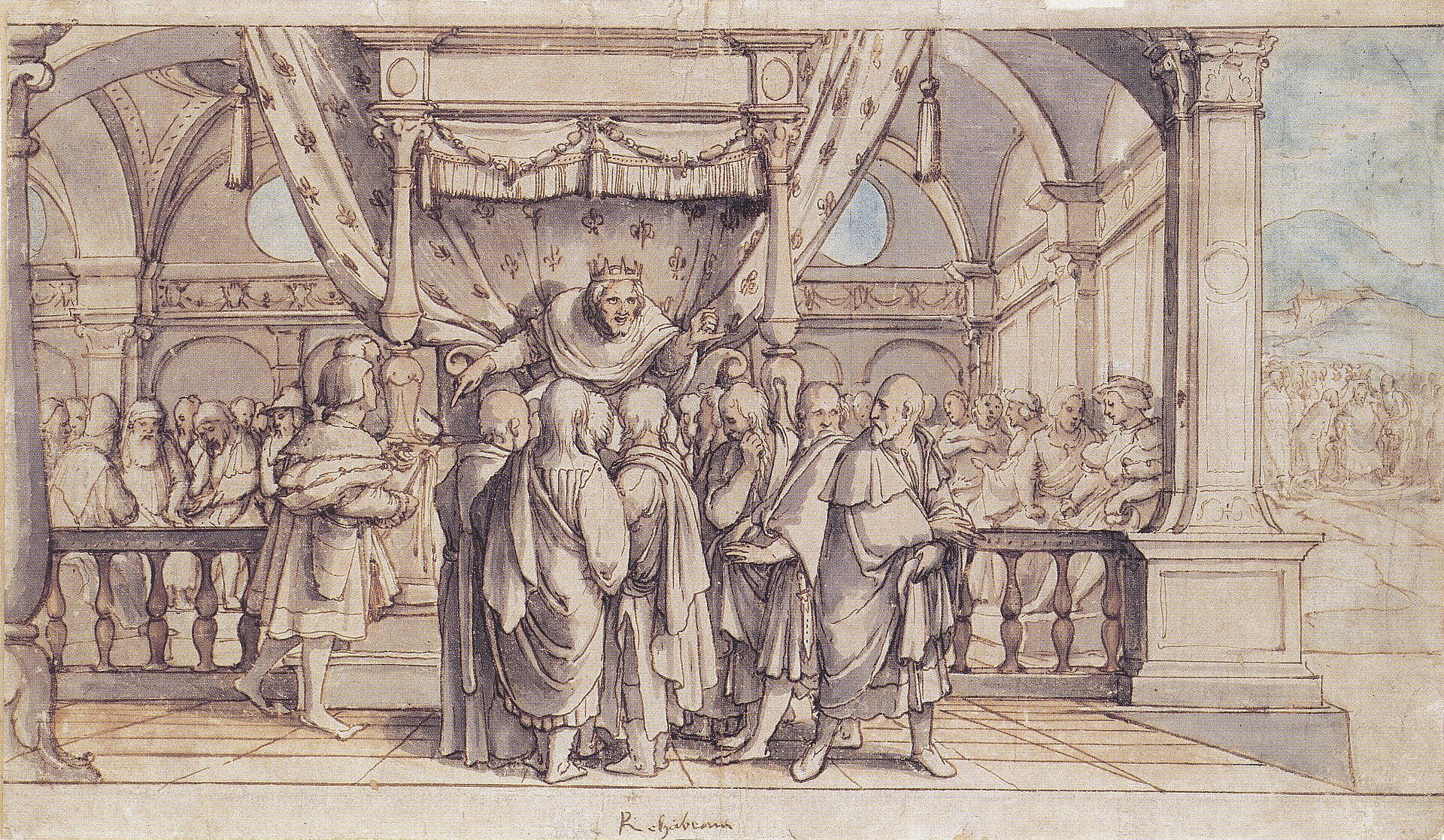 1 ಅರಸುಗಳು 12 ‖ 2 ಪೂರ್ವಕಾಲವೃತ್ತಾಂತ 10 · ಸುಮಾರು ಕ್ರಿ.ಪೂ. 930
ರಾಜ್ಯ ಒಡೆಯುತ್ತದೆ
ಶೆಕೆಮಿನಲ್ಲಿನ ಒಂದು ಕಾರ್ಮಿಕ ವಿವಾದ ಒಂದೇ ಮಧ್ಯಾಹ್ನದಲ್ಲಿ ಒಂದು ರಾಜ್ಯವನ್ನು ಎರಡಾಗಿ ಹರಿದುಹಾಕುತ್ತದೆ — ಮುಂದಿನ ಎರಡು ಶತಮಾನ ಪ್ರವಾದಿಗಳು ಮಾತನಾಡಲಿರುವ ದೊಡ್ಡ ಬಿರುಕುರೇಖೆ.
2 ಪೂರ್ವಕಾಲವೃತ್ತಾಂತ 11 · ಸುಮಾರು ಕ್ರಿ.ಪೂ. 930–926 (ರೆಹಬ್ಬಾಮನ ಮೊದಲ ವರ್ಷಗಳು)ಗೋಡೆಗಳು, ಯಾಜಕರು ಮತ್ತು ಜನಸಂದಣಿಯ ಅರಮನೆ
ಅಂತರ್ಯುದ್ಧದಿಂದ ತಡೆಯಲ್ಪಟ್ಟ ರೆಹಬ್ಬಾಮನು ಕೋಟೆ ಪಟ್ಟಣಗಳ ಒಂದು ಸುತ್ತುಗೋಡೆಯನ್ನು ಕಟ್ಟುತ್ತಾನೆ — ಉತ್ತರದ ಯಾಜಕರೂ ಲೇವಿಯರೂ ಯಾರೊಬ್ಬಾಮನ ಬಸವಗಳಿಗಿಂತ ಯೆರೂಸಲೇಮಿನ ದೇವಾಲಯವನ್ನೇ ಆರಿಸಿಕೊಂಡು ದಕ್ಷಿಣಕ್ಕೆ ನಡೆದುಬರುತ್ತಾರೆ.
1 ಅರಸುಗಳು 13 · ಸುಮಾರು ಕ್ರಿ.ಪೂ. 930 (ಯಾರೊಬ್ಬಾಮನ ಆಳ್ವಿಕೆಯ ಆರಂಭದಲ್ಲಿ)ಹಿಂದಿರುಗಿದ ಪ್ರವಾದಿ
ಯೆಹೂದದಿಂದ ಬಂದ ದೇವರ ಮನುಷ್ಯನು ಒಂದು ಮಾತಿನಿಂದಲೇ ಯಾರೊಬ್ಬಾಮನ ಯಜ್ಞವೇದಿಯನ್ನು ಸೀಳುತ್ತಾನೆ — ನಂತರ ಒಬ್ಬ ಮುದಿ ಪ್ರವಾದಿಯ ಸುಳ್ಳಿನಿಂದ ಅವಿಧೇಯತೆಗೆ ಒಲಿಸಲ್ಪಟ್ಟು, ಮನೆಗೆ ಹೋಗುವ ದಾರಿಯಲ್ಲಿ ಸಾಯುತ್ತಾನೆ.
1 ಅರಸುಗಳು 14 ‖ 2 ಪೂರ್ವಕಾಲವೃತ್ತಾಂತ 12 · ಸುಮಾರು ಕ್ರಿ.ಪೂ. 925 (ರೆಹಬ್ಬಾಮನ ಐದನೆಯ ವರ್ಷ)ವೇಷಮರೆಸಿದ ರಾಣಿ ಮತ್ತು ಫರೋಹನ ದಾಳಿ
ಉತ್ತರದಲ್ಲಿ, ಯಾರೊಬ್ಬಾಮನ ಹೆಂಡತಿ ವೇಷಮರೆಸಿಕೊಂಡು ಒಬ್ಬ ಕುರುಡ ಪ್ರವಾದಿಯ ಬಳಿಗೆ ಹೋಗಿ ತನ್ನ ಮನೆತನಕ್ಕೆ ಬಂದ ದಂಡನೆಯನ್ನು ಕೇಳುತ್ತಾಳೆ. ದಕ್ಷಿಣದಲ್ಲಿ, ಫರೋಹನಾದ ಶೀಶಕನು ಯೆರೂಸಲೇಮಿನ ಬಂಗಾರವನ್ನು ದೋಚುತ್ತಾನೆ — ಐಗುಪ್ತವು ಒಂದು ದೇವಾಲಯದ ಗೋಡೆಯ ಮೇಲೆ ಕೆತ್ತಿಸಿದ ದಾಳಿ.
1 ಅರಸುಗಳು 15 ‖ 2 ಪೂರ್ವಕಾಲವೃತ್ತಾಂತ 13 · ಸುಮಾರು ಕ್ರಿ.ಪೂ. 913–886 (ಯೆಹೂದದಲ್ಲಿ ಅಬೀಯ ಮತ್ತು ಆಸ; ಇಸ್ರಾಯೇಲಿನಲ್ಲಿ ನಾದಾಬ ಮತ್ತು ಬಾಷ)ಒಬ್ಬ ಅರಸನ ಮೇಲೆ ಎರಡು ತೀರ್ಪುಗಳು
ಅರಸುಗಳು ಯೆಹೂದದ ಅಬೀಯನನ್ನು ಎಂಟು ಸಾಲುಗಳಲ್ಲಿ ಮುಗಿಸಿಬಿಡುತ್ತದೆ; ಪೂರ್ವಕಾಲವೃತ್ತಾಂತ ಅವನಿಗೆ ಯುದ್ಧಭೂಮಿಯ ಒಂದು ಪ್ರಸಂಗವನ್ನೂ ಒಂದು ಜಯವನ್ನೂ ಕೊಡುತ್ತದೆ. ನಂತರ ಆಸನು ವಿಗ್ರಹಗಳನ್ನು — ತನ್ನ ಸ್ವಂತ ಅಜ್ಜಿಯದನ್ನೂ ಸಹ — ತೆಗೆದುಹಾಕುತ್ತಾನೆ; ಅದೇ ವೇಳೆ ಉತ್ತರದ ಮೊದಲ ರಾಜವಂಶ ಕೊಲೆಗೀಡಾಗುತ್ತದೆ.
2 ಪೂರ್ವಕಾಲವೃತ್ತಾಂತ 14 · ಆಸನ ಆಳ್ವಿಕೆಯ ಆರಂಭದಲ್ಲಿ, ಸುಮಾರು ಕ್ರಿ.ಪೂ. 900ಆಸ ಮತ್ತು ಕೂಷ್ಯರ ಸೈನ್ಯ
ಹತ್ತು ಶಾಂತ ವರ್ಷಗಳಲ್ಲಿ ಆಸನು ಯೆಹೂದದ ಪೂಜಾಸ್ಥಾನಗಳನ್ನು ತೆರವುಗೊಳಿಸಿ ಅದರ ರಕ್ಷಣೆಯನ್ನು ಕಟ್ಟುತ್ತಾನೆ. ನಂತರ ಕೂಷ್ಯನಾದ ಜೆರಹನ ನಾಯಕತ್ವದಲ್ಲಿ ಒಂದು ಅಪಾರ ಸೈನ್ಯ ಬರುತ್ತದೆ, ಮತ್ತು ಆಸನ ಚಿಕ್ಕ ಪ್ರಾರ್ಥನೆ ಸಹಾಯಕ್ಕಾಗಿ ಸತ್ಯವೇದದ ಶ್ರೇಷ್ಠ ಮೊರೆಗಳಲ್ಲಿ ಒಂದಾಗುತ್ತದೆ.
2 ಪೂರ್ವಕಾಲವೃತ್ತಾಂತ 15 · ಆಸನ ಹದಿನೈದನೆಯ ವರ್ಷ (ಸಾಂಪ್ರದಾಯಿಕ ಕಾಲಗಣನೆಯ ಪ್ರಕಾರ ಸುಮಾರು ಕ್ರಿ.ಪೂ. 896)ಆರ್ಭಟದೊಂದಿಗೆ ಒಂದು ಒಡಂಬಡಿಕೆ
ಒಬ್ಬ ಪ್ರವಾದಿ ಆಸನ ವಿಜಯೀ ಸೈನ್ಯವನ್ನು ಒಂದು ವಾಗ್ದಾನ ಮತ್ತು ಒಂದು ಎಚ್ಚರಿಕೆಯೊಂದಿಗೆ ಎದುರುಗೊಳ್ಳುತ್ತಾನೆ. ಉತ್ತರದಿಂದ ಪಕ್ಷಾಂತರಿಸಿ ಬಂದವರೊಂದಿಗೆ ಸೇರಿ, ಯೆಹೂದವು ಯೆಹೋವನನ್ನು ಹುಡುಕಲು ಗಟ್ಟಿಯಾದ, ಬದ್ಧಗೊಳಿಸುವ ಒಡಂಬಡಿಕೆಯ ಪ್ರಮಾಣ ಮಾಡುತ್ತದೆ — ಮತ್ತು ಆಸನು ತನ್ನ ಅಜ್ಜಿಯ ವಿಗ್ರಹವನ್ನೂ ತೆಗೆದುಹಾಕುತ್ತಾನೆ.
2 ಪೂರ್ವಕಾಲವೃತ್ತಾಂತ 16 · ಆಸನ ಆಳ್ವಿಕೆಯ ಕೊನೆಯ ಭಾಗದಲ್ಲಿ (ಸುಮಾರು ಕ್ರಿ.ಪೂ. 895–870; ಕೆಳಗಿನ ದಿನಾಂಕದ ಪ್ರಶ್ನೆ ನೋಡಿ)ಆಸನು ಒಬ್ಬ ಮಿತ್ರನನ್ನು ಕೊಂಡುಕೊಳ್ಳುತ್ತಾನೆ
ಉತ್ತರದಿಂದ ಬೆದರಿಕೆಗೊಳಗಾದ ಆಸನು ಪ್ರಾರ್ಥಿಸುವ ಬದಲು ದೇವಾಲಯದ ಬೆಳ್ಳಿಯಿಂದ ಒಬ್ಬ ವಿದೇಶಿ ಅರಸನಿಗೆ ಹಣ ಕೊಡುತ್ತಾನೆ. ಒಬ್ಬ ದರ್ಶಿ ಅವನನ್ನು ಗದರಿಸುತ್ತಾನೆ, ಆಸನು ಆ ಸಂದೇಶವಾಹಕನನ್ನು ಸೆರೆಮನೆಗೆ ಹಾಕುತ್ತಾನೆ, ಮತ್ತು ಒಮ್ಮೆ ಅಷ್ಟು ಚೆನ್ನಾಗಿ ಭರವಸೆಯಿಟ್ಟಿದ್ದ ಅರಸನು ಕಹಿಯಾಗಿಯೂ ರೋಗಿಯಾಗಿಯೂ ತನ್ನ ಜೀವನವನ್ನು ಮುಗಿಸುತ್ತಾನೆ.
1 ಅರಸುಗಳು 16 · ಸುಮಾರು ಕ್ರಿ.ಪೂ. 886–853 (ಏಲನಿಂದ ಅಹಾಬನವರೆಗೆ)ದಂಗೆಗಳು, ಒಂದು ರಾಜಧಾನಿ ಮತ್ತು ಅಹಾಬ
ಕೆಲವೇ ವರ್ಷಗಳಲ್ಲಿ ನಾಲ್ಕು ಅರಸರು — ಕೊಲೆಯಾದ ಒಬ್ಬ ಕುಡುಕ, ಏಳು ದಿನಗಳ ಒಬ್ಬ ಅಪಹಾರಿ, ಒಂದು ಅಂತರ್ಯುದ್ಧ — ಕೊನೆಗೆ ಸೇನಾಧಿಪತಿ ಒಮ್ರಿಯು ಸಮಾರ್ಯವನ್ನು ಕಟ್ಟಿ, ಅಶ್ಶೂರ್ಯವು ಇಸ್ರಾಯೇಲನ್ನು ಯಾರ ಹೆಸರಿನಿಂದ ಕರೆಯಲಿತ್ತೋ ಆ ರಾಜವಂಶವನ್ನು ಸ್ಥಾಪಿಸುತ್ತಾನೆ. ನಂತರ ಅವನ ಮಗ ಅಹಾಬನು ಈಜೆಬೆಲಳನ್ನು ಮದುವೆಯಾಗುತ್ತಾನೆ.
1 ಅರಸುಗಳು 17 · ಅಹಾಬನ ಆಳ್ವಿಕೆ, ಸುಮಾರು ಕ್ರಿ.ಪೂ. 865ಎಲೀಯ, ಕಾಗೆಗಳು ಮತ್ತು ವಿಧವೆಯ ಮಡಕೆ
ಎಲೀಯನು ಅಹಾಬನ ಮುಖಕ್ಕೆ ಎದುರಾಗಿ ಬರಗಾಲವನ್ನು ಘೋಷಿಸಿ ಕಣ್ಮರೆಯಾಗುತ್ತಾನೆ — ಮೊದಲು ಒಂದು ಹಳ್ಳದ ಬಳಿ ಕಾಗೆಗಳಿಂದ, ನಂತರ ಹಸಿವಿನಿಂದ ಬಳಲುತ್ತಿದ್ದ ಒಬ್ಬ ವಿದೇಶಿ ವಿಧವೆಯಿಂದ ಪೋಷಿಸಲ್ಪಡುತ್ತಾನೆ; ಅವಳ ಹಿಟ್ಟು ಎಂದಿಗೂ ಮುಗಿಯುವುದಿಲ್ಲ, ಮತ್ತು ಅವಳ ಮಗನನ್ನು ಅವನು ಮತ್ತೆ ಬದುಕಿಸುತ್ತಾನೆ.
1 ಅರಸುಗಳು 18 · ಅಹಾಬನ ಆಳ್ವಿಕೆ, ಸುಮಾರು ಕ್ರಿ.ಪೂ. 865–850ಕರ್ಮೆಲ್ ಬೆಟ್ಟದ ಮೇಲೆ ಬೆಂಕಿ
ಮೂರು ಒಣ ವರ್ಷಗಳ ನಂತರ ಎಲೀಯನು ಇಸ್ರಾಯೇಲನ್ನು ಆಯ್ಕೆಮಾಡುವಂತೆ ಕರೆಯುತ್ತಾನೆ: ಯೆಹೋವನೋ ಬಾಳನೋ. ಕರ್ಮೆಲ್ ಬೆಟ್ಟದ ಮೇಲೆ ಬಾಳನ ಪ್ರವಾದಿಗಳು ದಿನವೆಲ್ಲಾ ಕೂಗಿದರೂ ಮೌನವೇ ಉತ್ತರ; ಎಲೀಯನ ನೀರಿನಿಂದ ತೊಯ್ದ ಯಜ್ಞವೇದಿ ಬೆಂಕಿಯಿಂದ ದಹಿಸಲ್ಪಡುತ್ತದೆ, ಮತ್ತು ಕೊನೆಗೆ ಮಳೆ ಬರುತ್ತದೆ.
1 ಅರಸುಗಳು 19 · ಸುಮಾರು ಕ್ರಿ.ಪೂ. 860, ಅಹಾಬನ ಆಳ್ವಿಕೆಯಲ್ಲಿಬೆಟ್ಟದ ಮೇಲಿನ ಪಿಸುಮಾತು
ತನ್ನ ಅತಿ ದೊಡ್ಡ ವಿಜಯದ ಒಂದು ದಿನದ ನಂತರ, ಎಲೀಯನು ಪ್ರಾಣಭಯದಿಂದ ಓಡಿಹೋಗಿ ಸಾಯಲು ಕೇಳಿಕೊಳ್ಳುತ್ತಾನೆ. ದೇವರು ಅವನಿಗೆ ಆಹಾರ ಕೊಟ್ಟು, ಹೋರೇಬಿನಲ್ಲಿ ಶಾಂತ ಧ್ವನಿಯಲ್ಲಿ ಅವನನ್ನು ಸಂಧಿಸಿ, ಅವನಿಗೆ ಮಾಡಲು ಕೆಲಸ ಕೊಡುತ್ತಾನೆ.
1 ಅರಸುಗಳು 20 · ಸುಮಾರು ಕ್ರಿ.ಪೂ. 850 (ಪಾಠವು ಅಹಾಬನ ಆಳ್ವಿಕೆಯಲ್ಲಿ ಇರಿಸುತ್ತದೆ; ಮಿತಿಗಳನ್ನು ನೋಡಿ)ಅಹಾಬನು ತಪ್ಪಾದ ಅರಸನನ್ನು ಉಳಿಸುತ್ತಾನೆ
ದಮಸ್ಕದ ಅರಾಮ್ಯರು ಎರಡು ಬಾರಿ ದಾಳಿಮಾಡುತ್ತಾರೆ, ಮತ್ತು ಎರಡು ಬಾರಿಯೂ ಎಲ್ಲಾ ಅಡ್ಡಿಗಳ ಮಧ್ಯೆ ಇಸ್ರಾಯೇಲ್ ಗೆಲ್ಲುತ್ತದೆ. ನಂತರ ಅಹಾಬನು ಒಂದು ವ್ಯಾಪಾರ ಒಪ್ಪಂದಕ್ಕಾಗಿ ಶತ್ರು ಅರಸನನ್ನು ಬಿಟ್ಟುಬಿಡುತ್ತಾನೆ — ಮತ್ತು ವೇಷಮರೆಸಿಕೊಂಡ ಒಬ್ಬ ಪ್ರವಾದಿ ಅದರ ಬೆಲೆಯನ್ನು ಘೋಷಿಸುತ್ತಾನೆ.
1 ಅರಸುಗಳು 21 · ಸುಮಾರು ಕ್ರಿ.ಪೂ. 860–850, ಅಹಾಬನ ಆಳ್ವಿಕೆಯಲ್ಲಿನಾಬೋತನ ದ್ರಾಕ್ಷಿತೋಟ
ಅಹಾಬನು ನೆರೆಯವನ ಕುಟುಂಬದ ದ್ರಾಕ್ಷಿತೋಟವನ್ನು ಬಯಸುತ್ತಾನೆ; ನಾಬೋತನು ತನ್ನ ಪೂರ್ವಿಕರ ಭೂಮಿಯನ್ನು ಮಾರುವುದಿಲ್ಲ. ಈಜೆಬೆಲಳು ಒಂದು ನಕಲಿ ವಿಚಾರಣೆ ಮತ್ತು ಕಲ್ಲೆಸೆತವನ್ನು ಏರ್ಪಡಿಸುತ್ತಾಳೆ — ಮತ್ತು ಕದ್ದ ಹೊಲದಲ್ಲೇ ಎಲೀಯನು ಅರಸನನ್ನು ಸಂಧಿಸುತ್ತಾನೆ.
2 ಪೂರ್ವಕಾಲವೃತ್ತಾಂತ 17 · ಸುಮಾರು ಕ್ರಿ.ಪೂ. 870–860 (ಯೆಹೋಷಾಫಾಟನ ಆಳ್ವಿಕೆಯ ಆರಂಭದಲ್ಲಿ)ಯೆಹೋಷಾಫಾಟನು ಬೋಧಕರನ್ನು ಕಳುಹಿಸುತ್ತಾನೆ
ಯೆಹೂದದ ಹೊಸ ಅರಸನು ದೇವರನ್ನು ಹುಡುಕುತ್ತಾನೆ, ಪೂಜಾಸ್ಥಾನಗಳನ್ನು ತೆಗೆದುಹಾಕುತ್ತಾನೆ, ಮತ್ತು ಅಧಿಕಾರಿಗಳನ್ನೂ ಲೇವಿಯರನ್ನೂ ಯಾಜಕರನ್ನೂ ಧರ್ಮಶಾಸ್ತ್ರದ ಗ್ರಂಥದೊಂದಿಗೆ ಊರಿಂದ ಊರಿಗೆ ಕಳುಹಿಸುತ್ತಾನೆ. ನೆರೆಯವರು ಎಚ್ಚರಗೊಳ್ಳುತ್ತಾರೆ, ಮತ್ತು ಯೆಹೂದವು ಬಲಗೊಳ್ಳುತ್ತದೆ.
1 ಅರಸುಗಳು 22 ‖ 2 ಪೂರ್ವಕಾಲವೃತ್ತಾಂತ 18 · ಸುಮಾರು ಕ್ರಿ.ಪೂ. 853 (ಅಹಾಬನ ಮರಣ; ಅಶ್ಶೂರ್ಯ ದಾಖಲೆಗಳು ಅವನನ್ನು ಕರ್ಕರ್ನಲ್ಲಿ ಇರಿಸುವ ಅದೇ ವರ್ಷ)ನಾನೂರು 'ಹೌದು', ಒಂದು 'ಇಲ್ಲ'
ರಾಮೋತ್ ಗಿಲ್ಯಾದಿನಲ್ಲಿ ಜಯ ಸಿಗುವುದೆಂದು ನಾನೂರು ಆಸ್ಥಾನ ಪ್ರವಾದಿಗಳು ಅಹಾಬನಿಗೆ ವಾಗ್ದಾನ ಮಾಡುತ್ತಾರೆ; ಮೀಕಾಯೆಹು ಎಂಬ ಒಬ್ಬ ಪ್ರವಾದಿ ಬೇರೆಯಾಗಿ ಹೇಳಿ ಸೆರೆಮನೆಗೆ ಹಾಕಲ್ಪಡುತ್ತಾನೆ. ಅಹಾಬನು ವೇಷಮರೆಸಿಕೊಂಡು ಯುದ್ಧಕ್ಕೆ ಹೋಗುತ್ತಾನೆ, ಆದರೂ ಗುರಿಯಿಲ್ಲದೆ ಬಿಟ್ಟ ಒಂದು ಬಾಣ ಅವನನ್ನು ಹುಡುಕಿ ತಾಗುತ್ತದೆ.
2 ಪೂರ್ವಕಾಲವೃತ್ತಾಂತ 19 · ಸುಮಾರು ಕ್ರಿ.ಪೂ. 853 ಅಥವಾ ಅದಾದ ಸ್ವಲ್ಪ ಸಮಯದಲ್ಲಿದೇವರಿಗೆ ಭಯಪಡುವ ನ್ಯಾಯಾಧಿಪತಿಗಳು
ರಾಮೋತ್ ಗಿಲ್ಯಾದಿನ ವಿಪತ್ತಿನಿಂದ ಮನೆಗೆ ಹಿಂದಿರುಗಿದ ಯೆಹೋಷಾಫಾಟನು ಒಬ್ಬ ದರ್ಶಿಯಿಂದ ಗದರಿಸಲ್ಪಡುತ್ತಾನೆ; ನಂತರ ಅವನು ಮತ್ತೆ ತನ್ನ ಜನರ ನಡುವೆ ಹೋಗಿ, ಪ್ರತಿಯೊಂದು ಕೋಟೆ ನಗರದಲ್ಲಿ ನ್ಯಾಯಾಧಿಪತಿಗಳನ್ನು ನೇಮಿಸುತ್ತಾನೆ: ಲಂಚವಿಲ್ಲ, ಪಕ್ಷಪಾತವಿಲ್ಲ.
2 ಪೂರ್ವಕಾಲವೃತ್ತಾಂತ 20 · ಸುಮಾರು ಕ್ರಿ.ಪೂ. 850, ಯೆಹೋಷಾಫಾಟನ ಆಳ್ವಿಕೆಯ ಕೊನೆಯ ಭಾಗದಲ್ಲಿ (ಪೂರ್ವಕಾಲವೃತ್ತಾಂತ ಮಾತ್ರ; ಮಿತಿಗಳನ್ನು ನೋಡಿ)ಯುದ್ಧ ದೇವರದು
ಪೂರ್ವದಿಂದ ಒಂದು ಮಹಾ ಸೈನ್ಯ ಆಕ್ರಮಣಮಾಡುತ್ತದೆ. ಯೆಹೋಷಾಫಾಟನು ಉಪವಾಸವನ್ನು ಸಾರಿ, ಏನು ಮಾಡಬೇಕೆಂದು ತನಗೆ ತಿಳಿಯದು ಎಂದು ಪ್ರಾರ್ಥನೆಯಲ್ಲಿ ಒಪ್ಪಿಕೊಳ್ಳುತ್ತಾನೆ. ಲೇವಿಯನಾದ ಒಬ್ಬ ಪ್ರವಾದಿ ಸುಮ್ಮನೆ ನಿಲ್ಲಿರಿ ಎನ್ನುತ್ತಾನೆ; ಗಾಯಕರು ಮುಂದೆ ನಡೆಯುತ್ತಾರೆ, ಮತ್ತು ಶತ್ರು ತನ್ನನ್ನು ತಾನೇ ನಾಶಮಾಡಿಕೊಳ್ಳುತ್ತದೆ.
ಕೀರ್ತನೆಗಳು 83 · ದಿನಾಂಕವಿಲ್ಲ — ಯೆಹೋಷಾಫಾಟನ ಬಿಕ್ಕಟ್ಟಿನ (ಸುಮಾರು ಕ್ರಿ.ಪೂ. 850) ಪಕ್ಕದಲ್ಲಿ ಇಲ್ಲಿ ಓದಲಾಗುತ್ತದೆ; ಪ್ರಸ್ತಾಪಗಳು ರಾಜಪ್ರಭುತ್ವದ ಕಾಲದಿಂದ ಬಹಳ ನಂತರದವರೆಗೆ ಹರಡಿವೆಎಲ್ಲಾ ಕಡೆಗಳಿಂದ ಸುತ್ತುವರಿಯಲ್ಪಟ್ಟು
ಇಸ್ರಾಯೇಲಿನ ಹೆಸರನ್ನು ನೆನಪಿನಿಂದ ಅಳಿಸಿಹಾಕಲು ಸಂಚುಮಾಡುತ್ತಿರುವ ಹತ್ತು ಜನಾಂಗಗಳನ್ನು ಆಸಾಫನ ಒಂದು ಕೀರ್ತನೆ ಹೆಸರಿಸಿ, ಅವರನ್ನು ಹೊಟ್ಟಿನಂತೆ ಚದರಿಸುವಂತೆ ದೇವರನ್ನು ಕೇಳುತ್ತದೆ — ಅವರು ಆತನ ಹೆಸರನ್ನು ತಿಳಿದು ಆತನನ್ನು ಹುಡುಕುವಂತೆ.
2 ಅರಸುಗಳು 1 · ಸುಮಾರು ಕ್ರಿ.ಪೂ. 852 (ಅಹಾಬನ ಮರಣದ ನಂತರ ಅಹಜ್ಯನ ಅಲ್ಪಕಾಲದ ಆಳ್ವಿಕೆ)ಇಸ್ರಾಯೇಲಿನಲ್ಲಿ ದೇವರಿಲ್ಲವೇ?
ಬಿದ್ದು ಗಾಯಗೊಂಡ ಅರಸನಾದ ಅಹಜ್ಯನು ತನ್ನ ಗತಿಯನ್ನು ತಿಳಿಯಲು ಒಂದು ಫಿಲಿಷ್ಟಿಯ ದೇವರ ಬಳಿಗೆ ಕಳುಹಿಸುತ್ತಾನೆ. ಎಲೀಯನು ಸಂದೇಶವಾಹಕರನ್ನು ದಾರಿಯಲ್ಲಿ ತಡೆಯುತ್ತಾನೆ, ಮತ್ತು ಅವನನ್ನು ಹಿಡಿಯಲು ಸೈನಿಕರು ಬಂದಾಗ ಬೆಂಕಿ ಬೀಳುತ್ತದೆ. ಮುಂತಿಳಿಸಿದಂತೆಯೇ ಅರಸನು ಸಾಯುತ್ತಾನೆ.
2 ಅರಸುಗಳು 2 · ಸುಮಾರು ಕ್ರಿ.ಪೂ. 850–840 (ನಿಖರವಾಗಿ ಕಾಲನಿರ್ಣಯ ಮಾಡಲಾಗದು; ಮಿತಿಗಳನ್ನು ನೋಡಿ)ಬೆಂಕಿಯ ರಥಗಳು
ಎಲೀಯನು ಎಲೀಷನೊಂದಿಗೆ ತನ್ನ ಕೊನೆಯ ದಾರಿಯನ್ನು ನಡೆಯುತ್ತಾನೆ, ಯೊರ್ದನನ್ನು ವಿಭಾಗಿಸುತ್ತಾನೆ, ಮತ್ತು ಸುಂಟರಗಾಳಿಯಲ್ಲಿ ಮೇಲಕ್ಕೆ ಒಯ್ಯಲ್ಪಡುತ್ತಾನೆ. ಎಲೀಷನು ಅವನ ಕಂಬಳಿಯನ್ನೂ ಅವನ ಕೆಲಸವನ್ನೂ ಎತ್ತಿಕೊಳ್ಳುತ್ತಾನೆ — ನಂತರ ಬೇತೇಲಿನಲ್ಲಿ ಒಂದು ಕಳವಳಕಾರಿ ದೃಶ್ಯ ಬರುತ್ತದೆ.
2 ಅರಸುಗಳು 3 · ಸುಮಾರು ಕ್ರಿ.ಪೂ. 850 (ಇಸ್ರಾಯೇಲಿನ ಯೋರಾಮ, ಸುಮಾರು ಕ್ರಿ.ಪೂ. 852–841)ಮರುಭೂಮಿಯಲ್ಲಿ ನೀರು, ಗೋಡೆಯ ಮೇಲೆ ಭೀಕರತೆ
ಮೋವಾಬಿನ ಅರಸನಾದ ಮೇಷನು ಕಪ್ಪ ಕೊಡುವುದನ್ನು ನಿಲ್ಲಿಸುತ್ತಾನೆ. ಮೂವರು ಅರಸರು ಅವನ ವಿರುದ್ಧ ದಂಡೆತ್ತಿ, ಬಾಯಾರಿಕೆಯಿಂದ ಬಹುತೇಕ ಸಾಯುತ್ತಾರೆ, ಮತ್ತು ಎಲೀಷನ ವಾಕ್ಯದಿಂದ ರಕ್ಷಿಸಲ್ಪಡುತ್ತಾರೆ — ಆದರೆ ಮೋವಾಬಿನ ಗೋಡೆಯ ಮೇಲೆ ನಡೆದ ಒಂದು ಭಯಂಕರ ಬಲಿಯ ನಂತರ ದಂಡಯಾತ್ರೆ ಹಿಂತೆಗೆತದಲ್ಲಿ ಕೊನೆಗೊಳ್ಳುತ್ತದೆ.
2 ಅರಸುಗಳು 4 · ಸುಮಾರು ಕ್ರಿ.ಪೂ. 850–800 (ಎಲೀಷನ ಸೇವೆ; ಘಟನೆಗಳಿಗೆ ಪ್ರತ್ಯೇಕವಾಗಿ ದಿನಾಂಕವಿಲ್ಲ)ಎಣ್ಣೆ, ಒಬ್ಬ ಮಗ, ಮತ್ತು ಸಾಕಷ್ಟು ರೊಟ್ಟಿ
ಮನೆಯೊಳಗಿನ ನಾಲ್ಕು ಅದ್ಭುತಗಳು: ಹೆಚ್ಚುತ್ತಾ ಹೋಗುವ ಎಣ್ಣೆಯಿಂದ ತೀರಿಸಲ್ಪಟ್ಟ ಒಬ್ಬ ವಿಧವೆಯ ಸಾಲ, ವಾಗ್ದಾನ ಮಾಡಲ್ಪಟ್ಟು ಕೊಡಲ್ಪಟ್ಟ ಮತ್ತು ಮರಣದಿಂದ ಎಬ್ಬಿಸಲ್ಪಟ್ಟ ಒಬ್ಬ ಮಗ, ಸುರಕ್ಷಿತಗೊಳಿಸಲ್ಪಟ್ಟ ವಿಷಪೂರಿತ ಸಾರು, ಮತ್ತು ನೂರು ಜನರಿಗೆ ಉಣಿಸುವ ಇಪ್ಪತ್ತು ರೊಟ್ಟಿಗಳು.
2 ಅರಸುಗಳು 5 · ಸುಮಾರು ಕ್ರಿ.ಪೂ. 850–800 (ಎಲೀಷನ ಸೇವೆ; ದಿನಾಂಕವಿಲ್ಲ)ನಾಮಾನನು ಯೊರ್ದನಿನಲ್ಲಿ ಸ್ನಾನಮಾಡುತ್ತಾನೆ
ಸೆರೆಯಾಳಾದ ಒಬ್ಬ ದಾಸಿ ಹುಡುಗಿಯ ಮಾತಿನ ಮೇರೆಗೆ, ಗರ್ವಿಷ್ಠನಾದ ಒಬ್ಬ ಅರಾಮ್ಯ ಸೇನಾಧಿಪತಿ ಇಸ್ರಾಯೇಲಿನ ಒಂದು ಸಾಮಾನ್ಯ ನದಿಯಲ್ಲಿ ಸ್ನಾನಮಾಡಿ ಗುಣಹೊಂದುತ್ತಾನೆ — ಅದೇ ವೇಳೆ ಪ್ರತಿಫಲಕ್ಕಾಗಿ ಹಪಹಪಿಸುವ ಎಲೀಷನ ಸ್ವಂತ ಸೇವಕನಿಗೆ ಕೊನೆಗೆ ಆ ರೋಗ ಅಂಟಿಕೊಳ್ಳುತ್ತದೆ.
2 ಅರಸುಗಳು 6 · ಸುಮಾರು ಕ್ರಿ.ಪೂ. 850–800 (ಅರಸರ ಹೆಸರುಗಳಿಲ್ಲ; ದಿನಾಂಕ ಅನಿಶ್ಚಿತ)ಬೆಂಕಿಯ ರಥಗಳು, ಹಸಿವಿನಿಂದ ಸಾಯುತ್ತಿರುವ ನಗರ
ಎಲೀಷನು ಕೊಡಲಿಯ ಅಲಗನ್ನು ತೇಲಿಸುತ್ತಾನೆ, ಬೆಂಕಿಯ ರಥಗಳಿಂದ ತುಂಬಿದ ಗುಡ್ಡಗಳನ್ನು ತನ್ನ ಸೇವಕನಿಗೆ ತೋರಿಸುತ್ತಾನೆ, ಮತ್ತು ಕುರುಡಾದ ಶತ್ರು ಸೈನ್ಯಕ್ಕೆ ಊಟ ಹಾಕುತ್ತಾನೆ — ನಂತರ ತಾಯಂದಿರು ತಮ್ಮ ಮಕ್ಕಳನ್ನೇ ತಿನ್ನುವಷ್ಟು ತೀವ್ರವಾದ ಮುತ್ತಿಗೆಯಲ್ಲಿ ಸಮಾರ್ಯ ಸಿಲುಕುತ್ತದೆ.
2 ಅರಸುಗಳು 7 · ಸುಮಾರು ಕ್ರಿ.ಪೂ. 850–800 (ಸಮಾರ್ಯದ ಅದೇ ದಿನಾಂಕವಿಲ್ಲದ ಮುತ್ತಿಗೆ)ನಾಲ್ಕು ಬಹಿಷ್ಕೃತರು ಮತ್ತು ಶುಭವಾರ್ತೆ
ನಾಳೆಯೊಳಗೆ ಅಗ್ಗದ ಬೆಲೆಗೆ ಆಹಾರ ಸಿಗುವುದೆಂದು ಎಲೀಷನು ವಾಗ್ದಾನ ಮಾಡುತ್ತಾನೆ; ಒಬ್ಬ ರಾಜ ಅಧಿಕಾರಿ ಅಪಹಾಸ್ಯ ಮಾಡುತ್ತಾನೆ. ಆ ರಾತ್ರಿ ಕುಷ್ಠವಿರುವ ನಾಲ್ಕು ಜನರು ಅರಾಮ್ಯರ ಪಾಳೆಯ ತೊರೆಯಲ್ಪಟ್ಟಿರುವುದನ್ನು ಕಂಡುಕೊಳ್ಳುತ್ತಾರೆ — ಮತ್ತು ಶುಭವಾರ್ತೆಯನ್ನು ತಮ್ಮಲ್ಲೇ ಇಟ್ಟುಕೊಳ್ಳಲಾಗದು ಎಂದು ತೀರ್ಮಾನಿಸುತ್ತಾರೆ.
2 ಅರಸುಗಳು 8 ‖ 2 ಪೂರ್ವಕಾಲವೃತ್ತಾಂತ 21 · ಸುಮಾರು ಕ್ರಿ.ಪೂ. 848–841ಹಜಾಯೇಲನ ಉದಯ, ಯೆಹೋರಾಮನ ಪತನ
ಒಬ್ಬ ವಿಧವೆಗೆ ಅವಳ ಭೂಮಿ ಹಿಂತಿರುಗುತ್ತದೆ; ಹಜಾಯೇಲನ ಕ್ರೌರ್ಯವನ್ನು ಮುಂದಾಗಿ ಕಂಡು ಎಲೀಷನು ಅಳುತ್ತಾನೆ, ಹಜಾಯೇಲನು ದಮಸ್ಕವನ್ನು ವಶಪಡಿಸಿಕೊಳ್ಳುತ್ತಾನೆ. ಯೆಹೂದದಲ್ಲಿ, ಅಹಾಬನ ಮಗಳನ್ನು ಮದುವೆಯಾದ ಯೆಹೋರಾಮನು ತನ್ನ ಸಹೋದರರನ್ನು ಕೊಲ್ಲುತ್ತಾನೆ, ಎದೋಮನ್ನು ಕಳೆದುಕೊಳ್ಳುತ್ತಾನೆ, ಯಾರೂ ದುಃಖಿಸದೆ ಸಾಯುತ್ತಾನೆ.
2 ಅರಸುಗಳು 9 ‖ 2 ಪೂರ್ವಕಾಲವೃತ್ತಾಂತ 22 · ಸುಮಾರು ಕ್ರಿ.ಪೂ. 841ಯೇಹುವಿನ ಉಗ್ರ ರಥಸವಾರಿ
ಒಬ್ಬ ಯುವ ಪ್ರವಾದಿ ಸೇನಾಪತಿ ಯೇಹುವನ್ನು ಒಂದು ಒಳಕೋಣೆಯಲ್ಲಿ ಅಭಿಷೇಕಿಸುತ್ತಾನೆ. ಯೇಹು ಉಗ್ರವಾಗಿ ರಥ ಓಡಿಸುತ್ತಾ ಇಜ್ರೇಲಿಗೆ ಬಂದು, ಇಸ್ರಾಯೇಲಿನ ಯೋರಾಮನನ್ನೂ ಯೆಹೂದದ ಅಹಜ್ಯನನ್ನೂ ಕೊಲ್ಲುತ್ತಾನೆ, ಮತ್ತು ಈಜೆಬೆಲಳನ್ನು ಕಿಟಕಿಯಿಂದ ಕೆಳಗೆ ಎಸೆಯಿಸುತ್ತಾನೆ.
2 ಅರಸುಗಳು 10 · ಸುಮಾರು ಕ್ರಿ.ಪೂ. 841–814ಪೂರ್ಣಹೃದಯವಿಲ್ಲದ ಉತ್ಸಾಹ
ಯೇಹು ಅಹಾಬನ ಎಪ್ಪತ್ತು ಮಕ್ಕಳನ್ನೂ ಯೆಹೂದದ ರಾಜಕುಮಾರರನ್ನೂ ಬಾಳನ ಆರಾಧಕರನ್ನೂ ನಿರ್ಮೂಲಮಾಡಿ ಬಾಳನ ಗುಡಿಯನ್ನು ಕೆಡವುತ್ತಾನೆ — ಆದರೂ ಯಾರೊಬ್ಬಾಮನ ಚಿನ್ನದ ಕರುಗಳನ್ನು ಉಳಿಸಿಕೊಳ್ಳುತ್ತಾನೆ. ದೇವರು ಅವನಿಗೆ ನಾಲ್ಕು ತಲೆಮಾರುಗಳನ್ನು ಕೊಡುತ್ತಾನೆ, ಮತ್ತು ಹಜಾಯೇಲನು ಇಸ್ರಾಯೇಲನ್ನು ಕುಗ್ಗಿಸಲು ಆರಂಭಿಸುತ್ತಾನೆ.
2 ಅರಸುಗಳು 11 ‖ 2 ಪೂರ್ವಕಾಲವೃತ್ತಾಂತ 23 · ಸುಮಾರು ಕ್ರಿ.ಪೂ. 841–835ಅಡಗಿಸಲ್ಪಟ್ಟ ಬಾಲ-ಅರಸ
ಅಹಾಬನ ಮಗಳಾದ ಅತಲ್ಯಳು ಯೆಹೂದದ ರಾಜ ವಾರಸುದಾರರನ್ನು ಕೊಲೆಮಾಡಿ ಆರು ವರ್ಷ ಆಳುತ್ತಾಳೆ. ಯೋವಾಷನೆಂಬ ಒಬ್ಬ ಶಿಶುವನ್ನು ದೇವಾಲಯದಲ್ಲಿ ಅಡಗಿಸಿಡಲಾಗುತ್ತದೆ; ಏಳು ವರ್ಷದವನಾದಾಗ ಯಾಜಕನಾದ ಯೆಹೋಯಾದನು ಅವನಿಗೆ ಕಿರೀಟ ಇಡುತ್ತಾನೆ, ಮತ್ತು ಅತಲ್ಯಳನ್ನು ಕೊಲ್ಲಲಾಗುತ್ತದೆ.
2 ಅರಸುಗಳು 12 ‖ 2 ಪೂರ್ವಕಾಲವೃತ್ತಾಂತ 24 · ಸುಮಾರು ಕ್ರಿ.ಪೂ. 835–796ತನ್ನ ಗುರುವಿಗಿಂತ ಹೆಚ್ಚು ಕಾಲ ಬದುಕಿದ ಅರಸ
ಯೆಹೋಯಾದನು ಬದುಕಿರುವವರೆಗೆ ಯೋವಾಷನು ಒಂದು ಕಾಣಿಕೆ ಪೆಟ್ಟಿಗೆಯ ಮೂಲಕ ದೇವಾಲಯವನ್ನು ದುರಸ್ತಿಮಾಡುತ್ತಾನೆ. ಯಾಜಕನ ಮರಣದ ನಂತರ ಅವನು ವಿಗ್ರಹಗಳ ಕಡೆಗೆ ತಿರುಗುತ್ತಾನೆ, ಯೆಹೋಯಾದನ ಮಗನಾದ ಜೆಕರ್ಯನನ್ನು ಕಲ್ಲೆಸೆದು ಕೊಲ್ಲಿಸುತ್ತಾನೆ, ಹಜಾಯೇಲನಿಗೆ ಹಣಕೊಟ್ಟು ಅವನನ್ನು ಹಿಂದಿರುಗಿಸುತ್ತಾನೆ, ಮತ್ತು ತನ್ನ ಸ್ವಂತ ಸೇವಕರಿಂದಲೇ ಕೊಲ್ಲಲ್ಪಡುತ್ತಾನೆ.
ಯೋವೇಲನು 1 · ದಿನಾಂಕವಿಲ್ಲ — ಬಹುಶಃ ಕ್ರಿ.ಪೂ. 9ನೇ ಶತಮಾನ (ಸುಮಾರು 835) ಅಥವಾ ಸೆರೆವಾಸದ ನಂತರ (ಸುಮಾರು ಕ್ರಿ.ಪೂ. 400)ಮಿಡತೆಗಳು ಬಂದಾಗ
ಮಿಡತೆಗಳ ಬಾಧೆ ಯೆಹೂದವನ್ನು ಬರಿದುಮಾಡುತ್ತದೆ — ದ್ರಾಕ್ಷಿಬಳ್ಳಿಗಳು, ಅಂಜೂರದ ಮರಗಳು, ಧಾನ್ಯ, ದೇವಾಲಯದ ಕಾಣಿಕೆಗಳು ಕೂಡ. ಯೋವೇಲನು ಈ ವಿಪತ್ತನ್ನು ಒಂದು ಕರೆಯಾಗಿ ಓದುತ್ತಾನೆ: ಎಲ್ಲರನ್ನೂ ಕೂಡಿಸಿರಿ, ಉಪವಾಸ ಮಾಡಿರಿ, ಮೊರೆಯಿಡಿರಿ, ಏಕೆಂದರೆ ಯೆಹೋವನ ದಿನ ಸಮೀಪವಾಗಿದೆ.
ಯೋವೇಲನು 2 · ದಿನಾಂಕವಿಲ್ಲ — ಬಹುಶಃ ಕ್ರಿ.ಪೂ. 9ನೇ ಶತಮಾನ (ಸುಮಾರು 835) ಅಥವಾ ಸೆರೆವಾಸದ ನಂತರ (ಸುಮಾರು ಕ್ರಿ.ಪೂ. 400)ನಿಮ್ಮ ಹೃದಯಗಳನ್ನು ಹರಿದುಕೊಳ್ಳಿರಿ
ಒಂದು ಸೈನ್ಯ ಆಕಾಶವನ್ನು ಕತ್ತಲುಗೊಳಿಸುತ್ತದೆ — ಮಿಡತೆಗಳೋ ಸೈನಿಕರೋ, ಗೆರೆ ಮಸುಕಾಗುತ್ತದೆ. ಆಮೇಲೆ ತಿರುವು ಬರುತ್ತದೆ: ನಿಮ್ಮ ಬಟ್ಟೆಗಳನ್ನಲ್ಲ, ನಿಮ್ಮ ಹೃದಯಗಳನ್ನು ಹರಿದುಕೊಳ್ಳಿರಿ. ಕಳೆದುಹೋದ ವರ್ಷಗಳನ್ನು ದೇವರು ಹಿಂತಿರುಗಿಸುತ್ತಾನೆ ಮತ್ತು ಎಲ್ಲಾ ಜನರ ಮೇಲೆ ತನ್ನ ಆತ್ಮವನ್ನು ವಾಗ್ದಾನ ಮಾಡುತ್ತಾನೆ.
ಯೋವೇಲನು 3 · ದಿನಾಂಕವಿಲ್ಲ — ಬಹುಶಃ ಕ್ರಿ.ಪೂ. 9ನೇ ಶತಮಾನ (ಸುಮಾರು 835) ಅಥವಾ ಸೆರೆವಾಸದ ನಂತರ (ಸುಮಾರು ಕ್ರಿ.ಪೂ. 400)ತೀರ್ಮಾನದ ತಗ್ಗು
ತನ್ನ ಜನರನ್ನು ಚದುರಿಸಿ ಅವರ ಮಕ್ಕಳನ್ನು ಮಾರಿದ್ದಕ್ಕಾಗಿ ದೇವರು ಜನಾಂಗಗಳನ್ನು ನ್ಯಾಯತೀರ್ಪಿನ ತಗ್ಗಿಗೆ ಕರೆಯುತ್ತಾನೆ. ನೇಗಿಲ ಗುಳಗಳಿಂದ ಕತ್ತಿಗಳನ್ನು ಮಾಡುವಂತೆ ಕರೆ ಕೊಡಲಾಗುತ್ತದೆ — ಆದರೆ ದೇವಾಲಯದಿಂದ ಹರಿಯುವ ಒಂದು ಬುಗ್ಗೆಯೊಂದಿಗೆ ಪುಸ್ತಕ ಮುಗಿಯುತ್ತದೆ.
2 ಅರಸುಗಳು 13 · ಸುಮಾರು ಕ್ರಿ.ಪೂ. 814–782 (ಇಸ್ರಾಯೇಲಿನ ಯೆಹೋವಾಹಾಜ ಮತ್ತು ಯೆಹೋವಾಷರ ಆಳ್ವಿಕೆಗಳು)ಎಲೀಷನ ಕೊನೆಯ ಬಾಣಗಳು
ದೇವರು ಬಿಡುಗಡೆ ಕಳುಹಿಸುವವರೆಗೆ ಅರಾಮ್ ಇಸ್ರಾಯೇಲನ್ನು ಜಜ್ಜುತ್ತದೆ. ಮರಣಶಯ್ಯೆಯಲ್ಲಿ ಎಲೀಷನು ಅರಸನಾದ ಯೆಹೋವಾಷನಿಗೆ ಬಾಣಗಳಿಂದ ನೆಲವನ್ನು ಹೊಡೆಯಲು ಹೇಳುತ್ತಾನೆ — ಅವನು ಮೂರು ಬಾರಿಗೆ ನಿಲ್ಲಿಸುತ್ತಾನೆ. ಎಲೀಷನ ಎಲುಬುಗಳು ಕೂಡ ಸತ್ತ ಒಬ್ಬನನ್ನು ಬದುಕಿಸುತ್ತವೆ.
2 ಅರಸುಗಳು 14 ‖ 2 ಪೂರ್ವಕಾಲವೃತ್ತಾಂತ 25 · ಸುಮಾರು ಕ್ರಿ.ಪೂ. 796–767 (ಅಮಚ್ಯ); ಇಮ್ಮಡಿ ಯಾರೊಬ್ಬಾಮ ಸುಮಾರು ಕ್ರಿ.ಪೂ. 793–753ಜಗಳ ಕಾಯುವ ಮುಳ್ಳುಗಿಡ
ಯೆಹೂದದ ಅಮಚ್ಯನು ಎದೋಮನ್ನು ಸೋಲಿಸಿ, ಆಮೇಲೆ ಇಸ್ರಾಯೇಲಿಗೆ ಸವಾಲು ಹಾಕಿ ಹೀನಾಯವಾಗಿ ಸೋಲುತ್ತಾನೆ — ಯೆರೂಸಲೇಮಿನ ಗೋಡೆ ಒಡೆಯಲ್ಪಡುತ್ತದೆ, ದೇವಾಲಯದ ಭಂಡಾರ ಕೊಂಡೊಯ್ಯಲ್ಪಡುತ್ತದೆ. ಇದೇ ವೇಳೆ, ಪ್ರವಾದಿ ಯೋನನು ಮುಂತಿಳಿಸಿದ್ದಂತೆ ಇಮ್ಮಡಿ ಯಾರೊಬ್ಬಾಮನು ಉತ್ತರದ ಗಡಿಗಳನ್ನು ಮತ್ತೆ ಕಟ್ಟುತ್ತಾನೆ.
ಯೋನನು 1 · ಇಮ್ಮಡಿ ಯಾರೊಬ್ಬಾಮನ ಆಳ್ವಿಕೆಯಲ್ಲಿ, ಸುಮಾರು ಕ್ರಿ.ಪೂ. 780–760ತಾರ್ಷೀಷಿಗೆ ಟಿಕೆಟ್
ಪೂರ್ವದಲ್ಲಿರುವ ನಿನೆವೆಗೆ ಹೋಗು ಎಂದು ಹೇಳಲ್ಪಟ್ಟ ಯೋನನು ಪಶ್ಚಿಮಕ್ಕೆ ಟಿಕೆಟ್ ಕೊಳ್ಳುತ್ತಾನೆ. ಒಂದು ಬಿರುಗಾಳಿ, ಭಯಗೊಂಡ ನಾವಿಕರಿದ್ದ ಒಂದು ಹಡಗು, ಮತ್ತು ಓಡಿಹೋಗುತ್ತಿರುವ ಪ್ರವಾದಿಯ ಮೇಲೆ ಬೀಳುವ ಚೀಟು — ಇವುಗಳ ಕೊನೆಯಲ್ಲಿ ಯೋನನು ಸಮುದ್ರಕ್ಕೆ ಎಸೆಯಲ್ಪಡುತ್ತಾನೆ — ಮತ್ತು ನುಂಗಲ್ಪಡುತ್ತಾನೆ.
ಯೋನನು 2 · ಇಮ್ಮಡಿ ಯಾರೊಬ್ಬಾಮನ ಆಳ್ವಿಕೆಯಲ್ಲಿ, ಸುಮಾರು ಕ್ರಿ.ಪೂ. 780–760ಆಳದಿಂದ ಒಂದು ಪ್ರಾರ್ಥನೆ
ಮೀನಿನ ಒಳಗಿನಿಂದ ಯೋನನು ಮುಳುಗುವಿಕೆಯ ಮತ್ತು ರಕ್ಷಣೆಯ ಒಂದು ಕೀರ್ತನೆಯನ್ನು ಪ್ರಾರ್ಥಿಸುತ್ತಾನೆ — 'ರಕ್ಷಣೆಯು ಯೆಹೋವನದೇ.' ಆಮೇಲೆ ಮೀನು ಅವನನ್ನು ಒಣನೆಲದ ಮೇಲೆ ಕಾರುತ್ತದೆ.
ಯೋನನು 3 · ಇಮ್ಮಡಿ ಯಾರೊಬ್ಬಾಮನ ಆಳ್ವಿಕೆಯಲ್ಲಿ, ಸುಮಾರು ಕ್ರಿ.ಪೂ. 780–760ನಿನೆವೆ ತಿರುಗಿಕೊಳ್ಳುತ್ತದೆ
ಯೋನನು ಬೈಬಲಿನ ಅತ್ಯಂತ ಚಿಕ್ಕ ಪ್ರಸಂಗವನ್ನು ಸಾರುತ್ತಾನೆ — ನಲವತ್ತು ದಿನಗಳಲ್ಲಿ ನಿನೆವೆ ಕೆಡವಲ್ಪಡುವುದು — ಮತ್ತು ಅರಸನೂ ದನಕರುಗಳೂ ಸೇರಿ ಇಡೀ ಪಟ್ಟಣ ಪಶ್ಚಾತ್ತಾಪಪಡುತ್ತದೆ. ದೇವರು ಮನಸ್ಸು ಬದಲಾಯಿಸುತ್ತಾನೆ.
ಯೋನನು 4 · ಇಮ್ಮಡಿ ಯಾರೊಬ್ಬಾಮನ ಆಳ್ವಿಕೆಯಲ್ಲಿ, ಸುಮಾರು ಕ್ರಿ.ಪೂ. 780–760ಕರುಣೆಯ ಮೇಲೆ ಕೋಪ
ದೇವರು ನಿನೆವೆಯನ್ನು ಉಳಿಸಿದ್ದಕ್ಕಾಗಿ ಯೋನನು ಕೋಪದಿಂದ ಕುದಿಯುತ್ತಾನೆ. ದೇವರು ನೆರಳುಕೊಡುವ ಒಂದು ಗಿಡ, ಒಂದು ಹುಳು ಮತ್ತು ಒಂದು ಬಿಸಿಗಾಳಿಯಿಂದ ಉತ್ತರ ಕೊಡುತ್ತಾನೆ — ಮತ್ತು ಪುಸ್ತಕ ಉತ್ತರಿಸದೆ ಬಿಡುವ ಒಂದು ಪ್ರಶ್ನೆಯಿಂದ.
ಆಮೋಸನು 1 · ಸುಮಾರು ಕ್ರಿ.ಪೂ. 760 — 'ಭೂಕಂಪಕ್ಕೆ ಎರಡು ವರ್ಷ ಮುಂಚೆ'ಚೀಯೋನಿನಿಂದ ಸಿಂಹ ಗರ್ಜಿಸುತ್ತದೆ
ತೆಕೋವದ ಒಬ್ಬ ದನಗಾಹಿ ಇಸ್ರಾಯೇಲಿನ ನೆರೆಯವರ ಮೇಲೆ — ದಮಸ್ಕ, ಗಾಜಾ, ತೂರ್, ಎದೋಮ್, ಅಮ್ಮೋನ್ — ಒಂದರ ನಂತರ ಒಂದರಂತೆ, ಯುದ್ಧದಲ್ಲಿನ ಕ್ರೌರ್ಯಕ್ಕಾಗಿಯೂ ಮನುಷ್ಯರ ಕಳ್ಳಸಾಗಣೆಗಾಗಿಯೂ ದೇವರ ನ್ಯಾಯತೀರ್ಪನ್ನು ಘೋಷಿಸುತ್ತಾನೆ.
ಆಮೋಸನು 2 · ಸುಮಾರು ಕ್ರಿ.ಪೂ. 760ಇಸ್ರಾಯೇಲಿನ ಮೇಲೆ ವೃತ್ತ ಮುಚ್ಚಿಕೊಳ್ಳುತ್ತದೆ
ಮೋವಾಬ್ ಮತ್ತು ಯೆಹೂದದ ನಂತರ ಆಮೋಸನು ತನ್ನ ಉತ್ತರದ ಕೇಳುಗರ ಕಡೆಗೆ ತಿರುಗುತ್ತಾನೆ: ಇಸ್ರಾಯೇಲ್ ಒಂದು ಜೋಡಿ ಕೆರಗಳಿಗಾಗಿ ಬಡವರನ್ನು ಮಾರುತ್ತದೆ, ತನ್ನ ಪ್ರವಾದಿಗಳ ಬಾಯಿಮುಚ್ಚಿಸುತ್ತದೆ — ಮತ್ತು ತಪ್ಪಿಸಿಕೊಳ್ಳುವುದಿಲ್ಲ.
ಆಮೋಸನು 3 · ಸುಮಾರು ಕ್ರಿ.ಪೂ. 760ಸಿಂಹ ಗರ್ಜಿಸಿದಾಗ
ತಾನು ಏಕೆ ಮಾತನಾಡುತ್ತಿದ್ದೇನೆ ಎಂದು ಆಮೋಸನು ವಿವರಿಸುತ್ತಾನೆ: ಆರಿಸಲ್ಪಡುವುದೆಂದರೆ ಉತ್ತರ ಕೊಡಲು ಹೊಣೆಯಾಗುವುದು. ಸೂರೆಯಿಂದ ತುಂಬಿದ ಸಮಾರ್ಯದ ಕೋಟೆಗಳೂ ದಂತದ ಮನೆಗಳೂ ಕೆಡವಲ್ಪಡುವವು.
ಆಮೋಸನು 4 · ಸುಮಾರು ಕ್ರಿ.ಪೂ. 760ಆದರೂ ನೀವು ಹಿಂತಿರುಗಲಿಲ್ಲ
ಬೇತೇಲಿನ ಗಡಿಬಿಡಿಯ ಧರ್ಮವನ್ನು ಆಮೋಸನು ಅಣಕಿಸುತ್ತಾನೆ ಮತ್ತು ಇಸ್ರಾಯೇಲನ್ನು ಹಿಂದಿರುಗಿಸಬೇಕಾಗಿದ್ದ ಐದು ವಿಪತ್ತುಗಳನ್ನು ಪಟ್ಟಿಮಾಡುತ್ತಾನೆ — ಪ್ರತಿಯೊಂದೂ ಅದೇ ದುಃಖದ ಪಲ್ಲವಿಯೊಂದಿಗೆ ಮುಗಿಯುತ್ತದೆ. ಈಗ ಇಸ್ರಾಯೇಲ್ ತನ್ನ ದೇವರನ್ನು ಎದುರುಗೊಳ್ಳಲು ಸಿದ್ಧವಾಗಬೇಕು.
ಆಮೋಸನು 5 · ಸುಮಾರು ಕ್ರಿ.ಪೂ. 760ನ್ಯಾಯವು ಹರಿದುಬರಲಿ
ಇಸ್ರಾಯೇಲ್ ಇನ್ನೂ ಜೀವಂತವಾಗಿರುವಾಗಲೇ ಆಮೋಸನು ಅದರ ಶೋಕಗೀತೆಯನ್ನು ಹಾಡುತ್ತಾನೆ, 'ಯೆಹೋವನನ್ನು ಹುಡುಕಿ ಬದುಕಿರಿ' ಎಂದು ಬೇಡಿಕೊಳ್ಳುತ್ತಾನೆ, ಯೆಹೋವನ ದಿನ ಕತ್ತಲೆಯಾಗಿರುವುದು ಎಂದು ಎಚ್ಚರಿಸುತ್ತಾನೆ, ಮತ್ತು ಹಬ್ಬಗಳ ಬದಲು ನ್ಯಾಯವನ್ನು ಬೇಡುತ್ತಾನೆ.
ಆಮೋಸನು 6 · ಸುಮಾರು ಕ್ರಿ.ಪೂ. 760–750ಚೀಯೋನಿನಲ್ಲಿ ನಿಶ್ಚಿಂತರು
ದಂತದ ಮಂಚಗಳ ಮೇಲೆ ಮೈಚಾಚಿ, ಬೋಗುಣಿಗಳಿಂದ ದ್ರಾಕ್ಷಾರಸವನ್ನು ಕುಡಿಯುತ್ತಾ, ಜನಾಂಗದ ನಾಶದಿಂದ ಚಿಂತೆಗೊಳ್ಳದ ನಾಯಕರಿಗೆ ಆಮೋಸನು ದುರ್ಗತಿಯನ್ನು ಘೋಷಿಸುತ್ತಾನೆ — ಅವರೇ ಮೊದಲು ಸೆರೆಗೆ ಹೋಗುವರು.
ಆಮೋಸನು 7 · ಸುಮಾರು ಕ್ರಿ.ಪೂ. 760ತೂಕದ ನೂಲು ಮತ್ತು ಯಾಜಕ
ಆಮೋಸನು ಎರಡು ಬಾರಿ ಬೇಡಿಕೊಳ್ಳುತ್ತಾನೆ, ದೇವರು ಮನಸ್ಸು ಬದಲಾಯಿಸುತ್ತಾನೆ; ಆಮೇಲೆ ತೂಕದ ನೂಲು ಬರುತ್ತದೆ. ಬೇತೇಲಿನ ಯಾಜಕನು ಆ ದನಗಾಹಿಗೆ ಮನೆಗೆ ಹೋಗುವಂತೆ ಆಜ್ಞಾಪಿಸುತ್ತಾನೆ, ಮತ್ತು ಆಮೋಸನು ತನ್ನ ಸ್ವಂತ ಕಥೆಯಿಂದಲೂ ಒಂದು ಕಠೋರ ಮಾತಿನಿಂದಲೂ ಉತ್ತರ ಕೊಡುತ್ತಾನೆ.
ಆಮೋಸನು 8 · ಸುಮಾರು ಕ್ರಿ.ಪೂ. 760ಬೇಸಿಗೆಯ ಹಣ್ಣುಗಳ ಒಂದು ಬುಟ್ಟಿ
ಮಾಗಿದ ಹಣ್ಣು ಇಸ್ರಾಯೇಲಿನ ಅಂತ್ಯ ಮಾಗಿದೆ ಎಂದು ಸೂಚಿಸುತ್ತದೆ. ಸಬ್ಬತ್ತನ್ನು ಅಸಹನೆಯಿಂದ ಕಾಣುವ, ತಮ್ಮ ತಕ್ಕಡಿಗಳಲ್ಲಿ ಮೋಸಮಾಡುವ ವ್ಯಾಪಾರಿಗಳನ್ನು ಆಮೋಸನು ಬಯಲುಮಾಡುತ್ತಾನೆ, ಮತ್ತು ಬರಲಿರುವ ದೇವರ ವಾಕ್ಯದ ಕ್ಷಾಮದ ಬಗ್ಗೆ ಎಚ್ಚರಿಸುತ್ತಾನೆ.
ಆಮೋಸನು 9 · ಸುಮಾರು ಕ್ರಿ.ಪೂ. 760 (ಅಂತ್ಯಭಾಗ ಬಹುಶಃ ನಂತರದ್ದು)ಬಿದ್ದುಹೋದ ಗುಡಾರ ಮತ್ತೆ ಕಟ್ಟಲ್ಪಡುತ್ತದೆ
ಕೊನೆಯ ದರ್ಶನದಲ್ಲಿ ದೇವರು ಆರಾಧನಾಲಯವನ್ನು ಅಲುಗಾಡಿಸುತ್ತಾನೆ, ಯಾರೂ ತಪ್ಪಿಸಿಕೊಳ್ಳುವುದಿಲ್ಲ. ಆದರೂ ಪುಸ್ತಕ ನಿರೀಕ್ಷೆಯಲ್ಲಿ ಮುಗಿಯುತ್ತದೆ: ದಾವೀದನ ಬಿದ್ದುಹೋದ ಗುಡಾರವು ಎಬ್ಬಿಸಲ್ಪಡುವುದು, ಮತ್ತು ಸೆರೆಯವರು ಇನ್ನೆಂದೂ ಕಿತ್ತುಹಾಕಲ್ಪಡದಂತೆ ಮತ್ತೆ ನೆಡಲ್ಪಡುವರು.
ಹೋಶೇಯನು 1 · ಸುಮಾರು ಕ್ರಿ.ಪೂ. 755–750, ಇಮ್ಮಡಿ ಯಾರೊಬ್ಬಾಮನ ಆಳ್ವಿಕೆಯ ಕೊನೆಯ ಭಾಗದಲ್ಲಿಮಾತನಾಡುವ ಒಂದು ವಿವಾಹ
ಗೋಮೆರಳನ್ನು ಮದುವೆಯಾಗುವಂತೆ ದೇವರು ಹೋಶೇಯನಿಗೆ ಹೇಳುತ್ತಾನೆ, ಮತ್ತು ಅವರ ಮಕ್ಕಳಿಗೆ ನ್ಯಾಯತೀರ್ಪಿನ ಹೆಸರುಗಳನ್ನು ಕೊಡಲಾಗುತ್ತದೆ — ಇಜ್ರೇಲ್, ಕರುಣೆಯಿಲ್ಲ, ನನ್ನ ಜನರಲ್ಲ — ಆದರೂ ಆ ಹೆಸರುಗಳು ತಲೆಕೆಳಗಾಗುವವು ಎಂಬ ವಾಗ್ದಾನದೊಂದಿಗೆ ಅಧ್ಯಾಯ ಮುಗಿಯುತ್ತದೆ.
ಹೋಶೇಯನು 2 · ಸುಮಾರು ಕ್ರಿ.ಪೂ. 750ನ್ಯಾಯಾಲಯದಿಂದ ಪ್ರಣಯದತ್ತ
ತನ್ನ ಸುಗ್ಗಿಗಳ ಶ್ರೇಯವನ್ನು ಬಾಳನಿಗೆ ಕೊಡುವ ನಂಬಿಗಸ್ತಿಕೆಯಿಲ್ಲದ ಇಸ್ರಾಯೇಲಿನ ವಿರುದ್ಧ ದೇವರು ವ್ಯಾಜ್ಯ ಹೂಡುತ್ತಾನೆ. ಆದರೆ ಆರೋಪ ಒಂದು ವಾಗ್ದಾನವಾಗಿ ಮಾರ್ಪಡುತ್ತದೆ: ದೇವರು ಅರಣ್ಯದಲ್ಲಿ ಅವಳನ್ನು ಒಲಿಸಿಕೊಂಡು ಸದಾಕಾಲಕ್ಕೂ ತನಗೆ ನಿಶ್ಚಯಮಾಡಿಕೊಳ್ಳುವನು.
ಹೋಶೇಯನು 3 · ಸುಮಾರು ಕ್ರಿ.ಪೂ. 755–750 (ಹೆಚ್ಚಿನ ಅಭಿಪ್ರಾಯಗಳ ಪ್ರಕಾರ, ಹೋಶೇಯನ ಸೇವೆಯ ಆರಂಭಿಕ ಭಾಗ)ನಂಬಿಗಸ್ತಿಕೆಯಿಲ್ಲದ ಹೆಂಡತಿಯನ್ನು ಹಿಂದಕ್ಕೆ ಕೊಂಡುಕೊಳ್ಳುವುದು
ಇನ್ನೊಬ್ಬ ಪುರುಷನ ಬಳಿಗೆ ಹೋದ ಸ್ತ್ರೀಯನ್ನು ಮತ್ತೆ ಪ್ರೀತಿಸುವಂತೆ ದೇವರು ಹೋಶೇಯನಿಗೆ ಹೇಳುತ್ತಾನೆ. ಅವಳನ್ನು ಮನೆಗೆ ಕರೆತರಲು ಅವನು ಹಣ ತೆರುತ್ತಾನೆ ಮತ್ತು ಕಾಯುವಿಕೆಯ ಒಂದು ದೀರ್ಘ ಕಾಲವನ್ನು ನಿಗದಿಮಾಡುತ್ತಾನೆ — ಇಸ್ರಾಯೇಲಿನ ಶಿಸ್ತಿನ ಮತ್ತು ಹಿಂದಿರುಗುವಿಕೆಯ ಒಂದು ಚಿತ್ರ.
ಹೋಶೇಯನು 4 · ಸುಮಾರು ಕ್ರಿ.ಪೂ. 750–740 (ನಿಖರವಾಗಿ ದಿನಾಂಕ ನಿರ್ಧರಿಸಲಾಗದು)ದೇವರು ಆರೋಪ ಹೊರಿಸುತ್ತಾನೆ
ದೇವರು ಇಸ್ರಾಯೇಲಿನ ವಿರುದ್ಧ ಔಪಚಾರಿಕ ವ್ಯಾಜ್ಯವನ್ನು ಆರಂಭಿಸುತ್ತಾನೆ: ನಂಬಿಗಸ್ತಿಕೆಯಿಲ್ಲ, ನಿಷ್ಠಾವಂತ ಪ್ರೀತಿಯಿಲ್ಲ, ಆತನ ಜ್ಞಾನವಿಲ್ಲ — ಮತ್ತು ಜನರಿಗೆ ಬೋಧಿಸಬೇಕಾಗಿದ್ದ ಯಾಜಕರೇ ಈ ಕುಸಿತವನ್ನು ಮುನ್ನಡೆಸುತ್ತಿದ್ದಾರೆ.
ಹೋಶೇಯನು 5 · ಸುಮಾರು ಕ್ರಿ.ಪೂ. 734–732, (ಅನೇಕ ವಿದ್ವಾಂಸರು ಮಾಡುವಂತೆ) ಸಿರಿಯ-ಎಫ್ರಾಯೀಮ್ ಯುದ್ಧಕ್ಕೆ ಜೋಡಿಸಿದರೆತಪ್ಪು ವೈದ್ಯನ ಬಳಿಗೆ
ಯಾಜಕರು, ಜನರು ಮತ್ತು ಅರಮನೆ — ಎಲ್ಲರೂ ವಿಚಾರಣೆಯಲ್ಲಿದ್ದಾರೆ. ಇಸ್ರಾಯೇಲ್ ಮತ್ತು ಯೆಹೂದದ ನಡುವಿನ ಗಡಿಯಲ್ಲಿ ಯುದ್ಧ ಆರಂಭವಾಗುತ್ತಿರುವಾಗ, ಎರಡೂ ರಾಜ್ಯಗಳು ಅಶ್ಶೂರ್ ಕೊಡಲಾರದ ಚಿಕಿತ್ಸೆಗಾಗಿ ಅದರ ಬಳಿಗೆ ಓಡುತ್ತವೆ.
ಹೋಶೇಯನು 6 · ಸುಮಾರು ಕ್ರಿ.ಪೂ. 735–730 (ನಿಖರವಾಗಿ ದಿನಾಂಕ ನಿರ್ಧರಿಸಲಾಗದು)ಬೆಳಗಿನ ಮಂಜಿನಂಥ ಪ್ರೀತಿ
ಇಸ್ರಾಯೇಲ್ ಹಿಂದಿರುಗುವಿಕೆಯ ಒಂದು ಚುಟುಕು ಹಾಡನ್ನು ಹಾಡುತ್ತದೆ, ಮತ್ತು ದೇವರು ಎದೆಯೊಡೆಯುವ ನೋವಿನಿಂದ ಉತ್ತರಿಸುತ್ತಾನೆ: ಅವರ ಪ್ರೀತಿ ಮಧ್ಯಾಹ್ನದ ಮುಂಚೆಯೇ ಇಬ್ಬನಿಯಂತೆ ಮಾಯವಾಗುತ್ತದೆ. ಆತನಿಗೆ ಬೇಕಾದದ್ದು ಅಚಲ ಪ್ರೀತಿ, ಯಜ್ಞವಲ್ಲ — ತನ್ನ ಜ್ಞಾನ, ದಹನಬಲಿಗಳಲ್ಲ.
ಹೋಶೇಯನು 7 · ಸುಮಾರು ಕ್ರಿ.ಪೂ. 750–730 (ಇಸ್ರಾಯೇಲಿನ ಅರಮನೆ ದಂಗೆಗಳ ವರ್ಷಗಳು)ಅರೆಬೆಂದ ಜನಾಂಗ
ಅರಮನೆಯ ಒಳಸಂಚುಗಳು, ಕೊಲ್ಲಲ್ಪಟ್ಟ ಅರಸರು, ಮತ್ತು ಐಗುಪ್ತ ಮತ್ತು ಅಶ್ಶೂರಿನ ನಡುವೆ ಪತರಗುಟ್ಟುವ ವಿದೇಶಾಂಗ ನೀತಿ: ಹೋಶೇಯನು ಇಸ್ರಾಯೇಲನ್ನು ತಿರುವಿಹಾಕದೆ ಬಿಟ್ಟ ಒಂದು ತೆಳುವಾದ ರೊಟ್ಟಿಯಾಗಿಯೂ ಬುದ್ಧಿಯಿಲ್ಲದ ಒಂದು ಪೆದ್ದ ಪಾರಿವಾಳವಾಗಿಯೂ ಚಿತ್ರಿಸುತ್ತಾನೆ.
ಹೋಶೇಯನು 8 · ಸುಮಾರು ಕ್ರಿ.ಪೂ. 740–725 (ನಿಖರವಾಗಿ ದಿನಾಂಕ ನಿರ್ಧರಿಸಲಾಗದು)ಗಾಳಿಯನ್ನು ಬಿತ್ತಿರಿ
ಇಸ್ರಾಯೇಲಿನ ಮೇಲೆ ಎಚ್ಚರಿಕೆಯ ಕಹಳೆ ಮೊಳಗುತ್ತದೆ: ದೇವರಿಲ್ಲದೆ ಆರಿಸಲ್ಪಟ್ಟ ಅರಸರು, ಒಬ್ಬ ಕಸಬುದಾರನು ಮಾಡಿದ ಬಂಗಾರದ ಬಸವ, ಹೆಚ್ಚಿಸಲ್ಪಟ್ಟ ಯಜ್ಞವೇದಿಗಳು, ಪ್ರಿಯತಮರಂತೆ ಕೂಲಿಗೆ ಹಿಡಿದ ಮಿತ್ರರು. ಅವರು ಗಾಳಿಯನ್ನು ಬಿತ್ತಿದ್ದಾರೆ, ಸುಂಟರಗಾಳಿಯನ್ನು ಕೊಯ್ಯುವರು.
ಹೋಶೇಯನು 9 · ಸುಮಾರು ಕ್ರಿ.ಪೂ. 740–725 (ನಿಖರವಾಗಿ ದಿನಾಂಕ ನಿರ್ಧರಿಸಲಾಗದು)ಇನ್ನು ಸುಗ್ಗಿಯ ಹಾಡುಗಳಿಲ್ಲ
ಸಂಭ್ರಮಿಸುವುದನ್ನು ನಿಲ್ಲಿಸುವಂತೆ ಇಸ್ರಾಯೇಲಿಗೆ ಹೇಳಲಾಗುತ್ತದೆ: ಸೆರೆವಾಸ ಬರುತ್ತಿದೆ, ಹಬ್ಬಗಳು ನಿಂತುಹೋಗುವವು, ಮತ್ತು ಅವರನ್ನು ಎಚ್ಚರಿಸುವ ಪ್ರವಾದಿಯನ್ನು ಹುಚ್ಚನೆಂದು ಕರೆಯಲಾಗುತ್ತದೆ. ಹೋಶೇಯನ ಮಾತುಗಳು ಪುಸ್ತಕದಲ್ಲೇ ಅತ್ಯಂತ ಕಠೋರವಾದವುಗಳಲ್ಲಿ ಕೆಲವಾಗುತ್ತವೆ.
ಹೋಶೇಯನು 10 · ಸುಮಾರು ಕ್ರಿ.ಪೂ. 730–725 (ನಿಖರವಾಗಿ ದಿನಾಂಕ ನಿರ್ಧರಿಸಲಾಗದು)ಯಜ್ಞವೇದಿಗಳಿಂದ ತುಂಬಿದ ದ್ರಾಕ್ಷಿಬಳ್ಳಿ
ಇಸ್ರಾಯೇಲ್ ಹೆಚ್ಚು ಶ್ರೀಮಂತವಾದಂತೆ ಹೆಚ್ಚು ಯಜ್ಞವೇದಿಗಳನ್ನು ಕಟ್ಟಿತು. ಈಗ ಅದರ ಬಸವ ಅಶ್ಶೂರಿಗೆ ಒಯ್ಯಲ್ಪಡುವುದು, ಅದರ ಅರಸ ಒಂದು ಕಡ್ಡಿಯಂತೆ ಕೊಚ್ಚಿಕೊಂಡು ಹೋಗುವನು — ಜನರು ತಮ್ಮ ಗಟ್ಟಿನೆಲವನ್ನು ಉತ್ತು ದೇವರನ್ನು ಹುಡುಕದಿದ್ದರೆ.
ಹೋಶೇಯನು 11 · ಸುಮಾರು ಕ್ರಿ.ಪೂ. 735–725 (ನಿಖರವಾಗಿ ದಿನಾಂಕ ನಿರ್ಧರಿಸಲಾಗದು)ನಾನು ನಿನ್ನನ್ನು ಹೇಗೆ ಕೈಬಿಡಲಿ?
ತಾನು ಐಗುಪ್ತದಿಂದ ಕರೆದ, ನಡೆಯಲು ಕಲಿಸಿದ ಮತ್ತು ತನ್ನ ಕೆನ್ನೆಗೆ ಎತ್ತಿಕೊಂಡ ಮಗುವಾಗಿ ದೇವರು ಇಸ್ರಾಯೇಲನ್ನು ನೆನಪಿಸಿಕೊಳ್ಳುತ್ತಾನೆ. ನ್ಯಾಯತೀರ್ಪು ತಕ್ಕದ್ದಾದರೂ, ಆತನ ಹೃದಯ ಹಿಂಜರಿಯುತ್ತದೆ: ಆತನು ಅವರನ್ನು ಸಂಪೂರ್ಣವಾಗಿ ನಾಶಮಾಡನು.
ಹೋಶೇಯನು 12 · ಸುಮಾರು ಕ್ರಿ.ಪೂ. 730–725 (ಬಹುಶಃ ಅರಸನಾದ ಹೋಶೇಯನ ಆಳ್ವಿಕೆಯಲ್ಲಿ)ಹಿಮ್ಮಡಿ ಹಿಡಿದವನ ಮಕ್ಕಳು
ಇಸ್ರಾಯೇಲ್ ಇನ್ನೂ ಇಬ್ಬಗೆಯ ವ್ಯವಹಾರ ಮಾಡುತ್ತಿದೆ — ಅಶ್ಶೂರಿನೊಂದಿಗೆ ಒಂದು ಒಪ್ಪಂದ, ಐಗುಪ್ತಕ್ಕೆ ಕಳುಹಿಸಿದ ಎಣ್ಣೆ, ಸಂತೆಯಲ್ಲಿ ಮೋಸದ ತಕ್ಕಡಿಗಳು. ಹೋಶೇಯನು ಅವರ ಮೂಲಪುರುಷನಾದ ಯಾಕೋಬನನ್ನು ಒಂದು ಕನ್ನಡಿಯಾಗಿಯೂ ಹಿಂದಿರುಗುವ ದಾರಿಯಾಗಿಯೂ ಮುಂದಿಡುತ್ತಾನೆ.
ಹೋಶೇಯನು 13 · ಸುಮಾರು ಕ್ರಿ.ಪೂ. 730–722, ಸಮಾರ್ಯದ ಕೊನೆಯ ವರ್ಷಗಳುಮಂಜು, ಹೊಟ್ಟು ಮತ್ತು ಹೊಗೆ
ಒಂದು ಕಾಲದಲ್ಲಿ ಎಫ್ರಾಯೀಮ್ ಮಾತನಾಡಿದಾಗ ಇತರರು ನಡುಗುತ್ತಿದ್ದರು; ಈಗ ಅದು ಬೆಳಗಿನ ಮಂಜಿನಂತೆ ಮಾಸಿಹೋಗುತ್ತಿದೆ. ದೇವರು ಅರಣ್ಯದ ವರ್ಷಗಳನ್ನು ನೆನಪಿಸಿಕೊಳ್ಳುತ್ತಾನೆ, ತನ್ನ ಸ್ವಂತ ಜನರ ವಿರುದ್ಧ ಸಿಂಹವಾಗುತ್ತಾನೆ — ಮತ್ತು ಕೊನೆಯ ಮಾತು ಮರಣದ್ದೇ ಆಗುವುದೋ ಎಂದು ಕೇಳುತ್ತಾನೆ.
ಹೋಶೇಯನು 14 · ಸುಮಾರು ಕ್ರಿ.ಪೂ. 730–722, ಸಮಾರ್ಯದ ಕೊನೆಯ ವರ್ಷಗಳುಮಾತುಗಳನ್ನು ತೆಗೆದುಕೊಂಡು ಮನೆಗೆ ಬನ್ನಿ
ಹೋಶೇಯನ ಕೊನೆಯ ಮಾತು ಒಂದು ಆಮಂತ್ರಣ. ಪ್ರಾಮಾಣಿಕವಾದ ಮಾತುಗಳನ್ನು ತನ್ನಿರಿ, ಅಶ್ಶೂರನ್ನೂ ವಿಗ್ರಹಗಳನ್ನೂ ನಂಬುವುದನ್ನು ನಿಲ್ಲಿಸಿರಿ, ಮತ್ತು ದೇವರು ಗುಣಪಡಿಸುವನು, ಮನಃಪೂರ್ವಕವಾಗಿ ಪ್ರೀತಿಸುವನು, ಇಸ್ರಾಯೇಲನ್ನು ತಾವರೆಯಂತೆ ಅರಳುವಂತೆಯೂ ಲೆಬನೋನಿನ ಮರಗಳಂತೆ ಆಳವಾಗಿ ಬೇರೂರುವಂತೆಯೂ ಮಾಡುವನು.
2 ಅರಸುಗಳು 15 ‖ 2 ಪೂರ್ವಕಾಲವೃತ್ತಾಂತ 26–27 · ಸುಮಾರು ಕ್ರಿ.ಪೂ. 790–732 (ಉಜ್ಜೀಯನ ದೀರ್ಘ ಆಳ್ವಿಕೆಯಿಂದ ಪೆಕಹನ ಪತನದವರೆಗೆ; ಆಳ್ವಿಕೆಯ ಅವಧಿಗಳು ಒಂದರ ಮೇಲೊಂದು ಬರುತ್ತವೆ)ಹದಿನೈದು ವರ್ಷಗಳಲ್ಲಿ ಐದು ಅರಸರು
ಯೆಹೂದದ ಉಜ್ಜೀಯನು ದೀರ್ಘಕಾಲ ಬಲವಾಗಿ ಆಳುತ್ತಾನೆ; ಆದರೆ ಗರ್ವ ಅವನನ್ನು ಚರ್ಮರೋಗದೊಂದಿಗೆ ಏಕಾಂತದಲ್ಲಿ ಬಿಡುತ್ತದೆ. ಅಷ್ಟರಲ್ಲಿ ಇಸ್ರಾಯೇಲ್ ಐದು ಅರಸರನ್ನು ಕಳೆದುಕೊಳ್ಳುತ್ತದೆ — ನಾಲ್ವರು ಹತ್ಯೆಗೀಡಾಗುತ್ತಾರೆ — ಅಶ್ಶೂರ್ ಬಂದು ಕಪ್ಪ ತೆಗೆದುಕೊಂಡು ಉತ್ತರದವರನ್ನು ಗಡೀಪಾರು ಮಾಡಲಾರಂಭಿಸುತ್ತಿರುವಾಗ.
ಯೆಶಾಯನು 1 · ಯೆಶಾಯನ ಸೇವೆ ಸುಮಾರು ಕ್ರಿ.ಪೂ. 740–700; ಈ ಆರಂಭದ ದೈವೋಕ್ತಿ ಬಹುಶಃ ಸುಮಾರು ಕ್ರಿ.ಪೂ. 701ಬನ್ನಿ, ವಾದಿಸೋಣ
ಯೆಶಾಯನ ಪುಸ್ತಕ ಒಂದು ನ್ಯಾಯಾಲಯದ ವ್ಯಾಜ್ಯದಂತೆ ಆರಂಭವಾಗುತ್ತದೆ: ಉತ್ಸಾಹದಿಂದ ಆರಾಧಿಸುತ್ತಾ ನಿರ್ಭಯವಾಗಿ ಹಿಂಸಿಸುವ ಒಂದು ಜನರ ವಿರುದ್ಧ ಆಕಾಶವೂ ಭೂಮಿಯೂ ಸಾಕ್ಷಿಗಳಾಗಿ ಕರೆಯಲ್ಪಡುತ್ತವೆ. ಆಮೇಲೆ ಒಂದು ಆಹ್ವಾನ — ರಕ್ತವರ್ಣದಂತಿರುವ ಪಾಪಗಳು ಹಿಮದಂತೆ ಬೆಳ್ಳಗಾಗಬಹುದು.
ಯೆಶಾಯನು 2 · ಸುಮಾರು ಕ್ರಿ.ಪೂ. 740–730 (ಯೆಶಾಯನ ಸೇವೆಯ ಆರಂಭಿಕ ಭಾಗ); 2:2–4ರ ದಿನಾಂಕ ವಿವಾದಿತಕತ್ತಿಗಳು ನೇಗಿಲಗುಳಗಳಾಗುತ್ತವೆ
ದೇವರ ಮಾರ್ಗಗಳನ್ನು ಕಲಿಯಲು ಜನಾಂಗಗಳು ಬೆಟ್ಟವೇರಿ ಪ್ರವಾಹದಂತೆ ಬರುವುದನ್ನೂ, ಅವುಗಳ ಆಯುಧಗಳು ಬಡಿದು ವ್ಯವಸಾಯದ ಉಪಕರಣಗಳಾಗುವುದನ್ನೂ ಯೆಶಾಯನು ಕಾಣುತ್ತಾನೆ. ಆಮೇಲೆ ಅವನು ಯೆರೂಸಲೇಮಿನ ಗರ್ವ, ಸಂಪತ್ತು ಮತ್ತು ವಿಗ್ರಹಗಳನ್ನು ನೋಡಿ, ಉನ್ನತವಾದದ್ದೆಲ್ಲವೂ ತಗ್ಗಿಸಲ್ಪಡುವ ಒಂದು ದಿನವನ್ನು ಘೋಷಿಸುತ್ತಾನೆ.
ಯೆಶಾಯನು 3 · ಸುಮಾರು ಕ್ರಿ.ಪೂ. 740–730 (ಯೆಶಾಯನ ಸೇವೆಯ ಆರಂಭಿಕ ಭಾಗ)ನಾಯಕರು ಕಳಚಿಬೀಳುವಾಗ
ದೇವರು ಯೆರೂಸಲೇಮಿನ ಆಧಾರಸ್ತಂಭಗಳನ್ನು — ಸೈನಿಕರು, ನ್ಯಾಯಾಧಿಪತಿಗಳು, ಪ್ರವಾದಿಗಳು, ಹಿರಿಯರು — ತೆಗೆದುಹಾಕುತ್ತಾನೆ; ಕೊನೆಗೆ ಅನುಭವವಿಲ್ಲದ ಹುಡುಗರು ಆಳುತ್ತಾರೆ ಮತ್ತು ಆ ಕೆಲಸ ಯಾರಿಗೂ ಬೇಡವಾಗುತ್ತದೆ. ಬಡವರ ಮುಖಗಳನ್ನು ಅರೆಯುವ ನಾಯಕರೂ, ಅವರಿಂದ ಸುಲಿದದ್ದನ್ನು ತೊಟ್ಟುಕೊಂಡಿರುವ ಶ್ರೀಮಂತ ವರ್ಗವೂ ನ್ಯಾಯತೀರ್ಪನ್ನು ಎದುರಿಸುತ್ತಾರೆ.
ಯೆಶಾಯನು 4 · ಯೆಶಾಯನ ಸೇವೆ, ಸುಮಾರು ಕ್ರಿ.ಪೂ. 740–700; 4:2–6ರ ದಿನಾಂಕ ವಿವಾದಿತಚೀಯೋನಿನ ಮೇಲೆ ಒಂದು ಚಪ್ಪರ
ಯುದ್ಧ ಪಟ್ಟಣವನ್ನು ಪುರುಷರಿಂದ ಬರಿದುಮಾಡಿದ ನಂತರ, ಒಂದು ಚಿಕ್ಕ ಅಧ್ಯಾಯ ನಿರೀಕ್ಷೆಯತ್ತ ತಿರುಗುತ್ತದೆ: 'ಯೆಹೋವನ ಚಿಗುರು' ಫಲಿಸುತ್ತದೆ, ಶುದ್ಧೀಕರಿಸಲ್ಪಟ್ಟ ಉಳಿದವರು ಪರಿಶುದ್ಧರೆಂದು ಕರೆಯಲ್ಪಡುತ್ತಾರೆ, ಮತ್ತು ದೇವರ ಮೇಘವೂ ಅಗ್ನಿಯೂ ಚೀಯೋನನ್ನು ಗುಡಾರದಂತೆ ಆವರಿಸುತ್ತವೆ.
ಯೆಶಾಯನು 5 · ಸುಮಾರು ಕ್ರಿ.ಪೂ. 740–735 (ಯೆಶಾಯನ ಸೇವೆಯ ಆರಂಭಿಕ ಭಾಗ)ದ್ರಾಕ್ಷಿತೋಟದ ಹಾಡು
ಪ್ರತಿಯೊಂದು ಆರೈಕೆಗೂ ಕೊಳೆತ ದ್ರಾಕ್ಷಿಯಿಂದ ಪ್ರತಿಫಲ ಕೊಡುವ ಸ್ನೇಹಿತನ ದ್ರಾಕ್ಷಿತೋಟದ ಕುರಿತು ಯೆಶಾಯನು ಒಂದು ಪ್ರೇಮಗೀತೆ ಹಾಡುತ್ತಾನೆ — ಆಮೇಲೆ ಆ ದ್ರಾಕ್ಷಿತೋಟ ಇಸ್ರಾಯೇಲ್ ಎಂದು ಬಯಲುಪಡಿಸುತ್ತಾನೆ. ಭೂಕಬಳಿಕೆ, ಕುಡಿತ ಮತ್ತು ತಿರುಚಿದ ನ್ಯಾಯದ ಮೇಲೆ ಆರು ಶಾಪೋಕ್ತಿಗಳು ಬರುತ್ತವೆ, ಮತ್ತು ದೂರದ ಒಂದು ಸೈನ್ಯವನ್ನು ಸಿಳ್ಳುಹಾಕಿ ಕರೆಯಲಾಗುತ್ತದೆ.
ಯೆಶಾಯನು 6 · ಸುಮಾರು ಕ್ರಿ.ಪೂ. 740, 'ಅರಸನಾದ ಉಜ್ಜೀಯನು ಸತ್ತ ವರ್ಷದಲ್ಲಿ'ಪರಿಶುದ್ಧ, ಪರಿಶುದ್ಧ, ಪರಿಶುದ್ಧ
ಅರಸನಾದ ಉಜ್ಜೀಯನು ಸಾಯುವ ವರ್ಷದಲ್ಲಿ, ಯೆಶಾಯನು ಸಿಂಹಾಸನಾರೂಢನಾದ ಯೆಹೋವನನ್ನು ಕಾಣುತ್ತಾನೆ, ಸೆರಾಫಿಯರು 'ಪರಿಶುದ್ಧ' ಎಂದು ಕೂಗುವುದನ್ನು ಕೇಳುತ್ತಾನೆ, ಉರಿಯುವ ಕೆಂಡದಿಂದ ಶುದ್ಧೀಕರಿಸಲ್ಪಡುತ್ತಾನೆ ಮತ್ತು ಸ್ವಇಚ್ಛೆಯಿಂದ ಮುಂದೆ ಬರುತ್ತಾನೆ — ಆದರೆ ಬಹುತೇಕ ಯಾರೂ ಕೇಳದ ಒಂದು ಸಂದೇಶವನ್ನು ಅವನಿಗೆ ಕೊಡಲಾಗುತ್ತದೆ.
2 ಅರಸುಗಳು 16 ‖ 2 ಪೂರ್ವಕಾಲವೃತ್ತಾಂತ 28 · ಸುಮಾರು ಕ್ರಿ.ಪೂ. 735–732 (ಸಿರಿಯ-ಎಫ್ರಾಯೀಮ್ ಯುದ್ಧ); ಆಹಾಜನು ಸುಮಾರು ಕ್ರಿ.ಪೂ. 735–715ರಲ್ಲಿ ಆಳುತ್ತಾನೆಆಹಾಜನು ಅಶ್ಶೂರನ್ನು ಕರೆಸಿಕೊಳ್ಳುತ್ತಾನೆ
ಅರಾಮ್ ಮತ್ತು ಇಸ್ರಾಯೇಲಿನಿಂದ ದಾಳಿಗೊಳಗಾದ ಅರಸನಾದ ಆಹಾಜನು ದೇವಾಲಯದ ಬೆಳ್ಳಿಯಿಂದ ಅಶ್ಶೂರಿನ ಸಹಾಯವನ್ನು ಕೊಂಡುಕೊಳ್ಳುತ್ತಾನೆ. ದಮಸ್ಕ ಬೀಳುತ್ತದೆ — ಮತ್ತು ಆಹಾಜನು ಒಂದು ಹೊಸ ಯಜ್ಞವೇದಿಯ ನಕ್ಷೆಯೊಂದಿಗೆ ಮನೆಗೆ ಹಿಂದಿರುಗಿ, ತನ್ನ ಹೊಸ ಯಜಮಾನನನ್ನು ಮೆಚ್ಚಿಸಲು ದೇವಾಲಯವನ್ನು ಮಾರ್ಪಡಿಸುತ್ತಾನೆ.
ಯೆಶಾಯನು 7 · ಸುಮಾರು ಕ್ರಿ.ಪೂ. 735–734 (ಸಿರಿಯ-ಎಫ್ರಾಯೀಮ್ ಬಿಕ್ಕಟ್ಟು)ಭಯಗೊಂಡ ಅರಸನಿಗೆ ಒಂದು ಗುರುತು
ಎರಡು ಸೈನ್ಯಗಳು ಸುತ್ತುವರಿಯುತ್ತಿರುವಾಗ, ಅಶ್ಶೂರಿನ ಬದಲು ದೇವರನ್ನು ನಂಬುವಂತೆ ಯೆಶಾಯನು ಅರಸನಾದ ಆಹಾಜನನ್ನು ಒತ್ತಾಯಿಸುತ್ತಾನೆ — ಮತ್ತು ಅವನು ಕೇಳಲು ನಿರಾಕರಿಸಿದ ಒಂದು ಗುರುತನ್ನು ಅವನಿಗೆ ಕೊಡುತ್ತಾನೆ: 'ದೇವರು ನಮ್ಮ ಸಂಗಡ ಇದ್ದಾನೆ' ಎಂಬ ಅರ್ಥದ ಇಮ್ಮಾನುವೇಲ ಎಂದು ಕರೆಯಲ್ಪಡುವ ಒಂದು ಮಗು.
ಯೆಶಾಯನು 8 · ಸುಮಾರು ಕ್ರಿ.ಪೂ. 734–732ಬೇಗನೆ ಸೂರೆ, ತ್ವರೆಯಾಗಿ ಕೊಳ್ಳೆ
ಯೆಶಾಯನು ಒಬ್ಬ ಮಗನಿಗೆ ಅಶ್ಶೂರಿನ ದಾಳಿಯ ಕ್ಷಣಗಣನೆಯಂತೆ ಕೆಲಸಮಾಡುವ ಒಂದು ಹೆಸರನ್ನು ಕೊಡುತ್ತಾನೆ, ಎಲ್ಲರೂ ಭಯಪಡುವುದಕ್ಕೆ ಭಯಪಡಬೇಡಿರಿ ಎಂದು ಯೆಹೂದವನ್ನು ಎಚ್ಚರಿಸುತ್ತಾನೆ, ಮತ್ತು ದೇವರಿಗಾಗಿ ಕಾಯಲು ತನ್ನ ಬೋಧನೆಯನ್ನು ತನ್ನ ಶಿಷ್ಯರ ನಡುವೆ ಮುದ್ರೆಹಾಕುತ್ತಾನೆ.
ಯೆಶಾಯನು 9 · ಸುಮಾರು ಕ್ರಿ.ಪೂ. 732 ಅಥವಾ ಅದರ ಸ್ವಲ್ಪ ನಂತರ (ಅಶ್ಶೂರ್ ಗಲಿಲಾಯವನ್ನು ಸ್ವಾಧೀನಪಡಿಸಿಕೊಂಡ ನಂತರ)ಒಂದು ಮಗು ಹುಟ್ಟಿದೆ
ಗಲಿಲಾಯದ ಮೇಲಿನ ಕತ್ತಲೆ ಬೆಳಕಿಗೂ ಅಸಾಧಾರಣ ಹೆಸರುಗಳುಳ್ಳ ಒಂದು ರಾಜಶಿಶುವಿನ ಜನನಕ್ಕೂ ದಾರಿಮಾಡಿಕೊಡುತ್ತದೆ — ಆಮೇಲೆ ಉತ್ತರ ಇಸ್ರಾಯೇಲಿನ ಕುರಿತ ಒಂದು ಕಠಿಣ ಕವಿತೆ, ಅದರ ನ್ಯಾಯತೀರ್ಪು ಇನ್ನೂ ಮುಗಿದಿಲ್ಲ.
ಯೆಶಾಯನು 10 · ಸುಮಾರು ಕ್ರಿ.ಪೂ. 717–701 (ಕರ್ಕೆಮೀಷ್ ಇಮ್ಮಡಿ ಸರ್ಗೋನನಿಗೆ ಬಿದ್ದ ನಂತರ), ಹಿಂದಿನ ದೈವೋಕ್ತಿಗಳಿಂದ ಸೆಳೆದುಕೊಂಡುಕೊಚ್ಚಿಕೊಂಡ ಕೊಡಲಿ
ಯೆಶಾಯನು ಅನ್ಯಾಯದ ಆಳುವವರ ವಿರುದ್ಧದ ತನ್ನ ಕವಿತೆಯನ್ನು ಮುಗಿಸಿ, ಆಮೇಲೆ ಅಶ್ಶೂರಿನ ಕಡೆಗೆ ತಿರುಗುತ್ತಾನೆ: ದೇವರ ಸಾಧನ ತಾನು ಒಂದು ಸಾಧನ ಎಂಬುದನ್ನು ಮರೆತಿದೆ, ಮತ್ತು ಅದರ ಗರ್ವ ಒಂದು ಕಾಡಿನಂತೆ ಕಡಿದುಹಾಕಲ್ಪಡುವುದು.
ಯೆಶಾಯನು 11 · ದಿನಾಂಕವಿಲ್ಲ — ಯೆಶಾಯನ ಆರಂಭದ ದೈವೋಕ್ತಿಗಳೊಂದಿಗೆ ಇರಿಸಲ್ಪಟ್ಟಿದೆ (ಕ್ರಿ.ಪೂ. 8ನೇ ಶತಮಾನದ ಕೊನೆ); ಕೆಲವು ಭಾಗಗಳನ್ನು ಅನೇಕ ಬಾರಿ ನಂತರದ ಕಾಲಕ್ಕೆ ನಿರ್ಧರಿಸಲಾಗುತ್ತದೆಇಷಯನ ಬುಡದಿಂದ ಒಂದು ಚಿಗುರು
ಅಶ್ಶೂರಿನ ಕಾಡು ಬಿದ್ದ ನಂತರ, ದಾವೀದನ ಕುಟುಂಬದ ಬುಡದಿಂದ ಒಂದು ಹೊಸ ಚಿಗುರು ಏಳುತ್ತದೆ: ಬಡವರಿಗೆ ನ್ಯಾಯವಾಗಿ ತೀರ್ಪುಕೊಡುವ ಆತ್ಮಭರಿತ ಅರಸ, ತೋಳವೂ ಕುರಿಮರಿಯೂ ಒಟ್ಟಿಗೆ ಮಲಗುವ ಲೋಕ, ಮತ್ತು ಮನೆಗೆ ಕರೆತರಲ್ಪಡುವ ಸೆರೆಯವರು.
ಯೆಶಾಯನು 12 · ದಿನಾಂಕವಿಲ್ಲ — ಯೆಶಾಯನ ಆರಂಭದ ದೈವೋಕ್ತಿಗಳೊಂದಿಗೆ ಇರಿಸಲ್ಪಟ್ಟಿದೆ; ಅನೇಕ ವಿದ್ವಾಂಸರು ಇದನ್ನು 1–12 ಅಧ್ಯಾಯಗಳನ್ನು ಮುಗಿಸುವ ನಂತರದ ಒಂದು ಸ್ತುತಿಗೀತೆಯಾಗಿ ಕಾಣುತ್ತಾರೆರಕ್ಷಣೆಯ ಬುಗ್ಗೆಗಳು
ಒಂದು ಚಿಕ್ಕ ಹಾಡು ಯೆಶಾಯನ ಮೊದಲ ಭಾಗವನ್ನು ಮುಗಿಸುತ್ತದೆ: ಕೋಪ ಸಾಂತ್ವನವಾಗಿ ಮಾರ್ಪಟ್ಟಿದೆ, ದೇವರೇ ರಕ್ಷಣೆಯಾಗಿದ್ದಾನೆ, ಮತ್ತು ಆತನ ಜನರು ಸಂತೋಷದಿಂದ ನೀರು ಸೇದಿ, ಆತನು ಮಾಡಿದ್ದನ್ನು ಜನಾಂಗಗಳಿಗೆ ಸಾರುತ್ತಾರೆ.
ಮೀಕನು 1 · ಸುಮಾರು ಕ್ರಿ.ಪೂ. 730–701 (722ರಲ್ಲಿ ಸಮಾರ್ಯದ ಪತನಕ್ಕೆ ಮುಂಚೆ; ಊರುಗಳ ಪ್ರಲಾಪ ಬಹುಶಃ 701)ಮೋರೆಷೆತಿನ ಪ್ರವಾದಿ
ಯೆಹೂದದ ತಪ್ಪಲಿನ ಬೆಟ್ಟಪ್ರದೇಶದ ಒಬ್ಬ ಹಳ್ಳಿಗನು ಸಮಾರ್ಯದ ವಿಗ್ರಹಗಳ ವಿರುದ್ಧ ದೇವರು ಇಳಿದುಬರುವುದನ್ನು ಕಾಣುತ್ತಾನೆ — ಆಮೇಲೆ ಅದೇ ಗಾಯ ಊರಿಂದ ಊರಿಗೆ ಹರಡಿ ಯೆರೂಸಲೇಮಿನ ಬಾಗಿಲವರೆಗೆ ಬರುವಾಗ ಅಳುತ್ತಾನೆ.
ಮೀಕನು 2 · ಕ್ರಿ.ಪೂ. 8ನೇ ಶತಮಾನದ ಕೊನೆ (ಆಹಾಜ ಮತ್ತು ಹಿಜ್ಕೀಯರ ಆಳ್ವಿಕೆಗಳು)ತಮ್ಮ ಹಾಸಿಗೆಗಳ ಮೇಲೆ ಸಂಚು
ರಾತ್ರಿಯಲ್ಲಿ ಭೂಕಬಳಿಕೆಗಳನ್ನು ಯೋಜಿಸಿ ಬೆಳಗಾಗುವಷ್ಟರಲ್ಲಿ ಅವುಗಳನ್ನು ಕಾರ್ಯಗತಗೊಳಿಸುವ ಬಲಿಷ್ಠರನ್ನು ಮೀಕನು ಬಯಲುಮಾಡುತ್ತಾನೆ, ಜನರು ಇಷ್ಟಪಡುವ ಬೋಧಕರನ್ನು ಅಣಕಿಸುತ್ತಾನೆ, ಮತ್ತು ದಾರಿ ತೆರೆದು ಮುನ್ನುಗ್ಗುವ ಒಬ್ಬ ಅರಸನ ಅನಿರೀಕ್ಷಿತ ವಾಗ್ದಾನದೊಂದಿಗೆ ಮುಗಿಸುತ್ತಾನೆ.
ಮೀಕನು 3 · ಸುಮಾರು ಕ್ರಿ.ಪೂ. 715–700 (ಯೆರೆಮೀಯನು 26:18ರ ಪ್ರಕಾರ, ಹಿಜ್ಕೀಯನ ಆಳ್ವಿಕೆ)ಹೊಲದಂತೆ ಉಳಲ್ಪಟ್ಟ ಚೀಯೋನ್
ಯೆಹೂದದ ಅಧಿಪತಿಗಳು ತಮ್ಮ ಸ್ವಂತ ಜನರನ್ನು ತಿಂದುಹಾಕುತ್ತಾರೆ ಮತ್ತು ಅದರ ಪ್ರವಾದಿಗಳು ಹಣಕ್ಕಾಗಿ ಸಾರುತ್ತಾರೆ ಎಂದು ಮೀಕನು ಆರೋಪಿಸುತ್ತಾನೆ — ಮತ್ತು ಯೆರೂಸಲೇಮೂ ಅದರ ದೇವಾಲಯದ ಬೆಟ್ಟವೂ ಉಳಲ್ಪಟ್ಟ ಹೊಲವಾಗುವವು ಎಂದು ಘೋಷಿಸುತ್ತಾನೆ.
ಮೀಕನು 4 · ಹಿಜ್ಕೀಯನ ಆಳ್ವಿಕೆಯಲ್ಲಿ ಇರಿಸಲ್ಪಟ್ಟಿದೆ (ಸುಮಾರು ಕ್ರಿ.ಪೂ. 715–700); ಕೆಲವು ಭಾಗಗಳನ್ನು ಅನೇಕ ಬಾರಿ ಸೆರೆಯ ಕಾಲಕ್ಕೆ ನಿರ್ಧರಿಸಲಾಗುತ್ತದೆಕತ್ತಿಗಳು ನೇಗಿಲ ಗುಳಗಳಾಗಿ
ಚೀಯೋನಿನ ನಾಶವನ್ನು ಘೋಷಿಸಿದ ತಕ್ಷಣವೇ, ಮೀಕನು ಅದೇ ಬೆಟ್ಟ ಉನ್ನತಕ್ಕೆ ಏರಿಸಲ್ಪಟ್ಟಿರುವುದನ್ನು, ದೇವರ ಮಾರ್ಗಗಳನ್ನು ಕಲಿಯಲು ಜನಾಂಗಗಳು ಬರುವುದನ್ನು, ಆಯುಧಗಳು ಕೃಷಿ ಉಪಕರಣಗಳಾಗಿ ಬಡಿಯಲ್ಪಡುವುದನ್ನು, ಮತ್ತು ಪ್ರತಿಯೊಬ್ಬರೂ ತಮ್ಮ ತಮ್ಮ ದ್ರಾಕ್ಷಿಬಳ್ಳಿ ಮತ್ತು ಅಂಜೂರದ ಮರದ ಕೆಳಗೆ ಸುರಕ್ಷಿತವಾಗಿರುವುದನ್ನು ಚಿತ್ರಿಸುತ್ತಾನೆ.
ಮೀಕನು 5 · ಸುಮಾರು ಕ್ರಿ.ಪೂ. 735–700 (ಮೀಕನ ಸೇವೆ)ಚಿಕ್ಕ ಬೇತ್ಲೆಹೇಮಿನಿಂದ ಒಬ್ಬ ಆಳುವವನು
ಯೆರೂಸಲೇಮ್ ಮುತ್ತಿಗೆಗೆ ಒಳಗಾಗಿ, ಅದರ ನ್ಯಾಯಾಧಿಪತಿ ಕೆನ್ನೆಗೆ ಹೊಡೆಯಲ್ಪಟ್ಟಿರುವಾಗ, ಮೀಕನು ರಾಜಧಾನಿಯಿಂದ ದೃಷ್ಟಿ ತಿರುಗಿಸಿ, ಯೆಹೂದದ ಸಮಾಧಾನವಾಗಲಿರುವ ಒಬ್ಬ ಕುರುಬ-ಅರಸನಿಗಾಗಿ ಬೇತ್ಲೆಹೇಮ್ ಎಂಬ ಚಿಕ್ಕ ಕುಲದ ಊರಿನ ಕಡೆಗೆ ನೋಡುತ್ತಾನೆ.
ಮೀಕನು 6 · ಸುಮಾರು ಕ್ರಿ.ಪೂ. 735–700 (ಮೀಕನ ಸೇವೆ)ಯೆಹೋವನು ಏನನ್ನು ಅಪೇಕ್ಷಿಸುತ್ತಾನೆ?
ಪರ್ವತಗಳನ್ನು ಸಾಕ್ಷಿಗಳನ್ನಾಗಿಟ್ಟುಕೊಂಡು ದೇವರು ತನ್ನ ಜನರನ್ನು ನ್ಯಾಯಾಲಯಕ್ಕೆ ಕರೆಯುತ್ತಾನೆ. ಯಾವ ಅರ್ಪಣೆ ಆತನನ್ನು ತೃಪ್ತಿಪಡಿಸಬಲ್ಲದು ಎಂದು ಅವರು ಕೇಳುವಾಗ, ಮೀಕನು ಒಂದೇ ಸಾಲಿನಲ್ಲಿ ಉತ್ತರಿಸುತ್ತಾನೆ: ನ್ಯಾಯವನ್ನು ಮಾಡು, ದಯೆಯನ್ನು ಪ್ರೀತಿಸು, ನಿನ್ನ ದೇವರೊಂದಿಗೆ ದೀನತೆಯಿಂದ ನಡೆ.
ಮೀಕನು 7 · ಸುಮಾರು ಕ್ರಿ.ಪೂ. 735–700 (ಮೀಕನ ಸೇವೆ; ಸಮಾಪ್ತಿಯ ಕೀರ್ತನೆ ಬಹುಶಃ ನಂತರದ್ದು)ನಿನಗೆ ಸಮಾನನಾದ ದೇವರು ಯಾರು?
ಕುಟುಂಬದವರನ್ನೂ ನಂಬಲಾಗದ, ಎಲ್ಲವೂ ಕಿತ್ತುಕೊಳ್ಳಲ್ಪಟ್ಟ ದ್ರಾಕ್ಷಿತೋಟದಂಥ ಸಮಾಜದ ಮೂಲಕ ಮೀಕನು ನಡೆಯುತ್ತಾನೆ. ಆಮೇಲೆ ಅವನು ದೇವರಿಗಾಗಿ ಕಾಯುತ್ತಾನೆ, ಮತ್ತು ಪಾಪಗಳನ್ನು ಸಮುದ್ರದ ಆಳಕ್ಕೆ ಎಸೆಯುವ ದೇವರನ್ನು ಕೊಂಡಾಡುತ್ತಾ ಅವನ ಪುಸ್ತಕ ಮುಗಿಯುತ್ತದೆ.
2 ಅರಸುಗಳು 17 · ಸುಮಾರು ಕ್ರಿ.ಪೂ. 732–722 (ಸಮಾರ್ಯ ಕ್ರಿ.ಪೂ. 722ರಲ್ಲಿ ವಶವಾಯಿತು; ಕೆಲವರು ಅದನ್ನು 721–720ಕ್ಕೆ ನಿರ್ಧರಿಸುತ್ತಾರೆ)ಸಮಾರ್ಯದ ಪತನ
ವಿಫಲವಾದ ಒಂದು ದಂಗೆಯ ನಂತರ, ಅಶ್ಶೂರ್ ಮೂರು ವರ್ಷ ಸಮಾರ್ಯವನ್ನು ಮುತ್ತಿಗೆಹಾಕಿ, ನಗರವನ್ನು ವಶಪಡಿಸಿಕೊಂಡು ಅದರ ಜನರನ್ನು ಗಡೀಪಾರು ಮಾಡುತ್ತದೆ. ಅರಸುಗಳ ಪುಸ್ತಕ ಏಕೆ ಎಂದು ವಿವರಿಸಲು ಕಥೆಯನ್ನು ನಿಲ್ಲಿಸುತ್ತದೆ, ಆಮೇಲೆ ದೇಶದಲ್ಲಿ ನೆಲೆಗೊಳಿಸಲ್ಪಟ್ಟ ಹೊಸ ಜನರ ಬಗ್ಗೆ ಹೇಳುತ್ತದೆ.
ಕೀರ್ತನೆಗಳು 80 · ದಿನಾಂಕವಿಲ್ಲ; ಬಹುಶಃ ಕ್ರಿ.ಪೂ. 722ರ ಸ್ವಲ್ಪ ನಂತರಇಸ್ರಾಯೇಲಿನ ಕುರುಬನೇ, ನಮ್ಮನ್ನು ಪುನಃಸ್ಥಾಪಿಸು
ದೇವರು ಒಮ್ಮೆ ನೆಟ್ಟ, ಈಗ ತುಳಿಯಲ್ಪಟ್ಟು ಬಿದ್ದಿರುವ ದ್ರಾಕ್ಷಿಬಳ್ಳಿಗಾಗಿ ಒಂದು ಕೀರ್ತನೆ. ತನ್ನ ಜನರು ರಕ್ಷಣೆ ಹೊಂದುವಂತೆ ತನ್ನ ಮುಖವನ್ನು ಪ್ರಕಾಶಿಸಬೇಕೆಂದು ಅದು ಮೂರು ಸಾರಿ, ಪ್ರತಿ ಸಾರಿಯೂ ಹೆಚ್ಚು ತುರ್ತಾಗಿ, ದೇವರನ್ನು ಕೇಳುತ್ತದೆ.
2 ಪೂರ್ವಕಾಲವೃತ್ತಾಂತ 29 · ಸುಮಾರು ಕ್ರಿ.ಪೂ. 715 (ಕೆಲವರು ಹಿಜ್ಕೀಯನ ಪಟ್ಟಾಭಿಷೇಕವನ್ನು ಸುಮಾರು ಕ್ರಿ.ಪೂ. 727/726ಕ್ಕೆ ನಿರ್ಧರಿಸುತ್ತಾರೆ)ಹಿಜ್ಕೀಯನು ದೇವಾಲಯದ ಬಾಗಿಲುಗಳನ್ನು ತೆರೆಯುತ್ತಾನೆ
ಅರಸನಾದ ತನ್ನ ಮೊದಲ ತಿಂಗಳಲ್ಲೇ, ತನ್ನ ತಂದೆ ಮುಚ್ಚಿದ್ದ ದೇವಾಲಯವನ್ನು ಹಿಜ್ಕೀಯನು ಮತ್ತೆ ತೆರೆದು ಶುಚಿಗೊಳಿಸುತ್ತಾನೆ. ಹದಿನಾರು ದಿನಗಳ ಕೆಲಸದ ನಂತರ ಯಜ್ಞಗಳೂ ಸಂಗೀತವೂ ಮರಳಿ ಬರುತ್ತವೆ, ಮತ್ತು ಯೆಹೂದ ಉತ್ಸವ ಆಚರಿಸುತ್ತದೆ.
2 ಪೂರ್ವಕಾಲವೃತ್ತಾಂತ 30 · ಸುಮಾರು ಕ್ರಿ.ಪೂ. 715, ಹಿಜ್ಕೀಯನ ಮೊದಲ ವರ್ಷದಲ್ಲಿ (ದಿನಾಂಕ ವಿವಾದಿತ)ಎಲ್ಲಾ ಇಸ್ರಾಯೇಲಿಗಾಗಿ ಒಂದು ಪಸ್ಕ
ಪಸ್ಕಕ್ಕಾಗಿ ಎರಡೂ ರಾಜ್ಯಗಳನ್ನು ಯೆರೂಸಲೇಮಿಗೆ ಆಹ್ವಾನಿಸುತ್ತಾ ಹಿಜ್ಕೀಯನು ಬೇರ್ಷೆಬದಿಂದ ದಾನಿನವರೆಗೆ ಅಂಚೆಯವರನ್ನು ಕಳುಹಿಸುತ್ತಾನೆ. ಅನೇಕರು ನಗುತ್ತಾರೆ; ಕೆಲವರು ಬರುತ್ತಾರೆ. ಆರಾಧಕರು ಆಚಾರದ ದೃಷ್ಟಿಯಿಂದ ಅಶುದ್ಧರಾಗಿ ಬಂದಾಗ, ಅರಸನು ಕ್ಷಮೆಗಾಗಿ ಪ್ರಾರ್ಥಿಸುತ್ತಾನೆ ಮತ್ತು ಹಬ್ಬ ಇಮ್ಮಡಿಯಾಗುತ್ತದೆ.
2 ಪೂರ್ವಕಾಲವೃತ್ತಾಂತ 31 · ಸುಮಾರು ಕ್ರಿ.ಪೂ. 715 ಮತ್ತು ಅದರ ನಂತರ (ದಿನಾಂಕಗಳು ವಿವಾದಿತ)ಕಾಣಿಕೆಗಳ ರಾಶಿಗಳು, ನಂಬಿಗಸ್ತ ಮೇಲ್ವಿಚಾರಕರು
ಪಸ್ಕದ ನಂತರ ಜನರು ಹಳೆಯ ಆರಾಧನಾಸ್ಥಳಗಳನ್ನು ಕೆಡವುತ್ತಾರೆ. ಹಿಜ್ಕೀಯನು ಯಾಜಕರನ್ನೂ ಲೇವಿಯರನ್ನೂ ಮರುಸಂಘಟಿಸುತ್ತಾನೆ, ಮತ್ತು ಜನರ ಕಾಣಿಕೆಗಳು ತಿಂಗಳುಗಟ್ಟಲೆ ರಾಶಿರಾಶಿಯಾಗಿ ಕೂಡುತ್ತವೆ; ಆದ್ದರಿಂದ ಉಗ್ರಾಣಗಳು ಕಟ್ಟಲ್ಪಡುತ್ತವೆ ಮತ್ತು ನಂಬಿಕಸ್ಥರನ್ನು ಅವುಗಳ ಮೇಲ್ವಿಚಾರಕರನ್ನಾಗಿ ನೇಮಿಸಲಾಗುತ್ತದೆ.
ಯೆಶಾಯನು 13 · ಯೆಶಾಯನು ಸುಮಾರು ಕ್ರಿ.ಪೂ. 740–700ರಲ್ಲಿ ಸಕ್ರಿಯನಾಗಿದ್ದನು; ಈ ದೈವೋಕ್ತಿಯ ಸ್ವಂತ ದಿನಾಂಕ ವಿವಾದಿತಬಾಬೆಲಿನ ವಿರುದ್ಧ ದೈವೋಕ್ತಿ
ಜನಾಂಗಗಳ ವಿರುದ್ಧ ಯೆಶಾಯನ ದೈವೋಕ್ತಿಗಳು ಬಾಬೆಲಿನಿಂದ ಆರಂಭವಾಗುತ್ತವೆ: ದೇವರು ಕೂಡಿಸಿದ ಒಂದು ಸೈನ್ಯ, ಯೆಹೋವನ ದಿನದಲ್ಲಿ ಕತ್ತಲಾದ ಆಕಾಶ, ಮತ್ತು ನರಿಗಳಿಗೂ ಗೂಬೆಗಳಿಗೂ ನೆಲೆಯಾಗಿ ಬರಿದಾಗಿ ಬಿಡಲ್ಪಟ್ಟ ಗರ್ವದ ನಗರ.
ಯೆಶಾಯನು 14 · ಸುಮಾರು ಕ್ರಿ.ಪೂ. 715 (ಫಿಲಿಷ್ಟಿಯದ ದೈವೋಕ್ತಿ: 'ಅರಸನಾದ ಆಹಾಜನು ಸತ್ತ ವರ್ಷದಲ್ಲಿ'); ಅಣಕಿನ ಹಾಡಿನ ದಿನಾಂಕ ವಿವಾದಿತಉದಯನಕ್ಷತ್ರವೇ, ನೀನು ಹೇಗೆ ಬಿದ್ದೆ
ಸತ್ತ ಒಬ್ಬ ನಿರಂಕುಶನ ಮೇಲೆ ಒಂದು ಅಣಕಿನ ಹಾಡು: ಮರಗಳು ಸಂಭ್ರಮಿಸುತ್ತವೆ, ಸತ್ತವರು ಅವನನ್ನು ಎದುರುಗೊಳ್ಳಲು ಏಳುತ್ತಾರೆ, ಮತ್ತು ನಕ್ಷತ್ರಗಳ ಮೇಲಕ್ಕೆ ಏರಬಯಸಿದ 'ಉದಯನಕ್ಷತ್ರ' ಸಮಾಧಿಯಿಲ್ಲದೆ ಕೊನೆಗೊಳ್ಳುತ್ತಾನೆ. ಆಮೇಲೆ ಅಶ್ಶೂರ್ ಮತ್ತು ಫಿಲಿಷ್ಟಿಯದ ವಿರುದ್ಧ ಚಿಕ್ಕ ದೈವೋಕ್ತಿಗಳು.
ಯೆಶಾಯನು 15 · ಕ್ರಿ.ಪೂ. 8ನೇ ಶತಮಾನದ ಕೊನೆ (ನಿಖರ ಸಂದರ್ಭ ಅನಿಶ್ಚಿತ)ಮೋವಾಬಿಗಾಗಿ ಒಂದು ಪ್ರಲಾಪ
ಮೋವಾಬಿನ ಊರುಗಳು — ದೀಬೋನ್, ನೆಬೋ, ಮೇದೆಬ, ಹೆಷ್ಬೋನ್ — ಒಂದೊಂದಾಗಿ ಮೌನವಾಗುತ್ತಿರುವಾಗ ಯೆಶಾಯನು ಅವುಗಳನ್ನು ಹೆಸರಿಸುತ್ತಾನೆ, ಮತ್ತು ಇಸ್ರಾಯೇಲಿನ ಹಳೆಯ ಪ್ರತಿಸ್ಪರ್ಧಿಗಾಗಿ ತಾನೇ ಅಳುತ್ತಿರುವುದನ್ನು ಕಂಡುಕೊಳ್ಳುತ್ತಾನೆ.
ಯೆಶಾಯನು 16 · ಕ್ರಿ.ಪೂ. 8ನೇ ಶತಮಾನದ ಕೊನೆ (ನಿಖರ ಸಂದರ್ಭ ಅನಿಶ್ಚಿತ)ಚೀಯೋನಿನ ಬಾಗಿಲಲ್ಲಿ ನಿರಾಶ್ರಿತರು
ಮೋವಾಬಿನ ಪಲಾಯಿತರು ಅರ್ನೋನಿನ ಹಾಯಗಳ ಬಳಿ ಕೂಡಿ, ತಮ್ಮನ್ನು ಅಡಗಿಸುವಂತೆ ಯೆಹೂದವನ್ನು ಕೇಳುತ್ತಾರೆ. ದಾವೀದನ ಗುಡಾರದಲ್ಲಿ ನ್ಯಾಯವಾದ ಒಂದು ಸಿಂಹಾಸನವನ್ನು ಯೆಶಾಯನು ಚಿತ್ರಿಸುತ್ತಾನೆ — ಮತ್ತು ಮೋವಾಬಿನ ಹಾಳಾದ ದ್ರಾಕ್ಷಿತೋಟಗಳಿಗಾಗಿ ಇನ್ನೂ ಅಳುತ್ತಾನೆ.
ಯೆಶಾಯನು 17 · ಸುಮಾರು ಕ್ರಿ.ಪೂ. 735–732, ದಮಸ್ಕ ಅಶ್ಶೂರಿಗೆ ಬೀಳುವ ಮೊದಲುದಮಸ್ಕ ಹಾಳುದಿಬ್ಬವಾಗುತ್ತದೆ
ಅರಾಮಿನ ರಾಜಧಾನಿಯಾದ ದಮಸ್ಕವೂ ಅದರ ಮಿತ್ರನಾದ ಇಸ್ರಾಯೇಲೂ ಸುಗ್ಗಿಯ ನಂತರದ ಎಣ್ಣೆಮರದಂತೆ ಬೋಳಾಗಿಸಲ್ಪಡುವವು. ತುದಿಯಲ್ಲಿ ಕೆಲವೇ ಕಾಯಿಗಳು ಉಳಿಯುತ್ತವೆ — ಮತ್ತು ಕೊನೆಗೂ ತಮ್ಮ ಸೃಷ್ಟಿಕರ್ತನ ಕಡೆಗೆ ನೋಡುವ ಒಂದು ಜನ.
ಯೆಶಾಯನು 18 · ಸುಮಾರು ಕ್ರಿ.ಪೂ. 715–701 (ಬಹುಶಃ)ಆಪಿನ ದೋಣಿಗಳಲ್ಲಿ ದೂತರು
ಐಗುಪ್ತದಾಚೆಯ ನ್ಯೂಬಿಯನ್ ರಾಜ್ಯವಾದ ಕೂಷಿನಿಂದ, ಅಶ್ಶೂರಿನ ವಿರುದ್ಧ ಮಿತ್ರರನ್ನು ಹುಡುಕುತ್ತಾ ವೇಗವಾದ ದೂತರು ಬರುತ್ತಾರೆ. ಯೆಶಾಯನು ಅವರನ್ನು ಮನೆಗೆ ಕಳುಹಿಸುತ್ತಾನೆ: ದೇವರು ಮೌನವಾಗಿ ನೋಡುತ್ತಿದ್ದಾನೆ ಮತ್ತು ತನ್ನ ಸ್ವಂತ ಸಮಯದಲ್ಲಿ ಕಾರ್ಯಮಾಡುವನು.
ಯೆಶಾಯನು 19 · ಕ್ರಿ.ಪೂ. 8ನೇ ಶತಮಾನದ ಕೊನೆಯ ಹಿನ್ನೆಲೆ; ಕೆಲವು ಭಾಗಗಳು ಬಹುಶಃ ನಂತರದವುನಡುಗಿಸಲ್ಪಟ್ಟ ಐಗುಪ್ತ, ಆಶೀರ್ವದಿಸಲ್ಪಟ್ಟ ಐಗುಪ್ತ
ಐಗುಪ್ತದ ದೇವತೆಗಳು ನಡುಗುತ್ತವೆ, ಅದರ ನೈಲ್ ಬತ್ತುತ್ತದೆ ಮತ್ತು ಅದರ ಜ್ಞಾನಿಗಳು ಮೋಸಹೋಗುತ್ತಾರೆ. ಆಮೇಲೆ ದೈವೋಕ್ತಿ ತಿರುಗುತ್ತದೆ: ಐಗುಪ್ತದಲ್ಲಿ ಯೆಹೋವನಿಗೆ ಒಂದು ಯಜ್ಞವೇದಿ, ಅಶ್ಶೂರಿಗೆ ಒಂದು ರಾಜಮಾರ್ಗ, ಮತ್ತು ಒಟ್ಟಿಗೆ ಆಶೀರ್ವದಿಸಲ್ಪಟ್ಟ ಮೂರು ಜನಾಂಗಗಳು.
ಯೆಶಾಯನು 20 · ಸುಮಾರು ಕ್ರಿ.ಪೂ. 711 (ಅಷ್ಡೋದಿನ ವಶ; ಕೆಲವರು ಅದನ್ನು ಕ್ರಿ.ಪೂ. 712ಕ್ಕೆ ನಿರ್ಧರಿಸುತ್ತಾರೆ)ಮೂರು ವರ್ಷ ಬರಿಗಾಲಿನಲ್ಲಿ
ಸರ್ಗೋನನ ಸೇನಾಪತಿ ಅಷ್ಡೋದನ್ನು ವಶಪಡಿಸಿಕೊಂಡಾಗ, ಯೆಶಾಯನು ಮೂರು ವರ್ಷ ಬಟ್ಟೆಯಿಲ್ಲದೆ ಬರಿಗಾಲಿನಲ್ಲಿ ನಡೆಯುತ್ತಾನೆ — ಐಗುಪ್ತ್ಯ ಮತ್ತು ಕೂಷ್ಯ ಸೆರೆಯಾಳುಗಳ ಜೀವಂತ ಚಿತ್ರ. ನಿಮ್ಮನ್ನು ರಕ್ಷಿಸುವರೆಂದು ಅವರನ್ನು ನಂಬಬೇಡಿರಿ ಎಂದು ಆ ಗುರುತು ಹೇಳುತ್ತದೆ.
ಯೆಶಾಯನು 21 · ಕ್ರಿ.ಪೂ. 8ನೇ ಶತಮಾನದ ಕೊನೆ ಅಥವಾ 6ನೇ ಶತಮಾನ (ವಿವಾದಿತ)ಕಾವಲುಗಾರನೇ, ರಾತ್ರಿ ಎಷ್ಟು ಉಳಿದಿದೆ?
ಬಾಬೆಲ್ ಬಿದ್ದಿತು ಎಂಬ ಸುದ್ದಿಯನ್ನು ಸವಾರರು ತರುವುದನ್ನು ಒಬ್ಬ ಕಾವಲುಗಾರನು ಕಾಣುತ್ತಾನೆ; ರಾತ್ರಿ ಎಷ್ಟು ಉಳಿದಿದೆ ಎಂದು ದೂಮದಿಂದ ಒಂದು ಧ್ವನಿ ಕೇಳುತ್ತದೆ; ಅರಬಿಯದ ವರ್ತಕ ತಂಡಗಳು ಕತ್ತಿಯಿಂದ ಓಡಿಹೋಗುತ್ತವೆ.
ಯೆಶಾಯನು 22 · ಬಹುಶಃ ಸುಮಾರು ಕ್ರಿ.ಪೂ. 701 (ಕೆಲವರು ಕ್ರಿ.ಪೂ. 711 ಅಥವಾ 586ನ್ನು ಸೂಚಿಸುತ್ತಾರೆ)ತಗ್ಗಿನಲ್ಲಿ ಮಾಳಿಗೆಯ ಮೇಲಿನ ಸಂಭ್ರಮ
ಯೆರೂಸಲೇಮ್ ತನ್ನ ಮಾಳಿಗೆಗಳ ಮೇಲೆ ಹರ್ಷಧ್ವನಿಗೈಯುತ್ತದೆ, ತನ್ನ ಆಯುಧಾಗಾರವನ್ನು ಪರಿಶೀಲಿಸುತ್ತದೆ ಮತ್ತು ಹೊಸ ನೀರಿನ ಪೂರೈಕೆಯನ್ನು ಕೊರೆಯುತ್ತದೆ — ಆದರೆ ದೇವರ ಕಡೆಗೆ ಎಂದೂ ನೋಡುವುದಿಲ್ಲ. ಆಮೇಲೆ ಗರ್ವಿಷ್ಠನಾದ ಒಬ್ಬ ರಾಜಗೃಹದ ಮೇಲ್ವಿಚಾರಕನು ದಾವೀದನ ಮನೆತನದ ಬೀಗದ ಕೈಗಳನ್ನು ಕಳೆದುಕೊಳ್ಳುತ್ತಾನೆ.
ಯೆಶಾಯನು 23 · ಕ್ರಿ.ಪೂ. 8ನೇ ಶತಮಾನದ ಕೊನೆಯ ಹಿನ್ನೆಲೆ (ವಿವಾದಿತ)ಬಂದರು ಮೌನವಾಗುತ್ತದೆ
ತಾರ್ಷೀಷಿನ ಹಡಗುಗಳು ಮನೆಗೆ ಹಿಂದಿರುಗಿದಾಗ ಬಂದರೇ ಇಲ್ಲ. ಗರ್ವಿಷ್ಠ ಫೀನಿಷಿಯನ್ ವ್ಯಾಪಾರನಗರವಾದ ತೂರ್ ತಗ್ಗಿಸಲ್ಪಟ್ಟು ಎಪ್ಪತ್ತು ವರ್ಷ ಮರೆತುಹೋಗುತ್ತದೆ — ಮತ್ತು ಆಮೇಲೆ ಅದರ ಲಾಭಗಳು ಪರಿಶುದ್ಧ ಉಪಯೋಗಕ್ಕೆ ತಿರುಗಿಸಲ್ಪಡುತ್ತವೆ.
ಯೆಶಾಯನು 24 · ದಿನಾಂಕವಿಲ್ಲ; ಸಾಂಪ್ರದಾಯಿಕವಾಗಿ ಯೆಶಾಯನ ಯುಗ (ಸುಮಾರು ಕ್ರಿ.ಪೂ. 700), ಅನೇಕ ಬಾರಿ ನಂತರದ ಕಾಲಕ್ಕೆ ನಿರ್ಧರಿಸಲ್ಪಡುತ್ತದೆಭೂಮಿ ತೂರಾಡುತ್ತದೆ
ಮುರಿದ ಒಡಂಬಡಿಕೆಯಡಿಯಲ್ಲಿ ಇಡೀ ಭೂಮಿ ಬರಿದಾಗಿ ಒಡೆದುಹೋಗಿದೆ. ಭೂಮಿಯ ಕಟ್ಟಕಡೆಗಳಿಂದ ಸ್ತುತಿಗೀತೆಗಳು ತೇಲಿಬರುತ್ತವೆ, ಆದರೆ ಪ್ರವಾದಿ ಶೋಕಿಸುತ್ತಾನೆ — ಸೂರ್ಯಚಂದ್ರರಿಗಿಂತ ಪ್ರಕಾಶಮಾನನಾಗಿ ಯೆಹೋವನು ಚೀಯೋನ್ ಪರ್ವತದ ಮೇಲೆ ಆಳುವವರೆಗೆ.
ಯೆಶಾಯನು 25 · ದಿನಾಂಕವಿಲ್ಲ (ಯೆಶಾಯನೊಂದಿಗೆ ಇರಿಸಲಾಗಿದೆ; ಅನೇಕ ಬಾರಿ ನಂತರದ ಕಾಲಕ್ಕೆ ನಿರ್ಧರಿಸಲ್ಪಡುತ್ತದೆ)ಮರಣ ನುಂಗಲ್ಪಡುವ ಔತಣ
ಒಂದು ಗರ್ವಿಷ್ಠ ನಗರ ಬಿದ್ದ ನಂತರ, ಚೀಯೋನ್ ಪರ್ವತದ ಮೇಲೆ ಎಲ್ಲಾ ಜನಾಂಗಗಳಿಗಾಗಿ ಒಂದು ಔತಣವನ್ನು ಯೆಶಾಯನು ಚಿತ್ರಿಸುತ್ತಾನೆ — ಮತ್ತು ದೇವರು ಮರಣವನ್ನೇ ನುಂಗಿಬಿಟ್ಟು ಪ್ರತಿಯೊಂದು ಮುಖದಿಂದ ಕಣ್ಣೀರನ್ನು ಒರಸುವುದನ್ನು ಚಿತ್ರಿಸುತ್ತಾನೆ.
ಯೆಶಾಯನು 26 · ದಿನಾಂಕವಿಲ್ಲ (ಯೆಶಾಯನೊಂದಿಗೆ ಇರಿಸಲಾಗಿದೆ; ಅನೇಕ ಬಾರಿ ನಂತರದ ಕಾಲಕ್ಕೆ ನಿರ್ಧರಿಸಲ್ಪಡುತ್ತದೆ)ನಿನ್ನ ಸತ್ತವರು ಬದುಕುವರು
ರಕ್ಷಣೆಯೇ ಗೋಡೆಗಳಾಗಿರುವ ನಗರದ ಬಗ್ಗೆಯೂ ಪರಿಪೂರ್ಣ ಶಾಂತಿಯಲ್ಲಿ ಕಾಯಲ್ಪಡುವ ಮನಸ್ಸಿನ ಬಗ್ಗೆಯೂ ಯೆಹೂದ ಹಾಡುತ್ತದೆ — ಆಮೇಲೆ, ಏನನ್ನೂ ಹೆರದ ಪ್ರಸವವೇದನೆಯ ನಂತರ, ತನ್ನ ಸತ್ತವರು ಎದ್ದುಬರುವರು ಎಂದು ಕೇಳುತ್ತದೆ.
ಯೆಶಾಯನು 27 · ದಿನಾಂಕವಿಲ್ಲ (ಯೆಶಾಯನೊಂದಿಗೆ ಇರಿಸಲಾಗಿದೆ; ಅನೇಕ ಬಾರಿ ನಂತರದ ಕಾಲಕ್ಕೆ ನಿರ್ಧರಿಸಲ್ಪಡುತ್ತದೆ)ಲಿವ್ಯಾತಾನ್ ಬೀಳುತ್ತದೆ, ದ್ರಾಕ್ಷಿತೋಟ ಹಾಡುತ್ತದೆ
ದೇವರ ಖಡ್ಗ ಸುರುಳಿಸುತ್ತುವ ಸರ್ಪವಾದ ಲಿವ್ಯಾತಾನಿನ ಮೇಲೆ ಬೀಳುತ್ತದೆ; ಯೆಶಾಯನು 5ರ ಹಾಳಾದ ದ್ರಾಕ್ಷಿತೋಟ ಕಾವಲಿರುವ, ಫಲಭರಿತ ತೋಟವಾಗುತ್ತದೆ; ಮತ್ತು ಮಹಾ ತುತ್ತೂರಿ ಚದರಿಹೋದವರನ್ನು ಮನೆಗೆ ಕರೆಯುತ್ತದೆ.
ಯೆಶಾಯನು 28 · ಸುಮಾರು ಕ್ರಿ.ಪೂ. 725–701 (ವ. 1–4 ಕ್ರಿ.ಪೂ. 722ಕ್ಕಿಂತ ಮೊದಲು)ಸೂತ್ರದ ಮೇಲೆ ಸೂತ್ರ, ಚೀಯೋನಿನಲ್ಲಿ ಒಂದು ಕಲ್ಲು
ಯೆಶಾಯನು ಸಮಾರ್ಯದ ಕುಡುಕ ನಾಯಕರನ್ನು ಎಚ್ಚರಿಸುತ್ತಾನೆ, ಯೆರೂಸಲೇಮಿನ ನಾಯಕರಿಂದ ಪರಿಹಾಸ್ಯಕ್ಕೆ ಒಳಗಾಗುತ್ತಾನೆ, ಮತ್ತು ಅವರು ಜಂಬದಿಂದ ಹೇಳಿಕೊಂಡ 'ಮರಣದೊಂದಿಗಿನ ಒಡಂಬಡಿಕೆಗೆ' ದೇವರೇ ಚೀಯೋನಿನಲ್ಲಿ ಇಡುವ ಪರೀಕ್ಷಿಸಲ್ಪಟ್ಟ ಮೂಲೆಗಲ್ಲಿನಿಂದ ಉತ್ತರಿಸುತ್ತಾನೆ.
ಯೆಶಾಯನು 29 · ಸುಮಾರು ಕ್ರಿ.ಪೂ. 705–701 (ಅತಿ ಸಂಭವನೀಯವಾಗಿ)ಮುತ್ತಿಗೆಗೆ ಒಳಗಾದ ಅರೀಯೇಲ್, ದೂರವಿರುವ ಹೃದಯಗಳು
ದೇವರೇ ಯೆರೂಸಲೇಮಿಗೆ — 'ಅರೀಯೇಲಿಗೆ' — ಮುತ್ತಿಗೆಹಾಕಿ, ಆಮೇಲೆ ಅದರ ಆಕ್ರಮಣಕಾರರನ್ನು ಕನಸಿನಂತೆ ಚದರಿಸುತ್ತಾನೆ; ತುಟಿಗಳಿಂದ ಆತನನ್ನು ಸನ್ಮಾನಿಸುವ ಜನರಿಗೆ ಕಿವುಡರು ಕೇಳುವ, ಕುರುಡರು ನೋಡುವ ದಿನದ ವಾಗ್ದಾನ ನೀಡಲಾಗುತ್ತದೆ.
ಯೆಶಾಯನು 30 · ಸುಮಾರು ಕ್ರಿ.ಪೂ. 705–701ಐಗುಪ್ತವಲ್ಲ, ಶಾಂತತೆ ಮತ್ತು ನಂಬಿಕೆ
ಐಗುಪ್ತದ ಸಹಾಯವನ್ನು ಕೊಳ್ಳಲು ಯೆಹೂದದ ರಾಯಭಾರಿಗಳು ಸಿಂಹಗಳ ನಾಡಿನ ಮೂಲಕ ಪ್ರಯಾಣಿಸುತ್ತಾರೆ; ಯೆಶಾಯನು ಐಗುಪ್ತವನ್ನು 'ಸುಮ್ಮನೆ ಕುಳಿತಿರುವ ರಹಬ್' ಎಂದು ಕರೆದು, ಹೆಚ್ಚು ಕಠಿಣವಾದ ಆದರೆ ಉತ್ತಮವಾದ ಒಂದು ದಾರಿಯನ್ನು ನೀಡುತ್ತಾನೆ: ಹಿಂದಿರುಗುವಿಕೆ, ವಿಶ್ರಾಂತಿ, ಶಾಂತತೆ ಮತ್ತು ನಂಬಿಕೆ.
ಯೆಶಾಯನು 31 · ಸುಮಾರು ಕ್ರಿ.ಪೂ. 705–701ಕುದುರೆಗಳು ಮಾಂಸ, ಆತ್ಮವಲ್ಲ
ಕುದುರೆಗಳಿಗಾಗಿಯೂ ರಥಗಳಿಗಾಗಿಯೂ ಐಗುಪ್ತಕ್ಕೆ ಓಡುವವರನ್ನು ಯೆಶಾಯನು ಎಚ್ಚರಿಸುತ್ತಾನೆ: ಐಗುಪ್ತ್ಯರು ಮರ್ತ್ಯರು, ದೇವರು ಹಾಗಲ್ಲ — ಮತ್ತು ಬೇಟೆಯ ಮೇಲಿನ ಸಿಂಹದಂತೆ, ಗೂಡಿನ ಮೇಲಿನ ಪಕ್ಷಿಗಳಂತೆ, ಆತನೇ ಯೆರೂಸಲೇಮನ್ನು ಕಾಪಾಡುವನು.
ಯೆಶಾಯನು 32 · ಕ್ರಿ.ಪೂ. 8ನೇ ಶತಮಾನದ ಕೊನೆಯ ಭಾಗ (ದಿನಾಂಕವಿಲ್ಲ; ಬಹುಶಃ ಹಿಜ್ಕೀಯನ ಆಳ್ವಿಕೆ)ನೆರಳಾಗಿರುವ ಅರಸನು
ಬಳಲಿದ ನಾಡಿನಲ್ಲಿನ ನೆರಳಿನಂತೆ ಬಲಹೀನರಿಗೆ ಆಶ್ರಯಕೊಡುವ ಅರಸನನ್ನೂ ಅಧಿಪತಿಗಳನ್ನೂ ಯೆಶಾಯನು ಚಿತ್ರಿಸುತ್ತಾನೆ, ಯೆರೂಸಲೇಮಿನ ನಿಶ್ಚಿಂತ ಸ್ತ್ರೀಯರನ್ನು ವಿಫಲವಾಗಲಿರುವ ಸುಗ್ಗಿಯ ಬಗ್ಗೆ ಎಚ್ಚರಿಸುತ್ತಾನೆ, ಮತ್ತು ಮರುಭೂಮಿಯನ್ನು ತೋಟವಾಗಿ ಮಾರ್ಪಡಿಸುವ ಆತ್ಮನನ್ನು ವಾಗ್ದಾನಮಾಡುತ್ತಾನೆ.
ಯೆಶಾಯನು 33 · ಸುಮಾರು ಕ್ರಿ.ಪೂ. 701 (ಅತಿ ಸಂಭವನೀಯವಾಗಿ)ದಹಿಸುವ ಅಗ್ನಿಯೊಂದಿಗೆ ಯಾರು ವಾಸಿಸಬಲ್ಲರು?
ಒಪ್ಪಂದ ಮುರಿದುಹೋಗಿದೆ, ಹೆದ್ದಾರಿಗಳು ಬರಿದಾಗಿವೆ; ಯೆರೂಸಲೇಮ್ 'ಪ್ರತಿ ಮುಂಜಾನೆಯೂ ನಮಗೆ ಭುಜಬಲವಾಗಿರು' ಎಂದು ಪ್ರಾರ್ಥಿಸುತ್ತದೆ; ದೇವರು ಏಳುತ್ತಾನೆ, ತನ್ನ ಅಗ್ನಿಯೊಂದಿಗೆ ಯಾರು ವಾಸಿಸಬಲ್ಲರು ಎಂದು ಕೇಳುತ್ತಾನೆ, ಮತ್ತು ಕ್ಷಮಿಸಲ್ಪಟ್ಟ ಜನರುಳ್ಳ ಅರಸನನ್ನು ಚೀಯೋನಿಗೆ ವಾಗ್ದಾನಮಾಡುತ್ತಾನೆ.
ಯೆಶಾಯನು 34 · ದಿನಾಂಕವಿಲ್ಲ (ಯೆಶಾಯನೊಂದಿಗೆ ಇರಿಸಲಾಗಿದೆ; ಅನೇಕ ಬಾರಿ ನಂತರದ ಕಾಲಕ್ಕೆ ನಿರ್ಧರಿಸಲ್ಪಡುತ್ತದೆ)ಮತ್ತೆ ಅರಣ್ಯವಾದ ಎದೋಮ್
ಯೆಶಾಯನ ಅತ್ಯಂತ ಕರಾಳ ದರ್ಶನ: ಆಕಾಶ ಸುರುಳಿಯಂತೆ ಸುತ್ತಿಕೊಳ್ಳುತ್ತದೆ, ದೇವರ ಖಡ್ಗ ಎದೋಮಿನ ಮೇಲೆ ಬೀಳುತ್ತದೆ, ಮತ್ತು ದೇಶ ಗೂಬೆಗಳಿಗೂ ನರಿಗಳಿಗೂ ನಿಶಾಚರ ಜೀವಿಗಳಿಗೂ ಉರಿಯುವ, ಬರಿದಾದ ನೆಲೆಯಾಗುತ್ತದೆ.
ಯೆಶಾಯನು 35 · ಹಿಜ್ಕೀಯನ ಆಳ್ವಿಕೆಯಲ್ಲಿ, ಸುಮಾರು ಕ್ರಿ.ಪೂ. 715–701, ಓದಲಾಗುತ್ತದೆ; ಅದರ ಕಾಲ ವಿವಾದಿತಮರುಭೂಮಿ ಹೂವಾಗಿ ಅರಳುತ್ತದೆ
ಎದೋಮಿನ ಹಾಳುಬೀಳುವಿಕೆಯ ತಕ್ಷಣವೇ, ಯೆಶಾಯನು ಅದರ ವಿರುದ್ಧ ಚಿತ್ರವನ್ನು ಬಿಡಿಸುತ್ತಾನೆ: ಹೂಬಿಟ್ಟ ಅರಣ್ಯ, ತೆರೆಯಲ್ಪಟ್ಟ ಕುರುಡ ಕಣ್ಣುಗಳು, ಕುಪ್ಪಳಿಸುವ ಕುಂಟ ಕಾಲುಗಳು, ಮತ್ತು ಬಿಡಿಸಲ್ಪಟ್ಟವರು ಹಾಡುತ್ತಾ ಚೀಯೋನಿಗೆ ಮನೆಗೆ ನಡೆಯುವ ಸುರಕ್ಷಿತ ಹೆದ್ದಾರಿ.
ಜ್ಞಾನೋಕ್ತಿಗಳು 25 · ಹಿಜ್ಕೀಯನ ಆಳ್ವಿಕೆಯಲ್ಲಿ, ಸುಮಾರು ಕ್ರಿ.ಪೂ. 715–686, ಪ್ರತಿಮಾಡಲ್ಪಟ್ಟದ್ದು (ಅದರ ಶೀರ್ಷಿಕೆಯ ಪ್ರಕಾರ)ಬಂಗಾರದ ಹಣ್ಣುಗಳು, ಕೆಂಡಗಳು
ಹಿಜ್ಕೀಯನ ಸಂಗ್ರಹ ಅರಸರು ಮತ್ತು ಆಸ್ಥಾನಗಳ ಬಗ್ಗೆ, ಸಮಯೋಚಿತ ಮಾತುಗಳ ಬಗ್ಗೆ, ಸ್ವಾಗತವನ್ನು ಮೀರಿ ಉಳಿಯದಿರುವುದರ ಬಗ್ಗೆ ಇರುವ ಜ್ಞಾನೋಕ್ತಿಗಳೊಂದಿಗೆ ಆರಂಭವಾಗುತ್ತದೆ — ಮತ್ತು ನಿನ್ನ ಶತ್ರು ಹಸಿದಾಗ ಅವನಿಗೆ ಉಣ್ಣಿಸು ಎಂಬ ಆಶ್ಚರ್ಯಕರ ಸೂಚನೆಯೊಂದಿಗೆ.
ಜ್ಞಾನೋಕ್ತಿಗಳು 26 · ಹಿಜ್ಕೀಯನ ಆಳ್ವಿಕೆಯಲ್ಲಿ, ಸುಮಾರು ಕ್ರಿ.ಪೂ. 715–686, ಪ್ರತಿಮಾಡಲ್ಪಟ್ಟದ್ದು (ಅದರ ಶೀರ್ಷಿಕೆಯ ಪ್ರಕಾರ)ಮೂರ್ಖ, ಸೋಮಾರಿ, ಮೂಗುತೂರಿಸುವವನು
ಜ್ಞಾನೋಕ್ತಿಗಳು 26 ಮೂರು ತೀಕ್ಷ್ಣವಾದ ವ್ಯಂಗ್ಯಚಿತ್ರಗಳನ್ನು ಬಿಡಿಸುತ್ತದೆ — ತನ್ನ ಮೂರ್ಖತನವನ್ನು ಪುನರಾವರ್ತಿಸುವ ಮೂರ್ಖ, ಬೀದಿಯಲ್ಲಿ ಸಿಂಹಗಳನ್ನು ಕಲ್ಪಿಸಿಕೊಳ್ಳುವ ಸೋಮಾರಿ, ಮತ್ತು ಮಾತುಗಳೇ ಅಡಗಿರುವ ಉರುಲುಗಳಾಗಿರುವ ತೊಂದರೆಕೋರ.
ಜ್ಞಾನೋಕ್ತಿಗಳು 27 · ಹಿಜ್ಕೀಯನ ಆಳ್ವಿಕೆಯಲ್ಲಿ, ಸುಮಾರು ಕ್ರಿ.ಪೂ. 715–686, ಪ್ರತಿಮಾಡಲ್ಪಟ್ಟದ್ದು (ಅದರ ಶೀರ್ಷಿಕೆಯ ಪ್ರಕಾರ)ಕಬ್ಬಿಣ ಕಬ್ಬಿಣವನ್ನು ಹರಿತಗೊಳಿಸುತ್ತದೆ
ಸ್ನೇಹ ಮತ್ತು ದೀರ್ಘದೃಷ್ಟಿಯ ಬಗ್ಗೆ ಒಂದು ಅಧ್ಯಾಯ: ನಾಳೆಯ ಬಗ್ಗೆ ಹೊಗಳಿಕೊಳ್ಳಬೇಡ, ಸ್ನೇಹಿತನ ಪ್ರಾಮಾಣಿಕ ಗಾಯಗಳಿಗೆ ಬೆಲೆಕೊಡು, ಮತ್ತು ನಿನ್ನ ಮಂದೆಗಳನ್ನು ನೋಡಿಕೋ, ಏಕೆಂದರೆ ಐಶ್ವರ್ಯ ಶಾಶ್ವತವಾಗಿ ಉಳಿಯುವುದಿಲ್ಲ.
ಜ್ಞಾನೋಕ್ತಿಗಳು 28 · ಹಿಜ್ಕೀಯನ ಆಳ್ವಿಕೆಯಲ್ಲಿ, ಸುಮಾರು ಕ್ರಿ.ಪೂ. 715–686, ಪ್ರತಿಮಾಡಲ್ಪಟ್ಟದ್ದು (ಅದರ ಶೀರ್ಷಿಕೆಯ ಪ್ರಕಾರ)ಯಾರೂ ಅಟ್ಟದಿದ್ದರೂ ದುಷ್ಟರು ಓಡುತ್ತಾರೆ
ನ್ಯಾಯ ಮತ್ತು ಪ್ರಾಮಾಣಿಕತೆಯ ಬಗ್ಗೆ ಜ್ಞಾನೋಕ್ತಿಗಳು: ಬಡವರನ್ನು ಬಾಧಿಸುವ ಅಧಿಪತಿಗಳು, ದೇವರ ಧರ್ಮಶಾಸ್ತ್ರವನ್ನು ಕೈಕೊಳ್ಳುವುದರ ಮೌಲ್ಯ, ವಕ್ರನಾದ ಶ್ರೀಮಂತನಿಗಿಂತ ಉತ್ತಮನಾದ ಪ್ರಾಮಾಣಿಕ ಬಡವ, ಮತ್ತು ಅರಿಕೆಮಾಡುವವರಿಗೆ ಕರುಣೆ.
ಜ್ಞಾನೋಕ್ತಿಗಳು 29 · ಹಿಜ್ಕೀಯನ ಆಳ್ವಿಕೆಯಲ್ಲಿ, ಸುಮಾರು ಕ್ರಿ.ಪೂ. 715–686, ಪ್ರತಿಮಾಡಲ್ಪಟ್ಟದ್ದು (ಅದರ ಶೀರ್ಷಿಕೆಯ ಪ್ರಕಾರ)ದರ್ಶನವಿಲ್ಲದಿರುವಲ್ಲಿ
ಹಿಜ್ಕೀಯನ ಸಂಗ್ರಹ ನಾಯಕತ್ವ ಮತ್ತು ಸಾರ್ವಜನಿಕ ಹಿತದ ಬಗ್ಗೆ ಇರುವ ಜ್ಞಾನೋಕ್ತಿಗಳೊಂದಿಗೆ ಮುಗಿಯುತ್ತದೆ: ಸುಳ್ಳುಗಳನ್ನು ಕೇಳುವ ಅಧಿಪತಿಗಳು, ಬಡವರಿಗೆ ನ್ಯಾಯ, ಮಕ್ಕಳ ಶಿಸ್ತು, ಮತ್ತು ಜನರಿಗೆ ಹೆದರುವುದರ ಉರುಲು.
ಜ್ಞಾನೋಕ್ತಿಗಳು 30 · ಕಾಲ ತಿಳಿದಿಲ್ಲ; ಪುಸ್ತಕದ ಕೊನೆಯ ಸಂಗ್ರಹಗಳ ಭಾಗವಾಗಿ ಇಲ್ಲಿ ಓದಲಾಗುತ್ತದೆಆಗೂರನ ಪ್ರಾಮಾಣಿಕ ಅರಿಕೆ
ಯಾಕೆಯ ಮಗನಾದ ಆಗೂರನು ತನಗೆ ದೇವರು ಅರ್ಥವಾಗುವುದಿಲ್ಲ ಎಂದು ಒಪ್ಪಿಕೊಳ್ಳುತ್ತಾನೆ, ಬಡತನವನ್ನೂ ಐಶ್ವರ್ಯವನ್ನೂ ಕೇಳಿಕೊಳ್ಳುವುದಿಲ್ಲ, ಮತ್ತು ಜಿಗಣೆಗಳು, ಹದ್ದುಗಳು, ಇರುವೆಗಳು ಹಾಗೂ ಜೀವನದ ರಹಸ್ಯಗಳ ಬಗ್ಗೆ ಸಂಖ್ಯೆಗಳ ಪಟ್ಟಿಗಳಲ್ಲಿ ಆಶ್ಚರ್ಯಪಡುತ್ತಾನೆ.
ಜ್ಞಾನೋಕ್ತಿಗಳು 31 · ಕಾಲ ತಿಳಿದಿಲ್ಲ; ಜ್ಞಾನೋಕ್ತಿಗಳ ಪುಸ್ತಕದ ಮುಕ್ತಾಯವಾಗಿ ಇಲ್ಲಿ ಓದಲಾಗುತ್ತದೆತಾಯಿಯ ಬುದ್ಧಿವಾದ, ಸಮರ್ಥಳಾದ ಸ್ತ್ರೀ
ಲೆಮೂವೇಲನೆಂಬ ಅರಸನು ತನ್ನ ತಾಯಿಯ ಬುದ್ಧಿವಾದವನ್ನು ದಾಖಲಿಸುತ್ತಾನೆ — ಮದ್ಯಪಾನವನ್ನು ದೂರಮಾಡು, ಧ್ವನಿಯಿಲ್ಲದವರ ಪರವಾಗಿ ಮಾತನಾಡು — ಮತ್ತು ಯೆಹೋವನಿಗೆ ಭಯಪಡುವ ಬಲಿಷ್ಠಳೂ ಸಮರ್ಥಳೂ ಆದ ಸ್ತ್ರೀಯನ್ನು ಹೊಗಳುವ ಅಕ್ಷರಕ್ರಮದ ಕವಿತೆಯೊಂದಿಗೆ ಪುಸ್ತಕ ಮುಗಿಯುತ್ತದೆ.
2 ಅರಸುಗಳು 18 ‖ ಯೆಶಾಯನು 36 · ಕ್ರಿ.ಪೂ. 701 (ಸನ್ಹೇರೀಬನ ದಂಡಯಾತ್ರೆ); ಹಿಜ್ಕೀಯನ ಆಳ್ವಿಕೆ ಸುಮಾರು ಕ್ರಿ.ಪೂ. 715–686ಗೋಡೆಯ ಹೊರಗಿನ ಧ್ವನಿ
ಹಿಜ್ಕೀಯನು ಯೆಹೋವನಲ್ಲಿ ಭರವಸವಿಟ್ಟು ಅಶ್ಶೂರಿನ ವಿರುದ್ಧ ದಂಗೆಯೇಳುತ್ತಾನೆ. ಕ್ರಿ.ಪೂ. 701ರಲ್ಲಿ ಸನ್ಹೇರೀಬನು ಯೆಹೂದದ ಕೋಟೆಪಟ್ಟಣಗಳನ್ನು ವಶಪಡಿಸಿಕೊಳ್ಳುತ್ತಾನೆ, ಹಿಜ್ಕೀಯನು ಭಾರೀ ಕಪ್ಪವನ್ನು ಕೊಡುತ್ತಾನೆ, ಮತ್ತು ಅಶ್ಶೂರದ ಒಬ್ಬ ಅಧಿಕಾರಿ ಯೆರೂಸಲೇಮಿನ ಹೊರಗೆ ನಿಂತು ದೇವರಲ್ಲಿ ಅದು ಇಟ್ಟಿರುವ ಭರವಸೆಯನ್ನು ಪರಿಹಾಸ್ಯಮಾಡುತ್ತಾನೆ.
2 ಅರಸುಗಳು 19 ‖ ಯೆಶಾಯನು 37 ‖ 2 ಪೂರ್ವಕಾಲವೃತ್ತಾಂತ 32 · ಕ್ರಿ.ಪೂ. 701; ಸನ್ಹೇರೀಬನ ಮರಣ ಸುಮಾರು ಕ್ರಿ.ಪೂ. 681ಬಾರದೇ ಹೋದ ಮುತ್ತಿಗೆ
ಹಿಜ್ಕೀಯನು ಸನ್ಹೇರೀಬನ ಬೆದರಿಕೆಯ ಪತ್ರವನ್ನು ಯೆಹೋವನ ಮುಂದೆ ಹರಡುತ್ತಾನೆ, ಅಶ್ಶೂರ್ ಯೆರೂಸಲೇಮನ್ನು ಪ್ರವೇಶಿಸುವುದಿಲ್ಲವೆಂದು ಯೆಶಾಯನು ವಾಗ್ದಾನ ಮಾಡುತ್ತಾನೆ, ಮತ್ತು ಸೈನ್ಯ ಹಿಂದೆಸರಿಯುತ್ತದೆ — ಪೂರ್ವಕಾಲವೃತ್ತಾಂತ ಹಿಜ್ಕೀಯನ ನೀರಿನ ಸುರಂಗವನ್ನೂ ರಕ್ಷಣಾ ಸಿದ್ಧತೆಗಳನ್ನೂ ಸೇರಿಸುತ್ತದೆ.
ಕೀರ್ತನೆಗಳು 46 · ದಿನಾಂಕವಿಲ್ಲ; ಇಲ್ಲಿ ಕ್ರಿ.ಪೂ. 701ರ ನಂತರ ಓದಲಾಗುತ್ತದೆದೇವರ ಪಟ್ಟಣದಲ್ಲಿನ ನದಿ
ಕೋಲಾಹಲದ ನಡುವಿನ ಶಾಂತಿಯ ಗೀತೆ: ಬೆಟ್ಟಗಳು ಸಮುದ್ರದಲ್ಲಿ ಬಿದ್ದರೂ ಜನಾಂಗಗಳು ರೋಷಗೊಂಡರೂ, ಒಂದು ನದಿ ದೇವರ ಪಟ್ಟಣವನ್ನು ಸಂತೋಷಪಡಿಸುತ್ತದೆ, ಆತನು ಮುಂಜಾನೆಯೇ ಅದಕ್ಕೆ ಸಹಾಯಮಾಡುತ್ತಾನೆ, ಮತ್ತು ಯುದ್ಧಮಾಡುತ್ತಿರುವ ಲೋಕಕ್ಕೆ ಸುಮ್ಮನಿರುವಂತೆ ಹೇಳುತ್ತಾನೆ.
ಕೀರ್ತನೆಗಳು 48 · ದಿನಾಂಕವಿಲ್ಲ; ಇಲ್ಲಿ ಕ್ರಿ.ಪೂ. 701ರ ನಂತರ ಓದಲಾಗುತ್ತದೆಚೀಯೋನನ್ನು ಸುತ್ತಿ ಅದರ ಗೋಪುರಗಳನ್ನು ಎಣಿಸಿರಿ
ಯೆರೂಸಲೇಮಿನ ಬಗ್ಗೆ ಯಾತ್ರಿಕನ ಗೀತೆ: ಅರಸರು ಪಟ್ಟಣದ ವಿರುದ್ಧ ಒಟ್ಟುಗೂಡುತ್ತಾರೆ, ಒಮ್ಮೆ ನೋಡಿ ಗಾಬರಿಯಿಂದ ಓಡಿಹೋಗುತ್ತಾರೆ, ಮತ್ತು ಈ ದೇವರು ಸದಾಕಾಲ ನಮ್ಮನ್ನು ನಡೆಸುತ್ತಾನೆಂದು ಮುಂದಿನ ಪೀಳಿಗೆಗೆ ಹೇಳುವಂತೆ ಅದರ ಗೋಡೆಗಳನ್ನು ಸುತ್ತಿ ನಡೆಯಬೇಕೆಂದು ಆರಾಧಕರಿಗೆ ಹೇಳಲಾಗುತ್ತದೆ.
ಕೀರ್ತನೆಗಳು 76 · ದಿನಾಂಕವಿಲ್ಲ; ಇಲ್ಲಿ ಕ್ರಿ.ಪೂ. 701ರ ನಂತರ ಓದಲಾಗುತ್ತದೆಕುದುರೆಯೂ ಸವಾರನೂ ನಿಶ್ಚಲವಾಗಿ ಬಿದ್ದಿದ್ದಾರೆ
ಸಾಲೇಮಿನಿಂದ ಬಂದ ವಿಜಯಗೀತೆ: ದೇವರು ಹೊಳೆಯುವ ಬಾಣಗಳನ್ನೂ ಗುರಾಣಿಯನ್ನೂ ಕತ್ತಿಯನ್ನೂ ಮುರಿಯುತ್ತಾನೆ, ಅತಿ ಶೂರರಾದ ಯೋಧರು ತಮ್ಮ ಕಡೆಯ ನಿದ್ರೆಯನ್ನು ಮಾಡುತ್ತಾರೆ, ಮತ್ತು ಆತನ ಗದರಿಕೆಯಲ್ಲಿ ಕುದುರೆಯೂ ಸವಾರನೂ ಸ್ತಬ್ಧರಾಗಿ ಬೀಳುತ್ತಾರೆ. ಮಾನವನ ಕೋಪವೂ ಕೊನೆಗೆ ಆತನ ಸ್ತುತಿಯಲ್ಲಿ ಮುಗಿಯುತ್ತದೆ.
2 ಅರಸುಗಳು 20 ‖ ಯೆಶಾಯನು 38–39 · ಸುಮಾರು ಕ್ರಿ.ಪೂ. 703–701 (ಬಹುಶಃ ಸನ್ಹೇರೀಬನ ದಂಡಯಾತ್ರೆಗೆ ಮೊದಲು)ಹಿಜ್ಕೀಯನ ಅಸ್ವಸ್ಥತೆ ಮತ್ತು ಬಾಬೆಲಿನ ರಾಯಭಾರಿಗಳು
ಸಾಯುವ ಹಂತದಲ್ಲಿ ಹಿಜ್ಕೀಯನು ಅತ್ತು ಪ್ರಾರ್ಥಿಸುತ್ತಾನೆ; ಯೆಶಾಯನು ಹದಿನೈದು ಹೆಚ್ಚಿನ ವರ್ಷಗಳನ್ನೂ ಆಹಾಜನ ಮೆಟ್ಟಿಲುಗಳ ಮೇಲೆ ಒಂದು ಗುರುತನ್ನೂ ತರುತ್ತಾನೆ. ಆಮೇಲೆ ಬಾಬೆಲಿನಿಂದ ರಾಯಭಾರಿಗಳು ಬರುತ್ತಾರೆ, ಅರಸನು ಅವರಿಗೆ ಎಲ್ಲವನ್ನೂ ತೋರಿಸುತ್ತಾನೆ, ಮತ್ತು ಯೆಹೂದದ ನಿಧಿಗಳು ಎಲ್ಲಿಗೆ ಹೋಗುವವೆಂದು ಯೆಶಾಯನು ಮುಂತಿಳಿಸುತ್ತಾನೆ.
2 ಅರಸುಗಳು 21 ‖ 2 ಪೂರ್ವಕಾಲವೃತ್ತಾಂತ 33 · ಸುಮಾರು ಕ್ರಿ.ಪೂ. 697–640 (ಮನಸ್ಸೆ ಸುಮಾರು ಕ್ರಿ.ಪೂ. 697–642; ಆಮೋನ ಸುಮಾರು ಕ್ರಿ.ಪೂ. 642–640)ಮನಸ್ಸೆ: ಅತಿ ದೀರ್ಘವಾದ, ಅತಿ ಕತ್ತಲಾದ ಆಳ್ವಿಕೆ
ಮನಸ್ಸೆ ಐವತ್ತೈದು ವರ್ಷ ಆಳಿ, ತನ್ನ ತಂದೆ ಕೆಡವಿದ್ದೆಲ್ಲವನ್ನೂ ಮತ್ತೆ ಕಟ್ಟುತ್ತಾನೆ, ತನ್ನ ಮಗನನ್ನೂ ಬಲಿಕೊಡುತ್ತಾನೆ. ಮುಂದೆ ಬರುವ ಸೆರೆವಾಸಕ್ಕೆ ಅರಸುಗಳು ಅವನನ್ನೇ ದೂಷಿಸುತ್ತದೆ; ಪೂರ್ವಕಾಲವೃತ್ತಾಂತ ಬಾಬೆಲಿನಲ್ಲಿ ಅವನ ಸೆರೆಯನ್ನೂ ತಡವಾದ ಪಶ್ಚಾತ್ತಾಪವನ್ನೂ ಸೇರಿಸುತ್ತದೆ. ಅವನ ಮಗನಾದ ಆಮೋನನು ಎರಡು ವರ್ಷಗಳ ನಂತರ ಕೊಲ್ಲಲ್ಪಡುತ್ತಾನೆ.
ನಹೂಮನು 1 · ಕ್ರಿ.ಪೂ. 663ರ ಮತ್ತು 612ರ ನಡುವೆಕೋಪಿಸುವುದರಲ್ಲಿ ನಿಧಾನ, ಶಕ್ತಿಯಲ್ಲಿ ಮಹಾನ್
ದೇವರ ಭಯಂಕರ ಶಕ್ತಿಗೆ ಒಂದು ಸ್ತುತಿಗೀತೆಯಿಂದ ನಹೂಮನು ಆರಂಭಿಸುತ್ತಾನೆ: ಆತನು ತಾಳ್ಮೆಯುಳ್ಳವನು ಆದರೆ ಉದಾಸೀನನಲ್ಲ; ಆತನು ಪರ್ವತಗಳನ್ನು ನಡುಗಿಸುತ್ತಾನೆ, ಸಮುದ್ರಗಳನ್ನು ಒಣಗಿಸುತ್ತಾನೆ, ತನ್ನಲ್ಲಿ ಭರವಸವಿಡುವವರಿಗೆ ಆಶ್ರಯ ಕೊಡುತ್ತಾನೆ, ಮತ್ತು ಅಶ್ಶೂರಿನ ನೊಗ ಮುರಿಯಲ್ಪಡುವುದೆಂದು ಯೆಹೂದಕ್ಕೆ ವಾಗ್ದಾನ ಮಾಡುತ್ತಾನೆ.
ನಹೂಮನು 2 · ಕ್ರಿ.ಪೂ. 663ರ ಮತ್ತು 612ರ ನಡುವೆ ನುಡಿಯಲ್ಪಟ್ಟದ್ದು; ನಿನೆವೆ ಕ್ರಿ.ಪೂ. 612ರಲ್ಲಿ ಬಿದ್ದಿತುನದಿಯ ಬಾಗಿಲುಗಳು ಒಡೆದು ತೆರೆಯುತ್ತವೆ
ವೇಗದ, ಜೀವಂತ ಚಿತ್ರಗಳಲ್ಲಿ ನಹೂಮನು ನಿನೆವೆಯ ಮೇಲಿನ ದಾಳಿಯನ್ನು ಚಿತ್ರಿಸುತ್ತಾನೆ: ಕಡುಗೆಂಪು ಉಡುಪಿನ ಸೈನಿಕರು, ಮಿಂಚುವ ರಥಗಳು, ತೆರೆಯಲ್ಪಟ್ಟ ನದಿಯ ಬಾಗಿಲುಗಳು, ಕರಗುವ ಅರಮನೆ, ಸೂರೆಯಾದ ಸಂಪತ್ತು, ಮತ್ತು ಬರಿದಾಗಿ ಉಳಿದ ಅಶ್ಶೂರಿನ ಸಿಂಹದ ಗವಿ.
ನಹೂಮನು 3 · ಕ್ರಿ.ಪೂ. 663ರ ನಂತರ (ತೀಬ್ಸಿನ ಪತನ ಗತಕಾಲದ್ದು); ಕ್ರಿ.ಪೂ. 612ಕ್ಕೆ ಮೊದಲುರಕ್ತದ ನಗರಕ್ಕೆ ಧಿಕ್ಕಾರ
ನಹೂಮನ ಕೊನೆಯ ಅಧ್ಯಾಯ: ನಿನೆವೆಯ ರಕ್ತಪಾತ ಮತ್ತು ವಂಚನೆಯ ಮೇಲೆ ಒಂದು ಧಿಕ್ಕಾರ, ಬಲಿಷ್ಠವಾದ ತೀಬ್ಸ್ ಕೂಡ ಬಿದ್ದಿತೆಂಬ ಎಚ್ಚರಿಕೆ, ಅದರ ಕೋಟೆಗಳಿಗೂ ವರ್ತಕರಿಗೂ ಹಾಸ್ಯ, ಮತ್ತು ವಾಸಿಯಾಗದ ಗಾಯವುಳ್ಳ ಅರಸನ ಮೇಲಿನ ಒಂದು ಶೋಕಗೀತೆಯೊಂದಿಗೆ ಮುಕ್ತಾಯ.
2 ಅರಸುಗಳು 22 ‖ 2 ಪೂರ್ವಕಾಲವೃತ್ತಾಂತ 34 · ಸುಮಾರು ಕ್ರಿ.ಪೂ. 640–622 (ಗ್ರಂಥ ಸಿಕ್ಕಿದ್ದು ಕ್ರಿ.ಪೂ. 622ರಲ್ಲಿ)ದೇವಾಲಯದಲ್ಲಿ ಸಿಕ್ಕ ಗ್ರಂಥ
ಎಂಟನೆಯ ವಯಸ್ಸಿನಲ್ಲಿ ಪಟ್ಟಕ್ಕೆ ಬಂದ ಯೋಷೀಯನು ತನ್ನ ಹದಿನೆಂಟನೆಯ ವರ್ಷದಲ್ಲಿ ದೇವಾಲಯವನ್ನು ದುರಸ್ತಿ ಮಾಡಲು ಆಜ್ಞಾಪಿಸುತ್ತಾನೆ, ಮತ್ತು ಯಾಜಕನಾದ ಹಿಲ್ಕೀಯನಿಗೆ ಧರ್ಮಶಾಸ್ತ್ರದ ಗ್ರಂಥ ಸಿಕ್ಕುತ್ತದೆ. ಅದರ ಮಾತುಗಳು ಅರಸನನ್ನು ತನ್ನ ಬಟ್ಟೆಗಳನ್ನು ಹರಿದುಕೊಳ್ಳುವಂತೆ ಮಾಡುತ್ತವೆ, ಮತ್ತು ಅವನು ತನ್ನನ್ನು ತಗ್ಗಿಸಿಕೊಂಡ ಕಾರಣ ನ್ಯಾಯತೀರ್ಪು ಮುಂದೂಡಲ್ಪಟ್ಟಿದೆ ಎಂದು ಪ್ರವಾದಿನಿಯಾದ ಹುಲ್ದಳು ಪ್ರಕಟಿಸುತ್ತಾಳೆ.
ಚೆಫನ್ಯನು 1 · ಯೋಷೀಯನ ಆಳ್ವಿಕೆ, ಸುಮಾರು ಕ್ರಿ.ಪೂ. 640–609 (ಬಹುಶಃ ಕ್ರಿ.ಪೂ. 622ಕ್ಕೆ ಮೊದಲು)ಯೆಹೋವನ ಮಹಾ ದಿನ
ಯೋಷೀಯನ ಆಳ್ವಿಕೆಯಲ್ಲಿ ಪ್ರವಾದಿಸುವ ಚೆಫನ್ಯನು ಭೂಮಿಯನ್ನೆಲ್ಲಾ ಗುಡಿಸಿಹಾಕುವ ಮತ್ತು ಯೆರೂಸಲೇಮನ್ನು ದೀಪಗಳಿಂದ ಶೋಧಿಸುವ ಒಂದು ಕೋಪದ ದಿನವನ್ನು ಪ್ರಕಟಿಸುತ್ತಾನೆ; ಅದು ವಿಗ್ರಹಾರಾಧಕರನ್ನೂ, ಒಡೆದ ನಿಷ್ಠೆಯುಳ್ಳವರನ್ನೂ, ದೇವರು ಏನೂ ಮಾಡುವುದಿಲ್ಲ ಎನ್ನುವ ನಿಶ್ಚಿಂತರನ್ನೂ ಬಯಲುಮಾಡುತ್ತದೆ.
ಚೆಫನ್ಯನು 2 · ಸುಮಾರು ಕ್ರಿ.ಪೂ. 630 (ಯೋಷೀಯನ ಆಳ್ವಿಕೆ, ಕ್ರಿ.ಪೂ. 640–609)ದಿಕ್ಕುದಿಕ್ಕುಗಳ ಸುತ್ತ
ಯೆಹೋವನ ದಿನಕ್ಕೆ ಮೊದಲು ದೀನತೆಯನ್ನು ಹುಡುಕುವಂತೆ ಚೆಫನ್ಯನು ಯೆಹೂದವನ್ನು ಒತ್ತಾಯಿಸುತ್ತಾನೆ; ಆಮೇಲೆ ಪಶ್ಚಿಮ, ಪೂರ್ವ, ದಕ್ಷಿಣ ಮತ್ತು ಉತ್ತರಕ್ಕೆ ತಿರುಗುತ್ತಾನೆ — ಫಿಲಿಷ್ಟಿಯ, ಮೋವಾಬ್ ಮತ್ತು ಅಮ್ಮೋನ್, ಕೂಷ್, ಮತ್ತು ಗರ್ವಿಷ್ಠ ನಿನೆವೆ — ಯಾವ ಜನಾಂಗವೂ ದೇವರ ನ್ಯಾಯದ ಹೊರಗೆ ನಿಲ್ಲುವುದಿಲ್ಲ ಎಂದು ಪ್ರಕಟಿಸುತ್ತಾನೆ.
ಚೆಫನ್ಯನು 3 · ಸುಮಾರು ಕ್ರಿ.ಪೂ. 630 (ಯೋಷೀಯನ ಆಳ್ವಿಕೆ, ಕ್ರಿ.ಪೂ. 640–609)ದೇವರು ತನ್ನ ಜನರ ಮೇಲೆ ಹಾಡುತ್ತಾನೆ
ಚೆಫನ್ಯನು ಯೆರೂಸಲೇಮಿನ ಭ್ರಷ್ಟ ನಾಯಕರ ಮೇಲೆ ದೋಷಾರೋಪಣೆ ಮಾಡುತ್ತಾನೆ; ಆಮೇಲೆ ನ್ಯಾಯತೀರ್ಪನ್ನು ದಾಟಿ ಶುದ್ಧೀಕರಿಸಲ್ಪಟ್ಟ ಜನಾಂಗಗಳ ಮತ್ತು ದೀನರಾದ ಉಳಿಕೆಯವರ ಕಡೆಗೆ ನೋಡುತ್ತಾನೆ — ಮತ್ತು ಯೆಹೋವನೇ ತನ್ನ ಜನರ ಮೇಲೆ ಹಾಡುತ್ತಾ ಉಲ್ಲಾಸಿಸುವುದರೊಂದಿಗೆ ಮುಗಿಸುತ್ತಾನೆ.
ಯೆರೆಮೀಯನು 1 · ಸುಮಾರು ಕ್ರಿ.ಪೂ. 627 (ಯೋಷೀಯನ 13ನೇ ವರ್ಷ)ಮಾತನಾಡಲು ತುಂಬಾ ಚಿಕ್ಕವನು
ಯೋಷೀಯನ ಹದಿಮೂರನೆಯ ವರ್ಷದಲ್ಲಿ ಯೆಹೋವನು ಅನಾತೋತಿನ ಒಬ್ಬ ಯಾಜಕನ ಯುವ ಮಗನನ್ನು ಕರೆದು, ಅವನ ಬಾಯನ್ನು ಮುಟ್ಟಿ, ಅವನಿಗೆ ಬಾದಾಮಿ ಕೊಂಬೆಯನ್ನೂ ಕುದಿಯುವ ಮಡಕೆಯನ್ನೂ ತೋರಿಸಿ, ಅವನ ಸ್ವಂತ ಜನಾಂಗದ ವಿರುದ್ಧ ಅವನನ್ನು ಕೋಟೆಯುಳ್ಳ ಪಟ್ಟಣವನ್ನಾಗಿ ಮಾಡುತ್ತಾನೆ.
ಯೆರೆಮೀಯನು 2 · ಸುಮಾರು ಕ್ರಿ.ಪೂ. 627–622 (ಯೋಷೀಯನ ಕಾಲದಲ್ಲಿ, ಯೆರೆಮೀಯನ ಸೇವೆಯ ಆರಂಭದಲ್ಲಿ)ಬುಗ್ಗೆಗಳು ಮತ್ತು ಒಡೆದ ತೊಟ್ಟಿಗಳು
ಮದುವಣಗಿತ್ತಿಯಂತಿದ್ದ ಇಸ್ರಾಯೇಲಿನ ಆರಂಭದ ಭಕ್ತಿಯನ್ನು ಯೆರೆಮೀಯನು ನೆನಪಿಸಿಕೊಳ್ಳುತ್ತಾನೆ; ಆಮೇಲೆ ಒಂದು ಅಸಂಬದ್ಧ ವ್ಯಾಪಾರಕ್ಕಾಗಿ ಜನಾಂಗವನ್ನು ದೂಷಿಸುತ್ತಾನೆ: ಜೀವಜಲದ ಬುಗ್ಗೆಯನ್ನು ಸೋರುವ ತೊಟ್ಟಿಗಳಿಗಾಗಿ ತೊರೆದದ್ದು, ಮತ್ತು ಸಹಾಯಕ್ಕಾಗಿ ಐಗುಪ್ತ ಹಾಗೂ ಅಶ್ಶೂರಿನ ನಡುವೆ ಓಡಾಡಿದ್ದು.
ಯೆರೆಮೀಯನು 3 · ಸುಮಾರು ಕ್ರಿ.ಪೂ. 627–622 ('ಅರಸನಾದ ಯೋಷೀಯನ ದಿನಗಳಲ್ಲಿ' ಎಂದು ದಿನಾಂಕಿಸಲಾಗಿದೆ, 3:6)ಹಿಂದಿರುಗಿ ಬನ್ನಿ, ಅಪನಂಬಿಗಸ್ತ ಮಕ್ಕಳೇ
ಮುರಿದ ವಿವಾಹದ ಚಿತ್ರವನ್ನು ಬಳಸಿ, ಉತ್ತರದ 'ಅಪನಂಬಿಗಸ್ತ ಇಸ್ರಾಯೇಲನ್ನು' 'ವಂಚಕ ಯೆಹೂದದೊಂದಿಗೆ' ಯೆರೆಮೀಯನು ಹೋಲಿಸುತ್ತಾನೆ; ಯೋಷೀಯನ ಕಾಲದಲ್ಲಿ ಯೆಹೂದದ ಹಿಂದಿರುಗುವಿಕೆ ಕೇವಲ ನಟನೆಯಾಗಿತ್ತು — ಆದರೂ ದೇವರು ಇನ್ನೂ ಬೇಡಿಕೊಳ್ಳುತ್ತಾನೆ: ಹಿಂದಿರುಗಿ ಬನ್ನಿ, ನಾನು ನಿಮ್ಮನ್ನು ವಾಸಿಮಾಡುವೆನು.
ಯೆರೆಮೀಯನು 4 · ಯೋಷೀಯನ ಆಳ್ವಿಕೆ ಅಥವಾ ಅದರ ನಂತರ, ಸುಮಾರು ಕ್ರಿ.ಪೂ. 627–605 (ನೆಲೆ ವಿವಾದಿತ)ಉತ್ತರದಿಂದ ಬರುವ ಎಚ್ಚರಿಕೆಯ ಕೂಗು
ಹೃದಯದಾಳದ ಪಶ್ಚಾತ್ತಾಪಕ್ಕಾಗಿ ಯೆರೆಮೀಯನು ಬೇಡಿಕೊಳ್ಳುತ್ತಾನೆ; ಆಮೇಲೆ ಎಚ್ಚರಿಕೆಯ ಕೂಗನ್ನು ಎಬ್ಬಿಸುತ್ತಾನೆ: ಉತ್ತರದಿಂದ ಒಬ್ಬ ನಾಶಕನು ಸಿಂಹದಂತೆಯೂ ಸುಡುವ ಗಾಳಿಯಂತೆಯೂ ಬರುತ್ತಿದ್ದಾನೆ — ಮತ್ತು ಸೃಷ್ಟಿಯೇ ರದ್ದಾಗುವುದನ್ನು ಕಾಣುತ್ತಾ ಪ್ರವಾದಿಯ ಸ್ವಂತ ಹೃದಯ ಒಡೆಯುತ್ತದೆ.
ಯೆರೆಮೀಯನು 5 · ಯೋಷೀಯನ ಆಳ್ವಿಕೆ ಅಥವಾ ಅದರ ನಂತರ, ಸುಮಾರು ಕ್ರಿ.ಪೂ. 627–605 (ನೆಲೆ ವಿವಾದಿತ)ಪ್ರಾಮಾಣಿಕನಾದ ಒಬ್ಬನನ್ನು ಹುಡುಕುತ್ತಾ
ನ್ಯಾಯವಾಗಿ ನಡೆಯುವ ಒಬ್ಬನನ್ನಾದರೂ ಕಂಡುಹಿಡಿಯಲು ದೇವರು ಯೆರೆಮೀಯನನ್ನು ಯೆರೂಸಲೇಮಿನ ಬೀದಿಗಳಲ್ಲಿ ಕಳುಹಿಸುತ್ತಾನೆ; ಬಡವರೂ ಶ್ರೀಮಂತರೂ ಒಂದೇ ರೀತಿ ವಿಫಲರಾಗುತ್ತಾರೆ, ಪ್ರವಾದಿಗಳು ಸುಳ್ಳಾಡುತ್ತಾರೆ, ಯಾಜಕರು ತಮಗಾಗಿಯೇ ಆಳುತ್ತಾರೆ — ಮತ್ತು ಜನರಿಗೆ ಹಾಗೆಯೇ ಇಷ್ಟ.
ಯೆರೆಮೀಯನು 6 · ಯೋಷೀಯನ ಆಳ್ವಿಕೆ ಅಥವಾ ಅದರ ನಂತರ, ಸುಮಾರು ಕ್ರಿ.ಪೂ. 627–605 (ನೆಲೆ ವಿವಾದಿತ)ಸಮಾಧಾನವಿಲ್ಲದಿರುವಾಗ 'ಸಮಾಧಾನ, ಸಮಾಧಾನ'
ಉತ್ತರದ ಶತ್ರು ಯೆರೂಸಲೇಮಿನ ಸುತ್ತ ಬಿಗಿಯಾಗುತ್ತಿರುವಾಗ ಅದರ ಪ್ರವಾದಿಗಳೂ ಯಾಜಕರೂ ಆಳವಾದ ಗಾಯಗಳಿಗೆ ಮೇಲುಮೇಲಿನ ಕಟ್ಟು ಹಾಕುತ್ತಾರೆ; ಜನರು ಪುರಾತನವಾದ ಒಳ್ಳೆಯ ಮಾರ್ಗವನ್ನು ನಿರಾಕರಿಸುತ್ತಾರೆ, ಮತ್ತು ಶುದ್ಧೀಕರಿಸುವವನಾಗಿ ನೇಮಿಸಲ್ಪಟ್ಟ ಯೆರೆಮೀಯನಿಗೆ ತಿರಸ್ಕೃತ ಬೆಳ್ಳಿ ಮಾತ್ರ ಸಿಗುತ್ತದೆ.
ಯೆರೆಮೀಯನು 11 · ದಿನಾಂಕವಿಲ್ಲ; ಯೋಷೀಯನ ಆಳ್ವಿಕೆಯಲ್ಲಿ ಓದಲಾಗುತ್ತದೆ, ಸುಮಾರು ಕ್ರಿ.ಪೂ. 622–609ಒಡಂಬಡಿಕೆ ಮತ್ತು ಒಳಸಂಚು
ಯೆರೆಮೀಯನು ಯೆಹೂದದ ಊರುಗಳಲ್ಲಿ 'ಈ ಒಡಂಬಡಿಕೆಯ ಮಾತುಗಳನ್ನು' ಸಾರಿ, ಅನ್ಯದೇವರುಗಳ ಕಡೆಗೆ ಹಿಂದಿರುಗಿರುವುದನ್ನು ಬಯಲುಮಾಡುತ್ತಾನೆ; ಆಮೇಲೆ ತನ್ನ ಸ್ವಂತ ಊರಾದ ಅನಾತೋತಿನ ಜನರೇ ತನ್ನನ್ನು ಕೊಲ್ಲಲು ಒಳಸಂಚು ಮಾಡುತ್ತಿದ್ದಾರೆಂದು ಅವನು ತಿಳಿದುಕೊಳ್ಳುತ್ತಾನೆ.
ಯೆರೆಮೀಯನು 12 · ದಿನಾಂಕವಿಲ್ಲ; ಯೋಷೀಯನ ಆಳ್ವಿಕೆಯಲ್ಲಿ ಓದಲಾಗುತ್ತದೆ, ಸುಮಾರು ಕ್ರಿ.ಪೂ. 622–609ದುಷ್ಟರು ಏಕೆ ಏಳಿಗೆ ಹೊಂದುತ್ತಾರೆ?
ವಂಚಕರು ಏಕೆ ಸಮೃದ್ಧಿ ಹೊಂದುತ್ತಾರೆಂದು ಯೆರೆಮೀಯನು ದೇವರನ್ನು ಕೇಳುತ್ತಾನೆ; ಇನ್ನೂ ಕಠಿಣ ದಿನಗಳು ಬರಲಿವೆ ಎಂದು ದೇವರು ಉತ್ತರಿಸಿ, ತನ್ನ ಸ್ವಂತ ಸ್ವಾಸ್ತ್ಯದ ನಾಶಕ್ಕಾಗಿ ದುಃಖಿಸಿ, ಆಶ್ಚರ್ಯಕರವಾಗಿ ಯೆಹೂದದ ಶತ್ರು ನೆರೆಯವರಿಗೂ ಒಂದು ಭವಿಷ್ಯವನ್ನು ವಾಗ್ದಾನ ಮಾಡುತ್ತಾನೆ.
2 ಅರಸುಗಳು 23 ‖ 2 ಪೂರ್ವಕಾಲವೃತ್ತಾಂತ 35 · ಕ್ರಿ.ಪೂ. 622 (ಸುಧಾರಣೆ ಮತ್ತು ಪಸ್ಕ); ಕ್ರಿ.ಪೂ. 609 (ಯೋಷೀಯನ ಮರಣ)ಯೋಷೀಯನ ಸುಧಾರಣೆ ಮತ್ತು ಮೆಗಿದ್ದೋವಿನಲ್ಲಿ ಅವನ ಮರಣ
ಯೋಷೀಯನು ಒಡಂಬಡಿಕೆಯನ್ನು ನವೀಕರಿಸಿ, ಯೆಹೂದದ ಪೂಜಾಸ್ಥಳಗಳನ್ನೂ ಬೇತೇಲಿನ ಯಜ್ಞವೇದಿಯನ್ನೂ ಸಹ ಶುದ್ಧೀಕರಿಸಿ, ನ್ಯಾಯಸ್ಥಾಪಕರ ಕಾಲದಿಂದ ಸಾಟಿಯಿಲ್ಲದ ಪಸ್ಕವನ್ನು ಆಚರಿಸುತ್ತಾನೆ — ಆಮೇಲೆ ಕ್ರಿ.ಪೂ. 609ರಲ್ಲಿ ಫರೋಹನಾದ ನೆಕೋವನನ್ನು ಎದುರಿಸುತ್ತಾ ಮೆಗಿದ್ದೋವಿನಲ್ಲಿ ಬೀಳುತ್ತಾನೆ.
ಯೆರೆಮೀಯನು 26 · ಸುಮಾರು ಕ್ರಿ.ಪೂ. 609/608 — ಯೆಹೋಯಾಕೀಮನ ಆಳ್ವಿಕೆಯ ಆರಂಭ (26:1)ಪ್ರಾಣಕ್ಕಾಗಿ ವಿಚಾರಣೆಯಲ್ಲಿ ಯೆರೆಮೀಯ
ಯೆಹೋಯಾಕೀಮನ ಆಳ್ವಿಕೆಯ ಆರಂಭದಲ್ಲಿ ದೇವಾಲಯ ಹಾಳಾದ ಶೀಲೋವಿನಂತಾಗಬಹುದೆಂದು ಯೆರೆಮೀಯನು ಎಚ್ಚರಿಸುತ್ತಾನೆ. ಯಾಜಕರೂ ಪ್ರವಾದಿಗಳೂ ಅವನ ಮರಣವನ್ನು ಕೇಳುತ್ತಾರೆ, ಆದರೆ ಹಿರಿಯರು ಮೀಕನನ್ನು ನೆನಪಿಸಿಕೊಳ್ಳುತ್ತಾರೆ ಮತ್ತು ಅಹೀಕಾಮನು ಅವನನ್ನು ಕಾಪಾಡುತ್ತಾನೆ — ಆದರೆ ಊರೀಯ ಎಂಬ ಇನ್ನೊಬ್ಬ ಪ್ರವಾದಿಯನ್ನು ಬೆನ್ನಟ್ಟಿ ಕೊಲ್ಲಲಾಗುತ್ತದೆ.
ಯೆರೆಮೀಯನು 7 · ಸುಮಾರು ಕ್ರಿ.ಪೂ. 609/608 (ಯೆರೆಮೀಯನು 26:1ರ ಪ್ರಕಾರ ದಿನಾಂಕಿಸಲಾಗಿದೆ)ದೇವಾಲಯದ ಬಾಗಿಲಲ್ಲಿ ನಿಂತು ಮಾಡಿದ ಪ್ರಸಂಗ
ದೇವಾಲಯದ ಬಾಗಿಲಲ್ಲಿ ನಿಂತು, ನೀವು ಕದಿಯುತ್ತಾ, ಕೊಲ್ಲುತ್ತಾ, ಅನ್ಯದೇವರುಗಳ ಹಿಂದೆ ಹೋಗುತ್ತಿರುವಾಗ ಈ ಕಟ್ಟಡ ನಿಮ್ಮನ್ನು ಕಾಪಾಡದು ಎಂದು ಆರಾಧಕರಿಗೆ ಯೆರೆಮೀಯನು ಹೇಳುತ್ತಾನೆ — ಶೀಲೋವನ್ನು ನೆನಪಿಸಿಕೊಳ್ಳಿ. 'ಆಕಾಶರಾಣಿ'ಗಾಗಿ ಮಾಡುವ ರೊಟ್ಟಿಗಳನ್ನೂ ತೋಫೆತಿನಲ್ಲಿ ಮಕ್ಕಳ ಬಲಿಯನ್ನೂ ಅವನು ಬಯಲುಮಾಡುತ್ತಾನೆ.
ಯೆರೆಮೀಯನು 8 · ದಿನಾಂಕವಿಲ್ಲ; ಯೆಹೋಯಾಕೀಮನ ಆಳ್ವಿಕೆಯ ಆರಂಭದಲ್ಲಿ ಓದಲಾಗುತ್ತದೆ, ಸುಮಾರು ಕ್ರಿ.ಪೂ. 609–605ಗಿಲ್ಯಾದಿನಲ್ಲಿ ಔಷಧ ತೈಲವಿಲ್ಲವೇ?
ವಲಸೆ ಹೋಗುವ ಹಕ್ಕಿಗಳಿಗೂ ತಮ್ಮ ಕಾಲಗಳು ಗೊತ್ತು, ಆದರೆ ಯೆಹೂದಕ್ಕೆ ಯೆಹೋವನ ಮಾರ್ಗಗಳು ಗೊತ್ತಿಲ್ಲ ಎಂದು ಯೆರೆಮೀಯನು ಹೇಳುತ್ತಾನೆ. ಲಿಪಿಕಾರರೂ ಪ್ರವಾದಿಗಳೂ ಸಮಾಧಾನವಿಲ್ಲದಲ್ಲಿ 'ಸಮಾಧಾನ'ವನ್ನು ವಾಗ್ದಾನ ಮಾಡುತ್ತಾರೆ, ಮತ್ತು ಅಧ್ಯಾಯ ಪ್ರವಾದಿಯ ಸ್ವಂತ ದುಃಖದಲ್ಲಿ ಮುಗಿಯುತ್ತದೆ: ಗಿಲ್ಯಾದಿನಲ್ಲಿ ಔಷಧ ತೈಲವಿಲ್ಲವೇ?
ಯೆರೆಮೀಯನು 9 · ದಿನಾಂಕವಿಲ್ಲ; ಯೆಹೋಯಾಕೀಮನ ಆಳ್ವಿಕೆಯ ಆರಂಭದಲ್ಲಿ ಓದಲಾಗುತ್ತದೆ, ಸುಮಾರು ಕ್ರಿ.ಪೂ. 609–605ಶೋಕಿಸುವ ಹೆಂಗಸರು ಮತ್ತು ನಿಜವಾದ ಹೆಮ್ಮೆ
ತನ್ನ ತಲೆ ಕಣ್ಣೀರಿನ ಬುಗ್ಗೆಯಾಗಿದ್ದರೆ ಎಂದು ಯೆರೆಮೀಯನು ಹಂಬಲಿಸುತ್ತಾನೆ, ಯಾವ ನೆರೆಯವನನ್ನೂ ನಂಬಲಾಗದ ಸಮಾಜವನ್ನು ವರ್ಣಿಸುತ್ತಾನೆ, ಶೋಕಿಸುವ ಹೆಂಗಸರನ್ನು ಕರೆಸುತ್ತಾನೆ — ಆಮೇಲೆ ಅಚಲ ಪ್ರೀತಿಯ ಮತ್ತು ನ್ಯಾಯದ ಯೆಹೋವನನ್ನು ಅರಿಯುವುದೊಂದೇ ಹೆಮ್ಮೆಪಡಲು ಯೋಗ್ಯವೆಂದು ಹೇಳುತ್ತಾನೆ.
ಯೆರೆಮೀಯನು 10 · ದಿನಾಂಕವಿಲ್ಲ; ಯೆಹೋಯಾಕೀಮನ ಆಳ್ವಿಕೆಯ ಆರಂಭದಲ್ಲಿ ಓದಲಾಗುತ್ತದೆ, ಸುಮಾರು ಕ್ರಿ.ಪೂ. 609–605ಸೌತೆಕಾಯಿ ತೋಟದಲ್ಲಿನ ಬೆದರುಬೊಂಬೆಗಳು
ಮಾತನಾಡಲೂ ನಡೆಯಲೂ ಆಗದ ಬೆದರುಬೊಂಬೆಗಳೆಂದು ಯೆರೆಮೀಯನು ವಿಗ್ರಹಗಳನ್ನು ಹಾಸ್ಯ ಮಾಡುತ್ತಾನೆ, ಭೂಮಿಯನ್ನು ನಿರ್ಮಿಸಿದ ಜೀವಸ್ವರೂಪನಾದ ದೇವರನ್ನು ಸ್ತುತಿಸುತ್ತಾನೆ — ಒಂದು ವಚನದಲ್ಲಿ ಅರಮಾಯ ಭಾಷೆಗೆ ಬದಲಾಗುತ್ತಾನೆ — ಮತ್ತು ಮುತ್ತಿಗೆ ಸಮೀಪಿಸುತ್ತಿರುವಾಗ ಒಂದು ಪ್ರಾರ್ಥನೆಯೊಂದಿಗೆ ಮುಗಿಸುತ್ತಾನೆ.
ಯೆರೆಮೀಯನು 14 · ದಿನಾಂಕವಿಲ್ಲ; ಯೆಹೋಯಾಕೀಮನ ಆಳ್ವಿಕೆಯಲ್ಲಿ ಓದಲಾಗುತ್ತದೆ, ಸುಮಾರು ಕ್ರಿ.ಪೂ. 609–598ಬರಗಾಲ ಮತ್ತು ನಿರಾಕರಿಸಲ್ಪಟ್ಟ ಪ್ರಾರ್ಥನೆ
ತೀವ್ರವಾದ ಬರಗಾಲ ಯೆಹೂದವನ್ನು ಹಿಡಿದಿದೆ; ಜನರು ತಮ್ಮ ಪಾಪಗಳನ್ನು ಅರಿಕೆಮಾಡಿ ಮಳೆಗಾಗಿ ಪ್ರಾರ್ಥಿಸುತ್ತಾರೆ, ಆದರೆ ಮಧ್ಯಸ್ಥಿಕೆ ಮಾಡಬೇಡ ಎಂದು ದೇವರು ಯೆರೆಮೀಯನಿಗೆ ಹೇಳಿ, ಸಮಾಧಾನವನ್ನು ವಾಗ್ದಾನ ಮಾಡುವ ಪ್ರವಾದಿಗಳನ್ನು ಖಂಡಿಸುತ್ತಾನೆ. ಯೆಹೂದದ ಬೇಡಿಕೆಯೊಂದಿಗೆ ಅಧ್ಯಾಯ ಮುಗಿಯುತ್ತದೆ: ಯಾವ ವಿಗ್ರಹವಾದರೂ ಮಳೆಯನ್ನು ತರಬಲ್ಲದೋ?
ಯೆರೆಮೀಯನು 15 · ದಿನಾಂಕವಿಲ್ಲ; ಯೆಹೋಯಾಕೀಮನ ಆಳ್ವಿಕೆಯಲ್ಲಿ ಓದಲಾಗುತ್ತದೆ, ಸುಮಾರು ಕ್ರಿ.ಪೂ. 609–598ಯೆರೆಮೀಯನ ಪ್ರಲಾಪ: ನಾನೇಕೆ ಹುಟ್ಟಿದೆ?
ಮೋಶೆ ಮತ್ತು ಸಮುವೇಲರೂ ಈ ನ್ಯಾಯತೀರ್ಪನ್ನು ಪಕ್ಕಕ್ಕೆ ಸರಿಸಲಾರರು ಎಂದು ದೇವರು ಹೇಳುತ್ತಾನೆ. ಯೆರೆಮೀಯನು ತಾನು ಹುಟ್ಟಿದ ದಿನವನ್ನು ಶಪಿಸಿ, ದೇವರು ತನಗೆ ಒಣಗಿದ ಹಳ್ಳದಂತೆ ಕೈಕೊಟ್ಟನೆಂದು ದೂಷಿಸುತ್ತಾನೆ — ಮತ್ತು ದೇವರು ಗದರಿಕೆಯಿಂದಲೂ ಹಿಂದಿರುಗುವ ಕರೆಯಿಂದಲೂ ನವೀಕರಿಸಿದ ವಾಗ್ದಾನದಿಂದಲೂ ಉತ್ತರಿಸುತ್ತಾನೆ.
ಯೆರೆಮೀಯನು 16 · ದಿನಾಂಕವಿಲ್ಲ; ಯೆಹೋಯಾಕೀಮನ ಆಳ್ವಿಕೆಯಲ್ಲಿ ಓದಲಾಗುತ್ತದೆ, ಸುಮಾರು ಕ್ರಿ.ಪೂ. 609–598ಮದುವೆಯಿಲ್ಲ, ಅಂತ್ಯಕ್ರಿಯೆಯಿಲ್ಲ
ಮದುವೆಯಾಗಬೇಡ, ಅಂತ್ಯಕ್ರಿಯೆಗಳಲ್ಲಿ ಸೇರಬೇಡ, ಔತಣಗಳಿಗೆ ಹೋಗಬೇಡ ಎಂದು ದೇವರು ಯೆರೆಮೀಯನಿಗೆ ಹೇಳುತ್ತಾನೆ — ಅವನ ಒಂಟಿ ಬದುಕೇ ಬರಲಿರುವ ವಿಪತ್ತಿನ ಗುರುತಾಗುತ್ತದೆ. ಆದರೂ ಈ ಅಧ್ಯಾಯ ಒಂದು ಹೊಸ ವಿಮೋಚನೆಯನ್ನೂ ಯೆಹೋವನ ಕಡೆಗೆ ತಿರುಗುವ ಜನಾಂಗಗಳನ್ನೂ ವಾಗ್ದಾನ ಮಾಡುತ್ತದೆ.
ಯೆರೆಮೀಯನು 17 · ದಿನಾಂಕವಿಲ್ಲ; ಯೆಹೋಯಾಕೀಮನ ಆಳ್ವಿಕೆಯಲ್ಲಿ ಓದಲಾಗುತ್ತದೆ, ಸುಮಾರು ಕ್ರಿ.ಪೂ. 609–598ಕಬ್ಬಿಣದ ಲೇಖನಿಯಿಂದ ಬರೆದದ್ದು
ಯೆಹೂದದ ಪಾಪ ಹೃದಯಗಳ ಮೇಲೂ ಯಜ್ಞವೇದಿಗಳ ಮೇಲೂ ಕೆತ್ತಲ್ಪಟ್ಟಿದೆ; ಮನುಷ್ಯರಲ್ಲಿ ಭರವಸವಿಡುವವನು ಮರುಭೂಮಿಯ ಪೊದೆ, ಯೆಹೋವನಲ್ಲಿ ಭರವಸವಿಡುವವನು ನೀರಿನ ಬಳಿ ನೆಟ್ಟ ಮರ. ಹೃದಯ ಮೋಸಕರವಾದದ್ದು; ಯೆರೆಮೀಯನು ಸ್ವಸ್ಥತೆಗಾಗಿ ಪ್ರಾರ್ಥಿಸಿ, ಸಬ್ಬತ್ತನ್ನು ಆಚರಿಸುವಂತೆ ಯೆರೂಸಲೇಮನ್ನು ಕರೆಯುತ್ತಾನೆ.
ಯೆರೆಮೀಯನು 18 · ದಿನಾಂಕವಿಲ್ಲ; ಯೆಹೋಯಾಕೀಮನ ಆಳ್ವಿಕೆಯಲ್ಲಿ ಓದಲಾಗಿದೆ (ಸುಮಾರು ಕ್ರಿ.ಪೂ. 609–598)ಕುಂಬಾರನ ಚಕ್ರದ ಬಳಿ
ಹಾಳಾದ ಮಡಕೆಯನ್ನು ಕುಂಬಾರನು ಮತ್ತೆ ರೂಪಿಸುವುದನ್ನು ಯೆರೆಮೀಯನು ನೋಡುತ್ತಾನೆ; ಜನಾಂಗಗಳ ಮೇಲೆ ತನಗೂ ಅದೇ ಸ್ವಾತಂತ್ರ್ಯವಿದೆ ಎಂದು ದೇವರು ಹೇಳುವುದನ್ನು ಕೇಳುತ್ತಾನೆ. ಯೆಹೂದವು ಒಂದು ಒಳಸಂಚಿನಿಂದ ಉತ್ತರಿಸುತ್ತದೆ — ಯೆರೆಮೀಯನು ಕೋಪಭರಿತ ಪ್ರಾರ್ಥನೆಯಿಂದ ಉತ್ತರಿಸುತ್ತಾನೆ.
ಯೆರೆಮೀಯನು 19 · ದಿನಾಂಕವಿಲ್ಲ; ಯೆಹೋಯಾಕೀಮನ ಆಳ್ವಿಕೆಯಲ್ಲಿ ಓದಲಾಗಿದೆ (ಸುಮಾರು ಕ್ರಿ.ಪೂ. 609–598)ಒಡೆದ ಕುಡಿಕೆ
ಯೆರೆಮೀಯನು ಒಂದು ಮಣ್ಣಿನ ಕುಡಿಕೆಯನ್ನು ಕೊಂಡುಕೊಂಡು, ಮಕ್ಕಳನ್ನು ಬಲಿಯಾಗಿ ಸುಡಲಾಗಿದ್ದ ಕಣಿವೆಗೆ ಹಿರಿಯರನ್ನು ಕರೆದುಕೊಂಡು ಹೋಗಿ, ಅದನ್ನು ಒಡೆಯುತ್ತಾನೆ: ಮತ್ತೆ ರೂಪಿಸಲಾಗದಷ್ಟು ಕಠಿಣವಾದ ಜನರು ಸರಿಪಡಿಸಲಾಗದಷ್ಟು ಒಡೆಯಲ್ಪಡುವರು.
ಯೆರೆಮೀಯನು 20 · ದಿನಾಂಕವಿಲ್ಲ; ಯೆಹೋಯಾಕೀಮನ ಆಳ್ವಿಕೆಯಲ್ಲಿ ಓದಲಾಗಿದೆ (ಸುಮಾರು ಕ್ರಿ.ಪೂ. 609–598)ನನ್ನ ಎಲುಬುಗಳಲ್ಲಿ ಅಡಗಿದ ಬೆಂಕಿ
ದೇವಾಲಯದ ಒಬ್ಬ ಯಾಜಕನಿಂದ ಹೊಡೆಸಿಕೊಂಡು ಕೋಳಕ್ಕೆ ಹಾಕಲ್ಪಟ್ಟ ಯೆರೆಮೀಯನು ಮೊದಲ ಬಾರಿಗೆ ಬಾಬೆಲಿನ ಹೆಸರನ್ನು ಹೇಳುತ್ತಾನೆ — ಆಮೇಲೆ ಬೈಬಲಿನ ಅತ್ಯಂತ ಹಸಿಯಾದ ದೂರನ್ನು ಸುರಿಯುತ್ತಾನೆ: ಬಿಟ್ಟುಬಿಡಲಾಗದ ಒಂದು ಕರೆ, ಮತ್ತು ಹುಟ್ಟದೇ ಇದ್ದಿದ್ದರೆ ಚೆನ್ನಾಗಿತ್ತು ಎಂಬ ಹಂಬಲ.
ಯೆರೆಮೀಯನು 25 · ಕ್ರಿ.ಪೂ. 605 (ಯೆಹೋಯಾಕೀಮನ 4ನೇ ವರ್ಷ = ನೆಬೂಕದ್ನೆಚ್ಚರನ 1ನೇ ವರ್ಷ)ಎಪ್ಪತ್ತು ವರ್ಷಗಳು ಮತ್ತು ಪಾತ್ರೆ
ಕ್ರಿ.ಪೂ. 605ರಲ್ಲಿ, ಬಾಬೆಲ್ ಕರ್ಕೆಮೀಷಿನಲ್ಲಿ ಐಗುಪ್ತವನ್ನು ಜಜ್ಜಿಹಾಕಿದ ವರ್ಷದಲ್ಲಿ, ಯೆರೆಮೀಯನು ಕಿವಿಗೊಡಲ್ಪಡದ ಇಪ್ಪತ್ತಮೂರು ವರ್ಷಗಳ ಎಚ್ಚರಿಕೆಗಳನ್ನು ಹಿಂತಿರುಗಿ ನೋಡಿ, ಬಾಬೆಲಿನ ಕೆಳಗೆ ಎಪ್ಪತ್ತು ವರ್ಷಗಳನ್ನು ಪ್ರಕಟಿಸುತ್ತಾನೆ — ಆಮೇಲೆ ದೇವರ ಕೋಪದ ಪಾತ್ರೆಯನ್ನು ಜನಾಂಗಗಳಿಗೆ ಕೊಡುತ್ತಾನೆ.
ಯೆರೆಮೀಯನು 46 · ಕ್ರಿ.ಪೂ. 605 (2ನೇ ವಚನ); ಎರಡನೆಯ ದೈವೋಕ್ತಿಗೆ ದಿನಾಂಕವಿಲ್ಲಕರ್ಕೆಮೀಷಿನಲ್ಲಿ ಐಗುಪ್ತದ ಪತನ
ಯೂಫ್ರೇಟೀಸ್ ಕಡೆಗೆ ಹೊರಟು ಕ್ರಿ.ಪೂ. 605ರಲ್ಲಿ ಕರ್ಕೆಮೀಷಿನಲ್ಲಿ ಸೋತು ಓಡಿಹೋಗುವ ಫರೋಹ ನೆಕೋವನ ಹೊಳೆಯುವ ಸೈನ್ಯವನ್ನು ಯೆರೆಮೀಯನು ಅಣಕಿಸುತ್ತಾನೆ — ಆಮೇಲೆ ನೆಬೂಕದ್ನೆಚ್ಚರನು ಐಗುಪ್ತವನ್ನೇ ತಲುಪುವುದನ್ನು ಮುನ್ನೋಡುತ್ತಾನೆ; ಯಾಕೋಬನಿಗೆ ಒಂದು ಸಾಂತ್ವನದ ಮಾತೂ ಇದೆ.
ಯೆರೆಮೀಯನು 47 · ವಿವರವಾದ ದಿನಾಂಕವಿಲ್ಲ; ಬಹುಶಃ ಸುಮಾರು ಕ್ರಿ.ಪೂ. 609–604 (ಅಷ್ಕೆಲೋನ್ ಕ್ರಿ.ಪೂ. 604ರಲ್ಲಿ ಬಾಬೆಲಿಗೆ ಬಿತ್ತು)ಉತ್ತರದಿಂದ ಏರುವ ಜಲರಾಶಿ
ಫಿಲಿಷ್ಟಿಯರ ಪಟ್ಟಣಗಳ ವಿರುದ್ಧ ಒಂದು ಚಿಕ್ಕ ದೈವೋಕ್ತಿ: ಉತ್ತರದಿಂದ ಬರುವ ಪ್ರವಾಹವು ಗಾಜ ಮತ್ತು ಅಷ್ಕೆಲೋನಿನ ಮೇಲೆ ಹರಿಯುವುದು — ಮತ್ತು ಪ್ರವಾದಿಯು ಯೆಹೋವನ ಖಡ್ಗವನ್ನು ಅದು ಇನ್ನೆಷ್ಟು ಕಾಲದ ನಂತರ ವಿಶ್ರಮಿಸುವುದು ಎಂದು ಕೇಳುತ್ತಾನೆ.
ಯೆರೆಮೀಯನು 48 · ದಿನಾಂಕವಿಲ್ಲ; ಸುಮಾರು ಕ್ರಿ.ಪೂ. 605ರ ದೈವೋಕ್ತಿಗಳೊಂದಿಗೆ ಓದಲಾಗಿದೆ (ಸುಮಾರು ಕ್ರಿ.ಪೂ. 582ರಲ್ಲಿ ಮೋವಾಬ್ ಬಾಬೆಲಿಗೆ ಅಧೀನವಾಯಿತು)ತನ್ನ ಮಡ್ಡಿಯ ಮೇಲೆ ನೆಲೆಗೊಂಡ ಮೋವಾಬ್
ಮೋವಾಬಿನ ಬಗ್ಗೆ ಒಂದು ದೀರ್ಘವಾದ, ದುಃಖಭರಿತ ದೈವೋಕ್ತಿ: ಎಂದೂ ಅಲುಗಾಡದ ಜನಾಂಗವು ಖಾಲಿಮಾಡಲ್ಪಡುವುದು, ಅದರ ದೇವತೆಯಾದ ಕೆಮೋಷ್ ಸೆರೆಗೆ ಒಯ್ಯಲ್ಪಡುವುದು. ಅದರ ಬಹುಭಾಗ ಮೋವಾಬಿನ ಬಗ್ಗೆ ಯೆಶಾಯನ ಹಳೆಯ ದೈವೋಕ್ತಿಯನ್ನು ಮರುರೂಪಿಸುತ್ತದೆ, ಮತ್ತು ಅದು ಪುನಃಸ್ಥಾಪನೆಯ ವಾಗ್ದಾನದೊಂದಿಗೆ ಮುಗಿಯುತ್ತದೆ.
ಯೆರೆಮೀಯನು 49 · ಬಹುತೇಕ ದಿನಾಂಕವಿಲ್ಲ; ಏಲಾಮಿನ ದೈವೋಕ್ತಿ ಚಿದ್ಕೀಯನ ಪಟ್ಟಾಭಿಷೇಕಕ್ಕೆ, ಸುಮಾರು ಕ್ರಿ.ಪೂ. 597ಕ್ಕೆ ದಿನಾಂಕಿತವಾಗಿದೆನೆರೆಹೊರೆಯ ಸುತ್ತ
ಐದು ಚಿಕ್ಕ ದೈವೋಕ್ತಿಗಳು ಯೆಹೂದದ ಲೋಕವನ್ನು ಸುತ್ತುತ್ತವೆ — ಅಮ್ಮೋನ್, ಎದೋಮ್, ದಮಸ್ಕ, ಕೇದಾರ್ ಮತ್ತು ಹಾಚೋರಿನ ಅರಬ್ ಕುಲಗಳು, ಮತ್ತು ದೂರದ ಏಲಾಮ್. ಎಲ್ಲೆಡೆ ಗರ್ವ ಬೀಳುತ್ತದೆ, ಆದರೂ ಅಮ್ಮೋನಿಗೂ ಏಲಾಮಿಗೂ ಪುನಃಸ್ಥಾಪನೆಯ ವಾಗ್ದಾನವಿದೆ.
ಹಬಕ್ಕೂಕನು 1 · ಬಹುಶಃ ಸುಮಾರು ಕ್ರಿ.ಪೂ. 609–605, ಬಾಬೆಲ್ ಏರುತ್ತಿದ್ದಾಗ (ವಿವಾದಿತ)ಎಷ್ಟು ಕಾಲ, ಮತ್ತು ಅವರೇ ಯಾಕೆ?
ಯೆಹೂದದಲ್ಲಿನ ಅನ್ಯಾಯವನ್ನು ದೇವರು ಕಡೆಗಣಿಸುತ್ತಾನೆ ಎಂದು ಹಬಕ್ಕೂಕನು ದೂರುತ್ತಾನೆ — ದೇವರು ಕಸ್ದೀಯರನ್ನು ಎಬ್ಬಿಸುತ್ತಿದ್ದಾನೆ ಎಂಬ ಉತ್ತರ ಅವನಿಗೆ ಸಿಗುತ್ತದೆ. ಆ ಉತ್ತರ ಅವನ ಪ್ರಶ್ನೆಯನ್ನು ಇನ್ನಷ್ಟು ಹರಿತಗೊಳಿಸುತ್ತದೆ: ಪರಿಶುದ್ಧನಾದ ದೇವರು ಇನ್ನೂ ಕೆಟ್ಟವರನ್ನು ಹೇಗೆ ಬಳಸಬಲ್ಲನು?
ಹಬಕ್ಕೂಕನು 2 · ಬಹುಶಃ ಸುಮಾರು ಕ್ರಿ.ಪೂ. 609–605 (ವಿವಾದಿತ)ದರ್ಶನವನ್ನು ಬರೆ, ಆಮೇಲೆ ಕಾದಿರು
ತನ್ನ ಕಾವಲುಗೋಪುರದಿಂದ ಹಬಕ್ಕೂಕನು ದೊಡ್ಡದಾಗಿ ಬರೆಯಬೇಕಾದ, ಕಾಯಬೇಕಾದ ಒಂದು ಉತ್ತರವನ್ನು ಪಡೆಯುತ್ತಾನೆ: ಗರ್ವಿಷ್ಠರು ಉಳಿಯುವುದಿಲ್ಲ, ಆದರೆ ನೀತಿವಂತನು ನಂಬಿಗಸ್ತಿಕೆಯಿಂದ ಬದುಕುವನು. ಕೊಳ್ಳೆಹೊಡೆಯುವ ಸಾಮ್ರಾಜ್ಯದ ಮೇಲೆ ಐದು ದುರ್ಗತಿಗಳು ಅನುಸರಿಸುತ್ತವೆ.
ಹಬಕ್ಕೂಕನು 3 · ಬಹುಶಃ ಸುಮಾರು ಕ್ರಿ.ಪೂ. 609–605 (ವಿವಾದಿತ)ಅಂಜೂರದ ಮರವು ಫಲಿಸದಿದ್ದರೂ
ಹಬಕ್ಕೂಕನು ತನ್ನ ಪ್ರಶ್ನೆಗಳಿಗೆ ಉತ್ತರದಿಂದಲ್ಲ, ಒಂದು ಹಾಡಿನಿಂದ ಮುಗಿಸುತ್ತಾನೆ: ಅವನು ದೇವರ ಮಹಾಕಾರ್ಯಗಳನ್ನು ನೆನಪಿಸಿಕೊಳ್ಳುತ್ತಾನೆ, ಬರಲಿರುವುದನ್ನು ನೆನೆದು ನಡುಗುತ್ತಾನೆ, ಮತ್ತು ಪ್ರತಿಯೊಂದು ಬೆಳೆಯೂ ವಿಫಲವಾದರೂ ದೇವರಲ್ಲಿ ಉಲ್ಲಾಸಿಸಲು ನಿರ್ಧರಿಸುತ್ತಾನೆ.
ದಾನಿಯೇಲನು 1 · ಕ್ರಿ.ಪೂ. 605 ಮತ್ತು ಅದರ ನಂತರ, ಪುಸ್ತಕದ ಸ್ವಂತ ದಿನಾಂಕದ ಪ್ರಕಾರ (1:1)ಅರಸನ ಮೇಜಿನ ಬಳಿ ಕಾಯಿಪಲ್ಯ
ಯೆರೂಸಲೇಮಿನ ಯುವ ಸೆರೆಯಾಳುಗಳಿಗೆ ಹೊಸ ಹೆಸರುಗಳನ್ನಿಟ್ಟು, ಬಾಬೆಲಿನಲ್ಲಿ ನೆಬೂಕದ್ನೆಚ್ಚರನ ಸೇವೆಗಾಗಿ ತರಬೇತಿ ಕೊಡಲಾಗುತ್ತದೆ. ದಾನಿಯೇಲನೂ ಅವನ ಮೂವರು ಸ್ನೇಹಿತರೂ ಅರಸನ ಆಹಾರವನ್ನು ಸದ್ದಿಲ್ಲದೆ ನಿರಾಕರಿಸುತ್ತಾರೆ — ಮತ್ತು ಏಳಿಗೆ ಹೊಂದುತ್ತಾರೆ.
ದಾನಿಯೇಲನು 2 · ಸುಮಾರು ಕ್ರಿ.ಪೂ. 603, ನೆಬೂಕದ್ನೆಚ್ಚರನ ಎರಡನೆಯ ವರ್ಷ (2:1)ಪ್ರತಿಮೆ ಮತ್ತು ಕಲ್ಲು
ತನ್ನ ಕನಸಿನ ಅರ್ಥವನ್ನು ಮಾತ್ರವಲ್ಲ, ಕನಸನ್ನೇ ತನಗೆ ಹೇಳಬೇಕೆಂದು ನೆಬೂಕದ್ನೆಚ್ಚರನು ತನ್ನ ಜ್ಞಾನಿಗಳಿಂದ ಒತ್ತಾಯಿಸುತ್ತಾನೆ. ಪ್ರಾರ್ಥನೆಯ ನಂತರ ದಾನಿಯೇಲನು ನಾಲ್ಕು ಲೋಹಗಳ ಒಂದು ಮಹಾ ಪ್ರತಿಮೆಯನ್ನು ವರ್ಣಿಸುತ್ತಾನೆ; ಅದನ್ನು ಒಂದು ಕಲ್ಲು ಒಡೆದುಹಾಕುತ್ತದೆ, ಆ ಕಲ್ಲು ಒಂದು ಪರ್ವತವಾಗುತ್ತದೆ.
ಯೆರೆಮೀಯನು 36 · ಕ್ರಿ.ಪೂ. 605–604 (ಯೆಹೋಯಾಕೀಮನ ನಾಲ್ಕನೆಯ ಮತ್ತು ಐದನೆಯ ವರ್ಷಗಳು)ಅಗ್ಗಿಷ್ಟಿಕೆಯಲ್ಲಿ ಒಂದು ಸುರುಳಿ
ಯೆರೆಮೀಯನು ಇಪ್ಪತ್ತು ವರ್ಷಗಳ ಎಚ್ಚರಿಕೆಗಳನ್ನು ಬಾರೂಕನಿಗೆ ಹೇಳಿ ಬರೆಸುತ್ತಾನೆ; ಬಾರೂಕನು ಅವುಗಳನ್ನು ದೇವಾಲಯದಲ್ಲಿ ಓದುತ್ತಾನೆ. ಅರಸನಾದ ಯೆಹೋಯಾಕೀಮನು ಚಳಿಗಾಲದ ಬೆಂಕಿಯ ಬಳಿ ಕುಳಿತು ಅವುಗಳನ್ನು ಕೇಳಿ, ಸುರುಳಿಯನ್ನು ಅಂಕಣ ಅಂಕಣವಾಗಿ ಕತ್ತರಿಸಿ ಸುಟ್ಟುಹಾಕುತ್ತಾನೆ — ಮತ್ತು ಯೆರೆಮೀಯನು ಅದನ್ನು ಮತ್ತೆ ಹೇಳಿ ಬರೆಸುತ್ತಾನೆ.
ಯೆರೆಮೀಯನು 45 · ಕ್ರಿ.ಪೂ. 605–604 (ಯೆಹೋಯಾಕೀಮನ ನಾಲ್ಕನೆಯ ವರ್ಷ)ದಣಿದ ಲಿಪಿಕಾರನಿಗೆ ಒಂದು ಮಾತು
ಯೆರೆಮೀಯನ ಸುರುಳಿಯನ್ನು ಬರೆಯುವ ಕೆಲಸದಿಂದಲೂ ಅಪಾಯದಿಂದಲೂ ದಣಿದ ಬಾರೂಕನು, ದೇವರು ತನ್ನ ನೋವಿಗೆ ದುಃಖವನ್ನು ಕೂಡಿಸಿದ್ದಾನೆ ಎಂದು ದೂರುತ್ತಾನೆ. ದೇವರ ಉತ್ತರ ನೇರವಾದದ್ದೂ ದಯೆಯುಳ್ಳದ್ದೂ ಆಗಿದೆ: ನಿನಗಾಗಿ ದೊಡ್ಡ ಸಂಗತಿಗಳನ್ನು ಹುಡುಕಬೇಡ — ನಾನು ನಿನ್ನನ್ನು ಜೀವಂತವಾಗಿ ಉಳಿಸುವೆನು.
ಯೆರೆಮೀಯನು 35 · ಯೆಹೋಯಾಕೀಮನ ಆಳ್ವಿಕೆ, ಬಹುಶಃ ಸುಮಾರು ಕ್ರಿ.ಪೂ. 599–598ತಮ್ಮ ಮಾತನ್ನು ಉಳಿಸಿಕೊಂಡ ಕುಟುಂಬ
ಯೆರೆಮೀಯನು ದೇವಾಲಯದಲ್ಲಿ ರೇಕಾಬ್ಯರ ಮುಂದೆ ದ್ರಾಕ್ಷಾರಸವನ್ನು ಇಡುತ್ತಾನೆ, ಮತ್ತು ತಮ್ಮ ಪೂರ್ವಿಕನ ಆಜ್ಞೆಗೆ ನಿಷ್ಠರಾಗಿ ಅವರು ಅದನ್ನು ನಿರಾಕರಿಸುತ್ತಾರೆ. ಒಬ್ಬ ಮಾನವ ತಂದೆಗೆ ಅವರ ನಿಷ್ಠೆಯನ್ನು ದೇವರು ತನಗೆ ಯೆಹೂದದ ಅಪನಿಷ್ಠೆಯ ಮುಂದೆ ಕನ್ನಡಿಯಾಗಿ ಹಿಡಿಯುತ್ತಾನೆ.
ಯೆರೆಮೀಯನು 13 · ದಿನಾಂಕವಿಲ್ಲ; ಬಹುಶಃ ಸುಮಾರು ಕ್ರಿ.ಪೂ. 598–597ಹಾಳಾದ ನಾರುಮಡಿಯ ನಡುಕಟ್ಟು
ಯೆರೆಮೀಯನು ಒಂದು ಹೊಸ ನಾರುಮಡಿಯ ನಡುಕಟ್ಟನ್ನು ಪೆರಾತಿನ ಬಳಿ ಅದು ಕೊಳೆಯುವವರೆಗೆ ಹೂಳುತ್ತಾನೆ — ಯೆಹೂದದ ಹಾಳಾದ ಗರ್ವದ ಚಿತ್ರ. ಎಚ್ಚರಿಕೆಗಳು ಅನುಸರಿಸುತ್ತವೆ: ದ್ರಾಕ್ಷಾರಸದ ಜಾಡಿಗಳು, ಬರಲಿರುವ ಕತ್ತಲೆ, ತಗ್ಗಿಸಲ್ಪಟ್ಟ ಅರಸನೂ ರಾಜಮಾತೆಯೂ, ಮತ್ತು ಬದಲಾಗಲಾರದ ಜನರು.
2 ಅರಸುಗಳು 24 · ಸುಮಾರು ಕ್ರಿ.ಪೂ. 601–597; ಯೆರೂಸಲೇಮ್ ವಶವಾದದ್ದು ಕ್ರಿ.ಪೂ. 597ರ ಮಾರ್ಚ್ 16ಮೊದಲ ಗಡೀಪಾರು
ಯೆಹೋಯಾಕೀಮನು ಬಾಬೆಲಿನ ವಿರುದ್ಧ ದಂಗೆಯೆದ್ದು ಸಾಯುತ್ತಾನೆ; ಅವನ ಹದಿನೆಂಟು ವರ್ಷದ ಮಗನಾದ ಯೆಹೋಯಾಖೀನನು ಮೂರು ತಿಂಗಳ ನಂತರ ಯೆರೂಸಲೇಮನ್ನು ಒಪ್ಪಿಸಿಕೊಡುತ್ತಾನೆ. ಅರಸನೂ, ಗಣ್ಯರೂ, ಕುಶಲಕರ್ಮಿಗಳೂ ಬಾಬೆಲಿಗೆ ಒಯ್ಯಲ್ಪಡುತ್ತಾರೆ, ಮತ್ತು ಚಿದ್ಕೀಯನನ್ನು ಸಿಂಹಾಸನದ ಮೇಲೆ ಕೂರಿಸಲಾಗುತ್ತದೆ.
ಯೆರೆಮೀಯನು 22 · ಸುಮಾರು ಕ್ರಿ.ಪೂ. 609–597ರ ದೈವೋಕ್ತಿಗಳು (ಯೆಹೋವಾಹಾಜನಿಂದ ಯೆಹೋಯಾಖೀನನವರೆಗೆ)ಅರಮನೆ ಕಟ್ಟುವವನಿಗೆ ದುರ್ಗತಿ
ಯೆಹೂದದ ಅರಸರಿಗಾಗಿ ಒಂದು ಸಂದೇಶದೊಂದಿಗೆ ಯೆರೆಮೀಯನು ಅರಮನೆಗೆ ಇಳಿದುಹೋಗುತ್ತಾನೆ: ನ್ಯಾಯವನ್ನು ನಡೆಸಿರಿ, ಇಲ್ಲವಾದರೆ ಈ ಮನೆ ಹಾಳುಬೀಳುವುದು. ಶಲ್ಲೂಮನ ಬಗ್ಗೆ, ಹಣ ಕೊಡದೆ ಕಟ್ಟಿದ ಯೆಹೋಯಾಕೀಮನ ಅರಮನೆಯ ಬಗ್ಗೆ, ಮತ್ತು ಮುದ್ರೆಯುಂಗುರದಂತೆ ಕಿತ್ತೆಸೆಯಲ್ಪಟ್ಟ ಯೆಹೋಯಾಖೀನನ ಬಗ್ಗೆ ದೈವೋಕ್ತಿಗಳು ಅನುಸರಿಸುತ್ತವೆ.
ಯೆರೆಮೀಯನು 23 · ದಿನಾಂಕವಿಲ್ಲ; ಬಹುಶಃ ಚಿದ್ಕೀಯನ ಆಳ್ವಿಕೆಯ ಆರಂಭದಲ್ಲಿ, ಸುಮಾರು ಕ್ರಿ.ಪೂ. 597 ಅಥವಾ ಸ್ವಲ್ಪ ನಂತರದಾವೀದನಿಗೆ ಒಂದು ನೀತಿಯ ಚಿಗುರು
ತನ್ನ ಮಂದೆಯನ್ನು ಚದರಿಸಿದ ಕುರುಬರನ್ನು ದೇವರು ಖಂಡಿಸಿ, ದಾವೀದನ ವಂಶದಿಂದ 'ಯೆಹೋವನೇ ನಮ್ಮ ನೀತಿ' ಎಂದು ಹೆಸರುಳ್ಳ ಒಂದು ನೀತಿಯ ಚಿಗುರನ್ನು ವಾಗ್ದಾನ ಮಾಡುತ್ತಾನೆ. ಆಮೇಲೆ ಯೆರೆಮೀಯನು ತಮ್ಮ ಸ್ವಂತ ಮನಸ್ಸಿನ ಕನಸುಗಳನ್ನು ಹೇಳುವ ಪ್ರವಾದಿಗಳ ಕಡೆಗೆ ತಿರುಗುತ್ತಾನೆ.
ಯೆರೆಮೀಯನು 24 · ಕ್ರಿ.ಪೂ. 597ರ ಸ್ವಲ್ಪವೇ ನಂತರ, ಚಿದ್ಕೀಯನ ಆಳ್ವಿಕೆಯ ಆರಂಭದಲ್ಲಿಅಂಜೂರದ ಹಣ್ಣುಗಳ ಎರಡು ಬುಟ್ಟಿಗಳು
ಮೊದಲ ಗಡೀಪಾರಿನ ನಂತರ, ಯೆರೆಮೀಯನು ದೇವಾಲಯದ ಬಳಿ ಅಂಜೂರದ ಹಣ್ಣುಗಳ ಎರಡು ಬುಟ್ಟಿಗಳನ್ನು ನೋಡುತ್ತಾನೆ — ಒಂದು ಅತ್ಯುತ್ತಮ, ಒಂದು ಕೊಳೆತದ್ದು. ಆಶ್ಚರ್ಯವೆಂದರೆ ದೇವರು ಯಾವ ಗುಂಪಿನ ಜನರನ್ನು ಒಳ್ಳೆಯವರೆಂದು ಕರೆಯುತ್ತಾನೆ ಎಂಬುದು.
ಯೆರೆಮೀಯನು 27 · ಸುಮಾರು ಕ್ರಿ.ಪೂ. 594/593, ಚಿದ್ಕೀಯನ ನಾಲ್ಕನೆಯ ವರ್ಷನೊಗ ಧರಿಸಿದ ಪ್ರವಾದಿ
ಐದು ಜನಾಂಗಗಳ ರಾಯಭಾರಿಗಳು ಯೆರೂಸಲೇಮಿನಲ್ಲಿ, ಬಹುಶಃ ದಂಗೆಯನ್ನು ಯೋಜಿಸಲು, ಸೇರಿರುವಾಗ ಯೆರೆಮೀಯನು ಎತ್ತಿನ ನೊಗವನ್ನು ಧರಿಸಿ ಒಳಗೆ ನಡೆದುಬರುತ್ತಾನೆ: ಬಾಬೆಲಿಗೆ ನಿಮ್ಮ ಕುತ್ತಿಗೆಗಳನ್ನು ಬಗ್ಗಿಸಿ ಬದುಕಿರಿ.
ಯೆರೆಮೀಯನು 28 · ಕ್ರಿ.ಪೂ. 594/593 — ಚಿದ್ಕೀಯನ ನಾಲ್ಕನೆಯ ವರ್ಷ, ಐದನೆಯ ತಿಂಗಳುಹನನ್ಯನು ನೊಗವನ್ನು ಮುರಿಯುತ್ತಾನೆ
ಹನನ್ಯನೆಂಬ ಪ್ರವಾದಿ ಎರಡು ವರ್ಷಗಳೊಳಗೆ ಬಾಬೆಲಿನಿಂದ ಬಿಡುಗಡೆಯ ವಾಗ್ದಾನ ಮಾಡಿ, ಯೆರೆಮೀಯನ ಮರದ ನೊಗವನ್ನು ಮುರಿಯುತ್ತಾನೆ. ಯೆರೆಮೀಯನು 'ಆಮೆನ್ — ಹಾಗಾಗಿದ್ದರೆ ಎಷ್ಟು ಚೆನ್ನ' ಎಂದು ಉತ್ತರಿಸುತ್ತಾನೆ — ಆಮೇಲೆ ಕಬ್ಬಿಣದ ನೊಗದೊಂದಿಗೆ.
ಯೆರೆಮೀಯನು 29 · ಸುಮಾರು ಕ್ರಿ.ಪೂ. 597–594 (ಪತ್ರಕ್ಕೆ ದಿನಾಂಕವಿಲ್ಲ)ಸೆರೆಯಾಳುಗಳಿಗೆ ಒಂದು ಪತ್ರ
ಯೆರೆಮೀಯನು ಬಾಬೆಲಿನಲ್ಲಿರುವ ಗಡೀಪಾರಾದವರಿಗೆ ಬರೆಯುತ್ತಾನೆ: ಮನೆಗಳನ್ನು ಕಟ್ಟಿರಿ, ತೋಟಗಳನ್ನು ನೆಡಿರಿ, ಪಟ್ಟಣದ ಹಿತವನ್ನು ಹುಡುಕಿರಿ. 29:11ರ ಪ್ರಸಿದ್ಧ ವಾಗ್ದಾನ, ಸ್ಥಳಾಂತರಗೊಂಡ ಸಮುದಾಯಕ್ಕೆ ಬರೆದ ಈ ಪತ್ರದೊಳಗೇ ಸೇರಿದೆ.
ಯೆರೆಮೀಯನು 50 · ಯೆರೆಮೀಯನು 51:59ರಿಂದ ಕ್ರಿ.ಪೂ. 594/593ಕ್ಕೆ ದಿನಾಂಕಿತ; ರಚನಾಕಾಲ ವಿವಾದಿತಬಾಬೆಲ್ ವಶವಾಗಿದೆ
ಬಾಬೆಲಿನ ಶಕ್ತಿಯ ಉತ್ತುಂಗದಲ್ಲಿ, ಯೆರೆಮೀಯನ ಪುಸ್ತಕ ಅದರ ಪತನವನ್ನು ಪ್ರಕಟಿಸುತ್ತದೆ: ಉತ್ತರದಿಂದ ಒಬ್ಬ ಶತ್ರು, ಮನೆಗೆ ನಡೆದುಹೋಗುವ ಸೆರೆಯಾಳುಗಳು, ಮತ್ತು ಮುರಿಯಲ್ಪಟ್ಟ 'ಇಡೀ ಭೂಮಿಯ ಸುತ್ತಿಗೆ'.
ಯೆರೆಮೀಯನು 51 · ಯೆರೆಮೀಯನು 51:59ರ ಪ್ರಕಾರ ಕ್ರಿ.ಪೂ. 594/593; ರಚನೆಯ ಕಾಲ ವಿವಾದಿತಯೂಫ್ರೇಟೀಸ್ ನದಿಯಲ್ಲಿ ಮುಳುಗಿಸಲ್ಪಟ್ಟ ಸುರುಳಿ
ಬಾಬೆಲಿನ ವಿರುದ್ಧದ ದೈವೋಕ್ತಿ ತನ್ನ ಪರಾಕಾಷ್ಠೆಯನ್ನು ತಲುಪುತ್ತದೆ — ಆಮೇಲೆ ಯೆರೆಮೀಯನು ಅದನ್ನು ಬಾಬೆಲಿಗೆ ಹೊರಟಿರುವ ಸೆರಾಯನ ಕೈಗೆ ಕೊಟ್ಟು, ಅದನ್ನು ಗಟ್ಟಿಯಾಗಿ ಓದಿ, ಒಂದು ಕಲ್ಲಿಗೆ ಕಟ್ಟಿ ನದಿಯಲ್ಲಿ ಮುಳುಗಿಸುವಂತೆ ಆಜ್ಞಾಪಿಸುತ್ತಾನೆ.
ಯೆಹೆಜ್ಕೇಲನು 1 · ಕ್ರಿ.ಪೂ. 593 (ಯೆಹೋಯಾಖೀನನ ಸೆರೆಯ ಐದನೆಯ ವರ್ಷ)ನದೀತೀರದಲ್ಲಿ ಸಿಂಹಾಸನ-ರಥ
ಸೆರೆಯ ಐದನೆಯ ವರ್ಷದಲ್ಲಿ, ಯೆಹೆಜ್ಕೇಲನೆಂಬ ಒಬ್ಬ ಯಾಜಕನು ಉತ್ತರದಿಂದ ಒಂದು ಬಿರುಗಾಳಿ ಬರುವುದನ್ನು ಕಾಣುತ್ತಾನೆ — ಜೀವಿಗಳು, ಕಣ್ಣುಗಳಿಂದ ತುಂಬಿದ ಚಕ್ರಗಳು, ಮತ್ತು ಅವುಗಳ ಮೇಲೆ ಜ್ವಲಿಸುವ ಮಹಿಮೆಯ ಸಿಂಹಾಸನ.
ಯೆಹೆಜ್ಕೇಲನು 2 · ಕ್ರಿ.ಪೂ. 593 (ಯೆಹೋಯಾಖೀನನ ಸೆರೆಯ ಐದನೆಯ ವರ್ಷ)ಹಟಮಾರಿ ಮನೆತನಕ್ಕೆ ಕಳುಹಿಸಲ್ಪಟ್ಟವನು
ಸಿಂಹಾಸನದಿಂದ ಬರುವ ಧ್ವನಿ ಯೆಹೆಜ್ಕೇಲನನ್ನು ಕಾಲೂರಿ ನಿಲ್ಲುವಂತೆ ಎಬ್ಬಿಸಿ, ತಿರುಗಿಬಿದ್ದ ಜನರ ಬಳಿಗೆ ಅವನನ್ನು ಕಳುಹಿಸುತ್ತದೆ; ಅವರು ಎಂದಿಗೂ ಕೇಳದಿರಬಹುದು ಎಂದು ಎಚ್ಚರಿಸುತ್ತದೆ — ಆಮೇಲೆ ಶೋಕದಿಂದ ತುಂಬಿದ ಒಂದು ಸುರುಳಿಯನ್ನು ಮುಂದೆ ಚಾಚುತ್ತದೆ.
ಯೆಹೆಜ್ಕೇಲನು 3 · ಕ್ರಿ.ಪೂ. 593 (ಯೆಹೋಯಾಖೀನನ ಸೆರೆಯ ಐದನೆಯ ವರ್ಷ)ಸುರುಳಿ, ಕಾವಲುಗಾರ, ಮೌನ
ಯೆಹೆಜ್ಕೇಲನು ಸುರುಳಿಯನ್ನು ತಿಂದು ಅದು ಸಿಹಿಯಾಗಿರುವುದನ್ನು ಕಾಣುತ್ತಾನೆ, ಏಳು ದಿನ ಸೆರೆಯವರ ನಡುವೆ ದಿಗ್ಭ್ರಮೆಗೊಂಡು ಕುಳಿತಿರುತ್ತಾನೆ, ಕಾವಲುಗಾರನಾಗಿ ನೇಮಿಸಲ್ಪಡುತ್ತಾನೆ — ಆಮೇಲೆ ಮಾತನಾಡಲಾರದವನಾಗಿ ತನ್ನ ಮನೆಯೊಳಗೆ ಮುಚ್ಚಲ್ಪಡುತ್ತಾನೆ.
ಯೆಹೆಜ್ಕೇಲನು 4 · ಸುಮಾರು ಕ್ರಿ.ಪೂ. 593–592 (3:16 ಮತ್ತು 8:1ರ ದಿನಾಂಕಗಳ ನಡುವೆ)ಮಣ್ಣಿನಲ್ಲಿ ಅಭಿನಯಿಸಲ್ಪಟ್ಟ ಮುತ್ತಿಗೆ
ಮೌನವಾಗಿರುವ ಒಬ್ಬ ಪ್ರವಾದಿ ಒಂದು ಇಟ್ಟಿಗೆಯ ಮೇಲೆ ಯೆರೂಸಲೇಮನ್ನು ಬರೆದು, ಆಟಿಕೆಯಂಥ ದಿಬ್ಬಗಳಿಂದ ಅದಕ್ಕೆ ಮುತ್ತಿಗೆ ಹಾಕಿ, ತಿಂಗಳುಗಟ್ಟಲೆ ಮಗ್ಗುಲಾಗಿ ಮಲಗಿ, ಸಗಣಿಯ ಮೇಲೆ ಕ್ಷಾಮದ ರೊಟ್ಟಿಯನ್ನು ಸುಡುತ್ತಾನೆ — ನಗರಕ್ಕೆ ಬರಲಿರುವ ಮುತ್ತಿಗೆಯ ಬೀದಿ ಪ್ರದರ್ಶನ.
ಯೆಹೆಜ್ಕೇಲನು 5 · ಸುಮಾರು ಕ್ರಿ.ಪೂ. 593–592ತಕ್ಕಡಿಯ ಮೇಲೆ ಕೂದಲು
ಯೆಹೆಜ್ಕೇಲನು ತನ್ನ ತಲೆಯನ್ನೂ ಗಡ್ಡವನ್ನೂ ಬೋಳಿಸಿ, ಕೂದಲನ್ನು ತೂಕಮಾಡಿ ಮೂರು ಭಾಗ ಮಾಡುತ್ತಾನೆ — ಸುಡಲ್ಪಟ್ಟದ್ದು, ಕತ್ತರಿಸಲ್ಪಟ್ಟದ್ದು, ಚದರಿಸಲ್ಪಟ್ಟದ್ದು — ಬರಲಿರುವ ಮುತ್ತಿಗೆ ಯೆರೂಸಲೇಮಿಗೆ ಏನು ಮಾಡುವುದು ಎಂಬುದರ ಚಿತ್ರವಾಗಿ.
ಯೆಹೆಜ್ಕೇಲನು 6 · ಸುಮಾರು ಕ್ರಿ.ಪೂ. 593–592ಪರ್ವತಗಳೊಂದಿಗೆ ಮಾತನಾಡುವುದು
ಯೆಹೆಜ್ಕೇಲನು ಇಸ್ರಾಯೇಲಿನ ದೂರದ ಬೆಟ್ಟಗಳ ಕಡೆಗೆ ತಿರುಗಿ ಅವುಗಳ ಯಜ್ಞವೇದಿಗಳ ಮೇಲೆ ವಿನಾಶವನ್ನು ಘೋಷಿಸುತ್ತಾನೆ — ಆದರೂ ಚದರಿಹೋದ ಒಂದು ಶೇಷವು ದೇವರನ್ನು ಜ್ಞಾಪಿಸಿಕೊಂಡು ತಾವು ಮಾಡಿದ್ದನ್ನು ಅಸಹ್ಯಪಡುವುದು.
ಯೆಹೆಜ್ಕೇಲನು 7 · ಸುಮಾರು ಕ್ರಿ.ಪೂ. 593–592ಅಂತ್ಯ ಬಂದಿದೆ
ವಿನಾಶದ ಉಸಿರುಗಟ್ಟಿಸುವ ಒಂದು ಕವನ: ದೇಶದ ನಾಲ್ಕು ಮೂಲೆಗಳ ಮೇಲೂ ಅಂತ್ಯ ಬಂದಿದೆ, ಬೆಳ್ಳಿ ಬೀದಿಗಳಲ್ಲಿ ಎಸೆಯಲ್ಪಡುತ್ತದೆ, ಮತ್ತು ಪ್ರವಾದಿಯಲ್ಲಾಗಲಿ ಯಾಜಕನಲ್ಲಾಗಲಿ ಅರಸನಲ್ಲಾಗಲಿ ಉತ್ತರವಿಲ್ಲ.
ಯೆಹೆಜ್ಕೇಲನು 8 · ಕ್ರಿ.ಪೂ. 592 (ಯೆಹೆಜ್ಕೇಲನು 8:1: ಆರನೆಯ ವರ್ಷ, ಆರನೆಯ ತಿಂಗಳು, ಐದನೆಯ ದಿನ)ದೇವಾಲಯದ ಗೋಡೆಯ ಹಿಂದೆ
ದಿನಾಂಕಿತವಾದ ಒಂದು ದರ್ಶನದಲ್ಲಿ ಯೆಹೆಜ್ಕೇಲನು ಯೆರೂಸಲೇಮಿಗೆ ಒಯ್ಯಲ್ಪಟ್ಟು, ದೇವಾಲಯದೊಳಗಿನ ನಿಷಿದ್ಧ ಆರಾಧನೆಯ ನಾಲ್ಕು ದೃಶ್ಯಗಳನ್ನು ನೋಡುತ್ತಾನೆ — ಚಿತ್ರಿಸಲ್ಪಟ್ಟ ಜಂತುಗಳು, ತಮ್ಮೂಜನಿಗಾಗಿ ಅಳುತ್ತಿರುವ ಸ್ತ್ರೀಯರು, ಸೂರ್ಯನಿಗೆ ಅಡ್ಡಬೀಳುತ್ತಿರುವ ಪುರುಷರು.
ಯೆಹೆಜ್ಕೇಲನು 9 · ಕ್ರಿ.ಪೂ. 592 (ಯೆಹೆಜ್ಕೇಲನು 8:1ರಲ್ಲಿ ದಿನಾಂಕಿತವಾದ ದರ್ಶನ)ಹಣೆಯ ಮೇಲೆ ಒಂದು ಗುರುತು
ಯೆಹೆಜ್ಕೇಲನ ದರ್ಶನದಲ್ಲಿ ಆರು ಸಂಹಾರಕರೂ ನಾರುಮಡಿ ಧರಿಸಿದ ಒಬ್ಬ ಲೇಖಕನೂ ಯೆರೂಸಲೇಮಿನ ಮೂಲಕ ಹೋಗುತ್ತಾರೆ. ನಗರದ ಅಸಹ್ಯಕಾರ್ಯಗಳಿಗಾಗಿ ದುಃಖಿಸುವವರಿಗೆ ಗುರುತು ಹಾಕಲ್ಪಟ್ಟು ಅವರು ಉಳಿಸಲ್ಪಡುತ್ತಾರೆ; ನ್ಯಾಯತೀರ್ಪು ಪವಿತ್ರಾಲಯದಿಂದಲೇ ಆರಂಭವಾಗುತ್ತದೆ.
ಯೆಹೆಜ್ಕೇಲನು 10 · ಕ್ರಿ.ಪೂ. 592 (ಯೆಹೆಜ್ಕೇಲನು 8:1ರಲ್ಲಿ ದಿನಾಂಕಿತವಾದ ದರ್ಶನ)ಹೊಸ್ತಿಲಲ್ಲಿ ಮಹಿಮೆ
ಯೆರೂಸಲೇಮಿನ ಮೇಲೆ ಚೆಲ್ಲಲು ಕೆರೂಬಿಗಳ ನಡುವಿನಿಂದ ಉರಿಯುವ ಕೆಂಡಗಳನ್ನು ತೆಗೆದುಕೊಳ್ಳಲಾಗುತ್ತದೆ, ಮತ್ತು ದೇವರ ಮಹಿಮೆ ಒಳಗಿನ ಪವಿತ್ರಾಲಯದಿಂದ ಎದ್ದು ದೇವಾಲಯದ ಪೂರ್ವ ದ್ವಾರದಲ್ಲಿ ನಿಲ್ಲುತ್ತದೆ.
ಯೆಹೆಜ್ಕೇಲನು 11 · ಕ್ರಿ.ಪೂ. 592 (ಯೆಹೆಜ್ಕೇಲನು 8:1ರಲ್ಲಿ ದಿನಾಂಕಿತವಾದ ದರ್ಶನ)ಮಾಂಸದ ಹೃದಯ
ನಗರವು ಹಂಡೆ, ತಾವು ಅದರಲ್ಲಿನ ಉತ್ತಮ ಮಾಂಸ ಎಂದು ಯೆರೂಸಲೇಮಿನ ನಾಯಕರು ಬಡಾಯಿಕೊಚ್ಚುತ್ತಾರೆ. ದೇವರು ಅವರ ಆತ್ಮವಿಶ್ವಾಸವನ್ನು ತಿರಸ್ಕರಿಸಿ, ಸೆರೆಯವರಿಗೆ ಹೊಸ ಹೃದಯವನ್ನು ವಾಗ್ದಾನ ಮಾಡುತ್ತಾನೆ, ಮತ್ತು ಆತನ ಮಹಿಮೆ ನಗರವನ್ನು ಬಿಟ್ಟು ಪೂರ್ವದ ಬೆಟ್ಟಕ್ಕೆ ಹೋಗುತ್ತದೆ.
ಯೆಹೆಜ್ಕೇಲನು 12 · ಸುಮಾರು ಕ್ರಿ.ಪೂ. 592–591ಸೆರೆಗಾಗಿ ಗಂಟುಕಟ್ಟುವುದು
ಯೆಹೆಜ್ಕೇಲನು ಸೆರೆಗೆ ಹೋಗುವವನ ಗಂಟನ್ನು ಕಟ್ಟಿ, ಸಂಜೆಯ ಹೊತ್ತು ಗೋಡೆಯಲ್ಲಿ ತೂತು ಕೊರೆದು, ಮುಖ ಮುಚ್ಚಿಕೊಂಡು ಹೊರಡುತ್ತಾನೆ — ಯೆರೂಸಲೇಮಿನ ಅರಸನು ರಾತ್ರಿಯಲ್ಲಿ ಓಡಿಹೋಗಿ, ಬಾಬೆಲನ್ನು ನೋಡದೆಯೇ ಅಲ್ಲಿಗೆ ಒಯ್ಯಲ್ಪಡುವನು ಎಂಬುದರ ಸಂಕೇತ.
ಯೆಹೆಜ್ಕೇಲನು 13 · ಸುಮಾರು ಕ್ರಿ.ಪೂ. 592–591ಬಿರುಕುಬಿಟ್ಟ ಗೋಡೆಗೆ ಸುಣ್ಣ
ಸಮಾಧಾನವಿಲ್ಲದಿರುವಾಗ 'ಸಮಾಧಾನ' ಎಂದು ಕೂಗುತ್ತಾ ದುರ್ಬಲ ಗೋಡೆಗೆ ಗಿಲಾವು ಮಾಡುವ ಪ್ರವಾದಿಗಳನ್ನೂ, ರೊಟ್ಟಿಗಾಗಿ ಪ್ರಾಣಗಳನ್ನು ಬಲೆಗೆ ಹಾಕಲು ಪ್ರಾಚೀನ ಮಾಂತ್ರಿಕ ಆಚರಣೆಯಲ್ಲಿ ಪಟ್ಟಿಗಳನ್ನೂ ಮುಸುಕುಗಳನ್ನೂ ಉಪಯೋಗಿಸುವ ಸ್ತ್ರೀಯರನ್ನೂ ಯೆಹೆಜ್ಕೇಲನು ಖಂಡಿಸುತ್ತಾನೆ.
ಯೆಹೆಜ್ಕೇಲನು 14 · ಸುಮಾರು ಕ್ರಿ.ಪೂ. 592–591ನೋಹ, ದಾನಿಯೇಲ ಮತ್ತು ಯೋಬ
ಹೃದಯಗಳಲ್ಲಿ ವಿಗ್ರಹಗಳನ್ನಿಟ್ಟುಕೊಂಡಿರುವ ಹಿರಿಯರು ಯೆಹೆಜ್ಕೇಲನ ಸಲಹೆ ಕೇಳಲು ಬರುತ್ತಾರೆ. ಅಪರಾಧಿಯಾದ ದೇಶದಲ್ಲಿ ನೋಹ, ದಾನಿಯೇಲ ಮತ್ತು ಯೋಬರು ಕೂಡ ತಮ್ಮನ್ನು ಮಾತ್ರ ರಕ್ಷಿಸಿಕೊಳ್ಳುವರು ಎಂದು ದೇವರು ಉತ್ತರಿಸುತ್ತಾನೆ — ಆದರೂ ಒಂದು ಶೇಷವು ಹೊರಬರುವುದು.
ಯೆಹೆಜ್ಕೇಲನು 15 · ಸುಮಾರು ಕ್ರಿ.ಪೂ. 592–591, ಸೆರೆಯವರ ನಡುವೆನಿಷ್ಪ್ರಯೋಜಕ ದ್ರಾಕ್ಷಾಲತೆ
ದ್ರಾಕ್ಷಾಲತೆಯ ಕಟ್ಟಿಗೆ ಯಾವುದಕ್ಕೆ ಉಪಯೋಗ — ಒಂದು ಗೂಟಕ್ಕೂ ಅಲ್ಲ — ಎಂದು ಯೆಹೆಜ್ಕೇಲನು ಕೇಳಿ, ಒಂದು ಗಡೀಪಾರಿನಿಂದ ಈಗಾಗಲೇ ಸುಟ್ಟುಹೋಗಿರುವ ಯೆರೂಸಲೇಮ್ ಮತ್ತೆ ಬೆಂಕಿಗೆ ಹೋಗುತ್ತಿದೆ ಎಂದು ಉತ್ತರಿಸುತ್ತಾನೆ.
ಯೆಹೆಜ್ಕೇಲನು 16 · ಸುಮಾರು ಕ್ರಿ.ಪೂ. 592–591, ಸೆರೆಯವರ ನಡುವೆಪರಿತ್ಯಕ್ತ ಮಗು, ವಧು
ಯೆಹೆಜ್ಕೇಲನು ಯೆರೂಸಲೇಮಿನ ಇತಿಹಾಸವನ್ನು ದೇವರು ರಕ್ಷಿಸಿ, ಮದುವೆಯಾಗಿ, ಅಲಂಕರಿಸಿದ ಒಂದು ಪರಿತ್ಯಕ್ತ ಮಗುವಿನ ಕಥೆಯಾಗಿ ಹೇಳುತ್ತಾನೆ — ಆ ಮಗು ತನ್ನನ್ನು ಬೇರೆ ಪ್ರಿಯರಿಗೆ ಒಪ್ಪಿಸಿಕೊಂಡಿತು. ಚಿತ್ರಣ ಕಠೋರವಾದದ್ದು; ಅಧ್ಯಾಯವು ಒಂದು ಶಾಶ್ವತ ಒಡಂಬಡಿಕೆಯೊಂದಿಗೆ ಕೊನೆಗೊಳ್ಳುತ್ತದೆ.
ಯೆಹೆಜ್ಕೇಲನು 17 · ಸುಮಾರು ಕ್ರಿ.ಪೂ. 592–591, ಸೆರೆಯವರ ನಡುವೆಎರಡು ಹದ್ದುಗಳು ಮತ್ತು ಒಂದು ದೇವದಾರು
ಎರಡು ಹದ್ದುಗಳ, ಒಂದು ದೇವದಾರು ಮರದ ಮತ್ತು ಒಂದು ದ್ರಾಕ್ಷಾಲತೆಯ ಒಗಟು, ಚಿದ್ಕೀಯನು ಐಗುಪ್ತದ ಕಡೆಗೆ ತಿರುಗಿ ಬಾಬೆಲಿಗೆ ಕೊಟ್ಟ ಪ್ರಮಾಣವನ್ನು ಹೇಗೆ ಮುರಿದನು ಎಂಬುದನ್ನೂ — ದೇವರೇ ಒಂದು ದಿನ ಇಸ್ರಾಯೇಲಿನ ಬೆಟ್ಟದ ಮೇಲೆ ಎಳೆಯ ಚಿಗುರನ್ನು ಹೇಗೆ ನೆಡುವನು ಎಂಬುದನ್ನೂ ಹೇಳುತ್ತದೆ.
ಯೆಹೆಜ್ಕೇಲನು 18 · ಸುಮಾರು ಕ್ರಿ.ಪೂ. 592–591, ಸೆರೆಯವರ ನಡುವೆಪಾಪಮಾಡುವ ಆತ್ಮ
ತಮ್ಮ ನರಳಾಟಕ್ಕೆ ತಮ್ಮ ಹೆತ್ತವರ ಪಾಪಗಳೇ ಕಾರಣ ಎಂದು ದೂಷಿಸುವ ಒಂದು ಗಾದೆಯನ್ನು ಸೆರೆಯವರು ಉಲ್ಲೇಖಿಸುತ್ತಾರೆ. ಪ್ರತಿಯೊಬ್ಬನೂ ತನ್ನ ಸ್ವಂತ ಲೆಕ್ಕದಲ್ಲಿ ದೇವರ ಮುಂದೆ ನಿಲ್ಲುತ್ತಾನೆ ಎಂದು ಯೆಹೆಜ್ಕೇಲನು ಉತ್ತರಿಸುತ್ತಾನೆ — ಮತ್ತು ಯಾರಾದರೂ ತಿರುಗಿಕೊಂಡು ಬದುಕಬಹುದು ಎಂದು.
ಯೆಹೆಜ್ಕೇಲನು 19 · ಸುಮಾರು ಕ್ರಿ.ಪೂ. 592–591, ಸೆರೆಯವರ ನಡುವೆಸಿಂಹದ ಮರಿಗಳಿಗಾಗಿ ಶೋಕಗೀತೆ
ಯೆಹೆಜ್ಕೇಲನು ಯೆಹೂದದ ರಾಜಮನೆತನಕ್ಕಾಗಿ ಒಂದು ಶೋಕಗೀತೆಯನ್ನು ಹಾಡುತ್ತಾನೆ: ತನ್ನ ಮರಿಗಳು ಹಿಡಿಯಲ್ಪಟ್ಟು ಪಂಜರದಲ್ಲಿ ಹಾಕಲ್ಪಟ್ಟ ಒಂದು ಸಿಂಹಿಣಿ, ಮತ್ತು ಒಮ್ಮೆ ಕೊಂಬೆಗಳಿಂದ ತುಂಬಿದ್ದು ಈಗ ಕಿತ್ತುಹಾಕಲ್ಪಟ್ಟು ಉರಿಯುತ್ತಿರುವ ಒಂದು ದ್ರಾಕ್ಷಾಲತೆ.
ಯೆಹೆಜ್ಕೇಲನು 20 · ಕ್ರಿ.ಪೂ. 591 (ಯೆಹೆಜ್ಕೇಲನು 20:1: ಏಳನೆಯ ವರ್ಷ, ಐದನೆಯ ತಿಂಗಳು, ಹತ್ತನೆಯ ದಿನ)ವಿಮುಖತೆಯ ಒಂದು ಇತಿಹಾಸ
ಹಿರಿಯರು ಯೆಹೆಜ್ಕೇಲನ ಸಲಹೆ ಕೇಳಲು ಬರುತ್ತಾರೆ, ಮತ್ತು ದೇವರು ವಿಚಾರಿಸಲ್ಪಡಲು ನಿರಾಕರಿಸುತ್ತಾನೆ. ಅದರ ಬದಲು ಆತನು ಐಗುಪ್ತದಿಂದ ಮುಂದಕ್ಕೆ ಇಸ್ರಾಯೇಲಿನ ಕಥೆಯನ್ನು ದಂಗೆಯ ಒಂದು ದೀರ್ಘ ಮಾದರಿಯಾಗಿ ಮತ್ತೆ ಹೇಳಿ, ಆಮೇಲೆ ಒಂದು ಹೊಸ ವಿಮೋಚನೆಯನ್ನು ವಾಗ್ದಾನ ಮಾಡುತ್ತಾನೆ.
ಯೆಹೆಜ್ಕೇಲನು 21 · ಸುಮಾರು ಕ್ರಿ.ಪೂ. 591–588, ಸೆರೆಯವರ ನಡುವೆಕವಲುದಾರಿಯಲ್ಲಿ ಕತ್ತಿ
ಯೆರೂಸಲೇಮಿನ ವಿರುದ್ಧ ಹೊಳಪುಗೊಳಿಸಿದ ಒಂದು ಕತ್ತಿ ಹಿರಿಯಲ್ಪಡುತ್ತದೆ. ಎರಡು ದಾರಿಗಳು ಬೇರ್ಪಡುವಲ್ಲಿ ಬಾಬೆಲಿನ ಅರಸನು ನಿಂತು ತನ್ನ ಗುರಿಯನ್ನು ಆರಿಸಿಕೊಳ್ಳಲು ಶಕುನಗಳನ್ನು ಉಪಯೋಗಿಸುತ್ತಾನೆ, ಮತ್ತು ಚೀಟು ಯೆರೂಸಲೇಮಿನ ಮೇಲೆ ಬೀಳುತ್ತದೆ. ಅಮ್ಮೋನ್ ಮರೆಯಲ್ಪಟ್ಟಿಲ್ಲ.
ಯೆಹೆಜ್ಕೇಲನು 22 · ಸುಮಾರು ಕ್ರಿ.ಪೂ. 591–588, ಸೆರೆಯವರ ನಡುವೆರಕ್ತಾಪರಾಧದ ನಗರ
ಯೆಹೆಜ್ಕೇಲನು ಯೆರೂಸಲೇಮಿನ ಆರೋಪಪಟ್ಟಿಯನ್ನು ಮುಂದಿಡುತ್ತಾನೆ: ಹಿಂಸೆ, ದುರ್ಬಲರ ತಾತ್ಸಾರ, ಲಂಚ ಮತ್ತು ಮುರಿದ ಸಬ್ಬತ್ತುಗಳು. ನಗರವು ಕುಲುಮೆಯಲ್ಲಿನ ಕಿಟ್ಟ, ಮತ್ತು ಒಡಕಿನಲ್ಲಿ ನಿಲ್ಲಲು ದೇವರು ಯಾರನ್ನಾದರೂ ಹುಡುಕುತ್ತಾನೆ.
ಯೆಹೆಜ್ಕೇಲನು 23 · ಸುಮಾರು ಕ್ರಿ.ಪೂ. 591–588, ಸೆರೆಯವರ ನಡುವೆಒಹೊಲಾ ಮತ್ತು ಒಹೊಲೀಬಾ
ಯೆಹೆಜ್ಕೇಲನು ಸಮಾರ್ಯ ಮತ್ತು ಯೆರೂಸಲೇಮ್ ಎಂಬ ಇಬ್ಬರು ದ್ರೋಹಿ ಅಕ್ಕತಂಗಿಯರ ರೂಪಕಕಥೆಯನ್ನು ಹೇಳುತ್ತಾನೆ; ಅವರ 'ಪ್ರಿಯರು' ಅವರು ಒಲಿಸಿಕೊಳ್ಳಲು ಯತ್ನಿಸಿದ ಸಾಮ್ರಾಜ್ಯಗಳು. ಇದು ಬೈಬಲಿನ ಅತ್ಯಂತ ಕಳವಳಕಾರಿ ಅಧ್ಯಾಯಗಳಲ್ಲಿ ಒಂದು, ಮತ್ತು ಅದರ ಅಂಶ ಒಡಂಬಡಿಕೆಯ ದ್ರೋಹ.
ಯೆಹೆಜ್ಕೇಲನು 24 · ಕ್ರಿ.ಪೂ. 588ರ ಜನವರಿ (ಯೆಹೆಜ್ಕೇಲನು 24:1: ಒಂಬತ್ತನೆಯ ವರ್ಷ, ಹತ್ತನೆಯ ತಿಂಗಳು, ಹತ್ತನೆಯ ದಿನ)ಹಂಡೆ ಮತ್ತು ಮೌನ ದುಃಖ
ಯೆರೂಸಲೇಮಿನ ಮೇಲೆ ಬಾಬೆಲಿನ ಮುತ್ತಿಗೆ ಆರಂಭವಾಗುವ ದಿನದಂದು, ಆ ದಿನಾಂಕವನ್ನು ಬರೆದಿಡುವಂತೆ ಯೆಹೆಜ್ಕೇಲನಿಗೆ ಹೇಳಲಾಗುತ್ತದೆ. ನಗರವು ತುಕ್ಕುಹಿಡಿದ ಅಡುಗೆಯ ಹಂಡೆ, ಮತ್ತು ಆ ಸಂಜೆ ಅವನ ಹೆಂಡತಿ ಸತ್ತಾಗ ಬಹಿರಂಗವಾಗಿ ಶೋಕಿಸುವುದು ಅವನಿಗೆ ನಿಷೇಧಿಸಲ್ಪಡುತ್ತದೆ.
ಯೆರೆಮೀಯನು 21 · ಸುಮಾರು ಕ್ರಿ.ಪೂ. 588, ಬಾಬೆಲಿನ ಮುತ್ತಿಗೆಯ ಆರಂಭದಲ್ಲಿಈ ಸಲ ಯಾವ ಅದ್ಭುತವೂ ಇಲ್ಲ
ಬಾಬೆಲಿನ ಸೈನ್ಯವು ಗೋಡೆಗಳ ಬಳಿಯಲ್ಲಿರುವಾಗ, ಯೆರೂಸಲೇಮಿನ ಪ್ರಸಿದ್ಧ ಬಿಡುಗಡೆ ಮತ್ತೆ ನಡೆಯಬಹುದೆಂದು ಅರಸನಾದ ಚಿದ್ಕೀಯನು ನಿರೀಕ್ಷಿಸುತ್ತಾನೆ. ಯೆರೆಮೀಯನ ಉತ್ತರವು ಪುಸ್ತಕದಲ್ಲೇ ಅತಿ ಕಠಿಣವಾದದ್ದು: ದೇವರೇ ನಗರದ ವಿರುದ್ಧ ಯುದ್ಧಮಾಡುತ್ತಿದ್ದಾನೆ.
ಯೆರೆಮೀಯನು 34 · ಸುಮಾರು ಕ್ರಿ.ಪೂ. 588, ಮುತ್ತಿಗೆಯ ಸಮಯದಲ್ಲಿಕೊಟ್ಟ ಬಿಡುಗಡೆ, ಹಿಂದೆಗೆದ ಬಿಡುಗಡೆ
ಮುತ್ತಿಗೆಯ ಸಮಯದಲ್ಲಿ ಯೆರೂಸಲೇಮಿನ ನಾಯಕರು ತಮ್ಮ ಇಬ್ರಿಯ ದಾಸರನ್ನು ಗಂಭೀರವಾಗಿ ಬಿಡುಗಡೆ ಮಾಡುತ್ತಾರೆ — ಬಾಬೆಲಿನ ಸೈನ್ಯವು ಹಿಂದೆ ಸರಿದ ಕ್ಷಣವೇ ಅವರನ್ನು ಮತ್ತೆ ವಶಪಡಿಸಿಕೊಳ್ಳುತ್ತಾರೆ. ಯೆರೆಮೀಯನು ಅದನ್ನು ದೇವರೊಂದಿಗಿನ ಒಡಂಬಡಿಕೆಯ ಉಲ್ಲಂಘನೆ ಎಂದು ಕರೆಯುತ್ತಾನೆ.
ಯೆರೆಮೀಯನು 37 · ಸುಮಾರು ಕ್ರಿ.ಪೂ. 588, ಮುತ್ತಿಗೆಯ ವಿರಾಮದ ಸಮಯದಲ್ಲಿಬೆನ್ಯಾಮೀನ್ ಬಾಗಿಲಿನಲ್ಲಿ ಬಂಧನ
ಐಗುಪ್ತದ ಸೈನ್ಯವು ಬಾಬೆಲಿನವರನ್ನು ದೂರ ಸೆಳೆದಾಗ, ಯೆರೆಮೀಯನು ತನ್ನ ಊರಿನ ಪ್ರಾಂತ್ಯಕ್ಕೆ ಹೋಗಲು ಪ್ರಯತ್ನಿಸಿ ಶತ್ರುಪಕ್ಷಕ್ಕೆ ಓಡಿಹೋಗುವವನೆಂದು ಬಂಧಿಸಲ್ಪಡುತ್ತಾನೆ. ನೆಲಮಾಳಿಗೆಯ ಕೋಣೆಯಿಂದ, ದೇವರಿಂದ ರಹಸ್ಯವಾದ ಒಂದು ಮಾತನ್ನು ಬಯಸುವ ಅರಸನು ಅವನನ್ನು ಕರೆಸಿಕೊಳ್ಳುತ್ತಾನೆ.
ಯೆರೆಮೀಯನು 32 · ಕ್ರಿ.ಪೂ. 588/587 — ಚಿದ್ಕೀಯನ 10ನೇ ವರ್ಷಯುದ್ಧಭೂಮಿಯಲ್ಲಿ ಒಂದು ಹೊಲವನ್ನು ಕೊಳ್ಳುವುದು
ಗೋಡೆಗಳಿಗೆ ಮುತ್ತಿಗೆಯ ದಿಬ್ಬಗಳು ಎದುರಾಗಿರುವಾಗ ಮತ್ತು ಯೆರೆಮೀಯನು ಕಾವಲಿನಲ್ಲಿರುವಾಗ, ಅನಾತೋತಿನಲ್ಲಿರುವ ತನ್ನ ದಾಯಾದಿಯ ಹೊಲವನ್ನು ಕೊಳ್ಳುವಂತೆ ದೇವರು ಅವನಿಗೆ ಹೇಳುತ್ತಾನೆ. ಮಣ್ಣಿನ ಪಾತ್ರೆಯಲ್ಲಿಟ್ಟ ಮುದ್ರೆಹಾಕಿದ ಕ್ರಯಪತ್ರವು ಒಂದು ವಾಗ್ದಾನವಾಗುತ್ತದೆ: ಇಲ್ಲಿ ಮತ್ತೆ ಭೂಮಿಯನ್ನು ಕೊಳ್ಳಲಾಗುವುದು.
ಯೆರೆಮೀಯನು 33 · ಕ್ರಿ.ಪೂ. 588/587 — ಕೊನೆಯ ಮುತ್ತಿಗೆಯ ಸಮಯದಲ್ಲಿಮಹತ್ತಾದ ಮತ್ತು ಗೂಢವಾದ ಸಂಗತಿಗಳು
ರಕ್ಷಣೆಗಾಗಿ ನಗರದ ಮನೆಗಳನ್ನು ಕೆಡವಲಾಗುತ್ತಿರುವಾಗ ಇನ್ನೂ ಬಂಧಿತನಾಗಿರುವ ಯೆರೆಮೀಯನು ಸ್ವಸ್ಥತೆಯ ಬಗ್ಗೆ ಕೇಳುತ್ತಾನೆ: ಬರಿದಾದ ಬೀದಿಗಳಲ್ಲಿ ಮದುವೆಗಳು, ಮತ್ತೆ ಎಣಿಸಲ್ಪಡುವ ಮಂದೆಗಳು, ಮತ್ತು ದಾವೀದನ ವಂಶದಿಂದ ನೀತಿಯುಳ್ಳ ಒಂದು ಚಿಗುರು.
ಯೆರೆಮೀಯನು 30 · ದಿನಾಂಕವಿಲ್ಲ — ಬಹುಶಃ ಸುಮಾರು ಕ್ರಿ.ಪೂ. 587ರಲ್ಲಿ ಸಂಗ್ರಹಿಸಲಾಯಿತು; ಕೆಲವು ಭಾಗಗಳು ಇನ್ನೂ ಹಿಂದಿನವು ಆಗಿರಬಹುದುಅದನ್ನು ಪುಸ್ತಕದಲ್ಲಿ ಬರೆ
ದೇವರ ವಾಗ್ದಾನಗಳನ್ನು ಬರೆದಿಡುವಂತೆ ಯೆರೆಮೀಯನಿಗೆ ಹೇಳಲಾಗುತ್ತದೆ: ಯಾಕೋಬನಿಗೆ ಭಯಂಕರವಾದ ದಿನ, ಆದರೆ ಅದರ ನಂತರ ರಕ್ಷಣೆ; ಎಲ್ಲರೂ ವಾಸಿಯಾಗದು ಎಂದು ಕರೆಯುವ ಗಾಯ, ವಾಸಿಯಾಗುತ್ತದೆ; ಹಾಳಾದ ನಗರ, ತನ್ನ ದಿಬ್ಬದ ಮೇಲೆಯೇ ಪುನಃ ಕಟ್ಟಲ್ಪಡುತ್ತದೆ.
ಯೆರೆಮೀಯನು 31 · ದಿನಾಂಕವಿಲ್ಲ — ಬಹುಶಃ ಸುಮಾರು ಕ್ರಿ.ಪೂ. 587ರಲ್ಲಿ ಸಂಗ್ರಹಿಸಲಾಯಿತು; ಕೆಲವು ಭಾಗಗಳು ಇನ್ನೂ ಹಿಂದಿನವು ಆಗಿರಬಹುದುರಾಹೇಲಳು ಗೋಳಾಡುತ್ತಾಳೆ; ಒಂದು ಹೊಸ ಒಡಂಬಡಿಕೆ
ಸಾಂತ್ವನದ ಪುಸ್ತಕವು ತನ್ನ ಶಿಖರವನ್ನು ತಲುಪುತ್ತದೆ: ದುಃಖವು ನಾಟ್ಯವಾಗಿ ಮಾರ್ಪಡುತ್ತದೆ, ಕಳೆದುಕೊಂಡ ತನ್ನ ಮಕ್ಕಳಿಗಾಗಿ ಗೋಳಾಡುವ ರಾಹೇಲಳಿಗೆ ಕಣ್ಣೀರು ಒರೆಸಿಕೋ ಎಂದು ಹೇಳಲಾಗುತ್ತದೆ, ಮತ್ತು ಹೃದಯದ ಮೇಲೆ ಬರೆಯಲ್ಪಟ್ಟ ಹೊಸ ಒಡಂಬಡಿಕೆಯ ದೇವರ ವಾಗ್ದಾನ.
ಯೆರೆಮೀಯನು 38 · ಸುಮಾರು ಕ್ರಿ.ಪೂ. 587, ಮುತ್ತಿಗೆಯ ಕೊನೆಯ ಹಂತದಲ್ಲಿಗುಂಡಿ ಮತ್ತು ಕೂಷ್ಯನು
ಅಧಿಕಾರಿಗಳು ಯೆರೆಮೀಯನನ್ನು ಸಾಯಲೆಂದು ಕೆಸರಿನ ಗುಂಡಿಗೆ ಇಳಿಸುತ್ತಾರೆ. ಅರಮನೆಯ ಪರದೇಶಿ ಅಧಿಕಾರಿಯಾದ ಕೂಷ್ಯನಾದ ಎಬೆದ್ಮೆಲೆಕನು ಅವನನ್ನು ಹೊರಗೆ ಎತ್ತುವಂತೆ ಅರಸನನ್ನು ಒಪ್ಪಿಸುತ್ತಾನೆ — ಮತ್ತು ಕೊನೆಯ ಒಂದು ರಹಸ್ಯ ಭೇಟಿಯಲ್ಲೂ ಚಿದ್ಕೀಯನು ಇನ್ನೂ ಆರಿಸಿಕೊಳ್ಳಲಾರನು.
ಯೆರೆಮೀಯನು 39 · ಕ್ರಿ.ಪೂ. 586 (ಕೆಲವರು 587 ಎಂದು ದಿನಾಂಕಿಸುತ್ತಾರೆ)ಗೋಡೆ ಒಡೆದ ದಿನ
ಸುಮಾರು ಹದಿನೆಂಟು ತಿಂಗಳುಗಳ ಮುತ್ತಿಗೆಯ ನಂತರ ಬಾಬೆಲ್ ಒಳನುಗ್ಗುತ್ತದೆ. ಚಿದ್ಕೀಯನು ಓಡಿಹೋಗುತ್ತಾನೆ, ಯೆರಿಕೋವಿನ ಬಳಿ ಹಿಡಿಯಲ್ಪಡುತ್ತಾನೆ, ತನ್ನ ಮಕ್ಕಳು ಕೊಲ್ಲಲ್ಪಡುವುದನ್ನು ನೋಡುತ್ತಾನೆ ಮತ್ತು ಕುರುಡನನ್ನಾಗಿ ಮಾಡಲ್ಪಡುತ್ತಾನೆ. ನಗರವು ಸುಡುತ್ತದೆ — ಆದರೆ ಯೆರೆಮೀಯನೂ ಎಬೆದ್ಮೆಲೆಕನೂ ಉಳಿಸಲ್ಪಡುತ್ತಾರೆ.
2 ಅರಸುಗಳು 25 ‖ 2 ಪೂರ್ವಕಾಲವೃತ್ತಾಂತ 36 ‖ ಯೆರೆಮೀಯನು 52 · ಕ್ರಿ.ಪೂ. 586 (ಕೆಲವರು 587 ಎಂದು ದಿನಾಂಕಿಸುತ್ತಾರೆ); ಯೆಹೋಯಾಖೀನನ ಬಿಡುಗಡೆ ಸುಮಾರು ಕ್ರಿ.ಪೂ. 561ದೇವಾಲಯ ಸುಡುತ್ತದೆ
ಯೆರೂಸಲೇಮಿನ ಪತನ ಮತ್ತು ದೇವಾಲಯದ ದಹನ, ಮೂರು ಬಾರಿ ಹೇಳಲ್ಪಟ್ಟಿದೆ. ಅರಸುಗಳು ಪುಸ್ತಕವು ಬಾಬೆಲಿನಲ್ಲಿ ಬಿಡುಗಡೆಯಾದ ಸೆರೆಯಾಳು ಅರಸನೊಂದಿಗೆ ಮುಗಿಯುತ್ತದೆ; ಪೂರ್ವಕಾಲವೃತ್ತಾಂತವು ದೇಶದ ದೀರ್ಘ ಸಬ್ಬತ್ತಿನೊಂದಿಗೂ ಮನೆಗೆ ಹಿಂದಿರುಗಬೇಕೆಂಬ ಕೋರೆಷನ ಆಜ್ಞೆಯೊಂದಿಗೂ ಮುಗಿಯುತ್ತದೆ.
ಓದುವ ಕ್ರಮ · 211 ಓದುಗಳಲ್ಲಿ 211 ಬರೆಯಲಾಗಿದೆ
- 1 ಅರಸುಗಳು 12 ‖ 2 ಪೂರ್ವಕಾಲವೃತ್ತಾಂತ 10 ರಾಜ್ಯ ಒಡೆಯುತ್ತದೆ ದಾಖಲಿತ
- 2 ಪೂರ್ವಕಾಲವೃತ್ತಾಂತ 11 ಗೋಡೆಗಳು, ಯಾಜಕರು ಮತ್ತು ಜನಸಂದಣಿಯ ಅರಮನೆ ದಾಖಲಿತ
- 1 ಅರಸುಗಳು 13 ಹಿಂದಿರುಗಿದ ಪ್ರವಾದಿ ದಾಖಲಿತ
- 1 ಅರಸುಗಳು 14 ‖ 2 ಪೂರ್ವಕಾಲವೃತ್ತಾಂತ 12 ವೇಷಮರೆಸಿದ ರಾಣಿ ಮತ್ತು ಫರೋಹನ ದಾಳಿ ದಾಖಲಿತ
- 1 ಅರಸುಗಳು 15 ‖ 2 ಪೂರ್ವಕಾಲವೃತ್ತಾಂತ 13 ಒಬ್ಬ ಅರಸನ ಮೇಲೆ ಎರಡು ತೀರ್ಪುಗಳು ದಾಖಲಿತ
- 2 ಪೂರ್ವಕಾಲವೃತ್ತಾಂತ 14 ಆಸ ಮತ್ತು ಕೂಷ್ಯರ ಸೈನ್ಯ ವಿವಾದಿತ
- 2 ಪೂರ್ವಕಾಲವೃತ್ತಾಂತ 15 ಆರ್ಭಟದೊಂದಿಗೆ ಒಂದು ಒಡಂಬಡಿಕೆ ದಾಖಲಿತ
- 2 ಪೂರ್ವಕಾಲವೃತ್ತಾಂತ 16 ಆಸನು ಒಬ್ಬ ಮಿತ್ರನನ್ನು ಕೊಂಡುಕೊಳ್ಳುತ್ತಾನೆ ದಾಖಲಿತ
- 1 ಅರಸುಗಳು 16 ದಂಗೆಗಳು, ಒಂದು ರಾಜಧಾನಿ ಮತ್ತು ಅಹಾಬ ದಾಖಲಿತ
- 1 ಅರಸುಗಳು 17 ಎಲೀಯ, ಕಾಗೆಗಳು ಮತ್ತು ವಿಧವೆಯ ಮಡಕೆ ದಾಖಲಿತ
- 1 ಅರಸುಗಳು 18 ಕರ್ಮೆಲ್ ಬೆಟ್ಟದ ಮೇಲೆ ಬೆಂಕಿ ದಾಖಲಿತ
- 1 ಅರಸುಗಳು 19 ಬೆಟ್ಟದ ಮೇಲಿನ ಪಿಸುಮಾತು ದಾಖಲಿತ
- 1 ಅರಸುಗಳು 20 ಅಹಾಬನು ತಪ್ಪಾದ ಅರಸನನ್ನು ಉಳಿಸುತ್ತಾನೆ ವಿವಾದಿತ
- 1 ಅರಸುಗಳು 21 ನಾಬೋತನ ದ್ರಾಕ್ಷಿತೋಟ ದಾಖಲಿತ
- 2 ಪೂರ್ವಕಾಲವೃತ್ತಾಂತ 17 ಯೆಹೋಷಾಫಾಟನು ಬೋಧಕರನ್ನು ಕಳುಹಿಸುತ್ತಾನೆ ದಾಖಲಿತ
- 1 ಅರಸುಗಳು 22 ‖ 2 ಪೂರ್ವಕಾಲವೃತ್ತಾಂತ 18 ನಾನೂರು 'ಹೌದು', ಒಂದು 'ಇಲ್ಲ' ದಾಖಲಿತ
- 2 ಪೂರ್ವಕಾಲವೃತ್ತಾಂತ 19 ದೇವರಿಗೆ ಭಯಪಡುವ ನ್ಯಾಯಾಧಿಪತಿಗಳು ದಾಖಲಿತ
- 2 ಪೂರ್ವಕಾಲವೃತ್ತಾಂತ 20 ಯುದ್ಧ ದೇವರದು ವಿವಾದಿತ
- ಕೀರ್ತನೆಗಳು 83 ಎಲ್ಲಾ ಕಡೆಗಳಿಂದ ಸುತ್ತುವರಿಯಲ್ಪಟ್ಟು ವಿವಾದಿತ
- 2 ಅರಸುಗಳು 1 ಇಸ್ರಾಯೇಲಿನಲ್ಲಿ ದೇವರಿಲ್ಲವೇ? ದಾಖಲಿತ
- 2 ಅರಸುಗಳು 2 ಬೆಂಕಿಯ ರಥಗಳು ವಿವಾದಿತ
- 2 ಅರಸುಗಳು 3 ಮರುಭೂಮಿಯಲ್ಲಿ ನೀರು, ಗೋಡೆಯ ಮೇಲೆ ಭೀಕರತೆ ದಾಖಲಿತ
- 2 ಅರಸುಗಳು 4 ಎಣ್ಣೆ, ಒಬ್ಬ ಮಗ, ಮತ್ತು ಸಾಕಷ್ಟು ರೊಟ್ಟಿ ವಿವಾದಿತ
- 2 ಅರಸುಗಳು 5 ನಾಮಾನನು ಯೊರ್ದನಿನಲ್ಲಿ ಸ್ನಾನಮಾಡುತ್ತಾನೆ ವಿವಾದಿತ
- 2 ಅರಸುಗಳು 6 ಬೆಂಕಿಯ ರಥಗಳು, ಹಸಿವಿನಿಂದ ಸಾಯುತ್ತಿರುವ ನಗರ ವಿವಾದಿತ
- 2 ಅರಸುಗಳು 7 ನಾಲ್ಕು ಬಹಿಷ್ಕೃತರು ಮತ್ತು ಶುಭವಾರ್ತೆ ವಿವಾದಿತ
- 2 ಅರಸುಗಳು 8 ‖ 2 ಪೂರ್ವಕಾಲವೃತ್ತಾಂತ 21 ಹಜಾಯೇಲನ ಉದಯ, ಯೆಹೋರಾಮನ ಪತನ ದಾಖಲಿತ
- 2 ಅರಸುಗಳು 9 ‖ 2 ಪೂರ್ವಕಾಲವೃತ್ತಾಂತ 22 ಯೇಹುವಿನ ಉಗ್ರ ರಥಸವಾರಿ ದಾಖಲಿತ
- 2 ಅರಸುಗಳು 10 ಪೂರ್ಣಹೃದಯವಿಲ್ಲದ ಉತ್ಸಾಹ ದಾಖಲಿತ
- 2 ಅರಸುಗಳು 11 ‖ 2 ಪೂರ್ವಕಾಲವೃತ್ತಾಂತ 23 ಅಡಗಿಸಲ್ಪಟ್ಟ ಬಾಲ-ಅರಸ ದಾಖಲಿತ
- 2 ಅರಸುಗಳು 12 ‖ 2 ಪೂರ್ವಕಾಲವೃತ್ತಾಂತ 24 ತನ್ನ ಗುರುವಿಗಿಂತ ಹೆಚ್ಚು ಕಾಲ ಬದುಕಿದ ಅರಸ ದಾಖಲಿತ
- ಯೋವೇಲನು 1 ಮಿಡತೆಗಳು ಬಂದಾಗ ವಿವಾದಿತ
- ಯೋವೇಲನು 2 ನಿಮ್ಮ ಹೃದಯಗಳನ್ನು ಹರಿದುಕೊಳ್ಳಿರಿ ವಿವಾದಿತ
- ಯೋವೇಲನು 3 ತೀರ್ಮಾನದ ತಗ್ಗು ವಿವಾದಿತ
- 2 ಅರಸುಗಳು 13 ಎಲೀಷನ ಕೊನೆಯ ಬಾಣಗಳು ದಾಖಲಿತ
- 2 ಅರಸುಗಳು 14 ‖ 2 ಪೂರ್ವಕಾಲವೃತ್ತಾಂತ 25 ಜಗಳ ಕಾಯುವ ಮುಳ್ಳುಗಿಡ ದಾಖಲಿತ
- ಯೋನನು 1 ತಾರ್ಷೀಷಿಗೆ ಟಿಕೆಟ್ ವಿವಾದಿತ
- ಯೋನನು 2 ಆಳದಿಂದ ಒಂದು ಪ್ರಾರ್ಥನೆ ವಿವಾದಿತ
- ಯೋನನು 3 ನಿನೆವೆ ತಿರುಗಿಕೊಳ್ಳುತ್ತದೆ ವಿವಾದಿತ
- ಯೋನನು 4 ಕರುಣೆಯ ಮೇಲೆ ಕೋಪ ವಿವಾದಿತ
- ಆಮೋಸನು 1 ಚೀಯೋನಿನಿಂದ ಸಿಂಹ ಗರ್ಜಿಸುತ್ತದೆ ದಾಖಲಿತ
- ಆಮೋಸನು 2 ಇಸ್ರಾಯೇಲಿನ ಮೇಲೆ ವೃತ್ತ ಮುಚ್ಚಿಕೊಳ್ಳುತ್ತದೆ ದಾಖಲಿತ
- ಆಮೋಸನು 3 ಸಿಂಹ ಗರ್ಜಿಸಿದಾಗ ದಾಖಲಿತ
- ಆಮೋಸನು 4 ಆದರೂ ನೀವು ಹಿಂತಿರುಗಲಿಲ್ಲ ದಾಖಲಿತ
- ಆಮೋಸನು 5 ನ್ಯಾಯವು ಹರಿದುಬರಲಿ ದಾಖಲಿತ
- ಆಮೋಸನು 6 ಚೀಯೋನಿನಲ್ಲಿ ನಿಶ್ಚಿಂತರು ದಾಖಲಿತ
- ಆಮೋಸನು 7 ತೂಕದ ನೂಲು ಮತ್ತು ಯಾಜಕ ದಾಖಲಿತ
- ಆಮೋಸನು 8 ಬೇಸಿಗೆಯ ಹಣ್ಣುಗಳ ಒಂದು ಬುಟ್ಟಿ ದಾಖಲಿತ
- ಆಮೋಸನು 9 ಬಿದ್ದುಹೋದ ಗುಡಾರ ಮತ್ತೆ ಕಟ್ಟಲ್ಪಡುತ್ತದೆ ದಾಖಲಿತ
- ಹೋಶೇಯನು 1 ಮಾತನಾಡುವ ಒಂದು ವಿವಾಹ ದಾಖಲಿತ
- ಹೋಶೇಯನು 2 ನ್ಯಾಯಾಲಯದಿಂದ ಪ್ರಣಯದತ್ತ ದಾಖಲಿತ
- ಹೋಶೇಯನು 3 ನಂಬಿಗಸ್ತಿಕೆಯಿಲ್ಲದ ಹೆಂಡತಿಯನ್ನು ಹಿಂದಕ್ಕೆ ಕೊಂಡುಕೊಳ್ಳುವುದು ವಿವಾದಿತ
- ಹೋಶೇಯನು 4 ದೇವರು ಆರೋಪ ಹೊರಿಸುತ್ತಾನೆ ದಾಖಲಿತ
- ಹೋಶೇಯನು 5 ತಪ್ಪು ವೈದ್ಯನ ಬಳಿಗೆ ದಾಖಲಿತ
- ಹೋಶೇಯನು 6 ಬೆಳಗಿನ ಮಂಜಿನಂಥ ಪ್ರೀತಿ ದಾಖಲಿತ
- ಹೋಶೇಯನು 7 ಅರೆಬೆಂದ ಜನಾಂಗ ದಾಖಲಿತ
- ಹೋಶೇಯನು 8 ಗಾಳಿಯನ್ನು ಬಿತ್ತಿರಿ ದಾಖಲಿತ
- ಹೋಶೇಯನು 9 ಇನ್ನು ಸುಗ್ಗಿಯ ಹಾಡುಗಳಿಲ್ಲ ದಾಖಲಿತ
- ಹೋಶೇಯನು 10 ಯಜ್ಞವೇದಿಗಳಿಂದ ತುಂಬಿದ ದ್ರಾಕ್ಷಿಬಳ್ಳಿ ದಾಖಲಿತ
- ಹೋಶೇಯನು 11 ನಾನು ನಿನ್ನನ್ನು ಹೇಗೆ ಕೈಬಿಡಲಿ? ದಾಖಲಿತ
- ಹೋಶೇಯನು 12 ಹಿಮ್ಮಡಿ ಹಿಡಿದವನ ಮಕ್ಕಳು ದಾಖಲಿತ
- ಹೋಶೇಯನು 13 ಮಂಜು, ಹೊಟ್ಟು ಮತ್ತು ಹೊಗೆ ದಾಖಲಿತ
- ಹೋಶೇಯನು 14 ಮಾತುಗಳನ್ನು ತೆಗೆದುಕೊಂಡು ಮನೆಗೆ ಬನ್ನಿ ದಾಖಲಿತ
- 2 ಅರಸುಗಳು 15 ‖ 2 ಪೂರ್ವಕಾಲವೃತ್ತಾಂತ 26–27 ಹದಿನೈದು ವರ್ಷಗಳಲ್ಲಿ ಐದು ಅರಸರು ದಾಖಲಿತ
- ಯೆಶಾಯನು 1 ಬನ್ನಿ, ವಾದಿಸೋಣ ವಿವಾದಿತ
- ಯೆಶಾಯನು 2 ಕತ್ತಿಗಳು ನೇಗಿಲಗುಳಗಳಾಗುತ್ತವೆ ವಿವಾದಿತ
- ಯೆಶಾಯನು 3 ನಾಯಕರು ಕಳಚಿಬೀಳುವಾಗ ದಾಖಲಿತ
- ಯೆಶಾಯನು 4 ಚೀಯೋನಿನ ಮೇಲೆ ಒಂದು ಚಪ್ಪರ ವಿವಾದಿತ
- ಯೆಶಾಯನು 5 ದ್ರಾಕ್ಷಿತೋಟದ ಹಾಡು ದಾಖಲಿತ
- ಯೆಶಾಯನು 6 ಪರಿಶುದ್ಧ, ಪರಿಶುದ್ಧ, ಪರಿಶುದ್ಧ ದಾಖಲಿತ
- 2 ಅರಸುಗಳು 16 ‖ 2 ಪೂರ್ವಕಾಲವೃತ್ತಾಂತ 28 ಆಹಾಜನು ಅಶ್ಶೂರನ್ನು ಕರೆಸಿಕೊಳ್ಳುತ್ತಾನೆ ದಾಖಲಿತ
- ಯೆಶಾಯನು 7 ಭಯಗೊಂಡ ಅರಸನಿಗೆ ಒಂದು ಗುರುತು ದಾಖಲಿತ
- ಯೆಶಾಯನು 8 ಬೇಗನೆ ಸೂರೆ, ತ್ವರೆಯಾಗಿ ಕೊಳ್ಳೆ ದಾಖಲಿತ
- ಯೆಶಾಯನು 9 ಒಂದು ಮಗು ಹುಟ್ಟಿದೆ ದಾಖಲಿತ
- ಯೆಶಾಯನು 10 ಕೊಚ್ಚಿಕೊಂಡ ಕೊಡಲಿ ದಾಖಲಿತ
- ಯೆಶಾಯನು 11 ಇಷಯನ ಬುಡದಿಂದ ಒಂದು ಚಿಗುರು ವಿವಾದಿತ
- ಯೆಶಾಯನು 12 ರಕ್ಷಣೆಯ ಬುಗ್ಗೆಗಳು ವಿವಾದಿತ
- ಮೀಕನು 1 ಮೋರೆಷೆತಿನ ಪ್ರವಾದಿ ದಾಖಲಿತ
- ಮೀಕನು 2 ತಮ್ಮ ಹಾಸಿಗೆಗಳ ಮೇಲೆ ಸಂಚು ದಾಖಲಿತ
- ಮೀಕನು 3 ಹೊಲದಂತೆ ಉಳಲ್ಪಟ್ಟ ಚೀಯೋನ್ ದಾಖಲಿತ
- ಮೀಕನು 4 ಕತ್ತಿಗಳು ನೇಗಿಲ ಗುಳಗಳಾಗಿ ವಿವಾದಿತ
- ಮೀಕನು 5 ಚಿಕ್ಕ ಬೇತ್ಲೆಹೇಮಿನಿಂದ ಒಬ್ಬ ಆಳುವವನು ದಾಖಲಿತ
- ಮೀಕನು 6 ಯೆಹೋವನು ಏನನ್ನು ಅಪೇಕ್ಷಿಸುತ್ತಾನೆ? ದಾಖಲಿತ
- ಮೀಕನು 7 ನಿನಗೆ ಸಮಾನನಾದ ದೇವರು ಯಾರು? ದಾಖಲಿತ
- 2 ಅರಸುಗಳು 17 ಸಮಾರ್ಯದ ಪತನ ದಾಖಲಿತ
- ಕೀರ್ತನೆಗಳು 80 ಇಸ್ರಾಯೇಲಿನ ಕುರುಬನೇ, ನಮ್ಮನ್ನು ಪುನಃಸ್ಥಾಪಿಸು ವಿವಾದಿತ
- 2 ಪೂರ್ವಕಾಲವೃತ್ತಾಂತ 29 ಹಿಜ್ಕೀಯನು ದೇವಾಲಯದ ಬಾಗಿಲುಗಳನ್ನು ತೆರೆಯುತ್ತಾನೆ ದಾಖಲಿತ
- 2 ಪೂರ್ವಕಾಲವೃತ್ತಾಂತ 30 ಎಲ್ಲಾ ಇಸ್ರಾಯೇಲಿಗಾಗಿ ಒಂದು ಪಸ್ಕ ವಿವಾದಿತ
- 2 ಪೂರ್ವಕಾಲವೃತ್ತಾಂತ 31 ಕಾಣಿಕೆಗಳ ರಾಶಿಗಳು, ನಂಬಿಗಸ್ತ ಮೇಲ್ವಿಚಾರಕರು ದಾಖಲಿತ
- ಯೆಶಾಯನು 13 ಬಾಬೆಲಿನ ವಿರುದ್ಧ ದೈವೋಕ್ತಿ ವಿವಾದಿತ
- ಯೆಶಾಯನು 14 ಉದಯನಕ್ಷತ್ರವೇ, ನೀನು ಹೇಗೆ ಬಿದ್ದೆ ವಿವಾದಿತ
- ಯೆಶಾಯನು 15 ಮೋವಾಬಿಗಾಗಿ ಒಂದು ಪ್ರಲಾಪ ವಿವಾದಿತ
- ಯೆಶಾಯನು 16 ಚೀಯೋನಿನ ಬಾಗಿಲಲ್ಲಿ ನಿರಾಶ್ರಿತರು ವಿವಾದಿತ
- ಯೆಶಾಯನು 17 ದಮಸ್ಕ ಹಾಳುದಿಬ್ಬವಾಗುತ್ತದೆ ದಾಖಲಿತ
- ಯೆಶಾಯನು 18 ಆಪಿನ ದೋಣಿಗಳಲ್ಲಿ ದೂತರು ವಿವಾದಿತ
- ಯೆಶಾಯನು 19 ನಡುಗಿಸಲ್ಪಟ್ಟ ಐಗುಪ್ತ, ಆಶೀರ್ವದಿಸಲ್ಪಟ್ಟ ಐಗುಪ್ತ ವಿವಾದಿತ
- ಯೆಶಾಯನು 20 ಮೂರು ವರ್ಷ ಬರಿಗಾಲಿನಲ್ಲಿ ದಾಖಲಿತ
- ಯೆಶಾಯನು 21 ಕಾವಲುಗಾರನೇ, ರಾತ್ರಿ ಎಷ್ಟು ಉಳಿದಿದೆ? ವಿವಾದಿತ
- ಯೆಶಾಯನು 22 ತಗ್ಗಿನಲ್ಲಿ ಮಾಳಿಗೆಯ ಮೇಲಿನ ಸಂಭ್ರಮ ವಿವಾದಿತ
- ಯೆಶಾಯನು 23 ಬಂದರು ಮೌನವಾಗುತ್ತದೆ ವಿವಾದಿತ
- ಯೆಶಾಯನು 24 ಭೂಮಿ ತೂರಾಡುತ್ತದೆ ವಿವಾದಿತ
- ಯೆಶಾಯನು 25 ಮರಣ ನುಂಗಲ್ಪಡುವ ಔತಣ ವಿವಾದಿತ
- ಯೆಶಾಯನು 26 ನಿನ್ನ ಸತ್ತವರು ಬದುಕುವರು ವಿವಾದಿತ
- ಯೆಶಾಯನು 27 ಲಿವ್ಯಾತಾನ್ ಬೀಳುತ್ತದೆ, ದ್ರಾಕ್ಷಿತೋಟ ಹಾಡುತ್ತದೆ ವಿವಾದಿತ
- ಯೆಶಾಯನು 28 ಸೂತ್ರದ ಮೇಲೆ ಸೂತ್ರ, ಚೀಯೋನಿನಲ್ಲಿ ಒಂದು ಕಲ್ಲು ದಾಖಲಿತ
- ಯೆಶಾಯನು 29 ಮುತ್ತಿಗೆಗೆ ಒಳಗಾದ ಅರೀಯೇಲ್, ದೂರವಿರುವ ಹೃದಯಗಳು ದಾಖಲಿತ
- ಯೆಶಾಯನು 30 ಐಗುಪ್ತವಲ್ಲ, ಶಾಂತತೆ ಮತ್ತು ನಂಬಿಕೆ ದಾಖಲಿತ
- ಯೆಶಾಯನು 31 ಕುದುರೆಗಳು ಮಾಂಸ, ಆತ್ಮವಲ್ಲ ದಾಖಲಿತ
- ಯೆಶಾಯನು 32 ನೆರಳಾಗಿರುವ ಅರಸನು ವಿವಾದಿತ
- ಯೆಶಾಯನು 33 ದಹಿಸುವ ಅಗ್ನಿಯೊಂದಿಗೆ ಯಾರು ವಾಸಿಸಬಲ್ಲರು? ದಾಖಲಿತ
- ಯೆಶಾಯನು 34 ಮತ್ತೆ ಅರಣ್ಯವಾದ ಎದೋಮ್ ವಿವಾದಿತ
- ಯೆಶಾಯನು 35 ಮರುಭೂಮಿ ಹೂವಾಗಿ ಅರಳುತ್ತದೆ ವಿವಾದಿತ
- ಜ್ಞಾನೋಕ್ತಿಗಳು 25 ಬಂಗಾರದ ಹಣ್ಣುಗಳು, ಕೆಂಡಗಳು ವಿವಾದಿತ
- ಜ್ಞಾನೋಕ್ತಿಗಳು 26 ಮೂರ್ಖ, ಸೋಮಾರಿ, ಮೂಗುತೂರಿಸುವವನು ವಿವಾದಿತ
- ಜ್ಞಾನೋಕ್ತಿಗಳು 27 ಕಬ್ಬಿಣ ಕಬ್ಬಿಣವನ್ನು ಹರಿತಗೊಳಿಸುತ್ತದೆ ವಿವಾದಿತ
- ಜ್ಞಾನೋಕ್ತಿಗಳು 28 ಯಾರೂ ಅಟ್ಟದಿದ್ದರೂ ದುಷ್ಟರು ಓಡುತ್ತಾರೆ ವಿವಾದಿತ
- ಜ್ಞಾನೋಕ್ತಿಗಳು 29 ದರ್ಶನವಿಲ್ಲದಿರುವಲ್ಲಿ ವಿವಾದಿತ
- ಜ್ಞಾನೋಕ್ತಿಗಳು 30 ಆಗೂರನ ಪ್ರಾಮಾಣಿಕ ಅರಿಕೆ ವಿವಾದಿತ
- ಜ್ಞಾನೋಕ್ತಿಗಳು 31 ತಾಯಿಯ ಬುದ್ಧಿವಾದ, ಸಮರ್ಥಳಾದ ಸ್ತ್ರೀ ವಿವಾದಿತ
- 2 ಅರಸುಗಳು 18 ‖ ಯೆಶಾಯನು 36 ಗೋಡೆಯ ಹೊರಗಿನ ಧ್ವನಿ ದಾಖಲಿತ
- 2 ಅರಸುಗಳು 19 ‖ ಯೆಶಾಯನು 37 ‖ 2 ಪೂರ್ವಕಾಲವೃತ್ತಾಂತ 32 ಬಾರದೇ ಹೋದ ಮುತ್ತಿಗೆ ದಾಖಲಿತ
- ಕೀರ್ತನೆಗಳು 46 ದೇವರ ಪಟ್ಟಣದಲ್ಲಿನ ನದಿ ವಿವಾದಿತ
- ಕೀರ್ತನೆಗಳು 48 ಚೀಯೋನನ್ನು ಸುತ್ತಿ ಅದರ ಗೋಪುರಗಳನ್ನು ಎಣಿಸಿರಿ ವಿವಾದಿತ
- ಕೀರ್ತನೆಗಳು 76 ಕುದುರೆಯೂ ಸವಾರನೂ ನಿಶ್ಚಲವಾಗಿ ಬಿದ್ದಿದ್ದಾರೆ ವಿವಾದಿತ
- 2 ಅರಸುಗಳು 20 ‖ ಯೆಶಾಯನು 38–39 ಹಿಜ್ಕೀಯನ ಅಸ್ವಸ್ಥತೆ ಮತ್ತು ಬಾಬೆಲಿನ ರಾಯಭಾರಿಗಳು ದಾಖಲಿತ
- 2 ಅರಸುಗಳು 21 ‖ 2 ಪೂರ್ವಕಾಲವೃತ್ತಾಂತ 33 ಮನಸ್ಸೆ: ಅತಿ ದೀರ್ಘವಾದ, ಅತಿ ಕತ್ತಲಾದ ಆಳ್ವಿಕೆ ದಾಖಲಿತ
- ನಹೂಮನು 1 ಕೋಪಿಸುವುದರಲ್ಲಿ ನಿಧಾನ, ಶಕ್ತಿಯಲ್ಲಿ ಮಹಾನ್ ವಿವಾದಿತ
- ನಹೂಮನು 2 ನದಿಯ ಬಾಗಿಲುಗಳು ಒಡೆದು ತೆರೆಯುತ್ತವೆ ವಿವಾದಿತ
- ನಹೂಮನು 3 ರಕ್ತದ ನಗರಕ್ಕೆ ಧಿಕ್ಕಾರ ವಿವಾದಿತ
- 2 ಅರಸುಗಳು 22 ‖ 2 ಪೂರ್ವಕಾಲವೃತ್ತಾಂತ 34 ದೇವಾಲಯದಲ್ಲಿ ಸಿಕ್ಕ ಗ್ರಂಥ ದಾಖಲಿತ
- ಚೆಫನ್ಯನು 1 ಯೆಹೋವನ ಮಹಾ ದಿನ ದಾಖಲಿತ
- ಚೆಫನ್ಯನು 2 ದಿಕ್ಕುದಿಕ್ಕುಗಳ ಸುತ್ತ ದಾಖಲಿತ
- ಚೆಫನ್ಯನು 3 ದೇವರು ತನ್ನ ಜನರ ಮೇಲೆ ಹಾಡುತ್ತಾನೆ ದಾಖಲಿತ
- ಯೆರೆಮೀಯನು 1 ಮಾತನಾಡಲು ತುಂಬಾ ಚಿಕ್ಕವನು ದಾಖಲಿತ
- ಯೆರೆಮೀಯನು 2 ಬುಗ್ಗೆಗಳು ಮತ್ತು ಒಡೆದ ತೊಟ್ಟಿಗಳು ದಾಖಲಿತ
- ಯೆರೆಮೀಯನು 3 ಹಿಂದಿರುಗಿ ಬನ್ನಿ, ಅಪನಂಬಿಗಸ್ತ ಮಕ್ಕಳೇ ದಾಖಲಿತ
- ಯೆರೆಮೀಯನು 4 ಉತ್ತರದಿಂದ ಬರುವ ಎಚ್ಚರಿಕೆಯ ಕೂಗು ವಿವಾದಿತ
- ಯೆರೆಮೀಯನು 5 ಪ್ರಾಮಾಣಿಕನಾದ ಒಬ್ಬನನ್ನು ಹುಡುಕುತ್ತಾ ವಿವಾದಿತ
- ಯೆರೆಮೀಯನು 6 ಸಮಾಧಾನವಿಲ್ಲದಿರುವಾಗ 'ಸಮಾಧಾನ, ಸಮಾಧಾನ' ವಿವಾದಿತ
- ಯೆರೆಮೀಯನು 11 ಒಡಂಬಡಿಕೆ ಮತ್ತು ಒಳಸಂಚು ವಿವಾದಿತ
- ಯೆರೆಮೀಯನು 12 ದುಷ್ಟರು ಏಕೆ ಏಳಿಗೆ ಹೊಂದುತ್ತಾರೆ? ವಿವಾದಿತ
- 2 ಅರಸುಗಳು 23 ‖ 2 ಪೂರ್ವಕಾಲವೃತ್ತಾಂತ 35 ಯೋಷೀಯನ ಸುಧಾರಣೆ ಮತ್ತು ಮೆಗಿದ್ದೋವಿನಲ್ಲಿ ಅವನ ಮರಣ ದಾಖಲಿತ
- ಯೆರೆಮೀಯನು 26 ಪ್ರಾಣಕ್ಕಾಗಿ ವಿಚಾರಣೆಯಲ್ಲಿ ಯೆರೆಮೀಯ ದಾಖಲಿತ
- ಯೆರೆಮೀಯನು 7 ದೇವಾಲಯದ ಬಾಗಿಲಲ್ಲಿ ನಿಂತು ಮಾಡಿದ ಪ್ರಸಂಗ ದಾಖಲಿತ
- ಯೆರೆಮೀಯನು 8 ಗಿಲ್ಯಾದಿನಲ್ಲಿ ಔಷಧ ತೈಲವಿಲ್ಲವೇ? ವಿವಾದಿತ
- ಯೆರೆಮೀಯನು 9 ಶೋಕಿಸುವ ಹೆಂಗಸರು ಮತ್ತು ನಿಜವಾದ ಹೆಮ್ಮೆ ವಿವಾದಿತ
- ಯೆರೆಮೀಯನು 10 ಸೌತೆಕಾಯಿ ತೋಟದಲ್ಲಿನ ಬೆದರುಬೊಂಬೆಗಳು ವಿವಾದಿತ
- ಯೆರೆಮೀಯನು 14 ಬರಗಾಲ ಮತ್ತು ನಿರಾಕರಿಸಲ್ಪಟ್ಟ ಪ್ರಾರ್ಥನೆ ವಿವಾದಿತ
- ಯೆರೆಮೀಯನು 15 ಯೆರೆಮೀಯನ ಪ್ರಲಾಪ: ನಾನೇಕೆ ಹುಟ್ಟಿದೆ? ವಿವಾದಿತ
- ಯೆರೆಮೀಯನು 16 ಮದುವೆಯಿಲ್ಲ, ಅಂತ್ಯಕ್ರಿಯೆಯಿಲ್ಲ ವಿವಾದಿತ
- ಯೆರೆಮೀಯನು 17 ಕಬ್ಬಿಣದ ಲೇಖನಿಯಿಂದ ಬರೆದದ್ದು ವಿವಾದಿತ
- ಯೆರೆಮೀಯನು 18 ಕುಂಬಾರನ ಚಕ್ರದ ಬಳಿ ವಿವಾದಿತ
- ಯೆರೆಮೀಯನು 19 ಒಡೆದ ಕುಡಿಕೆ ವಿವಾದಿತ
- ಯೆರೆಮೀಯನು 20 ನನ್ನ ಎಲುಬುಗಳಲ್ಲಿ ಅಡಗಿದ ಬೆಂಕಿ ವಿವಾದಿತ
- ಯೆರೆಮೀಯನು 25 ಎಪ್ಪತ್ತು ವರ್ಷಗಳು ಮತ್ತು ಪಾತ್ರೆ ದಾಖಲಿತ
- ಯೆರೆಮೀಯನು 46 ಕರ್ಕೆಮೀಷಿನಲ್ಲಿ ಐಗುಪ್ತದ ಪತನ ದಾಖಲಿತ
- ಯೆರೆಮೀಯನು 47 ಉತ್ತರದಿಂದ ಏರುವ ಜಲರಾಶಿ ವಿವಾದಿತ
- ಯೆರೆಮೀಯನು 48 ತನ್ನ ಮಡ್ಡಿಯ ಮೇಲೆ ನೆಲೆಗೊಂಡ ಮೋವಾಬ್ ವಿವಾದಿತ
- ಯೆರೆಮೀಯನು 49 ನೆರೆಹೊರೆಯ ಸುತ್ತ ವಿವಾದಿತ
- ಹಬಕ್ಕೂಕನು 1 ಎಷ್ಟು ಕಾಲ, ಮತ್ತು ಅವರೇ ಯಾಕೆ? ವಿವಾದಿತ
- ಹಬಕ್ಕೂಕನು 2 ದರ್ಶನವನ್ನು ಬರೆ, ಆಮೇಲೆ ಕಾದಿರು ವಿವಾದಿತ
- ಹಬಕ್ಕೂಕನು 3 ಅಂಜೂರದ ಮರವು ಫಲಿಸದಿದ್ದರೂ ವಿವಾದಿತ
- ದಾನಿಯೇಲನು 1 ಅರಸನ ಮೇಜಿನ ಬಳಿ ಕಾಯಿಪಲ್ಯ ವಿವಾದಿತ
- ದಾನಿಯೇಲನು 2 ಪ್ರತಿಮೆ ಮತ್ತು ಕಲ್ಲು ವಿವಾದಿತ
- ಯೆರೆಮೀಯನು 36 ಅಗ್ಗಿಷ್ಟಿಕೆಯಲ್ಲಿ ಒಂದು ಸುರುಳಿ ದಾಖಲಿತ
- ಯೆರೆಮೀಯನು 45 ದಣಿದ ಲಿಪಿಕಾರನಿಗೆ ಒಂದು ಮಾತು ದಾಖಲಿತ
- ಯೆರೆಮೀಯನು 35 ತಮ್ಮ ಮಾತನ್ನು ಉಳಿಸಿಕೊಂಡ ಕುಟುಂಬ ದಾಖಲಿತ
- ಯೆರೆಮೀಯನು 13 ಹಾಳಾದ ನಾರುಮಡಿಯ ನಡುಕಟ್ಟು ವಿವಾದಿತ
- 2 ಅರಸುಗಳು 24 ಮೊದಲ ಗಡೀಪಾರು ದಾಖಲಿತ
- ಯೆರೆಮೀಯನು 22 ಅರಮನೆ ಕಟ್ಟುವವನಿಗೆ ದುರ್ಗತಿ ದಾಖಲಿತ
- ಯೆರೆಮೀಯನು 23 ದಾವೀದನಿಗೆ ಒಂದು ನೀತಿಯ ಚಿಗುರು ವಿವಾದಿತ
- ಯೆರೆಮೀಯನು 24 ಅಂಜೂರದ ಹಣ್ಣುಗಳ ಎರಡು ಬುಟ್ಟಿಗಳು ದಾಖಲಿತ
- ಯೆರೆಮೀಯನು 27 ನೊಗ ಧರಿಸಿದ ಪ್ರವಾದಿ ದಾಖಲಿತ
- ಯೆರೆಮೀಯನು 28 ಹನನ್ಯನು ನೊಗವನ್ನು ಮುರಿಯುತ್ತಾನೆ ದಾಖಲಿತ
- ಯೆರೆಮೀಯನು 29 ಸೆರೆಯಾಳುಗಳಿಗೆ ಒಂದು ಪತ್ರ ದಾಖಲಿತ
- ಯೆರೆಮೀಯನು 50 ಬಾಬೆಲ್ ವಶವಾಗಿದೆ ವಿವಾದಿತ
- ಯೆರೆಮೀಯನು 51 ಯೂಫ್ರೇಟೀಸ್ ನದಿಯಲ್ಲಿ ಮುಳುಗಿಸಲ್ಪಟ್ಟ ಸುರುಳಿ ವಿವಾದಿತ
- ಯೆಹೆಜ್ಕೇಲನು 1 ನದೀತೀರದಲ್ಲಿ ಸಿಂಹಾಸನ-ರಥ ದಾಖಲಿತ
- ಯೆಹೆಜ್ಕೇಲನು 2 ಹಟಮಾರಿ ಮನೆತನಕ್ಕೆ ಕಳುಹಿಸಲ್ಪಟ್ಟವನು ದಾಖಲಿತ
- ಯೆಹೆಜ್ಕೇಲನು 3 ಸುರುಳಿ, ಕಾವಲುಗಾರ, ಮೌನ ದಾಖಲಿತ
- ಯೆಹೆಜ್ಕೇಲನು 4 ಮಣ್ಣಿನಲ್ಲಿ ಅಭಿನಯಿಸಲ್ಪಟ್ಟ ಮುತ್ತಿಗೆ ದಾಖಲಿತ
- ಯೆಹೆಜ್ಕೇಲನು 5 ತಕ್ಕಡಿಯ ಮೇಲೆ ಕೂದಲು ದಾಖಲಿತ
- ಯೆಹೆಜ್ಕೇಲನು 6 ಪರ್ವತಗಳೊಂದಿಗೆ ಮಾತನಾಡುವುದು ದಾಖಲಿತ
- ಯೆಹೆಜ್ಕೇಲನು 7 ಅಂತ್ಯ ಬಂದಿದೆ ದಾಖಲಿತ
- ಯೆಹೆಜ್ಕೇಲನು 8 ದೇವಾಲಯದ ಗೋಡೆಯ ಹಿಂದೆ ದಾಖಲಿತ
- ಯೆಹೆಜ್ಕೇಲನು 9 ಹಣೆಯ ಮೇಲೆ ಒಂದು ಗುರುತು ದಾಖಲಿತ
- ಯೆಹೆಜ್ಕೇಲನು 10 ಹೊಸ್ತಿಲಲ್ಲಿ ಮಹಿಮೆ ದಾಖಲಿತ
- ಯೆಹೆಜ್ಕೇಲನು 11 ಮಾಂಸದ ಹೃದಯ ದಾಖಲಿತ
- ಯೆಹೆಜ್ಕೇಲನು 12 ಸೆರೆಗಾಗಿ ಗಂಟುಕಟ್ಟುವುದು ದಾಖಲಿತ
- ಯೆಹೆಜ್ಕೇಲನು 13 ಬಿರುಕುಬಿಟ್ಟ ಗೋಡೆಗೆ ಸುಣ್ಣ ದಾಖಲಿತ
- ಯೆಹೆಜ್ಕೇಲನು 14 ನೋಹ, ದಾನಿಯೇಲ ಮತ್ತು ಯೋಬ ದಾಖಲಿತ
- ಯೆಹೆಜ್ಕೇಲನು 15 ನಿಷ್ಪ್ರಯೋಜಕ ದ್ರಾಕ್ಷಾಲತೆ ದಾಖಲಿತ
- ಯೆಹೆಜ್ಕೇಲನು 16 ಪರಿತ್ಯಕ್ತ ಮಗು, ವಧು ದಾಖಲಿತ
- ಯೆಹೆಜ್ಕೇಲನು 17 ಎರಡು ಹದ್ದುಗಳು ಮತ್ತು ಒಂದು ದೇವದಾರು ದಾಖಲಿತ
- ಯೆಹೆಜ್ಕೇಲನು 18 ಪಾಪಮಾಡುವ ಆತ್ಮ ದಾಖಲಿತ
- ಯೆಹೆಜ್ಕೇಲನು 19 ಸಿಂಹದ ಮರಿಗಳಿಗಾಗಿ ಶೋಕಗೀತೆ ದಾಖಲಿತ
- ಯೆಹೆಜ್ಕೇಲನು 20 ವಿಮುಖತೆಯ ಒಂದು ಇತಿಹಾಸ ದಾಖಲಿತ
- ಯೆಹೆಜ್ಕೇಲನು 21 ಕವಲುದಾರಿಯಲ್ಲಿ ಕತ್ತಿ ದಾಖಲಿತ
- ಯೆಹೆಜ್ಕೇಲನು 22 ರಕ್ತಾಪರಾಧದ ನಗರ ದಾಖಲಿತ
- ಯೆಹೆಜ್ಕೇಲನು 23 ಒಹೊಲಾ ಮತ್ತು ಒಹೊಲೀಬಾ ದಾಖಲಿತ
- ಯೆಹೆಜ್ಕೇಲನು 24 ಹಂಡೆ ಮತ್ತು ಮೌನ ದುಃಖ ದಾಖಲಿತ
- ಯೆರೆಮೀಯನು 21 ಈ ಸಲ ಯಾವ ಅದ್ಭುತವೂ ಇಲ್ಲ ದಾಖಲಿತ
- ಯೆರೆಮೀಯನು 34 ಕೊಟ್ಟ ಬಿಡುಗಡೆ, ಹಿಂದೆಗೆದ ಬಿಡುಗಡೆ ದಾಖಲಿತ
- ಯೆರೆಮೀಯನು 37 ಬೆನ್ಯಾಮೀನ್ ಬಾಗಿಲಿನಲ್ಲಿ ಬಂಧನ ದಾಖಲಿತ
- ಯೆರೆಮೀಯನು 32 ಯುದ್ಧಭೂಮಿಯಲ್ಲಿ ಒಂದು ಹೊಲವನ್ನು ಕೊಳ್ಳುವುದು ದಾಖಲಿತ
- ಯೆರೆಮೀಯನು 33 ಮಹತ್ತಾದ ಮತ್ತು ಗೂಢವಾದ ಸಂಗತಿಗಳು ದಾಖಲಿತ
- ಯೆರೆಮೀಯನು 30 ಅದನ್ನು ಪುಸ್ತಕದಲ್ಲಿ ಬರೆ ವಿವಾದಿತ
- ಯೆರೆಮೀಯನು 31 ರಾಹೇಲಳು ಗೋಳಾಡುತ್ತಾಳೆ; ಒಂದು ಹೊಸ ಒಡಂಬಡಿಕೆ ವಿವಾದಿತ
- ಯೆರೆಮೀಯನು 38 ಗುಂಡಿ ಮತ್ತು ಕೂಷ್ಯನು ದಾಖಲಿತ
- ಯೆರೆಮೀಯನು 39 ಗೋಡೆ ಒಡೆದ ದಿನ ದಾಖಲಿತ
- 2 ಅರಸುಗಳು 25 ‖ 2 ಪೂರ್ವಕಾಲವೃತ್ತಾಂತ 36 ‖ ಯೆರೆಮೀಯನು 52 ದೇವಾಲಯ ಸುಡುತ್ತದೆ ದಾಖಲಿತ
ಬಾಬೆಲಿನಲ್ಲಿ ಸೆರೆವಾಸ
ಕ್ರಿ.ಪೂ. 586–539 — ಹಾಳಾದ ಯೆರೂಸಲೇಮ್ ಮತ್ತು ಅನ್ಯದೇಶದಲ್ಲಿರುವ ಒಂದು ಜನ: ಪ್ರಲಾಪಗಳು, ಯೆಹೆಜ್ಕೇಲ, ದಾನಿಯೇಲ, ಮತ್ತು ಹಿಂದಿರುಗುವಿಕೆಯ ಮಹಾ ವಾಗ್ದಾನಗಳು.
ನಗರವು ಒಂಟಿಯಾಗಿ ಕುಳಿತಿದೆ
ಒಂದು ಕಾಲದಲ್ಲಿ ಜನರಿಂದ ತುಂಬಿದ್ದ ಯೆರೂಸಲೇಮ್, ಸಂತೈಸುವವರು ಯಾರೂ ಇಲ್ಲದೆ ರಾತ್ರಿಯಲ್ಲಿ ಅಳುವ ವಿಧವೆಯಂತೆ ಚಿತ್ರಿಸಲ್ಪಟ್ಟಿದೆ. ನಿರೂಪಕನು ಅವಳ ನಾಶವನ್ನು ವರ್ಣಿಸುತ್ತಾನೆ, ಆಮೇಲೆ ನಗರವೇ ಮಾತನಾಡುತ್ತದೆ.
ಪ್ರಲಾಪಗಳು 2 · ಕ್ರಿ.ಪೂ. 586ರಲ್ಲಿ ಯೆರೂಸಲೇಮಿನ ಪತನಕ್ಕಾಗಿ ಶೋಕ; ಅದಾದ ಸ್ವಲ್ಪ ಸಮಯದಲ್ಲೇ ಬರೆಯಲ್ಪಟ್ಟದ್ದುದೇವರೇ ಶತ್ರುವಾದಾಗ
ಕರ್ತನೇ ಒಬ್ಬ ಶತ್ರುವಿನಂತೆ ತನ್ನ ನಗರವನ್ನು ಕೆಡವಿದ್ದಾನೆ ಎಂದು ಹೇಳುವ ಧೈರ್ಯವನ್ನು ಎರಡನೆಯ ಪ್ರಲಾಪ ಮಾಡುತ್ತದೆ. ಕವಿ ಹಸಿವಿನಿಂದ ಸಾಯುತ್ತಿರುವ ಮಕ್ಕಳಿಗಾಗಿ ಅಳುತ್ತಾನೆ ಮತ್ತು ರಾತ್ರಿಯಲ್ಲಿ ತನ್ನ ಹೃದಯವನ್ನು ಹೊಯ್ಯುವಂತೆ ಚೀಯೋನನ್ನು ಒತ್ತಾಯಿಸುತ್ತಾನೆ.
ಪ್ರಲಾಪಗಳು 3 · ಕ್ರಿ.ಪೂ. 586ರಲ್ಲಿ ಯೆರೂಸಲೇಮಿನ ಪತನಕ್ಕಾಗಿ ಶೋಕ; ಅದಾದ ಸ್ವಲ್ಪ ಸಮಯದಲ್ಲೇ ಬರೆಯಲ್ಪಟ್ಟದ್ದುಪ್ರತಿ ಮುಂಜಾನೆ ಹೊಸದು
ದೇವರು ತನ್ನನ್ನು ಬೇಟೆಯಾಡಿ ಗೋಡೆಯಿಂದ ಸುತ್ತುವರಿದಿದ್ದಾನೆ ಎಂದು ಒಬ್ಬ ಮನುಷ್ಯನು ಹೇಳುತ್ತಾನೆ; ಕೊನೆಗೆ, ಅತ್ಯಂತ ಕೆಳಮಟ್ಟದಲ್ಲಿ, ಕರ್ತನ ಅಚಲ ಪ್ರೀತಿ ಎಂದಿಗೂ ನಿಲ್ಲುವುದಿಲ್ಲ ಎಂದು ಅವನು ನೆನಸಿಕೊಳ್ಳುತ್ತಾನೆ. ಆಮೇಲೆ ಕವಿತೆಯ ಉಳಿದ ಭಾಗವನ್ನು ನಿರೀಕ್ಷೆಯೂ ದೂರೂ ಹಂಚಿಕೊಳ್ಳುತ್ತವೆ.
ಪ್ರಲಾಪಗಳು 4 · ಕ್ರಿ.ಪೂ. 586ರಲ್ಲಿ ಯೆರೂಸಲೇಮಿನ ಪತನಕ್ಕಾಗಿ ಶೋಕ; ಅದಾದ ಸ್ವಲ್ಪ ಸಮಯದಲ್ಲೇ ಬರೆಯಲ್ಪಟ್ಟದ್ದುಬಂಗಾರವು ಹೇಗೆ ಮಂಕಾಯಿತು
ನಾಲ್ಕನೆಯ ಪ್ರಲಾಪ ಯೆರೂಸಲೇಮಿನ ಹಿಂದಿನ ಮಹಿಮೆಯನ್ನು ಮುತ್ತಿಗೆಯ ಬರಗಾಲ ಮತ್ತು ಅವಮಾನದೊಂದಿಗೆ ಹೋಲಿಸುತ್ತದೆ, ಅವಳ ಪ್ರವಾದಿಗಳನ್ನೂ ಯಾಜಕರನ್ನೂ ದೂಷಿಸುತ್ತದೆ, ಅರಸನ ಸೆರೆಹಿಡಿಯುವಿಕೆಯನ್ನು ನೆನಸಿಕೊಳ್ಳುತ್ತದೆ, ಮತ್ತು ಎದೋಮಿನ ಕಡೆಗೆ ತಿರುಗಿ ಮುಗಿಯುತ್ತದೆ.
ಪ್ರಲಾಪಗಳು 5 · ಕ್ರಿ.ಪೂ. 586ರಲ್ಲಿ ಯೆರೂಸಲೇಮಿನ ಪತನದ ನಂತರ; ಅನಂತರದ ಆಕ್ರಮಣದ ವರ್ಷಗಳುಕರ್ತನೇ, ನಮ್ಮನ್ನು ನೆನಪುಮಾಡಿಕೋ
ಪುಸ್ತಕವು ಒಂದು ಜನರ ಪ್ರಾರ್ಥನೆಯಾಗಿ ಮುಗಿಯುತ್ತದೆ: ನಮ್ಮ ಅವಮಾನವನ್ನು ನೆನಪುಮಾಡಿಕೋ, ನಮ್ಮ ಹಸಿವನ್ನೂ ನಾಚಿಕೆಯನ್ನೂ ನೋಡು. ದೇವರು ಎಂದೆಂದಿಗೂ ಆಳುತ್ತಾನೆ ಎಂದು ಅದು ಅರಿಕೆಮಾಡುತ್ತದೆ, ತಮ್ಮನ್ನು ಪುನಃಸ್ಥಾಪಿಸುವಂತೆ ಅವನನ್ನು ಕೇಳಿಕೊಳ್ಳುತ್ತದೆ, ಮತ್ತು ಇತ್ಯರ್ಥವಾಗದ ಒಂದು ಪ್ರಶ್ನೆಯೊಂದಿಗೆ ಮುಗಿಯುತ್ತದೆ.
ಓಬದ್ಯನು 1 · ಕ್ರಿ.ಪೂ. 586ರ ಸ್ವಲ್ಪ ಸಮಯದ ನಂತರ (ಮೇಲಿನ ಟಿಪ್ಪಣಿ ನೋಡಿ)ಎದೋಮೇ, ಹಿಗ್ಗಬೇಡ
ಯೆರೂಸಲೇಮ್ ಬೀಳುತ್ತಿದ್ದಾಗ ಸುಮ್ಮನೆ ನಿಂತು, ಹಿಗ್ಗಿ, ಸುಲಿಗೆಮಾಡಿದ್ದಕ್ಕಾಗಿ ಬೈಬಲಿನ ಅತಿ ಚಿಕ್ಕ ಪುಸ್ತಕ ಎದೋಮನ್ನು ಖಂಡಿಸುತ್ತದೆ. ಎಲ್ಲಾ ಜನಾಂಗಗಳ ಮೇಲೆ ಕರ್ತನ ದಿನವನ್ನು ಅದು ಪ್ರಕಟಿಸುತ್ತದೆ, ಮತ್ತು ರಾಜ್ಯವು ದೇವರದಾಗುವುದರೊಂದಿಗೆ ಮುಗಿಯುತ್ತದೆ.
ಯೆರೆಮೀಯನು 40 · ಕ್ರಿ.ಪೂ. 586, ಯೆರೂಸಲೇಮಿನ ಪತನದ ನಂತರದ ತಿಂಗಳುಗಳುಮಿಚ್ಪದಲ್ಲಿ ಒಂದು ಸೂಕ್ಷ್ಮ ಶಾಂತಿ
ಸಂಕೋಲೆಗಳಿಂದ ಬಿಡುಗಡೆಯಾದ ಯೆರೆಮೀಯನು, ಮಿಚ್ಪದಲ್ಲಿನ ಹೊಸ ಅಧಿಪತಿಯಾದ ಗೆದಲ್ಯನ ಅಡಿಯಲ್ಲಿ ದೇಶದಲ್ಲಿ ಉಳಿದ ಬಡವರೊಂದಿಗೆ ಇರಲು ಆರಿಸಿಕೊಳ್ಳುತ್ತಾನೆ. ಒಂದು ಸುಗ್ಗಿ ಬರುತ್ತದೆ, ಆದರೆ ಕೊಲೆಯ ಬಗ್ಗೆ ಒಂದು ಎಚ್ಚರಿಕೆಯನ್ನು ತಳ್ಳಿಹಾಕಲಾಗುತ್ತದೆ.
ಯೆರೆಮೀಯನು 41 · ಏಳನೆಯ ತಿಂಗಳು, ಸುಮಾರು ಕ್ರಿ.ಪೂ. 586 (ಕೆಲವರು ಇದನ್ನು ಕ್ರಿ.ಪೂ. 582ರಷ್ಟು ತಡವಾಗಿ ಇರಿಸುತ್ತಾರೆ)ಅಧಿಪತಿಯ ಊಟದ ಮೇಜಿನಲ್ಲಿ ಕೊಲೆ
ರಾಜವಂಶದವನಾದ ಇಷ್ಮಾಯೇಲನು ಊಟದ ಸಮಯದಲ್ಲಿ ಗೆದಲ್ಯನನ್ನು ಕೊಲೆಮಾಡಿ, ಆಮೇಲೆ ಯಾತ್ರಿಕರನ್ನು ಸಂಹರಿಸಿ ಸೆರೆಯವರನ್ನು ಒಯ್ಯುತ್ತಾನೆ. ಯೋಹಾನಾನನು ಅವರನ್ನು ಬಿಡಿಸುತ್ತಾನೆ, ಆದರೆ ಭಯಗೊಂಡ ಬದುಕುಳಿದವರು ಐಗುಪ್ತದ ಕಡೆಗೆ ಮುಖಮಾಡುತ್ತಾರೆ.
ಯೆರೆಮೀಯನು 42 · ಗೆದಲ್ಯನ ಕೊಲೆಯಾದ ಸ್ವಲ್ಪ ಸಮಯದ ನಂತರ, ಸುಮಾರು ಕ್ರಿ.ಪೂ. 586 (ಬಹುಶಃ ಕ್ರಿ.ಪೂ. 582ರಷ್ಟು ತಡವಾಗಿ)ಇಲ್ಲೇ ಇರಿ, ನಾನು ನಿಮ್ಮನ್ನು ಕಟ್ಟುವೆನು
ಭಯಗೊಂಡ ಬದುಕುಳಿದವರು ಪ್ರಾರ್ಥಿಸುವಂತೆ ಯೆರೆಮೀಯನನ್ನು ಬೇಡಿಕೊಂಡು, ದೇವರ ಉತ್ತರಕ್ಕೆ ವಿಧೇಯರಾಗುವುದಾಗಿ ಪ್ರಮಾಣಮಾಡುತ್ತಾರೆ. ಹತ್ತು ದಿನಗಳ ನಂತರ ಅದು ಬರುತ್ತದೆ: ದೇಶದಲ್ಲೇ ಇರಿ, ಬಾಬೆಲಿಗೆ ಭಯಪಡಬೇಡಿ. ಐಗುಪ್ತಕ್ಕೆ ಹೋಗುವುದು ಅವರು ಭಯಪಡುವ ಅದೇ ವಿಪತ್ತನ್ನು ತರುವುದು.
ಯೆರೆಮೀಯನು 43 · ಸುಮಾರು ಕ್ರಿ.ಪೂ. 586–582ಮತ್ತೆ ಐಗುಪ್ತಕ್ಕೆ
ನಾಯಕರು ಯೆರೆಮೀಯನನ್ನು ಸುಳ್ಳುಗಾರನೆಂದು ಕರೆದು, ಪ್ರವಾದಿಯನ್ನೂ ಬಾರೂಕನನ್ನೂ ಸೇರಿಸಿ ಇಡೀ ಉಳಿದ ಭಾಗವನ್ನು ಐಗುಪ್ತದ ತಹಪನೇಸಿಗೆ ಕರೆದೊಯ್ಯುತ್ತಾರೆ. ಅಲ್ಲಿ ಯೆರೆಮೀಯನು ಕಲ್ಲುಗಳನ್ನು ಹೂತಿಟ್ಟು, ನೆಬೂಕದ್ನೆಚ್ಚರನು ಅವರನ್ನು ಹಿಂಬಾಲಿಸಿ ಬರುವನು ಎಂದು ಪ್ರಕಟಿಸುತ್ತಾನೆ.
ಯೆರೆಮೀಯನು 44 · ಕ್ರಿ.ಪೂ. 586ರ ಕೆಲವು ವರ್ಷಗಳ ನಂತರ, ಫರೋಹ ಹೊಫ್ರನು (ಏಪ್ರೀಸ್) ಇನ್ನೂ ಆಳುತ್ತಿದ್ದಾಗ (ಸುಮಾರು ಕ್ರಿ.ಪೂ. 570ಕ್ಕೆ ಮುಂಚೆ)ಆಕಾಶರಾಣಿಯ ಕುರಿತಾದ ವಾಗ್ವಾದ
ಐಗುಪ್ತದಲ್ಲಿ, ಯೆರೆಮೀಯನ ಕೊನೆಯ ದಾಖಲಿತ ಪ್ರಸಂಗಕ್ಕೆ ಸ್ಪಷ್ಟ ನಿರಾಕರಣೆ ಎದುರಾಗುತ್ತದೆ: ಆಕಾಶರಾಣಿಗೆ ಕಾಣಿಕೆಗಳನ್ನು ಅರ್ಪಿಸುವುದನ್ನು ನಿಲ್ಲಿಸಿದಾಗಲೇ ತಮ್ಮ ಕಷ್ಟಗಳು ಆರಂಭವಾದವು ಎಂದು ನಿರಾಶ್ರಿತರು ಹೇಳುತ್ತಾರೆ. ಒಂದೇ ವಿಪತ್ತಿನ ಎರಡು ಅರ್ಥೈಸುವಿಕೆಗಳು ಡಿಕ್ಕಿಹೊಡೆಯುತ್ತವೆ.
ಯೆಹೆಜ್ಕೇಲನು 25 · ದಿನಾಂಕವಿಲ್ಲ; ಯೆರೂಸಲೇಮಿನ ಪತನದ ಸ್ವಲ್ಪ ಸಮಯದ ನಂತರ (ಸುಮಾರು ಕ್ರಿ.ಪೂ. 586)ಚಪ್ಪಾಳೆ ತಟ್ಟಿದ ನಾಲ್ಕು ನೆರೆಯವರು
ಯೆರೂಸಲೇಮ್ ಬಿದ್ದಾಗ ಅಮ್ಮೋನ್, ಮೋವಾಬ್, ಎದೋಮ್ ಮತ್ತು ಫಿಲಿಷ್ಟಿಯ ಹಿಗ್ಗಿದವು. ಜನಾಂಗಗಳ ವಿರುದ್ಧ ಯೆಹೆಜ್ಕೇಲನ ಮೊದಲ ದೈವೋಕ್ತಿಗಳು ಪ್ರತಿಯೊಂದಕ್ಕೂ ಉತ್ತರ ಕೊಡುತ್ತವೆ — ಮತ್ತು ಪ್ರತಿಯೊಂದೂ ಅದೇ ಪಲ್ಲವಿಯೊಂದಿಗೆ ಮುಗಿಯುತ್ತದೆ: ಆಗ ನಾನೇ ಯೆಹೋವನು ಎಂದು ಅವರು ತಿಳಿದುಕೊಳ್ಳುವರು.
ಯೆಹೆಜ್ಕೇಲನು 26 · ಯೆಹೋಯಾಖೀನನ ಸೆರೆವಾಸದ ಹನ್ನೊಂದನೆಯ ವರ್ಷ (ಯೆಹೆಜ್ಕೇಲನು 26:1), ಸುಮಾರು ಕ್ರಿ.ಪೂ. 587–586ಬಲೆಗಳನ್ನು ಒಣಗಿಸುವ ಬಂಡೆ
ಗರ್ವದ ದ್ವೀಪನಗರವಾದ ತೂರ್ ಯೆರೂಸಲೇಮಿನ ಪತನವನ್ನು ವ್ಯಾಪಾರಕ್ಕೆ ಒಳ್ಳೆಯದೆಂದು ಸ್ವಾಗತಿಸಿತು. ಯೆಹೆಜ್ಕೇಲನು ನೆಬೂಕದ್ನೆಚ್ಚರನ ಮುತ್ತಿಗೆಯನ್ನೂ ಕೆರೆದು ಬರಿದುಮಾಡಲ್ಪಟ್ಟ ನಗರವನ್ನೂ ಮುಂತಿಳಿಸುತ್ತಾನೆ — ಈ ಪ್ರವಾದನೆಗೆ ಪುಸ್ತಕವೇ ಮುಂದೆ ಮತ್ತೆ ಹಿಂದಿರುಗುತ್ತದೆ.
ಯೆಹೆಜ್ಕೇಲನು 27 · ಸೆರೆವಾಸದ ಹನ್ನೊಂದನೆಯ ವರ್ಷದ ದಿನಾಂಕವುಳ್ಳ ದೈವೋಕ್ತಿಯ ನಂತರ (ಯೆಹೆಜ್ಕೇಲನು 26:1), ಸುಮಾರು ಕ್ರಿ.ಪೂ. 587–586ತೂರಿನ ಹಡಗೊಡೆತ
ಅತ್ಯುತ್ತಮ ಮರದಿಂದ ಕಟ್ಟಲ್ಪಟ್ಟ, ಅಂದು ತಿಳಿದಿದ್ದ ಇಡೀ ಲೋಕವೇ ನಾವಿಕರನ್ನು ಒದಗಿಸಿ ವ್ಯಾಪಾರಮಾಡಿದ ಒಂದು ಭವ್ಯವಾದ ವ್ಯಾಪಾರಿ ಹಡಗಾಗಿ ಯೆಹೆಜ್ಕೇಲನು ತೂರನ್ನು ಚಿತ್ರಿಸುತ್ತಾನೆ — ಆಮೇಲೆ ನಾವಿಕರು ತೀರದಲ್ಲಿ ಗೋಳಾಡುತ್ತಿರುವಾಗ ಅದು ನಡುಸಮುದ್ರದಲ್ಲಿ ಮುಳುಗುತ್ತದೆ.
ಯೆಹೆಜ್ಕೇಲನು 28 · ದಿನಾಂಕವಿಲ್ಲ; ಸುಮಾರು ಕ್ರಿ.ಪೂ. 587–586ರ ತೂರಿನ ದೈವೋಕ್ತಿಗಳೊಂದಿಗೆ ಗುಂಪುಮಾಡಲ್ಪಟ್ಟಿದೆತಾನು ದೇವರು ಎಂದು ಭಾವಿಸಿದ ಅರಸನು
ತೂರಿನ ಅಧಿಪತಿ ದೈವತ್ವವನ್ನು ಹೇಳಿಕೊಳ್ಳುತ್ತಾನೆ ಮತ್ತು ಅಪಹಾಸ್ಯಕ್ಕೆ ಗುರಿಯಾಗುತ್ತಾನೆ; ಆಮೇಲೆ ಒಂದು ಶೋಕಗೀತೆ ಅವನನ್ನು ಏದೆನಿನಲ್ಲಿ ರತ್ನಖಚಿತ ಕಾವಲು ಕೆರೂಬಿಯಾಗಿ, ಗರ್ವದ ನಿಮಿತ್ತ ಹೊರಗೆ ಹಾಕಲ್ಪಟ್ಟವನಾಗಿ ಚಿತ್ರಿಸುತ್ತದೆ. ಚೀದೋನ್ ನ್ಯಾಯತೀರ್ಪಿಗೆ ಒಳಗಾಗುತ್ತದೆ, ಮತ್ತು ಇಸ್ರಾಯೇಲಿಗೆ ಸುರಕ್ಷಿತವಾಗಿ ಸ್ವದೇಶಕ್ಕೆ ಹಿಂದಿರುಗುವ ವಾಗ್ದಾನ ಕೊಡಲ್ಪಡುತ್ತದೆ.
ಯೆಹೆಜ್ಕೇಲನು 29 · 29:1ರ ದಿನಾಂಕ ಕ್ರಿ.ಪೂ. 587ರ ಜನವರಿ; 29:17ರ ದಿನಾಂಕ ಕ್ರಿ.ಪೂ. 571ರ ಏಪ್ರಿಲ್ — ಯೆಹೆಜ್ಕೇಲನ ಅತ್ಯಂತ ತಡವಾದ ದಿನಾಂಕವುಳ್ಳ ದೈವೋಕ್ತಿಮೊಸಳೆ ಮತ್ತು ಒಡೆದ ದಂಟು
ನೈಲ್ ನದಿಯ ಮಹಾ ಜಲಜಂತುವಾದ ಫರೋಹನು ಹೊರಗೆ ಎಳೆಯಲ್ಪಟ್ಟು ಅರಣ್ಯದಲ್ಲಿ ಬಿಡಲ್ಪಡುವನು; ಐಗುಪ್ತವು ಇಸ್ರಾಯೇಲಿಗೆ ಯಾವಾಗಲೂ ಸೀಳಿಹೋಗುವ ಒಂದು ದಂಟು ಮಾತ್ರವಾಗಿತ್ತು. ಕ್ರಿ.ಪೂ. 571ರ ದಿನಾಂಕವುಳ್ಳ ನಂತರದ ಒಂದು ಮಾತು, ತೂರ್ ನೆಬೂಕದ್ನೆಚ್ಚರನಿಗೆ ಏನೂ ಕೊಡದ್ದರಿಂದ ಐಗುಪ್ತವನ್ನು ಅವನಿಗೆ ಕೊಡುತ್ತದೆ.
ಯೆಹೆಜ್ಕೇಲನು 30 · 30:1–19 ದಿನಾಂಕವಿಲ್ಲ; 30:20ರ ದಿನಾಂಕ ಕ್ರಿ.ಪೂ. 587ರ ಏಪ್ರಿಲ್, ಯೆರೂಸಲೇಮಿನ ಕೊನೆಯ ಮುತ್ತಿಗೆಯ ಸಮಯದಲ್ಲಿಫರೋಹನ ಮುರಿದ ತೋಳು
ಚಂಡಮಾರುತದ ಎಚ್ಚರಿಕೆಯಂಥ ಶೋಕಗೀತೆ: ಐಗುಪ್ತಕ್ಕೂ ಅದರ ಮಿತ್ರರಿಗೂ ಯೆಹೋವನ ದಿನ ಸಮೀಪವಾಗಿದೆ, ನೈಲ್ ನದಿಯುದ್ದಕ್ಕೂ ಒಂದೊಂದೇ ನಗರಕ್ಕೆ. ಆಮೇಲೆ ದಿನಾಂಕವುಳ್ಳ ಒಂದು ಮಾತು: ಫರೋಹನ ತೋಳು ಈಗಾಗಲೇ ಮುರಿದಿದೆ, ಮತ್ತು ಬಾಬೆಲಿನ ತೋಳು ಬಲಗೊಳಿಸಲ್ಪಡುವುದು.
ಯೆಹೆಜ್ಕೇಲನು 31 · ಹನ್ನೊಂದನೆಯ ವರ್ಷದ ಮೂರನೆಯ ತಿಂಗಳಿನ ದಿನಾಂಕವುಳ್ಳದ್ದು (ಯೆಹೆಜ್ಕೇಲನು 31:1), ಕ್ರಿ.ಪೂ. 587ರ ಜೂನ್ಏದೆನಿಗಿಂತ ಎತ್ತರವಾಗಿ ಬೆಳೆದ ದೇವದಾರು
ಅಶ್ಶೂರನ್ನು ನೋಡುವಂತೆ ಯೆಹೆಜ್ಕೇಲನು ಫರೋಹನನ್ನು ಕೇಳುತ್ತಾನೆ: ಒಮ್ಮೆ ಏದೆನಿನ ಮರಗಳೂ ಹೊಟ್ಟೆಕಿಚ್ಚುಪಡುವಷ್ಟು ಎತ್ತರವಾಗಿದ್ದ ದೇವದಾರು, ತನ್ನ ಗರ್ವದ ನಿಮಿತ್ತ ಕಡಿದುಹಾಕಲ್ಪಟ್ಟು ಮೃತರ ಲೋಕಕ್ಕೆ ಕಳುಹಿಸಲ್ಪಟ್ಟಿತು. 'ಇವನೇ ಫರೋಹನು' ಎಂದು ಪ್ರವಾದಿ ಮುಕ್ತಾಯಗೊಳಿಸುತ್ತಾನೆ.
ಯೆಹೆಜ್ಕೇಲನು 32 · 32:1ರ ದಿನಾಂಕ ಕ್ರಿ.ಪೂ. 585ರ ಮಾರ್ಚ್; 32:17ರ ದಿನಾಂಕ ಅದೇ ಹನ್ನೆರಡನೆಯ ವರ್ಷದಲ್ಲಿ (ತಿಂಗಳು ಹೇಳಲಾಗಿಲ್ಲ), ಸುಮಾರು ಕ್ರಿ.ಪೂ. 586–585ಫರೋಹನಿಗಾಗಿ ಒಂದು ಶೋಕಗೀತೆ
ಎರಡು ಶೋಕಗೀತೆಗಳು ಜನಾಂಗಗಳ ವಿರುದ್ಧದ ಯೆಹೆಜ್ಕೇಲನ ದೈವೋಕ್ತಿಗಳನ್ನು ಮುಗಿಸುತ್ತವೆ: ಬಲೆಯಲ್ಲಿ ಹಿಡಿಯಲ್ಪಟ್ಟು ಕೊಳೆಯಲು ಬಿಡಲ್ಪಟ್ಟ ಸಮುದ್ರ ಜಲಜಂತುವಾಗಿ ಫರೋಹನು, ಮತ್ತು ಬಿದ್ದ ಸಾಮ್ರಾಜ್ಯಗಳು ತಮ್ಮ ಸೈನ್ಯಗಳೊಂದಿಗೆ ಬಿದ್ದಿರುವ ಪಾತಾಳದ ಒಂದು ಪ್ರವಾಸ — ಐಗುಪ್ತವು ಅವುಗಳನ್ನು ಸೇರಲಿದೆ.
ಯೆಹೆಜ್ಕೇಲನು 33 · ಸೆರೆವಾಸದ ಹನ್ನೆರಡನೆಯ ವರ್ಷದ ಹತ್ತನೆಯ ತಿಂಗಳಿನ ಐದನೆಯ ದಿನದಲ್ಲಿ ಸುದ್ದಿ ಬರುತ್ತದೆ (ಯೆಹೆಜ್ಕೇಲನು 33:21), ಕ್ರಿ.ಪೂ. 585ರ ಜನವರಿನಗರವು ಬಿದ್ದುಹೋಯಿತು
ಯಾರ ಮರಣದಲ್ಲಿಯೂ ದೇವರು ಸಂತೋಷಪಡುವುದಿಲ್ಲ ಎಂದು ಹೇಳಲ್ಪಟ್ಟು, ಯೆಹೆಜ್ಕೇಲನು ಕಾವಲುಗಾರನಾಗಿ ಮತ್ತೆ ನೇಮಿಸಲ್ಪಡುತ್ತಾನೆ. ಆಮೇಲೆ ಎಲ್ಲರೂ ಭಯಪಡುತ್ತಿದ್ದ ಸುದ್ದಿಯೊಂದಿಗೆ ಬದುಕುಳಿದ ಒಬ್ಬನು ಬರುತ್ತಾನೆ: ಯೆರೂಸಲೇಮ್ ಬಿದ್ದುಹೋಯಿತು. ಪ್ರವಾದಿಯ ಮೌನ ಕೊನೆಗೊಳ್ಳುತ್ತದೆ.
ಯೆಹೆಜ್ಕೇಲನು 34 · ದಿನಾಂಕವಿಲ್ಲ; ಯೆರೂಸಲೇಮಿನ ಪತನದ ಸುದ್ದಿಯ ನಂತರ (ಸುಮಾರು ಕ್ರಿ.ಪೂ. 585 ಅಥವಾ ಸ್ವಲ್ಪ ಸಮಯದ ನಂತರ)ಮಂದೆಯನ್ನೇ ತಿಂದ ಕುರುಬರು
ಇಸ್ರಾಯೇಲಿನ ನಾಯಕರು ತಮ್ಮನ್ನೇ ಪೋಷಿಸಿಕೊಂಡು ಕುರಿಗಳನ್ನು ಚದುರಲು ಬಿಟ್ಟರು. ದೇವರು ಅವರೆಲ್ಲರನ್ನೂ ಕೆಲಸದಿಂದ ತೆಗೆದುಹಾಕಿ, ತಾನೇ ತನ್ನ ಜನರನ್ನು ಕಾಯುವುದಾಗಿ ವಾಗ್ದಾನ ಮಾಡುತ್ತಾನೆ — ದಾವೀದನ ವಂಶದ ಒಬ್ಬ ಕುರುಬನ ಮೂಲಕ.
ಯೆಹೆಜ್ಕೇಲನು 35 · ದಿನಾಂಕವಿಲ್ಲ; ಯೆರೂಸಲೇಮಿನ ಪತನದ ನಂತರ (ಸುಮಾರು ಕ್ರಿ.ಪೂ. 585 ಅಥವಾ ಸ್ವಲ್ಪ ಸಮಯದ ನಂತರ)ಸೇಯೀರ್ ಬೆಟ್ಟದ ವಿರುದ್ಧ
ಯೆಹೂದದ ಬಂಧುವೂ ನೆರೆಯವನೂ ಆದ ಎದೋಮ್, ಯೆರೂಸಲೇಮ್ ಉರಿಯುತ್ತಿದ್ದಾಗ ಹಿಗ್ಗಿ, ದೇಶವನ್ನು ತನ್ನದಾಗಿಸಿಕೊಳ್ಳಲು ಮುಂದಾಯಿತು. ಯೆಹೆಜ್ಕೇಲನು ಅದರ ಸ್ವಂತ ನಾಶವನ್ನು ಘೋಷಿಸುತ್ತಾನೆ — ಮುಂದಿನ ಅಧ್ಯಾಯದ ನಿರೀಕ್ಷೆಗೆ ಕತ್ತಲ ಹಿನ್ನೆಲೆ.
ಯೆಹೆಜ್ಕೇಲನು 36 · ದಿನಾಂಕವಿಲ್ಲ; ಯೆರೂಸಲೇಮಿನ ಪತನದ ನಂತರ (ಸುಮಾರು ಕ್ರಿ.ಪೂ. 585 ಅಥವಾ ಸ್ವಲ್ಪ ಸಮಯದ ನಂತರ)ಮಾಂಸದ ಹೃದಯ
ಅಪಹಾಸ್ಯಕ್ಕೊಳಗಾದ ಇಸ್ರಾಯೇಲಿನ ಬೆಟ್ಟಗಳು ಮತ್ತೆ ಅರಳುವವು — ಆದರೆ ಇನ್ನೂ ಆಳವಾದ ವಾಗ್ದಾನ ಜನರ ಒಳಗಿದೆ: ಶುದ್ಧ ನೀರು, ಹೊಸ ಹೃದಯ, ಹೊಸ ಆತ್ಮ, ಮತ್ತು ಅವರೊಳಗೆ ದೇವರ ಸ್ವಂತ ಆತ್ಮ.
ಯೆಹೆಜ್ಕೇಲನು 37 · ದಿನಾಂಕವಿಲ್ಲ; ಯೆರೂಸಲೇಮಿನ ಪತನದ ನಂತರ (ಸುಮಾರು ಕ್ರಿ.ಪೂ. 585 ಅಥವಾ ಸ್ವಲ್ಪ ಸಮಯದ ನಂತರ)ಒಣ ಎಲುಬುಗಳ ಕಣಿವೆ
ಬಹುಕಾಲದ ಹಿಂದೆ ಸತ್ತವರ ಎಲುಬುಗಳ ಕಣಿವೆಯಲ್ಲಿ ಎಲುಬುಗಳು ಗಲಗಲನೆ ಒಂದಾಗಿ, ಮಾಂಸ ಪಡೆದು, ಉಸಿರಾಡುತ್ತವೆ. 'ನಮ್ಮ ನಿರೀಕ್ಷೆ ಹೋಯಿತು' ಎಂದು ಹೇಳಿದ ಸೆರೆಯವರಿಗೆ, ನೀವು ಜೀವಿಸುವಿರಿ ಮತ್ತು ಮನೆಗೆ ಬರುವಿರಿ — ಒಂದೇ ಜನರಾಗಿ — ಎಂದು ಹೇಳಲಾಗುತ್ತದೆ.
ಯೆಹೆಜ್ಕೇಲನು 38 · ದಿನಾಂಕವಿಲ್ಲ; ಬಹುಶಃ ಕ್ರಿ.ಪೂ. 585ರ ನಂತರ — ದರ್ಶನವು 'ಕಡೆಯ ವರ್ಷಗಳ' ಕಡೆಗೆ ನೋಡುತ್ತದೆಮಾಗೋಗ್ ದೇಶದ ಗೋಗ್
ಜನರು ಮನೆಗೆ ಬಂದು ನೆಲೆಸಿದ ಬಹುಕಾಲದ ನಂತರ, ಗೋಗನ ನೇತೃತ್ವದಲ್ಲಿ ಉತ್ತರದ ಒಂದು ಮಹಾ ಒಕ್ಕೂಟ ದೇಶದ ಮೇಲೆ ಎರಗುತ್ತದೆ — ಮತ್ತು ದೇವರೇ ಅದನ್ನು ಮುರಿಯುತ್ತಾನೆ. ಬೈಬಲಿನ ಅತ್ಯಂತ ವಿವಾದಿತ ಯುದ್ಧದೃಶ್ಯ ಆರಂಭವಾಗುತ್ತದೆ.
ಯೆಹೆಜ್ಕೇಲನು 39 · ದಿನಾಂಕವಿಲ್ಲ; ಬಹುಶಃ ಕ್ರಿ.ಪೂ. 585ರ ನಂತರ — ದರ್ಶನವು 'ಕಡೆಯ ವರ್ಷಗಳ' ಕಡೆಗೆ ನೋಡುತ್ತದೆಏಳು ವರ್ಷ ಉರಿದ ಈಟಿಗಳು
ಗೋಗನು ಇಸ್ರಾಯೇಲಿನ ಪರ್ವತಗಳ ಮೇಲೆ ಬೀಳುತ್ತಾನೆ; ಜನರು ಅವನ ಆಯುಧಗಳನ್ನು ಏಳು ವರ್ಷ ಸುಡುತ್ತಾರೆ, ಅವನ ಸತ್ತವರನ್ನು ಏಳು ತಿಂಗಳು ಹೂಳುತ್ತಾರೆ. ಆಮೇಲೆ ಅಧ್ಯಾಯವು ಕೋಮಲವಾಗುತ್ತದೆ: ದೇವರು ಇನ್ನೆಂದಿಗೂ ತನ್ನ ಮುಖವನ್ನು ಮರೆಮಾಡುವುದಿಲ್ಲ.
ಯೆಹೆಜ್ಕೇಲನು 40 · ಕ್ರಿ.ಪೂ. 573 — 'ನಮ್ಮ ಸೆರೆವಾಸದ ಇಪ್ಪತ್ತೈದನೆಯ ವರ್ಷ' (ಯೆಹೆಜ್ಕೇಲನು 40:1)ಅಳತೆಯ ಕೋಲು ಹಿಡಿದ ಮನುಷ್ಯ
ನಗರ ಬಿದ್ದು ಹದಿನಾಲ್ಕು ವರ್ಷಗಳ ನಂತರ, ಯೆಹೆಜ್ಕೇಲನನ್ನು ದರ್ಶನದಲ್ಲಿ ಎತ್ತರವಾದ ಒಂದು ಪರ್ವತಕ್ಕೆ ಒಯ್ಯಲಾಗುತ್ತದೆ; ಕಂಚಿನಂತೆ ಹೊಳೆಯುವ ಒಬ್ಬ ಮಾರ್ಗದರ್ಶಿ ಅವನನ್ನು ಹೊಸ ದೇವಾಲಯದ ಮೂಲಕ ನಡೆಸುತ್ತಾನೆ — ಬಾಗಿಲಿನಿಂದ ಬಾಗಿಲಿಗೆ, ಅಂಗಳದಿಂದ ಅಂಗಳಕ್ಕೆ, ಮೊಳದವರೆಗೂ ಅಳೆಯುತ್ತಾ.
ಯೆಹೆಜ್ಕೇಲನು 41 · ಕ್ರಿ.ಪೂ. 573 — ಯೆಹೆಜ್ಕೇಲನು 40:1ರಲ್ಲಿ ದಿನಾಂಕಿತವಾದ ದರ್ಶನದ ಭಾಗಅತಿಪರಿಶುದ್ಧ ಸ್ಥಳದೊಳಕ್ಕೆ
ಮಾರ್ಗದರ್ಶಿಯು ಪವಿತ್ರಾಲಯವನ್ನೇ ಅಳೆಯುತ್ತಾನೆ — ಮುಖ್ಯ ಸಭಾಂಗಣ, ಪಕ್ಕದ ಕೋಣೆಗಳು, ಕೆತ್ತಿದ ಕೆರೂಬಿಗಳು ಮತ್ತು ಖರ್ಜೂರದ ಮರಗಳು — ಮತ್ತು ಒಂದು ಚಿಕ್ಕ ಚೌಕಾಕಾರದ ಕೋಣೆಯೊಳಕ್ಕೆ ಒಬ್ಬನೇ ಹೆಜ್ಜೆಯಿಡುತ್ತಾನೆ: 'ಇದು ಅತಿಪರಿಶುದ್ಧ ಸ್ಥಳ.'
ಯೆಹೆಜ್ಕೇಲನು 42 · ಕ್ರಿ.ಪೂ. 573 — ಯೆಹೆಜ್ಕೇಲನು 40:1ರಲ್ಲಿ ದಿನಾಂಕಿತವಾದ ದರ್ಶನದ ಭಾಗಪರಿಶುದ್ಧಕ್ಕೂ ಸಾಧಾರಣಕ್ಕೂ ನಡುವೆ ಒಂದು ಗೋಡೆ
ಯಾಜಕರು ಪರಿಶುದ್ಧ ಆಹಾರವನ್ನು ತಿನ್ನುವ ಮತ್ತು ತಮ್ಮ ಉಡುಪುಗಳನ್ನು ಬದಲಾಯಿಸುವ ಕೋಣೆಗಳು, ಮತ್ತು ಎಲ್ಲದರ ಸುತ್ತಲೂ ಒಂದು ಮಹಾ ಚೌಕಾಕಾರದ ಗೋಡೆ — ದೇವಾಲಯದ ವಾಸ್ತುಶಿಲ್ಪವೇ ಪರಿಶುದ್ಧಕ್ಕೂ ಸಾಧಾರಣಕ್ಕೂ ನಡುವೆ ಸ್ಪಷ್ಟವಾದ ಗೆರೆಯನ್ನು ಎಳೆಯುತ್ತದೆ.
ಯೆಹೆಜ್ಕೇಲನು 43 · ಕ್ರಿ.ಪೂ. 573 — ಯೆಹೆಜ್ಕೇಲನು 40:1ರಲ್ಲಿ ದಿನಾಂಕಿತವಾದ ದರ್ಶನದ ಭಾಗಮಹಿಮೆ ಮನೆಗೆ ಹಿಂದಿರುಗುತ್ತದೆ
ಯೆಹೆಜ್ಕೇಲನು ಒಮ್ಮೆ ಯೆರೂಸಲೇಮನ್ನು ಬಿಟ್ಟುಹೋಗುವುದನ್ನು ನೋಡಿದ ಮಹಿಮೆಯು, ಜಲಪ್ರವಾಹದ ಘೋಷದಂಥ ಶಬ್ದದೊಂದಿಗೆ ಪೂರ್ವದಿಂದ ಹಿಂದಿರುಗಿ ಹೊಸ ದೇವಾಲಯವನ್ನು ತುಂಬುತ್ತದೆ. ದೇವರು ಹೇಳುತ್ತಾನೆ: ಇದು ಶಾಶ್ವತವಾಗಿ ನನ್ನ ಸಿಂಹಾಸನದ ಸ್ಥಳ.
ಯೆಹೆಜ್ಕೇಲನು 44 · ಸುಮಾರು ಕ್ರಿ.ಪೂ. 573 (ದರ್ಶನದ ಸ್ವಂತ ದಿನಾಂಕ, ಯೆಹೆಜ್ಕೇಲನು 40:1)ಮುಚ್ಚಿದ ಬಾಗಿಲು ಮತ್ತು ನಂಬಿಗಸ್ತ ಯಾಜಕರು
ಮಹಿಮೆ ಪ್ರವೇಶಿಸಿದ ಬಾಗಿಲು ಶಾಶ್ವತವಾಗಿ ಮುಚ್ಚಲ್ಪಡುತ್ತದೆ, ಮತ್ತು ದೇವಾಲಯದ ಸಿಬ್ಬಂದಿಯನ್ನು ಮರುವ್ಯವಸ್ಥೆಗೊಳಿಸಲಾಗುತ್ತದೆ: ಹೊರಗಿನವರಿಗೆ ನಿಷೇಧ, ದಾರಿತಪ್ಪಿದ ಲೇವಿಯರಿಗೆ ಕೆಳಗಿನ ಸ್ಥಾನ, ಮತ್ತು ನಂಬಿಗಸ್ತರಾದ ಚಾದೋಕನ ಮಕ್ಕಳಿಗೆ ಯಜ್ಞವೇದಿ — ದೇವರನ್ನು ಬಿಟ್ಟು ಬೇರೆ ಭೂಮಿಯಿಲ್ಲದೆ.
ಯೆಹೆಜ್ಕೇಲನು 45 · ಸುಮಾರು ಕ್ರಿ.ಪೂ. 573 (ದರ್ಶನದ ಸ್ವಂತ ದಿನಾಂಕ, ಯೆಹೆಜ್ಕೇಲನು 40:1)ಪ್ರಾಮಾಣಿಕ ತ್ರಾಸುಗಳು ಮತ್ತು ಒಂದು ಪರಿಶುದ್ಧ ಪ್ರದೇಶ
ಯೆಹೆಜ್ಕೇಲನು ಪವಿತ್ರಾಲಯ, ಯಾಜಕರು, ಲೇವಿಯರು, ನಗರ ಮತ್ತು ಪ್ರಭುವಿಗಾಗಿ ಒಂದು ಪರಿಶುದ್ಧ ಭೂಪಟ್ಟಿಯನ್ನು ಅಳೆದು ಗುರುತಿಸುತ್ತಾನೆ — ಆಮೇಲೆ ಜನರನ್ನು ಹೊರಹಾಕುವುದನ್ನು ನಿಲ್ಲಿಸಿ ಪ್ರಾಮಾಣಿಕ ತೂಕಗಳನ್ನು ಬಳಸಬೇಕೆಂದು ಇಸ್ರಾಯೇಲಿನ ಅಧಿಪತಿಗಳಿಗೆ ಹೇಳಿ, ಹಬ್ಬಗಳ ಪಂಚಾಂಗವನ್ನು ನಿಗದಿಪಡಿಸುತ್ತಾನೆ.
ಯೆಹೆಜ್ಕೇಲನು 46 · ಸುಮಾರು ಕ್ರಿ.ಪೂ. 573 (ದರ್ಶನದ ಸ್ವಂತ ದಿನಾಂಕ, ಯೆಹೆಜ್ಕೇಲನು 40:1)ಒಂದು ಬಾಗಿಲಿನಿಂದ ಒಳಗೆ, ಇನ್ನೊಂದರಿಂದ ಹೊರಗೆ
ಯೆಹೆಜ್ಕೇಲನ ದೇವಾಲಯದಲ್ಲಿ ಆರಾಧನೆಯ ಲಯಗಳು: ಸಬ್ಬತ್ತುಗಳಲ್ಲಿಯೂ ಅಮಾವಾಸ್ಯೆಗಳಲ್ಲಿಯೂ ತೆರೆಯಲ್ಪಡುವ ಒಂದು ಬಾಗಿಲು, ಒಂದು ಬಾಗಿಲಿನಿಂದ ಒಳಗೆ ಬಂದು ಎದುರಿನ ಬಾಗಿಲಿನಿಂದ ಹೊರಗೆ ಹೋಗುವ ಜನಸಮೂಹ, ಪ್ರತಿದಿನದ ಬೆಳಗಿನ ಅರ್ಪಣೆ, ಮತ್ತು ಕುಟುಂಬಗಳ ಭೂಮಿಯನ್ನು ತೆಗೆದುಕೊಳ್ಳಬಾರದ ಒಬ್ಬ ಪ್ರಭು.
ಯೆಹೆಜ್ಕೇಲನು 47 · ಸುಮಾರು ಕ್ರಿ.ಪೂ. 573 (ದರ್ಶನದ ಸ್ವಂತ ದಿನಾಂಕ, ಯೆಹೆಜ್ಕೇಲನು 40:1)ದೇವಾಲಯದಿಂದ ಹರಿಯುವ ನದಿ
ದೇವಾಲಯದ ಹೊಸ್ತಿಲಿನ ಕೆಳಗಿನಿಂದ ಜಿನುಗುವ ಒಂದು ಸಣ್ಣ ಧಾರೆ ಪ್ರತಿ ಸಾವಿರ ಮೊಳಕ್ಕೂ ಆಳವಾಗುತ್ತದೆ — ಹರಡು, ಮೊಣಕಾಲು, ಸೊಂಟ, ಯಾರೂ ದಾಟಲಾಗದ ನದಿ — ಮತ್ತು ಮೃತ ಸಮುದ್ರವನ್ನು ಗುಣಪಡಿಸಲು ಕೆಳಗೆ ಹರಿಯುತ್ತದೆ. ಆಮೇಲೆ ದೇಶವನ್ನು ಹಂಚಲಾಗುತ್ತದೆ, ಪರಕೀಯರನ್ನೂ ಸೇರಿಸಿ.
ಯೆಹೆಜ್ಕೇಲನು 48 · ಸುಮಾರು ಕ್ರಿ.ಪೂ. 573 (ದರ್ಶನದ ಸ್ವಂತ ದಿನಾಂಕ, ಯೆಹೆಜ್ಕೇಲನು 40:1)'ಯೆಹೋವನು ಅಲ್ಲಿದ್ದಾನೆ' ಎಂಬ ನಗರ
ಯೆಹೆಜ್ಕೇಲನ ದರ್ಶನವು ಒಂದು ಹೊಸ ನಕ್ಷೆಯೊಂದಿಗೆ ಮುಗಿಯುತ್ತದೆ: ಹನ್ನೆರಡು ಕುಲಗಳ ಪಟ್ಟಿಗಳು, ಮಧ್ಯದಲ್ಲಿ ಒಂದು ಪರಿಶುದ್ಧ ಪ್ರದೇಶ, ಕುಲಗಳ ಹೆಸರಿನ ಹನ್ನೆರಡು ನಗರದ ಬಾಗಿಲುಗಳು — ಮತ್ತು ನಗರಕ್ಕೆ ಒಂದು ಹೊಸ ಹೆಸರು: 'ಯೆಹೋವನು ಅಲ್ಲಿದ್ದಾನೆ.'
ದಾನಿಯೇಲನು 3 · ನೆಬೂಕದ್ನೆಚ್ಚರನ ಆಳ್ವಿಕೆಯ ಕಾಲದಲ್ಲಿ (ಕ್ರಿ.ಪೂ. 605–562); ಅಧ್ಯಾಯವು ಯಾವ ವರ್ಷವನ್ನೂ ಕೊಡುವುದಿಲ್ಲಕುಲುಮೆ ಮತ್ತು ನಾಲ್ಕನೆಯ ಮನುಷ್ಯ
ನೆಬೂಕದ್ನೆಚ್ಚರನು ಒಂದು ಬಂಗಾರದ ಪ್ರತಿಮೆಯನ್ನು ನಿಲ್ಲಿಸಿ ಎಲ್ಲರೂ ಅಡ್ಡಬೀಳಬೇಕೆಂದು ಆಜ್ಞಾಪಿಸುತ್ತಾನೆ. ಶದ್ರಕ್, ಮೇಶಕ್ ಮತ್ತು ಅಬೇದ್ನೆಗೋ ನಿರಾಕರಿಸುತ್ತಾರೆ — ದೇವರು ತಮ್ಮನ್ನು ರಕ್ಷಿಸದಿದ್ದರೂ ಸಹ — ಮತ್ತು ಬೆಂಕಿಯಲ್ಲಿ ಒಂದು ನಾಲ್ಕನೆಯ ಆಕೃತಿ ಅವರೊಂದಿಗೆ ನಡೆಯುತ್ತದೆ.
ದಾನಿಯೇಲನು 4 · ನೆಬೂಕದ್ನೆಚ್ಚರನ ಆಳ್ವಿಕೆಯ ಕೊನೆಯ ಭಾಗದಲ್ಲಿ (ಕ್ರಿ.ಪೂ. 605–562); ಅಧ್ಯಾಯವು ಯಾವ ವರ್ಷವನ್ನೂ ಕೊಡುವುದಿಲ್ಲಹುಲ್ಲು ತಿಂದ ಅರಸನು
ತನ್ನದೇ ಮಾತುಗಳಲ್ಲಿ, ನೆಬೂಕದ್ನೆಚ್ಚರನು ಕಡಿದುಹಾಕಲ್ಪಟ್ಟ ಒಂದು ಮಹಾ ಮರದ ಕನಸನ್ನು, ತನ್ನ ಅರಮನೆಯ ಮಾಳಿಗೆಯ ಮೇಲಿನ ಬಡಾಯಿಯನ್ನು, ಒಂದು ಕಾಲ ಪಶುವಿನಂತೆ ಬದುಕಿದ್ದನ್ನು ವಿವರಿಸುತ್ತಾನೆ — ಮತ್ತು ಆಕಾಶದ ಕಡೆಗೆ ಕಣ್ಣೆತ್ತಿ ಮಹೋನ್ನತನನ್ನು ಸ್ತುತಿಸಿದ್ದನ್ನು.
ಕೀರ್ತನೆಗಳು 44 · ದಿನಾಂಕವಿಲ್ಲ; ಸೆರೆವಾಸದ ಪ್ರಲಾಪಗಳೊಂದಿಗೆ ಓದಲಾಗುತ್ತದೆ (ಸುಮಾರು ಕ್ರಿ.ಪೂ. 586–539)ಕರ್ತನೇ, ಎಚ್ಚರಗೊಳ್ಳು!
ದೇವರು ತಮ್ಮ ಪೂರ್ವಿಕರಿಗೆ ದೇಶವನ್ನು ಹೇಗೆ ಗೆದ್ದುಕೊಟ್ಟನು ಎಂದು ಒಂದು ಸಮುದಾಯ ನೆನಪಿಸಿಕೊಳ್ಳುತ್ತದೆ, ಆಮೇಲೆ ತಾವು ನಂಬಿಗಸ್ತರಾಗಿ ಉಳಿದಿದ್ದರೂ ಅವನು ತಮ್ಮನ್ನು ಕೈಬಿಟ್ಟಿದ್ದಾನೆ ಎಂದು ಪ್ರತಿಭಟಿಸುತ್ತದೆ — ಮತ್ತು ಎಚ್ಚರಗೊಂಡು ತಮ್ಮನ್ನು ರಕ್ಷಿಸುವಂತೆ ಅವನಿಗೆ ಮೊರೆಯಿಡುವುದರೊಂದಿಗೆ ಮುಗಿಯುತ್ತದೆ.
ಕೀರ್ತನೆಗಳು 74 · ದಿನಾಂಕವಿಲ್ಲ; ಬಹಳ ಸಹಜವಾಗಿ ಕ್ರಿ.ಪೂ. 586ರಲ್ಲಿ ದೇವಾಲಯ ಸುಟ್ಟುಹೋದ ನಂತರಪವಿತ್ರಾಲಯದಲ್ಲಿ ಕೊಡಲಿಗಳು
ಒಬ್ಬ ಕವಿ ದೇವರ ಪವಿತ್ರಾಲಯದ ಹಾಳುಬಿದ್ದ ಅವಶೇಷಗಳ ಮೂಲಕ ನಡೆಯುತ್ತಾನೆ — ಕೆತ್ತಿದ ಹಲಗೆಗಳ ಮೇಲೆ ಕೊಡಲಿಗಳು, ಪರಿಶುದ್ಧ ಸ್ಥಳದಲ್ಲಿ ಬೆಂಕಿ, ಒಬ್ಬ ಪ್ರವಾದಿಯೂ ಉಳಿದಿಲ್ಲ — ಆಮೇಲೆ ಸಮುದ್ರದ ಮೇಲೂ ಋತುಗಳ ಮೇಲೂ ದೇವರಿಗಿರುವ ಶಕ್ತಿಯನ್ನು ನೆನಪಿಸಿಕೊಂಡು, ತನ್ನ ಜನರನ್ನು ಜ್ಞಾಪಕಮಾಡಿಕೊಳ್ಳುವಂತೆ ಅವನನ್ನು ಬೇಡಿಕೊಳ್ಳುತ್ತಾನೆ.
ಕೀರ್ತನೆಗಳು 79 · ದಿನಾಂಕವಿಲ್ಲ; ಬಹಳ ಸಹಜವಾಗಿ ಕ್ರಿ.ಪೂ. 586ರಲ್ಲಿ ಯೆರೂಸಲೇಮಿನ ಪತನದ ನಂತರಸತ್ತವರನ್ನು ಹೂಳಲು ಯಾರೂ ಇಲ್ಲ
ಜನಾಂಗಗಳು ದೇವಾಲಯವನ್ನು ಅಪವಿತ್ರಗೊಳಿಸಿ, ಯೆರೂಸಲೇಮಿನ ಸತ್ತವರನ್ನು ಹೂಳದೆ ಪಕ್ಷಿಗಳಿಗೆ ಬಿಟ್ಟಿವೆ. ದೇವರು ಇನ್ನೆಷ್ಟು ಕಾಲ ಕೋಪಗೊಂಡಿರುವನು ಎಂದು ಕವಿ ಕೇಳುತ್ತಾನೆ, ಕ್ಷಮೆಗಾಗಿ ಬೇಡುತ್ತಾನೆ, ಮತ್ತು ಅವನನ್ನು ಹಾಸ್ಯಮಾಡುವ ಜನಾಂಗಗಳ ಮೇಲೆ ನ್ಯಾಯತೀರ್ಪಿಗಾಗಿ ಮೊರೆಯಿಡುತ್ತಾನೆ.
ಕೀರ್ತನೆಗಳು 89 · ಬಹುಶಃ ಸುಮಾರು ಕ್ರಿ.ಪೂ. 586–539, ದಾವೀದನ ವಂಶದ ಪತನದ ನಂತರ (ಹಿನ್ನೆಲೆ ವಿವಾದಿತ)ನಿನ್ನ ವಾಗ್ದಾನ ಈಗ ಎಲ್ಲಿ?
ದಾವೀದನೊಂದಿಗಿನ ದೇವರ ಮುರಿಯಲಾಗದ ಒಡಂಬಡಿಕೆಯ ಬಗ್ಗೆ ಒಂದು ದೀರ್ಘವಾದ, ಸಂತೋಷದ ಸ್ತೋತ್ರಗೀತೆ, ಯಾವ ಮುನ್ಸೂಚನೆಯೂ ಇಲ್ಲದೆ, ತಮ್ಮ ಅರಸನು ಬಿದ್ದುಹೋದ ಜನರ ಕೂಗಾಗಿ ಬದಲಾಗುತ್ತದೆ. ಕೀರ್ತನೆ ಎರಡನ್ನೂ ಹಿಡಿದುಕೊಳ್ಳುತ್ತದೆ, ಯಾವುದನ್ನೂ ಬಿಡುವುದಿಲ್ಲ.
ಕೀರ್ತನೆಗಳು 102 · ಬಹುಶಃ ಸುಮಾರು ಕ್ರಿ.ಪೂ. 586–539 (ಸೆರೆವಾಸದ ಹಿನ್ನೆಲೆಯನ್ನು ಪಠ್ಯದಿಂದ ಊಹಿಸಲಾಗಿದೆ)ಮಾಳಿಗೆಯ ಮೇಲೆ ಒಂಟಿ ಗುಬ್ಬಚ್ಚಿ
ಅಸ್ವಸ್ಥನಾದ, ನಿದ್ರೆಯಿಲ್ಲದ ಒಬ್ಬ ವ್ಯಕ್ತಿ ತನ್ನ ಖಾಸಗಿ ದುಃಖವನ್ನು ಹೊರಹಾಕುತ್ತಾನೆ — ಆಮೇಲೆ ಚೀಯೋನಿನ ಪುನರ್ನಿರ್ಮಾಣದ ಕಡೆಗೂ ಆಕಾಶಮಂಡಲಕ್ಕಿಂತಲೂ ಹೆಚ್ಚು ಕಾಲ ಉಳಿಯುವ ದೇವರ ಕಡೆಗೂ ಕಣ್ಣೆತ್ತುತ್ತಾನೆ.
ಕೀರ್ತನೆಗಳು 137 · ಸುಮಾರು ಕ್ರಿ.ಪೂ. 586–539, ಅಥವಾ ಹಿಂದಿರುಗಿದ ಸ್ವಲ್ಪ ಸಮಯದ ನಂತರ (ಅದು ಸೆರೆವಾಸವನ್ನು ಹಿಂತಿರುಗಿ ನೋಡುತ್ತದೆ)ಬಾಬೆಲಿನ ನದಿಗಳ ಬಳಿ
ಸೆರೆಯವರು ತಮ್ಮ ಕಿನ್ನರಿಗಳನ್ನು ತೂಗುಹಾಕಿ, ತಮ್ಮನ್ನು ಸೆರೆಹಿಡಿದವರಿಗಾಗಿ ಹಾಡಲು ನಿರಾಕರಿಸುತ್ತಾರೆ. ಕೀರ್ತನೆ ಎಷ್ಟು ಭಯಂಕರವಾದ ಶಾಪದೊಂದಿಗೆ ಮುಗಿಯುತ್ತದೆ ಎಂದರೆ, ಅದನ್ನು ಅದು ನಿಜವಾಗಿ ಏನೋ ಅದರಂತೆಯೇ ಓದಬೇಕು: ತಮ್ಮ ನಗರ ಸಾಯುವುದನ್ನು ನೋಡಿದ ಜನರ ಕೂಗು.
ದಾನಿಯೇಲನು 7 · ಬೇಲ್ಶಚ್ಚರನ ಮೊದಲನೆಯ ವರ್ಷದಲ್ಲಿ (7:1), ಸುಮಾರು ಕ್ರಿ.ಪೂ. 553–550ನಾಲ್ಕು ಮೃಗಗಳು ಮತ್ತು ಮನುಷ್ಯಕುಮಾರನು
ಕದಡುವ ಸಮುದ್ರದಿಂದ ಏಳುವ ನಾಲ್ಕು ಭೀಕರ ಮೃಗಗಳ ಬಗ್ಗೆ, ಆಮೇಲೆ 'ಮನುಷ್ಯಕುಮಾರನಂತಿರುವವನು' ಶಾಶ್ವತ ರಾಜ್ಯವನ್ನು ಪಡೆಯುವ ಪರಲೋಕದ ನ್ಯಾಯಸಭೆಯ ಬಗ್ಗೆ ದಾನಿಯೇಲನು ಕನಸು ಕಾಣುತ್ತಾನೆ — ಯೇಸು ತನ್ನದೆಂದು ಸ್ವೀಕರಿಸಲಿದ್ದ ದೃಶ್ಯ ಅದು.
ದಾನಿಯೇಲನು 8 · ಬೇಲ್ಶಚ್ಚರನ ಮೂರನೆಯ ವರ್ಷದಲ್ಲಿ (8:1), ಸುಮಾರು ಕ್ರಿ.ಪೂ. 551–547ಟಗರು ಮತ್ತು ಹೋತ
ಎರಡು ಕೊಂಬುಗಳ ಟಗರನ್ನು ನುಗ್ಗಿಬರುವ ಒಂದು ಹೋತ ತುಳಿದುಹಾಕುತ್ತದೆ; ಹೋತದ ದೊಡ್ಡ ಕೊಂಬು ಮುರಿದು ನಾಲ್ಕಾಗುತ್ತದೆ; ಅವುಗಳಲ್ಲಿ ಒಂದರಿಂದ ದೇವಾಲಯದ ಯಜ್ಞಗಳನ್ನು ನಿಲ್ಲಿಸುವ ಒಂದು ಚಿಕ್ಕ ಕೊಂಬು ಬೆಳೆಯುತ್ತದೆ. ಗಬ್ರಿಯೇಲನೇ ಸಾಮ್ರಾಜ್ಯಗಳನ್ನು ಹೆಸರಿಸುತ್ತಾನೆ.
ದಾನಿಯೇಲನು 5 · ಬಾಬೆಲ್ ಕೋರೆಷನ ಕೈಗೆ ಬಿದ್ದ ರಾತ್ರಿ, ಕ್ರಿ.ಪೂ. 539ರ ಅಕ್ಟೋಬರ್ಗೋಡೆಯ ಮೇಲಿನ ಬರಹ
ಮದ್ಯದಿಂದ ಮತ್ತೇರಿದ ಒಂದು ರಾಜಭೋಜನದಲ್ಲಿ, ಬೇಲ್ಶಚ್ಚರನು ದೇವಾಲಯದಿಂದ ಕದ್ದ ಪಾತ್ರೆಗಳಲ್ಲಿ ಕುಡಿಯುತ್ತಾನೆ, ಮತ್ತು ಒಂದು ಕೈ ಗಾರೆಯ ಮೇಲೆ ಬರೆಯುತ್ತದೆ. ದಾನಿಯೇಲನು ತೀರ್ಪನ್ನು ಓದುತ್ತಾನೆ; ಅದೇ ರಾತ್ರಿ ಬಾಬೆಲ್ ಬೀಳುತ್ತದೆ.
ಯೆಶಾಯನು 40 · ಸೆರೆಯವರನ್ನು ಉದ್ದೇಶಿಸಿದ್ದು, ಸುಮಾರು ಕ್ರಿ.ಪೂ. 550–539ಸಂತೈಸಿರಿ, ನನ್ನ ಜನರನ್ನು ಸಂತೈಸಿರಿ
ದಶಕಗಳ ಮೌನ ಮತ್ತು ನಾಶದ ನಂತರ, ಒಂದು ಧ್ವನಿ ಯೆರೂಸಲೇಮಿನೊಂದಿಗೆ ಮೃದುವಾಗಿ ಮಾತನಾಡುತ್ತದೆ: ಅವಳ ಕಠಿಣ ಸೇವೆ ಮುಗಿದಿದೆ. ಮರುಭೂಮಿಯ ಮೂಲಕ ಒಂದು ರಾಜಮಾರ್ಗ, ಹುಲ್ಲಿಗಿಂತ ಹೆಚ್ಚು ಕಾಲ ಉಳಿಯುವ ಒಂದು ವಾಕ್ಯ, ಮತ್ತು ದಣಿದವರಿಗೆ ರೆಕ್ಕೆಗಳು.
ಯೆಶಾಯನು 41 · ಸೆರೆಯವರನ್ನು ಉದ್ದೇಶಿಸಿದ್ದು, ಸುಮಾರು ಕ್ರಿ.ಪೂ. 550–539ಹುಳುವೇ, ಭಯಪಡಬೇಡ
ದೇವರು ಜನಾಂಗಗಳನ್ನೂ ಅವುಗಳ ವಿಗ್ರಹಗಳನ್ನೂ ವಿಚಾರಣೆಗೆ ಒಳಪಡಿಸುತ್ತಾನೆ, ಪೂರ್ವದಿಂದ ಒಬ್ಬ ವಿಜಯಿಯನ್ನು ಎಬ್ಬಿಸುತ್ತಾನೆ, ಮತ್ತು ಭಯಗೊಂಡ ಇಸ್ರಾಯೇಲಿನೊಂದಿಗೆ ತನ್ನ ಸೇವಕನೂ ಸ್ನೇಹಿತನೂ ಎಂದು ಮಾತನಾಡುತ್ತಾನೆ: ನಾನು ನಿನಗೆ ಸಹಾಯಮಾಡುವೆನು.
ಯೆಶಾಯನು 42 · ಸೆರೆಯವರನ್ನು ಉದ್ದೇಶಿಸಿದ್ದು, ಸುಮಾರು ಕ್ರಿ.ಪೂ. 550–539ಜಜ್ಜಿದ ದಂಟನ್ನು ಅವನು ಮುರಿಯನು
ದೇವರು ತನ್ನ ಆರಿಸಲ್ಪಟ್ಟ ಸೇವಕನನ್ನು ಪರಿಚಯಿಸುತ್ತಾನೆ; ಅವನು ಜನಾಂಗಗಳಿಗೆ ಮೌನವಾಗಿಯೂ ಸೌಮ್ಯವಾಗಿಯೂ ನ್ಯಾಯವನ್ನು ತರುವನು. ಆಮೇಲೆ ಒಂದು ಹೊಸ ಹಾಡು, ಮತ್ತು ಕುರುಡನೂ ಕಿವುಡನೂ ಆದ ಸೇವಕನಾದ ಇಸ್ರಾಯೇಲಿಗೆ ಒಂದು ಕಠಿಣ ಮಾತು.
ಯೆಶಾಯನು 43 · ಸೆರೆಯವರನ್ನು ಉದ್ದೇಶಿಸಿದ್ದು, ಸುಮಾರು ಕ್ರಿ.ಪೂ. 550–539ನೀನು ನನ್ನವನು
ದೇವರು ಇಸ್ರಾಯೇಲನ್ನು ಹೆಸರಿಟ್ಟು ಕರೆದು, ನೀರುಗಳ ಮತ್ತು ಬೆಂಕಿಯ ಮೂಲಕ ಅವರೊಂದಿಗೆ ಇರುವೆನೆಂದು ವಾಗ್ದಾನ ಮಾಡುತ್ತಾನೆ. ಅವರು ಅವನ ಸಾಕ್ಷಿಗಳು; ಅವನು ಒಂದು ಹೊಸ ಕಾರ್ಯವನ್ನು ಮಾಡಲಿದ್ದಾನೆ — ಅರಣ್ಯದಲ್ಲಿ ಒಂದು ಮಾರ್ಗ — ಮತ್ತು ಅವರ ಪಾಪಗಳನ್ನು ಅಳಿಸಿಹಾಕಲಿದ್ದಾನೆ.
ಯೆಶಾಯನು 44 · ಸುಮಾರು ಕ್ರಿ.ಪೂ. 550–539 (ಈ ಅಧ್ಯಾಯಗಳು ಸಂಬೋಧಿಸುವ ಹಿನ್ನೆಲೆ)ಅರ್ಧ ಬೆಂಕಿಗೆ, ಅರ್ಧ ಆರಾಧನೆಗೆ
ದೇವರು ಯಾಕೋಬನ ಮಕ್ಕಳ ಮೇಲೆ ತನ್ನ ಆತ್ಮವನ್ನು ಸುರಿಸುವೆನೆಂದು ವಾಗ್ದಾನಮಾಡುತ್ತಾನೆ, ಒಂದು ಮರದ ದಿಮ್ಮಿಯ ಅರ್ಧದ ಮೇಲೆ ಊಟ ಬೇಯಿಸಿ ಉಳಿದ ಅರ್ಧಕ್ಕೆ ಅಡ್ಡಬೀಳುವ ಕುಶಲಕರ್ಮಿಯನ್ನು ಅಪಹಾಸ್ಯಮಾಡುತ್ತಾನೆ, ಮತ್ತು ಕೋರೆಷನನ್ನು ತನ್ನ ಕುರುಬನೆಂದು ಹೆಸರಿಸುತ್ತಾನೆ.
ಯೆಶಾಯನು 45 · ಸುಮಾರು ಕ್ರಿ.ಪೂ. 550–539 (ಈ ಅಧ್ಯಾಯಗಳು ಸಂಬೋಧಿಸುವ ಹಿನ್ನೆಲೆ)ಕೋರೆಷ, ಅಭಿಷಿಕ್ತನಾದ ಹೊರಗಿನವನು
ತನ್ನನ್ನು ಅರಿಯದ ಒಬ್ಬ ಪಾರಸಿಯ ಅರಸನನ್ನು ದೇವರು 'ನನ್ನ ಅಭಿಷಿಕ್ತ'ನೆಂದು ಕರೆಯುತ್ತಾನೆ, ಬೆಳಕನ್ನೂ ಕತ್ತಲನ್ನೂ ರೂಪಿಸುವವನು ತಾನೊಬ್ಬನೇ ಎಂದು ಒತ್ತಿಹೇಳುತ್ತಾನೆ, ಮತ್ತು ಆಮಂತ್ರಣವನ್ನು ಎಲ್ಲರಿಗೂ ತೆರೆಯುತ್ತಾನೆ: ಭೂಮಿಯ ಎಲ್ಲಾ ಕಟ್ಟಕಡೆಯವರೇ, ನನ್ನ ಕಡೆಗೆ ತಿರುಗಿಕೊಂಡು ರಕ್ಷಣೆಹೊಂದಿರಿ.
ಯೆಶಾಯನು 46 · ಸುಮಾರು ಕ್ರಿ.ಪೂ. 550–539 (ಈ ಅಧ್ಯಾಯಗಳು ಸಂಬೋಧಿಸುವ ಹಿನ್ನೆಲೆ)ಹೊತ್ತುಕೊಂಡು ಹೋಗಬೇಕಾದ ದೇವರುಗಳು
ಬಾಬೆಲಿನ ಮಹಾ ದೇವರುಗಳಾದ ಬೇಲ್ ಮತ್ತು ನೆಬೋ ದಣಿದ ಪ್ರಾಣಿಗಳ ಮೇಲೆ ಭಾರವಾದ ಹೊರೆಯಾಗಿ ಹೇರಲ್ಪಟ್ಟಂತೆ ಚಿತ್ರಿಸಲ್ಪಟ್ಟಿವೆ. ಇಸ್ರಾಯೇಲಿನ ದೇವರು ಅದಕ್ಕೆ ವಿರುದ್ಧ: ಆತನು ತನ್ನ ಜನರನ್ನು ಹುಟ್ಟಿನಿಂದ ಹೊತ್ತುಕೊಂಡು ಬಂದಿದ್ದಾನೆ ಮತ್ತು ಮುಪ್ಪಿನವರೆಗೂ ಹೊತ್ತುಕೊಳ್ಳುವನು.
ಯೆಶಾಯನು 47 · ಸುಮಾರು ಕ್ರಿ.ಪೂ. 550–539 (ಈ ಅಧ್ಯಾಯಗಳು ಸಂಬೋಧಿಸುವ ಹಿನ್ನೆಲೆ)ರಾಣಿ ಧೂಳಿನಲ್ಲಿ ಕುಳಿತುಕೊಳ್ಳುತ್ತಾಳೆ
ಬಾಬೆಲ್ ಮುದ್ದಿನಿಂದ ಬೆಳೆದ ಒಬ್ಬ ರಾಣಿಯಂತೆ ಚಿತ್ರಿಸಲ್ಪಟ್ಟಿದೆ — ಸಿಂಹಾಸನ ಕಳೆದುಕೊಂಡು, ಒಬ್ಬ ದಾಸಿಯಂತೆ ಹಿಟ್ಟು ಬೀಸಲು ಹಚ್ಚಲ್ಪಟ್ಟವಳು. 'ನಾನೇ, ನನ್ನ ಹೊರತು ಬೇರೆ ಯಾರೂ ಇಲ್ಲ' ಎಂಬ ಅವಳ ಬಡಾಯಿಯಾಗಲಿ ಅವಳ ನಕ್ಷತ್ರ ವೀಕ್ಷಕರಾಗಲಿ ಅವಳನ್ನು ರಕ್ಷಿಸಲಾರರು.
ಯೆಶಾಯನು 48 · ಸುಮಾರು ಕ್ರಿ.ಪೂ. 550–539 (ಈ ಅಧ್ಯಾಯಗಳು ಸಂಬೋಧಿಸುವ ಹಿನ್ನೆಲೆ)ಬಾಬೆಲಿನಿಂದ ಹೊರಗೆ ಹೋಗಿರಿ
ತನ್ನ ಹೆಸರನ್ನು ಅರ್ಥವಿಲ್ಲದೆ ಬಳಸುವ ಜನರನ್ನು ದೇವರು ಗದರಿಸುತ್ತಾನೆ, ಭವಿಷ್ಯವನ್ನು ತಾನು ಏಕೆ ಮುಂಚಿತವಾಗಿ ತಿಳಿಸಿದೆನೆಂದು ವಿವರಿಸುತ್ತಾನೆ, ಮತ್ತು ಮೊಳಗುವ ಒಂದು ಆಜ್ಞೆಯೊಂದಿಗೆ ಮುಗಿಸುತ್ತಾನೆ: ಬಾಬೆಲನ್ನು ಬಿಟ್ಟುಹೋಗಿರಿ, ವಿಮೋಚನೆಯ ಸುದ್ದಿಯನ್ನು ಕೂಗಿ ಹೇಳಿರಿ.
ಯೆಶಾಯನು 49 · ಸುಮಾರು ಕ್ರಿ.ಪೂ. 550–539 (ಈ ಅಧ್ಯಾಯಗಳು ಸಂಬೋಧಿಸುವ ಹಿನ್ನೆಲೆ)ದೇವರ ಅಂಗೈಗಳ ಮೇಲೆ ಕೆತ್ತಲ್ಪಟ್ಟವಳು
ಹುಟ್ಟುವ ಮೊದಲೇ ಕರೆಯಲ್ಪಟ್ಟು, ತನ್ನ ಕೆಲಸ ವ್ಯರ್ಥವಾಯಿತೆಂದು ಖಚಿತವಾಗಿದ್ದ ಸೇವಕನಿಗೆ ಇನ್ನೂ ದೊಡ್ಡ ಕೆಲಸ ಕೊಡಲ್ಪಡುತ್ತದೆ: ಜನಾಂಗಗಳಿಗೆ ಬೆಳಕಾಗಿರುವುದು. ತಾನು ಮರೆಯಲ್ಪಟ್ಟಿದ್ದೇನೆಂದು ಚೀಯೋನ್ ಭಯಪಡುತ್ತಾಳೆ; ತಾನು ಅವಳನ್ನು ತನ್ನ ಅಂಗೈಗಳ ಮೇಲೆ ಕೆತ್ತಿದ್ದೇನೆ ಎಂದು ದೇವರು ಹೇಳುತ್ತಾನೆ.
ಯೆಶಾಯನು 50 · ಸುಮಾರು ಕ್ರಿ.ಪೂ. 550–539 (ಈ ಅಧ್ಯಾಯಗಳು ಸಂಬೋಧಿಸುವ ಹಿನ್ನೆಲೆ)ಕಗ್ಗಲ್ಲಿನಂತೆ ಮಾಡಿಕೊಂಡ ಮುಖ
ತಾನು ಚೀಯೋನನ್ನು ಎಂದೂ ತ್ಯಜಿಸಲಿಲ್ಲ ಎಂದು ದೇವರು ಒತ್ತಿಹೇಳುತ್ತಾನೆ. ಆಮೇಲೆ ಸೇವಕನು ಮಾತನಾಡುತ್ತಾನೆ: ದಣಿದವರನ್ನು ಸಂತೈಸಲು ಪ್ರತಿ ಬೆಳಿಗ್ಗೆ ಕಲಿಸಲ್ಪಡುವ ಅವನು, ತನ್ನನ್ನು ಹೊಡೆಯುವವರಿಗೆ ತನ್ನ ಬೆನ್ನನ್ನು ಒಪ್ಪಿಸಿ, ತನ್ನ ಮುಖವನ್ನು ಕಗ್ಗಲ್ಲಿನಂತೆ ಮಾಡಿಕೊಳ್ಳುತ್ತಾನೆ.
ಯೆಶಾಯನು 51 · ಸುಮಾರು ಕ್ರಿ.ಪೂ. 550–539 (ಈ ಅಧ್ಯಾಯಗಳು ಸಂಬೋಧಿಸುವ ಹಿನ್ನೆಲೆ)ಯೆಹೋವನ ಭುಜವೇ, ಎಚ್ಚರಗೊಳ್ಳು
ಸೆರೆಯವರಿಗೆ ಹಿಂದಕ್ಕೆ ಅಬ್ರಹಾಮನನ್ನೂ ಸಾರಳನ್ನೂ, ಮುಂದಕ್ಕೆ ಆಕಾಶಕ್ಕಿಂತಲೂ ಹೆಚ್ಚು ಕಾಲ ಉಳಿಯುವ ರಕ್ಷಣೆಯನ್ನೂ, ಮೇಲಕ್ಕೆ ಒಮ್ಮೆ ಸಮುದ್ರವನ್ನು ಸೀಳಿದ ದೇವರ ಭುಜವನ್ನೂ ನೋಡುವಂತೆ ಹೇಳಲಾಗುತ್ತದೆ. ಬಾಧೆಯಿಂದಾದ ಅಮಲಿನ ಮಂಪರಿನಿಂದ ಯೆರೂಸಲೇಮ್ ಎಬ್ಬಿಸಲ್ಪಡುತ್ತದೆ.
ಯೆಶಾಯನು 52 · ಸುಮಾರು ಕ್ರಿ.ಪೂ. 550–539 (ಈ ಅಧ್ಯಾಯಗಳು ಸಂಬೋಧಿಸುವ ಹಿನ್ನೆಲೆ)ಬೆಟ್ಟಗಳ ಮೇಲೆ ಸುಂದರವಾದ ಪಾದಗಳು
ಧೂಳನ್ನು ಝಾಡಿಸಿಕೊಂಡು ಒಂದು ಉತ್ಸವಕ್ಕೆ ಅಲಂಕರಿಸಿಕೊಳ್ಳುವಂತೆ ಚೀಯೋನಿಗೆ ಹೇಳಲಾಗುತ್ತದೆ. ಒಬ್ಬ ಓಟಗಾರನು 'ನಿನ್ನ ದೇವರು ಆಳುತ್ತಾನೆ' ಎಂದು ಕೂಗುತ್ತಾ ಬೆಟ್ಟಗಳನ್ನು ದಾಟುತ್ತಾನೆ, ಕಾವಲುಗಾರರು ಹಾಡುತ್ತಾರೆ — ಆಮೇಲೆ ಒಂದು ವಿಚಿತ್ರ ವ್ಯಕ್ತಿ ಕಾಣಿಸಿಕೊಳ್ಳುತ್ತಾನೆ: ಉನ್ನತಕ್ಕೇರಿಸಲ್ಪಟ್ಟರೂ ವಿಕಾರಗೊಳಿಸಲ್ಪಟ್ಟ ಒಬ್ಬ ಸೇವಕನು.
ಯೆಶಾಯನು 53 · ಸುಮಾರು ಕ್ರಿ.ಪೂ. 550–539 (ಈ ಅಧ್ಯಾಯಗಳು ಸಂಬೋಧಿಸುವ ಹಿನ್ನೆಲೆ)ಇತರರಿಗಾಗಿ ಗಾಯಗೊಂಡವನು
ನಾಲ್ಕನೆಯ ಸೇವಕನ ಗೀತೆ ತನ್ನ ಹೃದಯಭಾಗವನ್ನು ತಲುಪುತ್ತದೆ: ತಿರಸ್ಕರಿಸಲ್ಪಟ್ಟ, ಅಲಕ್ಷ್ಯಮಾಡಲ್ಪಟ್ಟ ಒಬ್ಬ ಮನುಷ್ಯನು ಇತರರ ಪಾಪಗಳನ್ನು ಹೊರುತ್ತಾನೆ, ವಧೆಗೆ ಒಯ್ಯಲ್ಪಡುವ ಕುರಿಮರಿಯಂತೆ ಒಯ್ಯಲ್ಪಟ್ಟು ದುಷ್ಟರೊಂದಿಗೆ ಹೂಣಲ್ಪಡುತ್ತಾನೆ — ಆದರೂ ದೇವರು ಅವನನ್ನು ನ್ಯಾಯಸ್ಥಾಪಿಸುತ್ತಾನೆ.
ಯೆಶಾಯನು 54 · ಸುಮಾರು ಕ್ರಿ.ಪೂ. 550–539, ಸೆರೆವಾಸದ ಕೊನೆಯ ವರ್ಷಗಳು (ಈ ಅಧ್ಯಾಯಗಳನ್ನು ಬಾಬೆಲಿನಲ್ಲಿ ಇರಿಸುವ ಓದಿನ ಪ್ರಕಾರ)ನಿನ್ನ ಗುಡಾರದ ಸ್ಥಳವನ್ನು ವಿಸ್ತರಿಸು
ಹಾಳಾದ ನಗರವನ್ನು ಮಕ್ಕಳಿಲ್ಲದ, ಕೈಬಿಡಲ್ಪಟ್ಟ ಹೆಂಡತಿಯಂತೆ ಚಿತ್ರಿಸಲಾಗಿದೆ — ಮತ್ತು ಅವಳಿಗೆ ಹಾಡುವಂತೆಯೂ, ತನ್ನ ಗುಡಾರವನ್ನು ಅಗಲಗೊಳಿಸುವಂತೆಯೂ, ಬೆಟ್ಟಗಳಿಗಿಂತಲೂ ದೃಢವಾದ ಶಾಂತಿಯ ಒಡಂಬಡಿಕೆಯಲ್ಲಿ ಭರವಸೆಯಿಡುವಂತೆಯೂ ಹೇಳಲಾಗುತ್ತದೆ.
ಯೆಶಾಯನು 55 · ಸುಮಾರು ಕ್ರಿ.ಪೂ. 550–539, ಸೆರೆವಾಸದ ಕೊನೆಯ ವರ್ಷಗಳು (ಈ ಅಧ್ಯಾಯಗಳನ್ನು ಬಾಬೆಲಿನಲ್ಲಿ ಇರಿಸುವ ಓದಿನ ಪ್ರಕಾರ)ಬಾಯಾರಿದವರೇ, ಎಲ್ಲರೂ ಬನ್ನಿರಿ
ಬರುವ ಯಾರಿಗಾದರೂ ಉಚಿತವಾದ ನೀರು, ದ್ರಾಕ್ಷಾರಸ ಮತ್ತು ರೊಟ್ಟಿ; ನಮ್ಮ ಆಲೋಚನೆಗಳಿಗಿಂತ ಉನ್ನತವಾದ ದೇವರ ಆಲೋಚನೆಗಳು; ಎಂದೂ ವ್ಯರ್ಥವಾಗಿ ಹಿಂದಿರುಗದ ಆತನ ವಾಕ್ಯ. ಯೆಶಾಯನು 40–55 ತೆರೆದ ಆಮಂತ್ರಣದೊಂದಿಗೂ ಸಂತೋಷದ ಹೊರಡುವಿಕೆಯೊಂದಿಗೂ ಮುಗಿಯುತ್ತದೆ.
ದಾನಿಯೇಲನು 6 · ಕ್ರಿ.ಪೂ. 539ರಲ್ಲಿ ಬಾಬೆಲಿನ ಪತನದ ಸ್ವಲ್ಪ ನಂತರ, 'ಮೇದ್ಯನಾದ ದಾರ್ಯಾವೆಷ'ನ ಆಳ್ವಿಕೆಯಲ್ಲಿ ಇರಿಸಲ್ಪಟ್ಟಿದೆಸಿಂಹಗಳ ಗವಿಯಲ್ಲಿ ದಾನಿಯೇಲನು
ಅಸೂಯೆಪಟ್ಟ ಅಧಿಕಾರಿಗಳು ಮೂವತ್ತು ದಿನಗಳ ಪ್ರಾರ್ಥನಾ ನಿಷೇಧದಿಂದ ವೃದ್ಧ ದಾನಿಯೇಲನನ್ನು ಬಲೆಗೆ ಬೀಳಿಸುತ್ತಾರೆ. ಅವನು ಯೆರೂಸಲೇಮಿನ ಕಡೆಗೆ ತನ್ನ ಕಿಟಕಿಯನ್ನು ತೆರೆದು ಯಾವಾಗಲೂ ಮಾಡುತ್ತಿದ್ದಂತೆ ಪ್ರಾರ್ಥಿಸುತ್ತಾನೆ — ಮತ್ತು ಸಿಂಹಗಳ ಗವಿಯಲ್ಲಿನ ರಾತ್ರಿ ಅದರ ಬೆನ್ನಿಗೇ ಬರುತ್ತದೆ.
ದಾನಿಯೇಲನು 9 · 'ದಾರ್ಯಾವೆಷನ ಮೊದಲನೆಯ ವರ್ಷದಲ್ಲಿ', ಸುಮಾರು ಕ್ರಿ.ಪೂ. 539–538ರಲ್ಲಿ ಇರಿಸಲ್ಪಟ್ಟಿದೆಎಪ್ಪತ್ತು ವರ್ಷಗಳು ಮತ್ತು ಎಪ್ಪತ್ತು ವಾರಗಳು
ದಾನಿಯೇಲನು ಎಪ್ಪತ್ತು ವರ್ಷಗಳ ಕುರಿತ ಯೆರೆಮೀಯನ ವಾಗ್ದಾನವನ್ನು ಓದಿ, ಬೈಬಲಿನ ಮಹಾ ಪ್ರಾರ್ಥನೆಗಳಲ್ಲಿ ಒಂದರಲ್ಲಿ ತನ್ನ ಜನರ ಪಾಪವನ್ನು ಅರಿಕೆಮಾಡುತ್ತಾನೆ, ಮತ್ತು ಗಬ್ರಿಯೇಲನಿಂದ 'ಎಪ್ಪತ್ತು ವಾರಗಳ' ಕುರಿತು ಕೇಳುತ್ತಾನೆ — ಬಹಳ ಬೇರೆಬೇರೆ ರೀತಿಗಳಲ್ಲಿ ಓದಲ್ಪಡುವ ಭಾಗ.
ಓದುವ ಕ್ರಮ · 64 ಓದುಗಳಲ್ಲಿ 64 ಬರೆಯಲಾಗಿದೆ
- ಪ್ರಲಾಪಗಳು 1 ನಗರವು ಒಂಟಿಯಾಗಿ ಕುಳಿತಿದೆ ದಾಖಲಿತ
- ಪ್ರಲಾಪಗಳು 2 ದೇವರೇ ಶತ್ರುವಾದಾಗ ದಾಖಲಿತ
- ಪ್ರಲಾಪಗಳು 3 ಪ್ರತಿ ಮುಂಜಾನೆ ಹೊಸದು ದಾಖಲಿತ
- ಪ್ರಲಾಪಗಳು 4 ಬಂಗಾರವು ಹೇಗೆ ಮಂಕಾಯಿತು ದಾಖಲಿತ
- ಪ್ರಲಾಪಗಳು 5 ಕರ್ತನೇ, ನಮ್ಮನ್ನು ನೆನಪುಮಾಡಿಕೋ ದಾಖಲಿತ
- ಓಬದ್ಯನು 1 ಎದೋಮೇ, ಹಿಗ್ಗಬೇಡ ವಿವಾದಿತ
- ಯೆರೆಮೀಯನು 40 ಮಿಚ್ಪದಲ್ಲಿ ಒಂದು ಸೂಕ್ಷ್ಮ ಶಾಂತಿ ದಾಖಲಿತ
- ಯೆರೆಮೀಯನು 41 ಅಧಿಪತಿಯ ಊಟದ ಮೇಜಿನಲ್ಲಿ ಕೊಲೆ ವಿವಾದಿತ
- ಯೆರೆಮೀಯನು 42 ಇಲ್ಲೇ ಇರಿ, ನಾನು ನಿಮ್ಮನ್ನು ಕಟ್ಟುವೆನು ವಿವಾದಿತ
- ಯೆರೆಮೀಯನು 43 ಮತ್ತೆ ಐಗುಪ್ತಕ್ಕೆ ವಿವಾದಿತ
- ಯೆರೆಮೀಯನು 44 ಆಕಾಶರಾಣಿಯ ಕುರಿತಾದ ವಾಗ್ವಾದ ದಾಖಲಿತ
- ಯೆಹೆಜ್ಕೇಲನು 25 ಚಪ್ಪಾಳೆ ತಟ್ಟಿದ ನಾಲ್ಕು ನೆರೆಯವರು ವಿವಾದಿತ
- ಯೆಹೆಜ್ಕೇಲನು 26 ಬಲೆಗಳನ್ನು ಒಣಗಿಸುವ ಬಂಡೆ ದಾಖಲಿತ
- ಯೆಹೆಜ್ಕೇಲನು 27 ತೂರಿನ ಹಡಗೊಡೆತ ದಾಖಲಿತ
- ಯೆಹೆಜ್ಕೇಲನು 28 ತಾನು ದೇವರು ಎಂದು ಭಾವಿಸಿದ ಅರಸನು ವಿವಾದಿತ
- ಯೆಹೆಜ್ಕೇಲನು 29 ಮೊಸಳೆ ಮತ್ತು ಒಡೆದ ದಂಟು ದಾಖಲಿತ
- ಯೆಹೆಜ್ಕೇಲನು 30 ಫರೋಹನ ಮುರಿದ ತೋಳು ದಾಖಲಿತ
- ಯೆಹೆಜ್ಕೇಲನು 31 ಏದೆನಿಗಿಂತ ಎತ್ತರವಾಗಿ ಬೆಳೆದ ದೇವದಾರು ದಾಖಲಿತ
- ಯೆಹೆಜ್ಕೇಲನು 32 ಫರೋಹನಿಗಾಗಿ ಒಂದು ಶೋಕಗೀತೆ ದಾಖಲಿತ
- ಯೆಹೆಜ್ಕೇಲನು 33 ನಗರವು ಬಿದ್ದುಹೋಯಿತು ದಾಖಲಿತ
- ಯೆಹೆಜ್ಕೇಲನು 34 ಮಂದೆಯನ್ನೇ ತಿಂದ ಕುರುಬರು ವಿವಾದಿತ
- ಯೆಹೆಜ್ಕೇಲನು 35 ಸೇಯೀರ್ ಬೆಟ್ಟದ ವಿರುದ್ಧ ವಿವಾದಿತ
- ಯೆಹೆಜ್ಕೇಲನು 36 ಮಾಂಸದ ಹೃದಯ ವಿವಾದಿತ
- ಯೆಹೆಜ್ಕೇಲನು 37 ಒಣ ಎಲುಬುಗಳ ಕಣಿವೆ ವಿವಾದಿತ
- ಯೆಹೆಜ್ಕೇಲನು 38 ಮಾಗೋಗ್ ದೇಶದ ಗೋಗ್ ವಿವಾದಿತ
- ಯೆಹೆಜ್ಕೇಲನು 39 ಏಳು ವರ್ಷ ಉರಿದ ಈಟಿಗಳು ವಿವಾದಿತ
- ಯೆಹೆಜ್ಕೇಲನು 40 ಅಳತೆಯ ಕೋಲು ಹಿಡಿದ ಮನುಷ್ಯ ದಾಖಲಿತ
- ಯೆಹೆಜ್ಕೇಲನು 41 ಅತಿಪರಿಶುದ್ಧ ಸ್ಥಳದೊಳಕ್ಕೆ ದಾಖಲಿತ
- ಯೆಹೆಜ್ಕೇಲನು 42 ಪರಿಶುದ್ಧಕ್ಕೂ ಸಾಧಾರಣಕ್ಕೂ ನಡುವೆ ಒಂದು ಗೋಡೆ ದಾಖಲಿತ
- ಯೆಹೆಜ್ಕೇಲನು 43 ಮಹಿಮೆ ಮನೆಗೆ ಹಿಂದಿರುಗುತ್ತದೆ ದಾಖಲಿತ
- ಯೆಹೆಜ್ಕೇಲನು 44 ಮುಚ್ಚಿದ ಬಾಗಿಲು ಮತ್ತು ನಂಬಿಗಸ್ತ ಯಾಜಕರು ದಾಖಲಿತ
- ಯೆಹೆಜ್ಕೇಲನು 45 ಪ್ರಾಮಾಣಿಕ ತ್ರಾಸುಗಳು ಮತ್ತು ಒಂದು ಪರಿಶುದ್ಧ ಪ್ರದೇಶ ದಾಖಲಿತ
- ಯೆಹೆಜ್ಕೇಲನು 46 ಒಂದು ಬಾಗಿಲಿನಿಂದ ಒಳಗೆ, ಇನ್ನೊಂದರಿಂದ ಹೊರಗೆ ದಾಖಲಿತ
- ಯೆಹೆಜ್ಕೇಲನು 47 ದೇವಾಲಯದಿಂದ ಹರಿಯುವ ನದಿ ದಾಖಲಿತ
- ಯೆಹೆಜ್ಕೇಲನು 48 'ಯೆಹೋವನು ಅಲ್ಲಿದ್ದಾನೆ' ಎಂಬ ನಗರ ದಾಖಲಿತ
- ದಾನಿಯೇಲನು 3 ಕುಲುಮೆ ಮತ್ತು ನಾಲ್ಕನೆಯ ಮನುಷ್ಯ ವಿವಾದಿತ
- ದಾನಿಯೇಲನು 4 ಹುಲ್ಲು ತಿಂದ ಅರಸನು ವಿವಾದಿತ
- ಕೀರ್ತನೆಗಳು 44 ಕರ್ತನೇ, ಎಚ್ಚರಗೊಳ್ಳು! ವಿವಾದಿತ
- ಕೀರ್ತನೆಗಳು 74 ಪವಿತ್ರಾಲಯದಲ್ಲಿ ಕೊಡಲಿಗಳು ವಿವಾದಿತ
- ಕೀರ್ತನೆಗಳು 79 ಸತ್ತವರನ್ನು ಹೂಳಲು ಯಾರೂ ಇಲ್ಲ ವಿವಾದಿತ
- ಕೀರ್ತನೆಗಳು 89 ನಿನ್ನ ವಾಗ್ದಾನ ಈಗ ಎಲ್ಲಿ? ವಿವಾದಿತ
- ಕೀರ್ತನೆಗಳು 102 ಮಾಳಿಗೆಯ ಮೇಲೆ ಒಂಟಿ ಗುಬ್ಬಚ್ಚಿ ವಿವಾದಿತ
- ಕೀರ್ತನೆಗಳು 137 ಬಾಬೆಲಿನ ನದಿಗಳ ಬಳಿ ವಿವಾದಿತ
- ದಾನಿಯೇಲನು 7 ನಾಲ್ಕು ಮೃಗಗಳು ಮತ್ತು ಮನುಷ್ಯಕುಮಾರನು ವಿವಾದಿತ
- ದಾನಿಯೇಲನು 8 ಟಗರು ಮತ್ತು ಹೋತ ವಿವಾದಿತ
- ದಾನಿಯೇಲನು 5 ಗೋಡೆಯ ಮೇಲಿನ ಬರಹ ದಾಖಲಿತ
- ಯೆಶಾಯನು 40 ಸಂತೈಸಿರಿ, ನನ್ನ ಜನರನ್ನು ಸಂತೈಸಿರಿ ವಿವಾದಿತ
- ಯೆಶಾಯನು 41 ಹುಳುವೇ, ಭಯಪಡಬೇಡ ವಿವಾದಿತ
- ಯೆಶಾಯನು 42 ಜಜ್ಜಿದ ದಂಟನ್ನು ಅವನು ಮುರಿಯನು ವಿವಾದಿತ
- ಯೆಶಾಯನು 43 ನೀನು ನನ್ನವನು ವಿವಾದಿತ
- ಯೆಶಾಯನು 44 ಅರ್ಧ ಬೆಂಕಿಗೆ, ಅರ್ಧ ಆರಾಧನೆಗೆ ವಿವಾದಿತ
- ಯೆಶಾಯನು 45 ಕೋರೆಷ, ಅಭಿಷಿಕ್ತನಾದ ಹೊರಗಿನವನು ವಿವಾದಿತ
- ಯೆಶಾಯನು 46 ಹೊತ್ತುಕೊಂಡು ಹೋಗಬೇಕಾದ ದೇವರುಗಳು ವಿವಾದಿತ
- ಯೆಶಾಯನು 47 ರಾಣಿ ಧೂಳಿನಲ್ಲಿ ಕುಳಿತುಕೊಳ್ಳುತ್ತಾಳೆ ವಿವಾದಿತ
- ಯೆಶಾಯನು 48 ಬಾಬೆಲಿನಿಂದ ಹೊರಗೆ ಹೋಗಿರಿ ವಿವಾದಿತ
- ಯೆಶಾಯನು 49 ದೇವರ ಅಂಗೈಗಳ ಮೇಲೆ ಕೆತ್ತಲ್ಪಟ್ಟವಳು ವಿವಾದಿತ
- ಯೆಶಾಯನು 50 ಕಗ್ಗಲ್ಲಿನಂತೆ ಮಾಡಿಕೊಂಡ ಮುಖ ವಿವಾದಿತ
- ಯೆಶಾಯನು 51 ಯೆಹೋವನ ಭುಜವೇ, ಎಚ್ಚರಗೊಳ್ಳು ವಿವಾದಿತ
- ಯೆಶಾಯನು 52 ಬೆಟ್ಟಗಳ ಮೇಲೆ ಸುಂದರವಾದ ಪಾದಗಳು ವಿವಾದಿತ
- ಯೆಶಾಯನು 53 ಇತರರಿಗಾಗಿ ಗಾಯಗೊಂಡವನು ವಿವಾದಿತ
- ಯೆಶಾಯನು 54 ನಿನ್ನ ಗುಡಾರದ ಸ್ಥಳವನ್ನು ವಿಸ್ತರಿಸು ವಿವಾದಿತ
- ಯೆಶಾಯನು 55 ಬಾಯಾರಿದವರೇ, ಎಲ್ಲರೂ ಬನ್ನಿರಿ ವಿವಾದಿತ
- ದಾನಿಯೇಲನು 6 ಸಿಂಹಗಳ ಗವಿಯಲ್ಲಿ ದಾನಿಯೇಲನು ವಿವಾದಿತ
- ದಾನಿಯೇಲನು 9 ಎಪ್ಪತ್ತು ವರ್ಷಗಳು ಮತ್ತು ಎಪ್ಪತ್ತು ವಾರಗಳು ವಿವಾದಿತ
ಹಿಂದಿರುಗುವಿಕೆ ಮತ್ತು ಪುನರ್ನಿರ್ಮಾಣ
ಕ್ರಿ.ಪೂ. 539 – ಸುಮಾರು 430 — ಪಾರಸಿಯ ಆಳ್ವಿಕೆಯಡಿಯಲ್ಲಿ ಮತ್ತೆ ಸ್ವದೇಶದಲ್ಲಿ: ಪುನಃ ಕಟ್ಟಿದ ದೇವಾಲಯ ಮತ್ತು ಗೋಡೆಗಳು, ಪಾರಸಿಯ ಆಸ್ಥಾನದಲ್ಲಿ ಎಸ್ತೇರಳು, ಮತ್ತು ಕೊನೆಯ ಪ್ರವಾದಿಗಳು.
ಕೋರೆಷನು ಅವರನ್ನು ಸ್ವದೇಶಕ್ಕೆ ಕಳುಹಿಸುತ್ತಾನೆ
ಗಡೀಪಾರುಗಳಾಗಿ ದಶಕಗಳು ಕಳೆದ ಮೇಲೆ, ಪಾರಸಿಯ ಅರಸನಾದ ಕೋರೆಷನು ಒಂದು ಆಜ್ಞೆಯನ್ನು ಹೊರಡಿಸುತ್ತಾನೆ: ಸೆರೆಯವರು ಸ್ವದೇಶಕ್ಕೆ ಹೋಗಿ ತಮ್ಮ ದೇವರ ಆಲಯವನ್ನು ಪುನಃ ಕಟ್ಟಬಹುದು. ನೆಬೂಕದ್ನೆಚ್ಚರನು ಒಯ್ದಿದ್ದ ದೇವಾಲಯದ ಸಂಪತ್ತುಗಳೂ ಅವರೊಂದಿಗೆ ಹಿಂದಿರುಗುತ್ತವೆ.
ಎಜ್ರನು 2 · ಸುಮಾರು ಕ್ರಿ.ಪೂ. 538 ಮತ್ತು ನಂತರದ ವರ್ಷಗಳುಸ್ವದೇಶಕ್ಕೆ ಹೋದ ಕುಟುಂಬಗಳು
ಹೆಸರುಗಳು, ಊರುಗಳು ಮತ್ತು ಸಂಖ್ಯೆಗಳ ಒಂದು ದೀರ್ಘ ಪಟ್ಟಿ: ಜೆರುಬ್ಬಾಬೆಲ ಮತ್ತು ಯೇಷೂವರೊಂದಿಗೆ ಹಿಂದಿರುಗಿದ ಕುಟುಂಬಗಳು, ತಮ್ಮ ವಂಶವನ್ನು ರುಜುಪಡಿಸಲಾಗದ ಯಾಜಕರು, ಮತ್ತು ದೇವರ ಆಲಯವನ್ನು ಪುನಃ ಕಟ್ಟಲು ಅವರು ಕೊಟ್ಟ ಕಾಣಿಕೆಗಳು.
ಎಜ್ರನು 3 · ಸುಮಾರು ಕ್ರಿ.ಪೂ. 538–536 (ಹಿಂದಿರುಗಿದ ನಂತರದ ಏಳನೆಯ ತಿಂಗಳು, ಆಮೇಲೆ ಎರಡನೆಯ ವರ್ಷ)ಹಾಳುಬಿದ್ದ ಸ್ಥಳದಲ್ಲಿ ಒಂದು ಯಜ್ಞವೇದಿ
ಹಿಂದಿರುಗಿದ ಸೆರೆಯವರು ಯಜ್ಞವೇದಿಯನ್ನು ಪುನಃ ಕಟ್ಟಿ, ಪರ್ಣಶಾಲೆಗಳ ಹಬ್ಬವನ್ನು ಆಚರಿಸಿ, ಹೊಸ ದೇವಾಲಯದ ಅಸ್ತಿವಾರವನ್ನು ಹಾಕುತ್ತಾರೆ — ಯುವ ಧ್ವನಿಗಳು ಸಂತೋಷದಿಂದ ಆರ್ಭಟಿಸುತ್ತಿರುವಾಗ, ಮೊದಲನೆಯ ದೇವಾಲಯವನ್ನು ನೆನಪಿಸಿಕೊಳ್ಳುವ ವೃದ್ಧರು ಅಳುತ್ತಾರೆ.
ದಾನಿಯೇಲನು 10 · ಕೋರೆಷನ ಮೂರನೆಯ ವರ್ಷದಲ್ಲಿ, ಸುಮಾರು ಕ್ರಿ.ಪೂ. 536ರಲ್ಲಿ ಇರಿಸಲ್ಪಟ್ಟಿದೆಹಿದ್ದೆಕೆಲ್ ನದಿಯ ಬಳಿ ಒಂದು ದರ್ಶನ
ಮೂರು ವಾರಗಳ ದುಃಖ ಮತ್ತು ಉಪವಾಸದ ನಂತರ, ನಾರುಮಡಿಯನ್ನು ಧರಿಸಿದ ಒಬ್ಬ ವ್ಯಕ್ತಿಯನ್ನು ದಾನಿಯೇಲನು ಕಾಣುತ್ತಾನೆ; ಅವನು 'ಪಾರಸಿಯ ರಾಜ್ಯದ ಅಧಿಪತಿ'ಯೊಂದಿಗಿನ ಕಾಣದ ಹೋರಾಟಗಳ ಕುರಿತು ಹೇಳುತ್ತಾನೆ — ಪುಸ್ತಕದ ಕೊನೆಯ ದರ್ಶನದ ಆರಂಭ.
ದಾನಿಯೇಲನು 11 · ಕೋರೆಷನ ಮೂರನೆಯ ವರ್ಷದಲ್ಲಿ, ಸುಮಾರು ಕ್ರಿ.ಪೂ. 536ರಲ್ಲಿ ಇರಿಸಲ್ಪಟ್ಟಿದೆ; ಸುಮಾರು ಕ್ರಿ.ಪೂ. 165ರವರೆಗಿನ ಘಟನೆಗಳನ್ನು ವರ್ಣಿಸುತ್ತದೆಉತ್ತರದ ಮತ್ತು ದಕ್ಷಿಣದ ಅರಸರು
ಪಾರಸಿಯ ಅರಸರು, ಅಲೆಕ್ಸಾಂಡರ್, ಮತ್ತು ಟಾಲೆಮಿಗಳ ಹಾಗೂ ಸೆಲ್ಯೂಕಿಡರ ಯುದ್ಧಗಳ ಕುರಿತಾದ ಒಂದು ವಿಸ್ತಾರವಾದ ಮುನ್ನೋಟ; ಅದು ದೇವಾಲಯವನ್ನು ಅಪವಿತ್ರಗೊಳಿಸುವ ಒಬ್ಬ ನಿರ್ದಯಿ ಅರಸನ ಮೇಲೆ ಕೇಂದ್ರೀಕರಿಸುತ್ತದೆ — ಎಷ್ಟು ವಿವರವಾಗಿದೆಯೆಂದರೆ ಅದರ ಕಾಲನಿರ್ಣಯವೇ ಪುಸ್ತಕದ ಕೇಂದ್ರ ಒಗಟು.
ದಾನಿಯೇಲನು 12 · ಕೋರೆಷನ ಮೂರನೆಯ ವರ್ಷದಲ್ಲಿ, ಸುಮಾರು ಕ್ರಿ.ಪೂ. 536ರಲ್ಲಿ ಇರಿಸಲ್ಪಟ್ಟಿದೆಧೂಳಿನಲ್ಲಿ ನಿದ್ರಿಸುವವರು
ದಾನಿಯೇಲನ ಕೊನೆಯ ದರ್ಶನ ಹಿಂದೆಂದೂ ಇಲ್ಲದಂಥ ಸಂಕಟದ ಕಾಲ, ಕಾವಲಾಗಿ ನಿಂತಿರುವ ಮೀಕಾಯೇಲ, ಮತ್ತು ಹಳೆಯ ಒಡಂಬಡಿಕೆಯ ಅತ್ಯಂತ ಸ್ಪಷ್ಟವಾದ ಪುನರುತ್ಥಾನದ ವಾಗ್ದಾನದೊಂದಿಗೆ ಮುಗಿಯುತ್ತದೆ — ಆಮೇಲೆ ಪುಸ್ತಕಕ್ಕೆ ಮುದ್ರೆಹಾಕಿ ತನ್ನ ದಾರಿಯಲ್ಲಿ ಹೋಗುವಂತೆ ದಾನಿಯೇಲನಿಗೆ ಹೇಳಲಾಗುತ್ತದೆ.
ಎಜ್ರನು 4 · ಸುಮಾರು ಕ್ರಿ.ಪೂ. 536–520, ಸುಮಾರು ಕ್ರಿ.ಪೂ. 486–445ಕ್ಕೆ ಒಂದು ಮುನ್ನೆಗೆತದೊಂದಿಗೆವಿಷಯಾನುಸಾರವಾಗಿ ಜೋಡಿಸಲ್ಪಟ್ಟ ವಿರೋಧ
ನೆರೆಯವರು ಸಹಾಯಮಾಡಲು ಮುಂದೆಬರುತ್ತಾರೆ, ನಿರಾಕರಿಸಲ್ಪಡುತ್ತಾರೆ, ಮತ್ತು ವರ್ಷಗಟ್ಟಲೆ ಕೆಲಸಕ್ಕೆ ಅಡ್ಡಿಮಾಡುತ್ತಾರೆ. ಆಮೇಲೆ ಅಧ್ಯಾಯ ದಶಕಗಳಷ್ಟು ಮುಂದಕ್ಕೆ ಜಿಗಿದು ಅಹಷ್ವೇರೋಷ (ಕ್ಸೆರ್ಕ್ಸೀಸ್) ಮತ್ತು ಅರ್ತಷಸ್ತರ ಕಾಲದ ಪತ್ರಗಳಿಗೆ ಹೋಗುತ್ತದೆ — ವಿರೋಧವನ್ನು ವಿಷಯಾನುಸಾರವಾಗಿ ಗುಂಪುಮಾಡುತ್ತಾ — ಆಮೇಲೆ ದೇವಾಲಯದ ಕೆಲಸ ಸ್ಥಗಿತಗೊಂಡದ್ದಕ್ಕೆ ಹಿಂದಿರುಗುತ್ತದೆ.
ಹಗ್ಗಾಯನು 1 · ದಾರ್ಯಾವೆಷನ ಎರಡನೆಯ ವರ್ಷದ ಆರನೆಯ ತಿಂಗಳಿನ ಮೊದಲನೆಯ ದಿನ — ಕ್ರಿ.ಪೂ. 520ಹಲಗೆಹಾಕಿದ ಮನೆಗಳಿಗೆ ಇದು ಕಾಲವೋ?
ಕ್ರಿ.ಪೂ. 520ರಲ್ಲಿ, ತಮ್ಮ ಸ್ವಂತ ಮನೆಗಳನ್ನು ಪುನಃ ಕಟ್ಟಿಕೊಂಡು ದೇವರ ಆಲಯವನ್ನು ಹಾಳುಸ್ಥಿತಿಯಲ್ಲೇ ಬಿಟ್ಟಿದ್ದ ಒಂದು ಸಮುದಾಯವನ್ನು ಪ್ರವಾದಿಯಾದ ಹಗ್ಗಾಯನು ಎದುರಿಸುತ್ತಾನೆ. ಕೆಲವೇ ವಾರಗಳಲ್ಲಿ ದೇಶಾಧಿಪತಿ, ಮಹಾಯಾಜಕ ಮತ್ತು ಜನರು ಮತ್ತೆ ಕೆಲಸಕ್ಕೆ ತೊಡಗುತ್ತಾರೆ.
ಹಗ್ಗಾಯನು 2 · ದಾರ್ಯಾವೆಷನ ಎರಡನೆಯ ವರ್ಷದ ಏಳನೆಯ ಮತ್ತು ಒಂಬತ್ತನೆಯ ತಿಂಗಳುಗಳು — ಕ್ರಿ.ಪೂ. 520ನಂತರದ ಮಹಿಮೆ
ಹೊಸ ದೇವಾಲಯ ಎಷ್ಟು ಚಿಕ್ಕದಾಗಿ ಕಾಣುತ್ತದೆ ಎಂದು ಎದೆಗುಂದಿದ ಕಟ್ಟುವವರನ್ನು ಹಗ್ಗಾಯನು ಪ್ರೋತ್ಸಾಹಿಸುತ್ತಾನೆ, ಅದರ ಮಹಿಮೆ ಹಳೆಯದನ್ನು ಮೀರುವುದು ಎಂದು ವಾಗ್ದಾನಮಾಡುತ್ತಾನೆ, ಪರಿಶುದ್ಧತೆಗಿಂತ ಅಶುದ್ಧತೆ ಸುಲಭವಾಗಿ ಹರಡುತ್ತದೆ ಎಂದು ಎಚ್ಚರಿಸುತ್ತಾನೆ, ಮತ್ತು ಜೆರುಬ್ಬಾಬೆಲನನ್ನು ದೇವರ ಮುದ್ರೆಯುಂಗುರ ಎಂದು ಕರೆಯುತ್ತಾನೆ.
ಜೆಕರ್ಯನು 1 · ದಾರ್ಯಾವೆಷನ ಎರಡನೆಯ ವರ್ಷದ ಎಂಟನೆಯ ಮತ್ತು ಹನ್ನೊಂದನೆಯ ತಿಂಗಳುಗಳು — ಕ್ರಿ.ಪೂ. 520–519ನನ್ನ ಕಡೆಗೆ ತಿರುಗಿಕೊಳ್ಳಿರಿ, ನಾನೂ ತಿರುಗಿಕೊಳ್ಳುವೆನು
ಜೆಕರ್ಯನು ಪಶ್ಚಾತ್ತಾಪದ ಕರೆಯೊಂದಿಗೆ ಆರಂಭಿಸುತ್ತಾನೆ; ಆಮೇಲೆ ರಾತ್ರಿಯ ದರ್ಶನದಲ್ಲಿ ಶಾಂತವಾದ ಭೂಮಿಯಲ್ಲಿ ಸಂಚರಿಸುವ ಕುದುರೆಸವಾರರನ್ನು ಕಾಣುತ್ತಾನೆ, ಯೆರೂಸಲೇಮಿಗಾಗಿ ದೇವರ ಆಸಕ್ತಿಯುಳ್ಳ ಪ್ರೀತಿಯ ಕುರಿತು ಕೇಳುತ್ತಾನೆ, ಮತ್ತು ನಾಲ್ಕು ಕೊಂಬುಗಳು ನಾಲ್ಕು ಕಮ್ಮಾರರಿಂದ ಕೆಡವಲ್ಪಡುವುದನ್ನು ನೋಡುತ್ತಾನೆ.
ಜೆಕರ್ಯನು 2 · ಸುಮಾರು ಕ್ರಿ.ಪೂ. 519 (ದಾರ್ಯಾವೆಷನ 2ನೇ ವರ್ಷ; ರಾತ್ರಿದರ್ಶನಗಳು, ಜೆಕರ್ಯನು 1:7)ಗೋಡೆಗಳಿಲ್ಲದ ಒಂದು ನಗರ
ಯೆರೂಸಲೇಮಿನ ಗೋಡೆಗಳನ್ನು ಅಳೆಯಲು ಹೊರಟ ಒಬ್ಬ ಯುವಕನನ್ನು ತಡೆಯಲಾಗುತ್ತದೆ: ನಗರ ಯಾವ ಗೋಡೆಯನ್ನೂ ಮೀರಿ ತುಂಬಿ ಹರಡುವುದು, ಮತ್ತು ದೇವರೇ ಅದರ ಸುತ್ತಲೂ ಅಗ್ನಿಯ ಗೋಡೆಯಾಗಿಯೂ ಅದರೊಳಗೆ ಮಹಿಮೆಯಾಗಿಯೂ ಇರುವನು.
ಜೆಕರ್ಯನು 3 · ಸುಮಾರು ಕ್ರಿ.ಪೂ. 519 (ದಾರ್ಯಾವೆಷನ 2ನೇ ವರ್ಷ; ರಾತ್ರಿದರ್ಶನಗಳು, ಜೆಕರ್ಯನು 1:7)ಮಹಾಯಾಜಕನಿಗೆ ಶುದ್ಧ ವಸ್ತ್ರಗಳು
ಪರಲೋಕದ ಒಂದು ನ್ಯಾಯಾಲಯದಲ್ಲಿ, ದೂರುಗಾರನು ಮಾತನಾಡುತ್ತಿರುವಾಗ ಮಹಾಯಾಜಕನಾದ ಯೆಹೋಶುವನು ಮಲಿನ ವಸ್ತ್ರಗಳಲ್ಲಿ ನಿಂತಿದ್ದಾನೆ. ದೇವರು ದೂರುಗಾರನನ್ನು ಗದರಿಸುತ್ತಾನೆ, ಯೆಹೋಶುವನಿಗೆ ಹೊಸ ವಸ್ತ್ರಗಳನ್ನು ತೊಡಿಸುತ್ತಾನೆ, ಮತ್ತು 'ನನ್ನ ಸೇವಕನಾದ ಚಿಗುರು' ಎಂಬವನನ್ನು ವಾಗ್ದಾನಮಾಡುತ್ತಾನೆ.
ಜೆಕರ್ಯನು 4 · ಸುಮಾರು ಕ್ರಿ.ಪೂ. 519 (ದಾರ್ಯಾವೆಷನ 2ನೇ ವರ್ಷ; ರಾತ್ರಿದರ್ಶನಗಳು, ಜೆಕರ್ಯನು 1:7)ಬಲದಿಂದಲ್ಲ, ಆತ್ಮದಿಂದಲೇ
ಎರಡು ಎಣ್ಣೆಮರಗಳಿಂದ ಎಣ್ಣೆ ಪಡೆಯುವ ಒಂದು ಬಂಗಾರದ ದೀಪಸ್ತಂಭ, ಮತ್ತು ದೇಶಾಧಿಪತಿಯಾದ ಜೆರುಬ್ಬಾಬೆಲನಿಗೆ ಒಂದು ವಾಕ್ಯ: ತಾನು ಅಸ್ತಿವಾರ ಹಾಕಿದ ದೇವಾಲಯವನ್ನು ಅವನು ಬಲದಿಂದಲ್ಲ, ದೇವರ ಆತ್ಮದಿಂದ ಪೂರ್ಣಗೊಳಿಸುವನು. ಅಲ್ಪ ಆರಂಭಗಳನ್ನು ತಿರಸ್ಕರಿಸಬೇಡಿರಿ.
ಜೆಕರ್ಯನು 5 · ಸುಮಾರು ಕ್ರಿ.ಪೂ. 519 (ದಾರ್ಯಾವೆಷನ 2ನೇ ವರ್ಷ; ರಾತ್ರಿದರ್ಶನಗಳು, ಜೆಕರ್ಯನು 1:7)ಹಾರುವ ಸುರುಳಿ ಮತ್ತು ಬುಟ್ಟಿ
ಕಳ್ಳತನದ ಮೇಲೂ ಸುಳ್ಳು ಪ್ರಮಾಣದ ಮೇಲೂ ಶಾಪವನ್ನು ಹೊತ್ತ ಒಂದು ಬೃಹತ್ ಸುರುಳಿ ದೇಶದ ಮೇಲೆ ಹಾರುತ್ತದೆ, ಮತ್ತು 'ದುಷ್ಟತನ' ಎಂಬ ಹೆಸರಿನ ಒಬ್ಬ ಸ್ತ್ರೀಯನ್ನು ಒಂದು ಬುಟ್ಟಿಯೊಳಗೆ ಮುಚ್ಚಿ ಬಾಬೆಲಿಗೆ ಹಾರಿಸಿಕೊಂಡು ಹೋಗಲಾಗುತ್ತದೆ. ದೇವರು ಮನೆಯಲ್ಲಿ ವಾಸಿಸುವ ಮೊದಲು ಅದನ್ನು ಶುಚಿಗೊಳಿಸುತ್ತಾನೆ.
ಜೆಕರ್ಯನು 6 · ಸುಮಾರು ಕ್ರಿ.ಪೂ. 519 (ದಾರ್ಯಾವೆಷನ 2ನೇ ವರ್ಷ; ರಾತ್ರಿದರ್ಶನಗಳು, ಜೆಕರ್ಯನು 1:7)ರಥಗಳು ಮತ್ತು ಒಂದು ಕಿರೀಟ
ನಾಲ್ಕು ರಥಗಳು ಭೂಮಿಯ ಕಟ್ಟಕಡೆಯವರೆಗೆ ಹೊರಡುತ್ತವೆ; ಇದರೊಂದಿಗೆ ರಾತ್ರಿದರ್ಶನಗಳು ಮುಗಿಯುತ್ತವೆ. ಆಮೇಲೆ ಸೆರೆಯವರಿಂದ ಬಂದ ಕಾಣಿಕೆಗಳಿಂದ ಮಹಾಯಾಜಕನಾದ ಯೆಹೋಶುವನಿಗಾಗಿ ಒಂದು ಕಿರೀಟವನ್ನು ಮಾಡಲಾಗುತ್ತದೆ, ಮತ್ತು 'ಚಿಗುರು' ದೇವಾಲಯವನ್ನು ಕಟ್ಟುವನು ಎಂದು ವಾಗ್ದಾನಮಾಡಲಾಗುತ್ತದೆ.
ಜೆಕರ್ಯನು 7 · ಕ್ರಿ.ಪೂ. 518 (ದಾರ್ಯಾವೆಷನ 4ನೇ ವರ್ಷ, 9ನೇ ತಿಂಗಳು; ಜೆಕರ್ಯನು 7:1)ಉಪವಾಸದ ಕುರಿತು ಒಂದು ಪ್ರಶ್ನೆ
ದರ್ಶನಗಳ ಎರಡು ವರ್ಷಗಳ ನಂತರ, ಯೆರೂಸಲೇಮಿನ ಪತನಕ್ಕಾಗಿ ಉಪವಾಸದಿಂದ ದುಃಖಿಸುವುದನ್ನು ಮುಂದುವರಿಸಬೇಕೋ ಎಂದು ಬೇತೇಲಿನ ಜನರು ಕೇಳುತ್ತಾರೆ. ಆ ಉಪವಾಸಗಳು ನಿಜವಾಗಿ ಯಾರಿಗಾಗಿ ಇದ್ದವು ಎಂದು ದೇವರು ಕೇಳುತ್ತಾನೆ, ಮತ್ತು ನ್ಯಾಯಕ್ಕೂ ಕರುಣೆಗೂ ಹಿಂದಿನ ಪ್ರವಾದಿಗಳು ಕೊಟ್ಟ ಕರೆಯನ್ನು ಪುನರಾವರ್ತಿಸುತ್ತಾನೆ.
ಜೆಕರ್ಯನು 8 · ಸುಮಾರು ಕ್ರಿ.ಪೂ. 518 (ಜೆಕರ್ಯನು 7:1ರ ದಿನಾಂಕವಿರುವ ದೈವೋಕ್ತಿಯ ಮುಂದುವರಿಕೆ)ಬೀದಿಗಳಲ್ಲಿ ಆಡುವ ಮಕ್ಕಳು
ಯೆರೂಸಲೇಮಿಗಾಗಿ ಹತ್ತು ವಾಗ್ದಾನಗಳು: ಚೌಕಗಳಲ್ಲಿ ಕುಳಿತಿರುವ ವೃದ್ಧರು, ಆಡುತ್ತಿರುವ ಮಕ್ಕಳು, ಊರಬಾಗಿಲುಗಳಲ್ಲಿ ಆಡಲ್ಪಡುವ ಸತ್ಯ, ಹಬ್ಬಗಳಾಗಿ ಮಾರ್ಪಟ್ಟ ಉಪವಾಸಗಳು — ಮತ್ತು ಎಲ್ಲಾ ಭಾಷೆಗಳ ಜನರು ಒಬ್ಬ ಯೆಹೂದ್ಯನ ಜೊತೆ ಹೋಗಲು ಅವನ ನಿಲುವಂಗಿಯನ್ನು ಹಿಡಿದುಕೊಳ್ಳುವುದು.
ಎಜ್ರನು 5 · ಸುಮಾರು ಕ್ರಿ.ಪೂ. 520 (ದಾರ್ಯಾವೆಷನ 2ನೇ ವರ್ಷ; ಹಗ್ಗಾಯನು 1:1, ಎಜ್ರನು 4:24 ಹೋಲಿಸಿರಿ)ನಿಮಗೆ ಅನುಮತಿ ಕೊಟ್ಟವರು ಯಾರು?
ಹಗ್ಗಾಯ ಮತ್ತು ಜೆಕರ್ಯರಿಂದ ಪ್ರೇರೇಪಿಸಲ್ಪಟ್ಟು, ಯೆಹೂದ್ಯರು ದೇವಾಲಯದ ಕೆಲಸವನ್ನು ಮತ್ತೆ ಆರಂಭಿಸುತ್ತಾರೆ. ಪಾರಸಿಯ ದೇಶಾಧಿಪತಿಯಾದ ತತ್ತೆನೈ ಅದಕ್ಕೆ ಯಾರು ಅಪ್ಪಣೆಕೊಟ್ಟರು ಎಂದು ಕೇಳುತ್ತಾನೆ, ಕೆಲಸ ಮುಂದುವರಿಯಲು ಬಿಡುತ್ತಾನೆ, ಮತ್ತು ದಾಖಲೆಭಂಡಾರದಲ್ಲಿ ಕೋರೆಷನ ಆಜ್ಞೆಯನ್ನು ಪರಿಶೀಲಿಸುವಂತೆ ಕೇಳಿ ದಾರ್ಯಾವೆಷನಿಗೆ ಬರೆಯುತ್ತಾನೆ.
ಎಜ್ರನು 6 · ಕ್ರಿ.ಪೂ. 515 (ದಾರ್ಯಾವೆಷನ 6ನೇ ವರ್ಷ, ಅದಾರ್ ತಿಂಗಳು; ಎಜ್ರನು 6:15)ದಾಖಲೆಭಂಡಾರದಲ್ಲಿ ಸಿಕ್ಕಿತು
ಕೋರೆಷನ ಜ್ಞಾಪನಪತ್ರ ಎಕ್ಬತಾನದಲ್ಲಿ ಸಿಗುತ್ತದೆ; ಅಧಿಕಾರಿಗಳು ದೂರವಿದ್ದು ಕೆಲಸದ ವೆಚ್ಚವನ್ನು ಭರಿಸಬೇಕೆಂದು ದಾರ್ಯಾವೆಷನು ಆಜ್ಞಾಪಿಸುತ್ತಾನೆ. ಕ್ರಿ.ಪೂ. 515ರಲ್ಲಿ ದೇವಾಲಯ ಪೂರ್ಣಗೊಂಡು ಸಂತೋಷದಿಂದ ಪ್ರತಿಷ್ಠಿಸಲ್ಪಡುತ್ತದೆ, ಮತ್ತು ಪಸ್ಕಹಬ್ಬ ಮತ್ತೆ ಆಚರಿಸಲ್ಪಡುತ್ತದೆ.
ಯೆಶಾಯನು 56 · ದಿನಾಂಕವಿಲ್ಲ — ಸಾಮಾನ್ಯವಾಗಿ ಹಿಂದಿರುಗುವಿಕೆಯ ನಂತರ, ಸುಮಾರು ಕ್ರಿ.ಪೂ. 520–450ರಲ್ಲಿ ಇರಿಸಲಾಗುತ್ತದೆಎಲ್ಲರಿಗೂ ಪ್ರಾರ್ಥನಾಲಯ
ದೇವರ ಒಡಂಬಡಿಕೆಯನ್ನು ದೃಢವಾಗಿ ಹಿಡಿದುಕೊಳ್ಳುವ ಅನ್ಯರಿಗೂ ನಪುಂಸಕರಿಗೂ ಆತನ ಆಲಯದಲ್ಲಿ ಒಂದು ಸ್ಥಾನ ವಾಗ್ದಾನಮಾಡಲ್ಪಡುತ್ತದೆ — ಗಂಡುಹೆಣ್ಣು ಮಕ್ಕಳಿಗಿಂತ ಉತ್ತಮವಾದ ಒಂದು ಹೆಸರು — ಆದರೆ ಇಸ್ರಾಯೇಲಿನ ಸ್ವಂತ ನಿಷ್ಕಾಳಜಿಯ ನಾಯಕರನ್ನು ಕುರುಡ ಕಾವಲುಗಾರರು ಎಂದು ಕರೆಯಲಾಗುತ್ತದೆ.
ಯೆಶಾಯನು 57 · ಸುಮಾರು ಕ್ರಿ.ಪೂ. 538–500 (ಅಧ್ಯಾಯಗಳು ಉದ್ದೇಶಿಸುವ ಹಿನ್ನೆಲೆ)ಮಹೋನ್ನತನು, ನುಗ್ಗಾದವರ ಸಮೀಪದಲ್ಲಿ
ಒಳ್ಳೆಯ ಜನರು ಯಾರ ಗಮನಕ್ಕೂ ಬಾರದೆ ಸಾಯುತ್ತಾರೆ, ಇತರರು ಬೆಟ್ಟದ ಮೇಲಿನ ಹಳೆಯ ಆಚರಣೆಗಳ ಹಿಂದೆ ಹೋಗುತ್ತಾರೆ. ಆಮೇಲೆ ನಿತ್ಯತ್ವದಲ್ಲಿ ವಾಸಿಸುವ ದೇವರು ತಾನು ನುಗ್ಗಾದವರೊಂದಿಗೂ ದೀನರೊಂದಿಗೂ ವಾಸಿಸುತ್ತೇನೆ ಎಂದು ಹೇಳಿ, ಸಮೀಪದವರಿಗೂ ದೂರದವರಿಗೂ ಸಮಾಧಾನವನ್ನು ಕೊಡುತ್ತಾನೆ.
ಯೆಶಾಯನು 58 · ಸುಮಾರು ಕ್ರಿ.ಪೂ. 538–500 (ಅಧ್ಯಾಯಗಳು ಉದ್ದೇಶಿಸುವ ಹಿನ್ನೆಲೆ)ದೇವರು ಆರಿಸಿಕೊಳ್ಳುವ ಉಪವಾಸ
ಜನರು ಉಪವಾಸಮಾಡಿ, ದೇವರು ಗಮನಿಸುವುದಿಲ್ಲ ಎಂದು ದೂರುತ್ತಾರೆ. ದೇವರು ಉತ್ತರಿಸುತ್ತಾನೆ: ನಿಮ್ಮ ಉಪವಾಸ ಜಗಳಗಳ ಮತ್ತು ಶೋಷಿತ ಕೆಲಸಗಾರರ ಪಕ್ಕದಲ್ಲೇ ಕುಳಿತಿದೆ. ಆತನು ಬಯಸುವ ಉಪವಾಸ ಪೀಡಿತರನ್ನು ಬಿಡುಗಡೆಮಾಡುವುದು, ಹಸಿದವರಿಗೆ ಊಟ ಕೊಡುವುದು ಮತ್ತು ಬಡವರಿಗೆ ಆಶ್ರಯ ಕೊಡುವುದು.
ಯೆಶಾಯನು 59 · ಸುಮಾರು ಕ್ರಿ.ಪೂ. 538–500 (ಅಧ್ಯಾಯಗಳು ಉದ್ದೇಶಿಸುವ ಹಿನ್ನೆಲೆ)ಚೌಕದಲ್ಲಿ ಸತ್ಯ ಎಡವುತ್ತದೆ
ರಕ್ಷಿಸಲಾಗದಷ್ಟು ದೇವರ ಕೈ ಮೋಟುಗಿಲ್ಲ; ಜನರ ಪಾಪಗಳು ಒಂದು ಗೋಡೆಯನ್ನು ಕಟ್ಟಿವೆ. ನ್ಯಾಯ ದೂರವಾಗಿದೆ, ಸತ್ಯ ಬೀದಿಯಲ್ಲಿ ಬಿದ್ದಿದೆ ಎಂದು ಅವರು ಅರಿಕೆಮಾಡುತ್ತಾರೆ. ಆಮೇಲೆ ದೇವರೇ ಕವಚವನ್ನು ಧರಿಸಿ ವಿಮೋಚಕನಾಗಿ ಬರುತ್ತಾನೆ.
ಯೆಶಾಯನು 60 · ಸುಮಾರು ಕ್ರಿ.ಪೂ. 538–500 (ಅಧ್ಯಾಯಗಳು ಉದ್ದೇಶಿಸುವ ಹಿನ್ನೆಲೆ)ಎದ್ದು ಪ್ರಕಾಶಿಸು
ಕತ್ತಲೆ ಭೂಮಿಯನ್ನು ಮುಚ್ಚಿದೆ, ಆದರೆ ಚೀಯೋನಿನ ಮೇಲೆ ಬೆಳಕು ಉದಯಿಸುತ್ತದೆ. ಚದುರಿದ ಮಕ್ಕಳು ಸ್ವದೇಶಕ್ಕೆ ಬರುತ್ತಾರೆ, ಜನಾಂಗಗಳು ತಮ್ಮ ಐಶ್ವರ್ಯವನ್ನು ತರುತ್ತವೆ, ಬಾಗಿಲುಗಳು ಹಗಲೂರಾತ್ರಿ ತೆರೆದಿರುತ್ತವೆ, ಮತ್ತು ಕೊನೆಯಲ್ಲಿ ದೇವರೇ ನಗರದ ಬೆಳಕಾಗಿರುತ್ತಾನೆ.
ಯೆಶಾಯನು 61 · ಸುಮಾರು ಕ್ರಿ.ಪೂ. 538–500 (ಅಧ್ಯಾಯಗಳು ಉದ್ದೇಶಿಸುವ ಹಿನ್ನೆಲೆ)ಬಡವರಿಗೆ ಶುಭವಾರ್ತೆ
ಬಡವರಿಗೆ ಶುಭವಾರ್ತೆಯನ್ನು ತರಲು, ಮನಮುರಿದವರನ್ನು ಕಟ್ಟಲು ಮತ್ತು ಬಿಡುಗಡೆಯನ್ನು ಸಾರಲು ಕರ್ತನ ಆತ್ಮವು ತನ್ನನ್ನು ಅಭಿಷೇಕಿಸಿದೆ ಎಂದು ಒಂದು ಧ್ವನಿ ಹೇಳುತ್ತದೆ. ಶತಮಾನಗಳ ನಂತರ ಯೇಸು ನಜರೇತಿನಲ್ಲಿ ಈ ಮಾತುಗಳನ್ನು ಓದಿ, 'ಈ ದಿನ' ಎನ್ನುತ್ತಾನೆ.
ಯೆಶಾಯನು 62 · ಸುಮಾರು ಕ್ರಿ.ಪೂ. 538–500 (ಈ ಅಧ್ಯಾಯಗಳು ಸಂಬೋಧಿಸುವ ಹಿನ್ನೆಲೆ)ಚೀಯೋನಿಗೆ ಒಂದು ಹೊಸ ಹೆಸರು
ಯೆರೂಸಲೇಮ್ ಪ್ರಕಾಶಿಸುವವರೆಗೆ ಪ್ರವಾದಿ ಸುಮ್ಮನಿರುವುದಿಲ್ಲ. 'ಕೈಬಿಡಲ್ಪಟ್ಟವಳು' ಮತ್ತು 'ಹಾಳುಬಿದ್ದವಳು' ಎಂಬ ಅವಳ ಹಳೆಯ ಹೆಸರುಗಳ ಸ್ಥಾನದಲ್ಲಿ 'ನನ್ನ ಆನಂದ ಅವಳಲ್ಲಿದೆ' ಮತ್ತು 'ವಿವಾಹಿತೆ' ಎಂಬ ಹೆಸರುಗಳು ಬರುತ್ತವೆ. ಅದು ನೆರವೇರುವವರೆಗೆ ದೇವರಿಗೆ ವಿಶ್ರಾಂತಿ ಕೊಡದಂತೆ ಕಾವಲುಗಾರರನ್ನು ನೇಮಿಸಲಾಗುತ್ತದೆ.
ಯೆಶಾಯನು 63 · ಸುಮಾರು ಕ್ರಿ.ಪೂ. 538–500 (ಈ ಅಧ್ಯಾಯಗಳು ಸಂಬೋಧಿಸುವ ಹಿನ್ನೆಲೆ)ನಿನ್ನ ಕರುಣೆ ಎಲ್ಲಿ?
ದ್ರಾಕ್ಷಿತೊಟ್ಟಿಯನ್ನು ಒಬ್ಬನೇ ತುಳಿದು, ರಕ್ತದ ಕಲೆಗಳಿರುವ ಬಟ್ಟೆಗಳೊಂದಿಗೆ ಒಬ್ಬ ವ್ಯಕ್ತಿ ಎದೋಮಿನಿಂದ ಬರುತ್ತಾನೆ. ಆಮೇಲೆ ಜನರು ಸಮುದ್ರದ ಬಳಿ ದೇವರು ತೋರಿಸಿದ ಹಿಂದಿನ ದಯೆಯನ್ನು ನೆನಪಿಸಿಕೊಂಡು ಬೇಡುತ್ತಾರೆ: 'ನೀನೇ ನಮ್ಮ ತಂದೆ; ಅಬ್ರಹಾಮನು ನಮ್ಮನ್ನು ಅರಿಯನು.'
ಯೆಶಾಯನು 64 · ಸುಮಾರು ಕ್ರಿ.ಪೂ. 538–500 (ಈ ಅಧ್ಯಾಯಗಳು ಸಂಬೋಧಿಸುವ ಹಿನ್ನೆಲೆ; ದೇವಾಲಯ ಇನ್ನೂ ಸುಟ್ಟ ಸ್ಥಿತಿಯಲ್ಲಿಯೇ ಇದೆ)ಆಕಾಶವನ್ನು ಸೀಳು
63ನೇ ಅಧ್ಯಾಯದಲ್ಲಿ ಆರಂಭವಾದ ಪ್ರಾರ್ಥನೆ ತನ್ನ ಉತ್ತುಂಗವನ್ನು ತಲುಪುತ್ತದೆ: ಸೀನಾಯಿಯಲ್ಲಿ ಮಾಡಿದಂತೆ ಇಳಿದು ಬಾ. ನಾವು ಬಾಡಿದ ಎಲೆಗಳಂತೆಯೂ ಕಲೆಯಾದ ಬಟ್ಟೆಯಂತೆಯೂ ಇದ್ದೇವೆ; ಆದರೂ ನೀನು ನಮ್ಮ ತಂದೆ, ನಾವು ಜೇಡಿಮಣ್ಣು. ನೀನು ಮೌನವಾಗಿಯೇ ಇರುವಿಯೋ?
ಯೆಶಾಯನು 65 · ಸುಮಾರು ಕ್ರಿ.ಪೂ. 538–500 (ಈ ಅಧ್ಯಾಯಗಳು ಸಂಬೋಧಿಸುವ ಹಿನ್ನೆಲೆ)ನೂತನ ಆಕಾಶಮಂಡಲ ಮತ್ತು ನೂತನ ಭೂಮಂಡಲ
ದೇವರು ಪ್ರಲಾಪಕ್ಕೆ ಉತ್ತರ ಕೊಡುತ್ತಾನೆ: ಸಿಕ್ಕಲು ಆತನು ಸಿದ್ಧನಾಗಿದ್ದನು, ಆದರೆ ಅನೇಕರು ಬೇರೆ ಆಚರಣೆಗಳ ಕಡೆಗೆ ತಿರುಗಿದರು. ಆತನು ತನ್ನ ನಂಬಿಗಸ್ತ ಸೇವಕರನ್ನು ಕಾಪಾಡಿ, ನೂತನ ಆಕಾಶಮಂಡಲವನ್ನೂ ನೂತನ ಭೂಮಂಡಲವನ್ನೂ ಸೃಷ್ಟಿಸುವನು — ಅಳುವಿಲ್ಲ, ಶಿಶುಮರಣಗಳಿಲ್ಲ, ತೋಳ ಮತ್ತು ಕುರಿಮರಿ ಒಟ್ಟಿಗೆ.
ಯೆಶಾಯನು 66 · ಸುಮಾರು ಕ್ರಿ.ಪೂ. 538–500 (ಈ ಅಧ್ಯಾಯಗಳು ಸಂಬೋಧಿಸುವ ಹಿನ್ನೆಲೆ)ಎಲ್ಲಾ ಮನುಷ್ಯರು ಆರಾಧಿಸಲು ಬರುವರು
ಯೆಶಾಯನ ಗ್ರಂಥ ಮುಕ್ತಾಯವಾಗುತ್ತದೆ. ಪರಲೋಕವು ದೇವರ ಸಿಂಹಾಸನ; ಆತನು ದೀನರನ್ನು ಲಕ್ಷಿಸುತ್ತಾನೆ. ಚೀಯೋನ್ ಒಂದೇ ದಿನದಲ್ಲಿ ಹೆತ್ತು, ತಾಯಿಯಂತೆ ತನ್ನ ಮಕ್ಕಳನ್ನು ಸಂತೈಸುತ್ತಾಳೆ, ಜನಾಂಗಗಳು ಒಟ್ಟುಗೂಡಿಸಲ್ಪಡುತ್ತವೆ — ಮತ್ತು ಕೊನೆಯ ಒಂದು ಗಂಭೀರ ವಚನ ಸುರುಳಿಯನ್ನು ಮುಚ್ಚುತ್ತದೆ.
ಜೆಕರ್ಯನು 9 · ದಿನಾಂಕವಿಲ್ಲ — ಸಾಂಪ್ರದಾಯಿಕ ನಿಲುವಿನ ಪ್ರಕಾರ ಕ್ರಿ.ಪೂ. 518ರ ನಂತರ; ಅನೇಕ ವಿದ್ವಾಂಸರು ಇದನ್ನು ಕ್ರಿ.ಪೂ. 5ನೇ–4ನೇ ಶತಮಾನದಲ್ಲಿ ಇರಿಸುತ್ತಾರೆನಿನ್ನ ಅರಸನು ಕತ್ತೆಯ ಮೇಲೆ ಬರುತ್ತಾನೆ
ಜೆಕರ್ಯನ ಗ್ರಂಥದ ಒಂದು ಹೊಸ ಭಾಗ ಕರಾವಳಿಯುದ್ದಕ್ಕೂ ಬೀಸುವ ನ್ಯಾಯತೀರ್ಪಿನೊಂದಿಗೆ ತೆರೆದುಕೊಳ್ಳುತ್ತದೆ — ಆಮೇಲೆ ಒಬ್ಬ ಅರಸನು ಯೆರೂಸಲೇಮಿಗೆ ಬರುತ್ತಾನೆ, ಯುದ್ಧದ ಕುದುರೆಯ ಮೇಲಲ್ಲ, ಕತ್ತೆಯ ಮೇಲೆ; ಜನಾಂಗಗಳಿಗೆ ಶಾಂತಿಯನ್ನು ತರುತ್ತಾನೆ.
ಜೆಕರ್ಯನು 10 · ದಿನಾಂಕವಿಲ್ಲ — ಸಾಂಪ್ರದಾಯಿಕ ನಿಲುವಿನ ಪ್ರಕಾರ ಕ್ರಿ.ಪೂ. 518ರ ನಂತರ; ಅನೇಕ ವಿದ್ವಾಂಸರು ಇದನ್ನು ಕ್ರಿ.ಪೂ. 5ನೇ–4ನೇ ಶತಮಾನದಲ್ಲಿ ಇರಿಸುತ್ತಾರೆಕುರುಬನು ಸಿಳ್ಳುಹಾಕಿ ತನ್ನ ಮಂದೆಯನ್ನು ಮನೆಗೆ ಕರೆಯುತ್ತಾನೆ
ದೇವರು ಯೆಹೂದದ ವಿಫಲ ನಾಯಕರನ್ನು ಗದರಿಸಿ, ತನ್ನ ಚದರಿದ ಜನರನ್ನು ಐಗುಪ್ತದಿಂದಲೂ ಅಶ್ಶೂರದಿಂದಲೂ ಒಟ್ಟುಗೂಡಿಸುವೆನೆಂದು ವಾಗ್ದಾನಮಾಡುತ್ತಾನೆ — ದೇಶ ಅವರನ್ನು ಹಿಡಿಸಲಾರದಷ್ಟು ದೊಡ್ಡ ಮನೆಗೆ ಹಿಂದಿರುಗುವಿಕೆ.
ಜೆಕರ್ಯನು 11 · ದಿನಾಂಕವಿಲ್ಲ — ಸಾಂಪ್ರದಾಯಿಕ ನಿಲುವಿನ ಪ್ರಕಾರ ಕ್ರಿ.ಪೂ. 518ರ ನಂತರ; ಅನೇಕ ವಿದ್ವಾಂಸರು ಇದನ್ನು ಕ್ರಿ.ಪೂ. 5ನೇ–4ನೇ ಶತಮಾನದಲ್ಲಿ ಇರಿಸುತ್ತಾರೆಮೂವತ್ತು ಬೆಳ್ಳಿ ನಾಣ್ಯಗಳು
ಪ್ರವಾದಿ ವಧೆಗೆ ನೇಮಿಸಲ್ಪಟ್ಟ ಮಂದೆಯ ಕುರುಬನ ಪಾತ್ರವನ್ನು ಅಭಿನಯಿಸುತ್ತಾನೆ, ತನ್ನ ಕೋಲುಗಳನ್ನು ಮುರಿಯುತ್ತಾನೆ, ಮತ್ತು ಮೂವತ್ತು ಬೆಳ್ಳಿ ನಾಣ್ಯಗಳನ್ನು ಕೊಟ್ಟು ಅವನನ್ನು ಸಾಗಹಾಕಲಾಗುತ್ತದೆ — ಆ ಬೆಲೆಯನ್ನು ಅವನು ದೇವಾಲಯದಲ್ಲಿ ಕುಂಬಾರನಿಗೆ ಎಸೆಯುತ್ತಾನೆ.
ಜೆಕರ್ಯನು 12 · ದಿನಾಂಕವಿಲ್ಲ — ಸಾಂಪ್ರದಾಯಿಕ ನಿಲುವಿನ ಪ್ರಕಾರ ಕ್ರಿ.ಪೂ. 518ರ ನಂತರ; ಅನೇಕ ವಿದ್ವಾಂಸರು ಇದನ್ನು ಕ್ರಿ.ಪೂ. 5ನೇ–4ನೇ ಶತಮಾನದಲ್ಲಿ ಇರಿಸುತ್ತಾರೆತಾವು ಇರಿದವನನ್ನು ಅವರು ನೋಡುವರು
ಜನಾಂಗಗಳು ಯೆರೂಸಲೇಮಿಗೆ ಮುತ್ತಿಗೆ ಹಾಕಿ ಅದಕ್ಕೆ ಎದುರಾಗಿ ತಾವೇ ಚೂರಾಗುತ್ತವೆ — ಆಮೇಲೆ ದೇವರು ಕೃಪೆಯ ಆತ್ಮವನ್ನು ಸುರಿಸುತ್ತಾನೆ, ಮತ್ತು ಇಡೀ ಪಟ್ಟಣ 'ತಾವು ಇರಿದವನಿಗಾಗಿ' ಗೋಳಾಡುತ್ತದೆ.
ಜೆಕರ್ಯನು 13 · ದಿನಾಂಕವಿಲ್ಲ — ಸಾಂಪ್ರದಾಯಿಕ ನಿಲುವಿನ ಪ್ರಕಾರ ಕ್ರಿ.ಪೂ. 518ರ ನಂತರ; ಅನೇಕ ವಿದ್ವಾಂಸರು ಇದನ್ನು ಕ್ರಿ.ಪೂ. 5ನೇ–4ನೇ ಶತಮಾನದಲ್ಲಿ ಇರಿಸುತ್ತಾರೆತೆರೆದ ಬುಗ್ಗೆ, ಹೊಡೆಯಲ್ಪಟ್ಟ ಕುರುಬನು
ಯೆರೂಸಲೇಮನ್ನು ತೊಳೆದು ಶುದ್ಧಮಾಡಲು ಒಂದು ಬುಗ್ಗೆ ತೆರೆಯುತ್ತದೆ, ಸುಳ್ಳು ಪ್ರವಾದನೆ ನಾಚಿಕೆಗೊಳಗಾಗಿ ದೇಶದಿಂದ ತೊಲಗುತ್ತದೆ, ಮತ್ತು ದೇವರ ಸ್ವಂತ ಕುರುಬನು ಹೊಡೆಯಲ್ಪಟ್ಟು ಮಂದೆ ಚದರುತ್ತದೆ — ಮತ್ತು ಶೋಧಿಸಲ್ಪಟ್ಟ ಒಂದು ಶೇಷ, 'ಯೆಹೋವನೇ ನನ್ನ ದೇವರು' ಎನ್ನುತ್ತದೆ.
ಜೆಕರ್ಯನು 14 · ದಿನಾಂಕವಿಲ್ಲ — ಸಾಂಪ್ರದಾಯಿಕ ನಿಲುವಿನ ಪ್ರಕಾರ ಕ್ರಿ.ಪೂ. 518ರ ನಂತರ; ಅನೇಕ ವಿದ್ವಾಂಸರು ಇದನ್ನು ಕ್ರಿ.ಪೂ. 5ನೇ–4ನೇ ಶತಮಾನದಲ್ಲಿ ಇರಿಸುತ್ತಾರೆಯೆಹೋವನು ಸರ್ವಕ್ಕೂ ಅರಸನಾಗಿರುವನು
ಜೆಕರ್ಯನು ಮಹಾ 'ಯೆಹೋವನ ದಿನ'ದೊಂದಿಗೆ ಮುಕ್ತಾಯವಾಗುತ್ತದೆ: ದೇವರು ಎಣ್ಣೆಮರಗಳ ಗುಡ್ಡದ ಮೇಲೆ ನಿಲ್ಲುತ್ತಾನೆ, ಜೀವಜಲ ಯೆರೂಸಲೇಮಿನಿಂದ ಹರಿಯುತ್ತದೆ, ಜನಾಂಗಗಳು ಪ್ರತಿವರ್ಷ ಪರ್ಣಶಾಲೆಗಳ ಹಬ್ಬಕ್ಕೆ ಬರುತ್ತವೆ, ಮತ್ತು ಅಡುಗೆಯ ಪಾತ್ರೆಗಳೂ ಪರಿಶುದ್ಧವಾಗುತ್ತವೆ.
ಕೀರ್ತನೆಗಳು 85 · ದಿನಾಂಕವಿಲ್ಲ — ಇಲ್ಲಿ ಹಿಂದಿರುಗುವಿಕೆಯ ನಂತರದ ವರ್ಷಗಳಲ್ಲಿ ಓದಲಾಗುತ್ತದೆ (ಕ್ರಿ.ಪೂ. 538ರ ನಂತರ)ನಮ್ಮನ್ನು ಮತ್ತೆ ಚೈತನ್ಯಗೊಳಿಸು
ಈಗಾಗಲೇ ಮನೆಗೆ ತರಲ್ಪಟ್ಟ ಒಂದು ಸಮುದಾಯ ತನ್ನನ್ನು ಮತ್ತೆ ಪುನಃಸ್ಥಾಪಿಸುವಂತೆ ದೇವರನ್ನು ಕೇಳುತ್ತದೆ — ಆಮೇಲೆ ಕಿವಿಗೊಟ್ಟು, ಪ್ರೀತಿಯೂ ಸತ್ಯತೆಯೂ ಸಂಧಿಸುವ, ನೀತಿಯೂ ಶಾಂತಿಯೂ ಮುದ್ದಿಡುವ ಒಂದು ವಾಗ್ದಾನವನ್ನು ಕೇಳುತ್ತದೆ.
ಕೀರ್ತನೆಗಳು 126 · ದಿನಾಂಕವಿಲ್ಲ — ಇಲ್ಲಿ ಹಿಂದಿರುಗುವಿಕೆಯ ನಂತರದ ವರ್ಷಗಳಲ್ಲಿ ಓದಲಾಗುತ್ತದೆ (ಕ್ರಿ.ಪೂ. 538ರ ನಂತರ)ಕನಸು ಕಾಣುವವರಂತೆ
ಒಂದು ಚಿಕ್ಕ ಯಾತ್ರಾಗೀತೆ ಸೆರೆಯಿಂದ ಹಿಂದಿರುಗಿದ್ದನ್ನು ನಗೆಯಿಂದ ತುಂಬಿದ ಒಂದು ಕನಸಿನಂತೆ ನೆನಪಿಸಿಕೊಳ್ಳುತ್ತದೆ — ಮತ್ತು ಅದನ್ನು ಮತ್ತೆ ಮಾಡುವಂತೆ ದೇವರನ್ನು ಕೇಳುತ್ತದೆ; ಕಣ್ಣೀರಿನಿಂದ ಬಿತ್ತುವವರು ಆನಂದದಿಂದ ಕೊಯ್ಯುವಂತೆ.
ಕೀರ್ತನೆಗಳು 107 · ದಿನಾಂಕವಿಲ್ಲ — ಇಲ್ಲಿ ಹಿಂದಿರುಗುವಿಕೆಯ ನಂತರದ ವರ್ಷಗಳಲ್ಲಿ ಓದಲಾಗುತ್ತದೆ (ಕ್ರಿ.ಪೂ. 538ರ ನಂತರ)ಅವರು ಮೊರೆಯಿಟ್ಟರು, ಆತನು ಬಿಡಿಸಿದನು
ಕೀರ್ತನೆಗಳ ಗ್ರಂಥದ ಕೊನೆಯ ಭಾಗ, ಒಟ್ಟುಗೂಡಿಸಲ್ಪಟ್ಟ ಸೆರೆಯವರನ್ನು ಸ್ತೋತ್ರಮಾಡಲು ಆಮಂತ್ರಿಸುವುದರೊಂದಿಗೆ ತೆರೆದುಕೊಳ್ಳುತ್ತದೆ: ತೀವ್ರ ಸಂಕಟದಲ್ಲಿದ್ದ ಜನರ ನಾಲ್ಕು ಕಥೆಗಳು — ದಾರಿತಪ್ಪಿದವರು, ಸೆರೆಯಲ್ಲಿದ್ದವರು, ರೋಗಿಗಳು, ಬಿರುಗಾಳಿಗೆ ಸಿಕ್ಕವರು — ಅವರು ಮೊರೆಯಿಟ್ಟರು ಮತ್ತು ಬಿಡಿಸಲ್ಪಟ್ಟರು.
ಕೀರ್ತನೆಗಳು 120 · ದಿನಾಂಕವಿಲ್ಲ — ಇಲ್ಲಿ ಹಿಂದಿರುಗುವಿಕೆಯ ನಂತರದ ವರ್ಷಗಳಲ್ಲಿ ಓದಲಾಗುತ್ತದೆ (ಕ್ರಿ.ಪೂ. 538ರ ನಂತರ)ಶಾಂತಿಯನ್ನು ಹಗೆಮಾಡುವವರ ನಡುವೆ ಬಹುಕಾಲ
ಹದಿನೈದು ಯಾತ್ರಾಗೀತೆಗಳಲ್ಲಿ ಮೊದಲನೆಯದು ಯೆರೂಸಲೇಮಿನಿಂದ ದೂರದಲ್ಲಿ ಆರಂಭವಾಗುತ್ತದೆ — ಸುಳ್ಳುಗಳಿಂದಲೂ ಹಗೆತನದಿಂದಲೂ ಬಳಲಿ ಶಾಂತಿಗಾಗಿ ಹಂಬಲಿಸುವ ಒಬ್ಬ ವ್ಯಕ್ತಿಯೊಂದಿಗೆ — ಯಾತ್ರಿಕನ ಪ್ರಯಾಣದ ಮೊದಲ ಹೆಜ್ಜೆ.
ಕೀರ್ತನೆಗಳು 121 · ದಿನಾಂಕವಿಲ್ಲ; ಇಲ್ಲಿ ಹಿಂದಿರುಗುವಿಕೆಯ ನಂತರ ಓದಲಾಗುತ್ತದೆ (ಕ್ರಿ.ಪೂ. 538ರ ನಂತರ)ಎಂದಿಗೂ ನಿದ್ರಿಸದ ಕಾಯುವವನು
ಒಬ್ಬ ಪ್ರಯಾಣಿಕನು ಬೆಟ್ಟಗಳ ಕಡೆಗೆ ಕಣ್ಣೆತ್ತಿ ಸಹಾಯ ಎಲ್ಲಿಂದ ಬರುವುದು ಎಂದು ಕೇಳುತ್ತಾನೆ. ಉತ್ತರ: ಭೂಮ್ಯಾಕಾಶಗಳನ್ನು ಉಂಟುಮಾಡಿದವನಿಂದ — ದಾರಿಯಲ್ಲಿ ಎಂದಿಗೂ ತೂಕಡಿಸದ ಕಾಯುವವನಿಂದ.
ಕೀರ್ತನೆಗಳು 123 · ದಿನಾಂಕವಿಲ್ಲ; ಇಲ್ಲಿ ಹಿಂದಿರುಗುವಿಕೆಯ ನಂತರ ಓದಲಾಗುತ್ತದೆ (ಕ್ರಿ.ಪೂ. 538ರ ನಂತರ)ಯಜಮಾನನ ಕೈಯ ಮೇಲೆ ಕಣ್ಣುಗಳು
ಬೇಕಾದಷ್ಟಕ್ಕಿಂತ ಹೆಚ್ಚು ತಿರಸ್ಕಾರವನ್ನು ನುಂಗಿಕೊಂಡ ಜನರಿಂದ ಒಂದು ಚಿಕ್ಕ, ತೀಕ್ಷ್ಣವಾದ ಪ್ರಾರ್ಥನೆ. ಯಜಮಾನನ ಕೈಯನ್ನು ಗಮನಿಸುವ ಸೇವಕರಂತೆ, ದೇವರು ಕರುಣೆ ತೋರಿಸುವವರೆಗೆ ಅವರು ತಮ್ಮ ಕಣ್ಣುಗಳನ್ನು ಆತನ ಮೇಲೆಯೇ ಇಡುತ್ತಾರೆ.
ಕೀರ್ತನೆಗಳು 125 · ದಿನಾಂಕವಿಲ್ಲ; ಇಲ್ಲಿ ಹಿಂದಿರುಗುವಿಕೆಯ ನಂತರ ಓದಲಾಗುತ್ತದೆ (ಕ್ರಿ.ಪೂ. 538ರ ನಂತರ)ಯೆರೂಸಲೇಮಿನ ಸುತ್ತಲಿನ ಬೆಟ್ಟಗಳು
ಯೆಹೋವನನ್ನು ನಂಬುವವರನ್ನು ಕದಲದ ಚೀಯೋನ್ ಪರ್ವತಕ್ಕೆ ಹೋಲಿಸಲಾಗಿದೆ, ಮತ್ತು ಬೆಟ್ಟಗಳು ಯೆರೂಸಲೇಮನ್ನು ಸುತ್ತುವರಿದಿರುವಂತೆ ದೇವರು ತನ್ನ ಜನರನ್ನು ಸುತ್ತುವರಿದಿದ್ದಾನೆ. ಅನ್ಯರ ಆಳ್ವಿಕೆ ಎಂದೆಂದಿಗೂ ಉಳಿಯದಿರಲಿ ಎಂಬ ಒಂದು ಪ್ರಾರ್ಥನೆ.
ಕೀರ್ತನೆಗಳು 128 · ದಿನಾಂಕವಿಲ್ಲ; ಇಲ್ಲಿ ಹಿಂದಿರುಗುವಿಕೆಯ ನಂತರ ಓದಲಾಗುತ್ತದೆ (ಕ್ರಿ.ಪೂ. 538ರ ನಂತರ)ಊಟದ ಮೇಜಿನ ಸುತ್ತ ಎಣ್ಣೆಮರದ ಸಸಿಗಳು
ಅತ್ಯಂತ ಸಾಮಾನ್ಯ ರೂಪದಲ್ಲಿ ಚಿತ್ರಿಸಲ್ಪಟ್ಟ ಆಶೀರ್ವಾದ: ನಿಮ್ಮ ಸ್ವಂತ ಕೈಗಳು ಬೆಳೆಸಿದ್ದನ್ನು ತಿನ್ನುವುದು, ಫಲಭರಿತ ಮನೆ, ಮೇಜಿನ ಸುತ್ತ ಮಕ್ಕಳು, ಮತ್ತು ಮೊಮ್ಮಕ್ಕಳನ್ನೂ ಶಾಂತಿಯುತ ಯೆರೂಸಲೇಮನ್ನೂ ಕಾಣುವ ದೀರ್ಘಾಯುಷ್ಯ.
ಕೀರ್ತನೆಗಳು 129 · ದಿನಾಂಕವಿಲ್ಲ; ಇಲ್ಲಿ ಹಿಂದಿರುಗುವಿಕೆಯ ನಂತರ ಓದಲಾಗುತ್ತದೆ (ಕ್ರಿ.ಪೂ. 538ರ ನಂತರ)ನನ್ನ ಬೆನ್ನಿನ ಮೇಲೆ ಉಳುಮೆಯ ಸಾಲುಗಳು
ತನ್ನ ಯೌವನದಿಂದಲೂ ದಾಳಿಗೊಳಗಾದ ದೀರ್ಘ ಇತಿಹಾಸವನ್ನು ಇಸ್ರಾಯೇಲು ಹಿಂತಿರುಗಿ ನೋಡಿ, ಶತ್ರುಗಳು ಎಂದೂ ಗೆಲ್ಲಲಿಲ್ಲ ಎಂದು ಹೇಳುತ್ತದೆ. ಆಮೇಲೆ ಚೀಯೋನನ್ನು ಹಗೆಮಾಡುವವರು ಮಾಳಿಗೆಯ ಮೇಲಿನ ಹುಲ್ಲಿನಂತೆ ಬಾಡಿಹೋಗಲಿ ಎಂದು ಪ್ರಾರ್ಥಿಸುತ್ತದೆ.
ಕೀರ್ತನೆಗಳು 130 · ದಿನಾಂಕವಿಲ್ಲ; ಇಲ್ಲಿ ಹಿಂದಿರುಗುವಿಕೆಯ ನಂತರ ಓದಲಾಗುತ್ತದೆ (ಕ್ರಿ.ಪೂ. 538ರ ನಂತರ)ಅಗಾಧದೊಳಗಿಂದ
ಅಪರಾಧ ಮತ್ತು ಸಂಕಟದ ತಳದಿಂದ ಬಂದ ಒಂದು ಮೊರೆ ಸತ್ಯವೇದದ ಕ್ಷಮೆಯ ಮಹಾ ಗೀತೆಗಳಲ್ಲಿ ಒಂದಾಗುತ್ತದೆ: ದೇವರು ಪಾಪಗಳ ಲೆಕ್ಕವಿಟ್ಟರೆ ಯಾರೂ ನಿಲ್ಲಲಾರರು, ಆದರೆ ಆತನಲ್ಲಿ ಕ್ಷಮೆಯಿದೆ.
ಕೀರ್ತನೆಗಳು 134 · ದಿನಾಂಕವಿಲ್ಲ; ಇಲ್ಲಿ ಹಿಂದಿರುಗುವಿಕೆಯ ನಂತರ ಓದಲಾಗುತ್ತದೆ (ಕ್ರಿ.ಪೂ. 538ರ ನಂತರ)ರಾತ್ರಿಯ ಕಾವಲಿನಲ್ಲಿ ಆಶೀರ್ವಾದ
ಕೊನೆಯ ಯಾತ್ರಾಗೀತೆ ಮೂರು ವಚನಗಳಷ್ಟು ಉದ್ದ: ದೇವಾಲಯದ ರಾತ್ರಿ ಸೇವಕರಿಗೆ ತಮ್ಮ ಕೈಗಳನ್ನೆತ್ತಿ ಯೆಹೋವನನ್ನು ಸ್ತುತಿಸುವಂತೆ ಹೇಳಲಾಗುತ್ತದೆ, ಮತ್ತು ಚೀಯೋನಿನಿಂದ ಅವರ ಮೇಲೆ ಪ್ರತಿಯಾಗಿ ಒಂದು ಆಶೀರ್ವಾದ ನುಡಿಯಲ್ಪಡುತ್ತದೆ.
ಎಸ್ತೇರಳು 1 · ಸುಮಾರು ಕ್ರಿ.ಪೂ. 483 (ಅರಸನ 3ನೇ ವರ್ಷ, ಎಸ್ತೇರಳು 1:3), ಅಹಷ್ವೇರೋಷನು 1ನೇ ಕ್ಸೆರ್ಕ್ಸೆಸ್ ಆಗಿದ್ದರೆಬೇಡವೆಂದ ರಾಣಿ
ಒಬ್ಬ ಪಾರಸಿಯ ಅರಸನು ತಿಂಗಳುಗಟ್ಟಲೆ ತನ್ನ ಐಶ್ವರ್ಯದ ಪ್ರದರ್ಶನ ಮಾಡಿ, ಆಮೇಲೆ ಒಂದು ವಾರದ ಔತಣ ಏರ್ಪಡಿಸುತ್ತಾನೆ. ಅಮಲೇರಿದ ಅವನ ಅತಿಥಿಗಳ ಮುಂದೆ ಪ್ರದರ್ಶಿಸಲ್ಪಡಲು ರಾಣಿ ವಷ್ಟಿ ನಿರಾಕರಿಸಿದಾಗ, ಅವಳು ಪದಚ್ಯುತಳಾಗುತ್ತಾಳೆ, ಮತ್ತು ಒಂದು ಸಿಂಹಾಸನ ಖಾಲಿಯಾಗುತ್ತದೆ.
ಎಸ್ತೇರಳು 2 · ಸುಮಾರು ಕ್ರಿ.ಪೂ. 479 (ಅರಸನ 7ನೇ ವರ್ಷ, ಎಸ್ತೇರಳು 2:16), ಅಹಷ್ವೇರೋಷನು 1ನೇ ಕ್ಸೆರ್ಕ್ಸೆಸ್ ಆಗಿದ್ದರೆಅರಮನೆಯಲ್ಲಿ ಒಬ್ಬ ಅನಾಥೆ
ಹೊಸ ರಾಣಿಗಾಗಿನ ಅರಸನ ಹುಡುಕಾಟ ಯುವತಿಯರನ್ನು ಅಂತಃಪುರಕ್ಕೆ ಸೆಳೆದೊಯ್ಯುತ್ತದೆ. ತನ್ನ ಸೋದರಸಂಬಂಧಿ ಮೊರ್ದೆಕೈಯಿಂದ ಬೆಳೆಸಲ್ಪಟ್ಟ ಯೆಹೂದ್ಯ ಅನಾಥೆ ಎಸ್ತೇರಳು ಕಿರೀಟಧಾರಿಣಿಯಾಗುತ್ತಾಳೆ, ಮತ್ತು ಮೊರ್ದೆಕೈ ಮೌನವಾಗಿ ಅರಸನ ಪ್ರಾಣವನ್ನು ಉಳಿಸುತ್ತಾನೆ.
ಎಸ್ತೇರಳು 3 · ಸುಮಾರು ಕ್ರಿ.ಪೂ. 474 (ಅರಸನ 12ನೇ ವರ್ಷ, ಎಸ್ತೇರಳು 3:7), ಅಹಷ್ವೇರೋಷನು 1ನೇ ಕ್ಸೆರ್ಕ್ಸೆಸ್ ಆಗಿದ್ದರೆಹಾಮಾನನು ಚೀಟು ಹಾಕುತ್ತಾನೆ
ಅರಸನ ಹೊಸ ಅಚ್ಚುಮೆಚ್ಚಿನವನಾದ ಹಾಮಾನನಿಗೆ ಮೊರ್ದೆಕೈ ತಲೆಬಾಗುವುದಿಲ್ಲ; ಆದ್ದರಿಂದ ಹಾಮಾನನು ಸಾಮ್ರಾಜ್ಯದಲ್ಲಿರುವ ಪ್ರತಿಯೊಬ್ಬ ಯೆಹೂದ್ಯನನ್ನೂ ನಾಶಮಾಡಲು ಸಂಚುಹೂಡುತ್ತಾನೆ. ದಿನವನ್ನು ಆರಿಸಲು ಅವನು ಚೀಟು ಹಾಕುತ್ತಾನೆ, ಮತ್ತು ಅರಸನು ರಾಜಾಜ್ಞೆಗೆ ಮುದ್ರೆಯೊತ್ತುತ್ತಾನೆ.
ಎಸ್ತೇರಳು 4 · ಸುಮಾರು ಕ್ರಿ.ಪೂ. 474 (1ನೇ ಕ್ಸೆರ್ಕ್ಸೆಸನ 12ನೇ ವರ್ಷ, ಗ್ರಂಥದ ಸ್ವಂತ ಕಾಲಗಣನೆಯಂತೆ)ಇಂಥ ಸಮಯಕ್ಕಾಗಿಯೇ
ತನ್ನ ಜನರ ಮೇಲೆ ಮರಣದ ರಾಜಾಜ್ಞೆ ತೂಗುತ್ತಿರುವಾಗ, ಅರಸನ ಮುಂದೆ ತನ್ನ ಸ್ವಂತ ಪ್ರಾಣವನ್ನು ಅಪಾಯಕ್ಕೆ ಒಡ್ಡುವಂತೆ ಎಸ್ತೇರಳನ್ನು ಕೇಳಲಾಗುತ್ತದೆ. ಮೊರ್ದೆಕೈಯ ಸವಾಲೂ ಅವಳ 'ನಾನು ನಾಶವಾದರೆ ನಾಶವಾಗುವೆನು' ಎಂಬ ಮಾತೂ ಮರೆಯಾಗಿದ್ದ ರಾಣಿಯನ್ನು ಧೈರ್ಯಶಾಲಿ ರಾಣಿಯನ್ನಾಗಿ ಮಾಡುತ್ತವೆ.
ಎಸ್ತೇರಳು 5 · ಸುಮಾರು ಕ್ರಿ.ಪೂ. 474 (ಗ್ರಂಥದ ಸ್ವಂತ ಕಾಲಗಣನೆಯಂತೆ)ರಾಜದಂಡ ಮತ್ತು ಔತಣ
ಎಸ್ತೇರಳು ಕರೆಯಲ್ಪಡದೆ ಅರಸನ ಅಂಗಳಕ್ಕೆ ಪ್ರವೇಶಿಸುತ್ತಾಳೆ ಮತ್ತು ಉಳಿಸಲ್ಪಡುತ್ತಾಳೆ. ಕೂಡಲೇ ಬೇಡಿಕೊಳ್ಳುವ ಬದಲು, ಅವಳು ಅರಸನನ್ನೂ ಹಾಮಾನನನ್ನೂ ಒಂದು ಔತಣಕ್ಕೆ ಆಹ್ವಾನಿಸುತ್ತಾಳೆ — ಅಷ್ಟರಲ್ಲಿ ಗರ್ವದಿಂದ ಉಬ್ಬಿದ ಹಾಮಾನನು ಮೊರ್ದೆಕೈಗಾಗಿ ಒಂದು ಗಲ್ಲುಮರವನ್ನು ಕಟ್ಟಿಸುತ್ತಾನೆ.
ಎಸ್ತೇರಳು 6 · ಸುಮಾರು ಕ್ರಿ.ಪೂ. 474 (ಗ್ರಂಥದ ಸ್ವಂತ ಕಾಲಗಣನೆಯಂತೆ)ಅರಸನಿಗೆ ನಿದ್ರೆ ಬರುವುದಿಲ್ಲ
ನಿದ್ರೆಬಾರದ ಅರಸನು ಆಸ್ಥಾನದ ದಾಖಲೆಗಳನ್ನು ಓದಿಸಿ ಕೇಳುತ್ತಾನೆ, ಮತ್ತು ಮೊರ್ದೆಕೈ ಒಮ್ಮೆ ತನ್ನ ಪ್ರಾಣವನ್ನು ಉಳಿಸಿದ್ದರೂ ಅವನಿಗೆ ಬಹುಮಾನ ಸಿಗಲಿಲ್ಲ ಎಂದು ತಿಳಿಯುತ್ತಾನೆ. ಮೊರ್ದೆಕೈಯ ಮರಣವನ್ನು ಕೇಳಲು ಬಂದ ಹಾಮಾನನು, ಗೌರವದೊಂದಿಗೆ ಅವನನ್ನು ಪಟ್ಟಣದಲ್ಲಿ ಮೆರವಣಿಗೆ ಮಾಡಿಸುವಂತೆ ಮಾಡಲ್ಪಡುತ್ತಾನೆ.
ಎಸ್ತೇರಳು 7 · ಸುಮಾರು ಕ್ರಿ.ಪೂ. 474 (ಗ್ರಂಥದ ಸ್ವಂತ ಕಾಲಗಣನೆಯಂತೆ)ಎಸ್ತೇರಳು ತನ್ನ ಶತ್ರುವನ್ನು ಹೆಸರಿಸುತ್ತಾಳೆ
ಎರಡನೆಯ ಔತಣದಲ್ಲಿ ಎಸ್ತೇರಳು ತಾನು ಯೆಹೂದ್ಯಳು ಎಂದೂ, ತಾನೂ ತನ್ನ ಜನರೂ ನಾಶನಕ್ಕೆ ಮಾರಲ್ಪಟ್ಟಿದ್ದೇವೆ ಎಂದೂ ಬಹಿರಂಗಪಡಿಸುತ್ತಾಳೆ. ಅವಳು ಹಾಮಾನನ ಕಡೆಗೆ ಬೆರಳುಮಾಡುತ್ತಾಳೆ, ಮತ್ತು ಅವನು ಮೊರ್ದೆಕೈಗಾಗಿ ಕಟ್ಟಿಸಿದ ಗಲ್ಲುಮರದ ಮೇಲೆಯೇ ಸಾಯುತ್ತಾನೆ.
ಎಸ್ತೇರಳು 8 · ಸುಮಾರು ಕ್ರಿ.ಪೂ. 474 (1ನೇ ಕ್ಸೆರ್ಕ್ಸೆಸನ 12ನೇ ವರ್ಷದ 3ನೇ ತಿಂಗಳು, ಗ್ರಂಥದ ಸ್ವಂತ ಕಾಲಗಣನೆಯಂತೆ)ರಾಜಾಜ್ಞೆಗೆ ಪ್ರತಿಯಾದ ರಾಜಾಜ್ಞೆ
ಹಾಮಾನನ ಶಾಸನವನ್ನು ಹಿಂತೆಗೆದುಕೊಳ್ಳಲು ಸಾಧ್ಯವಿಲ್ಲ, ಆದ್ದರಿಂದ ಈಗ ಅರಸನ ಉಂಗುರವನ್ನು ಹೊಂದಿರುವ ಮೊರ್ದೆಕೈ, ಯೆಹೂದ್ಯರು ತಮ್ಮನ್ನು ಸಂರಕ್ಷಿಸಿಕೊಳ್ಳಲು ಅನುಮತಿಸುವ ಒಂದು ಪ್ರತಿಶಾಸನವನ್ನು ಕಳುಹಿಸುತ್ತಾನೆ. ಸಾಮ್ರಾಜ್ಯದಾದ್ಯಂತ ದುಃಖ ಸಂಭ್ರಮವಾಗಿ ಮಾರ್ಪಡುತ್ತದೆ.
ಎಸ್ತೇರಳು 9 · ಸುಮಾರು ಕ್ರಿ.ಪೂ. 473 (1ನೇ ಕ್ಸೆರ್ಕ್ಸೆಸನ 12ನೇ ವರ್ಷದ ಅದಾರ್ 13–15, ಗ್ರಂಥದ ಸ್ವಂತ ಕಾಲಗಣನೆಯಂತೆ)ಹೋರಾಟದ ದಿನಗಳು, ಪೂರೀಮ್ನ ದಿನಗಳು
ತಮ್ಮ ನಾಶನಕ್ಕಾಗಿ ಗೊತ್ತುಮಾಡಲ್ಪಟ್ಟ ದಿನದಂದು ಯೆಹೂದ್ಯರು ತಮ್ಮ ಶತ್ರುಗಳನ್ನು ಸೋಲಿಸುತ್ತಾರೆ, ಮತ್ತು ಅನೇಕ ಸಾವಿರ ಜನರು ಕೊಲ್ಲಲ್ಪಟ್ಟರು ಎಂದು ಪಠ್ಯ ದಾಖಲಿಸುತ್ತದೆ. ಈ ರಕ್ಷಣೆ, ಹಾಮಾನನು ಹಾಕಿದ ಚೀಟುಗಳ ಹೆಸರಿನ ಪೂರೀಮ್ ಹಬ್ಬವಾಗುತ್ತದೆ.
ಎಸ್ತೇರಳು 10 · ಸುಮಾರು ಕ್ರಿ.ಪೂ. 473ರ ನಂತರ, 1ನೇ ಕ್ಸೆರ್ಕ್ಸೆಸನ ಆಳ್ವಿಕೆಯೊಳಗೆ (ಕ್ರಿ.ಪೂ. 486–465)ಅರಸನ ತರುವಾಯದವನಾದ ಮೊರ್ದೆಕೈ
ಮೂರು ವಚನಗಳ ಒಂದು ಉಪಸಂಹಾರ: ಅರಸನ ಅಧಿಕಾರ ಸಮುದ್ರತೀರಗಳವರೆಗೆ ತಲಪುತ್ತದೆ, ಮತ್ತು ಯೆಹೂದ್ಯನಾದ ಮೊರ್ದೆಕೈ ಅವನಿಗೆ ಮಾತ್ರ ಎರಡನೆಯವನಾಗಿ ನಿಲ್ಲುತ್ತಾನೆ — ತನ್ನ ಜನರ ಹಿತವನ್ನು ಬಯಸಿದವನಾಗಿಯೂ ಅವರಿಗೆ ಸಮಾಧಾನವನ್ನು ನುಡಿದವನಾಗಿಯೂ ನೆನಪಿಸಿಕೊಳ್ಳಲ್ಪಡುತ್ತಾನೆ.
ಎಜ್ರನು 7 · ಅರ್ತಷಸ್ತನ 7ನೇ ವರ್ಷ — ಕ್ರಿ.ಪೂ. 458 (ಸಾಂಪ್ರದಾಯಿಕ) ಅಥವಾ ಕ್ರಿ.ಪೂ. 398 (ಅಲ್ಪಸಂಖ್ಯಾತ ಅಭಿಪ್ರಾಯ)ಶಾಸ್ತ್ರಿಯಾದ ಎಜ್ರನು ಸ್ವದೇಶಕ್ಕೆ ಬರುತ್ತಾನೆ
ದೇವಾಲಯ ಪುನಃ ಕಟ್ಟಲ್ಪಟ್ಟು ದಶಕಗಳ ನಂತರ, ಯಾಜಕನೂ ಧರ್ಮಶಾಸ್ತ್ರದ ಬೋಧಕನೂ ಆದ ಎಜ್ರನು, ಆರಾಧನೆಗೆ ಹಣ ಒದಗಿಸುವ ಮತ್ತು ಬೋಧಿಸಲೂ ನ್ಯಾಯಾಧಿಪತಿಗಳನ್ನು ನೇಮಿಸಲೂ ಅವನಿಗೆ ಅಧಿಕಾರ ಕೊಡುವ ಅರ್ತಷಸ್ತನ ರಾಜಪತ್ರದೊಂದಿಗೆ ಬಾಬೆಲಿನಿಂದ ಯೆರೂಸಲೇಮಿಗೆ ಪ್ರಯಾಣಮಾಡುತ್ತಾನೆ.
ಎಜ್ರನು 8 · ಸಾಂಪ್ರದಾಯಿಕ ಕಾಲಗಣನೆಯಂತೆ ಕ್ರಿ.ಪೂ. 458 (ಅಲ್ಪಸಂಖ್ಯಾತ ಅಭಿಪ್ರಾಯದಂತೆ ಕ್ರಿ.ಪೂ. 398)ಅಹಾವ ನದಿಯ ಬಳಿ ಉಪವಾಸ
ಎಜ್ರನು ಹಿಂದಿರುಗುವ ಕುಟುಂಬಗಳನ್ನು ಒಟ್ಟುಗೂಡಿಸುತ್ತಾನೆ, ಇಲ್ಲದಿದ್ದ ಲೇವಿಯರನ್ನು ಸೇರಿಸಿಕೊಳ್ಳುತ್ತಾನೆ, ಮತ್ತು — ಅರಸನಿಂದ ಸೈನಿಕರನ್ನು ಕೇಳಲು ನಾಚಿಕೆಪಟ್ಟು — ಸಂರಕ್ಷಣೆಗಾಗಿ ಒಂದು ಉಪವಾಸವನ್ನು ನಡೆಸುತ್ತಾನೆ. ಐಶ್ವರ್ಯವನ್ನು ಜಾಗರೂಕತೆಯಿಂದ ತೂಕಮಾಡಿ, ಯೆರೂಸಲೇಮಿಗೆ ಒಯ್ದು, ಯಾವ ಕೊರತೆಯೂ ಇಲ್ಲದೆ ಒಪ್ಪಿಸಲಾಗುತ್ತದೆ.
ಎಜ್ರನು 9 · ಸಾಂಪ್ರದಾಯಿಕ ಕಾಲಗಣನೆಯಂತೆ ಕ್ರಿ.ಪೂ. 458, ಎಜ್ರನ ಆಗಮನದ ಕೆಲವು ತಿಂಗಳ ನಂತರಮಿಶ್ರವಿವಾಹಗಳ ಕುರಿತು ಎಜ್ರನ ದುಃಖ
ಯಾಜಕರೂ ಅಧಿಕಾರಿಗಳೂ ಸೇರಿದಂತೆ ಹಿಂದಿರುಗಿದವರಲ್ಲಿ ಅನೇಕರು ಸುತ್ತಲಿನ ಜನಾಂಗಗಳ ಸ್ತ್ರೀಯರನ್ನು ಮದುವೆಯಾಗಿದ್ದಾರೆ ಎಂದು ನಾಯಕರು ವರದಿಮಾಡುತ್ತಾರೆ. ಎಜ್ರನು ತನ್ನ ಬಟ್ಟೆಗಳನ್ನು ಹರಿದುಕೊಂಡು ದೀರ್ಘವಾದ ಅರಿಕೆಯ ಪ್ರಾರ್ಥನೆ ಮಾಡುತ್ತಾನೆ; ಇದು ಎಜ್ರನು 10ರ ನೋವಿನ ಬೇರ್ಪಡಿಕೆಗಳಿಗೆ ಹಿನ್ನೆಲೆಯಾಗುತ್ತದೆ.
ಎಜ್ರನು 10 · ಸುಮಾರು ಕ್ರಿ.ಪೂ. 458, ಎಜ್ರನು 1ನೇ ಅರ್ತಷಸ್ತನ ಅಡಿಯಲ್ಲಿ ಬಂದಿದ್ದರೆ (ಎಜ್ರನು 7 ನೋಡಿ)ಮಿಶ್ರವಿವಾಹಗಳ ವಿಸರ್ಜನೆ
ಎಜ್ರನ ದುಃಖದಿಂದ ಪ್ರೇರಿತರಾಗಿ, ನಾಯಕರು ಅನ್ಯ ಹೆಂಡತಿಯರನ್ನೂ ಅವರ ಮಕ್ಕಳನ್ನೂ ಕಳುಹಿಸಿಬಿಡಲು ನಿರ್ಧರಿಸುತ್ತಾರೆ. ಮಳೆಯಲ್ಲಿ ನೆನೆದ ಒಂದು ಸಭೆ, ಮೂರು ತಿಂಗಳ ವಿಚಾರಣೆ ಮತ್ತು ಹೆಸರುಗಳ ಒಂದು ಪಟ್ಟಿ — ಇವು ಶಾಸ್ತ್ರದ ಅತ್ಯಂತ ಕಷ್ಟಕರ ಅಧ್ಯಾಯಗಳಲ್ಲಿ ಒಂದನ್ನು ಮುಗಿಸುತ್ತವೆ.
ನೆಹೆಮೀಯನು 1 · ಸುಮಾರು ಕ್ರಿ.ಪೂ. 446/445 (ಕಿಸ್ಲೇವ್, 1ನೇ ಅರ್ತಷಸ್ತನ 20ನೇ ವರ್ಷ)ಪಾನಸೇವಕನು ಕೆಟ್ಟ ಸುದ್ದಿ ಕೇಳುತ್ತಾನೆ
ಶೂಷನಿನ ಪಾರಸಿಯ ಅರಮನೆಯಲ್ಲಿ, ಯೆರೂಸಲೇಮಿನ ಗೋಡೆಗಳು ಇನ್ನೂ ಒಡೆದುಹೋಗಿವೆ ಮತ್ತು ಅದರ ಜನರು ಅವಮಾನದಲ್ಲಿದ್ದಾರೆ ಎಂದು ನೆಹೆಮೀಯನು ತಿಳಿಯುತ್ತಾನೆ. ಅರಸನಿಗೆ ಒಂದು ಮಾತು ಹೇಳುವುದಕ್ಕೆ ಬಹಳ ಮುಂಚೆಯೇ ಅವನು ಅಳುತ್ತಾನೆ, ಉಪವಾಸಮಾಡುತ್ತಾನೆ ಮತ್ತು ಪ್ರಾರ್ಥಿಸುತ್ತಾನೆ.
ನೆಹೆಮೀಯನು 2 · ಕ್ರಿ.ಪೂ. 445/444 (ನೀಸಾನ್, 1ನೇ ಅರ್ತಷಸ್ತನ 20ನೇ ವರ್ಷ)ಅರಸನ ಪ್ರಶ್ನೆ
ಅರ್ತಷಸ್ತನ ಮುಂದೆ ಒಂದು ಕ್ಷಣ ಸಿಕ್ಕಾಗ, ನೆಹೆಮೀಯನು ಮೌನವಾಗಿ ಪ್ರಾರ್ಥಿಸಿ, ಧೈರ್ಯದಿಂದ ಕೇಳಿ, ಪತ್ರಗಳೊಂದಿಗೂ ಬೆಂಗಾವಲಿನೊಂದಿಗೂ ಹೊರಡುತ್ತಾನೆ. ಯೆರೂಸಲೇಮಿನಲ್ಲಿ ಅವನು ರಾತ್ರಿಯಲ್ಲಿ ಹಾಳಾದ ಗೋಡೆಗಳನ್ನು ಪರೀಕ್ಷಿಸುತ್ತಾನೆ — ಮತ್ತು ತನ್ನನ್ನು ವಿರೋಧಿಸಲಿರುವ ಮೂವರು ಮನುಷ್ಯರನ್ನು ಎದುರುಗೊಳ್ಳುತ್ತಾನೆ.
ನೆಹೆಮೀಯನು 3 · ಕ್ರಿ.ಪೂ. 445ಪ್ರತಿಯೊಬ್ಬರೂ ಒಂದು ಭಾಗವನ್ನು ವಹಿಸಿಕೊಳ್ಳುತ್ತಾರೆ
ಯೆರೂಸಲೇಮಿನ ಗೋಡೆಯ ಇಡೀ ಸುತ್ತಿನ ಕಟ್ಟುವವರ ಹೆಸರುಪಟ್ಟಿ — ಯಾಜಕರು, ಅಕ್ಕಸಾಲಿಗರು, ಸುಗಂಧದ್ರವ್ಯ ತಯಾರಕರು, ಪ್ರಾಂತಾಧಿಕಾರಿಗಳು, ತನ್ನ ಹೆಣ್ಣುಮಕ್ಕಳೊಂದಿಗಿರುವ ಒಬ್ಬ ಮನುಷ್ಯ. ಕೆಲಸದಲ್ಲಿ ತೊಡಗಿರುವ ಒಂದು ಸಮುದಾಯದ ಭಾವಚಿತ್ರವಾಗಿ ಪರಿಣಮಿಸುವ ಒಂದು ಪಟ್ಟಿ.
ನೆಹೆಮೀಯನು 4 · ಕ್ರಿ.ಪೂ. 445ಒಂದು ಕೈಯಲ್ಲಿ ಕರಣೆ
ಅಪಹಾಸ್ಯಕ್ಕೆ ಒಳಗಾಗಿ, ಆಮೇಲೆ ದಾಳಿಯ ಬೆದರಿಕೆಗೆ ಒಳಗಾಗಿ, ಕಟ್ಟುವವರು ಮುಂದುವರಿಯುತ್ತಾರೆ: ಅರ್ಧ ಜನರು ಕೆಲಸಮಾಡುವಾಗ ಅರ್ಧ ಜನರು ಕಾವಲು ನಿಲ್ಲುತ್ತಾರೆ, ಪ್ರತಿಯೊಬ್ಬ ಕಟ್ಟುವವನ ಸೊಂಟದಲ್ಲಿ ಕತ್ತಿ. ಗೋಡೆ ಅದರ ಅರ್ಧ ಎತ್ತರಕ್ಕೆ ಏರುತ್ತದೆ.
ನೆಹೆಮೀಯನು 5 · ಕ್ರಿ.ಪೂ. 445–433 (ಬಿಕ್ಕಟ್ಟು 445ರಲ್ಲಿ; ಅವನ ದೇಶಾಧಿಪತ್ಯ ಅರ್ತಷಸ್ತನ 32ನೇ ವರ್ಷದವರೆಗೆ)ಸಾಲ, ದಾಸತ್ವ ಮತ್ತು ಒಬ್ಬ ದೇಶಾಧಿಪತಿಯ ಸುಧಾರಣೆ
ಗೋಡೆ ಏಳುತ್ತಿರುವಾಗ, ಬಡ ಕುಟುಂಬಗಳು ಜೊತೆ ಯೆಹೂದ್ಯರಿಗೆ ಸಾಲ ತೀರಿಸಲು ಹೊಲಗಳನ್ನು ಅಡವಿಡುತ್ತಿವೆ ಮತ್ತು ಮಕ್ಕಳನ್ನು ದಾಸತ್ವಕ್ಕೆ ಮಾರುತ್ತಿವೆ. ನೆಹೆಮೀಯನು ಶ್ರೇಷ್ಠರನ್ನು ಎದುರಿಸಿ, ಬಡ್ಡಿಯನ್ನು ನಿಲ್ಲಿಸಿ, ಭೂಮಿಯನ್ನು ಹಿಂದಿರುಗಿಸುತ್ತಾನೆ — ಮತ್ತು ತನ್ನ ಸ್ವಂತ ಭತ್ಯೆಯನ್ನು ನಿರಾಕರಿಸುತ್ತಾನೆ.
ನೆಹೆಮೀಯನು 6 · ಕ್ರಿ.ಪೂ. 445 (ಎಲೂಲ್ ತಿಂಗಳ 25ನೇ ದಿನ, ಬೇಸಿಗೆಯ ಕೊನೆ)ಐವತ್ತೆರಡು ದಿನಗಳಲ್ಲಿ ಪೂರ್ಣ
ಬಲೆಯೊಳಗೆ ಸೆಳೆಯುವ ಆಹ್ವಾನಗಳು, ದಂಗೆಯ ಆರೋಪಮಾಡುವ ಒಂದು ತೆರೆದ ಪತ್ರ, ದೇವಾಲಯದಲ್ಲಿ ಅಡಗಿಕೊಳ್ಳುವಂತೆ ಒತ್ತಾಯಿಸುವ ಕೂಲಿಯ ಪ್ರವಾದಿ — ನೆಹೆಮೀಯನು ಪ್ರತಿಯೊಂದು ಕುತಂತ್ರವನ್ನೂ ಅರಿತುಕೊಳ್ಳುತ್ತಾನೆ. ಗೋಡೆ ಐವತ್ತೆರಡು ದಿನಗಳಲ್ಲಿ ಪೂರ್ಣಗೊಳ್ಳುತ್ತದೆ.
ನೆಹೆಮೀಯನು 7 · ಕ್ರಿ.ಪೂ. 445ಕಾವಲಿನ ಬಾಗಿಲುಗಳು ಮತ್ತು ಒಂದು ಹಳೆಯ ಪಟ್ಟಿ
ಗೋಡೆ ಮುಗಿದ ಮೇಲೆ, ನೆಹೆಮೀಯನು ಕಾವಲುಗಾರರನ್ನು ಇರಿಸಿ ನಾಯಕರನ್ನು ನೇಮಿಸುತ್ತಾನೆ — ಆದರೆ ಪಟ್ಟಣ ಬಹುತೇಕ ಖಾಲಿಯಾಗಿದೆ. ಅವನು ಮೊದಲು ಹಿಂದಿರುಗಿದವರ ವಂಶಾವಳಿಪಟ್ಟಿಯನ್ನು ಕಂಡುಕೊಳ್ಳುತ್ತಾನೆ, ಮತ್ತು ಅಧ್ಯಾಯ ಅದನ್ನು ಕುಟುಂಬ ಕುಟುಂಬವಾಗಿ ಪುನಃ ಕೊಡುತ್ತದೆ.
ನೆಹೆಮೀಯನು 8 · ಸಾಂಪ್ರದಾಯಿಕವಾಗಿ ಕ್ರಿ.ಪೂ. 445 (ಏಳನೆಯ ತಿಂಗಳು); ಸ್ಥಾನ ವಿವಾದಿತನೀರುಬಾಗಿಲಿನ ಬಳಿ ಓದಲ್ಪಟ್ಟ ಧರ್ಮಶಾಸ್ತ್ರ
ಜನರು ಚೌಕದಲ್ಲಿ ಕೂಡಿಬಂದು ಧರ್ಮಶಾಸ್ತ್ರವನ್ನು ತರುವಂತೆ ಎಜ್ರನನ್ನು ಕೇಳುತ್ತಾರೆ. ಲೇವಿಯರು ಅರ್ಥವನ್ನು ವಿವರಿಸುತ್ತಿರುವಾಗ ಅವನು ಬೆಳಗಿನ ಜಾವದಿಂದ ಮಧ್ಯಾಹ್ನದವರೆಗೆ ಓದುತ್ತಾನೆ; ಜನಸಮೂಹ ಅಳುತ್ತದೆ, ಅದರ ಬದಲು ಸಂಭ್ರಮಿಸುವಂತೆ ಹೇಳಲ್ಪಡುತ್ತದೆ, ಮತ್ತು ಪರ್ಣಶಾಲೆಗಳ ಹಬ್ಬವನ್ನು ಆಚರಿಸುತ್ತದೆ.
ನೆಹೆಮೀಯನು 9 · ಸಾಂಪ್ರದಾಯಿಕವಾಗಿ ಕ್ರಿ.ಪೂ. 445 (ಏಳನೆಯ ತಿಂಗಳು, 24ನೇ ದಿನ)ಇಸ್ರಾಯೇಲಿನ ಇತಿಹಾಸವನ್ನು ವಿವರಿಸುವ ಒಂದು ಪ್ರಾರ್ಥನೆ
ಗೋಣೀತಟ್ಟು ಉಟ್ಟು ಉಪವಾಸಮಾಡುತ್ತಾ, ಜನರು ಧರ್ಮಶಾಸ್ತ್ರವನ್ನು ಓದಿ ಅರಿಕೆಮಾಡುತ್ತಾರೆ. ಸೃಷ್ಟಿಯಿಂದ ಇಂದಿನವರೆಗೆ ಇಸ್ರಾಯೇಲಿನ ಕಥೆಯನ್ನು ಗುರುತಿಸುವ ಒಂದು ಮಹಾ ಪ್ರಾರ್ಥನೆಯನ್ನು ಲೇವಿಯರು ನಡೆಸುತ್ತಾರೆ — ಪ್ರತಿಯೊಂದು ಹಂತದಲ್ಲೂ ದೇವರು ನಂಬಿಗಸ್ತನು, ಜನರು ಮತ್ತೆ ಮತ್ತೆ ಅಲ್ಲ — ಕೊನೆಯಲ್ಲಿ: ನಾವು ಇಂದು ದಾಸರು.
ನೆಹೆಮೀಯನು 10 · ಸುಮಾರು ಕ್ರಿ.ಪೂ. 445, 1ನೇ ಅರ್ತಷಸ್ತನ 20ನೇ ವರ್ಷದಲ್ಲಿಒಡಂಬಡಿಕೆಗೆ ಸಹಿ
ನೆಹೆಮೀಯನು 9ರ ಮಹಾ ಅರಿಕೆಯ ನಂತರ, ನಾಯಕರು ಒಂದು ಲಿಖಿತ ಪ್ರತಿಜ್ಞೆಗೆ ತಮ್ಮ ಮುದ್ರೆಗಳನ್ನು ಒತ್ತುತ್ತಾರೆ, ಮತ್ತು ವಿವಾಹ, ಸಬ್ಬತ್ ಮತ್ತು ದೇವಾಲಯದ ನಿರ್ವಹಣೆಯ ಕುರಿತು ನಿರ್ದಿಷ್ಟ ವಾಗ್ದಾನಗಳನ್ನು ಪಾಲಿಸುವುದಾಗಿ ಜನರು ಪ್ರಮಾಣಮಾಡುತ್ತಾರೆ.
ನೆಹೆಮೀಯನು 11 · ಸುಮಾರು ಕ್ರಿ.ಪೂ. 445–444, ಗೋಡೆ ಪೂರ್ಣಗೊಂಡ ಸ್ವಲ್ಪ ಸಮಯದಲ್ಲೇಹತ್ತರಲ್ಲಿ ಒಬ್ಬರು ಯೆರೂಸಲೇಮಿಗೆ ಬರುತ್ತಾರೆ
ಪಟ್ಟಣಕ್ಕೆ ಗೋಡೆಗಳಿವೆ, ಆದರೆ ನಿವಾಸಿಗಳು ಕಡಿಮೆ. ನಾಯಕರು ಯೆರೂಸಲೇಮಿನಲ್ಲಿ ನೆಲೆಸುತ್ತಾರೆ, ಹತ್ತು ಕುಟುಂಬಗಳಲ್ಲಿ ಒಂದನ್ನು ತರಲು ಚೀಟು ಹಾಕಲಾಗುತ್ತದೆ, ಮತ್ತು ಸ್ವಇಚ್ಛೆಯಿಂದ ಬಂದವರು ಆಶೀರ್ವದಿಸಲ್ಪಡುತ್ತಾರೆ. ಪಟ್ಟಣದಲ್ಲೂ ಹಳ್ಳಿಗಳಲ್ಲೂ ಯಾರು ವಾಸಿಸಿದರು ಎಂಬುದನ್ನು ಅಧ್ಯಾಯ ಪಟ್ಟಿಮಾಡುತ್ತದೆ.
ನೆಹೆಮೀಯನು 12 · ಪ್ರತಿಷ್ಠೆ ಸುಮಾರು ಕ್ರಿ.ಪೂ. 445 (ನಿಖರವಾದ ದಿನಾಂಕವಿಲ್ಲ); ಪಟ್ಟಿಗಳು ಕ್ರಿ.ಪೂ. 538ರಿಂದ ಮುಂದಿನ ಶತಮಾನದೊಳಗಿನವರೆಗೆ ಸಾಗುತ್ತವೆಗೋಡೆಯ ಮೇಲೆ ಎರಡು ಗಾಯಕವೃಂದಗಳು
ಹಲವು ತಲೆಮಾರುಗಳ ಯಾಜಕರ ಮತ್ತು ಲೇವಿಯರ ಪಟ್ಟಿಗಳು ಗೋಡೆಯ ಪ್ರತಿಷ್ಠೆಗೆ ನಡೆಸುತ್ತವೆ: ಎರಡು ಕೃತಜ್ಞತಾ ಗಾಯಕವೃಂದಗಳು ವಿರುದ್ಧ ದಿಕ್ಕುಗಳಲ್ಲಿ ಕೋಟೆಗೋಡೆಯ ಮೇಲೆ ನಡೆದು ದೇವಾಲಯದ ಬಳಿ ಸಂಧಿಸುತ್ತವೆ, ಮತ್ತು ಸಂತೋಷ ದೂರದವರೆಗೆ ಕೇಳಿಸುತ್ತದೆ.
ನೆಹೆಮೀಯನು 13 · ಸುಮಾರು ಕ್ರಿ.ಪೂ. 433ರ ನಂತರ, 1ನೇ ಅರ್ತಷಸ್ತನ 32ನೇ ವರ್ಷ (13:6)ನೆಹೆಮೀಯನ ಎರಡನೆಯ ಅವಧಿ
ಪಾರಸಿಯ ಆಸ್ಥಾನದಲ್ಲಿ ಕೆಲಕಾಲವಿದ್ದು ಹಿಂದಿರುಗಿದ ನೆಹೆಮೀಯನು, ದೇವಾಲಯದ ಒಂದು ಉಗ್ರಾಣದಲ್ಲಿ ವಾಸಿಸುತ್ತಿರುವ ಟೋಬೀಯನನ್ನೂ, ಸಂಬಳ ಸಿಗದ ಲೇವಿಯರನ್ನೂ, ಸಬ್ಬತ್ ವ್ಯಾಪಾರವನ್ನೂ, ಹೊಸ ಮಿಶ್ರವಿವಾಹಗಳನ್ನೂ ಕಾಣುತ್ತಾನೆ. ಅವನು ಬಲವಾಗಿ ಕಾರ್ಯಮಾಡುತ್ತಾನೆ, ಮತ್ತು ಒಂದು ಪ್ರಾರ್ಥನೆಯೊಂದಿಗೆ ಮುಗಿಸುತ್ತಾನೆ: ನನ್ನನ್ನು ಒಳ್ಳೆಯದಕ್ಕಾಗಿ ನೆನಪಿಸಿಕೋ.
ಮಲಾಕಿಯನು 1 · ಸುಮಾರು ಕ್ರಿ.ಪೂ. 450 (ಅಂದಾಜು; ಕೆಳಗೆ ನೋಡಿ)ದೋಷವುಳ್ಳ ಅರ್ಪಣೆಗಳು
ಮಲಾಕಿಯನು ದೇವರ 'ನಾನು ನಿಮ್ಮನ್ನು ಪ್ರೀತಿಸಿದ್ದೇನೆ' ಎಂಬ ಮಾತಿನಿಂದಲೂ ಜನರ ಸಂಶಯದ 'ಹೇಗೆ?' ಎಂಬ ಪ್ರಶ್ನೆಯಿಂದಲೂ ಆರಂಭಿಸುತ್ತಾನೆ. ಆಮೇಲೆ ಅವನು ಯಾಜಕರ ಕಡೆಗೆ ತಿರುಗುತ್ತಾನೆ — ಪಾರಸಿಯ ದೇಶಾಧಿಪತಿಗೆ ಕೊಡಲು ಎಂದೂ ಧೈರ್ಯಮಾಡದ ಕುರುಡು ಮತ್ತು ಕುಂಟ ಪ್ರಾಣಿಗಳನ್ನು ಅವರು ಅರ್ಪಿಸುತ್ತಾರೆ.
ಮಲಾಕಿಯನು 2 · ಸುಮಾರು ಕ್ರಿ.ಪೂ. 450 (ಅಂದಾಜು)ಲೇವಿಯೊಂದಿಗಿನ ಒಡಂಬಡಿಕೆ
ಯೆಹೋವನ ದೂತನಾಗಿ ಸತ್ಯವಾದ ಬೋಧನೆಯನ್ನು ಹೊತ್ತಿರುವ ಆದರ್ಶ ಯಾಜಕನನ್ನು ಮಲಾಕಿಯನು ಮುಂದಿಡುತ್ತಾನೆ, ಮತ್ತು ಯಾಜಕರು ಹೇಗೆ ಅದಕ್ಕೆ ತಕ್ಕಂತೆ ನಡೆಯಲಿಲ್ಲ ಎಂಬುದನ್ನು ತೋರಿಸುತ್ತಾನೆ. ಆಮೇಲೆ ವಿಶ್ವಾಸದ ಹೊರಗೆ ಮದುವೆಯಾಗುವ ಮತ್ತು ತಮ್ಮ ಯೌವನದ ಹೆಂಡತಿಯರಿಗೆ ದ್ರೋಹ ಮಾಡುವ ಗಂಡಸರನ್ನು ಅವನು ಖಂಡಿಸುತ್ತಾನೆ.
ಮಲಾಕಿಯನು 3 · ಸುಮಾರು ಕ್ರಿ.ಪೂ. 450 (ಅಂದಾಜು)ದೂತನು ಮತ್ತು ಶೋಧಿಸುವವನು
'ನ್ಯಾಯ ಎಲ್ಲಿ?' ಎಂಬ ಪ್ರಶ್ನೆಗೆ ದೇವರು ಒಂದು ವಾಗ್ದಾನದಿಂದ ಉತ್ತರ ಕೊಡುತ್ತಾನೆ: ಒಬ್ಬ ದೂತನು ಮಾರ್ಗವನ್ನು ಸಿದ್ಧಪಡಿಸುವನು, ಮತ್ತು ಕರ್ತನು ಪುಟಕ್ಕಿಡುವವನ ಬೆಂಕಿಯಂತೆ ತನ್ನ ಆಲಯಕ್ಕೆ ಫಕ್ಕನೆ ಬರುವನು. ಆಮೇಲೆ ಹಿಂದಿರುಗಲು ಒಂದು ಕರೆ, ದಶಮಾಂಶಗಳ ಬಗ್ಗೆ ಒಂದು ಸವಾಲು, ಮತ್ತು ಜ್ಞಾಪಕದ ಪುಸ್ತಕ.
ಮಲಾಕಿಯನು 4 · ಸುಮಾರು ಕ್ರಿ.ಪೂ. 450 (ಅಂದಾಜು)ಮಹಾದಿನಕ್ಕೆ ಮುಂಚೆ: ಎಲೀಯನು
ಕುಲುಮೆಯಂತೆ ಉರಿಯುವ ದಿನ ಬರುತ್ತಿದೆ, ಆದರೂ ದೇವರಿಗೆ ಭಯಪಡುವವರಿಗೆ ನೀತಿಯೆಂಬ ಸೂರ್ಯನು ಸ್ವಸ್ಥತೆಯೊಂದಿಗೆ ಉದಯಿಸುವನು. ಮೋಶೆಯ ಧರ್ಮಶಾಸ್ತ್ರವನ್ನು ನೆನಪಿಡಿರಿ; ತಂದೆತಾಯಿಗಳ ಮತ್ತು ಮಕ್ಕಳ ಹೃದಯಗಳನ್ನು ತಿರುಗಿಸಲು ದೇವರು ಎಲೀಯನನ್ನು ಕಳುಹಿಸುವನು.
ಕೀರ್ತನೆಗಳು 91 · ದಿನಾಂಕವಿಲ್ಲ; ಸೆರೆವಾಸದ ನಂತರ ಕೀರ್ತನೆಗಳ ಪುಸ್ತಕದ ಅಂತಿಮ ರೂಪದಲ್ಲಿ ಸಂಗ್ರಹಿಸಲ್ಪಟ್ಟಿತುಆತನ ರೆಕ್ಕೆಗಳ ನೆರಳಿನಲ್ಲಿ
ಅಪಾಯದ ಕಾಲಗಳಿಗಾಗಿ ಒಂದು ಭರವಸೆಯ ಕೀರ್ತನೆ: ಮಹೋನ್ನತನ ಆಶ್ರಯದಲ್ಲಿ ವಾಸಿಸುವವನು ವ್ಯಾಧಿಗಾಗಲಿ, ಭಯಕ್ಕಾಗಲಿ, ಬಾಣಕ್ಕಾಗಲಿ ಹೆದರಬೇಕಾಗಿಲ್ಲ. ನಂತರ ಯೇಸುವನ್ನು ಶೋಧಿಸಲು ಸೈತಾನನು ದೇವದೂತರ ಕುರಿತಾದ ಅದರ ವಾಗ್ದಾನವನ್ನು ಉದ್ಧರಿಸುತ್ತಾನೆ.
ಕೀರ್ತನೆಗಳು 92 · ದಿನಾಂಕವಿಲ್ಲ; ಸೆರೆವಾಸದ ನಂತರ ಕೀರ್ತನೆಗಳ ಪುಸ್ತಕದ ಅಂತಿಮ ರೂಪದಲ್ಲಿ ಸಂಗ್ರಹಿಸಲ್ಪಟ್ಟಿತುಸಬ್ಬತ್ ದಿನಕ್ಕಾಗಿ ಒಂದು ಗೀತೆ
ಸಬ್ಬತ್ ದಿನಕ್ಕಾಗಿ ಎಂದು ಶೀರ್ಷಿಕೆಯಿರುವ ಏಕೈಕ ಕೀರ್ತನೆ: ಬೆಳಿಗ್ಗೆಯೂ ರಾತ್ರಿಯೂ ಕೃತಜ್ಞತೆ; ದುಷ್ಟರು ಹುಲ್ಲಿನಂತೆ ಮೊಳೆತು ಒಣಗಿಹೋಗುವುದು; ಮತ್ತು ನೀತಿವಂತರು ಖರ್ಜೂರದಂತೆಯೂ ದೇವದಾರುವಿನಂತೆಯೂ ಏಳಿಗೆ ಹೊಂದಿ, ಮುಪ್ಪಿನಲ್ಲಿಯೂ ಫಲ ಕೊಡುವುದು.
ಕೀರ್ತನೆಗಳು 93 · ದಿನಾಂಕವಿಲ್ಲ; ಇಲ್ಲಿ ಹಿಂದಿರುಗುವಿಕೆಯ ನಂತರ ಓದಲಾಗುತ್ತದೆ (ಕ್ರಿ.ಪೂ. 538ರ ನಂತರ)ಸಮುದ್ರಕ್ಕಿಂತಲೂ ಗಂಭೀರ ಧ್ವನಿ
ಐದು ವಚನಗಳು, ಒಂದೇ ಪ್ರತಿಪಾದನೆ: ಯೆಹೋವನು ಆಳುತ್ತಾನೆ. ಪ್ರವಾಹಗಳು ಘರ್ಜಿಸಿ ತಮ್ಮ ಧ್ವನಿಯನ್ನು ಎತ್ತುತ್ತವೆ, ಆದರೆ ಅವುಗಳ ಮೇಲೆ ಸಿಂಹಾಸನಾಸೀನನಾಗಿರುವಾತನು ಹೆಚ್ಚು ಬಲಿಷ್ಠನು, ಮತ್ತು ಆತನ ಲೋಕ ಕದಲುವುದಿಲ್ಲ.
ಕೀರ್ತನೆಗಳು 94 · ದಿನಾಂಕವಿಲ್ಲ; ಇಲ್ಲಿ ಹಿಂದಿರುಗುವಿಕೆಯ ನಂತರ ಓದಲಾಗುತ್ತದೆ (ಕ್ರಿ.ಪೂ. 538ರ ನಂತರ)ದುಷ್ಟರು ಎಷ್ಟು ಕಾಲ ಹಿಗ್ಗುವರು?
ಬಲಿಷ್ಠರಿಂದ ತುಳಿಯಲ್ಪಟ್ಟ ಜನರಿಂದ ನ್ಯಾಯಕ್ಕಾಗಿ ಒಂದು ಪ್ರಾರ್ಥನೆ: ವಿಧವೆಯರೂ ಅನಾಥರೂ ಕೊಲ್ಲಲ್ಪಡುತ್ತಾರೆ, ದುರ್ಬಲರು ಹಾಸ್ಯಕ್ಕೀಡಾಗುತ್ತಾರೆ. ಭೂಲೋಕದ ನ್ಯಾಯಾಧಿಪತಿ ಏಳುವಂತೆ ಕೀರ್ತನೆಗಾರನು ಕೇಳುತ್ತಾನೆ, ಮತ್ತು ಕಾಯುತ್ತಿರುವಾಗಲೇ ಸ್ಥಿರತೆಯನ್ನು ಕಂಡುಕೊಳ್ಳುತ್ತಾನೆ.
ಕೀರ್ತನೆಗಳು 95 · ದಿನಾಂಕವಿಲ್ಲ; ಇಲ್ಲಿ ಹಿಂದಿರುಗುವಿಕೆಯ ನಂತರ ಓದಲಾಗುತ್ತದೆ (ಕ್ರಿ.ಪೂ. 538ರ ನಂತರ)ಈ ಹೊತ್ತು ಆತನ ಧ್ವನಿಯನ್ನು ಕೇಳಿದರೆ
ಮಹಾ ಅರಸನೂ ಸೃಷ್ಟಿಕರ್ತನೂ ಆದಾತನ ಮುಂದೆ ಹಾಡಿ ಮೊಣಕಾಲೂರಲು ಒಂದು ಆನಂದದ ಕರೆ; ಅದು ಮುನ್ಸೂಚನೆಯಿಲ್ಲದೆ ದೇವರ ಸ್ವಂತ ಧ್ವನಿಯಾಗಿ ಬದಲಾಗುತ್ತದೆ: ಅರಣ್ಯದಲ್ಲಿ ನಿಮ್ಮ ಪೂರ್ವಿಕರು ಮಾಡಿದಂತೆ ನಿಮ್ಮ ಹೃದಯಗಳನ್ನು ಕಠಿಣಮಾಡಿಕೊಳ್ಳಬೇಡಿರಿ.
ಕೀರ್ತನೆಗಳು 97 · ದಿನಾಂಕವಿಲ್ಲ; ಇಲ್ಲಿ ಹಿಂದಿರುಗುವಿಕೆಯ ನಂತರ ಓದಲಾಗುತ್ತದೆ (ಕ್ರಿ.ಪೂ. 538ರ ನಂತರ)ಮೇಘ, ಬೆಂಕಿ ಮತ್ತು ಸಂತೋಷಿಸುವ ಭೂಮಿ
ಆಳುವ ಯೆಹೋವನು ಮೇಘ, ಬೆಂಕಿ ಮತ್ತು ಮಿಂಚುಗಳೊಂದಿಗೆ ಬಿರುಗಾಳಿಯಂತೆ ಆಗಮಿಸುತ್ತಾನೆ; ಪರ್ವತಗಳು ಕರಗುತ್ತವೆ, ವಿಗ್ರಹಗಳು ನಾಚಿಕೆಗೀಡಾಗುತ್ತವೆ, ಮತ್ತು ನೀತಿವಂತರಿಗಾಗಿ ಬೆಳಕು ಬಿತ್ತಲ್ಪಟ್ಟಿರುವುದರಿಂದ ಕೆಟ್ಟದ್ದನ್ನು ಹಗೆಮಾಡಿ ಸಂತೋಷಿಸುವಂತೆ ನಂಬಿಗಸ್ತರಿಗೆ ಹೇಳಲಾಗುತ್ತದೆ.
ಕೀರ್ತನೆಗಳು 98 · ದಿನಾಂಕವಿಲ್ಲ; ಇಲ್ಲಿ ಹಿಂದಿರುಗುವಿಕೆಯ ನಂತರ ಓದಲಾಗುತ್ತದೆ (ಕ್ರಿ.ಪೂ. 538ರ ನಂತರ)ನದಿಗಳು ಚಪ್ಪಾಳೆ ತಟ್ಟಲಿ
ಜನಾಂಗಗಳ ಕಣ್ಣೆದುರಿನಲ್ಲೇ ರಕ್ಷಣೆಯನ್ನು ಉಂಟುಮಾಡಿದ ದೇವರಿಗೆ ಒಂದು ಹೊಸ ಹಾಡು. ತುತೂರಿಗಳೂ ಕಿನ್ನರಿಗಳೂ ಕೊಂಬುಗಳೂ ಸೇರಿಕೊಳ್ಳುತ್ತವೆ; ಆಮೇಲೆ ಭೂಲೋಕದ ನ್ಯಾಯಾಧಿಪತಿ ಆಗಮಿಸುವಾಗ ಸಮುದ್ರ ಘರ್ಜಿಸುತ್ತದೆ, ನದಿಗಳು ಚಪ್ಪಾಳೆ ತಟ್ಟುತ್ತವೆ.
ಕೀರ್ತನೆಗಳು 99 · ದಿನಾಂಕವಿಲ್ಲ; ಇಲ್ಲಿ ಹಿಂದಿರುಗುವಿಕೆಯ ನಂತರ ಓದಲಾಗುತ್ತದೆ (ಕ್ರಿ.ಪೂ. 538ರ ನಂತರ)ಆತನು ಪರಿಶುದ್ಧನು
ಕೆರೂಬಿಗಳ ಮೇಲೆ ಆಸೀನನಾಗಿರುವ ಅರಸನು ಪರಿಶುದ್ಧನು, ಪರಿಶುದ್ಧನು, ಪರಿಶುದ್ಧನು: ಪಲ್ಲವಿ ಮೂರು ಬಾರಿ ಬರುತ್ತದೆ. ಆತನು ನ್ಯಾಯವನ್ನು ಪ್ರೀತಿಸುತ್ತಾನೆ, ಮೋಶೆ, ಆರೋನ ಮತ್ತು ಸಮುವೇಲರಿಗೆ ಉತ್ತರ ಕೊಟ್ಟನು, ಮತ್ತು ತನ್ನ ಜನರನ್ನು ಕ್ಷಮಿಸಿದನು, ಶಿಕ್ಷಿಸಿದನು ಸಹ.
ಕೀರ್ತನೆಗಳು 100 · ದಿನಾಂಕವಿಲ್ಲ; ಇಲ್ಲಿ ಹಿಂದಿರುಗುವಿಕೆಯ ನಂತರ ಓದಲಾಗುತ್ತದೆ (ಕ್ರಿ.ಪೂ. 538ರ ನಂತರ)ಕೃತಜ್ಞತೆಯೊಂದಿಗೆ ಆತನ ಬಾಗಿಲುಗಳ ಮೂಲಕ
ಶತಮಾನಗಳಿಂದ ಆರಾಧನೆಯನ್ನು ಆರಂಭಿಸಿರುವ ಐದು ವಚನಗಳು: ಯೆಹೋವನನ್ನು ಸಂತೋಷದಿಂದ ಸೇವಿಸಲು, ಆತನೇ ನಮ್ಮನ್ನು ಉಂಟುಮಾಡಿದನು ಮತ್ತು ನಾವು ಆತನ ಹಿಂಡು ಎಂದು ತಿಳಿಯಲು, ಮತ್ತು ಕೃತಜ್ಞತೆಯೊಂದಿಗೆ ಆತನ ಅಂಗಳಗಳನ್ನು ಪ್ರವೇಶಿಸಲು ಇಡೀ ಭೂಮಿ ಆಮಂತ್ರಿಸಲ್ಪಡುತ್ತದೆ.
ಕೀರ್ತನೆಗಳು 104 · ದಿನಾಂಕವಿಲ್ಲ; ಇಲ್ಲಿ ಹಿಂದಿರುಗುವಿಕೆಯ ನಂತರ ಓದಲಾಗುತ್ತದೆ (ಕ್ರಿ.ಪೂ. 538ರ ನಂತರ)ನಿನ್ನ ಕೃತ್ಯಗಳು ಎಷ್ಟೋ ಅನೇಕ
ಸೃಷ್ಟಿಯ ಒಂದು ದೀರ್ಘವಾದ, ಆನಂದಭರಿತ ಪ್ರವಾಸ: ವಸ್ತ್ರದಂತೆ ಬೆಳಕು, ತಗ್ಗುಗಳಲ್ಲಿ ಒರತೆಗಳು, ಪಕ್ಷಿಗಳಿಂದ ತುಂಬಿದ ದೇವದಾರುಗಳು, ರಾತ್ರಿಯಲ್ಲಿ ಬೇಟೆಯಾಡುವ ಸಿಂಹಗಳು, ಸಮುದ್ರದಲ್ಲಿ ಹಡಗುಗಳೂ ಲಿವ್ಯಾತಾನನೂ — ಎಲ್ಲವೂ ದೇವರಿಂದ ಪೋಷಿಸಲ್ಪಟ್ಟು ಆತನ ಶ್ವಾಸದಿಂದ ಜೀವಂತವಾಗಿಡಲ್ಪಟ್ಟಿವೆ.
ಕೀರ್ತನೆಗಳು 111 · ದಿನಾಂಕವಿಲ್ಲ; ಇಲ್ಲಿ ಹಿಂದಿರುಗುವಿಕೆಯ ನಂತರ ಓದಲಾಗುತ್ತದೆ (ಕ್ರಿ.ಪೂ. 538ರ ನಂತರ)ಯೆಹೋವನ ಕೃತ್ಯಗಳು ಮಹತ್ತಾದವುಗಳು
ಪ್ರತಿಯೊಂದು ಹೀಬ್ರೂ ಅಕ್ಷರಕ್ಕೆ ಒಂದು ಸಾಲಿನಂತೆ ರಚಿತವಾದ ಅಕ್ಷರಮಾಲಾ ಸ್ತುತಿಕಾವ್ಯ; ಅದು ದೇವರ ಕೃತ್ಯಗಳನ್ನು ವಿವರಿಸುತ್ತದೆ: ತನಗೆ ಭಯಪಡುವವರಿಗೆ ಆಹಾರ, ನೆನಪಿಸಿಕೊಂಡ ಒಡಂಬಡಿಕೆ, ಕಳುಹಿಸಿದ ವಿಮೋಚನೆ. ಜ್ಞಾನ ಎಲ್ಲಿ ಆರಂಭವಾಗುತ್ತದೋ ಅಲ್ಲಿ, ಯೆಹೋವನ ಭಯದಲ್ಲಿ, ಅದು ಮುಗಿಯುತ್ತದೆ.
ಕೀರ್ತನೆಗಳು 112 · ದಿನಾಂಕವಿಲ್ಲ; ಇಲ್ಲಿ ಹಿಂದಿರುಗುವಿಕೆಯ ನಂತರ ಓದಲಾಗುತ್ತದೆ (ಕ್ರಿ.ಪೂ. 538ರ ನಂತರ)ತಂದೆಯಂತೆ ಮಗು
ಕೀರ್ತನೆ 111ರ ಅವಳಿ: ಯೆಹೋವನಿಗೆ ಭಯಪಡುವ ವ್ಯಕ್ತಿ ಆತನನ್ನು ಹೋಲುವವನಾಗುತ್ತಾನೆ — ಉದಾರಿ, ದಯಾಳು, ನ್ಯಾಯವಂತ, ಕೆಟ್ಟ ಸುದ್ದಿಗೆ ಅಂಜದವನು — ದುಷ್ಟರು ನೋಡುತ್ತಾ ಕ್ಷಯಿಸಿಹೋಗುತ್ತಾರೆ.
ಕೀರ್ತನೆಗಳು 113 · ದಿನಾಂಕವಿಲ್ಲ; ಇಲ್ಲಿ ಹಿಂದಿರುಗುವಿಕೆಯ ನಂತರ ಓದಲಾಗುತ್ತದೆ (ಕ್ರಿ.ಪೂ. 538ರ ನಂತರ)ಬಾಗುವ ದೇವರು
ಈಜಿಪ್ಟಿನ ಹಲ್ಲೆಲ್ ಆರಂಭವಾಗುತ್ತದೆ: ಎಲ್ಲಕ್ಕಿಂತಲೂ ಎಷ್ಟೋ ಉನ್ನತದಲ್ಲಿ ಆಸೀನನಾಗಿದ್ದು, ಬಡವರನ್ನು ಧೂಳಿನಿಂದ ಎತ್ತಲೂ ಬಂಜೆಗೆ ಮನೆಯನ್ನು ಕೊಡಲೂ ಬಾಗುವ ದೇವರಿಗೆ ಸೂರ್ಯೋದಯದಿಂದ ಸೂರ್ಯಾಸ್ತದವರೆಗೆ ಸ್ತುತಿ.
ಕೀರ್ತನೆಗಳು 114 · ದಿನಾಂಕವಿಲ್ಲ; ಇಲ್ಲಿ ಹಿಂದಿರುಗುವಿಕೆಯ ನಂತರ ಓದಲಾಗುತ್ತದೆ (ಕ್ರಿ.ಪೂ. 538ರ ನಂತರ)ಸಮುದ್ರವು ಓಡಿಹೋದಾಗ
ವಿಮೋಚನೆಯ ಒಂದು ಚಿಕ್ಕ, ಸಜೀವ ಕಾವ್ಯ: ಸಮುದ್ರ ಓಡಿಹೋಗುತ್ತದೆ, ಯೊರ್ದನ್ ಹಿಂದಕ್ಕೆ ತಿರುಗುತ್ತದೆ, ಪರ್ವತಗಳು ಟಗರುಗಳಂತೆ ಹಾರಾಡುತ್ತವೆ. ಬಂಡೆಯನ್ನು ಒರತೆಗಳನ್ನಾಗಿ ಮಾಡುವ ದೇವರ ಮುಂದೆ ನಡುಗುವಂತೆ ಇಡೀ ಭೂಮಿಗೆ ಹೇಳಲಾಗುತ್ತದೆ.
ಕೀರ್ತನೆಗಳು 115 · ದಿನಾಂಕವಿಲ್ಲ; ಇಲ್ಲಿ ಹಿಂದಿರುಗುವಿಕೆಯ ನಂತರ ಓದಲಾಗುತ್ತದೆ (ಕ್ರಿ.ಪೂ. 538ರ ನಂತರ)ಯೆಹೋವನೇ, ನಮಗಲ್ಲ
'ನಿಮ್ಮ ದೇವರು ಎಲ್ಲಿ?' ಎಂಬ ಹಂಗಿಸುವಿಕೆಗೆ ಇಸ್ರಾಯೇಲ್ ಮಹಿಮೆಯನ್ನು ತಾನು ಇಟ್ಟುಕೊಳ್ಳದೆ ಬಿಟ್ಟುಕೊಡುವ ಮೂಲಕ ಉತ್ತರ ಕೊಡುತ್ತದೆ. ಕೀರ್ತನೆ ಮೂಕ ಪ್ರತಿಮೆಗಳನ್ನು, ತನ್ನ ಜನರನ್ನು ನೆನಪಿಸಿಕೊಂಡು ಚಿಕ್ಕವರನ್ನೂ ದೊಡ್ಡವರನ್ನೂ ಸಮಾನವಾಗಿ ಆಶೀರ್ವದಿಸುವ ಜೀವಸ್ವರೂಪನಾದ ದೇವರ ಪಕ್ಕದಲ್ಲಿ ಇಡುತ್ತದೆ.
ಕೀರ್ತನೆಗಳು 116 · ದಿನಾಂಕವಿಲ್ಲ; ಇಲ್ಲಿ ಹಿಂದಿರುಗುವಿಕೆಯ ನಂತರ ಓದಲಾಗುತ್ತದೆ (ಕ್ರಿ.ಪೂ. 538ರ ನಂತರ)ನಾನು ಏನು ಪ್ರತಿಯಾಗಿ ಸಲ್ಲಿಸಲಿ?
ಬಹುತೇಕ ಸತ್ತುಹೋಗಿದ್ದ ಒಬ್ಬರು ತಮ್ಮ ಮೊರೆ ಕೇಳಲ್ಪಟ್ಟ ಕಥೆಯನ್ನು ಹೇಳಿ, ಅದಕ್ಕೆ ಯಾವ ಕಾಣಿಕೆ ತಾನೇ ಪ್ರತಿಫಲ ಸಲ್ಲಿಸಬಲ್ಲದು ಎಂದು ಕೇಳುತ್ತಾರೆ. ಉತ್ತರ: ರಕ್ಷಣೆಯ ಪಾತ್ರೆಯನ್ನು ಎತ್ತಿ, ನಿಮ್ಮ ಹರಕೆಗಳನ್ನು ಬಹಿರಂಗವಾಗಿ ಸಲ್ಲಿಸಿರಿ.
ಕೀರ್ತನೆಗಳು 117 · ದಿನಾಂಕವಿಲ್ಲ; ಇಲ್ಲಿ ಹಿಂದಿರುಗುವಿಕೆಯ ನಂತರ ಓದಲಾಗುತ್ತದೆ (ಕ್ರಿ.ಪೂ. 538ರ ನಂತರ)ಇಡೀ ಲೋಕಕ್ಕಾಗಿ ಎರಡು ವಚನಗಳು
ಸತ್ಯವೇದದ ಅತಿ ಚಿಕ್ಕ ಅಧ್ಯಾಯಕ್ಕೆ ಅತಿ ವಿಶಾಲವಾದ ಶ್ರೋತೃವರ್ಗವಿದೆ: ಎಲ್ಲಾ ಜನಾಂಗಗಳೂ ಎಲ್ಲಾ ಜನರೂ ಯೆಹೋವನನ್ನು ಸ್ತುತಿಸಬೇಕೆಂದು ಹೇಳಲಾಗುತ್ತದೆ, ಏಕೆಂದರೆ ನಮ್ಮ ಕಡೆಗಿನ ಆತನ ಅಚಲ ಪ್ರೀತಿಯೂ ನಂಬಿಗಸ್ತಿಕೆಯೂ ಮಹತ್ತಾದವುಗಳೂ ಶಾಶ್ವತವಾದವುಗಳೂ ಆಗಿವೆ.
ಕೀರ್ತನೆಗಳು 118 · ದಿನಾಂಕವಿಲ್ಲ; ಇಲ್ಲಿ ಹಿಂದಿರುಗುವಿಕೆಯ ನಂತರ ಓದಲಾಗುತ್ತದೆ (ಕ್ರಿ.ಪೂ. 538ರ ನಂತರ)ಮನೆಕಟ್ಟುವವರು ತಳ್ಳಿಬಿಟ್ಟ ಕಲ್ಲು
ಹಲ್ಲೆಲ್ ಒಂದು ವಿಜಯ ಮೆರವಣಿಗೆಯಲ್ಲಿ ಮುಗಿಯುತ್ತದೆ: ದೇವಾಲಯದ ಬಾಗಿಲುಗಳ ಬಳಿ ಬಿಡುಗಡೆಯಾದ ಒಬ್ಬ ನಾಯಕ, ಮೂಲೆಗಲ್ಲಾದ ತಳ್ಳಿಬಿಟ್ಟ ಕಲ್ಲು, ಮತ್ತು 'ನಮ್ಮನ್ನು ರಕ್ಷಿಸು', 'ಬರುವವನು ಧನ್ಯನು' ಎಂಬ ಜನಸಮೂಹದ ಕೂಗು. ಸುವಾರ್ತೆಗಳು ಇದರಲ್ಲಿ ಯೇಸುವನ್ನು ಕೇಳುತ್ತವೆ.
ಕೀರ್ತನೆಗಳು 119 · ದಿನಾಂಕವಿಲ್ಲ; ಇಲ್ಲಿ ಹಿಂದಿರುಗುವಿಕೆಯ ನಂತರ ಓದಲಾಗುತ್ತದೆ (ಕ್ರಿ.ಪೂ. 538ರ ನಂತರ)ದೇವರ ವಾಕ್ಯದ ಮೇಲಿನ ಪ್ರೀತಿಯ ಒಂದು ವರ್ಣಮಾಲೆ
ಸತ್ಯವೇದದ ಅತಿ ದೀರ್ಘ ಅಧ್ಯಾಯ: 22 ಚರಣಗಳಲ್ಲಿ 176 ವಚನಗಳು, ಪ್ರತಿಯೊಂದು ಹೀಬ್ರೂ ಅಕ್ಷರಕ್ಕೆ ಒಂದು ಚರಣ, ಮತ್ತು ಚರಣದ ಪ್ರತಿಯೊಂದು ಸಾಲೂ ಆ ಅಕ್ಷರದಿಂದ ಆರಂಭವಾಗುತ್ತದೆ. ದೇವರ ಉಪದೇಶವನ್ನು ಪ್ರೀತಿಸುವ, ಅದರೊಂದಿಗೆ ಹೋರಾಡುವ, ಅದನ್ನು ಬಿಗಿಯಾಗಿ ಹಿಡಿದುಕೊಳ್ಳುವ ಜೀವನಪರ್ಯಂತದ ಅನುಭವ.
ಕೀರ್ತನೆಗಳು 135 · ದಿನಾಂಕವಿಲ್ಲ; ಇಲ್ಲಿ ಹಿಂದಿರುಗುವಿಕೆಯ ನಂತರ ಓದಲಾಗುತ್ತದೆ (ಕ್ರಿ.ಪೂ. 538ರ ನಂತರ)ಹಳೆಯ ಸ್ತುತಿಗಳ ಒಂದು ಮಾಲೆ
ಹಳೆಯ ಶಾಸ್ತ್ರಭಾಗಗಳಿಂದ ನೇಯ್ದ ಒಂದು ಕೀರ್ತನೆ: ದೇವರು ಯಾಕೋಬನನ್ನು ಆರಿಸಿಕೊಂಡದ್ದು, ಬಿರುಗಾಳಿಯ ಮೇಲೂ ಸಮುದ್ರದ ಮೇಲೂ ಆತನ ಶಕ್ತಿ, ವಿಮೋಚನೆ ಮತ್ತು ದೇಶದ ದಾನ, ಮತ್ತು ಮಾತಾಡಲಾರದ ಪ್ರತಿಮೆಗಳೊಂದಿಗೆ ತೀಕ್ಷ್ಣ ವ್ಯತಿರಿಕ್ತತೆ. ಆತನನ್ನು ಕೊಂಡಾಡಲು ಇಡೀ ಇಸ್ರಾಯೇಲ್ ಕರೆಯಲ್ಪಡುತ್ತದೆ.
ಕೀರ್ತನೆಗಳು 136 · ದಿನಾಂಕವಿಲ್ಲ; ಇಲ್ಲಿ ಹಿಂದಿರುಗುವಿಕೆಯ ನಂತರ ಓದಲಾಗುತ್ತದೆ (ಕ್ರಿ.ಪೂ. 538ರ ನಂತರ)ಆತನ ಪ್ರೀತಿ ಸದಾಕಾಲವಿರುತ್ತದೆ
ಇಪ್ಪತ್ತಾರು ಸಾಲುಗಳು, ಒಂದೇ ಪಲ್ಲವಿ: 'ಆತನ ಅಚಲ ಪ್ರೀತಿ ಸದಾಕಾಲವಿರುತ್ತದೆ'. ಸೃಷ್ಟಿಯಿಂದ ವಿಮೋಚನೆಯ ಮೂಲಕ ದಿನನಿತ್ಯದ ಆಹಾರದವರೆಗೆ, ದೇವರ ಪ್ರತಿಯೊಂದು ಕಾರ್ಯಕ್ಕೂ ಅದೇ ಪ್ರತಿಕ್ರಿಯೆ ಉತ್ತರಿಸುತ್ತದೆ. ಯೆಹೂದ್ಯ ಸಂಪ್ರದಾಯ ಇದನ್ನು 'ಮಹಾ ಹಲ್ಲೆಲ್' ಎಂದು ಕರೆಯುತ್ತದೆ.
ಕೀರ್ತನೆಗಳು 146 · ದಿನಾಂಕವಿಲ್ಲ; ಇಲ್ಲಿ ಹಿಂದಿರುಗುವಿಕೆಯ ನಂತರ ಓದಲಾಗುತ್ತದೆ (ಕ್ರಿ.ಪೂ. 538ರ ನಂತರ)ಪ್ರಭುಗಳಲ್ಲಿ ಭರವಸೆಯಿಡಬೇಡಿರಿ
ಕೊನೆಯ ಐದು ಕೀರ್ತನೆಗಳು ಆರಂಭವಾಗುತ್ತವೆ: ಜೀವನಪರ್ಯಂತ ಸ್ತುತಿಸುವ ಪ್ರಮಾಣ, ಬಲಿಷ್ಠರು ಸಾಯುತ್ತಾರೆ ಮತ್ತು ಅವರೊಂದಿಗೆ ಅವರ ಯೋಜನೆಗಳೂ ಸಾಯುತ್ತವೆ ಎಂಬ ಎಚ್ಚರಿಕೆ, ಮತ್ತು ಹಸಿದವರಿಗೆ ಆಹಾರ ಕೊಡುವ, ಬಂದಿಗಳನ್ನು ಬಿಡುಗಡೆಮಾಡುವ, ವಿಧವೆಯರನ್ನೂ ಪರದೇಶಿಗಳನ್ನೂ ಕಾಪಾಡುವ ದೇವರ ಭಾವಚಿತ್ರ.
ಕೀರ್ತನೆಗಳು 147 · ದಿನಾಂಕವಿಲ್ಲ; 2 ಮತ್ತು 13ನೇ ವಚನಗಳು ಹಿಂದಿರುಗುವಿಕೆಯ ನಂತರದ ಕಾಲವನ್ನು ಸೂಚಿಸುತ್ತವೆ (ಕ್ರಿ.ಪೂ. 538ರ ನಂತರ)ಎಣಿಸಲ್ಪಟ್ಟ ನಕ್ಷತ್ರಗಳು, ಕಟ್ಟಲ್ಪಟ್ಟ ಹೃದಯಗಳು
ನಕ್ಷತ್ರಗಳನ್ನು ಎಣಿಸಿ ಪ್ರತಿಯೊಂದಕ್ಕೂ ಹೆಸರಿಡುವ ದೇವರು ಮುರಿದ ಹೃದಯಗಳಿಗೆ ಕಟ್ಟುಕಟ್ಟಿ ಚದರಿದ ಸೆರೆಯವರನ್ನು ಒಟ್ಟುಗೂಡಿಸುತ್ತಾನೆ ಸಹ. ಅಪಾರವಾದದ್ದನ್ನೂ ಕೋಮಲವಾದದ್ದನ್ನೂ ಒಂದೇ ಉಸಿರಿನಲ್ಲಿ ಹಿಡಿಯುವ ಸ್ತುತಿಕೀರ್ತನೆ.
ಕೀರ್ತನೆಗಳು 148 · ದಿನಾಂಕವಿಲ್ಲ; ಕೀರ್ತನೆಗಳ ಪುಸ್ತಕದ ಸಮಾಪ್ತಿಯಲ್ಲಿ ಓದಲಾಗುತ್ತದೆ (ಕ್ರಿ.ಪೂ. 538ರ ನಂತರ)ಎಲ್ಲವೂ ಸ್ತುತಿಗೆ ಕರೆಯಲ್ಪಟ್ಟಿವೆ
ವಿಶ್ವದ ಹಾಜರಿ ಕರೆ: ದೇವದೂತರು, ಸೂರ್ಯಚಂದ್ರರು, ಸಮುದ್ರಜೀವಿಗಳು, ಆಲಿಕಲ್ಲು ಮತ್ತು ಗಾಳಿ, ಪರ್ವತಗಳು ಮತ್ತು ದನಗಳು, ಅರಸರು ಮತ್ತು ಮಕ್ಕಳು — ಎಲ್ಲರೂ ಯೆಹೋವನನ್ನು ಸ್ತುತಿಸಲು ಕರೆಯಲ್ಪಡುತ್ತಾರೆ — ಮತ್ತು ಆತನ ಸಮೀಪದ ಜನರಾದ ಇಸ್ರಾಯೇಲ್ ಪಟ್ಟಿಯನ್ನು ಮುಕ್ತಾಯಗೊಳಿಸುತ್ತದೆ.
ಕೀರ್ತನೆಗಳು 149 · ದಿನಾಂಕವಿಲ್ಲ; ಕೀರ್ತನೆಗಳ ಪುಸ್ತಕದ ಸಮಾಪ್ತಿಯಲ್ಲಿ ಓದಲಾಗುತ್ತದೆ (ಕ್ರಿ.ಪೂ. 538ರ ನಂತರ)ಒಂದು ಗೀತೆ ಮತ್ತು ಒಂದು ಖಡ್ಗ
ಭಕ್ತರು ಕುಣಿದು ಹೊಸ ಹಾಡನ್ನು ಹಾಡುತ್ತಾರೆ — ಆಮೇಲೆ ಅರಸರನ್ನು ಸಂಕೋಲೆಗಳಿಂದ ಬಂಧಿಸಲು ಇಬ್ಬಾಯಿ ಖಡ್ಗವನ್ನು ಹಿಡಿಯುತ್ತಾರೆ. ಯೆಹೂದ್ಯ ಮತ್ತು ಕ್ರೈಸ್ತ ಓದುಗರು ಎಚ್ಚರಿಕೆಯಿಂದ ನಿರ್ವಹಿಸಿರುವ, ಕಠಿಣ ಅಂಚುಳ್ಳ ಒಂದು ಆನಂದದ ಕೀರ್ತನೆ.
ಕೀರ್ತನೆಗಳು 150 · ದಿನಾಂಕವಿಲ್ಲ; ಕೀರ್ತನೆಗಳ ಪುಸ್ತಕವನ್ನು ಅದರ ಅಂತಿಮ ರೂಪದಲ್ಲಿ ಮುಕ್ತಾಯಗೊಳಿಸುತ್ತದೆ (ಕ್ರಿ.ಪೂ. 538ರ ನಂತರ)ಶ್ವಾಸವಿರುವುದೆಲ್ಲವೂ ಸ್ತುತಿಸಲಿ
ಕೀರ್ತನೆಗಳ ಪುಸ್ತಕದ ಕೊನೆಯ ಮಾತು ಶುದ್ಧ ಸ್ತುತಿ: ದೇವರನ್ನು ಎಲ್ಲಿ, ಏಕೆ ಮತ್ತು ಹೇಗೆ ಸ್ತುತಿಸಬೇಕು — ದೇವಾಲಯದ ವಾದ್ಯವೃಂದದ ಪ್ರತಿಯೊಂದು ವಾದ್ಯದೊಂದಿಗೆ — ಕರೆ ಶ್ವಾಸವಿರುವ ಎಲ್ಲವನ್ನೂ ತಲಪುವವರೆಗೆ.
ಓದುವ ಕ್ರಮ · 104 ಓದುಗಳಲ್ಲಿ 104 ಬರೆಯಲಾಗಿದೆ
- ಎಜ್ರನು 1 ಕೋರೆಷನು ಅವರನ್ನು ಸ್ವದೇಶಕ್ಕೆ ಕಳುಹಿಸುತ್ತಾನೆ ದಾಖಲಿತ
- ಎಜ್ರನು 2 ಸ್ವದೇಶಕ್ಕೆ ಹೋದ ಕುಟುಂಬಗಳು ವಿವಾದಿತ
- ಎಜ್ರನು 3 ಹಾಳುಬಿದ್ದ ಸ್ಥಳದಲ್ಲಿ ಒಂದು ಯಜ್ಞವೇದಿ ವಿವಾದಿತ
- ದಾನಿಯೇಲನು 10 ಹಿದ್ದೆಕೆಲ್ ನದಿಯ ಬಳಿ ಒಂದು ದರ್ಶನ ವಿವಾದಿತ
- ದಾನಿಯೇಲನು 11 ಉತ್ತರದ ಮತ್ತು ದಕ್ಷಿಣದ ಅರಸರು ವಿವಾದಿತ
- ದಾನಿಯೇಲನು 12 ಧೂಳಿನಲ್ಲಿ ನಿದ್ರಿಸುವವರು ವಿವಾದಿತ
- ಎಜ್ರನು 4 ವಿಷಯಾನುಸಾರವಾಗಿ ಜೋಡಿಸಲ್ಪಟ್ಟ ವಿರೋಧ ದಾಖಲಿತ
- ಹಗ್ಗಾಯನು 1 ಹಲಗೆಹಾಕಿದ ಮನೆಗಳಿಗೆ ಇದು ಕಾಲವೋ? ದಾಖಲಿತ
- ಹಗ್ಗಾಯನು 2 ನಂತರದ ಮಹಿಮೆ ದಾಖಲಿತ
- ಜೆಕರ್ಯನು 1 ನನ್ನ ಕಡೆಗೆ ತಿರುಗಿಕೊಳ್ಳಿರಿ, ನಾನೂ ತಿರುಗಿಕೊಳ್ಳುವೆನು ದಾಖಲಿತ
- ಜೆಕರ್ಯನು 2 ಗೋಡೆಗಳಿಲ್ಲದ ಒಂದು ನಗರ ದಾಖಲಿತ
- ಜೆಕರ್ಯನು 3 ಮಹಾಯಾಜಕನಿಗೆ ಶುದ್ಧ ವಸ್ತ್ರಗಳು ದಾಖಲಿತ
- ಜೆಕರ್ಯನು 4 ಬಲದಿಂದಲ್ಲ, ಆತ್ಮದಿಂದಲೇ ದಾಖಲಿತ
- ಜೆಕರ್ಯನು 5 ಹಾರುವ ಸುರುಳಿ ಮತ್ತು ಬುಟ್ಟಿ ದಾಖಲಿತ
- ಜೆಕರ್ಯನು 6 ರಥಗಳು ಮತ್ತು ಒಂದು ಕಿರೀಟ ದಾಖಲಿತ
- ಜೆಕರ್ಯನು 7 ಉಪವಾಸದ ಕುರಿತು ಒಂದು ಪ್ರಶ್ನೆ ದಾಖಲಿತ
- ಜೆಕರ್ಯನು 8 ಬೀದಿಗಳಲ್ಲಿ ಆಡುವ ಮಕ್ಕಳು ದಾಖಲಿತ
- ಎಜ್ರನು 5 ನಿಮಗೆ ಅನುಮತಿ ಕೊಟ್ಟವರು ಯಾರು? ದಾಖಲಿತ
- ಎಜ್ರನು 6 ದಾಖಲೆಭಂಡಾರದಲ್ಲಿ ಸಿಕ್ಕಿತು ದಾಖಲಿತ
- ಯೆಶಾಯನು 56 ಎಲ್ಲರಿಗೂ ಪ್ರಾರ್ಥನಾಲಯ ವಿವಾದಿತ
- ಯೆಶಾಯನು 57 ಮಹೋನ್ನತನು, ನುಗ್ಗಾದವರ ಸಮೀಪದಲ್ಲಿ ವಿವಾದಿತ
- ಯೆಶಾಯನು 58 ದೇವರು ಆರಿಸಿಕೊಳ್ಳುವ ಉಪವಾಸ ವಿವಾದಿತ
- ಯೆಶಾಯನು 59 ಚೌಕದಲ್ಲಿ ಸತ್ಯ ಎಡವುತ್ತದೆ ವಿವಾದಿತ
- ಯೆಶಾಯನು 60 ಎದ್ದು ಪ್ರಕಾಶಿಸು ವಿವಾದಿತ
- ಯೆಶಾಯನು 61 ಬಡವರಿಗೆ ಶುಭವಾರ್ತೆ ವಿವಾದಿತ
- ಯೆಶಾಯನು 62 ಚೀಯೋನಿಗೆ ಒಂದು ಹೊಸ ಹೆಸರು ವಿವಾದಿತ
- ಯೆಶಾಯನು 63 ನಿನ್ನ ಕರುಣೆ ಎಲ್ಲಿ? ವಿವಾದಿತ
- ಯೆಶಾಯನು 64 ಆಕಾಶವನ್ನು ಸೀಳು ವಿವಾದಿತ
- ಯೆಶಾಯನು 65 ನೂತನ ಆಕಾಶಮಂಡಲ ಮತ್ತು ನೂತನ ಭೂಮಂಡಲ ವಿವಾದಿತ
- ಯೆಶಾಯನು 66 ಎಲ್ಲಾ ಮನುಷ್ಯರು ಆರಾಧಿಸಲು ಬರುವರು ವಿವಾದಿತ
- ಜೆಕರ್ಯನು 9 ನಿನ್ನ ಅರಸನು ಕತ್ತೆಯ ಮೇಲೆ ಬರುತ್ತಾನೆ ವಿವಾದಿತ
- ಜೆಕರ್ಯನು 10 ಕುರುಬನು ಸಿಳ್ಳುಹಾಕಿ ತನ್ನ ಮಂದೆಯನ್ನು ಮನೆಗೆ ಕರೆಯುತ್ತಾನೆ ವಿವಾದಿತ
- ಜೆಕರ್ಯನು 11 ಮೂವತ್ತು ಬೆಳ್ಳಿ ನಾಣ್ಯಗಳು ವಿವಾದಿತ
- ಜೆಕರ್ಯನು 12 ತಾವು ಇರಿದವನನ್ನು ಅವರು ನೋಡುವರು ವಿವಾದಿತ
- ಜೆಕರ್ಯನು 13 ತೆರೆದ ಬುಗ್ಗೆ, ಹೊಡೆಯಲ್ಪಟ್ಟ ಕುರುಬನು ವಿವಾದಿತ
- ಜೆಕರ್ಯನು 14 ಯೆಹೋವನು ಸರ್ವಕ್ಕೂ ಅರಸನಾಗಿರುವನು ವಿವಾದಿತ
- ಕೀರ್ತನೆಗಳು 85 ನಮ್ಮನ್ನು ಮತ್ತೆ ಚೈತನ್ಯಗೊಳಿಸು ವಿವಾದಿತ
- ಕೀರ್ತನೆಗಳು 126 ಕನಸು ಕಾಣುವವರಂತೆ ವಿವಾದಿತ
- ಕೀರ್ತನೆಗಳು 107 ಅವರು ಮೊರೆಯಿಟ್ಟರು, ಆತನು ಬಿಡಿಸಿದನು ವಿವಾದಿತ
- ಕೀರ್ತನೆಗಳು 120 ಶಾಂತಿಯನ್ನು ಹಗೆಮಾಡುವವರ ನಡುವೆ ಬಹುಕಾಲ ವಿವಾದಿತ
- ಕೀರ್ತನೆಗಳು 121 ಎಂದಿಗೂ ನಿದ್ರಿಸದ ಕಾಯುವವನು ವಿವಾದಿತ
- ಕೀರ್ತನೆಗಳು 123 ಯಜಮಾನನ ಕೈಯ ಮೇಲೆ ಕಣ್ಣುಗಳು ವಿವಾದಿತ
- ಕೀರ್ತನೆಗಳು 125 ಯೆರೂಸಲೇಮಿನ ಸುತ್ತಲಿನ ಬೆಟ್ಟಗಳು ವಿವಾದಿತ
- ಕೀರ್ತನೆಗಳು 128 ಊಟದ ಮೇಜಿನ ಸುತ್ತ ಎಣ್ಣೆಮರದ ಸಸಿಗಳು ವಿವಾದಿತ
- ಕೀರ್ತನೆಗಳು 129 ನನ್ನ ಬೆನ್ನಿನ ಮೇಲೆ ಉಳುಮೆಯ ಸಾಲುಗಳು ವಿವಾದಿತ
- ಕೀರ್ತನೆಗಳು 130 ಅಗಾಧದೊಳಗಿಂದ ವಿವಾದಿತ
- ಕೀರ್ತನೆಗಳು 134 ರಾತ್ರಿಯ ಕಾವಲಿನಲ್ಲಿ ಆಶೀರ್ವಾದ ವಿವಾದಿತ
- ಎಸ್ತೇರಳು 1 ಬೇಡವೆಂದ ರಾಣಿ ವಿವಾದಿತ
- ಎಸ್ತೇರಳು 2 ಅರಮನೆಯಲ್ಲಿ ಒಬ್ಬ ಅನಾಥೆ ವಿವಾದಿತ
- ಎಸ್ತೇರಳು 3 ಹಾಮಾನನು ಚೀಟು ಹಾಕುತ್ತಾನೆ ವಿವಾದಿತ
- ಎಸ್ತೇರಳು 4 ಇಂಥ ಸಮಯಕ್ಕಾಗಿಯೇ ವಿವಾದಿತ
- ಎಸ್ತೇರಳು 5 ರಾಜದಂಡ ಮತ್ತು ಔತಣ ವಿವಾದಿತ
- ಎಸ್ತೇರಳು 6 ಅರಸನಿಗೆ ನಿದ್ರೆ ಬರುವುದಿಲ್ಲ ವಿವಾದಿತ
- ಎಸ್ತೇರಳು 7 ಎಸ್ತೇರಳು ತನ್ನ ಶತ್ರುವನ್ನು ಹೆಸರಿಸುತ್ತಾಳೆ ವಿವಾದಿತ
- ಎಸ್ತೇರಳು 8 ರಾಜಾಜ್ಞೆಗೆ ಪ್ರತಿಯಾದ ರಾಜಾಜ್ಞೆ ವಿವಾದಿತ
- ಎಸ್ತೇರಳು 9 ಹೋರಾಟದ ದಿನಗಳು, ಪೂರೀಮ್ನ ದಿನಗಳು ವಿವಾದಿತ
- ಎಸ್ತೇರಳು 10 ಅರಸನ ತರುವಾಯದವನಾದ ಮೊರ್ದೆಕೈ ವಿವಾದಿತ
- ಎಜ್ರನು 7 ಶಾಸ್ತ್ರಿಯಾದ ಎಜ್ರನು ಸ್ವದೇಶಕ್ಕೆ ಬರುತ್ತಾನೆ ವಿವಾದಿತ
- ಎಜ್ರನು 8 ಅಹಾವ ನದಿಯ ಬಳಿ ಉಪವಾಸ ವಿವಾದಿತ
- ಎಜ್ರನು 9 ಮಿಶ್ರವಿವಾಹಗಳ ಕುರಿತು ಎಜ್ರನ ದುಃಖ ವಿವಾದಿತ
- ಎಜ್ರನು 10 ಮಿಶ್ರವಿವಾಹಗಳ ವಿಸರ್ಜನೆ ವಿವಾದಿತ
- ನೆಹೆಮೀಯನು 1 ಪಾನಸೇವಕನು ಕೆಟ್ಟ ಸುದ್ದಿ ಕೇಳುತ್ತಾನೆ ದಾಖಲಿತ
- ನೆಹೆಮೀಯನು 2 ಅರಸನ ಪ್ರಶ್ನೆ ದಾಖಲಿತ
- ನೆಹೆಮೀಯನು 3 ಪ್ರತಿಯೊಬ್ಬರೂ ಒಂದು ಭಾಗವನ್ನು ವಹಿಸಿಕೊಳ್ಳುತ್ತಾರೆ ದಾಖಲಿತ
- ನೆಹೆಮೀಯನು 4 ಒಂದು ಕೈಯಲ್ಲಿ ಕರಣೆ ದಾಖಲಿತ
- ನೆಹೆಮೀಯನು 5 ಸಾಲ, ದಾಸತ್ವ ಮತ್ತು ಒಬ್ಬ ದೇಶಾಧಿಪತಿಯ ಸುಧಾರಣೆ ದಾಖಲಿತ
- ನೆಹೆಮೀಯನು 6 ಐವತ್ತೆರಡು ದಿನಗಳಲ್ಲಿ ಪೂರ್ಣ ದಾಖಲಿತ
- ನೆಹೆಮೀಯನು 7 ಕಾವಲಿನ ಬಾಗಿಲುಗಳು ಮತ್ತು ಒಂದು ಹಳೆಯ ಪಟ್ಟಿ ದಾಖಲಿತ
- ನೆಹೆಮೀಯನು 8 ನೀರುಬಾಗಿಲಿನ ಬಳಿ ಓದಲ್ಪಟ್ಟ ಧರ್ಮಶಾಸ್ತ್ರ ವಿವಾದಿತ
- ನೆಹೆಮೀಯನು 9 ಇಸ್ರಾಯೇಲಿನ ಇತಿಹಾಸವನ್ನು ವಿವರಿಸುವ ಒಂದು ಪ್ರಾರ್ಥನೆ ವಿವಾದಿತ
- ನೆಹೆಮೀಯನು 10 ಒಡಂಬಡಿಕೆಗೆ ಸಹಿ ದಾಖಲಿತ
- ನೆಹೆಮೀಯನು 11 ಹತ್ತರಲ್ಲಿ ಒಬ್ಬರು ಯೆರೂಸಲೇಮಿಗೆ ಬರುತ್ತಾರೆ ದಾಖಲಿತ
- ನೆಹೆಮೀಯನು 12 ಗೋಡೆಯ ಮೇಲೆ ಎರಡು ಗಾಯಕವೃಂದಗಳು ದಾಖಲಿತ
- ನೆಹೆಮೀಯನು 13 ನೆಹೆಮೀಯನ ಎರಡನೆಯ ಅವಧಿ ದಾಖಲಿತ
- ಮಲಾಕಿಯನು 1 ದೋಷವುಳ್ಳ ಅರ್ಪಣೆಗಳು ವಿವಾದಿತ
- ಮಲಾಕಿಯನು 2 ಲೇವಿಯೊಂದಿಗಿನ ಒಡಂಬಡಿಕೆ ವಿವಾದಿತ
- ಮಲಾಕಿಯನು 3 ದೂತನು ಮತ್ತು ಶೋಧಿಸುವವನು ವಿವಾದಿತ
- ಮಲಾಕಿಯನು 4 ಮಹಾದಿನಕ್ಕೆ ಮುಂಚೆ: ಎಲೀಯನು ವಿವಾದಿತ
- ಕೀರ್ತನೆಗಳು 91 ಆತನ ರೆಕ್ಕೆಗಳ ನೆರಳಿನಲ್ಲಿ ವಿವಾದಿತ
- ಕೀರ್ತನೆಗಳು 92 ಸಬ್ಬತ್ ದಿನಕ್ಕಾಗಿ ಒಂದು ಗೀತೆ ವಿವಾದಿತ
- ಕೀರ್ತನೆಗಳು 93 ಸಮುದ್ರಕ್ಕಿಂತಲೂ ಗಂಭೀರ ಧ್ವನಿ ವಿವಾದಿತ
- ಕೀರ್ತನೆಗಳು 94 ದುಷ್ಟರು ಎಷ್ಟು ಕಾಲ ಹಿಗ್ಗುವರು? ವಿವಾದಿತ
- ಕೀರ್ತನೆಗಳು 95 ಈ ಹೊತ್ತು ಆತನ ಧ್ವನಿಯನ್ನು ಕೇಳಿದರೆ ವಿವಾದಿತ
- ಕೀರ್ತನೆಗಳು 97 ಮೇಘ, ಬೆಂಕಿ ಮತ್ತು ಸಂತೋಷಿಸುವ ಭೂಮಿ ವಿವಾದಿತ
- ಕೀರ್ತನೆಗಳು 98 ನದಿಗಳು ಚಪ್ಪಾಳೆ ತಟ್ಟಲಿ ವಿವಾದಿತ
- ಕೀರ್ತನೆಗಳು 99 ಆತನು ಪರಿಶುದ್ಧನು ವಿವಾದಿತ
- ಕೀರ್ತನೆಗಳು 100 ಕೃತಜ್ಞತೆಯೊಂದಿಗೆ ಆತನ ಬಾಗಿಲುಗಳ ಮೂಲಕ ವಿವಾದಿತ
- ಕೀರ್ತನೆಗಳು 104 ನಿನ್ನ ಕೃತ್ಯಗಳು ಎಷ್ಟೋ ಅನೇಕ ವಿವಾದಿತ
- ಕೀರ್ತನೆಗಳು 111 ಯೆಹೋವನ ಕೃತ್ಯಗಳು ಮಹತ್ತಾದವುಗಳು ವಿವಾದಿತ
- ಕೀರ್ತನೆಗಳು 112 ತಂದೆಯಂತೆ ಮಗು ವಿವಾದಿತ
- ಕೀರ್ತನೆಗಳು 113 ಬಾಗುವ ದೇವರು ವಿವಾದಿತ
- ಕೀರ್ತನೆಗಳು 114 ಸಮುದ್ರವು ಓಡಿಹೋದಾಗ ವಿವಾದಿತ
- ಕೀರ್ತನೆಗಳು 115 ಯೆಹೋವನೇ, ನಮಗಲ್ಲ ವಿವಾದಿತ
- ಕೀರ್ತನೆಗಳು 116 ನಾನು ಏನು ಪ್ರತಿಯಾಗಿ ಸಲ್ಲಿಸಲಿ? ವಿವಾದಿತ
- ಕೀರ್ತನೆಗಳು 117 ಇಡೀ ಲೋಕಕ್ಕಾಗಿ ಎರಡು ವಚನಗಳು ವಿವಾದಿತ
- ಕೀರ್ತನೆಗಳು 118 ಮನೆಕಟ್ಟುವವರು ತಳ್ಳಿಬಿಟ್ಟ ಕಲ್ಲು ವಿವಾದಿತ
- ಕೀರ್ತನೆಗಳು 119 ದೇವರ ವಾಕ್ಯದ ಮೇಲಿನ ಪ್ರೀತಿಯ ಒಂದು ವರ್ಣಮಾಲೆ ವಿವಾದಿತ
- ಕೀರ್ತನೆಗಳು 135 ಹಳೆಯ ಸ್ತುತಿಗಳ ಒಂದು ಮಾಲೆ ವಿವಾದಿತ
- ಕೀರ್ತನೆಗಳು 136 ಆತನ ಪ್ರೀತಿ ಸದಾಕಾಲವಿರುತ್ತದೆ ವಿವಾದಿತ
- ಕೀರ್ತನೆಗಳು 146 ಪ್ರಭುಗಳಲ್ಲಿ ಭರವಸೆಯಿಡಬೇಡಿರಿ ವಿವಾದಿತ
- ಕೀರ್ತನೆಗಳು 147 ಎಣಿಸಲ್ಪಟ್ಟ ನಕ್ಷತ್ರಗಳು, ಕಟ್ಟಲ್ಪಟ್ಟ ಹೃದಯಗಳು ವಿವಾದಿತ
- ಕೀರ್ತನೆಗಳು 148 ಎಲ್ಲವೂ ಸ್ತುತಿಗೆ ಕರೆಯಲ್ಪಟ್ಟಿವೆ ವಿವಾದಿತ
- ಕೀರ್ತನೆಗಳು 149 ಒಂದು ಗೀತೆ ಮತ್ತು ಒಂದು ಖಡ್ಗ ವಿವಾದಿತ
- ಕೀರ್ತನೆಗಳು 150 ಶ್ವಾಸವಿರುವುದೆಲ್ಲವೂ ಸ್ತುತಿಸಲಿ ವಿವಾದಿತ
ಕ್ರಿಸ್ತನ ಜೀವನ
ಸುಮಾರು ಕ್ರಿ.ಪೂ. 6 – ಕ್ರಿ.ಶ. 30/33 — ನಾಲ್ಕು ಸುವಾರ್ತೆಗಳು ಒಂದೇ ಜೀವನವಾಗಿ ಹೆಣೆಯಲ್ಪಟ್ಟಿವೆ. ಜನನ ಮತ್ತು ಶಿಲುಬೆ — ಎರಡಕ್ಕೂ ಪ್ರಸಿದ್ಧ ಕಾಲನಿರ್ಣಯ ಪ್ರಶ್ನೆಗಳಿವೆ.
ಎರಡು ಪ್ರಕಟಣೆಗಳು
ನಾಲ್ಕು ಶತಮಾನಗಳ ಮೌನದ ನಂತರ, ಒಬ್ಬ ದೇವದೂತನು ಧೂಪವೇದಿಯ ಬಳಿ ಒಬ್ಬ ವೃದ್ಧ ಯಾಜಕನ ಬಳಿಗೂ, ನಂತರ ನಜರೇತಿನ ಒಬ್ಬ ಯುವತಿಯ ಬಳಿಗೂ ಅನಿರೀಕ್ಷಿತವಾಗಿ ಬರುತ್ತಾನೆ. ಅಸಂಭವವೆನಿಸುವ ಎರಡು ಗರ್ಭಧಾರಣೆಗಳು, ಎರಡು ಹಾಡುಗಳು, ಮತ್ತು ಮುಂದೂತನ ಜನನ.
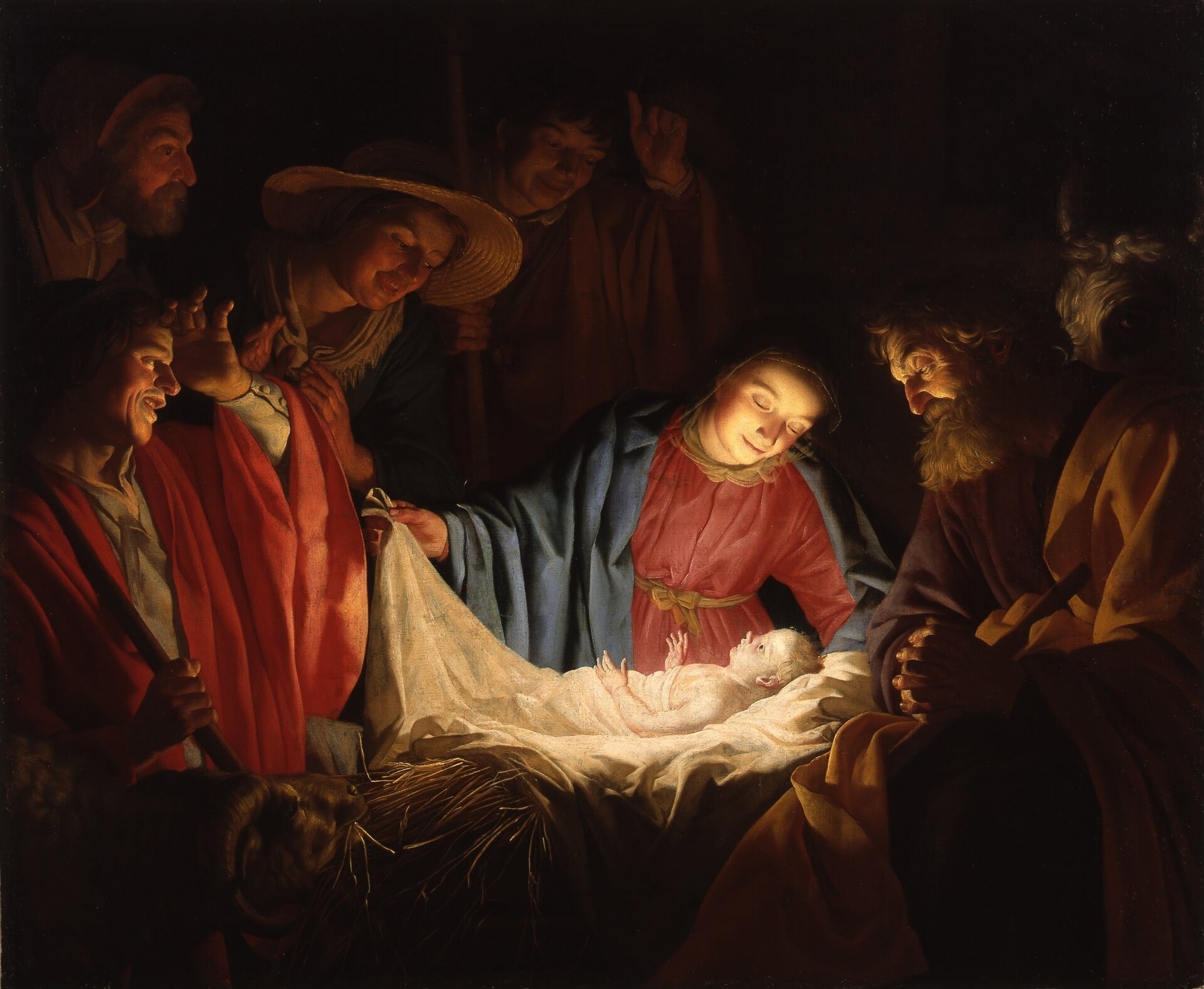 ಲೂಕನು 2 ‖ ಮತ್ತಾಯನು 1–2 · ಸುಮಾರು ಕ್ರಿ.ಪೂ. 6–4 (ಮಹಾ ಹೆರೋದನ ಮರಣದ ಮುಂಚೆ)
ಜನನ
ಇಬ್ಬರು ಸಾಕ್ಷಿಗಳು ಒಂದೇ ರಾತ್ರಿಯನ್ನು ಕೋಣೆಯ ಎರಡು ತುದಿಗಳಿಂದ ಹೇಳುತ್ತಾರೆ — ಲೂಕ ಗೋದಲಿ ಮತ್ತು ಕುರುಬರನ್ನು, ಮತ್ತಾಯ ಜ್ಞಾನಿಗಳನ್ನು ಮತ್ತು ಭಯಗೊಂಡ ಒಬ್ಬ ಅರಸನನ್ನು. ಬಹುಕಾಲದಿಂದ ವಾಗ್ದಾನ ಮಾಡಲ್ಪಟ್ಟ ಆಗಮನ.
ಮತ್ತಾಯನು 3 ‖ ಲೂಕನು 3 · ಸುಮಾರು ಕ್ರಿ.ಶ. 28/29 (ತಿಬೇರಿಯನ ಹದಿನೈದನೆಯ ವರ್ಷ, ಲೂಕ 3:1)ಅರಣ್ಯದಲ್ಲಿ ಒಂದು ಧ್ವನಿ
ತಿಬೇರಿಯನ ಹದಿನೈದನೆಯ ವರ್ಷದಲ್ಲಿ, ಯೊರ್ದನ್ ನದಿಯ ಬಳಿ ಕಾಡಿನಂಥ ಒಬ್ಬ ಪ್ರವಾದಿ ಇಸ್ರಾಯೇಲನ್ನು ಪಶ್ಚಾತ್ತಾಪಪಟ್ಟು ತೊಳೆಯಲ್ಪಡುವಂತೆ ಕರೆಯುತ್ತಾನೆ. ಯೇಸು ಜನಸಮೂಹದೊಂದಿಗೆ ಸೇರಿ, ದೀಕ್ಷಾಸ್ನಾನ ಪಡೆದು, ತಂದೆಯ ಧ್ವನಿಯನ್ನು ಕೇಳುತ್ತಾನೆ; ಲೂಕನು ಆತನ ವಂಶಾವಳಿಯನ್ನು ಆದಾಮನವರೆಗೆ ಗುರುತಿಸುತ್ತಾನೆ.
ಯೋಹಾನನು 1 · ಸುಮಾರು ಕ್ರಿ.ಶ. 28/29 (ಯೇಸುವಿನ ದೀಕ್ಷಾಸ್ನಾನದ ಸ್ವಲ್ಪ ಸಮಯದ ನಂತರ)ವಾಕ್ಯವು ಮನುಷ್ಯನಾದನು
ಯೋಹಾನನು ಸೃಷ್ಟಿಗಿಂತ ಮುಂಚಿನಿಂದ ಆರಂಭಿಸುತ್ತಾನೆ: ದೇವರೊಂದಿಗಿದ್ದ, ದೇವರೇ ಆಗಿದ್ದ ವಾಕ್ಯವು ಮನುಷ್ಯನಾಗುತ್ತಾನೆ. ನಂತರ ಸ್ನಾನಿಕನು 'ದೇವರ ಕುರಿಮರಿ'ಯನ್ನು ತೋರಿಸುತ್ತಾನೆ, ಮತ್ತು ಮೊದಲ ಶಿಷ್ಯರು ಹಿಂಬಾಲಿಸಲು ಆರಂಭಿಸುತ್ತಾರೆ.
ಯೋಹಾನನು 2 · ಸುಮಾರು ಕ್ರಿ.ಶ. 27/28 (ಒಂದು ಪಸ್ಕ; ದೇವಾಲಯ ನಿರ್ಮಾಣದ 'ನಲವತ್ತಾರು ವರ್ಷಗಳು', ಯೋಹಾನ 2:20)ನೀರು ದ್ರಾಕ್ಷಾರಸವಾಯಿತು, ಮೇಜುಗಳು ಉರುಳಿದವು
ಕಾನಾ ಊರಿನ ಒಂದು ಹಳ್ಳಿ ಮದುವೆಯಲ್ಲಿ ಯೇಸು ನೀರನ್ನು ದ್ರಾಕ್ಷಾರಸವನ್ನಾಗಿ ಮಾಡುತ್ತಾನೆ — ಯೋಹಾನನ ಮೊದಲ 'ಸೂಚಕಕಾರ್ಯ'. ನಂತರ ಪಸ್ಕದಲ್ಲಿ ಆತನು ವ್ಯಾಪಾರಿಗಳನ್ನು ದೇವಾಲಯದ ಅಂಗಳಗಳಿಂದ ಹೊರಗಟ್ಟಿ, ಮೂರು ದಿನಗಳಲ್ಲಿ ಎಬ್ಬಿಸಲ್ಪಡುವ ಒಂದು ದೇವಾಲಯದ ಬಗ್ಗೆ ಮಾತನಾಡುತ್ತಾನೆ.
ಯೋಹಾನನು 3 · ಸುಮಾರು ಕ್ರಿ.ಶ. 28 (ಯೂದಾಯದ ಆರಂಭಿಕ ಸೇವೆ)ಮೇಲಿನಿಂದ ಹುಟ್ಟುವುದು
ಒಬ್ಬ ಪ್ರಮುಖ ಫರಿಸಾಯನು ರಾತ್ರಿಯಲ್ಲಿ ಯೇಸುವಿನ ಬಳಿಗೆ ಬರುತ್ತಾನೆ, ಮತ್ತು ಅವನು ನೀರಿನಿಂದಲೂ ಆತ್ಮನಿಂದಲೂ ಹೊಸದಾಗಿ ಹುಟ್ಟಬೇಕು ಎಂದು ಅವನಿಗೆ ಹೇಳಲಾಗುತ್ತದೆ. ನಂತರ, ಯೇಸುವಿನ ಹೆಚ್ಚುತ್ತಿರುವ ಹಿಂಬಾಲಕರ ಬಗ್ಗೆ ಕೇಳಿದ ಸ್ನಾನಿಕನಾದ ಯೋಹಾನನು ಹೇಳುತ್ತಾನೆ: ಆತನು ಹೆಚ್ಚಬೇಕು, ನಾನು ಕಡಿಮೆಯಾಗಬೇಕು.
ಯೋಹಾನನು 4 · ಸುಮಾರು ಕ್ರಿ.ಶ. 28 (ಸುಗ್ಗಿಗೆ ಕೆಲವು ತಿಂಗಳುಗಳ ಮುಂಚೆ, ಯೋಹಾನ 4:35)ಬಾವಿಯ ಬಳಿಯ ಸ್ತ್ರೀ
ಮಧ್ಯಾಹ್ನ ಸಮಾರ್ಯವನ್ನು ದಾಟುತ್ತಿರುವಾಗ, ಯೇಸು ಒಬ್ಬ ಸಮಾರ್ಯದ ಸ್ತ್ರೀಯ ಬಳಿ ನೀರು ಕೇಳಿ, ಅವಳಿಗೆ 'ಜೀವಜಲ'ವನ್ನು ನೀಡುತ್ತಾನೆ. ಅವಳ ಊರು ನಂಬುತ್ತದೆ; ನಂತರ, ಕಾನಾ ಊರಿಗೆ ಹಿಂದಿರುಗಿ, ಆತನು ಒಬ್ಬ ಅಧಿಕಾರಿಯ ಸಾಯುತ್ತಿದ್ದ ಮಗನನ್ನು ದೂರದಿಂದಲೇ ಗುಣಪಡಿಸುತ್ತಾನೆ.
ಮತ್ತಾಯನು 4 ‖ ಮಾರ್ಕನು 1 ‖ ಲೂಕನು 4 · ಸುಮಾರು ಕ್ರಿ.ಶ. 28/29 (ಯೋಹಾನನ ಬಂಧನದ ನಂತರ, ಮಾರ್ಕ 1:14)ಪರೀಕ್ಷಿಸಲ್ಪಟ್ಟು, ನಂತರ ಕಳುಹಿಸಲ್ಪಟ್ಟು
ಅರಣ್ಯದಲ್ಲಿ ನಲವತ್ತು ದಿನಗಳ ಪರೀಕ್ಷೆ, ಕೋಪಾವೇಶದಲ್ಲಿ ಕೊನೆಗೊಳ್ಳುವ ನಜರೇತಿನ ಒಂದು ಪ್ರಸಂಗ, ಬಲೆಗಳಿಂದ ಕರೆಯಲ್ಪಟ್ಟ ಮೀನುಗಾರರು, ಮತ್ತು ಕಪೆರ್ನೌಮಿನಲ್ಲಿ ಜನಜಂಗುಳಿಯ ಒಂದು ದಿನ. ಗಲಿಲಾಯದ ಸೇವೆ ಆರಂಭವಾಗುತ್ತದೆ.
ಲೂಕನು 5 ‖ ಮಾರ್ಕನು 2 · ಸುಮಾರು ಕ್ರಿ.ಶ. 28/29 (ಗಲಿಲಾಯದ ಆರಂಭಿಕ ಸೇವೆ)ಮಾಳಿಗೆಯ ಮೂಲಕ
ಅದ್ಭುತವಾದ ಮೀನಿನ ಬೇಟೆ ಸೀಮೋನನನ್ನು ಮೊಣಕಾಲೂರುವಂತೆ ಮಾಡುತ್ತದೆ; ಯೇಸುವನ್ನು ತಲುಪಲು ಸ್ನೇಹಿತರು ಮಾಳಿಗೆಯನ್ನು ಅಗೆಯುತ್ತಾರೆ; ಒಬ್ಬ ಸುಂಕದವನು ತನ್ನ ಸುಂಕದ ಕಟ್ಟೆಯನ್ನು ಬಿಟ್ಟು ಪಾಪಿಗಳೊಂದಿಗೆ ಔತಣಕ್ಕೆ ಬರುತ್ತಾನೆ. ಕ್ಷಮೆ, ಉಪವಾಸ ಮತ್ತು ಸಬ್ಬತ್ತಿನ ವಿಷಯದಲ್ಲಿ ವಿರೋಧ ಒಟ್ಟುಗೂಡುತ್ತದೆ.
ಯೋಹಾನನು 5 · ಸುಮಾರು ಕ್ರಿ.ಶ. 28/29 (ಹೆಸರಿಸದ ಒಂದು ಯೆಹೂದ್ಯ ಹಬ್ಬ, ಯೋಹಾನ 5:1)ಐದು ಮಂಟಪಗಳ ಕೊಳ
ಯೆರೂಸಲೇಮಿನ ಬೇತ್ಸಥ ಕೊಳದ ಬಳಿ, ಮೂವತ್ತೆಂಟು ವರ್ಷಗಳಿಂದ ರೋಗಿಯಾಗಿದ್ದ ಒಬ್ಬ ಮನುಷ್ಯನನ್ನು ಯೇಸು ಗುಣಪಡಿಸುತ್ತಾನೆ — ಸಬ್ಬತ್ ದಿನದಲ್ಲಿ. ಆ ವಿವಾದ, ತಂದೆಯೊಂದಿಗಿನ ತನ್ನ ಸಂಬಂಧದ ಕುರಿತ ಆತನ ಮೊದಲ ದೀರ್ಘ ಭಾಷಣಕ್ಕೆ ದಾರಿ ತೆರೆಯುತ್ತದೆ.
ಲೂಕನು 6 ‖ ಮಾರ್ಕನು 3 · ಸುಮಾರು ಕ್ರಿ.ಶ. 28/29 (ಗಲಿಲಾಯದ ಸೇವೆ)ಹನ್ನೆರಡು ಮಂದಿ ಆಯ್ಕೆ, ಆಶೀರ್ವಾದಗಳು ತಿರುವುಮುರುವು
ಒಂದು ಸಬ್ಬತ್ ಗುಣಪಡಿಸುವಿಕೆ ವಿರೋಧವನ್ನು ಕಠಿಣಗೊಳಿಸುತ್ತದೆ; ಇಡೀ ರಾತ್ರಿಯ ಪ್ರಾರ್ಥನೆಯ ನಂತರ ಯೇಸು ಹನ್ನೆರಡು ಅಪೊಸ್ತಲರನ್ನು ಆರಿಸಿಕೊಳ್ಳುತ್ತಾನೆ; ಸಮತಟ್ಟಾದ ಸ್ಥಳದಲ್ಲಿ ಆತನು ಬಡವರನ್ನು ಆಶೀರ್ವದಿಸಿ ಐಶ್ವರ್ಯವಂತರನ್ನು ಎಚ್ಚರಿಸುತ್ತಾನೆ. ಆತನ ಸ್ವಂತ ಕುಟುಂಬದವರು ಆತನಿಗೆ ಬುದ್ಧಿಭ್ರಮಣೆಯಾಗಿದೆ ಎಂದು ಭಾವಿಸುತ್ತಾರೆ.
ಮತ್ತಾಯನು 5 · ಸುಮಾರು ಕ್ರಿ.ಶ. 28–32 (ಗಲಿಲಾಯದ ಸೇವೆ; ನಿಖರ ವರ್ಷ ತಿಳಿದಿಲ್ಲ)ಆತ್ಮದಲ್ಲಿ ದೀನರು ಧನ್ಯರು
ಯೇಸು ಒಂದು ಗುಡ್ಡದ ಇಳಿಜಾರಿನಲ್ಲಿ ಕುಳಿತು ಲೋಕದ ಅಂಕಪಟ್ಟಿಯನ್ನು ತಲೆಕೆಳಗು ಮಾಡುತ್ತಾನೆ: ಬಡವರು, ದುಃಖಿಸುವವರು ಮತ್ತು ದೀನರೇ ಧನ್ಯರು, ಮತ್ತು ಧರ್ಮಶಾಸ್ತ್ರ ಹೃದಯದೊಳಗಿನವರೆಗೂ ತಲುಪುತ್ತದೆ.
ಮತ್ತಾಯನು 6 · ಸುಮಾರು ಕ್ರಿ.ಶ. 28–32 (ಗಲಿಲಾಯದ ಸೇವೆ; ನಿಖರ ವರ್ಷ ತಿಳಿದಿಲ್ಲ)ನೀವು ಪ್ರಾರ್ಥಿಸುವಾಗ
ನೆರೆಯವರ ಕಣ್ಣಿಗಾಗಿ ಅಲ್ಲ, ದೇವರ ಕಣ್ಣಿಗಾಗಿ ಮಾಡುವ ದಾನ, ಪ್ರಾರ್ಥನೆ ಮತ್ತು ಉಪವಾಸ; ಕರ್ತನ ಪ್ರಾರ್ಥನೆ; ಮತ್ತು ಪಕ್ಷಿಗಳಿಂದಲೂ ಕಾಡುಹೂವುಗಳಿಂದಲೂ ಪಡೆದ, ಚಿಂತಿಸುವುದನ್ನು ನಿಲ್ಲಿಸುವ ಒಂದು ಆಹ್ವಾನ.
ಮತ್ತಾಯನು 7 · ಸುಮಾರು ಕ್ರಿ.ಶ. 28–32 (ಗಲಿಲಾಯದ ಸೇವೆ; ನಿಖರ ವರ್ಷ ತಿಳಿದಿಲ್ಲ)ಬಿರುಗಾಳಿಯಲ್ಲಿ ಎರಡು ಮನೆಗಳು
ಪ್ರಸಂಗದ ಮುಕ್ತಾಯ: ತೀರ್ಪುಮಾಡುವುದನ್ನು ನಿಲ್ಲಿಸು, ಕೇಳುತ್ತಲೇ ಇರು, ಇತರರು ನಿನಗೆ ಏನು ಮಾಡಬೇಕೆಂದು ಬಯಸುತ್ತೀಯೋ ಅದನ್ನೇ ಅವರಿಗೆ ಮಾಡು, ಇಕ್ಕಟ್ಟಾದ ಬಾಗಿಲನ್ನು ಆರಿಸಿಕೊ — ಮತ್ತು ಕೇವಲ ಕೇಳುವುದರ ಮೇಲಲ್ಲ, ಕೇಳುವುದು ಮತ್ತು ಮಾಡುವುದರ ಮೇಲೆ ಕಟ್ಟು.
ಲೂಕನು 7 ‖ ಮತ್ತಾಯನು 11 · ಸುಮಾರು ಕ್ರಿ.ಶ. 28–32 (ಗಲಿಲಾಯದ ಸೇವೆ; ನಿಖರ ವರ್ಷ ತಿಳಿದಿಲ್ಲ)ಬರಬೇಕಾದವನು ನೀನೋ?
ಒಬ್ಬ ರೋಮನ್ ಅಧಿಕಾರಿಯ ನಂಬಿಕೆ, ನಾಯಿನ್ ಊರಿನಲ್ಲಿ ಎಬ್ಬಿಸಲ್ಪಟ್ಟ ಒಬ್ಬ ವಿಧವೆಯ ಏಕೈಕ ಮಗ, ಸೆರೆಯಿಂದ ಸ್ನಾನಿಕನಾದ ಯೋಹಾನನ ಪ್ರಶ್ನೆ, ಮತ್ತು ಒಬ್ಬ ಫರಿಸಾಯನ ಮನೆಯಲ್ಲಿ ಯೇಸುವಿನ ಪಾದಗಳ ಬಳಿ ಕಣ್ಣೀರಿಡುವ, ಕೆಟ್ಟ ಹೆಸರಿನ ಒಬ್ಬ ಸ್ತ್ರೀ.
ಮತ್ತಾಯನು 12 · ಸುಮಾರು ಕ್ರಿ.ಶ. 28–32 (ಗಲಿಲಾಯದ ಸೇವೆ; ನಿಖರ ವರ್ಷ ತಿಳಿದಿಲ್ಲ)ಸಬ್ಬತ್ತಿಗೆ ಒಡೆಯನು
ಸಬ್ಬತ್ತಿನಲ್ಲಿ ಕಿತ್ತ ತೆನೆಗಳು, ಗುಣಹೊಂದಿದ ಬತ್ತಿದ ಕೈ, ಯೇಸುವಿನ ವಿರುದ್ಧ ಒಳಸಂಚು, ಮತ್ತು ಆತನ ಶಕ್ತಿ ಬೆಯೆಲ್ಜೆಬೂಲನಿಂದ ಬರುತ್ತದೆ ಎಂಬ ಆರೋಪ — ವಿರೋಧ ಕಠಿಣವಾಗುತ್ತದೆ.
ಮತ್ತಾಯನು 13 ‖ ಮಾರ್ಕನು 4 ‖ ಲೂಕನು 8 · ಸುಮಾರು ಕ್ರಿ.ಶ. 28–32 (ಗಲಿಲಾಯದ ಸೇವೆ; ನಿಖರ ವರ್ಷ ತಿಳಿದಿಲ್ಲ)ಬೀಜಗಳು, ಕಳೆಗಳು ಮತ್ತು ಅಡಗಿಸಿಟ್ಟ ನಿಧಿ
ಒಂದು ದೋಣಿಯಿಂದ ಯೇಸು ಸಾಮ್ಯಗಳಲ್ಲಿ ಬೋಧಿಸುತ್ತಾನೆ — ಬಿತ್ತುವವನು, ಗೋಧಿಯ ನಡುವೆ ಕಳೆಗಳು, ಸಾಸಿವೆ ಕಾಳು, ಹುಳಿಹಿಟ್ಟು, ಹೊಲದಲ್ಲಿನ ನಿಧಿ — ನಂತರ ಸರೋವರದಲ್ಲಿ ಒಂದು ಬಿರುಗಾಳಿಯನ್ನು ಶಾಂತಗೊಳಿಸುತ್ತಾನೆ.
ಮತ್ತಾಯನು 8 ‖ ಮಾರ್ಕನು 5 · ಸುಮಾರು ಕ್ರಿ.ಶ. 28–32 (ಗಲಿಲಾಯದ ಸೇವೆ; ನಿಖರ ವರ್ಷ ತಿಳಿದಿಲ್ಲ)ಗಾಳಿಯೂ ವಿಧೇಯವಾಗುತ್ತದೆ
ಮುಟ್ಟಲ್ಪಟ್ಟ ಒಬ್ಬ ಕುಷ್ಠರೋಗಿ, ದೂರದಿಂದಲೇ ಗುಣಹೊಂದಿದ ಶತಾಧಿಪತಿಯ ಸೇವಕ, ಶಾಂತಗೊಂಡ ಬಿರುಗಾಳಿ, ಬಿಡುಗಡೆಯಾದ ಲೀಜನ್ ಎಂದು ಕರೆಯಲ್ಪಟ್ಟ ಮನುಷ್ಯ, ಮತ್ತು ಎದ್ದೇಳು ಎಂದು ಹೇಳಲ್ಪಟ್ಟ ಸತ್ತ ಹುಡುಗಿ.
ಮತ್ತಾಯನು 9 · ಸುಮಾರು ಕ್ರಿ.ಶ. 28–32 (ಗಲಿಲಾಯದ ಸೇವೆ; ನಿಖರ ವರ್ಷ ತಿಳಿದಿಲ್ಲ)ಆರೋಗ್ಯವಂತರಿಗಲ್ಲ, ರೋಗಿಗಳಿಗೆ
ಕ್ಷಮಿಸಲ್ಪಟ್ಟು ಗುಣಹೊಂದಿದ ಒಬ್ಬ ಪಾರ್ಶ್ವವಾಯು ರೋಗಿ, ಹಿಂಬಾಲಿಸಲು ಕರೆಯಲ್ಪಟ್ಟ ಒಬ್ಬ ಸುಂಕದವನು, ಹೊಸ ಬುದ್ದಲಿಗಳಲ್ಲಿ ಹೊಸ ದ್ರಾಕ್ಷಾರಸ, ಎಬ್ಬಿಸಲ್ಪಟ್ಟ ಸತ್ತ ಹುಡುಗಿ — ಮತ್ತು ಕೆಲಸಗಾರರಿಗಾಗಿ ಕಾಯುತ್ತಿರುವ ಸುಗ್ಗಿ.
ಮತ್ತಾಯನು 10 · ಸುಮಾರು ಕ್ರಿ.ಶ. 28–32 (ಗಲಿಲಾಯದ ಸೇವೆ; ನಿಖರ ವರ್ಷ ತಿಳಿದಿಲ್ಲ)ತೋಳಗಳ ನಡುವೆ ಕುರಿಗಳು
ಯೇಸು ಹನ್ನೆರಡು ಮಂದಿಯನ್ನು ಹೆಸರಿಸಿ, ಹಣವಿಲ್ಲದೆ, ಹೆಚ್ಚಿನ ಬಟ್ಟೆಗಳಿಲ್ಲದೆ ಅವರನ್ನು ಇಸ್ರಾಯೇಲಿನ ತಪ್ಪಿಹೋದ ಕುರಿಗಳ ಬಳಿಗೆ ಕಳುಹಿಸುತ್ತಾನೆ — ತಿರಸ್ಕಾರದ ಬಗ್ಗೆ ಎಚ್ಚರಿಸುತ್ತಾ, ಮತ್ತು ಪ್ರತಿಯೊಂದು ಗುಬ್ಬಿಯವರೆಗೂ ತಂದೆಯ ಆರೈಕೆಯನ್ನು ವಾಗ್ದಾನ ಮಾಡುತ್ತಾ.
ಮತ್ತಾಯನು 14 ‖ ಮಾರ್ಕನು 6 ‖ ಯೋಹಾನನು 6 · ವಸಂತಕಾಲ, ಸುಮಾರು ಕ್ರಿ.ಶ. 29–32 (ಒಂದು ಪಸ್ಕದ ಸಮೀಪ, ಯೋಹಾನ 6:4)ಐದು ಸಾವಿರ ಜನರಿಗೆ ಐದು ರೊಟ್ಟಿಗಳು
ಹೆರೋದನ ಔತಣದಲ್ಲಿ ಸ್ನಾನಿಕನಾದ ಯೋಹಾನನ ತಲೆ ಕಡಿಯಲ್ಪಡುತ್ತದೆ; ಯೇಸು ಐದು ರೊಟ್ಟಿ ಎರಡು ಮೀನುಗಳಿಂದ ಅಪಾರ ಜನಸಮೂಹಕ್ಕೆ ಊಟ ಕೊಟ್ಟು, ಸರೋವರದ ಮೇಲೆ ನಡೆದು, ತನ್ನನ್ನು ಜೀವದ ರೊಟ್ಟಿ ಎಂದು ಕರೆದುಕೊಳ್ಳುತ್ತಾನೆ.
ಮತ್ತಾಯನು 15 ‖ ಮಾರ್ಕನು 7 · ಸುಮಾರು ಕ್ರಿ.ಶ. 29–32 (ಗಲಿಲಾಯದ ಸೇವೆಯ ಕೊನೆಯ ಭಾಗ; ನಿಖರ ವರ್ಷ ಅನಿಶ್ಚಿತ)ಶುದ್ಧ ಕೈಗಳು, ಶುದ್ಧ ಹೃದಯಗಳು
ಒಬ್ಬ ವ್ಯಕ್ತಿಯನ್ನು ಅಶುದ್ಧನನ್ನಾಗಿ ಮಾಡುವುದು ಯಾವುದು ಎಂಬುದರ ಬಗ್ಗೆ ಯೇಸು ಯೆರೂಸಲೇಮಿನ ಬೋಧಕರೊಂದಿಗೆ ವಾದಿಸುತ್ತಾನೆ; ನಂತರ ಇಲ್ಲ ಎಂಬ ಉತ್ತರವನ್ನು ಒಪ್ಪಿಕೊಳ್ಳಲು ನಿರಾಕರಿಸುವ ಒಬ್ಬ ಪರದೇಶಿ ತಾಯಿಯನ್ನು ಸಂಧಿಸುತ್ತಾನೆ, ಮತ್ತು ನಾಲ್ಕು ಸಾವಿರ ಜನರ ಸಮೂಹಕ್ಕೆ ಊಟ ಕೊಡುತ್ತಾನೆ.
ಮತ್ತಾಯನು 16 ‖ ಮಾರ್ಕನು 8 · ಸುಮಾರು ಕ್ರಿ.ಶ. 29–32 (ದಕ್ಷಿಣದ ಕಡೆಗಿನ ಅಂತಿಮ ಪ್ರಯಾಣಕ್ಕೆ ಸ್ವಲ್ಪ ಮುಂಚೆ)ನೀನೇ ಮೆಸ್ಸೀಯನು
ಅನ್ಯದೇವತೆಯ ಆರಾಧನಾಲಯದ ಸುತ್ತ ಕಟ್ಟಲ್ಪಟ್ಟ ಒಂದು ಪಟ್ಟಣದ ಬಳಿ, ಜನರು ತನ್ನನ್ನು ಯಾರೆಂದು ಹೇಳುತ್ತಾರೆ ಎಂದು ಯೇಸು ಕೇಳುತ್ತಾನೆ. ಪೇತ್ರನು 'ಮೆಸ್ಸೀಯನು' ಎಂದು ಉತ್ತರಿಸುತ್ತಾನೆ — ಮತ್ತು ನಂತರ ಆ ಬಿರುದು ಅರ್ಥೈಸಲಿರುವ ಬಾಧೆಯನ್ನು ನಿರಾಕರಿಸಿದ್ದಕ್ಕಾಗಿ ಗದರಿಸಲ್ಪಡುತ್ತಾನೆ.
ಲೂಕನು 9 · ಸುಮಾರು ಕ್ರಿ.ಶ. 29–32 (ಗಲಿಲಾಯದ ಸೇವೆಯ ಕೊನೆ)ಆತನು ದೃಢಮನಸ್ಸು ಮಾಡಿದನು
ಲೂಕನ ಕೀಲು-ಅಧ್ಯಾಯ: ಹನ್ನೆರಡು ಮಂದಿ ಕಳುಹಿಸಲ್ಪಡುತ್ತಾರೆ, ಐದು ಸಾವಿರ ಜನರಿಗೆ ಊಟ, ಪೇತ್ರನ ಅರಿಕೆ, ಮಹಿಮೆಯ ಬೆಟ್ಟ — ನಂತರ ಯೇಸು ದೃಢವಾಗಿ ಯೆರೂಸಲೇಮಿನ ಕಡೆಗೆ ತಿರುಗುತ್ತಾನೆ, ಮತ್ತು ಶಿಲುಬೆಯ ಕಡೆಗಿನ ದೀರ್ಘ ದಾರಿ ಆರಂಭವಾಗುತ್ತದೆ.
ಮತ್ತಾಯನು 17 ‖ ಮಾರ್ಕನು 9 · ಸುಮಾರು ಕ್ರಿ.ಶ. 29–32 (ಪೇತ್ರನ ಅರಿಕೆಯ ಸುಮಾರು ಒಂದು ವಾರದ ನಂತರ)ಬೆಟ್ಟದ ಮೇಲೆ ಮಹಿಮೆ
ಮೂವರು ಶಿಷ್ಯರು ಮೋಶೆ ಮತ್ತು ಎಲೀಯರ ಪಕ್ಕದಲ್ಲಿ ಯೇಸು ರೂಪಾಂತರಗೊಂಡದ್ದನ್ನು ಕಾಣುತ್ತಾರೆ; ನಂತರ ಕೆಳಗಿಳಿದು ಹತಾಶನಾದ ಒಬ್ಬ ತಂದೆ, ಯಾತನೆಯಲ್ಲಿರುವ ಒಬ್ಬ ಹುಡುಗ, ಮತ್ತು 'ಸಾಸಿವೆ ಕಾಳಿನಷ್ಟು' ನಂಬಿಕೆಯ ಕುರಿತ ಒಂದು ಪಾಠವನ್ನು ಎದುರುಗೊಳ್ಳುತ್ತಾರೆ.
ಮತ್ತಾಯನು 18 · ಸುಮಾರು ಕ್ರಿ.ಶ. 29–32 (ಕಪೆರ್ನೌಮ್, ದಕ್ಷಿಣದ ಕಡೆಗಿನ ಪ್ರಯಾಣಕ್ಕೆ ಮುಂಚೆ)ಎಪ್ಪತ್ತೇಳು ಸಾರಿ
ಒಟ್ಟಾಗಿ ಬಾಳುವುದರ ಕುರಿತ ಯೇಸುವಿನ ಬೋಧನೆ: ಮಕ್ಕಳಂತಾಗಿರಿ, ದುರ್ಬಲರನ್ನು ಎಡವಿಸಬೇಡಿರಿ, ದಾರಿತಪ್ಪಿದ್ದನ್ನು ಹುಡುಕಿಕೊಂಡು ಹೋಗಿರಿ, ಏಕಾಂತದಲ್ಲಿ ತಿದ್ದಿರಿ, ಮತ್ತು ಎಣಿಸದೆ ಕ್ಷಮಿಸಿರಿ — ಯಾರೂ ತೀರಿಸಲಾಗದ ಸಾಲದ ಕುರಿತ ಒಂದು ಸಾಮ್ಯದೊಂದಿಗೆ.
ಯೋಹಾನನು 7 · ಶರತ್ಕಾಲ, ಸುಮಾರು ಕ್ರಿ.ಶ. 29 ಅಥವಾ 32 (ವರ್ಷವು ಶಿಲುಬೆಗೇರಿಸುವಿಕೆಯ ದಿನಾಂಕವನ್ನು ಅವಲಂಬಿಸಿದೆ)ಜೀವಜಲದ ನದಿಗಳು
ಪರ್ಣಶಾಲೆಗಳ ಹಬ್ಬದಲ್ಲಿ ಯೇಸು ಗುಟ್ಟಾಗಿ ಯೆರೂಸಲೇಮಿಗೆ ಹೋಗುತ್ತಾನೆ, ದೇವಾಲಯದಲ್ಲಿ ಬಹಿರಂಗವಾಗಿ ಬೋಧಿಸುತ್ತಾನೆ, ಮತ್ತು ಮಹಾ ಕೊನೆಯ ದಿನದಂದು ಜೀವಜಲವನ್ನು ವಾಗ್ದಾನ ಮಾಡುತ್ತಾನೆ — ಜನಸಮೂಹ, ಕಾವಲಾಳುಗಳು ಮತ್ತು ಅಧಿಕಾರಿಗಳು ಆತನು ಯಾರು ಎಂದು ವಾದಿಸುತ್ತಿರುವಾಗಲೇ.
ಯೋಹಾನನು 8 · ಶರತ್ಕಾಲ, ಸುಮಾರು ಕ್ರಿ.ಶ. 29 ಅಥವಾ 32 (ಪರ್ಣಶಾಲೆಗಳ ಹಬ್ಬದಲ್ಲಿ ಅಥವಾ ಅದರ ಸ್ವಲ್ಪ ನಂತರ)ಅಬ್ರಹಾಮನು ಹುಟ್ಟುವುದಕ್ಕಿಂತ ಮುಂಚೆ
ತೀರ್ಪು ಹೊಂದಲು ಒಬ್ಬ ಸ್ತ್ರೀಯನ್ನು ಯೇಸುವಿನ ಮುಂದೆ ಎಳೆದು ತರಲಾಗುತ್ತದೆ; ಆತನು ತನ್ನನ್ನು ಲೋಕದ ಬೆಳಕು ಎಂದು ಕರೆದುಕೊಳ್ಳುತ್ತಾನೆ; ಸತ್ಯ, ಬಿಡುಗಡೆ ಮತ್ತು ಅಬ್ರಹಾಮನ ಕುರಿತ ವಾದವು 'ಅಬ್ರಹಾಮನು ಹುಟ್ಟುವುದಕ್ಕಿಂತ ಮುಂಚೆಯೇ ನಾನು ಇದ್ದೇನೆ' ಎಂಬುದರಲ್ಲಿ — ಮತ್ತು ಜನಸಮೂಹದ ಕೈಗಳಲ್ಲಿ ಕಲ್ಲುಗಳಲ್ಲಿ — ಕೊನೆಗೊಳ್ಳುತ್ತದೆ.
ಯೋಹಾನನು 9 · ಶರತ್ಕಾಲ, ಸುಮಾರು ಕ್ರಿ.ಶ. 29 ಅಥವಾ 32 (ಪರ್ಣಶಾಲೆಗಳ ಹಬ್ಬದ ನಂತರದ ಒಂದು ಸಬ್ಬತ್ ದಿನ)ನಾನು ಕುರುಡನಾಗಿದ್ದೆ, ಈಗ ಕಾಣುತ್ತೇನೆ
ಹುಟ್ಟಿನಿಂದಲೇ ಕುರುಡನಾಗಿದ್ದ ಒಬ್ಬನನ್ನು ಯೇಸು ಕೆಸರು ಮತ್ತು ಸಿಲೋವ ಕೊಳದ ಮೂಲಕ ಸ್ವಸ್ಥಪಡಿಸುತ್ತಾನೆ. ನಂತರ ಆ ಮನುಷ್ಯನನ್ನು ವಿಚಾರಣೆಗೊಳಪಡಿಸಲಾಗುತ್ತದೆ, ಭಯದ ನಿಮಿತ್ತ ಅವನ ಕುಟುಂಬ ಕೈಬಿಡುತ್ತದೆ, ಅವನನ್ನು ಹೊರಗೆ ಹಾಕಲಾಗುತ್ತದೆ — ಕೊನೆಗೆ ಅವನು ತನ್ನ ನ್ಯಾಯಾಧೀಶರಿಗಿಂತ ಸ್ಪಷ್ಟವಾಗಿ ಕಾಣುವವನಾಗುತ್ತಾನೆ.
ಯೋಹಾನನು 10 · ಶರತ್ಕಾಲದಿಂದ ಚಳಿಗಾಲದವರೆಗೆ, ಸುಮಾರು ಕ್ರಿ.ಶ. 29 ಅಥವಾ 32 (ದೇವಾಲಯ ಪ್ರತಿಷ್ಠೆಯ ಹಬ್ಬ, ಯೋಹಾನ 10:22)ಒಳ್ಳೆಯ ಕುರುಬನು
ಯೇಸು ತನ್ನನ್ನು ಕುರಿಹಟ್ಟಿಯ ಬಾಗಿಲು ಎಂದೂ, ತನ್ನ ಪ್ರಾಣವನ್ನು ಕೊಡುವ ಒಳ್ಳೆಯ ಕುರುಬನು ಎಂದೂ ಕರೆದುಕೊಳ್ಳುತ್ತಾನೆ. ಚಳಿಗಾಲದ ದೇವಾಲಯ ಪ್ರತಿಷ್ಠೆಯ ಹಬ್ಬದಲ್ಲಿ ಆತನು, 'ನಾನೂ ತಂದೆಯೂ ಒಂದಾಗಿದ್ದೇವೆ' ಎನ್ನುತ್ತಾನೆ — ಮತ್ತೆ ಅವರು ಕಲ್ಲುಗಳತ್ತ ಕೈಚಾಚುತ್ತಾರೆ.
ಲೂಕನು 10 · ಸುಮಾರು ಕ್ರಿ.ಶ. 29–32 (ಯೆರೂಸಲೇಮಿನ ಕಡೆಗಿನ ಪ್ರಯಾಣದಲ್ಲಿ)ನನ್ನ ನೆರೆಯವನು ಯಾರು?
ಯೇಸು ಎಪ್ಪತ್ತೆರಡು ಮಂದಿಯನ್ನು ತನಗಿಂತ ಮುಂಚಿತವಾಗಿ ಕಳುಹಿಸುತ್ತಾನೆ, ಅವರು ಹಿಂದಿರುಗಿದಾಗ ಆನಂದಿಸುತ್ತಾನೆ, ಒಬ್ಬ ಧರ್ಮೋಪದೇಶಕನಿಗೆ ಒಳ್ಳೆಯ ಸಮಾರ್ಯದವನ ಸಾಮ್ಯದಿಂದ ಉತ್ತರಿಸುತ್ತಾನೆ, ಮತ್ತು ಮರಿಯಳು ಆತನ ಪಾದಗಳ ಬಳಿ ಕುಳಿತು ಕೇಳುತ್ತಿರುವಾಗ ಮಾರ್ಥಳನ್ನು ಮೃದುವಾಗಿ ತಿದ್ದುತ್ತಾನೆ.
ಲೂಕನು 11 · ಸುಮಾರು ಕ್ರಿ.ಶ. 29–33 (ಸೇವೆಯ ಕೊನೆಯ ಭಾಗ; ನಿಖರವಾದ ಹಂತ ತಿಳಿದಿಲ್ಲ)ನಮಗೆ ಪ್ರಾರ್ಥಿಸುವುದನ್ನು ಕಲಿಸು
ಯೆರೂಸಲೇಮಿನ ದಾರಿಯಲ್ಲಿ ಯೇಸು ತನ್ನ ಶಿಷ್ಯರಿಗೆ ಕೇಳುವ ತಂದೆಗೆ ಮಾಡುವ ಒಂದು ಚಿಕ್ಕ ಪ್ರಾರ್ಥನೆಯನ್ನು ಕಲಿಸುತ್ತಾನೆ, ತಾನು ಬೆಲ್ಜೆಬೂಲನಿಂದ ಕಾರ್ಯಮಾಡುತ್ತೇನೆ ಎಂಬ ಆರೋಪಕ್ಕೆ ಉತ್ತರಿಸುತ್ತಾನೆ, ಮತ್ತು ಊಟದ ಮೇಜಿನ ಬಳಿ ಫರಿಸಾಯರನ್ನೂ ಧರ್ಮೋಪದೇಶಕರನ್ನೂ ಎದುರಿಸುತ್ತಾನೆ.
ಲೂಕನು 12 · ಸುಮಾರು ಕ್ರಿ.ಶ. 29–33 (ಸೇವೆಯ ಕೊನೆಯ ಭಾಗ; ನಿಖರವಾದ ಹಂತ ತಿಳಿದಿಲ್ಲ)ಕಣಜಗಳು ಮತ್ತು ಪಕ್ಷಿಗಳು
ಆಸ್ತಿಯ ಪಾಲಿನ ಜಗಳವನ್ನು ಬಗೆಹರಿಸುವಂತೆ ಕೇಳಲ್ಪಟ್ಟಾಗ, ಯೇಸು ತಾನು ಸಾಯುವ ರಾತ್ರಿಯೇ ದೊಡ್ಡ ಕಣಜಗಳನ್ನು ಯೋಜಿಸುತ್ತಿದ್ದ ಒಬ್ಬ ಐಶ್ವರ್ಯವಂತನ ಕಥೆಯನ್ನು ಹೇಳುತ್ತಾನೆ, ನಂತರ ಚಿಂತೆಯಿಂದ ಬಿಡುಗಡೆ ಮತ್ತು ಯಜಮಾನನ ಪುನರಾಗಮನಕ್ಕೆ ಸಿದ್ಧತೆಯನ್ನು ಬೋಧಿಸುತ್ತಾನೆ.
ಲೂಕನು 13 · ಸುಮಾರು ಕ್ರಿ.ಶ. 29–33 (ಸೇವೆಯ ಕೊನೆಯ ಭಾಗ; ನಿಖರವಾದ ಹಂತ ತಿಳಿದಿಲ್ಲ)ಗೋಪುರ ಮತ್ತು ಅಂಜೂರದ ಮರ
ಯೇಸು ದುರಂತವನ್ನು ಶಿಕ್ಷೆಯೆಂದು ಓದಲು ನಿರಾಕರಿಸಿ ಎಲ್ಲರನ್ನೂ ಮಾನಸಾಂತರಕ್ಕೆ ಕರೆಯುತ್ತಾನೆ, ಫಲಕೊಡದ ಅಂಜೂರದ ಮರಕ್ಕೆ ಇನ್ನೊಂದು ವರ್ಷ ಕೊಡುತ್ತಾನೆ, ಸಬ್ಬತ್ ದಿನದಲ್ಲಿ ಬಗ್ಗಿಹೋಗಿದ್ದ ಒಬ್ಬ ಸ್ತ್ರೀಯನ್ನು ಸ್ವಸ್ಥಪಡಿಸುತ್ತಾನೆ, ಮತ್ತು ಯೆರೂಸಲೇಮಿನ ಕುರಿತು ದುಃಖಿಸುತ್ತಾನೆ.
ಲೂಕನು 14 · ಸುಮಾರು ಕ್ರಿ.ಶ. 29–33 (ಸೇವೆಯ ಕೊನೆಯ ಭಾಗ; ನಿಖರವಾದ ಹಂತ ತಿಳಿದಿಲ್ಲ)ಯಾರು ಎಲ್ಲಿ ಕುಳಿತುಕೊಳ್ಳುತ್ತಾರೆ
ಒಬ್ಬ ಫರಿಸಾಯನ ಸಬ್ಬತ್ ಊಟದಲ್ಲಿ ಯೇಸು ಬಾವು ರೋಗವಿದ್ದ ಒಬ್ಬನನ್ನು ಸ್ವಸ್ಥಪಡಿಸುತ್ತಾನೆ, ಅತಿಥಿಗಳಿಗೆ ಕಡೆಯ ಆಸನವನ್ನು ತೆಗೆದುಕೊಳ್ಳಲೂ ಆತಿಥೇಯರಿಗೆ ಬಡವರನ್ನು ಆಮಂತ್ರಿಸಲೂ ಹೇಳುತ್ತಾನೆ, ಹೊರಗಿನವರಿಂದ ತುಂಬಿದ ಒಂದು ಔತಣವನ್ನು ವರ್ಣಿಸುತ್ತಾನೆ, ಮತ್ತು ತನ್ನನ್ನು ಹಿಂಬಾಲಿಸುವುದರ ಬೆಲೆಯನ್ನು ಲೆಕ್ಕಿಸುತ್ತಾನೆ.
ಲೂಕನು 15 · ಸುಮಾರು ಕ್ರಿ.ಶ. 29–33 (ಸೇವೆಯ ಕೊನೆಯ ಭಾಗ; ನಿಖರವಾದ ಹಂತ ತಿಳಿದಿಲ್ಲ)ಕಳೆದುಹೋಯಿತು, ಸಿಕ್ಕಿತು — ಮೂರು ಬಾರಿ
ಯೇಸು ಪಾಪಿಗಳೊಂದಿಗೆ ಊಟಮಾಡುತ್ತಾನೆ ಎಂದು ಧಾರ್ಮಿಕ ಮುಖಂಡರು ಗೊಣಗುವಾಗ, ಆತನು ಮೂರು ಕಥೆಗಳನ್ನು ಹೇಳುತ್ತಾನೆ — ಕಳೆದುಹೋದ ಕುರಿ, ಕಳೆದುಹೋದ ನಾಣ್ಯ ಮತ್ತು ಕಳೆದುಹೋದ ಮಗ — ಪ್ರತಿಯೊಂದೂ ಒಂದು ಸಂಭ್ರಮದಲ್ಲಿ ಕೊನೆಗೊಳ್ಳುತ್ತದೆ, ಮತ್ತು ಕೊನೆಯದು ಹೊರಗೆ ನಿಂತಿರುವ ಒಬ್ಬ ಹಿರಿಯ ಮಗನೊಂದಿಗೆ.
ಲೂಕನು 16 · ಸುಮಾರು ಕ್ರಿ.ಶ. 29–33 (ಸೇವೆಯ ಕೊನೆಯ ಭಾಗ; ನಿಖರವಾದ ಹಂತ ತಿಳಿದಿಲ್ಲ)ಮನೆವಾರ್ತೆಯವನು ಮತ್ತು ಭಿಕ್ಷುಕನು
ಹಣದ ಸರಿಯಾದ ಬಳಕೆಯನ್ನು ಕಲಿಸಲು ಯೇಸು ಒಬ್ಬ ಅಪ್ರಾಮಾಣಿಕ ಮನೆವಾರ್ತೆಯವನ ಚಾಣಾಕ್ಷತನವನ್ನು ಶ್ಲಾಘಿಸುತ್ತಾನೆ, ಹಣದಾಸೆಯ ಫರಿಸಾಯರನ್ನು ಗದರಿಸುತ್ತಾನೆ, ಮತ್ತು ಮರಣದ ನಂತರ ಅದೃಷ್ಟಗಳು ತಿರುವುಮುರುವಾಗುವ ಒಬ್ಬ ಐಶ್ವರ್ಯವಂತ ಮತ್ತು ಲಾಜರನ ಕಥೆಯನ್ನು ಹೇಳುತ್ತಾನೆ.
ಲೂಕನು 17 · ಸುಮಾರು ಕ್ರಿ.ಶ. 29–33 (ಸೇವೆಯ ಕೊನೆಯ ಭಾಗ; ನಿಖರವಾದ ಹಂತ ತಿಳಿದಿಲ್ಲ)ಉಳಿದ ಒಂಬತ್ತು ಮಂದಿ ಎಲ್ಲಿ?
ಎಡವುಗಲ್ಲುಗಳು, ಮತ್ತೆ ಮತ್ತೆ ಕ್ಷಮಿಸುವುದು ಮತ್ತು ಸಾಸಿವೆ ಕಾಳಿನಷ್ಟು ನಂಬಿಕೆಯ ಕುರಿತು ಯೇಸು ಬೋಧಿಸುತ್ತಾನೆ, ಕುಷ್ಠರೋಗವಿದ್ದ ಹತ್ತು ಜನರನ್ನು ಸ್ವಸ್ಥಪಡಿಸುತ್ತಾನೆ — ಅವರಲ್ಲಿ ಒಬ್ಬ ಸಮಾರ್ಯದವನು ಮಾತ್ರ ಕೃತಜ್ಞತೆ ಸಲ್ಲಿಸಲು ಹಿಂದಿರುಗುತ್ತಾನೆ — ಮತ್ತು ಮನುಷ್ಯಕುಮಾರನ ಹಠಾತ್ ಬರೋಣದ ಕುರಿತು ಮಾತನಾಡುತ್ತಾನೆ.
ಯೋಹಾನನು 11 · ಕೊನೆಯ ಪಸ್ಕಕ್ಕೆ ಕೆಲವು ವಾರಗಳ ಮುಂಚೆ (ಸುಮಾರು ಕ್ರಿ.ಶ. 30 ಅಥವಾ 33)ಲಾಜರನೇ, ಹೊರಗೆ ಬಾ
ತನ್ನ ಸ್ನೇಹಿತನಾದ ಲಾಜರನು ಸಾಯುವಾಗ ಯೇಸು ತಡಮಾಡುತ್ತಾನೆ, ನಂತರ ಬೇಥಾನ್ಯಕ್ಕೆ ಬಂದು, ದುಃಖಿಸುವವರೊಂದಿಗೆ ಕಣ್ಣೀರಿಟ್ಟು, ಸತ್ತವನನ್ನು ಸಮಾಧಿಯಿಂದ ಹೊರಗೆ ಕರೆಯುತ್ತಾನೆ — ಈ ಸೂಚಕಕಾರ್ಯವು ಆತನ ಮರಣಕ್ಕಾಗಿ ಹಿರೀಸಭೆ ಒಳಸಂಚು ಮಾಡುವಂತೆ ಮಾಡುತ್ತದೆ.
ಮತ್ತಾಯನು 19 ‖ ಮಾರ್ಕನು 10 ‖ ಲೂಕನು 18 · ಪಸ್ಕಕ್ಕೆ ಮುಂಚಿನ ಕೊನೆಯ ವಾರಗಳು (ಸುಮಾರು ಕ್ರಿ.ಶ. 30 ಅಥವಾ 33)ಸೂಜಿಯ ಕಣ್ಣು
ವಿವಾಹವಿಚ್ಛೇದನದ ವಿಷಯದಲ್ಲಿ ಯೇಸುವನ್ನು ಪರೀಕ್ಷಿಸಲಾಗುತ್ತದೆ, ಆತನು ಮಕ್ಕಳನ್ನು ಸ್ವಾಗತಿಸುತ್ತಾನೆ, ಮತ್ತು ಒಬ್ಬ ಐಶ್ವರ್ಯವಂತನು ದುಃಖದಿಂದ ಹೊರಟುಹೋಗುವುದನ್ನು ನೋಡುತ್ತಾನೆ; ಯೆರಿಕೋದ ದಾರಿಯಲ್ಲಿ ಆತನು ತನ್ನ ಮರಣವನ್ನು ಮುಂತಿಳಿಸುತ್ತಾನೆ, ಮಹತ್ವಾಕಾಂಕ್ಷೆಯನ್ನು ಗದರಿಸುತ್ತಾನೆ, ಮತ್ತು ಕುರುಡನಾದ ಒಬ್ಬ ಭಿಕ್ಷುಕನಿಗೆ ದೃಷ್ಟಿ ಕೊಡುತ್ತಾನೆ.
ಮತ್ತಾಯನು 20 · ಪಸ್ಕಕ್ಕೆ ಮುಂಚಿನ ಕೊನೆಯ ವಾರಗಳು (ಸುಮಾರು ಕ್ರಿ.ಶ. 30 ಅಥವಾ 33)ಸಂಜೆ ಎಲ್ಲರಿಗೂ ಒಂದೇ ಕೂಲಿ
ತಡವಾಗಿ ಬಂದವರಿಗೂ ಪೂರ್ಣ ದಿನದ ಕೂಲಿ ಕೊಡುವ ಒಬ್ಬ ಭೂಮಾಲೀಕನ ಕಥೆಯನ್ನು ಯೇಸು ಹೇಳುತ್ತಾನೆ, ತನ್ನ ಮರಣವನ್ನು ಮತ್ತೆ ಮುಂತಿಳಿಸುತ್ತಾನೆ, ತನ್ನ ಮಕ್ಕಳ ಬಡ್ತಿಗಾಗಿ ಒಬ್ಬ ತಾಯಿ ಮಾಡಿದ ಬಿನ್ನಹಕ್ಕೆ ಉತ್ತರಿಸುತ್ತಾನೆ, ಮತ್ತು ಯೆರಿಕೋದ ಹೊರಗೆ ಇಬ್ಬರು ಕುರುಡರನ್ನು ಸ್ವಸ್ಥಪಡಿಸುತ್ತಾನೆ.
ಲೂಕನು 19 · ಸುಮಾರು ಕ್ರಿ.ಶ. 30 ಅಥವಾ 33, ಕೊನೆಯ ಪಸ್ಕಕ್ಕೆ ಕೆಲವು ದಿನಗಳ ಮುಂಚೆಮರ ಹತ್ತಿದ ಸುಂಕದವನು
ಯೆರಿಕೋದಲ್ಲಿ ಜನರು ದ್ವೇಷಿಸುತ್ತಿದ್ದ ಒಬ್ಬ ಸುಂಕದವರ ಮುಖ್ಯಸ್ಥನು ತಾನು ಬದಲಾಗುವ ಮೊದಲೇ ಸ್ವಾಗತಿಸಲ್ಪಡುತ್ತಾನೆ; ನಂತರ ಯೇಸು ದೂರ ಹೊರಟುಹೋಗುವ ಒಬ್ಬ ಅರಸನ ಕಥೆಯನ್ನು ಹೇಳುತ್ತಾನೆ, ಯೆರೂಸಲೇಮಿನೊಳಗೆ ಸವಾರಿ ಮಾಡುತ್ತಾನೆ, ಅದರ ಕುರಿತು ಕಣ್ಣೀರಿಡುತ್ತಾನೆ ಮತ್ತು ದೇವಾಲಯವನ್ನು ಶುದ್ಧೀಕರಿಸುತ್ತಾನೆ.
ಯೋಹಾನನು 12 · ಸುಮಾರು ಕ್ರಿ.ಶ. 30 ಅಥವಾ 33, ಪಸ್ಕಕ್ಕೆ ಆರು ದಿನಗಳ ಮುಂಚೆಸಮಾಧಿಗೆ ಮುಂಚಿನ ಸುಗಂಧ
ಪಸ್ಕಕ್ಕೆ ಆರು ದಿನಗಳ ಮುಂಚೆ, ಮರಿಯಳು ಬೆಲೆಬಾಳುವ ಸುಗಂಧತೈಲವನ್ನು ಯೇಸುವಿನ ಪಾದಗಳ ಮೇಲೆ ಹೊಯ್ಯುತ್ತಾಳೆ; ಜನಸಮೂಹಗಳು ಖರ್ಜೂರದ ಗರಿಗಳನ್ನು ಬೀಸುತ್ತವೆ; ಗ್ರೀಕರು ಆತನನ್ನು ನೋಡಬಯಸುತ್ತಾರೆ, ಮತ್ತು ಸಾಯಲೇಬೇಕಾದ ಗೋಧಿಯ ಕಾಳಿನ ಕುರಿತು ಯೇಸು ಮಾತನಾಡುತ್ತಾನೆ.
ಮತ್ತಾಯನು 21 ‖ ಮಾರ್ಕನು 11 · ಸುಮಾರು ಕ್ರಿ.ಶ. 30 ಅಥವಾ 33, ಶ್ರಮೆಯ ವಾರದ ಆರಂಭಅರಸನು ಸವಾರಿ ಮಾಡಿ ಬರುತ್ತಾನೆ
ಜೆಕರ್ಯನು ಮುಂತಿಳಿಸಿದಂತೆ ಯೇಸು ಕತ್ತೆಯ ಮೇಲೆ ಯೆರೂಸಲೇಮಿನೊಳಗೆ ಸವಾರಿ ಮಾಡುತ್ತಾನೆ, ದೇವಾಲಯದ ಅಂಗಳಗಳನ್ನು ಶುದ್ಧೀಕರಿಸುತ್ತಾನೆ, ಫಲಕೊಡದ ಅಂಜೂರದ ಮರವನ್ನು ಒಣಗಿಸುತ್ತಾನೆ, ಮತ್ತು ತನ್ನ ಅಧಿಕಾರವನ್ನು ಪ್ರಶ್ನಿಸುವ ಮುಖಂಡರನ್ನು ಗುರಿಯಾಗಿಸಿ ಸಾಮ್ಯಗಳನ್ನು ಹೇಳುತ್ತಾನೆ.
ಮತ್ತಾಯನು 22 ‖ ಮಾರ್ಕನು 12 ‖ ಲೂಕನು 20 · ಸುಮಾರು ಕ್ರಿ.ಶ. 30 ಅಥವಾ 33, ಶ್ರಮೆಯ ವಾರಸಿಕ್ಕಿಸಲು ಹೆಣೆದ ಪ್ರಶ್ನೆಗಳು
ದೇವಾಲಯದ ಅಂಗಳಗಳಲ್ಲಿ, ಪ್ರತಿಸ್ಪರ್ಧಿ ಗುಂಪುಗಳು ಕೈಸರನಿಗೆ ತೆರಿಗೆ, ಪುನರುತ್ಥಾನ ಮತ್ತು ಮಹಾ ಆಜ್ಞೆಯ ಕುರಿತ ಪ್ರಶ್ನೆಗಳಿಂದ ಯೇಸುವನ್ನು ಪರೀಕ್ಷಿಸುತ್ತವೆ; ಆತನು ಪ್ರತಿಯೊಂದಕ್ಕೂ ಉತ್ತರಿಸಿ, ನಂತರ ದಾವೀದನ ಕುಮಾರನ ಕುರಿತು ತನ್ನದೇ ಒಂದು ಪ್ರಶ್ನೆಯನ್ನು ಕೇಳುತ್ತಾನೆ.
ಮತ್ತಾಯನು 23 · ಸುಮಾರು ಕ್ರಿ.ಶ. 30 ಅಥವಾ 33, ಶ್ರಮೆಯ ವಾರಏಳು ದುರ್ಗತಿಗಳು ಮತ್ತು ಒಂದು ಪ್ರಲಾಪ
ಹೇಳುವ ಆದರೆ ಮಾಡದ ಧಾರ್ಮಿಕ ಮುಖಂಡರ ವಿರುದ್ಧ ಯೇಸು ಜನಸಮೂಹಗಳನ್ನು ಎಚ್ಚರಿಸುತ್ತಾನೆ, ಶಾಸ್ತ್ರಿಗಳ ಮತ್ತು ಫರಿಸಾಯರ ಮೇಲೆ ಏಳು ದುರ್ಗತಿಗಳನ್ನು ಉಚ್ಚರಿಸುತ್ತಾನೆ, ಮತ್ತು ತನ್ನ ಮರಿಗಳನ್ನು ಕೂಡಿಸಲು ಹಂಬಲಿಸುವ ಕೋಳಿಯಂತೆ ಯೆರೂಸಲೇಮಿನ ಕುರಿತು ದುಃಖಿಸುವುದರೊಂದಿಗೆ ಮುಕ್ತಾಯಗೊಳಿಸುತ್ತಾನೆ.
ಮತ್ತಾಯನು 24 ‖ ಮಾರ್ಕನು 13 ‖ ಲೂಕನು 21 · ಸುಮಾರು ಕ್ರಿ.ಶ. 30 ಅಥವಾ 33, ಶ್ರಮೆಯ ವಾರ (ದೇವಾಲಯ ಕ್ರಿ.ಶ. 70ರಲ್ಲಿ ಬಿದ್ದುಹೋಯಿತು)ಕಲ್ಲಿನ ಮೇಲೆ ಕಲ್ಲು ಉಳಿಯದು
ದೇವಾಲಯವನ್ನು ಬಿಟ್ಟುಹೋಗುತ್ತಾ, ಯೇಸು ಅದರ ನಾಶವನ್ನು ಮುಂತಿಳಿಸುತ್ತಾನೆ; ಎಣ್ಣೆಮರಗಳ ಗುಡ್ಡದ ಮೇಲೆ ಯುದ್ಧಗಳು, ಸುಳ್ಳು ಮೆಸ್ಸೀಯರು ಮತ್ತು ಯೆರೂಸಲೇಮಿನ ಮುತ್ತಿಗೆಯ ಕುರಿತು ಎಚ್ಚರಿಸುತ್ತಾನೆ, ಮನುಷ್ಯಕುಮಾರನ ಬರೋಣದ ಕುರಿತು ಮಾತನಾಡುತ್ತಾನೆ, ಮತ್ತು ಆ ದಿನ ಯಾರಿಗೂ ತಿಳಿಯದ ಕಾರಣ ಸಿದ್ಧರಾಗಿರುವಂತೆ ಒತ್ತಾಯಿಸುತ್ತಾನೆ.
ಮತ್ತಾಯನು 25 · ಸುಮಾರು ಕ್ರಿ.ಶ. 30 ಅಥವಾ 33, ಶ್ರಮೆಯ ವಾರದೀಪಗಳು, ತಲಾಂತುಗಳು, ಕುರಿಗಳು ಮತ್ತು ಆಡುಗಳು
ಸಿದ್ಧತೆಯ ಕುರಿತ ಮೂರು ಮುಕ್ತಾಯದ ಸಾಮ್ಯಗಳು: ದೀಪಗಳೊಂದಿಗೆ ಕಾಯುತ್ತಿರುವ ಕನ್ಯೆಯರು, ತಮ್ಮ ಯಜಮಾನನ ಹಣವನ್ನು ಒಪ್ಪಿಸಲ್ಪಟ್ಟ ಸೇವಕರು, ಮತ್ತು ಹಸಿದವರನ್ನು, ಪರದೇಶಿಯನ್ನು ಮತ್ತು ಸೆರೆಯಲ್ಲಿದ್ದವನನ್ನು ಹೇಗೆ ನಡೆಸಿಕೊಂಡರು ಎಂಬುದರ ಆಧಾರದ ಮೇಲೆ ತೀರ್ಪು ಹೊಂದುವ ಜನಾಂಗಗಳು.
ಮತ್ತಾಯನು 26 ‖ ಮಾರ್ಕನು 14 ‖ ಲೂಕನು 22 · ಗುರುವಾರ ರಾತ್ರಿಯಿಂದ ಶುಕ್ರವಾರದವರೆಗೆ, ಸುಮಾರು ಕ್ರಿ.ಶ. 30 ಅಥವಾ 33 (ನೀಸಾನ್ 14 ಅಥವಾ 15)ಭೋಜನ, ತೋಟ, ದ್ರೋಹ
ಒಳಸಂಚು ಹೆಣೆಯಲ್ಪಡುತ್ತದೆ ಮತ್ತು ಯೇಸುವನ್ನು ಹಿಡಿದುಕೊಡಲು ಯೂದನು ಒಪ್ಪಿಕೊಳ್ಳುತ್ತಾನೆ; ಪಸ್ಕಕಾಲದ ಒಂದು ಭೋಜನದಲ್ಲಿ ಯೇಸು ರೊಟ್ಟಿಗೂ ಪಾತ್ರೆಗೂ ಹೊಸ ಅರ್ಥ ಕೊಡುತ್ತಾನೆ, ಗೆತ್ಸೇಮನೆಯಲ್ಲಿ ವೇದನೆಯಿಂದ ಪ್ರಾರ್ಥಿಸುತ್ತಾನೆ, ಬಂಧಿಸಲ್ಪಡುತ್ತಾನೆ, ಕಾಯಫನಿಂದ ವಿಚಾರಿಸಲ್ಪಡುತ್ತಾನೆ ಮತ್ತು ಪೇತ್ರನಿಂದ ನಿರಾಕರಿಸಲ್ಪಡುತ್ತಾನೆ.
ಯೋಹಾನನು 13 · ಗುರುವಾರ ರಾತ್ರಿ, ಸುಮಾರು ಕ್ರಿ.ಶ. 30 ಅಥವಾ 33, ಪಸ್ಕಕ್ಕೆ ಮುಂಚೆಗುರುವು ಪಾದಗಳನ್ನು ತೊಳೆಯುತ್ತಾನೆ
ಪಸ್ಕಹಬ್ಬಕ್ಕೆ ಮುಂಚೆ, ಯೇಸು ತನ್ನ ಶಿಷ್ಯರ ಪಾದಗಳನ್ನು ತೊಳೆಯುತ್ತಾನೆ, ತನ್ನನ್ನು ಹಿಡಿದುಕೊಡುವವನನ್ನು ಗುರುತಿಸುತ್ತಾನೆ, ಯೂದನನ್ನು ರಾತ್ರಿಯೊಳಗೆ ಕಳುಹಿಸುತ್ತಾನೆ, ಪ್ರೀತಿಯ ಒಂದು ಹೊಸ ಆಜ್ಞೆಯನ್ನು ಕೊಡುತ್ತಾನೆ ಮತ್ತು ಪೇತ್ರನ ನಿರಾಕರಣೆಯನ್ನು ಮುಂತಿಳಿಸುತ್ತಾನೆ.
ಯೋಹಾನನು 14 · ಗುರುವಾರ ರಾತ್ರಿ, ಸುಮಾರು ಕ್ರಿ.ಶ. 30 ಅಥವಾ 33ಅನೇಕ ನಿವಾಸಗಳು, ಒಂದೇ ಮಾರ್ಗ
ಮೇಜಿನ ಬಳಿ ಯೇಸು ಕಳವಳಗೊಂಡ ತನ್ನ ಶಿಷ್ಯರನ್ನು ಸಂತೈಸುತ್ತಾನೆ: ಅವರಿಗಾಗಿ ಒಂದು ಸ್ಥಳವನ್ನು ಸಿದ್ಧಮಾಡಲು ತಾನು ಹೋಗುತ್ತಿದ್ದಾನೆ, ತಂದೆಯ ಬಳಿಗೆ ತಾನೇ ಮಾರ್ಗ, ಮತ್ತು ತಾನು ಬೇರೊಬ್ಬ ಸಹಾಯಕನನ್ನು — ಆತ್ಮನನ್ನು — ಕಳುಹಿಸಿ, ತನ್ನ ಸಮಾಧಾನವನ್ನು ಅವರಿಗೆ ಬಿಟ್ಟುಹೋಗುವನು.
ಯೋಹಾನನು 15 · ಸುಮಾರು ಕ್ರಿ.ಶ. 30 ಅಥವಾ 33 — ಶಿಲುಬೆಗೇರಿಸುವಿಕೆಯ ಹಿಂದಿನ ರಾತ್ರಿದ್ರಾಕ್ಷಿಬಳ್ಳಿ ಮತ್ತು ಕೊಂಬೆಗಳು
ತನ್ನ ಕೊನೆಯ ರಾತ್ರಿಯಲ್ಲಿ ಯೇಸು ತನ್ನನ್ನು ನಿಜವಾದ ದ್ರಾಕ್ಷಿಬಳ್ಳಿಯಾಗಿಯೂ ತನ್ನ ಶಿಷ್ಯರನ್ನು ಕೊಂಬೆಗಳಾಗಿಯೂ ಚಿತ್ರಿಸುತ್ತಾನೆ: ನನ್ನಲ್ಲಿ ನೆಲೆಗೊಂಡಿರಿ, ಒಬ್ಬರನ್ನೊಬ್ಬರು ಪ್ರೀತಿಸಿರಿ, ಮತ್ತು ಲೋಕದ ಹಗೆತನವನ್ನು ನಿರೀಕ್ಷಿಸಿರಿ.
ಯೋಹಾನನು 16 · ಸುಮಾರು ಕ್ರಿ.ಶ. 30 ಅಥವಾ 33 — ಶಿಲುಬೆಗೇರಿಸುವಿಕೆಯ ಹಿಂದಿನ ರಾತ್ರಿದುಃಖವು ಆನಂದವಾಗುತ್ತದೆ
ಬರಲಿರುವ ಹಿಂಸೆಯ ಕುರಿತು ಯೇಸು ಎಚ್ಚರಿಸುತ್ತಾನೆ, ತಾನು ಹೋಗುವುದು ಆತ್ಮನನ್ನು ತರುವುದು ಎಂದು ವಿವರಿಸುತ್ತಾನೆ, ಮತ್ತು ಶಿಷ್ಯರ ದುಃಖವು ಯಾರೂ ಕಸಿದುಕೊಳ್ಳಲಾಗದ ಆನಂದವಾಗಿ ಮಾರ್ಪಡುವುದು ಎಂದು ವಾಗ್ದಾನ ಮಾಡುತ್ತಾನೆ.
ಯೋಹಾನನು 17 · ಸುಮಾರು ಕ್ರಿ.ಶ. 30 ಅಥವಾ 33 — ಶಿಲುಬೆಗೇರಿಸುವಿಕೆಯ ಹಿಂದಿನ ರಾತ್ರಿನಂಬುವ ಎಲ್ಲರಿಗಾಗಿ ಪ್ರಾರ್ಥನೆ
ಯೇಸು ತನಗಾಗಿಯೂ, ತನ್ನ ಶಿಷ್ಯರಿಗಾಗಿಯೂ, ಅವರ ವಾಕ್ಯದ ಮೂಲಕ ನಂಬುವ ಎಲ್ಲರಿಗಾಗಿಯೂ ಪ್ರಾರ್ಥಿಸುತ್ತಾನೆ — ಅವರು ಕಾಪಾಡಲ್ಪಡಲಿ, ಪರಿಶುದ್ಧರಾಗಲಿ ಮತ್ತು ಒಂದಾಗಲಿ ಎಂದು.
ಯೋಹಾನನು 18 · ಸುಮಾರು ಕ್ರಿ.ಶ. 30 ಅಥವಾ 33 — ಶಿಲುಬೆಗೇರಿಸುವಿಕೆಗೆ ಮುಂಚಿನ ರಾತ್ರಿ ಮತ್ತು ಮುಂಜಾನೆಬಂಧನ, ನಿರಾಕರಣೆ ಮತ್ತು ಪಿಲಾತನ ಪ್ರಶ್ನೆ
ಕಿದ್ರೋನಿನ ಆಚೆ ಯೇಸು ಬಂಧಿಸಲ್ಪಡುತ್ತಾನೆ, ಅನ್ನನಿಂದ ವಿಚಾರಿಸಲ್ಪಟ್ಟು ಕಾಯಫನ ಬಳಿಗೆ ಕಳುಹಿಸಲ್ಪಡುತ್ತಾನೆ — ಆ ವೇಳೆ ಪೇತ್ರನು ಆತನನ್ನು ಮೂರು ಸಾರಿ ನಿರಾಕರಿಸುತ್ತಾನೆ — ನಂತರ ಬೆಳಗಾಗುವಾಗ ಪಿಲಾತನ ಮುಂದೆ ತರಲ್ಪಡುತ್ತಾನೆ.
ಮತ್ತಾಯನು 27 ‖ ಮಾರ್ಕನು 15 ‖ ಲೂಕನು 23 ‖ ಯೋಹಾನನು 19 · ಸುಮಾರು ಕ್ರಿ.ಶ. 30 ಅಥವಾ 33 (ಪಸ್ಕದ ಸಮಯದ ಒಂದು ಶುಕ್ರವಾರ)ಶಿಲುಬೆಗೇರಿಸುವಿಕೆ
ಪಿಲಾತನಿಗೆ ಒಪ್ಪಿಸಲ್ಪಟ್ಟು ಬರಬ್ಬನ ಬದಲಾಗಿ ಮರಣದಂಡನೆಗೆ ಗುರಿಯಾದ ಯೇಸು, ಯೆರೂಸಲೇಮಿನ ಹೊರಗೆ ಶಿಲುಬೆಗೇರಿಸಲ್ಪಡುತ್ತಾನೆ, ಸಬ್ಬತ್ತಿಗೆ ಮುಂಚಿನ ಒಂದು ಶುಕ್ರವಾರ ಸಾಯುತ್ತಾನೆ, ಮತ್ತು ಎರವಲು ಪಡೆದ ಒಂದು ಸಮಾಧಿಯಲ್ಲಿ ಇಡಲ್ಪಡುತ್ತಾನೆ.
ಮತ್ತಾಯನು 28 ‖ ಮಾರ್ಕನು 16 ‖ ಲೂಕನು 24 ‖ ಯೋಹಾನನು 20 · ಸುಮಾರು ಕ್ರಿ.ಶ. 30 ಅಥವಾ 33 — ಶಿಲುಬೆಗೇರಿಸುವಿಕೆಯ ನಂತರದ ವಾರದ ಮೊದಲನೆಯ ದಿನ, ಮತ್ತು ಮುಂದಿನ ದಿನಗಳುಬರಿದಾದ ಸಮಾಧಿ
ವಾರದ ಮೊದಲನೆಯ ದಿನದಲ್ಲಿ ಸ್ತ್ರೀಯರು ಯೇಸುವಿನ ಸಮಾಧಿಯನ್ನು ಬರಿದಾಗಿ ಕಾಣುತ್ತಾರೆ; ಮುಂದಿನ ದಿನಗಳಲ್ಲಿ ಆತನು ಮಗ್ದಲದ ಮರಿಯಳಿಗೆ, ಎಮ್ಮಾಹುವಿಗೆ ಹೋಗುತ್ತಿದ್ದ ಇಬ್ಬರು ಪ್ರಯಾಣಿಕರಿಗೆ, ಶಿಷ್ಯರಿಗೆ ಮತ್ತು ಸಂದೇಹಪಟ್ಟ ತೋಮನಿಗೆ ಕಾಣಿಸಿಕೊಳ್ಳುತ್ತಾನೆ.
ಯೋಹಾನನು 21 · ಸುಮಾರು ಕ್ರಿ.ಶ. 30 ಅಥವಾ 33 — ಪುನರುತ್ಥಾನದ ಕೆಲವು ದಿನಗಳ ನಂತರಸರೋವರದ ಬಳಿ ಉಪಾಹಾರ
ಗಲಿಲಾಯಕ್ಕೆ ಹಿಂದಿರುಗಿದಾಗ, ಎದ್ದುಬಂದ ಯೇಸು ಶಿಷ್ಯರ ಖಾಲಿ ಬಲೆಗಳನ್ನು ತುಂಬಿಸುತ್ತಾನೆ, ದಡದಲ್ಲಿ ಅವರಿಗೆ ಉಪಾಹಾರ ಬೇಯಿಸುತ್ತಾನೆ, ಮತ್ತು ಪೇತ್ರನನ್ನು ಕುರಿಗಳನ್ನು ಕಾಯಲು ಕಳುಹಿಸುವ ಮೊದಲು 'ನೀನು ನನ್ನನ್ನು ಪ್ರೀತಿಸುತ್ತೀಯೋ?' ಎಂದು ಮೂರು ಸಾರಿ ಕೇಳುತ್ತಾನೆ.
ಓದುವ ಕ್ರಮ · 58 ಓದುಗಳಲ್ಲಿ 58 ಬರೆಯಲಾಗಿದೆ
- ಲೂಕನು 1 ಎರಡು ಪ್ರಕಟಣೆಗಳು ವಿವಾದಿತ
- ಲೂಕನು 2 ‖ ಮತ್ತಾಯನು 1–2 ಜನನ ವಿವಾದಿತ
- ಮತ್ತಾಯನು 3 ‖ ಲೂಕನು 3 ಅರಣ್ಯದಲ್ಲಿ ಒಂದು ಧ್ವನಿ ದಾಖಲಿತ
- ಯೋಹಾನನು 1 ವಾಕ್ಯವು ಮನುಷ್ಯನಾದನು ವಿವಾದಿತ
- ಯೋಹಾನನು 2 ನೀರು ದ್ರಾಕ್ಷಾರಸವಾಯಿತು, ಮೇಜುಗಳು ಉರುಳಿದವು ವಿವಾದಿತ
- ಯೋಹಾನನು 3 ಮೇಲಿನಿಂದ ಹುಟ್ಟುವುದು ವಿವಾದಿತ
- ಯೋಹಾನನು 4 ಬಾವಿಯ ಬಳಿಯ ಸ್ತ್ರೀ ವಿವಾದಿತ
- ಮತ್ತಾಯನು 4 ‖ ಮಾರ್ಕನು 1 ‖ ಲೂಕನು 4 ಪರೀಕ್ಷಿಸಲ್ಪಟ್ಟು, ನಂತರ ಕಳುಹಿಸಲ್ಪಟ್ಟು ವಿವಾದಿತ
- ಲೂಕನು 5 ‖ ಮಾರ್ಕನು 2 ಮಾಳಿಗೆಯ ಮೂಲಕ ವಿವಾದಿತ
- ಯೋಹಾನನು 5 ಐದು ಮಂಟಪಗಳ ಕೊಳ ವಿವಾದಿತ
- ಲೂಕನು 6 ‖ ಮಾರ್ಕನು 3 ಹನ್ನೆರಡು ಮಂದಿ ಆಯ್ಕೆ, ಆಶೀರ್ವಾದಗಳು ತಿರುವುಮುರುವು ವಿವಾದಿತ
- ಮತ್ತಾಯನು 5 ಆತ್ಮದಲ್ಲಿ ದೀನರು ಧನ್ಯರು ವಿವಾದಿತ
- ಮತ್ತಾಯನು 6 ನೀವು ಪ್ರಾರ್ಥಿಸುವಾಗ ವಿವಾದಿತ
- ಮತ್ತಾಯನು 7 ಬಿರುಗಾಳಿಯಲ್ಲಿ ಎರಡು ಮನೆಗಳು ವಿವಾದಿತ
- ಲೂಕನು 7 ‖ ಮತ್ತಾಯನು 11 ಬರಬೇಕಾದವನು ನೀನೋ? ವಿವಾದಿತ
- ಮತ್ತಾಯನು 12 ಸಬ್ಬತ್ತಿಗೆ ಒಡೆಯನು ವಿವಾದಿತ
- ಮತ್ತಾಯನು 13 ‖ ಮಾರ್ಕನು 4 ‖ ಲೂಕನು 8 ಬೀಜಗಳು, ಕಳೆಗಳು ಮತ್ತು ಅಡಗಿಸಿಟ್ಟ ನಿಧಿ ವಿವಾದಿತ
- ಮತ್ತಾಯನು 8 ‖ ಮಾರ್ಕನು 5 ಗಾಳಿಯೂ ವಿಧೇಯವಾಗುತ್ತದೆ ವಿವಾದಿತ
- ಮತ್ತಾಯನು 9 ಆರೋಗ್ಯವಂತರಿಗಲ್ಲ, ರೋಗಿಗಳಿಗೆ ವಿವಾದಿತ
- ಮತ್ತಾಯನು 10 ತೋಳಗಳ ನಡುವೆ ಕುರಿಗಳು ವಿವಾದಿತ
- ಮತ್ತಾಯನು 14 ‖ ಮಾರ್ಕನು 6 ‖ ಯೋಹಾನನು 6 ಐದು ಸಾವಿರ ಜನರಿಗೆ ಐದು ರೊಟ್ಟಿಗಳು ವಿವಾದಿತ
- ಮತ್ತಾಯನು 15 ‖ ಮಾರ್ಕನು 7 ಶುದ್ಧ ಕೈಗಳು, ಶುದ್ಧ ಹೃದಯಗಳು ವಿವಾದಿತ
- ಮತ್ತಾಯನು 16 ‖ ಮಾರ್ಕನು 8 ನೀನೇ ಮೆಸ್ಸೀಯನು ವಿವಾದಿತ
- ಲೂಕನು 9 ಆತನು ದೃಢಮನಸ್ಸು ಮಾಡಿದನು ವಿವಾದಿತ
- ಮತ್ತಾಯನು 17 ‖ ಮಾರ್ಕನು 9 ಬೆಟ್ಟದ ಮೇಲೆ ಮಹಿಮೆ ವಿವಾದಿತ
- ಮತ್ತಾಯನು 18 ಎಪ್ಪತ್ತೇಳು ಸಾರಿ ವಿವಾದಿತ
- ಯೋಹಾನನು 7 ಜೀವಜಲದ ನದಿಗಳು ವಿವಾದಿತ
- ಯೋಹಾನನು 8 ಅಬ್ರಹಾಮನು ಹುಟ್ಟುವುದಕ್ಕಿಂತ ಮುಂಚೆ ವಿವಾದಿತ
- ಯೋಹಾನನು 9 ನಾನು ಕುರುಡನಾಗಿದ್ದೆ, ಈಗ ಕಾಣುತ್ತೇನೆ ವಿವಾದಿತ
- ಯೋಹಾನನು 10 ಒಳ್ಳೆಯ ಕುರುಬನು ವಿವಾದಿತ
- ಲೂಕನು 10 ನನ್ನ ನೆರೆಯವನು ಯಾರು? ವಿವಾದಿತ
- ಲೂಕನು 11 ನಮಗೆ ಪ್ರಾರ್ಥಿಸುವುದನ್ನು ಕಲಿಸು ವಿವಾದಿತ
- ಲೂಕನು 12 ಕಣಜಗಳು ಮತ್ತು ಪಕ್ಷಿಗಳು ವಿವಾದಿತ
- ಲೂಕನು 13 ಗೋಪುರ ಮತ್ತು ಅಂಜೂರದ ಮರ ವಿವಾದಿತ
- ಲೂಕನು 14 ಯಾರು ಎಲ್ಲಿ ಕುಳಿತುಕೊಳ್ಳುತ್ತಾರೆ ವಿವಾದಿತ
- ಲೂಕನು 15 ಕಳೆದುಹೋಯಿತು, ಸಿಕ್ಕಿತು — ಮೂರು ಬಾರಿ ವಿವಾದಿತ
- ಲೂಕನು 16 ಮನೆವಾರ್ತೆಯವನು ಮತ್ತು ಭಿಕ್ಷುಕನು ವಿವಾದಿತ
- ಲೂಕನು 17 ಉಳಿದ ಒಂಬತ್ತು ಮಂದಿ ಎಲ್ಲಿ? ವಿವಾದಿತ
- ಯೋಹಾನನು 11 ಲಾಜರನೇ, ಹೊರಗೆ ಬಾ ವಿವಾದಿತ
- ಮತ್ತಾಯನು 19 ‖ ಮಾರ್ಕನು 10 ‖ ಲೂಕನು 18 ಸೂಜಿಯ ಕಣ್ಣು ವಿವಾದಿತ
- ಮತ್ತಾಯನು 20 ಸಂಜೆ ಎಲ್ಲರಿಗೂ ಒಂದೇ ಕೂಲಿ ವಿವಾದಿತ
- ಲೂಕನು 19 ಮರ ಹತ್ತಿದ ಸುಂಕದವನು ದಾಖಲಿತ
- ಯೋಹಾನನು 12 ಸಮಾಧಿಗೆ ಮುಂಚಿನ ಸುಗಂಧ ದಾಖಲಿತ
- ಮತ್ತಾಯನು 21 ‖ ಮಾರ್ಕನು 11 ಅರಸನು ಸವಾರಿ ಮಾಡಿ ಬರುತ್ತಾನೆ ದಾಖಲಿತ
- ಮತ್ತಾಯನು 22 ‖ ಮಾರ್ಕನು 12 ‖ ಲೂಕನು 20 ಸಿಕ್ಕಿಸಲು ಹೆಣೆದ ಪ್ರಶ್ನೆಗಳು ದಾಖಲಿತ
- ಮತ್ತಾಯನು 23 ಏಳು ದುರ್ಗತಿಗಳು ಮತ್ತು ಒಂದು ಪ್ರಲಾಪ ದಾಖಲಿತ
- ಮತ್ತಾಯನು 24 ‖ ಮಾರ್ಕನು 13 ‖ ಲೂಕನು 21 ಕಲ್ಲಿನ ಮೇಲೆ ಕಲ್ಲು ಉಳಿಯದು ದಾಖಲಿತ
- ಮತ್ತಾಯನು 25 ದೀಪಗಳು, ತಲಾಂತುಗಳು, ಕುರಿಗಳು ಮತ್ತು ಆಡುಗಳು ದಾಖಲಿತ
- ಮತ್ತಾಯನು 26 ‖ ಮಾರ್ಕನು 14 ‖ ಲೂಕನು 22 ಭೋಜನ, ತೋಟ, ದ್ರೋಹ ದಾಖಲಿತ
- ಯೋಹಾನನು 13 ಗುರುವು ಪಾದಗಳನ್ನು ತೊಳೆಯುತ್ತಾನೆ ದಾಖಲಿತ
- ಯೋಹಾನನು 14 ಅನೇಕ ನಿವಾಸಗಳು, ಒಂದೇ ಮಾರ್ಗ ದಾಖಲಿತ
- ಯೋಹಾನನು 15 ದ್ರಾಕ್ಷಿಬಳ್ಳಿ ಮತ್ತು ಕೊಂಬೆಗಳು ದಾಖಲಿತ
- ಯೋಹಾನನು 16 ದುಃಖವು ಆನಂದವಾಗುತ್ತದೆ ದಾಖಲಿತ
- ಯೋಹಾನನು 17 ನಂಬುವ ಎಲ್ಲರಿಗಾಗಿ ಪ್ರಾರ್ಥನೆ ದಾಖಲಿತ
- ಯೋಹಾನನು 18 ಬಂಧನ, ನಿರಾಕರಣೆ ಮತ್ತು ಪಿಲಾತನ ಪ್ರಶ್ನೆ ದಾಖಲಿತ
- ಮತ್ತಾಯನು 27 ‖ ಮಾರ್ಕನು 15 ‖ ಲೂಕನು 23 ‖ ಯೋಹಾನನು 19 ಶಿಲುಬೆಗೇರಿಸುವಿಕೆ ದಾಖಲಿತ
- ಮತ್ತಾಯನು 28 ‖ ಮಾರ್ಕನು 16 ‖ ಲೂಕನು 24 ‖ ಯೋಹಾನನು 20 ಬರಿದಾದ ಸಮಾಧಿ ವಿವಾದಿತ
- ಯೋಹಾನನು 21 ಸರೋವರದ ಬಳಿ ಉಪಾಹಾರ ವಿವಾದಿತ
ಸಭೆ ಮತ್ತು ಪತ್ರಗಳು
ಸುಮಾರು ಕ್ರಿ.ಶ. 30–63 — ಅಪೊಸ್ತಲರ ಕೃತ್ಯಗಳು ಬೆನ್ನೆಲುಬು; ಪೌಲನ ಪತ್ರಗಳು ಅವನು ಅವುಗಳನ್ನು ಬರೆದ ಕ್ಷಣದಲ್ಲೇ ತಮ್ಮ ಸ್ಥಾನದಲ್ಲಿ ಕುಳಿತುಕೊಳ್ಳುತ್ತವೆ. ಒಂದೇ ರೋಮನ್ ಶಾಸನ ಇಡೀ ಕಾಲರೇಖೆಯನ್ನು ಸ್ಥಿರಪಡಿಸುತ್ತದೆ.
ಮೇಲಂತಸ್ತಿನ ಕೋಣೆಯಲ್ಲಿ ಕಾಯುವಿಕೆ
ಎದ್ದುಬಂದ ಯೇಸು ತನ್ನ ಸ್ನೇಹಿತರಿಗೆ ಭೂಲೋಕದ ಕಟ್ಟಕಡೆಯವರೆಗೆ ಚಾಚುವ ಒಂದು ಕೆಲಸವನ್ನು ಕೊಡುತ್ತಾನೆ, ಅವರ ಕಣ್ಣೆದುರಿನಿಂದ ಮೇಲಕ್ಕೆ ಒಯ್ಯಲ್ಪಡುತ್ತಾನೆ, ಮತ್ತು ಅವರನ್ನು ಕಾಯುತ್ತಾ, ಪ್ರಾರ್ಥಿಸುತ್ತಾ, ಹನ್ನೆರಡು ಮಂದಿಯಲ್ಲಿ ಖಾಲಿಯಾದ ಒಂದು ಸ್ಥಾನವನ್ನು ತುಂಬುತ್ತಾ ಇರುವಂತೆ ಬಿಟ್ಟುಹೋಗುತ್ತಾನೆ.
ಅಪೊಸ್ತಲರ ಕೃತ್ಯಗಳು 2 · ಪಂಚಾಶತ್ತಮ, ಸುಮಾರು ಕ್ರಿ.ಶ. 30 ಅಥವಾ 33ಬೆಂಕಿ, ಗಾಳಿ ಮತ್ತು ಅನೇಕ ಭಾಷೆಗಳು
ಪಂಚಾಶತ್ತಮ ಹಬ್ಬದಲ್ಲಿ ಕಾಯುತ್ತಿದ್ದ ವಿಶ್ವಾಸಿಗಳ ಮೇಲೆ ಆತ್ಮನು ಬರುತ್ತಾನೆ, ಯಾತ್ರಿಕರು ದೇವರ ಸ್ತುತಿಯನ್ನು ತಮ್ಮ ತಮ್ಮ ಭಾಷೆಗಳಲ್ಲಿ ಕೇಳುತ್ತಾರೆ, ಪೇತ್ರನು ಬೋಧಿಸುತ್ತಾನೆ, ಮತ್ತು ತನ್ನ ರೊಟ್ಟಿಯನ್ನೂ ಆಸ್ತಿಯನ್ನೂ ಹಂಚಿಕೊಳ್ಳುವ ಒಂದು ಸಮುದಾಯಕ್ಕೆ ಸುಮಾರು ಮೂರು ಸಾವಿರ ಜನರು ಸೇರುತ್ತಾರೆ.
ಅಪೊಸ್ತಲರ ಕೃತ್ಯಗಳು 3 · ಕ್ರಿ.ಶ. 30ರ ದಶಕದ ಆರಂಭಬೆಳ್ಳಿಬಂಗಾರ ನನ್ನಲ್ಲಿಲ್ಲ
ಪೇತ್ರ ಮತ್ತು ಯೋಹಾನರು ದೇವಾಲಯದ ಬಾಗಿಲಿನ ಬಳಿ ಹುಟ್ಟುಕುಂಟನಾದ ಒಬ್ಬ ಮನುಷ್ಯನನ್ನು ಸಂಧಿಸುತ್ತಾರೆ. ಅವನ ಸ್ವಸ್ಥತೆ ಒಂದು ಜನಸಮೂಹವನ್ನು ಸೆಳೆಯುತ್ತದೆ, ಮತ್ತು ಯೆರೂಸಲೇಮ್ ತಿರಸ್ಕರಿಸಿದ್ದ ಯೇಸುವಿನ ಹೆಸರಿನಲ್ಲಿ ಪೇತ್ರನು ಅದನ್ನು ವಿವರಿಸುತ್ತಾನೆ.
ಅಪೊಸ್ತಲರ ಕೃತ್ಯಗಳು 4 · ಕ್ರಿ.ಶ. 30ರ ದಶಕದ ಆರಂಭಹಿರೀಸಭೆಯ ಮುಂದೆ ಸಾಮಾನ್ಯ ಮನುಷ್ಯರು
ರಾತ್ರಿಯಿಡೀ ಬಂಧನದಲ್ಲಿದ್ದ ಪೇತ್ರ ಮತ್ತು ಯೋಹಾನರು ಮಹಾಯಾಜಕನ ಕುಟುಂಬವನ್ನು ಎದುರಿಸಿ, ಬಾಯಿಮುಚ್ಚಿಕೊಳ್ಳಲು ನಿರಾಕರಿಸುತ್ತಾರೆ. ಬಿಡುಗಡೆಯಾದ ನಂತರ ವಿಶ್ವಾಸಿಗಳು ಧೈರ್ಯಕ್ಕಾಗಿ ಪ್ರಾರ್ಥಿಸಿ ಎಲ್ಲವನ್ನೂ ಹಂಚಿಕೊಳ್ಳುತ್ತಾರೆ, ಮತ್ತು ಬಾರ್ನಬ ಎಂಬ ಒಬ್ಬನು ಸಾಮಾನ್ಯ ನಿಧಿಗಾಗಿ ಒಂದು ಹೊಲವನ್ನು ಮಾರುತ್ತಾನೆ.
ಅಪೊಸ್ತಲರ ಕೃತ್ಯಗಳು 5 · ಕ್ರಿ.ಶ. 30ರ ದಶಕದ ಆರಂಭಒಂದು ಸುಳ್ಳು, ಎರಡು ಮರಣಗಳು, ಮತ್ತು ಗಮಲಿಯೇಲ
ಅನನೀಯ ಮತ್ತು ಸಫೈರಳು ಎಲ್ಲವನ್ನೂ ಕೊಡುತ್ತಿದ್ದೇವೆ ಎಂದು ನಟಿಸಿ, ಬಯಲಾದಾಗ ಸತ್ತು ಬೀಳುತ್ತಾರೆ. ಅಪೊಸ್ತಲರು ಸೆರೆಮನೆಗೆ ಹಾಕಲ್ಪಟ್ಟು ಕೊರಡೆಗಳಿಂದ ಹೊಡೆಯಲ್ಪಡುತ್ತಾರೆ, ಆದರೆ ಗೌರವಾನ್ವಿತ ಫರಿಸಾಯನಾದ ಗಮಲಿಯೇಲನು ಈ ಚಳವಳಿಯನ್ನು ದೇವರಿಗೇ ಬಿಟ್ಟುಬಿಡುವಂತೆ ಹಿರೀಸಭೆಯನ್ನು ಒಪ್ಪಿಸುತ್ತಾನೆ.
ಅಪೊಸ್ತಲರ ಕೃತ್ಯಗಳು 6 · ಕ್ರಿ.ಶ. 30ರ ದಶಕದ ಆರಂಭಊಟದ ಸೇವೆಗೆ ಆರಿಸಲ್ಪಟ್ಟ ಏಳು ಮಂದಿ
ಪ್ರತಿದಿನದ ಆಹಾರ ಹಂಚಿಕೆಯಲ್ಲಿ ತಮ್ಮ ವಿಧವೆಯರನ್ನು ಕಡೆಗಣಿಸಲಾಗುತ್ತಿದೆ ಎಂದು ಗ್ರೀಕ್ ಭಾಷೆ ಮಾತನಾಡುವ ವಿಶ್ವಾಸಿಗಳು ದೂರುತ್ತಾರೆ. ಸೇವೆ ಮಾಡಲು ಏಳು ಮಂದಿಯನ್ನು ಆರಿಸುವಂತೆ ಅಪೊಸ್ತಲರು ಸಭೆಗೆ ಹೇಳುತ್ತಾರೆ — ಮತ್ತು ಅವರಲ್ಲೊಬ್ಬನಾದ ಸ್ತೆಫನನು ಬೇಗನೆ ವಿಚಾರಣೆಗೆ ಗುರಿಯಾಗುತ್ತಾನೆ.
ಅಪೊಸ್ತಲರ ಕೃತ್ಯಗಳು 7 · ಸುಮಾರು ಕ್ರಿ.ಶ. 31–36 (ಅಂದಾಜು)ಸ್ತೆಫನನ ಭಾಷಣ ಮತ್ತು ಕಲ್ಲೆಸೆತ
ದೇವಾಲಯದ ವಿರುದ್ಧ ಮಾತನಾಡಿದನು ಎಂಬ ಆರೋಪದ ವಿಚಾರಣೆಯಲ್ಲಿ, ಸ್ತೆಫನನು ಇಸ್ರಾಯೇಲಿನ ಇತಿಹಾಸವನ್ನು ಯೆರೂಸಲೇಮಿನಿಂದ ದೂರದಲ್ಲಿ ಕಾರ್ಯನಿರತನಾಗಿದ್ದ ದೇವರ ಕಥೆಯಾಗಿಯೂ, ತಮ್ಮ ಸ್ವಂತ ಜನರಿಂದಲೇ ತಿರಸ್ಕರಿಸಲ್ಪಟ್ಟ ನಾಯಕರ ಕಥೆಯಾಗಿಯೂ ಪುನಃ ಹೇಳುತ್ತಾನೆ. ಸೌಲ ಎಂಬ ಯೌವನಸ್ಥನು ನೋಡುತ್ತಿರುವಾಗ ಜನಸಮೂಹ ಅವನನ್ನು ಕಲ್ಲೆಸೆದು ಕೊಲ್ಲುತ್ತದೆ.
ಅಪೊಸ್ತಲರ ಕೃತ್ಯಗಳು 8 · ಸುಮಾರು ಕ್ರಿ.ಶ. 31–36 (ಅಂದಾಜು)ಚದುರಿದ ಬೀಜ: ಸಮಾರ್ಯ ಮತ್ತು ಅರಣ್ಯದ ದಾರಿ
ಸೌಲನು ಯೆರೂಸಲೇಮಿನ ಸಭೆಯನ್ನು ಹಾಳುಮಾಡುತ್ತಾನೆ, ಮತ್ತು ಚದುರಿಹೋದ ವಿಶ್ವಾಸಿಗಳು ತಮ್ಮ ಸಂದೇಶವನ್ನು ತಮ್ಮೊಂದಿಗೆ ಒಯ್ಯುತ್ತಾರೆ. ಫಿಲಿಪ್ಪನು ಸಮಾರ್ಯದಲ್ಲಿ ಬೋಧಿಸುತ್ತಾನೆ, ಸೀಮೋನ ಎಂಬ ಮಾಟಗಾರನನ್ನು ಎದುರಿಸುತ್ತಾನೆ, ಮತ್ತು ಅರಣ್ಯದ ದಾರಿಯಲ್ಲಿ ಇಥಿಯೋಪ್ಯದ ಒಬ್ಬ ರಾಜಾಧಿಕಾರಿಗೆ ದೀಕ್ಷಾಸ್ನಾನ ಮಾಡಿಸುತ್ತಾನೆ.
ಅಪೊಸ್ತಲರ ಕೃತ್ಯಗಳು 9 · ಸುಮಾರು ಕ್ರಿ.ಶ. 33–36ದಮಸ್ಕದ ದಾರಿಯಲ್ಲಿ ಹಿಂಸಕನು
ದಮಸ್ಕದಲ್ಲಿ ವಿಶ್ವಾಸಿಗಳನ್ನು ಬಂಧಿಸಲು ಹೊರಟ ಸೌಲನು ಒಂದು ಬೆಳಕು ಮತ್ತು ಒಂದು ಧ್ವನಿಯಿಂದ ತಡೆಯಲ್ಪಡುತ್ತಾನೆ. ಕುರುಡನಾದ ಅವನು ಭಯಗೊಂಡಿದ್ದ ಒಬ್ಬ ಶಿಷ್ಯನ ಮೂಲಕ ಸ್ವಸ್ಥನಾಗಿ, ಯೇಸುವನ್ನು ಸಾರಲಾರಂಭಿಸುತ್ತಾನೆ, ಮತ್ತು ತನ್ನ ಹಿಂದಿನ ಮಿತ್ರರಿಂದಲೇ ತಪ್ಪಿಸಿಕೊಳ್ಳುತ್ತಾನೆ. ಈ ನಡುವೆ ಪೇತ್ರನು ಐನೇಯನನ್ನು ಸ್ವಸ್ಥಪಡಿಸಿ ತಬಿಥಾಳನ್ನು ಜೀವಂತವಾಗಿ ಎಬ್ಬಿಸುತ್ತಾನೆ.
ಅಪೊಸ್ತಲರ ಕೃತ್ಯಗಳು 10 · ಬಹುಶಃ ಕ್ರಿ.ಶ. 30ರ ದಶಕದ ಕೊನೆ (ಕ್ರಿ.ಶ. 44ಕ್ಕೆ ಮುಂಚೆ)ಅನ್ಯಜನನ ಊಟದ ಮೇಜಿನ ಬಳಿ ಪೇತ್ರ
ದೇವಭಯವುಳ್ಳ ಒಬ್ಬ ರೋಮನ್ ಶತಾಧಿಪತಿಯೂ ಅಪೊಸ್ತಲನಾದ ಪೇತ್ರನೂ ಪ್ರತಿಯೊಬ್ಬರೂ ಒಂದು ದರ್ಶನವನ್ನು ಕಾಣುತ್ತಾರೆ. ಅನ್ಯಜನರೊಂದಿಗೆ ಎಂದೂ ಊಟಮಾಡಿರದ ಪೇತ್ರನು ಕೊರ್ನೇಲ್ಯನ ಮನೆಯೊಳಗೆ ಕಾಲಿಟ್ಟು, ಬೋಧಿಸಿ, ಯಾರಿಗೂ ದೀಕ್ಷಾಸ್ನಾನವಾಗುವ ಮುಂಚೆಯೇ ಯೆಹೂದ್ಯರಲ್ಲದವರ ಮೇಲೆ ಆತ್ಮನು ಇಳಿದುಬರುವುದನ್ನು ನೋಡುತ್ತಾನೆ.
ಅಪೊಸ್ತಲರ ಕೃತ್ಯಗಳು 11 · ಸುಮಾರು ಕ್ರಿ.ಶ. 40–46ಅಂತಿಯೋಕ್ಯ, ಅವರು ಮೊದಲು ಕ್ರೈಸ್ತರು ಎಂದು ಕರೆಯಲ್ಪಟ್ಟ ಸ್ಥಳ
ಅನ್ಯಜನರೊಂದಿಗೆ ಊಟಮಾಡಿದ್ದನ್ನು ಪೇತ್ರನು ಸಮರ್ಥಿಸುತ್ತಾನೆ, ಅಂತಿಯೋಕ್ಯದ ವಿಶ್ವಾಸಿಗಳು ಗ್ರೀಕರಿಗೆ ಯೇಸುವಿನ ಕುರಿತು ಹೇಳಲಾರಂಭಿಸುತ್ತಾರೆ, ಶಿಷ್ಯರಿಗೆ ಒಂದು ಹೊಸ ಹೆಸರು ಬರುತ್ತದೆ, ಮತ್ತು ಕ್ಲೌದ್ಯನ ಕಾಲದ ಒಂದು ಬರವು ಎಳೆಯ ಸಭೆಯ ಮೊದಲ ಪರಿಹಾರ ಕಾಣಿಕೆಯನ್ನು ಯೂದಾಯಕ್ಕೆ ಕಳುಹಿಸುವಂತೆ ಮಾಡುತ್ತದೆ.
ಅಪೊಸ್ತಲರ ಕೃತ್ಯಗಳು 12 · ಸುಮಾರು ಕ್ರಿ.ಶ. 43–44 (ಹೆರೋದನ ಮರಣ ಕ್ರಿ.ಶ. 44)ಹೆರೋದನ ಖಡ್ಗ, ಪೇತ್ರನ ಪಾರಾಗುವಿಕೆ, ಹೆರೋದನ ಅಂತ್ಯ
ಒಂದನೇ ಹೆರೋದ ಅಗ್ರಿಪ್ಪನು ಯಾಕೋಬನನ್ನು ಕೊಲ್ಲಿಸಿ ಪೇತ್ರನನ್ನು ಸೆರೆಮನೆಗೆ ಹಾಕುತ್ತಾನೆ; ಪೇತ್ರನು ರಾತ್ರಿಯಲ್ಲಿ ಬಿಡುಗಡೆಯಾಗಿ, ಅದನ್ನು ನಂಬಲಾಗದ ಒಂದು ಪ್ರಾರ್ಥನಾ ಕೂಟದ ಬಾಗಿಲಿಗೆ ಬಂದು ನಿಲ್ಲುತ್ತಾನೆ. ಅನಂತರ ಕೈಸರೈಯದಲ್ಲಿ ದೇವರೆಂದು ಹೊಗಳಲ್ಪಟ್ಟ ಹೆರೋದನು ಸಾಯುತ್ತಾನೆ — ಈ ದೃಶ್ಯವನ್ನು ಜೋಸೀಫಸನೂ ದಾಖಲಿಸುತ್ತಾನೆ.
ಯಾಕೋಬನು 1 · ಸುಮಾರು ಕ್ರಿ.ಶ. 45–49 (ಆರಂಭಿಕ ಕಾಲದ ನಿಲುವು)ಪರೀಕ್ಷೆಗಳು, ಜ್ಞಾನ ಮತ್ತು ವಾಕ್ಯದ ಪ್ರಕಾರ ನಡೆಯುವುದು
ಯಾಕೋಬನು ಚದುರಿಹೋದ ವಿಶ್ವಾಸಿಗಳಿಗೆ ಬರೆಯುತ್ತಾನೆ: ಪರೀಕ್ಷೆಗಳು ತಾಳ್ಮೆಯನ್ನು ಬೆಳೆಸಬಲ್ಲವು, ದೇವರು ಉದಾರವಾಗಿ ಜ್ಞಾನವನ್ನು ಕೊಡುತ್ತಾನೆ ಮತ್ತು ಯಾರನ್ನೂ ಶೋಧಿಸುವುದಿಲ್ಲ, ಮತ್ತು ವಾಕ್ಯವನ್ನು ಕೇಳಿ ಅದರಂತೆ ನಡೆಯದಿರುವುದು ಕನ್ನಡಿಯಲ್ಲಿ ಇಣುಕಿ ನೋಡಿ ತನ್ನ ಸ್ವಂತ ಮುಖವನ್ನೇ ಮರೆತಂತೆ.
ಯಾಕೋಬನು 2 · ಸುಮಾರು ಕ್ರಿ.ಶ. 45–49 (ಆರಂಭಿಕ ಕಾಲದ ನಿಲುವು)ಕಾರ್ಯರೂಪಕ್ಕೆ ಬರುವ ನಂಬಿಕೆ
ಸಭೆಯಲ್ಲಿ ಬಡವರಿಗಿಂತ ಐಶ್ವರ್ಯವಂತರನ್ನು ಚೆನ್ನಾಗಿ ನಡೆಸಿಕೊಳ್ಳುವುದನ್ನು ಯಾಕೋಬನು ಖಂಡಿಸುತ್ತಾನೆ, ಅನಂತರ ಕ್ರಿಯೆಗಳಿಲ್ಲದ ನಂಬಿಕೆ ಸತ್ತದ್ದು ಎಂದು ವಾದಿಸುತ್ತಾನೆ — ಅಬ್ರಹಾಮ ಮತ್ತು ರಾಹಾಬಳನ್ನು ಉದಾಹರಿಸುತ್ತಾ — ಅಂದಿನಿಂದ ಪೌಲನ ಮಾತುಗಳ ಪಕ್ಕದಲ್ಲಿ ಇಟ್ಟು ನೋಡಲ್ಪಟ್ಟಿರುವ ಮಾತುಗಳಲ್ಲಿ.
ಯಾಕೋಬನು 3 · ಸುಮಾರು ಕ್ರಿ.ಶ. 45–49 (ಆರಂಭಿಕ ಕಾಲದ ನಿಲುವು)ನಾಲಿಗೆ ಮತ್ತು ಮೇಲಣಿಂದ ಬರುವ ಜ್ಞಾನ
ಬೋಧಕರಾಗಬಯಸುವವರನ್ನು ಯಾಕೋಬನು ಎಚ್ಚರಿಸುತ್ತಾನೆ, ನಾಲಿಗೆಯನ್ನು ಕುದುರೆಯ ಕಡಿವಾಣವಾಗಿಯೂ ಹಡಗಿನ ಚುಕ್ಕಾಣಿಯಾಗಿಯೂ ಕಾಡಿಗೆ ಬೆಂಕಿ ಹಚ್ಚುವ ಕಿಡಿಯಾಗಿಯೂ ಚಿತ್ರಿಸುತ್ತಾನೆ, ಮತ್ತು ಹೊಟ್ಟೆಕಿಚ್ಚಿನ ಲೌಕಿಕ ಜ್ಞಾನವನ್ನು ದೇವರಿಂದ ಬರುವ ಸಮಾಧಾನಕರ ಜ್ಞಾನದೊಂದಿಗೆ ಹೋಲಿಸಿ ತೋರಿಸುತ್ತಾನೆ.
ಯಾಕೋಬನು 4 · ಸುಮಾರು ಕ್ರಿ.ಶ. 45–49 (ಆರಂಭಿಕ ಕಾಲದ ನಿಲುವು)ಜಗಳಗಳು, ಗರ್ವ ಮತ್ತು 'ಕರ್ತನ ಚಿತ್ತವಾದರೆ'
ಯಾಕೋಬನು ಸಭೆಯ ಕಲಹಗಳನ್ನು ಸ್ವಾರ್ಥದ ಆಶೆಗೆ ಗುರುತಿಸುತ್ತಾನೆ, ದೇವರ ಮುಂದೆ ತಮ್ಮನ್ನು ತಗ್ಗಿಸಿಕೊಳ್ಳುವಂತೆ ವಿಶ್ವಾಸಿಗಳನ್ನು ಕರೆಯುತ್ತಾನೆ, ಚಾಡಿಮಾತನ್ನು ನಿಷೇಧಿಸುತ್ತಾನೆ, ಮತ್ತು ಒಂದು ವರ್ಷದ ಲಾಭವನ್ನು ಯೋಜಿಸುತ್ತಿರುವ ವ್ಯಾಪಾರಿಗಳಿಗೆ ಅವರ ಜೀವನ ಬೆಳಗಿನ ಮಂಜು ಎಂದು ಎಚ್ಚರಿಸುತ್ತಾನೆ.
ಯಾಕೋಬನು 5 · ಸುಮಾರು ಕ್ರಿ.ಶ. 45–49 (ಆರಂಭಿಕ ಕಾಲದ ನಿಲುವು)ಕೊಡದ ಕೂಲಿ ಮತ್ತು ನಂಬಿಕೆಯ ಪ್ರಾರ್ಥನೆ
ತಮ್ಮ ಹೊಲದ ಕೆಲಸಗಾರರಿಗೆ ಮೋಸಮಾಡುವ ಐಶ್ವರ್ಯವಂತ ಭೂಮಾಲೀಕರನ್ನು ಯಾಕೋಬನು ಖಂಡಿಸುತ್ತಾನೆ, ಮಳೆಗಾಗಿ ಕಾಯುವ ರೈತನಂತೆ ತಾಳ್ಮೆಯಿಂದಿರಿ ಎಂದು ಒತ್ತಾಯಿಸುತ್ತಾನೆ, ಮತ್ತು ಪ್ರಾಮಾಣಿಕ ಮಾತು, ರೋಗಿಗಳಿಗಾಗಿ ಪ್ರಾರ್ಥನೆ, ಅರಿಕೆ ಮತ್ತು ದಾರಿತಪ್ಪಿದವನ ಆರೈಕೆಗೆ ಸಭೆಯನ್ನು ಕರೆಯುತ್ತಾನೆ.
ಅಪೊಸ್ತಲರ ಕೃತ್ಯಗಳು 13 · ಸುಮಾರು ಕ್ರಿ.ಶ. 46–47ಕಳುಹಿಸಲ್ಪಟ್ಟವರು: ಕುಪ್ರ ಮತ್ತು ಪಿಸಿದ್ಯದ ಅಂತಿಯೋಕ್ಯ
ಅಂತಿಯೋಕ್ಯದ ಸಭೆ ಬಾರ್ನಬ ಮತ್ತು ಸೌಲರನ್ನು ಮೊದಲ ಮಿಷನರಿ ಪ್ರಯಾಣಕ್ಕೆ ಕಳುಹಿಸುತ್ತದೆ. ಕುಪ್ರದಲ್ಲಿ ಒಬ್ಬ ರೋಮನ್ ದೇಶಾಧಿಪತಿ (proconsul) ನಂಬುತ್ತಾನೆ, ಸೌಲನು ಪೌಲನಾಗುತ್ತಾನೆ, ಮತ್ತು ಪಿಸಿದ್ಯದ ಅಂತಿಯೋಕ್ಯದಲ್ಲಿ ಪೌಲನ ದಾಖಲಾದ ಮೊದಲ ಪ್ರಸಂಗ ಸಭಾಮಂದಿರವನ್ನು ವಿಭಜಿಸಿ, ಸಂದೇಶವನ್ನು ಅನ್ಯಜನರಿಗೆ ತೆರೆಯುತ್ತದೆ.
ಅಪೊಸ್ತಲರ ಕೃತ್ಯಗಳು 14 · ಸುಮಾರು ಕ್ರಿ.ಶ. 47–48ದೇವರುಗಳೆಂದು ತಪ್ಪಾಗಿ ತಿಳಿಯಲ್ಪಟ್ಟು, ಅಪರಾಧಿಗಳಂತೆ ಕಲ್ಲೆಸೆಯಲ್ಪಟ್ಟವರು
ಇಕೋನ್ಯ, ಲುಸ್ತ್ರ ಮತ್ತು ದೆರ್ಬೆಯಲ್ಲಿ ಸುವಾರ್ತೆ ಕೇಳುಗರನ್ನೂ ಶತ್ರುಗಳನ್ನೂ ಗಳಿಸುತ್ತದೆ. ಲುಸ್ತ್ರದಲ್ಲಿ ಒಂದು ಸ್ವಸ್ಥತೆಯಿಂದಾಗಿ ಜನಸಮೂಹ ಬಾರ್ನಬನನ್ನು ಜೂಸ್ ಎಂದೂ ಪೌಲನನ್ನು ಹೆರ್ಮೆಸ್ ಎಂದೂ ಕೊಂಡಾಡುತ್ತದೆ; ಬೇಗನೆ ಪೌಲನಿಗೆ ಕಲ್ಲೆಸೆದು, ಸತ್ತನೆಂದು ಬಿಟ್ಟುಬಿಡಲಾಗುತ್ತದೆ. ಅನಂತರ ಆ ಇಬ್ಬರು ತಾವು ಬಂದ ದಾರಿಯಲ್ಲೇ ಮನೆಗೆ ಹಿಂದಿರುಗುತ್ತಾರೆ.
ಗಲಾತ್ಯದವರಿಗೆ 1 · ಸುಮಾರು ಕ್ರಿ.ಶ. 48 (ಆರಂಭಿಕ ಕಾಲದ ನಿಲುವು)ಬೇರೆ ಸುವಾರ್ತೆಯಿಲ್ಲ
ಗಲಾತ್ಯದ ಸಭೆಗಳು ಬೇರೊಂದು ಸುವಾರ್ತೆಯ ಕಡೆಗೆ ತಿರುಗುತ್ತಿರುವುದಕ್ಕೆ ಆಶ್ಚರ್ಯಪಟ್ಟು ಪೌಲನು ಅವರಿಗೆ ಬರೆಯುತ್ತಾನೆ, ಅಂಥದ್ದನ್ನು ಸಾರುವ ಯಾರ ಮೇಲಾದರೂ ಶಾಪವನ್ನು ಘೋಷಿಸುತ್ತಾನೆ, ಮತ್ತು ತನ್ನ ಸಂದೇಶ ಯೆರೂಸಲೇಮಿನಿಂದಲ್ಲ, ಕ್ರಿಸ್ತನಿಂದ ಬಂದದ್ದು ಎಂದು ತೋರಿಸಲು ತನ್ನ ಸ್ವಂತ ಕಥೆಯನ್ನು ಹೇಳುತ್ತಾನೆ.
ಗಲಾತ್ಯದವರಿಗೆ 2 · ಘಟನೆಗಳು ಸುಮಾರು ಕ್ರಿ.ಶ. 46–48; ಪತ್ರ ಸುಮಾರು ಕ್ರಿ.ಶ. 48–49 (ಆರಂಭಿಕ ಕಾಲನಿರ್ಣಯದ ಪ್ರಕಾರ)ಅಂತಿಯೋಕ್ಯದಲ್ಲಿ ಪೌಲನು ಪೇತ್ರನನ್ನು ಎದುರಿಸುತ್ತಾನೆ
ಯೆರೂಸಲೇಮಿನ 'ಸ್ತಂಭಗಳೊಂದಿಗೆ' ಆದ ಒಂದು ಖಾಸಗಿ ಒಪ್ಪಂದವನ್ನೂ, ಅನಂತರ ಅನ್ಯಜನರೊಂದಿಗಿನ ಸಹಭೋಜನದ ವಿಷಯದಲ್ಲಿ ಪೇತ್ರನೊಂದಿಗೆ ಆದ ಬಹಿರಂಗ ಘರ್ಷಣೆಯನ್ನೂ ಪೌಲನು ವಿವರಿಸುತ್ತಾನೆ — ಮತ್ತು ತನ್ನ ಸುವಾರ್ತೆಯ ಹೃದಯವನ್ನು ಹೇಳುತ್ತಾನೆ: ಧರ್ಮಶಾಸ್ತ್ರದ ಮೂಲಕವಲ್ಲ, ಕ್ರಿಸ್ತನ ಮೂಲಕ ದೇವರೊಂದಿಗೆ ಸರಿಯಾದ ಸಂಬಂಧ.
ಗಲಾತ್ಯದವರಿಗೆ 3 · ಸುಮಾರು ಕ್ರಿ.ಶ. 48–49 (ಆರಂಭಿಕ ಕಾಲನಿರ್ಣಯದ ಪ್ರಕಾರ)ನಂಬಿಕೆಯಿಂದ ಅಬ್ರಹಾಮನ ಮಕ್ಕಳು
ಆತ್ಮನನ್ನು ಮೊದಲು ಹೇಗೆ ಹೊಂದಿದಿರಿ ಎಂದು ಪೌಲನು ಗಲಾತ್ಯದವರನ್ನು ಕೇಳುತ್ತಾನೆ, ಅನಂತರ ದೇವರ ವಾಗ್ದಾನ ಧರ್ಮಶಾಸ್ತ್ರಕ್ಕಿಂತ ಬಹಳ ಮುಂಚೆಯೇ ನಂಬಿಕೆಯ ಮೂಲಕ ಬಂದಿತು ಎಂದು ಅಬ್ರಹಾಮನ ಆಧಾರದಿಂದ ವಾದಿಸುತ್ತಾನೆ — ಆದ್ದರಿಂದ ಕ್ರಿಸ್ತನಲ್ಲಿ ಯೆಹೂದ್ಯನೂ ಇಲ್ಲ ಗ್ರೀಕನೂ ಇಲ್ಲ, ದಾಸನೂ ಇಲ್ಲ ಸ್ವತಂತ್ರನೂ ಇಲ್ಲ, ಗಂಡೂ ಹೆಣ್ಣೂ ಇಲ್ಲ.
ಗಲಾತ್ಯದವರಿಗೆ 4 · ಸುಮಾರು ಕ್ರಿ.ಶ. 48–49 (ಆರಂಭಿಕ ಕಾಲನಿರ್ಣಯದ ಪ್ರಕಾರ)ಬಾಧ್ಯರು, ದಾಸರಲ್ಲ
ದೇವರನ್ನು 'ಅಬ್ಬಾ' ಎಂದು ಕರೆಯುವ ದತ್ತು ಮಕ್ಕಳನ್ನಾಗಿ ಅವರನ್ನು ಮಾಡಲು ದೇವರ ಮಗನು ಬಂದನು ಎಂದು ಪೌಲನು ಹೇಳುತ್ತಾನೆ, ಚಿಂತಿತ ತಂದೆತಾಯಿಯಂತೆ ಗಲಾತ್ಯದವರನ್ನು ಬೇಡಿಕೊಳ್ಳುತ್ತಾನೆ, ಮತ್ತು ಹಾಗರಳ ಮತ್ತು ಸಾರಳ ಕಥೆಯನ್ನು ದಾಸತ್ವ ಮತ್ತು ಸ್ವಾತಂತ್ರ್ಯದ ಚಿತ್ರವಾಗಿ ಓದುತ್ತಾನೆ.
ಗಲಾತ್ಯದವರಿಗೆ 5 · ಸುಮಾರು ಕ್ರಿ.ಶ. 48–49 (ಆರಂಭಿಕ ಕಾಲನಿರ್ಣಯದ ಪ್ರಕಾರ)ಪ್ರೀತಿಯಲ್ಲಿ ಸೇವೆಮಾಡಲು ಸ್ವತಂತ್ರರು
ಸ್ವಾತಂತ್ರ್ಯದಲ್ಲಿ ದೃಢವಾಗಿ ನಿಲ್ಲಿರಿ, ಸುನ್ನತಿಯನ್ನು ಕಡ್ಡಾಯವೆಂದು ಒಪ್ಪಿಕೊಳ್ಳಬೇಡಿರಿ ಎಂದು ಪೌಲನು ಗಲಾತ್ಯದವರನ್ನು ಒತ್ತಾಯಿಸುತ್ತಾನೆ, ಅವರನ್ನು ಕಳವಳಗೊಳಿಸುತ್ತಿರುವವರ ಮೇಲೆ ಕಿಡಿಕಾರುತ್ತಾನೆ, ಮತ್ತು ಆತ್ಮನಿಂದ ನಡೆಸಲ್ಪಡುವ ಜೀವನವನ್ನು ವರ್ಣಿಸುತ್ತಾನೆ — ಅದರ ಫಲವನ್ನು ಶರೀರಭಾವದ ಕಾರ್ಯಗಳಿಗೆ ಎದುರಾಗಿ ಇಡುತ್ತಾ.
ಗಲಾತ್ಯದವರಿಗೆ 6 · ಸುಮಾರು ಕ್ರಿ.ಶ. 48–49 (ಆರಂಭಿಕ ಕಾಲನಿರ್ಣಯದ ಪ್ರಕಾರ)ದೊಡ್ಡ ಅಕ್ಷರಗಳಲ್ಲಿ ಬರೆದದ್ದು
ಪೌಲನು ಪ್ರಾಯೋಗಿಕ ಆರೈಕೆಯೊಂದಿಗೆ ಮುಗಿಸುತ್ತಾನೆ — ಬಿದ್ದವರನ್ನು ಪುನಃಸ್ಥಾಪಿಸುವುದು, ಒಬ್ಬರ ಭಾರವನ್ನು ಒಬ್ಬರು ಹೊರುವುದು, ಒಳ್ಳೆಯದನ್ನು ಮಾಡುವುದರಲ್ಲಿ ಬೇಸರಗೊಳ್ಳದಿರುವುದು — ಅನಂತರ ತಾನೇ ಲೇಖನಿಯನ್ನು ಕೈಗೆತ್ತಿಕೊಂಡು ಶಿಲುಬೆಯಲ್ಲಿಯೂ ಹೊಸ ಸೃಷ್ಟಿಯಲ್ಲಿಯೂ ಮಾತ್ರ ಹೆಚ್ಚಳಪಡುತ್ತಾನೆ.
ಅಪೊಸ್ತಲರ ಕೃತ್ಯಗಳು 15 · ಸುಮಾರು ಕ್ರಿ.ಶ. 48–50ಯೆರೂಸಲೇಮಿನ ಸಭಾಕೂಟ
ಅನ್ಯಜನರಾದ ವಿಶ್ವಾಸಿಗಳು ಸುನ್ನತಿ ಮಾಡಿಸಿಕೊಂಡು ಮೋಶೆಯ ಧರ್ಮಶಾಸ್ತ್ರವನ್ನು ಪಾಲಿಸಲೇಬೇಕೇ? ಅಪೊಸ್ತಲರೂ ಹಿರಿಯರೂ ಯೆರೂಸಲೇಮಿನಲ್ಲಿ ಕೂಡಿ, ಪೇತ್ರ, ಪೌಲ, ಬಾರ್ನಬ ಮತ್ತು ಯಾಕೋಬರ ಮಾತುಗಳನ್ನು ಕೇಳಿ, 'ಬೇಕಿಲ್ಲ' ಎಂಬ ಪತ್ರವನ್ನು ಕಳುಹಿಸುತ್ತಾರೆ — ಆಮೇಲೆ ಪೌಲನೂ ಬಾರ್ನಬನೂ ಬೇರೆಬೇರೆಯಾಗುತ್ತಾರೆ.
ಅಪೊಸ್ತಲರ ಕೃತ್ಯಗಳು 16 · ಸುಮಾರು ಕ್ರಿ.ಶ. 49–50ಸಮುದ್ರ ದಾಟಿ ಫಿಲಿಪ್ಪಿಗೆ
ಪೌಲನು ತಿಮೊಥೆಯನ್ನು ತನ್ನ ತಂಡಕ್ಕೆ ಸೇರಿಸಿಕೊಳ್ಳುತ್ತಾನೆ, ಒಂದು ದರ್ಶನದ ಮಾರ್ಗದರ್ಶನದಿಂದ ಮಕೆದೋನ್ಯಕ್ಕೆ ದಾಟುತ್ತಾನೆ; ಫಿಲಿಪ್ಪಿಯಲ್ಲಿ ಲುದ್ಯಳನ್ನು ಭೇಟಿಯಾಗುತ್ತಾನೆ, ಶೋಷಣೆಗೆ ಒಳಗಾದ ಒಬ್ಬ ದಾಸಿಯನ್ನು ಬಿಡುಗಡೆಮಾಡುತ್ತಾನೆ, ಹೊಡೆಸಿಕೊಂಡು ಸೆರೆಮನೆಗೆ ಹಾಕಲ್ಪಡುತ್ತಾನೆ — ಮತ್ತು ಸೆರೆಯ ಅಧಿಕಾರಿಯ ಕುಟುಂಬ ದೀಕ್ಷಾಸ್ನಾನ ಪಡೆದ ನಂತರ ಹೊರಡುತ್ತಾನೆ.
ಅಪೊಸ್ತಲರ ಕೃತ್ಯಗಳು 17 · ಸುಮಾರು ಕ್ರಿ.ಶ. 50ತಿಳಿಯದ ದೇವರಿಗೆ
ಪೌಲನು ಥೆಸಲೋನಿಕದಿಂದಲೂ ಬೆರೋಯದಿಂದಲೂ ಹೊರದೂಡಲ್ಪಡುತ್ತಾನೆ; ನಂತರ ಅಥೆನ್ಸ್ನಲ್ಲಿ ತತ್ವಜ್ಞಾನಿಗಳೊಂದಿಗೆ ವಾದಿಸಿ ಅರಿಯೊಪಾಗ ಸಭೆಯನ್ನು ಉದ್ದೇಶಿಸಿ ಮಾತನಾಡುತ್ತಾನೆ; 'ತಿಳಿಯದ ದೇವರಿಗೆ' ಎಂಬ ಬಲಿಪೀಠದ ಹಿಂದಿರುವ ದೇವರನ್ನು ಸಾರುತ್ತಾನೆ — ಮಿಶ್ರ ಫಲಿತಾಂಶಗಳೊಂದಿಗೆ.
 ಅಪೊಸ್ತಲರ ಕೃತ್ಯಗಳು 18 · ಸುಮಾರು ಕ್ರಿ.ಶ. 50–52
ಕೊರಿಂಥದಲ್ಲಿ ಪೌಲ — ಮತ್ತು ಅಲ್ಲಿ ಅವನು ಬರೆದ ಪತ್ರಗಳು
ಪೌಲನು ಕೊರಿಂಥದಲ್ಲಿ ಒಂದು ಸಭೆಯನ್ನು ಸ್ಥಾಪಿಸಿ, ಅಲ್ಲಿಂದಲೇ ತನ್ನ ಅತ್ಯಂತ ಹಳೆಯ ಉಳಿದಿರುವ ಪತ್ರಗಳನ್ನು ಬರೆಯುತ್ತಾನೆ — ಗಲ್ಲಿಯೋನ ಎಂಬ ಒಬ್ಬ ರೋಮನನ ಕುರಿತ ಒಂದೇ ಶಾಸನ ಇಡೀ ಹೊಸ ಒಡಂಬಡಿಕೆಯ ಕಾಲರೇಖೆಯನ್ನು ಒಂದು ವರ್ಷಕ್ಕೆ ಕಟ್ಟಿಹಾಕುತ್ತದೆ.
1 ಥೆಸಲೋನಿಕದವರಿಗೆ 1 · ಸುಮಾರು ಕ್ರಿ.ಶ. 50–51ಥೆಸಲೋನಿಕಕ್ಕೆ ಮನೆಗೆ ಬರೆದಂತಹ ಪತ್ರ
ಕೊರಿಂಥದಿಂದ ಬರೆಯುತ್ತಾ, ಥೆಸಲೋನಿಕದ ಎಳೆಯ ಸಭೆಗಾಗಿ — ಒತ್ತಡದ ನಡುವೆಯೂ ಅದರ ನಂಬಿಕೆ, ಪ್ರೀತಿ ಮತ್ತು ನಿರೀಕ್ಷೆಗಾಗಿ — ಪೌಲನು ದೇವರಿಗೆ ಕೃತಜ್ಞತೆ ಸಲ್ಲಿಸುತ್ತಾನೆ; ಅವರು ವಿಗ್ರಹಗಳನ್ನು ಬಿಟ್ಟು ಜೀವವುಳ್ಳ ದೇವರ ಕಡೆಗೆ ತಿರುಗಿ ಆತನ ಮಗನಿಗಾಗಿ ಕಾಯುತ್ತಿರುವುದನ್ನು ನೆನಪಿಸಿಕೊಳ್ಳುತ್ತಾನೆ.
1 ಥೆಸಲೋನಿಕದವರಿಗೆ 2 · ಸುಮಾರು ಕ್ರಿ.ಶ. 50–51ಹಾಲುಣಿಸುವ ತಾಯಿಯಂತೆ ಸೌಮ್ಯವಾಗಿ
ತಾನು ಅವರ ನಡುವೆ ಹೇಗೆ ಬಾಳಿದೆನು ಎಂಬುದನ್ನು ಪೌಲನು ಥೆಸಲೋನಿಕದವರಿಗೆ ನೆನಪಿಸುತ್ತಾನೆ — ಮುಖಸ್ತುತಿಯಾಗಲಿ ದುರಾಸೆಯಾಗಲಿ ಇಲ್ಲದೆ, ಹಗಲೂರಾತ್ರಿ ದುಡಿಯುತ್ತಾ, ತಾಯಿಯಂತೆ ಸೌಮ್ಯವಾಗಿ; ಅವರು ಸಂದೇಶವನ್ನು ದೇವರ ವಾಕ್ಯವಾಗಿ ಸ್ವೀಕರಿಸಿದ್ದಕ್ಕಾಗಿ ದೇವರಿಗೆ ಕೃತಜ್ಞತೆ ಸಲ್ಲಿಸುತ್ತಾನೆ, ಮತ್ತು ಅವರನ್ನು ಮತ್ತೆ ನೋಡಲು ಹಂಬಲಿಸುತ್ತಾನೆ.
1 ಥೆಸಲೋನಿಕದವರಿಗೆ 3 · ಸುಮಾರು ಕ್ರಿ.ಶ. 50–51ತಿಮೊಥೆ ಒಳ್ಳೆಯ ಸುದ್ದಿ ತರುತ್ತಾನೆ
ಮೌನವನ್ನು ಸಹಿಸಲಾರದೆ ಪೌಲನು ತಿಮೊಥೆಯನ್ನು ಥೆಸಲೋನಿಕಕ್ಕೆ ಹಿಂದಕ್ಕೆ ಕಳುಹಿಸುತ್ತಾನೆ. ಒತ್ತಡದ ನಡುವೆಯೂ ಸಭೆ ಇನ್ನೂ ದೃಢವಾಗಿ ನಿಂತಿದೆ ಎಂಬ ಅವನ ವರದಿ ಪೌಲನ ಆತಂಕವನ್ನು ಕೃತಜ್ಞತೆ ಮತ್ತು ಪ್ರಾರ್ಥನೆಯಾಗಿ ಮಾರ್ಪಡಿಸುತ್ತದೆ.
1 ಥೆಸಲೋನಿಕದವರಿಗೆ 4 · ಸುಮಾರು ಕ್ರಿ.ಶ. 50–51ನಿರೀಕ್ಷೆಯೊಂದಿಗಿನ ದುಃಖ
ಪೌಲನು ಪರಿಶುದ್ಧವಾದ, ಶಾಂತವಾದ, ಶ್ರಮಜೀವನವನ್ನು ಒತ್ತಾಯಿಸುತ್ತಾನೆ; ನಂತರ ದುಃಖಿಸುತ್ತಿರುವ ವಿಶ್ವಾಸಿಗಳನ್ನು ಸಂತೈಸುತ್ತಾನೆ: ಕ್ರಿಸ್ತನಲ್ಲಿ ಮರಣಹೊಂದಿದವರು ಕಳೆದುಹೋಗಿಲ್ಲ; ಜೀವಿಸುವವರೂ ಸತ್ತವರೂ ಒಟ್ಟಾಗಿ ಕರ್ತನ ಬಳಿಗೆ ಕೂಡಿಸಲ್ಪಡುವರು.
1 ಥೆಸಲೋನಿಕದವರಿಗೆ 5 · ಸುಮಾರು ಕ್ರಿ.ಶ. 50–51ಹಗಲಿನ ಮಕ್ಕಳು
ಕರ್ತನ ದಿನವು ಕಳ್ಳನಂತೆ ಬರುವುದು, ಆದ್ದರಿಂದ ವಿಶ್ವಾಸಿಗಳು ಎಚ್ಚರವಾಗಿಯೂ ಸ್ವಸ್ಥಚಿತ್ತರಾಗಿಯೂ ಬಾಳುತ್ತಾರೆ. ಸಭಾಜೀವನಕ್ಕಾಗಿ ಚಿಕ್ಕ ಚಿಕ್ಕ ಆಜ್ಞೆಗಳ ಸರಮಾಲೆಯೊಂದಿಗೂ ಇಡೀ ವ್ಯಕ್ತಿಯ ಮೇಲಿನ ಆಶೀರ್ವಾದದೊಂದಿಗೂ ಪೌಲನು ಪತ್ರವನ್ನು ಮುಗಿಸುತ್ತಾನೆ.
2 ಥೆಸಲೋನಿಕದವರಿಗೆ 1 · ಸುಮಾರು ಕ್ರಿ.ಶ. 50–51, ಪೌಲನು ಬರೆದಿದ್ದರೆಬಾಧೆಪಡುತ್ತಿರುವ ಸಭೆಗೆ ನ್ಯಾಯ
ಥೆಸಲೋನಿಕಕ್ಕೆ ಬರೆದ ಎರಡನೆಯ ಪತ್ರ, ಹಿಂಸೆಯ ನಡುವೆಯೂ ಬೆಳೆಯುತ್ತಿರುವ ಸಭೆಗಾಗಿ ದೇವರಿಗೆ ಕೃತಜ್ಞತೆ ಸಲ್ಲಿಸುತ್ತದೆ; ಯೇಸು ಪರಲೋಕದಿಂದ ಪ್ರತ್ಯಕ್ಷನಾಗುವಾಗ ದೇವರು ಎಲ್ಲವನ್ನೂ ಸರಿಪಡಿಸುವನು ಎಂದು ವಾಗ್ದಾನ ಮಾಡುತ್ತದೆ.
2 ಥೆಸಲೋನಿಕದವರಿಗೆ 2 · ಸುಮಾರು ಕ್ರಿ.ಶ. 50–51, ಪೌಲನು ಬರೆದಿದ್ದರೆಇನ್ನೂ ಇಲ್ಲ: ಅಧರ್ಮಪುರುಷನು
ಕರ್ತನ ದಿನವು ಈಗಾಗಲೇ ಬಂದಿದೆ ಎಂದು ಹೇಳಿ ಯಾರೋ ಸಭೆಯನ್ನು ಗಾಬರಿಗೊಳಿಸಿದ್ದಾರೆ. ಅದು ಬಂದಿಲ್ಲ ಎಂದು ಪೌಲನು ಹೇಳುತ್ತಾನೆ: ಮೊದಲು ಒಂದು ಮಹಾ ದಂಗೆಯೂ ಒಬ್ಬ 'ಅಧರ್ಮಪುರುಷನೂ' ಕಾಣಿಸಿಕೊಳ್ಳಬೇಕು, ಮತ್ತು ಯಾವುದೋ ಒಂದು ಅವನನ್ನು ತಡೆಹಿಡಿಯುತ್ತಿದೆ.
2 ಥೆಸಲೋನಿಕದವರಿಗೆ 3 · ಸುಮಾರು ಕ್ರಿ.ಶ. 50–51, ಪೌಲನು ಬರೆದಿದ್ದರೆದುಡಿಯುತ್ತಲೇ ಇರಿ, ಒಳ್ಳೆಯದನ್ನು ಮಾಡುತ್ತಲೇ ಇರಿ
ಪೌಲನು ಪ್ರಾರ್ಥನೆಯನ್ನು ಕೇಳಿಕೊಳ್ಳುತ್ತಾನೆ; ನಂತರ ಕೆಲಸಮಾಡುವುದನ್ನು ನಿಲ್ಲಿಸಿ ಇತರರ ಮೇಲೆ ಬದುಕುತ್ತಿರುವ ವಿಶ್ವಾಸಿಗಳನ್ನು ಎದುರಿಸುತ್ತಾನೆ. ನನ್ನ ಮಾದರಿಯನ್ನು ಅನುಸರಿಸಿರಿ ಎನ್ನುತ್ತಾನೆ: ಶಾಂತವಾಗಿ ದುಡಿಯಿರಿ, ಒಳ್ಳೆಯದನ್ನು ಮಾಡುವುದರಲ್ಲಿ ಎಂದಿಗೂ ಬೇಸರಗೊಳ್ಳಬೇಡಿರಿ.
ಅಪೊಸ್ತಲರ ಕೃತ್ಯಗಳು 19 · ಸುಮಾರು ಕ್ರಿ.ಶ. 52–55ಎಫೆಸದಲ್ಲಿ ಗಲಭೆ
ಪೌಲನು ಎಫೆಸದಲ್ಲಿ ಎರಡು ವರ್ಷಗಳಿಗಿಂತ ಹೆಚ್ಚು ಕಾಲ ಕಳೆಯುತ್ತಾನೆ. ಸಂದೇಶ ಆಸ್ಯದಾದ್ಯಂತ ಹರಡುತ್ತದೆ, ಮಾಟಮಂತ್ರದ ಪುಸ್ತಕಗಳು ಸುಡಲ್ಪಡುತ್ತವೆ, ಮತ್ತು ಅರ್ತೆಮೀ ದೇವಿಯಿಂದ ಲಾಭಗಳಿಸುವ ಅಕ್ಕಸಾಲಿಗರು ನಗರವನ್ನು ಕೆರಳಿಸಿ ಅದರ ದೊಡ್ಡ ರಂಗಮಂದಿರದಲ್ಲಿ ಗಲಭೆ ಎಬ್ಬಿಸುತ್ತಾರೆ.
1 ಕೊರಿಂಥದವರಿಗೆ 1 · ಸುಮಾರು ಕ್ರಿ.ಶ. 53–55ನೀವು ಯಾರ ಪಕ್ಷದಲ್ಲಿದ್ದೀರಿ?
ಎಫೆಸದಿಂದ ಬರೆಯುತ್ತಿರುವ ಪೌಲನಿಗೆ, ಕೊರಿಂಥದ ಸಭೆ ಅಭಿಮಾನಿ ಸಂಘಗಳಾಗಿ ಒಡೆಯುತ್ತಿದೆ ಎಂಬ ಸುದ್ದಿ ತಲುಪುತ್ತದೆ. ಅವನ ಉತ್ತರ: ಕ್ರಿಸ್ತನು ವಿಭಾಗವಾಗಿಲ್ಲ, ಮತ್ತು ಶಿಲುಬೆಗೇರಿಸಲ್ಪಟ್ಟ ಮೆಸ್ಸೀಯನ ಸಂದೇಶ ಮಾನವನ ಪ್ರತಿಯೊಂದು ಹೆಮ್ಮೆಯನ್ನೂ ತಲೆಕೆಳಗುಮಾಡುತ್ತದೆ.
1 ಕೊರಿಂಥದವರಿಗೆ 2 · ಸುಮಾರು ಕ್ರಿ.ಶ. 53–55ಶಿಲುಬೆಗೇರಿಸಲ್ಪಟ್ಟ ಕ್ರಿಸ್ತನನ್ನೇ ಹೊರತು ಬೇರೇನೂ ಇಲ್ಲ
ತಾನು ನಯವಾದ ವಾಕ್ಚಾತುರ್ಯವಿಲ್ಲದೆ, ಶಿಲುಬೆಗೇರಿಸಲ್ಪಟ್ಟ ಕ್ರಿಸ್ತನನ್ನು ಮಾತ್ರ ಸಾರುತ್ತಾ ಅವರ ಬಳಿಗೆ ಬಂದೆನು ಎಂದು ಪೌಲನು ಕೊರಿಂಥದವರಿಗೆ ನೆನಪಿಸಿ, ಪವಿತ್ರಾತ್ಮನು ಪ್ರಕಟಪಡಿಸುವ ದೇವರ ಮರೆಯಾದ ಜ್ಞಾನವನ್ನು ವಿವರಿಸುತ್ತಾನೆ.
1 ಕೊರಿಂಥದವರಿಗೆ 3 · ಸುಮಾರು ಕ್ರಿ.ಶ. 53–55ನೆಟ್ಟದ್ದು, ನೀರುಹೊಯ್ದದ್ದು, ಬೆಳೆಸಿದ್ದು ದೇವರು
ಜಗಳವಾಡುತ್ತಿರುವ ಕೊರಿಂಥದವರನ್ನು ಪೌಲನು ಆತ್ಮಿಕ ಶಿಶುಗಳು ಎಂದು ಕರೆಯುತ್ತಾನೆ. ತಾನೂ ಅಪೊಲ್ಲೋಸನೂ ಕೇವಲ ಕೆಲಸಗಾರರು; ಬೆಳೆಸುವವನು ದೇವರು. ಸಭೆ ದೇವರ ಹೊಲ, ದೇವರ ಕಟ್ಟಡ, ದೇವರ ಆಲಯ.
1 ಕೊರಿಂಥದವರಿಗೆ 4 · ಸುಮಾರು ಕ್ರಿ.ಶ. 53–55ಕ್ರಿಸ್ತನ ನಿಮಿತ್ತ ಮೂರ್ಖರು
ತನ್ನ ಬೋಧಕರಿಗೆ ತಾರೆಗಳಂತೆ ಶ್ರೇಣಿ ಕೊಡುವ ಸಭೆಗೆ ಪೌಲನು ಉತ್ತರಿಸುತ್ತಾನೆ: ಅಪೊಸ್ತಲರು ದೇವರಿಗೆ ಲೆಕ್ಕಕೊಡಬೇಕಾದ ಉಸ್ತುವಾರಿಗಳು; ಈಗಂತೂ ಅವರು ನಾಯಕರಂತೆ ಅಲ್ಲ, ಮೆರವಣಿಗೆಯ ಕೊನೆಯಲ್ಲಿ ನಡೆಯುವ ಮರಣದಂಡನೆಗೊಳಗಾದವರಂತೆ ಕಾಣುತ್ತಾರೆ.
1 ಕೊರಿಂಥದವರಿಗೆ 5 · ಸುಮಾರು ಕ್ರಿ.ಶ. 53–55ಸಭೆ ಚಪ್ಪಾಳೆ ತಟ್ಟಿದ ಒಂದು ಪಾಪ
ಕೊರಿಂಥದ ಸಭೆಯಲ್ಲಿ ಒಬ್ಬನು ತನ್ನ ತಂದೆಯ ಹೆಂಡತಿಯೊಂದಿಗೆ ಬಾಳುತ್ತಿದ್ದಾನೆ, ಮತ್ತು ಸಭೆ ತನ್ನ ಸಹಿಷ್ಣುತೆಯ ಬಗ್ಗೆ ಹೆಮ್ಮೆಪಡುತ್ತಿದೆ. ಹೆಮ್ಮೆಪಡುವುದನ್ನು ನಿಲ್ಲಿಸಿ ಅವನನ್ನು ಅನ್ಯೋನ್ಯತೆಯಿಂದ ಹೊರಗಿಡಬೇಕು ಎಂದು ಪೌಲನು ಒತ್ತಾಯಿಸುತ್ತಾನೆ — ಕೊನೆಗೆ ಅವನದೇ ರಕ್ಷಣೆಗಾಗಿ.
1 ಕೊರಿಂಥದವರಿಗೆ 6 · ಸುಮಾರು ಕ್ರಿ.ಶ. 53–55ನ್ಯಾಯಾಲಯದಲ್ಲಿ ಸಹೋದರರು, ಆಲಯಗಳಾಗಿರುವ ದೇಹಗಳು
ವಿಶ್ವಾಸಿಗಳು ಅನ್ಯಧರ್ಮೀಯ ನ್ಯಾಯಾಧೀಶರ ಮುಂದೆ ಒಬ್ಬರ ಮೇಲೊಬ್ಬರು ದಾವೆ ಹೂಡುತ್ತಿರುವುದನ್ನು ಕಂಡು ಪೌಲನು ದಿಗ್ಭ್ರಮೆಗೊಳ್ಳುತ್ತಾನೆ; ನಂತರ ದೇಹವನ್ನು ಮುಖ್ಯವಲ್ಲದ್ದೆಂದು ಕಾಣುತ್ತಿದ್ದ ಘೋಷಣೆಗಳಿಗೆ ಉತ್ತರಿಸುತ್ತಾನೆ: ದೇಹಗಳು ಕರ್ತನಿಗೆ ಸೇರಿದವು, ಮತ್ತು ಲೈಂಗಿಕತೆ ಎಂದಿಗೂ ಕೇವಲ ದೈಹಿಕ ವಿಷಯವಲ್ಲ.
1 ಕೊರಿಂಥದವರಿಗೆ 7 · ಸುಮಾರು ಕ್ರಿ.ಶ. 53–55ಮದುವೆಯಾಗಬೇಕೋ ಬೇಡವೋ
ಕೊರಿಂಥದವರದೇ ಪತ್ರಕ್ಕೆ ಉತ್ತರಿಸುತ್ತಾ, ಪೌಲನು ವಿವಾಹವನ್ನೂ ಅವಿವಾಹಿತ ಜೀವನವನ್ನೂ ಎರಡು ಗೌರವಾರ್ಹ ಕರೆಗಳಾಗಿ ಕಾಣುತ್ತಾನೆ: ವಿವಾಹದೊಳಗೆ ಪರಸ್ಪರ ಹೊಣೆ, ವಿಚ್ಛೇದನಕ್ಕೆ ಮಿತಿಗಳು, ತನ್ನ ಪರಿಸ್ಥಿತಿಯಲ್ಲಿ ತೃಪ್ತಿ, ಮತ್ತು ಅವಿವಾಹಿತರ ಸ್ವಾತಂತ್ರ್ಯದ ಕಡೆಗೆ ಒಂದು ಅಚ್ಚರಿಯ ಒಲವು.
1 ಕೊರಿಂಥದವರಿಗೆ 8 · ಸುಮಾರು ಕ್ರಿ.ಶ. 53–55ಜ್ಞಾನ ಉಬ್ಬಿಸುತ್ತದೆ, ಪ್ರೀತಿ ಕಟ್ಟುತ್ತದೆ
ವಿಗ್ರಹಗಳು ಏನೂ ಅಲ್ಲ ಎಂದು ತಿಳಿದಿದ್ದ ಕೆಲವು ಕೊರಿಂಥದವರು ವಿಗ್ರಹಗಳಿಗೆ ಅರ್ಪಿಸಿದ ಮಾಂಸವನ್ನು ನಿಸ್ಸಂಕೋಚವಾಗಿ ತಿನ್ನುತ್ತಿದ್ದರು; ಇತರರ ಮನಸ್ಸಾಕ್ಷಿ ಅದರಿಂದ ನೊಂದಿತ್ತು. ಪೌಲನು ಆ ಜ್ಞಾನವನ್ನು ಒಪ್ಪುತ್ತಾನೆ, ಆದರೆ ಪ್ರೀತಿಯ ಪಕ್ಷ ವಹಿಸುತ್ತಾನೆ: ನಿನ್ನ ಸ್ವಾತಂತ್ರ್ಯ ಒಬ್ಬ ಸಹೋದರನನ್ನು ಎಂದಿಗೂ ಹಾಳುಮಾಡದಿರಲಿ.
1 ಕೊರಿಂಥದವರಿಗೆ 9 · ಸುಮಾರು ಕ್ರಿ.ಶ. 53–55ಬಿಟ್ಟುಕೊಟ್ಟ ಹಕ್ಕುಗಳು, ಓಡಿದ ಓಟ
ಇತರ ಅಪೊಸ್ತಲರಂತೆ ಪೌಲನು ಆರ್ಥಿಕ ನೆರವನ್ನು ಹಕ್ಕಾಗಿ ಕೇಳಬಹುದಿತ್ತು, ಆದರೆ ಸುವಾರ್ತೆ ಕೇಳುವವರಿಗೆ ಏನೂ ಖರ್ಚಾಗದಂತೆ ಅದನ್ನು ನಿರಾಕರಿಸುತ್ತಾನೆ. ಅವನು ಎಲ್ಲರಿಗೂ ಎಲ್ಲವೂ ಆಗುತ್ತಾನೆ, ಮತ್ತು ಎಂದಿಗೂ ಬಾಡದ ಬಹುಮಾನಕ್ಕಾಗಿ ಕ್ರೀಡಾಪಟುವಿನಂತೆ ತರಬೇತಿ ಪಡೆಯುತ್ತಾನೆ.
1 ಕೊರಿಂಥದವರಿಗೆ 10 · ಸುಮಾರು ಕ್ರಿ.ಶ. 53–55ಅರಣ್ಯದಿಂದ ಬಂದ ಎಚ್ಚರಿಕೆಗಳು
ಆತ್ಮವಿಶ್ವಾಸದ ಕೊರಿಂಥದವರನ್ನು ಪೌಲನು ಇಸ್ರಾಯೇಲಿನ ಅರಣ್ಯದ ಕಥೆಯಿಂದ ಎಚ್ಚರಿಸುತ್ತಾನೆ, ಆರಾಧನಾಲಯದ ಔತಣಗಳಲ್ಲಿ ಪಾಲುಗೊಳ್ಳುವುದನ್ನು ನಿಷೇಧಿಸುತ್ತಾನೆ, ಮತ್ತು ನಂತರ ಮಾರುಕಟ್ಟೆಯ ಮಾಂಸ ಮತ್ತು ಊಟದ ಆಹ್ವಾನಗಳಿಗೆ ಪ್ರಾಯೋಗಿಕ ನಿಯಮಗಳನ್ನು ಕೊಡುತ್ತಾನೆ: ಎಲ್ಲವನ್ನೂ ದೇವರ ಮಹಿಮೆಗಾಗಿಯೂ ಇತರರ ಒಳಿತಿಗಾಗಿಯೂ ಮಾಡಿರಿ.
1 ಕೊರಿಂಥದವರಿಗೆ 11 · ಸುಮಾರು ಕ್ರಿ.ಶ. 53–55ಮುಚ್ಚಿದ ತಲೆಗಳು, ಒಡೆದ ಪಂಕ್ತಿ
ಆರಾಧನೆಯಲ್ಲಿ ಪುರುಷರೂ ಸ್ತ್ರೀಯರೂ ಹೇಗೆ ಪ್ರಾರ್ಥಿಸಬೇಕು, ಪ್ರವಾದಿಸಬೇಕು ಎಂಬುದನ್ನು ಪೌಲನು ಕ್ರಮಪಡಿಸುತ್ತಾನೆ; ನಂತರ ಶ್ರೀಮಂತರು ಮೊದಲು ತಿಂದು ಬಡವರು ಹಸಿದಿರುತ್ತಿದ್ದ ಕರ್ತನ ಭೋಜನವನ್ನು ಗದರಿಸುತ್ತಾ, ಯೇಸುವಿನ ಕೊನೆಯ ಊಟದ ಅತ್ಯಂತ ಆರಂಭಿಕ ಲಿಖಿತ ವೃತ್ತಾಂತವನ್ನು ಒಪ್ಪಿಸುತ್ತಾನೆ.
1 ಕೊರಿಂಥದವರಿಗೆ 12 · ಸುಮಾರು ಕ್ರಿ.ಶ. 53–55ಒಂದೇ ದೇಹ, ಅನೇಕ ಅಂಗಗಳು
ಆತ್ಮಿಕ ವರಗಳ ಕುರಿತ ಕೊರಿಂಥದವರ ಪ್ರಶ್ನೆಗೆ ಪೌಲನು ಉತ್ತರಿಸುತ್ತಾನೆ: ಒಬ್ಬನೇ ಆತ್ಮನು ಸರ್ವರ ಹಿತಕ್ಕಾಗಿ ಅನೇಕ ಬೇರೆಬೇರೆ ವರಗಳನ್ನು ಕೊಡುತ್ತಾನೆ, ಮತ್ತು ಸಭೆ ಒಂದೇ ದೇಹ — ಅದರಲ್ಲಿ ಅತ್ಯಂತ ದುರ್ಬಲವಾಗಿ ಕಾಣುವ ಅಂಗಗಳೇ ಅನಿವಾರ್ಯ.
1 ಕೊರಿಂಥದವರಿಗೆ 13 · ಸುಮಾರು ಕ್ರಿ.ಶ. 53–55ಇನ್ನೂ ಉತ್ತಮವಾದ ಮಾರ್ಗ
ಆತ್ಮಿಕ ವರಗಳ ಕುರಿತ ಜಗಳದ ನಡುವೆ ಪೌಲನು ಪ್ರೀತಿಯ ತನ್ನ ಚಿತ್ರವನ್ನು ಬರೆಯುತ್ತಾನೆ: ಅದಿಲ್ಲದೆ ಪ್ರತಿಯೊಂದು ವರವೂ ಗದ್ದಲ; ಅದು ತಾಳ್ಮೆಯುಳ್ಳದ್ದು, ದಯೆಯುಳ್ಳದ್ದು; ಮತ್ತು ಅಪೂರ್ಣವಾದವೆಲ್ಲವೂ ಕೊನೆಗೊಂಡಾಗ, ಪ್ರೀತಿ ಉಳಿಯುತ್ತದೆ.
1 ಕೊರಿಂಥದವರಿಗೆ 14 · ಸುಮಾರು ಕ್ರಿ.ಶ. 53–55 (ಎಫೆಸದಿಂದ ಬರೆಯಲ್ಪಟ್ಟದ್ದು)ಅನ್ಯಭಾಷೆಗಳು, ಪ್ರವಾದನೆ ಮತ್ತು ಕ್ರಮಬದ್ಧವಾದ ಸಭೆ
ಪೌಲನು ಅನ್ಯಭಾಷೆಗಳನ್ನೂ ಪ್ರವಾದನೆಯನ್ನೂ ತೂಗಿನೋಡುತ್ತಾನೆ, ಆರಾಧನೆ ಎಲ್ಲರಿಗೂ ಭಕ್ತಿವೃದ್ಧಿ ಮಾಡಬೇಕು ಎಂದು ಒತ್ತಿಹೇಳುತ್ತಾನೆ, ಮತ್ತು ಕ್ರಮವನ್ನು ಕೇಳುತ್ತಾನೆ — ಸ್ತ್ರೀಯರು ಮೌನವಾಗಿರಬೇಕು ಎಂಬ ಬಹಳ ವಿವಾದಿತ ಒಂದು ಸಾಲೂ ಸೇರಿದಂತೆ.
1 ಕೊರಿಂಥದವರಿಗೆ 15 · ಸುಮಾರು ಕ್ರಿ.ಶ. 53–55 (ಎಫೆಸದಿಂದ ಬರೆಯಲ್ಪಟ್ಟದ್ದು)ಕ್ರಿಸ್ತನು ಎಬ್ಬಿಸಲ್ಪಡದಿದ್ದರೆ
ಪುನರುತ್ಥಾನಗೊಂಡ ಯೇಸುವಿನ ಸಾಕ್ಷಿಗಳನ್ನು ಹೆಸರಿಸುವ ಒಂದು ಆರಂಭಿಕ ವಿಶ್ವಾಸಪ್ರಮಾಣವನ್ನು ಪೌಲನು ಪುನರುಚ್ಚರಿಸುತ್ತಾನೆ; ನಂತರ ಎಲ್ಲವೂ ಪುನರುತ್ಥಾನದ ಮೇಲೆಯೇ ನಿಲ್ಲುತ್ತದೆ ಅಥವಾ ಬೀಳುತ್ತದೆ ಎಂದೂ, ಸತ್ತವರು ರೂಪಾಂತರಗೊಂಡ ದೇಹಗಳಲ್ಲಿ ಎಬ್ಬಿಸಲ್ಪಡುವರು ಎಂದೂ ವಾದಿಸುತ್ತಾನೆ.
1 ಕೊರಿಂಥದವರಿಗೆ 16 · ಸುಮಾರು ಕ್ರಿ.ಶ. 53–55 (ಎಫೆಸದಿಂದ, ಪಂಚಾಶತ್ತಮ ಹಬ್ಬಕ್ಕೆ ಮುಂಚೆ ಬರೆಯಲ್ಪಟ್ಟದ್ದು)ಯೆರೂಸಲೇಮಿನ ಬಡವರಿಗಾಗಿ ಹಣಸಂಗ್ರಹ
ಪೌಲನು ಪ್ರಾಯೋಗಿಕ ವಿಷಯಗಳೊಂದಿಗೆ ಪತ್ರವನ್ನು ಮುಗಿಸುತ್ತಾನೆ — ಯೆರೂಸಲೇಮಿನ ಬಡ ವಿಶ್ವಾಸಿಗಳಿಗಾಗಿ ವಾರವಾರದ ಹಣಸಂಗ್ರಹ, ಅವನ ಪ್ರಯಾಣದ ಯೋಜನೆಗಳು, ಜೊತೆಕೆಲಸಗಾರರ ಸುದ್ದಿ ಮತ್ತು ಆತ್ಮೀಯ ವಂದನೆಗಳು.
ಅಪೊಸ್ತಲರ ಕೃತ್ಯಗಳು 20 · ಸುಮಾರು ಕ್ರಿ.ಶ. 55–57ಮಿಲೇತದ ಕಡಲತೀರದಲ್ಲಿ ಒಂದು ವಿದಾಯ
ಪೌಲನು ಮಕೆದೋನ್ಯ ಮತ್ತು ಗ್ರೀಸ್ ಮೂಲಕ ಪ್ರಯಾಣಿಸಿ, ತ್ರೋವದಲ್ಲಿ ಯುತುಖನೆಂಬ ಯುವಕನನ್ನು ಬದುಕಿಸಿ, ಯೆರೂಸಲೇಮಿಗೆ ಹೊರಡುವ ಮುಂಚೆ ಮಿಲೇತದಲ್ಲಿ ಎಫೆಸದ ಹಿರಿಯರಿಗೆ ಭಾವಪೂರ್ಣ ವಿದಾಯ ಹೇಳುತ್ತಾನೆ.
2 ಕೊರಿಂಥದವರಿಗೆ 1 · ಸುಮಾರು ಕ್ರಿ.ಶ. 55–56 (ಮಕೆದೋನ್ಯದಿಂದ ಬರೆಯಲ್ಪಟ್ಟದ್ದು)ಸಕಲ ಆದರಣೆಯ ದೇವರು
ಕೊರಿಂಥದೊಂದಿಗಿನ ಒಂದು ಬಿಕ್ಕಟ್ಟಿನ ನಂತರ ಮಕೆದೋನ್ಯದಿಂದ ಬರೆಯುತ್ತಾ, ಪೌಲನು ಸಂಕಟದಲ್ಲಿನ ಆದರಣೆಯೊಂದಿಗೆ ಆರಂಭಿಸುತ್ತಾನೆ, ಆಸ್ಯದಲ್ಲಿ ಸಾವಿನಂಚಿಗೆ ತಳ್ಳಿದ ಒಂದು ಕಠಿಣ ಅನುಭವವನ್ನು ನೆನಪಿಸಿಕೊಳ್ಳುತ್ತಾನೆ, ಮತ್ತು ತನ್ನ ಪ್ರಯಾಣದ ಯೋಜನೆಗಳ ಬದಲಾವಣೆಯನ್ನು ಸಮರ್ಥಿಸಿಕೊಳ್ಳುತ್ತಾನೆ.
2 ಕೊರಿಂಥದವರಿಗೆ 2 · ಸುಮಾರು ಕ್ರಿ.ಶ. 55–56 (ಮಕೆದೋನ್ಯದಿಂದ ಬರೆಯಲ್ಪಟ್ಟದ್ದು)ಕಣ್ಣೀರಿನ ಪತ್ರ ಮತ್ತು ಕ್ಷಮೆ
ನೋವಿನ ಭೇಟಿಯನ್ನೂ ಕಣ್ಣೀರಿನ ಪತ್ರವನ್ನೂ ಪೌಲನು ವಿವರಿಸುತ್ತಾನೆ, ತನಗೆ ಅನ್ಯಾಯ ಮಾಡಿದವನನ್ನು ಕ್ಷಮಿಸುವಂತೆ ಸಭೆಯನ್ನು ಒತ್ತಾಯಿಸುತ್ತಾನೆ, ಮತ್ತು ಸೇವೆಯನ್ನು ಸುಗಂಧವನ್ನು ಹರಡುವ ಜಯೋತ್ಸವದ ಮೆರವಣಿಗೆಯಾಗಿ ವರ್ಣಿಸುತ್ತಾನೆ.
2 ಕೊರಿಂಥದವರಿಗೆ 3 · ಸುಮಾರು ಕ್ರಿ.ಶ. 55–56 (ಮಕೆದೋನ್ಯದಿಂದ ಬರೆಯಲ್ಪಟ್ಟದ್ದು)ಹೃದಯಗಳ ಮೇಲೆ ಬರೆಯಲ್ಪಟ್ಟ ಪತ್ರಗಳು
ಅರ್ಹತಾಪತ್ರಗಳನ್ನು ಕೇಳಿದಾಗ, ಕೊರಿಂಥದ ಸಭೆಯೇ ತನ್ನ ಶಿಫಾರಸು ಪತ್ರ ಎಂದು ಪೌಲನು ಹೇಳುತ್ತಾನೆ, ಮತ್ತು ಮೋಶೆಯ ಮುಖದ ಮೇಲಿನ ಮಾಸಿಹೋಗುವ ಮಹಿಮೆಯನ್ನು ಆತ್ಮನ ಹೊಸ ಒಡಂಬಡಿಕೆಯ ಶಾಶ್ವತ ಮಹಿಮೆಯೊಂದಿಗೆ ಹೋಲಿಸುತ್ತಾನೆ.
2 ಕೊರಿಂಥದವರಿಗೆ 4 · ಸುಮಾರು ಕ್ರಿ.ಶ. 55–56 (ಮಕೆದೋನ್ಯದಿಂದ ಬರೆಯಲ್ಪಟ್ಟದ್ದು)ಮಣ್ಣಿನ ಪಾತ್ರೆಗಳಲ್ಲಿ ನಿಕ್ಷೇಪ
ದೇವರ ಬೆಳಕು ದುರ್ಬಲ ಮಾನವ ದೂತರ ಮೂಲಕ ಪ್ರಕಾಶಿಸುತ್ತದೆ — ಸಂಕಟಪಟ್ಟರೂ ಜಜ್ಜಲ್ಪಡದವರು — ಮತ್ತು ಬರಲಿರುವ ಮಹಿಮೆಗೆ ಹೋಲಿಸಿದರೆ ಈಗಿನ ತೊಂದರೆಗಳು ಹಗುರವಾದವು ಎಂದು ಪೌಲನು ಹೇಳುತ್ತಾನೆ.
2 ಕೊರಿಂಥದವರಿಗೆ 5 · ಸುಮಾರು ಕ್ರಿ.ಶ. 55–56 (ಮಕೆದೋನ್ಯದಿಂದ ಬರೆಯಲ್ಪಟ್ಟದ್ದು)ಹೊಸ ಸೃಷ್ಟಿ, ಸಮಾಧಾನದ ಸಂದೇಶ
ದೇಹವನ್ನು ತಾತ್ಕಾಲಿಕ ಗುಡಾರವೆಂದೂ ದೇವರು ಸಿದ್ಧಪಡಿಸುತ್ತಿರುವ ನಿತ್ಯ ಮನೆಯೆಂದೂ ಪೌಲನು ಹೋಲಿಸುತ್ತಾನೆ; ಕ್ರಿಸ್ತನಲ್ಲಿ ಯಾರಾದರೂ ಹೊಸ ಸೃಷ್ಟಿಯಾಗುತ್ತಾನೆ, ಸಮಾಧಾನದ ಸಂದೇಶವನ್ನು ಒಪ್ಪಿಸಲ್ಪಡುತ್ತಾನೆ ಎಂದು ಹೇಳುತ್ತಾನೆ.
2 ಕೊರಿಂಥದವರಿಗೆ 6 · ಸುಮಾರು ಕ್ರಿ.ಶ. 55–56 (ಮಕೆದೋನ್ಯದಿಂದ ಬರೆಯಲ್ಪಟ್ಟದ್ದು)ವಿಶಾಲವಾಗಿ ತೆರೆದ ಹೃದಯಗಳು
ದೇವರ ಕೃಪೆಯನ್ನು ವ್ಯರ್ಥಮಾಡಬಾರದೆಂದು ಪೌಲನು ಕೊರಿಂಥವನ್ನು ಒತ್ತಾಯಿಸುತ್ತಾನೆ, ತನ್ನ ಸೇವೆಯ ಕಷ್ಟಗಳನ್ನೂ ವಿರೋಧಾಭಾಸಗಳನ್ನೂ ಪಟ್ಟಿಮಾಡುತ್ತಾನೆ, ಅವರ ಪ್ರೀತಿಗಾಗಿ ಬೇಡುತ್ತಾನೆ, ಮತ್ತು ವಿಗ್ರಹಾರಾಧನೆಯಿಂದ ಪ್ರತ್ಯೇಕವಾಗಿರಲು ತೀಕ್ಷ್ಣವಾದ ಕರೆಯನ್ನು ಸೇರಿಸುತ್ತಾನೆ.
2 ಕೊರಿಂಥದವರಿಗೆ 7 · ಸುಮಾರು ಕ್ರಿ.ಶ. 55–56ತೀತನಿಂದ ಒಳ್ಳೆಯ ಸುದ್ದಿ
ಕೊರಿಂಥದವರು ಅವನ ನೋವಿನ ಪತ್ರವನ್ನು ಮನಸ್ಸಿಗೆ ತೆಗೆದುಕೊಂಡರು ಎಂಬ ಸುದ್ದಿಯೊಂದಿಗೆ ತೀತನು ಮಕೆದೋನ್ಯದಲ್ಲಿ ಪೌಲನನ್ನು ತಲುಪುತ್ತಾನೆ. ಪೌಲನ ನೆಮ್ಮದಿ ಉಕ್ಕಿಹರಿಯುತ್ತದೆ, ಮತ್ತು ಗುಣಪಡಿಸುವ ದುಃಖಕ್ಕೂ ಕೇವಲ ಜಜ್ಜುವ ದುಃಖಕ್ಕೂ ಇರುವ ವ್ಯತ್ಯಾಸವನ್ನು ಅವನು ವಿವರಿಸುತ್ತಾನೆ.
2 ಕೊರಿಂಥದವರಿಗೆ 8 · ಸುಮಾರು ಕ್ರಿ.ಶ. 55–56ಮೊದಲು ಕೊಟ್ಟ ಬಡವರು
ಯೆರೂಸಲೇಮಿನ ಬಡವರಿಗಾಗಿ ಹಣಸಂಗ್ರಹವನ್ನು ಪೂರ್ಣಗೊಳಿಸುವಂತೆ ಪೌಲನು ಕೊರಿಂಥವನ್ನು ಒತ್ತಾಯಿಸುತ್ತಾನೆ; ತಮ್ಮ ಶಕ್ತಿಗೆ ಮೀರಿ ಕೊಟ್ಟ ಮಕೆದೋನ್ಯದ ಸಭೆಗಳನ್ನೂ, ಅವರಿಗೋಸ್ಕರ ಬಡವನಾದ ಕ್ರಿಸ್ತನನ್ನೂ ಮಾದರಿಯಾಗಿ ಮುಂದಿಡುತ್ತಾನೆ.
2 ಕೊರಿಂಥದವರಿಗೆ 9 · ಸುಮಾರು ಕ್ರಿ.ಶ. 55–56ಸಂತೋಷದಿಂದ ಕೊಡುವವನು
ತಾನು ಬರುವ ಮುಂಚೆ ಕಾಣಿಕೆಯನ್ನು ಸಿದ್ಧವಾಗಿಡುವಂತೆ ಪೌಲನು ಕೊರಿಂಥವನ್ನು ಕೇಳುತ್ತಾನೆ, ಉದಾರತೆಯನ್ನು ಬೀಜ ಬಿತ್ತುವುದಕ್ಕೆ ಹೋಲಿಸುತ್ತಾನೆ, ಮತ್ತು ಆ ಕಾಣಿಕೆ ದೇವರಿಗೆ ಕೃತಜ್ಞತೆಯಾಗಿ ಉಕ್ಕಿಹರಿದು ಯೆಹೂದ್ಯರನ್ನೂ ಅನ್ಯಜನರನ್ನೂ ಒಟ್ಟಿಗೆ ಬಂಧಿಸುವುದು ಎಂದು ಹೇಳುತ್ತಾನೆ.
2 ಕೊರಿಂಥದವರಿಗೆ 10 · ಸುಮಾರು ಕ್ರಿ.ಶ. 55–56ಕಾಗದದಲ್ಲಿ ಧೈರ್ಯ, ಮುಖಾಮುಖಿಯಲ್ಲಿ ಬಲಹೀನ?
ಪತ್ರಗಳಲ್ಲಿ ಬಿರುಸು, ಮುಖಾಮುಖಿಯಲ್ಲಿ ದುರ್ಬಲ ಎಂಬ ಕುಹಕದಿಂದ ನೊಂದ ಪೌಲನು, ತನ್ನ ಆಯುಧಗಳು ಲೌಕಿಕವಾದವುಗಳಲ್ಲ ಎಂದೂ, ಬೆಲೆಯುಳ್ಳ ಏಕೈಕ ಹೆಮ್ಮೆ ಕರ್ತನಲ್ಲಿ ಹೆಮ್ಮೆಪಡುವುದು ಎಂದೂ ಒತ್ತಿಹೇಳುತ್ತಾನೆ.
2 ಕೊರಿಂಥದವರಿಗೆ 11 · ಸುಮಾರು ಕ್ರಿ.ಶ. 55–56ಮೂರ್ಖನ ಭಾಷಣ
ತಾನು ವ್ಯಂಗ್ಯವಾಗಿ 'ಅತಿಶ್ರೇಷ್ಠ ಅಪೊಸ್ತಲರು' ಎಂದು ಕರೆಯುವ ಪ್ರತಿಸ್ಪರ್ಧಿಗಳನ್ನು ಎದುರಿಸುತ್ತಾ, ಪೌಲನು ಅವರ ನಿಯಮಗಳನ್ನು ನಿರಾಕರಿಸುತ್ತಾನೆ, ನಂತರ ಮೂರ್ಖನಂತೆ ಹೆಮ್ಮೆಪಡುತ್ತಾನೆ — ಯಶಸ್ಸುಗಳ ಬಗ್ಗೆ ಅಲ್ಲ, ಪೆಟ್ಟುಗಳು, ಹಡಗೊಡೆತಗಳು, ಹಸಿವು ಮತ್ತು ಬುಟ್ಟಿಯಲ್ಲಿ ಅವಮಾನಕರವಾಗಿ ತಪ್ಪಿಸಿಕೊಂಡದ್ದರ ಬಗ್ಗೆ.
2 ಕೊರಿಂಥದವರಿಗೆ 12 · ಸುಮಾರು ಕ್ರಿ.ಶ. 55–56ಬಲಹೀನತೆಯಲ್ಲಿ ಬಲ
ಪರದೈಸಿಗೆ ಎತ್ತಲ್ಪಟ್ಟದ್ದರ ಬಗ್ಗೆ ಪೌಲನು ಹೇಳುತ್ತಾನೆ, ನಂತರ ದೇವರು ತೆಗೆದುಹಾಕಲು ನಿರಾಕರಿಸಿದ 'ಶರೀರದಲ್ಲಿನ ಮುಳ್ಳಿನ' ಬಗ್ಗೆ — ಮತ್ತು ಬಲಹೀನತೆಯಲ್ಲಿ ಶಕ್ತಿ ಪರಿಪೂರ್ಣವಾಗುವುದರಿಂದ ಆತನ ಕೃಪೆಯೇ ಸಾಕು ಎಂಬ ಉತ್ತರದ ಬಗ್ಗೆ.
2 ಕೊರಿಂಥದವರಿಗೆ 13 · ಸುಮಾರು ಕ್ರಿ.ಶ. 55–56ನಿಮ್ಮನ್ನು ನೀವೇ ಪರೀಕ್ಷಿಸಿಕೊಳ್ಳಿರಿ
ತನ್ನ ಮೂರನೆಯ ಭೇಟಿಯಲ್ಲಿ ಪಶ್ಚಾತ್ತಾಪಪಡದವರನ್ನು ಬಿಡುವುದಿಲ್ಲ ಎಂದು ಪೌಲನು ಎಚ್ಚರಿಸುತ್ತಾನೆ, ತಮ್ಮದೇ ನಂಬಿಕೆಯನ್ನು ಪರೀಕ್ಷಿಸಿಕೊಳ್ಳುವಂತೆ ಕೊರಿಂಥದವರನ್ನು ಒತ್ತಾಯಿಸುತ್ತಾನೆ, ಮತ್ತು ಕೃಪೆ, ಪ್ರೀತಿ ಮತ್ತು ಅನ್ಯೋನ್ಯತೆಯ ಆಶೀರ್ವಾದದೊಂದಿಗೆ ಮುಗಿಸುತ್ತಾನೆ.
ರೋಮಾಪುರದವರಿಗೆ 1 · ಸುಮಾರು ಕ್ರಿ.ಶ. 56–57ಸುವಾರ್ತೆಯ ವಿಷಯದಲ್ಲಿ ನಾಚಿಕೆಯಿಲ್ಲ
ತಾನು ಎಂದೂ ಭೇಟಿಕೊಡದ ಸಭೆಗೆ ಕೊರಿಂಥದಿಂದ ಬರೆಯುತ್ತಾ, ಪೌಲನು ತನ್ನ ವಿಷಯವನ್ನು ಘೋಷಿಸುತ್ತಾನೆ — ನಂಬುವ ಪ್ರತಿಯೊಬ್ಬನನ್ನೂ ರಕ್ಷಿಸುವ ದೇವರ ಶಕ್ತಿಯಾಗಿ ಸುವಾರ್ತೆ — ನಂತರ ದೇವರಿಂದ ದೂರ ತಿರುಗಿದ ಮಾನವಕುಲವನ್ನು ವರ್ಣಿಸುತ್ತಾನೆ.
ರೋಮಾಪುರದವರಿಗೆ 2 · ಸುಮಾರು ಕ್ರಿ.ಶ. 56–57ಕನ್ನಡಿಯಲ್ಲಿನ ನ್ಯಾಯಾಧಿಪತಿ
1ನೇ ಅಧ್ಯಾಯಕ್ಕೆ ತಲೆದೂಗುತ್ತಿದ್ದ ಓದುಗನ ಕಡೆಗೆ ಪೌಲನು ತಿರುಗುತ್ತಾನೆ: ಇತರರಿಗೆ ತೀರ್ಪುಮಾಡುವವನು ಅದೇ ಕೆಲಸಗಳನ್ನು ಮಾಡುತ್ತಿದ್ದಾನೆ. ದೇವರು ಪ್ರತಿಯೊಬ್ಬರಿಗೂ ಪಕ್ಷಪಾತವಿಲ್ಲದೆ ತೀರ್ಪುಮಾಡುತ್ತಾನೆ, ಮತ್ತು ಸವಲತ್ತು — ದೇವರ ಧರ್ಮಶಾಸ್ತ್ರವೂ ಸಹ — ಆಶ್ರಯವಲ್ಲ.
ರೋಮಾಪುರದವರಿಗೆ 3 · ಸುಮಾರು ಕ್ರಿ.ಶ. 56–57ಎಲ್ಲರೂ ಪಾಪಮಾಡಿದ್ದಾರೆ, ಎಲ್ಲರೂ ಸರಿಪಡಿಸಲ್ಪಡಬಹುದು
ಪೌಲನ ವಾದ ತನ್ನ ತೀರ್ಪನ್ನು ತಲುಪುತ್ತದೆ: ಯೆಹೂದ್ಯರೂ ಅನ್ಯಜನರೂ ಸಮಾನವಾಗಿ ಪಾಪದ ಅಧೀನದಲ್ಲಿದ್ದಾರೆ. ನಂತರ ತಿರುವು ಬರುತ್ತದೆ — ದೇವರ ನೀತಿ ಧರ್ಮಶಾಸ್ತ್ರವಿಲ್ಲದೆ, ಯೇಸು ಕ್ರಿಸ್ತನಲ್ಲಿನ ನಂಬಿಕೆಯ ಮೂಲಕ, ಎಲ್ಲರಿಗೂ ಉಚಿತ ವರವಾಗಿ ಪ್ರಕಟವಾಗಿದೆ.
ರೋಮಾಪುರದವರಿಗೆ 4 · ಸುಮಾರು ಕ್ರಿ.ಶ. 56–57ನಂಬಿಕೆಯಿಂದ ನೀತಿವಂತನೆಂದು ಎಣಿಸಲ್ಪಟ್ಟ ಅಬ್ರಹಾಮನು
ಇಸ್ರಾಯೇಲಿನ ಪಿತೃವಾದ ಅಬ್ರಹಾಮನ ಕಡೆಗೆ ಪೌಲನು ತಿರುಗಿ, ಅವನು ಸುನ್ನತಿ ಮಾಡಿಸಿಕೊಳ್ಳುವ ಮುಂಚೆಯೇ ನಂಬಿಕೆಯ ಮೂಲಕ ದೇವರು ಅವನನ್ನು ನೀತಿವಂತನೆಂದು ಎಣಿಸಿದನು ಎಂದು ತೋರಿಸುತ್ತಾನೆ — ಇದು ಅವನನ್ನು ಯೆಹೂದ್ಯರೂ ಅನ್ಯಜನರೂ ಆಗಿರುವ ಎಲ್ಲಾ ನಂಬುವವರ ತಂದೆಯನ್ನಾಗಿ ಮಾಡುತ್ತದೆ.
ರೋಮಾಪುರದವರಿಗೆ 5 · ಸುಮಾರು ಕ್ರಿ.ಶ. 56–57ಇಬ್ಬರು ಮನುಷ್ಯರು, ಎರಡು ಮಾನವಕುಲಗಳು
ದೇವರೊಂದಿಗೆ ಸರಿಪಡಿಸಲ್ಪಟ್ಟ ವಿಶ್ವಾಸಿಗಳಿಗೆ ಸಮಾಧಾನವೂ, ಬಾಧೆ ನಾಚಿಕೆಪಡಿಸಲಾಗದ ನಿರೀಕ್ಷೆಯೂ ಇವೆ. ನಂತರ ಪೌಲನು ಆದಾಮನನ್ನು ಕ್ರಿಸ್ತನ ಪಕ್ಕದಲ್ಲಿ ಇಡುತ್ತಾನೆ: ಒಂದು ಕ್ರಿಯೆ ಎಲ್ಲರಿಗೂ ಪಾಪವನ್ನೂ ಮರಣವನ್ನೂ ತಂದಿತು; ವಿಧೇಯತೆಯ ಒಂದು ಕ್ರಿಯೆ ಕೃಪೆಯನ್ನೂ ಜೀವವನ್ನೂ ತರುತ್ತದೆ.
ರೋಮಾಪುರದವರಿಗೆ 6 · ಸುಮಾರು ಕ್ರಿ.ಶ. 56–57ಪಾಪಕ್ಕೆ ಸತ್ತವರು, ದೇವರಿಗೆ ಜೀವಿಸುವವರು
ಕೃಪೆ ಪಾಪವನ್ನು ಮೀರಿ ಓಡುವುದಾದರೆ, ಪಾಪಮಾಡುತ್ತಲೇ ಏಕೆ ಇರಬಾರದು? ಪೌಲನು ದೀಕ್ಷಾಸ್ನಾನದಿಂದ ಉತ್ತರಿಸುತ್ತಾನೆ: ವಿಶ್ವಾಸಿಗಳು ಕ್ರಿಸ್ತನೊಂದಿಗೆ ಸತ್ತು ಆತನೊಂದಿಗೆ ಎಬ್ಬಿಸಲ್ಪಟ್ಟಿದ್ದಾರೆ, ಮತ್ತು ಯಜಮಾನರನ್ನು ಬದಲಾಯಿಸಿದ್ದಾರೆ — ಮರಣವೇ ಸಂಬಳವಾಗಿರುವ ಪಾಪದಿಂದ, ಜೀವವೇ ವರವಾಗಿರುವ ದೇವರಿಗೆ.
ರೋಮಾಪುರದವರಿಗೆ 7 · ಸುಮಾರು ಕ್ರಿ.ಶ. 56–57ಒಳ್ಳೆಯ ಧರ್ಮಶಾಸ್ತ್ರ ಮತ್ತು ವಿಭಜಿತ ಅಂತರಂಗ
ವಿಧವೆ ತನ್ನ ವಿವಾಹಬಂಧನದಿಂದ ಬಿಡುಗಡೆಯಾಗುವಂತೆ ಧರ್ಮಶಾಸ್ತ್ರದಿಂದ ಬಿಡುಗಡೆಯಾದ ವಿಶ್ವಾಸಿಗಳು ಕ್ರಿಸ್ತನಿಗೆ ಸೇರಿದವರು. ಆದರೂ ಧರ್ಮಶಾಸ್ತ್ರ ಪರಿಶುದ್ಧವಾದದ್ದು; ಸಮಸ್ಯೆ ಆಜ್ಞೆಯನ್ನು ಬಳಸಿಕೊಳ್ಳುವ ಪಾಪ — ಒಳ್ಳೆಯದನ್ನು ಬಯಸಿದರೂ ಕೆಟ್ಟದ್ದನ್ನು ಮಾಡುವ ಪ್ರಸಿದ್ಧ 'ನಾನು' ಉಳಿಯುತ್ತಾನೆ.
ರೋಮಾಪುರದವರಿಗೆ 8 · ಸುಮಾರು ಕ್ರಿ.ಶ. 56–57ದಂಡನೆಯ ತೀರ್ಪಿಲ್ಲ, ಯಾವುದೂ ಅಗಲಿಸಲಾರದು
ಧರ್ಮಶಾಸ್ತ್ರ ಮಾಡಲಾರದ್ದನ್ನು ಆತ್ಮನು ಮಾಡುತ್ತಾನೆ. ವಿಶ್ವಾಸಿಗಳು 'ಅಬ್ಬಾ' ಎಂದು ಕೂಗುವ ದೇವರ ಮಕ್ಕಳು; ಸೃಷ್ಟಿ ತನ್ನ ಸ್ವಾತಂತ್ರ್ಯಕ್ಕಾಗಿ ಪ್ರಸವವೇದನೆಯಲ್ಲಿ ನರಳುತ್ತದೆ; ಆತ್ಮನು ಅವರೊಳಗೆ ಪ್ರಾರ್ಥಿಸುತ್ತಾನೆ; ಮತ್ತು ಇಡೀ ಸೃಷ್ಟಿಯಲ್ಲಿ ಯಾವುದೂ ಅವರನ್ನು ದೇವರ ಪ್ರೀತಿಯಿಂದ ಅಗಲಿಸಲಾರದು.
ರೋಮಾಪುರದವರಿಗೆ 9 · ಸುಮಾರು ಕ್ರಿ.ಶ. 56–57ಇಸ್ರಾಯೇಲಿಗಾಗಿ ಪೌಲನ ದುಃಖ
ತನ್ನ ಸ್ವಂತ ಜನರಲ್ಲಿ ಹೆಚ್ಚಿನವರು ತಮ್ಮ ಮೆಸ್ಸೀಯನನ್ನು ನಂಬಲಿಲ್ಲವಲ್ಲಾ ಎಂದು ಪೌಲನು ದುಃಖಿಸುತ್ತಾನೆ. ದೇವರ ವಾಕ್ಯ ವಿಫಲವಾಯಿತೇ? ಇಸಾಕ ಮತ್ತು ಯಾಕೋಬನಿಂದ ಹಿಡಿದು ಈಗಿನ ಉಳಿದ ಭಾಗದವರೆಗೆ, ದೇವರ ವಾಗ್ದಾನ ಯಾವಾಗಲೂ ಆತನ ಆಯ್ಕೆ ಮತ್ತು ಆತನ ಕರುಣೆಯ ಮೂಲಕವೇ ಕಾರ್ಯ ಮಾಡಿತು ಎಂದು ಅವನು ವಾದಿಸುತ್ತಾನೆ.
ರೋಮಾಪುರದವರಿಗೆ 10 · ಸುಮಾರು ಕ್ರಿ.ಶ. 56–57ವಾಕ್ಯವು ನಿನ್ನ ಹತ್ತಿರದಲ್ಲಿದೆ
ಇಸ್ರಾಯೇಲಿನ ರಕ್ಷಣೆಗಾಗಿ ಪೌಲನು ಪ್ರಾರ್ಥಿಸುತ್ತಾನೆ. ಕ್ರಿಸ್ತನು ಧರ್ಮಶಾಸ್ತ್ರದ ಗುರಿ, ಮತ್ತು ನಂಬಿಕೆಯ ವಾಕ್ಯ ಹತ್ತಿರದಲ್ಲಿದೆ: ಯೇಸುವನ್ನು ಕರ್ತನೆಂದು ಅರಿಕೆಮಾಡಿ, ದೇವರು ಆತನನ್ನು ಎಬ್ಬಿಸಿದನೆಂದು ನಂಬುವವನು ರಕ್ಷಣೆ ಹೊಂದುವನು. ಆದರೆ ಜನರು ಕೇಳಬೇಕು, ಮತ್ತು ಕೇಳುವುದಕ್ಕೆ ಸಂದೇಶವಾಹಕರು ಬೇಕು.
ರೋಮಾಪುರದವರಿಗೆ 11 · ಸುಮಾರು ಕ್ರಿ.ಶ. 56–57ಎಣ್ಣೆಮರ ಮತ್ತು ಮರ್ಮ
ದೇವರು ತನ್ನ ಜನರನ್ನು ತಳ್ಳಿಬಿಟ್ಟಿಲ್ಲ. ಉಳಿದ ಭಾಗದವರು ನಂಬುತ್ತಾರೆ, ಇಸ್ರಾಯೇಲಿನ ಎಡವುವಿಕೆ ಅನ್ಯಜನರಿಗೆ ಬಾಗಿಲು ತೆರೆದಿದೆ, ಮತ್ತು ಇಸ್ರಾಯೇಲಿನ ಎಣ್ಣೆಮರಕ್ಕೆ ಕಸಿಮಾಡಲ್ಪಟ್ಟ ಅನ್ಯಜನ ಕೊಂಬೆಗಳು ಹೆಮ್ಮೆಪಡಬಾರದು. ಇಸ್ರಾಯೇಲರೆಲ್ಲರೂ ರಕ್ಷಣೆ ಹೊಂದುವರು ಎಂಬ ನಿರೀಕ್ಷೆಯಲ್ಲೂ ಸ್ತುತಿಯಲ್ಲೂ ಪೌಲನು ಮುಕ್ತಾಯಗೊಳಿಸುತ್ತಾನೆ.
ರೋಮಾಪುರದವರಿಗೆ 12 · ಸುಮಾರು ಕ್ರಿ.ಶ. 56–57ಜೀವಂತ ಯಜ್ಞ
ದೇವರ ಕನಿಕರಗಳನ್ನು ನೋಡಿ, ವಿಶ್ವಾಸಿಗಳು ತಮ್ಮನ್ನು ಸಂಪೂರ್ಣವಾಗಿ ದೇವರಿಗೆ ಅರ್ಪಿಸಬೇಕೆಂದೂ, ಮನಸ್ಸಿನಲ್ಲಿ ರೂಪಾಂತರ ಹೊಂದಬೇಕೆಂದೂ, ಅನೇಕ ವರಗಳುಳ್ಳ ಒಂದೇ ದೇಹವಾಗಿ ಸೇವೆಮಾಡಬೇಕೆಂದೂ, ನಿಷ್ಕಪಟವಾಗಿ ಪ್ರೀತಿಸಬೇಕೆಂದೂ — ತಮ್ಮನ್ನು ಹಿಂಸಿಸುವವರನ್ನೂ ಆಶೀರ್ವದಿಸಬೇಕೆಂದೂ — ಪೌಲನು ಬೇಡಿಕೊಳ್ಳುತ್ತಾನೆ.
ರೋಮಾಪುರದವರಿಗೆ 13 · ಸುಮಾರು ಕ್ರಿ.ಶ. 56–57ಕೈಸರ, ತೆರಿಗೆಗಳು ಮತ್ತು ಪ್ರೀತಿಯ ಸಾಲ
ಆಳುವ ಅಧಿಕಾರಿಗಳಿಗೆ ದೇವರ ಸೇವಕರೆಂದು ಅಧೀನರಾಗಿ ತಮ್ಮ ತೆರಿಗೆಗಳನ್ನು ಕಟ್ಟಬೇಕೆಂದು ಪೌಲನು ರೋಮಿನ ವಿಶ್ವಾಸಿಗಳಿಗೆ ಹೇಳುತ್ತಾನೆ; ಅನಂತರ ಉಳಿದಿರುವ ಏಕೈಕ ಸಾಲ ಪ್ರೀತಿ ಎಂದು ಹೇಳಿ, ದಿನವು ಸಮೀಪವಾಗಿರುವುದರಿಂದ ಎಚ್ಚರಗೊಳ್ಳಿರಿ ಎಂದು ಬೇಡಿಕೊಳ್ಳುತ್ತಾನೆ.
ರೋಮಾಪುರದವರಿಗೆ 14 · ಸುಮಾರು ಕ್ರಿ.ಶ. 56–57ಬಲಹೀನರು ಮತ್ತು ಬಲಿಷ್ಠರು
ಮಾಂಸ, ದ್ರಾಕ್ಷಾರಸ ಮತ್ತು ಪವಿತ್ರ ದಿನಗಳ ವಿಷಯದಲ್ಲಿ ರೋಮಿನ ವಿಶ್ವಾಸಿಗಳು ಭಿನ್ನಾಭಿಪ್ರಾಯ ಹೊಂದಿದ್ದಾರೆ. ಪೌಲನು ಯಾರನ್ನೂ ಗೆದ್ದವರೆಂದು ಘೋಷಿಸಲು ನಿರಾಕರಿಸುತ್ತಾನೆ: ಪ್ರತಿಯೊಬ್ಬನೂ ಕರ್ತನಿಗೆ ಉತ್ತರಕೊಡಬೇಕು, ಮತ್ತು ಬಲಿಷ್ಠರು ಒಂದು ತಟ್ಟೆ ಊಟಕ್ಕಾಗಿ ಬಲಹೀನ ವಿಶ್ವಾಸಿಯ ನಂಬಿಕೆಯನ್ನು ಹಾಳುಮಾಡಬಾರದು.
ರೋಮಾಪುರದವರಿಗೆ 15 · ಸುಮಾರು ಕ್ರಿ.ಶ. 56–57ಒಬ್ಬರನ್ನೊಬ್ಬರು ಸೇರಿಸಿಕೊಳ್ಳಿರಿ — ಅನಂತರ ಸ್ಪೇನ್
ಯೆಹೂದ್ಯರನ್ನೂ ಅನ್ಯಜನರನ್ನೂ ಕ್ರಿಸ್ತನು ಸೇರಿಸಿಕೊಂಡದ್ದರೊಂದಿಗೆ ಪೌಲನು ವಾದವನ್ನು ಮುಗಿಸುತ್ತಾನೆ; ಅನಂತರ ಯೆರೂಸಲೇಮಿನಿಂದ ಇಲ್ಲುರಿಕದವರೆಗಿನ ತನ್ನ ಸೇವೆಯನ್ನೂ, ಯೆರೂಸಲೇಮಿಗೆ ತಾನು ಒಯ್ಯುತ್ತಿರುವ ಕಾಣಿಕೆಯನ್ನೂ, ರೋಮಿನ ಮಾರ್ಗವಾಗಿ ಸ್ಪೇನ್ ತಲುಪುವ ತನ್ನ ನಿರೀಕ್ಷೆಯನ್ನೂ ವಿವರಿಸುತ್ತಾನೆ.
ರೋಮಾಪುರದವರಿಗೆ 16 · ಸುಮಾರು ಕ್ರಿ.ಶ. 56–57ಫೊಯ್ಬೆ, ಯೂನ್ಯ ಮತ್ತು ಹೆಸರುಗಳ ಪಟ್ಟಿ
ಕೆಂಖ್ರೆಯದ ಸಭೆಯ ಸಭಾಸೇವಕಿಯೂ ಪೋಷಕಳೂ ಆದ ಫೊಯ್ಬೆಯನ್ನು ಪೌಲನು ಶಿಫಾರಸು ಮಾಡುತ್ತಾನೆ, ಮತ್ತು ರೋಮಿನ ವಿಶ್ವಾಸಿಗಳ ಒಂದು ದೊಡ್ಡ ಗುಂಪಿಗೆ — ಸ್ತ್ರೀಯರು ಮತ್ತು ಪುರುಷರು, ದಾಸರು ಮತ್ತು ಸ್ವತಂತ್ರರು — ವಂದನೆ ಹೇಳುತ್ತಾನೆ; ಅವರಲ್ಲಿ 'ಅಪೊಸ್ತಲರಲ್ಲಿ ಪ್ರಸಿದ್ಧರಾದ' ಅಂದ್ರೊನೀಕ ಮತ್ತು ಯೂನ್ಯರೂ ಇದ್ದಾರೆ.
ಅಪೊಸ್ತಲರ ಕೃತ್ಯಗಳು 21 · ಸುಮಾರು ಕ್ರಿ.ಶ. 57, ಪಂಚಾಶತ್ತಮದ ಸುಮಾರಿಗೆಎಚ್ಚರಿಸಲ್ಪಟ್ಟು, ಸ್ವಾಗತಿಸಲ್ಪಟ್ಟು, ಅನಂತರ ಹಿಡಿಯಲ್ಪಟ್ಟು
ಕಣ್ಣೀರಿನ ಎಚ್ಚರಿಕೆಗಳಿದ್ದರೂ ಪೌಲನು ಯೆರೂಸಲೇಮಿಗೆ ಹಡಗಿನಲ್ಲಿ ಹೊರಡುತ್ತಾನೆ, ಯಾಕೋಬನೂ ಹಿರಿಯರೂ ಅವನನ್ನು ಸ್ವಾಗತಿಸುತ್ತಾರೆ, ಗಾಳಿಸುದ್ದಿಗಳನ್ನು ಶಾಂತಗೊಳಿಸಲು ಅವನು ದೇವಾಲಯದ ಒಂದು ಶುದ್ಧೀಕರಣ ವಿಧಿಯಲ್ಲಿ ಸೇರುತ್ತಾನೆ — ಮತ್ತು ದೇವಾಲಯದ ಅಂಗಳದಲ್ಲಿ ಗುಂಪಿನಿಂದ ಮುತ್ತಲ್ಪಟ್ಟು ರೋಮನ್ ಸೈನಿಕರಿಂದ ಕಾಪಾಡಲ್ಪಡುತ್ತಾನೆ.
ಅಪೊಸ್ತಲರ ಕೃತ್ಯಗಳು 22 · ಸುಮಾರು ಕ್ರಿ.ಶ. 57ಪೌಲನು ತನ್ನ ಕಥೆಯನ್ನು ಹೇಳುತ್ತಾನೆ
ಸೈನಿಕರ ಪಾಳೆಯದ ಮೆಟ್ಟಲುಗಳಿಂದ, ತಾನು 'ಆ ಮಾರ್ಗ'ವನ್ನು ಹೇಗೆ ಹಿಂಸಿಸಿದೆನು ಮತ್ತು ದಮಸ್ಕದ ಹತ್ತಿರ ಯೇಸುವನ್ನು ಹೇಗೆ ಸಂಧಿಸಿದೆನು ಎಂದು ಪೌಲನು ಯೆರೂಸಲೇಮಿನ ಜನಸಮೂಹಕ್ಕೆ ಹೇಳುತ್ತಾನೆ. 'ಅನ್ಯಜನರು' ಎಂಬ ಮಾತು ಬಂದಾಗ ಜನಸಮೂಹ ಸ್ಫೋಟಗೊಳ್ಳುತ್ತದೆ; ಕೊರಡೆಯಿಂದ ಹೊಡೆಯಲ್ಪಡುವುದರಲ್ಲಿದ್ದಾಗ, ತಾನು ರೋಮನ್ ಪ್ರಜೆ ಎಂದು ಅವನು ಬಹಿರಂಗಪಡಿಸುತ್ತಾನೆ.
ಅಪೊಸ್ತಲರ ಕೃತ್ಯಗಳು 23 · ಸುಮಾರು ಕ್ರಿ.ಶ. 57ಒಳಸಂಚು ಮತ್ತು ರಾತ್ರಿಯ ಪಯಣ
ಪುನರುತ್ಥಾನದ ವಿಷಯದಲ್ಲಿ ಪೌಲನು ಹಿರೀಸಭೆಯನ್ನು ವಿಭಜಿಸುತ್ತಾನೆ, ರಾತ್ರಿಯಲ್ಲಿ ಕರ್ತನಿಂದ ಧೈರ್ಯ ಪಡೆಯುತ್ತಾನೆ, ಮತ್ತು ಅವನ ಸೋದರಳಿಯನು ಸಹಸ್ರಾಧಿಪತಿಯನ್ನು ಎಚ್ಚರಿಸಿದಾಗ ಒಂದು ಕೊಲೆಯ ಒಳಸಂಚಿನಿಂದ ಪಾರಾಗುತ್ತಾನೆ — ಸಹಸ್ರಾಧಿಪತಿ ಅವನನ್ನು ಭಾರೀ ಕಾವಲಿನೊಂದಿಗೆ ದೇಶಾಧಿಪತಿ ಫೇಲಿಕ್ಸನ ಬಳಿಗೆ ಕಳುಹಿಸುತ್ತಾನೆ.
ಅಪೊಸ್ತಲರ ಕೃತ್ಯಗಳು 24 · ಸುಮಾರು ಕ್ರಿ.ಶ. 57–59/60ಫೇಲಿಕ್ಸನ ಮುಂದೆ, ಮತ್ತು ಕಳೆದುಹೋದ ಎರಡು ವರ್ಷಗಳು
ಕೂಲಿಗೆ ಬಂದ ಒಬ್ಬ ವಾಗ್ಮಿ ದೇಶಾಧಿಪತಿ ಫೇಲಿಕ್ಸನ ಮುಂದೆ ಪೌಲನ ಮೇಲೆ ಆರೋಪ ಹೊರಿಸುತ್ತಾನೆ; ಪೌಲನು ಶಾಂತವಾಗಿ ಉತ್ತರಿಸುತ್ತಾನೆ. 'ಆ ಮಾರ್ಗ'ದ ಬಗ್ಗೆ ಚೆನ್ನಾಗಿ ತಿಳಿದಿದ್ದ ಫೇಲಿಕ್ಸನು ತೀರ್ಪನ್ನು ಮುಂದೂಡುತ್ತಾನೆ, ತನ್ನ ಹೆಂಡತಿ ದ್ರುಸಿಲ್ಲಳೊಂದಿಗೆ ಪೌಲನ ಮಾತನ್ನು ಕೇಳುತ್ತಾನೆ, ಲಂಚಕ್ಕಾಗಿ ನಿರೀಕ್ಷಿಸುತ್ತಾನೆ — ಮತ್ತು ಅವನನ್ನು ಎರಡು ವರ್ಷ ಕಾವಲಿನಲ್ಲೇ ಬಿಡುತ್ತಾನೆ.
ಅಪೊಸ್ತಲರ ಕೃತ್ಯಗಳು 25 · ಸುಮಾರು ಕ್ರಿ.ಶ. 59/60ನಾನು ಕೈಸರನಿಗೆ ಮನವಿ ಮಾಡಿಕೊಳ್ಳುತ್ತೇನೆ
ಹೊಸ ದೇಶಾಧಿಪತಿ ಫೆಸ್ತನು ಪೌಲನ ಪ್ರಕರಣವನ್ನು ಮತ್ತೆ ತೆರೆಯುತ್ತಾನೆ. ಯೆರೂಸಲೇಮಿನಲ್ಲಿ ವಿಚಾರಣೆ ನಡೆಸೋಣ ಎಂದು ಫೆಸ್ತನು ಸೂಚಿಸಿದಾಗ, ಪೌಲನು ಚಕ್ರವರ್ತಿಗೆ ಮನವಿ ಮಾಡುತ್ತಾನೆ; ಅನಂತರ ಅರಸನಾದ ಅಗ್ರಿಪ್ಪ II ಮತ್ತು ಬೆರ್ನಿಕೆ ಬರುತ್ತಾರೆ, ಮತ್ತು ತಾನು ನಿರ್ದಿಷ್ಟಪಡಿಸಲಾಗದ ಒಂದು ಆರೋಪವನ್ನು ಬರೆಯಲು ಫೆಸ್ತನು ಸಹಾಯ ಕೇಳುತ್ತಾನೆ.
ಅಪೊಸ್ತಲರ ಕೃತ್ಯಗಳು 26 · ಸುಮಾರು ಕ್ರಿ.ಶ. 59/60ಬಹುತೇಕ ಒಪ್ಪಿಸಲ್ಪಟ್ಟನೇ? ಅಗ್ರಿಪ್ಪನ ಮುಂದೆ ಪೌಲನು
ಅರಸನಾದ ಅಗ್ರಿಪ್ಪ II, ಬೆರ್ನಿಕೆ ಮತ್ತು ಫೆಸ್ತನ ಮುಂದೆ ಪೌಲನು ತನ್ನ ಪರಿವರ್ತನೆಯ ಕಥೆಯನ್ನು ಮೂರನೇ ಬಾರಿ ಹೇಳಿ, ಅರಸನನ್ನೇ ನೇರವಾಗಿ ಒತ್ತಾಯಿಸುತ್ತಾನೆ. ಫೆಸ್ತನು ಅವನನ್ನು ಹುಚ್ಚನೆಂದು ಕರೆಯುತ್ತಾನೆ; ಅಗ್ರಿಪ್ಪನು ಮಾತನ್ನು ತಪ್ಪಿಸುತ್ತಾನೆ; ಅವನು ಮನವಿ ಮಾಡದಿದ್ದರೆ ಬಿಡುಗಡೆ ಹೊಂದಬಹುದಾಗಿತ್ತು ಎಂದು ಎಲ್ಲರೂ ಒಪ್ಪುತ್ತಾರೆ.
ಅಪೊಸ್ತಲರ ಕೃತ್ಯಗಳು 27 · ಶರತ್ಕಾಲ, ಸುಮಾರು ಕ್ರಿ.ಶ. 59/60ಬಿರುಗಾಳಿ ಮತ್ತು ಹಡಗೊಡೆತ
ಋತುವಿನಲ್ಲಿ ಬಹಳ ತಡವಾಗಿ ರೋಮಿಗೆ ಹೊರಟ, ಪೌಲನಿದ್ದ ಧಾನ್ಯದ ಹಡಗು ಈಶಾನ್ಯದ ಬಿರುಗಾಳಿಗೆ ಸಿಕ್ಕಿ, ಎರಡು ವಾರ ತೇಲುತ್ತಾ ಹೋಗಿ, ಮಾಲ್ಟಾದ ಹತ್ತಿರ ದಡಕ್ಕೆ ಅಪ್ಪಳಿಸುತ್ತದೆ. ಪೌಲನು ಹಡಗಿನವರಿಗೆ ಧೈರ್ಯ ತುಂಬುತ್ತಾನೆ, ಮತ್ತು ಹಡಗಿನಲ್ಲಿದ್ದ ಎಲ್ಲಾ 276 ಜನರೂ ದಡ ಸೇರುತ್ತಾರೆ.
ಅಪೊಸ್ತಲರ ಕೃತ್ಯಗಳು 28 · ಸುಮಾರು ಕ್ರಿ.ಶ. 60–62ಕೊನೆಗೂ ರೋಮ್ — ಮತ್ತು ತೆರೆದ ಬಾಗಿಲು
ಮಾಲ್ಟಾದಲ್ಲಿ ಹಡಗೊಡೆತಕ್ಕೆ ಒಳಗಾದ ಪೌಲನು ಅಲ್ಲಿ ಚಳಿಗಾಲ ಕಳೆದು, ಕಾವಲಿನಲ್ಲಿ ರೋಮನ್ನು ತಲುಪಿ, ಬಾಡಿಗೆ ಮನೆಯಲ್ಲಿ ಎರಡು ವರ್ಷ ಬರುವವರೆಲ್ಲರನ್ನೂ ಸ್ವಾಗತಿಸುತ್ತಾ ಕಳೆಯುತ್ತಾನೆ — ಮತ್ತು ಅವನ ತೀರ್ಪು ಏನಾಯಿತು ಎಂದು ಹೇಳದೆಯೇ ಅಪೊಸ್ತಲರ ಕೃತ್ಯಗಳು ಮುಗಿಯುತ್ತದೆ.
ಎಫೆಸದವರಿಗೆ 1 · ಸುಮಾರು ಕ್ರಿ.ಶ. 60–62 (ರೋಮಿನ ಕಾವಲಿನ ಅವಧಿಯಲ್ಲಿ ಪೌಲನೇ ಬರೆದಿದ್ದರೆ)ಪ್ರತಿಯೊಂದು ಆಶೀರ್ವಾದ, ಒಂದೇ ಸಲಕ್ಕೆ
ಕಾವಲಿನಿಂದ ಪೌಲನು (ಅಥವಾ ಅವನ ಹೆಸರಿನಲ್ಲಿ ಬರೆಯುತ್ತಿರುವ ಅವನ ಆಪ್ತ ಶಿಷ್ಯನು) ಉಸಿರುಬಿಡದ ಒಂದೇ ಆಶೀರ್ವಾದದಿಂದ ಆರಂಭಿಸುತ್ತಾನೆ — ಆರಿಸಲ್ಪಟ್ಟವರು, ದತ್ತು ತೆಗೆದುಕೊಳ್ಳಲ್ಪಟ್ಟವರು, ವಿಮೋಚಿಸಲ್ಪಟ್ಟವರು, ಮುದ್ರೆಹಾಕಲ್ಪಟ್ಟವರು — ಮತ್ತು ಕ್ರಿಸ್ತನನ್ನು ಎಬ್ಬಿಸಿದ ಶಕ್ತಿಯನ್ನು ಓದುಗರು ಗ್ರಹಿಸಲಿ ಎಂದು ಪ್ರಾರ್ಥಿಸುತ್ತಾನೆ.
ಎಫೆಸದವರಿಗೆ 2 · ಸುಮಾರು ಕ್ರಿ.ಶ. 60–62 (ರೋಮಿನ ಕಾವಲಿನ ಅವಧಿಯಲ್ಲಿ ಪೌಲನೇ ಬರೆದಿದ್ದರೆ)ಗೋಡೆ ಉರುಳುತ್ತದೆ
ಒಮ್ಮೆ ಅಪರಾಧಗಳಲ್ಲಿ ಸತ್ತವರಾಗಿದ್ದ, ಒಮ್ಮೆ ಹೊರಗಿನವರಾಗಿ ಹೊರಗಿಡಲ್ಪಟ್ಟಿದ್ದ ಅನ್ಯಜನ ವಿಶ್ವಾಸಿಗಳು ಕೃಪೆಯಿಂದ ಜೀವಿತರಾಗಿ, ಯೆಹೂದ್ಯ ವಿಶ್ವಾಸಿಗಳೊಂದಿಗೆ ಒಂದೇ ಹೊಸ ಜನರಾಗಿ ಜೋಡಿಸಲ್ಪಟ್ಟಿದ್ದಾರೆ — ಹಳೆಯ ಅಡ್ಡಗೋಡೆ ಕೆಡವಲ್ಪಟ್ಟಿದೆ.
ಎಫೆಸದವರಿಗೆ 3 · ಸುಮಾರು ಕ್ರಿ.ಶ. 60–62 (ರೋಮಿನ ಕಾವಲಿನ ಅವಧಿಯಲ್ಲಿ ಪೌಲನೇ ಬರೆದಿದ್ದರೆ)ರಹಸ್ಯವನ್ನು ತಿಳಿಸಲ್ಪಟ್ಟ ಸೆರೆಯಾಳು
ಸೆರೆಯಾಳಾದ ಪೌಲನು ತನಗೆ ಒಪ್ಪಿಸಲ್ಪಟ್ಟ 'ಮರ್ಮ'ವನ್ನು ವಿವರಿಸುತ್ತಾನೆ — ಅನ್ಯಜನರು ದೇವರ ವಾಗ್ದಾನಗಳಲ್ಲಿ ಪೂರ್ಣವಾಗಿ ಪಾಲುಗಾರರು — ಅನಂತರ ಅಳೆಯಲಾಗದಷ್ಟು ವಿಶಾಲವಾದ ಪ್ರೀತಿಯನ್ನು ತನ್ನ ಓದುಗರು ಗ್ರಹಿಸಲಿ ಎಂದು ಮೊಣಕಾಲೂರಿ ಪ್ರಾರ್ಥಿಸುತ್ತಾನೆ.
ಎಫೆಸದವರಿಗೆ 4 · ಸುಮಾರು ಕ್ರಿ.ಶ. 60–62 (ರೋಮಿನ ಕಾವಲಿನ ಅವಧಿಯಲ್ಲಿ ಪೌಲನೇ ಬರೆದಿದ್ದರೆ)ಒಂದೇ ದೇಹ, ಅನೇಕ ವರಗಳು
ಪತ್ರ ಆಚರಣೆಯ ಕಡೆಗೆ ತಿರುಗುತ್ತದೆ: ಆತ್ಮನು ಕೊಡುವ ಐಕ್ಯತೆಯನ್ನು ಕಾಪಾಡಿಕೊಳ್ಳಿರಿ, ಒಬ್ಬರನ್ನೊಬ್ಬರು ಕಟ್ಟಲು ಕ್ರಿಸ್ತನು ಹಂಚಿಕೊಟ್ಟ ಬೇರೆಬೇರೆ ವರಗಳನ್ನು ಬಳಸಿರಿ, ಮತ್ತು ಹಳೆಯ ಜೀವನಕ್ರಮವನ್ನು ಹಳಸಿದ ಬಟ್ಟೆಯಂತೆ ತೆಗೆದುಹಾಕಿರಿ.
ಎಫೆಸದವರಿಗೆ 5 · ಸುಮಾರು ಕ್ರಿ.ಶ. 60–62 (ರೋಮಿನ ಕಾವಲಿನ ಅವಧಿಯಲ್ಲಿ ಪೌಲನೇ ಬರೆದಿದ್ದರೆ)ಪ್ರೀತಿಯಲ್ಲಿ ನಡೆಯಿರಿ, ಎಚ್ಚರಗೊಳ್ಳಿರಿ
ದೇವರನ್ನು ಅನುಕರಿಸಿರಿ, ಬೆಳಕಿನ ಮಕ್ಕಳಂತೆ ಬಾಳಿರಿ, ಆತ್ಮಭರಿತರಾಗಿ ಹಾಡಿರಿ — ಅನಂತರ ಮನೆವಾರ್ತೆಯ ನಿಯಮಾವಳಿಯ ಮೊದಲ ಭಾಗ: ಹೆಂಡತಿಯರು ಮತ್ತು ಗಂಡಂದಿರು, ಸಭೆಯ ಕಡೆಗಿನ ಕ್ರಿಸ್ತನ ಪ್ರೀತಿಯ ಪಕ್ಕದಲ್ಲಿ ಇರಿಸಲ್ಪಟ್ಟವರು.
ಎಫೆಸದವರಿಗೆ 6 · ಸುಮಾರು ಕ್ರಿ.ಶ. 60–62 (ರೋಮಿನ ಕಾವಲಿನ ಅವಧಿಯಲ್ಲಿ ಪೌಲನೇ ಬರೆದಿದ್ದರೆ)ದಾಸರು, ಯಜಮಾನರು, ಮತ್ತು ಎರವಲು ಪಡೆದ ಆಯುಧಗಳು
ಮನೆವಾರ್ತೆಯ ನಿಯಮಾವಳಿ ಮಕ್ಕಳು ಮತ್ತು ತಂದೆತಾಯಿಗಳು, ದಾಸರು ಮತ್ತು ಯಜಮಾನರೊಂದಿಗೆ ಮುಂದುವರಿಯುತ್ತದೆ — ನಂತರ ಗುಲಾಮಗಿರಿಯನ್ನು ಸಮರ್ಥಿಸಲು ಬಳಸಲ್ಪಟ್ಟ ವಚನಗಳು — ಅನಂತರ ಪತ್ರ ವಿಶ್ವಾಸಿಯ ಆಯುಧಗಳೊಂದಿಗೂ ಪ್ರಾರ್ಥನೆಯ ಮನವಿಯೊಂದಿಗೂ ಮುಗಿಯುತ್ತದೆ.
ಕೊಲೊಸ್ಸೆಯವರಿಗೆ 1 · ಸುಮಾರು ಕ್ರಿ.ಶ. 60–62 (ರೋಮಿನ ಕಾವಲಿನ ಅವಧಿಯಲ್ಲಿ ಪೌಲನೇ ಬರೆದಿದ್ದರೆ)ಸರ್ವಸೃಷ್ಟಿಗೆ ಚೊಚ್ಚಲನು
ತಾನು ಎಂದೂ ಭೇಟಿಕೊಡದ ಒಂದು ಸಭೆಗೆ ಬರೆಯುತ್ತಾ, ಪೌಲನು ಅದರ ನಂಬಿಕೆಗಾಗಿ ಕೃತಜ್ಞತೆ ಸಲ್ಲಿಸಿ, ಅದಕ್ಕಾಗಿ ಪ್ರಾರ್ಥಿಸಿ, ಉನ್ನತಕ್ಕೇರುವ ಒಂದು ಸ್ತುತಿಗೀತೆಯನ್ನು ಉಲ್ಲೇಖಿಸುತ್ತಾನೆ ಅಥವಾ ರಚಿಸುತ್ತಾನೆ: ದೇವರ ಪ್ರತಿರೂಪನಾದ ಕ್ರಿಸ್ತನು, ಆತನ ಮೂಲಕ ಸಮಸ್ತವೂ ಸೃಷ್ಟಿಸಲ್ಪಟ್ಟು ಸಮಾಧಾನಪಡಿಸಲ್ಪಟ್ಟಿತು.
ಕೊಲೊಸ್ಸೆಯವರಿಗೆ 2 · ಸುಮಾರು ಕ್ರಿ.ಶ. 60–62 (ರೋಮಿನ ಕಾವಲಿನ ಅವಧಿಯಲ್ಲಿ ಪೌಲನೇ ಬರೆದಿದ್ದರೆ)ಏನನ್ನೂ ಸೇರಿಸಬೇಕಾಗಿಲ್ಲ
ಆಹಾರ ನಿಯಮಗಳು, ಹಬ್ಬಗಳು, ದರ್ಶನಗಳು ಮತ್ತು ದೇವದೂತರ ಆರಾಧನೆಯ ಕುರಿತ ಮನವೊಲಿಸುವ ಬೋಧನೆಗಳ ವಿರುದ್ಧ ಪೌಲನು ಕೊಲೊಸ್ಸೆಯವರನ್ನು ಎಚ್ಚರಿಸುತ್ತಾನೆ: ಕ್ರಿಸ್ತನಲ್ಲಿ ಅವರಿಗೆ ಆಗಲೇ ದೇವರ ಪರಿಪೂರ್ಣತೆಯಿದೆ, ಮತ್ತು ಅವರ ಸಾಲಗಳು ಶಿಲುಬೆಗೆ ಜಡಿಯಲ್ಪಟ್ಟಿವೆ.
ಕೊಲೊಸ್ಸೆಯವರಿಗೆ 3 · ಸುಮಾರು ಕ್ರಿ.ಶ. 60–62 (ರೋಮಿನ ಕಾವಲಿನ ಅವಧಿಯಲ್ಲಿ ಪೌಲನೇ ಬರೆದಿದ್ದರೆ)ಹೊಸ ಜೀವನವನ್ನು ಧರಿಸಿಕೊಂಡು
ಕ್ರಿಸ್ತನೊಂದಿಗೆ ಎಬ್ಬಿಸಲ್ಪಟ್ಟ ವಿಶ್ವಾಸಿಗಳು ಮೇಲಿನವುಗಳ ಮೇಲೆ ಮನಸ್ಸಿಡುತ್ತಾರೆ, ಹಳೆಯ ದುರ್ಗುಣಗಳನ್ನು ತೆಗೆದುಹಾಕುತ್ತಾರೆ, ಜನಾಂಗೀಯ ಮತ್ತು ಸಾಮಾಜಿಕ ಹಣೆಪಟ್ಟಿಗಳು ಇನ್ನು ವಿಭಜಿಸದ ಕಡೆ ಕನಿಕರವನ್ನೂ ಪ್ರೀತಿಯನ್ನೂ ಧರಿಸಿಕೊಳ್ಳುತ್ತಾರೆ — ಅನಂತರ ಒಂದು ಮನೆವಾರ್ತೆಯ ನಿಯಮಾವಳಿ ಬರುತ್ತದೆ.
ಕೊಲೊಸ್ಸೆಯವರಿಗೆ 4 · ಸುಮಾರು ಕ್ರಿ.ಶ. 60–62 (ರೋಮಿನಿಂದ ಬರೆದಿದ್ದರೆ)ವಂದನೆಗಳು, ಪತ್ರವಾಹಕರು ಮತ್ತು ಮನೆಗೆ ಹಿಂದಿರುಗುತ್ತಿರುವ ಒಬ್ಬ ಮನುಷ್ಯ
ಕೊಲೊಸ್ಸೆಯವರಿಗೆ ಪತ್ರ ಪ್ರಾರ್ಥನೆ, ಜ್ಞಾನಯುತ ಮಾತು ಮತ್ತು ಹೆಸರುಗಳ ಕಿಕ್ಕಿರಿದ ಪಟ್ಟಿಯೊಂದಿಗೆ ಮುಗಿಯುತ್ತದೆ — ಮತ್ತು ಒನೇಸಿಮನು ತುಕಿಕನೊಂದಿಗೆ ಮನೆಗೆ ಪ್ರಯಾಣಿಸುತ್ತಿದ್ದಾನೆ ಎಂದು ಮೌನವಾಗಿ ಉಲ್ಲೇಖಿಸುತ್ತದೆ; ಈ ಎಳೆ ನೇರವಾಗಿ ಫಿಲೆಮೋನನಿಗೆ ಪತ್ರಕ್ಕೆ ನಡೆಸುತ್ತದೆ.
ಫಿಲೆಮೋನನಿಗೆ 1 · ಸುಮಾರು ಕ್ರಿ.ಶ. 60–62 (ರೋಮಿನಿಂದ ಬರೆದಿದ್ದರೆ)ಇನ್ನು ದಾಸನಾಗಿ ಅಲ್ಲ
ಪೌಲನ ಅತ್ಯಂತ ಚಿಕ್ಕ ಪತ್ರ, ಫಿಲೆಮೋನನ ಮನೆವಾರ್ತೆಯ ದಾಸನಾಗಿದ್ದ ಒನೇಸಿಮನನ್ನು 'ಪ್ರಿಯ ಸಹೋದರನಾಗಿ' ಮತ್ತೆ ಸೇರಿಸಿಕೊಳ್ಳಬೇಕೆಂದು ಫಿಲೆಮೋನನನ್ನು ಕೇಳುತ್ತದೆ. ಅದು ಗುಲಾಮಗಿರಿಯನ್ನು ಖಂಡಿಸುವುದಿಲ್ಲ — ಆದರೂ ಅದನ್ನು ಮೌನವಾಗಿ ಶಿಥಿಲಗೊಳಿಸುವಂಥದ್ದಾಗಿಯೂ ಓದಲಾಗಿದೆ.
ಫಿಲಿಪ್ಪಿಯವರಿಗೆ 1 · ಸುಮಾರು ಕ್ರಿ.ಶ. 60–62 (ರೋಮಿನಿಂದ ಬರೆದಿದ್ದರೆ; ಎಫೆಸದಿಂದಾದರೆ ಮುಂಚೆ)ಬದುಕುವುದು ಕ್ರಿಸ್ತನೇ
ಫಿಲಿಪ್ಪಿಯಲ್ಲಿ ತಾನು ನೆಟ್ಟ ಸಭೆಗೆ ಬೇಡಿಗಳಲ್ಲಿರುವಾಗ ಬರೆಯುತ್ತಾ, ಪೌಲನು ಅವರ ಪಾಲುಗಾರಿಕೆಗಾಗಿ ಕೃತಜ್ಞತೆ ಸಲ್ಲಿಸುತ್ತಾನೆ, ತನ್ನ ಸೆರೆವಾಸ ನಿಜವಾಗಿ ಸುವಾರ್ತೆಯನ್ನು ಹರಡಿದೆ ಎನ್ನುತ್ತಾನೆ, ಮತ್ತು ಜೀವನವನ್ನು ಮರಣದೊಂದಿಗೆ ಬೆರಗುಗೊಳಿಸುವ ಶಾಂತತೆಯಿಂದ ತೂಗಿನೋಡುತ್ತಾನೆ.
ಫಿಲಿಪ್ಪಿಯವರಿಗೆ 2 · ಸುಮಾರು ಕ್ರಿ.ಶ. 60–62 (ರೋಮಿನಿಂದ ಬರೆದಿದ್ದರೆ; ಎಫೆಸದಿಂದಾದರೆ ಮುಂಚೆ)ತನ್ನನ್ನು ಬರಿದುಮಾಡಿಕೊಂಡ ಕ್ರಿಸ್ತನು
ಪೌಲನು ಫಿಲಿಪ್ಪಿಯವರನ್ನು ದೀನತೆಯುಳ್ಳ ಐಕ್ಯತೆಗೆ ಕರೆದು, ಅದನ್ನು ಕ್ರಿಸ್ತನ ಕುರಿತ ಒಂದು ಕಾವ್ಯಾತ್ಮಕ ಭಾಗದಲ್ಲಿ ನೆಲೆಗೊಳಿಸುತ್ತಾನೆ: ದೇವರಿಗೆ ಸಮಾನನಾಗಿದ್ದ ಆತನು ದಾಸನ ರೂಪವನ್ನು ತಾಳಿ, ಶಿಲುಬೆಯ ಮೇಲೆ ಸತ್ತು, ಕರ್ತನಾಗಿ ಉನ್ನತಕ್ಕೇರಿಸಲ್ಪಟ್ಟನು.
ಫಿಲಿಪ್ಪಿಯವರಿಗೆ 3 · ಸುಮಾರು ಕ್ರಿ.ಶ. 60–62 (ರೋಮಿನಿಂದ ಬರೆದಿದ್ದರೆ; ಎಫೆಸದಿಂದಾದರೆ ಮುಂಚೆ)ಎಲ್ಲವನ್ನೂ ನಷ್ಟವೆಂದು ಎಣಿಸಿ
ಅನ್ಯಜನ ವಿಶ್ವಾಸಿಗಳ ಮೇಲೆ ಸುನ್ನತಿಯನ್ನು ಒತ್ತಾಯಿಸುವವರ ವಿರುದ್ಧ ಪೌಲನು ತೀಕ್ಷ್ಣವಾಗಿ ಎಚ್ಚರಿಸುತ್ತಾನೆ, ತಾನು ಒಮ್ಮೆ ಆಶ್ರಯಿಸಿದ್ದ ಪ್ರಭಾವಶಾಲಿ ಯೆಹೂದ್ಯ ಅರ್ಹತೆಗಳನ್ನು ಪಟ್ಟಿಮಾಡುತ್ತಾನೆ, ಮತ್ತು ಕ್ರಿಸ್ತನನ್ನು ತಿಳಿಯುವುದಕ್ಕಾಗಿ ಈಗ ಅವುಗಳನ್ನು ನಷ್ಟವೆಂದು ಎಣಿಸುತ್ತೇನೆ ಎನ್ನುತ್ತಾನೆ.
ಫಿಲಿಪ್ಪಿಯವರಿಗೆ 4 · ಸುಮಾರು ಕ್ರಿ.ಶ. 60–62 (ರೋಮಿನಿಂದ ಬರೆದಿದ್ದರೆ; ಎಫೆಸದಿಂದಾದರೆ ಮುಂಚೆ)ಸಂತೋಷಪಡಿರಿ — ಮತ್ತು ಕಾಣಿಕೆಗಾಗಿ ಧನ್ಯವಾದ
ಇಬ್ಬರು ಸ್ತ್ರೀ ನಾಯಕಿಯರು ಒಮ್ಮತಕ್ಕೆ ಬರಬೇಕೆಂದು ಪೌಲನು ಬೇಡಿಕೊಳ್ಳುತ್ತಾನೆ, ಸಂತೋಷಪಡಲೂ ಚಿಂತೆಯ ಬದಲು ಪ್ರಾರ್ಥಿಸಲೂ ಸಭೆಯನ್ನು ಕರೆಯುತ್ತಾನೆ, ಮತ್ತು ಸಮೃದ್ಧಿಯಲ್ಲೂ ಕೊರತೆಯಲ್ಲೂ ತೃಪ್ತನಾಗಿರಲು ತಾನು ಕಲಿತಿದ್ದೇನೆ ಎಂದು ಹೇಳುತ್ತಾ ಫಿಲಿಪ್ಪಿಯವರ ಕಾಣಿಕೆಗಾಗಿ ಧನ್ಯವಾದ ಹೇಳುತ್ತಾನೆ.
ಓದುವ ಕ್ರಮ · 107 ಓದುಗಳಲ್ಲಿ 107 ಬರೆಯಲಾಗಿದೆ
- ಅಪೊಸ್ತಲರ ಕೃತ್ಯಗಳು 1 ಮೇಲಂತಸ್ತಿನ ಕೋಣೆಯಲ್ಲಿ ಕಾಯುವಿಕೆ ವಿವಾದಿತ
- ಅಪೊಸ್ತಲರ ಕೃತ್ಯಗಳು 2 ಬೆಂಕಿ, ಗಾಳಿ ಮತ್ತು ಅನೇಕ ಭಾಷೆಗಳು ವಿವಾದಿತ
- ಅಪೊಸ್ತಲರ ಕೃತ್ಯಗಳು 3 ಬೆಳ್ಳಿಬಂಗಾರ ನನ್ನಲ್ಲಿಲ್ಲ ವಿವಾದಿತ
- ಅಪೊಸ್ತಲರ ಕೃತ್ಯಗಳು 4 ಹಿರೀಸಭೆಯ ಮುಂದೆ ಸಾಮಾನ್ಯ ಮನುಷ್ಯರು ವಿವಾದಿತ
- ಅಪೊಸ್ತಲರ ಕೃತ್ಯಗಳು 5 ಒಂದು ಸುಳ್ಳು, ಎರಡು ಮರಣಗಳು, ಮತ್ತು ಗಮಲಿಯೇಲ ವಿವಾದಿತ
- ಅಪೊಸ್ತಲರ ಕೃತ್ಯಗಳು 6 ಊಟದ ಸೇವೆಗೆ ಆರಿಸಲ್ಪಟ್ಟ ಏಳು ಮಂದಿ ವಿವಾದಿತ
- ಅಪೊಸ್ತಲರ ಕೃತ್ಯಗಳು 7 ಸ್ತೆಫನನ ಭಾಷಣ ಮತ್ತು ಕಲ್ಲೆಸೆತ ವಿವಾದಿತ
- ಅಪೊಸ್ತಲರ ಕೃತ್ಯಗಳು 8 ಚದುರಿದ ಬೀಜ: ಸಮಾರ್ಯ ಮತ್ತು ಅರಣ್ಯದ ದಾರಿ ವಿವಾದಿತ
- ಅಪೊಸ್ತಲರ ಕೃತ್ಯಗಳು 9 ದಮಸ್ಕದ ದಾರಿಯಲ್ಲಿ ಹಿಂಸಕನು ದಾಖಲಿತ
- ಅಪೊಸ್ತಲರ ಕೃತ್ಯಗಳು 10 ಅನ್ಯಜನನ ಊಟದ ಮೇಜಿನ ಬಳಿ ಪೇತ್ರ ವಿವಾದಿತ
- ಅಪೊಸ್ತಲರ ಕೃತ್ಯಗಳು 11 ಅಂತಿಯೋಕ್ಯ, ಅವರು ಮೊದಲು ಕ್ರೈಸ್ತರು ಎಂದು ಕರೆಯಲ್ಪಟ್ಟ ಸ್ಥಳ ದಾಖಲಿತ
- ಅಪೊಸ್ತಲರ ಕೃತ್ಯಗಳು 12 ಹೆರೋದನ ಖಡ್ಗ, ಪೇತ್ರನ ಪಾರಾಗುವಿಕೆ, ಹೆರೋದನ ಅಂತ್ಯ ದಾಖಲಿತ
- ಯಾಕೋಬನು 1 ಪರೀಕ್ಷೆಗಳು, ಜ್ಞಾನ ಮತ್ತು ವಾಕ್ಯದ ಪ್ರಕಾರ ನಡೆಯುವುದು ವಿವಾದಿತ
- ಯಾಕೋಬನು 2 ಕಾರ್ಯರೂಪಕ್ಕೆ ಬರುವ ನಂಬಿಕೆ ವಿವಾದಿತ
- ಯಾಕೋಬನು 3 ನಾಲಿಗೆ ಮತ್ತು ಮೇಲಣಿಂದ ಬರುವ ಜ್ಞಾನ ವಿವಾದಿತ
- ಯಾಕೋಬನು 4 ಜಗಳಗಳು, ಗರ್ವ ಮತ್ತು 'ಕರ್ತನ ಚಿತ್ತವಾದರೆ' ವಿವಾದಿತ
- ಯಾಕೋಬನು 5 ಕೊಡದ ಕೂಲಿ ಮತ್ತು ನಂಬಿಕೆಯ ಪ್ರಾರ್ಥನೆ ವಿವಾದಿತ
- ಅಪೊಸ್ತಲರ ಕೃತ್ಯಗಳು 13 ಕಳುಹಿಸಲ್ಪಟ್ಟವರು: ಕುಪ್ರ ಮತ್ತು ಪಿಸಿದ್ಯದ ಅಂತಿಯೋಕ್ಯ ವಿವಾದಿತ
- ಅಪೊಸ್ತಲರ ಕೃತ್ಯಗಳು 14 ದೇವರುಗಳೆಂದು ತಪ್ಪಾಗಿ ತಿಳಿಯಲ್ಪಟ್ಟು, ಅಪರಾಧಿಗಳಂತೆ ಕಲ್ಲೆಸೆಯಲ್ಪಟ್ಟವರು ವಿವಾದಿತ
- ಗಲಾತ್ಯದವರಿಗೆ 1 ಬೇರೆ ಸುವಾರ್ತೆಯಿಲ್ಲ ವಿವಾದಿತ
- ಗಲಾತ್ಯದವರಿಗೆ 2 ಅಂತಿಯೋಕ್ಯದಲ್ಲಿ ಪೌಲನು ಪೇತ್ರನನ್ನು ಎದುರಿಸುತ್ತಾನೆ ವಿವಾದಿತ
- ಗಲಾತ್ಯದವರಿಗೆ 3 ನಂಬಿಕೆಯಿಂದ ಅಬ್ರಹಾಮನ ಮಕ್ಕಳು ವಿವಾದಿತ
- ಗಲಾತ್ಯದವರಿಗೆ 4 ಬಾಧ್ಯರು, ದಾಸರಲ್ಲ ವಿವಾದಿತ
- ಗಲಾತ್ಯದವರಿಗೆ 5 ಪ್ರೀತಿಯಲ್ಲಿ ಸೇವೆಮಾಡಲು ಸ್ವತಂತ್ರರು ವಿವಾದಿತ
- ಗಲಾತ್ಯದವರಿಗೆ 6 ದೊಡ್ಡ ಅಕ್ಷರಗಳಲ್ಲಿ ಬರೆದದ್ದು ವಿವಾದಿತ
- ಅಪೊಸ್ತಲರ ಕೃತ್ಯಗಳು 15 ಯೆರೂಸಲೇಮಿನ ಸಭಾಕೂಟ ದಾಖಲಿತ
- ಅಪೊಸ್ತಲರ ಕೃತ್ಯಗಳು 16 ಸಮುದ್ರ ದಾಟಿ ಫಿಲಿಪ್ಪಿಗೆ ದಾಖಲಿತ
- ಅಪೊಸ್ತಲರ ಕೃತ್ಯಗಳು 17 ತಿಳಿಯದ ದೇವರಿಗೆ ದಾಖಲಿತ
- ಅಪೊಸ್ತಲರ ಕೃತ್ಯಗಳು 18 ಕೊರಿಂಥದಲ್ಲಿ ಪೌಲ — ಮತ್ತು ಅಲ್ಲಿ ಅವನು ಬರೆದ ಪತ್ರಗಳು ದಾಖಲಿತ
- 1 ಥೆಸಲೋನಿಕದವರಿಗೆ 1 ಥೆಸಲೋನಿಕಕ್ಕೆ ಮನೆಗೆ ಬರೆದಂತಹ ಪತ್ರ ದಾಖಲಿತ
- 1 ಥೆಸಲೋನಿಕದವರಿಗೆ 2 ಹಾಲುಣಿಸುವ ತಾಯಿಯಂತೆ ಸೌಮ್ಯವಾಗಿ ದಾಖಲಿತ
- 1 ಥೆಸಲೋನಿಕದವರಿಗೆ 3 ತಿಮೊಥೆ ಒಳ್ಳೆಯ ಸುದ್ದಿ ತರುತ್ತಾನೆ ದಾಖಲಿತ
- 1 ಥೆಸಲೋನಿಕದವರಿಗೆ 4 ನಿರೀಕ್ಷೆಯೊಂದಿಗಿನ ದುಃಖ ದಾಖಲಿತ
- 1 ಥೆಸಲೋನಿಕದವರಿಗೆ 5 ಹಗಲಿನ ಮಕ್ಕಳು ದಾಖಲಿತ
- 2 ಥೆಸಲೋನಿಕದವರಿಗೆ 1 ಬಾಧೆಪಡುತ್ತಿರುವ ಸಭೆಗೆ ನ್ಯಾಯ ವಿವಾದಿತ
- 2 ಥೆಸಲೋನಿಕದವರಿಗೆ 2 ಇನ್ನೂ ಇಲ್ಲ: ಅಧರ್ಮಪುರುಷನು ವಿವಾದಿತ
- 2 ಥೆಸಲೋನಿಕದವರಿಗೆ 3 ದುಡಿಯುತ್ತಲೇ ಇರಿ, ಒಳ್ಳೆಯದನ್ನು ಮಾಡುತ್ತಲೇ ಇರಿ ವಿವಾದಿತ
- ಅಪೊಸ್ತಲರ ಕೃತ್ಯಗಳು 19 ಎಫೆಸದಲ್ಲಿ ಗಲಭೆ ದಾಖಲಿತ
- 1 ಕೊರಿಂಥದವರಿಗೆ 1 ನೀವು ಯಾರ ಪಕ್ಷದಲ್ಲಿದ್ದೀರಿ? ದಾಖಲಿತ
- 1 ಕೊರಿಂಥದವರಿಗೆ 2 ಶಿಲುಬೆಗೇರಿಸಲ್ಪಟ್ಟ ಕ್ರಿಸ್ತನನ್ನೇ ಹೊರತು ಬೇರೇನೂ ಇಲ್ಲ ದಾಖಲಿತ
- 1 ಕೊರಿಂಥದವರಿಗೆ 3 ನೆಟ್ಟದ್ದು, ನೀರುಹೊಯ್ದದ್ದು, ಬೆಳೆಸಿದ್ದು ದೇವರು ದಾಖಲಿತ
- 1 ಕೊರಿಂಥದವರಿಗೆ 4 ಕ್ರಿಸ್ತನ ನಿಮಿತ್ತ ಮೂರ್ಖರು ದಾಖಲಿತ
- 1 ಕೊರಿಂಥದವರಿಗೆ 5 ಸಭೆ ಚಪ್ಪಾಳೆ ತಟ್ಟಿದ ಒಂದು ಪಾಪ ದಾಖಲಿತ
- 1 ಕೊರಿಂಥದವರಿಗೆ 6 ನ್ಯಾಯಾಲಯದಲ್ಲಿ ಸಹೋದರರು, ಆಲಯಗಳಾಗಿರುವ ದೇಹಗಳು ದಾಖಲಿತ
- 1 ಕೊರಿಂಥದವರಿಗೆ 7 ಮದುವೆಯಾಗಬೇಕೋ ಬೇಡವೋ ದಾಖಲಿತ
- 1 ಕೊರಿಂಥದವರಿಗೆ 8 ಜ್ಞಾನ ಉಬ್ಬಿಸುತ್ತದೆ, ಪ್ರೀತಿ ಕಟ್ಟುತ್ತದೆ ದಾಖಲಿತ
- 1 ಕೊರಿಂಥದವರಿಗೆ 9 ಬಿಟ್ಟುಕೊಟ್ಟ ಹಕ್ಕುಗಳು, ಓಡಿದ ಓಟ ದಾಖಲಿತ
- 1 ಕೊರಿಂಥದವರಿಗೆ 10 ಅರಣ್ಯದಿಂದ ಬಂದ ಎಚ್ಚರಿಕೆಗಳು ದಾಖಲಿತ
- 1 ಕೊರಿಂಥದವರಿಗೆ 11 ಮುಚ್ಚಿದ ತಲೆಗಳು, ಒಡೆದ ಪಂಕ್ತಿ ದಾಖಲಿತ
- 1 ಕೊರಿಂಥದವರಿಗೆ 12 ಒಂದೇ ದೇಹ, ಅನೇಕ ಅಂಗಗಳು ದಾಖಲಿತ
- 1 ಕೊರಿಂಥದವರಿಗೆ 13 ಇನ್ನೂ ಉತ್ತಮವಾದ ಮಾರ್ಗ ದಾಖಲಿತ
- 1 ಕೊರಿಂಥದವರಿಗೆ 14 ಅನ್ಯಭಾಷೆಗಳು, ಪ್ರವಾದನೆ ಮತ್ತು ಕ್ರಮಬದ್ಧವಾದ ಸಭೆ ದಾಖಲಿತ
- 1 ಕೊರಿಂಥದವರಿಗೆ 15 ಕ್ರಿಸ್ತನು ಎಬ್ಬಿಸಲ್ಪಡದಿದ್ದರೆ ದಾಖಲಿತ
- 1 ಕೊರಿಂಥದವರಿಗೆ 16 ಯೆರೂಸಲೇಮಿನ ಬಡವರಿಗಾಗಿ ಹಣಸಂಗ್ರಹ ದಾಖಲಿತ
- ಅಪೊಸ್ತಲರ ಕೃತ್ಯಗಳು 20 ಮಿಲೇತದ ಕಡಲತೀರದಲ್ಲಿ ಒಂದು ವಿದಾಯ ದಾಖಲಿತ
- 2 ಕೊರಿಂಥದವರಿಗೆ 1 ಸಕಲ ಆದರಣೆಯ ದೇವರು ವಿವಾದಿತ
- 2 ಕೊರಿಂಥದವರಿಗೆ 2 ಕಣ್ಣೀರಿನ ಪತ್ರ ಮತ್ತು ಕ್ಷಮೆ ವಿವಾದಿತ
- 2 ಕೊರಿಂಥದವರಿಗೆ 3 ಹೃದಯಗಳ ಮೇಲೆ ಬರೆಯಲ್ಪಟ್ಟ ಪತ್ರಗಳು ವಿವಾದಿತ
- 2 ಕೊರಿಂಥದವರಿಗೆ 4 ಮಣ್ಣಿನ ಪಾತ್ರೆಗಳಲ್ಲಿ ನಿಕ್ಷೇಪ ವಿವಾದಿತ
- 2 ಕೊರಿಂಥದವರಿಗೆ 5 ಹೊಸ ಸೃಷ್ಟಿ, ಸಮಾಧಾನದ ಸಂದೇಶ ವಿವಾದಿತ
- 2 ಕೊರಿಂಥದವರಿಗೆ 6 ವಿಶಾಲವಾಗಿ ತೆರೆದ ಹೃದಯಗಳು ವಿವಾದಿತ
- 2 ಕೊರಿಂಥದವರಿಗೆ 7 ತೀತನಿಂದ ಒಳ್ಳೆಯ ಸುದ್ದಿ ದಾಖಲಿತ
- 2 ಕೊರಿಂಥದವರಿಗೆ 8 ಮೊದಲು ಕೊಟ್ಟ ಬಡವರು ದಾಖಲಿತ
- 2 ಕೊರಿಂಥದವರಿಗೆ 9 ಸಂತೋಷದಿಂದ ಕೊಡುವವನು ದಾಖಲಿತ
- 2 ಕೊರಿಂಥದವರಿಗೆ 10 ಕಾಗದದಲ್ಲಿ ಧೈರ್ಯ, ಮುಖಾಮುಖಿಯಲ್ಲಿ ಬಲಹೀನ? ವಿವಾದಿತ
- 2 ಕೊರಿಂಥದವರಿಗೆ 11 ಮೂರ್ಖನ ಭಾಷಣ ವಿವಾದಿತ
- 2 ಕೊರಿಂಥದವರಿಗೆ 12 ಬಲಹೀನತೆಯಲ್ಲಿ ಬಲ ವಿವಾದಿತ
- 2 ಕೊರಿಂಥದವರಿಗೆ 13 ನಿಮ್ಮನ್ನು ನೀವೇ ಪರೀಕ್ಷಿಸಿಕೊಳ್ಳಿರಿ ವಿವಾದಿತ
- ರೋಮಾಪುರದವರಿಗೆ 1 ಸುವಾರ್ತೆಯ ವಿಷಯದಲ್ಲಿ ನಾಚಿಕೆಯಿಲ್ಲ ದಾಖಲಿತ
- ರೋಮಾಪುರದವರಿಗೆ 2 ಕನ್ನಡಿಯಲ್ಲಿನ ನ್ಯಾಯಾಧಿಪತಿ ದಾಖಲಿತ
- ರೋಮಾಪುರದವರಿಗೆ 3 ಎಲ್ಲರೂ ಪಾಪಮಾಡಿದ್ದಾರೆ, ಎಲ್ಲರೂ ಸರಿಪಡಿಸಲ್ಪಡಬಹುದು ದಾಖಲಿತ
- ರೋಮಾಪುರದವರಿಗೆ 4 ನಂಬಿಕೆಯಿಂದ ನೀತಿವಂತನೆಂದು ಎಣಿಸಲ್ಪಟ್ಟ ಅಬ್ರಹಾಮನು ದಾಖಲಿತ
- ರೋಮಾಪುರದವರಿಗೆ 5 ಇಬ್ಬರು ಮನುಷ್ಯರು, ಎರಡು ಮಾನವಕುಲಗಳು ದಾಖಲಿತ
- ರೋಮಾಪುರದವರಿಗೆ 6 ಪಾಪಕ್ಕೆ ಸತ್ತವರು, ದೇವರಿಗೆ ಜೀವಿಸುವವರು ದಾಖಲಿತ
- ರೋಮಾಪುರದವರಿಗೆ 7 ಒಳ್ಳೆಯ ಧರ್ಮಶಾಸ್ತ್ರ ಮತ್ತು ವಿಭಜಿತ ಅಂತರಂಗ ದಾಖಲಿತ
- ರೋಮಾಪುರದವರಿಗೆ 8 ದಂಡನೆಯ ತೀರ್ಪಿಲ್ಲ, ಯಾವುದೂ ಅಗಲಿಸಲಾರದು ದಾಖಲಿತ
- ರೋಮಾಪುರದವರಿಗೆ 9 ಇಸ್ರಾಯೇಲಿಗಾಗಿ ಪೌಲನ ದುಃಖ ದಾಖಲಿತ
- ರೋಮಾಪುರದವರಿಗೆ 10 ವಾಕ್ಯವು ನಿನ್ನ ಹತ್ತಿರದಲ್ಲಿದೆ ದಾಖಲಿತ
- ರೋಮಾಪುರದವರಿಗೆ 11 ಎಣ್ಣೆಮರ ಮತ್ತು ಮರ್ಮ ದಾಖಲಿತ
- ರೋಮಾಪುರದವರಿಗೆ 12 ಜೀವಂತ ಯಜ್ಞ ದಾಖಲಿತ
- ರೋಮಾಪುರದವರಿಗೆ 13 ಕೈಸರ, ತೆರಿಗೆಗಳು ಮತ್ತು ಪ್ರೀತಿಯ ಸಾಲ ದಾಖಲಿತ
- ರೋಮಾಪುರದವರಿಗೆ 14 ಬಲಹೀನರು ಮತ್ತು ಬಲಿಷ್ಠರು ದಾಖಲಿತ
- ರೋಮಾಪುರದವರಿಗೆ 15 ಒಬ್ಬರನ್ನೊಬ್ಬರು ಸೇರಿಸಿಕೊಳ್ಳಿರಿ — ಅನಂತರ ಸ್ಪೇನ್ ದಾಖಲಿತ
- ರೋಮಾಪುರದವರಿಗೆ 16 ಫೊಯ್ಬೆ, ಯೂನ್ಯ ಮತ್ತು ಹೆಸರುಗಳ ಪಟ್ಟಿ ದಾಖಲಿತ
- ಅಪೊಸ್ತಲರ ಕೃತ್ಯಗಳು 21 ಎಚ್ಚರಿಸಲ್ಪಟ್ಟು, ಸ್ವಾಗತಿಸಲ್ಪಟ್ಟು, ಅನಂತರ ಹಿಡಿಯಲ್ಪಟ್ಟು ದಾಖಲಿತ
- ಅಪೊಸ್ತಲರ ಕೃತ್ಯಗಳು 22 ಪೌಲನು ತನ್ನ ಕಥೆಯನ್ನು ಹೇಳುತ್ತಾನೆ ದಾಖಲಿತ
- ಅಪೊಸ್ತಲರ ಕೃತ್ಯಗಳು 23 ಒಳಸಂಚು ಮತ್ತು ರಾತ್ರಿಯ ಪಯಣ ದಾಖಲಿತ
- ಅಪೊಸ್ತಲರ ಕೃತ್ಯಗಳು 24 ಫೇಲಿಕ್ಸನ ಮುಂದೆ, ಮತ್ತು ಕಳೆದುಹೋದ ಎರಡು ವರ್ಷಗಳು ದಾಖಲಿತ
- ಅಪೊಸ್ತಲರ ಕೃತ್ಯಗಳು 25 ನಾನು ಕೈಸರನಿಗೆ ಮನವಿ ಮಾಡಿಕೊಳ್ಳುತ್ತೇನೆ ದಾಖಲಿತ
- ಅಪೊಸ್ತಲರ ಕೃತ್ಯಗಳು 26 ಬಹುತೇಕ ಒಪ್ಪಿಸಲ್ಪಟ್ಟನೇ? ಅಗ್ರಿಪ್ಪನ ಮುಂದೆ ಪೌಲನು ದಾಖಲಿತ
- ಅಪೊಸ್ತಲರ ಕೃತ್ಯಗಳು 27 ಬಿರುಗಾಳಿ ಮತ್ತು ಹಡಗೊಡೆತ ದಾಖಲಿತ
- ಅಪೊಸ್ತಲರ ಕೃತ್ಯಗಳು 28 ಕೊನೆಗೂ ರೋಮ್ — ಮತ್ತು ತೆರೆದ ಬಾಗಿಲು ದಾಖಲಿತ
- ಎಫೆಸದವರಿಗೆ 1 ಪ್ರತಿಯೊಂದು ಆಶೀರ್ವಾದ, ಒಂದೇ ಸಲಕ್ಕೆ ವಿವಾದಿತ
- ಎಫೆಸದವರಿಗೆ 2 ಗೋಡೆ ಉರುಳುತ್ತದೆ ವಿವಾದಿತ
- ಎಫೆಸದವರಿಗೆ 3 ರಹಸ್ಯವನ್ನು ತಿಳಿಸಲ್ಪಟ್ಟ ಸೆರೆಯಾಳು ವಿವಾದಿತ
- ಎಫೆಸದವರಿಗೆ 4 ಒಂದೇ ದೇಹ, ಅನೇಕ ವರಗಳು ವಿವಾದಿತ
- ಎಫೆಸದವರಿಗೆ 5 ಪ್ರೀತಿಯಲ್ಲಿ ನಡೆಯಿರಿ, ಎಚ್ಚರಗೊಳ್ಳಿರಿ ವಿವಾದಿತ
- ಎಫೆಸದವರಿಗೆ 6 ದಾಸರು, ಯಜಮಾನರು, ಮತ್ತು ಎರವಲು ಪಡೆದ ಆಯುಧಗಳು ವಿವಾದಿತ
- ಕೊಲೊಸ್ಸೆಯವರಿಗೆ 1 ಸರ್ವಸೃಷ್ಟಿಗೆ ಚೊಚ್ಚಲನು ವಿವಾದಿತ
- ಕೊಲೊಸ್ಸೆಯವರಿಗೆ 2 ಏನನ್ನೂ ಸೇರಿಸಬೇಕಾಗಿಲ್ಲ ವಿವಾದಿತ
- ಕೊಲೊಸ್ಸೆಯವರಿಗೆ 3 ಹೊಸ ಜೀವನವನ್ನು ಧರಿಸಿಕೊಂಡು ವಿವಾದಿತ
- ಕೊಲೊಸ್ಸೆಯವರಿಗೆ 4 ವಂದನೆಗಳು, ಪತ್ರವಾಹಕರು ಮತ್ತು ಮನೆಗೆ ಹಿಂದಿರುಗುತ್ತಿರುವ ಒಬ್ಬ ಮನುಷ್ಯ ವಿವಾದಿತ
- ಫಿಲೆಮೋನನಿಗೆ 1 ಇನ್ನು ದಾಸನಾಗಿ ಅಲ್ಲ ವಿವಾದಿತ
- ಫಿಲಿಪ್ಪಿಯವರಿಗೆ 1 ಬದುಕುವುದು ಕ್ರಿಸ್ತನೇ ವಿವಾದಿತ
- ಫಿಲಿಪ್ಪಿಯವರಿಗೆ 2 ತನ್ನನ್ನು ಬರಿದುಮಾಡಿಕೊಂಡ ಕ್ರಿಸ್ತನು ವಿವಾದಿತ
- ಫಿಲಿಪ್ಪಿಯವರಿಗೆ 3 ಎಲ್ಲವನ್ನೂ ನಷ್ಟವೆಂದು ಎಣಿಸಿ ವಿವಾದಿತ
- ಫಿಲಿಪ್ಪಿಯವರಿಗೆ 4 ಸಂತೋಷಪಡಿರಿ — ಮತ್ತು ಕಾಣಿಕೆಗಾಗಿ ಧನ್ಯವಾದ ವಿವಾದಿತ
ನಂತರದ ಪತ್ರಗಳು ಮತ್ತು ಪ್ರಕಟಣೆ
ಸುಮಾರು ಕ್ರಿ.ಶ. 62–95 (ವಿವಾದಿತ) — ಮೊದಲ ತಲೆಮಾರು ಕಣ್ಮರೆಯಾಗುತ್ತಿದ್ದಾಗ ಬರೆಯಲ್ಪಟ್ಟ ಪೌಲ, ಪೇತ್ರ, ಯೋಹಾನ ಮತ್ತು ಇತರರ ಕೊನೆಯ ಪತ್ರಗಳು — ಯೋಹಾನನ ಪ್ರಕಟಣೆಯೊಂದಿಗೆ ಮುಕ್ತಾಯ.
ತಿಮೊಥೆಯೇ, ಎಫೆಸದಲ್ಲೇ ಇರು
ಊಹಾತ್ಮಕ ಬೋಧಕರಿಂದ ತೊಂದರೆಗೊಳಗಾದ ಒಂದು ಸಭೆಯ ಹೊಣೆಯನ್ನು ಪೌಲನು ತನ್ನ ಯುವ ಜೊತೆಕೆಲಸಗಾರನಿಗೆ ಒಪ್ಪಿಸುತ್ತಾನೆ, ಧರ್ಮಶಾಸ್ತ್ರ ಯಾವುದಕ್ಕಾಗಿ ಎಂಬುದನ್ನು ಅವನಿಗೆ ನೆನಪಿಸುತ್ತಾನೆ, ಮತ್ತು ಕರುಣೆ ಹೊಂದಿದ ಪಾಪಿಗಳಲ್ಲಿ ಅತಿ ಕೆಟ್ಟವನಾಗಿ ತನ್ನ ಸ್ವಂತ ಕಥೆಯನ್ನು ಹೇಳುತ್ತಾನೆ.
1 ತಿಮೊಥೆಯನಿಗೆ 2 · ಸುಮಾರು ಕ್ರಿ.ಶ. 62–64 (ಸಾಂಪ್ರದಾಯಿಕ ಅಭಿಪ್ರಾಯದಂತೆ; ಪೌಲನ ಹೆಸರಿನಲ್ಲಿ ಬರೆಯಲ್ಪಟ್ಟಿದ್ದರೆ ಇನ್ನೂ ನಂತರ)ಎಲ್ಲರಿಗಾಗಿ ಪ್ರಾರ್ಥನೆ, ಮತ್ತು ಒಂದು ಕಠಿಣ ಭಾಗ
ದೇವರು ಎಲ್ಲಾ ಜನರೂ ರಕ್ಷಣೆ ಹೊಂದಬೇಕೆಂದು ಬಯಸುವುದರಿಂದ, ಅಧಿಕಾರಿಗಳನ್ನೂ ಸೇರಿಸಿ ಎಲ್ಲರಿಗಾಗಿ ಪ್ರಾರ್ಥಿಸುವಂತೆ ಪೌಲನು ಸಭೆಯನ್ನು ಕೇಳುತ್ತಾನೆ; ನಂತರ ಪುರುಷರು, ಸ್ತ್ರೀಯರು ಮತ್ತು ಬೋಧನೆಯ ಕುರಿತ ಉಪದೇಶಗಳು ಬರುತ್ತವೆ — ಸಭೆಗಳು ಇಂದಿಗೂ ಅವುಗಳನ್ನು ಬಹಳ ಬೇರೆಬೇರೆ ರೀತಿಯಲ್ಲಿ ಓದುತ್ತವೆ.
1 ತಿಮೊಥೆಯನಿಗೆ 3 · ಸುಮಾರು ಕ್ರಿ.ಶ. 62–64 (ಸಾಂಪ್ರದಾಯಿಕ ಅಭಿಪ್ರಾಯದಂತೆ; ಪೌಲನ ಹೆಸರಿನಲ್ಲಿ ಬರೆಯಲ್ಪಟ್ಟಿದ್ದರೆ ಇನ್ನೂ ನಂತರ)ಸಭಾಧ್ಯಕ್ಷರು, ಸಭಾಸೇವಕರು, ಮತ್ತು ದೇವರ ಮನೆವಾರ್ತೆ
ಸಭೆ ತನ್ನ ಸಭಾಧ್ಯಕ್ಷರಲ್ಲೂ ಸಭಾಸೇವಕರಲ್ಲೂ ನೋಡಬೇಕಾದ ಗುಣಗಳನ್ನು ಪೌಲನು ಪಟ್ಟಿಮಾಡುತ್ತಾನೆ, ಸಭಾಸೇವಕರ ನಡುವೆ 'ಸ್ತ್ರೀಯರನ್ನು' ಪ್ರಸ್ತಾಪಿಸುತ್ತಾನೆ, ಮತ್ತು ಕ್ರಿಸ್ತನ ಕುರಿತ ಒಂದು ಆದಿ ಸ್ತುತಿಗೀತೆಯೊಂದಿಗೆ ಮುಗಿಸುತ್ತಾನೆ.
1 ತಿಮೊಥೆಯನಿಗೆ 4 · ಸುಮಾರು ಕ್ರಿ.ಶ. 62–64 (ಸಾಂಪ್ರದಾಯಿಕ ಅಭಿಪ್ರಾಯದಂತೆ; ಪೌಲನ ಹೆಸರಿನಲ್ಲಿ ಬರೆಯಲ್ಪಟ್ಟಿದ್ದರೆ ಇನ್ನೂ ನಂತರ)ಭಕ್ತಿಯಲ್ಲಿ ನಿನ್ನನ್ನು ಅಭ್ಯಾಸಪಡಿಸಿಕೋ
ವಿವಾಹವನ್ನೂ ಕೆಲವು ಆಹಾರಗಳನ್ನೂ ನಿಷೇಧಿಸುವ ಬೋಧಕರ ಕುರಿತು ಪೌಲನು ಎಚ್ಚರಿಸುತ್ತಾನೆ, ದೇವರು ಸೃಷ್ಟಿಸಿದ್ದೆಲ್ಲವೂ ಒಳ್ಳೆಯದು ಎಂದು ಒತ್ತಿಹೇಳುತ್ತಾನೆ, ಮತ್ತು ಯಾರೂ ಅವನ ಯೌವನವನ್ನು ಅಸಡ್ಡೆಮಾಡದಂತೆ ನೋಡಿಕೋ ಎಂದು ಯುವಕನಾದ ತಿಮೊಥೆಯನ್ನು ಪ್ರೋತ್ಸಾಹಿಸುತ್ತಾನೆ.
1 ತಿಮೊಥೆಯನಿಗೆ 5 · ಸುಮಾರು ಕ್ರಿ.ಶ. 62–64 (ಸಾಂಪ್ರದಾಯಿಕ ಅಭಿಪ್ರಾಯದಂತೆ; ಪೌಲನ ಹೆಸರಿನಲ್ಲಿ ಬರೆಯಲ್ಪಟ್ಟಿದ್ದರೆ ಇನ್ನೂ ನಂತರ)ವಿಧವೆಯರು, ಹಿರಿಯರು ಮತ್ತು ಕುಟುಂಬದ ಕರ್ತವ್ಯ
ಸಭೆಯನ್ನು ಒಂದು ಕುಟುಂಬವಾಗಿ ನಡೆಸಿಕೊಳ್ಳುವಂತೆ ಪೌಲನು ತಿಮೊಥೆಗೆ ಹೇಳುತ್ತಾನೆ, ವಿಧವೆಯರಿಗೆ ಹೇಗೆ ಆಧಾರ ಕೊಡಬೇಕೆಂದು ನಿರೂಪಿಸುತ್ತಾನೆ, ಮತ್ತು ಹಿರಿಯರನ್ನು ಗೌರವಿಸುವ, ಅವರಿಗೆ ವೇತನ ಕೊಡುವ ಮತ್ತು ಅವರನ್ನು ಶಿಸ್ತುಗೊಳಿಸುವ ನಿಯಮಗಳನ್ನು ಕೊಡುತ್ತಾನೆ.
1 ತಿಮೊಥೆಯನಿಗೆ 6 · ಸುಮಾರು ಕ್ರಿ.ಶ. 62–64 (ಸಾಂಪ್ರದಾಯಿಕ ಅಭಿಪ್ರಾಯದಂತೆ; ಪೌಲನ ಹೆಸರಿನಲ್ಲಿ ಬರೆಯಲ್ಪಟ್ಟಿದ್ದರೆ ಇನ್ನೂ ನಂತರ)ಸಂತೃಪ್ತಿ ಮತ್ತು ಹಣದಾಸೆ
ದಾಸರು ತಮ್ಮ ಯಜಮಾನರನ್ನು ಗೌರವಿಸಬೇಕೆಂದು ಪೌಲನು ಹೇಳುತ್ತಾನೆ, ಹಣದಾಸೆ ಎಲ್ಲಾ ಬಗೆಯ ಕೆಟ್ಟತನಕ್ಕೆ ಬೇರು ಎಂದು ಎಚ್ಚರಿಸುತ್ತಾನೆ, ಒಳ್ಳೆಯ ಹೋರಾಟವನ್ನು ಹೋರಾಡುವಂತೆ ತಿಮೊಥೆಗೆ ಆಜ್ಞಾಪಿಸುತ್ತಾನೆ, ಮತ್ತು ಐಶ್ವರ್ಯವಂತರು ಸತ್ಕಾರ್ಯಗಳಲ್ಲಿ ಐಶ್ವರ್ಯವಂತರಾಗಿರಬೇಕೆಂದು ಹೇಳುತ್ತಾನೆ.
ತೀತನಿಗೆ 1 · ಸುಮಾರು ಕ್ರಿ.ಶ. 62–64 (ಸಾಂಪ್ರದಾಯಿಕ ಅಭಿಪ್ರಾಯದಂತೆ; ಪೌಲನ ಹೆಸರಿನಲ್ಲಿ ಬರೆಯಲ್ಪಟ್ಟಿದ್ದರೆ ಇನ್ನೂ ನಂತರ)ಕ್ರೇತದ ಪ್ರತಿಯೊಂದು ಊರಿಗೂ ಹಿರಿಯರು
ತೀತನನ್ನು ಕ್ರೇತದಲ್ಲಿ ಏಕೆ ಬಿಟ್ಟುಬರಲಾಯಿತು — ಪ್ರತಿಯೊಂದು ಊರಿನಲ್ಲೂ ಹಿರಿಯರನ್ನು ನೇಮಿಸಲು — ಎಂಬುದನ್ನು ಪೌಲನು ಅವನಿಗೆ ನೆನಪಿಸುತ್ತಾನೆ, ಅವರಿಗೆ ಬೇಕಾದ ಗುಣಗಳನ್ನು ಪಟ್ಟಿಮಾಡುತ್ತಾನೆ, ಮತ್ತು ಲಾಭಕ್ಕಾಗಿ ಇಡೀ ಮನೆವಾರ್ತೆಗಳನ್ನೇ ಕೆಡಿಸುವ ಬೋಧಕರ ಕುರಿತು ಎಚ್ಚರಿಸುತ್ತಾನೆ.
ತೀತನಿಗೆ 2 · ಸುಮಾರು ಕ್ರಿ.ಶ. 62–64 (ಸಾಂಪ್ರದಾಯಿಕ ಅಭಿಪ್ರಾಯದಂತೆ; ಪೌಲನ ಹೆಸರಿನಲ್ಲಿ ಬರೆಯಲ್ಪಟ್ಟಿದ್ದರೆ ಇನ್ನೂ ನಂತರ)ನಮ್ಮನ್ನು ತರಬೇತುಗೊಳಿಸುವ ಕೃಪೆ
ಸಂದೇಶಕ್ಕೆ ಅಪಕೀರ್ತಿ ಬಾರದಂತೆ ಹಿರಿಯ ಪುರುಷರೂ ಸ್ತ್ರೀಯರೂ, ಯುವತಿಯರೂ ಯುವಕರೂ, ದಾಸರೂ ಹೇಗೆ ಬದುಕಬೇಕೆಂದು ತೀತನು ಬೋಧಿಸಬೇಕು — ಇವೆಲ್ಲವೂ ಪ್ರತ್ಯಕ್ಷವಾಗಿರುವ ದೇವರ ಕೃಪೆಯಲ್ಲಿ ಬೇರೂರಿವೆ.
ತೀತನಿಗೆ 3 · ಸುಮಾರು ಕ್ರಿ.ಶ. 62–64 (ಸಾಂಪ್ರದಾಯಿಕ ಅಭಿಪ್ರಾಯದಂತೆ; ಪೌಲನ ಹೆಸರಿನಲ್ಲಿ ಬರೆಯಲ್ಪಟ್ಟಿದ್ದರೆ ಇನ್ನೂ ನಂತರ)ಕರುಣೆಯಿಂದ ರಕ್ಷಿಸಲ್ಪಟ್ಟವರು, ಸತ್ಕಾರ್ಯಗಳಿಗೆ ಸಿದ್ಧರು
ಕ್ರೇತದ ವಿಶ್ವಾಸಿಗಳು ಒಳ್ಳೆಯ ಪ್ರಜೆಗಳೂ ಸೌಮ್ಯ ನೆರೆಯವರೂ ಆಗಿರಬೇಕೆಂದು ಪೌಲನು ಹೇಳುತ್ತಾನೆ, ಅವರು ತಮ್ಮ ಸ್ವಂತ ಕ್ರಿಯೆಗಳಿಂದಲ್ಲ ದೇವರ ಕರುಣೆಯಿಂದ ರಕ್ಷಿಸಲ್ಪಟ್ಟರು ಎಂದು ಅವರಿಗೆ ನೆನಪಿಸುತ್ತಾನೆ, ಮತ್ತು ಪ್ರಯಾಣದ ಯೋಜನೆಗಳೊಂದಿಗೂ ವಂದನೆಗಳೊಂದಿಗೂ ಮುಗಿಸುತ್ತಾನೆ.
1 ಪೇತ್ರನು 1 · ಸುಮಾರು ಕ್ರಿ.ಶ. 62–64 (ಸಾಂಪ್ರದಾಯಿಕ; ಅನೇಕ ವಿದ್ವಾಂಸರು ಇದನ್ನು ನಂತರದ, ಸುಮಾರು ಕ್ರಿ.ಶ. 70–90ರ ಕಾಲಕ್ಕೆ ಸೇರಿಸುತ್ತಾರೆ)ಪರದೇಶಿಗಳಿಗೆ ಜೀವವುಳ್ಳ ನಿರೀಕ್ಷೆ
ಬಾಧೆ ಅನುಭವಿಸುತ್ತಿರುವ, ಚಿಕ್ಕ ಏಷ್ಯಾದಲ್ಲಿ ಚದರಿರುವ ವಿಶ್ವಾಸಿಗಳಿಗೆ ಪೇತ್ರನು ಬರೆಯುತ್ತಾನೆ; ಕ್ರಿಸ್ತನ ಪುನರುತ್ಥಾನದ ಮೂಲಕ ದೊರೆತ ಜೀವವುಳ್ಳ ನಿರೀಕ್ಷೆಯನ್ನು ಅವರಿಗೆ ನೆನಪಿಸುತ್ತಾನೆ, ಮತ್ತು ಅವರು ಮಹಾ ಬೆಲೆಯಿಂದ ವಿಮೋಚಿಸಲ್ಪಟ್ಟದ್ದರಿಂದ ಪರಿಶುದ್ಧರಾಗಿರುವಂತೆ ಕರೆಯುತ್ತಾನೆ.
1 ಪೇತ್ರನು 2 · ಸುಮಾರು ಕ್ರಿ.ಶ. 62–64 (ಸಾಂಪ್ರದಾಯಿಕ; ಅನೇಕ ವಿದ್ವಾಂಸರು ಇದನ್ನು ನಂತರದ ಕಾಲಕ್ಕೆ ಸೇರಿಸುತ್ತಾರೆ)ಜೀವವುಳ್ಳ ಕಲ್ಲುಗಳು, ಪರದೇಶಿಗಳು ಮತ್ತು ದಾಸರು
ಪೇತ್ರನು ಚದರಿರುವ ವಿಶ್ವಾಸಿಗಳನ್ನು ದೇವರ ಮನೆಯಲ್ಲಿನ ಜೀವವುಳ್ಳ ಕಲ್ಲುಗಳೆಂದೂ ರಾಜವಂಶೀಯ ಯಾಜಕವರ್ಗವೆಂದೂ ಕರೆಯುತ್ತಾನೆ, ಒಳ್ಳೆಯ ನಡತೆಯನ್ನೂ ಚಕ್ರವರ್ತಿಗೆ ಗೌರವವನ್ನೂ ಒತ್ತಾಯಿಸುತ್ತಾನೆ, ಮತ್ತು ಕ್ರಿಸ್ತನು ಸಹಿಸಿಕೊಂಡಂತೆ ಕಠಿಣ ಯಜಮಾನರನ್ನೂ ಸಹಿಸಿಕೊಳ್ಳುವಂತೆ ದಾಸರಿಗೆ ಹೇಳುತ್ತಾನೆ.
1 ಪೇತ್ರನು 3 · ಸುಮಾರು ಕ್ರಿ.ಶ. 62–64 (ಸಾಂಪ್ರದಾಯಿಕ; ಅನೇಕ ವಿದ್ವಾಂಸರು ಇದನ್ನು ನಂತರದ ಕಾಲಕ್ಕೆ ಸೇರಿಸುತ್ತಾರೆ)ಹೆಂಡತಿಯರು, ಗಂಡಂದಿರು ಮತ್ತು ಸೆರೆಯಲ್ಲಿರುವ ಆತ್ಮಗಳು
ಅವಿಶ್ವಾಸಿ ಗಂಡಂದಿರನ್ನು ತಮ್ಮ ನಡತೆಯಿಂದ ಗೆಲ್ಲುವಂತೆ ಹೆಂಡತಿಯರಿಗೂ, ತಮ್ಮ ಹೆಂಡತಿಯರನ್ನು ಗೌರವಿಸುವಂತೆ ಗಂಡಂದಿರಿಗೂ ಪೇತ್ರನು ಹೇಳುತ್ತಾನೆ; ಕೆಟ್ಟದ್ದಕ್ಕೆ ಆಶೀರ್ವಾದದಿಂದ ಪ್ರತಿಯಾಗಿ ಮಾಡಿ ತಮ್ಮ ನಿರೀಕ್ಷೆಯನ್ನು ಸೌಮ್ಯವಾಗಿ ವಿವರಿಸುವಂತೆ ಎಲ್ಲರನ್ನೂ ಕರೆಯುತ್ತಾನೆ; ಮತ್ತು 'ಸೆರೆಯಲ್ಲಿರುವ ಆತ್ಮಗಳಿಗೆ' ಕ್ರಿಸ್ತನು ಸಾರಿದ್ದರ ಕುರಿತು ಮಾತನಾಡುತ್ತಾನೆ.
1 ಪೇತ್ರನು 4 · ಸುಮಾರು ಕ್ರಿ.ಶ. 62–64 (ಸಾಂಪ್ರದಾಯಿಕ; ಅನೇಕ ವಿದ್ವಾಂಸರು ಇದನ್ನು ನಂತರದ ಕಾಲಕ್ಕೆ ಸೇರಿಸುತ್ತಾರೆ)ಬೆಂಕಿಯಂಥ ಪರೀಕ್ಷೆ
ಕ್ರಿಸ್ತನ ದೃಢಸಂಕಲ್ಪವನ್ನೇ ಆಯುಧವಾಗಿ ಧರಿಸಿಕೊಳ್ಳುವಂತೆಯೂ, ಅಂತ್ಯ ಸಮೀಪವಾಗಿರುವುದರಿಂದ ಆಳವಾಗಿ ಪ್ರೀತಿಸಿ ತಮ್ಮ ವರಗಳಿಂದ ಸೇವೆ ಮಾಡುವಂತೆಯೂ, ಬೆಂಕಿಯಂಥ ಪರೀಕ್ಷೆಗೆ ಆಶ್ಚರ್ಯಪಡದೆ ನಾಚಿಕೆಯಿಲ್ಲದೆ ಕ್ರೈಸ್ತರಾಗಿ ಬಾಧೆಪಡುವಂತೆಯೂ ಪೇತ್ರನು ವಿಶ್ವಾಸಿಗಳಿಗೆ ಹೇಳುತ್ತಾನೆ.
1 ಪೇತ್ರನು 5 · ಸುಮಾರು ಕ್ರಿ.ಶ. 62–64 (ಸಾಂಪ್ರದಾಯಿಕ; ಅನೇಕ ವಿದ್ವಾಂಸರು ಇದನ್ನು ನಂತರದ ಕಾಲಕ್ಕೆ ಸೇರಿಸುತ್ತಾರೆ)ಕುರುಬರು, ಗರ್ಜಿಸುವ ಸಿಂಹ ಮತ್ತು 'ಬಾಬೆಲ್'
ಜೊತೆಹಿರಿಯನಾದ ಪೇತ್ರನು ಸಭಾನಾಯಕರು ಮನಃಪೂರ್ವಕವಾಗಿಯೂ ದೀನತೆಯಿಂದಲೂ ಮಂದೆಯನ್ನು ಕಾಯುವಂತೆ ಆಜ್ಞಾಪಿಸುತ್ತಾನೆ, ತಮ್ಮ ಚಿಂತೆಗಳನ್ನು ದೇವರ ಮೇಲೆ ಹಾಕಿ ಸೈತಾನನನ್ನು ಎದುರಿಸುವಂತೆ ಎಲ್ಲರನ್ನೂ ಕರೆಯುತ್ತಾನೆ, ಮತ್ತು ಸಿಲ್ವಾನ ಹಾಗೂ ಮಾರ್ಕರೊಂದಿಗೆ 'ಬಾಬೆಲಿನಿಂದ' ವಂದನೆಗಳನ್ನು ಕಳುಹಿಸುತ್ತಾನೆ.
2 ತಿಮೊಥೆಯನಿಗೆ 1 · ಸುಮಾರು ಕ್ರಿ.ಶ. 64–67 (ಸಾಂಪ್ರದಾಯಿಕ)ಭಯದ ಆತ್ಮವಲ್ಲ
ರೋಮಿನಲ್ಲಿ ಬೇಡಿಗಳಲ್ಲಿರುವ ಪೌಲನು ಕಣ್ಣೀರಿನಿಂದಲೂ ಕೃತಜ್ಞತೆಯಿಂದಲೂ ತಿಮೊಥೆಗೆ ಬರೆಯುತ್ತಾನೆ; ತನ್ನ ವರವನ್ನು ಜ್ವಾಲೆಯಾಗಿ ಉರಿಸುವಂತೆಯೂ, ಸುವಾರ್ತೆಯ ಬಗ್ಗೆಯಾಗಲಿ ಪೌಲನ ಬಗ್ಗೆಯಾಗಲಿ ನಾಚಿಕೆಪಡದಂತೆಯೂ, ತನಗೆ ಒಪ್ಪಿಸಲ್ಪಟ್ಟ ಬೋಧನೆಯನ್ನು ಕಾಪಾಡುವಂತೆಯೂ ಅವನನ್ನು ಒತ್ತಾಯಿಸುತ್ತಾನೆ.
2 ತಿಮೊಥೆಯನಿಗೆ 2 · ಸುಮಾರು ಕ್ರಿ.ಶ. 64–67 (ಸಾಂಪ್ರದಾಯಿಕ)ಸೈನಿಕ, ಕ್ರೀಡಾಪಟು, ರೈತ
ಬೋಧನೆಯನ್ನು ನಂಬಿಗಸ್ತರಾದ ಜನರಿಗೆ ಮುಂದಕ್ಕೆ ದಾಟಿಸುವಂತೆ, ಸೈನಿಕ, ಕ್ರೀಡಾಪಟು ಮತ್ತು ರೈತನಂತೆ ಕಷ್ಟವನ್ನು ಸಹಿಸಿಕೊಳ್ಳುವಂತೆ, ದೇವರ ವಾಕ್ಯವನ್ನು ಸರಿಯಾಗಿ ನಿರ್ವಹಿಸುವಂತೆ, ಜಗಳಗಳಿಂದ ದೂರವಿರುವಂತೆ ಮತ್ತು ವಿರೋಧಿಗಳನ್ನು ಸೌಮ್ಯವಾಗಿ ತಿದ್ದುವಂತೆ ಪೌಲನು ತಿಮೊಥೆಯನ್ನು ಒತ್ತಾಯಿಸುತ್ತಾನೆ.
2 ತಿಮೊಥೆಯನಿಗೆ 3 · ಸುಮಾರು ಕ್ರಿ.ಶ. 64–67 (ಸಾಂಪ್ರದಾಯಿಕ)ಕಠಿಣ ಕಾಲಗಳು ಮತ್ತು ದೇವರಿಂದ ಶ್ವಾಸಿಸಲ್ಪಟ್ಟ ಶಾಸ್ತ್ರ
ಜನರು ದೇವರಿಗಿಂತ ತಮ್ಮನ್ನೂ ಹಣವನ್ನೂ ಹೆಚ್ಚಾಗಿ ಪ್ರೀತಿಸುವ ಕಡೇ ದಿನಗಳ ಭೀಕರ ಕಾಲಗಳ ಕುರಿತು ಪೌಲನು ಎಚ್ಚರಿಸುತ್ತಾನೆ, ಮತ್ತು ಶಾಸ್ತ್ರವೆಲ್ಲವೂ ದೇವರಿಂದ ಶ್ವಾಸಿಸಲ್ಪಟ್ಟದ್ದೂ ಪ್ರಯೋಜನಕರವೂ ಆಗಿರುವುದರಿಂದ, ತಾನು ಕಲಿತದ್ದನ್ನು ಹಿಡಿದುಕೊಳ್ಳುವಂತೆ ತಿಮೊಥೆಯನ್ನು ಒತ್ತಾಯಿಸುತ್ತಾನೆ.
2 ತಿಮೊಥೆಯನಿಗೆ 4 · ಸುಮಾರು ಕ್ರಿ.ಶ. 64–67 (ಸಾಂಪ್ರದಾಯಿಕ)ನಾನು ಓಟವನ್ನು ಮುಗಿಸಿದ್ದೇನೆ
ಪೌಲನು ಎಲ್ಲಾ ಕಾಲಗಳಲ್ಲೂ ವಾಕ್ಯವನ್ನು ಸಾರುವಂತೆ ತಿಮೊಥೆಗೆ ಆಜ್ಞಾಪಿಸುತ್ತಾನೆ, ತನ್ನ ಜೀವನವನ್ನು ಮುಗಿದ ಓಟವಾಗಿ ಹಿಂತಿರುಗಿ ನೋಡುತ್ತಾನೆ, ತನ್ನ ಮೇಲಂಗಿಯನ್ನೂ ಸುರುಳಿಗಳನ್ನೂ ಕೇಳುತ್ತಾನೆ, ಯಾರು ಬಿಟ್ಟುಹೋದರು ಯಾರು ಉಳಿದರು ಎಂದು ಹೆಸರಿಸುತ್ತಾನೆ, ಮತ್ತು ಕರ್ತನು ತನ್ನನ್ನು ಮನೆಗೆ ಸೇರಿಸುವನು ಎಂದು ನಂಬುತ್ತಾನೆ.
2 ಪೇತ್ರನು 1 · ಸುಮಾರು ಕ್ರಿ.ಶ. 64–68 (ಸಾಂಪ್ರದಾಯಿಕ); ಅನೇಕ ವಿದ್ವಾಂಸರ ಪ್ರಕಾರ ಸುಮಾರು ಕ್ರಿ.ಶ. 80–130ಪೇತ್ರನ ವಿದಾಯ: ಮಹತ್ತಿನ ಪ್ರತ್ಯಕ್ಷಸಾಕ್ಷಿ
ಮರಣವನ್ನು ಎದುರಿಸುತ್ತಿರುವ ಪೇತ್ರನು ವಿಶ್ವಾಸಿಗಳು ತಮ್ಮ ನಂಬಿಕೆಗೆ ಸದ್ಗುಣದ ಮೇಲೆ ಸದ್ಗುಣವನ್ನು ಕೂಡಿಸುವಂತೆ ಒತ್ತಾಯಿಸುತ್ತಾನೆ, ಪರಿಶುದ್ಧ ಬೆಟ್ಟದ ಮೇಲೆ ಕ್ರಿಸ್ತನ ಮಹಿಮೆಯನ್ನು ಕಂಡದ್ದನ್ನು ನೆನಪಿಸಿಕೊಳ್ಳುತ್ತಾನೆ, ಮತ್ತು ಕತ್ತಲಾದ ಸ್ಥಳದಲ್ಲಿನ ದೀಪದಂತಿರುವ ಪ್ರವಾದನಾ ವಾಕ್ಯದತ್ತ ಅವರನ್ನು ತಿರುಗಿಸುತ್ತಾನೆ.
2 ಪೇತ್ರನು 2 · ಸುಮಾರು ಕ್ರಿ.ಶ. 64–68 (ಸಾಂಪ್ರದಾಯಿಕ); ಅನೇಕ ವಿದ್ವಾಂಸರ ಪ್ರಕಾರ ಸುಮಾರು ಕ್ರಿ.ಶ. 80–130ಸುಳ್ಳು ಬೋಧಕರು ಮತ್ತು ನೀರಿಲ್ಲದ ಬುಗ್ಗೆಗಳು
ದುರಾಸೆ ಮತ್ತು ಸುಖಭೋಗದಿಂದ ನಡೆಸಲ್ಪಡುವ ಸುಳ್ಳು ಬೋಧಕರ ಕುರಿತು ಪೇತ್ರನು ಎಚ್ಚರಿಸುತ್ತಾನೆ, ದೇವರು ದಂಗೆಯೆದ್ದ ದೇವದೂತರಿಗೂ ಪುರಾತನ ಲೋಕಕ್ಕೂ ಸೊದೋಮಿಗೂ ನ್ಯಾಯತೀರ್ಪು ಮಾಡಿದನು ಆದರೆ ನೋಹನನ್ನೂ ಲೋಟನನ್ನೂ ರಕ್ಷಿಸಿದನು ಎಂದು ನೆನಪಿಸುತ್ತಾನೆ, ಮತ್ತು ಆ ಬೋಧಕರನ್ನು ಸ್ಪಷ್ಟವಾದ, ಕಠೋರವಾದ ಚಿತ್ರಗಳಲ್ಲಿ ವರ್ಣಿಸುತ್ತಾನೆ.
2 ಪೇತ್ರನು 3 · ಸುಮಾರು ಕ್ರಿ.ಶ. 64–68 (ಪೇತ್ರನು ಬರೆದಿದ್ದರೆ; ಅನೇಕರು ಇದನ್ನು ನಂತರದ ಕಾಲಕ್ಕೆ ಸೇರಿಸುತ್ತಾರೆ)ಸಾವಿರ ವರ್ಷ, ಒಂದು ದಿನ
ಪರಿಹಾಸಕರು ಕ್ರಿಸ್ತನ ಪುನರಾಗಮನದ ವಾಗ್ದಾನವನ್ನು ಗೇಲಿಮಾಡುತ್ತಾರೆ. ಪೇತ್ರನು ಉತ್ತರಿಸುತ್ತಾನೆ: ದೇವರ ತಾಳ್ಮೆ ತಡಮಾಡುವಿಕೆಯಲ್ಲ, ಕರುಣೆ; ಆ ದಿನ ಕಳ್ಳನಂತೆ ಬರುವುದು; ಮತ್ತು ಪೌಲನ ಪತ್ರಗಳು — ಕೆಲವೆಡೆ ಕಠಿಣವಾದರೂ — ಶಾಸ್ತ್ರಗಳೊಂದಿಗೆ ಸೇರಿವೆ.
ಇಬ್ರಿಯರಿಗೆ 1 · ಬಹುಶಃ ಕ್ರಿ.ಶ. 60ರ ದಶಕ, ಕ್ರಿ.ಶ. 70ಕ್ಕೆ ಮುಂಚೆ (ವಿವಾದಿತ)ದೇವದೂತರಿಗಿಂತ ಮೇಲಿರುವ ಮಗನು
ಇಬ್ರಿಯರಿಗೆ ಪತ್ರ ವಂದನೆಯಿಲ್ಲದೆ ಆರಂಭವಾಗುತ್ತದೆ: ದೇವರು ಪ್ರವಾದಿಗಳ ಮೂಲಕ ಅನೇಕ ವಿಧಗಳಲ್ಲಿ ಮಾತನಾಡಿದನು, ಆದರೆ ಈಗ ಲೋಕಗಳನ್ನು ಉಂಟುಮಾಡಿದ, ಪಾಪಗಳನ್ನು ಶುದ್ಧೀಕರಿಸಿದ, ಮತ್ತು ಪ್ರತಿಯೊಬ್ಬ ದೇವದೂತನಿಗಿಂತ ಮೇಲೆ ಕುಳಿತಿರುವ ಒಬ್ಬ ಮಗನ ಮೂಲಕ ಮಾತನಾಡಿದ್ದಾನೆ.
ಇಬ್ರಿಯರಿಗೆ 2 · ಬಹುಶಃ ಕ್ರಿ.ಶ. 60ರ ದಶಕ, ಕ್ರಿ.ಶ. 70ಕ್ಕೆ ಮುಂಚೆ (ವಿವಾದಿತ)ತೇಲಿಹೋಗಬೇಡಿ
ಮೊದಲ ಎಚ್ಚರಿಕೆ: ದೇವದೂತರ ಮೂಲಕ ಬಂದ ಸಂದೇಶಕ್ಕೆ ಅಷ್ಟು ಭಾರವಿದ್ದರೆ, ಈ ರಕ್ಷಣೆಗೆ ಇನ್ನೆಷ್ಟು? ನಂತರ ಮಗನು ಸ್ವಲ್ಪ ಕಾಲ ದೇವದೂತರಿಗಿಂತ ಕಡಿಮೆಯವನಾಗಿ ಮಾಡಲ್ಪಟ್ಟದ್ದನ್ನು ತೋರಿಸಲಾಗುತ್ತದೆ — ರಕ್ತಮಾಂಸಗಳನ್ನು ಹಂಚಿಕೊಳ್ಳುತ್ತಾ, ಮರಣವನ್ನು ರುಚಿನೋಡುತ್ತಾ, ಕರುಣೆಯುಳ್ಳ ಮಹಾಯಾಜಕನಾಗುತ್ತಾ.
ಇಬ್ರಿಯರಿಗೆ 3 · ಬಹುಶಃ ಕ್ರಿ.ಶ. 60ರ ದಶಕ, ಕ್ರಿ.ಶ. 70ಕ್ಕೆ ಮುಂಚೆ (ವಿವಾದಿತ)ಮೋಶೆಗಿಂತ ಶ್ರೇಷ್ಠನು
ಮೋಶೆ ದೇವರ ಮನೆಯಲ್ಲಿ ಸೇವಕನಾಗಿ ನಂಬಿಗಸ್ತನಾಗಿದ್ದನು; ಯೇಸು ಅದರ ಮೇಲಿರುವ ಮಗನಾಗಿ ನಂಬಿಗಸ್ತನಾಗಿದ್ದಾನೆ. ನಂತರ ಕೀರ್ತನೆ 95 ಮತ್ತು ಅರಣ್ಯದ ತಲೆಮಾರು: 'ಈ ಹೊತ್ತು' ನಿಮ್ಮ ಹೃದಯಗಳನ್ನು ಕಠಿಣಮಾಡಿಕೊಳ್ಳಬೇಡಿ.
ಇಬ್ರಿಯರಿಗೆ 4 · ಬಹುಶಃ ಕ್ರಿ.ಶ. 60ರ ದಶಕ, ಕ್ರಿ.ಶ. 70ಕ್ಕೆ ಮುಂಚೆ (ವಿವಾದಿತ)ಇನ್ನೂ ಕಾದಿರುವ ವಿಶ್ರಾಂತಿ
ದೇವರು ವಾಗ್ದಾನ ಮಾಡಿದ ವಿಶ್ರಾಂತಿ ಯೆಹೋಶುವನ ದೇಶಸ್ವಾಧೀನದಿಂದ ಮುಗಿದುಹೋಗಲಿಲ್ಲ; ದೇವರ ಜನರಿಗೆ ಒಂದು ಸಬ್ಬತ್ ವಿಶ್ರಾಂತಿ ಇನ್ನೂ ಉಳಿದಿದೆ. ಆತನ ವಾಕ್ಯ ಎಲ್ಲವನ್ನೂ ಬಟ್ಟಬಯಲು ಮಾಡುತ್ತದೆ — ಮತ್ತು ಎಲ್ಲಾ ವಿಧಗಳಲ್ಲೂ ಪರೀಕ್ಷೆಗೆ ಒಳಗಾದ ಒಬ್ಬ ಮಹಾಯಾಜಕನು ತನ್ನ ಕೃಪಾಸನದ ಬಳಿಗೆ ನಮ್ಮನ್ನು ಆಹ್ವಾನಿಸುತ್ತಾನೆ.
ಇಬ್ರಿಯರಿಗೆ 5 · ಬಹುಶಃ ಕ್ರಿ.ಶ. 60ರ ದಶಕ, ಕ್ರಿ.ಶ. 70ಕ್ಕೆ ಮುಂಚೆ (ವಿವಾದಿತ)ಮೆಲ್ಕಿಜೆದೇಕನಂತಿರುವ ಒಬ್ಬ ಯಾಜಕನು
ಮಹಾಯಾಜಕನು ಜನರೊಳಗಿಂದಲೇ ಆರಿಸಲ್ಪಟ್ಟು, ಅವರ ಬಲಹೀನತೆಯಲ್ಲಿ ಮೃದುವಾಗಿ ಪಾಲುಗಾರನಾಗುತ್ತಾನೆ. ಕ್ರಿಸ್ತನು ತನ್ನನ್ನು ತಾನೇ ನೇಮಿಸಿಕೊಳ್ಳಲಿಲ್ಲ: ದೇವರು ಆತನನ್ನು 'ಮೆಲ್ಕಿಜೆದೇಕನ ಕ್ರಮದ ಪ್ರಕಾರ' ಯಾಜಕನೆಂದು ಹೆಸರಿಸಿದನು, ಮತ್ತು ಆತನು ಕಣ್ಣೀರಿನ ಮೂಲಕ ವಿಧೇಯತೆಯನ್ನು ಕಲಿತನು. ಅನಂತರ ಒಂದು ಗದರಿಕೆ — ನಿಮಗೆ ಇನ್ನೂ ಹಾಲೇ ಬೇಕು.
ಇಬ್ರಿಯರಿಗೆ 6 · ಬಹುಶಃ ಕ್ರಿ.ಶ. 60ರ ದಶಕ, ಕ್ರಿ.ಶ. 70ಕ್ಕೆ ಮುಂಚೆ (ವಿವಾದಿತ)ಎಚ್ಚರಿಕೆ ಮತ್ತು ಲಂಗರು
ಪ್ರಸಂಗದ ಅತ್ಯಂತ ಕಠಿಣ ಭಾಗ: ಪರಲೋಕದ ವರವನ್ನು ರುಚಿನೋಡಿದ ನಂತರ ಬಿದ್ದುಹೋಗುವವರನ್ನು ಮತ್ತೆ ಪಶ್ಚಾತ್ತಾಪಕ್ಕೆ ತರಲಾಗದು. ಅನಂತರ ಲೇಖಕನು ತಿರುಗುತ್ತಾನೆ — ಅವರಿಂದ ಅವನು ಇದಕ್ಕಿಂತ ಉತ್ತಮವಾದದ್ದನ್ನು ನಿರೀಕ್ಷಿಸುತ್ತಾನೆ — ಮತ್ತು ದೇವರ ಪ್ರಮಾಣವನ್ನು ಆತ್ಮಕ್ಕೆ ಲಂಗರಾಗಿ ತೋರಿಸುತ್ತಾನೆ.
ಇಬ್ರಿಯರಿಗೆ 7 · ಬಹುಶಃ ಕ್ರಿ.ಶ. 60ರ ದಶಕ, ಕ್ರಿ.ಶ. 70ಕ್ಕೆ ಮುಂಚೆ (ವಿವಾದಿತ)ನೀತಿಯ ರಾಜ, ಸಮಾಧಾನದ ರಾಜ
ದಾಖಲಿತ ವಂಶಾವಳಿಯಿಲ್ಲದ ಮೆಲ್ಕಿಜೆದೇಕನು ಅಬ್ರಹಾಮನನ್ನು ಆಶೀರ್ವದಿಸಿ ಅವನಿಂದ ದಶಮಾಂಶವನ್ನು ಪಡೆದನು — ಆದ್ದರಿಂದ ಅವನ ಯಾಜಕತ್ವ ಲೇವಿಯ ಯಾಜಕತ್ವಕ್ಕಿಂತ ಶ್ರೇಷ್ಠ. ಯೆಹೂದ ಕುಲದ ಯೇಸು ಆ ಕ್ರಮದ ಯಾಜಕನು: ಶಾಶ್ವತನು, ಪ್ರಮಾಣದಿಂದ ನೇಮಿಸಲ್ಪಟ್ಟವನು, ಸಂಪೂರ್ಣವಾಗಿ ರಕ್ಷಿಸಲು ಸಮರ್ಥನು.
ಇಬ್ರಿಯರಿಗೆ 8 · ಬಹುಶಃ ಕ್ರಿ.ಶ. 60ರ ದಶಕ, ಕ್ರಿ.ಶ. 70ಕ್ಕೆ ಮುಂಚೆ (ವಿವಾದಿತ)ಹೃದಯಗಳ ಮೇಲೆ ಬರೆಯಲ್ಪಟ್ಟ ಹೊಸ ಒಡಂಬಡಿಕೆ
ನಮ್ಮ ಮಹಾಯಾಜಕನು ನಿಜವಾದ ಪವಿತ್ರಸ್ಥಾನದಲ್ಲಿ ಸೇವೆಮಾಡುತ್ತಾನೆ; ಭೂಲೋಕದ ಪವಿತ್ರಸ್ಥಾನ ಅದರ ಪ್ರತಿರೂಪವೂ ನೆರಳೂ ಆಗಿದೆ. ಇಬ್ರಿಯರಿಗೆ ಪತ್ರವು ಯೆರೆಮೀಯನ ಹೊಸ ಒಡಂಬಡಿಕೆಯ ವಾಗ್ದಾನವನ್ನು ಉಲ್ಲೇಖಿಸುತ್ತದೆ — ಹೃದಯಗಳ ಮೇಲೆ ಬರೆಯಲ್ಪಟ್ಟ ನಿಯಮಗಳು, ಇನ್ನೆಂದೂ ನೆನಪಿಸಿಕೊಳ್ಳಲ್ಪಡದ ಪಾಪಗಳು — ಮತ್ತು ಮೊದಲನೆಯದನ್ನು ಹಳೆಯದು ಎಂದು ಕರೆಯುತ್ತದೆ.
ಇಬ್ರಿಯರಿಗೆ 9 · ಬಹುಶಃ ಕ್ರಿ.ಶ. 60ರ ದಶಕ, ಕ್ರಿ.ಶ. 70ಕ್ಕೆ ಮುಂಚೆ (ವಿವಾದಿತ)ಗುಡಾರ ಮತ್ತು ರಕ್ತ
ದೇವರ ಸನ್ನಿಧಿಗೆ ಹೋಗುವ ದಾರಿ ಇನ್ನೂ ತೆರೆಯಲ್ಪಟ್ಟಿಲ್ಲ ಎಂದು ಹಳೆಯ ಗುಡಾರದ ವಿನ್ಯಾಸವೇ ಕಲಿಸಿತು. ಕ್ರಿಸ್ತನು ಹೊಸ ಒಡಂಬಡಿಕೆಯ ಮಧ್ಯಸ್ಥನಾಗಿ, ತನ್ನ ಸ್ವಂತ ರಕ್ತದೊಂದಿಗೆ, ಒಂದೇ ಸಾರಿ ಎಲ್ಲಾ ಕಾಲಕ್ಕೂ ಪ್ರವೇಶಿಸಿದನು — ಮತ್ತು ರಕ್ಷಣೆಯನ್ನು ತರಲು ಎರಡನೆಯ ಸಾರಿ ಪ್ರತ್ಯಕ್ಷನಾಗುವನು.
ಇಬ್ರಿಯರಿಗೆ 10 · ಬಹುಶಃ ಕ್ರಿ.ಶ. 70ಕ್ಕೆ ಮುಂಚೆ (ಇಬ್ರಿಯರಿಗೆ ಪತ್ರದ ಕುರಿತಾದ ಟಿಪ್ಪಣಿಯನ್ನು ನೋಡಿ)ಒಂದೇ ಸಾರಿ ಎಲ್ಲಾ ಕಾಲಕ್ಕೂ — ಅನಂತರ ದೃಢವಾಗಿ ಹಿಡಿದುಕೊಳ್ಳಿರಿ
ಪ್ರತಿವರ್ಷ ಪುನರಾವರ್ತಿಸಬೇಕಾಗಿದ್ದ ಯಜ್ಞಗಳು, ಎಂದಿಗೂ ಪುನರಾವರ್ತಿಸಬೇಕಾಗಿಲ್ಲದ ಒಂದೇ ಅರ್ಪಣೆಗೆ ದಾರಿಮಾಡಿಕೊಡುತ್ತವೆ — ಮತ್ತು ಪತ್ರವು ಆ ಸತ್ಯವನ್ನು ಸಮೀಪಕ್ಕೆ ಬರಲು, ಕೂಡಿಬರಲು ಮತ್ತು ಕೈಬಿಡದಿರಲು ಒಂದು ಕರೆಯಾಗಿ ಮಾರ್ಪಡಿಸುತ್ತದೆ.
ಇಬ್ರಿಯರಿಗೆ 11 · ಬಹುಶಃ ಕ್ರಿ.ಶ. 70ಕ್ಕೆ ಮುಂಚೆ (ಇಬ್ರಿಯರಿಗೆ ಪತ್ರದ ಕುರಿತಾದ ಟಿಪ್ಪಣಿಯನ್ನು ನೋಡಿ)ನಂಬಿಕೆಯ ಮಹಾ ಹೆಸರುಪಟ್ಟಿ
ಹೇಬೆಲನಿಂದ ಹೆಸರಿಲ್ಲದ ಹುತಾತ್ಮರವರೆಗೆ, ತಾವು ಇನ್ನೂ ಕಾಣಲಾಗದ್ದಕ್ಕಾಗಿ ದೇವರಲ್ಲಿ ಭರವಸೆಯಿಟ್ಟ ಜನರನ್ನು ತೋರಿಸುತ್ತಾ ಇಬ್ರಿಯರಿಗೆ ಪತ್ರವು ಹಳೆಯ ಒಡಂಬಡಿಕೆಯ ಮೂಲಕ ಸಾಗುತ್ತದೆ — ಮತ್ತು ಅವರಲ್ಲಿ ಯಾರೂ ನಮ್ಮನ್ನು ಬಿಟ್ಟು ವಾಗ್ದಾನವನ್ನು ಪಡೆಯಲಿಲ್ಲ ಎಂದು ಹೇಳಿ ಮುಗಿಸುತ್ತದೆ.
ಇಬ್ರಿಯರಿಗೆ 12 · ಬಹುಶಃ ಕ್ರಿ.ಶ. 70ಕ್ಕೆ ಮುಂಚೆ (ಇಬ್ರಿಯರಿಗೆ ಪತ್ರದ ಕುರಿತಾದ ಟಿಪ್ಪಣಿಯನ್ನು ನೋಡಿ)ಓಟವನ್ನು ಓಡುವುದು
ಸುತ್ತಲೂ ಸಾಕ್ಷಿಗಳ ಸಮೂಹ ಮತ್ತು ಮುಂದೆ ಯೇಸು ಇರುವಾಗ, ತಮ್ಮನ್ನು ನಿಧಾನಗೊಳಿಸುವುದನ್ನು ಕಿತ್ತೆಸೆಯುವಂತೆ, ಕಷ್ಟವನ್ನು ತಂದೆಯ ತರಬೇತಿಯಾಗಿ ಓದುವಂತೆ, ಮತ್ತು ತಾವು ಸೀನಾಯಿಗಿಂತ ಉತ್ತಮವಾದ ಬೆಟ್ಟಕ್ಕೆ ಬಂದಿದ್ದೇವೆ ಎಂದು ನೆನಪಿಸಿಕೊಳ್ಳುವಂತೆ ಓದುಗರಿಗೆ ಹೇಳಲಾಗುತ್ತದೆ.
ಇಬ್ರಿಯರಿಗೆ 13 · ಬಹುಶಃ ಕ್ರಿ.ಶ. 70ಕ್ಕೆ ಮುಂಚೆ (ಇಬ್ರಿಯರಿಗೆ ಪತ್ರದ ಕುರಿತಾದ ಟಿಪ್ಪಣಿಯನ್ನು ನೋಡಿ)ಪಾಳೆಯದ ಹೊರಗೆ
ದೀರ್ಘ ಪ್ರಸಂಗವು ದಿನನಿತ್ಯದ ಸೂಚನೆಗಳೊಂದಿಗೆ ಮುಗಿಯುತ್ತದೆ — ಅಪರಿಚಿತರನ್ನು ಸ್ವಾಗತಿಸಿರಿ, ಸೆರೆಯಲ್ಲಿರುವವರನ್ನು ನೆನಪಿಸಿಕೊಳ್ಳಿರಿ, ವಿವಾಹವನ್ನು ಗೌರವಿಸಿರಿ, ಹಣದ ಮೇಲಿನ ಹಿಡಿತವನ್ನು ಸಡಿಲಿಸಿರಿ — ಮತ್ತು ಯೇಸುವಿನ ನಿಂದೆಯನ್ನು ಹೊತ್ತುಕೊಂಡು 'ಪಾಳೆಯದ ಹೊರಗೆ' ಆತನನ್ನು ಹಿಂಬಾಲಿಸುವಂತೆ ಒಂದು ಕರೆ.
ಯೂದನು 1 · ದಿನಾಂಕವಿಲ್ಲ; ನಾವು ಇದನ್ನು ಕ್ರಿ.ಶ. 60ರ ದಶಕದಲ್ಲಿ ಓದುತ್ತೇವೆ (ಯೂದನ ಪತ್ರದ ಕುರಿತಾದ ಟಿಪ್ಪಣಿಯನ್ನು ನೋಡಿ)ನಂಬಿಕೆಗಾಗಿ ಹೋರಾಡಿರಿ
ಯಾಕೋಬನ ಸಹೋದರನೊಬ್ಬನು ತಾನು ಬರೆಯಬೇಕೆಂದಿದ್ದ ಪತ್ರವನ್ನು ಬದಿಗಿಟ್ಟು, ಅದರ ಬದಲು ಒಂದು ತುರ್ತು ಎಚ್ಚರಿಕೆಯನ್ನು ಕಳುಹಿಸುತ್ತಾನೆ: ನುಸುಳಿಬಂದವರು ಕೃಪೆಯನ್ನು ಸ್ವೇಚ್ಛೆಯಾಗಿ ಮಾರ್ಪಡಿಸುತ್ತಿದ್ದಾರೆ. ತನ್ನ ಅಂಶವನ್ನು ಸ್ಪಷ್ಟಪಡಿಸಲು ಅವನು ಇಸ್ರಾಯೇಲಿನ ಇತಿಹಾಸವನ್ನೂ — ಮತ್ತು ನಮ್ಮ ಬೈಬಲಿನ ಹೊರಗಿರುವ ಎರಡು ಯೆಹೂದ್ಯ ಬರಹಗಳನ್ನೂ — ಆಧಾರವಾಗಿ ಬಳಸುತ್ತಾನೆ.
1 ಯೋಹಾನನು 1 · ಸುಮಾರು ಕ್ರಿ.ಶ. 85–95 (ಸಾಂಪ್ರದಾಯಿಕ ಮತ್ತು ವ್ಯಾಪಕವಾಗಿ ಒಪ್ಪಲ್ಪಟ್ಟದ್ದು; ಖಚಿತವಲ್ಲ)ನಾವು ಕಂಡದ್ದು ಮತ್ತು ಮುಟ್ಟಿದ್ದು
ಒಬ್ಬ ಹಿರಿಯನು ನೋವಿನಲ್ಲಿರುವ ಒಂದು ಸಮುದಾಯಕ್ಕೆ ಬರೆಯುತ್ತಾನೆ: ತಾನು ಸಾರುವ ಜೀವವು ಒಬ್ಬ ನಿಜವಾದ ಮನುಷ್ಯನಲ್ಲಿ ಕೇಳಲ್ಪಟ್ಟಿತು, ಕಾಣಲ್ಪಟ್ಟಿತು, ಮುಟ್ಟಲ್ಪಟ್ಟಿತು. ಅನಂತರ ಅವನು ನಿಜವಾದ ಅನ್ಯೋನ್ಯತೆಯ ಮೊದಲ ಪರೀಕ್ಷೆಯನ್ನು ಮುಂದಿಡುತ್ತಾನೆ — ಬೆಳಕಿನಲ್ಲಿ ನಡೆಯುವುದು ಮತ್ತು ಪಾಪವನ್ನು ಒಪ್ಪಿಕೊಳ್ಳುವುದು.
1 ಯೋಹಾನನು 2 · ಸುಮಾರು ಕ್ರಿ.ಶ. 85–95 (ಸಾಂಪ್ರದಾಯಿಕ ಮತ್ತು ವ್ಯಾಪಕವಾಗಿ ಒಪ್ಪಲ್ಪಟ್ಟದ್ದು; ಖಚಿತವಲ್ಲ)ಅವರು ನಮ್ಮೊಳಗಿಂದ ಹೊರಟುಹೋದರು
ಯೋಹಾನನು ತನ್ನ 'ಚಿಕ್ಕ ಮಕ್ಕಳಿಗೆ' ನಿಜವಾದ ನಂಬಿಕೆಯ ಪರೀಕ್ಷೆಗಳನ್ನು ನೀಡುತ್ತಾನೆ — ದೇವರ ಆಜ್ಞೆಗಳನ್ನು ಕೈಕೊಳ್ಳುವುದು, ಒಬ್ಬರನ್ನೊಬ್ಬರು ಪ್ರೀತಿಸುವುದು, ಲೋಕವನ್ನು ಪ್ರೀತಿಸಲು ನಿರಾಕರಿಸುವುದು — ಮತ್ತು ಸಮುದಾಯವನ್ನು ಬಿಟ್ಟುಹೋಗಿ ಯೇಸುವೇ ಕ್ರಿಸ್ತನು ಎಂಬುದನ್ನು ಅಲ್ಲಗಳೆದವರ ಕುರಿತು ಬಹಿರಂಗವಾಗಿ ಮಾತನಾಡುತ್ತಾನೆ.
1 ಯೋಹಾನನು 3 · ಸುಮಾರು ಕ್ರಿ.ಶ. 85–95 (ಸಾಂಪ್ರದಾಯಿಕ ಮತ್ತು ವ್ಯಾಪಕವಾಗಿ ಒಪ್ಪಲ್ಪಟ್ಟದ್ದು; ಖಚಿತವಲ್ಲ)ದೇವರ ಮಕ್ಕಳು
ದೇವರ ಮಕ್ಕಳು ಎಂದು ಕರೆಯಲ್ಪಡುವುದು — ಮತ್ತು ಕ್ರಿಸ್ತನು ಪ್ರತ್ಯಕ್ಷನಾಗುವಾಗ ಆತನಂತೆ ಮಾಡಲ್ಪಡುವುದು — ಎಂತಹ ಮಹಾ ಪ್ರೀತಿ! ಆ ಗುರುತು ಪಾಪದಿಂದ ತಿರುಗಿಕೊಳ್ಳುವುದರಲ್ಲೂ, ಕೇವಲ ಮಾತಲ್ಲದ, ಪ್ರಾಯೋಗಿಕವಾದ, ಬೆಲೆತೆರುವ ಪ್ರೀತಿಯಲ್ಲೂ ತೋರಿಬರುತ್ತದೆ.
1 ಯೋಹಾನನು 4 · ಸುಮಾರು ಕ್ರಿ.ಶ. 85–95 (ಸಾಂಪ್ರದಾಯಿಕ ಮತ್ತು ವ್ಯಾಪಕವಾಗಿ ಒಪ್ಪಲ್ಪಟ್ಟದ್ದು; ಖಚಿತವಲ್ಲ)ದೇವರು ಪ್ರೀತಿಯಾಗಿದ್ದಾನೆ
ಮೊದಲು, ಆತ್ಮಗಳನ್ನು ಪರೀಕ್ಷಿಸಿರಿ: ಯೇಸು ಕ್ರಿಸ್ತನು ಶರೀರದಲ್ಲಿ ಬಂದನು ಎಂದು ಅರಿಕೆಮಾಡುವವನು ದೇವರಿಂದ ಬಂದವನು. ಅನಂತರ ಪತ್ರದ ಅತ್ಯಂತ ಪ್ರಸಿದ್ಧ ಮಾತುಗಳು — ದೇವರು ಪ್ರೀತಿಯಾಗಿದ್ದಾನೆ — ಮತ್ತು ಕಣ್ಣಿಗೆ ಕಾಣುವ ಸಹೋದರನನ್ನು ದ್ವೇಷಿಸುತ್ತಾ ಕಾಣದ ದೇವರನ್ನು ಪ್ರೀತಿಸಲಾಗದು ಎಂಬ ಹೇಳಿಕೆ.
1 ಯೋಹಾನನು 5 · ಸುಮಾರು ಕ್ರಿ.ಶ. 85–95 (ಸಾಂಪ್ರದಾಯಿಕ ಮತ್ತು ವ್ಯಾಪಕವಾಗಿ ಒಪ್ಪಲ್ಪಟ್ಟದ್ದು; ಖಚಿತವಲ್ಲ)ನೀವು ತಿಳಿದುಕೊಳ್ಳುವಂತೆ
ಯೇಸುವಿನಲ್ಲಿ ನಂಬಿಕೆ ಲೋಕವನ್ನು ಜಯಿಸುತ್ತದೆ; ಆತ್ಮ, ನೀರು ಮತ್ತು ರಕ್ತ ಆತನಿಗೆ ಸಾಕ್ಷಿ ಕೊಡುತ್ತವೆ. ಪತ್ರವು ನಿತ್ಯಜೀವದ ನಿಶ್ಚಯದೊಂದಿಗೆ ಮುಗಿಯುತ್ತದೆ — ಮತ್ತು ಪಾಠಕ್ಕೆ ಸಂಬಂಧಿಸಿದ ಒಂದು ಅಡಿಟಿಪ್ಪಣಿ: 5:7–8ರ ಪ್ರಸಿದ್ಧ 'ಪರಲೋಕದಲ್ಲಿ ಮೂವರು' ಎಂಬ ಮಾತುಗಳು ಶತಮಾನಗಳ ನಂತರ ಸೇರಿಸಲ್ಪಟ್ಟವು.
2 ಯೋಹಾನನು 1 · ಸುಮಾರು ಕ್ರಿ.ಶ. 85–95 (ವಿವಾದಿತ)ತೆರೆದ ಬಾಗಿಲಿನ ಕುರಿತು ಒಂದು ಚಿಕ್ಕ ಪತ್ರ
ಹಿರಿಯನು 'ಆರಿಸಲ್ಪಟ್ಟ ಒಡತಿಗೂ ಆಕೆಯ ಮಕ್ಕಳಿಗೂ' — ಬಹುಶಃ ಒಂದು ಮನೆಸಭೆಗೆ — ಬರೆಯುತ್ತಾನೆ: ಪ್ರೀತಿ, ಸತ್ಯ, ಮತ್ತು ಯೇಸು ಶರೀರದಲ್ಲಿ ಬಂದನು ಎಂಬುದನ್ನು ಅಲ್ಲಗಳೆಯುವ ಸಂಚಾರಿ ಬೋಧಕರನ್ನು ಸ್ವಾಗತಿಸುವುದರ ಕುರಿತು ಎಚ್ಚರಿಕೆ — ಇವುಗಳಿಗಾಗಿ ಒತ್ತಾಯಿಸುತ್ತಾ.
3 ಯೋಹಾನನು 1 · ಸುಮಾರು ಕ್ರಿ.ಶ. 85–95 (ವಿವಾದಿತ)ಗಾಯ, ದಿಯೊತ್ರೇಫ ಮತ್ತು ದೇಮೇತ್ರಿಯ
ಹಿರಿಯನು ತನ್ನ ಸ್ನೇಹಿತನಾದ ಗಾಯನಿಗೆ ಬರೆದ ಒಂದು ವೈಯಕ್ತಿಕ ಟಿಪ್ಪಣಿ: ಸಂಚಾರಿ ವಿಶ್ವಾಸಿಗಳಿಗೆ ಅವನು ತೋರಿದ ಅತಿಥಿಸತ್ಕಾರಕ್ಕಾಗಿ ಮೆಚ್ಚುಗೆ, 'ಮೊದಲಿಗನಾಗಿರಲು ಇಷ್ಟಪಡುವ' ದಿಯೊತ್ರೇಫನಿಗೆ ಗದರಿಕೆ, ಮತ್ತು ದೇಮೇತ್ರಿಯನಿಗೆ ಒಂದು ಶಿಫಾರಸು.
ಪ್ರಕಟಣೆ 1 · ಸುಮಾರು ಕ್ರಿ.ಶ. 95 (ಸಾಂಪ್ರದಾಯಿಕ; ಕೆಲವರು ಇದನ್ನು ಕ್ರಿ.ಶ. 60ರ ದಶಕದ ಕೊನೆಗೆ ಸೇರಿಸುತ್ತಾರೆ)ಪತ್ಮೋಸಿನಲ್ಲಿ ಅವನ ಹಿಂದಿನಿಂದ ಬಂದ ಧ್ವನಿ
ಪತ್ಮೋಸ್ ದ್ವೀಪದಲ್ಲಿ ಗಡೀಪಾರಾಗಿದ್ದ ಯೋಹಾನನು ತುತ್ತೂರಿಯಂತಹ ಒಂದು ಧ್ವನಿಯನ್ನು ಕೇಳಿ, ತಿರುಗಿ, ಏಳು ಬಂಗಾರದ ದೀಪಸ್ತಂಭಗಳ ನಡುವೆ ಪ್ರಜ್ವಲಿಸುತ್ತಿರುವ ಪುನರುತ್ಥಾನಗೊಂಡ ಕ್ರಿಸ್ತನನ್ನು ಕಾಣುತ್ತಾನೆ — ಮತ್ತು ಏಳು ಸಭೆಗಳಿಗೆ ಬರೆಯುವಂತೆ ಅವನಿಗೆ ಹೇಳಲಾಗುತ್ತದೆ.
ಪ್ರಕಟಣೆ 2 · ಸುಮಾರು ಕ್ರಿ.ಶ. 95 (ಸಾಂಪ್ರದಾಯಿಕ; ಕೆಲವರು ಇದನ್ನು ಕ್ರಿ.ಶ. 60ರ ದಶಕದ ಕೊನೆಗೆ ಸೇರಿಸುತ್ತಾರೆ)ನಾಲ್ಕು ಪತ್ರಗಳು: ಎಫೆಸದಿಂದ ಥುವತೈರದವರೆಗೆ
ನಾಲ್ಕು ನಿಜವಾದ ನಗರಗಳಿಗೆ ಕ್ರಿಸ್ತನ ಸಂದೇಶಗಳು: ಎಫೆಸ ತನ್ನ ಮೊದಲ ಪ್ರೀತಿಯನ್ನು ಕಳೆದುಕೊಂಡಿದೆ, ಸ್ಮುರ್ನ ಬಡದಾದರೂ ಐಶ್ವರ್ಯವುಳ್ಳದ್ದು, ಪೆರ್ಗಮ ಸೈತಾನನ ಸಿಂಹಾಸನವಿರುವಲ್ಲಿ ವಾಸಿಸುತ್ತದೆ, ಮತ್ತು ಥುವತೈರ ಒಬ್ಬ ಸುಳ್ಳು ಪ್ರವಾದಿನಿಯನ್ನು ಸಹಿಸಿಕೊಳ್ಳುತ್ತದೆ.
ಪ್ರಕಟಣೆ 3 · ಸುಮಾರು ಕ್ರಿ.ಶ. 95 (ಸಾಂಪ್ರದಾಯಿಕ; ಕೆಲವರು ಇದನ್ನು ಕ್ರಿ.ಶ. 60ರ ದಶಕದ ಕೊನೆಗೆ ಸೇರಿಸುತ್ತಾರೆ)ಸಾರ್ದಿಸ್, ಫಿಲದೆಲ್ಫಿಯ ಮತ್ತು ಉಗುರುಬೆಚ್ಚಗಿನ ಲವೊದಿಕೀಯ
ಸಾರ್ದಿಸ್ ಜೀವಂತವಾಗಿ ಕಾಣುತ್ತದೆ ಆದರೆ ಸತ್ತಿದೆ; ಚಿಕ್ಕ ಫಿಲದೆಲ್ಫಿಯಕ್ಕೆ ತೆರೆದ ಬಾಗಿಲು ಕೊಡಲ್ಪಡುತ್ತದೆ; ಶ್ರೀಮಂತ ಲವೊದಿಕೀಯ ಬಿಸಿಯೂ ಅಲ್ಲ ತಣ್ಣಗೂ ಅಲ್ಲ — ಮತ್ತು ಕ್ರಿಸ್ತನು ಅದರ ಬಾಗಿಲಲ್ಲಿ ನಿಂತು ತಟ್ಟುತ್ತಾನೆ.
ಪ್ರಕಟಣೆ 4 · ಸುಮಾರು ಕ್ರಿ.ಶ. 95 (ಸಾಂಪ್ರದಾಯಿಕ; ಕೆಲವರು ಇದನ್ನು ಕ್ರಿ.ಶ. 60ರ ದಶಕದ ಕೊನೆಗೆ ಸೇರಿಸುತ್ತಾರೆ)ಪರಲೋಕದಲ್ಲಿ ತೆರೆಯಲ್ಪಟ್ಟ ಬಾಗಿಲು
ತೆರೆದ ಬಾಗಿಲಿನ ಮೂಲಕ ಯೋಹಾನನು ಪರಲೋಕದ ಸಿಂಹಾಸನದ ಕೋಣೆಗೆ ಕರೆಯಲ್ಪಡುತ್ತಾನೆ: ಸಿಂಹಾಸನದ ಮೇಲೆ ಕುಳಿತಿರುವಾತನು, ಮುಗಿಲುಬಿಲ್ಲು, ಇಪ್ಪತ್ನಾಲ್ಕು ಹಿರಿಯರು, ನಾಲ್ಕು ಜೀವಿಗಳು, ಮತ್ತು ಸೃಷ್ಟಿಕರ್ತನಿಗೆ ನಿಲ್ಲದ ಆರಾಧನೆ.
ಪ್ರಕಟಣೆ 5 · ಸುಮಾರು ಕ್ರಿ.ಶ. 95 (ಸಾಂಪ್ರದಾಯಿಕ; ಕೆಲವರು ಇದನ್ನು ಕ್ರಿ.ಶ. 60ರ ದಶಕದ ಕೊನೆಗೆ ಸೇರಿಸುತ್ತಾರೆ)ಯಜ್ಞದ ಕುರಿಮರಿಯಾಗಿರುವ ಸಿಂಹ
ಮುದ್ರೆಹಾಕಿದ ಸುರುಳಿಯನ್ನು ಯಾರೂ ತೆರೆಯಲಾರರು, ಮತ್ತು ಯೋಹಾನನು ಅಳುತ್ತಾನೆ — ಯೆಹೂದದ ಸಿಂಹನು ಜಯಿಸಿದ್ದಾನೆ ಎಂದು ಅವನಿಗೆ ಹೇಳಲ್ಪಡುವವರೆಗೆ; ಅವನು ತಿರುಗಿ, ವಧಿಸಲ್ಪಟ್ಟಂತೆ ನಿಂತಿರುವ ಯಜ್ಞದ ಕುರಿಮರಿಯನ್ನು ಕಾಣುತ್ತಾನೆ. ಇಡೀ ಸೃಷ್ಟಿ ಹಾಡಿನಲ್ಲಿ ಮೊಳಗುತ್ತದೆ.
ಪ್ರಕಟಣೆ 6 · ಸುಮಾರು ಕ್ರಿ.ಶ. 95 (ಸಾಂಪ್ರದಾಯಿಕ; ಕೆಲವರು ಇದನ್ನು ಕ್ರಿ.ಶ. 60ರ ದಶಕದ ಕೊನೆಗೆ ಸೇರಿಸುತ್ತಾರೆ)ನಾಲ್ಕು ಕುದುರೆಸವಾರರು ಮತ್ತು ಆರು ಮುದ್ರೆಗಳು
ಯಜ್ಞದ ಕುರಿಮರಿ ಆರು ಮುದ್ರೆಗಳನ್ನು ತೆರೆಯುತ್ತಾನೆ: ಆಕ್ರಮಣ, ಯುದ್ಧ, ಕ್ಷಾಮ ಮತ್ತು ಮರಣ ಹೊರಡುತ್ತವೆ; ಹುತಾತ್ಮರು 'ಎಷ್ಟು ಕಾಲ?' ಎಂದು ಕೂಗುತ್ತಾರೆ; ಮತ್ತು ಜನರು ಯಜ್ಞದ ಕುರಿಮರಿಯ ಕೋಪದಿಂದ ಅಡಗಿಕೊಳ್ಳುತ್ತಿರುವಾಗ ಒಂದು ಮಹಾ ಭೂಕಂಪ ಆಕಾಶವನ್ನೇ ನಡುಗಿಸುತ್ತದೆ.
ಪ್ರಕಟಣೆ 7 · ಸುಮಾರು ಕ್ರಿ.ಶ. 95 (ಸಾಂಪ್ರದಾಯಿಕ; ಕೆಲವರು ಇದನ್ನು ಕ್ರಿ.ಶ. 60ರ ದಶಕದ ಕೊನೆಗೆ ಸೇರಿಸುತ್ತಾರೆ)ಮುದ್ರೆಹೊಂದಿದ ದಾಸರು, ಎಣಿಸಲಾಗದ ಸಮೂಹ
ಇಸ್ರಾಯೇಲಿನ ಕುಲಗಳಿಂದ 144,000 ಮಂದಿ ಮುದ್ರೆ ಹೊಂದುತ್ತಿರುವಾಗ ನ್ಯಾಯತೀರ್ಪಿನ ಗಾಳಿಗಳು ತಡೆಹಿಡಿಯಲ್ಪಡುತ್ತವೆ; ಅನಂತರ ಪ್ರತಿಯೊಂದು ಜನಾಂಗದಿಂದ ಬಂದ, ಬಿಳಿಯ ವಸ್ತ್ರ ಧರಿಸಿದ ಒಂದು ಮಹಾ ಸಮೂಹವನ್ನು ಯೋಹಾನನು ಸಿಂಹಾಸನದ ಮುಂದೆ ಕಾಣುತ್ತಾನೆ.
ಪ್ರಕಟಣೆ 8 · ಸುಮಾರು ಕ್ರಿ.ಶ. 95 (ಸಾಂಪ್ರದಾಯಿಕ; ಕೆಲವರು ಇದನ್ನು ಕ್ರಿ.ಶ. 60ರ ದಶಕದ ಕೊನೆಗೆ ಸೇರಿಸುತ್ತಾರೆ)ಮೌನ, ಅನಂತರ ತುತ್ತೂರಿಗಳು
ಏಳನೆಯ ಮುದ್ರೆ ಪರಲೋಕದಲ್ಲಿ ಅರ್ಧ ಗಂಟೆಯ ಮೌನವನ್ನು ತರುತ್ತದೆ; ದೇವಜನರ ಪ್ರಾರ್ಥನೆಗಳು ಧೂಪದೊಂದಿಗೆ ಮೇಲೇರುತ್ತವೆ, ಮತ್ತು ಮೊದಲ ನಾಲ್ಕು ತುತ್ತೂರಿಗಳು ಭೂಮಿ, ಸಮುದ್ರ, ನದಿಗಳು ಮತ್ತು ಆಕಾಶವನ್ನು ಹೊಡೆಯುತ್ತವೆ.
ಪ್ರಕಟಣೆ 9 · ಸುಮಾರು ಕ್ರಿ.ಶ. 95 (ಸಾಂಪ್ರದಾಯಿಕ ಅಭಿಪ್ರಾಯದಂತೆ); ಕೆಲವರು ಇದನ್ನು 60ರ ದಶಕದ ಕೊನೆಗೆ ಸೇರಿಸುತ್ತಾರೆಅಗಾಧಸ್ಥಳದಿಂದ ಬಂದ ಮಿಡತೆಗಳು
ಐದನೆಯ ಮತ್ತು ಆರನೆಯ ತುತ್ತೂರಿಗಳು: ಹಿಂಸಿಸುವ ಆದರೆ ಕೊಲ್ಲಲಾರದ, ಅಗಾಧಸ್ಥಳದಿಂದ ಬಂದ ಮಿಡತೆಗಳ ಸೈನ್ಯ; ನಂತರ ಯೂಫ್ರೇಟೀಸ್ ನದಿಯಿಂದ ಬರುವ ಅಪಾರ ಅಶ್ವದಳ — ಮತ್ತು ಇನ್ನೂ ತಿರುಗಿಕೊಳ್ಳಲು ಒಪ್ಪದ ಮಾನವಕುಲ.
ಪ್ರಕಟಣೆ 10 · ಸುಮಾರು ಕ್ರಿ.ಶ. 95 (ಸಾಂಪ್ರದಾಯಿಕ ಅಭಿಪ್ರಾಯದಂತೆ); ಕೆಲವರು ಇದನ್ನು 60ರ ದಶಕದ ಕೊನೆಗೆ ಸೇರಿಸುತ್ತಾರೆಸಿಹಿಯೂ ಕಹಿಯೂ ಆದ ಸುರುಳಿ
ಎತ್ತರವಾಗಿ ನಿಂತ ಒಬ್ಬ ದೂತನು ಒಂದು ಕಾಲನ್ನು ಸಮುದ್ರದ ಮೇಲೂ ಇನ್ನೊಂದನ್ನು ಭೂಮಿಯ ಮೇಲೂ ಇಟ್ಟು, ಇನ್ನು ತಡವಿಲ್ಲ ಎಂದು ಆಣೆಯಿಟ್ಟು, ಯೋಹಾನನಿಗೆ ಒಂದು ಚಿಕ್ಕ ಸುರುಳಿಯನ್ನು ಕೊಡುತ್ತಾನೆ — ತಿನ್ನಲು ಸಿಹಿ, ಹೊಟ್ಟೆಯಲ್ಲಿ ಕಹಿ.
ಪ್ರಕಟಣೆ 11 · ಸುಮಾರು ಕ್ರಿ.ಶ. 95 (ಸಾಂಪ್ರದಾಯಿಕ ಅಭಿಪ್ರಾಯದಂತೆ); ಕೆಲವರು ಇದನ್ನು 60ರ ದಶಕದ ಕೊನೆಗೆ ಸೇರಿಸುತ್ತಾರೆಇಬ್ಬರು ಸಾಕ್ಷಿಗಳು ಮತ್ತು ಕೊನೆಯ ತುತ್ತೂರಿ
ಯೋಹಾನನು ದೇವಾಲಯವನ್ನು ಅಳೆಯುತ್ತಾನೆ; ಇಬ್ಬರು ಸಾಕ್ಷಿಗಳು ಗೋಣಿತಟ್ಟು ಹೊದ್ದು ಪ್ರವಾದಿಸುತ್ತಾರೆ, ಕೊಲ್ಲಲ್ಪಟ್ಟು ಬೀದಿಯಲ್ಲಿ ಬಿಡಲ್ಪಡುತ್ತಾರೆ, ನಂತರ ಎದ್ದುಬರುತ್ತಾರೆ. ಏಳನೆಯ ತುತ್ತೂರಿ ಊದುತ್ತದೆ: ಲೋಕದ ರಾಜ್ಯ ಕರ್ತನದಾಯಿತು.
ಪ್ರಕಟಣೆ 12 · ಸುಮಾರು ಕ್ರಿ.ಶ. 95 (ಸಾಂಪ್ರದಾಯಿಕ ಅಭಿಪ್ರಾಯದಂತೆ); ಕೆಲವರು ಇದನ್ನು 60ರ ದಶಕದ ಕೊನೆಗೆ ಸೇರಿಸುತ್ತಾರೆಸ್ತ್ರೀ ಮತ್ತು ಘಟಸರ್ಪ
ಕೆಂಪು ಬಣ್ಣದ ಮಹಾ ಘಟಸರ್ಪವೊಂದು ಅವಳ ಮಗುವನ್ನು ನುಂಗಲು ಕಾದಿರುವಾಗ, ಸೂರ್ಯನನ್ನು ಹೊದ್ದಿರುವ ಒಬ್ಬ ಸ್ತ್ರೀ ಹೆರುತ್ತಾಳೆ. ಮಗು ದೇವರ ಬಳಿಗೆ ಎತ್ತಲ್ಪಡುತ್ತದೆ, ಪರಲೋಕದ ಯುದ್ಧದಲ್ಲಿ ಮೀಕಾಯೇಲನು ಗೆಲ್ಲುತ್ತಾನೆ, ಮತ್ತು ಘಟಸರ್ಪವು ಆ ಸ್ತ್ರೀಯ ಇತರ ಮಕ್ಕಳ ಮೇಲೆ ತಿರುಗಿಬೀಳುತ್ತದೆ.
ಪ್ರಕಟಣೆ 13 · ಸುಮಾರು ಕ್ರಿ.ಶ. 95 (ಸಾಂಪ್ರದಾಯಿಕ ಅಭಿಪ್ರಾಯದಂತೆ); ಕೆಲವರು ಇದನ್ನು 60ರ ದಶಕದ ಕೊನೆಗೆ ಸೇರಿಸುತ್ತಾರೆಮೃಗಗಳು ಮತ್ತು 666 ಎಂಬ ಸಂಖ್ಯೆ
ಮರಣಕರವಾದ ಗಾಯ ವಾಸಿಯಾಗಿರುವ ಒಂದು ಮೃಗ ಸಮುದ್ರದಿಂದ ಏಳುತ್ತದೆ, ಮತ್ತು ಲೋಕವು ಅದನ್ನು ಆರಾಧಿಸುತ್ತದೆ; ಭೂಮಿಯಿಂದ ಬರುವ ಎರಡನೆಯ ಮೃಗ ಅದರ ಆರಾಧನೆಯನ್ನೂ ಅದರ ಗುರುತನ್ನೂ ಬಲವಂತವಾಗಿ ಹೇರುತ್ತದೆ. ಅದರ ಸಂಖ್ಯೆ 666 — ಅಥವಾ, ಕೆಲವು ಹಸ್ತಪ್ರತಿಗಳಲ್ಲಿ, 616.
ಪ್ರಕಟಣೆ 14 · ಸುಮಾರು ಕ್ರಿ.ಶ. 95 (ಸಾಂಪ್ರದಾಯಿಕ ಅಭಿಪ್ರಾಯದಂತೆ); ಕೆಲವರು ಇದನ್ನು 60ರ ದಶಕದ ಕೊನೆಗೆ ಸೇರಿಸುತ್ತಾರೆಚೀಯೋನಿನ ಮೇಲೆ ಯಜ್ಞದ ಕುರಿಮರಿ ಮತ್ತು ಎರಡು ಸುಗ್ಗಿಗಳು
ಮೃಗದ ಹಿಂಬಾಲಕರಿಗೆ ಎದುರಾಗಿ ಚೀಯೋನ್ ಪರ್ವತದ ಮೇಲೆ ಯಜ್ಞದ ಕುರಿಮರಿಯ 144,000 ಜನರು ನಿಲ್ಲುತ್ತಾರೆ. ಮೂವರು ದೂತರು ಸುವಾರ್ತೆಯನ್ನೂ ಬಾಬೆಲಿನ ಪತನವನ್ನೂ ಒಂದು ಗಂಭೀರ ಎಚ್ಚರಿಕೆಯನ್ನೂ ಘೋಷಿಸುತ್ತಾರೆ; ನಂತರ ಭೂಮಿಯ ಕೊಯ್ಲು ನಡೆಯುತ್ತದೆ — ಮೊದಲು ಧಾನ್ಯ, ನಂತರ ದ್ರಾಕ್ಷಿಯ ತೊಟ್ಟಿಗಾಗಿ ದ್ರಾಕ್ಷಿಹಣ್ಣುಗಳು.
ಪ್ರಕಟಣೆ 15 · ಸುಮಾರು ಕ್ರಿ.ಶ. 95 (ಸಾಂಪ್ರದಾಯಿಕ ಅಭಿಪ್ರಾಯದಂತೆ); ಕೆಲವರು ಇದನ್ನು 60ರ ದಶಕದ ಕೊನೆಗೆ ಸೇರಿಸುತ್ತಾರೆಗಾಜಿನ ಸಮುದ್ರದ ಬಳಿಯ ಹಾಡು
ಕೊನೆಯ ಬಾಧೆಗಳಿಗೆ ಮುಂಚೆ, ಮೃಗವನ್ನು ಜಯಿಸಿದವರು ಬೆಂಕಿ ಬೆರೆತ ಗಾಜಿನ ಸಮುದ್ರದ ಬಳಿ ನಿಂತು ಮೋಶೆಯ ಮತ್ತು ಯಜ್ಞದ ಕುರಿಮರಿಯ ಹಾಡನ್ನು ಹಾಡುತ್ತಾರೆ. ನಂತರ ಏಳು ದೂತರು ಏಳು ಚಿನ್ನದ ಬಟ್ಟಲುಗಳನ್ನು ಹಿಡಿದುಕೊಂಡು ಪರಲೋಕದ ಆಲಯದಿಂದ ಹೊರಬರುತ್ತಾರೆ.
ಪ್ರಕಟಣೆ 16 · ಸುಮಾರು ಕ್ರಿ.ಶ. 95 (ಸಾಂಪ್ರದಾಯಿಕ ಅಭಿಪ್ರಾಯದಂತೆ); ಕೆಲವರು ಇದನ್ನು 60ರ ದಶಕದ ಕೊನೆಗೆ ಸೇರಿಸುತ್ತಾರೆಏಳು ಬಟ್ಟಲುಗಳು ಮತ್ತು ಹರ್ಮಗೆದೋನ್
ಏಳು ದೂತರು ದೇವರ ಕೋಪದ ಏಳು ಬಟ್ಟಲುಗಳನ್ನು ಸುರಿಯುತ್ತಾರೆ — ಹುಣ್ಣುಗಳು, ರಕ್ತ, ಸುಡುವ ಬಿಸಿಲು, ಕತ್ತಲು, ಬತ್ತಿಹೋದ ಯೂಫ್ರೇಟೀಸ್, ಹರ್ಮಗೆದೋನಿನಲ್ಲಿ ಕೂಡಿಸಲ್ಪಟ್ಟ ಅರಸರು — ಮತ್ತು ಸಿಂಹಾಸನದಿಂದ ಬಂದ ಧ್ವನಿ, 'ಆಯಿತು' ಎಂದು ಘೋಷಿಸುತ್ತದೆ.
ಪ್ರಕಟಣೆ 17 · ಸುಮಾರು ಕ್ರಿ.ಶ. 95 (ಸಾಂಪ್ರದಾಯಿಕ ಅಭಿಪ್ರಾಯದಂತೆ); ಕೆಲವರು ಇದನ್ನು 60ರ ದಶಕದ ಕೊನೆಗೆ ಸೇರಿಸುತ್ತಾರೆಮೃಗದ ಮೇಲೆ ಸವಾರಿಮಾಡುವ ಬಾಬೆಲ್
ನೀಲಧೂಮ್ರ ಮತ್ತು ಕಡುಗೆಂಪು ವಸ್ತ್ರ ಧರಿಸಿ, ಪರಿಶುದ್ಧರ ರಕ್ತವನ್ನು ಕುಡಿದು ಮತ್ತಳಾಗಿ, ಏಳು ತಲೆಗಳ ಮೃಗದ ಮೇಲೆ ಸವಾರಿಮಾಡುತ್ತಿರುವ ಒಬ್ಬ ಸ್ತ್ರೀಯನ್ನು ಒಬ್ಬ ದೂತನು ಯೋಹಾನನಿಗೆ ತೋರಿಸುತ್ತಾನೆ. ಅವಳ ಹೆಸರು ಮಹಾ ಬಾಬೆಲ್ — ಭೂಮಿಯ ಅರಸರ ಮೇಲೆ ಆಳುವ ನಗರ.
ಪ್ರಕಟಣೆ 18 · ಸುಮಾರು ಕ್ರಿ.ಶ. 95 (ಸಾಂಪ್ರದಾಯಿಕ ಅಭಿಪ್ರಾಯದಂತೆ); ಕೆಲವರು ಇದನ್ನು 60ರ ದಶಕದ ಕೊನೆಗೆ ಸೇರಿಸುತ್ತಾರೆಮಹಾ ಬಾಬೆಲ್ ಬಿದ್ದಳು
ಒಬ್ಬ ದೂತನು ಬಾಬೆಲಿನ ಪತನವನ್ನು ಘೋಷಿಸುತ್ತಾನೆ; ದೇವರ ಜನರು ಅವಳನ್ನು ಬಿಟ್ಟು ಹೊರಬರುವಂತೆ ಹೇಳಲಾಗುತ್ತದೆ. ಒಂದೇ ಗಳಿಗೆಯಲ್ಲಿ ಸುಟ್ಟುಹೋದ ನಗರಕ್ಕಾಗಿ ಅರಸರು, ವ್ಯಾಪಾರಿಗಳು ಮತ್ತು ನಾವಿಕರು ಗೋಳಾಡುತ್ತಾರೆ, ಮತ್ತು ಸಮುದ್ರಕ್ಕೆ ಎಸೆಯಲ್ಪಟ್ಟ ಒಂದು ಬೀಸುವ ಕಲ್ಲು ಅವಳ ಅಂತ್ಯವನ್ನು ಸೂಚಿಸುತ್ತದೆ.
ಪ್ರಕಟಣೆ 19 · ಸುಮಾರು ಕ್ರಿ.ಶ. 95 (ಸಾಂಪ್ರದಾಯಿಕ ಅಭಿಪ್ರಾಯದಂತೆ); ಕೆಲವರು ಇದನ್ನು 60ರ ದಶಕದ ಕೊನೆಗೆ ಸೇರಿಸುತ್ತಾರೆಬಿಳಿಯ ಕುದುರೆಯ ಮೇಲೆ ಕುಳಿತಿರುವಾತನು
ಬಿದ್ದುಹೋದ ಬಾಬೆಲಿನ ಕುರಿತು ಪರಲೋಕ ಹಾಡುತ್ತದೆ, ಯಜ್ಞದ ಕುರಿಮರಿಯ ವಿವಾಹದ ಔತಣ ಘೋಷಿಸಲ್ಪಡುತ್ತದೆ, ಮತ್ತು ನಂತರ ಪರಲೋಕ ತೆರೆಯುತ್ತದೆ: ನಂಬಿಗಸ್ತನೂ ಸತ್ಯವಂತನೂ ಎಂದು ಕರೆಯಲ್ಪಡುವ ಸವಾರನು ಬರುತ್ತಾನೆ, ಮತ್ತು ಭೂಮಿಯನ್ನು ಹಾಳುಮಾಡಿದ ಶಕ್ತಿಗಳು ಮುಗಿದುಹೋಗುತ್ತವೆ.
ಪ್ರಕಟಣೆ 20 · ಸುಮಾರು ಕ್ರಿ.ಶ. 95 (ಸಾಂಪ್ರದಾಯಿಕ ಅಭಿಪ್ರಾಯದಂತೆ); ಕೆಲವರು ಇದನ್ನು 60ರ ದಶಕದ ಕೊನೆಗೆ ಸೇರಿಸುತ್ತಾರೆಸಾವಿರ ವರ್ಷಗಳು ಮತ್ತು ಸಿಂಹಾಸನ
ನಂಬಿಗಸ್ತರು ಕ್ರಿಸ್ತನೊಂದಿಗೆ ಆಳುತ್ತಿರುವಾಗ ಸೈತಾನನು ಸಾವಿರ ವರ್ಷ ಕಟ್ಟಲ್ಪಡುತ್ತಾನೆ; ನಂತರ ಕೊನೆಯ ದಂಗೆ, ಪಿಶಾಚನ ಅಂತಿಮ ಸೋಲು, ಮತ್ತು ಸತ್ತವರಿಗೆ ನ್ಯಾಯತೀರ್ಪಾಗುವ, ಮರಣವೇ ನಾಶವಾಗುವ ದೊಡ್ಡ ಬಿಳಿಯ ಸಿಂಹಾಸನ.
ಪ್ರಕಟಣೆ 21 · ಸುಮಾರು ಕ್ರಿ.ಶ. 95 (ಸಾಂಪ್ರದಾಯಿಕ ಅಭಿಪ್ರಾಯದಂತೆ); ಕೆಲವರು ಇದನ್ನು 60ರ ದಶಕದ ಕೊನೆಗೆ ಸೇರಿಸುತ್ತಾರೆಎಲ್ಲವೂ ಹೊಸದು
ಹೊಸ ಆಕಾಶ ಮತ್ತು ಹೊಸ ಭೂಮಿ, ವಧುವಿನಂತೆ ಇಳಿದುಬರುವ ಒಂದು ಪರಿಶುದ್ಧ ನಗರ, ಮತ್ತು ತನ್ನ ಜನರೊಂದಿಗೆ ವಾಸಿಸುವ ದೇವರೇ — ಪ್ರತಿಯೊಂದು ಕಣ್ಣೀರನ್ನೂ ಒರಸಿ, ಮರಣ, ಗೋಳಾಟ ಮತ್ತು ನೋವನ್ನು ಶಾಶ್ವತವಾಗಿ ಮುಗಿಸುತ್ತಾ.
ಪ್ರಕಟಣೆ 22 · ಸುಮಾರು ಕ್ರಿ.ಶ. 95 (ಸಾಂಪ್ರದಾಯಿಕ ಅಭಿಪ್ರಾಯದಂತೆ); ಕೆಲವರು ಇದನ್ನು 60ರ ದಶಕದ ಕೊನೆಗೆ ಸೇರಿಸುತ್ತಾರೆನದಿ, ವೃಕ್ಷ, ಮತ್ತು 'ಬಾ'
ದೇವರ ಸಿಂಹಾಸನದಿಂದ ಜೀವಜಲದ ನದಿ ಹರಿಯುತ್ತದೆ, ಅದರ ದಡಗಳ ಮೇಲೆ ಜೀವವೃಕ್ಷ ನಿಂತಿದೆ, ಮತ್ತು ಶಾಪ ಇಲ್ಲವಾಗಿದೆ. ಬೈಬಲ್ ಒಂದು ವಾಗ್ದಾನದೊಂದಿಗೆ — 'ನಾನು ಬೇಗನೆ ಬರುತ್ತೇನೆ' — ಮತ್ತು ತೆರೆದ ಒಂದು ಆಮಂತ್ರಣದೊಂದಿಗೆ ಮುಗಿಯುತ್ತದೆ: ಬಾ.
ಓದುವ ಕ್ರಮ · 64 ಓದುಗಳಲ್ಲಿ 64 ಬರೆಯಲಾಗಿದೆ
- 1 ತಿಮೊಥೆಯನಿಗೆ 1 ತಿಮೊಥೆಯೇ, ಎಫೆಸದಲ್ಲೇ ಇರು ವಿವಾದಿತ
- 1 ತಿಮೊಥೆಯನಿಗೆ 2 ಎಲ್ಲರಿಗಾಗಿ ಪ್ರಾರ್ಥನೆ, ಮತ್ತು ಒಂದು ಕಠಿಣ ಭಾಗ ವಿವಾದಿತ
- 1 ತಿಮೊಥೆಯನಿಗೆ 3 ಸಭಾಧ್ಯಕ್ಷರು, ಸಭಾಸೇವಕರು, ಮತ್ತು ದೇವರ ಮನೆವಾರ್ತೆ ವಿವಾದಿತ
- 1 ತಿಮೊಥೆಯನಿಗೆ 4 ಭಕ್ತಿಯಲ್ಲಿ ನಿನ್ನನ್ನು ಅಭ್ಯಾಸಪಡಿಸಿಕೋ ವಿವಾದಿತ
- 1 ತಿಮೊಥೆಯನಿಗೆ 5 ವಿಧವೆಯರು, ಹಿರಿಯರು ಮತ್ತು ಕುಟುಂಬದ ಕರ್ತವ್ಯ ವಿವಾದಿತ
- 1 ತಿಮೊಥೆಯನಿಗೆ 6 ಸಂತೃಪ್ತಿ ಮತ್ತು ಹಣದಾಸೆ ವಿವಾದಿತ
- ತೀತನಿಗೆ 1 ಕ್ರೇತದ ಪ್ರತಿಯೊಂದು ಊರಿಗೂ ಹಿರಿಯರು ವಿವಾದಿತ
- ತೀತನಿಗೆ 2 ನಮ್ಮನ್ನು ತರಬೇತುಗೊಳಿಸುವ ಕೃಪೆ ವಿವಾದಿತ
- ತೀತನಿಗೆ 3 ಕರುಣೆಯಿಂದ ರಕ್ಷಿಸಲ್ಪಟ್ಟವರು, ಸತ್ಕಾರ್ಯಗಳಿಗೆ ಸಿದ್ಧರು ವಿವಾದಿತ
- 1 ಪೇತ್ರನು 1 ಪರದೇಶಿಗಳಿಗೆ ಜೀವವುಳ್ಳ ನಿರೀಕ್ಷೆ ವಿವಾದಿತ
- 1 ಪೇತ್ರನು 2 ಜೀವವುಳ್ಳ ಕಲ್ಲುಗಳು, ಪರದೇಶಿಗಳು ಮತ್ತು ದಾಸರು ವಿವಾದಿತ
- 1 ಪೇತ್ರನು 3 ಹೆಂಡತಿಯರು, ಗಂಡಂದಿರು ಮತ್ತು ಸೆರೆಯಲ್ಲಿರುವ ಆತ್ಮಗಳು ವಿವಾದಿತ
- 1 ಪೇತ್ರನು 4 ಬೆಂಕಿಯಂಥ ಪರೀಕ್ಷೆ ವಿವಾದಿತ
- 1 ಪೇತ್ರನು 5 ಕುರುಬರು, ಗರ್ಜಿಸುವ ಸಿಂಹ ಮತ್ತು 'ಬಾಬೆಲ್' ವಿವಾದಿತ
- 2 ತಿಮೊಥೆಯನಿಗೆ 1 ಭಯದ ಆತ್ಮವಲ್ಲ ವಿವಾದಿತ
- 2 ತಿಮೊಥೆಯನಿಗೆ 2 ಸೈನಿಕ, ಕ್ರೀಡಾಪಟು, ರೈತ ವಿವಾದಿತ
- 2 ತಿಮೊಥೆಯನಿಗೆ 3 ಕಠಿಣ ಕಾಲಗಳು ಮತ್ತು ದೇವರಿಂದ ಶ್ವಾಸಿಸಲ್ಪಟ್ಟ ಶಾಸ್ತ್ರ ವಿವಾದಿತ
- 2 ತಿಮೊಥೆಯನಿಗೆ 4 ನಾನು ಓಟವನ್ನು ಮುಗಿಸಿದ್ದೇನೆ ವಿವಾದಿತ
- 2 ಪೇತ್ರನು 1 ಪೇತ್ರನ ವಿದಾಯ: ಮಹತ್ತಿನ ಪ್ರತ್ಯಕ್ಷಸಾಕ್ಷಿ ವಿವಾದಿತ
- 2 ಪೇತ್ರನು 2 ಸುಳ್ಳು ಬೋಧಕರು ಮತ್ತು ನೀರಿಲ್ಲದ ಬುಗ್ಗೆಗಳು ವಿವಾದಿತ
- 2 ಪೇತ್ರನು 3 ಸಾವಿರ ವರ್ಷ, ಒಂದು ದಿನ ವಿವಾದಿತ
- ಇಬ್ರಿಯರಿಗೆ 1 ದೇವದೂತರಿಗಿಂತ ಮೇಲಿರುವ ಮಗನು ವಿವಾದಿತ
- ಇಬ್ರಿಯರಿಗೆ 2 ತೇಲಿಹೋಗಬೇಡಿ ವಿವಾದಿತ
- ಇಬ್ರಿಯರಿಗೆ 3 ಮೋಶೆಗಿಂತ ಶ್ರೇಷ್ಠನು ವಿವಾದಿತ
- ಇಬ್ರಿಯರಿಗೆ 4 ಇನ್ನೂ ಕಾದಿರುವ ವಿಶ್ರಾಂತಿ ವಿವಾದಿತ
- ಇಬ್ರಿಯರಿಗೆ 5 ಮೆಲ್ಕಿಜೆದೇಕನಂತಿರುವ ಒಬ್ಬ ಯಾಜಕನು ವಿವಾದಿತ
- ಇಬ್ರಿಯರಿಗೆ 6 ಎಚ್ಚರಿಕೆ ಮತ್ತು ಲಂಗರು ವಿವಾದಿತ
- ಇಬ್ರಿಯರಿಗೆ 7 ನೀತಿಯ ರಾಜ, ಸಮಾಧಾನದ ರಾಜ ವಿವಾದಿತ
- ಇಬ್ರಿಯರಿಗೆ 8 ಹೃದಯಗಳ ಮೇಲೆ ಬರೆಯಲ್ಪಟ್ಟ ಹೊಸ ಒಡಂಬಡಿಕೆ ವಿವಾದಿತ
- ಇಬ್ರಿಯರಿಗೆ 9 ಗುಡಾರ ಮತ್ತು ರಕ್ತ ವಿವಾದಿತ
- ಇಬ್ರಿಯರಿಗೆ 10 ಒಂದೇ ಸಾರಿ ಎಲ್ಲಾ ಕಾಲಕ್ಕೂ — ಅನಂತರ ದೃಢವಾಗಿ ಹಿಡಿದುಕೊಳ್ಳಿರಿ ವಿವಾದಿತ
- ಇಬ್ರಿಯರಿಗೆ 11 ನಂಬಿಕೆಯ ಮಹಾ ಹೆಸರುಪಟ್ಟಿ ವಿವಾದಿತ
- ಇಬ್ರಿಯರಿಗೆ 12 ಓಟವನ್ನು ಓಡುವುದು ವಿವಾದಿತ
- ಇಬ್ರಿಯರಿಗೆ 13 ಪಾಳೆಯದ ಹೊರಗೆ ವಿವಾದಿತ
- ಯೂದನು 1 ನಂಬಿಕೆಗಾಗಿ ಹೋರಾಡಿರಿ ವಿವಾದಿತ
- 1 ಯೋಹಾನನು 1 ನಾವು ಕಂಡದ್ದು ಮತ್ತು ಮುಟ್ಟಿದ್ದು ವಿವಾದಿತ
- 1 ಯೋಹಾನನು 2 ಅವರು ನಮ್ಮೊಳಗಿಂದ ಹೊರಟುಹೋದರು ವಿವಾದಿತ
- 1 ಯೋಹಾನನು 3 ದೇವರ ಮಕ್ಕಳು ವಿವಾದಿತ
- 1 ಯೋಹಾನನು 4 ದೇವರು ಪ್ರೀತಿಯಾಗಿದ್ದಾನೆ ವಿವಾದಿತ
- 1 ಯೋಹಾನನು 5 ನೀವು ತಿಳಿದುಕೊಳ್ಳುವಂತೆ ವಿವಾದಿತ
- 2 ಯೋಹಾನನು 1 ತೆರೆದ ಬಾಗಿಲಿನ ಕುರಿತು ಒಂದು ಚಿಕ್ಕ ಪತ್ರ ವಿವಾದಿತ
- 3 ಯೋಹಾನನು 1 ಗಾಯ, ದಿಯೊತ್ರೇಫ ಮತ್ತು ದೇಮೇತ್ರಿಯ ವಿವಾದಿತ
- ಪ್ರಕಟಣೆ 1 ಪತ್ಮೋಸಿನಲ್ಲಿ ಅವನ ಹಿಂದಿನಿಂದ ಬಂದ ಧ್ವನಿ ವಿವಾದಿತ
- ಪ್ರಕಟಣೆ 2 ನಾಲ್ಕು ಪತ್ರಗಳು: ಎಫೆಸದಿಂದ ಥುವತೈರದವರೆಗೆ ವಿವಾದಿತ
- ಪ್ರಕಟಣೆ 3 ಸಾರ್ದಿಸ್, ಫಿಲದೆಲ್ಫಿಯ ಮತ್ತು ಉಗುರುಬೆಚ್ಚಗಿನ ಲವೊದಿಕೀಯ ವಿವಾದಿತ
- ಪ್ರಕಟಣೆ 4 ಪರಲೋಕದಲ್ಲಿ ತೆರೆಯಲ್ಪಟ್ಟ ಬಾಗಿಲು ವಿವಾದಿತ
- ಪ್ರಕಟಣೆ 5 ಯಜ್ಞದ ಕುರಿಮರಿಯಾಗಿರುವ ಸಿಂಹ ವಿವಾದಿತ
- ಪ್ರಕಟಣೆ 6 ನಾಲ್ಕು ಕುದುರೆಸವಾರರು ಮತ್ತು ಆರು ಮುದ್ರೆಗಳು ವಿವಾದಿತ
- ಪ್ರಕಟಣೆ 7 ಮುದ್ರೆಹೊಂದಿದ ದಾಸರು, ಎಣಿಸಲಾಗದ ಸಮೂಹ ವಿವಾದಿತ
- ಪ್ರಕಟಣೆ 8 ಮೌನ, ಅನಂತರ ತುತ್ತೂರಿಗಳು ವಿವಾದಿತ
- ಪ್ರಕಟಣೆ 9 ಅಗಾಧಸ್ಥಳದಿಂದ ಬಂದ ಮಿಡತೆಗಳು ವಿವಾದಿತ
- ಪ್ರಕಟಣೆ 10 ಸಿಹಿಯೂ ಕಹಿಯೂ ಆದ ಸುರುಳಿ ವಿವಾದಿತ
- ಪ್ರಕಟಣೆ 11 ಇಬ್ಬರು ಸಾಕ್ಷಿಗಳು ಮತ್ತು ಕೊನೆಯ ತುತ್ತೂರಿ ವಿವಾದಿತ
- ಪ್ರಕಟಣೆ 12 ಸ್ತ್ರೀ ಮತ್ತು ಘಟಸರ್ಪ ವಿವಾದಿತ
- ಪ್ರಕಟಣೆ 13 ಮೃಗಗಳು ಮತ್ತು 666 ಎಂಬ ಸಂಖ್ಯೆ ವಿವಾದಿತ
- ಪ್ರಕಟಣೆ 14 ಚೀಯೋನಿನ ಮೇಲೆ ಯಜ್ಞದ ಕುರಿಮರಿ ಮತ್ತು ಎರಡು ಸುಗ್ಗಿಗಳು ವಿವಾದಿತ
- ಪ್ರಕಟಣೆ 15 ಗಾಜಿನ ಸಮುದ್ರದ ಬಳಿಯ ಹಾಡು ವಿವಾದಿತ
- ಪ್ರಕಟಣೆ 16 ಏಳು ಬಟ್ಟಲುಗಳು ಮತ್ತು ಹರ್ಮಗೆದೋನ್ ವಿವಾದಿತ
- ಪ್ರಕಟಣೆ 17 ಮೃಗದ ಮೇಲೆ ಸವಾರಿಮಾಡುವ ಬಾಬೆಲ್ ವಿವಾದಿತ
- ಪ್ರಕಟಣೆ 18 ಮಹಾ ಬಾಬೆಲ್ ಬಿದ್ದಳು ವಿವಾದಿತ
- ಪ್ರಕಟಣೆ 19 ಬಿಳಿಯ ಕುದುರೆಯ ಮೇಲೆ ಕುಳಿತಿರುವಾತನು ವಿವಾದಿತ
- ಪ್ರಕಟಣೆ 20 ಸಾವಿರ ವರ್ಷಗಳು ಮತ್ತು ಸಿಂಹಾಸನ ವಿವಾದಿತ
- ಪ್ರಕಟಣೆ 21 ಎಲ್ಲವೂ ಹೊಸದು ವಿವಾದಿತ
- ಪ್ರಕಟಣೆ 22 ನದಿ, ವೃಕ್ಷ, ಮತ್ತು 'ಬಾ' ವಿವಾದಿತ