মাটি যা মনে রাখে
প্রাচীন নিকট প্রাচ্যের মাটি খুঁড়ে পাওয়া পাথর, সিলমোহর, গুটানো পুঁথি ও শিলালিপি — প্রত্যেকটিকে রাখা হয়েছে বাইবেলের সেই অংশের পাশে যার সঙ্গে তা যুক্ত, সঙ্গে সোজাসুজি বলা হয়েছে এটি কী দেখায় আর কী দেখায় না।
পুরাতন নিয়মের জগৎ থেকে আবিষ্কার
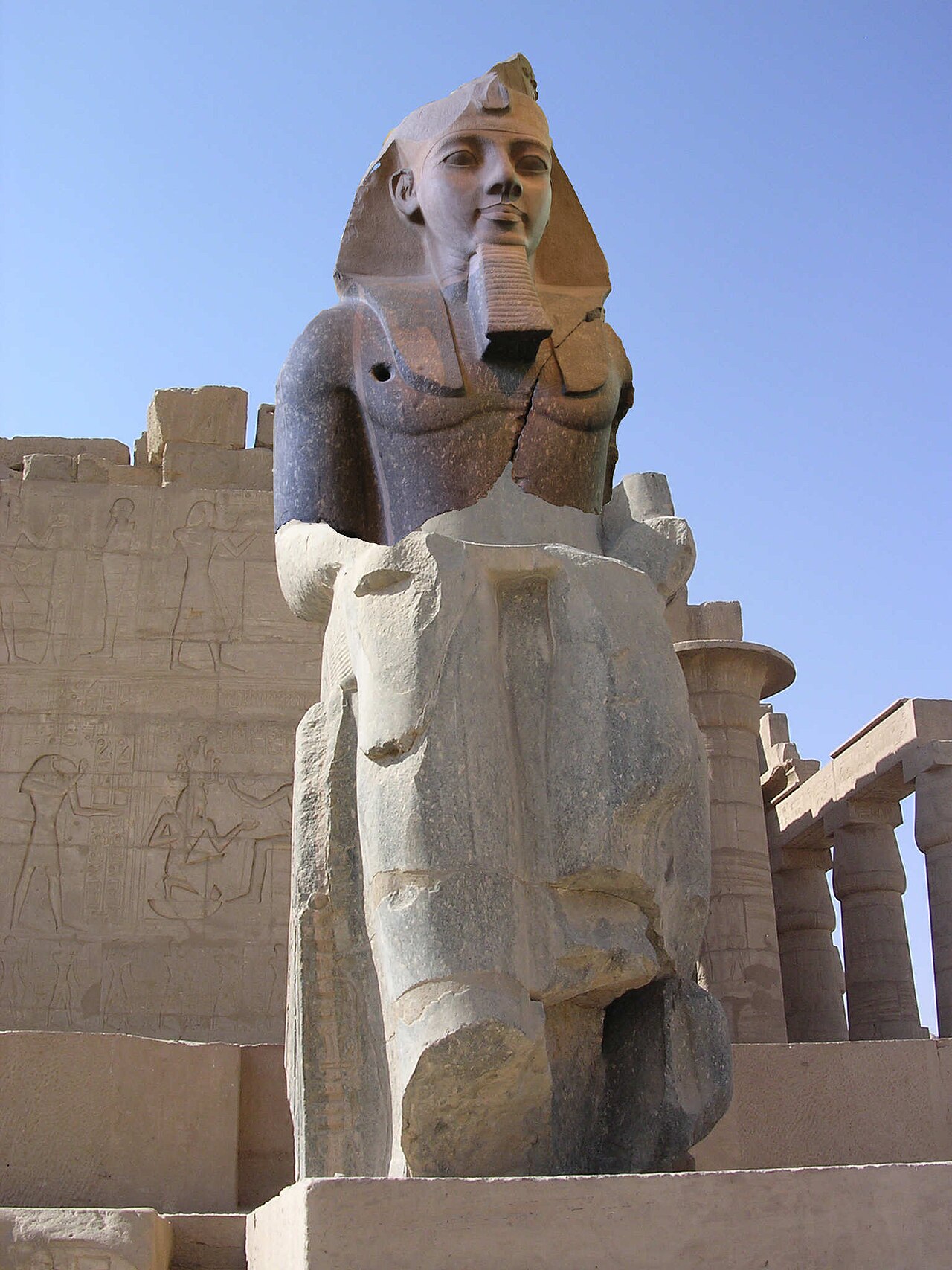 খ্রিস্টপূর্ব 13শ শতাব্দী
পি-রামেসে — রামিষেষ ভাণ্ডার-নগর
যে ভাণ্ডার-নগর 'রামিষেষ' দাসত্বে থাকা ইস্রায়েলীয়েরা নির্মাণ করেছিল বলে বলা হয়
যাত্রাপুস্তক 1:11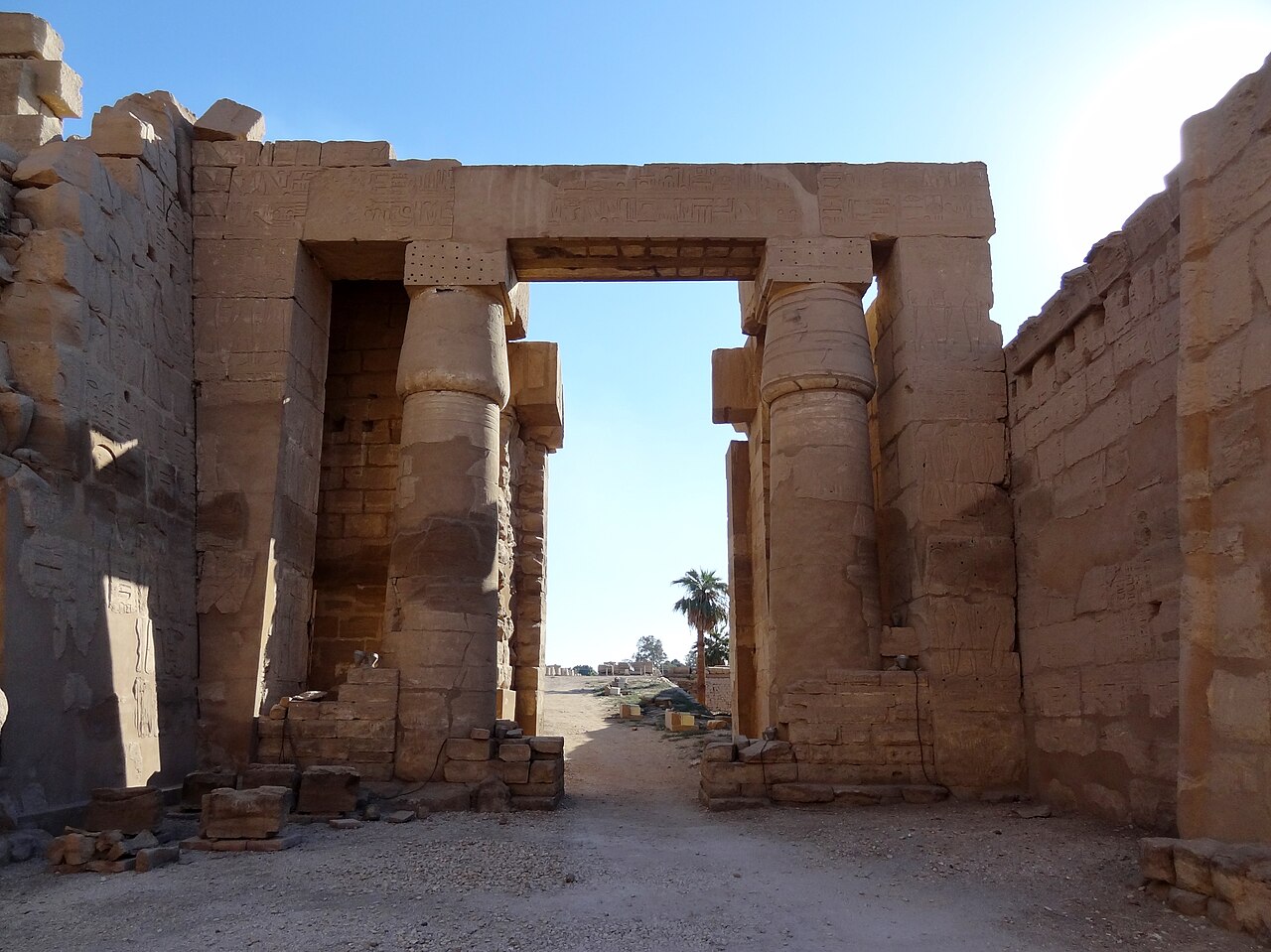 আনু. খ্রিস্টপূর্ব 925
শীশকের অভিযানের খোদাইচিত্র (কার্নাক)
রহবিয়ামের রাজত্বকালে ফরৌণ শীশকের যিহূদা আক্রমণ
1 রাজাবলি 14:25–26 · 2 বংশাবলি 12:1–9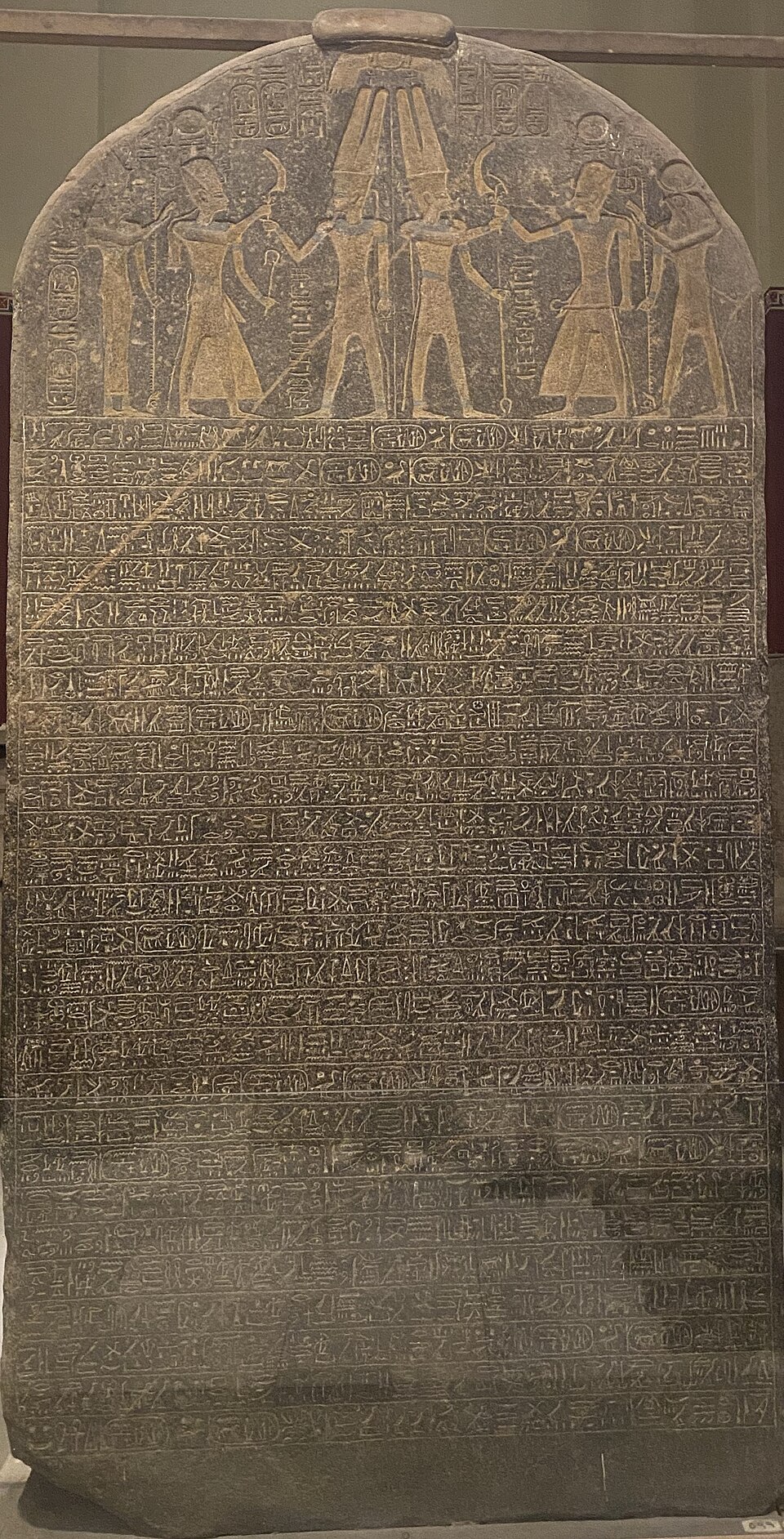 আনু. খ্রিস্টপূর্ব 1208
মেরনেপ্তাহ স্তম্ভ
বাইবেলের বাইরে 'ইস্রায়েল' নামের জানা-শোনা সবচেয়ে প্রাচীন উল্লেখ
বিচারকর্ত্তৃগণ 1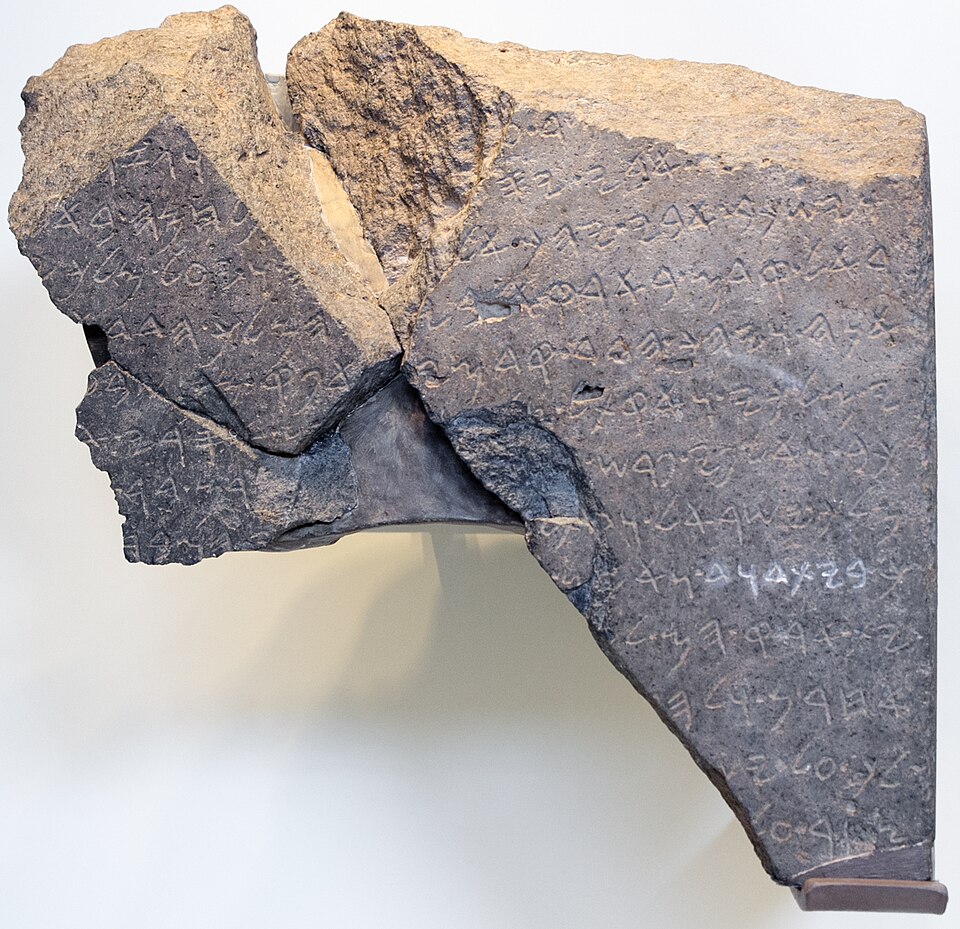 আনু. খ্রিস্টপূর্ব 840
তেল দান স্তম্ভ
রাজা দায়ূদ — তাঁর রাজবংশ, যাকে বলা হয়েছে 'দায়ূদের কুল'
2 শমূয়েল 7 · 2 রাজাবলি 8–9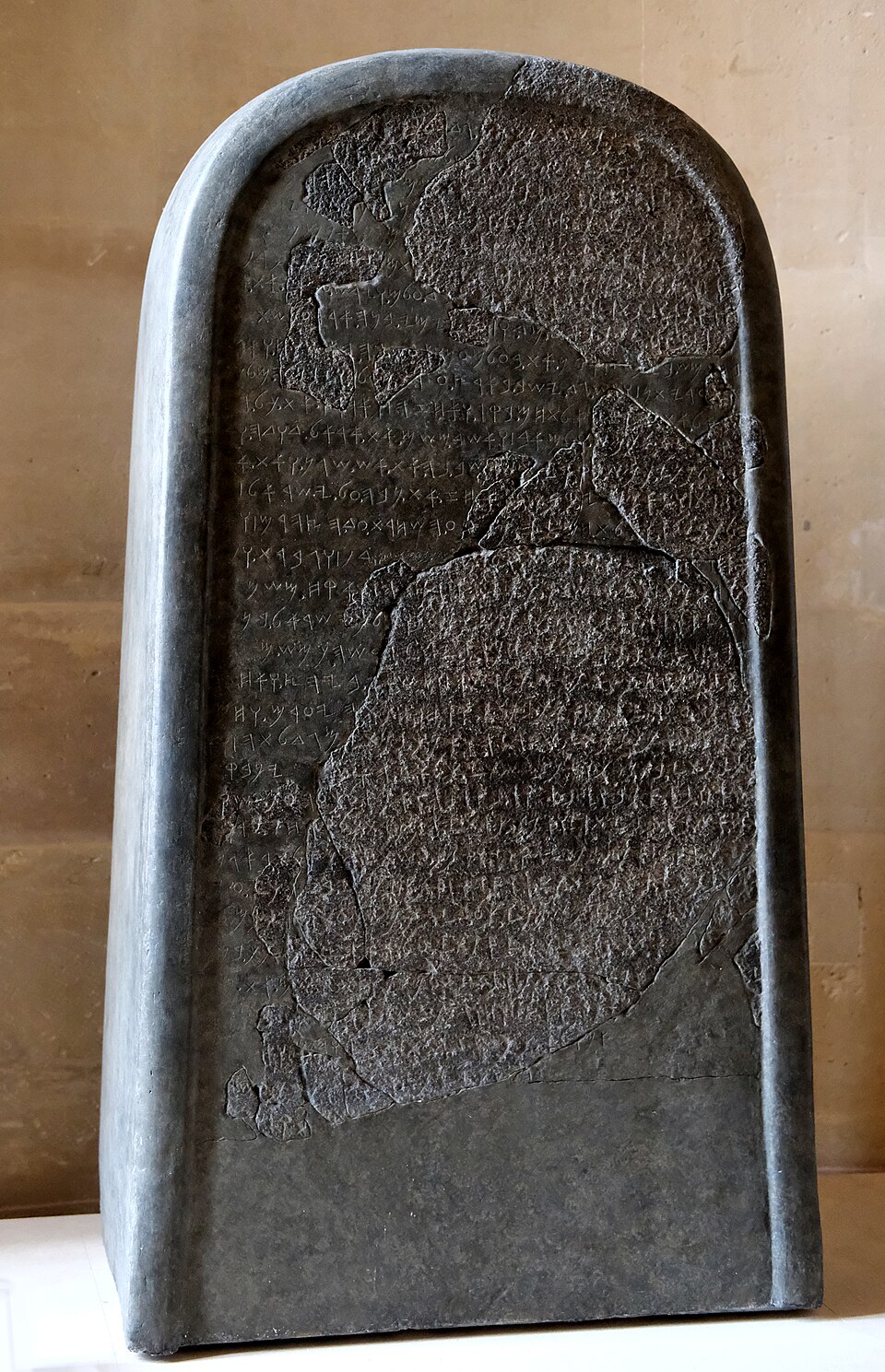 আনু. খ্রিস্টপূর্ব 840
মেশা স্তম্ভ (মোয়াবীয় প্রস্তর)
মোয়াবের রাজা মেশা, ইস্রায়েলের রাজা অম্রি, এবং ইস্রায়েলের বিরুদ্ধে মোয়াবের বিদ্রোহ
2 রাজাবলি 3:4–5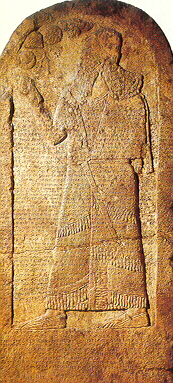 আনু. খ্রিস্টপূর্ব 852
কুর্খ একশিলা স্তম্ভ
ইস্রায়েলের রাজা আহাব, অশূরের বিরুদ্ধে যুদ্ধ করা জোটের একজন সদস্য হিসেবে নাম-করা
1 রাজাবলি 16–22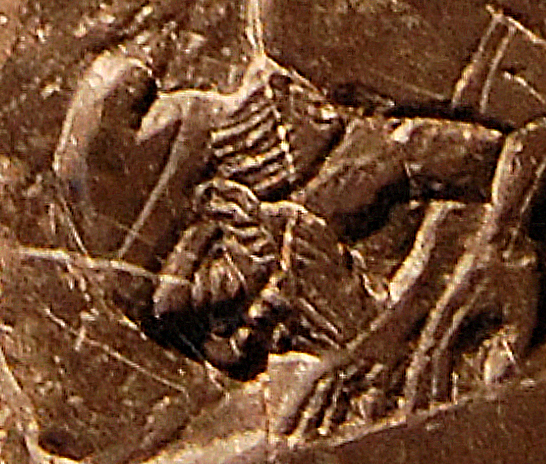 আনু. খ্রিস্টপূর্ব 825
তৃতীয় শলমনেষরের কালো স্তম্ভ
ইস্রায়েলের রাজা যেহূ, মাথা নত করে অশূরকে কর দিচ্ছেন বলে দেখানো
2 রাজাবলি 9–10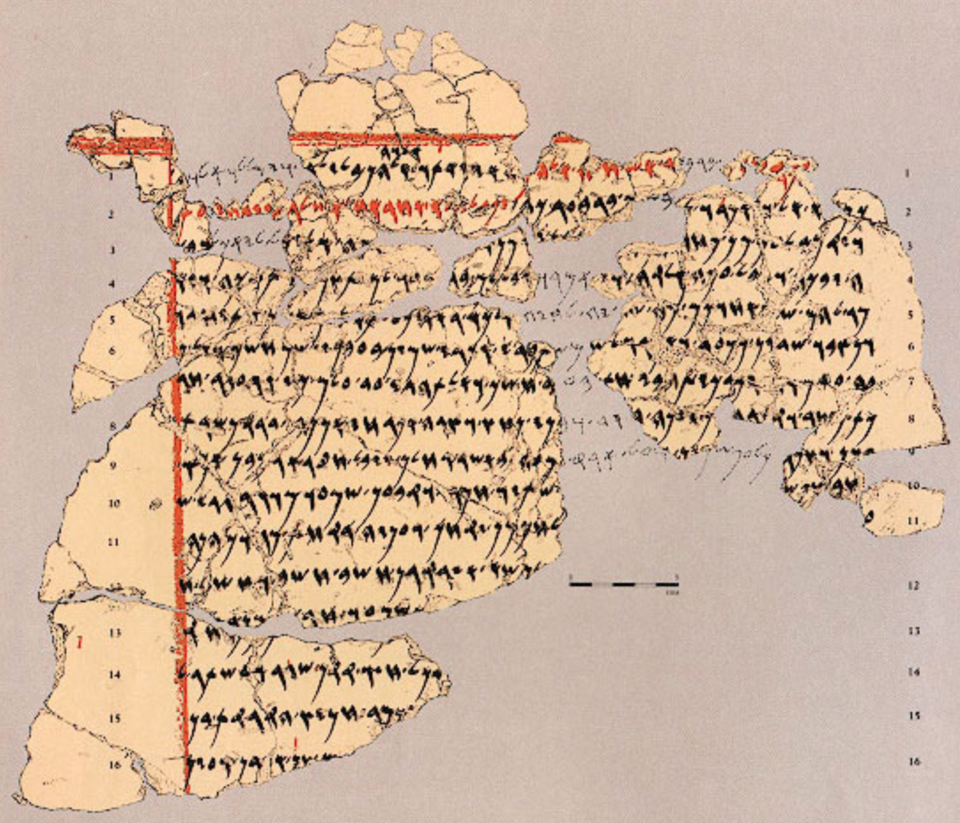 আনু. খ্রিস্টপূর্ব 840–760
দেইর আল্লা 'বিলিয়ম' শিলালিপি
বিয়োরের ছেলে বিলিয়ম, গণনা পুস্তকের বিদেশি দর্শক
গণনা 22–24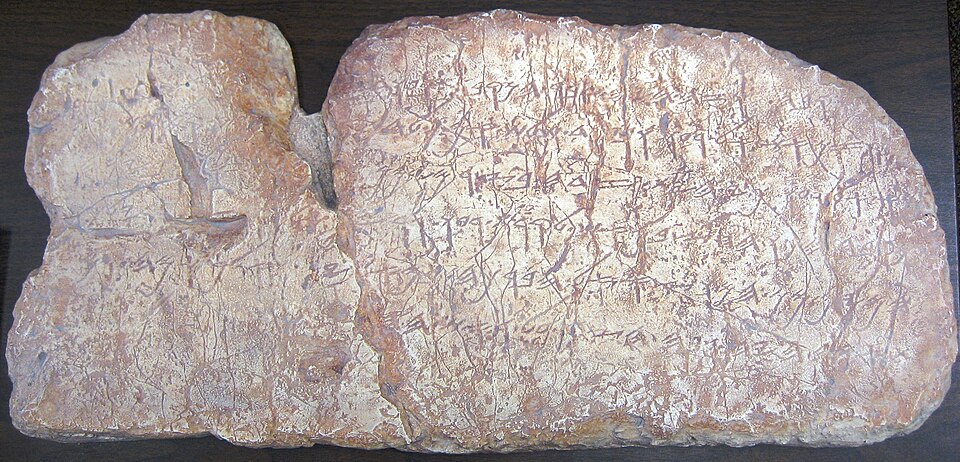 আনু. খ্রিস্টপূর্ব 701
হিষ্কিয়ের সুড়ঙ্গ ও শীলোহ শিলালিপি
যিরূশালেমের উপর সন্হেরীবের অবরোধের আগে রাজা হিষ্কিয়ের জল-প্রকল্প
2 রাজাবলি 20:20 · 2 বংশাবলি 32:30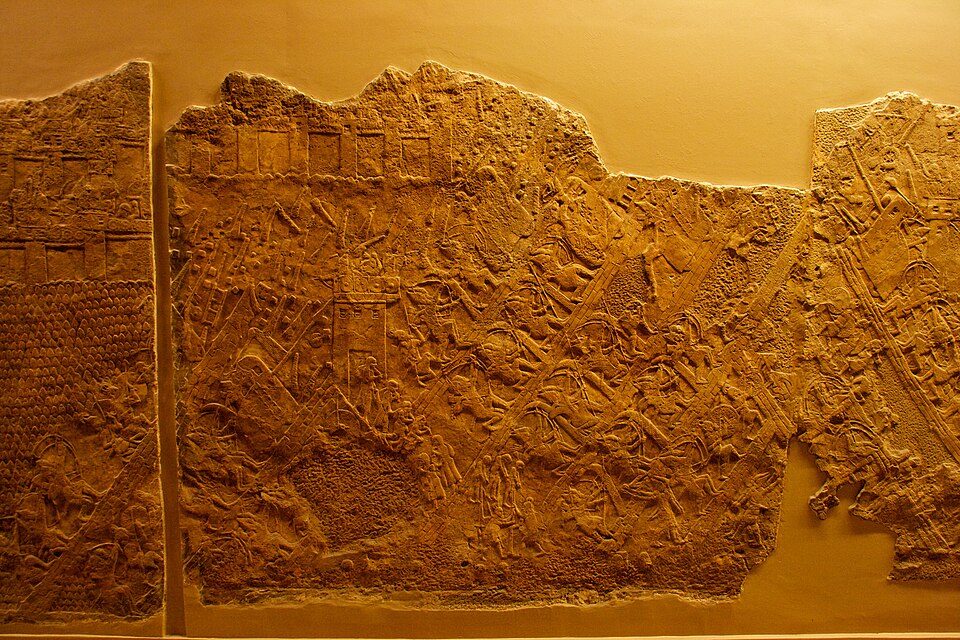 আনু. খ্রিস্টপূর্ব 700–681
লাখীশ খোদাইচিত্র
খ্রিস্টপূর্ব 701 সালে যিহূদার দ্বিতীয় প্রধান নগর লাখীশের অশূরীয় অবরোধ ও দখল
2 রাজাবলি 18:13–14 · 2 বংশাবলি 32:9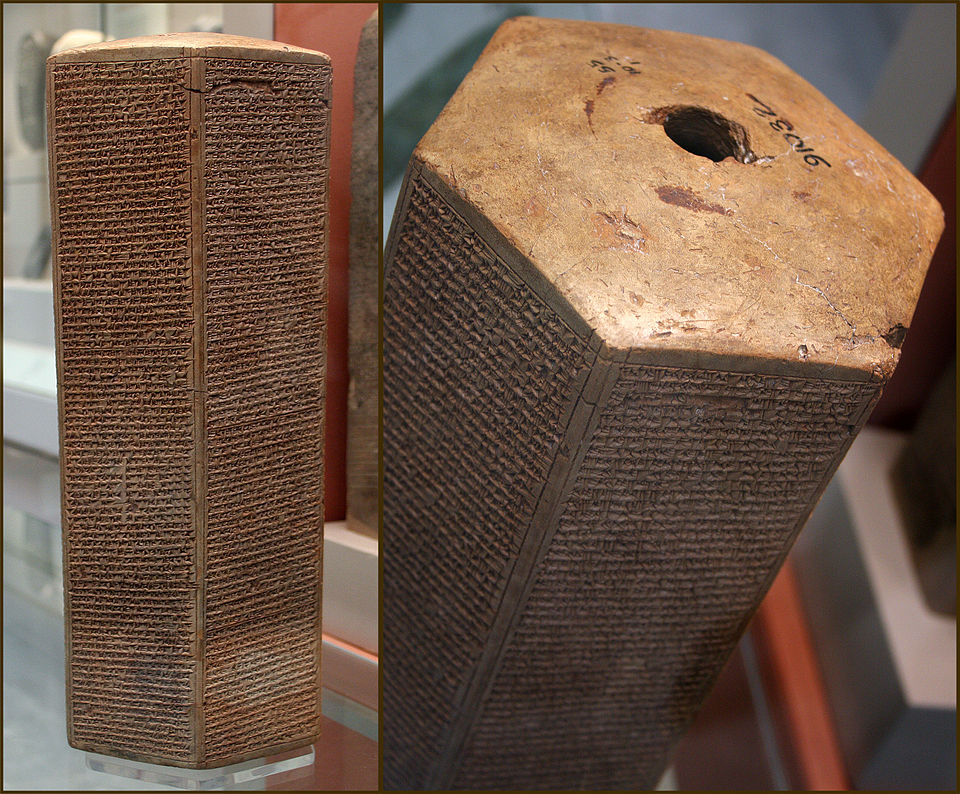 আনু. খ্রিস্টপূর্ব 691
টেলর প্রিজম (সন্হেরীবের রাজকীয় বিবরণী)
খ্রিস্টপূর্ব 701 সালে রাজা হিষ্কিয়ের সময়ে যিরূশালেমের অবরোধ
2 রাজাবলি 18–19 · যিশাইয় 36–37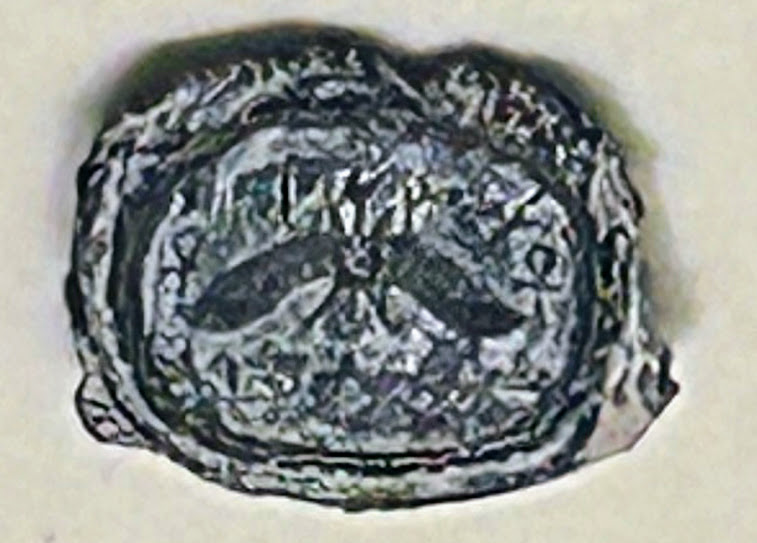 আনু. খ্রিস্টপূর্ব 727–698
রাজা হিষ্কিয়ের সিলমোহর-ছাপ (বুল্লা)
যিহূদার রাজা হিষ্কিয়
2 রাজাবলি 18–20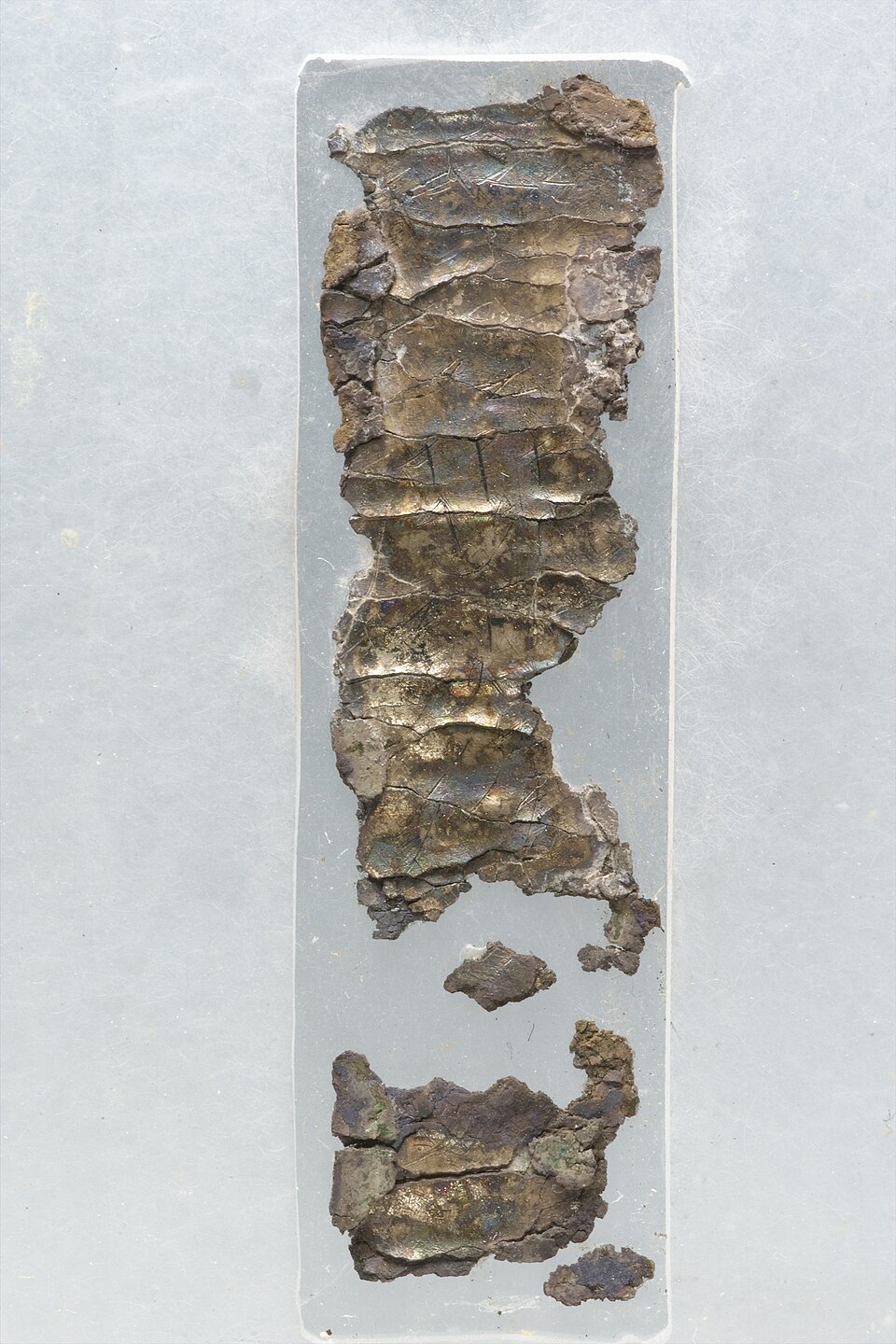 খ্রিস্টপূর্ব 7ম শতাব্দীর শেষ – 6ষ্ঠ শতাব্দীর শুরু
কেতেফ হিন্নোমের রুপোর গুটানো পাত
যাজকীয় আশীর্বাদ — বাইবেলেও পাওয়া কথাগুলির জানা-শোনা সবচেয়ে প্রাচীন উদ্ধৃতি
গণনা 6:24–26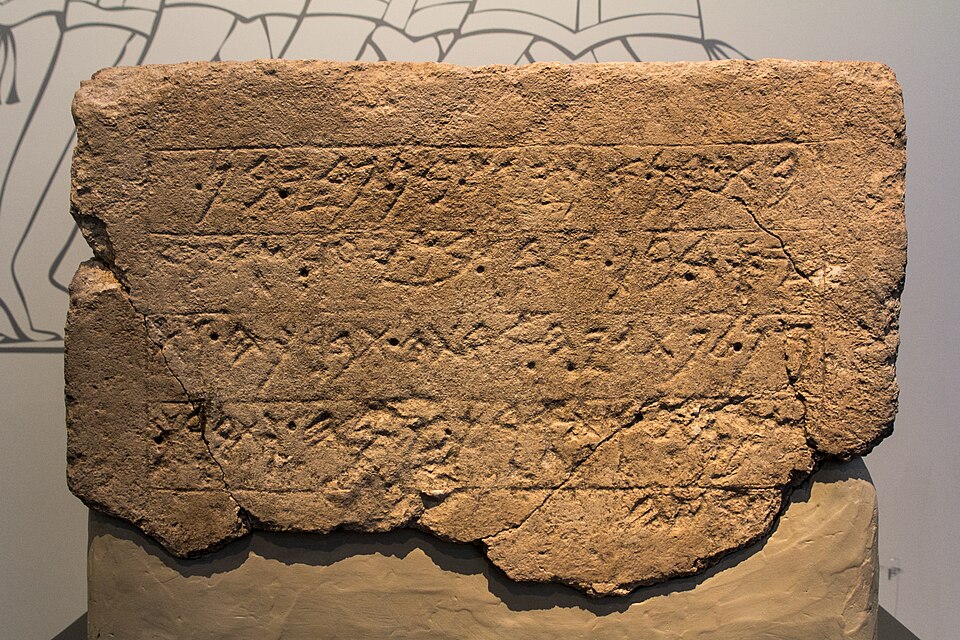 খ্রিস্টপূর্ব 7ম শতাব্দীর শুরু
ইক্রোণের রাজকীয় উৎসর্গ-শিলালিপি
পলেষ্টীয় নগর ইক্রোণ ও তার রাজবংশ
1 শমূয়েল 5–6 · সফনিয় 2:4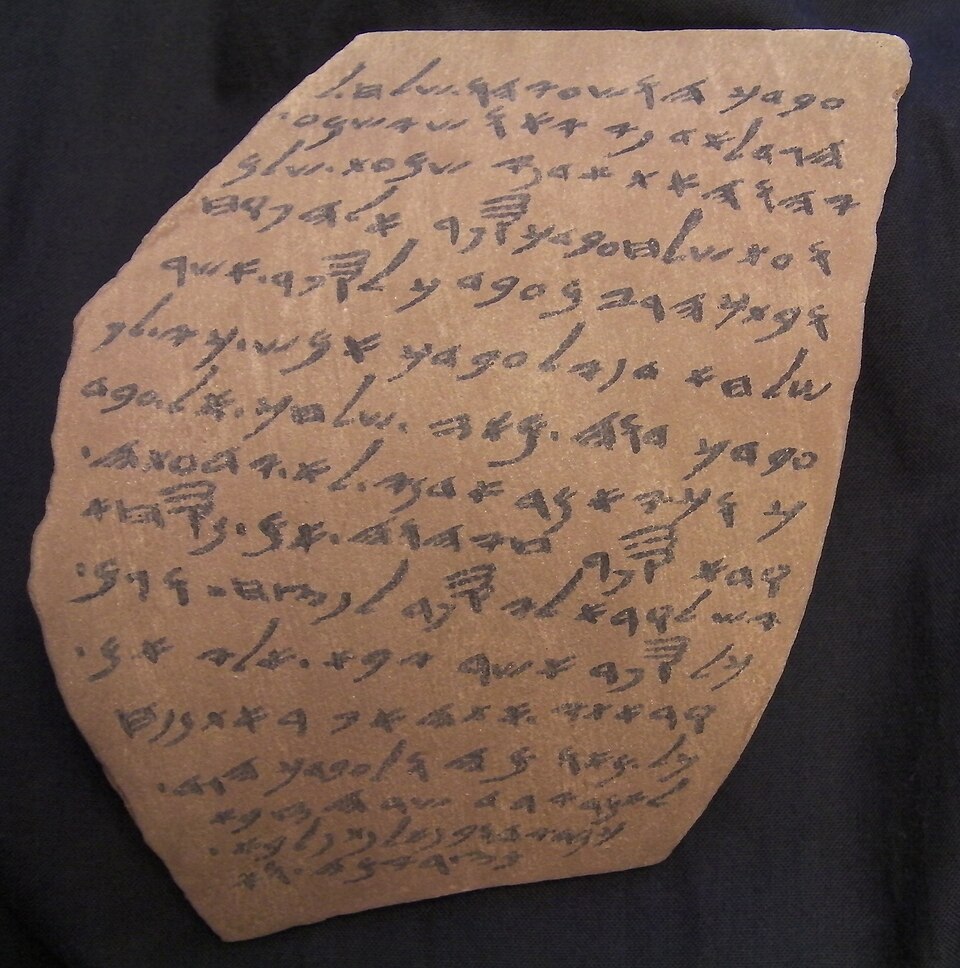 আনু. খ্রিস্টপূর্ব 588
লাখীশ পত্রাবলি
বাবিল ধ্বংস করার আগে যিহূদা রাজ্যের শেষ দিনগুলি — যিরমিয়ের প্রজন্ম
যিরমিয় 34:6–7 খ্রিস্টপূর্ব 6ষ্ঠ শতাব্দীর শুরুযিরমিয়ের বিরোধীদের সিলমোহর-ছাপ (বুল্লা)
দুজন রাজকর্মচারী যাঁরা ভাববাদী যিরমিয়ের মৃত্যুদণ্ড দাবি করেছিলেন
যিরমিয় 38:1–6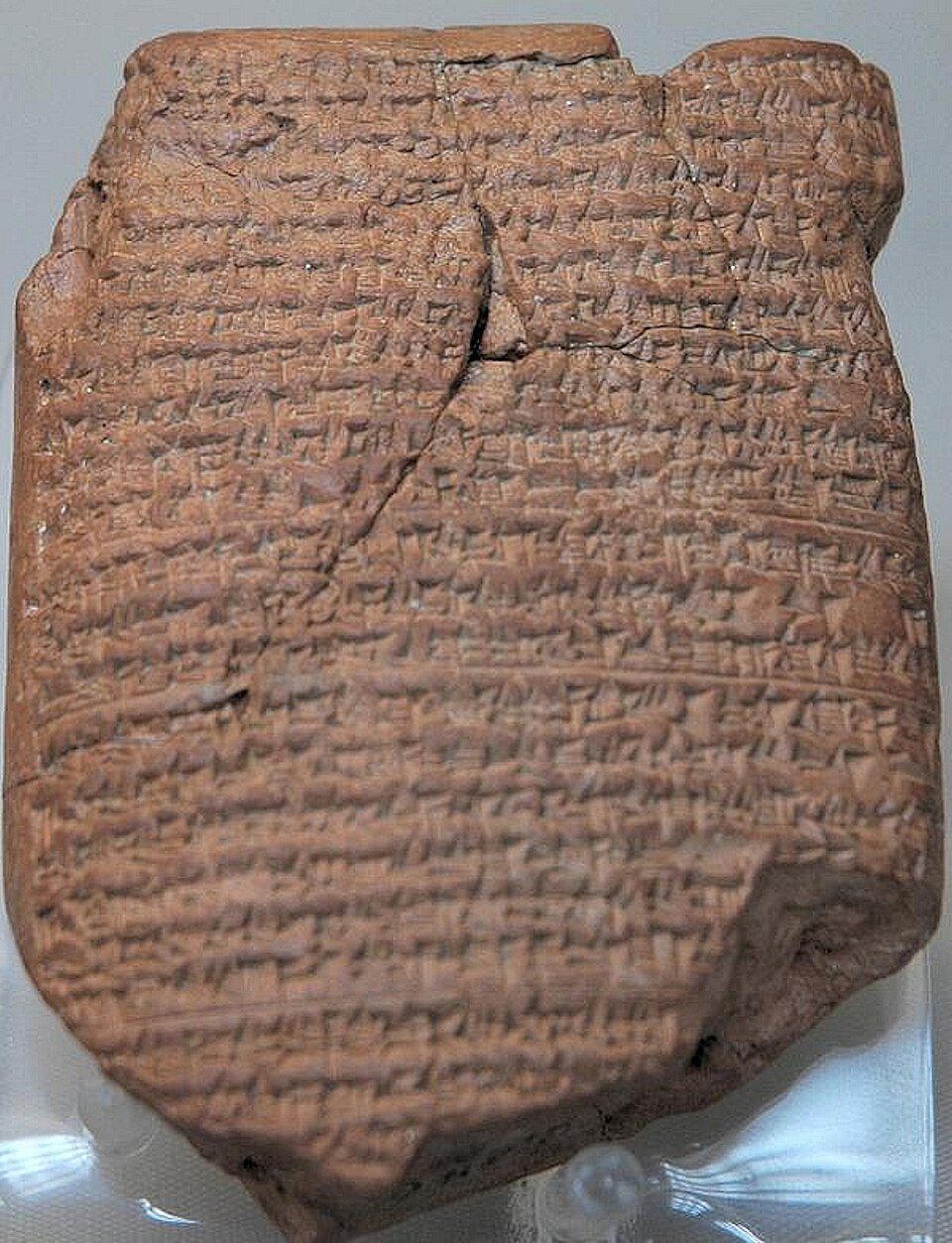 খ্রিস্টপূর্ব 6ষ্ঠ শতাব্দী
বাবিলীয় বৃত্তান্ত (খ্রিস্টপূর্ব 597)
নবূখদ্নিৎসরের যিরূশালেম দখল ও রাজা যিহোয়াখীনের নির্বাসন
2 রাজাবলি 24:8–17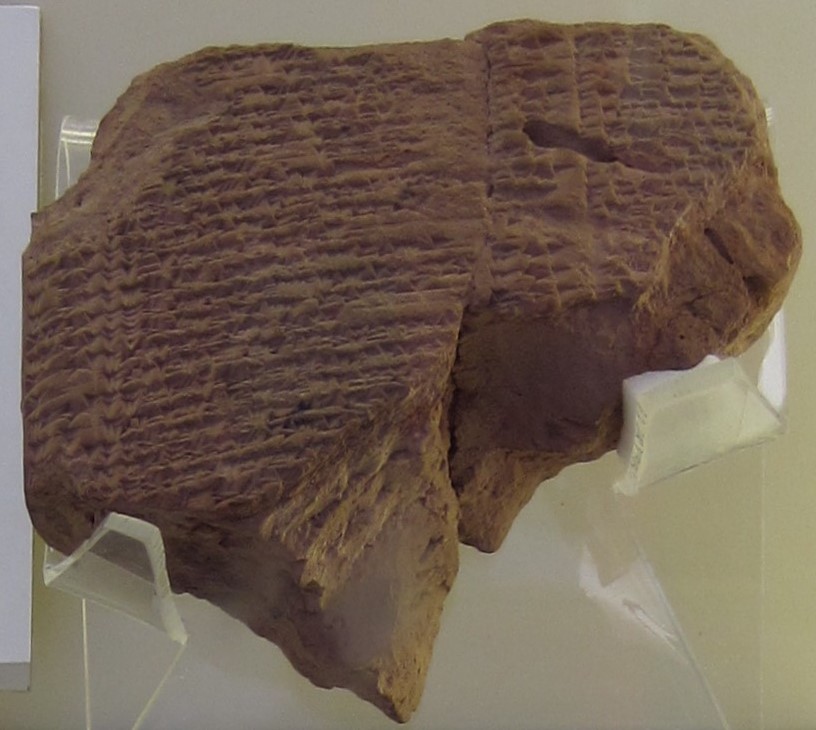 আনু. খ্রিস্টপূর্ব 592
যিহোয়াখীনের রসদ-ফলক
বাবিলীয় রাজদরবারে রাখা যিহূদার নির্বাসিত রাজা যিহোয়াখীন
2 রাজাবলি 25:27–30 · যিরমিয় 52:31–34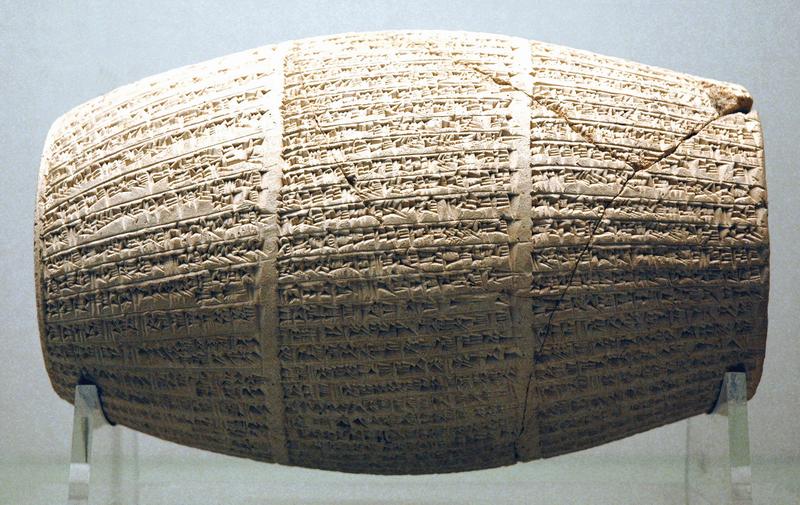 আনু. খ্রিস্টপূর্ব 550
নবোনিডাসের সিলিন্ডার (বেলশৎসর)
বেলশৎসর, দানিয়েল পুস্তকে বাবিলের পতনের সময়কার শাসক
দানিয়েল 5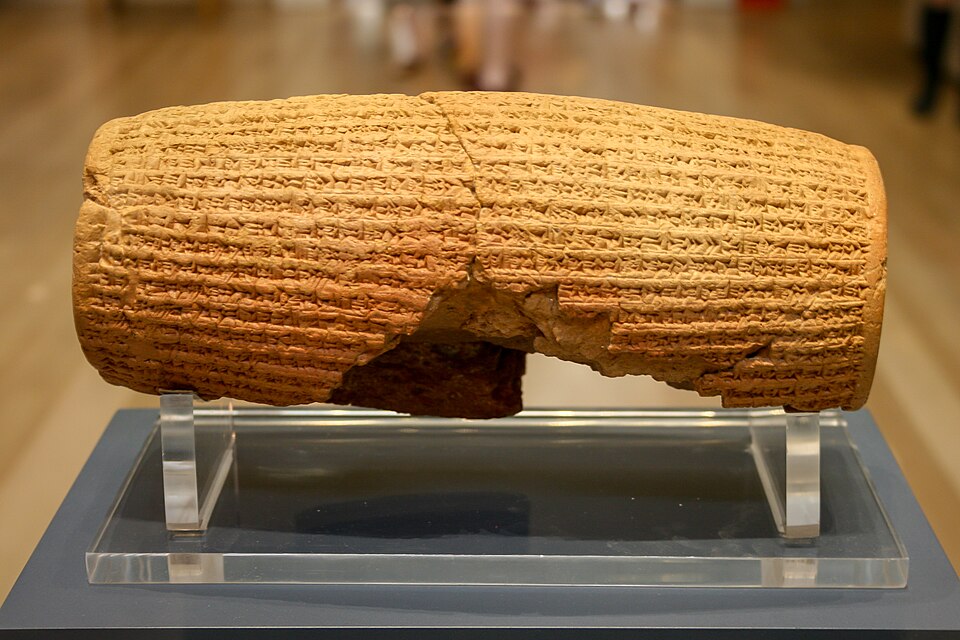 খ্রিস্টপূর্ব 539–538
কোরসের সিলিন্ডার
বন্দি জাতিগুলিকে ও তাদের দেবতাদের দেশে ফেরত পাঠানোর কোরসের নীতি — নির্বাসন থেকে প্রত্যাবর্তনের পটভূমি
ইষ্রা 1:1–4 · যিশাইয় 44:28–45:13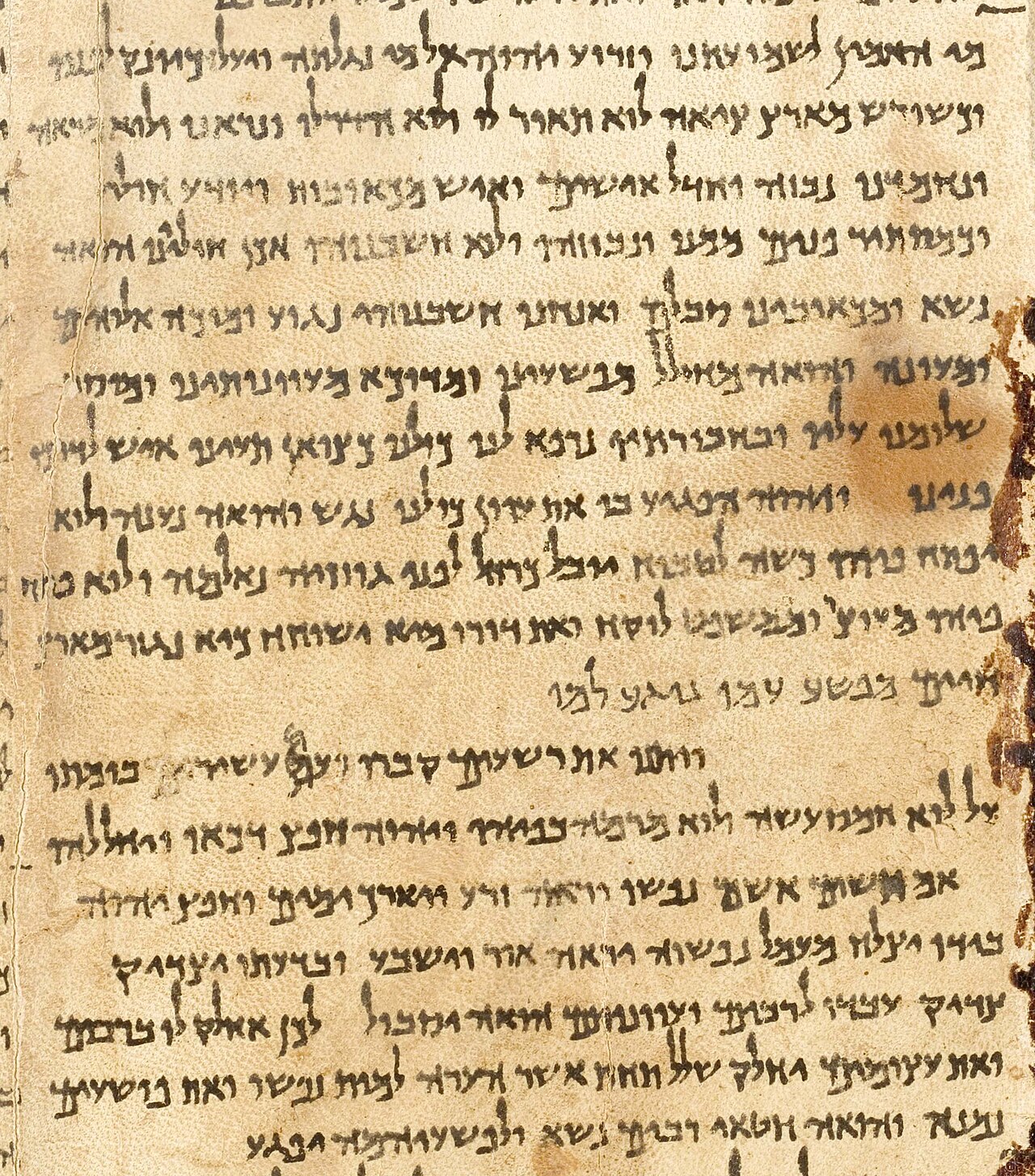 আনু. খ্রিস্টপূর্ব 125
মহান যিশাইয় পুঁথি (মৃত সাগরের পুঁথি)
হাজার বছর ধরে হিব্রু বাইবেলের পাঠ্য কতটা বিশ্বস্তভাবে অনুলিপি করা হয়েছিল
যিশাইয় 1–66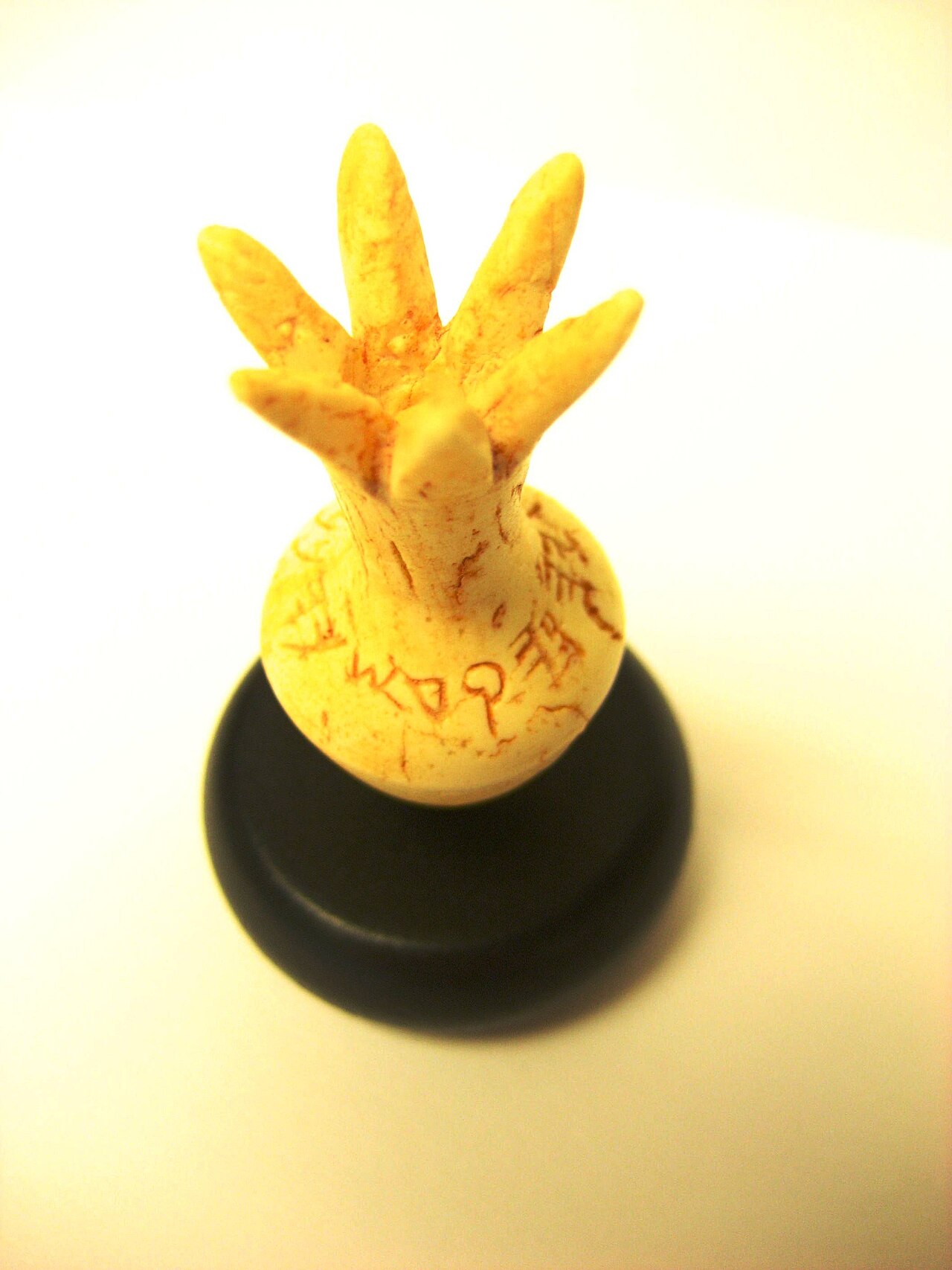 শিলালিপিটি খ্রিস্টপূর্ব অষ্টম শতাব্দীর বলে দাবি করা হয় (প্রামাণিকতা বিতর্কিত)
হাতির দাঁতের ডালিম (একটি বিতর্কিত আবিষ্কার)
সম্ভবত শলোমনের মন্দিরের একটি সাজসরঞ্জাম — পাঠ করা হয় 'ইয়াহওয়ের গৃহের যাজকদের জন্য পবিত্র' হিসেবে
1 রাজাবলি 6–7 · 2 বংশাবলি 3–4 শিলালিপিটি খ্রিস্টপূর্ব নবম শতাব্দীর বলে দাবি করা হয় (ব্যাপকভাবে একটি আধুনিক জালিয়াতি বলে বিবেচিত)যিহোয়াশের ফলক (একটি সন্দেহভাজন জালিয়াতি)
'সদাপ্রভুর গৃহ' মেরামতের জন্য রাজা যিহোয়াশের তহবিল
2 রাজাবলি 12:4–16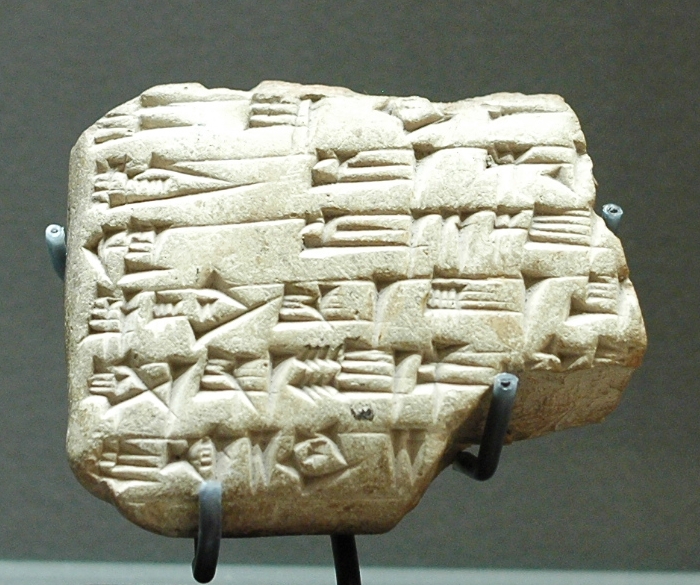 এবলা আনু. খ্রিস্টপূর্ব 2300; মারি খ্রিস্টপূর্ব অষ্টাদশ শতাব্দী; নুজি খ্রিস্টপূর্ব পঞ্চদশ শতাব্দী
পূর্বপুরুষদের যুগের মহাফেজখানা (নুজি, মারি ও এবলা)
আদিপুস্তকের পূর্বপুরুষদের পেছনের জগৎ ও রীতিনীতি
আদিপুস্তক 12–50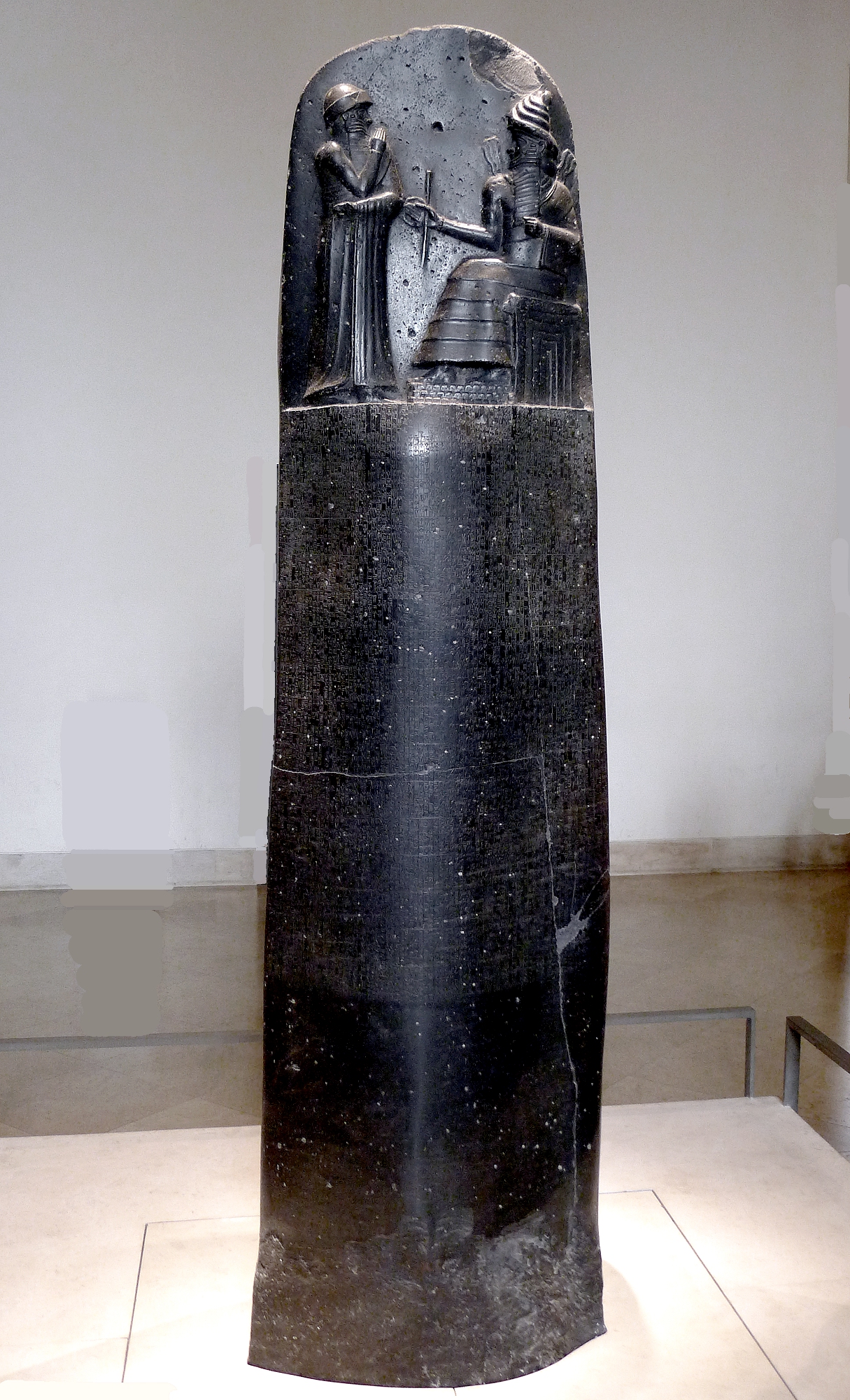 আনু. খ্রিস্টপূর্ব 1750
হাম্মুরাবির বিধিসংহিতা
মোশির বিধানের পেছনে থাকা আইনি জগৎ
যাত্রাপুস্তক 21–23 · দ্বিতীয় বিবরণ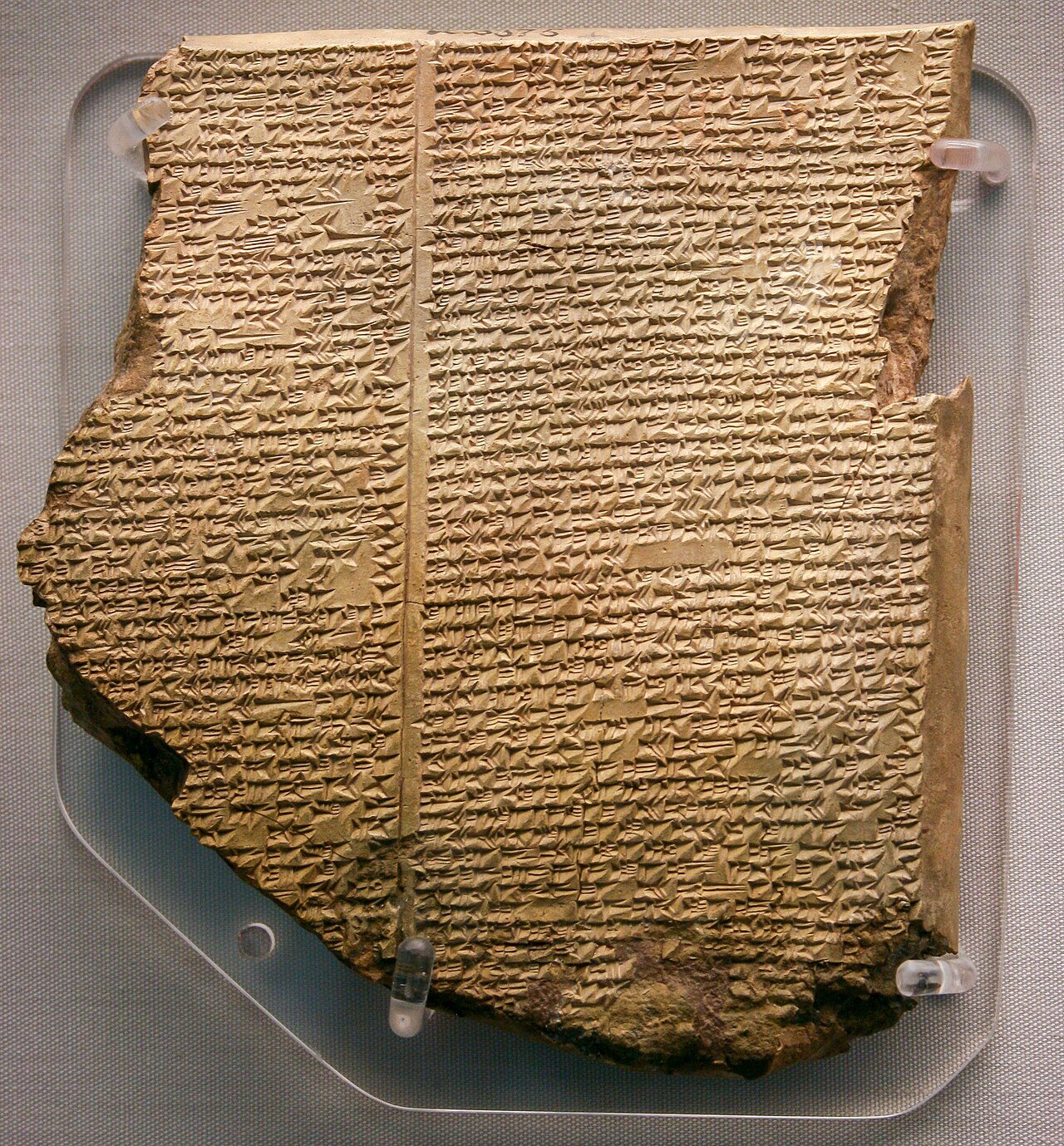 অনেক প্রাচীন একটি ঐতিহ্যের খ্রিস্টপূর্ব সপ্তম শতাব্দীর অনুলিপি
গিলগামেশের জলপ্লাবন-ফলক
নোহের জলপ্লাবন
আদিপুস্তক 6–9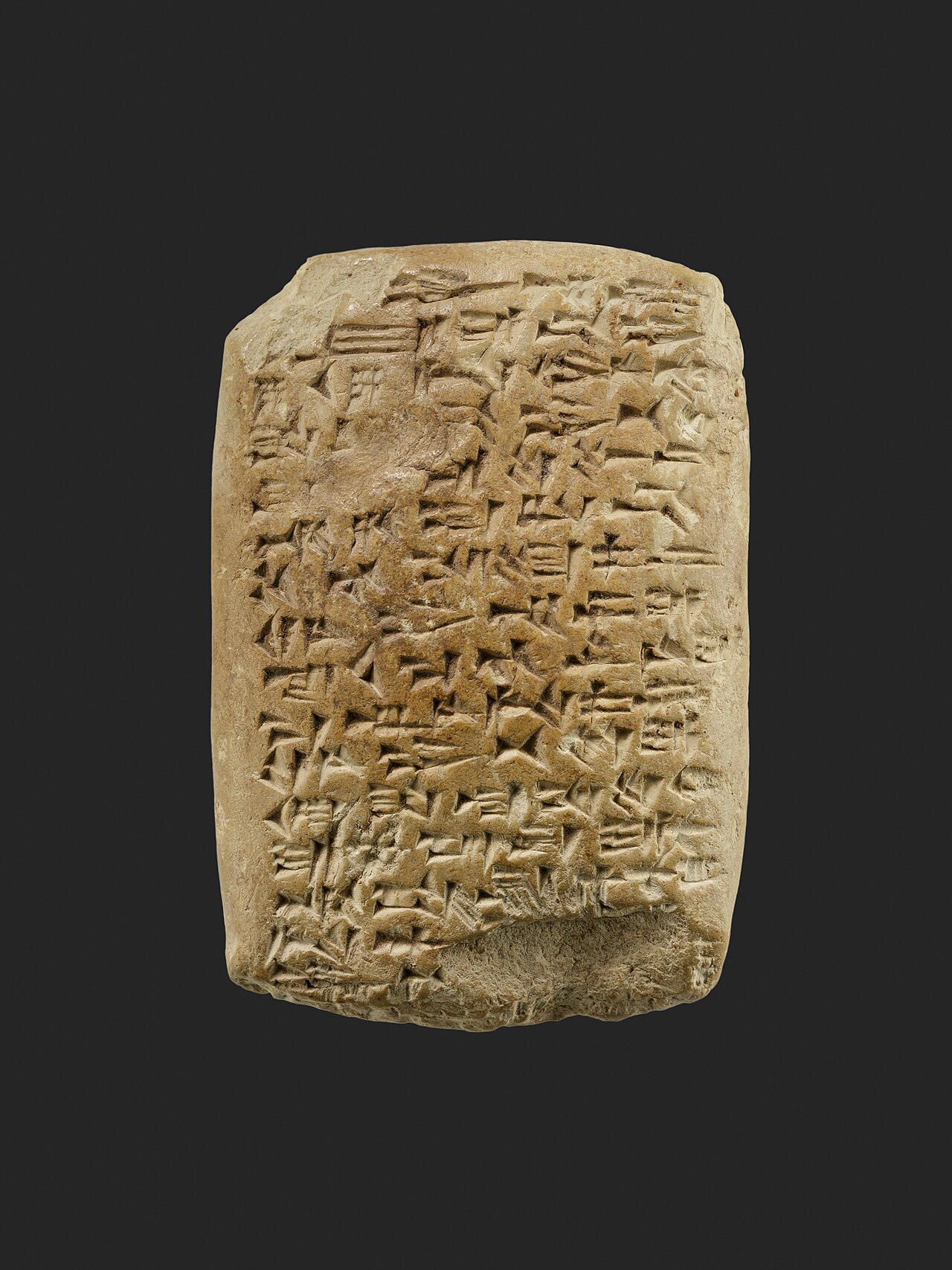 খ্রিস্টপূর্ব চতুর্দশ শতাব্দী
আমার্না পত্রাবলি
শেষ ব্রোঞ্জ যুগের অশান্ত কনান, ইস্রায়েলের আবির্ভাবের ঠিক আগে
যিহোশূয়–বিচারকর্ত্তৃগণ (বসতি স্থাপনের যুগ)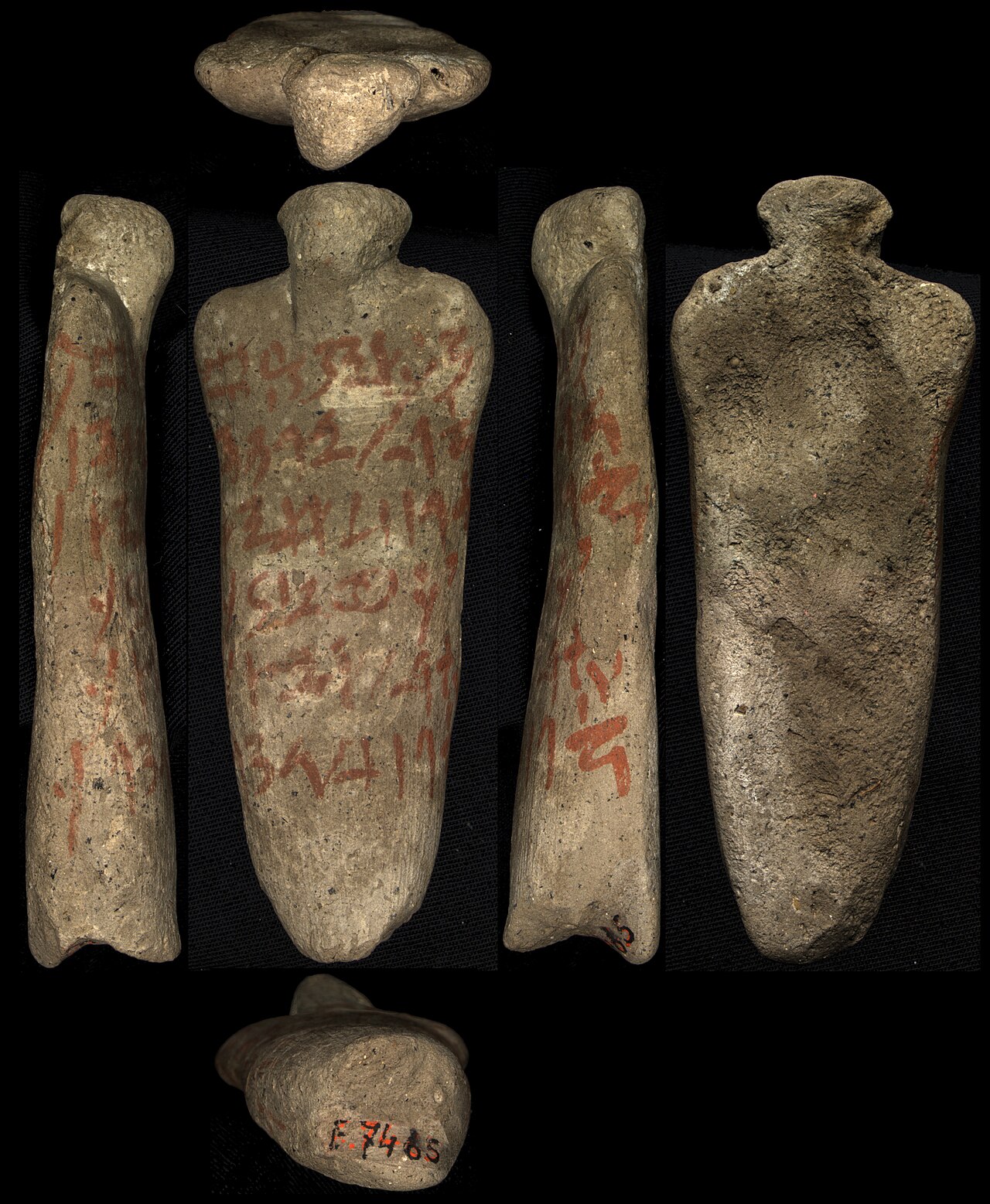 আনু. খ্রিস্টপূর্ব বিংশ–অষ্টাদশ শতাব্দী
মিশরীয় অভিশাপ-লিপি
পরবর্তীকালে বাইবেলের কাহিনির কেন্দ্রে থাকা নগরগুলির প্রাচীনতম লিখিত উল্লেখ
আদিপুস্তক 14 · যিহোশূয় 10–11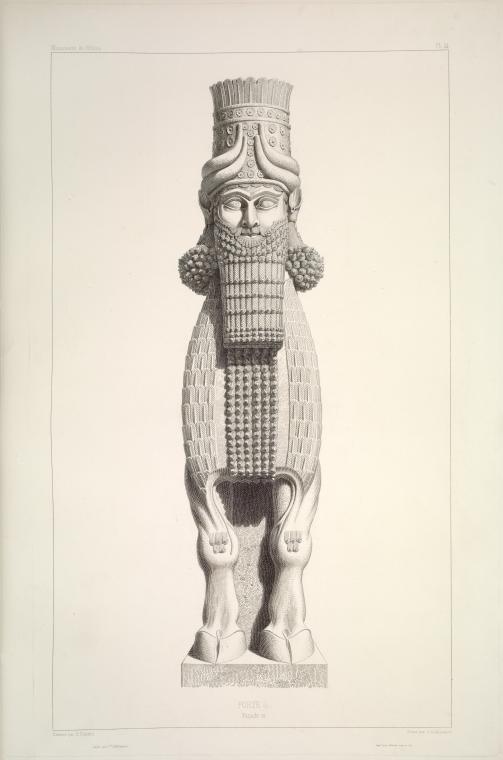 নির্মিত আনু. খ্রিস্টপূর্ব 717–706
খোরসাবাদে দ্বিতীয় সর্গোনের প্রাসাদ
অশূরের রাজা সর্গোন, এবং অস্দোদের বিরুদ্ধে তাঁর অভিযান
যিশাইয় 20:1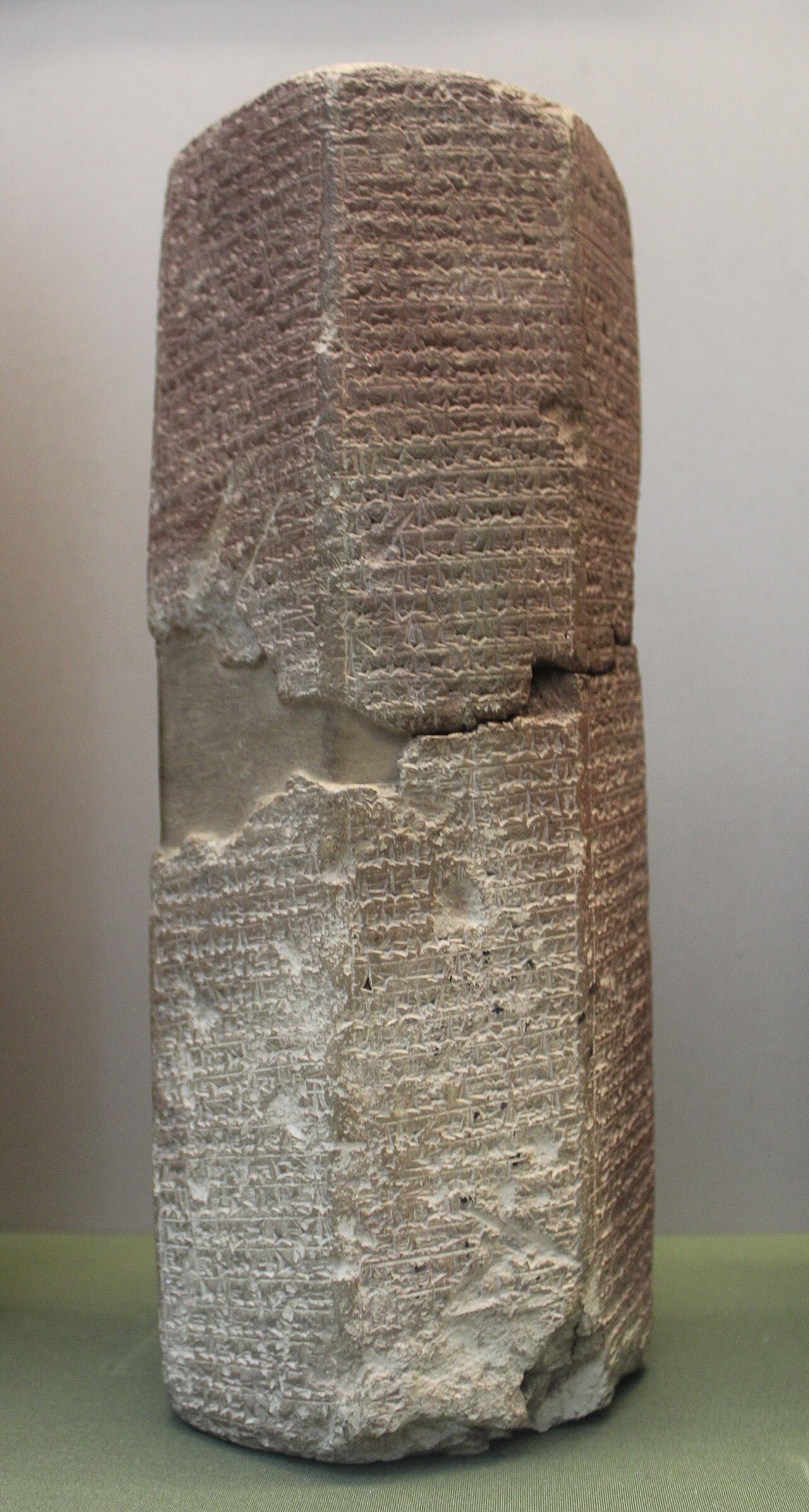 খ্রিস্টপূর্ব সপ্তম শতাব্দীর মাঝামাঝি
যিহূদার মনঃশির নাম-সহ অশূরীয় প্রিজম
যিহূদার রাজা মনঃশি, অশূরের অধীন রাজা
2 রাজাবলি 21 · 2 বংশাবলি 33:11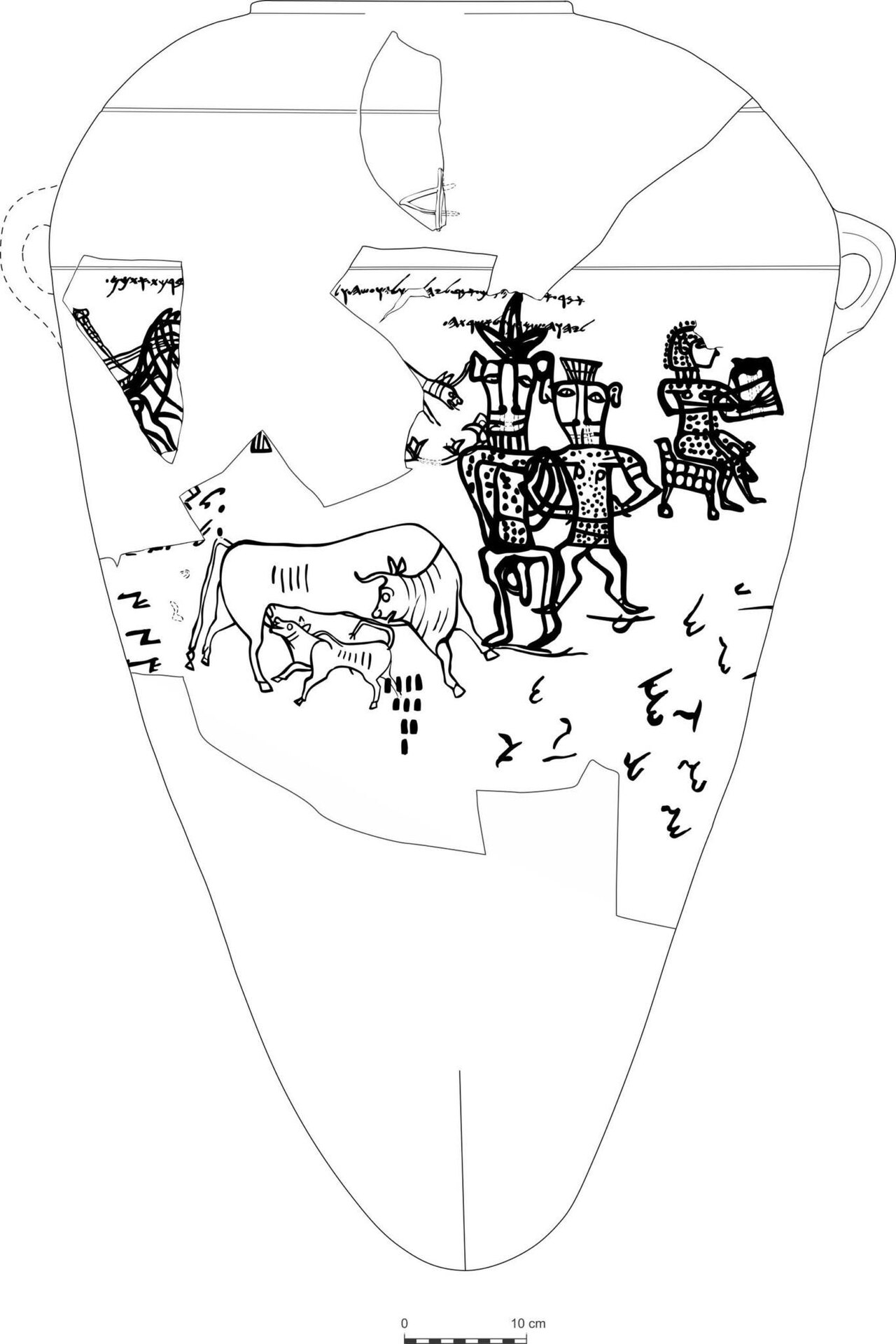 আনু. খ্রিস্টপূর্ব 800
কুন্তিলেত আজরুদের শিলালিপি
জনপ্রিয় ইস্রায়েলীয় ধর্ম — এবং এর 'ইয়াহওয়ে ও তাঁর আশেরার দ্বারা' আশীর্বাদ
2 রাজাবলি 23 · দ্বিতীয় বিবরণ 16:21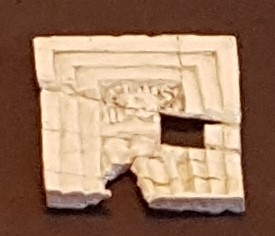 খ্রিস্টপূর্ব নবম–অষ্টম শতাব্দী
শমরিয়া: অস্ট্রাকা ও হাতির দাঁতের কারুকাজ
উত্তরের রাজ্যের সম্পদ ও প্রশাসন — আহাবের 'হাতির দাঁতের বাড়ি'
1 রাজাবলি 22:39 · আমোষ 3:15 · আমোষ 6:4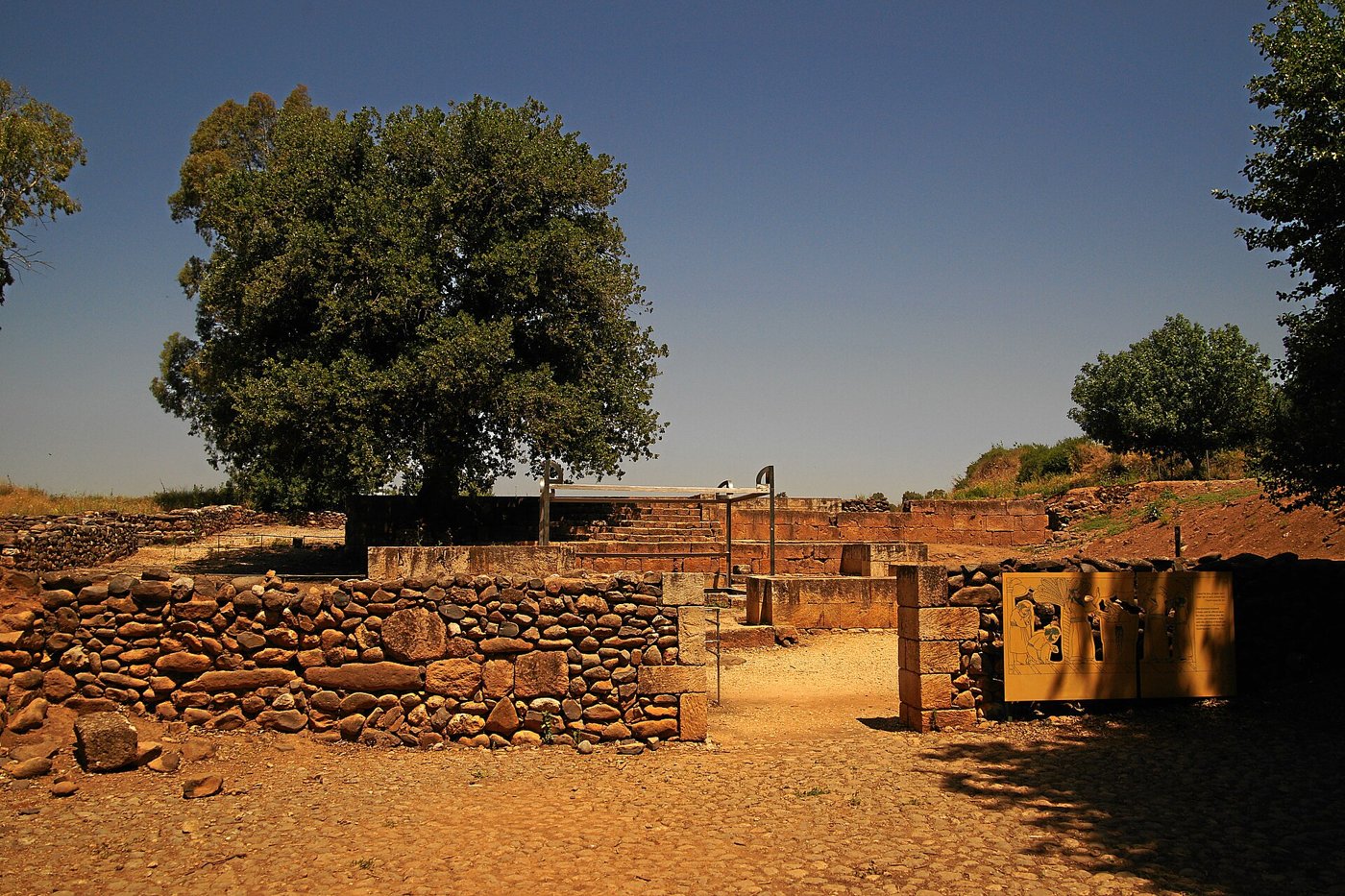 খ্রিস্টপূর্ব দশম শতাব্দীর শেষ দিকে নির্মিত, নবম শতাব্দীতে সম্প্রসারিত; খ্রিস্টপূর্ব 732 সালে ধ্বংসপ্রাপ্ত
তেল দানের উচ্চস্থলী
দানে যারবিয়ামের স্থাপিত প্রতিদ্বন্দ্বী উপাসনাস্থল
1 রাজাবলি 12:26–33 · বিচারকর্ত্তৃগণ 18:30–31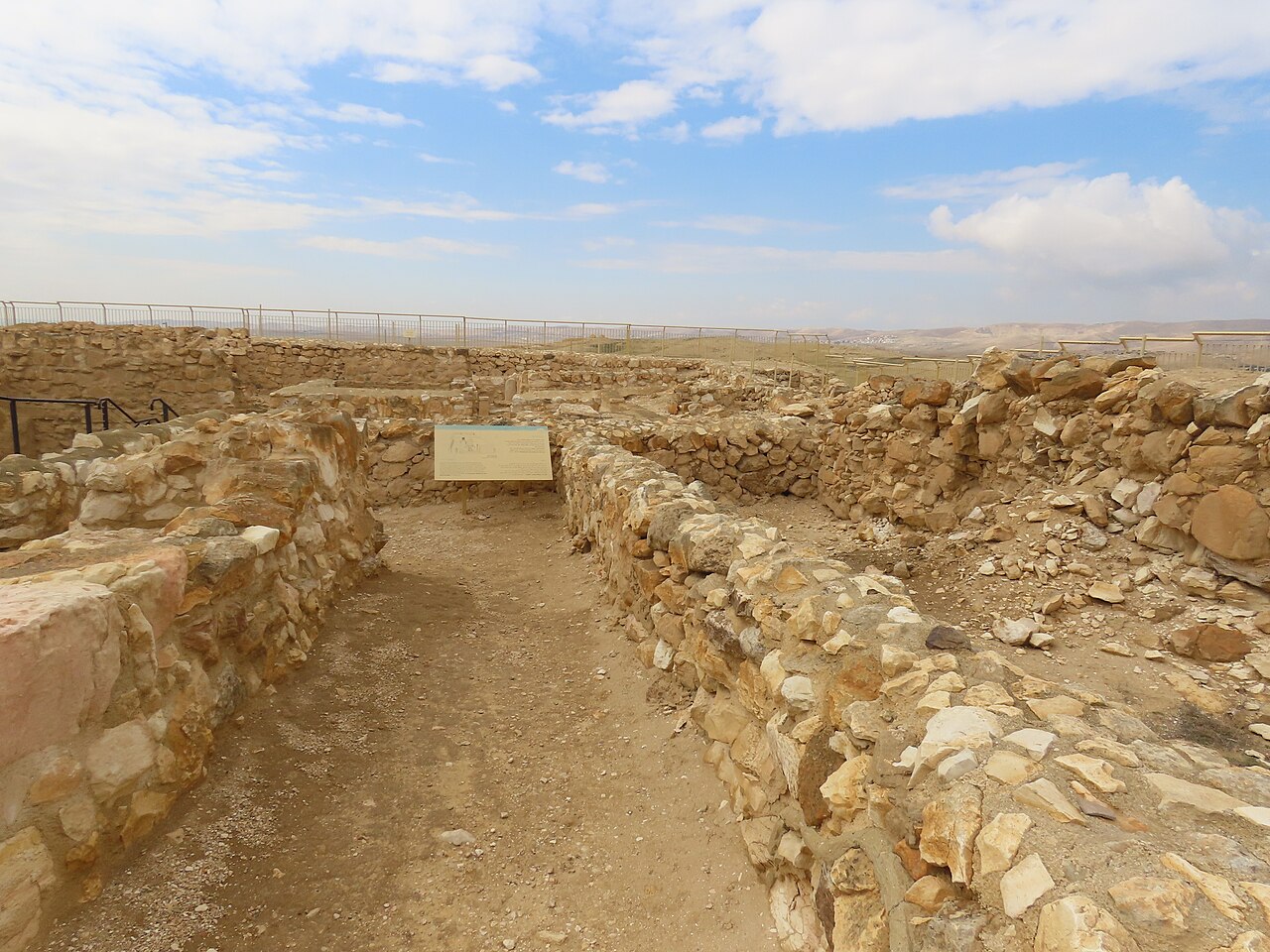 খ্রিস্টপূর্ব নবম–অষ্টম শতাব্দীতে ব্যবহৃত; বের-শেবার বেদি খ্রিস্টপূর্ব অষ্টম শতাব্দীর শেষ দিকে খুলে ফেলা হয়
যিহূদীয় উপাসনাস্থল: অরাদ ও বের-শেবা
স্থানীয় যিহূদীয় উপাসনা — এবং হিষ্কিয় ও যোশিয়ের উপাসনা-সংস্কার
2 রাজাবলি 18:4 · 2 রাজাবলি 18:22 · 2 রাজাবলি 23:8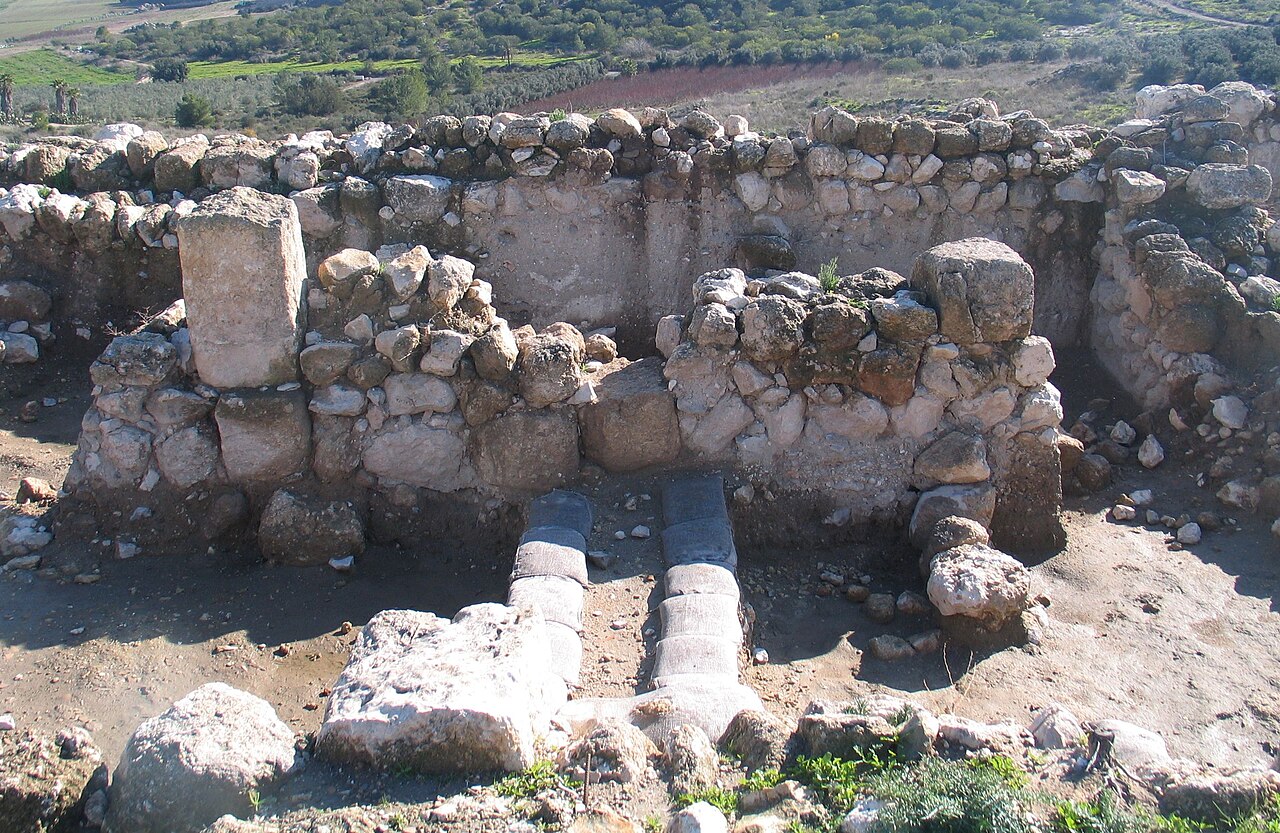 খ্রিস্টপূর্ব দশম–নবম শতাব্দী (সঠিক কালটিই পুরো বিতর্কের বিষয়)
'শলোমনীয়' নগর-ফটক (হাৎসোর, মগিদ্দো, গেষর)
শলোমনের নির্মাণ কর্মসূচি — এবং ঐক্যবদ্ধ রাজতন্ত্র নিয়ে তীব্র বিতর্ক
1 রাজাবলি 9:15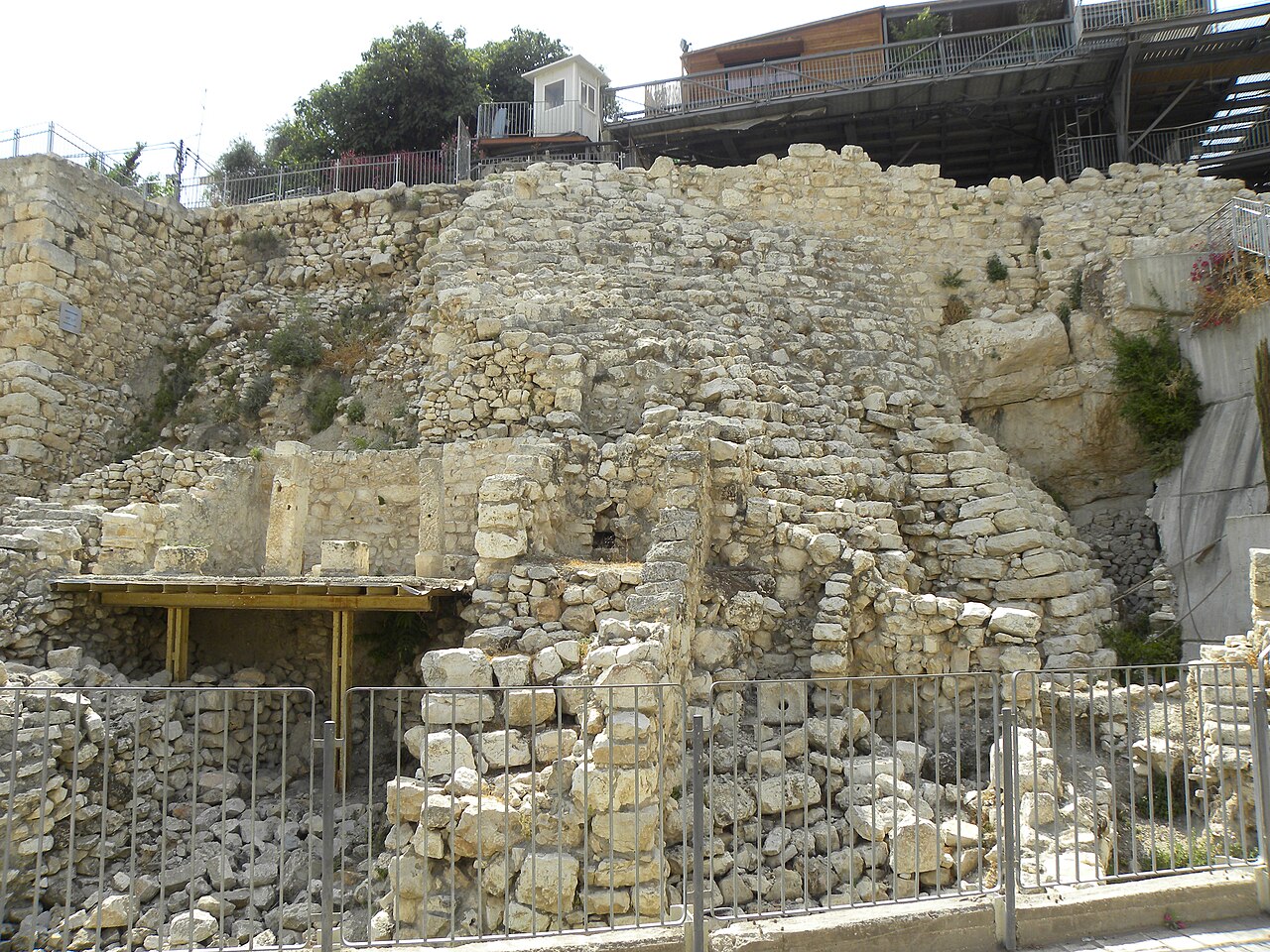 সম্ভাব্যভাবে খ্রিস্টপূর্ব দশম শতাব্দী, আগেকার ধাপগুলির উপর
ধাপযুক্ত পাথরের কাঠামো, দায়ূদ-নগর
দায়ূদের যিরূশালেম — 'সিয়োনের দুর্গ'
2 শমূয়েল 5:6–9 · 1 বংশাবলি 11:5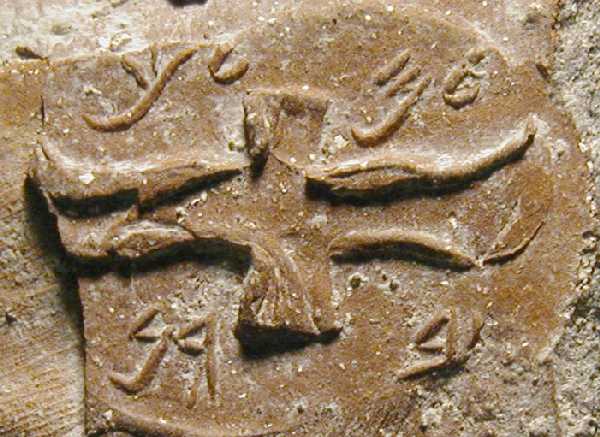 খ্রিস্টপূর্ব 8ম শতাব্দীর শেষ
LMLK রাজকীয় সিলমোহর-ছাপ
খ্রিস্টপূর্ব 701-এর অশূরীয় আক্রমণের বিরুদ্ধে রাজা হিষ্কিয়ের প্রস্তুতি
2 বংশাবলি 32:27–28 · 2 রাজাবলি 18–19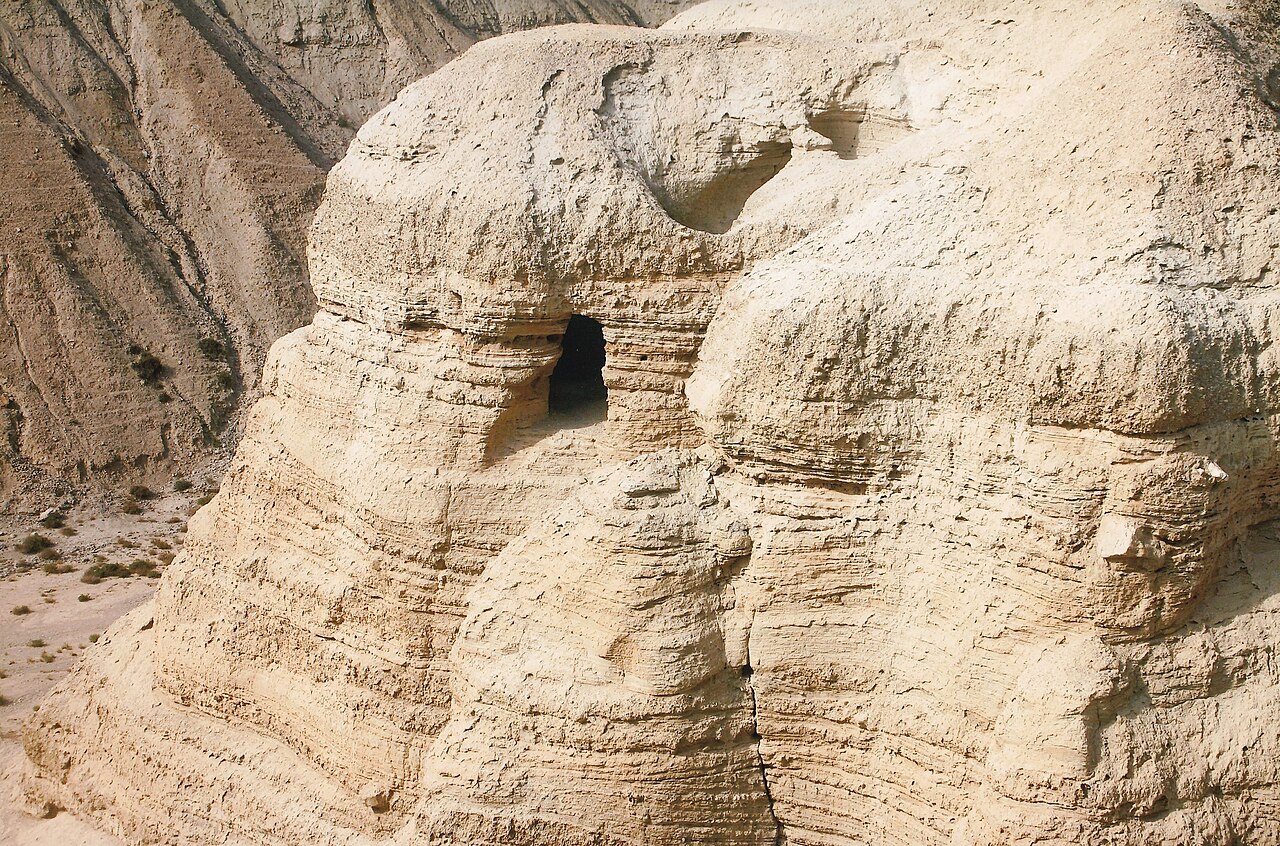 আনু. খ্রিস্টপূর্ব 3য় শতাব্দী – খ্রিস্টাব্দ 68
মৃত সাগরের পুঁথি ও কুমরান
যে যিহূদী জগতে যীশু ও আদি মণ্ডলীর জন্ম
যিশাইয় 1–66 · হবককূক 1–2 · গীতসংহিতা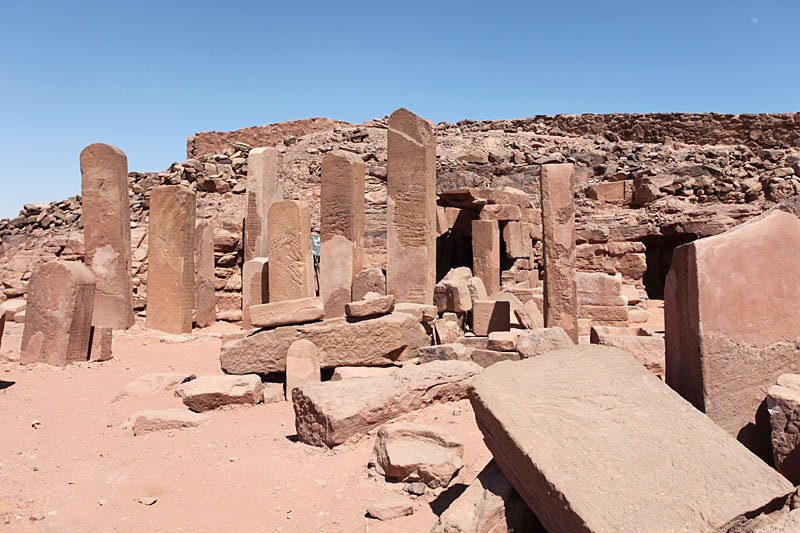 আনু. খ্রিস্টপূর্ব 1900–1500
সেরাবিত এল-খাদিম: হাথোরের খনি ও প্রথম বর্ণমালা
মিশরীয় কর্মে নিযুক্ত সেমিটিক শ্রমিকেরা, এবং হিব্রু লিপির পেছনের বর্ণমালার জন্ম
যাত্রাপুস্তক 3:1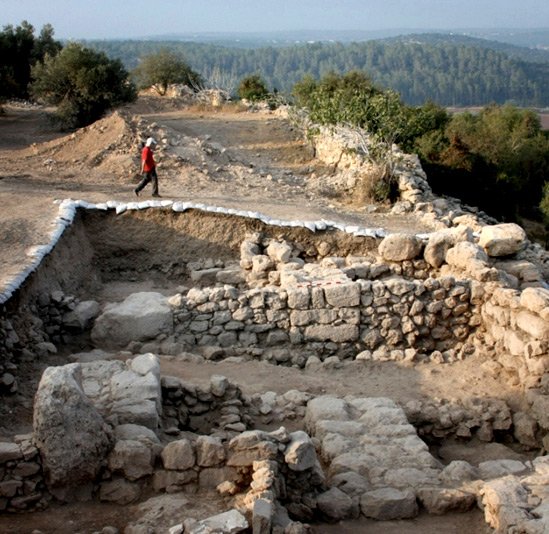 আনু. খ্রিস্টপূর্ব 1020–980
খিরবেত কেইয়াফা: দায়ূদের সময়ের একটি সুরক্ষিত নগর
দায়ূদের সময়ে একটি কেন্দ্রীভূত যিহূদীয় রাজত্ব ছিল কিনা, সেই বিতর্ক
1 শমূয়েল 17:2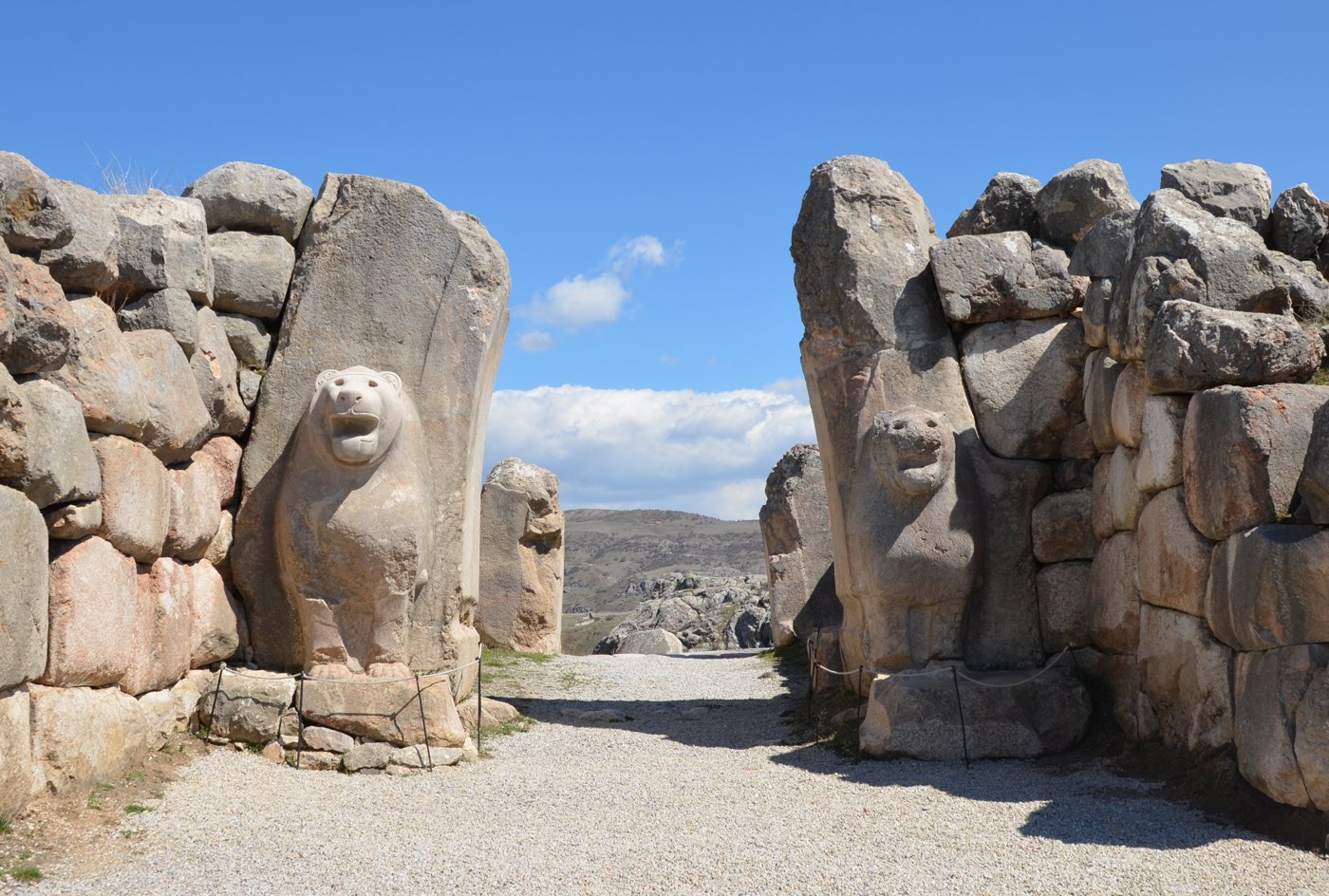 সাম্রাজ্য আনু. খ্রিস্টপূর্ব 1650–1180 (মহাফেজখানা 1906 থেকে খনন করা)
হাত্তুসা এবং বাইবেলের নাম-করা হিত্তীয়েরা
আদিপুস্তক ও 2 শমূয়েলের হিত্তীয়েরা — একদা উপেক্ষিত, পরে মাটি খুঁড়ে বের করা
আদিপুস্তক 23:10 · 2 শমূয়েল 11:3নতুন নিয়মের জগৎ থেকে আবিষ্কার
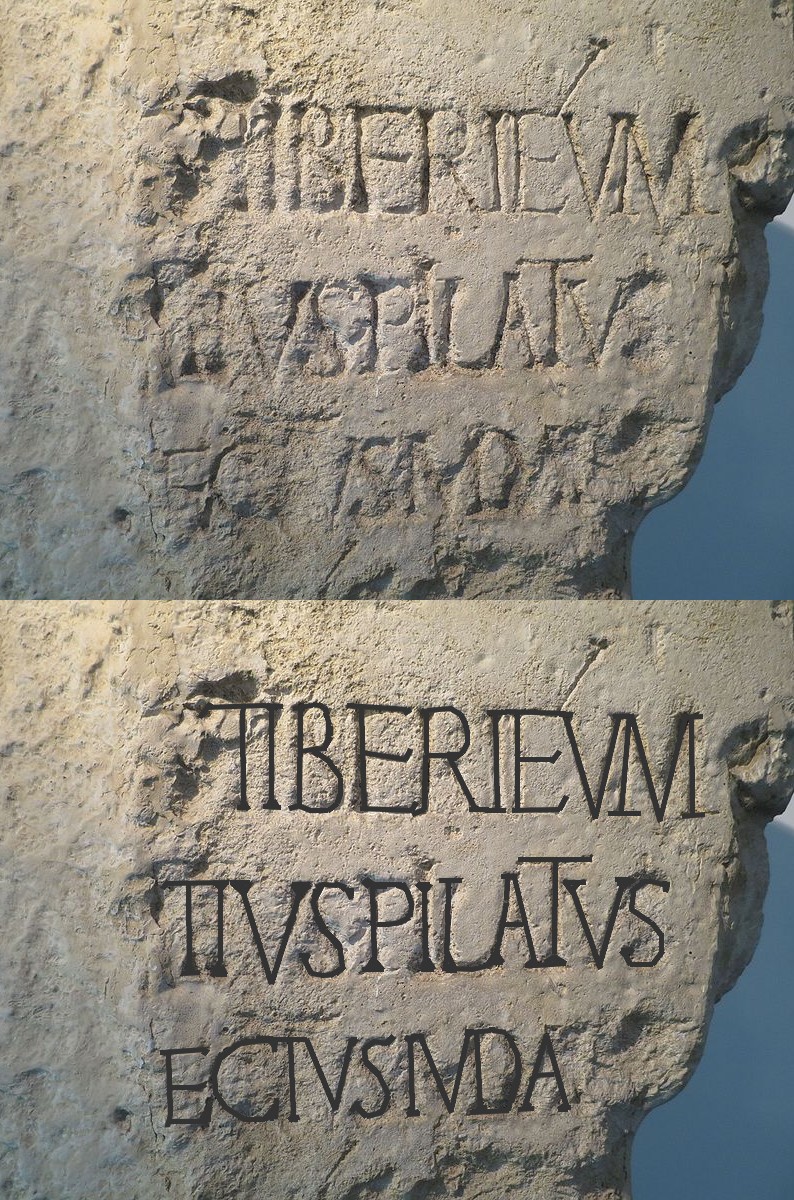 খ্রিস্টাব্দ 26–36
পীলাত প্রস্তর
পন্তীয় পীলাত, সেই রোমীয় শাসনকর্তা যিনি যীশুকে দণ্ডাজ্ঞা দিয়েছিলেন
মথি 27 · লুক 3:1 · যোহন 18–19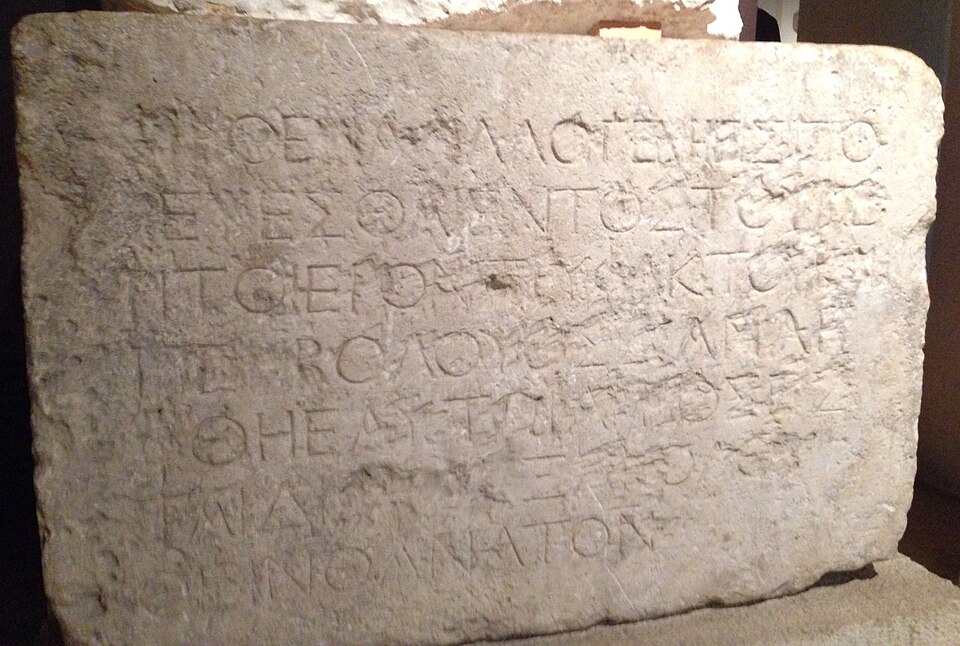 খ্রিস্টাব্দ 1ম শতাব্দী (খ্রিস্টাব্দ 70-এর আগে)
মন্দিরের সতর্কবাণী-শিলালিপি
পৌল একজন পরজাতীয়কে মন্দিরের বেষ্টনী পার করে এনেছেন — এই অভিযোগ ঘিরে দাঙ্গা
প্রেরিতদের কার্য্য 21:27–31 · ইফিষীয় 2:14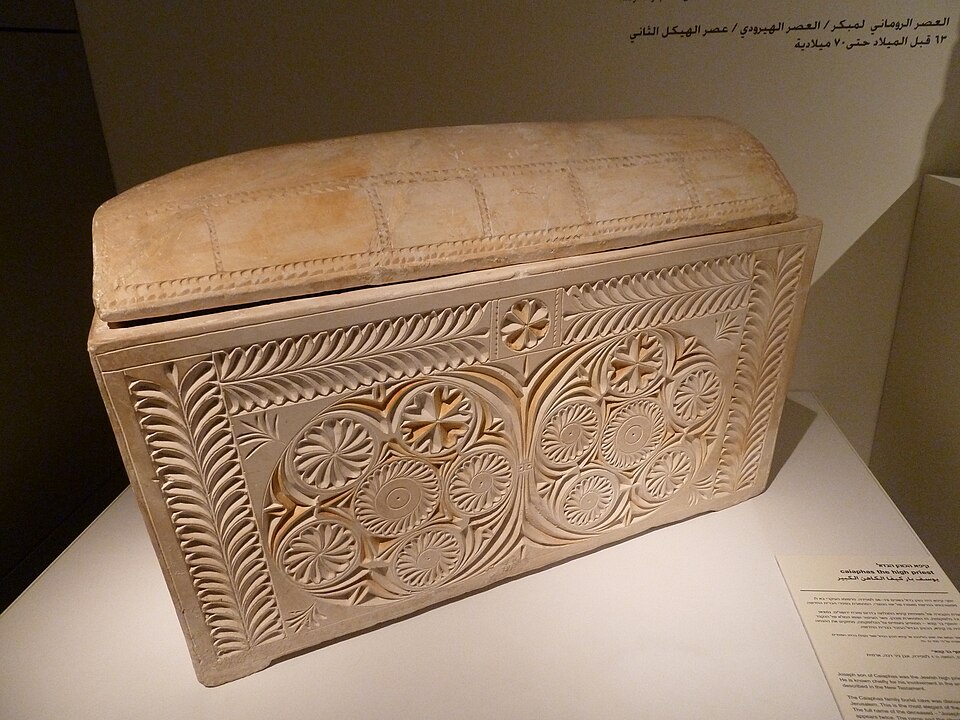 খ্রিস্টাব্দ 1ম শতাব্দী
কায়াফার অস্থিপেটিকা
কায়াফা, যীশুর বিচারের সময়কার মহাযাজক
মথি 26:57 · যোহন 11:49–50 · যোহন 18:13–14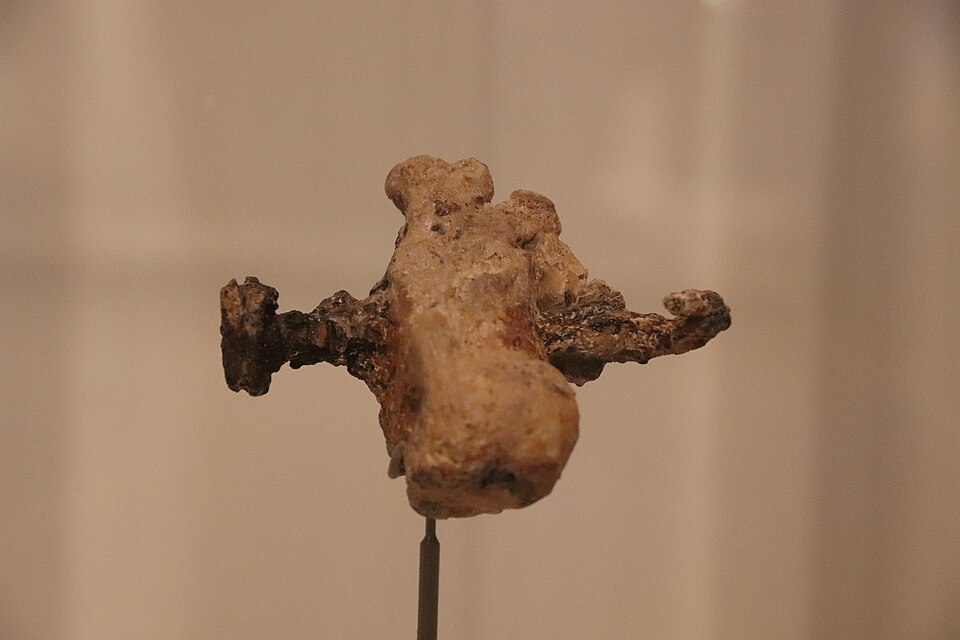 খ্রিস্টাব্দ 1ম শতাব্দী
ক্রুশবিদ্ধ এক মানুষের গোড়ালির হাড় (য়েহোহানান)
সুসমাচারের বর্ণনা অনুযায়ী রোমীয় ক্রুশারোপণ — কেবল দড়ি নয়, পেরেক
যোহন 20:25 · লুক 24:39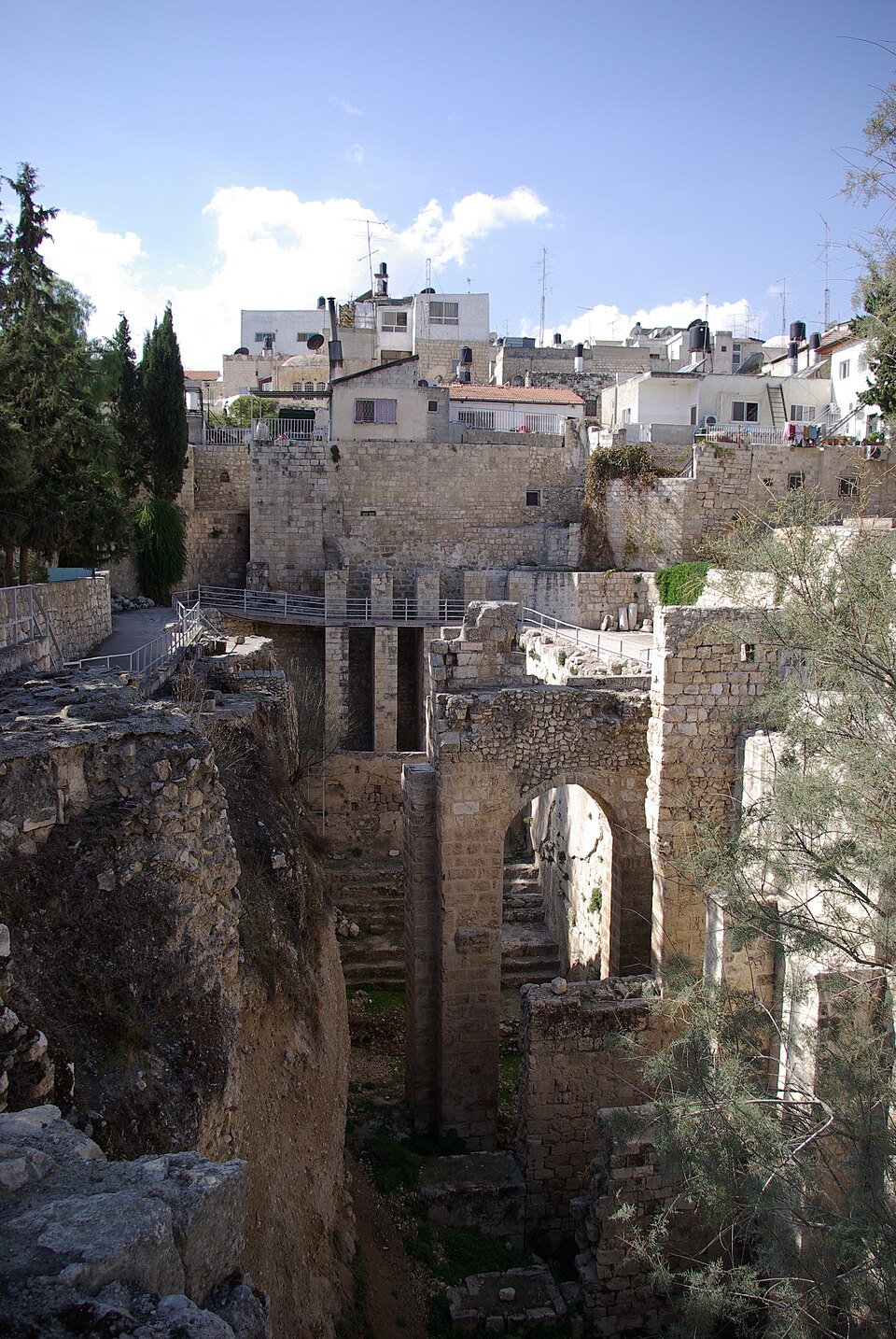 খ্রিস্টাব্দ 1ম শতাব্দীতে ব্যবহৃত
বৈথেস্দা পুকুর
“পাঁচটি বারান্দা”-যুক্ত এক পুকুরের ধারে পক্ষাঘাতগ্রস্ত মানুষটির সুস্থ হওয়া
যোহন 5:2–9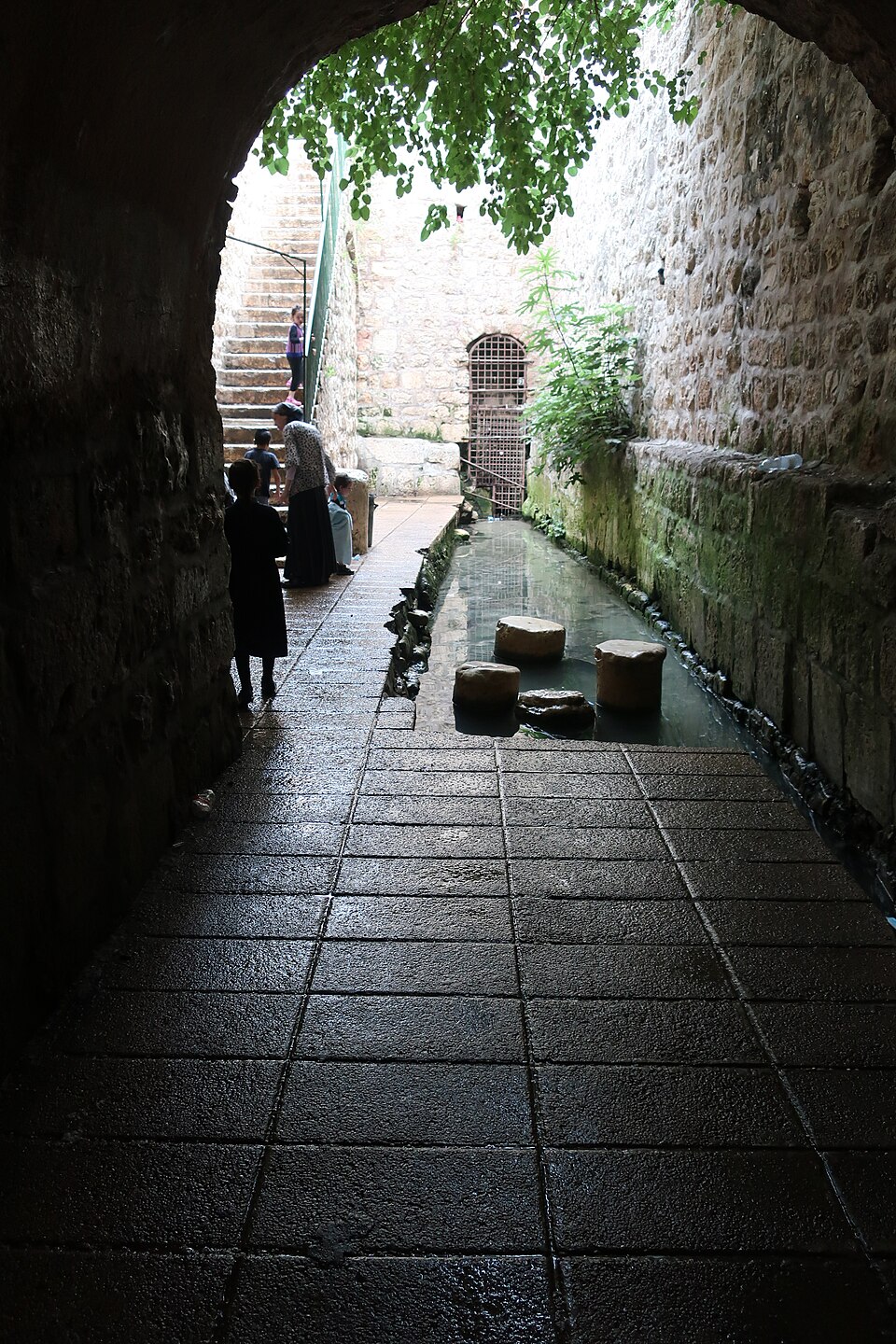 খ্রিস্টপূর্ব 1ম শতাব্দী – খ্রিস্টাব্দ 70
শীলোহ পুকুর (দ্বিতীয় মন্দির যুগ)
যে পুকুরে যীশু জন্মান্ধ মানুষটিকে ধুয়ে আসতে পাঠিয়েছিলেন
যোহন 9:1–11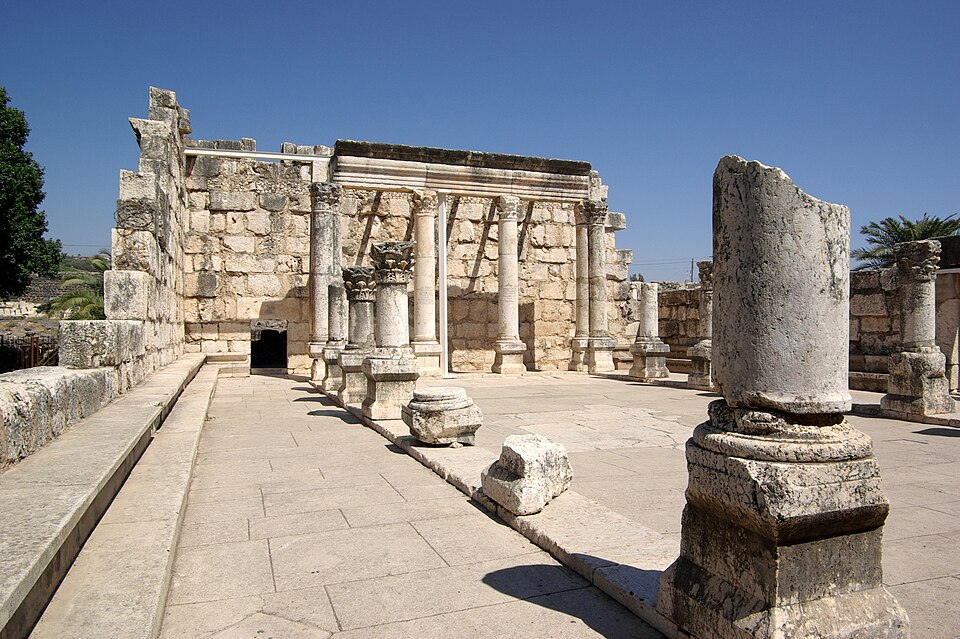 খ্রিস্টাব্দ 1ম শতাব্দী (নিচের স্তরগুলি)
কফরনাহূম: সমাজঘর ও “পিতরের বাড়ি”
গালীলীয় পরিচর্যার সময় যীশুর প্রধান আস্তানা, এবং শিমোন পিতরের পরিবার
মার্ক 1:21–34 · মথি 4:13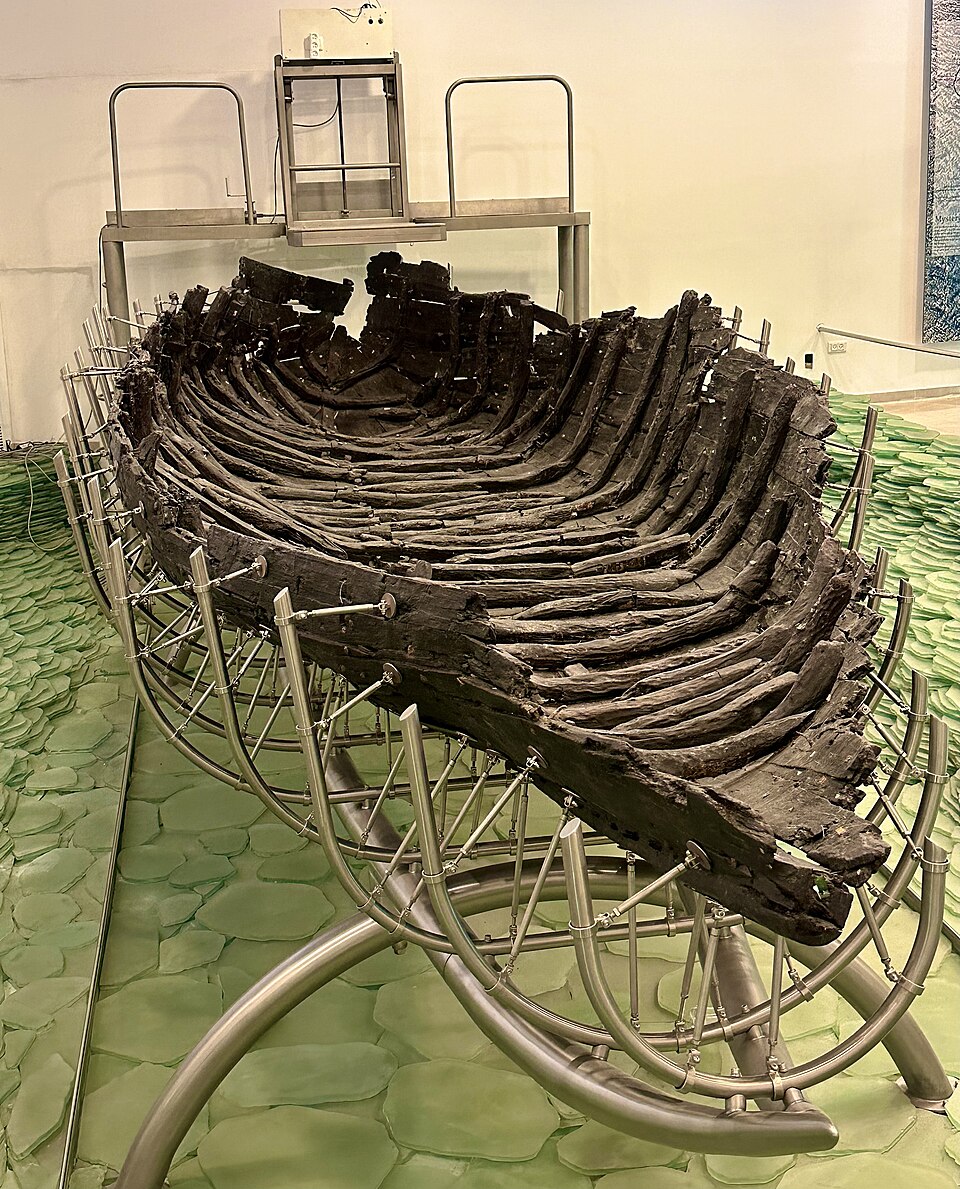 খ্রিস্টপূর্ব 1ম শতাব্দী – খ্রিস্টাব্দ 1ম শতাব্দী
গালীল সাগরের নৌকা
সুসমাচারের জেলেদের কাজের নৌকা
মার্ক 4:35–41 · যোহন 21:1–14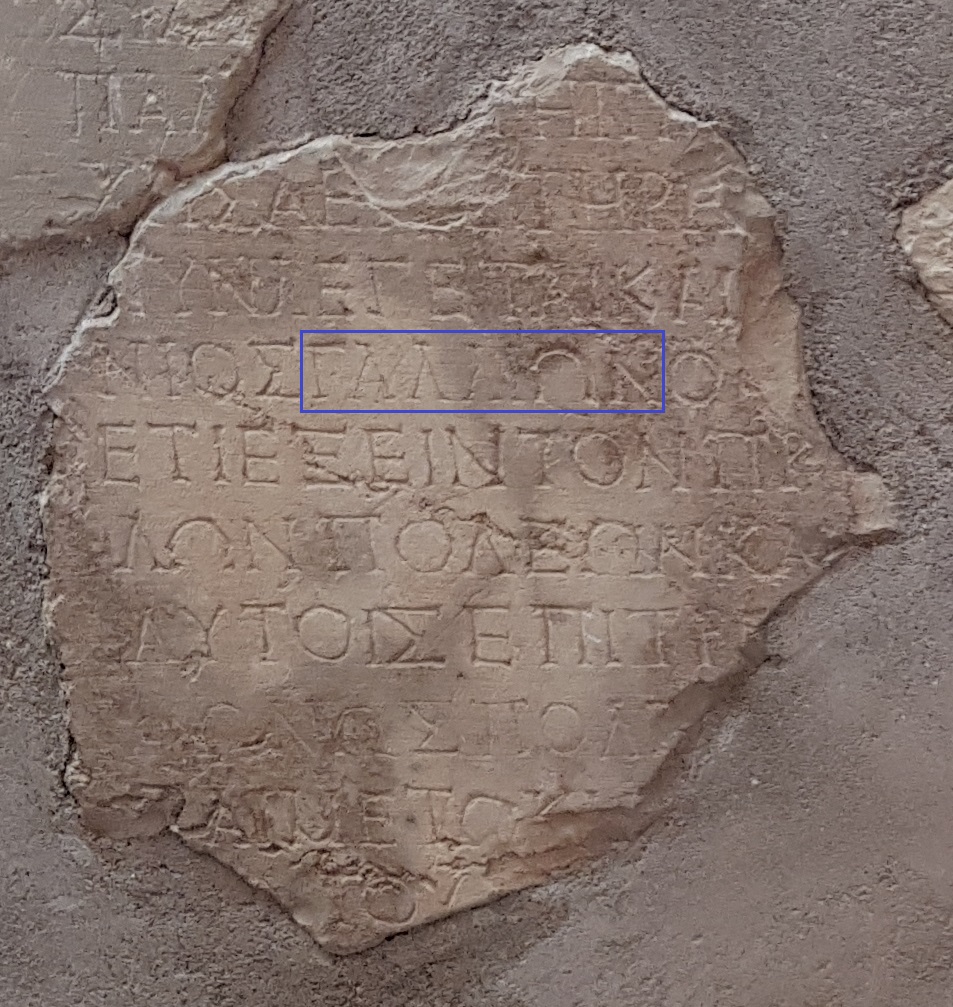 আনু. খ্রিস্টাব্দ 52
দেলফিতে গাল্লিয়ো-শিলালিপি
গাল্লিয়ো, সেই রোমীয় শাসনকর্তা যিনি করিন্থে পৌলের বিরুদ্ধে মামলা খারিজ করে দিয়েছিলেন
প্রেরিতদের কার্য্য 18:12–17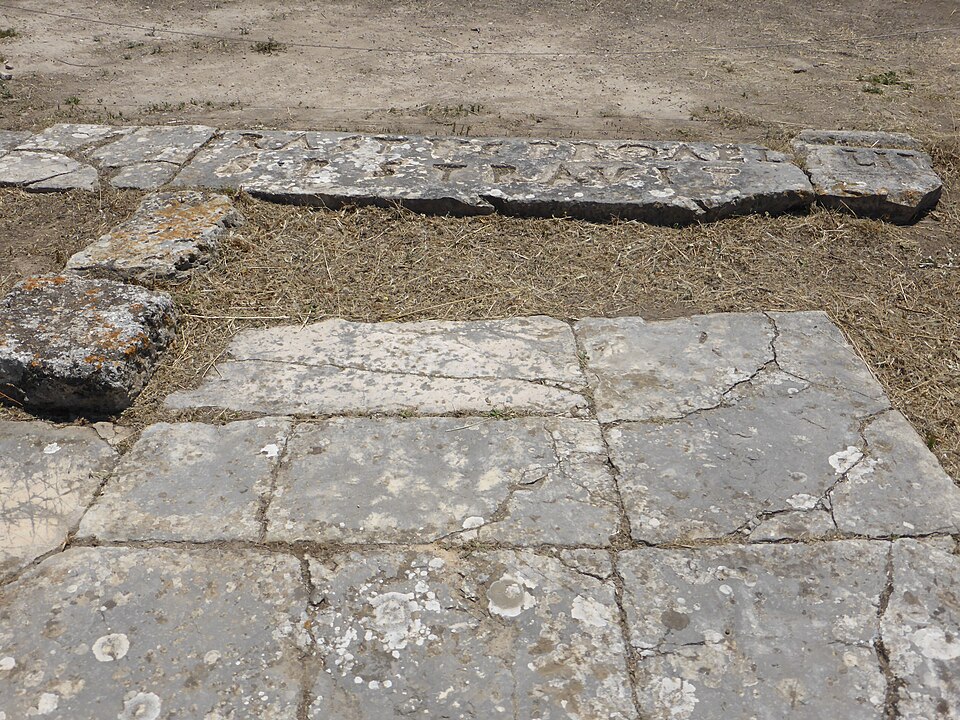 খ্রিস্টাব্দ 1ম শতাব্দীর মাঝামাঝি (তারিখ বিতর্কিত)
করিন্থে ইরাস্ত-শিলালিপি
ইরাস্ত, করিন্থের নগর-কর্মকর্তা যাঁকে পৌল শুভেচ্ছা জানান
রোমীয় 16:23 · 2 তীমথিয় 4:20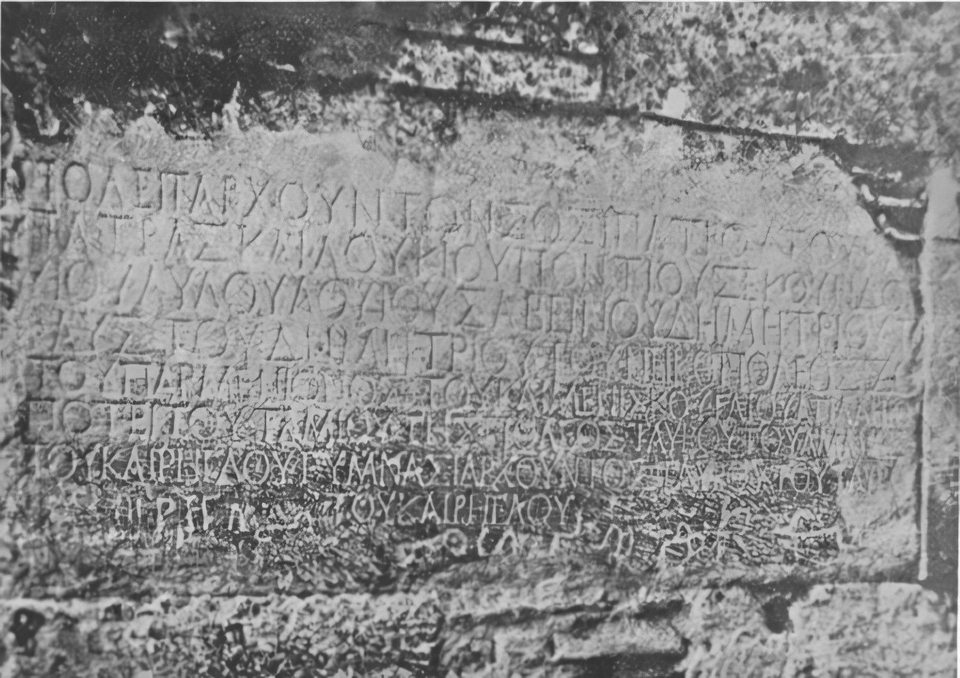 রোমীয় যুগ (শব্দটির সাক্ষ্য খ্রিস্টপূর্ব 1ম শতাব্দী থেকে পাওয়া যায়)
থিষলনীকীর পলিটার্ক-শিলালিপি
থিষলনীকীর নগর-শাসকদের জন্য লুকের ব্যবহৃত অস্বাভাবিক শব্দ
প্রেরিতদের কার্য্য 17:6–8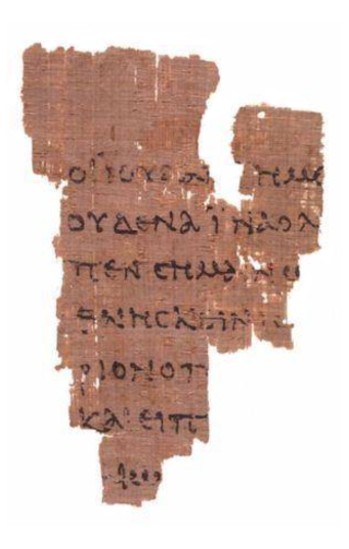 সাধারণত আনু. খ্রিস্টাব্দ 125–175 বলে তারিখ নির্ধারিত
প্যাপিরাস P52 (যোহনের রাইল্যান্ডস খণ্ড)
যে-কোনো সুসমাচার-পাঠের টিকে থাকা প্রাচীনতম ভৌত প্রতিলিপি — পীলাতের সামনে যীশু
যোহন 18:31–33 · যোহন 18:37–38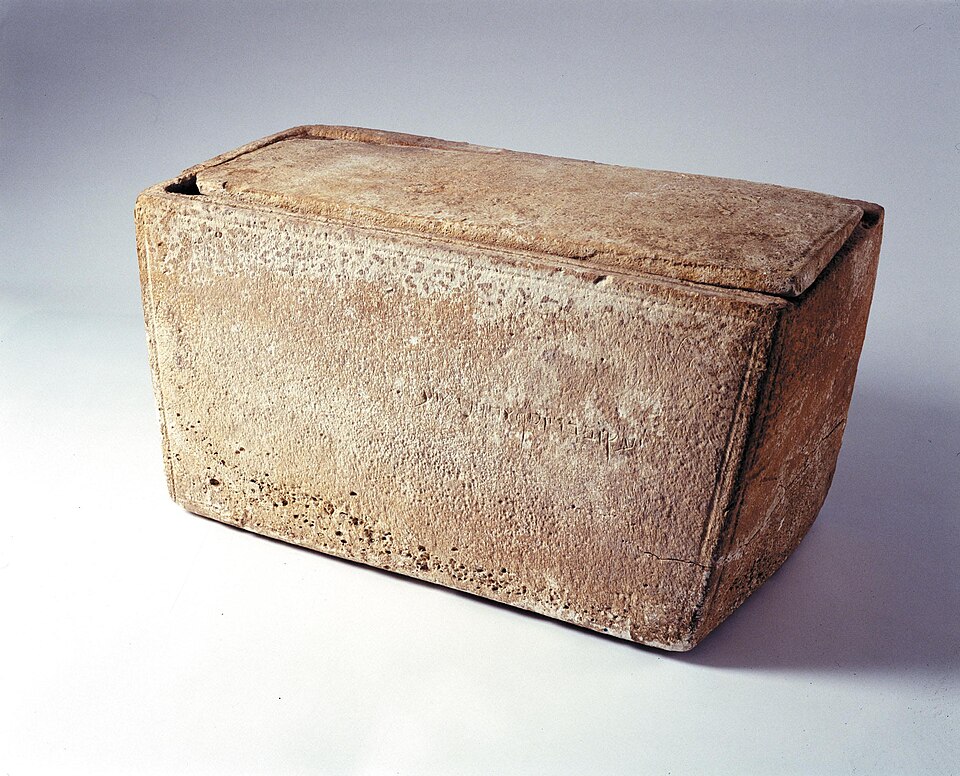 খ্রিস্টাব্দ 1ম শতাব্দী (বাক্সটি নিজে; বিতর্ক শিলালিপির দ্বিতীয়ার্ধ নিয়ে)
যাকোবের অস্থিপেটিকা (একটি বিতর্কিত আবিষ্কার)
যীশুর ভাই যাকোব, যিরূশালেম মণ্ডলীর নেতা — যদি শিলালিপিটি প্রামাণিক হয়
মার্ক 6:3 · গালাতীয় 1:19 · প্রেরিতদের কার্য্য 15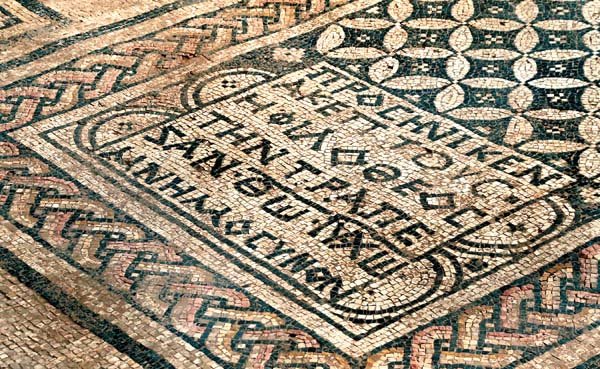 আনু. খ্রিস্টাব্দ 230 (3য় শতাব্দী)
মগিদ্দোর মোজাইক
মণ্ডলী বৈধ হওয়ার কয়েক প্রজন্ম আগে ঈশ্বর হিসেবে যীশুর আদি খ্রিস্টীয় উপাসনা
যোহন 20:28 · তীত 2:13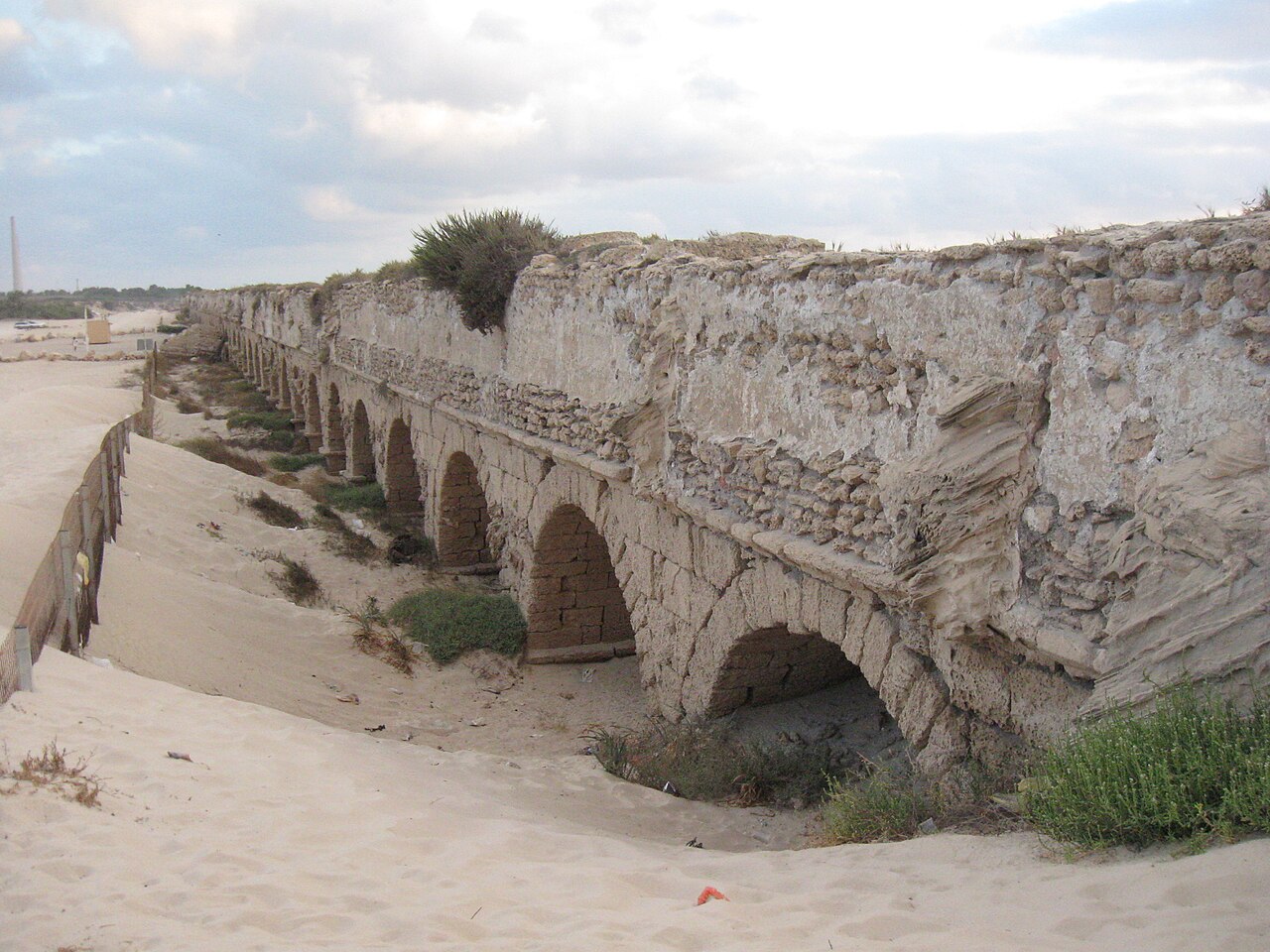 নির্মিত আনু. খ্রিস্টপূর্ব 22–10
কৈসরিয়া মারিতিমা
যিহূদিয়ার রোমীয় রাজধানী — পীলাতের শাসনকেন্দ্র, এবং প্রেরিতদের কার্য্য পুস্তকের এক কেন্দ্রস্থল
প্রেরিতদের কার্য্য 10 · প্রেরিতদের কার্য্য 23:23–35 · প্রেরিতদের কার্য্য 25:1–13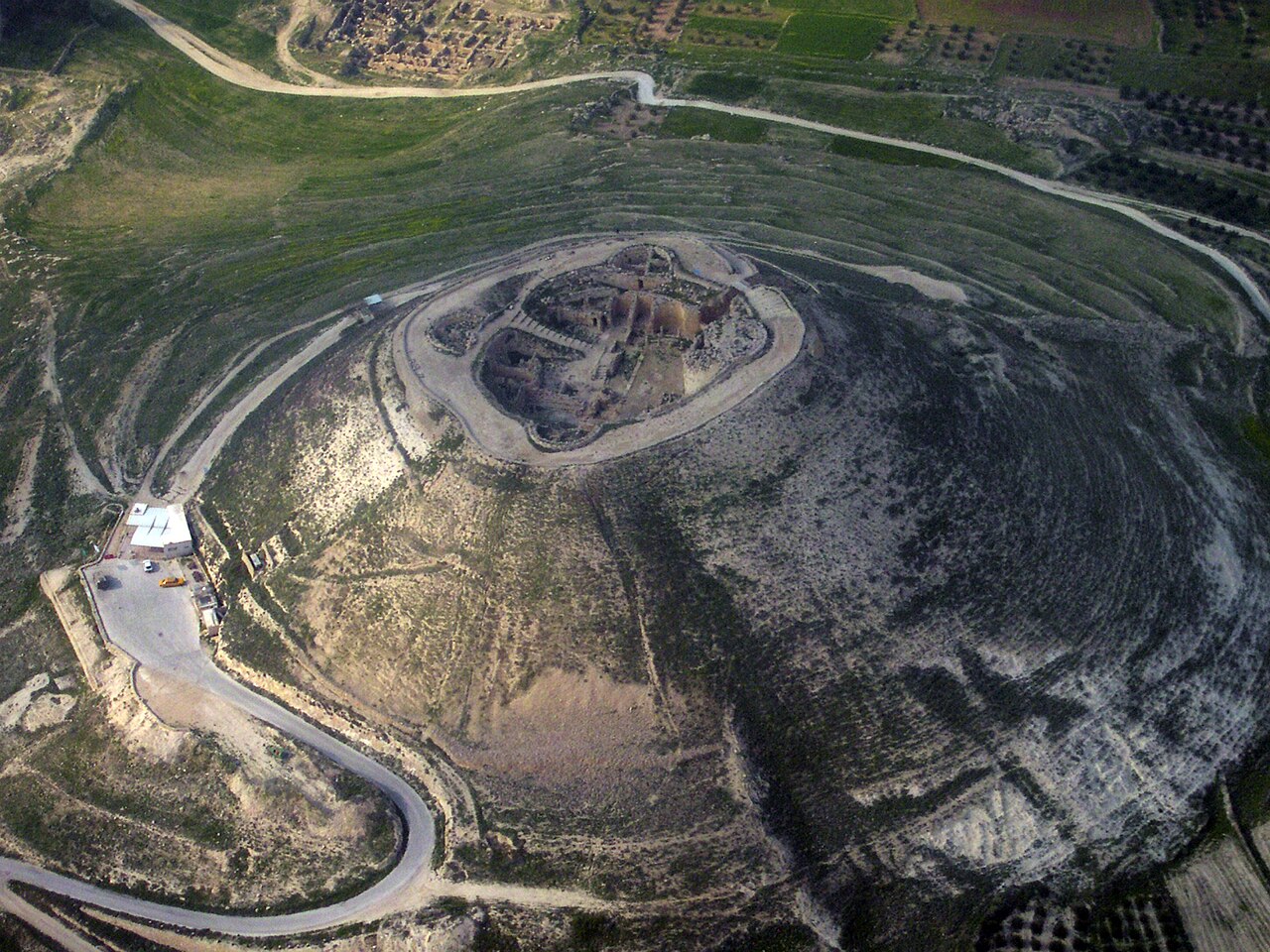 নির্মিত আনু. খ্রিস্টপূর্ব 23
হেরোদিয়ন — হেরোদের দুর্গ ও সমাধি
মহান হেরোদ, জন্ম-বিবরণের রাজা
মথি 2:1–19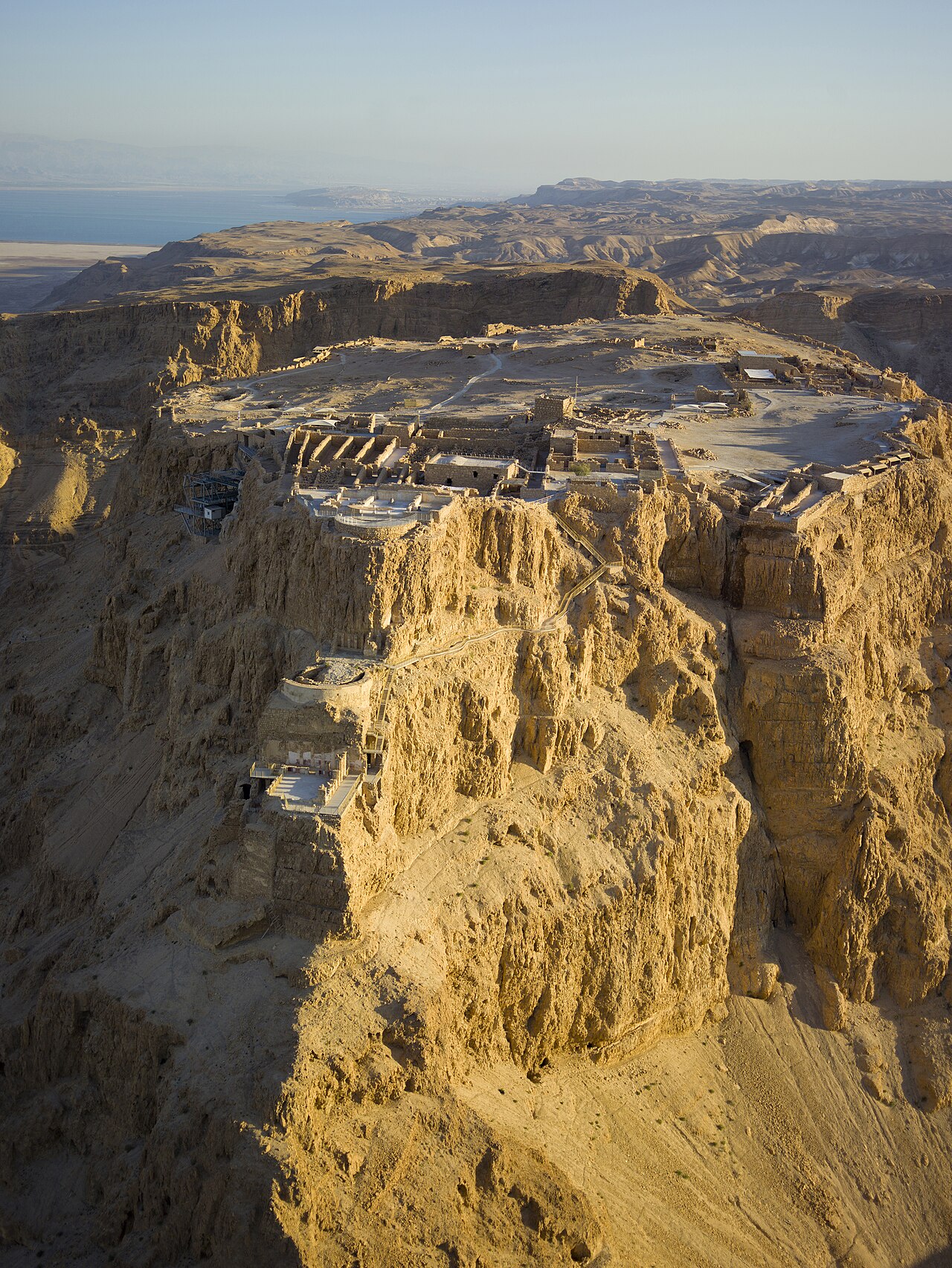 নির্মিত আনু. খ্রিস্টপূর্ব 40–30 সালে; ইহুদি বিদ্রোহ এখানে শেষ হয় 73 খ্রিস্টাব্দে
মাসাদা
হেরোদের নির্মাণকাজ এবং রোমের বিরুদ্ধে ইহুদি যুদ্ধ
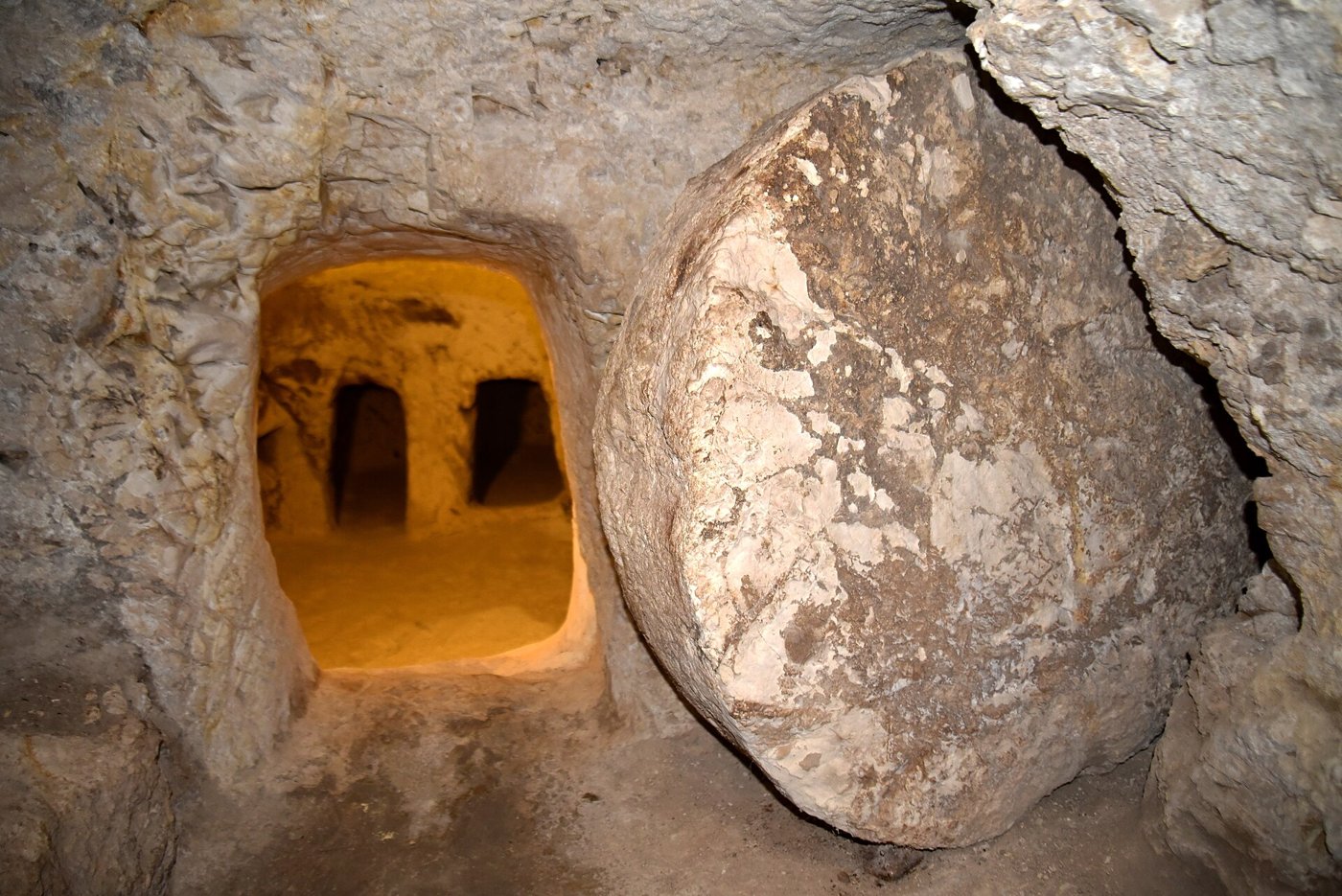 খ্রিস্টাব্দ 1ম শতাব্দী (গ্রাম); যাজক-পালার শিলালিপিটি খ্রিস্টাব্দ 3য়–4র্থ শতাব্দীর
প্রথম শতাব্দীর নাসরত
যীশুর নিজের শহর
মথি 2:23 · লুক 4:16 · যোহন 1:46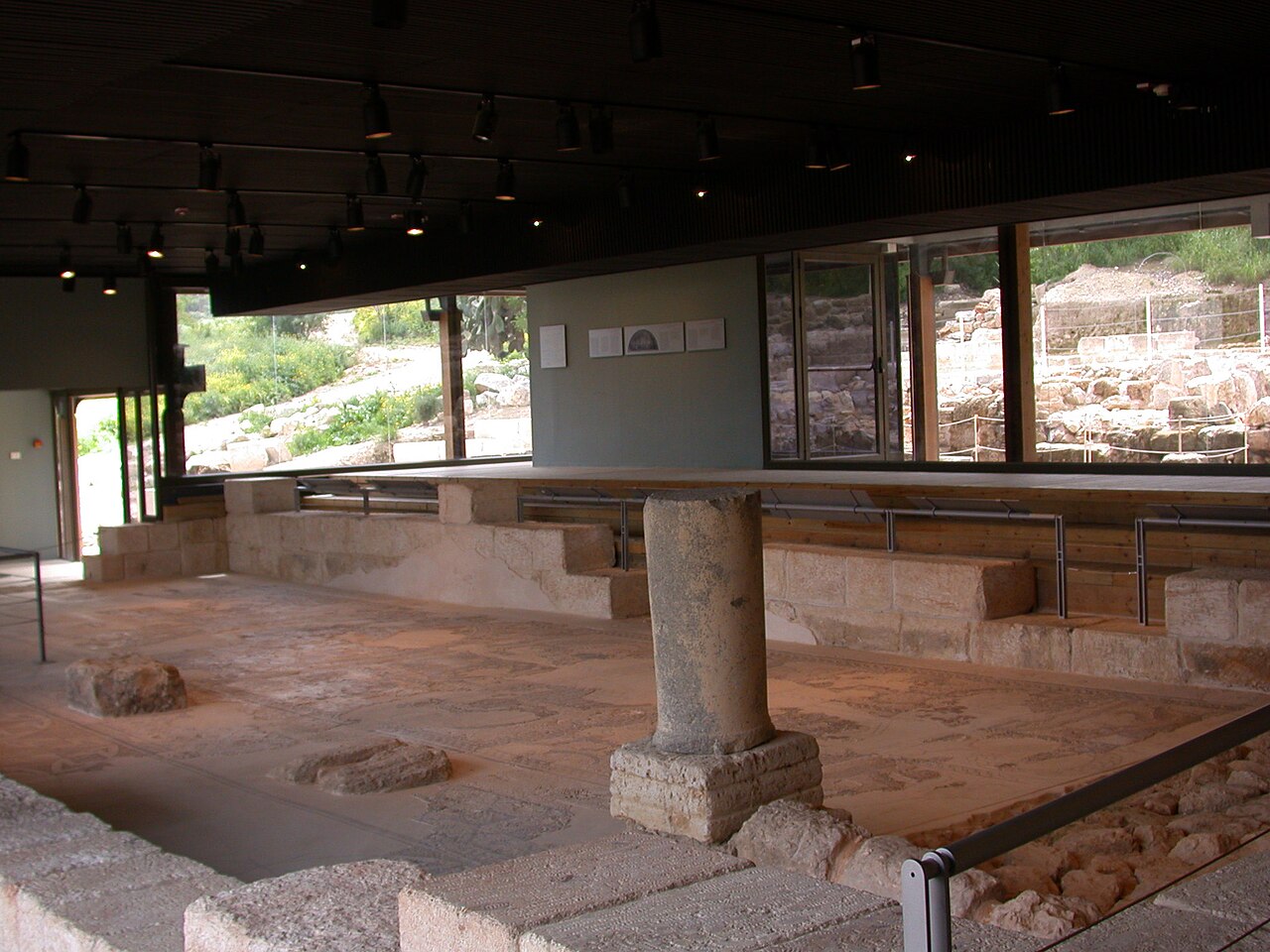 খ্রিস্টাব্দ 1ম শতাব্দীর গোড়া থেকে পুনর্নির্মিত
সেফোরিস
নাসরতের দোরগোড়ার নগর — নির্মাতা যীশুর প্রেক্ষাপট
মথি 13:55 · মার্ক 6:3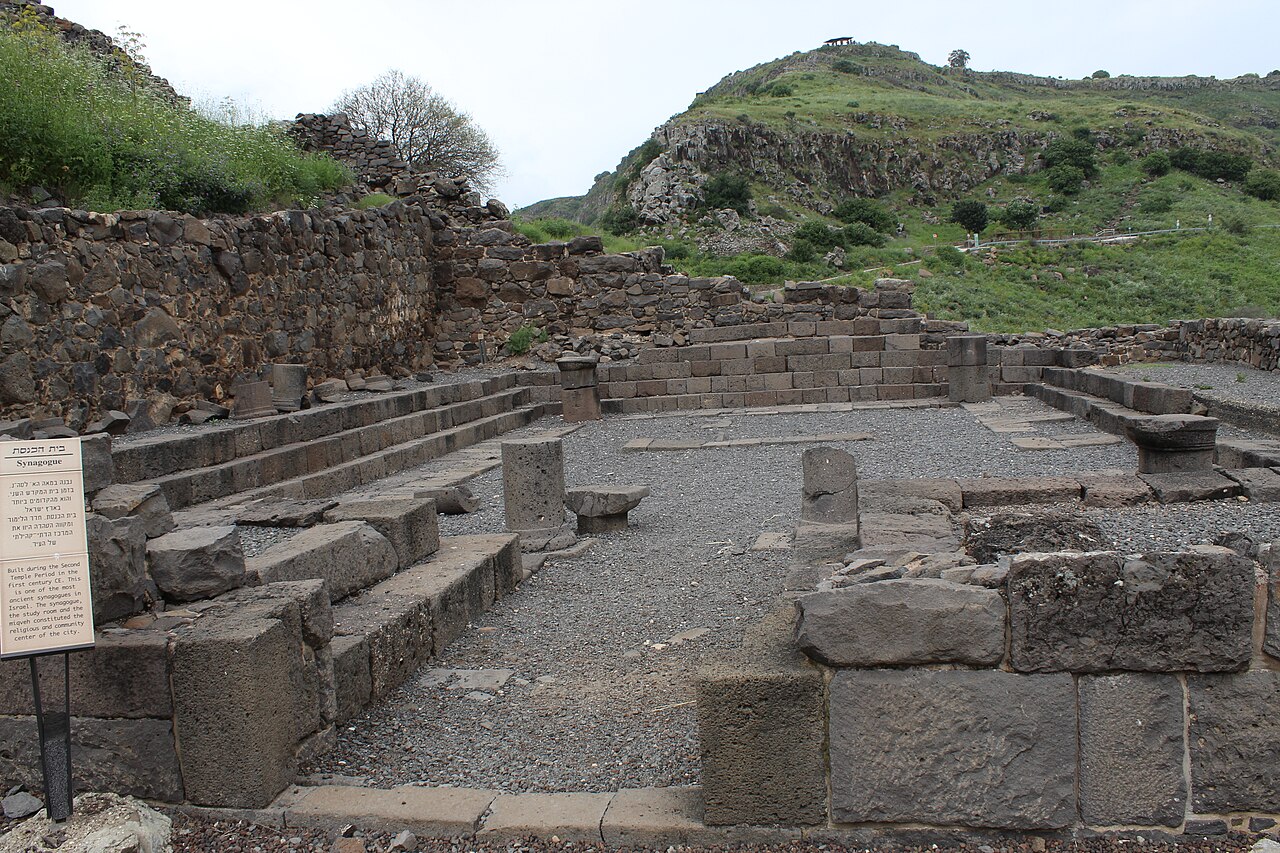 খ্রিস্টপূর্ব 1ম শতাব্দী – 70 খ্রিস্টাব্দ
প্রথম শতাব্দীর সমাজগৃহ (গামলা, মগ্দলা ও থিওডোটোস শিলা)
যে সমাজগৃহ-ভবনগুলিতে যীশু ও পৌল শিক্ষা দিয়েছিলেন বলে সুসমাচারগুলি ও প্রেরিতদের কার্য্য ধরে নেয়
মার্ক 1:21 · লুক 4:16 · প্রেরিতদের কার্য্য 15:21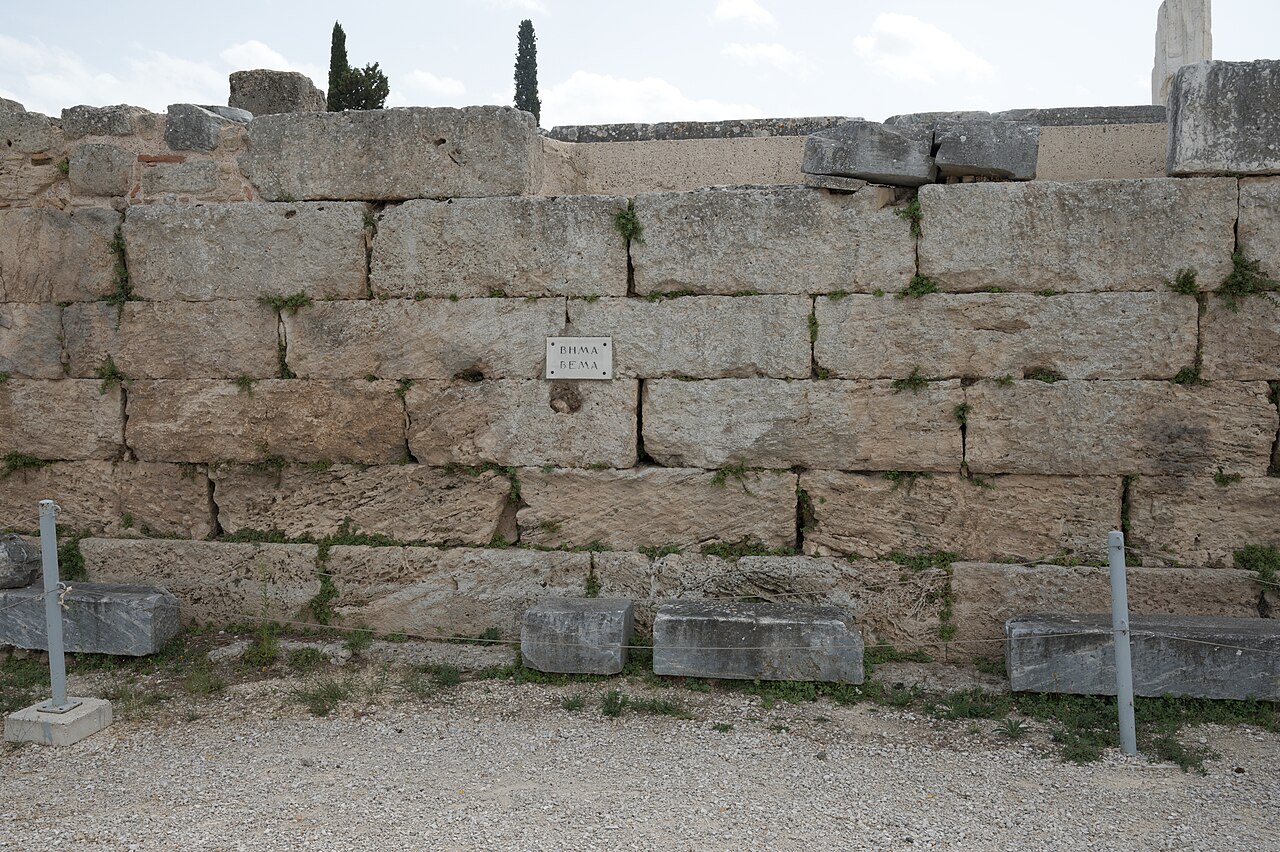 আনু. 25–50 খ্রিস্টাব্দ
করিন্থের বেমা (বিচারাসন)
যেখানে পৌলকে টেনে এনে প্রদেশপাল গাল্লিয়োর সামনে দাঁড় করানো হয়েছিল
প্রেরিতদের কার্য্য 18:12–17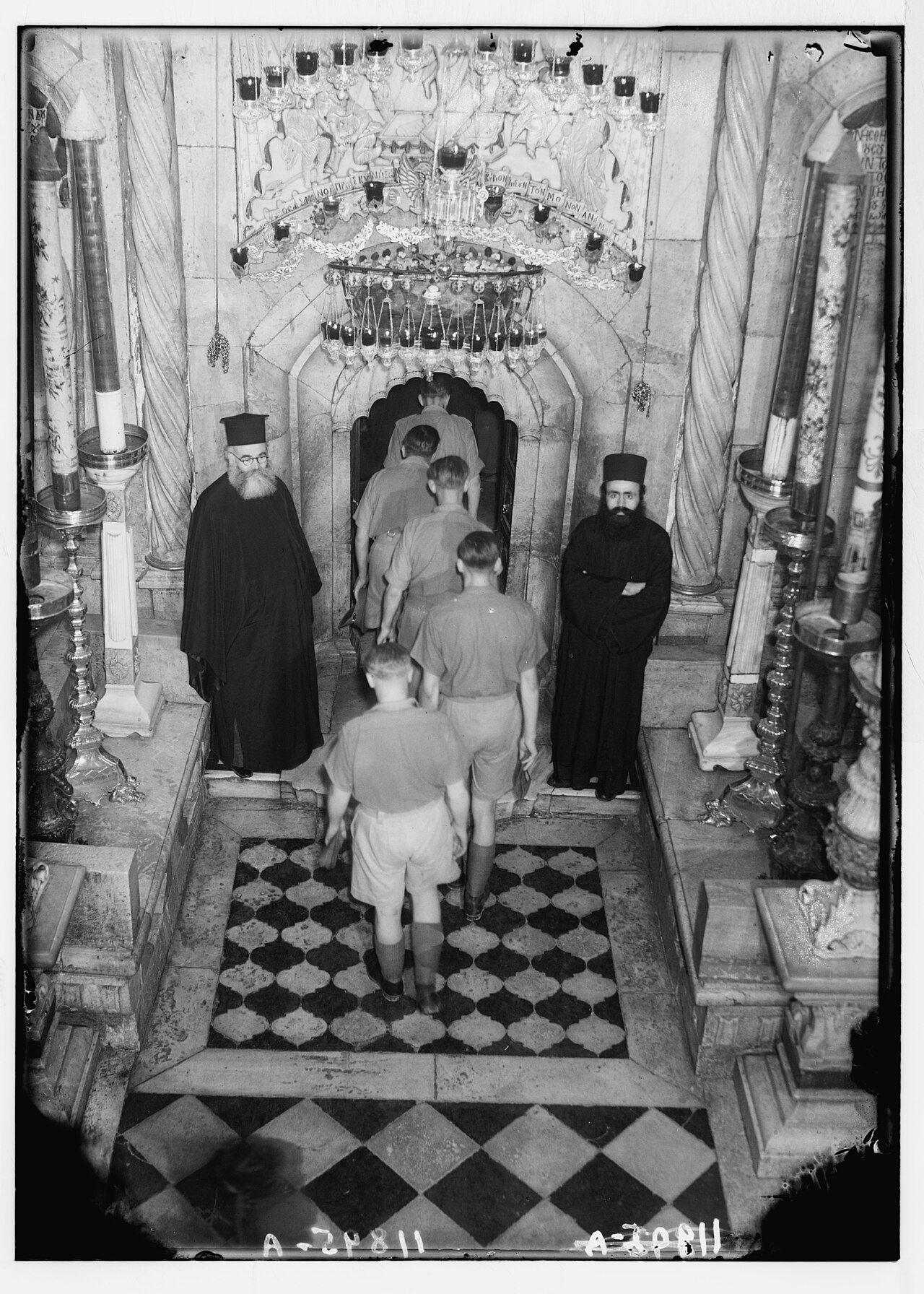 খাদান ও সমাধিগুলি খ্রিস্টপূর্ব 1ম শতাব্দী থেকে খ্রিস্টাব্দ 1ম শতাব্দীর; গির্জাটির নির্মাণ শুরু 4র্থ শতাব্দীতে
গলগথা ও পবিত্র সমাধি-গির্জা
যীশুর ক্রুশারোপণ ও কবরের স্থান
যোহন 19:41–42 · মার্ক 15:22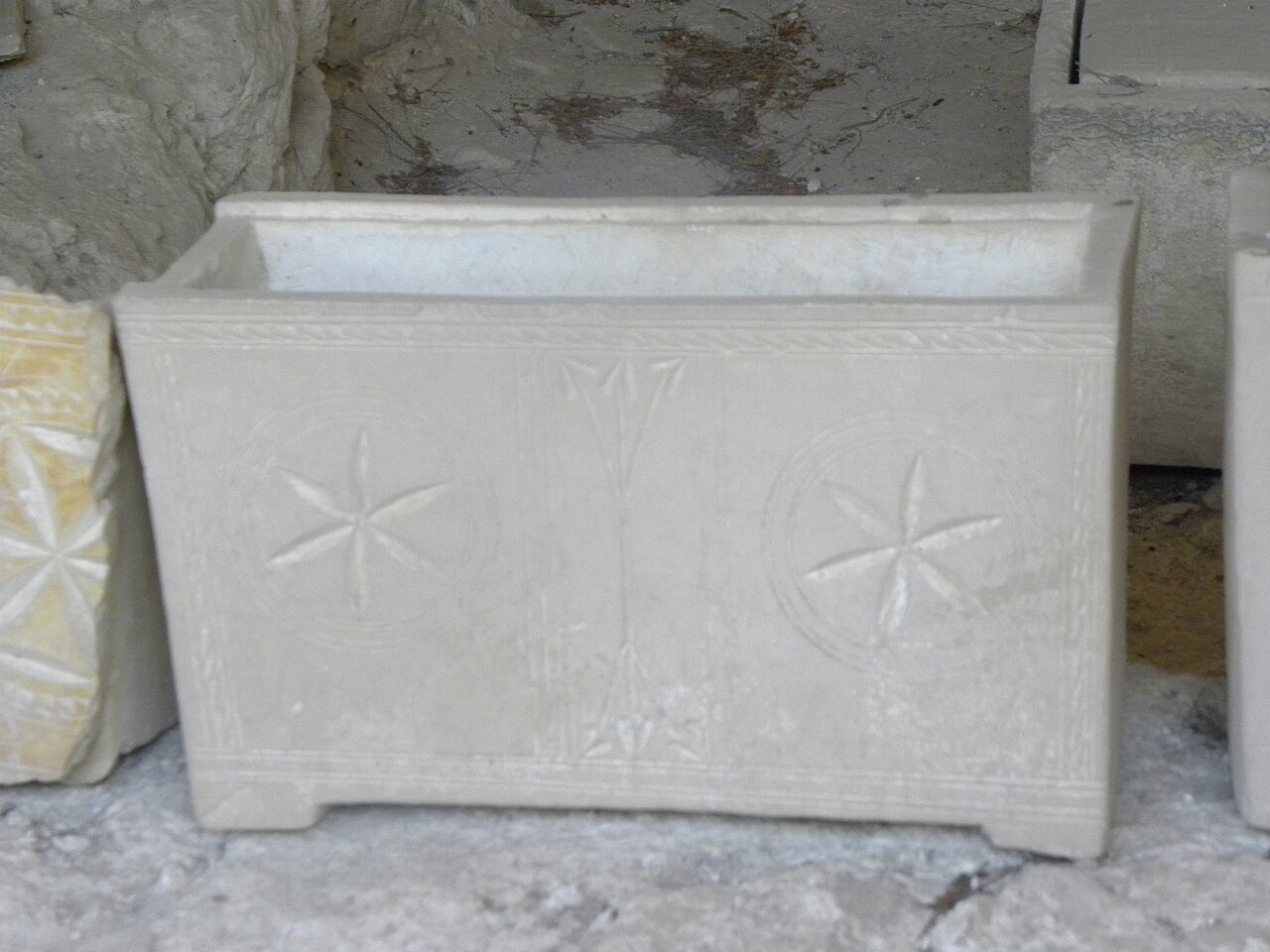 খ্রিস্টাব্দ 1ম শতাব্দী (সমাধিটি পাওয়া যায় 1980 সালে)
তালপিয়টের “যীশুর পারিবারিক সমাধি” (একটি সতর্কতামূলক দৃষ্টান্ত)
একটি প্রত্নতাত্ত্বিক আবিষ্কার কীভাবে পড়া উচিত নয়, তার একটি পরীক্ষা
1 করিন্থীয় 15:4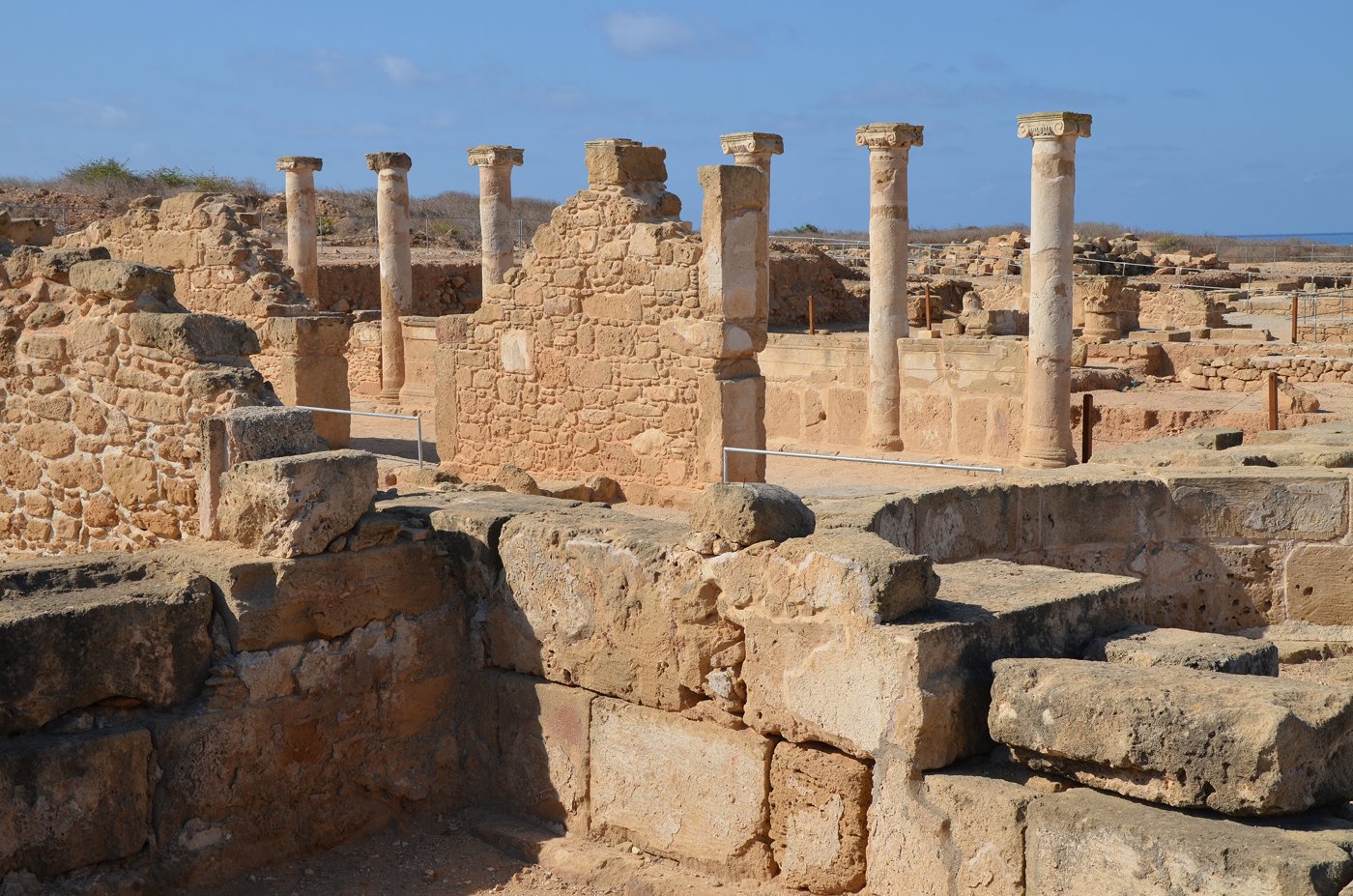 খ্রিস্টাব্দ 1ম শতাব্দী
সের্গিয়ুস পৌলুস, কুপ্রের প্রকন্সাল
কুপ্রে পৌল যে রোমীয় শাসকের সাক্ষাৎ পান, তাঁর জন্য লুকের সুনির্দিষ্ট পদবি
প্রেরিত 13:7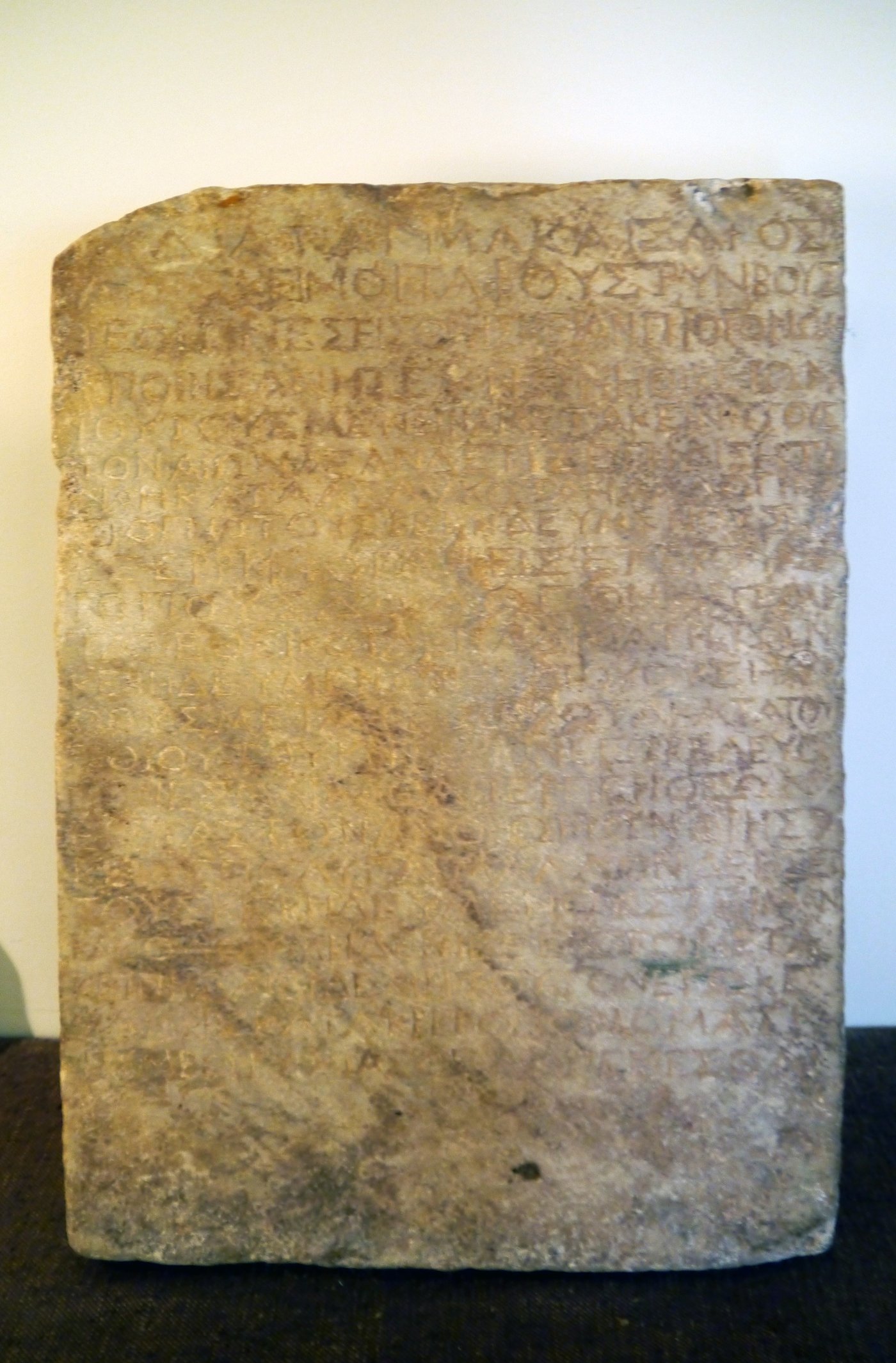 খ্রিস্টাব্দ 1ম শতাব্দী (বিতর্কিত); অর্জিত 1878
নাসরত শিলালিপি (একটি সতর্কতামূলক দৃষ্টান্ত)
কীভাবে একটি প্রতিশ্রুতিশীল-দেখানো আবিষ্কার নিবিড় অধ্যয়নে উল্টো দিকে নির্দেশ করতে পারে
মথি 28:12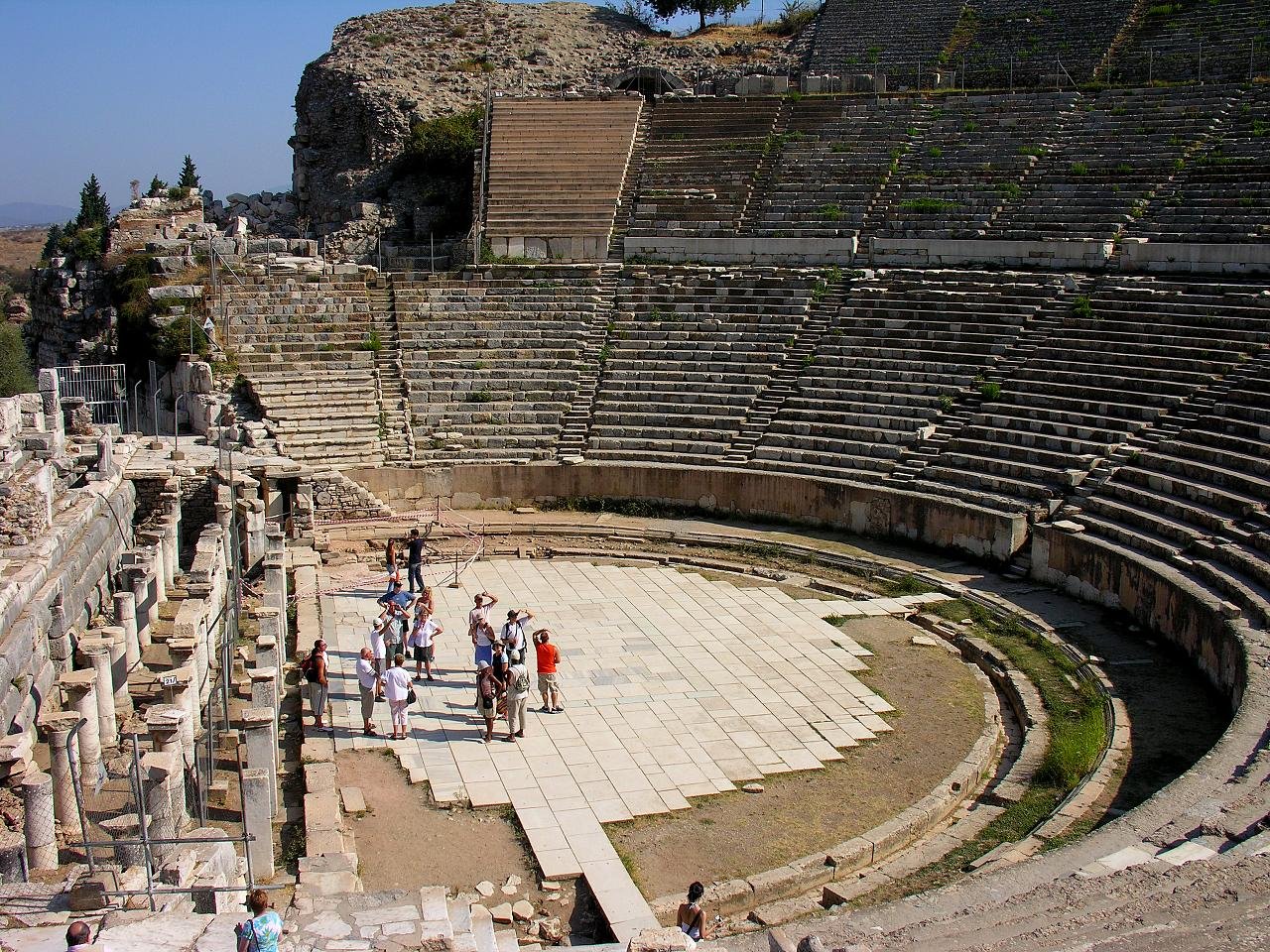 রোমান যুগ (নগরের সমৃদ্ধির শীর্ষকাল, খ্রিস্টাব্দ 1ম–2য় শতাব্দী)
ইফিষ — নাট্যশালা ও আর্তেমিসের মন্দির
যে নগরে পৌল প্রায় তিন বছর কাটিয়েছিলেন, এবং আর্তেমিস-কেন্দ্রিক ব্যবসাকে ঘিরে নাট্যশালায় রৌপ্যকারদের দাঙ্গা
প্রেরিতদের কার্য্য 19:23–41 · 1 করিন্থীয় 15:32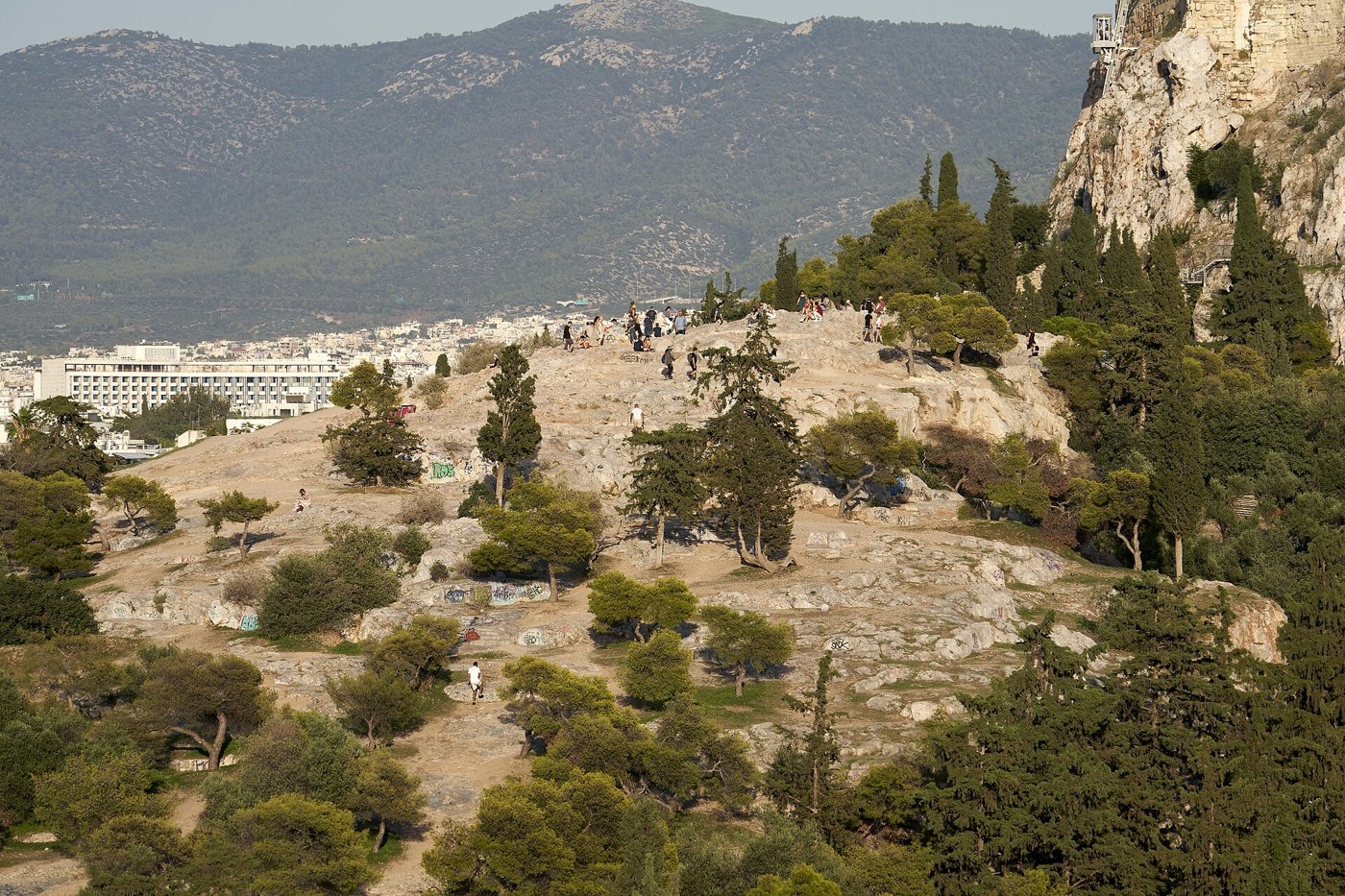 ক্লাসিক্যাল থেকে রোমান যুগের এথেন্স
এথেন্সের আরেয়পাগ (মার্স হিল)
যে পরিষদের সামনে পৌল প্রচার করেছিলেন, “অজানা দেবতার উদ্দেশে” উৎসর্গিত একটি বেদির কথা উল্লেখ করে
প্রেরিতদের কার্য্য 17:16–34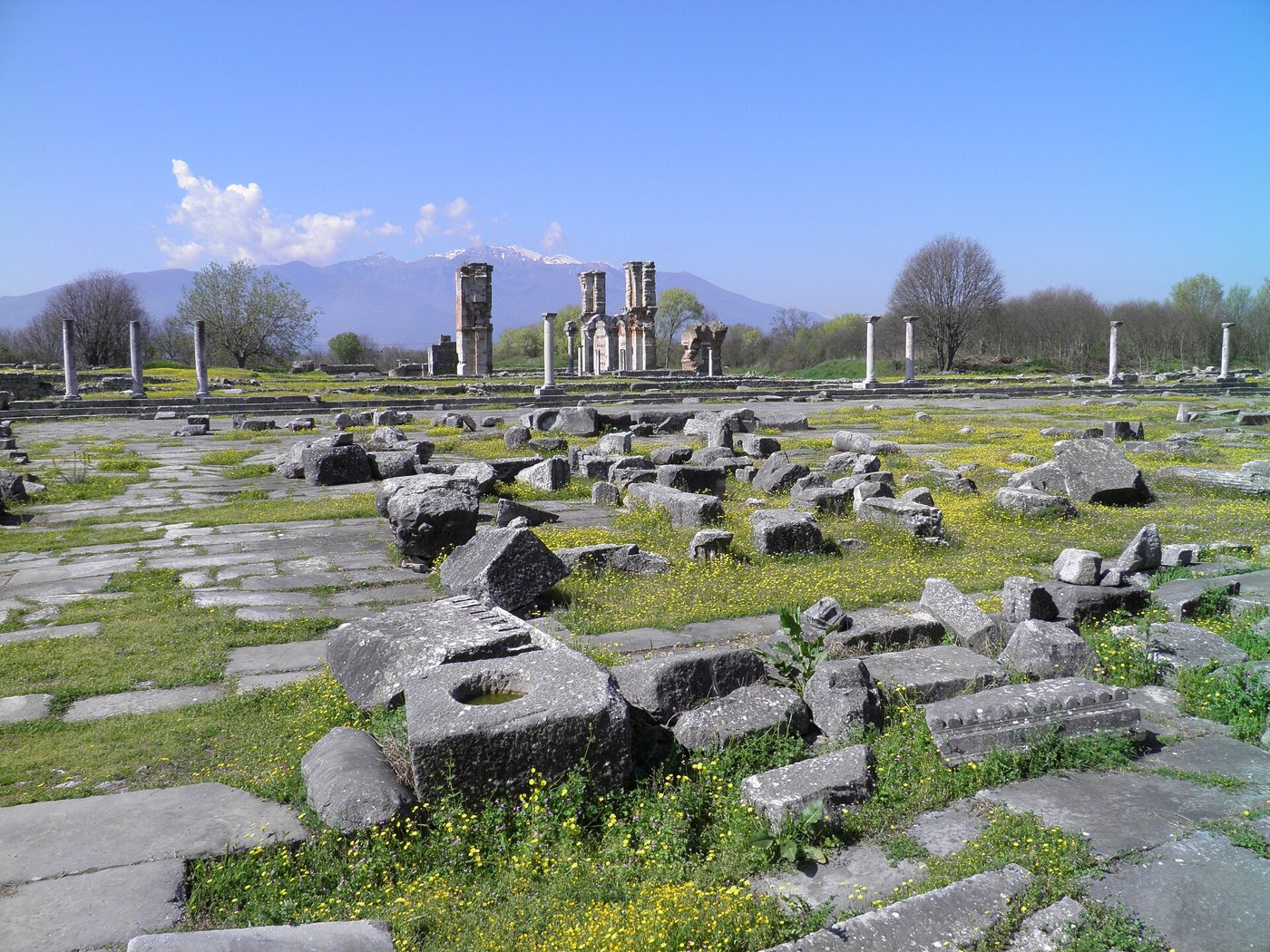 খ্রিস্টপূর্ব 42 সাল থেকে রোমান উপনিবেশ
ফিলিপী — ভিয়া এগ্নাতিয়ার ওপর রোমান উপনিবেশ
লুদিয়া, থুয়াতীরার একজন “বেগুনি কাপড় বিক্রেতা” এবং ইউরোপে পৌলের প্রথম বিশ্বাসী, আর পৌল ও সীলের কারাবাস
প্রেরিতদের কার্য্য 16:11–40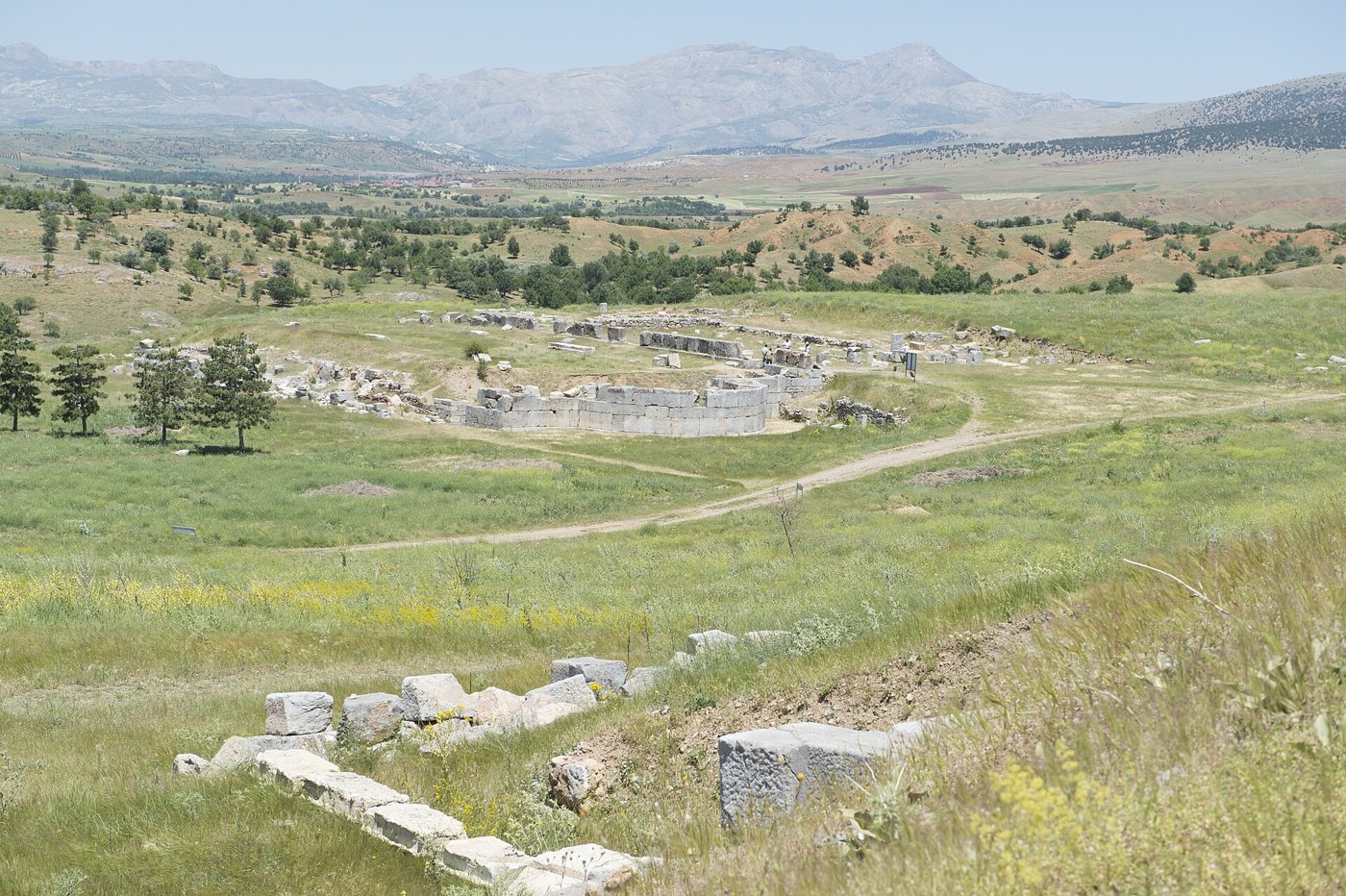 রোমান নগর; পূর্ববর্তী একটি সমাজগৃহের ওপর গির্জা
পিষিদিয়ার আন্তিয়খ — একটি গির্জার নিচে একটি সমাজগৃহ
যে সমাজগৃহে পৌল পরপর দুই বিশ্রামবারে প্রচার করেছিলেন
প্রেরিতদের কার্য্য 13:14–52 শনাক্তকারী শিলালিপিগুলি খ্রিস্টাব্দ 2য় শতাব্দীরদর্বী — শিলালিপির মাধ্যমে খুঁজে পাওয়া এক হারানো নগর
পৌলের প্রথম যাত্রার ফেরার বিন্দু এবং তাঁর সঙ্গী গায়ের নিজের শহর
প্রেরিতদের কার্য্য 14:20–21 · প্রেরিতদের কার্য্য 20:4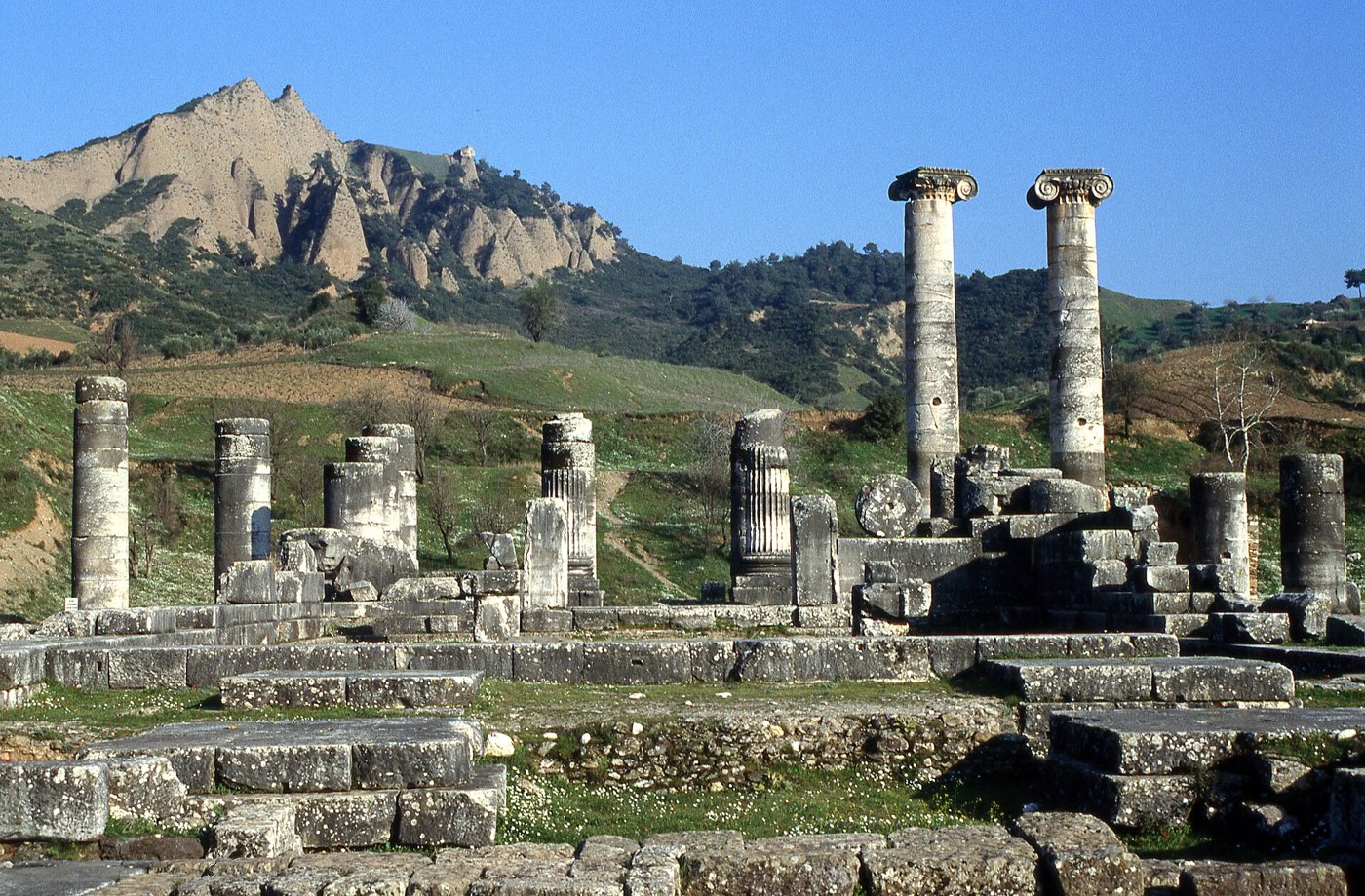 রোমান যুগ (চিঠিগুলি লেখা হয়েছিল খ্রিস্টাব্দ 1ম শতাব্দীর শেষ দিকে)
প্রকাশিত বাক্যের সাতটি মণ্ডলী
যোহনের প্রকাশিত বাক্যে সম্বোধিত সাতটি মণ্ডলী
প্রকাশিত বাক্য 1:11 · প্রকাশিত বাক্য 2:1–3:22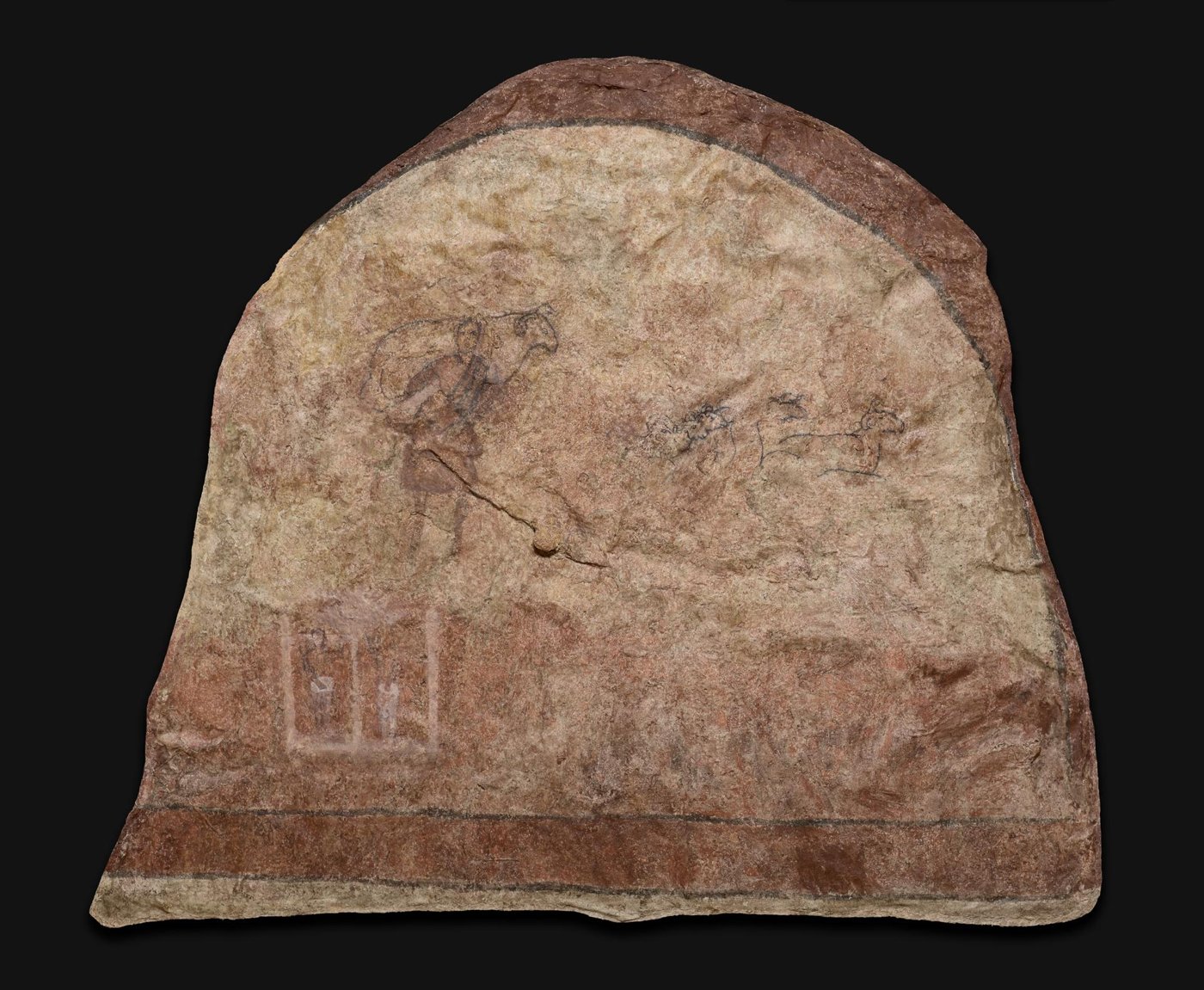 আনু. 233 খ্রিস্টাব্দ; শহরটির পতন হয় আনু. 256 খ্রিস্টাব্দে
ডুরা-ইউরোপোসের গৃহ-মণ্ডলী
নতুন নিয়মের পরবর্তী প্রজন্মগুলিতে খ্রিস্টীয় উপাসনার বস্তুগত রূপ
মথি 28:19 · প্রেরিতদের কার্য্য 2:42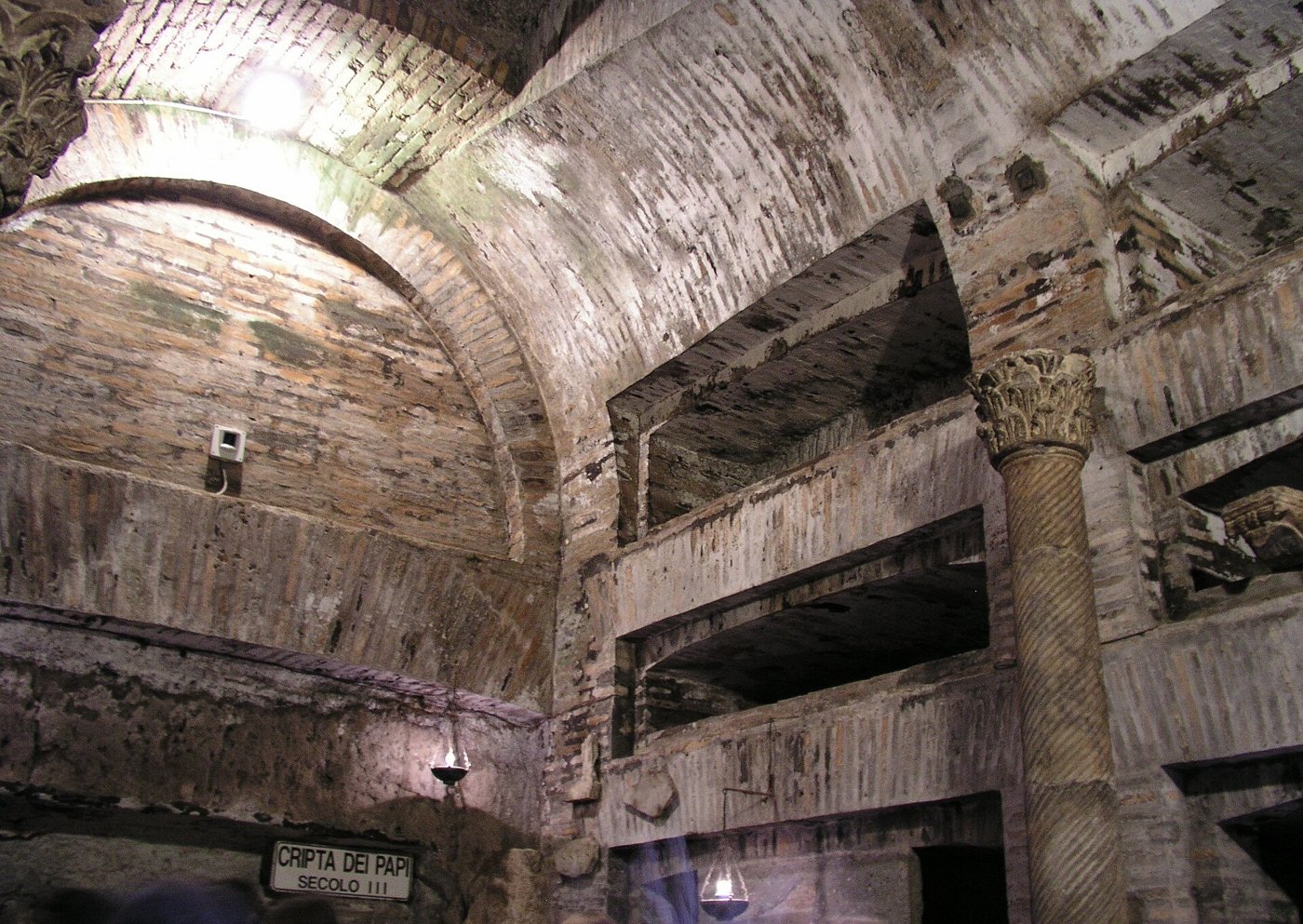 খ্রিস্টাব্দ 2য় শতাব্দীর শেষ ভাগ থেকে
রোমের ক্যাটাকম্ব
প্রাথমিক রোমান মণ্ডলীর কবর দেওয়ার প্রথা ও তার পুনরুত্থানের আশা
1 করিন্থীয় 15:42–44 · 1 থিষলনীকীয় 4:13–14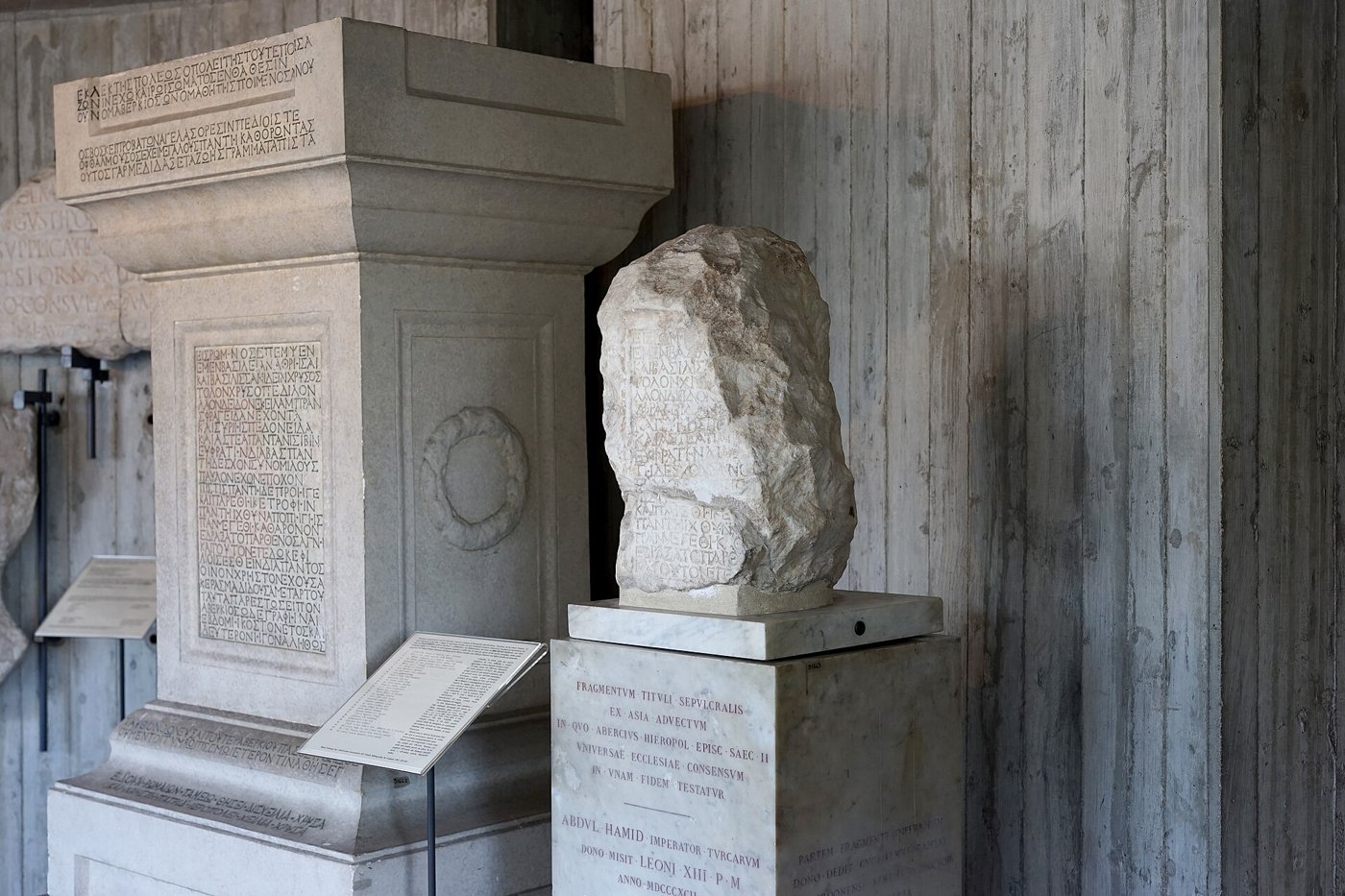 216 খ্রিস্টাব্দের আগে
আবের্কিয়সের শিলালিপি
এশিয়া মাইনরের প্রাথমিক মণ্ডলীর আত্মপরিচয় ও যোগাযোগ-জাল
ইফিষীয় 4:5 · যোহন 6:35যে স্থানগুলিতে আপনি আজও দাঁড়াতে পারেন
 দায়ূদের নগরের শৈলশিরা, জেরুজালেম
জেরুজালেম — দায়ূদের নগর
জেরুজালেমের সবচেয়ে প্রাচীন কেন্দ্রটি মন্দির প্রাঙ্গণের ঠিক দক্ষিণে একটি সরু শৈলশিরার উপরে অবস্থিত — দায়ূদের নগর। সেখানকার খনন কাজে উন্মোচিত হয়েছে একটি বিশাল ধাপযুক্ত 'সোপানাকার পাথর-কাঠামো' (Stepped Stone Structure) ও তার সংলগ্ন একটি লৌহযুগের ভবন, ওয়ারেনস শ্যাফট জলব্যবস্থা, এবং হিষ্কিয়ের সুড়ঙ্গ, যার খননকারীরা রেখে গেছেন সিলোয়াম শিলালিপি — যা প্রায় 701 BC-তে ভূগর্ভে দুই দল খননকারীর মিলিত হওয়ার মুহূর্তটি বর্ণনা করে। মাটির সিলমোহর-ছাপের গুচ্ছ দেখায় যে এক সাক্ষরতা-সম্পন্ন রাজকীয় আমলাতন্ত্র কর্মরত ছিল। এটি, পাথরে খোদাই করা, বাইবেল-বর্ণিত সেই সুরক্ষিত রাজধানী।
2 Samuel 5:6-9 · 2 Kings 20:20 তেল মেগিদ্দো, যিষ্রিয়েল উপত্যকা
মেগিদ্দো (আর্মাগেদোন)
তেল মেগিদ্দো যিষ্রিয়েল উপত্যকায় প্রবেশের গিরিপথ পাহারা দেয়, এবং এর ঢিবিতে কুড়িটিরও বেশি পরস্পরের উপরে গড়ে ওঠা নগর স্তরে স্তরে সাজানো। প্রত্নতাত্ত্বিকেরা উন্মোচন করেছেন একটি স্মারকীয় ছয়-কক্ষবিশিষ্ট তোরণ, স্তম্ভযুক্ত ভবনের সারি — যেগুলিকে একসময় 'শলোমনের আস্তাবল' বলা হত — এবং একটি গভীর পাথর-কাটা জলব্যবস্থা। বাইবেল মেগিদ্দোকে শলোমনের নির্মাণ প্রকল্পগুলির মধ্যে গণ্য করে, রাজা যোশিয়ের সেখানে মৃত্যুর কথা লিপিবদ্ধ করে, এবং শেষ যুদ্ধকে এর নাম ধার দেয় — 'আর্মাগেদোন,' মেগিদ্দোর পর্বত (হর)। নগরটি নিঃসন্দেহে বাস্তব; বিতর্ক কেবল তারিখ নিয়ে।
1 Kings 9:15 · 2 Kings 23:29-30 · Revelation 16:16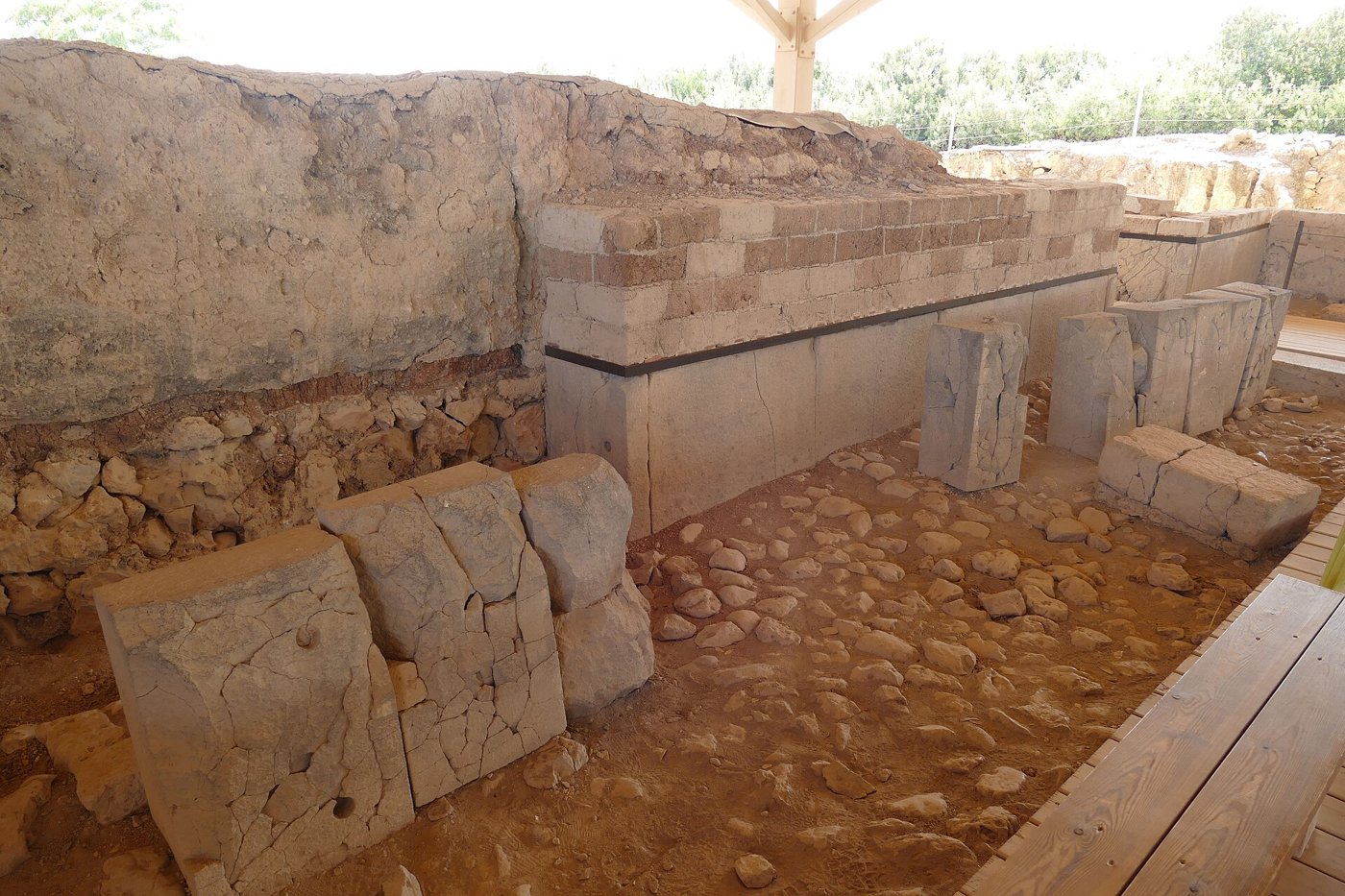 তেল হাৎসোর, উচ্চ গালীল
হাৎসোর
হাৎসোর ছিল কনানের দৈত্য — একটি উপরের নগর ও একটি বিশাল নিচের নগর, যাকে বাইবেল বলে 'সেই সমস্ত রাজ্যের শিরোমণি।' খননকারীরা দেখেছেন যে এর শেষ ব্রোঞ্জযুগীয় নগরের অবসান হয়েছিল ত্রয়োদশ শতাব্দী BC-তে এক ভয়ঙ্কর অগ্নিকাণ্ডে, যেখানে কনানীয় মূর্তিগুলি ইচ্ছাকৃতভাবে ভেঙে ও শিরশ্ছেদ করা হয়েছিল, এবং পরে ধ্বংসস্তূপের উপরে একটি ইস্রায়েলীয় ছয়-কক্ষবিশিষ্ট তোরণ উঠেছিল। বলা হয় যিহোশূয় হাৎসোরকে জ্বালিয়ে দিয়েছিলেন; সেই দাহ নিশ্চিতভাবে সেখানে রয়েছে। কে তাতে আগুন লাগিয়েছিল, সেটি ভিন্ন প্রশ্ন।
Joshua 11:10-13 · 1 Kings 9:15 তেল এস-সুলতান, আধুনিক যিরীহোর কাছে
যিরীহো
তেল এস-সুলতান, প্রাচীন যিরীহো, পৃথিবীর প্রাচীনতম প্রাচীরঘেরা নগরগুলির অন্যতম, যেখানে প্রায় 8000 BC-র একটি পাথরের মিনার রয়েছে। এটি একটি ব্রোঞ্জযুগীয় নগরও ধারণ করত, যার কাদা-ইটের প্রাচীর ধসে পড়েছিল এবং যার অবশেষে দেখা যায় এক অগ্নিময় ধ্বংস — যিহোশূয় ৬ অধ্যায়ের সঙ্গে চমকপ্রদভাবে মিল রেখে। কিন্তু তারিখটিই মূল প্রশ্ন। জন গারস্ট্যাং পতনটিকে প্রায় 1400 BC-তে স্থাপন করেন, যা একটি বিজয়ের সঙ্গে মেলে; ক্যাথলিন কেনিয়নের সতর্ক পুনঃখনন সেটিকে প্রায় 1550 BC-তে সরিয়ে নেয় এবং দেখায় যে 1400 নাগাদ স্থানটি প্রায় জনশূন্য ছিল; ব্রায়ান্ট উড আবার 1400-এর পক্ষে যুক্তি দেন, যা অধিকাংশ পণ্ডিত প্রত্যাখ্যান করেন। মূলধারার প্রত্নতত্ত্ব কেনিয়নকে অনুসরণ করে — যার ফলে যিহোশূয়ের দখল করার মতো কোনও প্রাচীরঘেরা যিরীহো দাঁড়িয়ে থাকে না।
Joshua 6 কফর নাহুম, গালীল সাগর
কফরনাহূম
কফরনাহূম, গালীল সাগরের উত্তর তীরে, ছিল যীশুর সেবাকার্যের সদর দপ্তর। এর ধ্বংসাবশেষের মধ্যে রয়েছে চতুর্থ বা পঞ্চম শতাব্দীর একটি ঝকঝকে সাদা চুনাপাথরের সমাজগৃহ, যা প্রথম শতাব্দীর একটি সমাজগৃহের কালো ব্যাসল্ট ভিত্তির ঠিক উপরে নির্মিত — সম্ভবত সেই সমাজগৃহ যেখানে তিনি শিক্ষা দিতেন — এবং কাছেই, একটি সাধারণ প্রথম-শতাব্দীর বাড়ির উপরে গড়ে ওঠা একটি অষ্টভুজাকার বাইজেন্টাইন গির্জা, যে বাড়িটিকে খ্রিস্টানরা খুব আদিকাল থেকে শ্রদ্ধা করতেন, তার প্লাস্টারে প্রার্থনা আঁচড়ে লেখা। গ্রামটি ও তার আদি খ্রিস্টীয় স্মৃতি সুদৃঢ় ইতিহাস।
Matthew 4:13 · Mark 1:29-31 · Mark 2:1 ইস্রায়েলি উপকূল, তেল আভিভ ও হাইফার মাঝে
কৈসরিয়া মারিতিমা
মহান হেরোদ কৈসরিয়া মারিতিমাকে শূন্য থেকে গড়ে তুলেছিলেন এক ঝকঝকে রোমীয় বন্দরে — একটি কৃত্রিম পোতাশ্রয়, একটি নাট্যশালা, একটি ঘোড়দৌড়ের ময়দান ও একটি দীর্ঘ জলসেতু, ঠিক যেমন যোসেফাস বর্ণনা করেছেন। 1961 সালে, নাট্যশালার খননকারীরা 'পন্তীয় পীলাত, যিহূদিয়ার প্রশাসক' কর্তৃক উৎসর্গীকৃত একটি পুনর্ব্যবহৃত চুনাপাথরের খণ্ড খুঁজে পান: পীলাতের নাম উল্লেখকারী পৃথিবীর একমাত্র শিলালিপি। কৈসরিয়া সেই স্থানও যেখানে পৌলকে বন্দী রাখা হয়েছিল ও বিচার করা হয়েছিল, এবং যেখানে কর্ণীলিয় প্রথম অইহুদি ধর্মান্তরিত হয়েছিলেন।
Luke 3:1 · Acts 10 · Acts 23-26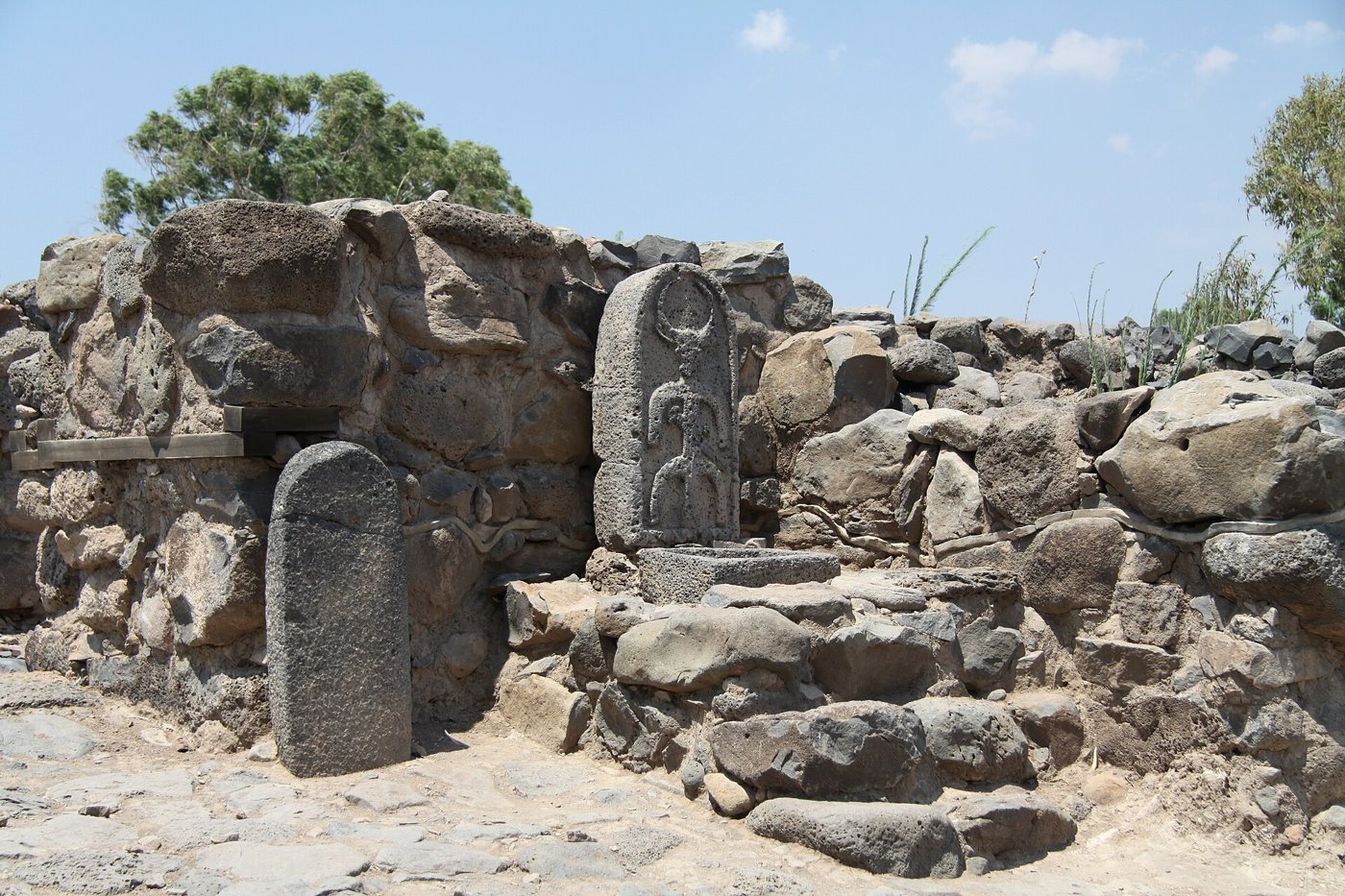 গালীল সাগরের উত্তর-পূর্ব (এত-তেল / এল-আরাজ)
বেথসৈদা
বেথসৈদা ছিল পিতর, আন্দ্রিয় ও ফিলিপের জন্মভূমি — কিন্তু এটি ঠিক কোথায় তা নিয়ে কেউ নিশ্চিত নন। দুটি ঢিবি প্রতিযোগিতায়। এত-তেল, কয়েক দশক ধরে খনন করা, এতে একটি লৌহযুগীয় তোরণ ও রোমীয় অবশেষ রয়েছে, তবু বর্তমান তীর থেকে এক মাইলেরও বেশি দূরে অবস্থিত। এল-আরাজ, ঠিক জলের কিনারায়, একটি রোমীয় যুগের মৎস্যজীবী গ্রাম ও একটি বাইজেন্টাইন গির্জা উন্মোচন করেছে, এবং এর সমর্থকরা যুক্তি দেন যে এটি সুসমাচারের সঙ্গে বেশি মেলে। উভয়েই প্রকৃত প্রাচীন অবশেষ ধারণ করে; শনাক্তকরণ একটি জীবন্ত পাণ্ডিত্যপূর্ণ বিতর্ক।
John 1:44 · Mark 8:22-26 নাসরৎ, নিম্ন গালীল
নাসরৎ
সংশয়বাদীরা কখনও কখনও দাবি করেছেন যে যীশুর সময়ে নাসরৎ বলে কিছু ছিল না। মাটি অন্য কথা বলে। শহরের নিচে ও চারপাশে, প্রত্নতাত্ত্বিকেরা প্রথম শতাব্দীর একটি ছোট কৃষিভিত্তিক গ্রামের অবশেষ পেয়েছেন — পাথর-কাটা বাড়ি, শস্যভাণ্ডারের গর্ত, কবর ও কৃষি-সোপান, যা আজ নাসরৎ ভিলেজ খামারে পুনর্গঠিত — সঙ্গে ঘোষণার গির্জা (Church of the Annunciation), যা আদিকালে শ্রদ্ধেয় বাসস্থানের উপরে গড়ে উঠেছিল। এটি ছিল একটি সাধারণ স্থান, সহজেই উপেক্ষণীয় ('নাসরৎ হইতে কি কোনো উত্তম বস্তু হইতে পারে?'), কিন্তু এটি নিশ্চিতভাবেই সেখানে ছিল।
Luke 2:39-40 · Matthew 2:23 · John 1:46 উচ্চ গালীল, উত্তর ইস্রায়েল (যর্দন নদীর উৎস)
তেল দান
তেল দান প্রাচীন ইস্রায়েলের সুদূর উত্তরে অবস্থিত, যর্দন নদীকে জল জোগানো ঝর্ণাগুলির একটির কাছে। বাইবেল একে স্মরণ করে সেই নগর হিসেবে যা দান গোষ্ঠী দখল করে নতুন নাম দিয়েছিল, এবং পরে সেই স্থান হিসেবে যেখানে রাজা যারবিয়াম জেরুজালেমের প্রতিদ্বন্দ্বী মাজার হিসেবে তাঁর একটি সোনার বাছুর স্থাপন করেছিলেন। খননকারীরা ঠিক সেই ধরনের স্থানই উন্মোচন করেছেন যা ওই বিবরণগুলি বর্ণনা করে: একটি বড় লৌহযুগীয় ধর্মীয় মঞ্চ, শৃঙ্গযুক্ত বেদি ও পূজার সরঞ্জাম সহ; একটি স্মারকীয় নগর-তোরণ, যেখানে সম্ভবত এক শাসকের জন্য একটি ছত্রযুক্ত আসন ছিল; এবং তারও পুরনো মধ্য-ব্রোঞ্জযুগীয় কাদা-ইটের খিলানযুক্ত একটি প্রবেশপথ। কিন্তু দান সবচেয়ে বিখ্যাত 1993 সালে বাইরের তোরণের কাছে পাওয়া একটি ভাঙা ব্যাসল্ট ফলকের জন্য — তেল দান শিলালিপি — একটি আরামীয় বিজয়-শিলালিপি, সম্ভবত দম্মেশকের হসায়েলের, যাতে 'BYTDWD' শব্দটি রয়েছে, যা অধিকাংশ পণ্ডিত পড়েন 'দায়ূদের কুল' হিসেবে। এটি এখনও দায়ূদের রাজবংশের প্রাচীনতম বাইবেল-বহির্ভূত উল্লেখ।
Judges 18:29 · 1 Kings 12:28-30 শেফেলা (যিহূদার নিম্নভূমি), দক্ষিণ ইস্রায়েল
লাখীশ (তেল লাখীশ)
লাখীশ ছিল জেরুজালেমের পরে যিহূদা রাজ্যের দ্বিতীয় সবচেয়ে গুরুত্বপূর্ণ নগর, যা উপকূলীয় সমতল থেকে নিম্নভূমির প্রবেশপথ পাহারা দিত। 701 BC-তে আসিরীয় রাজা সন্হেরীব একে অবরোধ করে ধ্বংস করেন — এবং এটি সমগ্র বাইবেল-প্রত্নতত্ত্বের সবচেয়ে পূর্ণভাবে নথিভুক্ত ঘটনাগুলির একটি। স্থানটিতেই প্রত্নতাত্ত্বিকেরা পেয়েছেন নগর-প্রাচীরের গায়ে গড়ে তোলা আসিরীয় অবরোধ-ঢালু পথ (পৃথিবীতে জানা প্রাচীনতম অবরোধ-ঢালু পথ), তার বিপরীতে একটি প্রতি-ঢালু পথ, একটি অগ্নিদগ্ধ ধ্বংস-স্তর, এবং শত শত তীরফলা ও মানুষের দেহাবশেষ। সন্হেরীব এই বিজয়ে এতটাই গর্বিত ছিলেন যে তিনি তাঁর নিনেবীর প্রাসাদের একটি কক্ষ এই আক্রমণের বিশদ চিত্রিত খোদাই-ভাস্কর্যে সাজিয়েছিলেন; সেই লাখীশ ভাস্কর্যগুলি এখন ব্রিটিশ মিউজিয়ামে রয়েছে। কয়েক দশক পরে, যিহূদার উপর ব্যাবিলনের চূড়ান্ত বিজয়ের প্রাক্কালে, লাখীশে এক যিহূদীয় সেনাকর্মকর্তা রেখে যান 'লাখীশ পত্রাবলি,' হিব্রু মৃৎপাত্র-লিপি (ওস্ট্রাকা), যেগুলিতে কাছের নগরগুলির অগ্নি-সংকেত দেখার কথা উল্লেখ আছে।
2 Kings 18:13-17 · Jeremiah 34:7 এলা উপত্যকা, যিহূদার শেফেলা, বেৎ শেমেশের কাছে
খিরবেত কেইয়াফা
খিরবেত কেইয়াফা একটি ছোট, দৃঢ়ভাবে সুরক্ষিত পাহাড়চূড়ার জনপদ, যা এলা উপত্যকার উপর দৃষ্টি রাখে — যে উপত্যকাকে বাইবেল দায়ূদ ও গলিয়াতের পটভূমি হিসেবে নাম দেয়। 2007 সাল থেকে খননকৃত এই স্থানে রয়েছে বহু-টন পাথরের একটি বিশাল কেসমেট নগর-প্রাচীর, দুটি তোরণ, একটি স্তম্ভযুক্ত গুদামঘর, শত শত সংরক্ষণ-জালার হাতল, ছোট মাজার-প্রতিরূপ সহ ধর্মীয় কক্ষ, এবং কেইয়াফা মৃৎপাত্র-লিপি সহ আদি বর্ণমালার শিলালিপি। রেডিওকার্বন তারিখ এর স্বল্পকালীন বসতিকে প্রায় একাদশ শতাব্দীর শেষ থেকে দশম শতাব্দীর গোড়ায় স্থাপন করে — ঠিক রাজা দায়ূদের সঙ্গে ঐতিহ্যগতভাবে জড়িত যুগে — এবং তারপর এটি পরিত্যক্ত হয়। এখান থেকেই সৎ চিত্রটি দুই ভাগ হয়ে যায়। প্রধান খননকারী ইয়োসেফ গারফিঙ্কেল যুক্তি দেন যে স্থানটি একটি পরিকল্পিত যিহূদীয় সীমান্ত-দুর্গ (তিনি এমনকি প্রস্তাব করেন এটি বাইবেল-বর্ণিত শাআরয়িম, 'দুই তোরণ'), শূকরের হাড় ও খোদিত মূর্তির অনুপস্থিতির দিকে ইঙ্গিত করে। অন্যরা ঠিক একই আবিষ্কারগুলিকে বেশ ভিন্নভাবে পড়েন।
1 Samuel 17:1-2 · 1 Samuel 17:52 কেন্দ্রীয় উচ্চভূমি, পশ্চিম তীর (বাইবেল-বর্ণিত ইফ্রয়িম)
শীলো (খিরবেত সেইলুন)
শীলো বেথেলের উত্তরে পাহাড়ি অঞ্চলে একটি নিচু ঢিবির উপর অবস্থিত, নিশ্চিতভাবে খিরবেত সেইলুনের সঙ্গে শনাক্ত। 1920-এর দশক থেকে খনন — সবচেয়ে প্রভাবশালীভাবে 1980-এর দশকে ইসরায়েল ফিঙ্কেলস্টাইনের কাজ — উন্মোচন করেছে একটি বড় লৌহযুগ I বসতি (মোটামুটি দ্বাদশ–একাদশ শতাব্দী BCE), স্তম্ভযুক্ত সরকারি ভবন, কণ্ঠ-রিমযুক্ত সংরক্ষণ-জালা, এবং পশুর হাড়ের সঞ্চয় সহ, যা সংগঠিত ধর্মীয় কার্যকলাপের দিকে ইঙ্গিত করে। এটি শীলোকে সবচেয়ে সুপ্রমাণিত আদি ইস্রায়েলীয় উপাসনা-কেন্দ্রগুলির একটি করে তোলে, যা বাইবেলের সেই স্মৃতির সঙ্গে মেলে যে রাজতন্ত্রের আগে এখানে সমাগম-তাঁবু দাঁড়িয়ে ছিল। স্থানটি প্রায় 1050 BCE-তে সহিংসভাবে ধ্বংস বা পরিত্যক্ত হয়েছিল বলে মনে হয়, যে তারিখকে অনেকে ১ শমূয়েলের পলেষ্টীয় যুদ্ধের সঙ্গে যুক্ত করেন। শতাব্দী পরেও যিরমিয় শীলোর ধ্বংসকে জেরুজালেমের জন্য সতর্কবাণী হিসেবে উল্লেখ করেছিলেন।
Joshua 18:1 · 1 Samuel 1:3 · Jeremiah 7:12 উত্তর নেগেভ, দক্ষিণ ইস্রায়েল
বের-শেবা (তেল বের শেভা)
তেল বের শেভা নেগেভের উত্তর প্রান্তে একটি ছোট, সূক্ষ্মভাবে পরিকল্পিত লৌহযুগ II জনপদ, একটি ইউনেস্কো বিশ্ব-ঐতিহ্য স্থান। খননে উঠে এসেছে একটি সুরক্ষিত ডিম্বাকৃতি বসতি, একটি বলয়-পথ, একটি চার-কক্ষবিশিষ্ট তোরণ, গুদামঘর, একটি গভীর কূপ, এবং একটি জটিল পাথর-কাটা জলব্যবস্থা সহ — যিহূদীয় নগর-পরিকল্পনার একটি আদর্শ উদাহরণ। এর সবচেয়ে বিখ্যাত আবিষ্কার হল খোদিত পাথরের খণ্ডে নির্মিত একটি বড় চার-শৃঙ্গযুক্ত বেদি: পাথরগুলি পরবর্তী একটি গুদামঘরের দেয়ালে নির্মাণ-সামগ্রী হিসেবে পুনর্ব্যবহৃত অবস্থায় পাওয়া যায়, যা দেখায় যে বেদিটি ইচ্ছাকৃতভাবে ভেঙে ফেলা হয়েছিল, এবং এটি স্থানটিতে ও ইস্রায়েল মিউজিয়ামে পুনর্গঠিত হয়েছে। বাইবেল-বর্ণিত বের-শেবা কুলপতি অব্রাহাম ও ইস্হাকের সঙ্গে যুক্ত এবং দেশের ঐতিহ্যগত দক্ষিণ সীমা চিহ্নিত করত, 'দান থেকে বের-শেবা পর্যন্ত।' পুনর্ব্যবহৃত বেদির পাথরগুলি একটি স্থানীয় বলিদান-ব্যবস্থার চিত্রের সঙ্গে মানানসই, যা পরে দমন করা হয়েছিল।
Genesis 21:31 · Genesis 26:23-25 · Amos 5:5 উত্তর পশ্চিম তীর (বাইবেল-বর্ণিত ইস্রায়েল রাজ্য)
শমরিয়া (সেবাস্তিয়া)
শমরিয়া ছিল উত্তর ইস্রায়েল রাজ্যের রাজধানী, রাজা অম্রি একটি উঁচু আধিপত্যশীল পাহাড়ে যা প্রতিষ্ঠা করেছিলেন, এবং পরে হেরোদের রোমীয় নগর সেবাস্তির স্থান। উঁচু নগর-দুর্গে (আক্রোপলিস) খননকারীরা উন্মোচন করেছেন একটি বড় খোদিত-পাথরে নির্মিত রাজপ্রাসাদ-সমষ্টি, পাথুরে ভিত্তির উপর উত্থিত ও একটি কেসমেট প্রাচীরে ঘেরা — অম্রি ও তাঁর পুত্র আহাবের সঙ্গে যুক্ত এবং অঞ্চলের সেরা লৌহযুগীয় গাঁথনির অন্যতম। ধ্বংসাবশেষ থেকে এসেছে শমরিয়া হাতির-দাঁতের কাজ, ফিনিসীয় রীতিতে সূক্ষ্মভাবে খোদিত শত শত হাতির-দাঁতের অলংকরণ, এবং শমরিয়া মৃৎপাত্র-লিপি, দ্রাক্ষারস ও তেলের সরবরাহ লিপিবদ্ধকারী খোদিত মৃৎপাত্র-খণ্ড। হাতির-দাঁতের কাজগুলি প্রায়ই বাইবেল আহাবের প্রতি আরোপিত 'হাতির-দাঁতের গৃহের' সঙ্গে যুক্ত করা হয়। একত্রে এগুলি ঠিক সেখানেই একটি সমৃদ্ধ, প্রশাসনিকভাবে সংগঠিত অম্রি-বংশীয় দরবারের সাক্ষ্য দেয় যেখানে বাইবেল একে স্থাপন করে।
1 Kings 16:24 · 1 Kings 22:39 · Amos 6:4 যিহূদার পাদদেশ (শেফেলা), কেন্দ্রীয় ইস্রায়েল
গেষর (তেল গেষর)
তেল গেষর উপকূলীয় সমতল ও পাহাড়ি অঞ্চলের মধ্যবর্তী একটি কৌশলগত গিরিপথ পাহারা দেয়, এবং এটি অঞ্চলের সবচেয়ে পুঙ্খানুপুঙ্খভাবে খননকৃত ঢিবিগুলির একটি। এর লৌহযুগীয় স্মারকীয় ছয়-কক্ষবিশিষ্ট তোরণ ও কেসমেট প্রাচীর মেগিদ্দো ও হাৎসোরের অনুরূপ তোরণগুলির সঙ্গে ঘনিষ্ঠভাবে মেলে, এবং ১ রাজাবলি ৯:১৫ এই তিনটিকেই শলোমনের সুরক্ষিত নগর হিসেবে তালিকাভুক্ত করে। স্থানটি দশম শতাব্দীর গেষর পঞ্জিকাও দিয়েছে, জানা প্রাচীনতম হিব্রু শিলালিপিগুলির একটি, এবং 'গেষরের সীমা' খোদিত এক সেট সীমানা-পাথর, যা প্রাচীন নগরের নামটি বাস্তবিকভাবে স্থির করে। তোরণটি যা নিষ্পত্তি করে না তা হল এর সঠিক তারিখ: য়িগায়েল ইয়াদিন একে শলোমনীয় দশম-শতাব্দীর কাজ হিসেবে পড়েন, আবার ইসরায়েল ফিঙ্কেলস্টাইনের 'নিম্ন কালানুক্রম' একে নবম-শতাব্দীর অম্রি-বংশীয় রাজ্যে পুনর্বণ্টন করে। সাম্প্রতিক রেডিওকার্বন গবেষণা আদি তারিখের পক্ষে যুক্তি দিতে ব্যবহৃত হয়েছে, তবে বিতর্কটি প্রকৃত ও অমীমাংসিত। পাথরগুলি বাস্তব ও গুরুত্বপূর্ণ; সেগুলি যে মুকুটের অন্তর্গত তা এখনও বিতর্কিত।
Joshua 10:33 · 1 Kings 9:15-17 · Judges 1:29 নেগেভ মরুভূমি, দক্ষিণ ইস্রায়েল
অরাদ (তেল অরাদ)
তেল অরাদের দুটি অংশ: একটি বড় আদি-ব্রোঞ্জযুগীয় নিম্ন নগর এবং তার উপরের পাহাড়ে, একটি ধারাবাহিক লৌহযুগীয় যিহূদীয় দুর্গ। সবচেয়ে চমকপ্রদ আবিষ্কার হল দুর্গের ভেতরে নির্মিত একটি ছোট মন্দির, একটি প্রাঙ্গণ, একটি বলিদান-বেদি, এবং সিঁড়ি দিয়ে পৌঁছানো একটি অভ্যন্তরীণ 'পরম-পবিত্র স্থান' সহ সাজানো, যেখানে দুটি ধূপ-বেদি ও দণ্ডায়মান পাথর (মাৎসেবত) পাওয়া গেছে। এটি এখনও পর্যন্ত খননকৃত এই ধরনের একমাত্র ইস্রায়েলীয় উপাসনালয়, এবং এর নকশা শিথিলভাবে বাইবেল-বর্ণিত সমাগম-তাঁবুর প্রতিধ্বনি তোলে। দুর্গটি অরাদ মৃৎপাত্র-লিপিও দিয়েছে, আদি হিব্রু লিপিতে প্রায় একশোটি কালি-লেখা মৃৎপাত্র-খণ্ড, সামরিক ও সরবরাহ-আদেশ লিপিবদ্ধকারী, যেগুলির কয়েকটিতে 'যিহোবার গৃহের' নাম আছে। একত্রে মন্দির ও মৃৎপাত্র-লিপি জেরুজালেমের বাইরে যিহোবার সংগঠিত উপাসনা ও একটি কার্যকর যিহূদীয় সেনাঘাঁটির বিরল বাস্তব প্রমাণ দেয়। বাইবেলের অরাদ মূলত মরুভূমির বিবরণে একটি কনানীয় প্রতিপক্ষ হিসেবে আসে; খননকৃত ইস্রায়েলীয় দুর্গটি একটি পরবর্তী, সুপ্রমাণিত যুগের।
Numbers 21:1 · Numbers 33:40 · Joshua 12:14 যর্দন উপত্যকা / যিষ্রিয়েল উপত্যকার সন্ধিস্থল, উত্তর ইস্রায়েল
বৈৎ-শান (বেইত শেআন)
বৈৎ-শান একটি সুউচ্চ বহু-যুগীয় ঢিবি, প্রায় ছয় হাজার বছরের বসতি সহ, যেখানে যিষ্রিয়েল ও যর্দন উপত্যকা মিলিত হয়। মিশরের নতুন-রাজ্যকালে এটি একটি সাম্রাজ্যিক প্রশাসনিক কেন্দ্র হিসেবে কাজ করত, এবং খননকারীরা মিশরীয় শিলালিপি ও ভাস্কর্য সহ একজন শাসনকর্তার বাসভবন ও মন্দির উন্মোচন করেছেন যা সেখানে মিশরের উপস্থিতির দলিল দেয়। বাইবেলে, কাছের গিলবোয় পর্বতে শৌলের পরাজয়ের পর পলেষ্টীয়রা তাঁর দেহ বৈৎ-শানের প্রাচীরে গেঁথেছিল (১ শমূয়েল ৩১), স্থানটির সবচেয়ে স্মরণীয় সংযোগগুলির একটি। ঢিবির পাদদেশে রয়েছে একটি বিশাল রোমীয় ও বাইজেন্টাইন নগর, স্কিথোপোলিস, স্তম্ভশ্রেণীযুক্ত প্রধান সড়ক, নাট্যশালা ও স্নানাগার সহ, যা দেশের সবচেয়ে সুরক্ষিতগুলির অন্যতম। মিশরীয় শাসনকর্তার সমষ্টি ও গ্রিক-রোমীয় নগর দৃঢ়ভাবে খননকৃত ও তারিখ-নির্ধারিত। তবে প্রাচীরে শৌলের দেহের নির্দিষ্ট ঘটনাটি এমন একটি বিবরণ যা প্রত্নতত্ত্ব নিশ্চিত বা অস্বীকার করতে পারে না।
1 Samuel 31:10-12 · Joshua 17:11 · Judges 1:27 যিহূদার মরুভূমি, মৃত সাগরের উত্তর-পশ্চিম তীর (পশ্চিম তীর)
কুমরান
কুমরান মৃত সাগরের উপরে একটি মার্ল মালভূমিতে একটি ধ্বংসপ্রাপ্ত বসতি, রোঁলাঁ দ্য ভো ১৯৫০-এর দশক জুড়ে যা খনন করেন। এর ভবন, জল-নালা, ধর্মীয় স্নানাগার, কবরস্থান, এবং দ্য ভো যাকে 'লিপিশালা' বলেছিলেন এমন একটি কক্ষ, সেই এগারোটি কাছের গুহার পাশে অবস্থিত যেখানে 1946 ও 1956 সালের মধ্যে প্রায় 900টি পাণ্ডুলিপি — মৃত সাগরের গুটিকা (Dead Sea Scrolls) — পাওয়া যায়। ওই গুটিকাগুলি স্থানটির পৃথিবী-বদলে-দেওয়া উত্তরাধিকার: এদের মধ্যে রয়েছে যিশাইয়ের প্রায় সম্পূর্ণ একটি অনুলিপি, যা পূর্বে জানা যে-কোনও হিব্রু বাইবেল পাণ্ডুলিপির চেয়ে প্রায় হাজার বছরের পুরনো। বসতিটি নিজে দৃঢ়ভাবে নথিভুক্ত; সেখানে মানুষ কী করত তা নিষ্পন্ন নয়। দ্য ভো একে গুটিকা-নকলকারী এসিন সম্প্রদায়ের একটি সন্ন্যাসী-সমাজ হিসেবে পড়েছিলেন, কিন্তু অন্য প্রত্নতাত্ত্বিকেরা একই দেয়ালগুলিকে বেশ ভিন্নভাবে পড়েছেন।
Isaiah 40:3 · Habakkuk 2:4 · Psalm 119 যিহূদার মরুভূমি, মৃত সাগরের পশ্চিম তীর, ইস্রায়েল
মাসাদা
মাসাদা মৃত সাগরের উপরে উঠে যাওয়া একটি বিচ্ছিন্ন মরু-মালভূমি, যেখানে মহান হেরোদ একটি সুরক্ষিত আশ্রয় গড়েছিলেন — যীশুর জন্মের আগের দশকগুলিতে উত্তরের খাড়া পাহাড়ে একটি নাটকীয় তিন-স্তরযুক্ত 'ঝুলন্ত' প্রাসাদ, গুদামঘর, জলাধার ও একটি স্নানাগার সহ। 70 CE-তে জেরুজালেমের পতনের পর, ইহুদি বিদ্রোহীরা (সিকারি) চূড়াটি ধরে রেখেছিল যতক্ষণ না রোমীয়রা প্রায় 73/74 CE-তে একে অবরোধ করে, পশ্চিম ঢাল বেয়ে একটি বিশাল আক্রমণ-ঢালু পথ গড়ে তোলে। য়িগায়েল ইয়াদিনের 1963–65 সালের খনন হেরোদের প্রাসাদ, বিদ্রোহীদের বসতি, ও রোমীয় অবরোধ-কাঠামো উন্মোচন করে, যা শুষ্ক বাতাসে বিরল স্পষ্টতায় টিকে আছে। যোসেফাসের মতে, রক্ষকরা বন্দিত্বের চেয়ে গণ-আত্মহত্যা বেছে নিয়েছিল — একটি হৃদয়স্পর্শী গল্প যা প্রত্নতত্ত্ব কেবল আংশিকভাবেই ছুঁতে পারে। পাথরগুলি একটি প্রাসাদ ও একটি অবরোধ নিশ্চিত করে; চূড়ান্ত রাত মূলত একজন প্রাচীন লেখকের থেকেই জানা।
 যিহূদার মরুভূমি, জেরুজালেমের প্রায় ১২ কিমি দক্ষিণে (পশ্চিম তীর)
হেরোদিয়াম (হেরোদিওন)
হেরোদিয়াম একটি শঙ্কু-আকৃতির পাহাড়, আংশিকভাবে কৃত্রিম, যার শীর্ষে মহান হেরোদ প্রায় 23 থেকে 15 BCE-র মধ্যে নিজের জন্য একটি সুরক্ষিত প্রাসাদ গড়েছিলেন। খননে উঠে এসেছে বুরুজ সহ একটি গোলাকার উপরের দুর্গ, একটি বড় পুকুর ও বাগান সহ একটি বিলাসবহুল নিম্ন প্রাসাদ, স্নানাগার, এবং একটি ছোট নাট্যশালা — একটি ব্যক্তিগত রাজকীয় সমষ্টি যাকে যোসেফাসের মতে হেরোদ তাঁর সমাধিস্থল হিসেবেও বেছে নিয়েছিলেন। 2007 সালে, কয়েক দশক অনুসন্ধানের পর, প্রত্নতাত্ত্বিক এহুদ নেৎসার ঘোষণা করেন যে তিনি উত্তর-পূর্ব ঢালে একটি সমাধিসৌধ ও অলংকৃত শবাধারের টুকরো পেয়েছেন যেগুলি তিনি হেরোদের সমাধি হিসেবে শনাক্ত করেন। প্রাসাদ-দুর্গটি নিজে পুঙ্খানুপুঙ্খভাবে নথিভুক্ত; সমাধি-শনাক্তকরণটি বেশি বিতর্কিত। এটি সেই হেরোদের অন্যতম প্রাণবন্ত বাস্তব চিহ্ন হিসেবে দাঁড়িয়ে আছে, যিনি সুসমাচার শুরু হওয়ার সময় যিহূদিয়া শাসন করতেন।
Matthew 2:1 · Luke 1:5 পশ্চিম তীর, গালীল সাগর, ইস্রায়েল
মগ্দলা (মিগদাল)
গালীল সাগরের পশ্চিম তীরে রয়েছে প্রথম-শতাব্দীর একটি ইহুদি জনপদের খননকৃত অবশেষ — সুসমাচারে যাকে মগ্দলা বলা হয়, হিব্রুতে মিগদাল, এবং গ্রিক ও রোমীয় লেখকদের কাছে তারিখেয়া। 2009 সালে একটি অতিথিশালার জন্য জমি সাফ করার সময়, প্রত্নতাত্ত্বিকেরা দ্বিতীয়-মন্দিরকালের একটি ছোট সমাজগৃহ উন্মোচন করেন, গালীলে এখনও পর্যন্ত পাওয়া মুষ্টিমেয় প্রথম-শতাব্দীর সমাজগৃহের একটি। এর কেন্দ্রে ছিল একটি খোদিত ব্যাসল্ট খণ্ড, 'মগ্দলা প্রস্তর,' যাতে সাত-শাখাযুক্ত মেনোরার জানা প্রাচীনতম ভাস্কর্যগুলির একটি এবং জেরুজালেম মন্দিরকে অনুসরণ করে তৈরি বলে মনে হওয়া চিত্রকল্প রয়েছে, যে মন্দির এটি তৈরির সময় তখনও দাঁড়িয়ে ছিল। একটি বাজার, ধর্মীয় স্নানাগার ও একটি পাকা রাস্তাও উন্মোচিত হয়েছে, এবং 2021 সালে একই যুগের দ্বিতীয় একটি সমাজগৃহের কথা জানানো হয়। এটি যীশুর জগতের একটি প্রকৃত জনপদ, শতাব্দীর ভূমিধসের ধ্বংসাবশেষের নিচে সংরক্ষিত।
Matthew 15:39 · Luke 8:2 · Mark 16:9 হর্মোণ পর্বতের পাদদেশ, গোলান / উচ্চ গালীল
কৈসরিয়া ফিলিপ্পী (বানিয়াস)
হর্মোণ পর্বতের পাদদেশে, যেখানে যর্দন নদীর একটি প্রধান ঝর্ণা একটি খাড়া পাহাড় থেকে উপচে পড়ে, সেখানে রয়েছে সুসমাচার যাকে কৈসরিয়া ফিলিপ্পী বলে সেই নগরের ধ্বংসাবশেষ — যা আগে গ্রিক দেবতা প্যানের উদ্দেশে উৎসর্গীকৃত মাজারের জন্য পানিয়াস বা বানিয়াস নামে পরিচিত ছিল। ঝর্ণার পাশের একটি বিশাল পাথুরে দেয়াল কুলুঙ্গি দিয়ে খোদাই করা যেগুলিতে একসময় মূর্তি ছিল; তিনটিতে প্যান ও তাঁর সঙ্গীদের নামযুক্ত গ্রিক শিলালিপি রয়েছে। 1967 সাল থেকে খনন প্যানের গুহা-মাজার এবং একটি হেরোদীয়-যুগীয় প্রাসাদ ও রোমীয় নগরের অবশেষ পরিষ্কার করেছে, যা হেরোদ ফিলিপ কর্তৃক পুনর্নির্মিত ও পুনর্নামকৃত একটি সমৃদ্ধ পৌত্তলিক ধর্মকেন্দ্র নিশ্চিত করে। এটিই ছিল পিতরের স্বীকারোক্তির পটভূমি, 'আপনিই সেই খ্রীষ্ট,' এবং যীশুর উত্তর, 'এই পাথরের উপরে আমি আমার মণ্ডলী গাঁথিব।' নগর, ঝর্ণা ও প্যানের মাজার সবগুলিই পাথরে দৃঢ়ভাবে সাক্ষ্যপ্রাপ্ত।
Matthew 16:13-18 · Mark 8:27-29 বেথলেহেম, পশ্চিম তীর
বেথলেহেম — নেটিভিটি গির্জা
বেথলেহেমের কেন্দ্রে দাঁড়িয়ে আছে সমগ্র খ্রিস্টধর্মে অবিচ্ছিন্নভাবে ব্যবহৃত প্রাচীনতম গির্জাগুলির একটি, একটি চুনাপাথরের গুহার উপরে নির্মিত যা দীর্ঘকাল যীশুর জন্মস্থান হিসেবে শ্রদ্ধেয়। সম্রাট কনস্টান্টাইন তাঁর মাতা হেলেনার পরিদর্শনের পর প্রায় 326-339 সালে এখানে প্রথম গির্জা-ভবনটি (ব্যাসিলিকা) গড়েন; সেই কাঠামো নষ্ট হলে জাস্টিনিয়ান ষষ্ঠ শতাব্দীতে একে পুনর্নির্মাণ করেন, এবং তার ক্ষয়িষ্ণু পাথুরে কেন্দ্র আজও টিকে আছে। ইতিহাস যা প্রকৃতপক্ষে অনুসরণ করতে পারে তা হল এই শ্রদ্ধা: তৃতীয় শতাব্দীর মাঝামাঝি সময়েই ওরিগেন লিখেছিলেন যে মানুষকে সেই 'গুহা' দেখানো হত যেখানে যীশু জন্মেছিলেন, এবং স্থানটি এতটাই গুরুত্বপূর্ণ ছিল যে হাদ্রিয়ান নাকি প্রায় 135 সালে এর উপরে একটি পৌত্তলিক মাজার স্থাপন করেছিলেন। সেই অবিচ্ছিন্ন স্মৃতির ধারা বাস্তব ও নথিভুক্ত। তবে জন্মস্থানটি নিজে বহু শতাব্দী ধরে সম্মানিত একটি ঐতিহ্য, প্রত্নতত্ত্ব নিশ্চিত করতে পারে এমন কোনও তথ্য নয়।
Micah 5:2 · Matthew 2:1-11 · Luke 2:1-20 নিম্ন গালীল, ইস্রায়েল (নাসরতের কাছে)
সেফোরিস (ৎসিপ্পোরি)
সেফোরিস — হিব্রুতে ৎসিপ্পোরি — ছিল নাসরত থেকে মাত্র প্রায় ছয় কিলোমিটার দূরের একটি প্রধান গালীলীয় নগর, এতটাই কাছে যে একজন প্রথম-শতাব্দীর শ্রমিক একদিনে সেখানে হেঁটে গিয়ে ফিরে আসতে পারতেন। হেরোদ আন্তিপা প্রথম শতাব্দীর গোড়ায় একে 'গালীলের অলংকার' হিসেবে পুনর্নির্মাণ করেন, এবং এটি ইস্রায়েলের সবচেয়ে পুঙ্খানুপুঙ্খভাবে খননকৃত স্থানগুলির একটি হয়ে ওঠে, রাস্তা, একটি নাট্যশালা, এবং ষাটটিরও বেশি সমৃদ্ধ-বিস্তারিত রোমীয়-যুগীয় মোজাইক দিয়ে। এদের মধ্যে রয়েছে 'গালীলের মোনালিসা' ডাকনামের এক নারীর সূক্ষ্ম প্রতিকৃতি। যেহেতু যীশু ও যোষেফ একজন তেকতন — একজন কারিগর বা নির্মাতা — হিসেবে স্মরিত, লেখকরা প্রায়ই উল্লেখ করেন যে তাঁরা এই কাছের সমৃদ্ধ নগরে কাজ পেয়ে থাকতে পারেন। এটি ভূগোল ও বাণিজ্য থেকে একটি যুক্তিসঙ্গত অনুমান, কোনও বিবরণ বা নিদর্শন যা লিপিবদ্ধ করে এমন কিছু নয়।
Matthew 13:55 · Mark 6:3 নাবলুস / বাইবেল-বর্ণিত শিখিম, পশ্চিম তীর
যাকোবের কূপ (বীর ইয়াকুব)
গরিষীম পর্বতের পাদদেশে, তেল বালাতা থেকে অল্প হাঁটাপথে — যে ঢিবিকে বাইবেল-বর্ণিত শিখিমের সঙ্গে শনাক্ত করা হয় — রয়েছে একটি সত্যিকারের প্রাচীন, গভীর কূপ, মাটি ও পাথর ভেদ করে প্রায় চল্লিশ মিটার পর্যন্ত কাটা। এটি ভূদৃশ্যের একটি প্রকৃত বৈশিষ্ট্য, এবং এর ব্যবহার প্রাচীনকালে বহুদূর পর্যন্ত পৌঁছায়। খ্রিস্টানরা অন্তত চতুর্থ শতাব্দী থেকে একে যোহন ৪ অধ্যায়ের কূপ হিসেবে শ্রদ্ধা করে এসেছে, যেখানে যীশু এক শমরীয় নারীর কাছে জল চেয়েছিলেন: জেরোম 384 সালের মধ্যে এখানে একটি ক্রুশ-আকৃতির গির্জার উল্লেখ করেন, যা পরে জাস্টিনিয়ানের অধীনে, আবার 1175 সালে ক্রুসেডারদের দ্বারা, এবং শেষে গ্রিক অর্থোডক্স গির্জা হিসেবে পুনর্নির্মিত, যা আজ একে আশ্রয় দেয়। কূপের প্রাচীনত্ব সন্দেহাতীত। কুলপতি যাকোবের সঙ্গে এবং নির্দিষ্ট সুসমাচার-সাক্ষাতের সঙ্গে এর সংযোগ দীর্ঘ ঐতিহ্যের উপর নির্ভর করে, ওই ঘটনাগুলির সঙ্গে একে যুক্তকারী কোনও শিলালিপি বা বিবরণের উপর নয়।
John 4:5-6 · John 4:12 · Genesis 33:18-19 ধি কার প্রদেশ, দক্ষিণ ইরাক
ঊর (তেল এল-মুকায়ার)
ঊর ছিল প্রাচীন সুমেরের অন্যতম মহান নগর, নিম্ন ইউফ্রেটিসের তীরে একটি প্রাচীরঘেরা মহানগর, যার ধ্বংসাবশেষ আজও সমতল থেকে কাদা-ইটের ঊরের জিগুরাত রূপে উঠে দাঁড়িয়ে আছে — যা রাজা ঊর-নাম্মু প্রায় 2100 BC-তে নির্মাণ করেছিলেন। 1920 ও 1930-এর দশকে লিওনার্ড উলির খননকাজে উন্মোচিত হয়েছিল মন্দির, বসতবাড়ি, এবং সেই বিস্ময়কর রাজকীয় সমাধিক্ষেত্র — তার সোনা, বীণা, ও গণসমাধির প্রমাণসহ। ঊর যে একটি বাস্তব, সমৃদ্ধ, গভীরভাবে সুসংগঠিত নগর ছিল, তা নিয়ে কোনও বিতর্ক নেই। বাইবেল ঊরকে সেই আবাস হিসেবে উল্লেখ করে যেখান থেকে অব্রাহামের পরিবার কনানের পথে যাত্রা করেছিল, একে বলে 'কল্দীয়দের ঊর।' এটি একটি প্রকৃত স্থান, পাথর ও কাদামাটিতে সমৃদ্ধভাবে নথিভুক্ত — কিন্তু এই বিশেষ দক্ষিণের ঊরই অব্রাহামের জন্মস্থান কিনা, তা একটি পৃথক ও অধিকতর বিতর্কিত প্রশ্ন।
Genesis 11:28 · Genesis 11:31 · Genesis 15:7 · Nehemiah 9:7 শানলিউরফা প্রদেশ, দক্ষিণ-পূর্ব তুরস্ক
হারান
হারান উচ্চ মেসোপটেমিয়ার কাফেলা-পথের উপর একটি প্রাচীন নগর, হাজার হাজার বছর ধরে অধিবাসিত এবং সমগ্র প্রাচীনকাল জুড়ে চন্দ্র-দেবতা সিনের মহান মন্দিরের জন্য বিখ্যাত। আসিরীয় নথি, পরবর্তী রোমীয় ইতিহাস, এবং দাঁড়িয়ে থাকা ধ্বংসাবশেষ — যার মধ্যে রয়েছে পৃথিবীর প্রাচীনতম বিশ্ববিদ্যালয়-মসজিদ সমষ্টির একটির অবশেষ ও অঞ্চলের স্বতন্ত্র শঙ্কু-আকৃতির কাদা-ইটের 'মৌচাক' ঘর — এক বাস্তব, দীর্ঘকালব্যাপী জনপদের সাক্ষ্য দেয়। বাইবেল অব্রাহামের পরিবারকে এখানে স্থাপন করে: তেরহ হারানে বসতি স্থাপন করে সেখানেই মারা যান, এবং অব্রাহাম হারান থেকে কনানের উদ্দেশে যাত্রা করেন। প্রজন্ম পরে, যাকোব এই একই অঞ্চলে, পদ্দন-অরামে, তাঁর আত্মীয়দের কাছে পালিয়ে যান। নগরটি নিজে দৃঢ়ভাবে ঐতিহাসিক; কুলপতিদের বিশ্রামস্থল হিসেবে এর ভূমিকা এমন এক বাইবেলীয় ঐতিহ্য যা পাঠ্যাংশের বর্ণিত ভূগোল ও বাণিজ্য-জগতের সঙ্গে মানানসই।
Genesis 11:31 · Genesis 12:4 · Genesis 28:10 মুথান্না প্রদেশ, দক্ষিণ ইরাক
উরুক (ওয়ারকা)
উরুক, আধুনিক ওয়ারকা, ছিল পৃথিবীর প্রথম প্রকৃত নগরগুলির অন্যতম — একটি বিশাল প্রাচীরঘেরা কেন্দ্র যা তার চরম সমৃদ্ধির সময়ে হয়তো কয়েক লক্ষ মানুষ ধারণ করত, গিলগামেশ মহাকাব্যের পটভূমি এবং স্বয়ং লিখনপ্রথার এক জন্মস্থান, যেখানে প্রাচীনতম কীলকলিপির ফলকগুলির কিছু পাওয়া গেছে। 1849 সালে উইলিয়াম লফটাস কর্তৃক পুনরাবিষ্কৃত এবং বিংশ শতাব্দীর গোড়া থেকে জার্মান অভিযানসমূহ কর্তৃক বিশাল পরিসরে খননকৃত, এর ধ্বংসাবশেষের মধ্যে রয়েছে স্মারকীয় মন্দির-মঞ্চ, যেমন আনু জিগুরাত ও শ্বেত মন্দিরের অবশেষ। আদি সভ্যতার একটি নথিভুক্ত ভিত্তিপ্রস্তর হিসেবে উরুকের কোনও বাইবেলীয় পাদটীকার প্রয়োজন নেই। শাস্ত্র একে মাত্র একবার উল্লেখ করে, 'এরক' নামে, শিনারে প্রতিষ্ঠিত নগরগুলির জাতিতালিকার তালিকায়। সেই একটিমাত্র উল্লেখই সংযোগের সম্পূর্ণটা, এবং তা স্পষ্টভাবেই সেভাবে বলা উচিত।
Genesis 10:10 হিল্লা, বাবিল প্রদেশ, ইরাক (মেসোপটেমিয়া)
ব্যাবিলন
ব্যাবিলন ইউফ্রেটিসের তীরে বাগদাদের প্রায় 85 কিমি দক্ষিণে অবস্থিত, এবং এর ধ্বংসাবশেষ বাস্তব ও বিশাল — কাদা-ইটের প্রাচীর, মন্দিরের ভিত্তি, ও মহান জিগুরাত এতেমেনাংকির ভিত্তি আজও সেই নগরটির রেখা আঁকে যা দ্বিতীয় নেবুচাদনেৎসর খ্রিস্টপূর্ব ষষ্ঠ শতাব্দীতে পুনর্নির্মাণ করেছিলেন। এর সবচেয়ে বিখ্যাত স্মারক, চটকদার-ইটের ইশতার তোরণ, তার সগর্ব সিংহ, ড্রাগন ও বৃষমূর্তি সহ, বিংশ শতাব্দীর গোড়ায় রবার্ট কোলডেভের জার্মান দল খনন করেছিল; টিকে থাকা মূল ইটগুলি জোড়া দিয়ে পুনর্নির্মিত রূপটি এখন বার্লিনের পারগামন মিউজিয়ামে দাঁড়িয়ে আছে। বাইবেলের কাছে এটিই নির্বাসনের নগর: জেরুজালেমের পতন (২ রাজাবলি ২৫), গীতসংহিতা ১৩৭-এর অশ্রু, এবং দানিয়েলের দরবার — সবই এখানে স্থাপিত। ব্যাবিলন সেই সাম্রাজ্য যা যিহূদাকে বন্দী করে নিয়ে গিয়েছিল এবং, ভাববাণীতে, এক ধ্বংসোন্মুখ পার্থিব শক্তির আদর্শ প্রতীক। বাস্তব অবশেষ এমন এক মহানগরকে নিশ্চিত করে যার পরিসর ও জাঁকজমক এর বাইবেলীয় স্মৃতির সঙ্গে মেলে।
2 Kings 25:1-21 · Psalm 137:1 · Daniel 1-5 · Revelation 18 মসুলের বিপরীতে, নিনেবী প্রদেশ, ইরাক (মেসোপটেমিয়া)
নিনেবী
নিনেবী ছিল আসিরীয় সাম্রাজ্যের শেষ মহান রাজধানী, এর প্রাচীরঘেরা ঢিবি — কুইউঞ্জিক ও নবী ইউনুস — আধুনিক মসুল থেকে টাইগ্রিসের ওপারে অবস্থিত। ঊনবিংশ শতাব্দীতে অস্টেন হেনরি লেয়ার্ড ও হরমুজদ রাসামের খননকাজে উন্মোচিত হয়েছিল সন্হেরীবের 'অতুলনীয় প্রাসাদ' এবং অশুরবানিপালের গ্রন্থাগার, হাজার হাজার কীলকলিপির ফলক, যার মধ্যে ছিল গিলগামেশ মহাকাব্যের প্লাবন-বিবরণ। সেই একই প্রাসাদ থেকে এসেছিল লাখীশ ভাস্কর্য, এক যিহূদীয় নগরের উপর আসিরিয়ার অবরোধের একটি খোদিত আখ্যান; এই ধনসম্পদ এখন ব্রিটিশ মিউজিয়ামে রয়েছে। বাইবেলের কাছে নিনেবী সেই নগর যেখানে যোনাকে সতর্ক করতে পাঠানো হয়েছিল, নহূমের সর্বনাশ-বাণীর লক্ষ্য, এবং সন্হেরীবের আসনস্থল, যাঁর সৈন্যবাহিনী হিষ্কিয়ের জেরুজালেমের বিরুদ্ধে চেপে বসেছিল। এর খননকৃত প্রাসাদ ও নথিভাণ্ডার একে প্রাচীন নিকট-প্রাচ্যের সর্বাধিক নথিভুক্ত নগরগুলির একটি করে তোলে।
Jonah 1:2 · Jonah 3 · Nahum 1-3 · 2 Kings 19:36 শুশ, খুজেস্তান প্রদেশ, ইরান (প্রাচীন এলম / পারস্য)
শূশন (শূশা)
শূশা, বাইবেলীয় শূশন, ছিল একটি প্রাচীন এলমীয় নগর যা আকেমেনীয় পারস্য সাম্রাজ্যের অন্যতম রাজকীয় রাজধানীতে পরিণত হয়েছিল। এর উঁচু মঞ্চের উপর প্রথম দারিয়ুস একটি স্তম্ভযুক্ত সভাকক্ষসহ একটি বিশাল প্রাসাদ-সমষ্টি, অ্যাপাদানা, নির্মাণ করেছিলেন, যার সুউচ্চ স্তম্ভগুলি জোড়া-বৃষ শীর্ষমুকুটে সজ্জিত ছিল — যার একটি এখন প্যারিসের ল্যুভরে দাঁড়িয়ে আছে। 1880-এর দশক থেকে শূশায় কর্মরত ফরাসি প্রত্নতাত্ত্বিক দলগুলি বিখ্যাত হাম্মুরাবির বিধিসংহিতা-স্তম্ভ এবং দারিয়ুসের মূর্তিও উদ্ধার করেছিল, যেগুলি প্রাচীনকালে অন্য নগর থেকে বয়ে আনা হয়েছিল এবং পরে এখানে পুনরুদ্ধার করা হয়। বাইবেলের কাছে শূশা এস্থার পুস্তকের মঞ্চ, সেই শীতকালীন রাজধানী যেখানে নহিমিয় পারস্য রাজার সেবা করতেন (নহিমিয় ১:১), এবং দানিয়েলের একটি দর্শনের পটভূমি (দানিয়েল ৮:২)। পাঠ্য ও স্থানের মধ্যে সংযোগ প্রত্যক্ষ ও সুপ্রমাণিত।
Esther 1:2 · Nehemiah 1:1 · Daniel 8:2 · Ezra 4:9 সেলচুক, ইজমির প্রদেশ, পশ্চিম তুরস্ক (এজিয়ান উপকূল)
ইফিষ
ইফিষ পৃথিবীর অন্যতম সুসংরক্ষিত প্রাচীন নগরী, ১৮৬০-এর দশক থেকে খননকৃত এবং আজও অস্ট্রিয়ান প্রত্নতাত্ত্বিক ইনস্টিটিউট দ্বারা চর্চিত। এর পুনর্নির্মিত সেলসাসের গ্রন্থাগার, প্রায় ২৫,০০০ দর্শক ধারণক্ষম বিশাল নাট্যশালা, আর মর্মর-পাথরের রাজপথ ও সোপান-বাড়িগুলি একটি প্রধান গ্রিকো-রোমীয় বন্দর ও প্রাদেশিক রাজধানীর প্রাণবন্ত চিত্র তুলে ধরে। কাছেই দাঁড়িয়ে ছিল আর্তেমিসের মন্দির, প্রাচীন বিশ্বের সপ্তাশ্চর্যের একটি, যার এখন কেবল খণ্ডাংশ ও একটিমাত্র পুনর্গঠিত স্তম্ভ অবশিষ্ট আছে। নূতন নিয়ম প্রেরিত পৌলকে এখানে প্রায় তিন বছর অবস্থানরত দেখায়, এবং প্রেরিত ১৯ অধ্যায় আর্তেমিসের রূপকারদের একটি দাঙ্গা এই নাট্যশালাতেই স্থাপন করে; ইফিষ প্রকাশিত বাক্যে সম্বোধিত সাতটি মণ্ডলীর মধ্যে প্রথমও বটে। প্রত্নতত্ত্ব নগরীটি, তার নাট্যশালা ও আর্তেমিস-উপাসনা নিশ্চিত করে, যা বাইবেলীয় বিবরণ পূর্বানুমান করে।
Acts 19 · 1 Corinthians 15:32 · Ephesians 1:1 · Revelation 2:1-7 ইজমির, পশ্চিম তুরস্ক (এজিয়ান উপকূল)
স্মুর্ণা (ইজমির)
স্মুর্ণা হলো আধুনিক ইজমির, একটি বৃহৎ তুর্কি নগরী যেখানে সহস্রাব্দ ধরে অবিচ্ছিন্নভাবে মানুষের বসতি রয়েছে — যার অর্থ, ইফিষের মতো উন্মুক্ত না থেকে প্রাচীন নগরীটি মূলত এক জীবন্ত মহানগরের নিচে চাপা পড়ে আছে। প্রধান খননকৃত অবশেষ হলো পাগোস পাহাড়ের পাদদেশে রোমীয় আগোরা, একটি বাজার ও নাগরিক কেন্দ্র, যা ১৭৮ খ্রীষ্টাব্দে একটি ধ্বংসাত্মক ভূমিকম্পের পর মার্কাস অরেলিয়াসের অধীনে পুনর্নির্মিত হয়েছিল, যার স্তম্ভশোভিত বাসিলিকা, খিলান ও খিলানযুক্ত নিম্নতল এখনও দাঁড়িয়ে আছে। সেখানে পাওয়া শিলালিপিগুলি এমনকি সাম্রাজ্যজুড়ে নগরীগুলির ভূমিকম্প-ত্রাণ পাঠানোর কথাও লিপিবদ্ধ করে। প্রকাশিত বাক্য ২:৮-১১ পদে স্মুর্ণা সেই মণ্ডলী যাকে 'মৃত্যু পর্যন্ত বিশ্বস্ত থাকিতে' বলা হয়েছে, এবং খ্রীষ্টীয় ঐতিহ্য এর বিশপ পলিকার্পের পরবর্তী শাহাদাত স্মরণ করে। প্রত্নতত্ত্ব নিশ্চিত করে যে প্রাচীন স্মুর্ণা ছিল একটি প্রকৃত, সমৃদ্ধ সমুদ্রবন্দর, যার নাগরিক কেন্দ্র আজও দেখা যায়।
Revelation 2:8-11 বার্গামা, ইজমির প্রদেশ, পশ্চিম তুরস্ক
পার্গামন (বার্গামা)
পার্গামন আধুনিক বার্গামা শহরের উপরে একটি খাড়া অ্যান্ডিসাইট মালভূমির শিখরে বসে আছে, এর দুর্গশৃঙ্গ পাহাড়ের ৩০০ মিটারেরও বেশি ঢাল জুড়ে সোপানাকারে উঠেছে। এর সবচেয়ে নাটকীয় স্মারক হলো নাট্যশালা — পৃথিবীর অন্যতম খাড়া, ঢালে কাটা, প্রায় ১০,০০০ দর্শকের জন্য ৭৮ সারিসহ। এখানেও দাঁড়িয়ে ছিল মহাবেদী, সাধারণত জিউস ও এথেনার সঙ্গে সম্পর্কিত এবং এর গিগ্যান্টোমাখি ফ্রিজের জন্য বিখ্যাত; ১৮৮০-এর দশকে খননকৃত, এটিকে বহন করে নিয়ে বার্লিনের পার্গামন জাদুঘরে পুনর্নির্মাণ করা হয়েছে। নগরীটিতে অ্যাসক্লেপিয়ন নিরাময়-অভয়ারণ্যও ছিল, যেখানে চিকিৎসক গ্যালেন কাজ করতেন, এবং এটি ছিল রোমীয় সাম্রাজ্যিক উপাসনার একটি আদি কেন্দ্র। প্রকাশিত বাক্য ২:১২-১৭ পদ পার্গামনের মণ্ডলীকে এমন এক স্থানে বাসকারী রূপে সম্বোধন করে 'যেখানে শয়তানের সিংহাসন' — একটি বাক্যাংশ যাকে ভাষ্যকারেরা নানাভাবে উঁচু জিউস-বেদী বা সাম্রাজ্যিক উপাসনার সঙ্গে যুক্ত করেছেন। প্রত্নতত্ত্ব বেদী, নাট্যশালা ও সাম্রাজ্যিক উপাসনা সমৃদ্ধভাবে নিশ্চিত করে।
Revelation 2:12-17 মানিসা প্রদেশ, পশ্চিম তুরস্ক
থুয়াতীরা (আখিসার)
থুয়াতীরা ছিল লুদিয়া–মুসিয়া সীমান্তে একটি গ্রিকো-রোমীয় নগরী, যা এখন আধুনিক আখিসার শহরের নিচে চাপা পড়ে আছে। প্রাচীনকালে এটি তার বাণিজ্য-শ্রেণিসংঘের জন্য পরিচিত ছিল, বিশেষত রঞ্জক ও বেগুনি-কাপড়ের ব্যবসার জন্য — সেই একই কারিগরি যা লুদিয়ার, প্রেরিত ১৬ অধ্যায়ে পৌল ফিলিপীতে যে থুয়াতীরার ঈশ্বরভীরু 'বেগুনি বস্ত্র বিক্রেত্রী'র সঙ্গে সাক্ষাৎ করেছিলেন। প্রকাশিত বাক্যে এটি যোহনের সম্বোধিত সাতটি মণ্ডলীর একটি, যা প্রশংসা ও তীব্র তিরস্কার উভয়ই পায়। আজ যা টিকে আছে তা সামান্য: আখিসারের মাঝখানে একটি আংশিক খননকৃত প্রত্নতাত্ত্বিক উদ্যান, যাতে একটি স্তম্ভশোভিত রাজপথ ও প্রায়ই বাসিলিকা বলে অভিহিত একটি বৃহৎ অ্যাপসযুক্ত ভবন রয়েছে, পাশাপাশি শহরের জাদুঘর। খনন ১৯৬০-এর দশকে তুর্কি প্রত্নতাত্ত্বিকদের অধীনে শুরু হয়ে ২০১১ সালে পুনরায় শুরু হয়, কিন্তু প্রাচীন নগরীর কেবল ক্ষুদ্র একটি অংশ উন্মোচিত হয়েছে। স্থানটি প্রকৃত, তবে দর্শনার্থীদের প্রত্যাশা মাঝারি রাখা উচিত — ধ্বংসাবশেষ বিরল এবং আধুনিক শহর দ্বারা ঘেরা।
Revelation 2:18-29 · Acts 16:14 মানিসা প্রদেশ, পশ্চিম তুরস্ক
সার্দিস (সার্ত)
সার্দিস ছিল প্রাচীন লুদিয়ার রাজধানী এবং রাজা ক্রোয়েসাসের নগরী, যা তার ঐশ্বর্যের জন্য কিংবদন্তিতুল্য এবং মুদ্রিত অর্থ তৈরিকারী প্রথম স্থানগুলির অন্যতম। এটি এশিয়া মাইনরের অন্যতম সমৃদ্ধভাবে খননকৃত স্থান: বিশাল, অসম্পূর্ণ আর্তেমিসের মন্দির আজও সুউচ্চ স্তম্ভসহ দাঁড়িয়ে আছে, এবং একটি রোমীয় স্নানাগার-ব্যায়ামাগার সংকুল উল্লেখযোগ্যভাবে পুনর্নির্মিত হয়েছে। এর সবচেয়ে বিখ্যাত আবিষ্কার হলো সমাজগৃহ — ১৯৬২ সালে হার্ভার্ড-কর্নেল খননের সময় আকস্মিকভাবে আবিষ্কৃত — এযাবৎ পাওয়া বৃহত্তম ও সুসংরক্ষিত প্রাচীন সমাজগৃহগুলির একটি, ৯০ মিটারেরও বেশি দীর্ঘ, মোজাইক মেঝে ও কয়েক ডজন গ্রিক শিলালিপিসহ। প্রকাশিত বাক্যে সার্দিস সেই মণ্ডলী যাকে সতর্ক করা হয়েছে যে তার 'জীবিত বলিয়া নাম আছে, কিন্তু তুমি মৃত।' এখানকার প্রত্নতত্ত্ব সত্যিকার অর্থেই মহিমান্বিত ও প্রাচুর্যময়। কিন্তু দণ্ডায়মান স্মারকগুলি পৌত্তলিক ও ইহুদি নগরীর নাগরিক ও ধর্মীয় ভবন; প্রকাশিত বাক্যের পত্র নিজে একটি খ্রীষ্টীয় মণ্ডলীর সঙ্গে কথা বলে, খুঁড়ে বের করা কোনও ভবনের সঙ্গে নয়।
Revelation 3:1-6 মানিসা প্রদেশ, পশ্চিম তুরস্ক
ফিলাদেলফিয়া (আলাশেহির)
ফিলাদেলফিয়া ছিল লুদিয়ার মধ্য দিয়ে যাওয়া একটি প্রধান সড়কে হেলেনীয়-প্রতিষ্ঠিত একটি নগরী, একটি ভূমিকম্পপ্রবণ অঞ্চল যার মানুষ ভূমি কাঁপার পর বারবার পুনর্নির্মাণ করেছে। এটি আজ আধুনিক আলাশেহির শহর হিসেবে টিকে আছে, এবং প্রাচীন নগরীর সামান্যই দৃশ্যমান। প্রকাশিত বাক্যে এটি সাতটি মণ্ডলীর মধ্যে কেবল দুটির একটি যারা প্রশংসা পায় কিন্তু কোনও তিরস্কার নয়, যাকে একটি 'খোলা দ্বার'-এর প্রতিশ্রুতি দেওয়া হয়েছে এবং বলা হয়েছে যে বিশ্বস্তদের 'আমার ঈশ্বরের মন্দিরে স্তম্ভ' করা হবে। যথার্থভাবেই, সবচেয়ে সুস্পষ্ট ধ্বংসাবশেষ হলো একগুচ্ছ বিশাল ইট-ও-পাথরের স্তম্ভ — ঐতিহ্যগতভাবে সেন্ট জনের গির্জা নামে পরিচিত একটি বাইজেন্টাইন বাসিলিকার তিনটি টিকে থাকা ঠেকনা, যা নূতন নিয়মের বহু শতাব্দী পরে ষষ্ঠ শতাব্দীর শেষে বা সপ্তম শতাব্দীর গোড়ায় নির্মিত। প্রাচীন নগরীটি ইতিহাসে সুপ্রমাণিত, কিন্তু মাটিতে তা বিরলভাবে দৃশ্যমান: বিস্তৃত খননকৃত নগরদৃশ্যের বদলে মূলত এই সুউচ্চ স্তম্ভগুলিই।
Revelation 3:7-13 লুকস উপত্যকা, দেনিজলির নিকটে, তুরস্ক
লুকসের তীরে লায়দিকিয়া
লায়দিকিয়া ছিল ফ্রুগিয়ার লুকস উপত্যকায় একটি সমৃদ্ধ রোমীয় নগরী, এবং এটি প্রকাশিত বাক্যে সম্বোধিত সাতটি মণ্ডলীর শেষটি, যা 'কদুষ্ণ... না শীতল না উষ্ণ' বলে বিখ্যাতভাবে তিরস্কৃত। কয়েক দশকের খনন, সাম্প্রতিক বছরগুলিতে জেলাল শিমশেকের নেতৃত্বে, একটি উল্লেখযোগ্যভাবে সম্পূর্ণ নগরী উন্মোচন করেছে: দুটি নাট্যশালা, একটি বৃহৎ স্টেডিয়াম, স্মারকীয় স্তম্ভশোভিত রাজপথ, আগোরা, স্নানাগার-সংকুল, মন্দির ও কয়েকটি আদি গির্জা। প্রত্নতাত্ত্বিকরা এর জল-অবকাঠামোও চিহ্নিত করেছেন, যার মধ্যে একটি জলসেতু ও একটি চাপযুক্ত সাইফন ব্যবস্থা রয়েছে যা নগরীতে জল সরবরাহ করত। একটি সাধারণ ভক্তিমূলক পাঠ 'কদুষ্ণ' চিত্রকে নলবাহিত ঈষদুষ্ণ জলের সঙ্গে যুক্ত করে, যা কাছের হিয়েরাপোলিসের উষ্ণ প্রস্রবণ ও অন্যত্র শীতলতর উৎসের মধ্যবর্তী অবস্থায় এসে পৌঁছত বলে কল্পনা করা হয়। ধ্বংসাবশেষ ও জল-ব্যবস্থা নিঃসন্দেহে বাস্তব ও সুনথিভুক্ত। তবে নির্দিষ্ট উষ্ণ-শীতল-কদুষ্ণ জলের ব্যাখ্যাটি একটি প্রতিষ্ঠিত সত্য নয়, বরং একটি ব্যাখ্যা মাত্র।
Revelation 3:14-22 · Colossians 4:16 দোদেকানিস, এজিয়ান সাগর, গ্রিস
পাৎম ও অ্যাপোক্যালিপ্সের গুহা
পাৎম এজিয়ানের একটি ছোট, পাথুরে দ্বীপ, যেখানে প্রকাশিত বাক্য ১:৯ পদ অনুসারে যোহন 'ঈশ্বরের বাক্যের কারণে পাৎম নামক দ্বীপে' ছিলেন এবং সেই দর্শনসমূহ পেয়েছিলেন যা বইটিতে লিপিবদ্ধ। দ্বীপটি নিজেই বাস্তব, এবং এজিয়ান দ্বীপগুলিতে রোমীয় যুগের নির্বাসন একটি নথিভুক্ত ঐতিহাসিক প্রথা, যা প্রথম শতাব্দীতে সেখানে একটি নির্বাসনকে সম্পূর্ণ সম্ভাব্য করে তোলে। পোতাশ্রয় ও পাহাড়চূড়ার খোরা শহরের মধ্যবর্তী ঢালে 'অ্যাপোক্যালিপ্সের গুহা' সেই স্থান রূপে শ্রদ্ধেয় যেখানে যোহন তাঁর দর্শন পেয়েছিলেন। দ্বীপের শিখরে দুর্গসদৃশ ধর্মতত্ত্ববিদ সাধু যোহনের মঠ, ১০৮৮ সালে প্রতিষ্ঠিত, যার গ্রন্থাগার শতাব্দীপ্রাচীন পাণ্ডুলিপি সংরক্ষণ করে। গুহা, মঠ ও ঐতিহাসিক শহর একত্রে একটি ইউনেস্কো বিশ্ব ঐতিহ্য স্থল গঠন করে। দ্বীপটি ও নির্বাসনের সম্ভাবনা ঐতিহাসিকভাবে বিশ্বাসযোগ্য; কিন্তু একটি নির্দিষ্ট গুহার শনাক্তকরণ ভৌত প্রমাণের বদলে পরবর্তী বাইজেন্টাইন ও মধ্যযুগীয় ঐতিহ্যের উপর নির্ভর করে।
Revelation 1:9 এথেন্স, আত্তিকা, গ্রিস
এথেন্সের আরেওপাগ
এথেন্স সেই স্থান যেখানে প্রেরিত ১৭ অধ্যায় দার্শনিকদের উদ্দেশে পৌলের ভাষণ স্থাপন করে, যা 'অজ্ঞাত দেবতার উদ্দেশে' খোদিত একটি বেদী দেখে উদ্দীপিত হয়েছিল। সেই যুগের নগরী চমৎকারভাবে নথিভুক্ত: পার্থেনন-সহ আক্রোপলিস, বিস্তীর্ণ আগোরা যেখানে পৌল প্রতিদিন বিতর্ক করতেন বলে বলা হয়, এবং আরেওপাগ, আক্রোপলিসের ঠিক নিচে একটি খালি পাথুরে চূড়া। আরেওপাগ নামটি ('আরেসের পাহাড়', পুরনো অনুবাদে 'মার্স হিল') পাথরটির এবং সেই সঙ্গে যুক্ত প্রাচীন এথেনীয় পরিষদের উভয়েরই ছিল। প্রাচীন এথেন্স সত্যিই বহু দেবতার উদ্দেশে মন্দির, মূর্তি ও বেদীতে পরিপূর্ণ ছিল, এবং অনামা বা 'অজ্ঞাত' দেবতার উদ্দেশে বেদী গ্রিক ধর্মচর্চায় প্রমাণিত। নগরীটি, তার ঘন ধর্মীয় ভূদৃশ্য ও আরেওপাগ সবই প্রকৃত ও সুপ্রমাণিত। পৌলের ভাষণটি নিজেই প্রেরিতের আখ্যান, সেই বাস্তব পটভূমির বিপরীতে বিশ্বাসযোগ্যভাবে স্থাপিত।
Acts 17:16-34 পেলোপনিস, গ্রিস
প্রাচীন করিন্থ
করিন্থ ছিল মূল ভূখণ্ডের গ্রিসকে পেলোপনিসের সঙ্গে সংযোগকারী স্থলযোজকে একটি সমৃদ্ধ রোমীয় ঔপনিবেশিক নগরী, এবং প্রেরিত ১৮ অধ্যায় বলে যে পৌল এখানে প্রায় আঠারো মাস অবস্থান করেছিলেন, তাঁবু-নির্মাতা হিসেবে কাজ করে এবং সেই মণ্ডলী প্রতিষ্ঠা করে যাকে তিনি পরে ১ ও ২ করিন্থীয় লিখেছিলেন। স্থানটি ১৮৯৬ সাল থেকে খননকৃত (প্রধানত আমেরিকান স্কুল দ্বারা), যা ষষ্ঠ-শতাব্দী-খ্রীষ্টপূর্বের অ্যাপোলোর মন্দির তার টিকে থাকা ডোরীয় স্তম্ভসহ, বিস্তীর্ণ ফোরাম, এবং বেমা — একটি উঁচু সর্বসাধারণ মঞ্চ, যা পরে প্রেরিত পৌলের একটি গির্জা রূপে চিহ্নিত — উন্মোচন করেছে। দুটি শিলালিপি করিন্থকে অস্বাভাবিক প্রমাণগত ওজন দেয়। দেলফির গ্যাল্লিও শিলালিপি লুকিয়াস জুনিয়াস গ্যাল্লিওকে আখায়ার প্রদেশপাল হিসেবে নাম দেয় এবং সম্রাট ক্লডিয়াসের রাজত্বের সঙ্গে তাঁর মেয়াদ বেঁধে দিয়ে তা প্রায় ৫১-৫২ খ্রীষ্টাব্দে স্থির করে, যা গ্যাল্লিওর সামনে পৌলের বিচারকে (প্রেরিত ১৮:১২) এবং তার সঙ্গে পৌলীয় কালানুক্রমের বেশিরভাগকে নোঙর করে। নাট্যশালার কাছে পাওয়া একটি পৃথক লাতিন ফুটপাত-শিলালিপি একজন ইরাস্তাসের নাম দেয় যিনি তাঁর এডাইল-পদের বিনিময়ে কাজে অর্থায়ন করেছিলেন, যাকে কেউ কেউ রোমীয় ১৬:২৩ পদের নগর-কোষাধ্যক্ষ ইরাস্তাসের সঙ্গে যুক্ত করেন।
Acts 18:1-18 · 1 Corinthians 1:1-2 · Romans 16:23 পূর্ব মাকিদনিয়া, গ্রিস
ফিলিপী
ফিলিপী ছিল পূর্ব মাকিদনিয়ায় ভায়া এগ্নাশিয়ার উপর একটি রোমীয় উপনিবেশ, এবং প্রেরিত ১৬ অধ্যায় একে ইউরোপে পৌলের প্রথম লিপিবদ্ধ প্রচারের পটভূমি হিসেবে নথিবদ্ধ করে, যার মধ্যে রয়েছে বস্ত্র-ব্যবসায়ী লুদিয়া ও কারারক্ষকের ধর্মান্তর, এবং এটি সেই সম্প্রদায় যাকে পৌল তাঁর ফিলিপীয়দের প্রতি পত্রে সম্বোধন করেন। ফরাসি স্কুলের (১৯১৪ থেকে) ও পরবর্তী গ্রিক প্রত্নতাত্ত্বিকদের খনন ক্লডিয়াস ও অ্যান্টোনিনাস পায়াসের রাজত্বের মধ্যে নির্মিত সোপানাকার রোমীয় ফোরাম, একটি সম্প্রসারিত নাট্যশালা, এবং কয়েকটি জমকালো আদি-খ্রীষ্টীয় বাসিলিকা উন্মোচন করেছে, যার একটির মোজাইক মেঝেতে পৌলের নাম রয়েছে। প্রত্নতাত্ত্বিক স্থানটি তার রোমীয় স্থাপত্য ও আদি-খ্রীষ্টীয় গুরুত্বের জন্য ২০১৬ সালে ইউনেস্কো বিশ্ব ঐতিহ্য স্থল হিসেবে অন্তর্ভুক্ত হয়। দর্শনার্থীদের একটি ভূগর্ভস্থ কক্ষও দেখানো হয় যা পৌলের কারাবাসের স্থান রূপে শ্রদ্ধেয়, এবং একটি নদীতীরবর্তী স্থান যা লুদিয়ার বাপ্তিস্মের জায়গা রূপে স্মরণীয়। রোমীয় উপনিবেশ ও তার সর্বসাধারণ ভবন খনন দ্বারা সুদৃঢ়ভাবে প্রমাণিত; নির্দিষ্ট ভক্তিমূলক স্থানগুলি প্রমাণের বদলে পরবর্তী ঐতিহ্যের উপর নির্ভর করে।
Acts 16:11-40 · Philippians 1:1 মধ্য মাকিদনিয়া, গ্রিস
থিষলনীকী
থিষলনীকী, আধুনিক থেসালোনিকি নগরী, ছিল ভায়া এগ্নাশিয়ার উপর একটি প্রধান রোমীয় বন্দর এবং মাকিদনিয়া প্রদেশের রাজধানী, এবং প্রেরিত ১৭ অধ্যায় বর্ণনা করে যে একটি দাঙ্গা তাঁকে বের করে দেওয়ার আগে পৌল এর সমাজগৃহে প্রচার করেছিলেন; এটি তাঁর দুটি পত্র, ১ ও ২ থিষলনীকীয় পেয়েছিল। যেহেতু প্রাচীন স্থানের উপর একটি বৃহৎ জীবন্ত নগরী অবিচ্ছিন্নভাবে গড়ে উঠেছে, ধ্রুপদী অবশেষ কেবল আংশিকভাবে উন্মোচিত, তবে রোমীয় যুগের ফোরাম (প্রাচীন আগোরা), গ্যালেরিয়াসের অধীনে নির্মিত চতুর্থ-শতাব্দীর রোটুন্ডা, এবং কাছের গ্যালেরিয়াসের তোরণ এখনও মাটির উপরে টিকে আছে। একটি উল্লেখযোগ্য যথার্থতার বিষয় পরিভাষা সম্পর্কিত: প্রেরিত ১৭:৬ পদ নগরীর প্রশাসকদের 'পলিটার্ক' বলে, একটি পদবি যা একসময় অপ্রমাণিত ভাবা হত এবং এমনকি কিছু সমালোচক দ্বারা সন্দিহান ছিল। থিষলনীকী ও মাকিদনিয়া থেকে শিলালিপি অবশ্য পরে নথিভুক্ত করেছে যে 'পলিটার্ক' ছিল একটি প্রকৃত স্থানীয় নাগরিক পদবি, যা লূকের ব্যবহারের সঙ্গে হুবহু মেলে। প্রাচীন নগরীটি নিঃসন্দেহে বাস্তব; এর অনেকটা কেবল আধুনিকটির নিচে চাপা পড়ে আছে।
Acts 17:1-9 · 1 Thessalonians 1:1 · 2 Thessalonians 1:1 মধ্য মাকিদনিয়া, গ্রিস
বিরয়া (ভেরিয়া)
বিরয়া হলো আধুনিক ভেরিয়া, উত্তর গ্রিসের একটি জীবন্ত নগরী যা প্রাচীনকাল থেকে অবিচ্ছিন্নভাবে অধিবাসিত। প্রেরিত ১৭ অধ্যায়ে থিষলনীকী ত্যাগ করার পর পৌল, সীল ও তীমথিয় রাত্রিবেলা এখানে আসেন, এবং লূক বিরয়াবাসীদের 'ভদ্র' বা সুবিবেচক বলে প্রশংসা করেন কারণ তারা পৌলের শিক্ষা যাচাই করতে 'প্রতিদিন শাস্ত্র পরীক্ষা করিতেন।' নগরীটি সত্যিকার অর্থেই প্রাচীন — বসতির চিহ্ন প্রায় তিন হাজার বছর পিছিয়ে যায় — কিন্তু যেহেতু আধুনিক শহর সরাসরি তার উপরে বসে আছে, ধ্রুপদী ও রোমীয় শহরের সামান্যই খননকৃত বা উন্মোচিত হয়েছে। শহরে আজ একটি স্মারক স্মৃতিস্তম্ভ আছে যা প্রেরিত পৌলের বেমা নামে পরিচিত, মোজাইকে সজ্জিত এবং যেখানে ঐতিহ্য বলে তিনি প্রচার করেছিলেন সেই স্থান চিহ্নিত করে। স্পষ্ট করে বলা উচিত: সেই স্মৃতিস্তম্ভ গ্রিক অর্থোডক্স চার্চের নির্মিত একটি আধুনিক ভক্তিমূলক মন্দির, কোনও খননকৃত প্রথম-শতাব্দীর স্থান নয়, এবং পৌল যে সমাজগৃহে গিয়েছিলেন তার সঠিক অবস্থান প্রত্নতাত্ত্বিকভাবে জানা নেই। যা সুপ্রতিষ্ঠিত তা কেবল এই যে বিরয়া একটি প্রকৃত মাকিদনীয় নগরী ছিল এবং পৌলের যাত্রার একটি নথিভুক্ত থামার স্থান।
Acts 17:10-12 · Acts 20:4 ইতালি
ইতালি
রোম
রোম ছিল সাম্রাজ্যের রাজধানী এবং পৌলের শেষ লিপিবদ্ধ যাত্রার গন্তব্য: প্রেরিত ২৮ অধ্যায় বর্ণনা করে তিনি একজন বন্দী হিসেবে পৌঁছান এবং দুই বছর প্রহরাধীনে কাটান, নিজের ভাড়া করা বাসস্থানে অবাধে প্রচার করে। খ্রীষ্টীয় ঐতিহ্য বলে যে পৌল ও পিতর উভয়েই রোমে শহিদ হন, এবং নগরীটি প্রথম শতাব্দীর নথিভুক্ত অবশেষের এক অসাধারণ ঐশ্বর্য সংরক্ষণ করে — ফোরাম, পৌলের চেনা রাস্তা ও স্মারক, এবং পরবর্তীতে আদি খ্রীষ্টীয় সম্প্রদায়ের ব্যবহৃত ক্যাটাকম্ব। দুটি স্থান দৃঢ় ঐতিহ্য কিন্তু দুর্বল প্রমাণ বহন করে। মামারটাইন কারাগার সেই স্থান রূপে শ্রদ্ধেয় যেখানে পিতর ও পৌলকে রাখা হয়েছিল, যদিও কোনও প্রেরিত যে সত্যিই সেখানে বন্দী ছিলেন তার কোনও প্রমাণ নেই। সেন্ট পিটার্স বাসিলিকার নিচে, ১৯৪০-এর দশকের ভ্যাটিকান খনন একটি প্রকৃত রোমীয় সমাধিক্ষেত্র ও গ্রাফিতিসহ একটি ছোট দ্বিতীয়-শতাব্দীর মন্দির উন্মোচন করে, যাকে চার্চ পিতরের সমাধি হিসেবে শনাক্ত করেছে। রোমে যে একটি প্রকৃত, আদি খ্রীষ্টীয় উপস্থিতি ছিল তা সমৃদ্ধভাবে প্রমাণিত; পিতরের অস্থির নির্দিষ্ট শনাক্তকরণ ও মামারটাইন কারাবাস প্রতিষ্ঠিত তথ্যের বদলে আদি সাক্ষ্য দ্বারা সমর্থিত ঐতিহ্য রয়ে গেছে।
Acts 28:14-31 · Romans 1:7 · 2 Timothy 1:16-17 মালটা (মধ্য ভূমধ্যসাগর)
মালটা
প্রেরিত ২৮ অধ্যায় বর্ণনা করে কীভাবে পৌল, বন্দী হিসেবে রোমে নীত হওয়ার সময়, একটি দ্বীপে জাহাজডুবিতে পড়েন যাকে পাঠ্যে মিলিতা নাম দেওয়া হয়েছে, যেখানে দ্বীপবাসীরা বেঁচে যাওয়া লোকদের অস্বাভাবিক দয়া দেখিয়েছিল এবং তিন মাসের অবস্থানকালে পৌল অসুস্থদের সুস্থ করেছিলেন। মালটা সেই মিলিতা হিসেবে সবচেয়ে ব্যাপকভাবে গৃহীত দ্বীপ, এবং এই ঐতিহ্য জাতির পরিচয়ে গভীরভাবে বোনা, প্রতিবছর সেন্ট পলের জাহাজডুবির পর্বে উদযাপিত। সেন্ট পলের উপসাগরের চারপাশের এলাকা, উপকূলের ছোট সেন্ট পলের দ্বীপগুলির সঙ্গে, সেই স্থান যাকে স্থানীয় ঐতিহ্য অবতরণস্থল হিসেবে চিহ্নিত করে, এবং রাবাতের নিচে রয়েছে সেন্ট পলের গুহা, যেখানে প্রেরিত অবস্থান ও প্রচার করেছিলেন বলে শ্রদ্ধেয়। সততা বিবরণটিকে স্থানগুলি থেকে আলাদা করতে দাবি করে: জাহাজডুবির আখ্যান প্রেরিতে আছে এবং মালটার শনাক্তকরণ যুক্তিসঙ্গত ও দীর্ঘস্থায়ী, কিন্তু নির্দিষ্ট উপসাগর, নির্দিষ্ট দ্বীপ ও গুহা ঐতিহ্যগত স্মরণ, প্রত্নতত্ত্ব দ্বারা স্থিরীকৃত বিন্দু নয়। দ্বীপে খ্রীষ্টধর্মের প্রাচীনতম দৃঢ় প্রমাণ — রাবাতের কাছের রোমীয় যুগের ক্যাটাকম্ব — পৌলের বহু শতাব্দী পরের এবং জাহাজডুবির বদলে একটি আদি সম্প্রদায়ের সাক্ষ্য দেয়।
Acts 28:1-10 পশ্চিম তীর, দের দিবওয়ানের কাছে (বেথেলের প্রায় ৩ কিমি পূর্বে)
অয় (এত-তেল)
যিহোশূয় ৭-৮ অধ্যায়ে বর্ণিত আছে যে প্রথম পরাজয়ের পর ইস্রায়েল এক সুরক্ষিত আক্রমণে অয় নগরকে ধ্বংস করে। ঐতিহ্যগতভাবে অয় হিসেবে চিহ্নিত স্থানটি, এত-তেল, ১৯৩০-এর দশকে জুডিথ মার্কে-ক্রাউস এবং ১৯৬০-এর দশকে জোসেফ ক্যালাওয়ে খনন করেন। উভয়েই সিদ্ধান্তে আসেন যে ঢিবিটি আদি ব্রোঞ্জযুগে একটি বড় সুরক্ষিত নগর হলেও প্রায় এক হাজার বছর পরিত্যক্ত ছিল এবং শেষ ব্রোঞ্জযুগে — যে সময়টি সাধারণত বিজয়ের সঙ্গে যুক্ত করা হয় — জনশূন্য ছিল। মানানসইভাবে, হিব্রু নাম 'অয়'-এর অর্থই 'ধ্বংসাবশেষ' বা 'স্তূপ।' বিজয়ের বিবরণগুলিকে আক্ষরিক ইতিহাস হিসেবে পড়ার ক্ষেত্রে এটি সবচেয়ে পরিচিত প্রত্নতাত্ত্বিক সমস্যাগুলির একটি। স্বল্পসংখ্যক পণ্ডিত (বিশেষত ব্রায়ান্ট উড ও অ্যাসোসিয়েটস ফর বিবলিক্যাল রিসার্চ) একটি বিকল্প স্থান, খিরবেত এল-মাকাতিরের পক্ষে যুক্তি দেন, তবে সেই শনাক্তকরণ মূলধারার প্রত্নতত্ত্ব দ্বারা গৃহীত নয়।
Joshua 7:2-5 · Joshua 8:1-29 যর্দন উপত্যকা, জর্ডান (মৃত সাগরের উত্তর-পূর্বে)
সদোম (তাল্ল এল-হাম্মাম দাবি)
আদিপুস্তক সদোমকে যর্দন সমতলের একটি নগর হিসেবে বর্ণনা করে যা আকাশ থেকে আগুনে ধ্বংস হয়েছিল। প্রত্নতাত্ত্বিক স্টিভেন কলিন্স যুক্তি দেন যে যর্দন উপত্যকার একটি বড় ব্রোঞ্জযুগীয় স্থান তাল্ল এল-হাম্মামই সদোম, এবং ২০২১ সালে Scientific Reports-এ প্রকাশিত একটি গবেষণাপত্র দাবি করে যে নগরটি প্রায় খ্রিস্টপূর্ব ১৬৫০ অব্দে একটি তুংগুস্কা-মাপের মহাজাগতিক বায়ুবিস্ফোরণে ভূমিসাৎ হয়েছিল। দুটি দাবিই তীব্রভাবে বিতর্কিত। অধিকাংশ বাইবেল-প্রত্নতাত্ত্বিক তাল্ল এল-হাম্মামকে সদোমের সঙ্গে শনাক্তকরণ প্রত্যাখ্যান করেন, আংশিকভাবে এই কারণে যে এর অবস্থান ও কালনির্ণয় বাইবেলীয় ভূগোল ও সময়কালের সঙ্গে ভালোভাবে মেলে না। বায়ুবিস্ফোরণ-বিষয়ক গবেষণাপত্রটি তার চিত্র ও ভূরাসায়নিক প্রমাণ নিয়ে দীর্ঘস্থায়ী পদ্ধতিগত সমালোচনার সম্মুখীন হয়, এবং Scientific Reports ২০২৫ সালের এপ্রিলে আনুষ্ঠানিকভাবে এটি প্রত্যাহার করে নেয়। যা নিয়ে কোনও বিরোধ নেই তা হল, তাল্ল এল-হাম্মাম একটি প্রকৃত, বড় মধ্য-ব্রোঞ্জযুগীয় নগর, যা ধ্বংস হয়েছিল এবং দীর্ঘ সময় জনশূন্য ছিল।
Genesis 19:24-25 · Genesis 13:10-12 লেবাননের দক্ষিণ উপকূল
সোর
সোর ছিল একটি মহান ফিনিসীয় সামুদ্রিক নগর, নৌচালনার জন্য এবং কার্থেজ ও কাদিজের মতো উপনিবেশ প্রতিষ্ঠার জন্য বিখ্যাত। এর মূল কেন্দ্র ছিল উপকূল থেকে দূরে একটি দ্বীপ-দুর্গ। খ্রিস্টপূর্ব ৩৩২ অব্দে মহান আলেকজান্ডার এটি অবরোধ করেন এবং দ্বীপ পর্যন্ত একটি সংযোগ-বাঁধ নির্মাণ করেন; শতাব্দীর পর শতাব্দী ধরে সেই বাঁধের চারপাশে পলি জমে এটি সেই যোজকভূমিতে পরিণত হয় যা আজ সোরকে মূল ভূখণ্ডের সঙ্গে যুক্ত করে। নগরটি একটি ইউনেস্কো বিশ্ব-ঐতিহ্য স্থান, যেখানে উল্লেখযোগ্য রোমীয় ও বাইজেন্টাইন অবশেষ রয়েছে — এর মধ্যে আল-বাস সমাধিক্ষেত্র, একটি স্তম্ভশোভিত রাজপথ, একটি বিজয়-তোরণ, একটি জলসেতু, এবং টিকে থাকা বৃহত্তম রোমীয় ঘোড়দৌড়-ময়দানগুলির একটি অন্তর্ভুক্ত। যিহিষ্কেল ২৬-২৮ অধ্যায় সোরের বিরুদ্ধে বিচারের ভবিষ্যদ্বাণী উচ্চারণ করে। নগরটি, আলেকজান্ডারের অবরোধ ও সংযোগ-বাঁধ, এবং টিকে থাকা ধ্বংসাবশেষ — সবই ঐতিহাসিক ও প্রত্নতাত্ত্বিকভাবে সুপ্রমাণিত।
Ezekiel 26:1-14 · Ezekiel 27-28 সাইদা, দক্ষিণ প্রদেশ, লেবানন
সীদোন
সীদোন (আধুনিক সাইদা) ছিল মহান ফিনিসীয় নগর-রাষ্ট্রগুলির একটি, আদি ব্রোঞ্জযুগ থেকে অবিচ্ছিন্নভাবে অধিবাসিত এবং প্রাচীনকালে তার বেগুনি রং ও কাচশিল্পের জন্য বিখ্যাত। খননে একটি অবিচ্ছিন্ন বসতি-ধারা চিহ্নিত হয়েছে, এবং নগরের ঠিক উত্তরে এশমুনের মন্দির — খ্রিস্টপূর্ব সপ্তম শতাব্দীতে শুরু হওয়া আরোগ্যের ফিনিসীয় দেবতার একটি মন্দির — আজও খননকৃত পাথর হিসেবে দাঁড়িয়ে আছে। সমুদ্রতীরে ক্রুসেডার সাগর-দুর্গ (নির্মিত আনুমানিক ১২২৮ সাল) মধ্যযুগীয় সীদোন-অধিরাজ্যের চিহ্ন বহন করে। ধর্মগ্রন্থ সীদোনকে কনানের একটি সীমা চিহ্নিতকারী প্রাচীন কনানীয় কেন্দ্র হিসেবে নাম দেয় (আদিপুস্তক ১০:১৯) এবং লিপিবদ্ধ করে যে যীশু সোর ও সীদোন অঞ্চলে ভ্রমণ করেছিলেন (মার্ক ৭:২৪-৩১)। নগরটি, তার দীর্ঘ ইতিহাস ও তার মন্দিরগুলি প্রত্নতত্ত্ব দ্বারা দৃঢ়ভাবে সাক্ষ্যপ্রাপ্ত; সুসমাচারের যাত্রাটি নতুন নিয়মের নিজস্ব বিবরণ।
Genesis 10:19 · Mark 7:24-31 · Matthew 15:21 গালীল সাগর (পশ্চিম তীর), ইস্রায়েল
তিবিরিয়া
তিবিরিয়া প্রায় ২০ খ্রিস্টাব্দে হেরোদ আন্তিপাস কর্তৃক গালীল সাগরের পশ্চিম তীরে প্রতিষ্ঠিত হয় এবং রোমীয় সম্রাট টাইবেরিয়াসের সম্মানে নামকরণ করা হয়। খননে উন্মোচিত হয়েছে হাজার হাজার দর্শক-ধারণক্ষম একটি বড় রোমীয় নাট্যশালা, একটি স্মারকীয় নগর-তোরণ, এবং — কাছের হাম্মাত তিবিরিয়ায় — একটি অন্ত্য-প্রাচীন সমাজগৃহ, যার মেঝেতে সূর্যমূর্তি হেলিওসকে কেন্দ্র করে একটি বিখ্যাত রাশিচক্র মোজাইক রয়েছে। জেরুজালেমের পতনের পর নগরটি ইহুদি ধর্মের একটি প্রধান কেন্দ্রে পরিণত হয়: মহাসভা (সানহেড্রিন) এখানে স্থানান্তরিত হয়, এর বিদ্যালয়গুলিতে জেরুজালেম তালমুদ সংকলিত হয়, এবং পরে মাসোরেটেরা তিবিরিয়ায় হিব্রু বাইবেলের স্বরচিহ্ন স্থির করেন। সুসমাচারগুলি নগরটির কথা প্রসঙ্গক্রমে উল্লেখ করে, তিবিরিয়া থেকে আসা নৌকার কথা লক্ষ করে (যোহন ৬:২৩) এবং হ্রদটিকে 'তিবিরিয়া সাগর' বলে অভিহিত করে (যোহন ২১:১)। রোমীয় প্রতিষ্ঠা ও এর পরবর্তী ইহুদি পাণ্ডিত্য পাথরে ও পাঠে সমৃদ্ধভাবে নথিভুক্ত।
John 6:23 · John 21:1 আম্মান, জর্ডান
রব্বৎ-অম্মোন (আম্মান দুর্গ)
আম্মান দুর্গ (জাবাল আল-কালা) আধুনিক আম্মানের কেন্দ্রে একটি পাহাড়ের চূড়ায় অবস্থিত এবং এটিই ছিল রব্বৎ-অম্মোন, প্রাচীন অম্মোনীয়দের রাজকীয় রাজধানী। খননে দেখা গেছে পাহাড়টি ব্রোঞ্জযুগ থেকে সুরক্ষিত ছিল, এবং এখান থেকে পাওয়া গেছে আম্মান দুর্গ শিলালিপি, অম্মোনীয় ভাষায় জানা প্রাচীনতম পাঠ। পরবর্তী স্মারকগুলি এখনও চূড়ায় দাঁড়িয়ে আছে: উঁচু স্তম্ভযুক্ত রোমীয় হারকিউলিস মন্দির, একটি বাইজেন্টাইন গির্জা, এবং একটি উমাইয়া প্রাসাদ-সমষ্টি। ধর্মগ্রন্থে, অম্মোনীয়দের রব্বা সেই নগর যা দায়ূদের সৈন্যবাহিনী অবরোধ করেছিল, যার প্রাচীরের সামনে হিত্তীয় ঊরিয়কে মৃত্যুবরণের জন্য পাঠানো হয়েছিল (২ শমূয়েল ১১-১২), এবং ভাববাদীরা একে ধিক্কার দেন (আমোষ ১:১৪; যিহিষ্কেল ২৫:৫)। অম্মোনীয় রাজধানী ও এর দীর্ঘ, স্তরীভূত বসতি প্রত্নতত্ত্ব দ্বারা দৃঢ়ভাবে সাক্ষ্যপ্রাপ্ত; দায়ূদ-ও-ঊরিয় পর্বটি বাইবেলীয় বিবরণ।
2 Samuel 11-12 · Amos 1:14 · Ezekiel 25:5 পূর্ব নীল বদ্বীপ, মিসর (আধুনিক কান্তির)
রামিষেষ (পি-রামেসেস / কান্তির)
যাত্রাপুস্তক ১:১১ বলে যে ক্রীতদাসত্বে থাকা ইস্রায়েলীয়রা ফরৌণের জন্য পিথোম ও রামিষেষ ভাণ্ডার-নগর নির্মাণ করেছিল। রামসেস দ্বিতীয়ের নামে নামাঙ্কিত মহান বদ্বীপ-রাজধানী — পি-রামেসেস — ১৯৬০-এর দশকে মানফ্রেড বিয়েটাক ও অন্যরা কান্তিরে চিহ্নিত করেন, তানিসে নয় যেখান থেকে এর পুনর্ব্যবহৃত পাথরের উৎপত্তি বলে দীর্ঘকাল ধরে ধারণা করা হত। খননে উন্মোচিত হয়েছে প্রাসাদের ভিত্তি, রামসেস দ্বিতীয়ের বিশালাকার মূর্তি, কর্মশালা, অশ্বশালা, এবং প্রায় ১৮ বর্গকিলোমিটার জুড়ে বিস্তৃত একটি পরিকল্পিত অট্টালিকা-অঞ্চল, যা একটি বিশাল ঊনবিংশ-রাজবংশীয় রাজকীয় নগরকে নিশ্চিত করে। এর পাশের নীল-শাখা যখন পলিতে ভরাট হয়ে যায়, পরবর্তী ফরৌণরা এর মন্দির, স্তম্ভ ও মূর্তি ভেঙে তানিসে টেনে নিয়ে যান, এই কারণেই তানিসকে দীর্ঘকাল ধরে এটি বলে ভুল করা হত। নগরটি নিজে বাস্তব, খননকৃত ও সুপ্রমাণিত। কিন্তু প্রত্নতত্ত্ব একটি রামসেস-যুগীয় রাজধানী দেখায়, ক্রীতদাস ইস্রায়েলীয়দের এক শ্রমশক্তি নয়, এবং যাত্রার তারিখ ও ঐতিহাসিকতা পণ্ডিতদের মধ্যে ভারীভাবে বিতর্কিত থেকে গেছে।
Exodus 1:11 · Exodus 12:37 · Genesis 47:11 ওয়াদি তুমিলাত, পূর্ব নীল বদ্বীপ, মিসর
পিথোম
পিথোম হল সেই অপর ভাণ্ডার-নগর, যা যাত্রাপুস্তক ১:১১ রামিষেষের পাশাপাশি ক্রীতদাস ইস্রায়েলীয়দের দ্বারা নির্মিত বলে নাম দেয়। নামটি সম্ভবত মিসরীয় 'পের-আতুম' — দেবতা আতুমের গৃহ (বা মন্দির) — থেকে এসেছে, যা ওয়াদি তুমিলাতে একটি প্রকৃত বদ্বীপ-অবস্থানের দিকে ইঙ্গিত করে। শনাক্তকরণের জন্য দুটি ঢিবি প্রতিযোগিতায়: তেল এল-রেতাবা ও তেল এল-মাসখুতা, যা একই উপত্যকা বরাবর মাত্র প্রায় ১৮ কিলোমিটার দূরে অবস্থিত। খনন বিষয়টিকে জটিল করে তোলে: তেল এল-মাসখুতায় খ্রিস্টপূর্ব সপ্তম শতাব্দীর শেষদিকে পুনঃপ্রতিষ্ঠার আগে একটি দীর্ঘ বসতি-শূন্যতা দেখা যায়, এবং জন ভ্যান সেটার্সের মতো পণ্ডিতরা যুক্তি দিয়েছেন যে 'পিথোম' স্মারকগুলি যখন আবির্ভূত হয় তখন তেল এল-রেতাবা জনশূন্য ছিল — যার ফলে কেউ কেউ প্রস্তাব করেন যে মন্দির ও এর নামটি কালক্রমে দুটি স্থানের মধ্যে কেবল স্থানান্তরিত হয়েছিল। এ অঞ্চলে প্রকৃত রামসেস-যুগীয় অবশেষ ও আতুম-মন্দিরের শিলালিপি বিদ্যমান। কিন্তু কোন ঢিবিটি 'পিথোম' ছিল, এবং এর বসতি কোনও যাত্রা-কালানুক্রমের সঙ্গে কীভাবে মেলে, তা সত্যিকারভাবেই অমীমাংসিত থেকে গেছে।
Exodus 1:11 মিত রাহিনার কাছে, কায়রোর ~২০ কিমি দক্ষিণে, মিসর
মেম্ফিস (নোফ / মোফ)
মেম্ফিস ছিল প্রাচীন মিসরের মহান রাজধানীগুলির একটি, নীল বদ্বীপের শীর্ষের কাছে প্রতিষ্ঠিত এবং মিসরীয়দের কাছে প্রথমে ইনেব-হেজ, 'শ্বেত প্রাচীর' নামে পরিচিত। হিব্রু ভাববাদীরা একে নোফ বা মোফ নামে জানতেন এবং মিসরের বিরুদ্ধে ভবিষ্যদ্বাণীতে একে উল্লেখ করতেন — যিশাইয়, যিরমিয়, যিহিষ্কেল ও হোশেয় সবাই একে মিসরীয় শক্তির একটি প্রকৃত কেন্দ্র হিসেবে আহ্বান করেন। এর ধ্বংসাবশেষ আজ মিত রাহিনা গ্রামের চারপাশে একটি উন্মুক্ত জাদুঘর হিসেবে টিকে আছে, এর মধ্যে রয়েছে পতাহের মহান মন্দিরের প্রাঙ্গণ, রামসেস দ্বিতীয়ের একটি বিশালাকার পতিত চুনাপাথরের মূর্তি, এবং একটি অষ্টাদশ-রাজবংশীয় স্ফটিক-পাথরের স্ফিংক্স যা এখনও তার মূল স্থানের কাছে বিশ্রামরত। মরুভূমির প্রান্ত বরাবর পশ্চিমে বিস্তৃত সাক্কারার বিশাল মেম্ফীয় সমাধিক্ষেত্র, যেখানে রয়েছে জোসেরের সোপান-পিরামিড এবং সেরাপিয়াম যেখানে পবিত্র আপিস ষাঁড়গুলি সমাহিত হত। ১৯৭৯ সালে মেম্ফিস ও এর সমাধিক্ষেত্রকে একটি ইউনেস্কো বিশ্ব-ঐতিহ্য স্থান হিসেবে ঘোষণা করা হয়। এখানে বাইবেলীয় পাঠ ও প্রত্নতত্ত্ব স্বাচ্ছন্দ্যে একসঙ্গে বসে: ভাববাদীরা একটি প্রকৃত, সমৃদ্ধভাবে নথিভুক্ত নগরের কথা বলেন।
Isaiah 19:13 · Jeremiah 46:19 · Ezekiel 30:13 · Hosea 9:6 উচ্চ মিসর (আধুনিক লুক্সর), নীল নদের তীরে
থিবস (নো-আমোন)
থিবস ছিল উচ্চ মিসরের মহান রাজধানী এবং নতুন রাজ্যের শীর্ষে (মোটামুটি খ্রিস্টপূর্ব ১৫৫০–১০৭০) সমগ্র দেশের ধর্মীয় ও রাজনৈতিক হৃদয়। হিব্রু ভাববাদীরা একে নো বা নো-আমোন নামে জানতেন, যার অর্থ 'আমুনের নগর,' সেই দেবতার নামে যার কার্নাকের বিশালাকার মন্দির দুই হাজার বছর ধরে বেড়ে উঠে নির্মিত বৃহত্তম ধর্মীয় সমষ্টিগুলির একটিতে পরিণত হয়। নদীর ওপারে রয়েছে লুক্সর মন্দির, রাজাদের উপত্যকা, এবং ফরৌণদের অন্ত্যেষ্টি-মন্দির — প্রাচীন বিশ্বের সবচেয়ে সুসংরক্ষিত স্মারকগুলির মধ্যে। খ্রিস্টপূর্ব ৬৬৩ অব্দে আসিরীয় রাজা আশুরবানিপাল নগরটি দখল করে লুণ্ঠন করেন, একটি এমন বিখ্যাত ঘটনা যে নহূম তা নিনবীর মুখের উপর ছুঁড়ে দেন: শক্তিশালী নো-আমোন যদি পতিত হতে পারে, তবে আসিরিয়ার নিজের রাজধানীও পারে। বাইবেলীয় উল্লেখগুলি একটি প্রকৃত, সমৃদ্ধভাবে নথিভুক্ত নগর সম্পর্কে ভবিষ্যদ্বাণী, যার ধ্বংসাবশেষ আজও দাঁড়িয়ে আছে।
Nahum 3:8 · Jeremiah 46:25 · Ezekiel 30:14-16 সীনয় উপদ্বীপ, মিসর (ঐতিহ্যগত স্থান: জেবেল মুসা)
সীনয় পর্বত
সীনয় পর্বত সেই পর্বত যেখানে, যাত্রাপুস্তক ১৯–২০ অধ্যায়ে, মোশি বজ্র, ধোঁয়া ও আগুনের মধ্যে ব্যবস্থা গ্রহণ করেছিলেন বলে বলা হয়। কিন্তু সমস্যা হল, এটি ঠিক কোন চূড়া ছিল তা প্রকৃতপক্ষে কেউ জানে না। প্রাচীনতম ও সবচেয়ে পরিচিত প্রার্থী হল জেবেল মুসা ('মোশির পর্বত'), দক্ষিণ সীনয় উপদ্বীপের ২,২৮৫ মিটার উঁচু একটি গ্রানাইট চূড়া, যার পাদদেশে দাঁড়িয়ে আছে সন্ত ক্যাথরিনের মঠ — ষষ্ঠ শতাব্দীতে প্রতিষ্ঠিত একটি গ্রিক অর্থোডক্স সম্প্রদায়, একটি বিখ্যাত গ্রন্থাগার ও জ্বলন্ত ঝোপের ঐতিহ্যগত স্থানের আবাস। সেই ঐতিহ্য প্রায় ১,৫০০ বছর ধরে অবিচ্ছিন্নভাবে শ্রদ্ধেয়, এবং মঠটি একটি প্রকৃত, ইউনেস্কো-তালিকাভুক্ত প্রাচীন নিদর্শন। কিন্তু অন্য অবস্থানগুলিরও গুরুতর সমর্থক রয়েছে, এর মধ্যে উত্তর-পশ্চিম আরবের জেবেল আল-লাউজ ও নেগেভের হার কারকোম, এবং পণ্ডিতরা বিভক্ত থেকে গেছেন। সরল সত্য হল, কোনও নির্দিষ্ট পর্বতকে বাইবেলীয় ঘটনার সঙ্গে যুক্ত করে এমন কোনও প্রত্নতাত্ত্বিক প্রমাণ নেই।
Exodus 19:1-25 · Exodus 20:1-21 ভ্যাটিকান সিটি / রোম, ইতালি
সাধু পিতরের সমাধি (ভ্যাটিকান নেক্রোপলিস, রোম)
সাধু পিতরের ব্যাসিলিকার প্রধান বেদির নিচে রয়েছে প্রথম শতাব্দীর একটি প্রকৃত রোমীয় নেক্রোপলিস (কবরস্থান), যা ১৯৪০ থেকে ১৯৪৯ সালের খননে উন্মোচিত হয়। বার্নিনির বালদাচ্চিনোর ঠিক নিচে প্রত্নতাত্ত্বিকেরা দ্বিতীয় শতাব্দীর একটি সাদামাটা পূজাস্থল খুঁজে পান — ট্রোপাইওন বা অ্যাডিকুলা — যা আনুমানিক ১৬০ খ্রীষ্টাব্দে একটি 'লাল প্রাচীর'-এর গায়ে গড়ে তোলা হয়েছিল, এবং তার নিচে ছিল একটি পুরনো কবর যা আদি খ্রিস্টানরা স্পষ্টতই শ্রদ্ধা করতেন। এটুকু নিরেট প্রত্নতত্ত্ব: এমন একটি সমাধি যাকে রোমীয় যুগের খ্রিস্টানরা পিতরের বলে গণ্য করতেন, যার চিহ্ন হিসেবে দাঁড়িয়ে ছিল একটি স্মারক, যা প্রাচীন লেখক গায়ুস সম্ভবত আনুমানিক ২০০ খ্রীষ্টাব্দেই বর্ণনা করেছিলেন। ১৯৬৮ সালে পোপ ষষ্ঠ পল ঘোষণা করেন যে সংলগ্ন 'গ্রাফিতি প্রাচীর'-এর একটি কুলুঙ্গি থেকে উদ্ধার করা অস্থিগুলি, মার্গেরিতা গুয়ার্দুচ্চির গবেষণার ভিত্তিতে, পিতরের বলে শনাক্ত করা হয়েছে। কিন্তু সেই শনাক্তকরণ বিতর্কিত পুনর্গঠনের উপর নির্ভরশীল এবং বৈজ্ঞানিকভাবে প্রমাণ করা যায় না। যা নথিভুক্ত তা হল নেক্রোপলিস এবং একটি শ্রদ্ধেয় সমাধির উপরে গড়া আদি পূজাস্থল; নির্দিষ্ট অস্থিগুলি রয়ে যায় বিশ্বাসের বিষয় হয়ে, প্রমাণিত সত্য হিসেবে নয়।
John 21:18-19 · Matthew 16:18 · 2 Peter 1:14 রোম, ইতালি
সাধু পৌলের সমাধি (সান পাওলো ফুওরি লে মুরা, রোম)
প্রাচীর-বহির্ভূত সাধু পৌলের ব্যাসিলিকার পোপীয় বেদির নিচে দাঁড়িয়ে আছে একটি প্রস্তরনির্মিত সারকোফ্যাগাস (কফিন), যা পরবর্তীকালের গাঁথনির আড়ালে লুকানো ছিল, যতক্ষণ না ২০০২ থেকে ২০০৬ সালের একটি খনন তা আংশিকভাবে উন্মোচন করে। তার উপরে রয়েছে চতুর্থ শতাব্দীর একটি মার্বেল ফলক, যাতে খোদাই করা PAULO APOSTOLO MART — 'পৌলের প্রতি, প্রেরিত ও শহীদ' — এই ওস্তীয় পথের স্থানে প্রাচীনকাল থেকে শ্রদ্ধিত একটি সমাধির চিহ্ন, যার উপরে কনস্টান্টাইন প্রথম বেদি নির্মাণ করেন। ২০০৬-২০০৯ সালে একটি ছোট অনুসন্ধানে কিছু অস্থিখণ্ড বের করা হয়, এবং ২০০৯ সালে পোপ ষোড়শ বেনেডিক্ট ঘোষণা করেন যে রেডিওকার্বন তারিখ-নির্ণয় সেগুলিকে প্রথম বা দ্বিতীয় শতাব্দীতে স্থাপন করেছে। ধূপের কণা, বেগুনি ও নীল রঙের মসিনা কাপড়, এবং সোনালি প্রলেপযুক্ত একটি বস্ত্রও উদ্ধার হয়। এই তারিখ পৌলের যুগের সমাধির সঙ্গে সঙ্গতিপূর্ণ, যা একটি লক্ষণীয় ফলাফল। কিন্তু সঙ্গতি প্রমাণ নয়: পরীক্ষা এক দীর্ঘ-শ্রদ্ধিত পূজাস্থলের নিচে একটি প্রাচীন সমাধিকে নিশ্চিত করে, এই নয় যে সারকোফ্যাগাসের মানুষটিই পৌল।
2 Timothy 4:6-7 · Acts 28:16 · Romans 15:24-28 সেলচুক (ইফিষ), তুর্কিয়ে
সাধু যোহনের সমাধি (সাধু যোহনের ব্যাসিলিকা, ইফিষ)
প্রাচীন ইফিষের উপরে আয়াসুলুক পাহাড়ে, সম্রাট জাস্টিনিয়ান ষষ্ঠ শতাব্দীতে একটি বিশাল গম্বুজবিশিষ্ট ব্যাসিলিকা তোলেন এমন একটি স্থানে যা দীর্ঘকাল প্রেরিত যোহনের সমাধিস্থল বলে পূজিত হয়ে এসেছে। গির্জাটির নিজের প্রত্নতত্ত্ব সমৃদ্ধ ও সুনথিভুক্ত: এর ভগ্ন ভিত্তি, মার্বেল-মোড়া প্রাচীর, এবং পূর্বতন কেন্দ্রীয় গম্বুজের নিচের সমাধি-মঞ্চ আজও সেলচুকের কাছে দাঁড়িয়ে আছে। কিন্তু সমাধিটি মূলত একটি শূন্য শ্রদ্ধেয় স্থান, প্রামাণ্য কোনও কবর নয়। এমনকি প্রাচীন ঐতিহ্যও এ বিষয়ে দ্বিধাগ্রস্ত ছিল: কিছু আদি বিবরণ মনে করত যে যোহন সত্যিকারে মারা যাননি, এবং তীর্থযাত্রীরা বলতেন সমাধি থেকে এক সূক্ষ্ম ধুলো বা 'মান্না' উঠত যা আরোগ্য দেয় বলে বিশ্বাস করা হত। প্রেরিত এখানে শায়িত আছেন তা নিশ্চিত করার মতো কোনও দেহাবশেষ কখনও উদ্ধার হয়নি। ইতিহাস যা নিশ্চিত করে তা হল শত শত বছরের ভক্তি ও একটি মহিমান্বিত ব্যাসিলিকা; এর নিচে কে — যদি আদৌ কেউ — শায়িত, তা কেবল ঐতিহ্যেরই বিষয়।
John 21:22-24 · Revelation 1:9 · John 19:26-27 হিয়েরাপলিস (পামুক্কালে), দেনিজলি প্রদেশ, তুরস্ক
সাধু ফিলিপের সমাধি ও শহীদালয় (হিয়েরাপলিস)
হিয়েরাপলিসের ধ্বংসাবশেষের উপরে একটি পাহাড়ে, পামুক্কালের সাদা চুনাপাথরের ধাপগুলির কাছে, দাঁড়িয়ে আছে একটি বড় অষ্টভুজাকার ভবন, যা প্রাচীনকাল থেকে সাধু ফিলিপের শহীদালয় (মার্টিরিয়াম) নামে পরিচিত, এবং যা পঞ্চম শতাব্দীতে প্রেরিতকে সম্মান জানানো এক তীর্থ-পূজার কেন্দ্র হিসেবে নির্মিত হয়। এখানকার খনন প্রকৃত ও তাৎপর্যপূর্ণ: প্রত্নতাত্ত্বিকেরা একটি সম্পূর্ণ শহীদ-সমুচ্চয় উন্মোচন করেছেন — অষ্টভুজটি, তীর্থযাত্রীদের জন্য একটি স্নানাগার ও পান্থশালা, এবং ঢাল বেয়ে ওঠা একটি বিশাল সিঁড়ি-পথ। ২০১১ সালে ইতালীয় খনন-পরিচালক ফ্রান্সেসকো দ্যান্দ্রিয়া ঘোষণা করেন যে প্রেরিতের প্রকৃত সমাধি অষ্টভুজে নয়, বরং প্রায় ৪০ মিটার দূরে নবখননকৃত একটি গির্জায় পাওয়া গেছে — তিনি যুক্তি দেন গির্জার কেন্দ্রস্থিত একটি প্রথম শতাব্দীর রোমীয় সমাধি, তীর্থপথে এর অবস্থান, এবং শত শত বছরের দর্শনার্থীদের পায়ে ক্ষয়ে-মসৃণ মার্বেল ধাপগুলির ভিত্তিতে। সর্বত্র সবচেয়ে সুপ্রমাণিত প্রেরিতিক শহীদস্থলগুলির মধ্যে এটি একটি। কিন্তু 'ফিলিপকে উৎসর্গীকৃত একটি শ্রদ্ধেয় সমাধি-গির্জা' থেকে 'প্রেরিতের দেহ যে কবরে সত্যিই ছিল' — এই লাফটি প্রসঙ্গ ও ঐতিহ্যের উপর নির্ভরশীল, ফরেনসিক প্রমাণের উপর নয়। বিষয়টি আরও জটিল করে, দেহাবশেষগুলি কনস্টান্টিনোপল ও পরে রোমে সরিয়ে নেওয়া হয়েছিল বলে বলা হয়, তাই সমাধিটি যে-কোনও ক্ষেত্রেই শূন্য বলে জানানো হয়েছিল।
John 1:43-46 · John 12:20-22 · Acts 1:13 সান্তিয়াগো দে কম্পোস্তেলা, গালিসিয়া, স্পেন
সান্তিয়াগো দে কম্পোস্তেলা (বড় যাকোব)
সান্তিয়াগো দে কম্পোস্তেলা খ্রিস্টজগতের অন্যতম শ্রেষ্ঠ তীর্থগন্তব্য, কামিনো দে সান্তিয়াগোর লক্ষ্য, এবং একটি মহিমান্বিত রোমানেস্ক ক্যাথিড্রাল যার সামনে বারোক ওব্রাদোইরো সম্মুখভাগ। এর উৎপত্তি-কাহিনী মধ্যযুগীয় কিংবদন্তি: নবম শতাব্দীর গোড়ায় পেলায়ো নামে এক সন্ন্যাসী নাকি অদ্ভুত আলো বা একটি তারার পথনির্দেশে এক বিস্মৃত সমাধিতে পৌঁছান, যাকে স্থানীয় বিশপ প্রেরিত বড় যাকোবের বলে ঘোষণা করেন — কম্পোস্তেলা নামটিকে জনপ্রিয়ভাবে Campus Stellae, অর্থাৎ 'তারার মাঠ' বলে পড়া হয়। ঐতিহ্য দাবি করে যাকোব স্পেনে প্রচার করেছিলেন এবং তাঁর মৃত্যুদণ্ডের পর তাঁর দেহ জাহাজে করে গালিসিয়ায় ফিরিয়ে আনা হয়। ইতিহাসবিদেরা এটিকে ঐতিহাসিকভাবে অত্যন্ত সন্দেহজনক গণ্য করেন: নূতন নিয়ম স্পষ্টভাবে যাকোবের মৃত্যু আনুমানিক ৪৪ খ্রীষ্টাব্দে হেরোদ আগ্রিপ্পার অধীনে যিরূশালেমে স্থাপন করে, স্পেনের সংযোগ কেবল শতাব্দী পরে দেখা দেয়, এবং সমুদ্রযাত্রার বাস্তবতা বিশ্বাসযোগ্যতার সীমা ছাড়ায়। ১৮৭৯ সালে ক্যাথিড্রালের নিচে খননে একটি সমাধি পাওয়া যায় যা স্থানীয় ভক্তিকে পুনর্দৃঢ় করে, কিন্তু পণ্ডিতেরা প্রস্তাব করেছেন যে অস্থিগুলি একটি সাধারণ রোমীয় যুগের কবরস্থানের, এমনকি হয়তো মৃত্যুদণ্ডপ্রাপ্ত বিশপ প্রিসিলিয়ানের। যা তর্কাতীত তা হল মধ্যযুগীয় ও আধুনিক তীর্থকেন্দ্র হিসেবে এই পূজাস্থলের বিপুল বাস্তব গুরুত্ব।
Acts 12:1-2 · Mark 3:17 · Matthew 4:21-22 পাত্রা, আখায়া, গ্রিস
পাত্রায় সাধু আন্দ্রিয়
পেলোপনেসের উত্তর উপকূলে পাত্রা সেই স্থান যেখানে ঐতিহ্য অনুসারে প্রেরিত আন্দ্রিয় — শিষ্যদের মধ্যে 'প্রথম-আহূত' — ক্রুশারোপিত হন, পরবর্তী কিংবদন্তি অনুযায়ী একটি X-আকৃতির 'সল্টায়ার' ক্রুশে, যা তাঁর প্রতীকে পরিণত হয়। শহরটি বহু শতাব্দী ধরে আন্দ্রিয়-পূজার কেন্দ্র, এবং আজ এটি সাধু আন্দ্রিয়ের বড় আধুনিক ক্যাথিড্রালের আবাস, যা ১৯৭৪ সালে সম্পন্ন হয় এবং যাতে শ্রদ্ধিত দেহাবশেষ সংরক্ষিত। সেই দেহাবশেষের ইতিহাস নিজেই ছড়িয়ে-পড়া ও ফিরে-আসার এক গল্প: সেগুলি চতুর্থ শতাব্দীতে কনস্টান্টিনোপলে সরানো হয়, মধ্যযুগে শহর লুণ্ঠনের পর ছড়িয়ে পড়ে (কিছু অংশ ইতালির আমালফিতে ও, ঐতিহ্য অনুসারে, স্কটল্যান্ডের সেন্ট অ্যান্ড্রুজে পৌঁছায়), এবং করোটিটি নিরাপদ রাখার জন্য পঞ্চদশ শতাব্দীতে রোমে সাধু পিতরের ব্যাসিলিকায় নিয়ে যাওয়া হয়। ১৯৬৪ সালে পোপ ষষ্ঠ পল এক বড় অনুষ্ঠানে করোটিটি পাত্রায় ফিরিয়ে দেন, এবং ১৯৮০ সালে ক্রুশের অংশও ফিরে আসে। নথিভুক্ত পূজা ও দেহাবশেষের চলাচল সুনথিবদ্ধ। অস্থিগুলি সত্যিই প্রেরিতের কিনা তা দেখানো যায় না, এবং শহীদত্বের জীবন্ত বিবরণগুলি — বিশেষত সল্টায়ার ক্রুশ — আদি প্রমাণের বদলে পরবর্তী ঐতিহ্য।
John 1:40-42 · Mark 1:16-18 · John 6:8-9 ভেনিস, ইতালি
সাধু মার্কের ব্যাসিলিকা, ভেনিস (মার্কের দেহাবশেষ)
ঐতিহ্য অনুসারে সুসমাচার-রচয়িতা মার্ক আলেকজান্দ্রিয়ায় প্রচার করেন ও সেখানেই শহীদ হন, মিশরীয় মণ্ডলীর প্রথম বিশপ হয়ে ওঠেন। ৮২৮ খ্রীষ্টাব্দে ভেনিসীয় বণিকেরা মার্কের বলে শনাক্ত করা একটি দেহ আলেকজান্দ্রিয়া থেকে সরিয়ে ভেনিসে নিয়ে আসেন; একটি জনপ্রিয় মধ্যযুগীয় কিংবদন্তি দাবি করে যে তাঁরা দেহাবশেষ শুয়োরের মাংসের স্তরের নিচে লুকিয়ে মুসলিম শুল্ক-পরিদর্শকদের চোখ এড়িয়ে পাচার করেছিলেন। শহরটি সেগুলি রাখার জন্য ডোজের প্রাসাদের পাশে একটি বিশাল ব্যাসিলিকা নির্মাণ করে, এবং বর্তমান গির্জাটি — আনুমানিক ১০৬৩ সালে শুরু ও ১০৯৪ সালে উৎসর্গীকৃত — খ্রিস্টজগতের অন্যতম মহিমান্বিত পূজাস্থলে পরিণত হয়। ভেনিস মার্ক ও তাঁর ডানাওয়ালা সিংহকে নিজের পৃষ্ঠপোষক ও নাগরিক প্রতীক হিসেবে গ্রহণ করে। কিন্তু আলেকজান্দ্রিয়া কখনও মার্ককে শ্রদ্ধা করা থামায়নি, এবং ১৯৬৮ সালে দেহাবশেষের একটি অংশ সেখানকার কপ্টিক মণ্ডলীতে ফিরিয়ে দেওয়া হয়। ভবনটি ও এর শত শত বছরের দেহাবশেষ-পূজা নিরেট ইতিহাস; এই নির্দিষ্ট অস্থিগুলি যে সুসমাচার-রচয়িতার, তা ঐতিহ্য দাবি করলেও যাচাই করতে পারে না।
Acts 12:12 · 1 Peter 5:13 · 2 Timothy 4:11 সালের্নো, ইতালি
সালের্নো ক্যাথিড্রাল (মথির দেহাবশেষ)
সালের্নো ক্যাথিড্রাল, প্রেরিত ও সুসমাচার-রচয়িতা মথিকে উৎসর্গীকৃত, দাবি করে যে এর ভূগর্ভস্থ কুঠুরিতে তাঁর দেহাবশেষ রাখা আছে। ঐতিহ্য বলে দেহাবশেষ শহরে আনা হয়েছিল — এক ভ্রাম্যমাণ যাত্রার মধ্য দিয়ে, যা মধ্যযুগীয় বিবরণ ইথিওপিয়া ও কাছের ধ্বংসপ্রাপ্ত নগরী পায়েস্তুম হয়ে খুঁজে পায় — এবং দশম শতাব্দীতে সালের্নোতে সংরক্ষিত হয়। নর্মান-যুগের ক্যাথিড্রালটি রবার্ট গিসকার্ডের অধীনে নির্মিত হয় এবং ১০৮৪ সালে পোপ সপ্তম গ্রেগরি কর্তৃক উৎসর্গীকৃত হয়, আর ভূগর্ভস্থ কুঠুরিটি সপ্তদশ শতাব্দীর গোড়ায় বারোক জাঁকজমকে পুনর্নির্মিত হয়। মথি সালের্নোর পৃষ্ঠপোষক সাধু হয়ে ওঠেন ও তাই রয়ে যান, একটি বড় বার্ষিক উৎসবে সম্মানিত। দেহাবশেষ আজও কুঠুরির প্রধান বেদির নিচের একটি খোদলে প্রদর্শিত হয়, যা থেকে একসময় 'সাধু মথির মান্না' নামে একটি তরল নিঃসৃত হত বলে বলা হত। পূজাস্থল ও এর পূজা সুনথিভুক্ত; শতাব্দীজুড়ে দেহাবশেষের পথ এমন কিংবদন্তি যা কোনও ইতিহাসবিদ অনুসরণ বা নিশ্চিত করতে পারেন না।
Matthew 9:9 · Luke 5:27-28 · Acts 1:13 রোম, ইতালি
দ্বীপে সাধু বার্থলময়, রোম (বার্থলময়ের দেহাবশেষ)
সান বার্তোলোমেও আল'ইসোলার ব্যাসিলিকা রোমে তাইবার দ্বীপে দাঁড়িয়ে আছে, যা আনুমানিক ৯৯৮-১০০০ খ্রীষ্টাব্দে সম্রাট তৃতীয় অটো একটি প্রাচীন এস্কুলাপিয়াস মন্দিরের ধ্বংসাবশেষের উপরে প্রতিষ্ঠা করেন। এটি দাবি করে যে প্রধান বেদির নিচে একটি রোমীয় পোরফিরি সারকোফ্যাগাসে প্রেরিত বার্থলময়ের দেহাবশেষ রক্ষিত। ঐতিহ্য অনুসারে এই অস্থিগুলি বার্থলময়ের আর্মেনিয়ায় শহীদত্ব থেকে লিপারি দ্বীপে, তারপর বেনেভেন্তোতে, এবং শেষে দশম শতাব্দীর শেষে রোমে যায়। কিন্তু দাবিটি বিতর্কিত: বেনেভেন্তো ক্যাথিড্রালও দাবি করে যে সে বার্থলময়ের দেহাবশেষ রাখে, এবং মধ্যযুগে ক্যান্টারবেরি দাবি করত যে তার কাছে তাঁর একটি বাহু আছে — প্রতিদ্বন্দ্বী দেহাবশেষ-দাবির এক আদর্শ উদাহরণ। রোমীয় ব্যাসিলিকা ও এর দীর্ঘ-শ্রদ্ধিত বার্থলময়-পূজা প্রকৃত ইতিহাস; কোন গির্জা — যদি আদৌ কোনওটি — সত্যিই প্রেরিতের দেহাবশেষ রাখে তা নিষ্পত্তি করা যায় না।
Matthew 10:3 · John 1:45-51 · Acts 1:13 মায়লাপুর, চেন্নাই, তামিলনাড়ু, ভারত
সাধু থোমার সমাধি (সান থোমে ব্যাসিলিকা, মায়লাপুর)
মায়লাপুরে সান থোমে ব্যাসিলিকা দাঁড়িয়ে আছে প্রেরিত থোমার প্রথাগত সমাধির উপরে, যিনি এক দৃঢ় ও প্রাচীন ঐতিহ্য অনুসারে সুসমাচার ভারতে বহন করেন এবং আনুমানিক ৭২ খ্রীষ্টাব্দে এর কাছে শহীদ হন। ঐতিহ্যটি সত্যিই পুরনো: Acts of Thomas তাঁর ভারতীয় মিশন বর্ণনা করে, এবং কেরালার সাধু থোমা খ্রীষ্টানরা বহু শতাব্দী ধরে তাঁকে নিজেদের প্রতিষ্ঠাতা বলে দাবি করে এসেছেন। কিন্তু সমাধিটি মূলত শূন্য। ঐতিহ্য বলে তাঁর দেহাবশেষ তৃতীয় শতাব্দীতে পশ্চিমে এদেসায়, পরে কিয়সে, এবং শেষে ইতালির ওর্তোনায় নিয়ে যাওয়া হয়, যেখানে সেগুলি আজ পূজিত হয়। বর্তমান সাদা নব্য-গথিক ব্যাসিলিকা (১৮৯৩ সালে ব্রিটিশদের দ্বারা একটি পুরনো পর্তুগিজ গির্জার উপরে নির্মিত) একটি ভূগর্ভস্থ সমাধি-প্রার্থনাগৃহ ও কয়েকটি ছোট দেহাবশেষ সংরক্ষণ করে, কিন্তু প্রেরিতের কোনও যাচাইকৃত দেহাবশেষ নয়। এটি একটি অবিচ্ছিন্নভাবে শ্রদ্ধিত পবিত্র স্থান, যা এক প্রকৃত আদি-খ্রিস্টীয় ঐতিহ্যের উপর দাঁড়িয়ে — এর নিচে থোমা শায়িত এমন বাস্তব প্রমাণের উপর নয়।
John 20:24-29 · John 11:16 · Acts 1:13 সালামিসের কাছে, ফামাগুস্তা জেলা, সাইপ্রাস
সাধু বার্ণবার সমাধি (সাধু বার্ণবার মঠ, সালামিস)
প্রাচীন সালামিসের কাছে সাধু বার্ণবার মঠ সেই স্থান চিহ্নিত করে যেখানে ৪৭৮ খ্রীষ্টাব্দে সাইপ্রাসের আর্চবিশপ আন্থেমিওস এক স্বপ্নদর্শনের পর প্রেরিতের সমাধি খুঁজে পান বলে বলা হয় — কথিত আছে সাধুর বুকের উপর মথির সুসমাচারের একটি প্রতিলিপি রাখা ছিল। সময়টি ছিল সুবিধাজনক: এই 'আবিষ্কার' সম্রাট জেনোর কাছে পেশ করা হয় এবং সাইপ্রাসের মণ্ডলীকে আন্তিয়খিয়ার পিতৃতন্ত্র থেকে স্বাধীনতা (অটোসেফালি) অর্জনে কাজে লাগানো হয়। জেনোর অর্থায়নে স্থানের কাছে একটি ব্যাসিলিকা ওঠে, এবং বর্তমান মঠভবনগুলি মূলত অষ্টাদশ শতাব্দীর পুনর্নির্মাণের; কথিত সমাধির উপরে আজও একটি ছোট প্রার্থনাগৃহ দাঁড়িয়ে আছে। বার্ণবার বাইজেন্টাইন পূজা, মঠ ও সমাধি-প্রার্থনাগৃহ সবই ঐতিহাসিক বাস্তবতা হিসেবে সুনথিভুক্ত। কিন্তু অলৌকিক আবিষ্কার — এবং যে-কোনও দেহাবশেষের পরিচয় — স্বাধীন যাচাইয়ের বদলে এমন এক ঐতিহ্যের উপর নির্ভরশীল যার স্পষ্ট মণ্ডলীগত-রাজনৈতিক উপযোগিতা ছিল।
Acts 4:36-37 · Acts 13:1-3 · Acts 15:36-39 উৎস অজ্ঞাত; যিরূশালেম-অঞ্চলের আরোপণ, ইস্রায়েলে রক্ষিত
যাকোবের অস্থিপাত্র (ধার্মিক যাকোব)
যাকোবের অস্থিপাত্র হল প্রথম শতাব্দীর একটি চুনাপাথরের অস্থি-বাক্স, যাতে আরামীয় ভাষায় খোদাই করা 'ইয়াকোব বার ইওসেফ আখুই দি ইয়েশুয়া' — 'যাকোব, যোষেফের পুত্র, যীশুর ভাই'। এটি আনুমানিক ২০০২ সালে প্রাচীন-দ্রব্য ব্যবসায়ী ওদেদ গোলানের ব্যক্তিগত সংগ্রহ থেকে আবির্ভূত হয়, একেবারেই কোনও প্রত্নতাত্ত্বিক উৎস ছাড়া — কোনও জ্ঞাত সমাধি নেই, কোনও খননের নথি নেই। ইস্রায়েলের প্রত্নতত্ত্ব কর্তৃপক্ষ শিলালিপিটিকে আধুনিক জালিয়াতি বলে ঘোষণা করে ও গোলানের বিরুদ্ধে অভিযোগ আনে; ২০০৪ থেকে ২০১২ পর্যন্ত এক দীর্ঘ বিচার চলে এবং খালাসে শেষ হয়, বিচারক রায় দেন যে যুক্তিসঙ্গত সন্দেহের ঊর্ধ্বে জালিয়াতি প্রমাণিত হয়নি, তবে স্পষ্টভাবে শিলালিপিটিকে খাঁটি বলে প্রত্যয়ন করতে অস্বীকার করেন। বিশেষজ্ঞরা এখনও তীব্রভাবে বিভক্ত, কিছু লিপিবিশারদ যুক্তি দেন যে 'যীশুর ভাই' অংশটি পরে যোগ করা হয়েছিল। এমনকি পুরোপুরি খাঁটি হলেও, প্রথম শতাব্দীর যিহূদিয়ায় তিনটি নামই অত্যন্ত সাধারণ ছিল, তাই বাক্সটিকে নাসরতীয় যীশুর পরিবারের সঙ্গে যুক্ত করা যায় না। এটি রয়ে যায় এক সত্যিকারের বিতর্কিত নিদর্শন হয়ে, এমন কোনও স্থান নয় যেখানে গিয়ে দাঁড়ানো যায়।
Matthew 13:55 · Galatians 1:19 · Acts 15:13 আল-মাগতাস, জর্ডান / কাসর আল-ইয়াহুদ, পশ্চিম তীর — নিম্ন যর্দন নদী
যীশুর বাপ্তিস্মের স্থান (যর্দনের ওপারে বৈথনিয়া)
সুসমাচার যোহনের হাতে যীশুর বাপ্তিস্মকে নিম্ন যর্দনে, 'যর্দনের ওপারে বৈথনিয়া'য় স্থাপন করে। দুটি স্থান আজ নদীর দুই পারে পরস্পরের মুখোমুখি দাঁড়িয়ে আছে: জর্ডানের দিকে আল-মাগতাস — ২০১৫ সালে ইউনেস্কো কর্তৃক তালিকাভুক্ত, যেখানে এই ঐতিহ্যকে চিহ্নিত করতে নির্মিত বাইজেন্টাইন গির্জা, প্রার্থনাগৃহ ও বাপ্তিস্মের জলাধারের ধ্বংসাবশেষ রয়েছে — এবং পশ্চিম তীরে কাসর আল-ইয়াহুদ। অন্তত বাইজেন্টাইন যুগ থেকে খ্রিস্টান তীর্থযাত্রীরা নদীর এই অংশে এসেছেন, তাই স্মৃতিটি প্রাচীন; তবে সঠিক স্থানটি নিশ্চিত নয়।
Matthew 3:13-17 · John 1:28 কিনেরেৎ হ্রদ, উত্তর ইস্রায়েল
গালীল সাগর
যীশুর গালীলীয় পরিচর্যার কেন্দ্রে থাকা মিষ্টি জলের হ্রদ — যেখানে তিনি জেলেদের তাঁকে অনুসরণ করতে আহ্বান করেছিলেন, নৌকা থেকে শিক্ষা দিয়েছিলেন, এবং যেখানে সুসমাচার ঝড় শান্ত করা ও জলের উপর দিয়ে হাঁটার ঘটনা স্থাপন করে। এর তীরে সেই পরিচর্যার নগরগুলি বেষ্টন করে আছে (কফরনাহূম, বৈৎসৈদা, মগ্দলা, তিবিরিয়া)। ১৯৮৬ সালে এক খরায় গিনোসারের কাছে কাদায় একটি প্রকৃত প্রথম শতাব্দীর মাছ ধরার নৌকা উন্মোচিত হয় — 'গালীল নৌকা' — ঠিক সেই ধরনের যা সুসমাচার বর্ণনা করে।
Matthew 4:18 · Mark 4:39 · John 21:1 রিফ্ট উপত্যকা, গালীল সাগর থেকে মৃত সাগর পর্যন্ত
যর্দন নদী
যে নদী বাইবেলীয় হৃদয়ভূমির দৈর্ঘ্য জুড়ে বয়ে চলে, এবং অর্থে ভারাক্রান্ত এক সীমান্ত: যিহোশূয়ের নেতৃত্বে ইস্রায়েল প্রতিজ্ঞাত দেশে প্রবেশ করতে এটি অতিক্রম করে; এলিয় ও ইলীশায় এর জল বিভক্ত করেন; সুরীয় নামান এতে স্নান করে সুস্থ হন; এবং যোহন এতে বাপ্তিস্ম দেন, ভিড়ের মধ্যে যীশুও। নদীটি নিজেই বাস্তব, খুঁজে পাওয়া যায় এমন ভূগোল, আজও প্রবহমান (যদিও অনেক ক্ষীণ হয়ে)।
Joshua 3:17 · 2 Kings 5:14 · Matthew 3:6 জৈতুন পর্বতের পাদদেশে, যিরূশালেম
গেৎশিমানী
যে জৈতুন-বাগানে, সুসমাচার বলে, যীশু ব্যথায় প্রার্থনা করেছিলেন এবং গ্রেপ্তার হয়েছিলেন। নামটির অর্থ 'তেল নিষ্পেষণ যন্ত্র,' যা জৈতুন পর্বতের নিম্ন ঢালে একটি কর্মক্ষম জৈতুন-বাগানের সঙ্গে মানানসই। সর্বজাতির গির্জার পাশে অবস্থিত ঐতিহ্যবাহী স্থানটিতে অতি প্রাচীন জৈতুন গাছ রয়েছে। সাধারণ অবস্থানটি — মন্দির থেকে কিদ্রোণের ওপারে জৈতুন পর্বতের পাদদেশে একটি জৈতুন-বাগান — সুসমাচারের সঙ্গে ভালোভাবে মেলে; তবে সঠিক বাগানটি ঐতিহ্যনির্ভর।
Matthew 26:36 · Luke 22:44 যিরূশালেমের পুরাতন নগরের পূর্বে অবস্থিত শৈলশিরা
জৈতুন পর্বত
যে শৈলশিরা কিদ্রোণ উপত্যকার ওপারে, মন্দির-পাহাড়ের ঠিক পূর্বে উঠে গেছে — কষ্টভোগ-সপ্তাহের ভূগোলে একটি স্থির, অভ্রান্ত স্থান। এখান থেকে যীশু পাম-রবিবারের অবতরণ করেছিলেন ও জৈতুন-বক্তৃতা দিয়েছিলেন; প্রেরিতের বই এখানে স্বর্গারোহণ স্থাপন করে। এর ঢালে সেই স্মৃতিগুলি চিহ্নিতকারী গির্জা রয়েছে (দোমিনুস ফ্লেভিৎ, পাতের নস্তের, স্বর্গারোহণ) এবং বিশাল প্রাচীন ইহুদি কবরস্থান।
Zechariah 14:4 · Luke 19:37 · Acts 1:12 Tabgha-র উপরের পাহাড়ি ঢাল, গালীল সাগরের উত্তর-পশ্চিমে
ধন্যবাদ-পর্বত (মাউন্ট অফ বিয়াটিটিউডস)
পর্বতে দত্ত উপদেশের ঐতিহ্যবাহী পাহাড়ি ঢাল, কফরনাহূমের কাছে গালীল সাগরের উত্তর-পশ্চিম তীরের উপরে মৃদুভাবে উঠে গেছে। ১৯৩৮ সালে নির্মিত একটি গির্জা এর শীর্ষে অবস্থিত, এবং প্রাকৃতিক ঢালটি হ্রদের মুখোমুখি একধরনের রঙ্গমঞ্চের রূপ নেয়। সুসমাচার কোনো সঠিক অবস্থান দেয় না — মথি শুধু বলেন 'তিনি এক পাহাড়ের ঢালে উঠলেন' — তাই এটি একটি চিহ্নিত স্থানের চেয়ে বরং একটি মানানসই, দীর্ঘকাল-সম্মানিত পরিবেশ।
Matthew 5:1 উত্তর-পশ্চিম তীর, গালীল সাগর
Tabgha
হ্রদের উত্তর-পশ্চিম তীরের একটি স্থান, বাইজেন্টাইন যুগ থেকে পাঁচ হাজার লোককে আহার দেওয়ার স্থান হিসেবে, এবং পুনরুত্থিত যীশুর তাঁর শিষ্যদের সঙ্গে প্রাতরাশ ও পিতরের পুনঃপ্রতিষ্ঠার স্থান হিসেবে সম্মানিত। বহুগুণকরণের গির্জা রুটির ঝুড়ির দুই পাশে দুটি মাছসহ একটি বিখ্যাত পঞ্চম শতাব্দীর মোজাইক সংরক্ষণ করে। এখানকার ঐতিহ্য প্রকৃতপক্ষে প্রাচীন; তবে সঠিক তীরের সঙ্গে যোগসূত্রটি ঐতিহ্যনির্ভর থেকে যায়।
Mark 6:41 · John 21:9 নিম্ন গালীল, গালীল সাগরের পশ্চিমে
Tabor পর্বত
যিষ্রিয়েল উপত্যকা থেকে হঠাৎ উঠে যাওয়া একটি গম্বুজাকার পাহাড়, বাইজেন্টাইন কাল থেকে রূপান্তরের পর্বত হিসেবে সম্মানিত, যেখানে যীশু মোশি ও এলিয়ের সঙ্গে মহিমায় আবির্ভূত হয়েছিলেন। বহু শতাব্দী ধরে গির্জা এর শীর্ষে বিরাজমান। কিন্তু সুসমাচার পর্বতটির নাম উল্লেখ করে না, এবং অনেক পণ্ডিত হর্মোণ পর্বতকে অগ্রাধিকার দেন — যা অনেক উঁচু, এবং কৈসরিয়া ফিলিপীর কাছাকাছি, ঠিক পূর্বের দৃশ্য — তাই এই শনাক্তকরণ প্রকৃতপক্ষে বিতর্কিত।
Matthew 17:1-2 পুরাতন নগরী, যিরূশালেম
মন্দির-পর্বত (দ্বিতীয় মন্দির)
মহান হেরোদ দ্বিতীয় মন্দিরের জন্য যে বিশাল উঁচু চাতালটি নির্মাণ করেছিলেন — যীশুর সময়ে ইহুদি উপাসনার সজীব হৃদয়, যেখানে তিনি শিক্ষা দিয়েছিলেন এবং পোদ্দারদের টেবিল উল্টে দিয়েছিলেন। রোম ৭০ খ্রিস্টাব্দে মন্দিরটি ধ্বংস করে; চাতালটি আজও হারাম আল-শরীফ রূপে টিকে আছে, আর তার হেরোদীয় ঠেকনা-দেওয়াল (পশ্চিম দেওয়াল সহ), বিশাল সিঁড়ি ও ফটকগুলি যিরূশালেমের সবচেয়ে দৃঢ়ভাবে প্রমাণিত কাঠামোগুলির অন্যতম।
Luke 21:5 · John 2:14-16 খ্রিস্টান পাড়া, পুরাতন নগরী, যিরূশালেম
গলগথা ও পবিত্র সমাধির গির্জা
ক্রুশারোপণ, সমাধি ও পুনরুত্থানের ঐতিহ্যগত স্থান, কনস্টানটাইনের সময় থেকে (৩২৬ খ্রিস্টাব্দ থেকে) পবিত্র সমাধির গির্জার মধ্যে ঘেরা। খননে দেখা গেছে স্থানটি ছিল একটি পরিত্যক্ত চুনাপাথরের খাদান, যাতে পাথর কেটে বানানো কবর ছিল, যীশুর সময়ের নগর-প্রাচীরের ঠিক বাইরে — সুসমাচার যেমন বর্ণনা করে ঠিক তেমনই পরিবেশ — এবং চতুর্থ শতাব্দী থেকে এটি অবিচ্ছিন্নভাবে শ্রদ্ধিত হয়ে আসছে। (গার্ডেন টুম্ব ঊনবিংশ শতাব্দীর একটি বিকল্প, প্রাচীন ঐতিহ্য নয়।)
John 19:17-18 · Matthew 28:6 সিয়োন পর্বত, যিরূশালেম
উপরের কক্ষ (সেনাকল)
যে কক্ষটি প্রভুর ভোজ ও পঞ্চাশত্তমীর স্থান বলে স্মরণ করা হয়, সিয়োন পর্বতে। বর্তমান হলঘরটি ক্রুসেড-যুগের একটি কাঠামো, যা অনেক আগে থেকে শ্রদ্ধিত একটি স্থানের উপর নির্মিত। সুসমাচার ও প্রেরিতের কার্য এর ঠিক অবস্থান নির্দিষ্ট করে না, তাই স্থানটি একটি দীর্ঘ-সম্মানিত ঐতিহ্য, শনাক্ত করা কক্ষ নয়।
Luke 22:12 · Acts 2:1-4 গালীল (Kafr Kanna / Khirbet Qana)
গালীলের কান্না
যীশুর প্রথম অলৌকিক কাজের গালীলীয় গ্রাম, এক বিবাহে জলকে দ্রাক্ষারসে পরিণত করা। দুটি স্থান এই সম্মানের জন্য প্রতিদ্বন্দ্বিতা করে: Kafr Kanna, ঐতিহ্যগত তীর্থযাত্রার গ্রাম, এবং Khirbet Qana, একটি পরিত্যক্ত ঢিবি যাকে অনেক প্রত্নতত্ত্ববিদ পছন্দ করেন এর প্রথম-শতাব্দীর ধ্বংসাবশেষ ও এক সময় সেখানে পৌঁছনো তীর্থপথগুলির কারণে।
John 2:1-11 জৈতুন পর্বতের পূর্ব ঢাল
বৈথনিয়া (আল-এইজারিয়া)
মরিয়ম, মার্থা ও লাসারের গ্রাম, যেখানে সুসমাচার লাসারের পুনরুত্থান ও শেষ সপ্তাহের আগে এক ভোজ স্থাপন করে। আধুনিক শহরের আরবি নাম, আল-এইজারিয়া, 'লাসার' নামটি সংরক্ষণ করেছে, এবং লাসারের একটি ঐতিহ্যগত সমাধি এখানে চতুর্থ শতাব্দী থেকে শ্রদ্ধিত হয়ে আসছে, যার উপর গির্জা নির্মিত ও পুনর্নির্মিত হয়েছে।
John 11:1 · John 12:1 যিরূশালেমের কাছে (অবস্থান বিতর্কিত)
ইম্মায়ূ
সেই পথের গ্রাম যেখানে, লূক বলেন, পুনরুত্থিত যীশু দুই শিষ্যের সঙ্গে অচেনা হয়ে হেঁটেছিলেন এবং রুটি ভাঙার মধ্যে তাঁদের কাছে পরিচিত হয়েছিলেন। এর ঠিক স্থান প্রকৃতপক্ষে অনিশ্চিত — কয়েকটি সম্ভাব্য স্থান (Emmaus Nicopolis, Abu Ghosh, el-Qubeibeh, Motza) প্রত্যেকেই প্রাচীন গির্জা ধারণ করে — এবং লূকের পাণ্ডুলিপিগুলির মধ্যে যিরূশালেম থেকে দূরত্বও ভিন্ন ভিন্ন।
Luke 24:13-31 সিরিয়া
দম্মেশক (পৌলের মনপরিবর্তন)
পৃথিবীর সবচেয়ে প্রাচীন অবিচ্ছিন্নভাবে বসবাসকৃত নগরগুলির একটি, এবং সেখানকার পথেই নির্যাতনকারী শৌল অন্ধ হয়ে মনপরিবর্তন করেছিলেন। রোমীয় 'সরল পথ' (Via Recta) আজও পুরাতন নগরের মধ্য দিয়ে চলে গেছে, এবং ঐতিহ্যগত স্থানগুলি অননিয়ের গৃহ ও প্রাচীরের সেই জানালা চিহ্নিত করে যা দিয়ে পৌলকে ঝুড়িতে করে নামানো হয়েছিল।
Acts 9:3-8 · Acts 9:11 দক্ষিণ তুরস্ক (প্রাচীন সিরিয়া)
ওরোন্টেসের তীরে আন্তিয়খিয়া (আন্তাকিয়া)
সেই মহান রোমীয় মহানগরী যেখানে, প্রেরিতের কার্য বলে, শিষ্যদের প্রথম 'খ্রিস্টান' বলে ডাকা হয়েছিল, এবং যেখান থেকে পৌল ও বার্ণবাকে পাঠানো হয়েছিল। এটি ছিল সাম্রাজ্যের বৃহত্তম নগরগুলির একটি এবং পরজাতীয় মণ্ডলীর সূতিকাগার। খননে রোমীয় নগর ও তার বিখ্যাত মোজাইকগুলি উন্মোচিত হয়েছে; নগরের প্রান্তে গুহা 'সেন্ট পিটার্স গির্জা' একটি ঐতিহ্যগত স্থান।
Acts 11:26 · Acts 13:1-3 উত্তর ইস্রায়েল (হাইফা)
কর্মিল পর্বত
সেই উপকূলীয় শৈলশিরা যেখানে ভাববাদী এলিয় বাল-এর ভাববাদীদের আগুন নামানোর জন্য চ্যালেঞ্জ করেছিলেন, এবং জিতেছিলেন। কর্মিল হাইফার কাছে সমুদ্র পর্যন্ত বিস্তৃত একটি প্রকৃত, প্রকট পর্বতশ্রেণী; প্রতিযোগিতার ঐতিহ্যগত স্থান, এল-মুহরাকা ('দহন'), আজ যিষ্রিয়েল উপত্যকার উপর বিস্তৃত দৃশ্যসহ একটি কর্মিলীয় মঠ দিয়ে চিহ্নিত।
1 Kings 18:20-39 জর্ডান, যিরীহোর বিপরীতে
নবো পর্বত
সেই উচ্চতা যেখান থেকে মোশি, তাঁর জীবনের শেষে, প্রতিজ্ঞাত দেশের দিকে তাকিয়েছিলেন যেখানে তিনি প্রবেশ করবেন না। নবো জর্ডানের একটি প্রকৃত চূড়া যার সঙ্গে ঠিক সেই বিস্তৃত দৃশ্য মেলে যা দ্বিতীয় বিবরণ বর্ণনা করে — জর্ডান উপত্যকা পেরিয়ে যিরীহো পর্যন্ত এবং, পরিষ্কার দিনে, যিরূশালেমের দিকে। একটি বাইজেন্টাইন গির্জা ও মোজাইক এর মুকুট, প্রাচীন কাল থেকে স্মৃতিকে চিহ্নিত করে।
Deuteronomy 34:1-5 যিরীহোর কাছে
প্রলোভন পর্বত ও যিহূদিয়ার প্রান্তর
যিরীহোর উপরে সেই রুক্ষ মরুভূমি, যা যীশুর চল্লিশ দিনের উপবাস ও প্রলোভনের স্থান বলে স্মরণ করা হয়। যিহূদিয়ার প্রান্তর হল লবণ সমুদ্রের দিকে নেমে যাওয়া নগ্ন পাহাড় ও গিরিখাতের একটি প্রকৃত, কঠোর ভূদৃশ্য; নির্দিষ্ট পাহাড়টি, জাবাল কুরুনতুল, যার খাড়া পাহাড়ে একটি মঠ আঁকড়ে আছে, তা ঐতিহ্যগত প্রলোভন পর্বত।
Matthew 4:1-11 · Luke 4:1-2 মধ্য তুরস্ক
পিষিদিয়ার আন্তিয়খিয়া (Yalvaç)
এশিয়া মাইনরের উচ্চভূমির একটি রোমীয় উপনিবেশ যেখানে পৌল তাঁর প্রথম যাত্রায় একটি যুগান্তকারী সমাজগৃহ-উপদেশ দিয়েছিলেন — সিরীয় আন্তিয়খিয়ার সঙ্গে গুলিয়ে ফেলা উচিত নয়। রোমীয় নগরটি ব্যাপকভাবে খননকৃত হয়েছে, যার মধ্যে আছে আউগুস্তের একটি মন্দির ও একটি বিশাল জলপ্রণালী।
Acts 13:14-50 মধ্য তুরস্ক
ইকনিয় (Konya)
একটি নগর যেখানে পৌল ও বার্ণবা সুসমাচার প্রচার করেছিলেন, যেখানে প্রচার শহরকে বিভক্ত করেছিল। প্রাচীন স্থানটি আধুনিক Konya-র নিচে অবস্থিত, তাই তা কম খননকৃত, কিন্তু এর অস্তিত্ব ও রোমীয় যুগের গুরুত্ব ভালোভাবে প্রমাণিত।
Acts 14:1-6 মধ্য তুরস্ক (Konya-র কাছে)লুস্ত্রা
যেখানে পৌল জন্ম থেকে খোঁড়া এক ব্যক্তিকে সুস্থ করেছিলেন এবং জনতা তাঁকে ও বার্ণবাকে হর্মি ও দ্যুপিতর দেবতা বলে মনে করেছিল — তারপর, প্রভাবিত হয়ে, পৌলকে পাথর মেরেছিল। লুস্ত্রা ছিল তীমথিয়ের জন্মনগর। ঢিবিটি উপনিবেশের নামযুক্ত একটি খোদাই করা রোমীয় বেদি দিয়ে শনাক্ত করা হয়েছিল।
Acts 14:8-20 মধ্য তুরস্ক
দর্বী
পৌলের প্রথম মিশনারি যাত্রার সবচেয়ে দূরবর্তী বিন্দু, যেখান থেকে তিনি ফিরতি পথে চলেছিলেন। এর অবস্থান এই অঞ্চলে পাওয়া একটি খোদাই করা পাথর (the 'Derbe stone') দিয়ে স্থির করা হয়েছিল, যা নগরটির নাম বহন করে।
Acts 14:20-21 দক্ষিণ তুরস্ক (পাম্ফুলিয়া)
পর্গা (Perge)
পাম্ফুলিয়ার উপকূলীয় সমভূমির একটি নগর যেখানে যোহন-মার্ক পৌলকে ছেড়ে যিরূশালেমে ফিরে গিয়েছিলেন। পর্গা তুরস্কের সবচেয়ে সুসংরক্ষিত রোমীয় নগরগুলির একটি, যার আছে স্তম্ভশোভিত প্রধান রাস্তা, একটি বিশাল রঙ্গমঞ্চ ও একটি স্টেডিয়াম।
Acts 13:13-14 পশ্চিম তুরস্ক (Denizli-র কাছে)
কলসী
পৌলের কলসীয়দের প্রতি পত্রে সম্বোধিত শহর, লায়দিকেয়া ও হিয়েরাপলিসের কাছে লুকাস উপত্যকায়। এর ঢিবি আত্মবিশ্বাসের সঙ্গে শনাক্ত, কিন্তু এমন বিখ্যাত নামের পক্ষে অস্বাভাবিকভাবে, মূলত অখননকৃতই থেকে গেছে — তাই এর মণ্ডলী সম্পর্কে আমরা যা জানি তা ভূমি থেকে নয়, পত্র থেকে আসে।
Colossians 1:2 সাইপ্রাস
Paphos (সাইপ্রাস)
যেখানে, তাঁর প্রথম যাত্রায়, পৌল এক জাদুকরের মুখোমুখি হয়েছিলেন এবং রোমীয় প্রশাসক সের্গিয় পৌল বিশ্বাসে এসেছিলেন। রোমীয় Paphos ছিল একটি জমকালো প্রাদেশিক রাজধানী, আজ তার অসাধারণ মেঝে-মোজাইকের জন্য বিখ্যাত; 'সেন্ট পলস পিলার' প্রেরিতের বেত্রাঘাতের একটি ঐতিহ্যগত স্থান।
Acts 13:6-12 গ্রীস (দ্বীপ)
ক্রীত (Fair Havens ও তীত)
যে দ্বীপে রোমের উদ্দেশে ঝড়-বিক্ষুব্ধ যাত্রায় পৌলের জাহাজ 'Fair Havens'-এ আশ্রয় নিয়েছিল, এবং যেখানে তিনি পরে মণ্ডলীগুলিতে প্রাচীন নিযুক্ত করতে তীতকে রেখে গিয়েছিলেন। Fair Havens (Kaloi Limenes) আজও দক্ষিণ উপকূলে শনাক্তযোগ্য, এবং প্রেরিত ২৭ অধ্যায়ের নৌযাত্রার বিবরণ প্রকৃত ক্রীতীয় তীরের সঙ্গে নিবিড়ভাবে মেলে।
Acts 27:8 · Titus 1:5