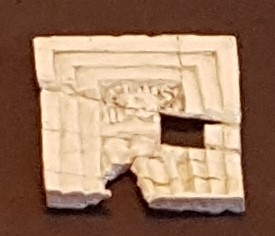

একই রাজকীয় পাহাড়চূড়া থেকে পাওয়া দুটি খুবই ভিন্ন ধরনের আবিষ্কার বাইবেলে বর্ণিত উত্তরের রাজ্যকে আলোকিত করে। অস্ট্রাকাগুলি হলো রাজদরবারে দ্রাক্ষারস ও তেলের চালানের রসিদ — একটি বাস্তব কর-আমলাতন্ত্রের কাগজপত্র, যেখানে নামগুলির শেষে রয়েছে বিশেষভাবে উত্তরাঞ্চলীয় '-ইয়াও' প্রত্যয়। হাতির দাঁতের কারুকাজগুলি হলো অপরূপ ফৈনীকীয়-শৈলীর অলংকরণ, যা একসময় প্রাসাদের আসবাবপত্র মুড়ে রাখত: রাজাবলি যে 'হাতির দাঁতের বাড়ি' আহাবের কৃতিত্ব বলে উল্লেখ করে, এবং আমোষ যে 'হাতির দাঁতের খাট'-এর নিন্দা করেন, তারই আক্ষরিক অবশেষ।
- এটি কী
- ইস্রায়েলের রাজধানীর রাজকীয় অ্যাক্রোপলিস থেকে: 63টি হিব্রু কালির অস্ট্রাকা (করের রসিদ) এবং আসবাবপত্রে বসানো 200-রও বেশি খোদাই করা হাতির দাঁতের কারুকাজের একটি ভাণ্ডার
- নিদর্শনের কাল
- খ্রিস্টপূর্ব নবম–অষ্টম শতাব্দী
- আবিষ্কার
- শমরিয়ার প্রাসাদ-অ্যাক্রোপলিস (হার্ভার্ড ও যৌথ অভিযান)
- এখন কোথায় আছে
- ইস্রায়েল ও বিভিন্ন জাদুঘরের সংগ্রহ
- সম্পর্কিত
- উত্তরের রাজ্যের সম্পদ ও প্রশাসন — আহাবের 'হাতির দাঁতের বাড়ি'
- ধর্মশাস্ত্র
- 1 রাজাবলি 22:39 · আমোষ 3:15 · আমোষ 6:4
এই আবিষ্কার যা দেখায়শমরিয়ায় একটি কার্যকর রাজকীয় প্রশাসন এবং হাতির দাঁতে সাজানো সেই চোখে-পড়ার-মতো বিলাসিতা যার নিন্দা ভাববাদীরা করেছিলেন — রাজাবলি ও আমোষের পেছনের বস্তুগত বাস্তবতা।
এটি যা প্রমাণ করে নারসিদগুলি বা হাতির দাঁতের কারুকাজ — কোনোটিই বাইবেলের কোনো নির্দিষ্ট রাজার নাম উল্লেখ করে না; হাতির দাঁতের কারুকাজগুলি আমদানি করা হয়েছিল, এবং দুই শতাব্দীর মধ্যে সেগুলির সঠিক কাল নির্ধারণ করা যায় না।
বিতর্কিত: অস্ট্রাকাগুলি ঠিক কোন রাজত্বের, তা অমীমাংসিত (প্রস্তাবগুলি আহাব থেকে মনহেম পর্যন্ত বিস্তৃত), এবং হাতির দাঁতের কারুকাজে লোভনীয় 'আহাব ও ঈষেবল' তকমাটি একটি অনুমান, প্রমাণ নয়।
সূত্র ও আরও পাঠ