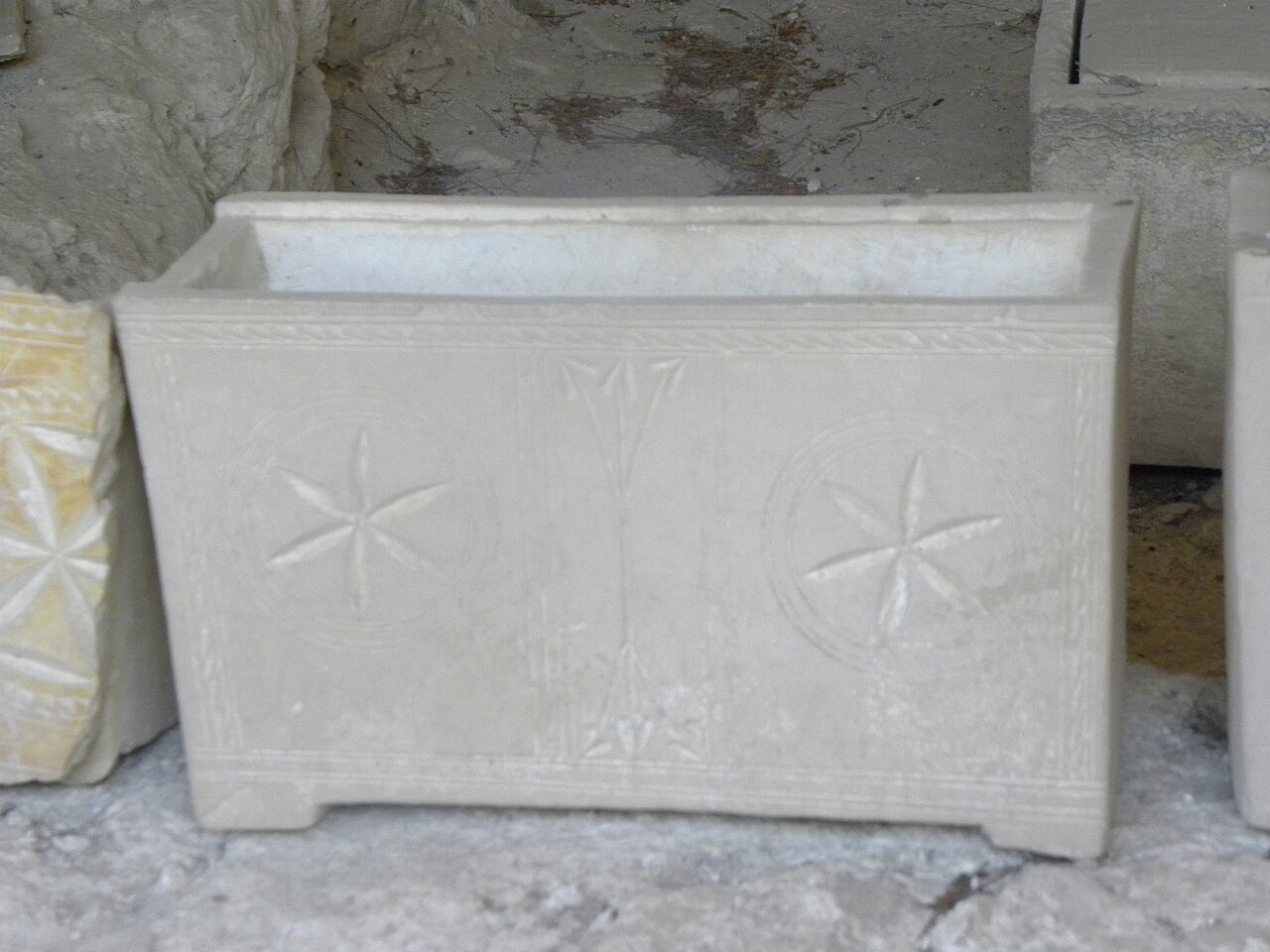

আমরা এটিকে এখানে রেখেছি প্রমাণ সৎভাবে পড়ার একটি শিক্ষা হিসেবে — কারণ এটি নিশ্চিতকরণের ঠিক বিপরীত। যিরূশালেমের একটি সমাধিতে এমন অস্থিপাত্র ছিল যাতে “যোষেফের পুত্র যীশু”, “মারিয়া” ও “যোসে” সহ বিভিন্ন নাম খোদাই করা ছিল, এবং 2007 সালের একটি তথ্যচিত্র ঘোষণা করে যে এটি নাসরতের যীশু ও তাঁর পরিবারের সমাধি। কিন্তু সেগুলি ছিল প্রথম শতাব্দীর ইহুদি যিরূশালেমের সবচেয়ে প্রচলিত নামগুলির অন্যতম; কথিত “ক্রুশ”টি আসলে রাজমিস্ত্রির একটি চিহ্ন; আর দরজার ওপরের প্রতীকটি একটি প্রচলিত ইহুদি নকশা, খ্রিস্টীয় নয়।
- এটি কী
- যিরূশালেমের প্রথম শতাব্দীর একটি সমাধি, যাতে সাধারণ ইহুদি নাম খোদিত দশটি অস্থিপাত্র ছিল; 2007 সালের একটি চলচ্চিত্র একে যীশুর পারিবারিক সমাধি বলে প্রচার করে
- নিদর্শনের কাল
- খ্রিস্টাব্দ 1ম শতাব্দী (সমাধিটি পাওয়া যায় 1980 সালে)
- আবিষ্কার
- পূর্ব তালপিয়ট, যিরূশালেম ও বৈৎলেহমের মাঝে, 1980 (ইয়োসেফ গাত ও আমোস ক্লোনার খনন করেন)
- এখন কোথায় আছে
- ইস্রায়েল পুরাকীর্তি কর্তৃপক্ষের (ইস্রায়েল অ্যান্টিকুইটিজ অথরিটি) ভাণ্ডার
- সম্পর্কিত
- একটি প্রত্নতাত্ত্বিক আবিষ্কার কীভাবে পড়া উচিত নয়, তার একটি পরীক্ষা
- ধর্মশাস্ত্র
- 1 করিন্থীয় 15:4
এই আবিষ্কার যা দেখায়এটি যথার্থভাবেই যীশুর যুগে অস্থিপাত্রে (হাড় রাখার বাক্সে) পুনঃসমাধির সাধারণ ইহুদি প্রথাকে নথিভুক্ত করে — এবং দেখায় যে “যোষেফের পুত্র যীশু”-র মতো নাম আসলে কতটা প্রচলিত ছিল।
এটি যা প্রমাণ করে নাএটি সমাধির কাউকেই নাসরতের যীশু বা তাঁর পরিবারের সঙ্গে শনাক্ত করে না; এতে খ্রিস্টীয় কিছুই নেই।
বিতর্কিত: “যীশুর পারিবারিক সমাধি” দাবিটি প্রত্নতাত্ত্বিকদের প্রায় সর্বসম্মত মতৈক্যে প্রত্যাখ্যাত (ইভান্স প্রতীক-সংক্রান্ত যুক্তিগুলিকে “প্রমাণযোগ্যভাবে মিথ্যা” বলেছেন)। আমরা এটি তালিকাভুক্ত করেছি এটা দেখাতে যে একই আবিষ্কারের একটি চাঞ্চল্যকর শিরোনাম আর একটি সংযত পাঠ বিপরীত দিকে ইঙ্গিত করতে পারে।