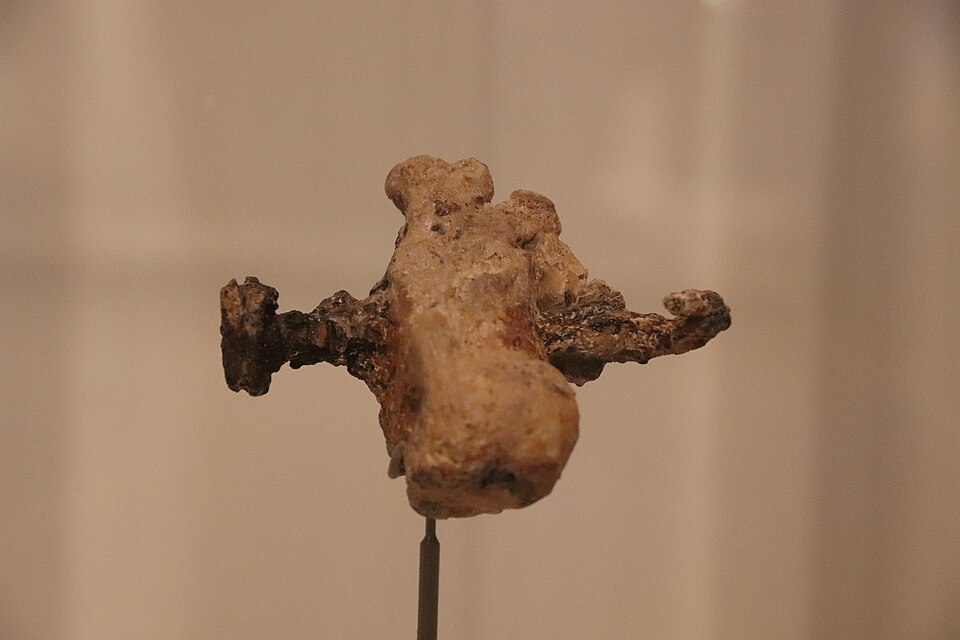

প্রাচীন লেখায় ক্রুশারোপণের প্রচুর সাক্ষ্য থাকলেও প্রত্নতত্ত্বে এটি প্রায় অদৃশ্য — নিহতদের কদাচিৎ কবর দেওয়া হত, আর পেরেকগুলি উদ্ধার করে আবার কাজে লাগানো হত। য়েহোহানান নামে একজনের জন্য লেখা এই অস্থিপেটিকাটি সেই ব্যতিক্রম রক্ষা করেছে: তাঁর গোড়ালি ভেদ করা পেরেকটি জলপাই-কাঠের ক্রুশের একটি গিঁটে লেগে বেঁকে গিয়েছিল এবং টেনে বের করা যায়নি, তাই পেরেকসহই তাঁকে কবর দেওয়া হয়েছিল। একটিমাত্র কঙ্কাল নিঃশব্দে দুটি বিতর্কের নিষ্পত্তি করল: যিহূদিয়ার রোমীয়রা সত্যিই তাদের শিকারদের পেরেক দিয়ে বিদ্ধ করত, আর ক্রুশবিদ্ধ একজন মানুষও সম্মানজনক যিহূদী সমাধি পেতে পারতেন।
- এটি কী
- প্রথম শতাব্দীর একটি অস্থিপেটিকা-সমাধি, যাতে রয়েছে লোহার পেরেকে তখনও বিদ্ধ একটি গোড়ালির হাড়
- নিদর্শনের কাল
- খ্রিস্টাব্দ 1ম শতাব্দী
- আবিষ্কার
- উত্তর যিরূশালেমের গিভাত হা-মিভতারে একটি সমাধি, 1968 (ভাসিলিওস জাফেরিসের খননকার্য)
- এখন কোথায় আছে
- ইস্রায়েল অ্যান্টিকুইটিজ অথরিটি; ইস্রায়েল জাদুঘর, যিরূশালেমে একটি প্রতিরূপ প্রদর্শিত
- সম্পর্কিত
- সুসমাচারের বর্ণনা অনুযায়ী রোমীয় ক্রুশারোপণ — কেবল দড়ি নয়, পেরেক
- ধর্মশাস্ত্র
- যোহন 20:25 · লুক 24:39
এই আবিষ্কার যা দেখায়প্রথম শতাব্দীর যিরূশালেমে পেরেক দিয়ে ক্রুশারোপণ প্রচলিত ছিল, এবং ক্রুশারোপণ যথাযথ সমাধিকে অসম্ভব করত না — দুটিই সুসমাচারের সমাধি-বিবরণগুলির বিশ্বাসযোগ্যতার সঙ্গে সরাসরি প্রাসঙ্গিক।
এটি যা প্রমাণ করে নাএটি স্বয়ং যীশু সম্পর্কে প্রমাণ নয়; আর প্রথম দিকের দাবি — যে লোকটির বাহু পেরেকবিদ্ধ ছিল ও পা ভাঙা হয়েছিল — পুনঃপরীক্ষায় টেকেনি; কেবল পেরেকবিদ্ধ গোড়ালিটিই সুনিশ্চিত।