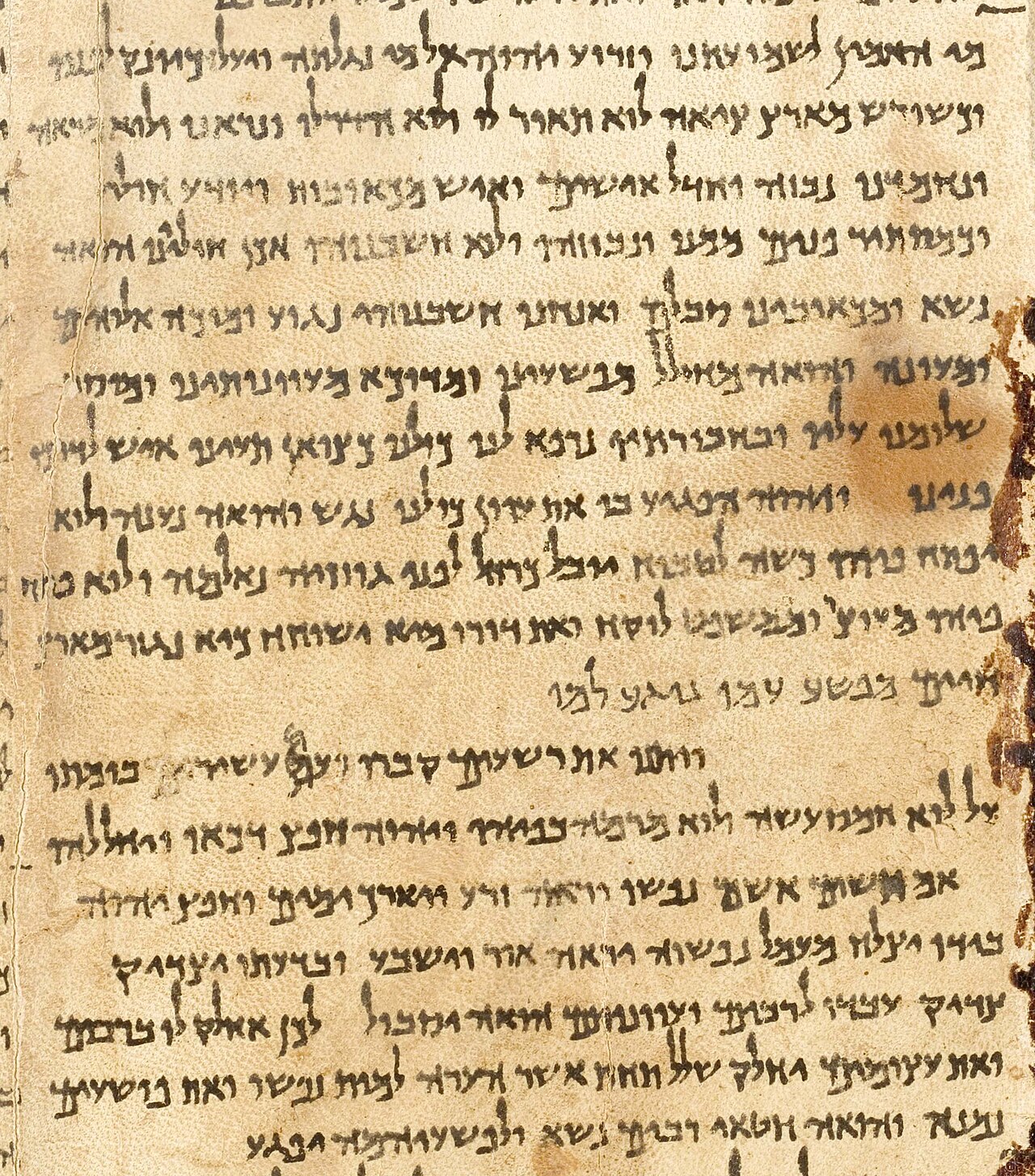

1947 সাল পর্যন্ত, যিশাইয়ের সবচেয়ে প্রাচীন সম্পূর্ণ হিব্রু পাণ্ডুলিপিগুলি ছিল আনুমানিক খ্রিস্টাব্দ 1000 সালের। তারপর এক মেষপালকের ছোঁড়া পাথর একটি পাহাড়ি গুহায় গিয়ে একটি মাটির জালা ভেঙে দিল, যার ভেতরে ছিল হাজার বছরের পুরোনো একটি পুঁথি। মধ্যযুগীয় পাঠ্যের পাশে রাখলে এটি বিস্ময়করভাবে পরিচিত মনে হলো: পার্থক্যগুলি সিংহভাগই বানান ও শব্দচয়নের ছোটখাটো ভিন্নতা, প্রায় কোনোটিই অর্থকে স্পর্শ করে না। একটি গ্রন্থ হাতে-অনুলিপির হাজার বছর মূলত অক্ষত অবস্থায় পার হয়ে এসেছিল।
- এটি কী
- যিশাইয় পুস্তকের একটি সম্পূর্ণ হিব্রু পুঁথি, সেলাই করা 17টি চর্মপত্রে, 7 মিটারেরও বেশি লম্বা
- নিদর্শনের কাল
- আনু. খ্রিস্টপূর্ব 125
- আবিষ্কার
- গুহা 1, কুমরান, মৃত সাগরের কাছে, 1947 (বেদুইন মেষপালকেরা; পরে গুহাগুলি সুশৃঙ্খলভাবে খনন করা হয়)
- এখন কোথায় আছে
- শ্রাইন অফ দ্য বুক, ইস্রায়েল জাদুঘর, যিরূশালেম
- সম্পর্কিত
- হাজার বছর ধরে হিব্রু বাইবেলের পাঠ্য কতটা বিশ্বস্তভাবে অনুলিপি করা হয়েছিল
- ধর্মশাস্ত্র
- যিশাইয় 1–66
এই আবিষ্কার যা দেখায়আজ যিশাইয়ের যে পাঠ্য পড়া হয়, তা মূলত যীশুর সময়ের আগে পড়া পাঠ্যই — হিব্রু বাইবেলের লিপিকারদের দ্বারা হস্তান্তর ছিল অসাধারণ যত্নশীল।
এটি যা প্রমাণ করে নাবিশ্বস্ত অনুলিপি যিশাইয় কখন রচিত হয়েছিল বা এর ভাববাণীগুলি সত্য কিনা, সে সম্পর্কে কিছুই বলে না; এবং সামগ্রিকভাবে কুমরানের গ্রন্থাগার এটাও দেখায় যে বাইবেলের কিছু পুস্তক ভিন্ন ভিন্ন সংস্করণে প্রচলিত ছিল।