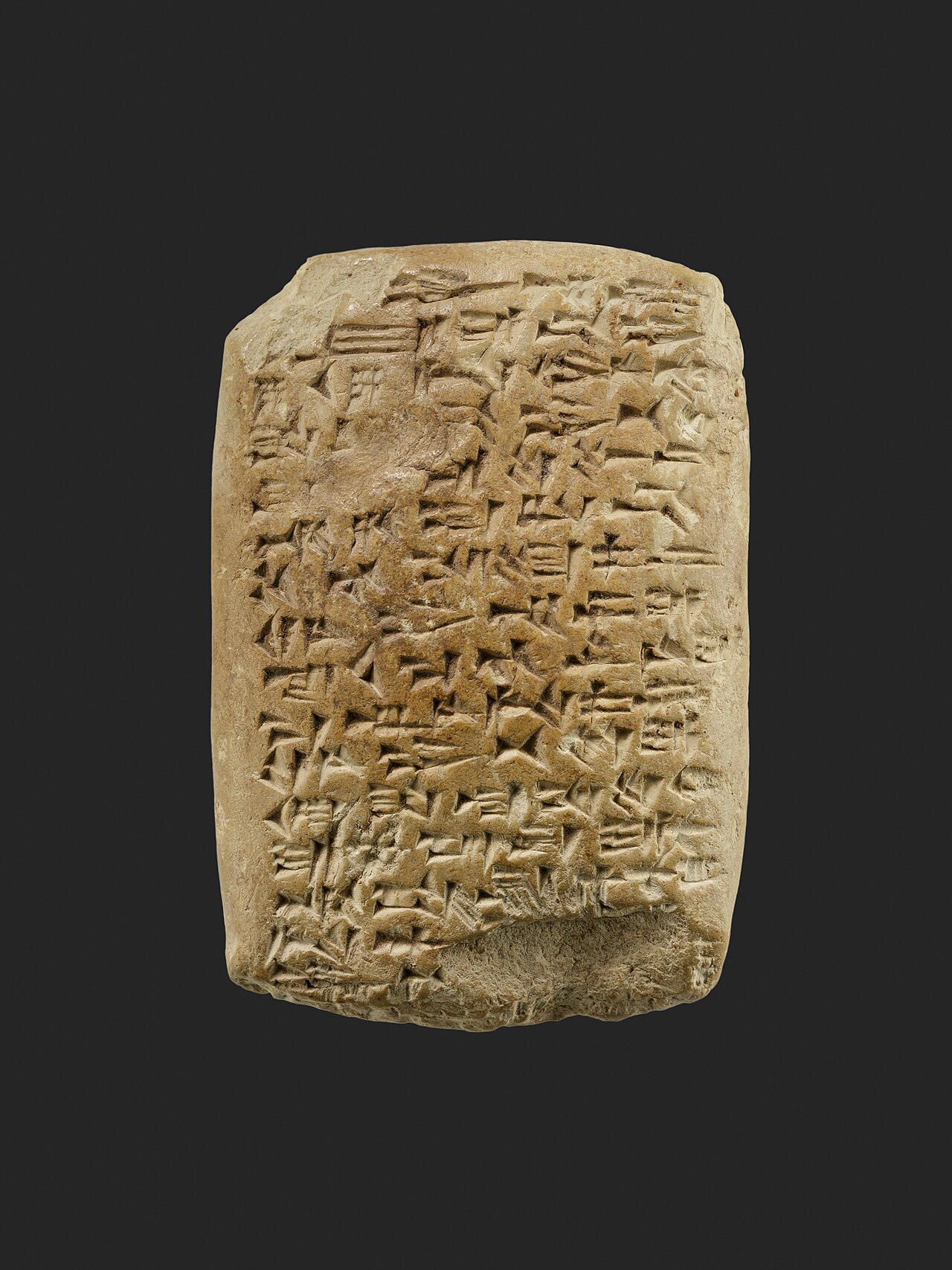

এই চিঠিগুলি আমাদের মিশরকে লেখা কনানের ক্ষুদ্র রাজাদের ডাক পড়তে দেয়, এবং এগুলি এমন এক দেশের ছবি আঁকে যেখানে পরস্পর-বিবদমান নগর-রাষ্ট্রগুলি হানাদার ও প্রতিদ্বন্দ্বীদের বিরুদ্ধে ফরৌণের কাছে সাহায্য ভিক্ষা করছে — যাদের মধ্যে আছে এমন গোলমাল-সৃষ্টিকারীরা যাদের চিঠিগুলি আপিরু বলে। এটি ইস্রায়েলের দৃশ্যপটে আবির্ভাবের আগের প্রায় এক শতাব্দীর কনানের রাজনৈতিক আবহাওয়া, বাইবেলের বসতি স্থাপনের এক অমূল্য পটভূমি।
- এটি কী
- প্রায় 380টি মাটির ফলকের একটি মহাফেজখানা — মিশর এবং কনানের রাজা ও নগর-শাসকদের মধ্যে আক্কাদীয় কিউনিফর্মে লেখা কূটনৈতিক চিঠি
- নিদর্শনের কাল
- খ্রিস্টপূর্ব চতুর্দশ শতাব্দী
- আবিষ্কার
- তেল এল-আমার্না (প্রাচীন আখেতাতেন), মধ্য মিশর, 1887 (একজন স্থানীয় গ্রামবাসী খুঁজে পান; পরে খনন করা হয়)
- এখন কোথায় আছে
- ব্রিটিশ মিউজিয়াম, বার্লিন ও কায়রো
- সম্পর্কিত
- শেষ ব্রোঞ্জ যুগের অশান্ত কনান, ইস্রায়েলের আবির্ভাবের ঠিক আগে
- ধর্মশাস্ত্র
- যিহোশূয়–বিচারকর্ত্তৃগণ (বসতি স্থাপনের যুগ)
এই আবিষ্কার যা দেখায়শেষ-ব্রোঞ্জ-যুগের কনানের খণ্ডিত, নগর-ভিত্তিক রাজনৈতিক চিত্র — ঠিক সেই পরিস্থিতি যা যিহোশূয় ও বিচারকর্ত্তৃগণ পুস্তক ধরে নেয়।
এটি যা প্রমাণ করে নাচিঠিগুলি কখনও ইস্রায়েল বা দেশ জয়ের উল্লেখ করে না।
বিতর্কিত: পুরোনো জনপ্রিয় সমীকরণ 'আপিরু = ইব্রীয়' মূলধারার পাণ্ডিত্য প্রত্যাখ্যান করে: আপিরু ছিল আইনভঙ্গকারী, ভাড়াটে সৈন্য ও বাস্তুচ্যুত মানুষদের জন্য একটি বিস্তৃত সামাজিক পরিচয়, কোনো জাতিগত শব্দ নয়। চিঠিগুলি পটভূমি, ইস্রায়েলীয়দের কোনো নথি নয়।
সূত্র ও আরও পাঠ