How Christians Shaped India's Growth
From the ancient St. Thomas community to the indigenous evangelists of the twentieth century — real, documented contributions to education, language, medicine, and the long fight for human dignity.
 16th century onward
Education & Literacy
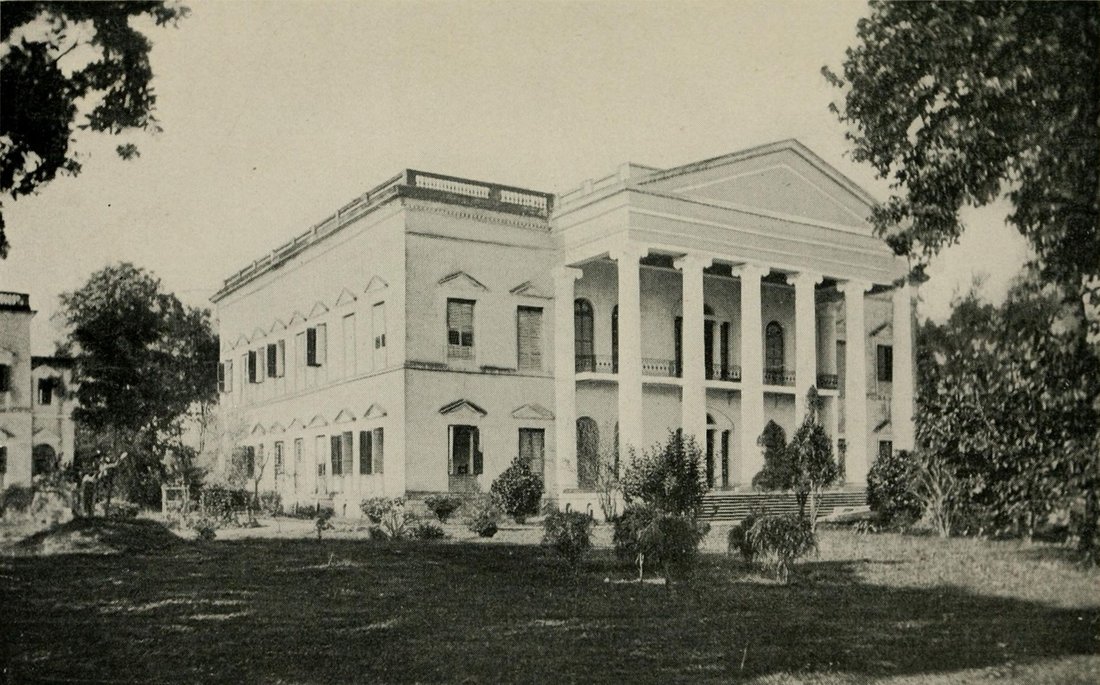
The deepest mark missionaries left on India may be the schoolhouse. Jesuits opened the first Christian schools in the 1500s; the Tranquebar missionaries — Ziegenbalg from 1706, later Christian Friedrich Schwartz — ran vernacular and English schools. In 1818 the Serampore Trio founded Serampore College, which a Danish royal charter of 1827 made the first degree-granting institution in Asia, open to students of any caste or creed. Alexander Duff opened English-medium higher education in Calcutta in 1830. Crucially, mission schools admitted women and lower-caste children shut out everywhere else, and built most of the first schools in the tribal Northeast and Chotanagpur — a major engine behind the later high literacy of Kerala and Tamil Nadu.
 1556 onward
Language, Printing & the Vernaculars
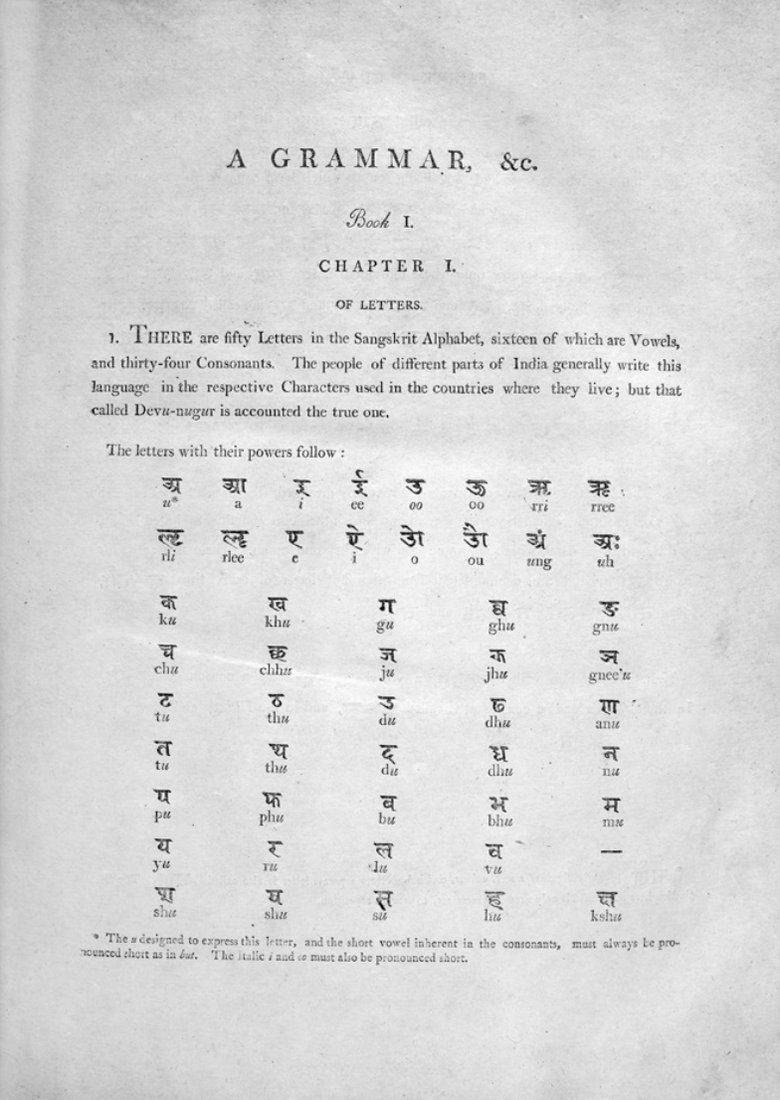
In setting out to translate the Bible, missionaries became some of India's earliest linguists and printers. The first printing press in India was set up by Jesuits at Old Goa in 1556; the Serampore Mission Press, from 1800, poured out Scripture and schoolbooks in dozens of tongues. William Carey is remembered as a father of Bengali prose. Missionaries gave written form to languages that had none — Thomas Jones created the Khasi alphabet, and others did the same for Mizo and more. Hermann Gundert produced a landmark Malayalam grammar and dictionary; Robert Caldwell's 1856 comparative grammar established that the Dravidian languages form a family of their own.
 1890s onward
Medicine & Healthcare
Mission hospitals carried modern medicine to millions. Dr. Ida Scudder opened a one-room clinic in Vellore in 1900, which grew into the Christian Medical College — today one of Asia's finest hospitals — while Dr. Edith Brown founded a medical school for women at Ludhiana in 1894, the first of its kind in Asia. Both trained Indian women, and then men, as doctors and nurses when almost no one else would. Missions pioneered leprosy and tuberculosis care and, through the 'zenana' medical missions, reached secluded women no male doctor could see. For generations a large share of India's doctors and nurses were Indian Christians, and mission hospitals remain widely trusted by patients of every faith.
 1813–1859 and beyond
Women's Dignity & Rights
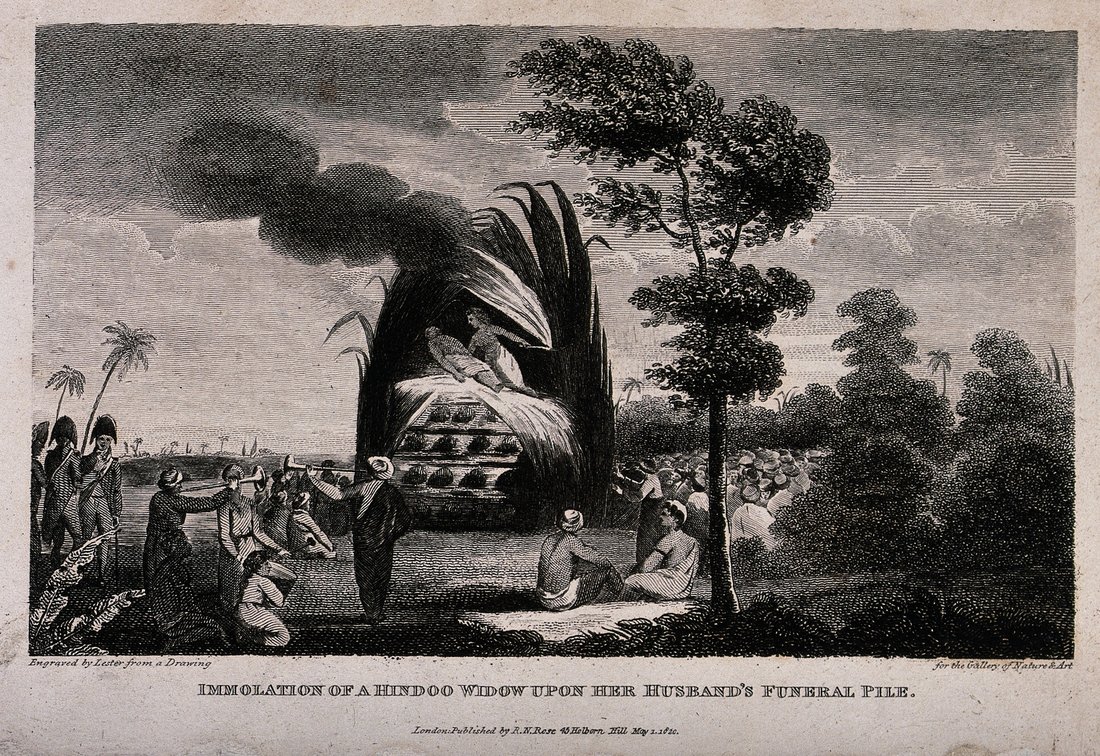
Missionaries opened the first girls' schools, sheltered widows, and joined the long fights against child marriage, female infanticide and sati — the burning of widows. The Serampore missionaries spent years documenting sati and petitioning against it, and, with the reformer Ram Mohan Roy, helped bring about its abolition in Bengal in 1829. In Travancore, the drawn-out Channar or 'Upper-Cloth' revolt saw Nadar women win the right to cover their upper bodies — a dignity caste custom had denied them — with London Missionary Society backing, until a royal proclamation finally granted it in 1859.
1802 onwardCaste & the Depressed Classes
Perhaps the deepest contribution was to plain human dignity. Mission schools, hospitals and churches were, as a matter of principle, opened to every caste — giving Dalits and those called 'untouchable' access to literacy and standing denied them everywhere else. As early as 1802 the Serampore mission publicly repudiated caste when a convert's Sudra daughter was married to a Brahmin convert. Through the nineteenth- and twentieth-century 'mass movements,' whole marginalized communities gained schooling, self-respect and a new social identity, and mission compounds often served as refuges from oppression.
 1843 onward
Against Social Evils
Beyond sati, missionary and colonial pressure helped end other cruelties. The Meriah human sacrifice practised by the Khonds of Odisha was suppressed by a campaign from the 1840s, with Baptist missionaries taking in rescued intended victims. Evangelical abolitionists helped push through the Indian Slavery Act of 1843, which outlawed slavery across British India. And the campaign against the devadasi system — the dedication of girls to temples — drew on the same reforming energy, carried to law decades later by the Indian reformer Muthulakshmi Reddy.
 1941
1941
The Moral Imagination of Emancipation
The influence reached even into leaders who never became Christian. In an article published in the Bombay Sentinel in 1941, Dr. B. R. Ambedkar — architect of India's constitution and champion of the Dalits — held up the story of Moses leading Israel out of bondage as a source of perennial inspiration and hope for his own struggle to emancipate the depressed classes. The biblical picture of a people led out of slavery fed the moral imagination of Indian reform, even though Ambedkar himself, seeking a way out of caste, finally embraced Buddhism in 1956.
 20th century
From Foreign Mission to Indian Hands
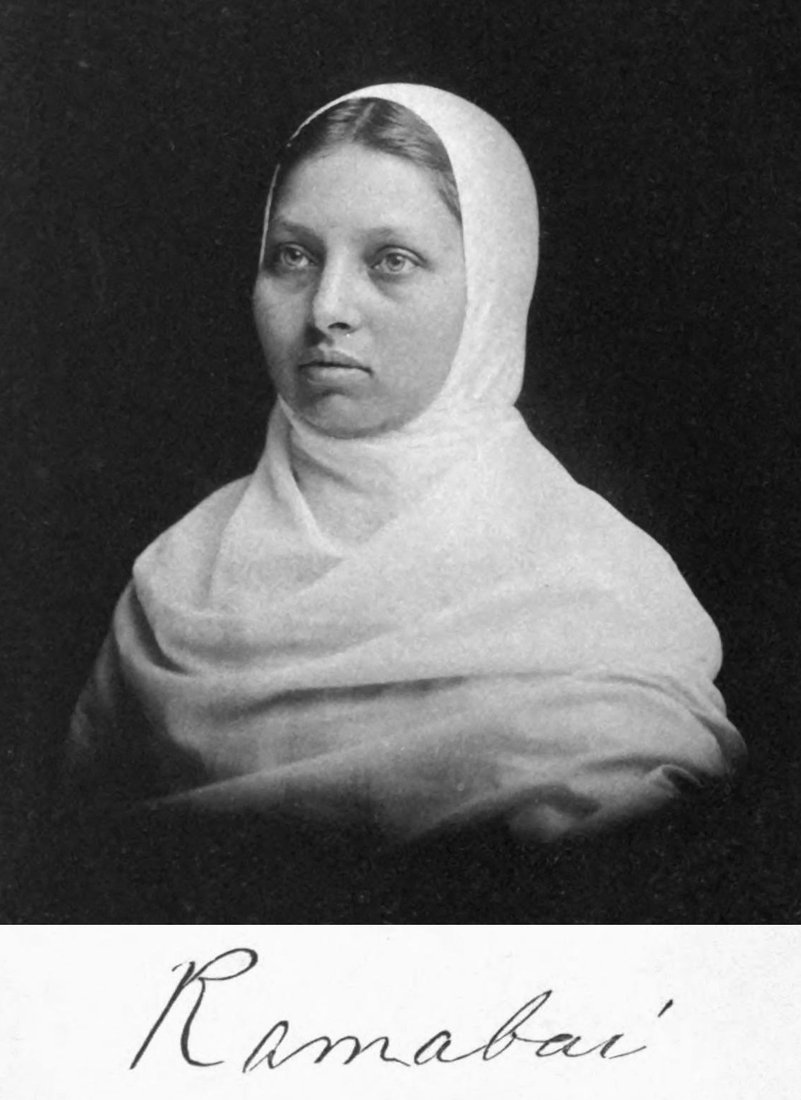
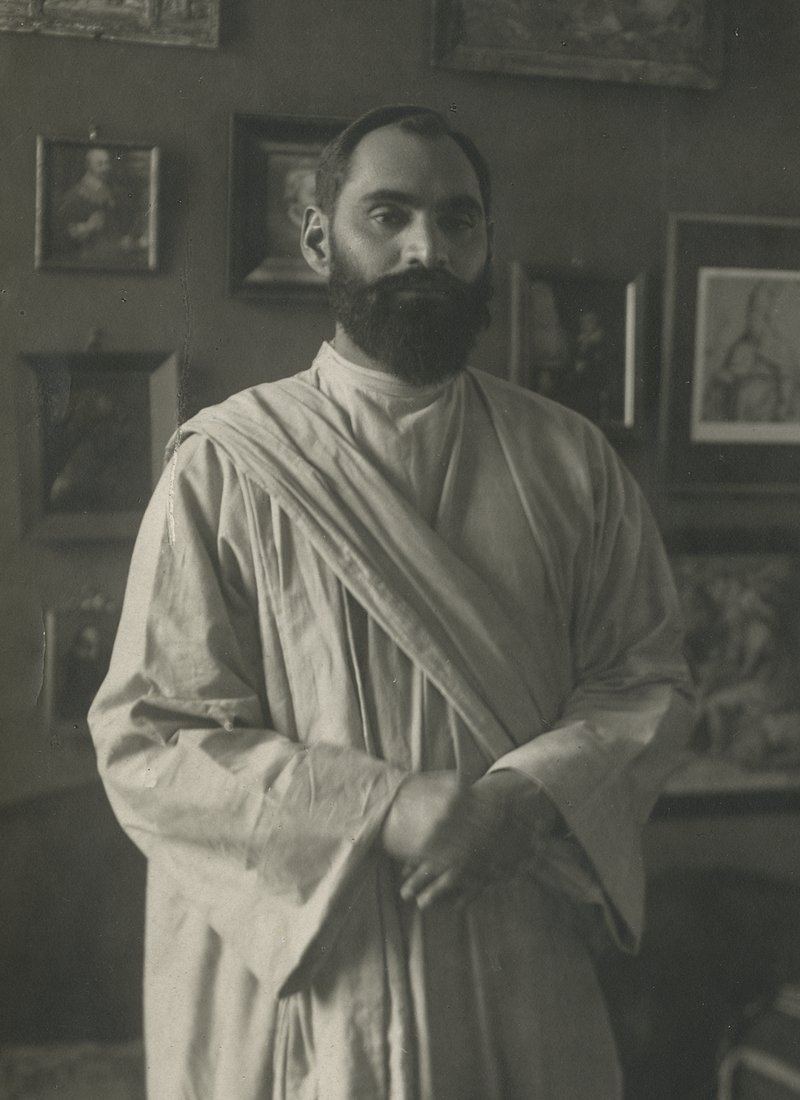
By the twentieth century the work had passed thoroughly into Indian hands. Pandita Ramabai's Mukti Mission rescued and educated widows and famine orphans; V. S. Azariah became the first Indian Anglican bishop and built indigenous mission societies; Sadhu Sundar Singh carried the gospel in the dress of an Indian holy man; and Bakht Singh planted hundreds of self-supporting churches that leaned on no foreign money at all. What had begun, by tradition, with the Apostle Thomas had become fully an Indian faith serving India.