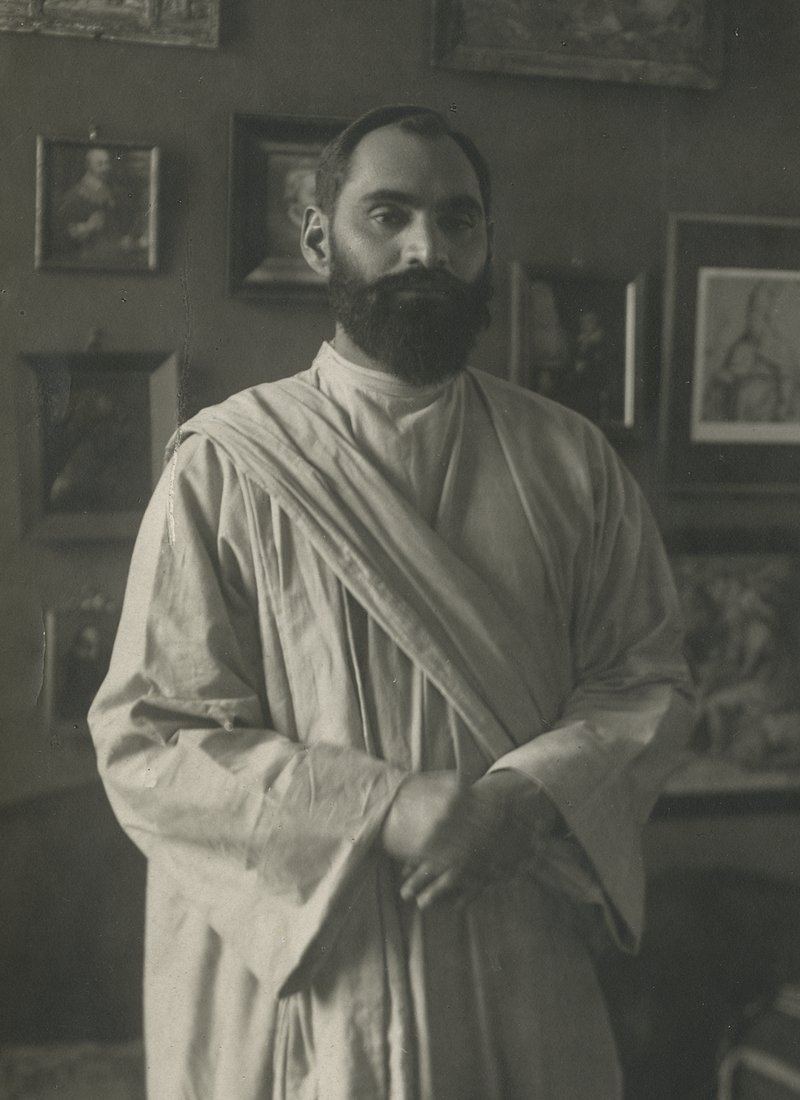

By the twentieth century the work had passed thoroughly into Indian hands. Pandita Ramabai's Mukti Mission rescued and educated widows and famine orphans; V. S. Azariah became the first Indian Anglican bishop and built indigenous mission societies; Sadhu Sundar Singh carried the gospel in the dress of an Indian holy man; and Bakht Singh planted hundreds of self-supporting churches that leaned on no foreign money at all. What had begun, by tradition, with the Apostle Thomas had become fully an Indian faith serving India.
- V. S. Azariah was consecrated the first Indian bishop in the Anglican Communion in 1912.
- Bakht Singh planted hundreds of self-supporting, entirely Indian-run churches from the 1940s onward.
Shared creditThis chapter is Indian by definition — the founders, funders and evangelists were Indian, serving Indian communities.
The honest complexity: The handover was uneven and sometimes resisted by foreign mission boards, and the Indian church carried its own divisions of caste and denomination. Still, the direction was unmistakable: from foreign mission to Indian church.
Sources & further reading