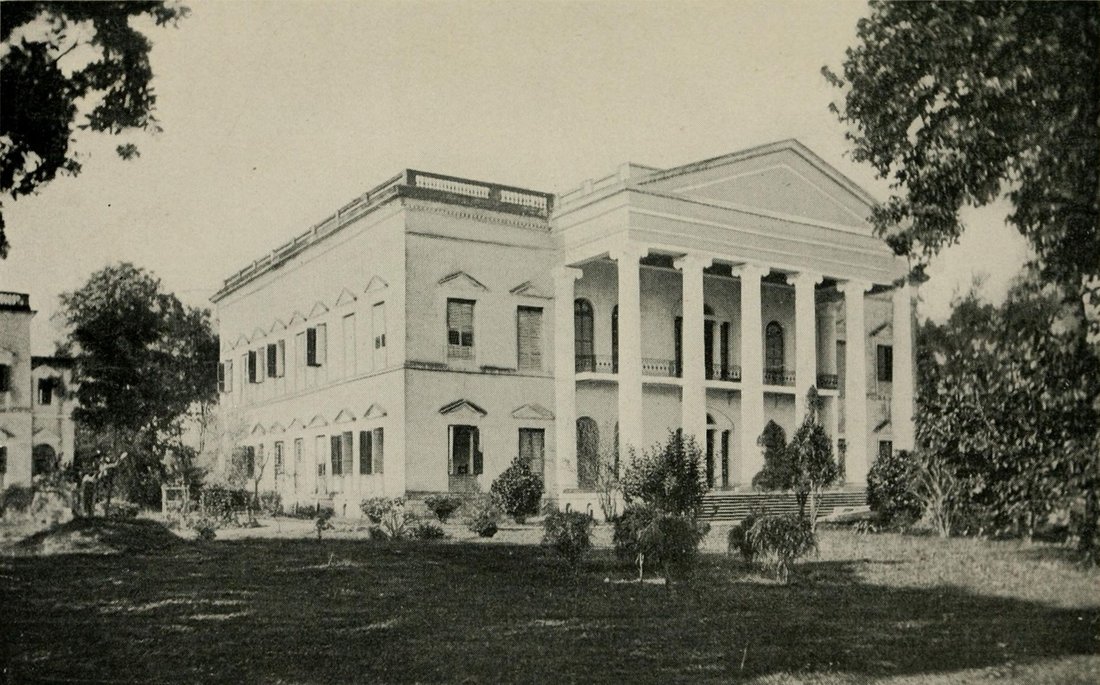

The deepest mark missionaries left on India may be the schoolhouse. Jesuits opened the first Christian schools in the 1500s; the Tranquebar missionaries — Ziegenbalg from 1706, later Christian Friedrich Schwartz — ran vernacular and English schools. In 1818 the Serampore Trio founded Serampore College, which a Danish royal charter of 1827 made the first degree-granting institution in Asia, open to students of any caste or creed. Alexander Duff opened English-medium higher education in Calcutta in 1830. Crucially, mission schools admitted women and lower-caste children shut out everywhere else, and built most of the first schools in the tribal Northeast and Chotanagpur — a major engine behind the later high literacy of Kerala and Tamil Nadu.
- Serampore College was founded in 1818; a Danish royal charter of 1827 made it the first degree-granting institution in Asia, open to any caste or creed.
- Alexander Duff opened English-medium higher education in Calcutta in 1830.
- The Lucknow Woman's College (1886) is widely regarded as the first Christian women's college in Asia.