To the Ends of the Earth
'You will be my witnesses in Jerusalem… and to the ends of the earth' (Acts 1:8). This section follows two ends of that story: how the faith took root and endured in its own Holy Land — from the first Jerusalem community through Byzantine, Crusader and Ottoman rule to the Christian communities there today — and the Roman sea-road that, in the very same first century, carried it all the way to India, where the ancient St Thomas Christians still trace their origin to the apostle.
- Documented
- Broadly established by archaeology, records or texts scholars accept.
- Debated
- Genuinely disputed, or held by tradition rather than proven.
In the Homeland
Christianity in the land where it began — from the first Jerusalem church, through the ages of empire and conquest, to the communities that remain there today.
 1st century AD
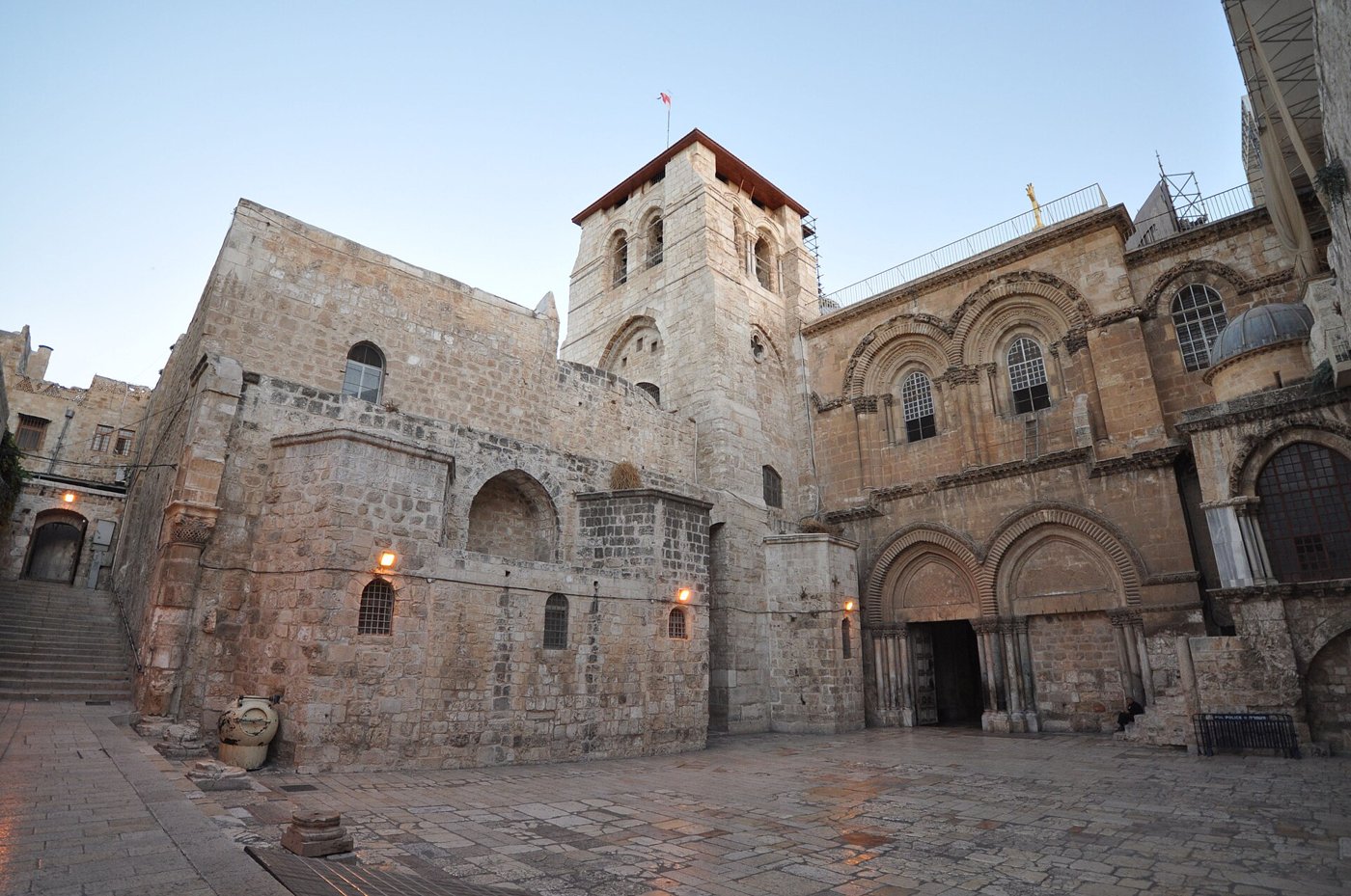
Jerusalem: Where the Church Began
Christianity began not as a new religion but as a movement within Judaism, in Jerusalem. The book of Acts places its birth at Pentecost, in a community of Jewish believers led first by the apostles and then by James, the brother of Jesus. For a generation it worshipped at the Temple and in homes, a Jewish sect among others — until persecution scattered its members and the Roman destruction of Jerusalem in AD 70 uprooted the mother church, pushing the movement out into the wider Greek-speaking world.
 1st–4th century
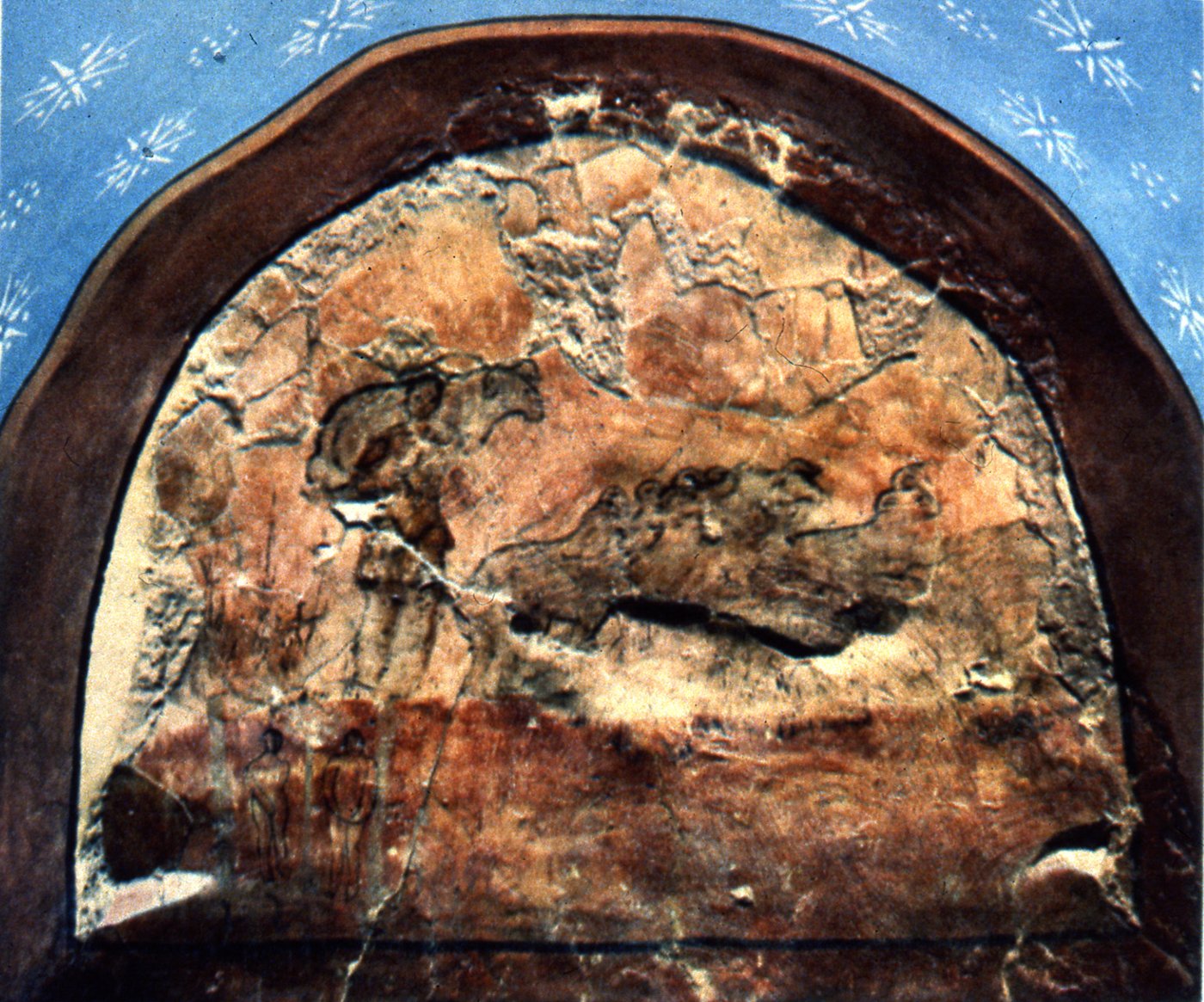
How the Faith Spread
How did a tiny Jerusalem sect become the faith of the Roman Empire in under three centuries? Not by the sword — it had none. Historians point to steady, unspectacular growth of perhaps forty percent a decade, carried along ordinary channels: the synagogue networks of the Jewish diaspora, the crowded cities, household and trade connections, and a notably high proportion of women. Christians' care for the sick during the great epidemics, and the witness of martyrs who would not recant, drew others in. From a handful in Jerusalem it reached perhaps a tenth of the empire by AD 300, on the eve of Constantine.
 4th century onward
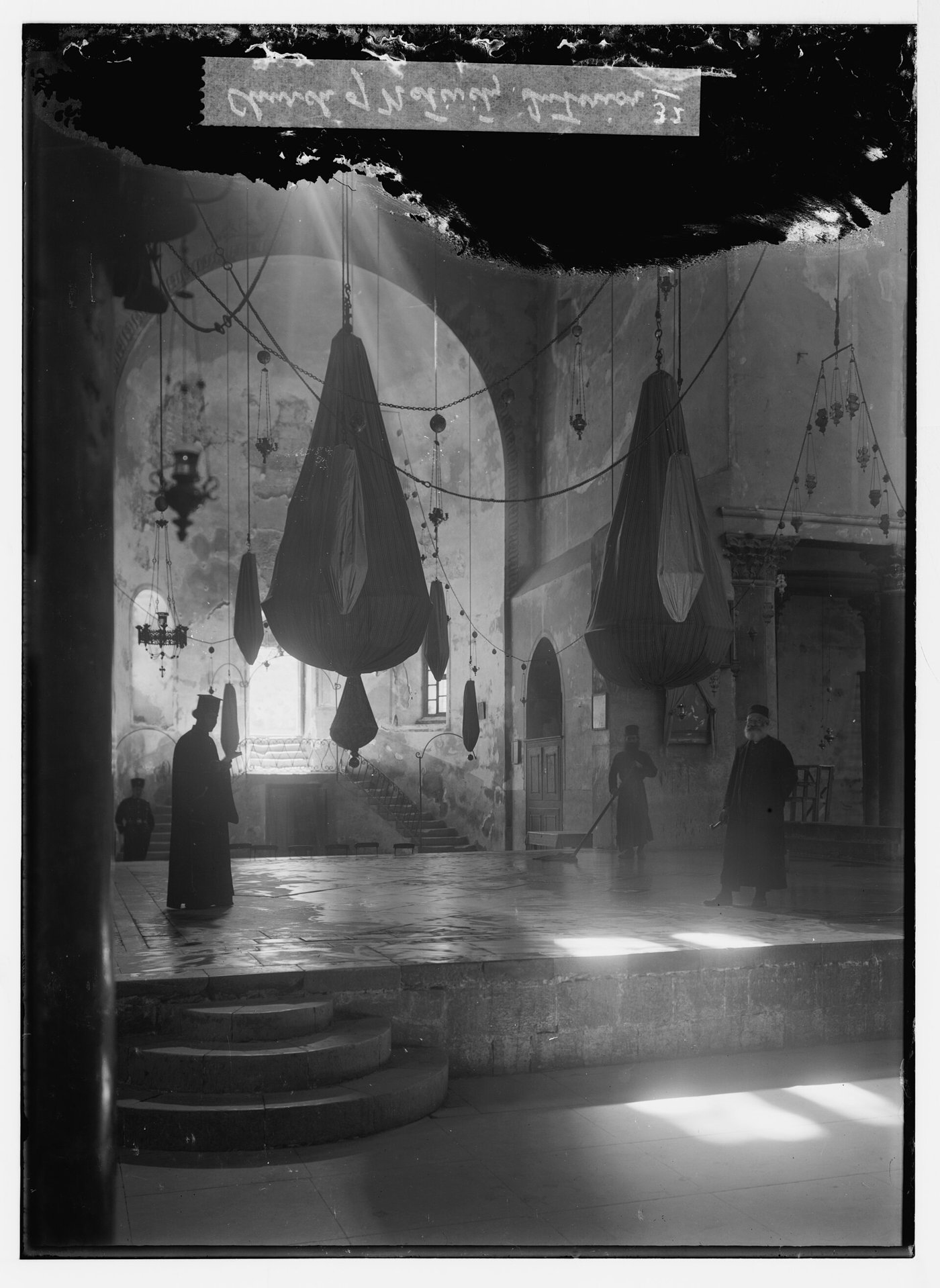
The Holy Places
When Constantine legalised the faith in the early fourth century, the Holy Land was rediscovered as sacred geography. His mother Helena is remembered for a pilgrimage around AD 326, and great churches soon rose over the sites of memory: the Holy Sepulchre at Golgotha, the Church of the Nativity in Bethlehem, the basilica on the Mount of Olives. Pilgrims began to come — the traveller Egeria has left a vivid account from the 380s — and Byzantine Palestine filled with churches and monasteries. Some site identifications are secure and ancient; others rest on tradition, and honest guides say which is which.
 7th–19th century
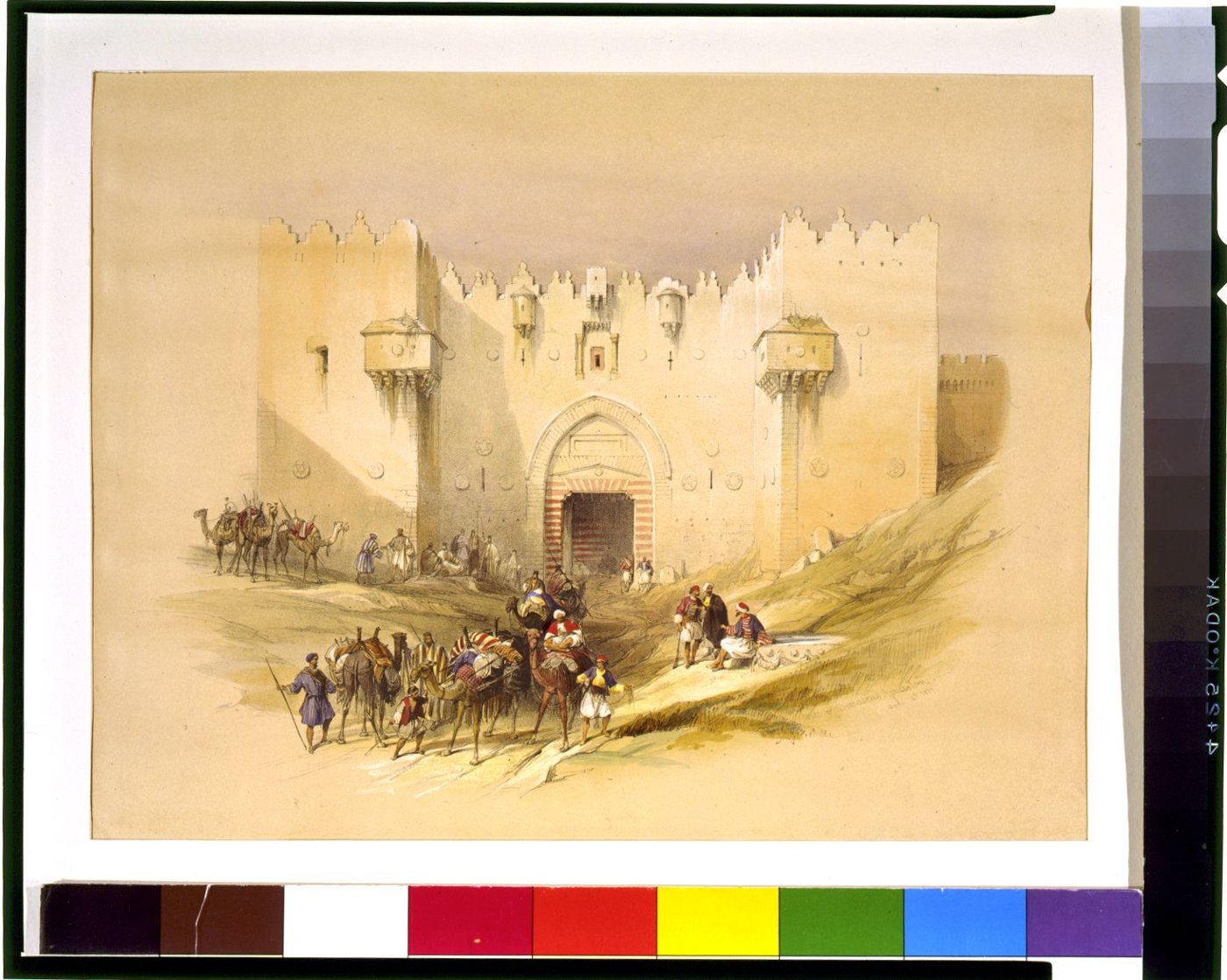
Through the Ages: Byzantine, Crusader, Ottoman
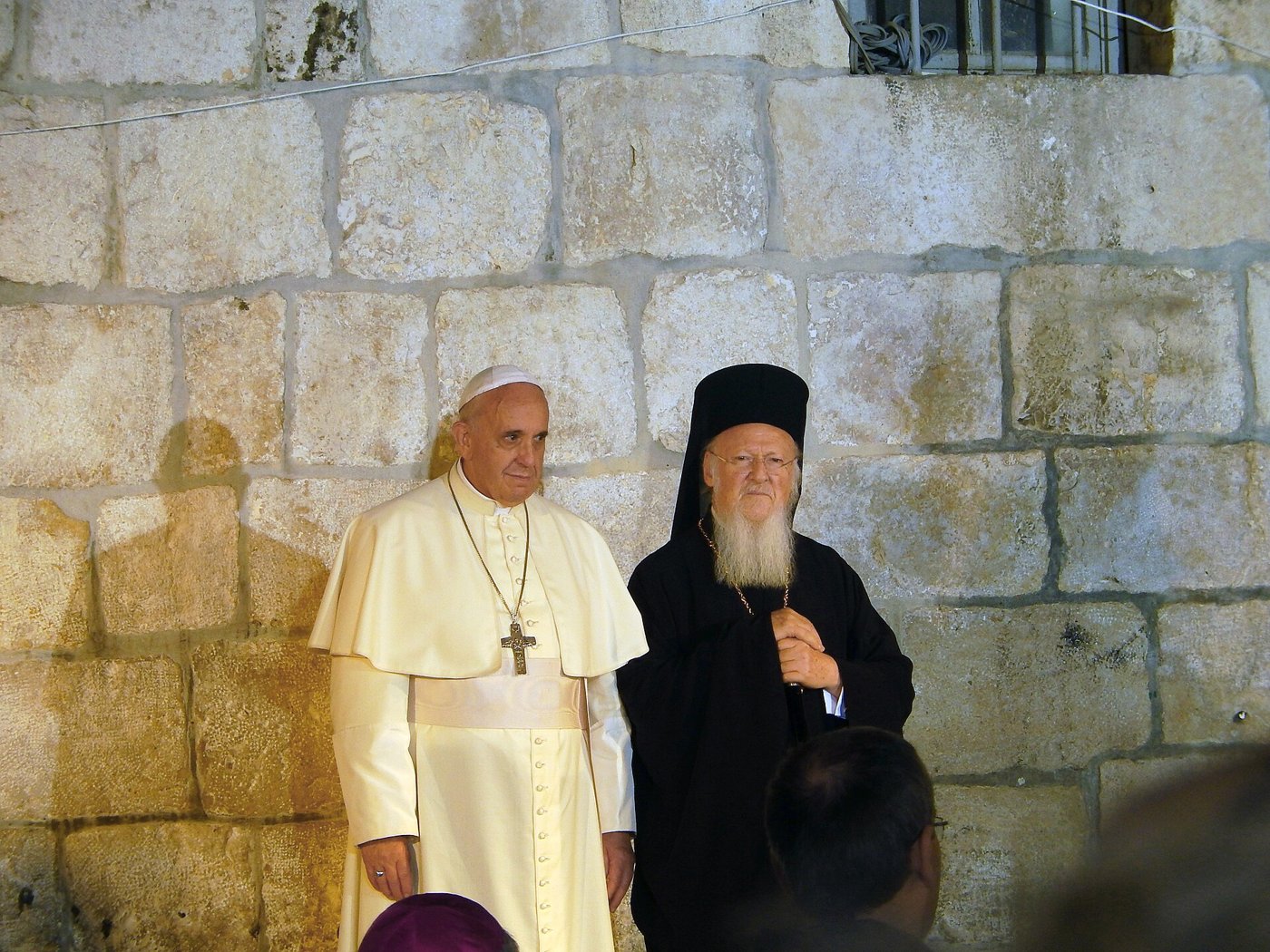
The Christian Holy Land passed through many hands. Byzantine rule gave way to the Persian sack of Jerusalem in 614 and the Muslim conquest of 638, under which the churches largely continued. The Crusaders held a Latin kingdom from 1099 until 1291; then came Mamluk and, from 1517, Ottoman rule. Through it all the ancient Christian communities endured — Greek Orthodox, Latin, Armenian, Syriac, Coptic and others — sharing custody of the great sanctuaries under the delicate arrangement known as the Status Quo, which still governs the Holy Sepulchre today.
 the present
Christians in the Holy Land Today
Christians are now a small minority in the land of Christianity's birth — roughly one to two percent of the population of Israel and the Palestinian territories, most of them Arab Christians belonging to the ancient churches, alongside Armenians and others. Their numbers have thinned through a century of conflict and emigration, and the future of some communities is genuinely uncertain. Yet they remain: worshipping in the oldest churches in the world, keeping custody of the holy places, an unbroken living link to the first believers of Jerusalem.
The Road to the East
The Roman sea-road to India in the first century — the monsoon route, the great pepper port of Muziris, and the tradition that the faith reached India with the apostle Thomas.
 1st century AD
The Roman Sea-Road to India
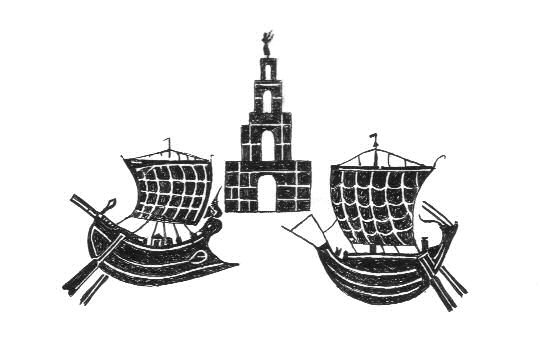
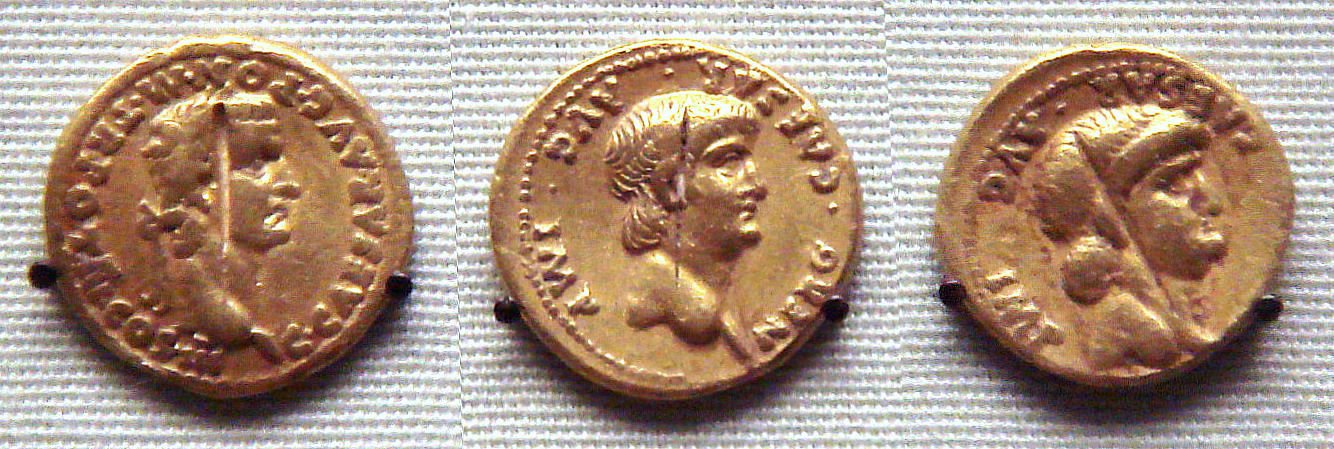
In the first century, Rome and India were joined by one of the great trade routes of the ancient world. Once Greek and Roman sailors learned to ride the monsoon winds, fleets sailed each year from Egypt's Red Sea ports across the open ocean to the coast of India and back — a round trip in a single year. The commerce was enormous: Pliny the Elder grumbled that the East drained the empire of a fortune in gold every year, and hoards of Roman coins turn up across southern India to prove the trade was real. This is the world into which, tradition says, the gospel travelled east.
 1st–2nd century AD
Muziris: The Pepper Port
The greatest Indian gateway of that trade was Muziris, a port on the Malabar coast of Kerala. The Periplus, Pliny and Ptolemy all name it, and it even appears on a Roman road map. An extraordinary document, the Muziris Papyrus, records a real Roman commercial contract for a cargo shipped from Muziris — pepper, ivory and textiles worth a fortune — giving us a rare, concrete glimpse of the business. Excavations at Pattanam in Kerala have turned up Roman amphorae and other imports and are widely thought to mark the site. This same coast is where the St Thomas Christians say the apostle landed.
 traditionally AD 52
The Apostle to India
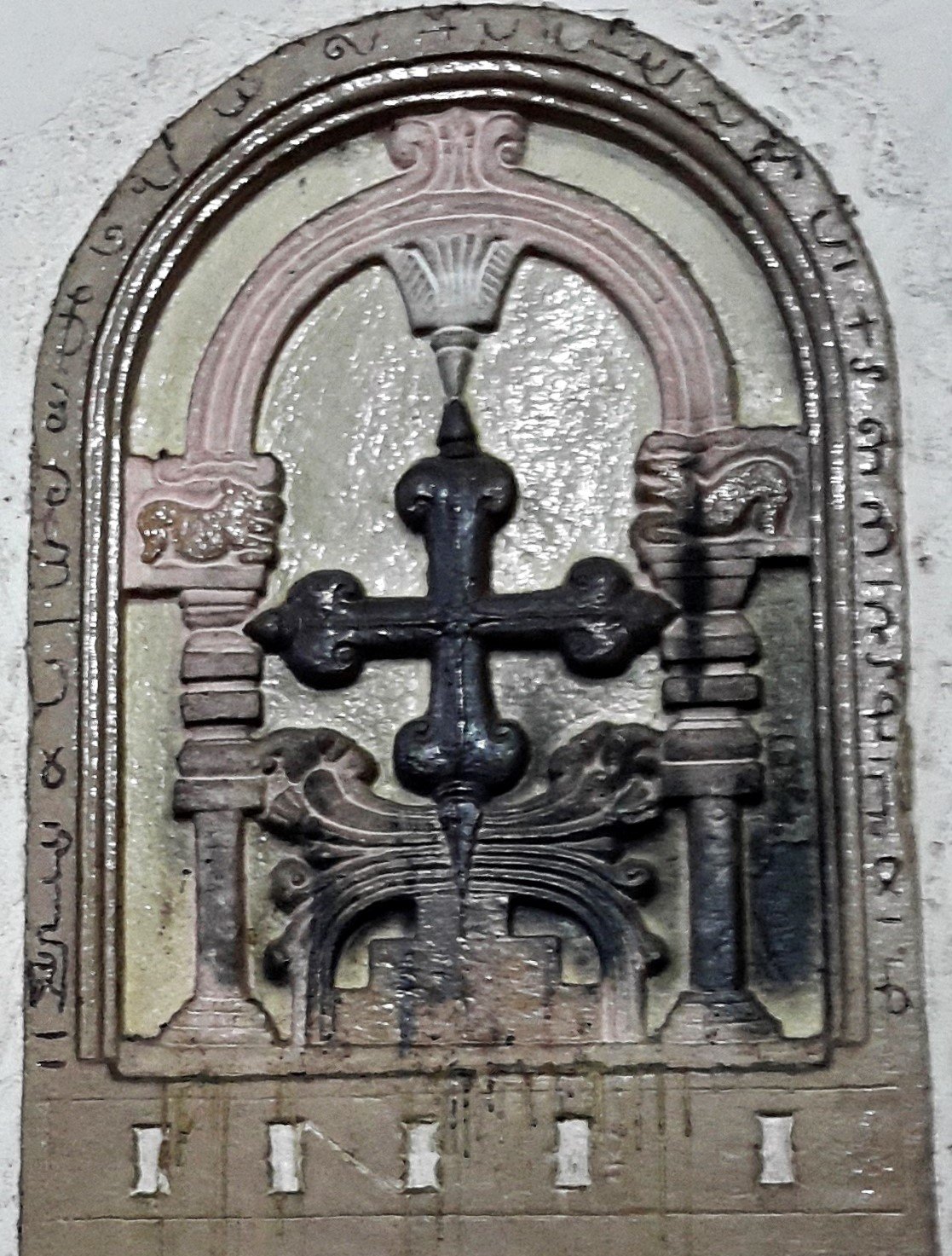
By strong and early tradition, the apostle Thomas sailed to India around AD 52 — arriving, fittingly, along the very trade routes that linked Rome's world to Kerala — founded churches on the Malabar coast, and was martyred near Mylapore (modern Chennai) about AD 72. The ancient St Thomas Christians of Kerala, a Syriac-tradition community, have traced their origin to him for as far back as memory runs. The trade world that made such a voyage possible is solid history; the apostle's personal journey is tradition — early, tenacious and taken seriously, but not proven by archaeology. (This site's 'Thomas in India' section explores the case in full.)