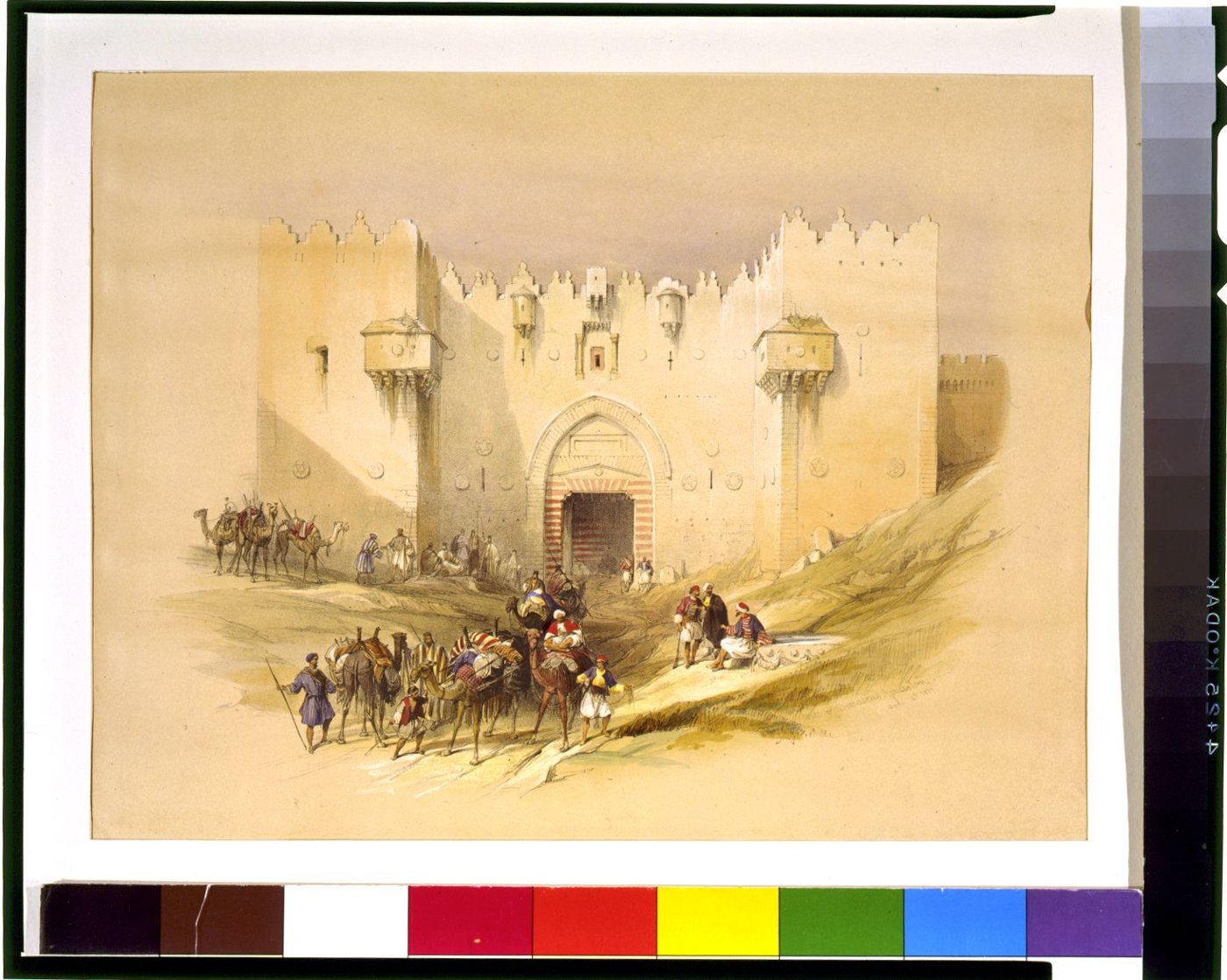

The Christian Holy Land passed through many hands. Byzantine rule gave way to the Persian sack of Jerusalem in 614 and the Muslim conquest of 638, under which the churches largely continued. The Crusaders held a Latin kingdom from 1099 until 1291; then came Mamluk and, from 1517, Ottoman rule. Through it all the ancient Christian communities endured — Greek Orthodox, Latin, Armenian, Syriac, Coptic and others — sharing custody of the great sanctuaries under the delicate arrangement known as the Status Quo, which still governs the Holy Sepulchre today.
- Persian sack (614), Muslim conquest (638), Crusader kingdom (1099–1291), then Mamluk and Ottoman (from 1517) rule.
- Ancient communities endured: Greek Orthodox, Latin, Armenian, Syriac, Coptic and more.
- The 'Status Quo' still governs shared custody of the Holy Sepulchre and other sites.
What the evidence showsThe succession of empires over the Holy Land, and the unbroken (if often pressured) presence of its historic churches through all of them, is straightforward, well-documented history.
Where it stopsThis is the broad political and communal arc; the experience of Christians under each regime varied widely and is a large story in its own right.
Sources & further reading