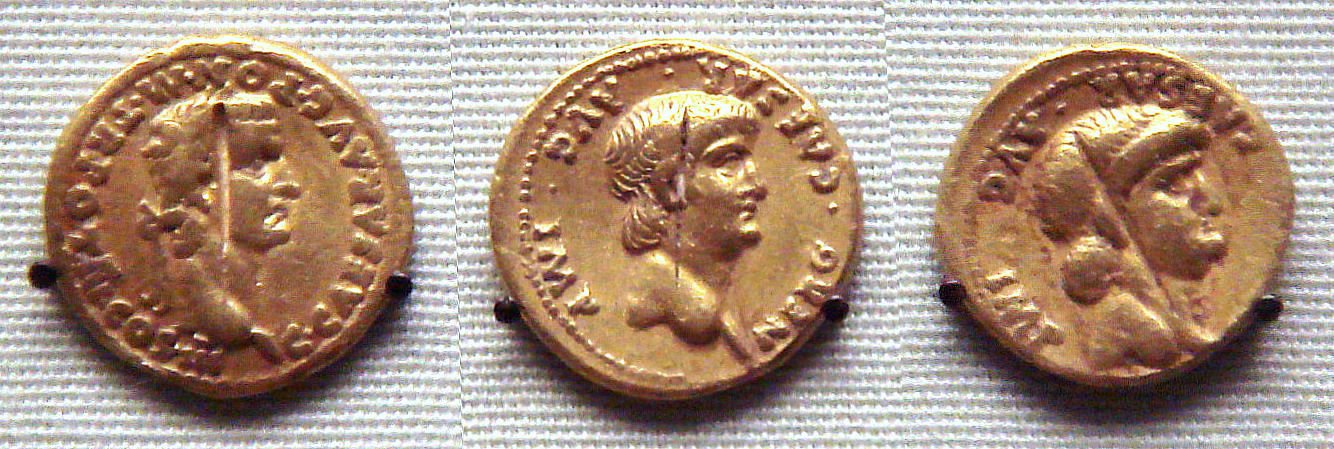

The greatest Indian gateway of that trade was Muziris, a port on the Malabar coast of Kerala. The Periplus, Pliny and Ptolemy all name it, and it even appears on a Roman road map. An extraordinary document, the Muziris Papyrus, records a real Roman commercial contract for a cargo shipped from Muziris — pepper, ivory and textiles worth a fortune — giving us a rare, concrete glimpse of the business. Excavations at Pattanam in Kerala have turned up Roman amphorae and other imports and are widely thought to mark the site. This same coast is where the St Thomas Christians say the apostle landed.
- Muziris (Malabar coast, Kerala) is named in the Periplus, Pliny, Ptolemy and the Peutinger Table.
- The Muziris Papyrus preserves an actual Roman contract for a high-value cargo from the port.
- Excavations at Pattanam have found Roman amphorae and imports; the identification with Muziris is likely but debated.
What the evidence showsMuziris is documented in multiple ancient sources and in the Muziris Papyrus, and the Pattanam excavations have yielded genuine Roman-era imports — solid evidence of a major Indo-Roman emporium in Kerala.
Where it stopsThe exact identification of Pattanam as Muziris is still argued, and nothing at the port itself speaks to Christianity — it establishes the trade world, not the mission.
Sources & further reading