The Bible's Languages
The Bible was not written in one language but three, across more than a thousand years — and the words of Jesus reach us already translated. Here is the linguistic story, told honestly: what was written in Hebrew, Aramaic and Greek; what language Jesus really spoke; how his Aramaic teaching became the Greek Gospels; the first translation ever made; and how the Bible's languages moved with the empires of the ancient world.
- Documented
- Broadly established by texts and scholarship across the board.
- Debated
- Genuinely disputed — how a wording was preserved, or which reading is older.
The Three Languages
Hebrew, Aramaic and Greek — what was written in each, what Jesus actually spoke, and the words so charged they were never translated.
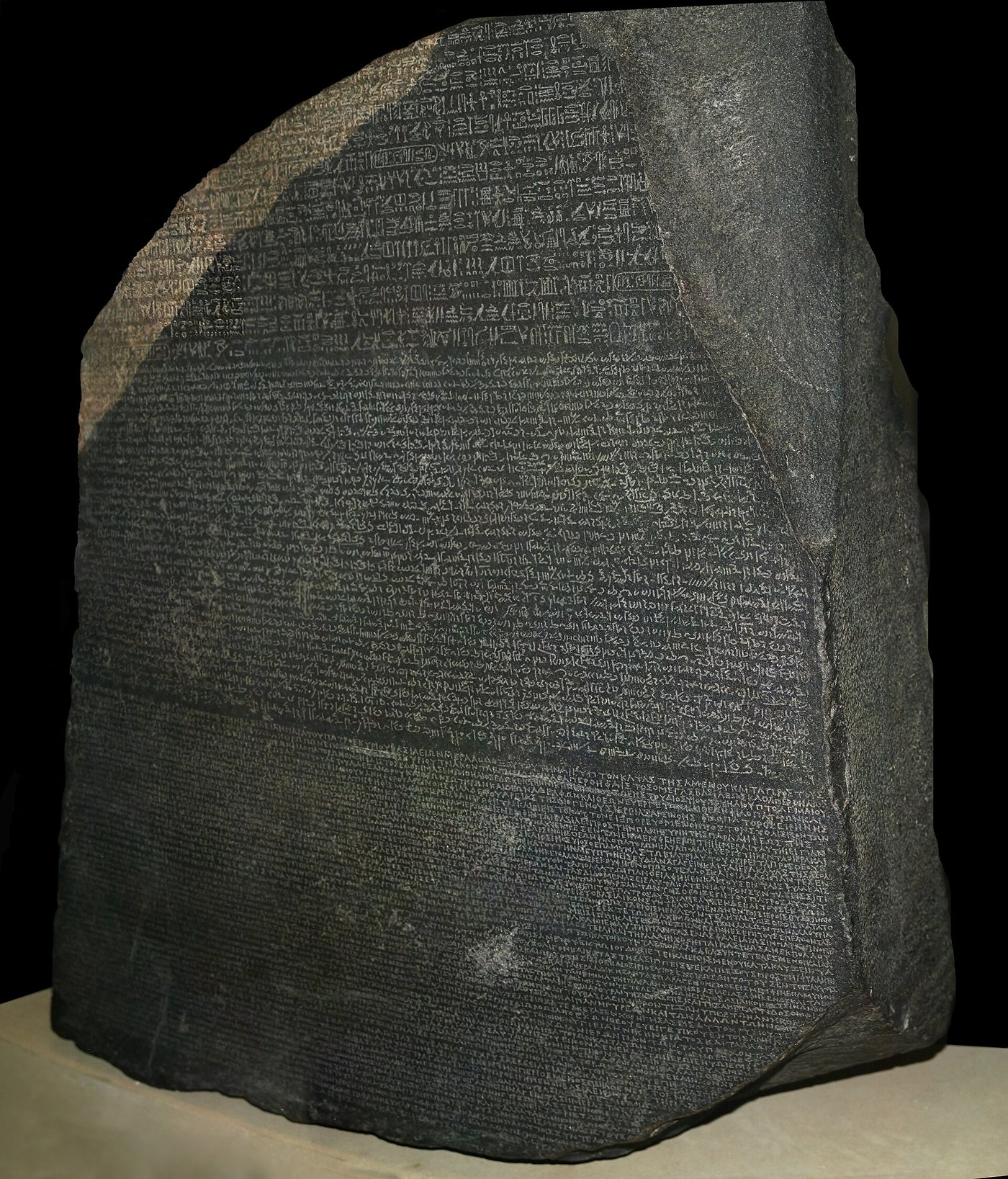 Hebrew · Aramaic · Greek
The Three Languages of the Bible
The Bible was written in three languages across more than a thousand years. The Old Testament is almost entirely Hebrew — the language of ancient Israel — with a few passages in Aramaic (parts of Daniel and Ezra), reflecting the era after the exile when Aramaic had become the common tongue. The New Testament is entirely in Koine ('common') Greek, the everyday Greek that Alexander's conquests had spread across the eastern Mediterranean. So the Bible's languages are not one but three, layered by the centuries and empires it passed through.
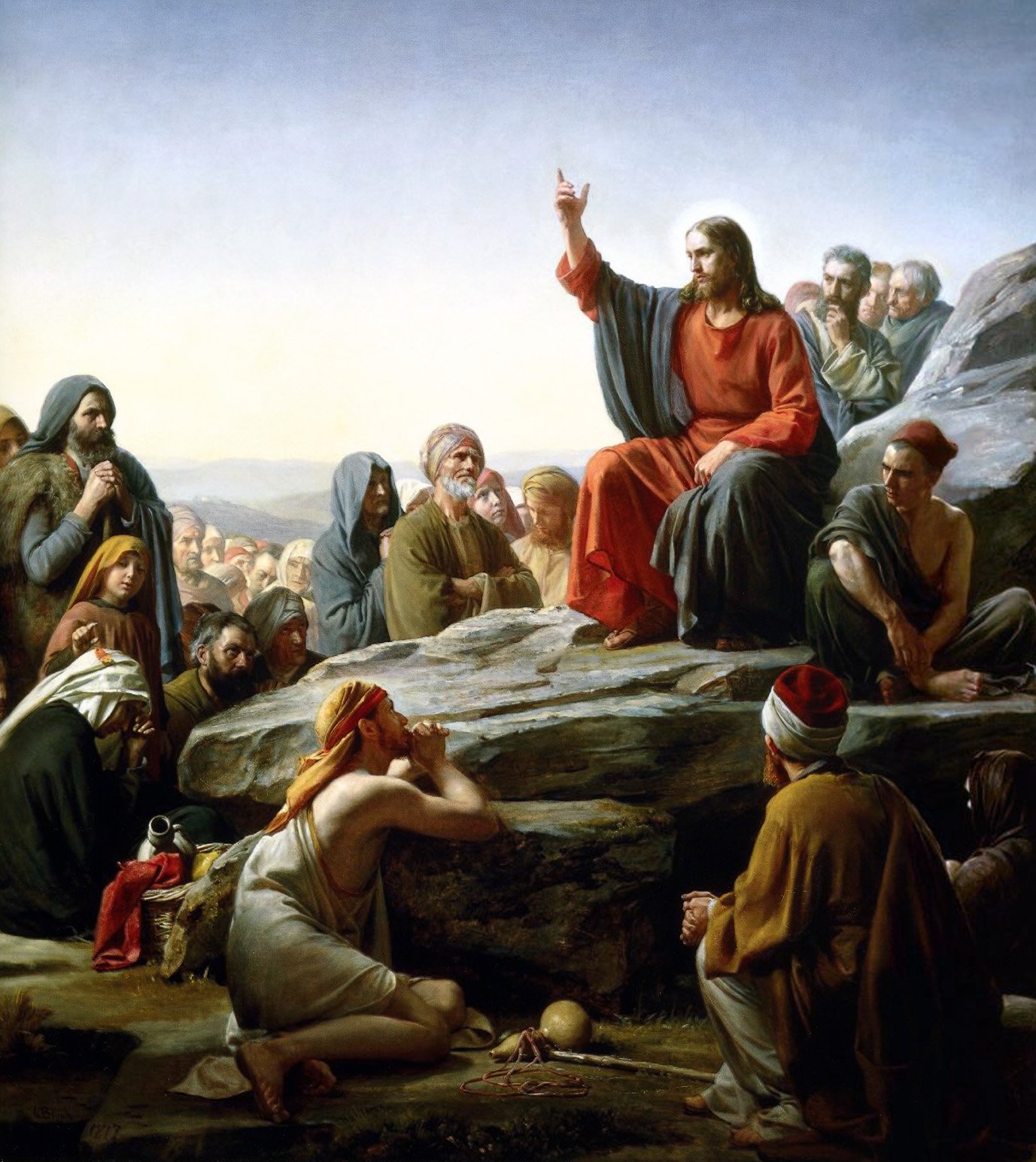 Aramaic — not Arabic
What Language Did Jesus Speak?
A common mix-up first: Jesus did not speak Arabic — that is a different language, which spread with Islam centuries later. His everyday language was Aramaic, the common tongue of first-century Galilee and Judea. He would have read and heard the scriptures in Hebrew in the synagogue, and he very likely knew some Greek, the language of trade and the wider Roman world. Remarkably, the Gospels preserve a handful of his actual Aramaic words untranslated — a small, vivid window onto how he really sounded.
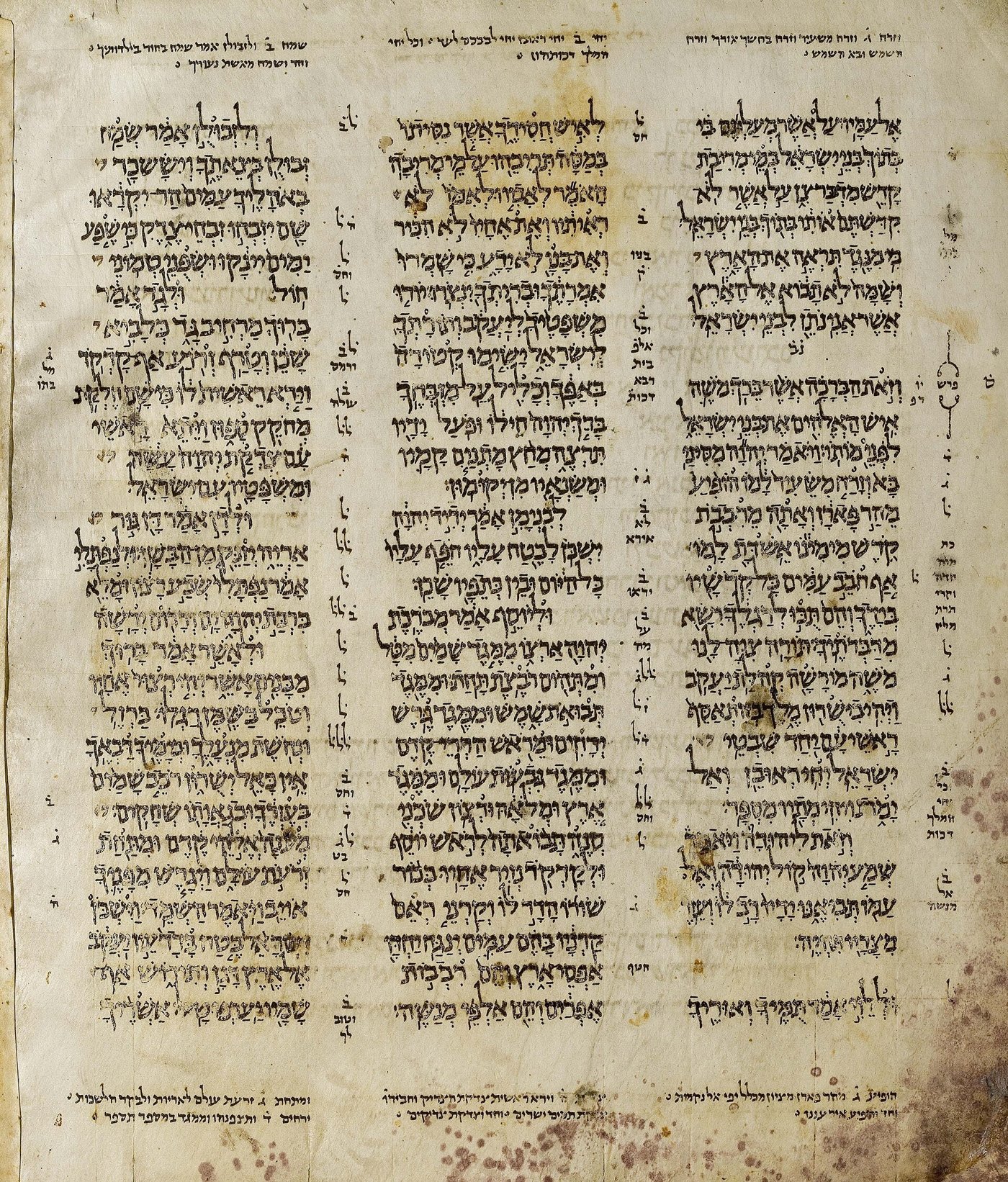 the untranslated words
The Words That Survived Untranslated
Some Hebrew and Aramaic words were so charged with meaning that translators simply carried them across — untranslated — into Greek, then into Latin and English, and we still say them today. 'Amen' (Hebrew, 'so be it'), 'Hallelujah' ('praise the LORD'), 'Hosanna' ('save now'), 'Abba' (Aramaic, 'father'), 'Maranatha' ('Our Lord, come') and 'Talitha koum' ('little girl, arise') are fossils of the older languages embedded in the text. They are a standing reminder that every Bible you read is layered — Hebrew and Aramaic showing through the Greek and the English.
Translation & Migration
How Jesus' Aramaic became the Greek Gospels, the first translation ever made, and how the Bible's languages moved with the empires.
 did we get his exact words?
From Jesus' Aramaic to the Greek Gospels
Here is the honest heart of it: Jesus taught in Aramaic, but the Gospels are written in Greek — so what we read is already a translation of his teaching, made by the Gospel writers. That is not a weakness to hide but a fact to understand. In an oral culture, disciples memorised a teacher's words with care; the sayings circulated and were written down within decades, by people close to the events or to their witnesses. We do not have a word-for-word Aramaic transcript (only those few preserved phrases), and the Gospels sometimes render the same saying slightly differently — which is exactly what translation by several honest witnesses produces, not what invention produces.
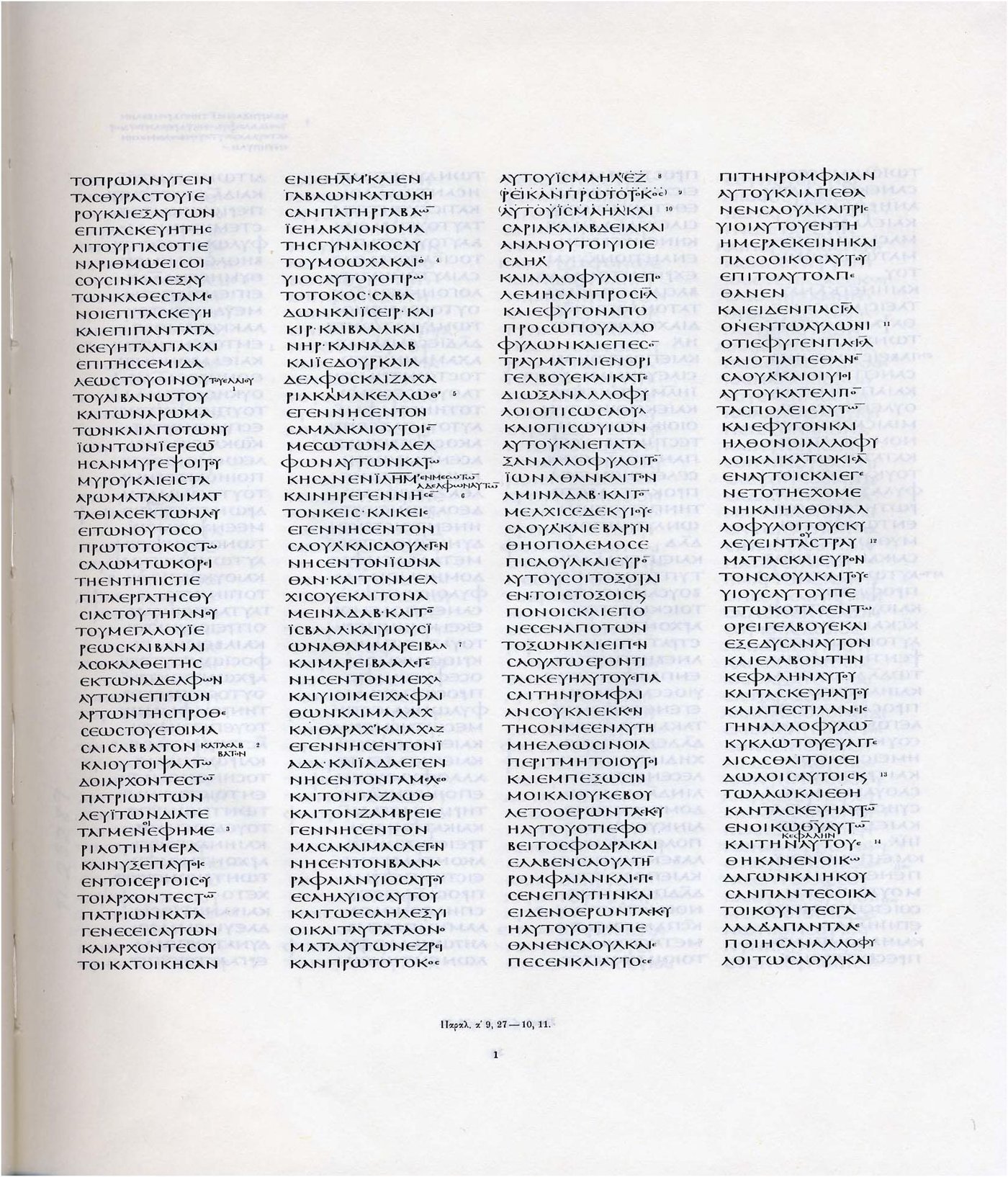 c. 250–100 BC
The Septuagint: The First Translation
The Bible's very first translation was the Old Testament into Greek — the Septuagint (often written 'LXX'), made in Alexandria from about the third century BC for Greek-speaking Jews. It mattered enormously: it became the Bible of the early church, and when the New Testament quotes the Old, it very often quotes the Septuagint rather than the Hebrew. Because it was translated from Hebrew manuscripts older than any that now survive, it is also a window onto an earlier stage of the text — and where it differs from the later standard Hebrew, scholars take those differences seriously.
 how the languages moved
How the Bible's Languages Migrated
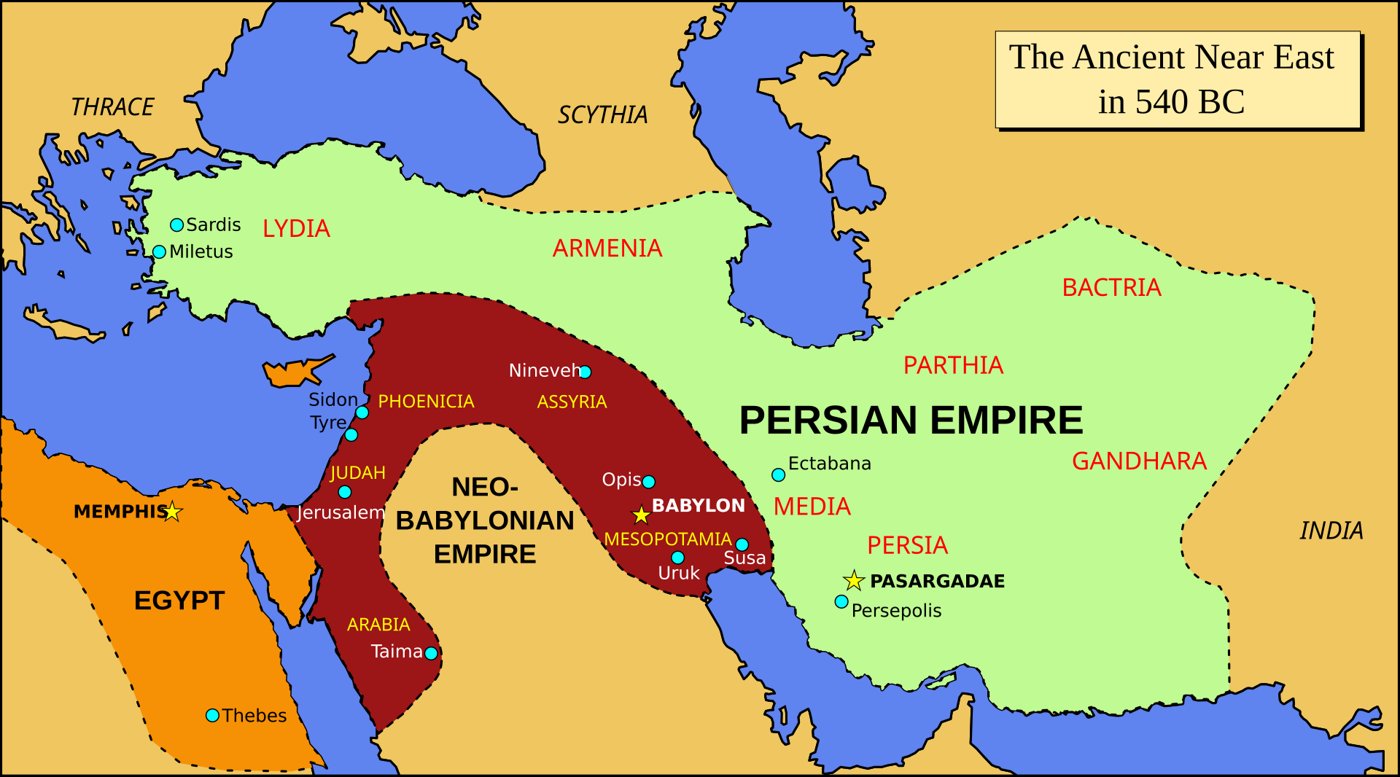
The Bible's languages track the empires that swept over its world. Ancient Israel spoke and wrote Hebrew. After the Babylonian exile, under the Persian empire, Aramaic became the everyday language of the region — which is why Jesus spoke it centuries later. Alexander the Great then spread Greek across the East, giving the New Testament its language and carrying it across the Mediterranean. Finally, as the church moved west into the Roman world, Latin took over, and Jerome's Vulgate ruled Western Christianity for a thousand years. Read this way, the Bible's languages are a map of ancient history.