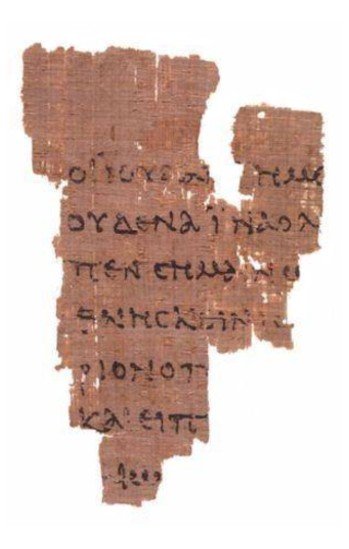

Here is the honest heart of it: Jesus taught in Aramaic, but the Gospels are written in Greek — so what we read is already a translation of his teaching, made by the Gospel writers. That is not a weakness to hide but a fact to understand. In an oral culture, disciples memorised a teacher's words with care; the sayings circulated and were written down within decades, by people close to the events or to their witnesses. We do not have a word-for-word Aramaic transcript (only those few preserved phrases), and the Gospels sometimes render the same saying slightly differently — which is exactly what translation by several honest witnesses produces, not what invention produces.
- Jesus taught in Aramaic; the Gospels were written in Greek — so they are already a translation.
- Transmission: careful oral memory in an oral culture, then writing within decades, by multiple witnesses.
- Minor wording differences between Gospels fit translation + several witnesses — not fabrication.
What the evidence showsThe reliability rests on early, multiple, independent testimony and a culture practised at careful oral transmission; the small wording differences between Gospels are the fingerprints of real translation and multiple witnesses.
Where it stopsWe cannot recover Jesus' exact original wording for most sayings — it comes to us translated — and how much the wording was shaped in transmission is a genuine, ongoing scholarly discussion.
Sources & further reading