കരടു പരിഭാഷ. മാതൃഭാഷ ക്രിസ്ത്യാനികളുടെ തിരുത്തലുകൾ സ്വാഗതം. വാക്യപാഠം KJV (ഇംഗ്ലീഷ്)-ൽ തുടരും.
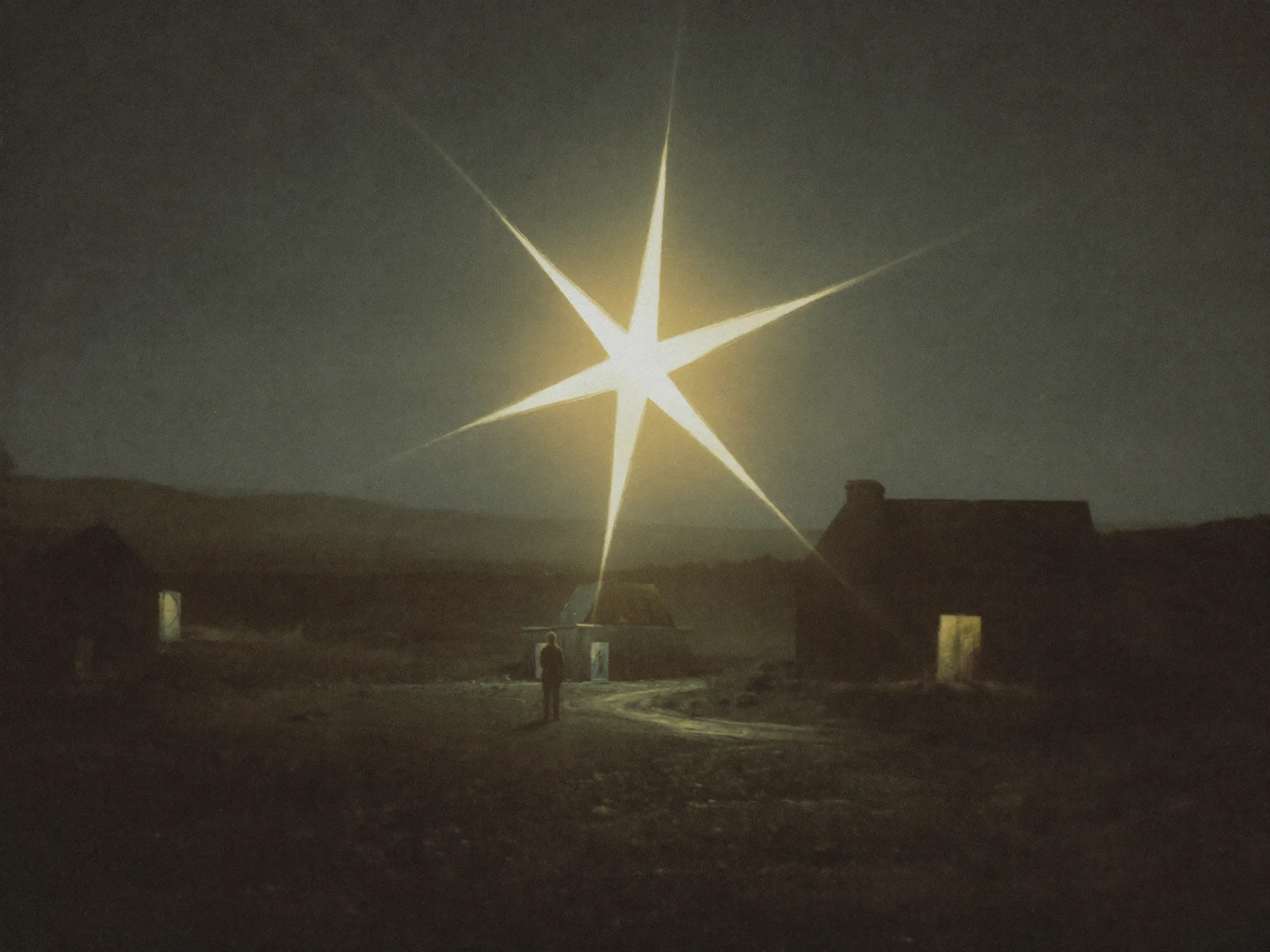
മത്തായി 2 — മിസ്രയീമിൽനിന്നു ഞാൻ എന്റെ മകനെ വിളിച്ചുവരുത്തി
വിദ്വാന്മാർ കിഴക്കുനിന്ന് യെരൂശലേമിലേക്കു വരുന്നു — യെഹൂദന്മാരുടെ രാജാവായി പിറന്നവൻ എവിടെ? ഭ്രമിച്ചുപോയ ഹെരോദാവ് മഹാപുരോഹിതന്മാരെ കൂട്ടിവരുത്തുന്നു; മീഖായിൽനിന്ന് ബേത്ത്ലേഹേമിന്റെ പേര് പറയപ്പെടുന്നു. നക്ഷത്രം വീണ്ടും പ്രത്യക്ഷമാകുന്നു; വിദ്വാന്മാർ നമസ്കരിച്ച് പൊന്നും കുന്തുരുക്കവും മൂരും അർപ്പിക്കുന്നു. സ്വപ്നത്തിൽ മുന്നറിയിപ്പു ലഭിച്ച് അവർ വേറെ വഴിയായി മടങ്ങിപ്പോകുന്നു. മിസ്രയീമിലേക്ക് ഓടിപ്പോകാൻ യോസേഫിന് മുന്നറിയിപ്പു ലഭിക്കുന്നു. ബേത്ത്ലേഹേമിലെ ശിശുക്കളെ കൊന്നുകളയാൻ ഹെരോദാവ് കല്പിക്കുന്നു — റാഹേൽ മക്കളെച്ചൊല്ലി കരയുന്നു. ഹെരോദാവിന്റെ മരണശേഷം കുടുംബം മടങ്ങിവന്ന് നസറെത്തിൽ പാർക്കുന്നു — അവൻ നസറായൻ എന്നു വിളിക്കപ്പെടും.
“ആ വീട്ടിൽ ചെന്നു, ശിശുവിനെ അമ്മയായ മറിയയോടുകൂടെ കണ്ടു, കുമ്പിട്ട് അവനെ നമസ്കരിച്ചു; നിക്ഷേപപാത്രങ്ങളെ തുറന്നു അവനു പൊന്നും കുന്തുരുക്കവും മൂരും അർപ്പിച്ചു.”
— മത്തായി 2:11
- v.1-12 വിദ്വാന്മാരുടെ സന്ദർശനം
- v.13-15 മിസ്രയീമിലേക്കുള്ള പലായനം
- v.16-18 നിഷ്കളങ്കശിശുക്കളുടെ കൂട്ടക്കൊല
- v.19-23 നസറെത്തിലേക്കുള്ള മടക്കം
മൂന്നു കാഴ്ചകൾ പരമ്പരാഗതമായി ദൈവശാസ്ത്രപരമായി വായിക്കപ്പെടുന്നു — രാജാവിനു പൊന്ന്, പുരോഹിതനു കുന്തുരുക്കം, മരിക്കാനിരിക്കുന്നവനു മൂര്. ശൈശവത്തിൽത്തന്നെ ഭാവി ആ കാഴ്ചകളിൽ അടയാളപ്പെടുത്തിയിരിക്കുന്നു.
കുമ്പിട്ട് അവനെ നമസ്കരിച്ചു. ഏതു പ്രായത്തിലും — അവിടുത്തേതോ നമ്മുടേതോ — ക്രിസ്തുവിന്റെ മുമ്പിലുള്ള ശരിയായ നില. കാഴ്ചകൾക്കു മുമ്പ് ആരാധന; ആരാധന തന്നെയാണ് പ്രധാന കാഴ്ച.
മിസ്രയീമിൽനിന്നു ഞാൻ എന്റെ മകനെ വിളിച്ചുവരുത്തി. ഹോശേയ 11:1, മൂലത്തിൽ ഇസ്രായേലിനെക്കുറിച്ചുള്ളത്, ക്രിസ്തുവിനു പ്രയോഗിക്കപ്പെടുന്നു. അവിടുന്ന് ഇസ്രായേലിന്റെ കഥ വീണ്ടും ജീവിച്ചുതീർക്കുന്നു — മിസ്രയീമിലേക്കു പോകുന്നു, വിളിച്ചുവരുത്തപ്പെടുന്നു, മരുഭൂമിയിൽ പരീക്ഷിക്കപ്പെടുന്നു — ഇസ്രായേൽ പരാജയപ്പെട്ടിടത്ത് അവിടുന്ന് വിജയിക്കുന്നു.
ക്രിസ്തുവാണ് യഥാർത്ഥ ഇസ്രായേൽ. പഴയനിയമ മാതൃകകൾ യാദൃച്ഛികമല്ല; അവ എപ്പോഴും അവിടുത്തേക്കു ചൂണ്ടിക്കൊണ്ടിരുന്നു. മത്തായി പ്രവചനം ഉപയോഗിക്കുന്ന രീതി, തന്റെ കേന്ദ്രവ്യക്തിയെ ചുറ്റി നെയ്തെടുക്കപ്പെട്ട ഒരു ബൈബിളിനെ മുൻനിർത്തുന്നു.
ക്രിസ്തുവിന്റെ വരവ് ഏറ്റവും ആഴമുള്ള തിന്മയെ ഇളക്കിവിട്ടു എന്ന ഓർമ്മപ്പെടുത്തൽ. അവിടുത്തെ രക്ഷ ആവശ്യമായിരുന്ന അതേ ലോകം ജനനത്തിൽത്തന്നെ അവിടുത്തെ കൊല്ലാൻ ശ്രമിച്ചു. ബേത്ത്ലേഹേമിലെ അമ്മമാർ ഒരു വില കൊടുത്തു; അത്തരം താഴ്വരകളിലൂടെയുള്ള വഴിയായിരുന്നു ക്രൂശ്.
റാഹേൽ കരയുന്നു... ആശ്വാസം കൈക്കൊള്ളാതെ. മനുഷ്യദുഃഖത്തിന്റെ കുറയ്ക്കാനാവാത്ത ഭാരത്തെ ഈ വാക്യം ആദരിക്കുന്നു. ക്രിസ്മസ് കഥയിൽ ബേത്ത്ലേഹേമിന്റെ കണ്ണുനീരും ഉൾപ്പെടുന്നു. അതേ ക്രിസ്തു പിന്നീട് ലാസറിന്റെ കല്ലറയ്ക്കൽ കരയും.
വിദ്വാന്മാർ യാത്ര ചെയ്തത് അവർക്കു ലക്ഷ്യസ്ഥാനം അറിയാമായിരുന്നതുകൊണ്ടാണ്. ശാസ്ത്രിമാർക്കു ലക്ഷ്യസ്ഥാനം അറിയാമായിരുന്നു, എന്നിട്ടും അവർ അവിടെത്തന്നെ നിന്നു. ക്രിസ്തുവിലേക്കു നീങ്ങാത്ത ബൈബിൾപരിജ്ഞാനമാണ് ഈ അധ്യായത്തിലെ ഏറ്റവും ദുഃഖകരമായ മതം. ബേത്ത്ലേഹേമിന്റെ വിലാസം ജീവിതകാലം മുഴുവൻ അറിഞ്ഞിട്ടും ഒരിക്കലും അവിടെ പോയിട്ടില്ലെങ്കിൽ, അധ്യായം ചോദിക്കുന്നു: തിരുവെഴുത്തുകൾ ചൂണ്ടിക്കാണിക്കുന്നവനിലേക്കുള്ള അടുത്ത ചുവട് എന്താണ്?
മത്തായി 2 ക്രിസ്തുവിനെ ശൈശവം മുതൽ ലോകവേദിയിൽ പ്രതിഷ്ഠിക്കുന്നു. ദൂരെനിന്നുള്ള വിദ്വാന്മാർ, ഒരു ക്രൂരനായ രാജാവ്, മിസ്രയീമിലെ പ്രവാസം, കരയുന്ന അമ്മമാർ — ഇതെല്ലാം ഒരുക്കപ്പെട്ടത്, വന്നവൻ യെഹൂദന്മാരുടെ രാജാവും ജാതികളുടെ അഭിലാഷവും, മിസ്രയീമിൽനിന്നു വിളിച്ചുവരുത്തപ്പെട്ട യഥാർത്ഥ ഇസ്രായേലും, അമ്മമാരോടൊപ്പം കരയുകയും അവരുടെ ദുഃഖം ക്രൂശിൽ വഹിക്കുകയും ചെയ്യുന്ന രക്ഷകനും ആയിരുന്നു എന്നു കാണിക്കാനാണ്.
ഈ പേജിൽ നിങ്ങളുടെ ഭാഷയിലുള്ള തിരുവെഴുത്ത് പാഠം: ഇന്ത്യൻ റിവൈസ്ഡ് വേർഷൻ (IRV), © 2017, 2019 ബ്രിഡ്ജ് കണക്റ്റിവിറ്റി സൊല്യൂഷൻസ് — മാറ്റമില്ലാതെ ഈ ലൈസൻസിനു കീഴിൽ ഉപയോഗിച്ചത്: CC BY-SA 4.0 · eBible.org
വിദ്വാന്മാർ — ദൂരദേശത്തുനിന്നുള്ള ജാതികൾ — യെഹൂദന്മാരുടെ രാജാവിനെ നമസ്കരിക്കാൻ വരുന്നു. മഹാപുരോഹിതന്മാർ പ്രവചനം ഉദ്ധരിക്കും, എന്നാൽ ബേത്ത്ലേഹേമിലേക്കു പോകുകയില്ല. ക്രിസ്തുവിനെ ആദ്യം അന്വേഷിക്കുന്നവർ പുറത്തുള്ളവരാണ്; മതനേതൃത്വത്തിന് വിലാസം അറിയാം, എന്നിട്ടും വീട്ടിൽത്തന്നെ ഇരിക്കുന്നു.
അവനെ നമസ്കരിപ്പാൻ വന്നിരിക്കുന്നു. തദ്ദേശവാസികൾ രണ്ടു മണിക്കൂർ നടന്നു കാണാൻ കൂട്ടാക്കാത്തതിനു വേണ്ടി അവർ ദൂരയാത്ര ചെയ്തു. ബൈബിൾ അലമാരയിൽ വച്ചിരിക്കുന്ന ഓരോ പേരിനുമാത്രം വിശ്വാസിക്കും ഈ അധ്യായം നൽകുന്ന സൗമ്യമായ ശാസന.