The Bible in History
The Bible is not a single flat text but a story unfolding through real history — a chain of covenants (God's binding promises), set among the great empires of the ancient world, with a few famously difficult passages along the way. Here is that framework, told honestly: what the evidence supports, where scholars differ, and how the Old Testament and New Testament hold together.
- Documented
- Broadly established by texts, inscriptions or records scholars accept.
- Debated
- Genuinely disputed — a date, a reading, or how much it proves.
The Covenants
The spine of the whole Bible: a series of covenants — binding promises — that carry the story from Noah to Christ and tie the two testaments into one.
 the shape of the whole Bible
The Thread of Covenants
Read at a distance, the Bible is organised around covenants — solemn, binding agreements between God and people. Five great ones carry the story: with Noah (all life), Abraham (a family and a blessing for the nations), Israel at Sinai (the Law), David (an everlasting throne), and finally the New Covenant promised by the prophets and, Christians hold, sealed by Jesus. Each builds on the last. This is the main reason Christians read the Old and New Testaments as one book: the New fulfils promises the Old made.
 Genesis 9
The Covenant with Noah
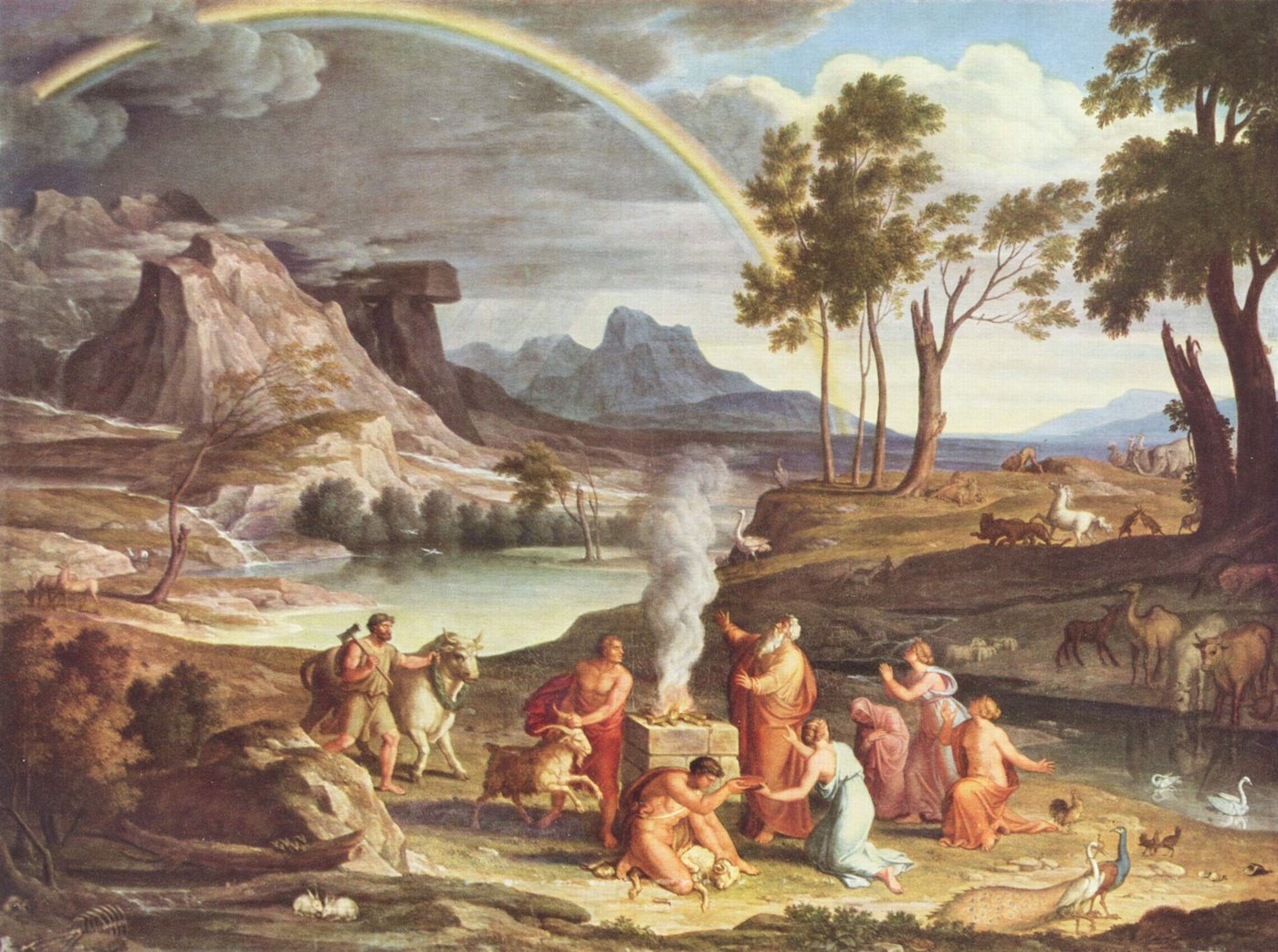
After the flood, God makes the first explicit covenant of the Bible — and it is with all humanity and every living creature, not one nation. The promise is restraint: never again to destroy the earth by flood, with the rainbow set as its sign. It establishes a baseline of order and value — human life as sacred, the seasons as reliable — under which the rest of the story unfolds.
 Genesis 12, 15, 17
The Covenant with Abraham
The story narrows to one man. God promises Abraham three things: descendants, a land, and that through him 'all peoples on earth will be blessed.' It is given in stages, sealed by circumcision, and it becomes the taproot of Israel's identity — and, in the New Testament, of the claim that the blessing to 'all nations' reaches the whole world through Christ. Everything after Genesis 12 is, in a sense, the working-out of these promises.
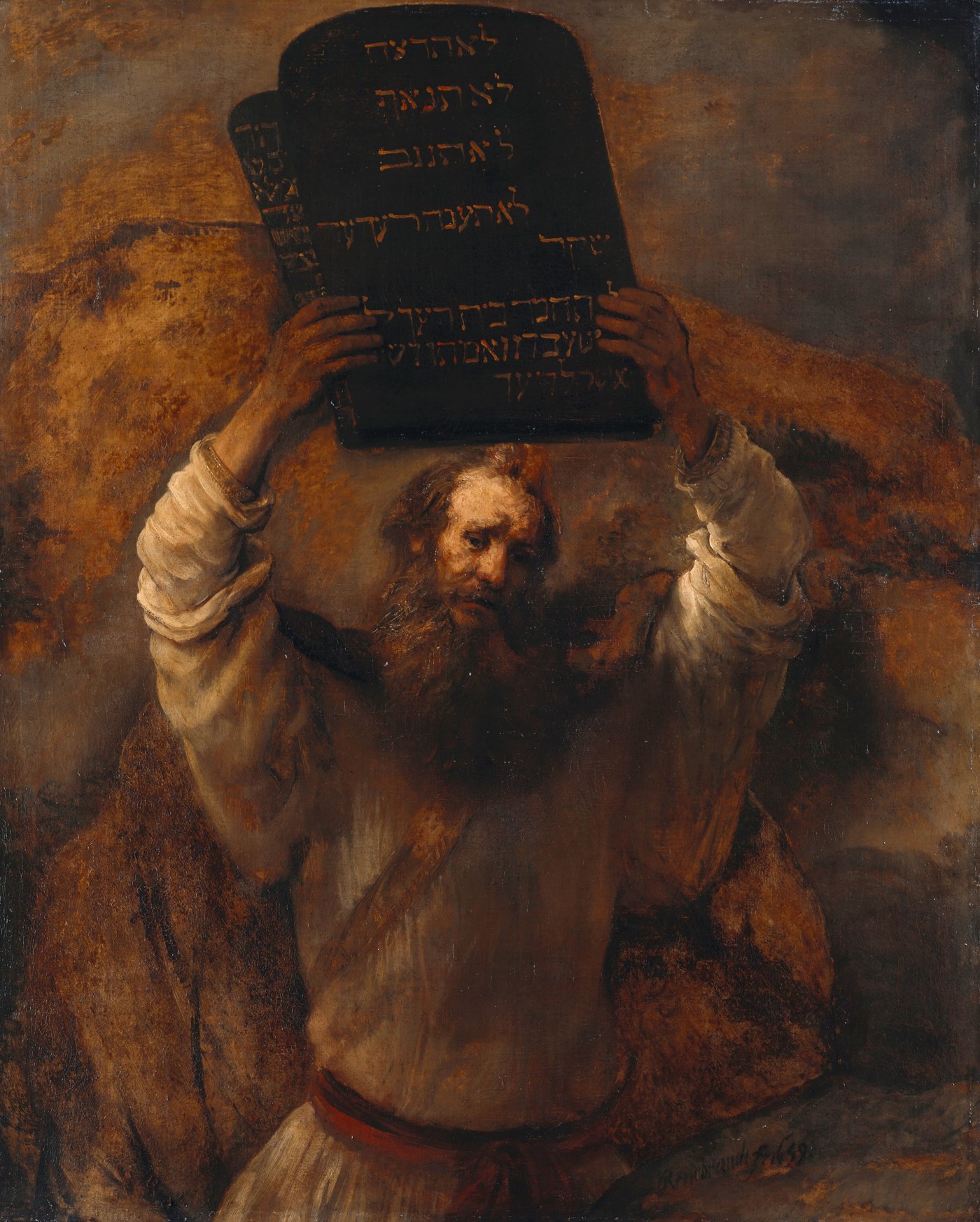 Exodus 19–24; the Sinai covenant
The Covenant at Sinai
At Sinai, God binds a whole people to himself by law. The Mosaic covenant makes Israel a nation with a constitution — the Ten Commandments and the wider Law — and it is conditional: blessing for faithfulness, consequences for breaking it. Strikingly, its very form mirrors the treaties of the age: ancient Near-Eastern suzerain–vassal treaties (Hittite and later Assyrian) follow the same pattern of preamble, history, stipulations, witnesses and curses that the biblical covenant uses.
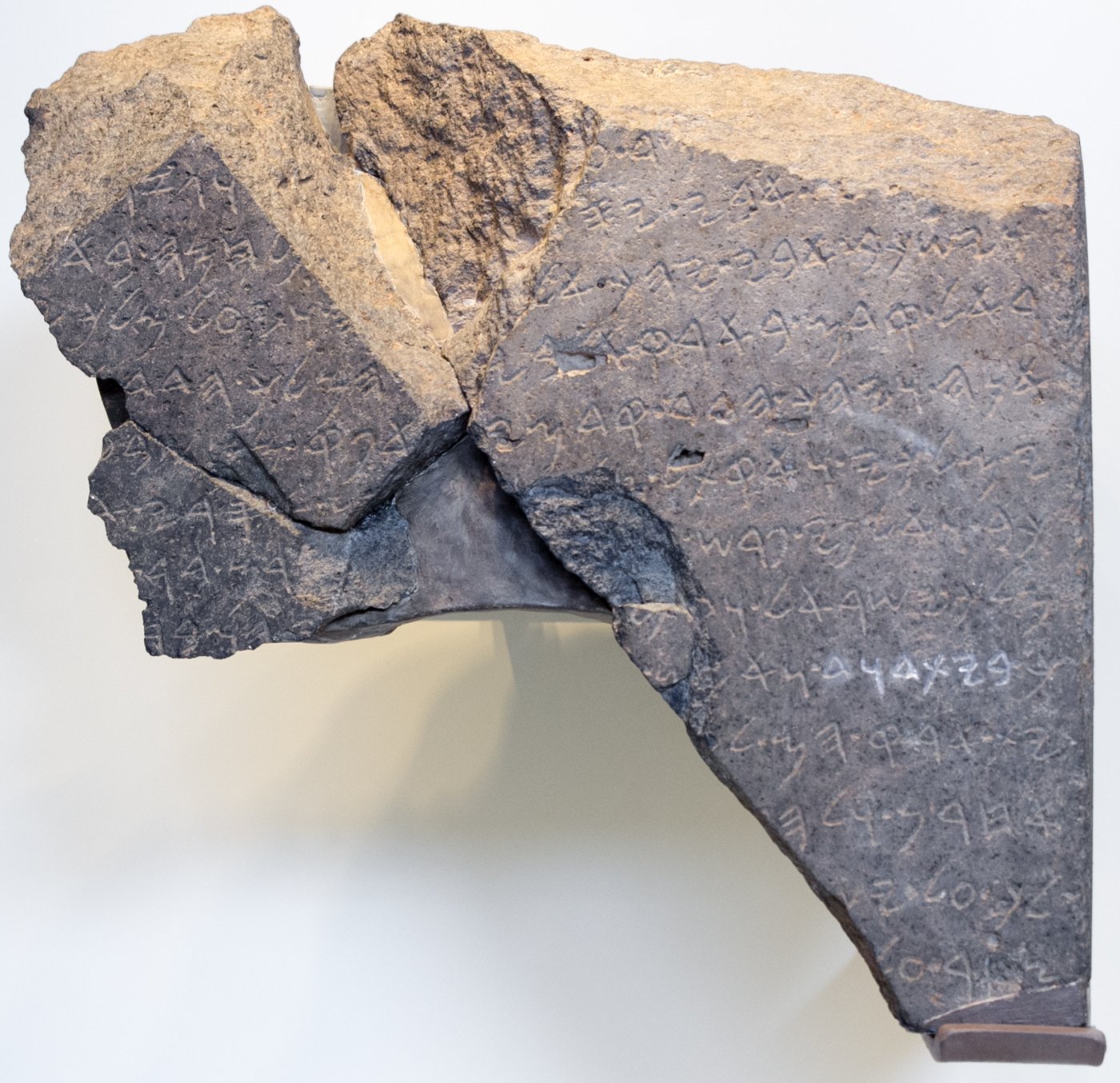 2 Samuel 7
The Covenant with David
God promises David that his 'house' — his dynasty — will endure for ever: a son on the throne, a kingdom without end. Historically, the Davidic line did rule Judah for some four centuries until the Babylonian exile. Theologically, when the throne fell, the promise did not die but became hope: a coming anointed king, a 'son of David.' The New Testament opens by tracing Jesus to David and claims that hope fulfilled.
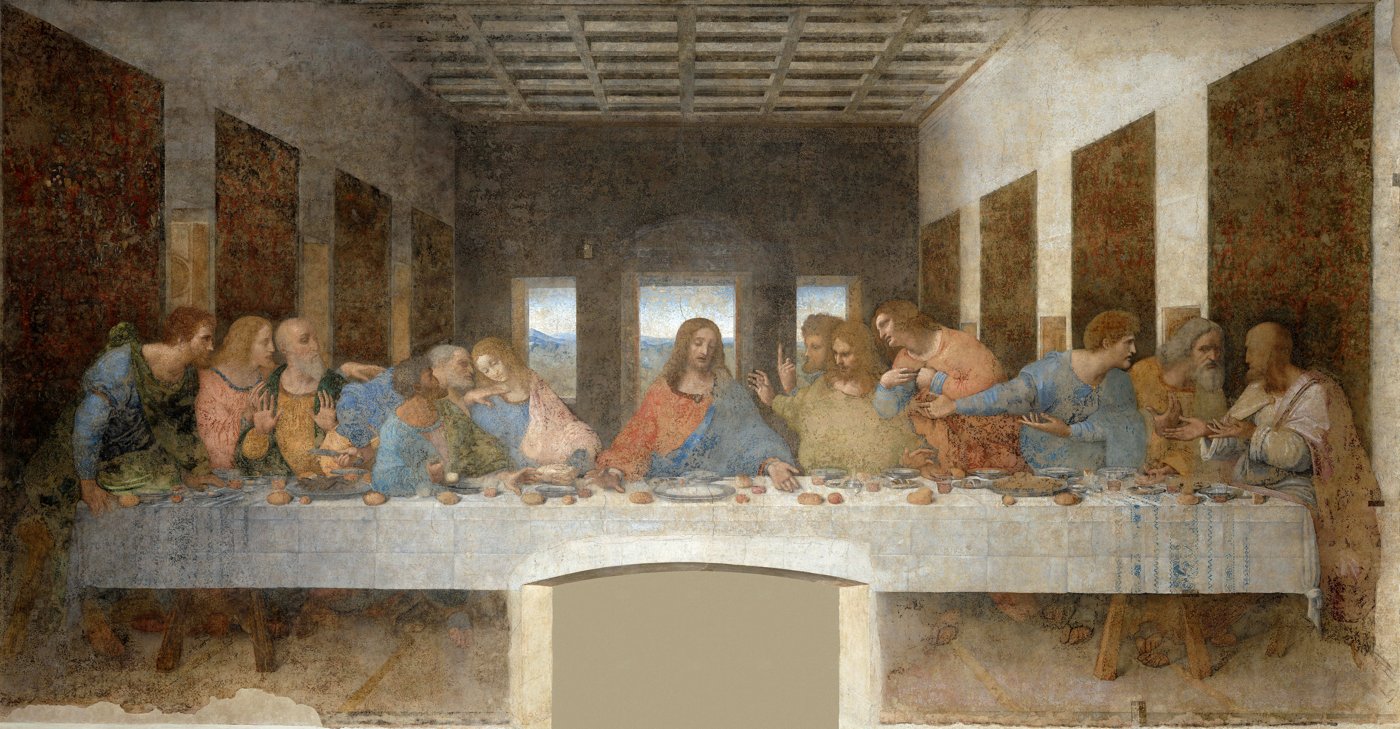 Jeremiah 31; the Gospels; Hebrews
The New Covenant
Centuries before Jesus, the prophet Jeremiah promised a 'new covenant' — not written on stone but on the heart, with sins forgiven and God known directly. The New Testament claims this is what Jesus inaugurated: at the Last Supper he speaks of 'the new covenant in my blood,' and the letter to the Hebrews argues at length that it fulfils and surpasses the old. This is the hinge on which the whole Christian reading of the Bible turns — the Old Testament's own promise, said to be kept.
Kingdoms & Empires
The Bible moves through the real superpowers of the ancient world. Here they are in order, each set beside the finds that attest it.
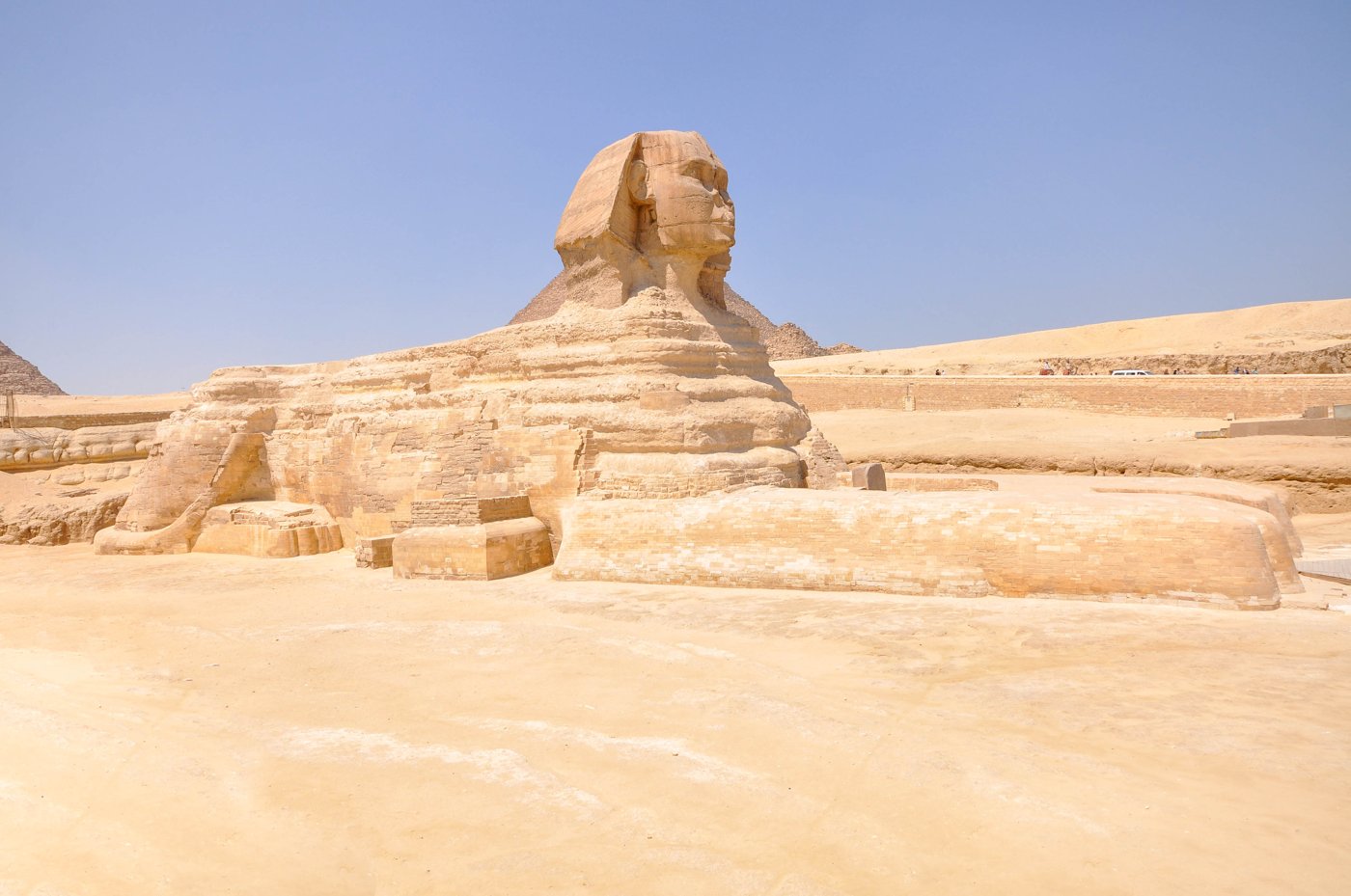 2nd millennium BC
Egypt and the Exodus World
The Bible's early national story is set against Egypt — the superpower of the age, whose pharaohs, store-cities and Semitic labourers form the backdrop to Joseph, bondage and exodus. The Egyptian world it describes is real and richly attested: the Delta capital of Pi-Ramesse, the naming of 'Israel' on the Merneptah Stele, Semitic workers in Sinai. What remains debated is the exodus event itself — its date, scale and route are argued, and Egypt's own records do not mention it.
 9th–7th century BC
Assyria: The Great Aggressor
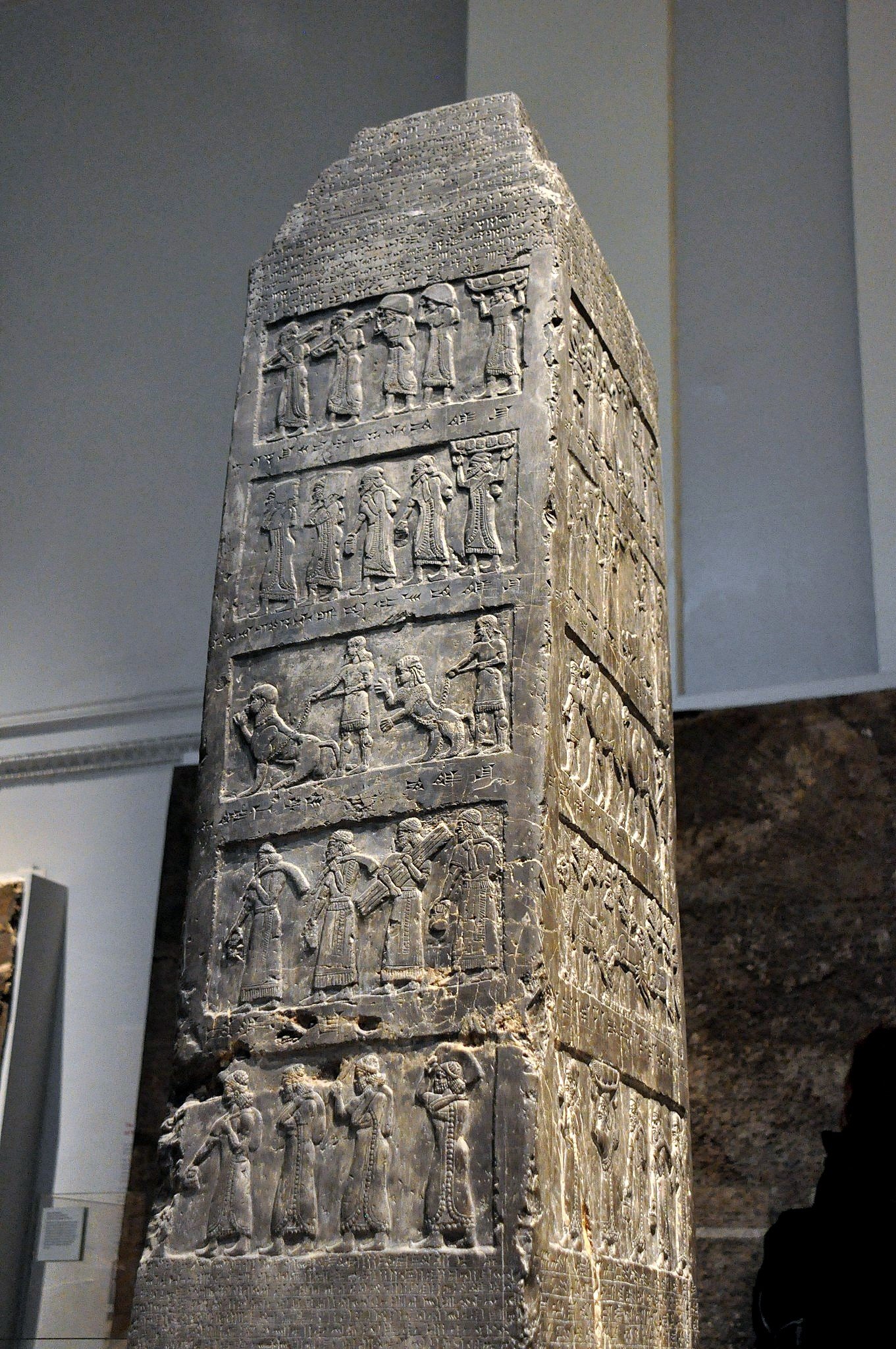
The Neo-Assyrian Empire was the terror of the biblical world, and it left an unusually rich paper trail. Its kings — Shalmaneser, Sargon, Sennacherib — appear in the Bible and on their own monuments alike. Assyria destroyed the northern kingdom of Israel in 722 BC and carried its people away; a generation later Sennacherib devastated Judah but, famously, failed to take Jerusalem. Here the biblical and Assyrian records can be laid side by side, agreeing on the events even as each spins them its own way.
 6th century BC
Babylon and the Exile
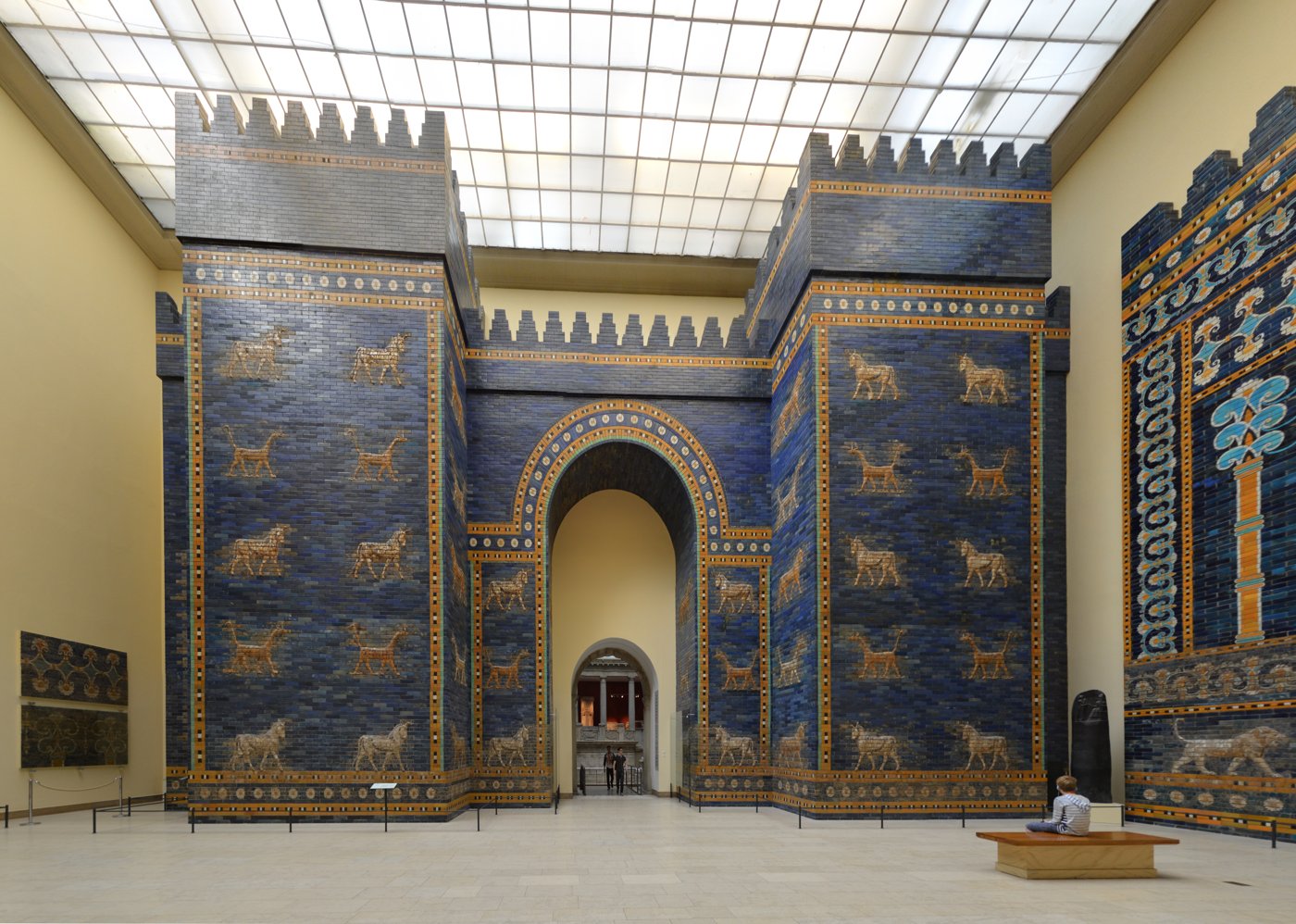
Babylon under Nebuchadnezzar succeeded Assyria and delivered the defining catastrophe of the Old Testament: the fall of Jerusalem and the destruction of Solomon's Temple in 586 BC, and the exile of Judah's elite to Babylon. This is one of the most securely dated events in the Bible — the Babylonian Chronicles record the first capture of the city, and ration tablets even name the exiled Judean king Jehoiachin. The exile reshaped Israel's faith and set the stage for the return.
 6th–4th century BC
Persia and the Return
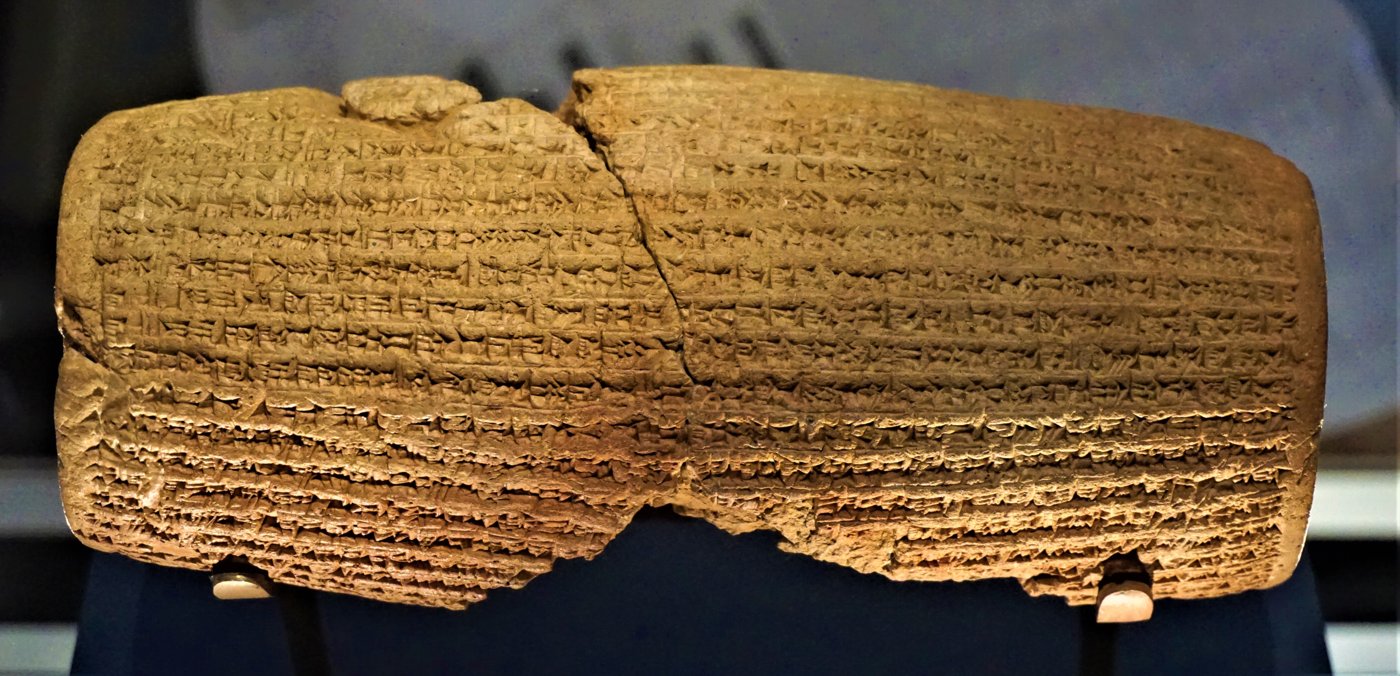
When Cyrus of Persia took Babylon in 539 BC, his policy of letting deported peoples go home changed Israel's story: the Bible credits him with allowing the Jews to return and rebuild the Temple. The Cyrus Cylinder attests exactly this kind of restoration policy in his own words. The Persian period is the setting of Ezra, Nehemiah and Esther — the rebuilding of Jerusalem's walls and worship, and Jewish life inside a vast, relatively tolerant empire.
 4th century BC – 1st century AD
Greece and Rome
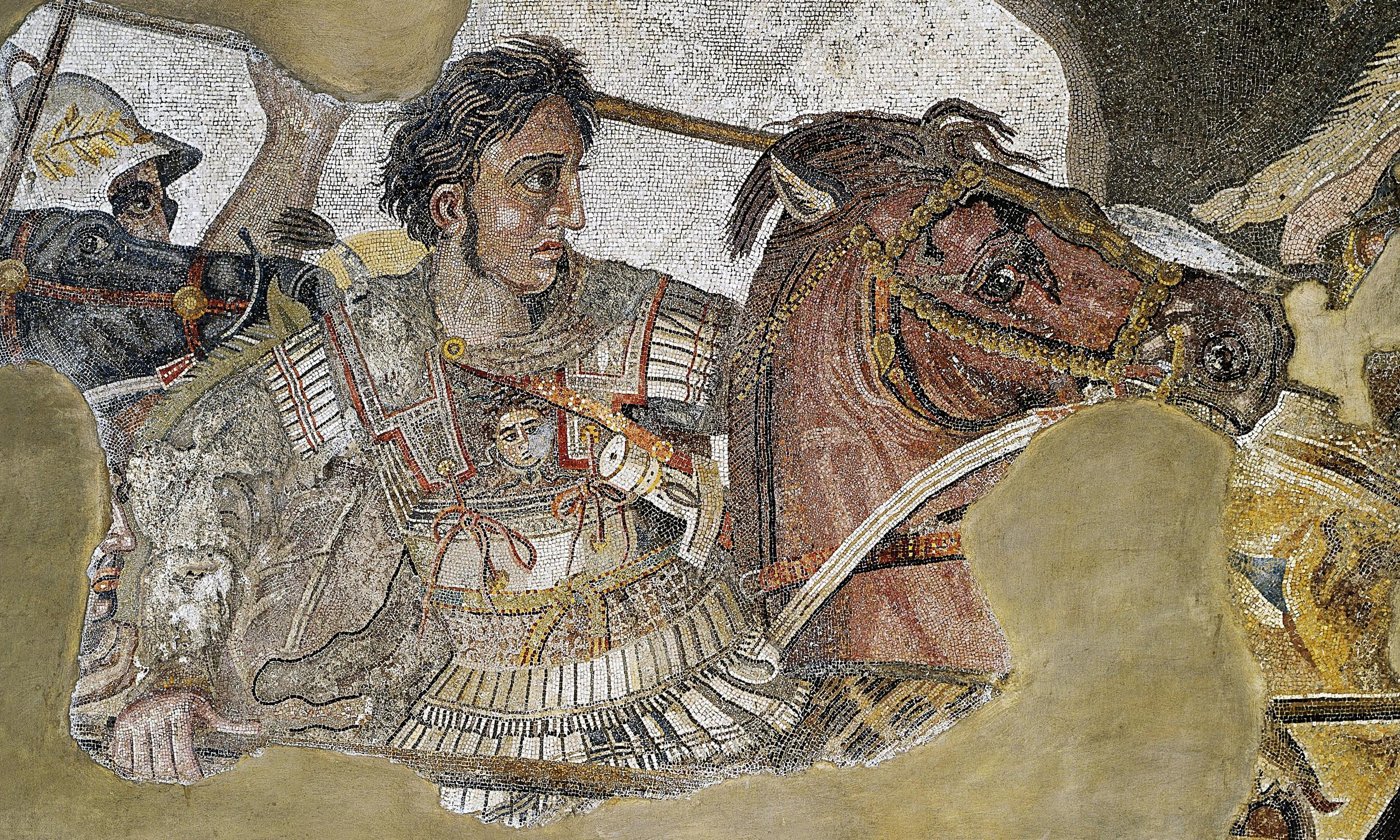
Alexander's conquests flooded the biblical world with Greek language and culture, and the clash between Hellenism and Jewish faith erupted in the Maccabean revolt (the setting of Hanukkah). Rome then absorbed it all, and it is Rome's world — Caesar, Herod, Pilate, roads and legions — that frames the New Testament. The Greek language of Alexander's empire is, providentially for the church, the language the New Testament was written in and the tongue that carried it across the Mediterranean.
Hard Passages
The famously difficult texts, handled honestly — including the popular 'evidence' that does more harm than good.