
God promises David that his 'house' — his dynasty — will endure for ever: a son on the throne, a kingdom without end. Historically, the Davidic line did rule Judah for some four centuries until the Babylonian exile. Theologically, when the throne fell, the promise did not die but became hope: a coming anointed king, a 'son of David.' The New Testament opens by tracing Jesus to David and claims that hope fulfilled.
- Promises David an everlasting dynasty and throne (2 Samuel 7).
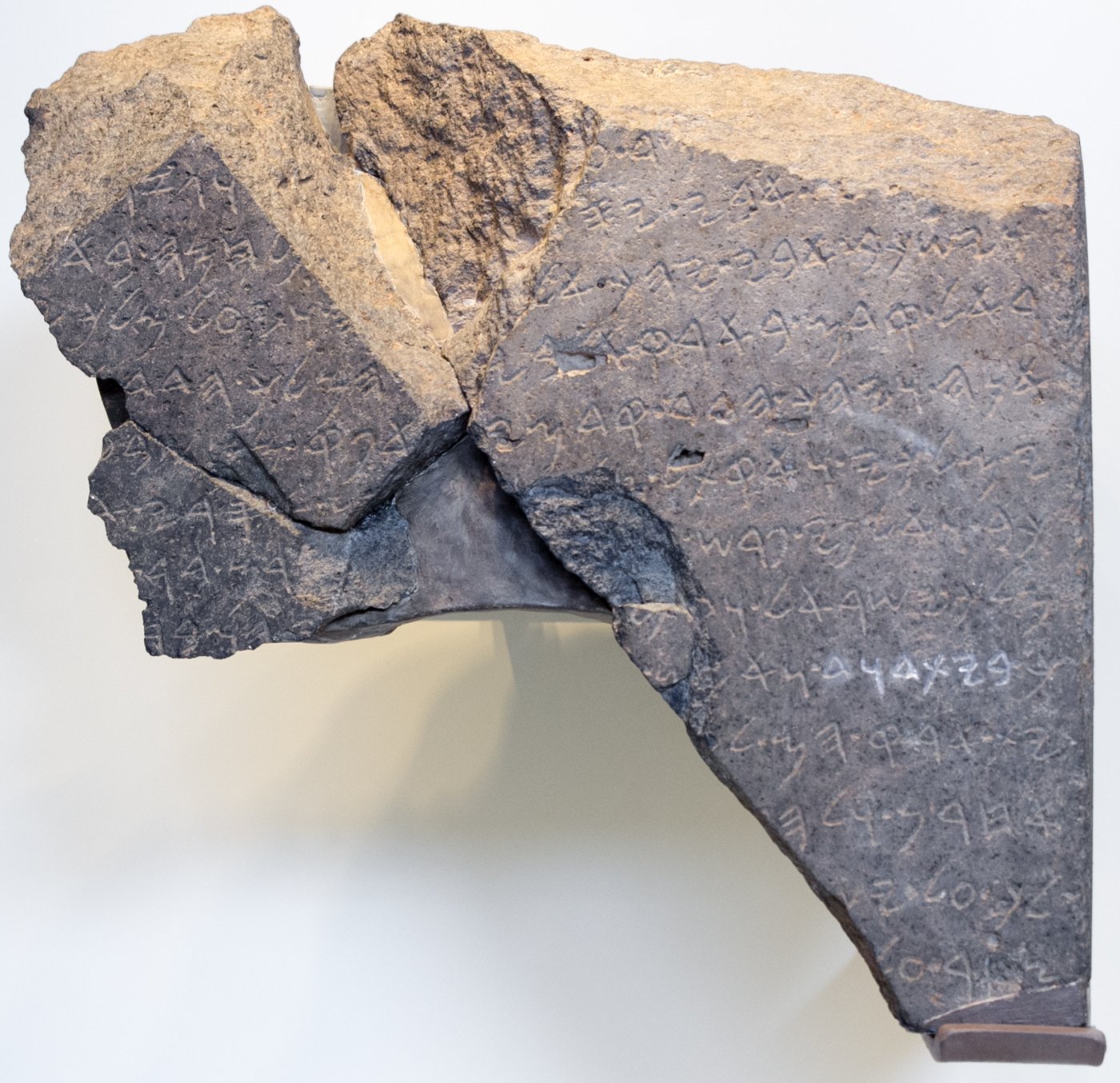
- The 'House of David' is named on the ninth-century BC Tel Dan Stele.
- The New Testament presents Jesus as the promised 'son of David.'
What the evidence showsA Davidic dynasty ruling Judah is historically well-attested (the Tel Dan Stele names the 'House of David'), and the covenant became the seedbed of messianic expectation that the New Testament directly takes up.
Where it stopsThat there was a Davidic line is documented; the scale of David's own kingdom is debated, and whether the messianic promise is fulfilled in Jesus is, of course, a matter of faith.
Sources & further reading