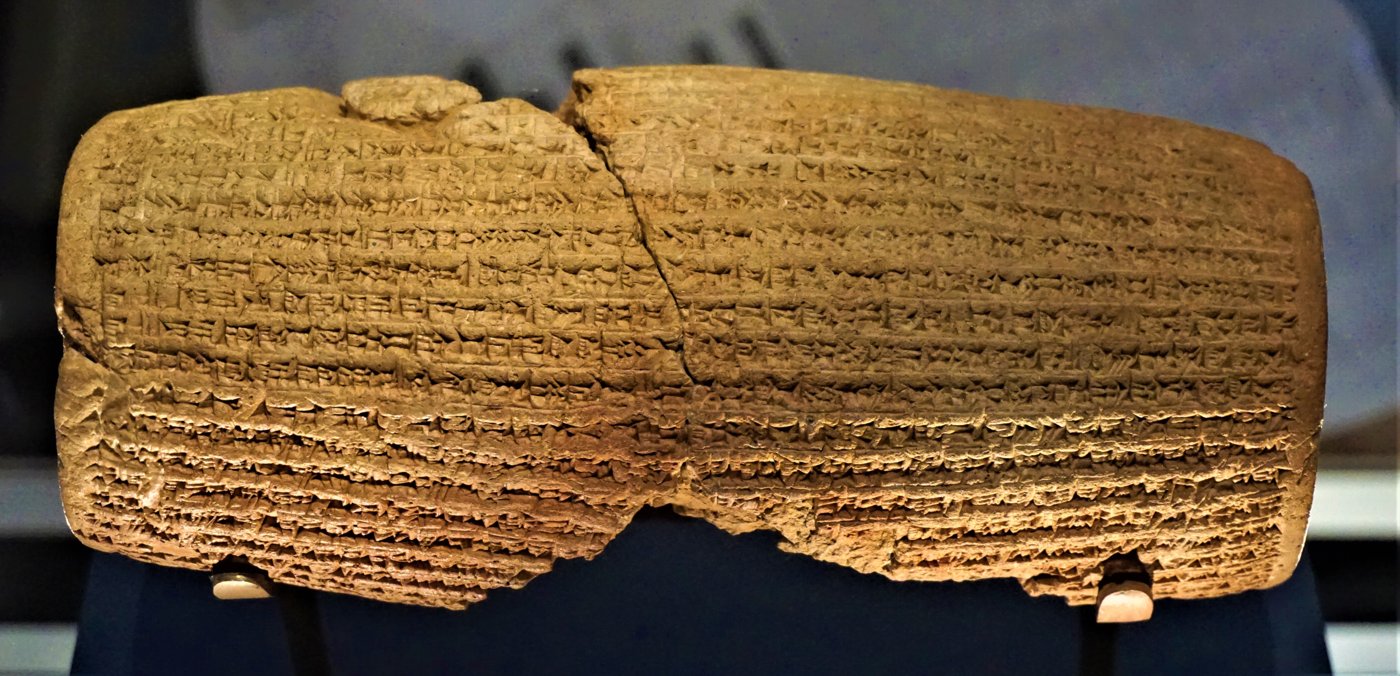

When Cyrus of Persia took Babylon in 539 BC, his policy of letting deported peoples go home changed Israel's story: the Bible credits him with allowing the Jews to return and rebuild the Temple. The Cyrus Cylinder attests exactly this kind of restoration policy in his own words. The Persian period is the setting of Ezra, Nehemiah and Esther — the rebuilding of Jerusalem's walls and worship, and Jewish life inside a vast, relatively tolerant empire.
- Cyrus took Babylon in 539 BC and permitted exiled peoples to return.
- The Cyrus Cylinder attests his restoration policy in his own words.
- The setting of Ezra, Nehemiah and Esther — rebuilding walls, Temple and community.
What the evidence showsCyrus's real policy of repatriating peoples and restoring their temples is documented (the Cyrus Cylinder), matching the Bible's picture of a Persian-sponsored return.
Where it stopsThe Cylinder describes Cyrus's general policy, not the specific Jewish return; the two fit well but the Cylinder is not a record of the biblical event itself.
Sources & further reading