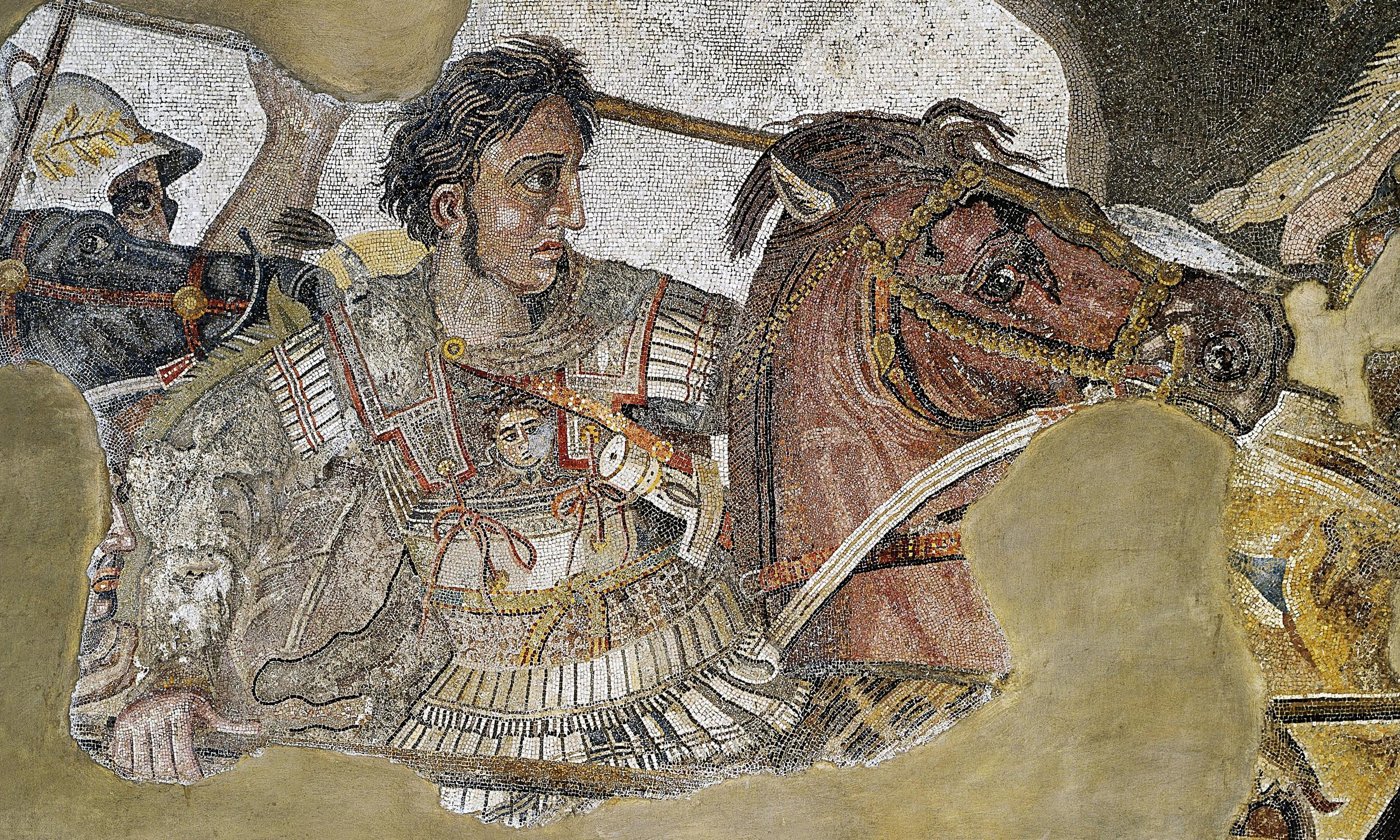

Alexander's conquests flooded the biblical world with Greek language and culture, and the clash between Hellenism and Jewish faith erupted in the Maccabean revolt (the setting of Hanukkah). Rome then absorbed it all, and it is Rome's world — Caesar, Herod, Pilate, roads and legions — that frames the New Testament. The Greek language of Alexander's empire is, providentially for the church, the language the New Testament was written in and the tongue that carried it across the Mediterranean.
- Alexander spread Greek — the language the New Testament would be written in.
- The Maccabean revolt (167 BC) resisted forced Hellenisation; its memory is Hanukkah.
- Rome frames the New Testament — attested by the Pilate Stone, Gallio and Politarch inscriptions, and more.
What the evidence showsThe Hellenistic and Roman background of the New Testament is exhaustively documented — rulers, officials and institutions named in the Gospels and Acts repeatedly check out (Pilate, Gallio, the politarchs, Sergius Paulus).
Where it stopsA well-attested political backdrop confirms the setting and many incidental details, not the central claims of the faith enacted within it.
Sources & further reading