मसुदा भाषांतर. मातृभाषी ख्रिस्ती लोकांच्या सुधारणा स्वागत आहेत. वचनाचा मजकूर KJV (इंग्रजी) मध्ये राहतो.
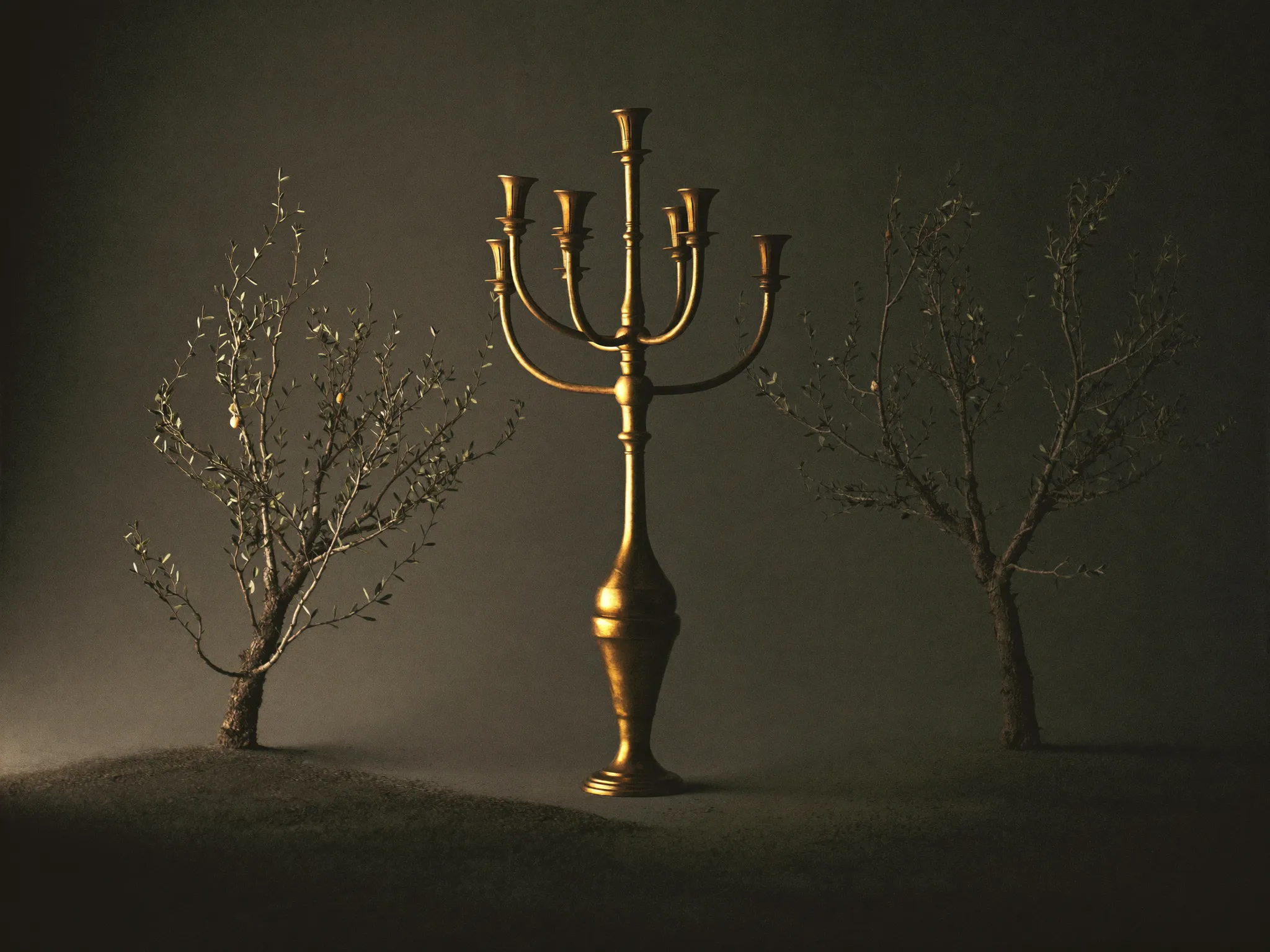
जखऱ्या 4 — सोन्याचा दीपवृक्ष आणि दोन जैतूनाची झाडे
पाचवा दृष्टांत: संपूर्ण सोन्याचा दीपवृक्ष, त्याच्या माथ्यावर एक वाटी, सात दिवे आणि सात नळ्या — आणि त्याच्याजवळ दोन जैतूनाची झाडे, स्वतःतून सोनेरी तेल ओतणारी. अर्थ म्हणजे जरुब्बाबेलासाठीचे वचन: बलाने नव्हे, शक्तीने नव्हे, तर माझ्या आत्म्याद्वारे, असे सेनाधीश परमेश्वर म्हणतो. हे उंच पर्वता, तू कोण आहेस? जरुब्बाबेलासमोर तू सपाट प्रदेश होशील; आणि तो ‘अनुग्रह! अनुग्रह!’ असा गजर करीत शिखराचा दगड पुढे आणील. जरुब्बाबेलाच्या हातांनी या भवनाचा पाया घातला आहे; त्याचेच हात ते पूर्ण करतील. कारण लहानशा आरंभाच्या दिवसाला कोणी तुच्छ लेखले आहे? परमेश्वराचे सात डोळे सर्व पृथ्वीवर संचार करतात. दोन अभिषिक्त सर्व पृथ्वीच्या प्रभूजवळ उभे आहेत.
“मग त्याने मला सांगितले हा जरुब्बाबेलला परमेश्वराचा संदेश आहे तो असा: “बलाने नव्हे अथवा शक्तीने नव्हे तर केवळ माझ्या आत्म्याद्वारे कार्यसिद्धी होईल.” सेनाधीश परमेश्वराने या गोष्टी सांगितल्या आहेत.”
— जखऱ्या 4:6
- v.1-5 दीपवृक्ष व जैतूनाच्या झाडांचा दृष्टांत
- v.6-10 माझ्या आत्म्याद्वारे; पर्वत सपाट प्रदेश होतो
- v.11-14 दोन अभिषिक्त
पर्वत — कार्याविरुद्ध रचलेला प्रत्येक अडथळा: शोमरोनचा विरोध, साम्राज्याची नोकरशाही, लोकांचे निराश होणे — याला तुच्छतेने संबोधले जाते: तू कोण आहेस? आत्म्याने वाहिलेल्या सेवकांसमोर पर्वत हे भविष्यातील सपाट प्रदेश आहेत.
अनुग्रह! अनुग्रह! — शेवटच्या दगडावरील गजर. कृपेने सुरू झालेली इमारत कृपेनेच पूर्ण केली जाते; पायापासून शिखराच्या दगडापर्यंत कोणत्याही टप्प्यावर दुसरे कोणतेही स्पष्टीकरण मान्य नाही.
ज्या हातांनी सुरुवात केली तेच हात पूर्ण करतील — सोळा वर्षे काम रखडले असले तरी. देव सेवकाद्वारे जे सुरू करतो ते त्याच्याद्वारेच पूर्ण करतो; सोडून दिलेले पाये त्याच्या खात्यात नसतात.
फिलिप्पैकरांस पत्र 1:6 शी एकरूप होणारे वचन: ज्याने तुमच्यात चांगले काम आरंभले तो ते... पूर्णतेस नेईल. अपूर्ण कामाबद्दलचा — भवनांतील असो वा जिवांतील — विश्वास गतीवर नव्हे, तर पूर्ण करणाऱ्यावर विसंबतो.
वृद्ध लोक दुसऱ्या भवनाच्या लहानपणावर रडले होते (एज्रा 3:12); स्वर्ग विचारतो, तुच्छ लेखण्याची परवानगी कोणी दिली? देवाची सर्वांत मोठी कार्ये प्रभावहीन वाटणाऱ्या टप्प्यांतून जातात — मोहरीचा दाणा, गव्हाण, माडीवरच्या खोलीतील एकशे वीस जण.
सर्व दिशांना पाहणारे सात डोळे एका सामान्य कामाच्या दिवशी हातात ओळंबा घेतलेल्या मनुष्याला पाहून आनंदित होतात. सर्वज्ञता विश्वासू छोट्या श्रमात आनंद मानते; लहानशा आरंभाच्या दिवसाला सर्वांत मोठा प्रेक्षकवर्ग असतो.
दोन जैतूनाची झाडे — शब्दशः तेलाचे पुत्र — त्या काळातील अभिषिक्त पदे आहेत: याजक यहोशवा आणि दाविदाच्या वंशातील राज्यपाल जरुब्बाबेल, राष्ट्ररूपी दीपवृक्षाला आत्म्याचा पुरवठा पोहोचवणाऱ्या वाहिन्या.
याजक आणि राजा, हे दोन अभिषेक, शेवटी एकाच व्यक्तीत एकत्र येतात — ‘फांदी’, जो आपल्या सिंहासनावर याजक होईल (6:13). प्रकटीकरण 11:4 दोन साक्षीदारांसाठी ही झाडे उसनी घेते: जेथे जेथे आत्म्याने पोसलेली साक्ष जळते तेथे ही प्रतिमा कार्यरत राहते.
देवाने तुमच्यावर जे सोपवले आहे आणि जे तुमच्या साधनांच्या पलीकडे आहे, त्यावर वचन 6 लिहा — ती तफावत मुद्दामच आहे, कारण जेथे बळाचा त्याग केला गेला तेथे तेल वाहते. वचन 7 च्या तुच्छतेने तुमच्या पर्वताला मोठ्याने संबोधा, आणि तुमच्या स्वतःच्या श्रमात लहानशा आरंभाच्या दिवसाला तुच्छ लेखण्यास नकार द्या: सात डोळ्यांखालील लहान आज्ञापालने मानवी डोळ्यांखालील मोठ्या प्रदर्शनांपेक्षा वजनदार असतात.
सर्व पृथ्वीच्या प्रभूजवळ उभे असलेले दोन अभिषेक — याजक आणि राजा — ख्रिस्तांमध्ये, अभिषिक्तामध्ये, आपल्या सिंहासनावरील याजकामध्ये एकत्र येतात. ते परमेश्वराच्या भवनाचे खरे बांधणारे आहेत, ज्यांनी आपल्या वधस्तंभात पाया घातला असल्याने ते शिखराचा दगड निश्चितच पुढे आणतील — आणि त्यांच्या मंडळीच्या पूर्णतेच्या वेळचा गजर असेल अनुग्रह! अनुग्रह!
या पानावरील तुमच्या भाषेतील पवित्र शास्त्राचा मजकूर: इंडियन रिव्हाइज्ड व्हर्जन (IRV), © 2017, 2019 ब्रिज कनेक्टिव्हिटी सोल्युशन्स — कोणताही बदल न करता या परवान्याअंतर्गत वापरलेला: CC BY-SA 4.0 · eBible.org
देवाच्या सर्व बांधकामाचे ब्रीदवाक्य. जरुब्बाबेलाकडे सैन्य नव्हते, खजिना नव्हता, साम्राज्याची मर्जी नव्हती — आणि उभारायचे होते परमेश्वराचे भवन. देवाच्या कार्याची साधने मानवी बळ किंवा संख्या नव्हेत, तर आत्मा — दृष्टांतातील तेलाप्रमाणे वाहणारा, न विकत घेतलेला आणि न थांबणारा.
दीपवृक्ष मानवी इंधनाशिवाय जळत राहिला — जैतूनाची झाडे नळ्यांद्वारे थेट सोनेरी तेल पुरवत होती. स्वतःच पोसली जाणारी ज्योत हे चित्र आहे: संस्थात्मक प्रयत्नांनी नव्हे, तर जिवंत उगमाकडून होणाऱ्या पुरवठ्याने टिकवलेली साक्ष.