Matthew 13 — The Kingdom of Heaven Is Like Unto...
Seven kingdom parables from a boat and a house. The sower — four soils. Explanation. The wheat and the tares — let both grow until the harvest. The mustard seed — small to great. The leaven — hidden but spreading. The treasure hid in a field. The pearl of great price. The dragnet — separating the bad from the good at the end. Concluded — every scribe instructed unto the kingdom is like a householder bringing forth treasures new and old. Rejected at Nazareth.
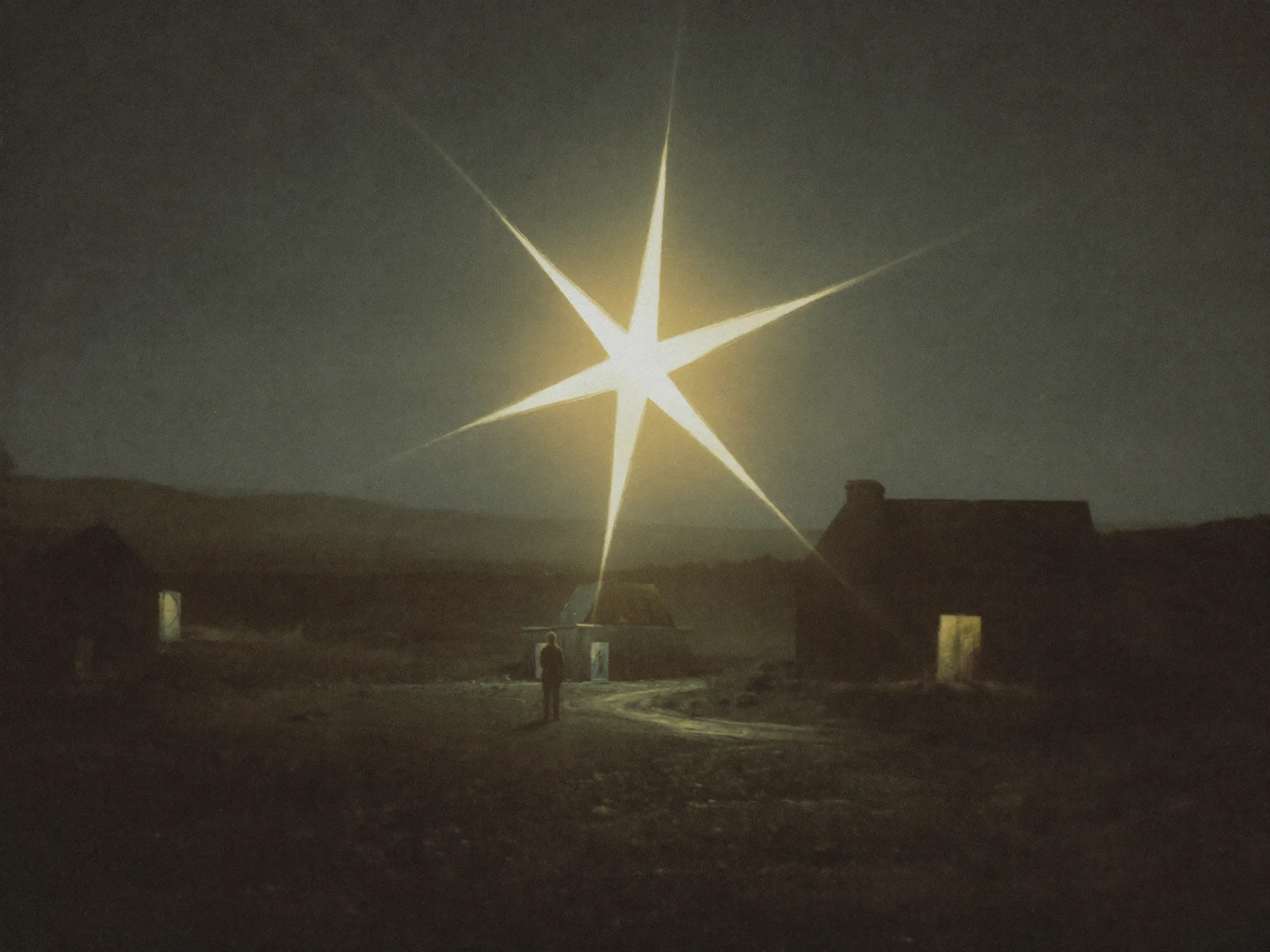
“Again, the kingdom of heaven is like unto treasure hid in a field; the which when a man hath found, he hideth, and for joy thereof goeth and selleth all that he hath, and buyeth that field.”
— Matthew 13:44
- v.1-23 The sower
- v.24-30 Wheat and tares
- v.31-33 Mustard seed; leaven
- v.34-43 Tares interpreted
- v.44-46 Treasure and pearl
- v.47-50 The dragnet
- v.51-58 Old and new; Nazareth's rejection
The church is not a pure field in this age. The Lord does not authorize human harvesters to pull tares from wheat now; the discernment is His at the harvest, not ours along the way.
A check on church-purification movements that aim to remove every false believer. The Lord's judgment is final and accurate; ours would tear up wheat. Wait for the harvest.
For joy thereof. The selling of all is not grim sacrifice but glad exchange. He sold what he had because what he found was worth more.
The kingdom is not a hard duty for which the believer is congratulated. It is a treasure whose value justifies all letting-go. If the kingdom feels burdensome, the treasure has not yet been seen for what it is.
The pearl is found by a seeker; the treasure (v.44) by an unsuspecting passerby. Both find; both sell all. The kingdom comes by surprise to some, by long search to others; the cost is the same.
One pearl. Singular. The merchant had been collecting pearls all his life; one made all the others trade-able. So Christ — He is not added to a collection; He is preferred above it.
Verse 44 measures your treasure. The man sold everything because he had found what was worth more. Take inventory: what would you not sell if you had to choose between it and Christ? Whatever you would not sell is competing with Him for the seat the kingdom is supposed to occupy.
The parables describe the kingdom, and the kingdom is built around Christ. The sower is the Son of Man; the field is His; the treasure is found in Him; the pearl is His. The chapter's many similes converge on one Person who is worth all that they cost.
Parables both reveal and conceal. To the hungry they open; to the indifferent they remain a story without weight. Christ teaches in a form that respects the soil's readiness.
The fulfillment of Isaiah 6:9-10 (v.14). The hardness was not invented by the parable; the parable exposed it. Where there is no will to understand, illustration becomes obscurity.