मसुदा भाषांतर. मातृभाषी ख्रिस्ती लोकांच्या सुधारणा स्वागत आहेत. वचनाचा मजकूर KJV (इंग्रजी) मध्ये राहतो.
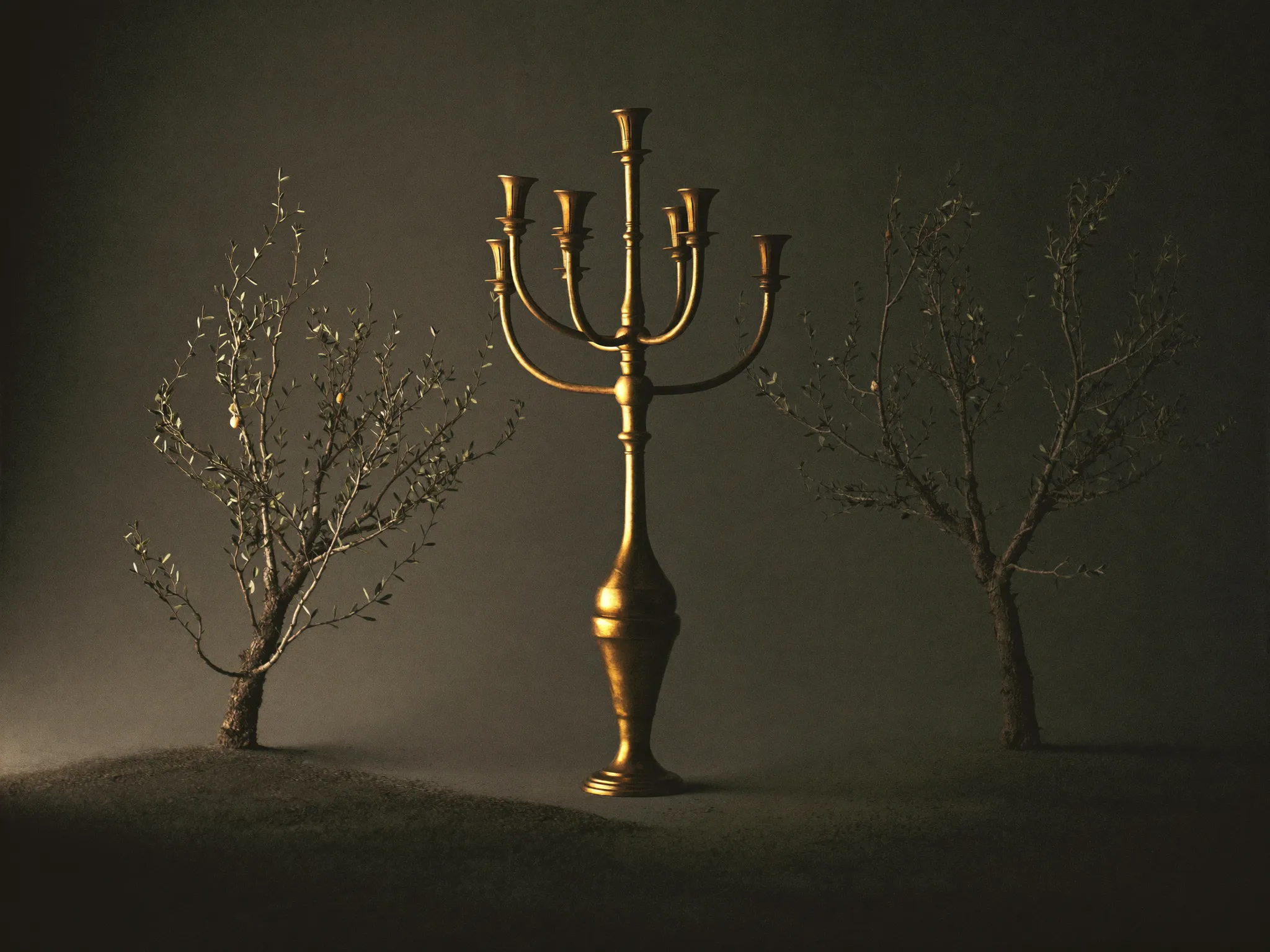
जखऱ्या 14 — त्याचे पाय जैतून पर्वतावर उभे राहतील
परमेश्वराचा दिवस येत आहे: सर्व राष्ट्रे यरूशलेमेविरुद्ध एकत्र जमलेली, नगरी ताब्यात घेतलेली, अर्धे लोक बंदिवासात गेलेले — मग परमेश्वर बाहेर पडून त्या राष्ट्रांशी युद्ध करील, जसे युद्धाच्या दिवशी तो लढत असे. त्या दिवशी त्याचे पाय जैतून पर्वतावर उभे राहतील, जो पूर्वेकडून पश्चिमेपर्यंत मधोमध दुभंगेल, एक फार मोठी दरी. परमेश्वर माझा देव येईल आणि त्याचे सर्व पवित्र जन तुझ्याबरोबर. एक अद्वितीय दिवस, दिवसही नाही आणि रात्रही नाही — संध्याकाळच्या वेळी प्रकाश होईल. यरूशलेमेतून जिवंत पाणी वाहील, उन्हाळ्यात आणि हिवाळ्यात. आणि परमेश्वर सर्व पृथ्वीचा राजा असेल: त्या दिवशी एकच परमेश्वर असेल आणि त्याचे नाव एकच. वेढा घालणाऱ्यांवर मरी; राष्ट्रांकडून पाळला जाणारा मंडपाचा सण; आणि सर्वव्यापी पवित्रता — घोड्यांच्या सरंजामावर ‘परमेश्वरासाठी पवित्र’, यरूशलेमेतील प्रत्येक भांडे पवित्र, आणि सेनाधीश परमेश्वराच्या निवासस्थानात आणखी कोणी कनानी नाही.
“त्यावेळी, परमेश्वर सर्व पृथ्वीचा राजा असेल. त्यादिवशी केवळ परमेश्वर व केवळ त्याचे नाव असणार.”
— जखऱ्या 14:9
- v.1-3 राष्ट्रे एकत्र जमतात; परमेश्वर बाहेर पडतो
- v.4-8 जैतून पर्वतावर पाय; जिवंत पाणी; संध्याकाळी प्रकाश
- v.9-15 सर्व पृथ्वीचा राजा
- v.16-21 राष्ट्रे सण पाळतात; प्रत्येक गोष्टीवर पवित्रता
सर्व दिनदर्शिकांबाहेरचा एक दिवस — केवळ परमेश्वरासच ठाऊक, त्याचे तास वर्गीकरणापलीकडचे. उत्पत्ति 1 पासून निश्चित झालेले दिवस आणि रात्र हे प्रकार आपल्या निर्मात्याच्या आगमनाने वाकतात.
इंग्रजी (KJV) मजकुरात संध्याकाळच्या वेळी प्रकाश होईल — देवाच्या सर्व शेवटांची म्हण. जेथे निसर्ग संधिप्रकाश आणि ऱ्हास ठरवतो, तेथे कृपा पहाटेचे वेळापत्रक आखते: त्या अंतिम दिवसासाठी, आणि एक नमुना म्हणून, प्रत्येक विश्वासणाऱ्याच्या संध्याकाळच्या घटकेसाठी.
पूर्वेकडे मृत समुद्राकडे आणि पश्चिमेकडे भूमध्य समुद्राकडे वाहणारे जिवंत पाणी, हिवाळा असो वा उन्हाळा — बारमाही, दुष्काळाला न जुमानणारे, दोन्ही दिशांनी. यहेज्केलाने तीच नदी खाऱ्या समुद्राला बरे करताना पाहिली; प्रकटीकरण तिला सिंहासनातून निघताना पाहते.
येशू सणाच्या वेळी परमेश्वराच्या भवनात उभे राहिले आणि त्यांनी ही प्रतिमा आपली म्हणून सांगितली: जो माझ्यावर विश्वास ठेवतो त्याच्या अंतःकरणातून... जिवंत पाण्याच्या नद्या वाहतील (योहान 7:37-39). अंतकाळच्या या नदीला आधीच एक उगम आहे — आत्मा, जो त्यांच्याकडे येऊन पिणाऱ्या सर्वांना दिला जातो.
ज्या वचनाकडे संपूर्ण पवित्र शास्त्र झुकते ते हे: केवळ इस्राएलावरचा राजा नव्हे, तर सर्व पृथ्वीचा — प्रतिस्पर्धी निवृत्त, मूर्ती नावहीन (13:2), निष्ठा अविभक्त. शमा (परमेश्वर हाच आपला देव आहे. परमेश्वर एकच आहे) संपूर्ण पृथ्वीची कबुली बनते.
प्रत्येक अकाली राज्याने — बाबेलचे, बाबेल साम्राज्याचे आणि त्यानंतरच्या सर्वांनी — या वचनाची नक्कल केली. ते केवळ एकाचेच आहे: जगाचे राज्य हे आमच्या प्रभूचे आणि त्याच्या ख्रिस्ताचे होते; आणि तो युगानुयुग राज्य करील (प्रकटीकरण 11:15).
नगरीला वेढा घालणाऱ्या सैन्यांतून वाचलेले तिचे वार्षिक यात्रेकरू बनतात — शत्रू उपासकांत बदललेले, सुवार्तेची सर्वांत जुनी युक्ती (तार्ससचा शौल तिचा आदिनमुना). ते जो सण पाळतात तो मंडपांचा सण आहे: कापणीनंतरचे घरी येणे, देव मनुष्यांबरोबर राहणे.
सर्व सणांपैकी केवळ मंडपांचा सण उरतो — जो गोळा करणे आणि आपल्या लोकांमध्ये देवाचे वास्तव्य साजरे करतो, आता पूर्ण झालेला आणि सर्व राष्ट्रांकडून पाळला जाणारा. मांडवांचा सण एका राजाखालील संपूर्ण पृथ्वीचा उत्सव बनतो.
मुख्य याजकाच्या मुकुटावरील लेख — ‘परमेश्वरासाठी पवित्र’, एकेकाळी एकाच मनुष्याच्या सोन्याच्या पट्टीवर कोरलेला — शेवटी घोड्यांच्या सरंजामावर (इंग्रजी (KJV) मजकुरात घोड्यांच्या घंटांवर) आणि स्वयंपाकाच्या भांड्यांवर येतो. पवित्र आणि लौकिक यांच्यातील भिंत पडते: जेव्हा राजा राज्य करतो, तेव्हा प्रत्येक सामान्य गोष्ट वेदीच्या दर्जाची होते.
पुस्तक सेनाधीश परमेश्वराच्या निवासस्थानात कोणी कनानी नसण्याने संपते — कोणी व्यापारी नाही, काहीही अशुद्ध नाही (वचन 21). जखऱ्याचा शेवटचा शब्द संपूर्ण समर्पण आहे: असे जग, ज्यात सर्वांत सामान्य भांडे पवित्र आहे आणि सर्वांत पवित्र जागा पापाशिवाय कशालाही वगळत नाही.
वचन 20 जे तेव्हा सर्वव्यापी करते ते आता जगा: मुख्य याजकाचा लेख "आत्मिक गोष्टींच्या" कपाटातून काढा आणि आपल्या सामान्य जीवनावर कोरा — प्रवास, स्वयंपाकघर, कळफलक: घोड्यांच्या सरंजामावर ‘परमेश्वरासाठी पवित्र’. आणि आपली आशा रस्त्याच्या पातळीवर नांगरून ठेवा: जे पाय जैतून पर्वतावरून निघाले तेच पुन्हा त्यावर उभे राहतील. इतिहास भरकटत नाही; तो एकाच परमेश्वराकडे आणि त्याच्या एकाच नावाकडे एकवटत आहे.
जैतून पर्वतावर उभे राहणारे पाय एकदा भोसकले गेलेले पाय आहेत (12:10) — या पुस्तकाचा राजा म्हणजे विकला गेलेला मेंढपाळ, परमेश्वराचा वार झालेला मित्र, आपल्या सर्व पवित्र जनांसह गौरवाने परत येणारा. ते यरूशलेमेतून वाहणारे जिवंत पाणी आहेत, संध्याकाळच्या वेळचा प्रकाश आहेत, आणि सर्व पृथ्वीचा राजा, ज्यांच्यापुढे प्रत्येक गुडघा टेकेल. जखऱ्या जेथे प्रकटीकरण संपते तेथे संपतो: देव मनुष्यांबरोबर राहतो, आणि सर्व काही — भांड्यांपर्यंत — परमेश्वरासाठी पवित्र.
या पानावरील तुमच्या भाषेतील पवित्र शास्त्राचा मजकूर: इंडियन रिव्हाइज्ड व्हर्जन (IRV), © 2017, 2019 ब्रिज कनेक्टिव्हिटी सोल्युशन्स — कोणताही बदल न करता या परवान्याअंतर्गत वापरलेला: CC BY-SA 4.0 · eBible.org
इंग्रजी (KJV) मजकुरात त्याचे पाय — परमेश्वराचे, शरीराच्या अवयवाच्या नेमकेपणाने आणि नाव दिलेल्या जागेसह: जैतून पर्वत, ज्या टेकडीवरून येशू वर गेले, तेव्हा देवदूतांनी अभिवचन दिले, हा जो येशू... तसाच तो परत येईल (प्रेषितांची कृत्ये 1:11-12). परत येण्याचा पत्ता निघतानाच दिला गेला होता.
त्याच्या पावलाने पर्वत दुभंगतो — त्याच्या लोकांसाठी सुटकेचा मार्ग म्हणून भूगोलाची पुनर्रचना (वचन 5). निर्माणकर्त्याचे दुसरे आगमन पृथ्वीच्या कवचाला, संतांच्या सुटकेसाठी हलवायच्या सामानासारखे वागवते.