मसुदा भाषांतर. मातृभाषी ख्रिस्ती लोकांच्या सुधारणा स्वागत आहेत. वचनाचा मजकूर KJV (इंग्रजी) मध्ये राहतो.
रूथ 2 — मोठा धनवान मनुष्य
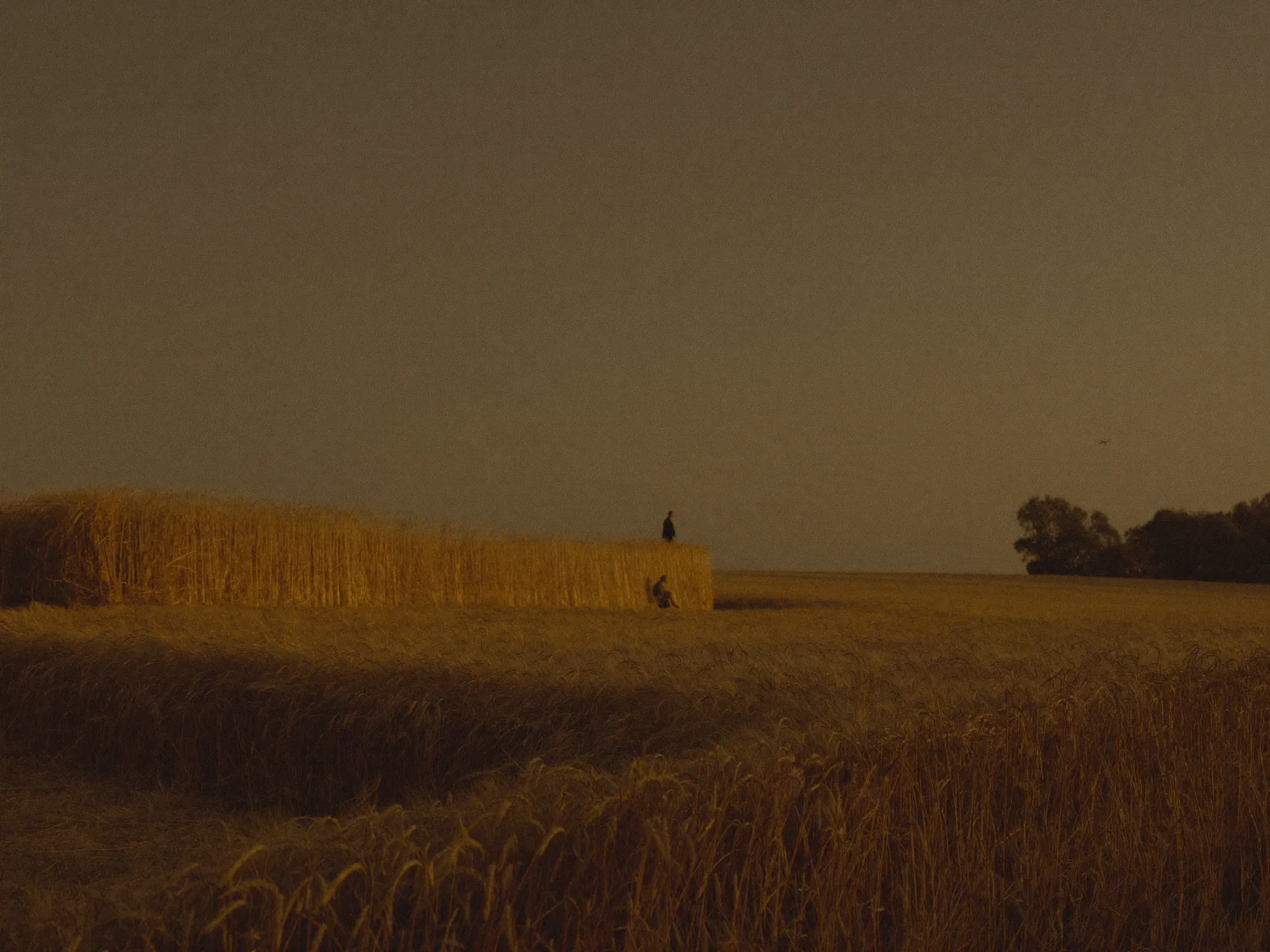
स्वतःसाठी व नामीसाठी अन्न मिळवण्याकरता रूथ शेतात सरवा वेचायला जाते. देवाच्या व्यवस्थेने ती अलीमलेखाचा धनवान नातलग बवाज याच्या शेतात येऊन पोहोचते. नामीशी असलेल्या तिच्या निष्ठेविषयी ऐकलेले असल्याने बवाज तिची दखल घेतो, तिचे संरक्षण करतो आणि तिच्यावर दया दाखवतो. तो तिला आपल्या भोजनाला बोलावतो आणि तिच्यासाठी धान्य सोडून देण्याची आपल्या कामगारांना आज्ञा करतो. बवाज आपला जवळचा नातलग आहे हे नामी ओळखते.
“परमेश्वर तुझ्या कृतीचे फळ तुला देवो. ज्याच्या पंखाचा आश्रय करावयास तू आली आहेस तो इस्राएलाचा देव परमेश्वर तुला पुरे पारितोषिक देवो.”
— रूथ 2:12
- v.1-3 रूथ बवाजाच्या शेतात सरवा वेचते
- v.4-16 बवाजाची दया आणि संरक्षण
- v.17-23 रूथ नामीकडे परतते; बवाज जवळचा नातलग
बवाजाने रूथच्या निष्ठेविषयी ऐकले होते. तिची कीर्ती तिच्या आधीच तेथे पोहोचली होती. तिने खासगीत दाखवलेला विश्वासूपणा सर्वांना माहीत झाला होता. चांगले चारित्र्य शेवटी स्वतःच बोलू लागते.
बवाजाने केलेले रूथचे वर्णन — तू आपल्या आई-वडिलांना व जन्मदेश सोडून — अब्राहामाला दिलेल्या देवाच्या पाचारणाचा प्रतिध्वनी आहे (उत्पत्ति 12:1). इस्राएलाच्या देवाला अनुसरण्यासाठी सर्वस्व सोडणारी जणू स्त्रीरूपातील अब्राहाम म्हणून रूथचे चित्रण केलेले आहे.
ज्याच्या पंखाचा आश्रय करावयास तू आली आहेस. देवाचा आश्रय घेण्याचे एक सुंदर चित्र. पंखांचे हेच चित्र स्तोत्रसंहिता 91:4 मध्येही आहे — तो तुला आपल्या पंखानी झाकील, आणि तुला त्याच्या पंखाखाली आश्रय मिळेल.
येथे एक हृदयस्पर्शी पूर्वसूचना आहे. देवाच्या पंखांनी रूथला आश्रय द्यावा अशी बवाज प्रार्थना करतो — आणि अध्याय 3 मध्ये रूथ बवाजाला त्याचा पंख/पांघरूण आपल्यावर पसरण्याची विनंती करेल (3:9). बवाज स्वतःच आपल्या प्रार्थनेचे उत्तर बनतो. देवाचे संरक्षण पुष्कळदा मानवी साधनांद्वारे येते.
धनवान जमीनदार असलेला बवाज सरवा वेचणाऱ्या त्या परदेशी स्त्रीला आपल्या स्वतःच्या भोजनाला बोलावतो. श्रीमंत आणि गरीब, स्वदेशी आणि परदेशी यांच्यामधील भिंत वैयक्तिक दयेच्या एका कृतीत बाजूला सारली जाते.
तो तिने पोटभर खाल्ल्यावर काही शिल्लक राहिला — तिला गरजेपेक्षा अधिक मिळाले, अन्न उरलेही. बवाजाच्या पुरवठ्याची ही विपुलता, उद्धार करणारा नातलग पुढे तिच्या संपूर्ण भविष्यासाठी जो पुरवठा करणार होता त्याच्या विपुलतेची पूर्वछाया आहे.
हा मनुष्य आपल्या नातलगांपैकी आहे — इब्री भाषेत गोएल, उद्धार करणारा नातलग. नियमशास्त्रानुसार, जवळचा नातलग मृत नातलगाची मालमत्ता सोडवू शकत असे आणि त्याचा कुळवंश पुढे चालवू शकत असे (लेवीय 25:25, अनुवाद 25:5-10). आता संपूर्ण कथानक याच भूमिकेभोवती फिरते.
देवाने आपल्याशी कडूपणाने वर्तन केले असे म्हणणारी नामी (1:20) आता त्याच्या दयेबद्दल देवाचा धन्यवाद करते. कडवट झालेल्या त्या विधवेला, सतत कार्य करत असलेली देवाची व्यवस्था दिसू लागते. उद्धारकर्ता दृष्टिपथात येताच आशा परत येते.
जे तुम्हाला दिसत नाही ते देव घडवून आणत आहे असा विश्वास ठेवून आपली रोजची कर्तव्ये विश्वासूपणे पार पाडा. रूथ केवळ अन्न शोधायला गेली होती; देव मात्र तिच्या उद्धाराची तयारी करत होता. तुमचा रोजचा विश्वासूपणा — नियमितपणे हजर राहणे, प्रामाणिकपणे काम करणे, तुमच्यावर सोपवलेल्यांची काळजी घेणे — हेच ते शेत आहे जिथे देवाची व्यवस्था कार्य करते. तुम्हाला ज्याची गरज आहे हे कळण्याआधीच देवाने जे तयार करून ठेवले होते, त्याच्याकडे असे होईल की तुम्ही नकळत येऊन पोहोचाल.
उद्धार करणारा नातलग बवाज हा जुन्या करारातील ख्रिस्तांच्या सर्वांत स्पष्ट प्रतिरूपांपैकी एक आहे. तो जवळचा नातलग आहे (ख्रिस्तांनी आपला देह धारण केला, इब्री लोकांस पत्र 2:14), सोडवण्यास समर्थ आहे (केवळ ख्रिस्तच ती किंमत भरू शकत होते), आणि सोडवण्यास तयार आहे (ख्रिस्तांनी स्वतःला स्वखुशीने अर्पण केले). रूथ 2 मधील गोएल थेट त्या उद्धारकर्त्याकडे निर्देश करतो जे रूथच्याच वंशातून येणार होते — जे आपल्या लोकांना सोडवण्यासाठी त्यांचा मानवी स्वभाव धारण करणार होते.
या पानावरील तुमच्या भाषेतील पवित्र शास्त्राचा मजकूर: इंडियन रिव्हाइज्ड व्हर्जन (IRV), © 2017, 2019 ब्रिज कनेक्टिव्हिटी सोल्युशन्स — कोणताही बदल न करता या परवान्याअंतर्गत वापरलेला: CC BY-SA 4.0 · eBible.org
असे झाले की — जणू योगायोगाने ती बवाजाच्या शेतात येऊन पोहोचली. पण संपूर्ण पुस्तक प्रकट करते की त्यात योगायोगाचा काहीही भाग नव्हता. इब्री भाषेतील हे सौम्य कथन हेतुपुरस्सर आहे; जे योगायोगासारखे दिसते ती दैवी योजना असते.
जे सामान्य योगायोग वाटतात त्यांच्याद्वारेच देवाची व्यवस्था पुष्कळदा कार्य करते. रूथ केवळ अन्न शोधायला बाहेर पडली होती; देव मात्र उद्धाराची तयारी करत होता. विश्वासणाऱ्याच्या आयुष्यातील वरवर अनियमित वाटणाऱ्या परिस्थिती पुष्कळदा अशा एका विणकामाचे धागे असतात जे फक्त देवालाच दिसते.