मसौदा अनुवाद. मातृभाषी ईसाइयों के सुधार स्वागत हैं। पद-पाठ KJV (अंग्रेज़ी) में रहता है।
रूत 2 — एक बड़ा धनी पुरुष
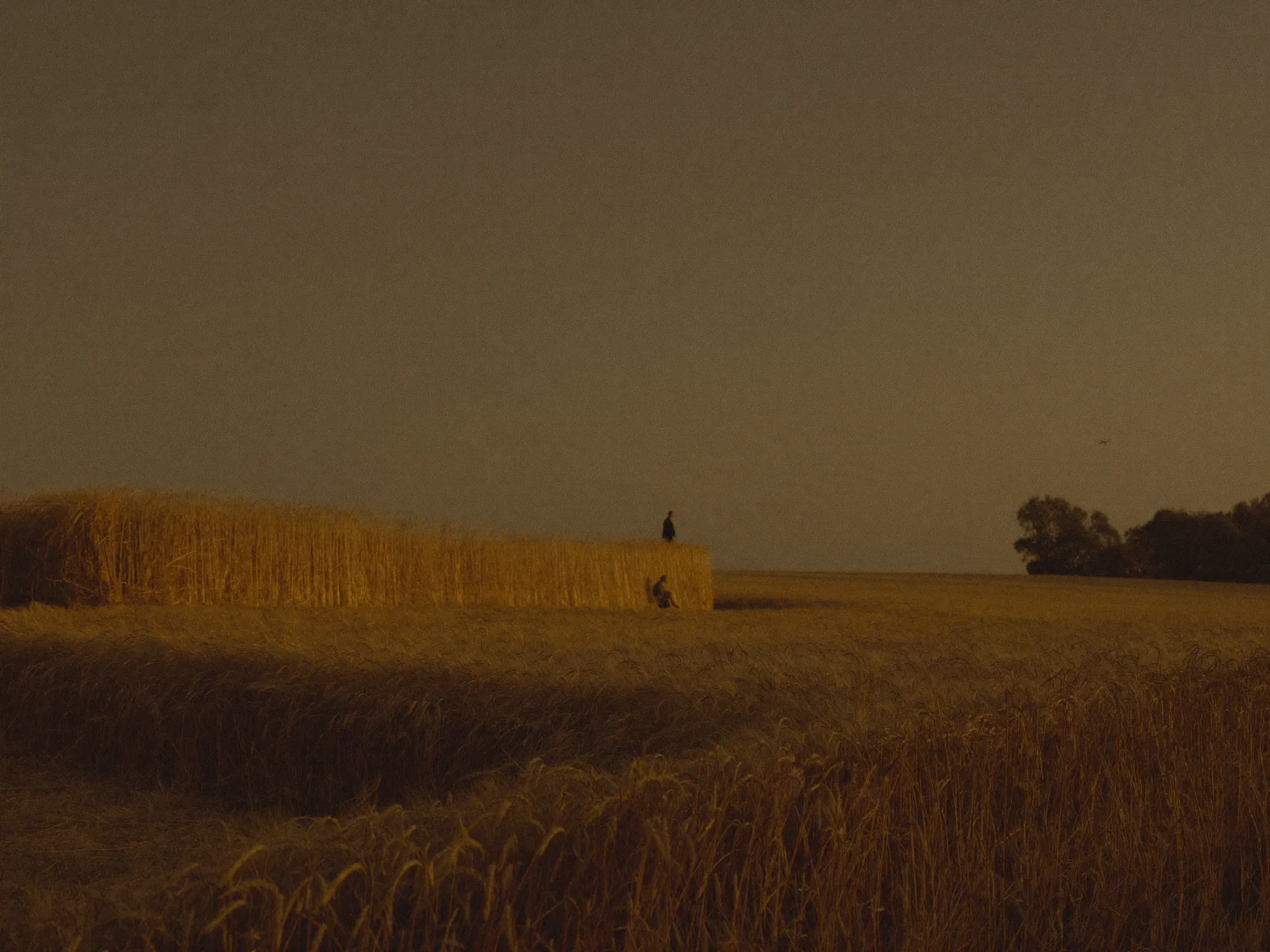
रूत अपने और नाओमी के भरण-पोषण के लिए खेतों में बीनने जाती है। परमेश्वर के विधान से वह बोअज के खेत में पहुँचती है, जो एलीमेलेक का एक धनी कुटुम्बी है। बोअज उस पर ध्यान देता है, उसकी रक्षा करता है और उस पर दया करता है, क्योंकि उसने नाओमी के प्रति उसकी निष्ठा के विषय में सुना था। वह उसे अपने भोजन में बुलाता है और अपने मजदूरों को आदेश देता है कि उसके लिए अनाज छोड़ दें। नाओमी पहचान लेती है कि बोअज एक निकट कुटुम्बी है।
“यहोवा तेरी करनी का फल दे, और इस्राएल का परमेश्वर यहोवा जिसके पंखों के तले तू शरण लेने आई है, तुझे पूरा प्रतिफल दे।”
— रूत 2:12
- v.1-3 रूत बोअज के खेत में बीनती है
- v.4-16 बोअज की दया और सुरक्षा
- v.17-23 रूत नाओमी के पास लौटती है; बोअज एक निकट कुटुम्बी है
बोअज ने रूत की निष्ठा के विषय में सुन रखा था। उसकी प्रतिष्ठा उससे पहले पहुँच गई थी। जो विश्वासयोग्यता उसने एकान्त में दिखाई थी, वह सबके सामने प्रकट हो गई थी। अच्छा चरित्र अन्ततः स्वयं बोलता है।
बोअज का रूत का वर्णन — अपने माता पिता और जन्म-भूमि को छोड़कर — अब्राहम को परमेश्वर की बुलाहट की प्रतिध्वनि है (उत्पत्ति 12:1)। रूत को एक स्त्री-अब्राहम के रूप में चित्रित किया गया है, जो इस्राएल के परमेश्वर के पीछे चलने के लिए सब कुछ छोड़ देती है।
जिसके पंखों के तले तू शरण लेने आई है। परमेश्वर में शरण लेने का एक सुन्दर चित्र। भजन संहिता 91:4 में पंखों का यही चित्र है — वह तुझे अपने पंखों की आड़ में ले लेगा, और तू उसके परों के नीचे शरण पाएगा।
यहाँ एक मार्मिक पूर्वाभास है। बोअज प्रार्थना करता है कि परमेश्वर के पंख रूत को आश्रय दें — और अध्याय 3 में रूत बोअज से कहेगी कि वह अपना पंख/चद्दर उस पर फैलाए (3:9)। बोअज स्वयं अपनी ही प्रार्थना का उत्तर बन जाता है। परमेश्वर की सुरक्षा अक्सर मानवीय साधनों के द्वारा आती है।
बोअज, एक धनी भूमिपति, परदेशी बीननेवाली को अपने ही भोजन पर बुलाता है। धनी और निर्धन, देशी और परदेशी के बीच की दीवार व्यक्तिगत दया के एक कार्य में एक ओर रख दी जाती है।
वह खाकर तृप्त हुई, वरन् कुछ बचा भी रखा — उसके पास आवश्यकता से अधिक था, और भोजन बच भी गया। बोअज के प्रबन्ध की यह बहुतायत उस बहुतायत की पूर्व-झलक है जो छुड़ानेवाला कुटुम्बी आगे चलकर उसके पूरे भविष्य के लिए प्रदान करेगा।
उनमें से है जिनको हमारी भूमि छुड़ाने का अधिकार है — इब्रानी गोएल, अर्थात् छुड़ानेवाला कुटुम्बी। व्यवस्था के अनुसार एक निकट सम्बन्धी किसी मृत सम्बन्धी की सम्पत्ति को छुड़ा सकता था और उसके परिवार की वंश-परम्परा को आगे बढ़ा सकता था (लैव्यव्यवस्था 25:25, व्यवस्थाविवरण 25:5-10)। अब पूरी कथा इसी भूमिका पर टिकी है।
नाओमी, जिसने कहा था कि परमेश्वर ने उसे बड़ा दुःख दिया है (1:20), अब परमेश्वर को उसकी दया के लिए धन्य कहती है। कड़वाहट से भरी विधवा उस विधान को देखने लगती है जो आरम्भ से ही काम कर रहा था। जैसे-जैसे छुड़ानेवाला सामने आता है, आशा लौट आती है।
अपने साधारण कर्तव्यों को विश्वासयोग्यता से पूरा करते रहें, यह भरोसा रखते हुए कि परमेश्वर वह प्रबन्ध कर रहा है जिसे आप देख नहीं सकते। रूत तो बस भोजन ढूँढ़ने गई थी; परमेश्वर उसके छुटकारे का प्रबन्ध कर रहा था। आपकी दैनिक विश्वासयोग्यता — उपस्थित रहना, ईमानदारी से काम करना, जो आपको सौंपे गए हैं उनकी चिन्ता करना — वही खेत है जिसमें परमेश्वर का विधान काम करता है। हो सकता है आप संयोग से ठीक उसी बात तक पहुँच जाएँ जिसे परमेश्वर ने आपके यह जानने से पहले ही तैयार कर रखा था कि आपको उसकी आवश्यकता है।
छुड़ानेवाला कुटुम्बी बोअज पुराने नियम में मसीह के सबसे स्पष्ट प्रतिरूपों में से एक है। वह एक निकट सम्बन्धी है (मसीह ने हमारा शरीर धारण किया, इब्रानियों 2:14), छुड़ाने में समर्थ है (केवल मसीह ही कीमत चुका सकते थे), और छुड़ाने को तैयार है (मसीह ने स्वयं को स्वेच्छा से दे दिया)। रूत 2 का गोएल सीधे उस छुड़ानेवाले की ओर संकेत करता है जो स्वयं रूत के वंश से आनेवाले थे — जिन्होंने अपने लोगों को छुड़ाने के लिए उनका मानव स्वभाव धारण किया।
इस पृष्ठ पर आपकी भाषा में पवित्रशास्त्र का पाठ: इंडियन रिवाइज़्ड वर्ज़न (IRV), © 2017, 2019 ब्रिज कनेक्टिविटी सॉल्यूशंस — बिना बदलाव के इस लाइसेंस के अंतर्गत प्रयुक्त: CC BY-SA 4.0 · eBible.org
जिस खेत में वह संयोग से गई थी — देखने में संयोग से वह बोअज के खेत में पहुँच गई। परन्तु पूरी पुस्तक प्रकट करती है कि इसमें कोई संयोग नहीं था। इब्रानी भाषा का यह संयत कथन जान-बूझकर है; जो संयोग दिखता है, वह परमेश्वर का ठहराया हुआ है।
परमेश्वर का विधान अक्सर उन बातों के द्वारा काम करता है जो साधारण संयोग लगती हैं। रूत तो बस भोजन ढूँढ़ने निकली थी; परमेश्वर एक छुटकारे का प्रबन्ध कर रहा था। विश्वासी की देखने में बेतरतीब परिस्थितियाँ अक्सर एक ऐसी बुनावट के धागे होती हैं जिसे केवल परमेश्वर देख सकता है।