ಕರಡು ಅನುವಾದ. ಮಾತೃಭಾಷಾ ಕ್ರೈಸ್ತರ ತಿದ್ದುಪಡಿಗಳಿಗೆ ಸ್ವಾಗತ. ವಚನ ಪಠ್ಯ KJV (ಇಂಗ್ಲಿಷ್)ನಲ್ಲಿರುತ್ತದೆ.
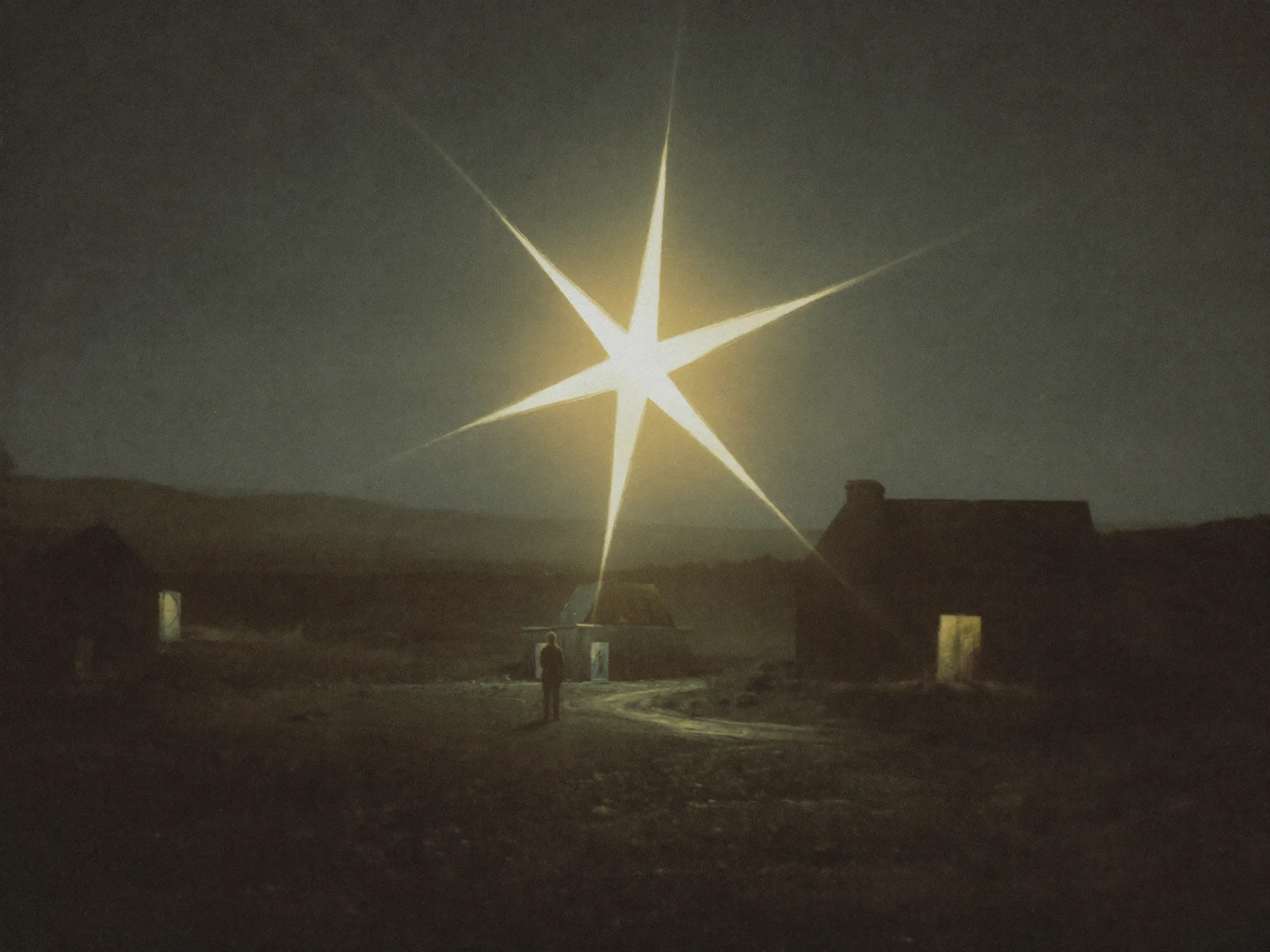
ಮತ್ತಾಯನು 14 — ಧೈರ್ಯವಾಗಿರಿ, ನಾನೇ, ಭಯಪಡಬೇಡಿರಿ
ಹೆರೋದನು ಯೇಸುವಿನ ಕುರಿತು ಕೇಳಿ, ತಾನು ತಲೆ ಕತ್ತರಿಸಿದ ಸ್ನಾನಿಕನಾದ ಯೋಹಾನನನ್ನು ಜ್ಞಾಪಿಸಿಕೊಳ್ಳುತ್ತಾನೆ — ಹೆರೋದ್ಯಳ ಮಗಳು ನರ್ತನಮಾಡಿ ತಟ್ಟೆಯಲ್ಲಿ ತಲೆಯನ್ನು ಕೇಳಿದ್ದು. ಯೇಸು ಒಂದು ನಿರ್ಜನ ಸ್ಥಳಕ್ಕೆ ಹೋಗುತ್ತಾನೆ; ಜನರ ಗುಂಪುಗಳು ಹಿಂಬಾಲಿಸುತ್ತವೆ. ಆತನು ಕನಿಕರಪಟ್ಟು ಅವರ ರೋಗಿಗಳನ್ನು ಸ್ವಸ್ಥಪಡಿಸುತ್ತಾನೆ, ಮತ್ತು ಐದು ರೊಟ್ಟಿ ಎರಡು ಮೀನುಗಳಿಂದ ಐದು ಸಾವಿರ ಗಂಡಸರಿಗೆ ಊಟ ಮಾಡಿಸುತ್ತಾನೆ — ಹನ್ನೆರಡು ಪುಟ್ಟಿಗಳು ಉಳಿಯುತ್ತವೆ. ಆತನು ಶಿಷ್ಯರನ್ನು ಮುಂದೆ ಕಳುಹಿಸಿ, ಬೆಟ್ಟದ ಮೇಲೆ ಒಂಟಿಯಾಗಿ ಪ್ರಾರ್ಥಿಸುತ್ತಾನೆ. ರಾತ್ರಿಯ ನಾಲ್ಕನೆಯ ಜಾವದಲ್ಲಿ — ಆತನು ಸಮುದ್ರದ ಮೇಲೆ ನಡೆದು ಬರುತ್ತಾನೆ. ಪೇತ್ರನು ಆತನ ಕಡೆಗೆ ನಡೆಯುತ್ತಾನೆ, ಮುಳುಗುತ್ತಾನೆ. ಅಲ್ಪ ವಿಶ್ವಾಸಿಯೇ ಏಕೆ ಸಂದೇಹ ಪಟ್ಟೆ? ಗಾಳಿ ನಿಂತುಹೋಗುತ್ತದೆ. ಗೆನೆಸರೇತಿನಲ್ಲಿ ಅನೇಕರು ಆತನ ಉಡುಪನ್ನು ಮುಟ್ಟಿ ಸ್ವಸ್ಥರಾಗುತ್ತಾರೆ.
“ಕೂಡಲೆ ಯೇಸು ಮಾತನಾಡಿ ಅವರಿಗೆ, “ಧೈರ್ಯವಾಗಿರಿ ನಾನೇ ಭಯಪಡಬೇಡಿರಿ” ಎಂದು ಹೇಳಿದನು.”
— ಮತ್ತಾಯನು 14:27
- v.1-12 ಸ್ನಾನಿಕನಾದ ಯೋಹಾನನ ಶಿರಚ್ಛೇದನ
- v.13-21 ಐದು ಸಾವಿರ ಜನರಿಗೆ ಊಟ
- v.22-33 ಸಮುದ್ರದ ಮೇಲೆ ನಡೆಯುವುದು; ಪೇತ್ರನ ಹೆಜ್ಜೆಗಳು
- v.34-36 ಗೆನೆಸರೇತಿನಲ್ಲಿ ಸ್ವಸ್ಥತೆಗಳು
ದಿನವೆಲ್ಲಾ ಸೇವೆಮಾಡಿದ ನಂತರ ಆತನು ತಂದೆಯೊಂದಿಗೆ ಏಕಾಂತವನ್ನು ಆರಿಸಿಕೊಂಡನು. ಆತನು ಎಷ್ಟು ನಿರತನಾಗಿದ್ದನೋ, ಆತನ ಹಿಂದೆಸರಿಯುವಿಕೆ ಅಷ್ಟು ಉದ್ದೇಶಪೂರ್ವಕವಾಗಿತ್ತು. ಸೇವೆಯ ಪ್ರತಿಯೊಂದು ಆರೋಗ್ಯಕರ ಜೀವನವನ್ನು ಈ ಮಾದರಿ ಗುರುತಿಸುತ್ತದೆ.
ಬಿರುಗಾಳಿ ಬರುವ ಮೊದಲು ದೇವರೊಂದಿಗೆ ಒಂಟಿಯಾಗಿ. ತಂದೆಯಿಂದ ಚೈತನ್ಯಗೊಂಡ ಕ್ರಿಸ್ತನು ಪೇತ್ರನಿಗೆ ಬೇಗನೆ ಬೇಕಾಗಲಿದ್ದನು; ಬೆಟ್ಟದ ಮೇಲಿನ ಪ್ರಾರ್ಥನೆಯು ಸಮುದ್ರದ ಮೇಲಿನ ನಡಿಗೆಗೆ ಸಿದ್ಧಪಡಿಸಿತು.
ನಾನೇ. ಗ್ರೀಕ್ ಭಾಷೆಯಲ್ಲಿ ಎಗೋ ಐಮಿ — ದೈವಿಕ ಸ್ವನಾಮಕರಣ. ಆತನು ನೀರಿನ ಮೇಲೆ ನಡೆಯುತ್ತಾ ಆ ನಾಮವನ್ನು ಉಚ್ಚರಿಸುತ್ತಾನೆ. ಸಮೀಪಿಸುತ್ತಿರುವಾತನು ಯಾರೆಂದು ಗುರುತಿಸುವವರೆಗೆ ಶಿಷ್ಯರು ಕತ್ತಲೆಯಲ್ಲಿ ಹೆದರುತ್ತಾರೆ.
ಒಂದೇ ವಚನದಲ್ಲಿ ಮೂರು ಮಾತುಗಳು — ಧೈರ್ಯವಾಗಿರಿ, ನಾನೇ, ಭಯಪಡಬೇಡಿರಿ. ಮಧ್ಯದ ಮಾತೇ ಉಳಿದೆರಡಕ್ಕೆ ಮದ್ದು. ಧೈರ್ಯವೂ ನಿರ್ಭಯತೆಯೂ ಗುರುತಿಸುವಿಕೆಯಿಂದಲೇ ಹರಿಯುತ್ತವೆ.
ಪೇತ್ರನು ಕರ್ತನನ್ನು ನೋಡುವುದರ ಬದಲಾಗಿ ಗಾಳಿಯನ್ನು ನೋಡಿದನು. ಕಣ್ಣುಗಳು ಕ್ರಿಸ್ತನಿಂದ ಸರಿದ ಕ್ಷಣವೇ ಸಮುದ್ರವು ಮತ್ತೆ ತನ್ನ ಬಲವನ್ನು ತೋರಿಸಿತು. ನಂಬಿಕೆಯ ಪ್ರತಿಯೊಂದು ಹೆಜ್ಜೆಯಲ್ಲೂ ಇದೇ ಚಲನಶೀಲತೆ ಕಾರ್ಯನಡೆಸುತ್ತದೆ — ಕ್ರಿಸ್ತನು ಕಣ್ಣೆದುರಿಗಿದ್ದರೆ ಅಸಾಧ್ಯವಾದದ್ದು ಸ್ಥಿರವಾಗಿರುತ್ತದೆ; ಕ್ರಿಸ್ತನು ಕಣ್ಣಿಗೆ ಮರೆಯಾದರೆ ನೀರು ಕುಸಿಯುತ್ತದೆ.
ಕರ್ತನೇ, ನನ್ನನ್ನು ಕಾಪಾಡು. ಮೂರು ಪದಗಳು, ಒಂದು ಮಾದರಿ ಪ್ರಾರ್ಥನೆ. ವಿಸ್ತಾರವಾಗಿ ರಚಿಸಲು ಅವನಿಗೆ ಸಮಯವಿರಲಿಲ್ಲ. ಮುಳುಗುತ್ತಿರುವ ವಿಶ್ವಾಸಿಯ ಕೂಗೇ ರಕ್ಷಿಸುವ ಪ್ರಾರ್ಥನೆ.
ಪೇತ್ರನ ಪಾಠ ಸರಳವಾದದ್ದು. ನೀವು ಗಾಳಿಯನ್ನು ನೋಡಿದ ಕ್ಷಣವೇ ಮುಳುಗುತ್ತೀರಿ. ನಿಮ್ಮನ್ನು ದೋಣಿಯಿಂದ ಹೊರಗೆ ಕರೆದಾತನ ಮೇಲೆ ಕಣ್ಣಿಡುವುದೇ ನಂಬಿಕೆಯ ಶಿಸ್ತು. ನೀವು ಮುಳುಗುತ್ತಿದ್ದೀರಿ ಎಂದು ಕಂಡುಕೊಂಡಾಗ, ಕೂಗು ಚಿಕ್ಕದೂ ಪರಿಣಾಮಕಾರಿಯೂ ಆಗಿದೆ — ಕರ್ತನೇ, ನನ್ನನ್ನು ಕಾಪಾಡು. ಆತನು ಎಲ್ಲಿಗೂ ಹೋಗಿಲ್ಲ; ನೀವು ಮತ್ತೆ ನಿಮ್ಮ ಮುಖವನ್ನು ಮೇಲಕ್ಕೆತ್ತಿದರೆ ಸಾಕು.
ಕ್ರಿಸ್ತನು ಅವ್ಯವಸ್ಥೆಯ ಮೇಲೆ ನಡೆದು ಅದನ್ನು ಶಾಂತಗೊಳಿಸುತ್ತಾನೆ; ಪೇತ್ರನು ಕ್ರಿಸ್ತನ ಮೇಲೆ ಕಣ್ಣಿಟ್ಟಿರುವಷ್ಟು ಹೊತ್ತು ಅದರ ಮೇಲೆ ನಡೆಯುತ್ತಾನೆ. ಈ ಅಧ್ಯಾಯವು ಕ್ರಿಸ್ತನು ಯಾರೆಂಬುದರ ಭಾವಚಿತ್ರ — ರೊಟ್ಟಿಯ, ಬಿರುಗಾಳಿಯ, ಸಮುದ್ರದ ಕರ್ತನು; ತಾನು ನಡೆಯುವಲ್ಲಿ ನಡೆಯುವಂತೆ ತನ್ನ ಹಿಂಬಾಲಕರನ್ನು ಕರೆಯುವಾತನು, ಅವರು ಮುಳುಗುವಾಗ ಹಿಡಿದೆತ್ತುವಾತನು. ಭಾರವಾದ ಕೆಲಸವನ್ನು ರಕ್ಷಕನ ಗುರುತು ಮಾಡುತ್ತದೆ; ಕಣ್ಣಿಟ್ಟಿರುವುದನ್ನು ಶಿಷ್ಯನ ಕಣ್ಣುಗಳು ಮಾಡುತ್ತವೆ.
ಈ ಪುಟದಲ್ಲಿ ನಿಮ್ಮ ಭಾಷೆಯ ಶಾಸ್ತ್ರಪಾಠ: ಇಂಡಿಯನ್ ರಿವೈಸ್ಡ್ ವರ್ಷನ್ (IRV), © 2017, 2019 ಬ್ರಿಡ್ಜ್ ಕನೆಕ್ಟಿವಿಟಿ ಸೊಲ್ಯೂಷನ್ಸ್ — ಯಾವುದೇ ಬದಲಾವಣೆಯಿಲ್ಲದೆ ಈ ಪರವಾನಗಿಯಡಿ ಬಳಸಲಾಗಿದೆ: CC BY-SA 4.0 · eBible.org
ಆಕಾಶದ ಕಡೆಗೆ ನೋಡಿ ದೇವರಿಗೆ ಸ್ತೋತ್ರ ಮಾಡಿ. ಊಟ ಮಾಡಿಸುವ ಮೊದಲು ಕ್ರಿಸ್ತನೂ ಸಹ ತಂದೆಗೆ ಕೃತಜ್ಞತೆ ಸಲ್ಲಿಸಲು ನಿಲ್ಲುತ್ತಾನೆ. ಅದ್ಭುತವು ಆರಾಧನೆಯ ಮೂಲಕ ಮುಂದುವರಿಯುತ್ತದೆ.
ರೊಟ್ಟಿಗಳನ್ನು ... ಶಿಷ್ಯರಿಗೆ ಕೊಟ್ಟನು. ಶಿಷ್ಯರು ಜನರಿಗೆ ಕೊಟ್ಟರು. ಕರ್ತನು ತನ್ನದಲ್ಲದ ಕೈಗಳ ಮೂಲಕ ಹೆಚ್ಚಿಸುತ್ತಾನೆ. ಸೇವಕರು ರೊಟ್ಟಿಯನ್ನು ಉತ್ಪಾದಿಸುವುದಿಲ್ಲ; ಅದನ್ನು ಹಂಚುತ್ತಾರೆ. ಇಂದು ಸೇವೆಮಾಡುವವರಿಗೂ ಅದೇ ಪಾತ್ರ ಉಳಿದಿದೆ.