வரைவு மொழிபெயர்ப்பு. தாய்மொழி கிறிஸ்தவர்களின் திருத்தங்கள் வரவேற்கப்படுகின்றன. வசன உரை KJV (ஆங்கிலம்)-ல் இருக்கும்.
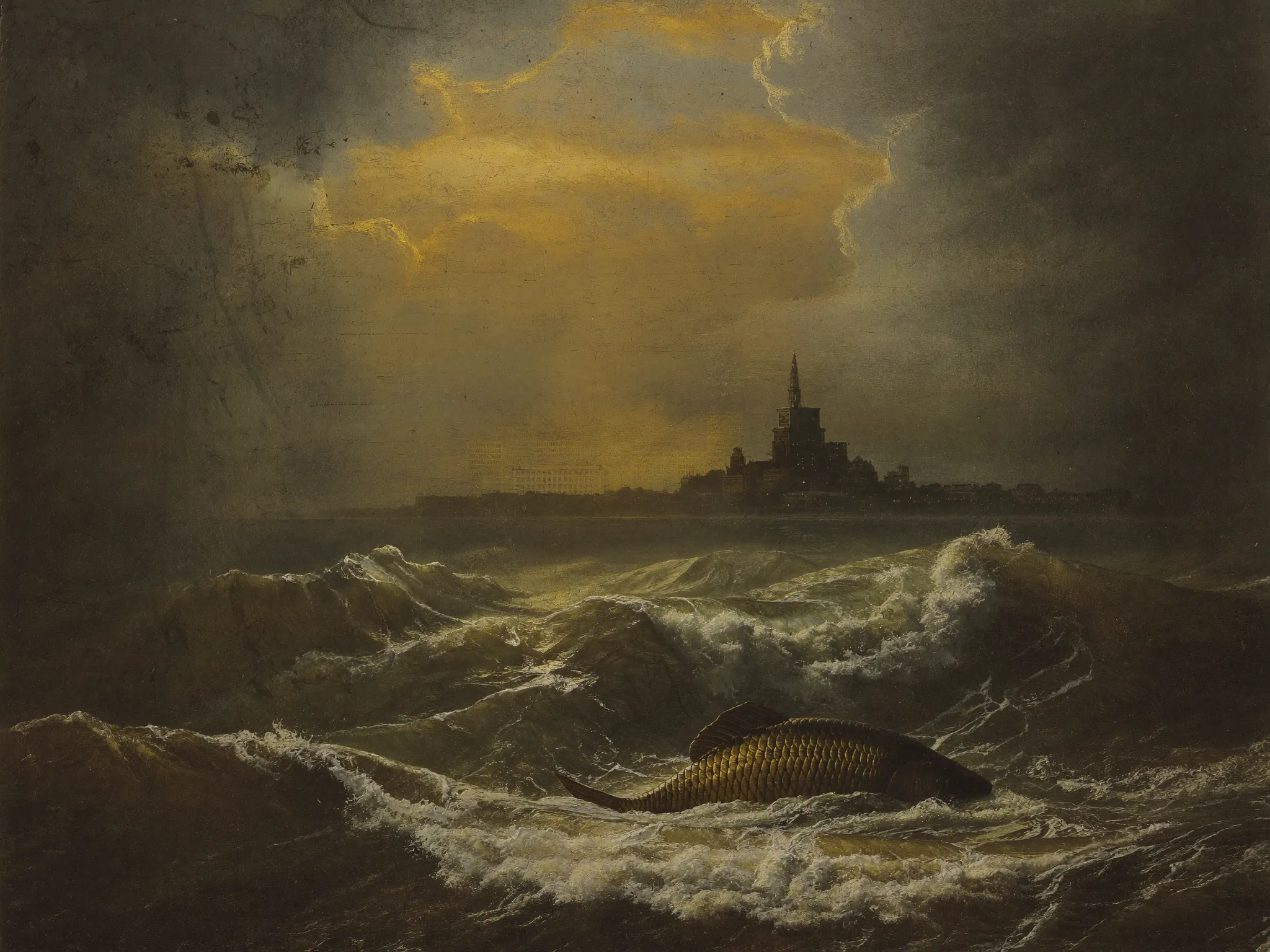
யோனா 3 — இன்னும் நாற்பதுநாட்களில் நினிவே கவிழ்க்கப்பட்டுப்போகும்
யெகோவாவுடைய வார்த்தை இரண்டாவதுமுறை யோனாவுக்கு உண்டாகிறது. அவன் நினிவேக்குப் போய் ஒரே ஒரு கடுமையான செய்தியைப் பிரசங்கிக்கிறான் — அழிவுக்கு நாற்பது நாட்கள். ராஜா முதல் மிகச் சிறியவர் வரை நகரம் முழுவதும் தேவனை விசுவாசிக்கிறது. அவர்கள் உபவாசம் அறிவிக்கிறார்கள், சாக்கு உடை அணிகிறார்கள், தங்கள் பொல்லாத வழிகளை விட்டுத் திரும்புகிறார்கள். தேவன் அவர்களுடைய மனந்திரும்புதலைக் கண்டு, தாம் எச்சரித்திருந்த தீங்கைக்குறித்து மனமிரங்குகிறார்.
“அவர்கள் தங்களுடைய பொல்லாத வழியைவிட்டுத் திரும்பினார்களென்று தேவன் அவர்களுடைய செயல்களைப்பார்த்து, தாம் அவர்களுக்குச் செய்வேன் என்று சொல்லியிருந்த தீங்கைக்குறித்து மனமிரங்கி, அதைச் செய்யாமல் இருந்தார்.”
— யோனா 3:10
- v.1-4 இரண்டாம் கட்டளை; ஒரு சிறு வாக்கியப் பிரசங்கம்
- v.5-9 ராஜா முதல் சாமானியர் வரை நினிவேயின் மனந்திரும்புதல்
- v.10 தேவன் மனமிரங்குகிறார்
இந்த முறை, யோனா எழுந்து ... போனான். அதிகாரம் 1:3-இல் உள்ள அதே வினைச்சொல் (யோனா ... ஓடிப்போவதற்காக எழுந்து), இப்போது கீழ்ப்படிதலை நோக்கித் திருப்பப்பட்டுள்ளது. மறுசீரமைக்கப்பட்ட ஊழியன் ஒருகாலத்தில் தான் மறுத்ததையே செய்கிறான்.
நினிவே மகா பெரிய நகரமாக இருந்தது — எபிரெய மொழியில் நேரடியாக தேவனுக்குப் பெரியது. யோனா அற்பமாக எண்ணிய நகரத்தை தேவன் மதிப்புள்ளதாக எண்ணினார். மக்கள்தொகையின் அளவு (வலதுகைக்கும் இடதுகைக்கும் வித்தியாசம் தெரியாத 120,000 பேர், 4:11) எவ்வளவு பெரிய இரக்கம் இங்கே பணயத்தில் இருந்தது என்பதைக் காட்டுகிறது.
வேதாகமத்தில் பதிவுசெய்யப்பட்ட மிகக் குறுகிய பிரசங்கங்களில் ஒன்று — ஆங்கிலத்தில் எட்டு வார்த்தைகள், எபிரெயத்தில் ஐந்து. கிருபை வழங்கப்படவில்லை, அழைப்பு இல்லை, சுவிசேஷம் இல்லை. நியாயத்தீர்ப்பின் அறிவிப்பு மட்டுமே. ஆனாலும் நகரம் முழுவதும் மனந்திரும்பியது.
வல்லமை செய்தியிலும் ஆவியானவரிலும் இருக்கிறது, செய்தியாளரின் சொல்வன்மையில் அல்ல என்பதற்கான ஒரு நினைவூட்டல். யோனாவின் பிரசங்கம் வெறுமையானது, ஒருவேளை கசப்பானதும் கூட. ஒரு நகரத்தை மனந்திருப்ப தேவன் அதைப் பயன்படுத்தினார். அந்தக் கனி தேவனுடைய செயல், யோனாவின் திறமை அல்ல.
தேவனை விசுவாசித்து. ஆபிரகாமைக் குறித்துப் பயன்படுத்தப்பட்ட அதே சொற்றொடர் (ஆதியாகமம் 15:6). நினிவே மக்கள் தேவனுடைய எச்சரிக்கையைத் தீவிரமாக எடுத்துக்கொண்டு செயல்பட்டார்கள். அவர்கள் தம்முடைய சொந்தச் சந்ததிக்கு எதிராக நியாயத்தீர்ப்பில் எழுந்து நிற்பார்கள் என்று இயேசு கூறினார் (மத்தேயு 12:41) — இஸ்ரவேலுக்கு இருந்ததைவிடக் குறைவான வெளிச்சத்திலேயே அவர்கள் மனந்திரும்பினார்கள்.
பெரியோர்முதல் சிறியோர்வரைக்கும். மனந்திரும்புதல் முழுமையானது — ஒவ்வொரு வகுப்பிலும். தேவன் ஒரு நகரத்தை அசைக்கும்போது, அதை மேலிருந்து கீழ்வரை அசைக்கிறார்.
ராஜாவின் கட்டளை. உண்மையான மனந்திரும்புதல் வெறும் சடங்கு (சாக்கு உடை, உபவாசம்) அல்ல, அது ஒழுக்கம் சார்ந்தது — அவரவர்கள் தம்தம் பொல்லாத வழியை விட்டுத் திரும்பவும். மாறிய நடத்தையை உண்டாக்கினால் மட்டுமே அந்த உபவாசம் செல்லுபடியாகும்.
தம்தம் கைகளிலுள்ள கொடுமையையும். நினிவேயின் தனித்துவமான பாவம் பெயரிட்டுச் சொல்லப்பட்டது — வன்முறை. மனந்திரும்புதல் உண்மையான பாவத்தைக் கையாளுகிறது, ஏதோ பொதுவான பக்தித்தனத்தை அல்ல. உண்மையான திரும்புதல் குறிப்பிட்ட தீமையை அடையாளம் கண்டு அதைக் கைவிடுகிறது.
தீங்கைக்குறித்து மனமிரங்கி. எபிரெய மொழியில் இதன் பொருள், தேவன் தம் மனதை மாற்றினார், அவர்களுடைய மாற்றத்திற்குப் பதிலாகத் தாம் அறிவித்த போக்கை மாற்றினார் என்பதே. இது தெய்வீக நிலையற்ற தன்மை அல்ல — எரேமியா 18:7-8 இந்த நியதியை விளக்குகிறது: ஒரு தேசம் திரும்பும்போது, எச்சரிக்கப்பட்ட நியாயத்தீர்ப்பிலிருந்து தேவன் திரும்புகிறார்.
எச்சரிக்கையே இரக்கத்தின் வழிமுறையாக இருந்தது. நினிவே மனந்திரும்பித் தப்பும்படியே தேவன் நியாயத்தீர்ப்பை அறிவித்தார். நாற்பது நாள் எச்சரிக்கை வெறும் கோபத்தின் செயல் அல்ல, கிருபையின் செயல்.
தெளிவான ஒரு பணியில் நீங்கள் தோல்வியடைந்து மறுசீரமைக்கப்பட்டிருந்தால், அழைப்பு மீண்டும் வரும் என்று எதிர்பாருங்கள். தேவன் யோனாவுக்கு அதே கட்டளையை இரண்டாவதுமுறை கொடுத்தார். உங்கள் கடந்தகாலத் தோல்வி உங்கள் எதிர்காலப் பயனை ரத்து செய்வதில்லை. இந்த முறை எழுந்து போங்கள். நீங்கள் கடினப்பட்ட ஒரு நகரத்திற்காகவோ, நபருக்காகவோ, கலாச்சாரத்திற்காகவோ ஜெபித்துக்கொண்டிருந்தால் — நினிவேயை நினைவுகூருங்கள். மிகக் குறைந்த வாய்ப்புள்ள இடம் மிக வெறுமையான பிரசங்கத்திற்கே மனந்திரும்பியது. தேவனுடைய இரக்கம் எட்ட முடியாத அளவுக்கு யாரும் இல்லை.
அவிசுவாசத்திற்கு எதிரான சாட்சியாக இயேசு நினிவேயைச் சுட்டிக்காட்டினார் — யோனாவின் பிரசங்கத்தைக் கேட்டு நினிவே பட்டணத்தார் மனந்திரும்பினார்கள். இதோ, யோனாவிலும் பெரியவர் இங்கே இருக்கிறார். ஆதலால் நியாயத்தீர்ப்புநாளிலே நினிவே பட்டணத்தார் இந்தச் சந்ததியாரோடு எழுந்து நின்று இவர்கள்மேல் குற்றஞ்சுமத்துவார்கள் (மத்தேயு 12:41). கிறிஸ்துவே யோனாவிலும் பெரியவர். யோனாவின் சில வெறுமையான வார்த்தைகளுக்கே நினிவே மனந்திரும்பியது என்றால், உண்மையில் மரித்து உயிர்த்தெழுந்தவருடைய சுவிசேஷத்திற்கு மனிதர்கள் எவ்வளவு அதிகமாக மனந்திரும்ப வேண்டும்.
இந்தப் பக்கத்தில் உங்கள் மொழியிலுள்ள வேத உரை: இந்தியன் ரிவைஸ்டு வெர்ஷன் (IRV), © 2017, 2019 பிரிட்ஜ் கனெக்டிவிட்டி சொல்யூஷன்ஸ் — மாற்றமின்றி இந்த உரிமத்தின் கீழ் பயன்படுத்தப்பட்டது: CC BY-SA 4.0 · eBible.org
இரண்டாவதுமுறை. இரண்டாம் வாய்ப்புகளின் தேவன். யோனா ஓடிப்போனான், விழுங்கப்பட்டான், ஜெபித்தான், விடுவிக்கப்பட்டான் — இப்போது அதே கட்டளையை மீண்டும் பெற்றான். தேவன் அவனைக் கைவிடவில்லை.
தெளிவான ஒரு பணியில் தோல்வியடைந்த ஒவ்வொரு விசுவாசிக்கும் இது ஆறுதல். நீங்கள் விட்டு ஓடிய அழைப்பு, மறுசீரமைப்புக்குப் பின் பெரும்பாலும் மீண்டும் கொடுக்கப்படுகிறது. பவுலைப் பிரிந்துபோன மாற்கு (அப்போஸ்தலருடைய நடபடிகள் 15:38), பின்னர் பிரயோஜனமுள்ளவன் என்று அழைக்கப்பட்டான் (2 தீமோத்தேயு 4:11). மறுசீரமைக்கப்பட்டவர்களுக்கு தேவன் மீண்டும் பணியை ஒப்படைக்கிறார்.