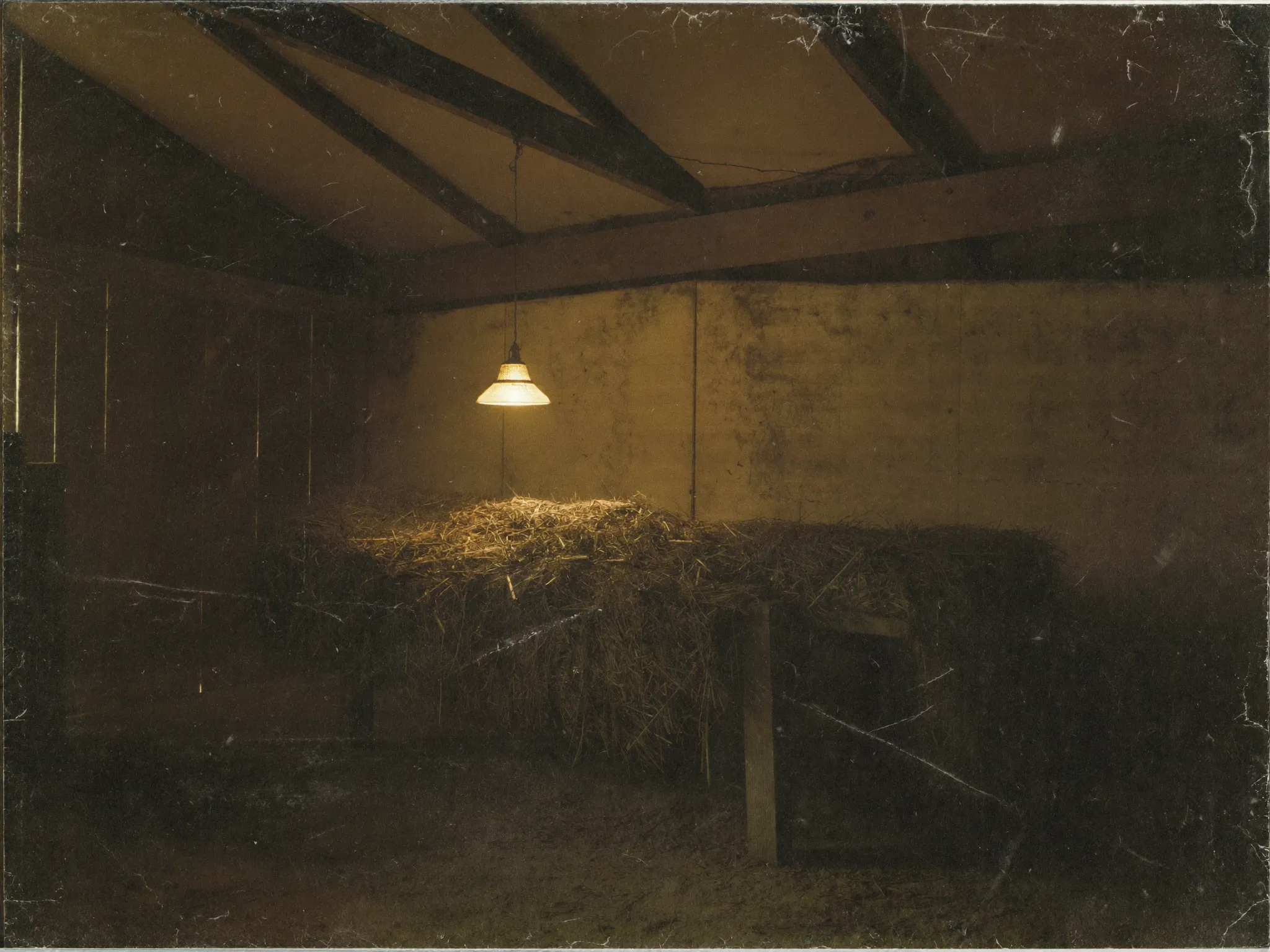
Luke 3 — Every Valley Shall Be Filled, and Every Mountain and Hill Shall Be Brought Low
In the fifteenth year of Tiberius the word of God comes to John in the wilderness. He preaches baptism of repentance. O generation of vipers, who hath warned you? Bring forth fruits worthy of repentance. To the people, the publicans, the soldiers — concrete instructions. He preaches one mightier than himself. Jesus is baptized, praying; the Holy Ghost descends in bodily shape like a dove; the Father's voice — Thou art my beloved Son. The genealogy of Jesus traced back through David, through Abraham, through Adam — the son of God.
“And the Holy Ghost descended in a bodily shape like a dove upon him, and a voice came from heaven, which said, Thou art my beloved Son; in thee I am well pleased.”
— Luke 3:22
- v.1-6 John's ministry in the wilderness
- v.7-14 Fruits of repentance
- v.15-20 The coming One mightier
- v.21-22 The baptism of Jesus
- v.23-38 The genealogy back to Adam
Concrete repentance. The people asked what they should do; John named property and food. Christian repentance reorders possessions, not just feelings.
A test for our day. Two coats vs. none — the disparity is to move you. Not abstract guilt; specific generosity.
The latchet of whose shoes. The slave's lowest task. The greatest born of women places himself beneath even that. True greatness sees Christ and shrinks.
Baptize you with the Holy Ghost and with fire. The new covenant baptism is internal — Spirit and refining fire. The water was preparatory; the Spirit-baptism is the substance.
The Trinity present at the Jordan — Son in the water, Spirit descending, Father speaking. The clearest revelation of the Triune God in the Gospels.
Well pleased before any miracle has been done. The Father's pleasure is in the Son Himself. So in Christ, the believer is pleased-with prior to performance.
Verse 11 makes repentance concrete this week. Two coats... one coat. Look at your closet, your kitchen, your bank account. Generous redistribution is not a special saint's call; it is the basic mark of repentance John demanded. Do one concrete thing tomorrow.
The chapter ends with the genealogy reaching from Jesus back to Adam — the son of God. Luke's Christ is the new Adam, the head of a new humanity. The Father's voice at the Jordan announces what the genealogy then confirms — this Son, born of David's line, is the Son in whom God's pleasure rests.
Fruits worthy of repentance. Repentance is shown, not claimed. The fruit is the evidence; words without it are empty.
Abraham to our father. The Pharisaic claim. John dismantles it — God can produce children from stones. Lineage is no substitute for repentance.