मसुदा भाषांतर. मातृभाषी ख्रिस्ती लोकांच्या सुधारणा स्वागत आहेत. वचनाचा मजकूर KJV (इंग्रजी) मध्ये राहतो.
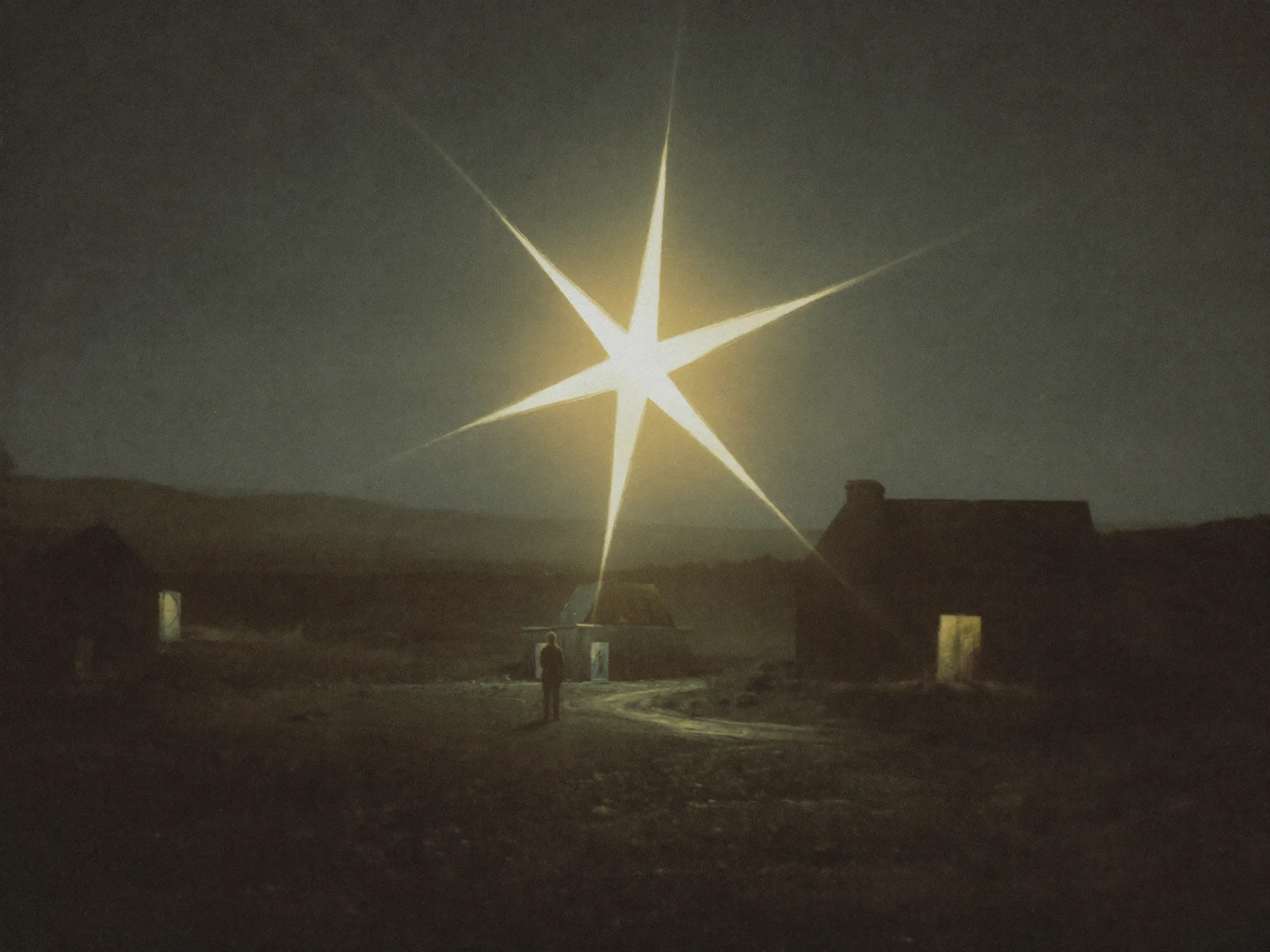
मत्तय 27 — माझ्या देवा, माझ्या देवा, तू माझा त्याग का केलास?
येशूंना बांधून पिलाताच्या स्वाधीन केले जाते. पस्तावलेला यहूदा स्वतःला गळफास लावून घेतो. पिलात त्यांची चौकशी करतो — त्याला त्यांच्यात काहीही दोष आढळत नाही. बरब्बाला सोडले जाते; पिलात आपले हात धुतो. शिपाई थट्टा करतात — काट्यांचा मुकुट, किरमिजी झगा, वेत. कुरेनेकर शिमोनाला वधस्तंभ वाहायला भाग पाडले जाते. गुलगुथा येथे ते त्यांना वधस्तंभावर खिळतात. याने दुसऱ्यांना वाचवले, परंतु तो स्वतःला वाचवू शकत नाही. सहाव्या तासापासून नवव्या तासापर्यंत अंधार. एलोई, एलोई, लमा सबखथनी. ते प्राण सोडतात. पडदा फाटतो; खडक फुटतात; कबरी उघडतात. शताधिपती म्हणतो — हा खरोखर देवाचा पुत्र होता. अरिमथाईचा योसेफ त्यांना आपल्या स्वतःच्या नव्या कबरेत ठेवतो.
“सुमारे नवव्या ताशी, येशू मोठ्या आवाजात ओरडून म्हणाला, “एलोई, एलोई, लमा सबखथनी?” याचा अर्थ “माझ्या देवा, माझ्या देवा, तू माझा त्याग का केलास?””
— मत्तय 27:46
- v.1-10 यहूदाचा शेवट
- v.11-26 पिलातापुढे; बरब्बा
- v.27-31 थट्टा
- v.32-44 वधस्तंभावर खिळणे
- v.45-56 अंधार, आरोळी, मृत्यू, चिन्हे
- v.57-66 दफन आणि पहारा
स्तोत्र 22 चे पहिले वचन, वधस्तंभावर प्रार्थनेत उच्चारलेले. स्तोत्र 22 ज्या त्यागलेपणाचे वर्णन करू लागते ते त्यांनी सोसले, आणि त्या स्तोत्रातील निर्दोष ठरण्यापर्यंत (वचने 22 पासून पुढे) ते पार गेले. केवळ पहिली ओळ उद्धृत करूनही ख्रिस्तांनी संपूर्ण स्तोत्र प्रार्थनेत उच्चारले.
हा त्याग खरा आहे आणि आपल्या जागी सोसलेला आहे. ज्या पुत्राने अखंड सहभागिता अनुभवली होती, त्यांनी आपल्या जागी शाप वाहिला. आपला कधीही त्याग होऊ नये म्हणून त्यांचा त्याग झाला (इब्री लोकांस पत्र 13:5).
वरपासून खालपर्यंत — देवाचा हात, मनुष्याचा नव्हे. पवित्रस्थानाला परमपवित्रस्थानापासून वेगळा करणारा जाड पडदा ख्रिस्तांचा मृत्यू झाला त्याच क्षणी फाटला. त्यांच्या मृत्यूने देवाच्या सान्निध्यात जाण्याचा मार्ग उघडला गेला.
याजक, बलिदाने आणि मध्यस्थाद्वारे जवळ जाण्याची व्यवस्था संपली आहे. ख्रिस्ती व्यक्ती ख्रिस्तांच्या फाटलेल्या देहाद्वारे थेट येते (इब्री लोकांस पत्र 10:19-22) — हा नवा आणि जिवंत मार्ग आहे.
मुख्य याजकांनी जे नाकारले, ते परराष्ट्रीय शताधिपती कबूल करतो. सफाईदार युक्तिवाद ज्यांना पटवू शकला नाही, त्यांना वधस्तंभ पटवतो.
मत्तयाचे ख्रिस्तशास्त्र पूर्णत्वास येते — अध्याय 3 मधील देवाचा पुत्र वधस्तंभाजवळ वध करणाऱ्याकडूनच कबूल केला जातो. मार्क जो नमुना घालून देतो त्याचा येथे मान राखला आहे: मरत असताना ख्रिस्त देवाचा पुत्र म्हणून सर्वांत स्पष्टपणे दिसतात.
वचन 46 कधीही घाईने वाचू नये. ते मनात स्थिरावू द्या. तुमचा त्याग होऊ नये म्हणून ख्रिस्तांचा त्याग झाला. एका वाक्यातली हीच सुवार्ता आहे. जेव्हा एकटेपणाची भीती तुमच्या अंतःकरणात उठेल, तेव्हा इथे परत या: त्यांनी तुम्हाला सोडलेले नाही — या वचनामुळे. पुढच्या ओसाडपणाला इब्री लोकांस पत्र 13:5 ने उत्तर द्या आणि ज्या वधस्तंभाने तुमच्यासाठी ते वचन विकत घेतले त्याची आठवण ठेवा.
मत्तय 27 हा तारणाऱ्याचा सर्वांत खोल क्षण आहे. थट्टा, खिळे, अंधार, आरोळी, पडदा — प्रत्येक तपशील म्हणजे तारणाचे कार्य आहे. देवाच्या पुत्राचा त्याग झाला, म्हणजे त्यांच्या लोकांचा कधीही होऊ नये; पडदा फाटला, म्हणजे मार्ग उघडावा; शताधिपतीचे मन वळले, म्हणजे परराष्ट्रीयांसाठीचे दार दिसावे. वधस्तंभाचे कार्य येथे पूर्ण होते; पुनरुत्थान पुढच्या अध्यायात येते.
या पानावरील तुमच्या भाषेतील पवित्र शास्त्राचा मजकूर: इंडियन रिव्हाइज्ड व्हर्जन (IRV), © 2017, 2019 ब्रिज कनेक्टिव्हिटी सोल्युशन्स — कोणताही बदल न करता या परवान्याअंतर्गत वापरलेला: CC BY-SA 4.0 · eBible.org
एक व्यर्थ कृती. निर्दोषाला धरून देणाऱ्या न्यायाधीशाची जबाबदारी कोणतेही पाणी धुऊन काढू शकत नाही. जे तो धुऊन काढू शकला नाही, त्यासाठी पिलाताचे नाव दर रविवारी विश्वासवचनात घेतले जाईल.
लोकांना खूश ठेवण्याचा भ्याडपणा कायमचा उघडा मांडला गेला आहे. जो मनुष्य हे थांबवू शकला असता, त्याने त्याऐवजी आपली प्रतिमा सांभाळली. हात धुणे ही त्या दिवसाची सर्वांत डागाळलेली कृती होती.