मसुदा भाषांतर. मातृभाषी ख्रिस्ती लोकांच्या सुधारणा स्वागत आहेत. वचनाचा मजकूर KJV (इंग्रजी) मध्ये राहतो.
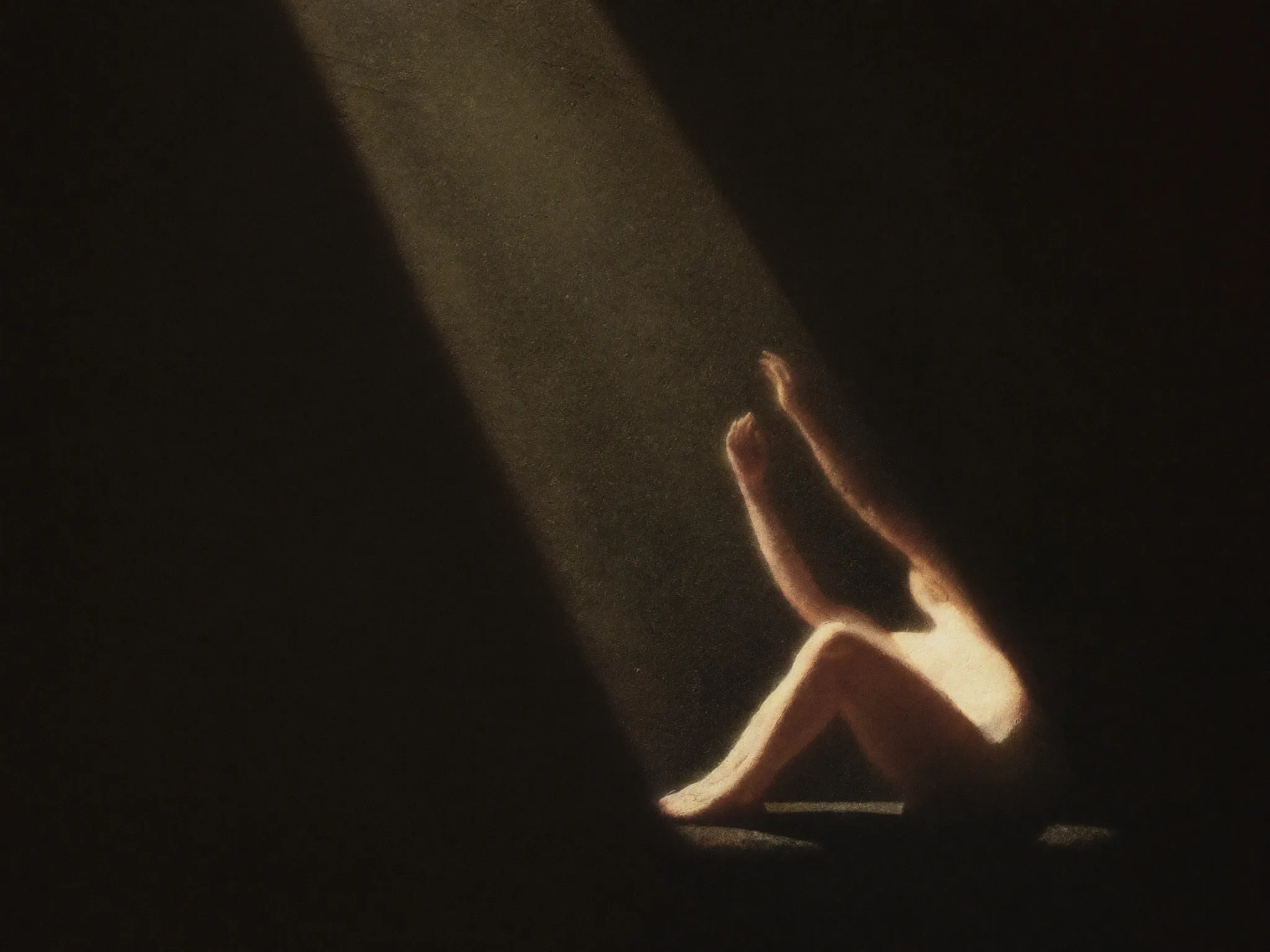
योहान 20 — माझा प्रभू आणि माझा देव
आठवड्याचा पहिला दिवस. मग्दालीया नगराची मरीया पहाटेस कबरेजवळ येते. पेत्र आणि योहान धावत जातात; तागाची वस्त्रे पडलेली आहेत. मरीया रडत उभी राहते. मुली, तू का रडतेस? मरीये. रब्बूनी. मला शिवू नकोस. माझ्या बांधवांकडे जा. त्याच दिवशी संध्याकाळी, यहूद्यांच्या भीतीमुळे दरवाजे बंद असता — तुम्हास शांती असो. जसे पित्याने मला पाठवले आहे तसे मीहि तुम्हास पाठवतो. पवित्र आत्म्याचा स्वीकार करा. थोमा त्यांच्याबरोबर नव्हता. मी त्याच्या हातात खिळ्यांची खूण बघितल्याशिवाय ... मी विश्वास ठेवणारच नाही. आठ दिवसांनी — तुझे बोट पुढे कर. माझा प्रभू आणि माझा देव. पाहिल्यावांचून विश्वास ठेवणारे ते धन्य. दुसरी पुष्कळ चिन्हे लिहिलेली नाहीत — पण ही ह्यासाठी लिहिली आहेत की, ... तुम्ही विश्वास ठेवावा.
“आणि थोमाने त्यास म्हटले, “माझा प्रभू आणि माझा देव!” येशूने त्यास म्हटले, “तू मला पाहिले आहे म्हणून विश्वास ठेवला आहे. पाहिल्यावांचून विश्वास ठेवणारे आहे ते धन्य!””
— योहान 20:28-29
- v.1-10 रिकामी कबर
- v.11-18 बागेत मरीया
- v.19-23 शिष्यांना पहिले दर्शन
- v.24-29 थोमा
- v.30-31 हे शुभवर्तमान का लिहिले गेले
जसे पित्याने मला पाठवले आहे तसे मीहि तुम्हास पाठवतो. मंडळीच्या कार्याचा आराखडा. ते जसे पाठवले गेले तसेच हे पाठवले जातात — पित्याने त्यांना दिलेली कामगिरी हाच नमुना आहे.
शांती. पुनरुत्थानाचा अभिवादन-शब्द, दोनदा उच्चारलेला (वचने 19, 21). ज्या शिष्यांनी त्यांना दगा दिला होता त्यांना पुनरुत्थित प्रभू सर्वप्रथम जे म्हणतात ते म्हणजे शांती.
पुनरुत्थित ख्रिस्त शंका घेणाऱ्याला सामावून घेतात. थोमाने मागितलेला पुरावाच ते देऊ करतात. प्रामाणिक शंकेबद्दल ख्रिस्तांची सहनशीलता येथे स्पष्ट दिसते.
विश्वासहीन होऊ नकोस पण विश्वास ठेवणारा हो. हे आमंत्रण आहे. वधस्तंभाच्या खुणा विश्वासाचा पुरावा बनतात. त्या जखमाच त्यांची ओळखपत्रे आहेत.
शुभवर्तमानाचे उद्दिष्ट-विधान. लिहिली आहेत की, ... तुम्ही विश्वास ठेवावा. योहानाचा हेतू चरित्र लिहिणे नाही, तर लोकांचे मनपरिवर्तन हा आहे.
त्याच्या नावात जीवन. विश्वास ठेवण्याचा परिणाम. शुभवर्तमानाचे अंतिम ध्येय जीवन आहे — तेच जीवन जे ख्रिस्तांनी संपूर्ण पुस्तकभर विश्वासणाऱ्यांना देण्याचे अभिवचन दिले.
वचन 28 हे असे कबुलीविधान आहे ज्यापर्यंत प्रत्येक विश्वासणाऱ्याने पोहोचले पाहिजे. माझा प्रभू आणि माझा देव. सर्वसाधारण अर्थाने देव नव्हे; केवळ सिद्धांतातला प्रभू नव्हे. वैयक्तिक — माझा. थोमाचे शब्द म्हणजे दोन श्वासांत सांगितलेला मंडळीचा विश्वासांगीकार. ते शब्द तुमचे करा, आणि ज्याचा प्रभू मेलेला राहिला नाही अशा व्यक्तीप्रमाणे जगा.
योहान 20 हा पुनरुत्थानाचा अध्याय आहे. पुनरुत्थित ख्रिस्त मरीयेला नावाने हाक मारतात, शिष्यांवर शांतीची फुंकर टाकतात, थोमाच्या शंकेला सामावून घेतात आणि हे शुभवर्तमान का लिहिले गेले हे स्पष्ट करतात. ज्यांनी पाय धुतले आणि ज्यांना वधस्तंभावर खिळले गेले तीच ही व्यक्ती आहे — आणि ते जिवंत आहेत. अध्यायातील कबुलीविधान — माझा प्रभू आणि माझा देव — हाच या अध्यायाचा मुद्दा आहे.
या पानावरील तुमच्या भाषेतील पवित्र शास्त्राचा मजकूर: इंडियन रिव्हाइज्ड व्हर्जन (IRV), © 2017, 2019 ब्रिज कनेक्टिव्हिटी सोल्युशन्स — कोणताही बदल न करता या परवान्याअंतर्गत वापरलेला: CC BY-SA 4.0 · eBible.org
मरीये. त्यांनी तिला नावाने हाक मारली. मेंढपाळ आपल्या मेंढरांना नावाने हाक मारतो (10:3); पुनरुत्थानाचे दृश्य वैयक्तिक संबोधनाने सुरू होते.
पुनरुत्थित प्रभूला ओळखण्याचा एक नमुना. ते दिसण्याआधी ऐकू येतात. मरीया त्या आवाजाकडे वळली; ओळख त्यानंतर आली.