मसुदा भाषांतर. मातृभाषी ख्रिस्ती लोकांच्या सुधारणा स्वागत आहेत. वचनाचा मजकूर KJV (इंग्रजी) मध्ये राहतो.
योहान 11 — पुनरुत्थान व जीवन मीच आहे
लाजर आजारी आहे. हा आजार मरणासाठी नाही पण देवाच्या गौरवासाठी आहे. ते आणखी दोन दिवस तेथेच राहिले. आपला मित्र लाजर झोपला आहे. मार्था — प्रभूजी, आपण येथे असता तर माझा भाऊ मरण पावला नसता. पुनरुत्थान व जीवन मीच आहे. जो माझ्यावर विश्वास ठेवतो तो मरण पावला असला तरी जगेल. मरीया — तेच शब्द. येशू रडला. ते कबरेजवळ येतात. धोंड काढा … प्रभूजी, आता त्यास दुर्गंधी येत असेल. तू विश्वास ठेवशील तर तू देवाचे गौरव पाहशील असे मी तुला सांगितले नव्हते काय? लाजरा, बाहेर ये. मुख्य याजक आणि परूशी सभा भरवतात — आपण त्यास असेच सोडले तर सर्व लोक त्याच्यावर विश्वास ठेवतील. कयफा — प्रजेसाठी एका मनुष्याने मरावे … तुम्हास फायदेशीर आहे.
“येशूने तिला म्हटले, “पुनरुत्थान व जीवन मीच आहे. जो माझ्यावर विश्वास ठेवतो तो मरण पावला असला तरी जगेल. आणि जिवंत असलेला प्रत्येकजण जो माझ्यावर विश्वास ठेवतो तो कधीही मरणार नाही, यावर तू विश्वास ठेवतेस काय?””
— योहान 11:25-26
- v.1-16 लाजर आजारी आणि मृत
- v.17-37 मार्था आणि मरीया यांच्यासोबत येशू
- v.38-44 लाजराला उठवले जाते
- v.45-57 न्यायसभा आणि कयफाची भविष्यवाणी
यावर तू विश्वास ठेवतेस काय? ख्रिस्त वैयक्तिक उपयोजनाचा आग्रह धरतात. पुनरुत्थानाविषयीचे सत्य विश्वास ठेवला जातो तेव्हाच तारक ठरते.
हे वचन प्रत्येक वाचकाला विचारते. विश्वास ठेवा — आणि कधीही मरू नका. विश्वासणाऱ्याचे सर्वात सखोल सांत्वन हे आहे की खऱ्या अर्थाने मरण दूर केले गेले आहे; जे उरते ती केवळ शारीरिक झोप आहे.
इंग्रजी बायबलमधील सर्वात लहान वचन. दोन शब्द देवाच्या पुत्राची मानवी कोमलता दाखवतात. मित्राला आपण उठवणार आहोत हे माहीत असूनही ते त्याच्या मृत्यूवर रडले.
एक सांत्वन. परिणाम आनंदाचा असणार हे माहीत असतानाही ख्रिस्त अश्रूंना तुच्छ लेखत नाहीत. रडणाऱ्यांबरोबर ते रडतात; त्यांना प्रसन्न करण्यासाठी तुम्हाला तुमचे दुःख दाबून ठेवण्याची गरज नाही.
कबरेत उच्चारलेले एक विशिष्ट नाव. काहींनी असे नमूद केले आहे — त्यांनी लाजरा असे निर्दिष्ट केले नसते, तर प्रत्येक कबरेतील प्रत्येक मृत बाहेर आला असता.
बाहेर ये. हीच वाणी शेवटल्या दिवशी प्रत्येक मृताला बोलावेल. हा अध्याय एक पूर्वदर्शन आहे.
वचन 26 हा ख्रिस्तांनी तुम्हाला विचारलेला वैयक्तिक प्रश्न आहे. यावर तू विश्वास ठेवतेस काय? तुम्ही विश्वास ठेवता की नाही, यावर तुम्ही स्वतःच्या मृत्यूला आणि तुमच्या प्रियजनांच्या मृत्यूला कसे सामोरे जाता हे ठरते. त्यांना घेऊन जाणारे मरण हा अंतिम शब्द नाही; त्यांची वाणी अंतिम शब्द असेल.
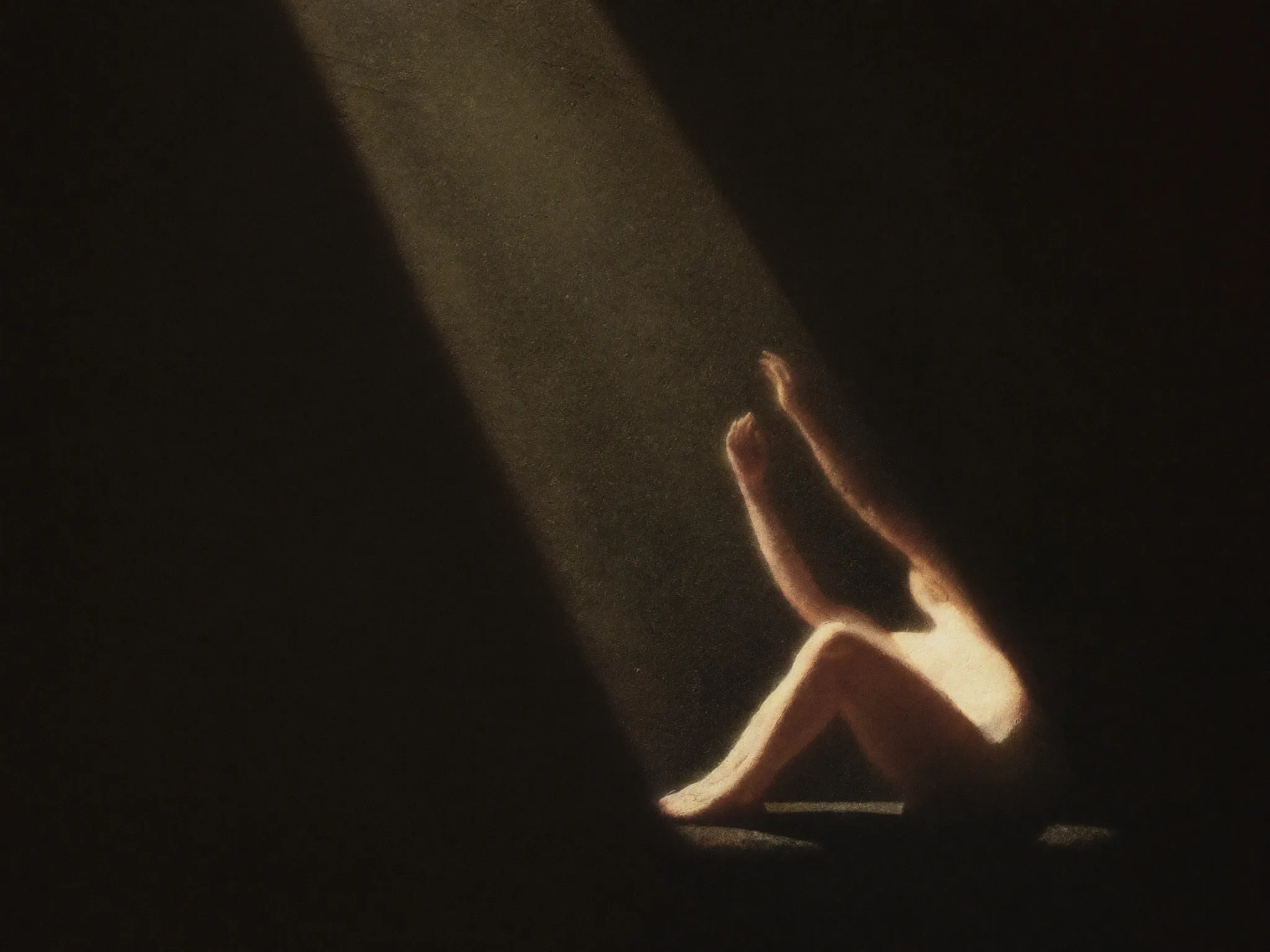
योहान 11 हे वधस्तंभापूर्वीचे योहानाचे कळसाचे चिन्ह आहे. चार दिवस कबरेत असलेल्या मृत मनुष्याला ख्रिस्त उठवतात. हा अध्याय त्यांना पुनरुत्थान व जीवन म्हणून घोषित करतो — आणि धार्मिक सत्ताधारी त्यांच्या मृत्यूचा कट रचत असल्याच्या दृश्याने संपतो. जीवनाचे प्रभू जीवन देण्यासाठी आपले जीवन अर्पण करतील. अध्यायावरील सावली वधस्तंभाची आहे; त्याचा प्रकाश येणाऱ्या रिकाम्या कबरेचा आहे.
या पानावरील तुमच्या भाषेतील पवित्र शास्त्राचा मजकूर: इंडियन रिव्हाइज्ड व्हर्जन (IRV), © 2017, 2019 ब्रिज कनेक्टिव्हिटी सोल्युशन्स — कोणताही बदल न करता या परवान्याअंतर्गत वापरलेला: CC BY-SA 4.0 · eBible.org
पुनरुत्थान व जीवन मीच आहे. ते पुरवतात असे नव्हे; ते स्वतःच आहेत. पुनरुत्थान हे केवळ त्यांचे सामर्थ्य नव्हे, तर त्यांचे व्यक्तित्व आहे.
प्रत्येक ख्रिस्ती अंत्यविधी या वचनावर टेकलेला आहे. मरण पावलेला विश्वासणारा त्यांच्यामध्ये अजूनही जिवंत आहे; मृत शरीर हा अंतिम शब्द नाही.