मसुदा भाषांतर. मातृभाषी ख्रिस्ती लोकांच्या सुधारणा स्वागत आहेत. वचनाचा मजकूर KJV (इंग्रजी) मध्ये राहतो.
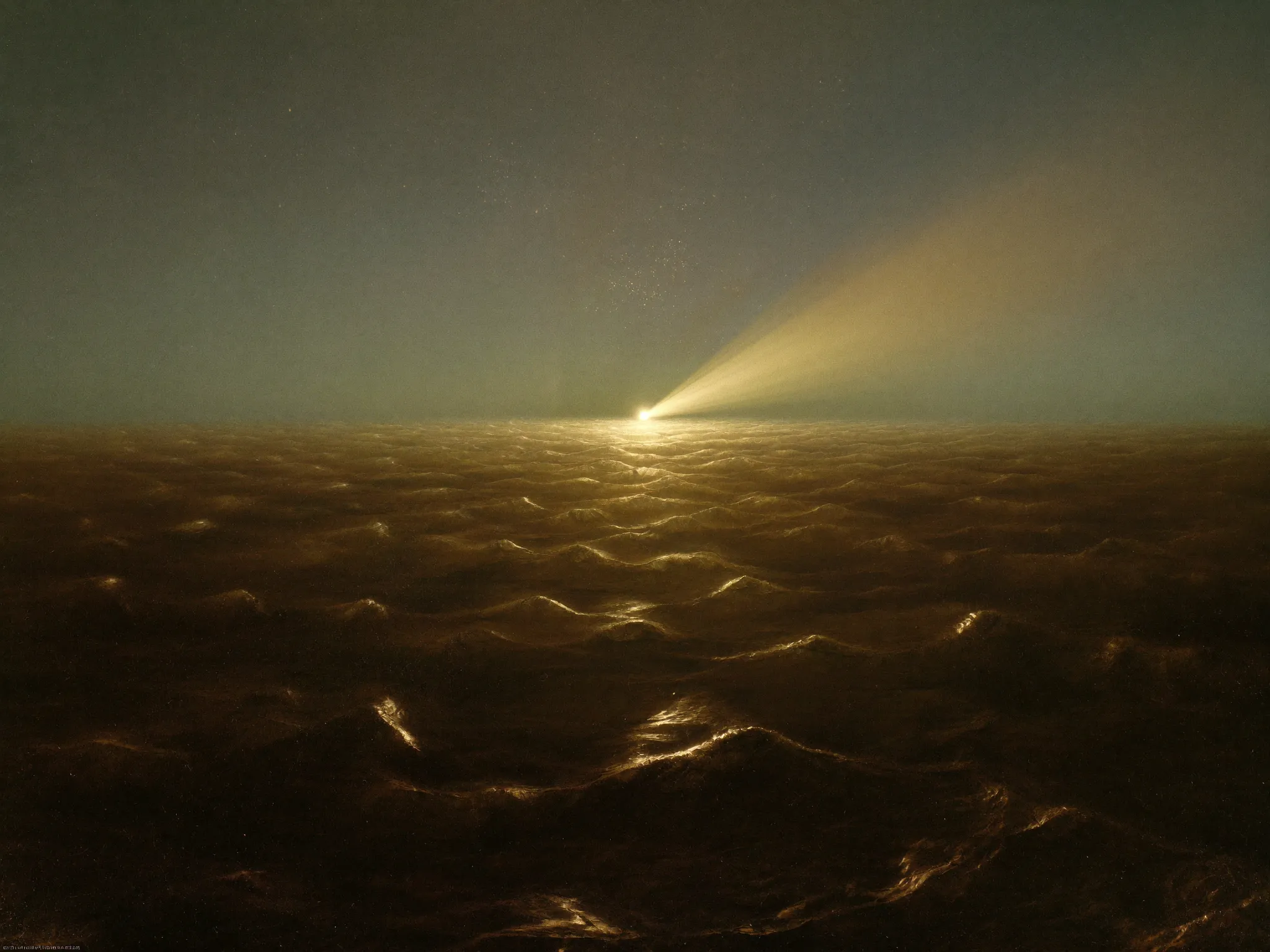
उत्पत्ति 1 — प्रारंभ
देव सहा दिवसांत आपल्या शब्दाने विश्व अस्तित्वात आणतो आणि मग विसावा घेतो. पहिला अध्याय सर्वांत खोल प्रश्नाचे उत्तर देतो — सर्वकाही कोठून आले — आणि ज्याने या सर्वाची सुरुवात केली त्याला प्रकट करतो.
“प्रारंभी देवाने आकाश व पृथ्वी ही निर्माण केली.”
— उत्पत्ति 1:1
- v.1-2 मूळ निर्मिती — आकाश, पृथ्वी, आणि जलाशयावर पाखर घालणारा आत्मा
- v.3-5 पहिला दिवस: प्रकाश अंधकारापासून वेगळा
- v.6-8 दुसरा दिवस: अंतराळ — आकाश आणि जले विभागली
- v.9-13 तिसरा दिवस: कोरडी जमीन, समुद्र, वनस्पती
- v.14-19 चौथा दिवस: सूर्य, चंद्र, तारे — चिन्हे व ऋतू दाखविणाऱ्या ज्योती
- v.20-23 पाचवा दिवस: समुद्रातील प्राणी आणि पक्षी
- v.24-25 सहावा दिवस (भाग 1): भूचर प्राणी
- v.26-31 सहावा दिवस (भाग 2): मनुष्य — त्याच्या प्रतिरूपाचा निर्माण केलेला
तोहू वाबोहू हा हिब्रू वाक्प्रचार — अंदाधुंद व रिकामी. काही विद्वानांना येथे वचन 1 आणि वचन 2 यांच्यामध्ये एक अंतर दिसते (“अंतर सिद्धांत”), ज्या काळात पूर्वीच्या एका निर्मितीवर न्याय झाला. इतर जण याला सुरुवातीची, आकार न घेतलेली अवस्था मानतात.
बायबलच्या दुसऱ्याच वचनात देवाच्या आत्म्याचा उल्लेख आहे. पवित्र आत्मा पिता आणि शब्द (देहधारणेपूर्वीचे ख्रिस्त) यांच्याबरोबर निर्मितीत कार्यरत होता.
पाखर घालत होता (हिब्रू: राखाफ) याचा अर्थ आपल्या पिलांवर पाखर घालणाऱ्या पक्षिणीप्रमाणे उबवणे, घिरट्या घालणे. हाच शब्द अनुवाद 32:11 मध्ये आपले घरटे हलविणाऱ्या गरुडासाठी वापरला आहे.
देवाची पहिली नोंदलेली कृती म्हणजे बोलणे. तो बोलणारा देव आहे — आणि तो जे बोलतो, ते होते. या अध्यायात “देव बोलला” हे शब्द दहा वेळा येतात, आणि प्रत्येक वेळी निर्मिती प्रतिसाद देते.
प्रकाश सूर्याच्या आधी अस्तित्वात होता (सूर्य चौथ्या दिवशी निर्माण झाला). येथे प्रकाशाचा उगम स्वतः देव आहे, आणि हे योग्यच आहे, कारण नव्या आकाशात सूर्याची गरज नाही, कारण प्रभू हाच प्रकाश आहे (प्रकटीकरण 21:23).
पौल या वचनाचा आत्मिक उपयोग करतो: “ज्या देवाने प्रकाशाला अंधारामधून प्रकाशण्यास सांगितले तो आमच्या अंतःकरणात … प्रकाशला आहे” (करिंथकरांस दुसरे पत्र 4:6). ज्या देवाने बोलून निर्मितीचा प्रकाश अस्तित्वात आणला, तोच बोलून तारणाचा प्रकाश आत्म्यात आणतो.
“आपण … निर्माण करू” — देवत्वातील अनेकत्वाचा पहिला स्पष्ट संकेत. मनुष्याच्या निर्मितीच्या वेळी पिता, पुत्र आणि पवित्र आत्मा सर्व उपस्थित आहेत.
काही भाष्यकार प्रतिरूप आणि सारखेपणा यांत भेद करतात: प्रतिरूप (त्सेलेम) म्हणजे आकार, सारखेपणा (देमूथ) म्हणजे स्वभाव — तरी अनेक जण या दोन्हींना जवळजवळ समानार्थी मानून वाचतात (5:3 मधील त्यांच्या उलट क्रमाशी तुलना करा). मनुष्याने अस्तित्वात आणि वर्तनात — दोन्हींत — देवाचे प्रतिबिंब दाखवावे म्हणून तो निर्माण केला गेला.
सत्ता दिली गेली — जुलूम नव्हे. मनुष्याला निर्मितीवर जुलमी म्हणून नव्हे, तर कारभारी म्हणून ठेवले गेले. बायबलमधील पर्यावरणविषयक आणि प्राणिविषयक नीतिशास्त्राचा हा पाया आहे.
हे वचन काव्यात्मक व जोरकस आहे — जोर देण्यासाठी “प्रतिरूप” हा शब्द दोनदा पुन्हा येतो. प्रत्येक मानवी व्यक्ती — तिची अवस्था, दर्जा किंवा परिस्थिती कोणतीही असो — देवाचे प्रतिरूप धारण करते.
नर व नारी — विवाहाविषयी शिकवण देताना येशूंनी या वचनाचा संदर्भ दिला (मत्तय 19:4). हे द्वैत निर्मितीतून आलेले आहे, संस्कृतीतून नव्हे.
मनुष्यातील देवाचे प्रतिरूप हाच मानवी जीवनाच्या पावित्र्याचा (उत्पत्ति 9:6) आणि प्रत्येक व्यक्तीच्या प्रतिष्ठेचा आधार आहे.
पहिल्या अध्यायात सात वेळा देव आपल्या कार्याला “चांगले” ठरवतो. सहाव्या दिवशी, मनुष्य निर्माण झाल्यानंतर, तो त्याला “फार चांगले” म्हणतो. मानवतेत निर्मिती आपल्या शिखरावर पोहोचली.
मूळ निर्मितीत मरण नव्हते, क्षय नव्हता, काटा नव्हता, अश्रू नव्हते. हे सर्व उत्पत्ति 3 मध्ये आले. देवाने योजल्याप्रमाणे असलेली निर्मिती फार चांगले आहे.
तुम्ही गोंधळातून उत्क्रांत झाला नाहीत — जो देव तुम्हाला आधीपासून ओळखत होता, त्याने बोलून तुम्हाला अस्तित्वात आणले. तुमचे मोल तुम्ही काय उत्पन्न करता यावर मोजले जात नाही, तर तुम्ही कोणाचे प्रतिरूप धारण करता यावर मोजले जाते. आज अशा व्यक्तीसारखे जगा जिला हेतुपूर्वक, एका हेतूसाठी, अशा एकाने निर्माण केले ज्याने तुम्हाला फार चांगले म्हटले.
योहान 1 याच शब्दांनी सुरू होते: “प्रारंभी.” योहान आपल्याला सांगतो की शब्द तेथे होता — आणि शब्द देव होता — आणि सर्वकाही त्याच्याद्वारे झाले. उत्पत्ति 1:26 मधील “आपण” म्हणजे पिता, पुत्र आणि आत्मा. पहिल्या दिवसाचा प्रकाश जगाच्या प्रकाशाची पूर्वछाया आहे (योहान 8:12). उत्पत्तीचे प्रत्येक पान त्यांच्याकडेच निर्देश करते.
या पानावरील तुमच्या भाषेतील पवित्र शास्त्राचा मजकूर: इंडियन रिव्हाइज्ड व्हर्जन (IRV), © 2017, 2019 ब्रिज कनेक्टिव्हिटी सोल्युशन्स — कोणताही बदल न करता या परवान्याअंतर्गत वापरलेला: CC BY-SA 4.0 · eBible.org
संपूर्ण पवित्र शास्त्राची प्रारंभीची घोषणा. इंग्रजीतील दहा शब्दांत (हिब्रूमध्ये सात), देव मानवी अस्तित्वाच्या चार सर्वांत मोठ्या प्रश्नांची उत्तरे देतो: कारण (देव), काळ (प्रारंभी), अवकाश (आकाश), पदार्थ (पृथ्वी).
येथे “देव” यासाठी वापरलेला हिब्रू शब्द एलोहीम आहे — रूपाने अनेकवचनी, अर्थाने एकवचनी. पहिल्याच वचनात देवाच्या त्रैक्य स्वरूपाचा संकेत मिळतो.
देवाच्या अस्तित्वासाठी कोणताही युक्तिवाद मांडलेला नाही. तो आहे, हे सरळ गृहीत धरलेले आहे. मूर्ख आपल्या हृदयात म्हणतो, देव नाही (स्तोत्र 14:1) — पवित्र शास्त्र शहाण्यांसाठी लिहिलेले आहे.