मसुदा भाषांतर. मातृभाषी ख्रिस्ती लोकांच्या सुधारणा स्वागत आहेत. वचनाचा मजकूर KJV (इंग्रजी) मध्ये राहतो.
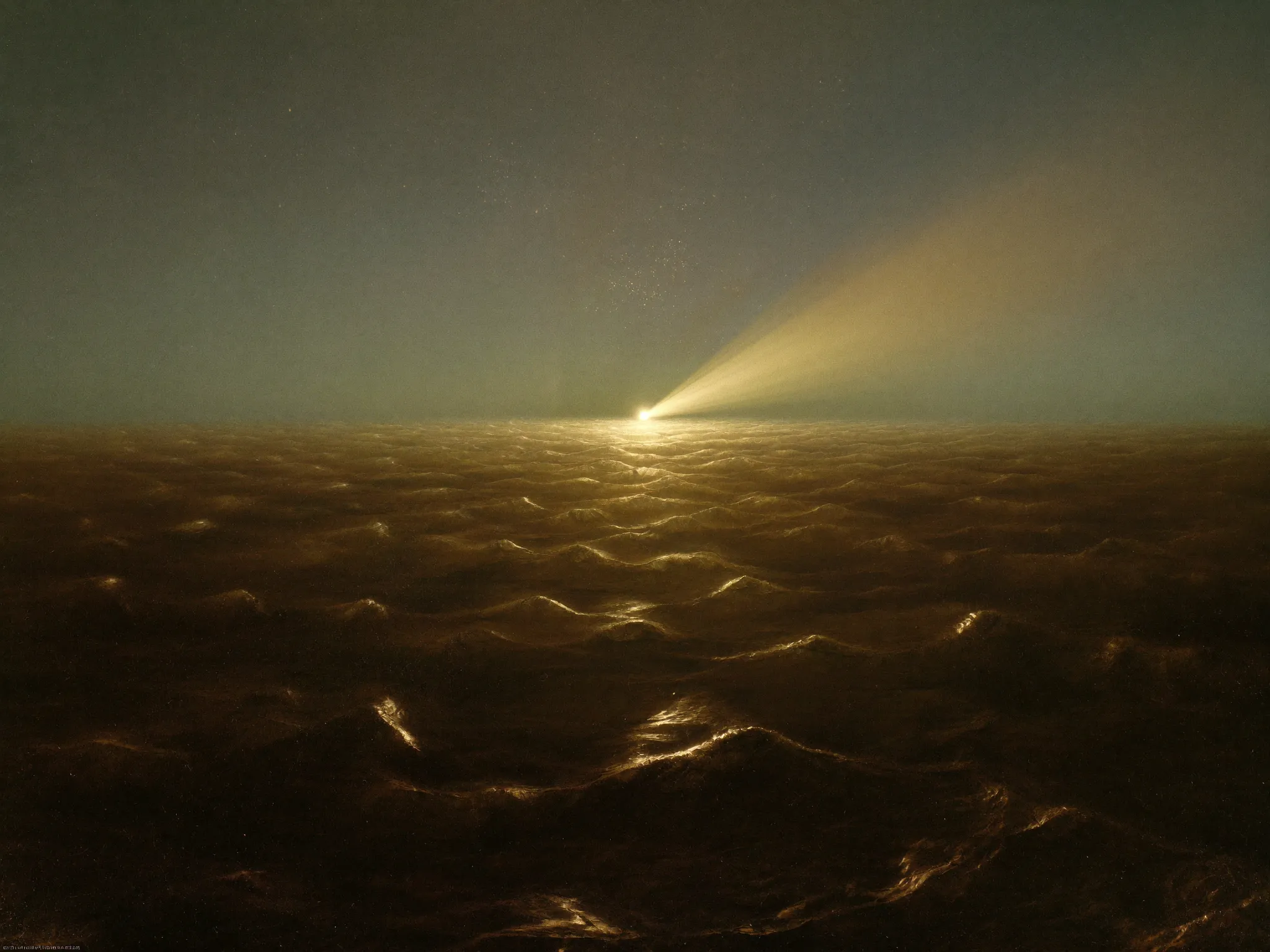
उत्पत्ति 2 — बाग, शब्बाथ आणि पहिला विवाह
सातव्या दिवसाचा विसावा वेगळा केला जातो. देव एक बाग लावतो आणि मातीतून मनुष्य घडवतो. तो बागेच्या मध्यभागी जीवनाचे झाड आणि ज्ञानाचे झाड ठेवतो. पहिला विवाह स्थापन होतो — त्याच्या हाडांतले हाड, त्याच्या मांसातले मांस.
“म्हणून मनुष्य आपल्या आई वडीलांस सोडून आपल्या पत्नीला जडून राहील आणि ती दोघे एक देह होतील.”
— उत्पत्ति 2:24
- v.1-3 सातवा दिवस — देव विसावा घेतो आणि तो पवित्र करतो
- v.4-7 मातीतून मनुष्याची घडण
- v.8-14 एदेन बाग आणि तिच्या नद्या
- v.15-17 दोन झाडे आणि पहिली मनाई
- v.18-25 स्त्रीची घडण आणि विवाहाची स्थापना
मनुष्यात दोन घटक — माती आणि दैवी श्वास. आपला उगम नम्र आहे आणि आपला स्रोत उदात्त आहे. माती आपल्याला जमिनीवर ठेवते; श्वास आपल्याला वर पोहोचण्याची ओढ लावतो.
“घडवला” — हिब्रू यात्सार, कुंभार मातीला आकार देतो त्यासाठी वापरला जाणारा शब्द. मनुष्य हा मोठ्या प्रमाणावर तयार केलेला माल नाही. तो हाताने घडवलेला आहे.
पुनरुत्थित ख्रिस्तांनी आपल्या शिष्यांवर फुंकर टाकली आणि म्हटले, “पवित्र आत्म्याचा स्वीकार करा” (योहान 20:22). नवी निर्मिती पहिल्या निर्मितीप्रमाणेच सुरू होते — देवाच्या श्वासाने.
दोन झाडे, दोन्ही मध्यभागी. एदेन ही निर्बंधांची जागा नाही — एक सोडून प्रत्येक झाडाची परवानगी होती. मनुष्य देवाच्या शहाणपणावर भरवसा ठेवेल की स्वतःच्याच शहाणपणाचा आग्रह धरेल, याची परीक्षा घेण्यासाठी ती एकमेव मनाई मध्यभागी उभी होती.
जीवनाचे झाड प्रकटीकरण 22:2 मध्ये पुन्हा दिसते — नव्या यरुशलेमेच्या मध्यभागी, राष्ट्रांच्या आरोग्यासाठी असलेल्या पानांसह. तिसऱ्या अध्यायात जे गमावले, ते ग्रंथाच्या शेवटी पुन्हा प्राप्त होते.
पवित्र शास्त्रातील मरणाचा पहिला इशारा. पाप आणि मरण अगदी सुरुवातीपासूनच अविभाज्य आहेत. रोमकरांस पत्र 6:23 — पापाचे वेतन मरण आहे.
नक्कीच या शब्दाकडे लक्ष द्या. हिब्रूमध्ये क्रियापद दुहेरी आहे — मरताना तू मरशील. आत्मिक मरण तात्काळ; शारीरिक मरण निश्चित. दोन्ही पूर्ण झाली.
देवाने बरे नाही असे म्हटलेली पहिली गोष्ट — एकटेपण. आपण सहवासासाठी निर्माण केलेले आहोत. देवाचे प्रतिरूप एकाकीपणात नव्हे, तर नात्यांत प्रतिबिंबित होते.
“सुसंगत मदतनीस” — हिब्रू एजेर केनेग्दो, “त्याला अनुरूप असा मदतनीस.” एजेर हा शब्द इतरत्र स्वतः देवासाठी, त्याच्या लोकांचा साहाय्यकर्ता म्हणून वापरला आहे (स्तोत्र 33:20). हा शब्द कमी दर्जा दर्शवणे तर दूरच, सामर्थ्य आणि पूरकता व्यक्त करतो.
पतनापूर्वी, नियमशास्त्रापूर्वी, कोणत्याही संस्कृतीने त्याची वेगवेगळी रूपे शोधून काढण्यापूर्वी विवाह अस्तित्वात होता. तो निर्मितीच्या वेळी स्थापलेला नियम आहे, सांस्कृतिक रचना नव्हे.
तीन कृती: सोडणे, जडून राहणे, एक होणे. हा क्रम ईश्वरशास्त्रीय आहे — नवे घर जुन्या घरापासून हेतुपूर्वक वेगळे होण्याने सुरू होते.
घटस्फोटाचा प्रश्न निकालात काढण्यासाठी येशूंनी हे वचन उद्धृत केले (मत्तय 19:5). देवाने निर्मितीत जे जोडले, ते मनुष्याने सोयीसाठी मोडू नये.
लाज ही मानवाची सुरुवातीची अवस्था नव्हती. पापापूर्वी लाजेविना नग्नता होती — देवासमोर आणि एकमेकांसमोर पूर्ण पारदर्शकता, लपण्याची कोणतीही गरज नसलेली.
हे वचन निरागसता आणि विनाश यांच्यामधील बिजागरीसारखे उभे आहे. लगेच पुढचा अध्याय पहिल्या लपण्याची नोंद करतो. मनुष्यातील देवाच्या प्रतिरूपात अखंड मोकळेपणा समाविष्ट होता; पतनाने लपवाछपवी आणली.
या अध्यायातील निर्मितीच्या वेळी स्थापलेले तीन नियम आजही प्रत्येक मानवी विवेकाला बंधनकारक आहेत — काम (वचन 15), विसावा (वचन 2-3) आणि विवाह (वचन 24). जेव्हा यांपैकी कशाचीही थट्टा होते किंवा त्याचा त्याग केला जातो, तेव्हा व्यक्ती आणि समाज दोन्ही उसवत जातात. देवाने जगात जे घडवले, ते पुन्हा आपलेसे करा.
प्रकटीकरण 22 मध्ये एदेन पुन्हा स्थापित होते, जीवनाचे झाड पुन्हा मध्यभागी असते, या वेळी सर्वकाळासाठी. उत्पत्ति 2 मधील वर प्रकटीकरण 19 मधील वराची पूर्वसूचना देतो — ख्रिस्त आणि त्यांची मंडळी, दोघे एक झालेले, तो सार्वकालिक विवाह ज्याची छाया पहिला विवाह होता.
या पानावरील तुमच्या भाषेतील पवित्र शास्त्राचा मजकूर: इंडियन रिव्हाइज्ड व्हर्जन (IRV), © 2017, 2019 ब्रिज कनेक्टिव्हिटी सोल्युशन्स — कोणताही बदल न करता या परवान्याअंतर्गत वापरलेला: CC BY-SA 4.0 · eBible.org
विसावा म्हणजे थकवा घालवणे नव्हे — देवाला थकवा घालवण्याची गरज नव्हती. विसावा म्हणजे पूर्ण झालेल्या कार्याचा आनंद घेणे. हा नमुना विश्वातच गुंफलेला आहे: श्रमानंतर विसावा, सहा आणि एक.
शब्बाथ सीनायपेक्षा जुना आहे. कोणतीही आज्ञा दिली जाण्याआधी, कोणतेही राष्ट्र अस्तित्वात येण्याआधी, सातव्या दिवसाचा विसावा निर्मितीच्या वेळीच पवित्र केला गेला. लय वास्तवातच विणलेली आहे.
इब्री लोकांस पत्र 4 हा विचार पुढे नेते — देवाच्या लोकांसाठी शब्बाथाचा विसावा अजून बाकी आहे. सातव्या दिवसाचा विसावा ख्रिस्तामधील अधिक मोठ्या विसाव्याची छाया आहे.