मसुदा भाषांतर. मातृभाषी ख्रिस्ती लोकांच्या सुधारणा स्वागत आहेत. वचनाचा मजकूर KJV (इंग्रजी) मध्ये राहतो.
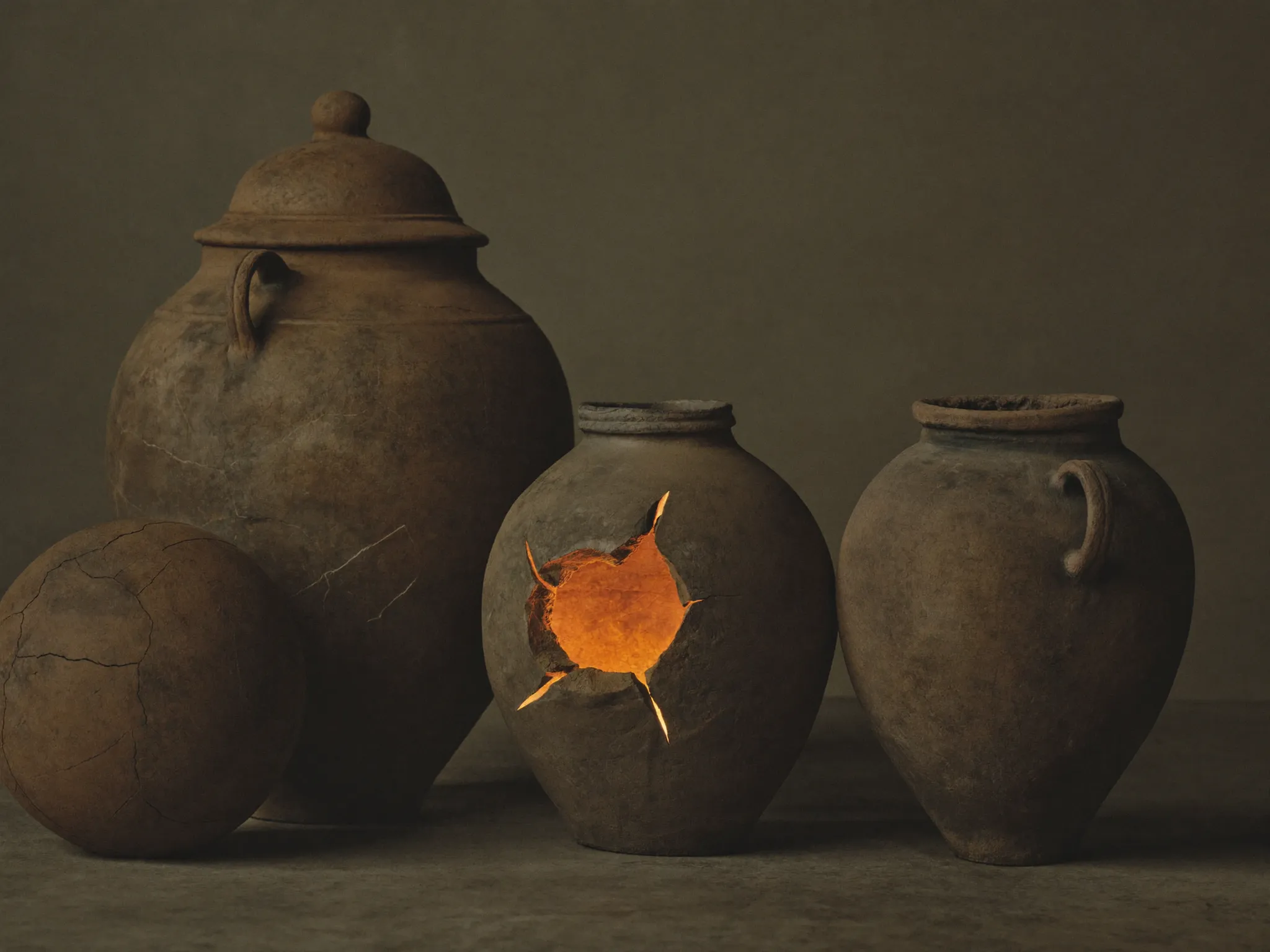
करिंथकरांस दुसरे पत्र 6 — त्यांच्यामधून बाहेर या आणि वेगळे व्हा
देवाबरोबर काम करणारे म्हणून पौल करिंथकरांना विनंती करतो की त्यांनी देवाच्या कृपेचा स्वीकार व्यर्थ होऊ देऊ नये — पाहा, आता अनुकूल समय आहे; पाहा, आता तारणाचा दिवस आहे. तो सेवक म्हणून आपली ओळखपत्रे मांडतो: पुष्कळ सोशिकपणाने, संकटात, फटक्यांत, बंदिवासांत; शुद्धतेने, ज्ञानाने, निष्कपट प्रीतीने; दुःखीत, तरी सदोदित आनंद करणारे; दरिद्री, तरी पुष्कळांना धनवान करणारे; काही नसलेले आणि तरी सर्व असलेले. त्यांच्यासाठी त्याचे अंतःकरण मोठे झाले आहे; तो त्यांना त्या बदल्यात आपले अंतःकरण मोठे करण्याची विनंती करतो. मग वेगळेपणाचे महान आवाहन: विश्वास न ठेवणाऱ्यांबरोबर संबंध जोडून विजोड होऊ नका — कारण तुम्ही जिवंत देवाचे निवासस्थान आहात. प्रभू म्हणतो, त्यांच्यामधून बाहेर या आणि वेगळे व्हा, म्हणजे मी तुम्हास स्वीकारीन.
“कारण तो म्हणतो, ‘मी अनुकूल समयी तुझे ऐकले, आणि तारणाच्या दिवशी तुझे सहाय्य केले.’ पाहा, आता अनुकूल समय आहे, पाहा, आता तारणाचा दिवस आहे.”
— करिंथकरांस दुसरे पत्र 6:2
- v.1-2 आता तारणाचा दिवस आहे
- v.3-10 खऱ्या सेवकाची ओळखपत्रे
- v.11-18 मोठी झालेली अंतःकरणे आणि वेगळेपणाचे आवाहन
पौलाचे परिचयपत्र हे कौशल्यांची यादी होण्याआधी दुःखांची यादी आहे. या यादीतील सेवेला प्रमाणित करणारी चिन्हे म्हणजे सहनशीलता, शुद्धता आणि प्रीती — वक्तृत्व, संख्या किंवा प्रशंसा नव्हे.
पुष्कळ सोशिकपणाने यादीच्या शीर्षस्थानी आहे. देवाच्या सेवकाचे पहिले ओळखपत्र म्हणजे टिकून राहण्याची शक्ती — हार न मानता किंवा कडवट न होता ओझ्याखाली टिकून राहणे.
सुवार्तेच्या जीवनातील विरोधाभास. दुःख आणि आनंद एकत्र राहतात; दारिद्र्य इतरांना धनवान करते; रिकाम्या हातांच्या मनुष्याकडे सर्व काही असते. जगाच्या खातेवह्या ख्रिस्ती व्यक्तीचे लेखापरीक्षण करू शकत नाहीत.
सर्व असलेले — कारण जे सर्व गोष्टींचे वारस आहेत त्यांच्याशी ते जोडलेले आहेत (करिंथकरांस पहिले पत्र 3:21-23). विश्वासणाऱ्याची निव्वळ संपत्ती नाण्यांत नव्हे, तर ख्रिस्तात मोजली जाते.
हे चित्र अनुवाद 22:10 मधून आहे — बैल आणि गाढव एकत्र नांगरू शकत नाहीत; जोखड दोघांनाही त्रास देते. अविश्वासाशी बंधनकारक युती — विवाह, भागीदारी, उपासना — विश्वासणाऱ्याला त्याच्या स्वतःच्या स्वभावाविरुद्ध ओढायला लावते.
त्यानंतर पाच वक्तृत्वपूर्ण प्रश्न येतात, ज्यांपैकी प्रत्येकाचे उत्तर त्यातच आहे. हे जगापासून अलिप्त होण्याचे आवाहन नाही (करिंथकरांस पहिले पत्र 5:9-10), तर जगात राहूनही गुंतवणाऱ्या जोखडांपासून मुक्त होण्याचे आवाहन आहे.
वेगळेपणाचे सर्वात खोल कारण: विश्वासणारा देवाचे निवासस्थान आहे. निवासस्थान आपल्या अंगणात मूर्तींना जागा देऊ शकत नाही. कराराचे सूत्र — मी त्यांचा देव होईन — लेवीयपासून प्रकटीकरणापर्यंत चालते, आणि ते संपूर्ण घरावर हक्क सांगते.
मी त्यांच्यात राहीन आणि त्यांच्यात वावरेन. भेटी नव्हे, तर निवास. देव विश्वासणाऱ्यामध्ये एखादी खोली भाड्याने घेत नाही; तो संपूर्ण जीवनात वास करतो आणि त्यात वावरतो.
वेगळेपणासोबत एक अभिवचन जोडलेले आहे: मी तुम्हास स्वीकारीन. मागे सोडलेल्या गोष्टींची भरपाई, स्वीकारणारा कोण आहे यामुळे कितीतरी अधिक होते. बाहेर पडण्याच्या किंमतीला देव घरी येण्याच्या आलिंगनाने उत्तर देतो.
यशया 52:11 चा प्रतिध्वनी — बाबेलमधून बाहेर पडण्याचे आवाहन. देवाच्या लोकांच्या प्रत्येक पिढीला आपापले बाहेर पडणे अनुभवावे लागते — आणि त्याच्या पलीकडच्या बाजूला पिता वाट पाहत असतो (वचन 18).
तुमच्या जोखडांची यादी करा — तुमची दिशा ठरवणाऱ्या बंधनकारक युती: प्रेमसंबंधातील, आर्थिक, व्यावसायिक. वचन 14 अविश्वासणाऱ्यांशी संपर्काला मनाई करत नाही; ते अशा जुंपणीला मनाई करते जी तुम्हाला ख्रिस्तांपासून दूर ओढायला भाग पाडते. जेथे असे जोखड सापडेल, तेथे वचन 17 हा मार्ग आहे, आणि वचने 17-18 मधील अभिवचन तोडलेल्या प्रत्येक पट्ट्याच्या किमतीचे आहे: स्वीकारलेले, पित्याचे प्रेम लाभलेले, त्याचे स्वतःचे.
ज्यांच्यामध्ये तारणाचा दिवस उगवला ते ख्रिस्त आहेत (वचन 2), आणि त्यांचा अंतर्वास विश्वासणाऱ्यांना जिवंत देवाचे निवासस्थान बनवतो (वचन 16). ते ज्या वेगळेपणासाठी बोलावतात, ते त्यांनी आधी स्वतः सोसले — छावणीबाहेर जाऊन, निंदा सहन करून, यासाठी की त्यांनी आपल्याला स्वीकारावे.
या पानावरील तुमच्या भाषेतील पवित्र शास्त्राचा मजकूर: इंडियन रिव्हाइज्ड व्हर्जन (IRV), © 2017, 2019 ब्रिज कनेक्टिव्हिटी सोल्युशन्स — कोणताही बदल न करता या परवान्याअंतर्गत वापरलेला: CC BY-SA 4.0 · eBible.org
यशया 49:8 उद्धृत करून पौल जाहीर करतो की भाकीत केलेला दिवस आला आहे. सुवार्तेचा काळ ही कृपेची उघडी खिडकी आहे — आणि आता हाच तिचा एकमेव काळ आहे. तारण कधीही उद्यासाठी देऊ केले जात नाही.
दोन वेळा पाहा — दुप्पट तातडी. टाळाटाळ हा अविश्वासाचा सर्वात प्रतिष्ठित प्रकार आहे; तो प्रत्येक गोष्टीशी सहमत होतो आणि काहीही समर्पित करत नाही.