കരടു പരിഭാഷ. മാതൃഭാഷ ക്രിസ്ത്യാനികളുടെ തിരുത്തലുകൾ സ്വാഗതം. വാക്യപാഠം KJV (ഇംഗ്ലീഷ്)-ൽ തുടരും.
ഹബക്കൂക്ക് 2 — നീതിമാൻ വിശ്വാസത്താൽ ജീവിച്ചിരിക്കും
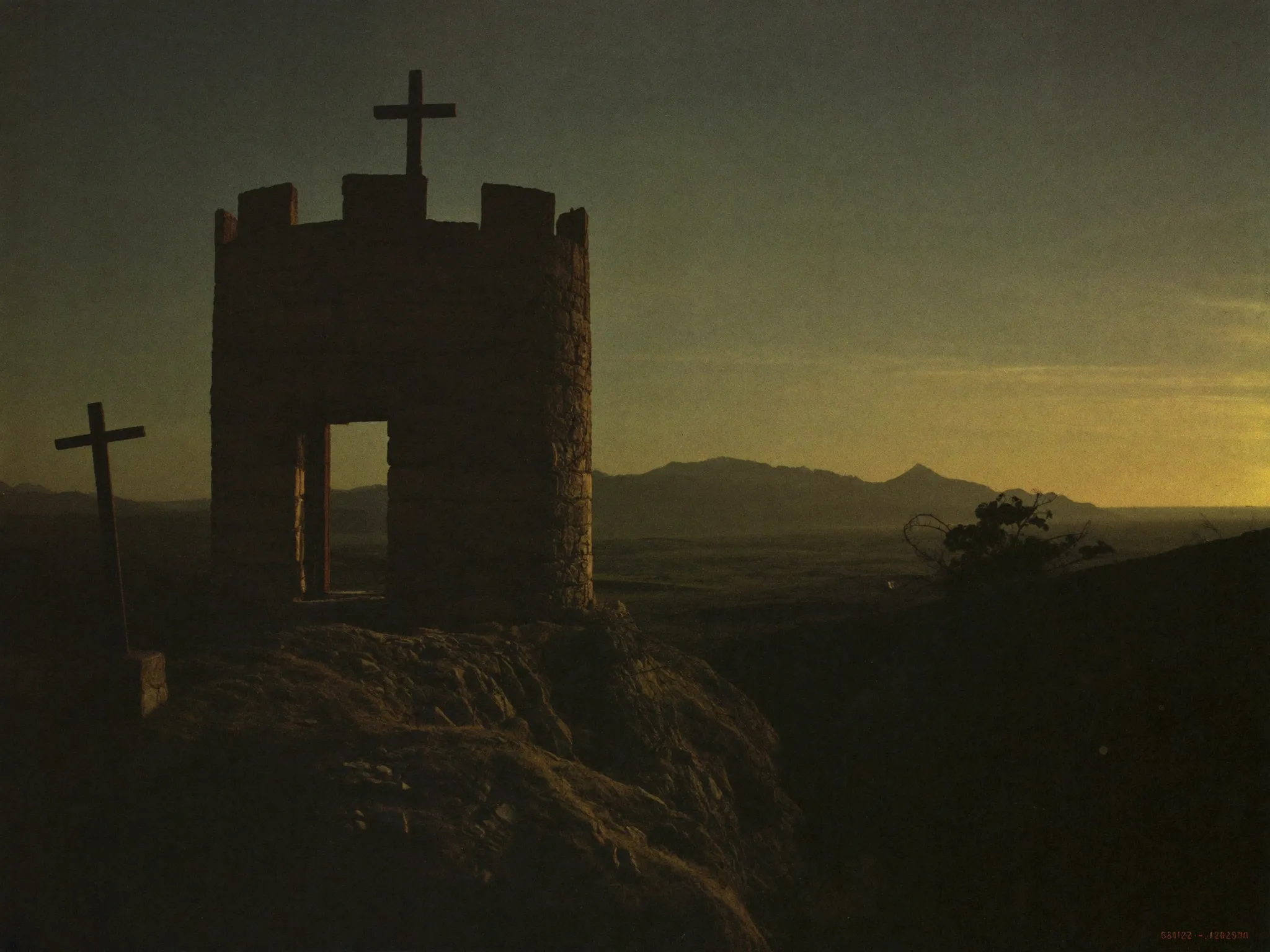
ദൈവത്തിന്റെ ഉത്തരത്തിനായി കാത്തിരിക്കാൻ ഹബക്കൂക്ക് കാവൽഗോപുരത്തിൽ നിലയുറപ്പിക്കുന്നു. ദർശനം വ്യക്തമായി എഴുതാൻ ദൈവം അവനോടു പറയുന്നു. അതു വൈകിയാലും അതു വരും. അഹങ്കാരിയുടെ മനസ്സ് നേരുള്ളതല്ല, എന്നാൽ നീതിമാൻ വിശ്വാസത്താൽ ജീവിച്ചിരിക്കും. കല്ദയർക്കെതിരെ അഞ്ച് കഷ്ടങ്ങൾ പ്രഖ്യാപിക്കപ്പെടുന്നു — കൊള്ളയ്ക്കും, അത്യാഗ്രഹത്തോടെയുള്ള ലാഭത്തിനും, രക്തച്ചൊരിച്ചിലിനും, മദ്യാസക്തിക്കും, വിഗ്രഹാരാധനയ്ക്കും. യഹോവ തന്റെ വിശുദ്ധമന്ദിരത്തിൽ ഉണ്ട്; സർവ്വഭൂമിയും മൗനമായിരിക്കട്ടെ.
“അവന്റെ മനസ്സ് അവനിൽ അഹങ്കരിച്ചിരിക്കുന്നു; അത് നേരുള്ളതല്ല; നീതിമാൻ വിശ്വാസത്താൽ ജീവിച്ചിരിക്കും.”
— ഹബക്കൂക്ക് 2:4
- v.1-4 കാവൽഗോപുരം; ദർശനം എഴുതുക; നീതിമാൻ വിശ്വാസത്താൽ ജീവിക്കുന്നു
- v.5-20 ബാബിലോണിനെതിരെ അഞ്ച് കഷ്ടങ്ങൾ
ഇംഗ്ലീഷ് (KJV) പാഠത്തിൽ: അതു വ്യക്തമാക്കുക... വായിക്കുന്നവൻ ഓടേണ്ടതിന്. ദൈവത്തിന്റെ വെളിപ്പാട് അവ്യക്തമാക്കാതെ വ്യക്തമായി എഴുതപ്പെടണം. സത്യം ഒറ്റനോട്ടത്തിൽ ഗ്രഹിക്കപ്പെടാനും ഉടനടി പ്രവർത്തിക്കപ്പെടാനും ഉള്ളതാണ്.
ദൈവവചനത്തിന്റെ എല്ലാ പഠിപ്പിക്കലിനുമുള്ള ഒരു തത്ത്വം — ബുദ്ധിവൈഭവത്തെക്കാൾ വ്യക്തത. ദർശനം വ്യക്തമായി എഴുതപ്പെടുന്നു; ഇംഗ്ലീഷ് (KJV) പാഠം പറയുന്നതുപോലെ, ഓടിപ്പോകുന്ന ഒരാൾക്കുപോലും വായിച്ചു മനസ്സിലാക്കാൻ കഴിയേണ്ടതിന്. അവ്യക്തത ആഴമല്ല; വ്യക്തത സന്ദേശത്തിന്റെ അടിയന്തിരതയെ സേവിക്കുന്നു.
അത് വൈകിയാലും അതിനായി കാത്തിരിക്കുക. ദൈവത്തിന്റെ വാഗ്ദാനങ്ങൾ പ്രവർത്തിക്കുന്നത് നമ്മുടെ സമയക്രമത്തിലല്ല, അവിടുത്തെ സമയക്രമത്തിലാണ്. താമസം നിഷേധമല്ല. എബ്രായർ 10:37 ഈ വാക്യം ക്രിസ്തുവിന്റെ വരവിനെക്കുറിച്ച് ഉദ്ധരിക്കുന്നു — ഇനി എത്രയും അല്പകാലം കഴിഞ്ഞിട്ട് വരുവാനുള്ളവൻ തീർച്ചയായും വരും, താമസിക്കയുമില്ല.
വിശ്വാസത്തിന്റെ പിരിമുറുക്കം — അത് വൈകിയാലും... താമസിക്കുകയുമില്ല. മാനുഷിക ഭാഗത്തുനിന്നു നോക്കുമ്പോൾ അതു വൈകുന്നതായി തോന്നുന്നു; ദൈവത്തിന്റെ ഭാഗത്തുനിന്ന് അതു കൃത്യസമയത്തുതന്നെ എത്തുന്നു. രണ്ടും സത്യമാണ്. സമയം കഴിഞ്ഞുപോയെന്നു തോന്നുമ്പോഴും വിശ്വാസം നിശ്ചയിക്കപ്പെട്ട സമയത്തെ മുറുകെപ്പിടിക്കുന്നു.
ഈ പുസ്തകത്തിലെ ഏറ്റവും പ്രധാനപ്പെട്ട വാക്യം, ബൈബിളിലെ ഏറ്റവും പ്രധാനപ്പെട്ട വാക്യങ്ങളിൽ ഒന്നും. വിശ്വാസത്താലുള്ള നീതീകരണത്തിന്റെ അടിസ്ഥാനമായി പുതിയനിയമത്തിൽ മൂന്നു പ്രാവശ്യം ഉദ്ധരിക്കപ്പെട്ടിരിക്കുന്നു — റോമർ 1:17, ഗലാത്യർ 3:11, എബ്രായർ 10:38.
വൈരുദ്ധ്യം: അഹങ്കാരിയുടെ മനസ്സ് (സ്വന്തം ശക്തിയിൽ ആശ്രയിക്കുന്ന കല്ദയൻ) നേരുള്ളതല്ല; നീതിമാൻ വിശ്വാസത്താൽ ജീവിക്കുന്നു — സാഹചര്യങ്ങൾക്ക് ഒരു അർത്ഥവുമില്ലാത്തപ്പോൾ ദൈവത്തിൽ ആശ്രയിച്ചുകൊണ്ട്. ഹബക്കൂക്കിന്റെ എല്ലാ ചോദ്യങ്ങൾക്കുമുള്ള ഉത്തരം ഇവിടെയുണ്ട്. പൂർണ്ണമായ വിശദീകരണമല്ല, വിശ്വാസം.
ലൂഥർ ഈ വാക്യം (റോമർ ലേഖനത്തിലൂടെ) വീണ്ടും കണ്ടെത്തിയത് സഭാനവീകരണത്തിനു തിരികൊളുത്താൻ സഹായിച്ചു. നീതിമാൻ വിശ്വാസത്താൽ ജീവിക്കും എന്നത് പ്രവൃത്തികളാലുള്ള രക്ഷയുടെ മുഴുവൻ വ്യവസ്ഥയെയും തകർത്തു. സഭാചരിത്രത്തെ മാറ്റിമറിച്ച മൂന്ന് എബ്രായ വാക്കുകൾ.
ബാബിലോണിനെതിരെയുള്ള കഷ്ടങ്ങളുടെ നടുവിൽ, മഹത്തായ ഈ വാഗ്ദാനം. ചരിത്രത്തിന്റെ അന്തിമ ഫലം ബാബിലോണിന്റെ വിജയമല്ല, ദൈവമഹത്വത്തിന്റെ ആഗോള പരിജ്ഞാനമാണ്.
യെശയ്യാവ് 11:9 ഏകദേശം ഇതുതന്നെ പറയുന്നു. ദൈവപരിജ്ഞാനത്താൽ നിറഞ്ഞ ഒരു ലോകത്തിന്റെ ദർശനം പ്രവാചകന്മാരിലുടനീളം കാണാം. ബാബിലോൺ എന്തു ചെയ്താലും, സമുദ്രത്തെ വെള്ളമെന്നപോലെ യഹോവയുടെ മഹത്വം ഭൂമിയെ മൂടുക എന്നതാണ് ഭൂമിയുടെ നിയോഗം.
കഷ്ടങ്ങളുടെ അദ്ധ്യായം ആരാധനയിൽ അവസാനിക്കുന്നു. വിഗ്രഹങ്ങളുടെ ഒച്ചയ്ക്കെതിരെ (വാക്യങ്ങൾ 18-19) യഹോവ തന്റെ വിശുദ്ധമന്ദിരത്തിൽ മൗനമായി ഇരിക്കുന്നു — അവിടുത്തെ മുമ്പാകെ സർവ്വഭൂമിയും നിശ്ശബ്ദമാകണം.
ആശയക്കുഴപ്പമുണ്ടാക്കുന്ന സംഭവങ്ങളുടെമേലുള്ള ദൈവത്തിന്റെ പരമാധികാരത്തോടുള്ള ഉചിതമായ പ്രതികരണം മൗനവും ഭക്തിയുമാണ്. ചോദ്യങ്ങൾ വിളിച്ചുപറഞ്ഞുകൊണ്ടാണ് ഹബക്കൂക്ക് പുസ്തകം ആരംഭിച്ചത്; അവൻ ആശ്രയത്തിന്റെ മൗനത്തിലേക്കു നയിക്കപ്പെടുകയാണ്. സെഫന്യാവ് 1:7-ഉം സെഖര്യാവ് 2:13-ഉം മൗനത്തിനായുള്ള ഇതേ ആഹ്വാനം ഉപയോഗിക്കുന്നു.
ദൈവം ചെയ്യുന്നതെന്തെന്ന് നിങ്ങൾക്കു വിശദീകരിക്കാൻ കഴിയാത്തപ്പോൾ, നീതിമാൻ വിശ്വാസത്താൽ ജീവിച്ചിരിക്കും. ഹബക്കൂക്കിന് തന്റെ ചോദ്യങ്ങൾക്കു പൂർണ്ണമായ ഉത്തരം ലഭിച്ചില്ല — പകരം ജീവിക്കാനുള്ള ഒരു തത്ത്വം ലഭിച്ചു. വിശ്വാസം ചോദ്യങ്ങളുടെ അഭാവമല്ല; ദൈവത്തിന്റെ രീതികൾ ഗ്രഹണത്തിന് അതീതമായിരിക്കുമ്പോൾ അവിടുത്തെ സ്വഭാവത്തിൽ ആശ്രയിക്കാനുള്ള തീരുമാനമാണ്. ചോദ്യത്തിനും ഉത്തരത്തിനും ഇടയിലുള്ള വിടവിൽ വിശ്വാസത്താൽ ജീവിക്കുക.
പുതിയനിയമത്തിൽ മൂന്നു പ്രാവശ്യം ഉദ്ധരിക്കപ്പെട്ട ഹബക്കൂക്ക് 2:4, വിശ്വാസത്താലുള്ള നീതീകരണം എന്ന സുവിശേഷത്തിന്റെ വിത്തുവാക്യമായിത്തീർന്നു. നീതിമാൻ വിശ്വാസത്താൽ ജീവിക്കുന്നു — ആ വിശ്വാസത്തിന്റെ പരമമായ ലക്ഷ്യം ക്രിസ്തുവാണ്. എബ്രായർ 10:37-38 ചുറ്റുമുള്ള വാക്യങ്ങളെ നേരിട്ട് അവിടുത്തെ വരവിനോടു ബന്ധിപ്പിക്കുന്നു. ബാബിലോണിന്റെ ഭീഷണിയുടെ ഇരുട്ടിൽ ഹബക്കൂക്കിനു ലഭിച്ച തത്ത്വം, ഓരോ വിശ്വാസിയും ക്രിസ്തുവിൽ ജീവിക്കുന്ന തത്ത്വമാണ് — വരുവാനുള്ളവനും താമസിക്കാത്തവനുമായവനിൽ ആശ്രയിക്കൽ.
ഈ പേജിൽ നിങ്ങളുടെ ഭാഷയിലുള്ള തിരുവെഴുത്ത് പാഠം: ഇന്ത്യൻ റിവൈസ്ഡ് വേർഷൻ (IRV), © 2017, 2019 ബ്രിഡ്ജ് കണക്റ്റിവിറ്റി സൊല്യൂഷൻസ് — മാറ്റമില്ലാതെ ഈ ലൈസൻസിനു കീഴിൽ ഉപയോഗിച്ചത്: CC BY-SA 4.0 · eBible.org
തന്റെ ചോദ്യങ്ങൾ ചോദിച്ചശേഷം ഹബക്കൂക്ക് ഉത്തരത്തിനായി കാത്തിരിക്കുന്നു. ഞാൻ എന്റെ കാവൽഗോപുരത്തിൽ നിലയുറപ്പിക്കും. പ്രതീക്ഷയോടെയുള്ള കാത്തിരിപ്പിന്റെ ബോധപൂർവ്വമായ ഒരു നില അവൻ സ്വീകരിക്കുന്നു.
കഠിനമായ ചോദ്യങ്ങളുമായി പ്രാർത്ഥിച്ച വിശ്വാസിക്കുള്ള മാതൃക. ചോദിച്ചശേഷം കാത്തിരിക്കുക. ശ്രദ്ധിച്ചു നോക്കുക. ചെവിയോർക്കുക. പലരും ചോദിച്ചിട്ട് ഉടനെ മുന്നോട്ടുപോകുന്നതിനാലും പ്രതീക്ഷയോടെയുള്ള ശ്രദ്ധയുടെ കാവൽഗോപുരനില ഒരിക്കലും സ്വീകരിക്കാത്തതിനാലും അവർക്ക് ദൈവത്തിന്റെ ഉത്തരം ലഭിക്കുന്നില്ല.