കരടു പരിഭാഷ. മാതൃഭാഷ ക്രിസ്ത്യാനികളുടെ തിരുത്തലുകൾ സ്വാഗതം. വാക്യപാഠം KJV (ഇംഗ്ലീഷ്)-ൽ തുടരും.
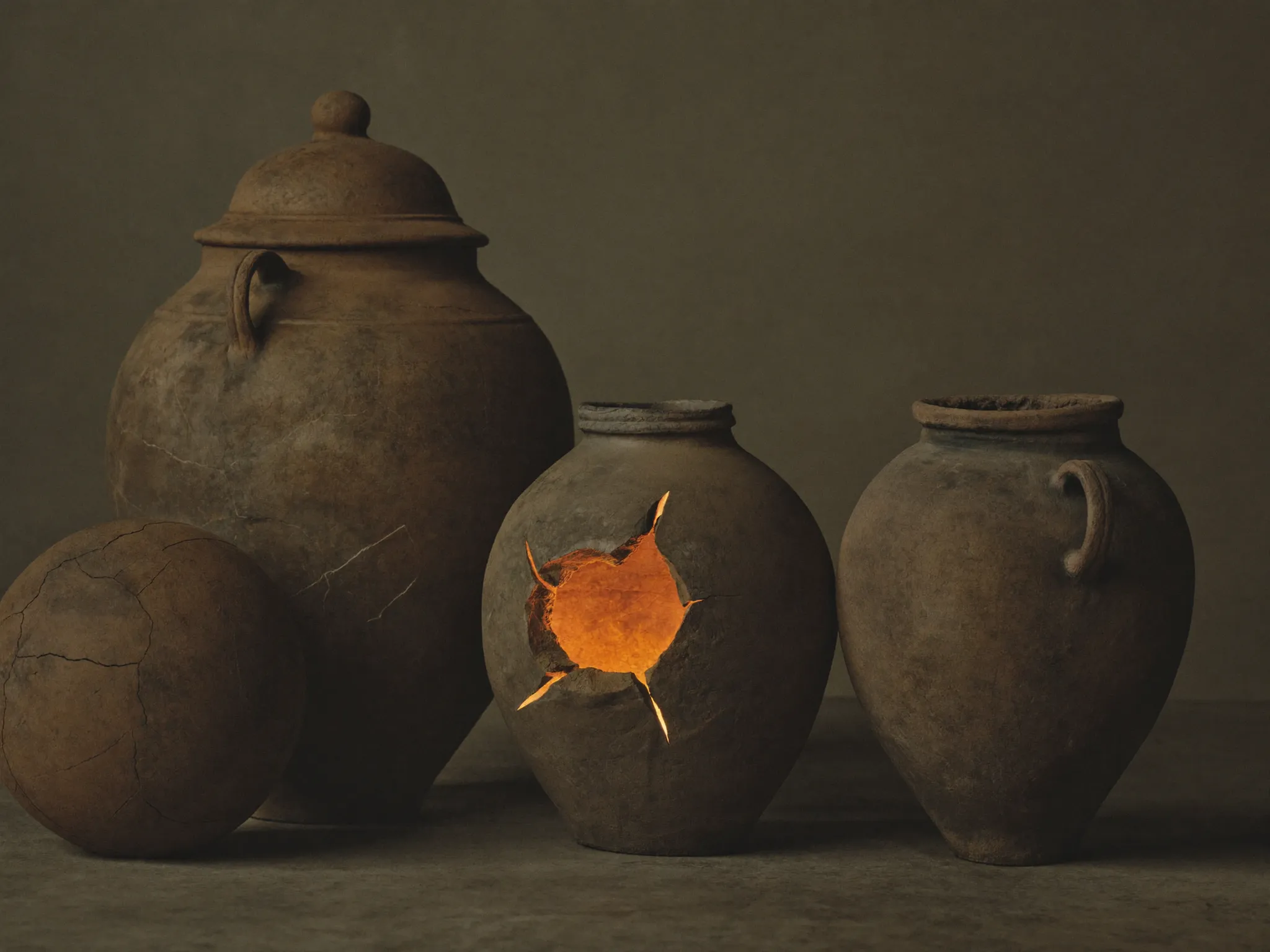
2 കൊരിന്ത്യർ 7 — ഖേദിക്കേണ്ടതില്ലാത്ത, രക്ഷയിലേക്കു നയിക്കുന്ന ദുഃഖം
ഈ വാഗ്ദത്തങ്ങൾ നമുക്കുള്ളതുകൊണ്ട് ജഡത്തിലെയും ആത്മാവിലെയും സകല അശുദ്ധിയിൽനിന്നും നമ്മെത്തന്നെ വെടിപ്പാക്കി ദൈവഭയത്തിൽ വിശുദ്ധിയെ പൂർണ്ണമാക്കുക. മക്കെദോന്യയിലെ തന്റെ ഉത്കണ്ഠ പൗലൊസ് വിവരിക്കുന്നു — പുറത്ത് പോരാട്ടങ്ങൾ, അകത്ത് ഭയം — കൊരിന്ത്യരുടെ മാനസാന്തരത്തെക്കുറിച്ചുള്ള വാർത്തയുമായി തീത്തൊസ് എത്തുംവരെ. തന്റെ കർശനമായ കത്ത് അവരെ ദുഃഖിപ്പിച്ചെങ്കിലും അദ്ദേഹം സന്തോഷിക്കുന്നു: അവരുടെ ദുഃഖം ദൈവഹിതപ്രകാരമുള്ള ദുഃഖമായിരുന്നു; അത് ഖേദിക്കേണ്ടതില്ലാത്ത, രക്ഷയിലേക്കു നയിക്കുന്ന മാനസാന്തരത്തെ ഉളവാക്കുന്നു; ലോകത്തിന്റെ ദുഃഖമോ മരണത്തെ ഉളവാക്കുന്നു. അവരുടെ ദൈവഹിതപ്രകാരമുള്ള ദുഃഖം ഉത്സാഹം, പ്രതിവാദം, ധാർമ്മികരോഷം, ഭയം, വാഞ്ഛ, തീക്ഷ്ണത, പ്രതികാരം എന്നിവ ഉളവാക്കി. പൗലൊസ് ആശ്വാസംകൊണ്ടു നിറഞ്ഞിരിക്കുന്നു; തന്റെ സകല കഷ്ടത്തിലും അത്യന്തം സന്തോഷിക്കുന്നു.
“എന്തെന്നാൽ, ദൈവഹിതപ്രകാരമുള്ള ദുഃഖം രക്ഷയിലേക്കു നയിക്കുന്ന മാനസാന്തരത്തെ ഉളവാക്കുന്നു; അതിൽ ഖേദിക്കേണ്ടതില്ല; ലോകത്തിന്റെ ദുഃഖമോ മരണത്തെ ഉളവാക്കുന്നു.”
— 2 കൊരിന്ത്യർ 7:10
- v.1 ദൈവഭയത്തിൽ വിശുദ്ധിയെ പൂർണ്ണമാക്കുക
- v.2-7 തീത്തൊസിന്റെ വരവിനാലുള്ള ആശ്വാസം
- v.8-16 ദൈവഹിതപ്രകാരമുള്ള ദുഃഖവും അതിന്റെ ഫലങ്ങളും
ഒരു അപ്പൊസ്തലനുപോലും നിരാശിതൻ ആകാമായിരുന്നു — പുറത്ത് പോരാട്ടങ്ങൾ, അകത്ത് ഭയം (വാ. 5). പൗലൊസിന്റെ സുതാര്യത നിരുത്സാഹത്തിന് മാന്യത നല്കുന്നു — ഒളിപ്പിക്കേണ്ട ഒരു പാപമായിട്ടല്ല, ദൈവം കണ്ടുമുട്ടുന്ന ഒരു ഇടമായിട്ട്.
ആശ്വാസം വന്നത് ഏറ്റവും സാധാരണമായ മാർഗ്ഗത്തിലൂടെയാണ്: നല്ല വാർത്തയുമായി എത്തുന്ന ഒരു സുഹൃത്ത്. ദൈവത്തിന്റെ ആശ്വാസങ്ങൾ സാധാരണയായി മനുഷ്യമുഖങ്ങൾ ധരിക്കുന്നു. ആരുടെയെങ്കിലും തീത്തൊസ് ആകുക.
പൗലൊസ് സന്തോഷിക്കുന്നത് അവരുടെ വേദനയിലല്ല, അത് എത്തിച്ചേർന്ന ലക്ഷ്യത്തിലാണ്. ദുഃഖം ഒരു വാഹനമാണ്, ഒരു പുണ്യമല്ല — ആത്മാവിനെ അത് എവിടേക്കു കൊണ്ടുപോകുന്നു എന്നതുകൊണ്ടു മാത്രമാണ് അതിന് പ്രാധാന്യം.
മാനസാന്തരത്തിനായി ദുഃഖിച്ചു. വിശ്വസ്തമായ മുറിവുകൾ മുറിവിനപ്പുറത്തേക്കു ലക്ഷ്യം വെക്കുന്നു. കേൾവിക്കാരെ ഒരിക്കലും ദുഃഖിപ്പിക്കാത്ത പ്രസംഗകൻ സന്തോഷത്തിലേക്കുള്ള ഏക വഴിയിൽനിന്ന് അവരെ ഒഴിവാക്കുകയായിരിക്കാം.
രണ്ടു ദുഃഖങ്ങൾ, രണ്ടു ലക്ഷ്യസ്ഥാനങ്ങൾ. ദൈവഹിതപ്രകാരമുള്ള ദുഃഖം പാപത്തെ ദൈവത്തിനെതിരായതായി കണ്ട് ദുഃഖിക്കുകയും അവിടുത്തെ നേർക്കു നീങ്ങുകയും ചെയ്യുന്നു; ലോകത്തിന്റെ ദുഃഖം പരിണതഫലങ്ങളെക്കുറിച്ച് — നഷ്ടം, വെളിപ്പെടൽ, ലജ്ജ — ദുഃഖിക്കുകയും നിരാശയായി പുളിച്ചുപോകുകയും ചെയ്യുന്നു. യൂദാ ദുഃഖിച്ചു; പത്രൊസ് മാനസാന്തരപ്പെട്ടു.
അതിൽ ഖേദിക്കേണ്ടതില്ല. യഥാർത്ഥ മാനസാന്തരത്തെക്കുറിച്ച് ആരും ഒരിക്കലും ഖേദിച്ചിട്ടില്ല. ഒരു ആത്മാവിന് എടുക്കാവുന്ന എല്ലാ തീരുമാനങ്ങളിലുംവെച്ച്, പശ്ചാത്താപത്തിനെതിരെ ഉറപ്പുള്ളത് ഇതിനു മാത്രമാണ്.
ഏഴു ഫലങ്ങൾ, ഏഴു തവണ എത്ര. യഥാർത്ഥ മാനസാന്തരം ഒരു മാനസികാവസ്ഥയല്ല, ഒരു അണിനിരക്കലാണ് — ഉത്സാഹം, പ്രവൃത്തിയിലൂടെയുള്ള ന്യായീകരണം, പാപത്തോടുള്ള രോഷം, ദൈവഭയം, വാഞ്ഛ, തീക്ഷ്ണത, തെറ്റുകൾ തിരുത്തൽ.
മാനസാന്തരത്തിന്റെ പരിശോധന അതിന്റെ വിളവാണ്. ദുഃഖം വികാരങ്ങളിൽ അവസാനിക്കുന്നിടത്ത് അത് ലൗകികമാണ്; മാറിയ പെരുമാറ്റത്തിൽ അവസാനിക്കുന്നിടത്ത് അത് ദൈവികമാണ്. കണ്ണുനീരല്ല, ഫലമാണ് തെളിവ്.
പാപബോധം വരുമ്പോൾ, ഏതു ദുഃഖമാണ് നിങ്ങൾ അനുഭവിക്കുന്നതെന്ന് ചോദിക്കുക: ദൈവത്തിനെതിരെ പാപം ചെയ്തതിലുള്ള ദുഃഖമോ, അതോ പിടിക്കപ്പെട്ടതിലോ ലജ്ജിതനായതിലോ എന്തെങ്കിലും നഷ്ടപ്പെട്ടതിലോ ഉള്ള ദുഃഖമോ? ആദ്യത്തേത് ദൈവത്തിങ്കലേക്ക് ഓടുന്നു; രണ്ടാമത്തേത് അവിടുന്നിൽനിന്ന് ഓടിയകലുന്നു. തുടർന്ന് നിങ്ങളുടെ അവസാനത്തെ മാനസാന്തരത്തിന് 11-ാം വാക്യത്തിലെ പരിശോധന പ്രയോഗിക്കുക — അത് ഉത്സാഹവും തീക്ഷ്ണതയും പരിഹാരവും അണിനിരത്തിയോ, അതോ വികാരത്തോടൊപ്പം ആവിയായിപ്പോയോ?
ദൈവഹിതപ്രകാരമുള്ള ദുഃഖം ഖേദിക്കേണ്ടതില്ലാത്ത രക്ഷയിലേക്കു നയിക്കുന്നു, കാരണം അത് ക്രിസ്തുവിലേക്കു നയിക്കുന്നു — അവിടുത്തെ ഒരു നോട്ടം പത്രൊസിനെ കരച്ചിലിലേക്കും യഥാസ്ഥാനത്തിലേക്കും ഉരുക്കി (ലൂക്കോസ് 22:61). രക്ഷകനില്ലാത്ത ലോകത്തിന്റെ ദുഃഖം യൂദായിൽ മരണം ഉളവാക്കി; അതേ ദുഃഖം ക്രൂശിങ്കലേക്കു കൊണ്ടുവന്നാൽ ജീവനായിത്തീരുന്നു.
ഈ പേജിൽ നിങ്ങളുടെ ഭാഷയിലുള്ള തിരുവെഴുത്ത് പാഠം: ഇന്ത്യൻ റിവൈസ്ഡ് വേർഷൻ (IRV), © 2017, 2019 ബ്രിഡ്ജ് കണക്റ്റിവിറ്റി സൊല്യൂഷൻസ് — മാറ്റമില്ലാതെ ഈ ലൈസൻസിനു കീഴിൽ ഉപയോഗിച്ചത്: CC BY-SA 4.0 · eBible.org
വാഗ്ദത്തങ്ങളാണ് വിശുദ്ധിയുടെ ഇന്ധനം. ഈ വാഗ്ദത്തങ്ങൾ നമുക്കുള്ളതുകൊണ്ട് — 6:16-18-ലെ ഉള്ളിലുള്ള വാസം, കൈക്കൊള്ളൽ, പിതൃത്വം — നമ്മെത്തന്നെ വെടിപ്പാക്കുക. ന്യായപ്രമാണത്തിന് ആവശ്യപ്പെടാൻ മാത്രം കഴിഞ്ഞതിനെ കൃപ പ്രചോദിപ്പിക്കുന്നു.
ജഡത്തിലെയും ആത്മാവിലെയും — അശുദ്ധി ശാരീരികരൂപത്തിലും ആന്തരികരൂപത്തിലും വരുന്നു; ഇന്ദ്രിയാസക്തി എന്നപോലെ തന്നെ അഹങ്കാരവും കയ്പും മലിനമാക്കുന്നു. രണ്ട് അറകളിലും വിശുദ്ധി പൂർണ്ണമാക്കപ്പെടണം.