ಕರಡು ಅನುವಾದ. ಮಾತೃಭಾಷಾ ಕ್ರೈಸ್ತರ ತಿದ್ದುಪಡಿಗಳಿಗೆ ಸ್ವಾಗತ. ವಚನ ಪಠ್ಯ KJV (ಇಂಗ್ಲಿಷ್)ನಲ್ಲಿರುತ್ತದೆ.
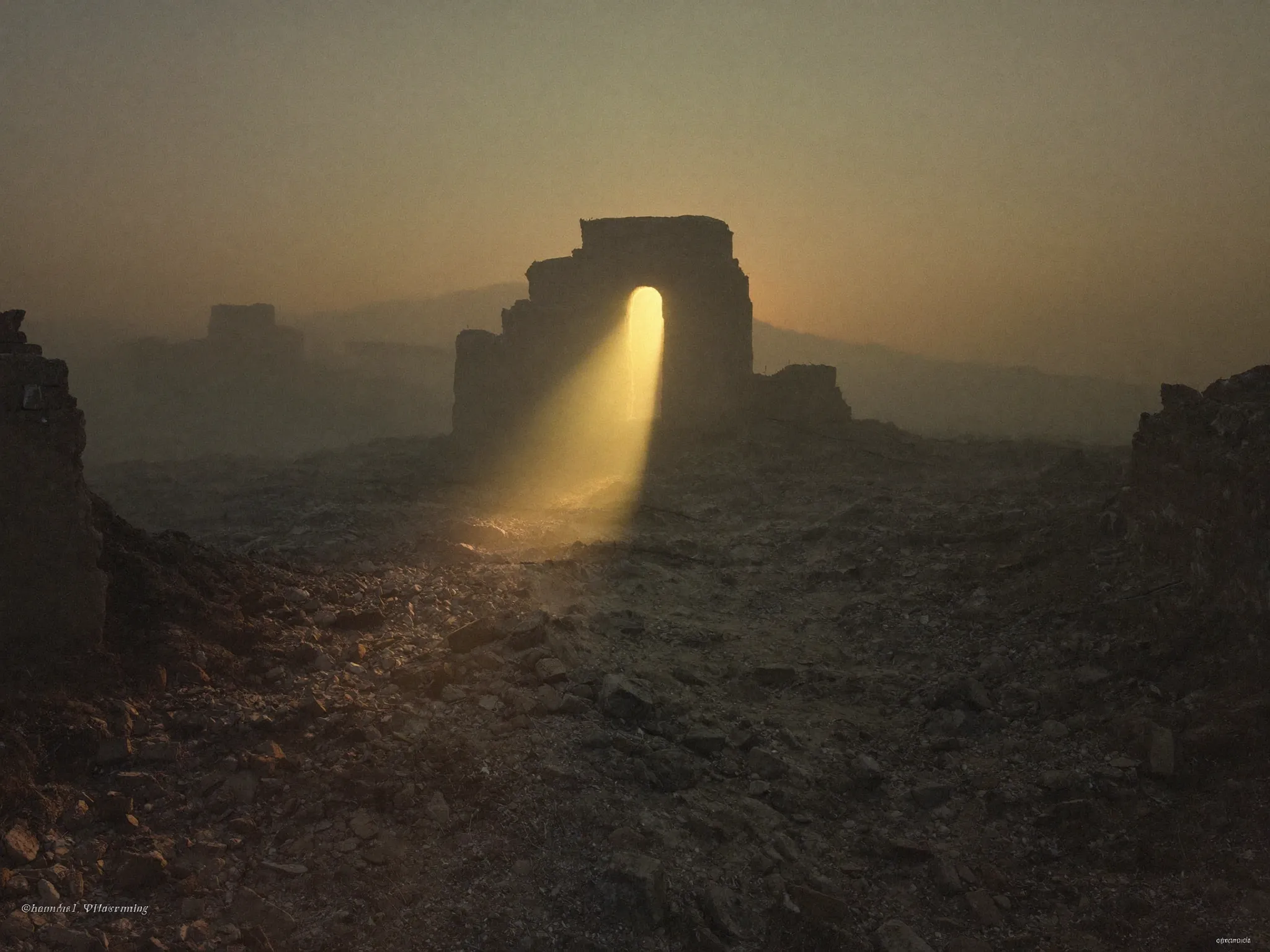
ಪ್ರಲಾಪಗಳು 1 — ವಿಧವೆಯಾದ ನಗರಿ
ಸಂಪ್ರದಾಯದ ಪ್ರಕಾರ ಯೆರೆಮೀಯನದೆಂದು ಹೇಳಲಾಗುವ, ಯೆರೂಸಲೇಮಿನ ಕುರಿತಾದ ಐದು ಶೋಕಗೀತೆಗಳು ಒಂದು ಕಾಲದಲ್ಲಿ ಮಹಾನಗರಿಯಾಗಿದ್ದದ್ದು ಒಂಟಿಯಾಗಿ ಕುಳಿತಿರುವ ಚಿತ್ರದೊಂದಿಗೆ ಆರಂಭವಾಗುತ್ತವೆ — ಒಬ್ಬ ವಿಧವೆ, ಕಪ್ಪಕಾಣಿಕೆ ಕೊಡುವವಳಾದ ರಾಜಕುಮಾರಿ. ಹೀಬ್ರೂ ಅಕ್ಷರಮಾಲಾಕ್ರಮ ರೂಪವು (ಪ್ರತಿಯೊಂದು ವಚನವೂ ವರ್ಣಮಾಲೆಯ ಅನುಕ್ರಮದ ಒಂದೊಂದು ಅಕ್ಷರದಿಂದ ಆರಂಭವಾಗುತ್ತದೆ) ಹುಚ್ಚೆದ್ದ ದುಃಖವನ್ನು ಹಿಡಿತದಲ್ಲಿಡುತ್ತದೆ: ದುಃಖಕ್ಕೂ ಒಂದು ಕ್ರಮವಿದೆ. ಈ ಅಧ್ಯಾಯದಲ್ಲಿ ಪ್ರವಾದಿಯ ಪ್ರಲಾಪ ಮತ್ತು ನಗರಿಯ ಸ್ವಂತ ಧ್ವನಿ ಸರದಿಯಾಗಿ ಬರುತ್ತವೆ. "ಹಾದುಹೋಗುವವರೇ, ನಿಮ್ಮಲ್ಲಿ ಯಾರಿಗೂ ನನ್ನ ಚಿಂತೆ ಇಲ್ಲವೋ?" ಎಂಬ ಕೂಗು ಹಾಳುದಿಬ್ಬದೊಳಗಿಂದ ಏಳುತ್ತದೆ.
“ಹಾದುಹೋಗುವವರೇ, ನಿಮ್ಮಲ್ಲಿ ಯಾರಿಗೂ ನನ್ನ ಚಿಂತೆ ಇಲ್ಲವೋ? ಯೆಹೋವನು ಅತಿ ರೋಷಗೊಂಡು ನನ್ನನ್ನು ಬಾಧಿಸಿ ನನಗೆ ಉಂಟುಮಾಡಿದ ವ್ಯಥೆಯನ್ನು ನೀವು ನೋಡಿ ಇಂಥಾ ವ್ಯಥೆಯು ಇನ್ನೆಲ್ಲಾದರೂ ಉಂಟೋ ಯೋಚಿಸಿರಿ.”
— ಪ್ರಲಾಪಗಳು 1:12
- v.1-7 ಪಾಳುಬಿದ್ದ ನಗರಿಯನ್ನು ಪ್ರವಾದಿ ವರ್ಣಿಸುತ್ತಾನೆ
- v.8-11 ಆಕೆಯ ಪಾಪ ಬಯಲಾಗಿದೆ; ಆಕೆಯ ಮನೋಹರ ವಸ್ತುಗಳು ಇಲ್ಲವಾಗಿವೆ
- v.12-19 ನಗರಿಯೇ ಮೊರೆಯಿಡುತ್ತಾಳೆ
- v.20-22 ಕರ್ತನು ನೋಡಬೇಕೆಂದೂ ಶತ್ರುಗಳು ನ್ಯಾಯತೀರ್ಪಿಗೆ ಗುರಿಯಾಗಬೇಕೆಂದೂ ಒಂದು ಪ್ರಾರ್ಥನೆ
ಎಲ್ಲಕ್ಕಿಂತ ಕಠಿಣವಾದ ಸಾಲು: ಯೆಹೋವನು ಅದನ್ನು ವ್ಯಥೆಗೊಳಿಸಿದ್ದಾನೆ. ಕತ್ತಿಯನ್ನು ಝಳಪಿಸಿದವರು ಬಾಬಿಲೋನಿಯರು, ಆದರೆ ಅದರ ಹಿಂದಿರುವ ನಿಜವಾದ ಹಸ್ತವನ್ನು ಯೆರೆಮೀಯನು ಹೆಸರಿಸುತ್ತಾನೆ. ನಗರಿಯ ವಿಪತ್ತು ಕೈಬಿಡುವಿಕೆಯಾಗಿರಲಿಲ್ಲ — ಅದು ಶಿಸ್ತಿನ ಶಿಕ್ಷೆಯಾಗಿತ್ತು.
ಇಸ್ರಾಯೇಲ್ ತಪ್ಪಿಸಿಕೊಳ್ಳಲಾಗದ ಒಂದು ಸಂಕಟದ ದೈವಶಾಸ್ತ್ರ: ಶತಮಾನಗಳ ಹಿಂದೆ ಧರ್ಮೋಪದೇಶಕಾಂಡ 28 ರಲ್ಲಿ ವಿವರಿಸಲಾಗಿದ್ದ ಒಡಂಬಡಿಕೆಯ ಆಶೀರ್ವಾದಗಳೂ ಶಾಪಗಳೂ ಈಗ ಕಣ್ಣಿಗೆ ಕಾಣುವಂತೆ ಜಾರಿಯಲ್ಲಿದ್ದವು.
ಶಸ್ತ್ರಚಿಕಿತ್ಸೆಯಂಥ ನಿಖರವಾದ ಪ್ರಾಮಾಣಿಕತೆಯಿಂದ ಈ ವಚನವು ಕಾರಣವನ್ನು ಹೆಸರಿಸುತ್ತದೆ. ಆಪಾದನೆಯನ್ನು ಪರಿಸ್ಥಿತಿಯ ಮೇಲಾಗಲಿ ಭೂರಾಜಕೀಯದ ಮೇಲಾಗಲಿ ಹೊರಿಸುವುದಿಲ್ಲ. ಪಾಪವನ್ನೇ ಮೂಲಕಾರಣವೆಂದು ಗುರುತಿಸಲಾಗಿದೆ.
ಇಂಗ್ಲಿಷ್ (KJV) ಪಾಠದಲ್ಲಿ ನಿಟ್ಟುಸಿರುಬಿಟ್ಟು ಹಿಂದಕ್ಕೆ ತಿರುಗುತ್ತಾಳೆ — ಪಶ್ಚಾತ್ತಾಪದ ಮೊದಲ ಸುಳಿವು. ನಗರಿಯು ಕೇವಲ ಕಷ್ಟಪಡುತ್ತಿಲ್ಲ; ಆಕೆ ತನ್ನ ಮುಖವನ್ನು ದೇವರ ಕಡೆಗೆ ತಿರುಗಿಸಲು ಆರಂಭಿಸುತ್ತಿದ್ದಾಳೆ.
ಈ ಅಧ್ಯಾಯದಲ್ಲಿ ಅತಿ ಹೆಚ್ಚಾಗಿ ಉಲ್ಲೇಖಿಸಲ್ಪಡುವ ವಚನ. ನಗರಿಯ ಬಾಯಲ್ಲಿ ಅದು ಉದಾಸೀನರಾದ ದಾರಿಹೋಕರಿಂದ ಕನಿಕರಕ್ಕಾಗಿ ಇಡುವ ಮೊರೆ; ಕ್ರೈಸ್ತ ಸಂಪ್ರದಾಯದಲ್ಲಿ ಅದನ್ನು ಶಿಲುಬೆಯ ಮೇಲಿರುವ ಕ್ರಿಸ್ತನಿಗೆ ಅನ್ವಯಿಸಲಾಗಿದೆ, ಅಲ್ಲಿ ಯೆರೂಸಲೇಮಿಗಿಂತ ದೊಡ್ಡವನು ದಾರಿಹೋಕರಿಗೆ ಅದೇ ಕೂಗನ್ನು ಕೂಗುತ್ತಾನೆ.
ಮಾನವ ಹೃದಯದ ಸಹಜ ಸ್ಥಿತಿಯನ್ನು ಗುರುತಿಸುವ ವಚನ: ಲೋಕದ ದುಃಖವು ನಮ್ಮ ದುಃಖದೊಳಗೆ ನುಗ್ಗುವವರೆಗೆ ಅದರ ಬಗ್ಗೆ ಉದಾಸೀನತೆ.
ಆಕೆಯನ್ನು ಸಂತೈಸುವವರು ಯಾರೂ ಇಲ್ಲ ಎಂದು ಈ ಅಧ್ಯಾಯದಲ್ಲಿ ಐದು ಸಾರಿ ಕೇಳುತ್ತೇವೆ (ವ. 2, 9, 16, 17, 21). ಸಂತೈಸುವಿಕೆಯ ಅಭಾವವನ್ನು ಮತ್ತೆ ಮತ್ತೆ ಹೆಸರಿಸಲಾಗುತ್ತದೆ — ಯೆರೂಸಲೇಮ್ ತನ್ನ ಒಂಟಿತನವನ್ನು ಕಡಿಮೆಮಾಡಿ ತೋರಿಸುವುದಿಲ್ಲ.
ಇದೇ ಶೂನ್ಯತೆಗೆ ಹೊಸ ಒಡಂಬಡಿಕೆ ಉತ್ತರ ಕೊಡುತ್ತದೆ: ದುಃಖಪಡುವವರು ಧನ್ಯರು; ಅವರು ದೇವರಿಂದ ಸಮಾಧಾನ ಹೊಂದುವರು (ಮತ್ತಾಯನು 5:4), ಮತ್ತು ಆ ಸಹಾಯಕನು, ಅಂದರೆ…ಪವಿತ್ರಾತ್ಮನೇ (ಯೋಹಾನನು 14:26).
ವಿನಾಶದ ಆಳದಲ್ಲಿಯೂ ನಗರಿಯು ದೇವರನ್ನು ದೂಷಿಸುವುದಿಲ್ಲ. ಯೆಹೋವನು ನೀತಿಸ್ವರೂಪನು. ನಿಜವಾದ ಪಶ್ಚಾತ್ತಾಪವು ದೇವರಿಂದ ಏನನ್ನಾದರೂ ಕೇಳುವುದಕ್ಕೆ ಮೊದಲು ಆತನನ್ನು ನೀತಿವಂತನೆಂದು ಸಮರ್ಥಿಸುತ್ತದೆ.
ತಿರುವು ಬರುವುದು ಈ ವಚನದಲ್ಲೇ. ಪ್ರಲಾಪದಿಂದ ಅರಿಕೆಗೆ, ದೂರಿನಿಂದ ಪಾಪವನ್ನು ತನ್ನದೆಂದು ಒಪ್ಪಿಕೊಳ್ಳುವುದಕ್ಕೆ.
ಎರಡು ಕೇಡುಗಳು — ಹೊರಗೆ ಕತ್ತಿ, ಒಳಗೆ ವ್ಯಾಧಿಯಂಥ ಮರಣ. ಎಲ್ಲಿಯೂ ಸುರಕ್ಷಿತವಿಲ್ಲ. ಕಾವ್ಯಾತ್ಮಕ ಅತಿಶಯೋಕ್ತಿಯಿಲ್ಲದೆ ಈ ವಚನವು ನ್ಯಾಯತೀರ್ಪಿನ ಸಂಪೂರ್ಣತೆಯನ್ನು ಹೆಸರಿಸುತ್ತದೆ; ಕ್ರಿ.ಪೂ. 586 ರಲ್ಲಿ ಐತಿಹಾಸಿಕವಾಗಿ ನಡೆದದ್ದು ಅದೇ.
ಯೆಹೋವನೇ, ಕಟಾಕ್ಷಿಸು — ಹತಾಶರ ಪ್ರಾರ್ಥನೆ. ಬೇರೆ ಯಾರೂ ನೋಡದಿರುವಾಗಲೂ ಆತನು ನೋಡುತ್ತಾನೆ.
ನಮ್ಮಲ್ಲಿ ಕೆಲವರಿಗೆ ಮಾತ್ರ ರಾಷ್ಟ್ರೀಯ ವಿಪತ್ತು ಗೊತ್ತಿದೆ. ನಮ್ಮಲ್ಲಿ ಹೆಚ್ಚಿನವರಿಗೆ ಯಾವುದಾದರೊಂದು ಖಾಸಗಿ ರೂಪದ ವೈಯಕ್ತಿಕ ಕುಸಿತ ಗೊತ್ತಿದೆ. ಪರಿಹಾರಕ್ಕೆ ಆತುರಪಡದೆ ಅಳಲು ಪ್ರಲಾಪಗಳು ನಮಗೆ ಅನುಮತಿ ಕೊಡುತ್ತದೆ — ಆದರೆ ಕೊನೆಗೆ ನಗರಿಯೊಂದಿಗೆ ಸೇರಿ ಯೆಹೋವನು ನೀತಿಸ್ವರೂಪನು, ನಾನಾದರೋ ಆತನ ಆಜ್ಞೆಗಳನ್ನು ಮೀರಿದ ದ್ರೋಹಿ ಎಂದು ಹೇಳುವುದನ್ನೂ ಅದು ನಮ್ಮಿಂದ ಅಪೇಕ್ಷಿಸುತ್ತದೆ. ಇನ್ನೂ ಬಗೆಹರಿಸಿಕೊಳ್ಳದ ಒಂದು ದುಃಖವನ್ನು ಈ ಅಧ್ಯಾಯವು ಕಲಿಸುವ ಕ್ರಮದಲ್ಲಿ ಇಂದು ದೇವರ ಬಳಿಗೆ ತನ್ನಿರಿ: ಪ್ರಾಮಾಣಿಕವಾಗಿ ಪ್ರಲಾಪಿಸಿರಿ, ಸತ್ಯವಾಗಿ ಅರಿಕೆಮಾಡಿರಿ, ನೋಡಬೇಕೆಂದು ಆತನನ್ನು ಬೇಡಿಕೊಳ್ಳಿರಿ.
12 ನೆಯ ವಚನವನ್ನು ಬಹುಕಾಲದಿಂದ ಪವಿತ್ರ ವಾರದ ಆರಾಧನಾಕ್ರಮದಲ್ಲಿ ಹಾಡಲಾಗಿದೆ ಮತ್ತು ಶಿಲುಬೆಗೇರಿಸಲ್ಪಟ್ಟ ಕ್ರಿಸ್ತನಿಗೆ ಅನ್ವಯಿಸಲಾಗಿದೆ — ಹಾದುಹೋಗುವವರೇ, ನಿಮ್ಮಲ್ಲಿ ಯಾರಿಗೂ ನನ್ನ ಚಿಂತೆ ಇಲ್ಲವೋ? ಅದಕ್ಕಿಂತ ದೊಡ್ಡ ಯೆರೂಸಲೇಮ್ ಆಗಿರುವ ಕ್ರಿಸ್ತನೇ ಶಿಲುಬೆಯ ಮೇಲಿಂದ ಇದಕ್ಕೆ ಸಮಾನವಾದದ್ದನ್ನು ಕೂಗಿದನು. ಏನೂ ಇಲ್ಲದಂತೆ ಮಾಡಲ್ಪಟ್ಟ ನಗರಿಯಾಗಿ, ದಾರಿಹೋಕರು ಪರಿಹಾಸ್ಯಮಾಡಿದವನಾಗಿ ಆತನು ಆದನು — ಹಾದುಹೋಗುವ ನಾವು ಆತನನ್ನು ದಾಟಿಹೋಗದಂತೆ.
ಈ ಪುಟದಲ್ಲಿ ನಿಮ್ಮ ಭಾಷೆಯ ಶಾಸ್ತ್ರಪಾಠ: ಇಂಡಿಯನ್ ರಿವೈಸ್ಡ್ ವರ್ಷನ್ (IRV), © 2017, 2019 ಬ್ರಿಡ್ಜ್ ಕನೆಕ್ಟಿವಿಟಿ ಸೊಲ್ಯೂಷನ್ಸ್ — ಯಾವುದೇ ಬದಲಾವಣೆಯಿಲ್ಲದೆ ಈ ಪರವಾನಗಿಯಡಿ ಬಳಸಲಾಗಿದೆ: CC BY-SA 4.0 · eBible.org
"ಹೇಗೆ" (ಹೀಬ್ರೂ ಏಖಾ) — ಹೀಬ್ರೂ ಭಾಷೆಯಲ್ಲಿ ಇದೇ ಈ ಪುಸ್ತಕದ ಹೆಸರು; ಅದು ಈ ವಚನವನ್ನು ಒಮ್ಮೆ ಆರಂಭಿಸುತ್ತದೆ, ಮತ್ತು ಒತ್ತಿಹೇಳುವುದಕ್ಕಾಗಿ KJV "ಹೇಗೆ" ಎಂಬುದನ್ನು ಇನ್ನೂ ಎರಡು ಸಾರಿ ಪುನರಾವರ್ತಿಸುತ್ತದೆ. ದೇವರು ತಾನೇ ಆರಿಸಿಕೊಂಡ ತನ್ನ ಸ್ವಂತ ನಗರಿಗೆ ಸಂಭವಿಸುವಂತೆ ಬಿಟ್ಟದ್ದನ್ನು ಕುರಿತ ಅಪನಂಬಿಕೆಯ ಒಂದೇ ದೀರ್ಘ ಕೂಗೇ ಈ ಇಡೀ ಗೀತೆ.
ಇಂಗ್ಲಿಷ್ (KJV) ಪಾಠದಲ್ಲಿ ವಿಧವೆಯಂತೆ — ನಿಜವಾಗಿ ವಿಧವೆಯಾಗಿಲ್ಲ (ಯೆಹೋವನು ಸತ್ತಿಲ್ಲ), ಆದರೆ ವಿಧವೆಯಂತೆ ಬಾಳುತ್ತಿದ್ದಾಳೆ. ಈ ಚಿತ್ರವು ಅಗಲಿಕೆಯದು, ವಿವಾಹವಿಚ್ಛೇದನದ್ದಲ್ಲ. ಹೋಶೇಯನ ಎಚ್ಚರಿಕೆ ಈಗ ನೆರವೇರಿದೆ.