ಕರಡು ಅನುವಾದ. ಮಾತೃಭಾಷಾ ಕ್ರೈಸ್ತರ ತಿದ್ದುಪಡಿಗಳಿಗೆ ಸ್ವಾಗತ. ವಚನ ಪಠ್ಯ KJV (ಇಂಗ್ಲಿಷ್)ನಲ್ಲಿರುತ್ತದೆ.
ವಿಮೋಚನಕಾಂಡ 10 — ಮುಟ್ಟಿ ಅನುಭವಿಸಬಹುದಾದ ಕತ್ತಲು
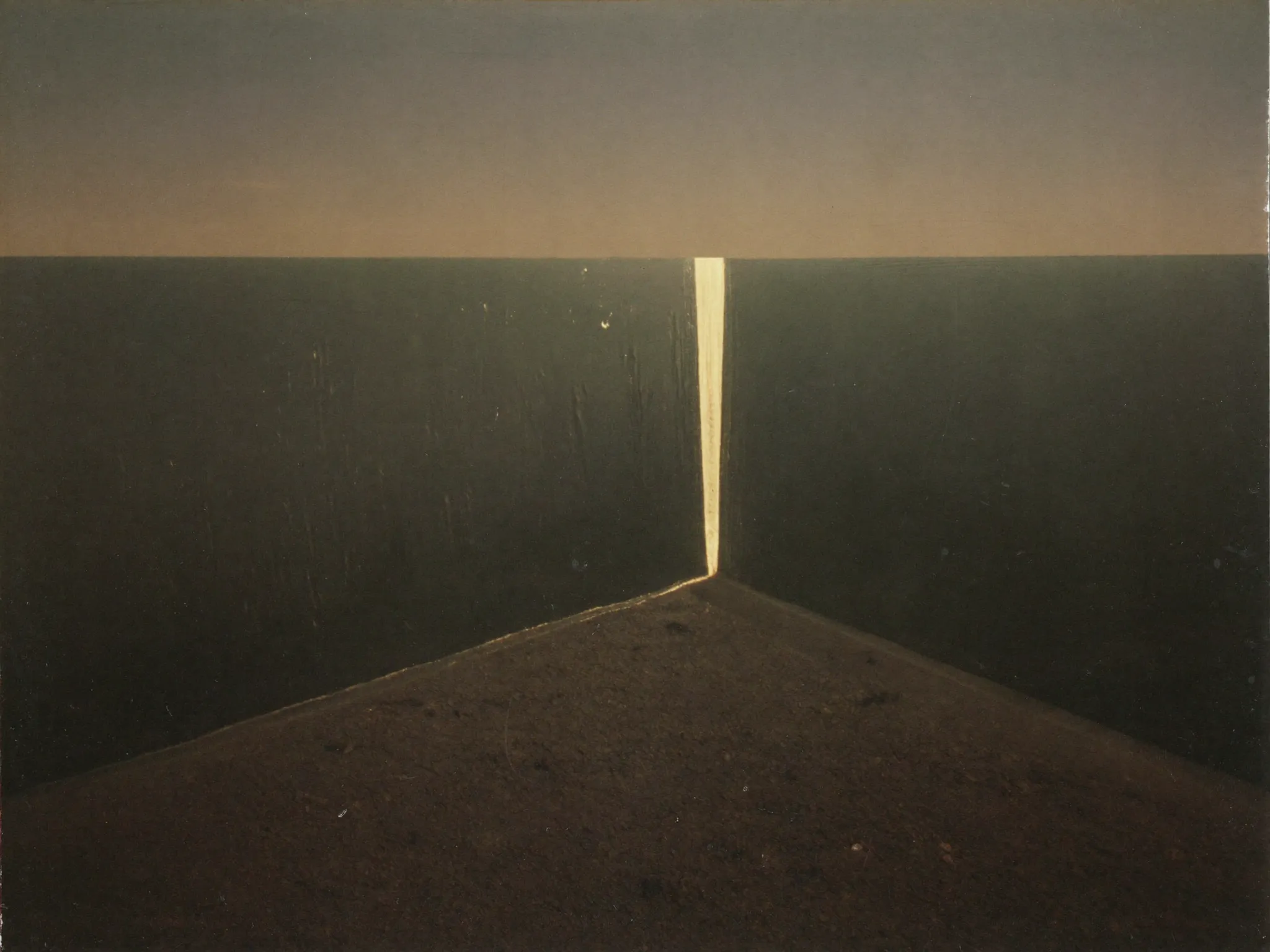
ಮಿಡತೆಗಳು ಬಂದು ಆನೆಕಲ್ಲು ಮಳೆಯು ಉಳಿಸಿದ್ದನ್ನು ತಿಂದುಬಿಡುತ್ತವೆ. ಫರೋಹನು ಇನ್ನೊಂದು ರಾಜಿಯನ್ನು ಮುಂದಿಡುತ್ತಾನೆ — ಗಂಡಸರು ಮಾತ್ರ ಹೋಗಬಹುದು. ಬಾಧೆ ಬರುತ್ತದೆ. ಆ ಮೇಲೆ ಮುಟ್ಟಿ ಅನುಭವಿಸಬಹುದಾದಷ್ಟು ಗಾಢವಾದ ಕತ್ತಲು ಮೂರು ದಿನಗಳ ವರೆಗೆ ಐಗುಪ್ತವನ್ನು ಆವರಿಸುತ್ತದೆ; ಆದರೆ ಗೋಷೆನಿನಲ್ಲಿ ಬೆಳಕು ಇರುತ್ತದೆ. ಫರೋಹನು ಕೊನೆಯ ರಾಜಿಯನ್ನು ಮುಂದಿಡುತ್ತಾನೆ — ಕುರಿದನಗಳನ್ನು ಇಲ್ಲೇ ಬಿಟ್ಟುಹೋಗಿರಿ. ಮೋಶೆ ನಿರಾಕರಿಸುತ್ತಾನೆ.
“ಮೂರು ದಿನಗಳವರೆಗೆ ಅವರು ಒಬ್ಬರನ್ನೊಬ್ಬರು ನೋಡಲಿಲ್ಲ. ಯಾರೂ ತಮ್ಮ ಸ್ಥಳದಿಂದ ಏಳಲೂ ಇಲ್ಲ. ಆದರೆ ಇಸ್ರಾಯೇಲರು ವಾಸವಾಗಿದ್ದ ಸ್ಥಳಗಳಲ್ಲಿ ಬೆಳಕು ಇತ್ತು.”
— ವಿಮೋಚನಕಾಂಡ 10:23
- v.1-11 ಮಿಡತೆಗಳ ಬೆದರಿಕೆ; ಫರೋಹನ ಮೂರನೆಯ ರಾಜಿ — ಗಂಡಸರು ಮಾತ್ರ
- v.12-20 ಮಿಡತೆಗಳು ಬರುತ್ತವೆ; ಫರೋಹನ ಸುಳ್ಳು ಅರಿಕೆ
- v.21-23 ಮೂರು ದಿನಗಳ ಕತ್ತಲು; ಗೋಷೆನಿನಲ್ಲಿ ಬೆಳಕು
- v.24-29 ಫರೋಹನ ನಾಲ್ಕನೆಯ ರಾಜಿ — ಕುರಿದನಗಳನ್ನು ಬಿಟ್ಟುಹೋಗಿರಿ; ಮೋಶೆ ನಿರಾಕರಿಸುತ್ತಾನೆ
ಫರೋಹನ ಮೂರನೆಯ ರಾಜಿ — ಗಂಡಸರು ಮಾತ್ರ ಹೋಗಲಿ. ಕುಟುಂಬವನ್ನು ಬೇರ್ಪಡಿಸುವುದೇ ತಂತ್ರ. ಸ್ತ್ರೀಯರನ್ನೂ ಮಕ್ಕಳನ್ನೂ ಇಲ್ಲೇ ಬಿಡಿರಿ; ನಿಮ್ಮ ಧಾರ್ಮಿಕ ಅನುಭವ ಮುಗಿದ ಮೇಲೆ ಹಿಂತಿರುಗಿ ಬನ್ನಿರಿ.
ಪರಿಚಿತವಾದ ಒಂದು ತಂತ್ರ. ಧರ್ಮವು ಸರಿಯೇ — ಗಂಡಸರಿಗೆ, ಒಂದು ಖಾಸಗಿ ಗಂಟೆಯಲ್ಲಿ, ಮನೆಯವರಿಂದ ದೂರವಾಗಿ. ನಂಬಿಕೆಯು ಕುಟುಂಬದಿಂದ ಬೇರ್ಪಟ್ಟಿದ್ದರೆ ಲೋಕವು ಅದಕ್ಕೆ ಸ್ಥಳಕೊಡುತ್ತದೆ. ಮೋಶೆ ಆ ಒಪ್ಪಂದವನ್ನು ನಿರಾಕರಿಸಿದನು.
ಇಂಗ್ಲಿಷ್ (KJV) ಪಾಠದಲ್ಲಿ ಮುಟ್ಟಿ ಅನುಭವಿಸಬಹುದಾದ ಕತ್ತಲು. ಸತ್ವವುಳ್ಳ ಕತ್ತಲು. ಈ ಪಾಠವು ಸತ್ಯವೇದದ ಅತ್ಯಂತ ಮನಸ್ಸನ್ನು ಕಾಡುವ ಮಾತುಗಳಲ್ಲಿ ಒಂದನ್ನು ಕೊಡುತ್ತದೆ. ಕೇವಲ ಬೆಳಕಿನ ಅಭಾವವಲ್ಲ — ದಬ್ಬಾಳಿಕೆ ಮಾಡುವ ಒಂದು ಶೂನ್ಯದ ಸಾನ್ನಿಧ್ಯ.
ಐಗುಪ್ತದ ಸೂರ್ಯ-ದೇವತೆಯಾದ ರಾ ಎಂಬುದರ ವಿರುದ್ಧವಾಗಿ ಈ ಬಾಧೆ ಗುರಿಯಿಡಲ್ಪಟ್ಟಿತ್ತು ಎಂದು ಅನೇಕ ವ್ಯಾಖ್ಯಾನಕಾರರು ಕಾಣುತ್ತಾರೆ. ಆ ದೇಶದ ಮುಖ್ಯ ದೇವತೆಯು ಯೆಹೋವನ ಕೈಯಿಂದ ಕತ್ತಲುಗೊಳಿಸಲ್ಪಟ್ಟಿತು. ಐಗುಪ್ತದ ದೇವತಾಶಾಸ್ತ್ರದ ಅತ್ಯುನ್ನತ ಸಂಕೇತವು ಮೂರು ದಿನಗಳ ವರೆಗೆ ನಂದಿಸಲ್ಪಟ್ಟಿತು.
ಪ್ರಕಟಣೆ 16:10 ಇದನ್ನು ಪ್ರತಿಧ್ವನಿಸುತ್ತದೆ — ಮೃಗದ ಸಿಂಹಾಸನದ ಮೇಲೆ ಸುರಿಯಲ್ಪಟ್ಟ ಕತ್ತಲೆಯ ಬಟ್ಟಲು. ಅಂತ್ಯಕಾಲದ ಕೊನೆಯ ಕತ್ತಲೂ ಇದೇ ರೀತಿಯ ನ್ಯಾಯತೀರ್ಪು.
ಪರಿಪೂರ್ಣವಾದ ಒಂದು ಗಡಿರೇಖೆ. ಐಗುಪ್ತದ ಮೇಲೆ ಸಂಪೂರ್ಣ ಕತ್ತಲು; ಪ್ರತಿಯೊಂದು ಇಬ್ರಿಯ ಮನೆಯಲ್ಲಿ ಬೆಳಕು. ಅದೇ ಭೂಪ್ರದೇಶ, ಅದೇ ಸಮಯ, ಆದರೆ ಎರಡು ಬೇರೆ ಬೇರೆ ಸ್ಥಿತಿಗಳು.
ಕತ್ತಲೆಯ ಕಾಲಗಳಲ್ಲಿರುವ ವಿಶ್ವಾಸಿಗೆ: ಲೋಕವು ಕತ್ತಲೆಯಲ್ಲಿರಬಹುದು, ಆದರೆ ಭಕ್ತನ ನಿವಾಸದಲ್ಲಿ ಬೆಳಕು ಉಳಿಯುತ್ತದೆ. ನೀತಿವಂತರ ಮಾರ್ಗವು ಮಧ್ಯಾಹ್ನದ ವರೆಗೂ ಹೆಚ್ಚುತ್ತಾ ಬರುವ ಬೆಳಗಿನ ಬೆಳಕಿನಂತಿದೆ (ಜ್ಞಾನೋಕ್ತಿಗಳು 4:18). ಲೋಕವು ಯಾವುದರ ಸಹಾಯದಿಂದ ನೋಡಲಾರದೋ, ಅದರ ಸಹಾಯದಿಂದಲೇ ವಿಶ್ವಾಸಿಯು ಇನ್ನೂ ನಡೆಯುತ್ತಾನೆ.
ಫರೋಹನ ನಾಲ್ಕನೆಯ ರಾಜಿ — ಕುರಿದನಗಳನ್ನು ಇಲ್ಲೇ ಬಿಡಿರಿ. ಕುಟುಂಬವನ್ನು ಕರೆದುಕೊಂಡು ಹೋಗಿರಿ, ಆದರೆ ಆಸ್ತಿಯನ್ನು ಬಿಟ್ಟುಹೋಗಿರಿ. ಇಸ್ರಾಯೇಲರು ಹಿಂತಿರುಗುವಂತೆ ಮಾಡಲು ಅವನಿಗೆ ಇನ್ನೂ ಒಂದು ಹಿಡಿತ ಬೇಕಾಗಿದೆ.
ವಿಶ್ವಾಸಿಗಳೊಂದಿಗೆ ಲೋಕದ ಕೊನೆಯ ರಾಜಿಯೂ ಇದರಂತೆಯೇ ಇದೆ. ನಿಮ್ಮ ನಂಬಿಕೆಯನ್ನು ತೆಗೆದುಕೊಂಡು ಹೋಗಿರಿ, ನಿಮ್ಮ ಕುಟುಂಬವನ್ನು ತೆಗೆದುಕೊಂಡು ಹೋಗಿರಿ — ಆದರೆ ನಿಮ್ಮ ಹಣವನ್ನು, ನಿಮ್ಮ ವೃತ್ತಿಜೀವನವನ್ನು, ನಿಮ್ಮ ಹೂಡಿಕೆಗಳನ್ನು ನಮ್ಮ ಹಿಡಿತದಲ್ಲಿ ಬಿಟ್ಟುಹೋಗಿರಿ. ಕ್ರಿಸ್ತನು ಎಲ್ಲವನ್ನೂ ಬಯಸುತ್ತಾನೆ (ಮತ್ತಾಯನು 6:33). ವಿಶ್ವಾಸಿಯ ಜೀವನದ ಯಾವ ಭಾಗವೂ ಆತನ ಹಕ್ಕಿನ ಹೊರಗಿಲ್ಲ.
ಒಂದು ಗೊರಸನ್ನಾದರೂ ನಾವು ಬಿಟ್ಟು ಹೋಗುವುದಿಲ್ಲ. ವಿಮೋಚನಕಾಂಡದಲ್ಲಿ ಉಲ್ಲೇಖಿಸಲು ಯೋಗ್ಯವಾದ ಮಹಾ ಮಾತುಗಳಲ್ಲಿ ಒಂದನ್ನು ಮೋಶೆ ಹೇಳುತ್ತಾನೆ. ಸಂಪೂರ್ಣ ಶರಣಾಗತಿ, ಯಾವ ಚೌಕಾಸಿಯೂ ಇಲ್ಲ, ಜೀವನದ ಪ್ರತಿಯೊಂದು ವಿವರವೂ ದೇವರ ಆರಾಧನೆಗೆ ಸೇರಿದೆ.
ಯಾವ ಪಶುಗಳನ್ನು ಅರ್ಪಿಸಬೇಕೆಂಬುದು ನಾವು ಅಲ್ಲಿಗೆ ಸೇರುವುದಕ್ಕೆ ಮೊದಲು ನಮಗೆ ತಿಳಿಯದು. ವಿಧೇಯತೆಗೆ ಯಾವ ಸಂಪನ್ಮೂಲಗಳು ಬೇಕಾಗುವವು ಎಂಬುದನ್ನು ನೀವು ಮುಂಚಿತವಾಗಿ ಆರಿಸಿಕೊಳ್ಳಲಾರಿರಿ. ನೀವು ಎಲ್ಲವನ್ನೂ ತರುತ್ತೀರಿ; ದೇವರು ಆ ಸಂಪೂರ್ಣ ಸಂಗ್ರಹದಿಂದ ನೇಮಿಸುತ್ತಾನೆ.
ಒಂದು ಗೊರಸನ್ನಾದರೂ ನಾವು ಬಿಟ್ಟು ಹೋಗುವುದಿಲ್ಲ. ನಿಮ್ಮ ಜೀವನದಲ್ಲಿ ಯಾವುದನ್ನು ದೇವರ ಸೇವೆಯಿಂದ ತಡೆಹಿಡಿಯಬೇಕೆಂದು ನೀವು ಉದ್ದೇಶಿಸಿಕೊಂಡಿದ್ದೀರಿ? ಒಂದು ಸಂಬಂಧವೋ, ಒಂದು ಸ್ವತ್ತೋ, ಒಂದು ಸಮಯದ ಭಾಗವೋ, ಒಂದು ಅಭ್ಯಾಸವೋ? ಮೋಶೆಯ ಮಟ್ಟವು ಸಂಪೂರ್ಣವಾದದ್ದು. ಇಡೀ ಜೀವನವನ್ನು ತರಲಾಗುತ್ತದೆ; ದೇವರು ಆ ಸಂಗ್ರಹದಿಂದ ನೇಮಿಸುತ್ತಾನೆ. ನೀವು ಕಾದಿರಿಸಿಕೊಳ್ಳುವ ಭಾಗವೇ ನಿಮ್ಮನ್ನು ಹಿಂದಕ್ಕೆ ಹಿಡಿದಿಡುವ ಭಾಗವಾಗುತ್ತದೆ.
ಐಗುಪ್ತದ ಮೇಲಿನ ಮೂರು ದಿನಗಳ ಕತ್ತಲು ಕಲ್ವಾರಿಯಲ್ಲಿನ ಮೂರು ತಾಸುಗಳ ಕತ್ತಲನ್ನು (ಮತ್ತಾಯನು 27:45) — ಮತ್ತು ಕ್ರಿಸ್ತನು ಸಮಾಧಿಯಲ್ಲಿದ್ದ ಮೂರು ದಿನಗಳನ್ನು (ಮತ್ತಾಯನು 12:40) — ಮುಂದಾಗಿ ಸೂಚಿಸುತ್ತದೆ. ಮೂರರ ಮಾದರಿಯು ಸ್ಥಿರವಾಗಿದೆ. ಐಗುಪ್ತವು ಅನುಭವಿಸಿದ ಕತ್ತಲು, ನಾವು ಬೆಳಕಿನ ಮಕ್ಕಳಾಗುವಂತೆ (1 ಥೆಸಲೋನಿಕದವರಿಗೆ 5:5) ಕ್ರಿಸ್ತನು ಹೊರಲಿದ್ದ ಕತ್ತಲೆಯ ಮುನ್ನರುಚಿಯಾಗಿತ್ತು.
ಈ ಪುಟದಲ್ಲಿ ನಿಮ್ಮ ಭಾಷೆಯ ಶಾಸ್ತ್ರಪಾಠ: ಇಂಡಿಯನ್ ರಿವೈಸ್ಡ್ ವರ್ಷನ್ (IRV), © 2017, 2019 ಬ್ರಿಡ್ಜ್ ಕನೆಕ್ಟಿವಿಟಿ ಸೊಲ್ಯೂಷನ್ಸ್ — ಯಾವುದೇ ಬದಲಾವಣೆಯಿಲ್ಲದೆ ಈ ಪರವಾನಗಿಯಡಿ ಬಳಸಲಾಗಿದೆ: CC BY-SA 4.0 · eBible.org
ಬಾಧೆಗಳಿಗೆ ಮುಂದಿನ ಪೀಳಿಗೆಗಾಗಿ ಒಂದು ಬೋಧನಾ ಉದ್ದೇಶವಿತ್ತು. ದೇವರು ಐಗುಪ್ತದಲ್ಲಿ ಏನು ಮಾಡಿದನೆಂಬುದನ್ನು ಇಸ್ರಾಯೇಲರ ಮೊಮ್ಮಕ್ಕಳು ಕೇಳಬೇಕಾಗಿತ್ತು. ತಂದೆಗಳ ನಂಬಿಕೆಯು ಮಕ್ಕಳಿಗೆ ಮತ್ತೆ ಮತ್ತೆ ಹೇಳಲ್ಪಡುವುದರಿಂದ ಕಾಪಾಡಲ್ಪಡುತ್ತದೆ.
ಕೀರ್ತನೆಗಳು 78:5-7 ಇದನ್ನು ಸ್ಪಷ್ಟವಾದ ಮಾದರಿಯನ್ನಾಗಿ ಮಾಡುತ್ತದೆ. ಈಗಿನ ಪೀಳಿಗೆಯು ದೇವರು ಮಾಡಿದ್ದನ್ನು ಹೇಳುತ್ತದೆ; ಮುಂದಿನ ಪೀಳಿಗೆಯು ಅದರ ಮುಂದಿನದಕ್ಕೆ ಹೇಳುತ್ತದೆ. ಇಲ್ಲಿ ಪ್ರತಿಯೊಬ್ಬ ಅಜ್ಜ ಅಜ್ಜಿಗೂ ಒಂದು ಕರ್ತವ್ಯವಿದೆ. ಒಡಂಬಡಿಕೆಯು ಪೀಳಿಗೆಗಳಾದ್ಯಂತ ಮಾತಿನ ಮೂಲಕ ಕಾಪಾಡಲ್ಪಡುತ್ತದೆ.