ಕರಡು ಅನುವಾದ. ಮಾತೃಭಾಷಾ ಕ್ರೈಸ್ತರ ತಿದ್ದುಪಡಿಗಳಿಗೆ ಸ್ವಾಗತ. ವಚನ ಪಠ್ಯ KJV (ಇಂಗ್ಲಿಷ್)ನಲ್ಲಿರುತ್ತದೆ.
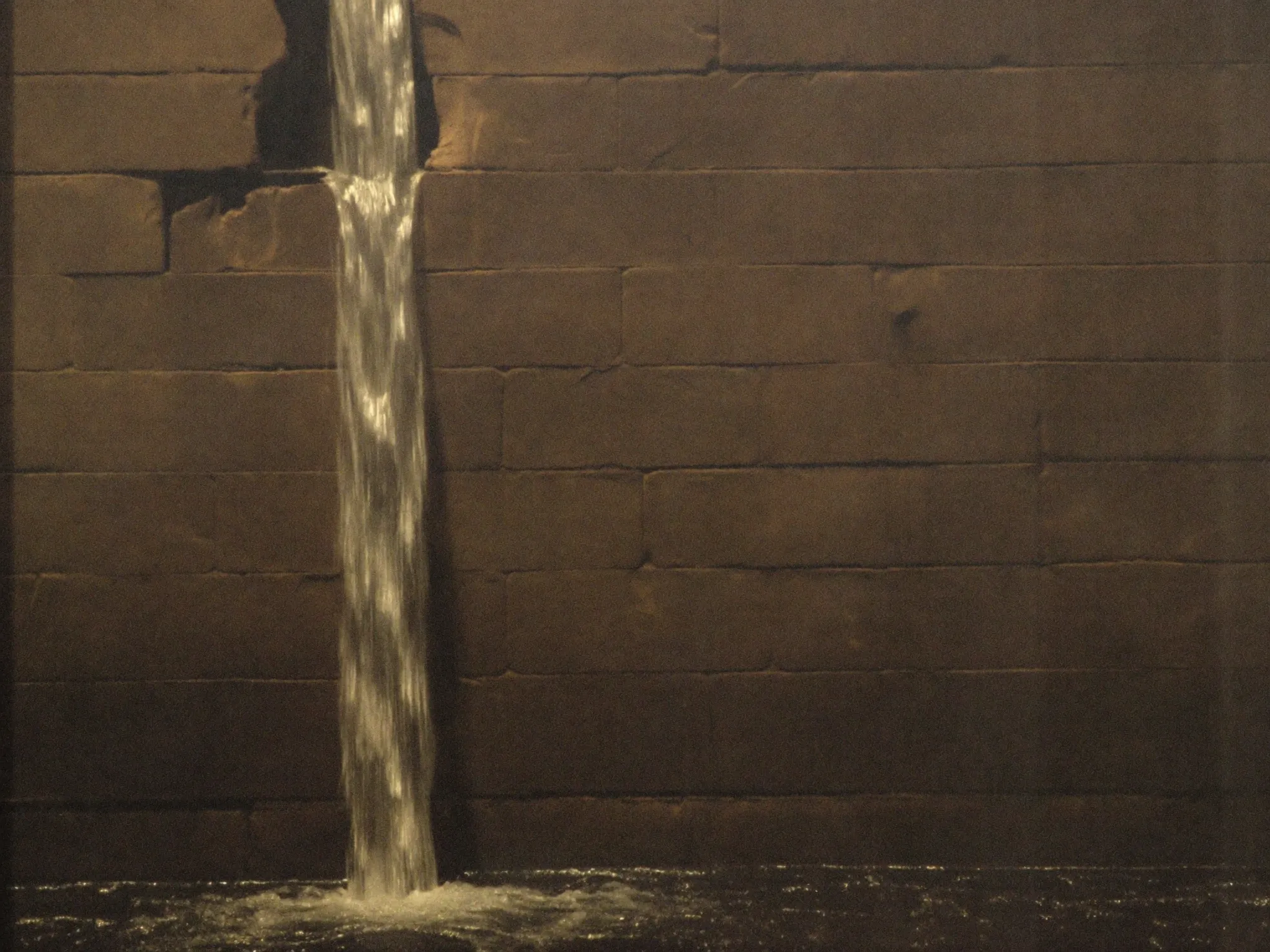
ಆಮೋಸನು 5 — ನ್ಯಾಯವು ಹೊಳೆಯ ಹಾಗೆ ಹರಿಯಲಿ
ಇಸ್ರಾಯೇಲೆಂಬ ಕನ್ಯೆಯ ಮೇಲಿನ ಒಂದು ಶೋಕಗೀತೆ — ಇನ್ನೆಂದೂ ಏಳದಂತೆ ಬಿದ್ದುಹೋದವಳು. ಆದರೂ ಆ ಶೋಕಗೀತೆಯೊಳಗೆ ಒಂದು ಬಾಗಿಲು: ನನ್ನನ್ನು ಆಶ್ರಯಿಸಿ ಬದುಕಿಕೊಳ್ಳಿರಿ — ಆದರೆ ಬೇತೇಲನ್ನು ಆಶ್ರಯಿಸಬೇಡಿರಿ, ಗಿಲ್ಗಾಲನ್ನು ಸೇರಬೇಡಿರಿ. ಏಳು ನಕ್ಷತ್ರಗಳನ್ನೂ ಓರಿಯನ್ ನಕ್ಷತ್ರಪುಂಜವನ್ನೂ ಸೃಷ್ಟಿಸಿ, ಕಾರ್ಗತ್ತಲನ್ನು ಬೆಳಕನ್ನಾಗಿ ಮಾಡುವಾತನನ್ನು ಆಶ್ರಯಿಸಿರಿ. ಊರುಬಾಗಿಲಲ್ಲಿ ಗದರಿಸುವವನನ್ನು ಅವರು ಹಗೆಮಾಡುತ್ತಾರೆ; ನೀತಿವಂತನನ್ನು ಬಾಧಿಸುತ್ತಾರೆ, ಲಂಚ ತೆಗೆದುಕೊಳ್ಳುತ್ತಾರೆ, ಬಡವನನ್ನು ತಳ್ಳಿಬಿಡುತ್ತಾರೆ. ನೀವು ಬದುಕುವಂತೆ ಕೆಟ್ಟದ್ದನ್ನಲ್ಲ, ಒಳ್ಳೆಯದನ್ನು ಹುಡುಕಿರಿ; ಕೆಟ್ಟದ್ದನ್ನು ಹಗೆಮಾಡಿ, ಒಳ್ಳೆಯದನ್ನು ಪ್ರೀತಿಸಿ, ಊರುಬಾಗಿಲಲ್ಲಿ ನ್ಯಾಯವನ್ನು ಸ್ಥಾಪಿಸಿರಿ. ಯೆಹೋವನ ದಿನವನ್ನು ನಿರೀಕ್ಷಿಸುವವರೇ, ನಿಮ್ಮ ಗತಿಯನ್ನು ಏನು ಹೇಳಲಿ — ಅದು ಬೆಳಕಲ್ಲ, ಕತ್ತಲೆಯೇ; ಸಿಂಹದ ಕಡೆಯಿಂದ ಓಡಿದವನಿಗೆ ಕರಡಿಯು ಎದುರುಬಿದ್ದಂತೆ. ನಿಮ್ಮ ಹಬ್ಬಗಳನ್ನು ಹಗೆಮಾಡುತ್ತೇನೆ, ತುಚ್ಛೀಕರಿಸುತ್ತೇನೆ; ನೀವು ದಹನಬಲಿಗಳನ್ನು ಅರ್ಪಿಸಿದರೂ ನಾನು ಅವುಗಳನ್ನು ಸ್ವೀಕರಿಸುವುದಿಲ್ಲ. ನಿಮ್ಮ ಹಾಡುಗಳ ಗದ್ದಲವನ್ನು ತೊಲಗಿಸಿರಿ — ಆದರೆ ನ್ಯಾಯವು ಹೊಳೆಯ ಹಾಗೆ ಹರಿಯಲಿ, ಧರ್ಮವು ಮಹಾನದಿಯಂತೆ ಹರಿಯಲಿ.
“ಅದರ ಬದಲಾಗಿ ನ್ಯಾಯವು ಹೊಳೆಯ ಹಾಗೆ ಹರಿಯಲಿ, ಧರ್ಮವು ಮಹಾನದಿಯಂತೆ ಹರಿಯಲಿ.”
— ಆಮೋಸನು 5:24
- v.1-3 ಬಿದ್ದುಹೋದ ಇಸ್ರಾಯೇಲಿನ ಮೇಲಿನ ಶೋಕಗೀತೆ
- v.4-15 ಯೆಹೋವನನ್ನು ಆಶ್ರಯಿಸಿ ಬದುಕಿರಿ; ಕೆಟ್ಟದ್ದನ್ನಲ್ಲ, ಒಳ್ಳೆಯದನ್ನು ಹುಡುಕಿರಿ
- v.16-20 ಯೆಹೋವನ ದಿನವು ಬೆಳಕಲ್ಲ, ಕತ್ತಲೆ
- v.21-27 ಹಗೆಮಾಡಲ್ಪಟ್ಟ ಹಬ್ಬಗಳು; ಹೊಳೆಯಂತೆ ಹರಿಯುವ ನ್ಯಾಯಕ್ಕಾಗಿ ಕರೆ
ಎರಡನೆಯ ಸ್ತೋತ್ರಗೀತೆ. ಹುಡುಕಬೇಕಾದಾತನು ಪ್ಲೇಯಡೀಸ್ ಮತ್ತು ಓರಿಯನ್ ನಕ್ಷತ್ರಗಳನ್ನು ಪೋಣಿಸಿದನು, ಜಲಚಕ್ರವನ್ನು ಆಜ್ಞಾಪಿಸುತ್ತಾನೆ, ಮತ್ತು — ಅತ್ಯಂತ ಕೋಮಲವಾಗಿ — ಕಾರ್ಗತ್ತಲನ್ನು ಬೆಳಕನ್ನಾಗಿ ಮಾಡುತ್ತಾನೆ. ನಕ್ಷತ್ರಪುಂಜಗಳ ಸೃಷ್ಟಿಕರ್ತನು ಮಧ್ಯರಾತ್ರಿಗಳನ್ನು ತಿರುಗಿಸುತ್ತಾನೆ.
ದಬ್ಬಾಳಿಕೆಗೊಳಗಾದ, ಭ್ರಷ್ಟ ಸಮಾಜದ ಕಣ್ಣುಗಳನ್ನು ಆಮೋಸನು ರಾತ್ರಿಯ ಆಕಾಶದ ಕಡೆಗೆ ಎತ್ತುತ್ತಾನೆ: ಅವರು ಬೇತೇಲಿನಲ್ಲಿ ಒಂದು ಕರುವಿನ ಮಟ್ಟಕ್ಕೆ ಇಳಿಸಿದ ದೇವರು ಓರಿಯನ್ ನಕ್ಷತ್ರಪುಂಜದ ಸೃಷ್ಟಿಕರ್ತನು. ದೇವರ ಬಗ್ಗೆ ಕೀಳು ದೃಷ್ಟಿಕೋನಗಳು ಮತ್ತು ಕೀಳು ನಡತೆ ಜೊತೆಯಾಗಿ ಏರುತ್ತವೆ ಮತ್ತು ಇಳಿಯುತ್ತವೆ.
ದೇವರನ್ನು ಹುಡುಕುವುದು (ವಚನ 4) ಒಳ್ಳೆಯದನ್ನು ಹುಡುಕುವುದಾಗುತ್ತದೆ (ವಚನ 14) — ಈ ಎರಡು ಹುಡುಕಾಟಗಳು ಒಂದೇ. ಆತನು ಹಗೆಮಾಡುವುದನ್ನು ಓಲೈಸುತ್ತಾ ಯಾರೂ ಯೆಹೋವನನ್ನು ಹುಡುಕುವುದಿಲ್ಲ; ಪಶ್ಚಾತ್ತಾಪಕ್ಕೆ ಒಂದು ನೈತಿಕ ವಿಳಾಸವಿದೆ.
ನೀವು ಅಂದುಕೊಂಡಂತೆ — “ದೇವರು ನಮ್ಮ ಸಂಗಡ ಇದ್ದಾನೆ” ಎಂದು ಇಸ್ರಾಯೇಲ್ ಒಂದು ಘೋಷಣೆಯಾಗಿ ಹೇಳಿಕೊಳ್ಳುತ್ತಿತ್ತು. ಈ ವಚನವು ಆ ಹೇಳಿಕೆಯನ್ನು ನಡತೆಯ ಮೇಲೆ ಅವಲಂಬಿತವಾಗಿಸುತ್ತದೆ: ಆತನ ಸಾನ್ನಿಧ್ಯವು ಒಳ್ಳೆಯದರ ಅನುಸರಣೆಯೊಂದಿಗೆ ಇರುತ್ತದೆ, ಸುಯೋಗದ ಪಠಣದೊಂದಿಗಲ್ಲ.
ಯೆಹೋವನ ದಿನವು ತಮ್ಮ ಸಮರ್ಥನೆಯ ದಿನವೆಂದು ಭಾವಿಸಿ ಇಸ್ರಾಯೇಲ್ ಅದಕ್ಕಾಗಿ ಹಾಡಿತು. ಆಮೋಸನು ಆ ಊಹೆಯನ್ನು ತಲೆಕೆಳಗು ಮಾಡುತ್ತಾನೆ: ಪಶ್ಚಾತ್ತಾಪಪಡದವರಿಗೆ ಆ ದಿನವು ಕತ್ತಲೆ — ಸಿಂಹದಿಂದ ಓಡಿ ಕರಡಿಗೆ ಸಿಕ್ಕುವುದು, ಗೋಡೆಯ ಮೇಲೆ ಕೈಯಿಟ್ಟಾಗ ಹಾವು ಕಚ್ಚುವುದು (ವಚನ 19). ತಪ್ಪಿಸಿಕೊಳ್ಳುವ ದಾರಿಯಿಲ್ಲ.
ಸಿದ್ಧರಾಗದವರಿಗೆ ಅಂತ್ಯಕಾಲದ ಸಿದ್ಧಾಂತವು ಸಮಾಧಾನವಲ್ಲ. ಕರ್ತನ ಬರುವಿಕೆಯನ್ನು ಬಯಸುವುದು ಆತನನ್ನು ಎದುರುಗೊಳ್ಳಲು ಸಿದ್ಧರಾದವರಿಗೆ ಮಾತ್ರ ವಿವೇಕ; ಉಳಿದ ಎಲ್ಲರಿಗೂ ಆತನ ಪುನರಾಗಮನದ ಸಿದ್ಧಾಂತವು ಭಯದ ಸಿದ್ಧಾಂತವಾಗಿದೆ.
ತಾನೇ ನೇಮಿಸಿದ ಹಬ್ಬಗಳ ಬಗ್ಗೆ ದೇವರು ಹೇಳುತ್ತಾನೆ: ಹಗೆಮಾಡುತ್ತೇನೆ, ತುಚ್ಛೀಕರಿಸುತ್ತೇನೆ. ಬಡವರನ್ನು ಜಜ್ಜುವ ಕೈಗಳು ಸಲ್ಲಿಸುವ ಆರಾಧನೆಯು ಪವಿತ್ರ ವಿಧಿಯನ್ನು ದುರ್ವಾಸನೆಯನ್ನಾಗಿ ಮಾಡುತ್ತದೆ. ಅಪರಾಧವು ರೂಪದಲ್ಲಿಲ್ಲ, ಯಜ್ಞವೇದಿ ಮತ್ತು ಊರುಬಾಗಿಲಿನ ನಡುವಿನ ವಿರೋಧಾಭಾಸದಲ್ಲಿದೆ.
ಬಲಿಗಳನ್ನು ಆಜ್ಞಾಪಿಸಿದ ಅದೇ ದೇವರು ಅವುಗಳನ್ನು ನಿರಾಕರಿಸುತ್ತಾನೆ — ವಿಧಿ ಎಂದಿಗೂ ಮುಖ್ಯ ವಿಷಯವಾಗಿರಲಿಲ್ಲ ಎಂಬುದಕ್ಕೆ ಪುರಾವೆ. ಪ್ರತಿಯೊಂದು ಯುಗದಲ್ಲೂ ಬಲಿಗಿಂತ ವಿಧೇಯತೆಯೇ ಶ್ರೇಷ್ಠ (1 ಸಮುವೇಲನು 15:22).
ಹಾಡುಗಳ ಗದ್ದಲದ ಬದಲಿಗೆ ದೇವರು ಬಯಸುವುದು: ನೀರಿನಂತೆ ಹರಿಯುವ ನ್ಯಾಯ — ತೊಟ್ಟಿಕ್ಕುವ ಸಣ್ಣ ಧಾರೆಯಲ್ಲ, ಋತುಮಾನದ್ದಲ್ಲ, ಬದಲಾಗಿ ಮಹಾನದಿ, ನಿತ್ಯವೂ ತಡೆಯಲಾಗದ್ದೂ ಆದದ್ದು. ಧರ್ಮವು ಭೂದೃಶ್ಯದ ಶಾಶ್ವತ ನದಿಯಾಗಿರಬೇಕು, ಆಗಾಗ ಬೀಳುವ ಮಳೆಯಲ್ಲ.
ಈ ವಚನವು ಆಮೋಸನ ಮತ್ತು ಎಲ್ಲಾ ಪ್ರವಾದನಾ ಧರ್ಮದ ಸಾರಾಂಶ: ಸರಿಯಾದ ಆರಾಧನೆಯು ಸಾರ್ವಜನಿಕ ನೀತಿಯಲ್ಲಿ ಫಲಿಸುತ್ತದೆ, ಇಲ್ಲವಾದರೆ ಅದು ಗದ್ದಲ ಮಾತ್ರ. ಹೊಳೆ ಹರಿಯುವಲ್ಲಿ ಹಬ್ಬಗಳು ಮತ್ತೆ ಸುಗಂಧಭರಿತವಾಗುತ್ತವೆ.
ನಿಮ್ಮ ಆರಾಧನೆಯನ್ನು ನಿಮ್ಮ ವಾರದ ದಿನಗಳ ಪಕ್ಕದಲ್ಲಿಟ್ಟು, 21ನೇ ವಚನವನ್ನು ನಿಮಗೆ ಹೇಳಬಹುದೇ ಎಂದು ಕೇಳಿಕೊಳ್ಳಿರಿ: ಜೀವನವು ಅವುಗಳಿಗೆ ವಿರುದ್ಧವಾಗಿರುವುದರಿಂದ ದೇವರು ಸಹಿಸಿಕೊಳ್ಳಬೇಕಾದ ಹಾಡುಗಳು. ಪರಿಹಾರ 24ನೇ ವಚನ — ಕಾಲುವೆಯನ್ನು ತೆರೆಯಿರಿ; ಭಾನುವಾರ ನೀವು ಹಾಡುವುದು ಸೋಮವಾರದ ಊರುಬಾಗಿಲಿನ ಮೂಲಕ ನ್ಯಾಯವಾಗಿ, ಪ್ರಾಮಾಣಿಕತೆಯಾಗಿ, ಕರುಣೆಯಾಗಿ ಹರಿಯಲಿ. ಕರ್ತನ ಪುನರಾಗಮನಕ್ಕಾಗಿ ನಿಮ್ಮ ಹಂಬಲವನ್ನು 18ನೇ ವಚನದಿಂದ ಪರೀಕ್ಷಿಸಿರಿ: ಅದು ಸಿದ್ಧತೆಯೋ, ಅಥವಾ ದುರಹಂಕಾರದ ಊಹೆಯೋ?
ನನ್ನನ್ನು ಆಶ್ರಯಿಸಿ ಬದುಕಿಕೊಳ್ಳಿರಿ ಎಂಬುದು ಬೀಜರೂಪದಲ್ಲಿರುವ ಸುವಾರ್ತೆ — ನಾನಾದರೋ ಅವುಗಳಿಗೆ ಜೀವವು ಇರಬೇಕೆಂತಲೂ... ಬಂದೆನು ಎಂದು ಹೇಳಿದಾತನಲ್ಲಿ ಅದು ನೆರವೇರಿತು. ಶಿಲುಬೆಯಲ್ಲಿ ಯೆಹೋವನ ದಿನದ ಕತ್ತಲೆಯು ಮಧ್ಯಾಹ್ನದಲ್ಲಿ ಕ್ರಿಸ್ತನ ಮೇಲೆ ಬಿತ್ತು; ಆದ್ದರಿಂದ ಆತನವರಾದ ಎಲ್ಲರಿಗೂ ಕಾರ್ಗತ್ತಲು ಬೆಳಕಾಗಿ ಮಾರ್ಪಡುತ್ತದೆ (ವಚನ 8).
ಈ ಪುಟದಲ್ಲಿ ನಿಮ್ಮ ಭಾಷೆಯ ಶಾಸ್ತ್ರಪಾಠ: ಇಂಡಿಯನ್ ರಿವೈಸ್ಡ್ ವರ್ಷನ್ (IRV), © 2017, 2019 ಬ್ರಿಡ್ಜ್ ಕನೆಕ್ಟಿವಿಟಿ ಸೊಲ್ಯೂಷನ್ಸ್ — ಯಾವುದೇ ಬದಲಾವಣೆಯಿಲ್ಲದೆ ಈ ಪರವಾನಗಿಯಡಿ ಬಳಸಲಾಗಿದೆ: CC BY-SA 4.0 · eBible.org
ಒಂದು ಶವಸಂಸ್ಕಾರದ ಹಾಡಿನ ನಡುವೆ, ಜೀವದ ಒಂದು ಆಹ್ವಾನ. ಪ್ರವಾದಿಗಳಲ್ಲಿ ಅತ್ಯಂತ ಕಠೋರನಾದ ಆಮೋಸನೂ ಸುವಾರ್ತೆಯನ್ನು ಹೊತ್ತಿದ್ದಾನೆ: ನ್ಯಾಯತೀರ್ಪು ಘೋಷಿಸಲ್ಪಡುತ್ತದೆ, ಆದರೂ ಬಾಗಿಲು ಸದಾ ತೆರೆದೇ ಇರುತ್ತದೆ — ನನ್ನನ್ನು ಆಶ್ರಯಿಸಿ ಬದುಕಿಕೊಳ್ಳಿರಿ.
ನನ್ನನ್ನು — ಬೇತೇಲನ್ನಲ್ಲ, ಗಿಲ್ಗಾಲನ್ನಲ್ಲ, ಬೇರ್ಷೆಬವನ್ನಲ್ಲ (ವಚನ 5). ಆ ಆರಾಧನಾಸ್ಥಳಗಳು ದೇವರಿಲ್ಲದ ಧರ್ಮವನ್ನು ನೀಡಿದವು. ಪ್ರತಿಯೊಂದು ಬದಲಿಯನ್ನೂ ಪ್ರತಿಯೊಂದು ಪವಿತ್ರಸ್ಥಳವನ್ನೂ ದಾಟಿ ಯೆಹೋವನನ್ನೇ ಹುಡುಕುವುದು ಜೀವದ ಏಕೈಕ ಷರತ್ತು.