मसौदा अनुवाद. मातृभाषी ईसाइयों के सुधार स्वागत हैं। पद-पाठ KJV (अंग्रेज़ी) में रहता है।
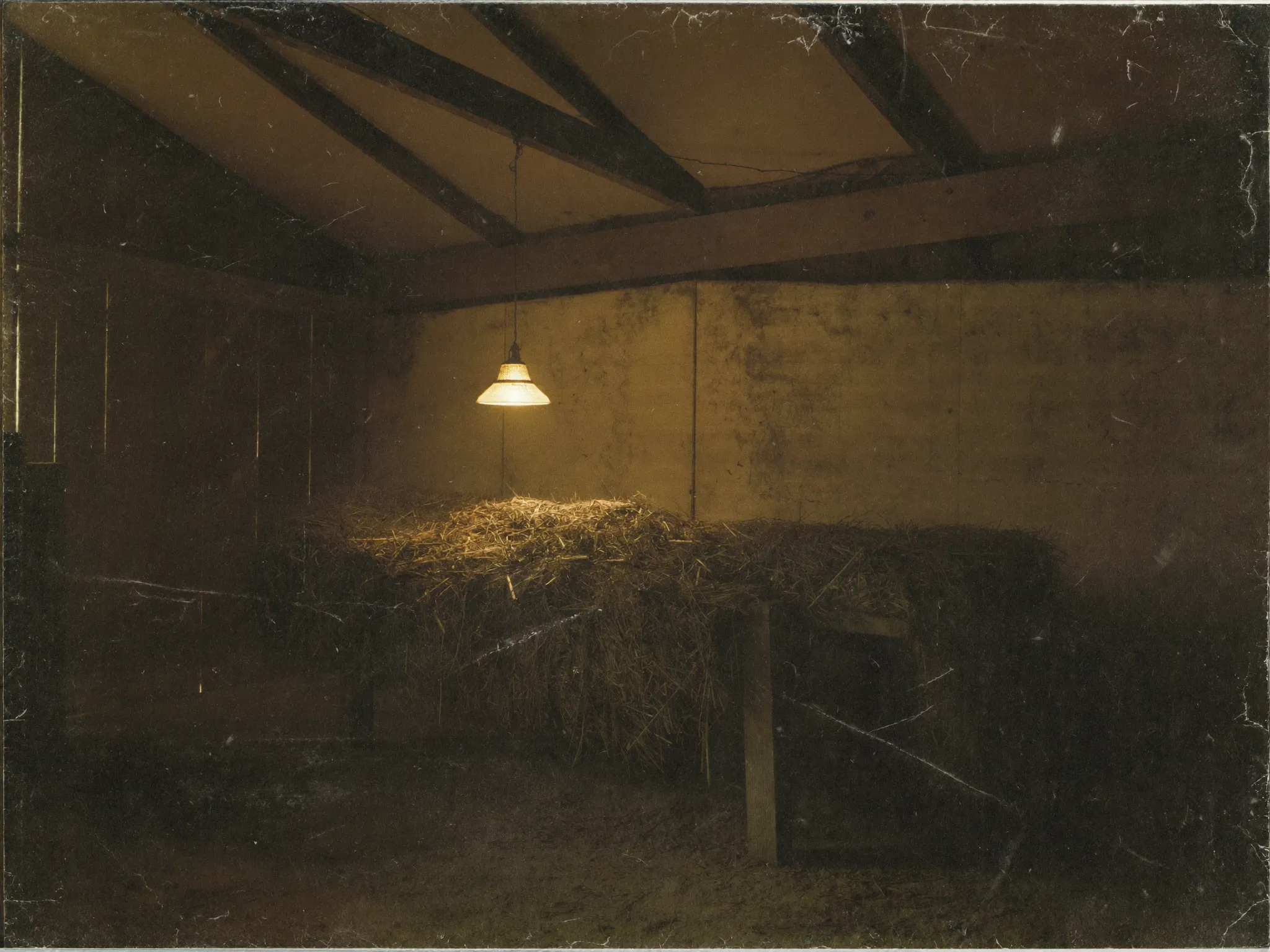
लूका 18 — हे परमेश्वर मुझ पापी पर दया कर
लगातार माँगनेवाली विधवा का दृष्टान्त — नित्य प्रार्थना करना चाहिए। फरीसी और चुंगी लेनेवाला — हे परमेश्वर मुझ पापी पर दया कर। यही मनुष्य धर्मी ठहरकर अपने घर गया। बालकों को मेरे पास आने दो। धनी युवा सरदार — तुझ में अब भी एक बात की घटी है। वह बहुत उदास होकर चला गया। धनवान के लिए कठिन है। परमेश्वर से सब कुछ हो सकता है। दुःख-भोग की तीसरी भविष्यवाणी — उन्होंने इन बातों में से कोई बात न समझी। अंधा बरतिमाई — हे प्रभु, यह कि मैं देखने लगूँ। उसका विश्वास उसे अच्छा कर देता है; वह पीछे हो लेता है।
““परन्तु चुंगी लेनेवाले ने दूर खड़े होकर, स्वर्ग की ओर आँख उठाना भी न चाहा, वरन् अपनी छाती पीट-पीट कर कहा, ‘हे परमेश्वर मुझ पापी पर दया कर!’”
— लूका 18:13
- v.1-8 लगातार माँगनेवाली विधवा
- v.9-14 फरीसी और चुंगी लेनेवाला
- v.15-17 छोटे बच्चे
- v.18-30 धनी युवा सरदार
- v.31-34 दुःख-भोग की तीसरी भविष्यवाणी
- v.35-43 अंधा बरतिमाई
धर्मी ठहराए जाने की आदर्श प्रार्थना। सात शब्द। न कोई उपलब्धियों की सूची; न कोई तुलना; केवल हे परमेश्वर मुझ पापी पर दया कर।
दया कर। यूनानी शब्द में प्रायश्चित का शब्द सम्मिलित है — मुझ पर अनुग्रहकारी हो, ढाँपने के द्वारा मुझसे व्यवहार कर। चुंगी लेनेवाले की विनती क्रूस से पहले ही क्रूस के अनुरूप है।
धर्मी ठहरा। धर्मी घोषित किए जाने के लिए पारिभाषिक शब्द। चुंगी लेनेवाला वह निर्णय लेकर घर गया जिसे वह कभी कमा नहीं सकता था; फरीसी जैसा आया था वैसा ही घर गया।
हर पाठक के लिए एक आरेख। आपकी प्रार्थना कौन-सी है? मैं तेरा धन्यवाद करता हूँ, कि मैं और मनुष्यों के समान नहीं, या हे परमेश्वर मुझ पापी पर दया कर? निर्णय क्रिया पर निर्भर है।
चेलों का प्रश्न था, तो फिर किसका उद्धार हो सकता है? उत्तर है — मानवीय प्रयास से किसी का नहीं। जो मनुष्य से नहीं हो सकता, वह परमेश्वर से हो सकता है — यही किसी भी उद्धार का एकमात्र आधार है।
यह पद धनवानों, शक्तिशालियों, जमे हुए लोगों के लिए है — उनके लिए जिन्हें संसार नहीं बचा सकता। यही असम्भवता परमेश्वर के अनुग्रह का द्वार है।
पद 13 कण्ठस्थ करने योग्य प्रार्थना है। चुंगी लेनेवाले के सात शब्द धर्मी ठहराए गए व्यक्ति की प्रार्थना हैं। आज रात इसे प्रार्थना में कहिए, और कल भी, और उस दिन भी जब आप कुछ अधिक प्रभावशाली कहने की परीक्षा में पड़ें। दया माँगने में है, सजावट में नहीं।
लूका 18 में मसीह लगातार प्रार्थना सिखाते हैं, दीनों को धर्मी ठहराते हैं, बच्चों का स्वागत करते हैं, उस धनी व्यक्ति के लिए दुःखी होते हैं जो चला गया, अपने ही क्रूस की भविष्यवाणी करते हैं, अंधे की आँखें खोलते हैं। वे ही वह व्यक्ति हैं जिनके चारों ओर हर दृश्य घूमता है — मध्यस्थ, न्यायी, चंगा करनेवाले, उद्धारकर्ता।
इस पृष्ठ पर आपकी भाषा में पवित्रशास्त्र का पाठ: इंडियन रिवाइज़्ड वर्ज़न (IRV), © 2017, 2019 ब्रिज कनेक्टिविटी सॉल्यूशंस — बिना बदलाव के इस लाइसेंस के अंतर्गत प्रयुक्त: CC BY-SA 4.0 · eBible.org
नित्य प्रार्थना करना और साहस नहीं छोड़ना। दोनों जुड़े हुए हैं। साहस छोड़ देना प्रार्थना का विकल्प है; प्रार्थना निराशा का इलाज है।
यहाँ लगन को अपवाद नहीं, सामान्य नियम के रूप में सिखाया गया है। विधवा की दृढ़ता चेले का नमूना है।