मसौदा अनुवाद. मातृभाषी ईसाइयों के सुधार स्वागत हैं। पद-पाठ KJV (अंग्रेज़ी) में रहता है।
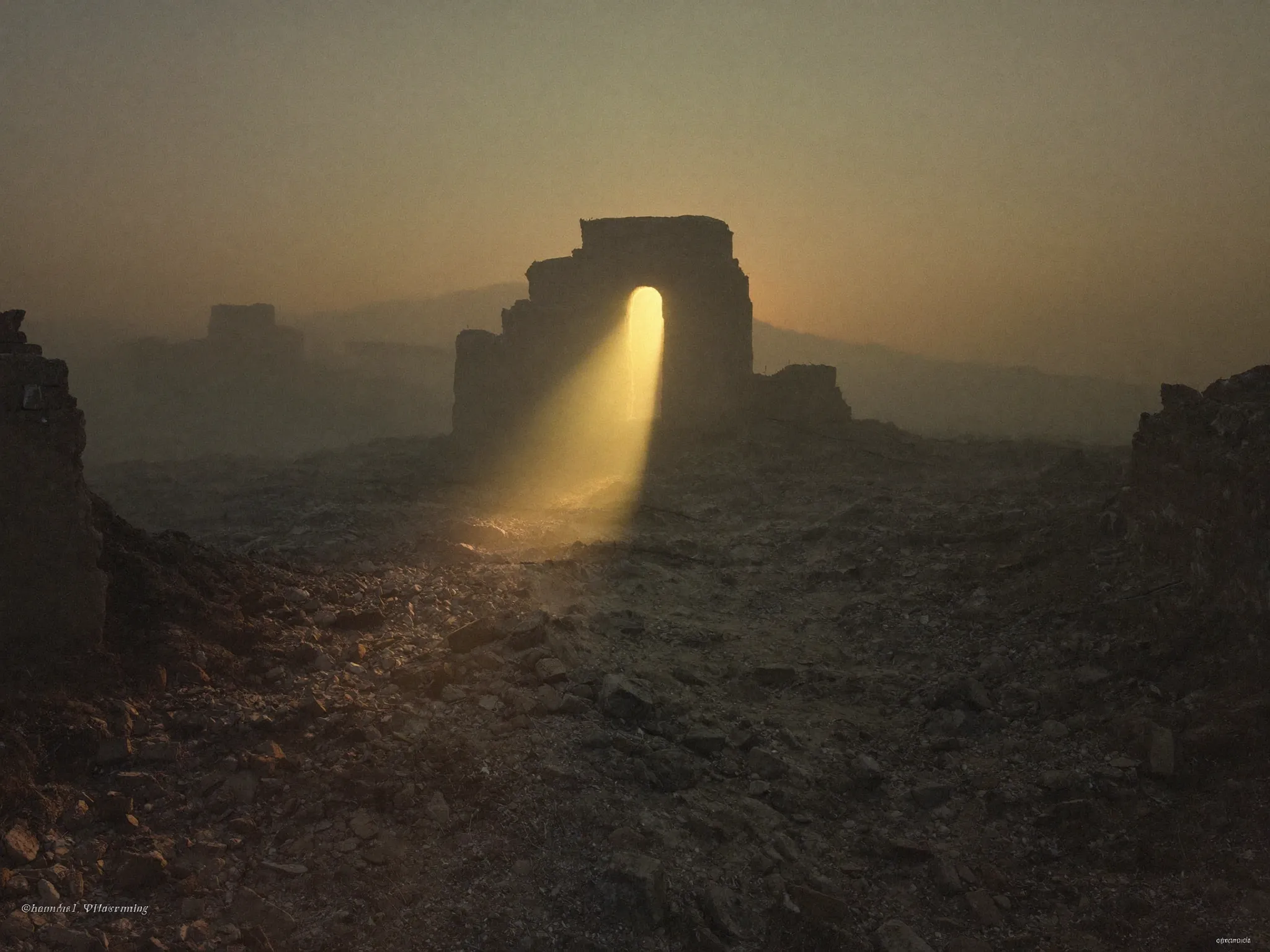
विलापगीत 2 — प्रभु शत्रु के समान हो गया
दूसरी कविता परमेश्वर के क्रोध को बिना पलक झपकाए देखती है। भविष्यद्वक्ता यह नहीं कहता कि किसी विदेशी सेना ने यह किया है — वह कहता है कि यहोवा ने गिरा दिया, यहोवा ने ढा दिया, यहोवा ने निगल लिया। अध्याय का सबसे कठोर वाक्य: प्रभु शत्रु के समान हो गया। फिर भी मलबे के भीतर यिर्मयाह यरूशलेम से विनती करता है कि वह पुकारे, कि वह परमेश्वर के सम्मुख अपना मन पानी के समान उण्डेल दे। जो परमेश्वर शत्रु-सा प्रतीत होता है, वही है जिससे फिर भी गुहार लगाई जाती है।
“रात के हर पहर के आरम्भ में उठकर चिल्लाया कर! प्रभु के सम्मुख अपने मन की बातों को धारा के समान उण्डेल! तेरे बाल-बच्चे जो हर एक सड़क के सिरे पर भूख के कारण मूर्छित हो रहे हैं, उनके प्राण के निमित्त अपने हाथ उसकी ओर फैला।”
— विलापगीत 2:19
- v.1-9 प्रभु ने स्वयं सिय्योन को गिरा दिया है
- v.10-12 सड़कों का आतंक — बच्चे भूख से मूर्छित होते हैं
- v.13-17 कोई भी सांसारिक सान्त्वना इस दरार के बराबर नहीं
- v.18-19 प्रभु के सम्मुख अपने मन को धारा के समान उण्डेल
- v.20-22 अन्तिम विनती: दृष्टि कर
शत्रु के समान — अंग्रेज़ी (KJV) पाठ में यह विशेषण महत्त्वपूर्ण है। वह सचमुच उसका शत्रु नहीं है; वह ऐसा व्यवहार करता है मानो वह शत्रु हो। अंग्रेज़ी पाठ सबसे कठोर सम्भव शब्द तक पहुँचता है और उसे केवल एक छोटे-से शब्द as ('के समान') से नरम करता है।
यह पद एक ऐसी प्रार्थना का नमूना देता है जो बहुत कम सिखाई जाती है: परमेश्वर कैसा प्रतीत होता है इस विषय में कठोर ईमानदारी, और फिर भी उसे प्रभु कहकर पुकारना।
भविष्यद्वक्ता का शोक शारीरिक है — आँखें, अंतड़ियाँ, कलेजा। पुराने नियम की इब्रानी दुःख को केवल मन में नहीं, पेट में रखती है। यिर्मयाह विनाश से अलग खड़ा नहीं रहता; वह नगरी के साथ चूर-चूर हो जाता है।
एक पास्तरीय टिप्पणी: सच्चा भविष्यद्वक्ता उन लोगों पर रोता है जिन्हें उसे डाँटना पड़ता है।
झूठे भविष्यद्वक्ताओं ने नगरी से कहा था, ‘शान्ति है, शान्ति’, परन्तु शान्ति कुछ भी नहीं (यिर्मयाह 6:14)। पाप का नाम लेने से उनके इनकार ने यरूशलेम का भाग्य मुहरबन्द कर दिया।
जो पास्टर या शिक्षक कभी पाप का नाम नहीं लेता, वह पाप का नाम लेनेवाले से अधिक दयालु नहीं है। वह क्रूरता का एक अधिक ख़तरनाक रूप है।
यह विपत्ति परमेश्वर के लिए अचम्भे की बात नहीं थी। यह वही था जो उसने ठाना था…जो वचन वह प्राचीनकाल से कहता आया है — व्यवस्थाविवरण 28 की वाचा-सम्बन्धी चेतावनियाँ। परमेश्वर का वचन व्यर्थ नहीं होता।
हर युग के लिए एक गम्भीर पद: जब परमेश्वर पहले से न्याय की बात कहता है, तो वह अपना वचन उतनी ही विश्वासयोग्यता से पूरा करता है जितना आशीष की प्रतिज्ञा करते समय।
विनाश के पद पर पद के बाद प्रार्थना की पुकार आती है — और वह मौन प्रार्थना नहीं, नपी-तुली प्रार्थना नहीं। अपने मन की बातों को धारा के समान उण्डेल। कुछ भी रोककर मत रख। जो कुछ भीतर है, उसे परमेश्वर के सम्मुख बह जाने दे।
हाथ उठाना मध्यस्थता की प्रार्थना है: पहले अपने लिए नहीं, बल्कि बच्चों के लिए। जो विलाप मध्यस्थता को नहीं जगाता, वह अधूरा है।
कविता उत्तर से नहीं, विनती से समाप्त होती है। हे यहोवा दृष्टि कर, और ध्यान से देख — वही क्रियाएँ जिन तक दुःख उठानेवाला सदा पहुँचता है।
जिन भयानक बातों का नाम लिया गया है (नरभक्षण, मन्दिर में हत्या) वे काव्यात्मक अतिशयोक्ति नहीं हैं — 2 राजाओं 6:28-29 सामरिया की पहले की घेराबन्दी में नरभक्षण का वर्णन करता है, और यिर्मयाह 19:9 ने यरूशलेम में इसकी चेतावनी दी थी। भविष्यद्वक्ता दुःख को बढ़ा-चढ़ाकर नहीं बताता, और न ही उसे परमेश्वर से छिपाता है।
जब आप परमेश्वर के विधान को समझ नहीं पाते, तब यह अध्याय आपको एक ऐसी भाषा देता है जो दिखावा नहीं करती। वह शत्रु के समान हो गया। जो आपको सच लगता है वह आप कह सकते हैं, बशर्ते आप उसे उसी से कहें। पद 19 अनुशासन है: मन को उण्डेल दीजिए, उसे भीतर बन्द मत रखिए। अपने दुःख के वे भाग भी जो अभी उस पर भरोसा नहीं करते, उसी के पास ले आइए।
जो प्रभु यरूशलेम के न्याय में शत्रु के समान दिखाई दिया, वही वह मित्र बना जिसने कलवरी पर अपनी ही देह में क्रोध को सह लिया। जो प्याला उन्होंने गतसमनी में पिया, वह वही प्याला था जो यहाँ यरूशलेम ने पिया। उन्होंने शत्रु के समान होने को सह लिया ताकि हमें कभी उसका वास्तविक रूप में सामना न करना पड़े।
इस पृष्ठ पर आपकी भाषा में पवित्रशास्त्र का पाठ: इंडियन रिवाइज़्ड वर्ज़न (IRV), © 2017, 2019 ब्रिज कनेक्टिविटी सॉल्यूशंस — बिना बदलाव के इस लाइसेंस के अंतर्गत प्रयुक्त: CC BY-SA 4.0 · eBible.org
पाँवों की चौकी — मन्दिर, जहाँ कहा जाता था कि परमेश्वर की उपस्थिति उसके लोगों के बीच ठहरती है। यह पद इस बात का शोक है कि परमेश्वर अपने ही पवित्र स्थान को भूलता-सा प्रतीत होता है।
कविता यह नहीं कहती कि परमेश्वर अन्यायी है। वह कहती है कि यहाँ उसके मार्ग दुःख उठानेवाले के लिए अन्धकारमय हैं। विश्वास परमेश्वर की धार्मिकता को स्वीकार भी कर सकता है (1:18) और यह भी मान सकता है कि उसके न्याय असहनीय लगते हैं।