Genesis & Origins
This is where the Bible and its critics meet head-on: the age of the earth, evolution, the flood, and the older stories Genesis was written among. We do not dodge these, and we do not pretend they are simple. Here is what the evidence says, what the Bible actually claims (and does not), and the range of ways faithful Christians have honestly read it.
- Documented
- Broadly established by evidence scholars across the board accept.
- Debated
- Genuinely disputed — among scientists, among Christians, or both.
Age & Origins
The two collisions people ask about most: how old the world is, and how life came to be — and the honest range of Christian answers.
 the 6,000 vs. billions question
How Old Is the Earth?
The famous figure of about 6,000 years is not a biblical statement — it is Archbishop James Ussher's 1650 calculation, adding up the genealogies to date creation to 4004 BC. Modern science, from radiometric dating to astronomy, points instead to an earth of about 4.5 billion years and a universe of about 13.8 billion. Christians respond across a wide range: young-earth (the days are 24 hours, the genealogies are complete), old-earth or day-age (the 'days' are long ages), and framework/literary readings (Genesis 1 is ordered theology, not a science timetable). The Bible itself never states the age of the earth.
 how life came to be
Genesis and Evolution
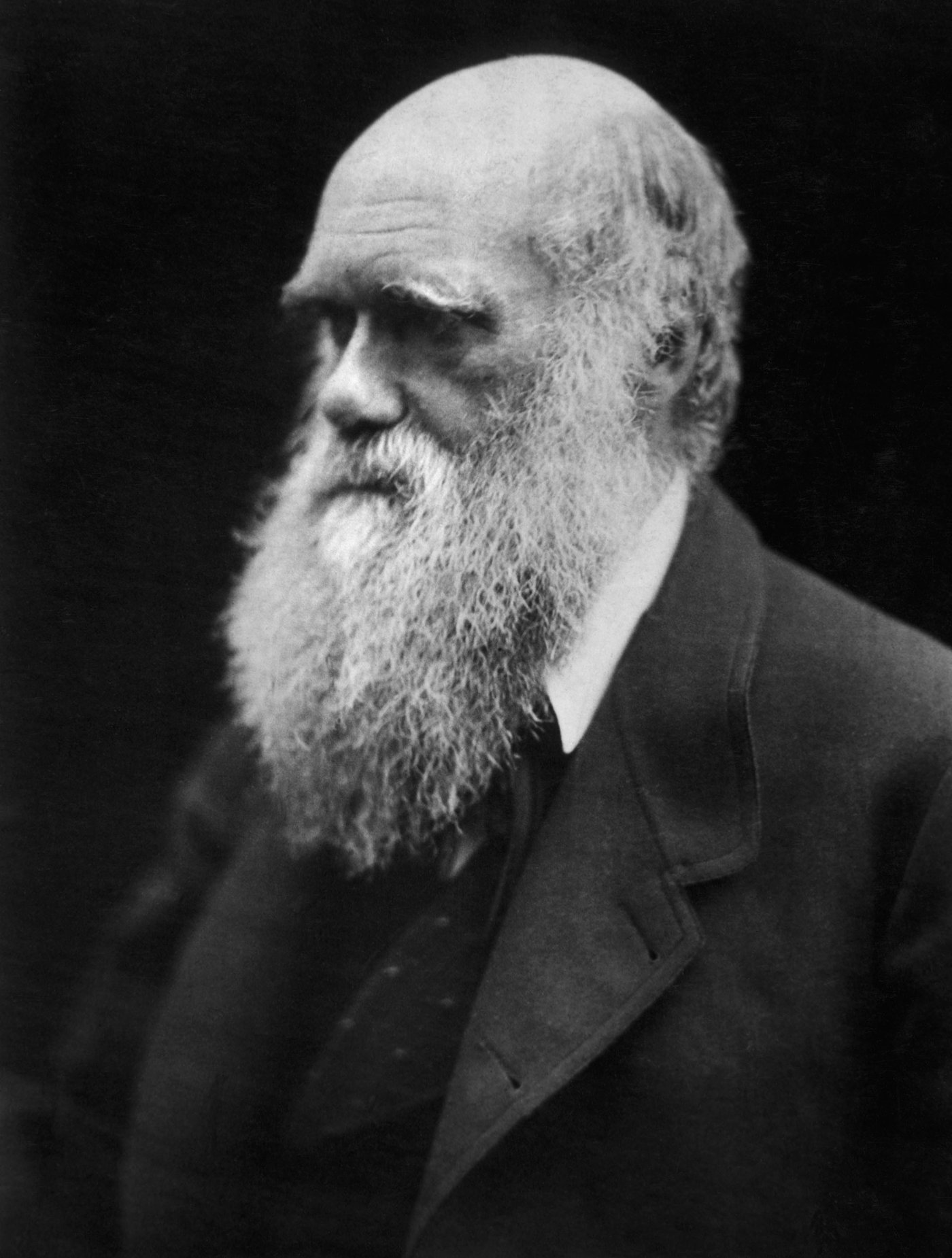
Evolution is where the collision feels sharpest, but Christians are not of one mind — and never have been. Young-earth creationists reject common descent; old-earth / progressive creationists accept an ancient earth but see God specially creating; evolutionary creationists (theistic evolutionists) hold that God created through the evolutionary process itself. Serious believers and serious scientists sit in each camp. What nearly all hold in common is the core Genesis claim — that God is the Creator and that human beings uniquely bear God's image — which is a theological statement no laboratory can confirm or deny.
Genesis in Its World
Genesis was not written in a vacuum. Read beside the flood and creation stories of its neighbours, what it shares — and how pointedly it differs — comes into focus.
 2nd millennium BC and earlier
Genesis and the Myths Around It
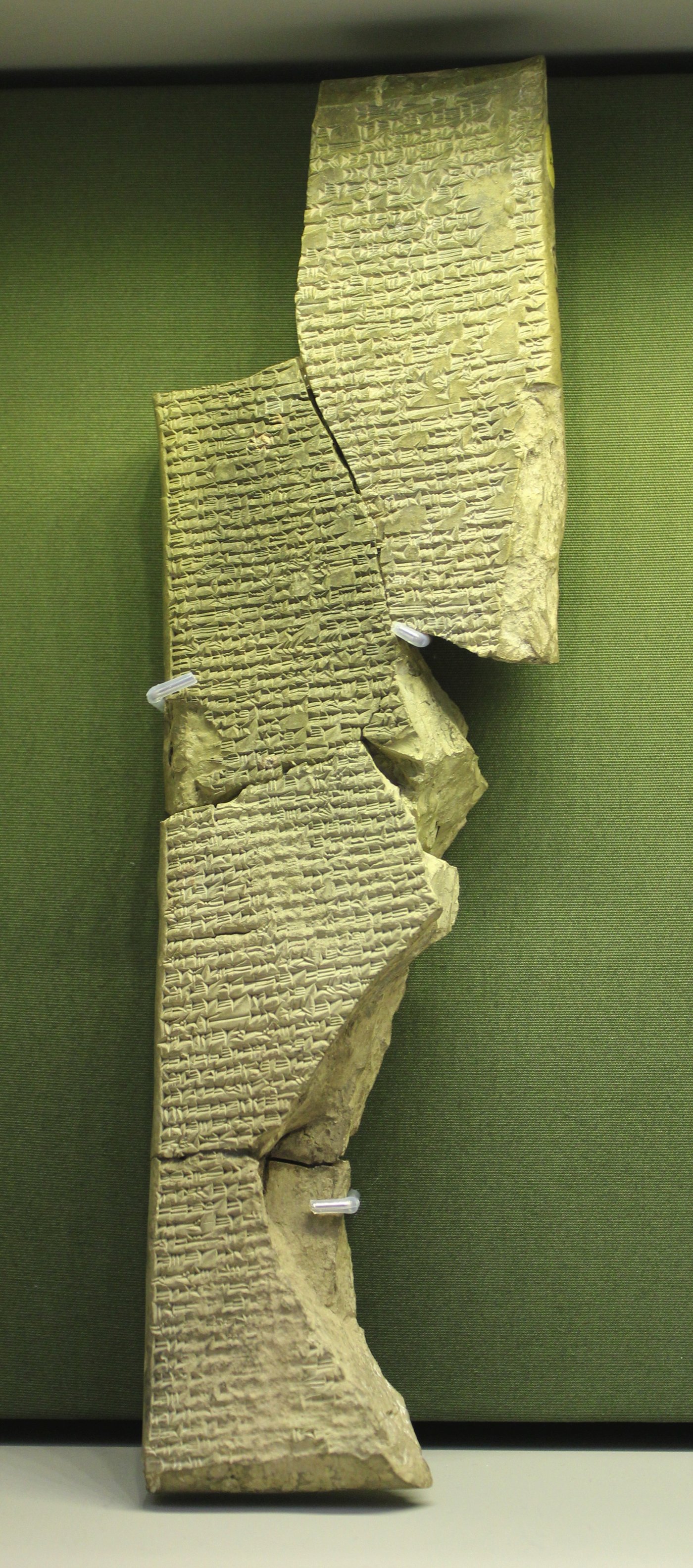
Long before the Genesis text was written down, its neighbours told their own stories of how the world and humanity began — Babylon's Enuma Elish, the flood epics of Atrahasis and Gilgamesh. Genesis clearly shares the ancient Near-Eastern furniture: a watery chaos, a flood, a garden. But the differences are pointed and deliberate. Where the myths have many gods at war and humans made to be their slaves, Genesis has one God who speaks an ordered, 'very good' world into being and makes humanity in his own image. Read side by side, Genesis looks less like a borrowed myth than a deliberate answer to them.
 Genesis 6–9
The Flood: Story, Science and the Neighbours
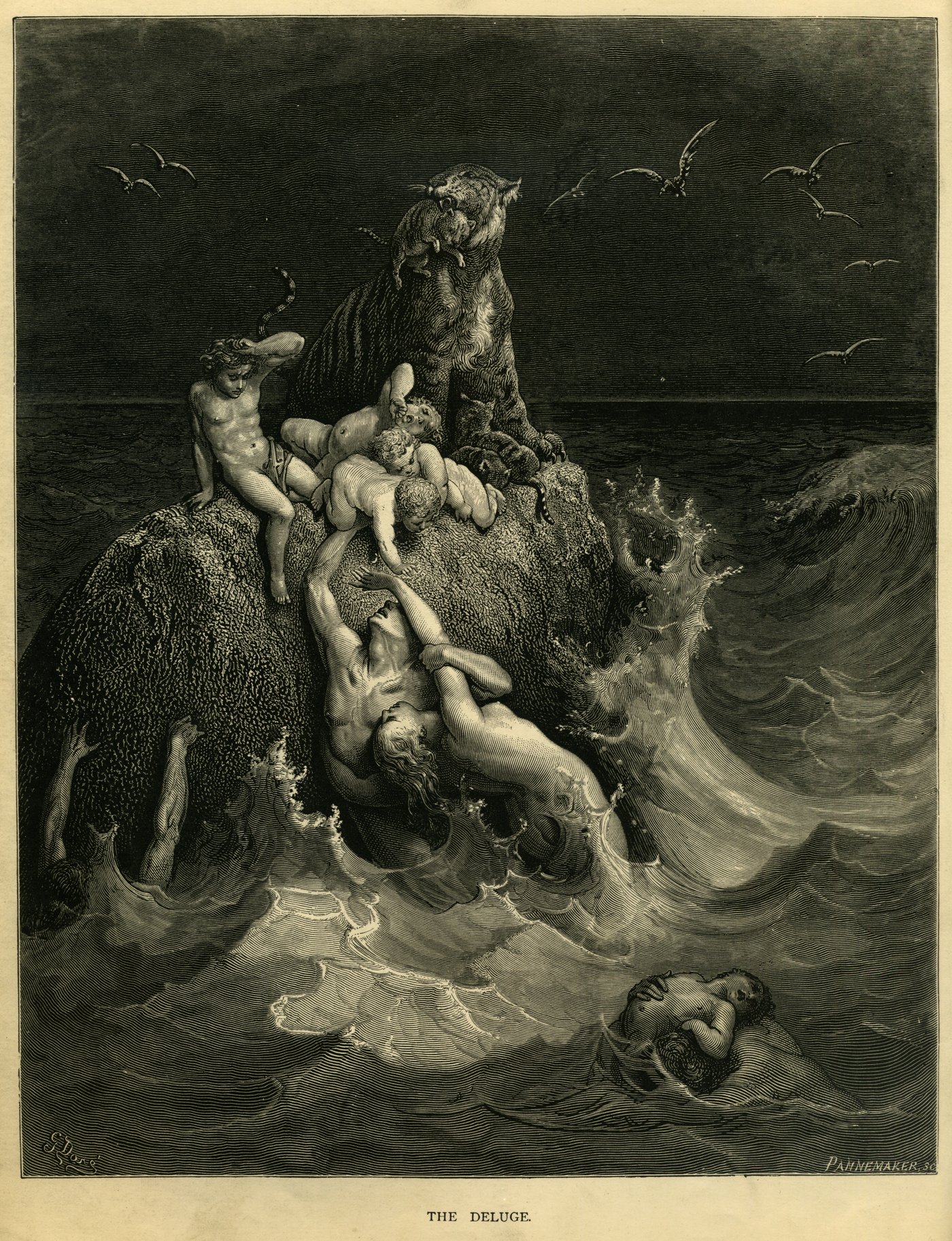
Flood stories are found around the world, and the closest by far are Mesopotamian — the Atrahasis epic and Gilgamesh tablet XI, with a favoured man, an ark, and birds sent out. That closeness is real and worth facing honestly. On the scale of the flood, Christians again divide: some read a global deluge, others a vast regional flood of the Mesopotamian world (the 'world' of the text's first hearers). Geology does not support a single recent worldwide flood, which is part of why many faithful readers hold the regional view. The theological point of the story — human corruption, judgment, and a rescued remnant — stands under either reading.
 modern expeditions
The Search for Noah's Ark
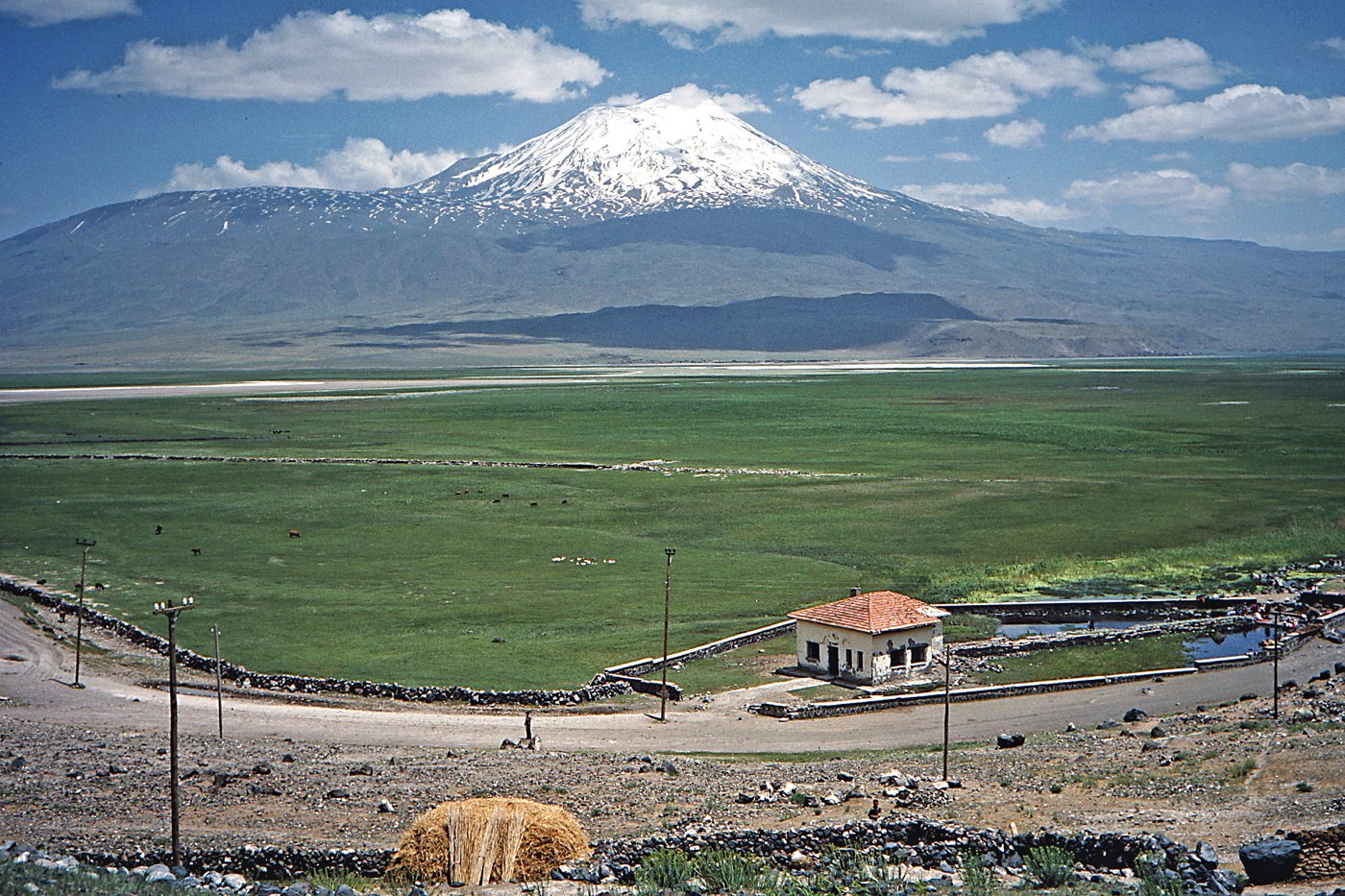
For over a century, expeditions have gone to Mount Ararat in eastern Turkey looking for the ark, and dramatic claims surface every few years — the 'Ararat anomaly,' the boat-shaped Durupınar formation, alleged photos of timbers. None has produced evidence that stands up to scrutiny. Geologists explain Durupınar as a natural formation; claimed finds have repeatedly failed verification or turned out to be hoaxes or misread rock. It is worth saying plainly: even most creationist scholars are cautious here. And the Bible does not actually pin the landing to the modern peak called Ararat — it says 'the mountains of Ararat,' a whole region (ancient Urartu).
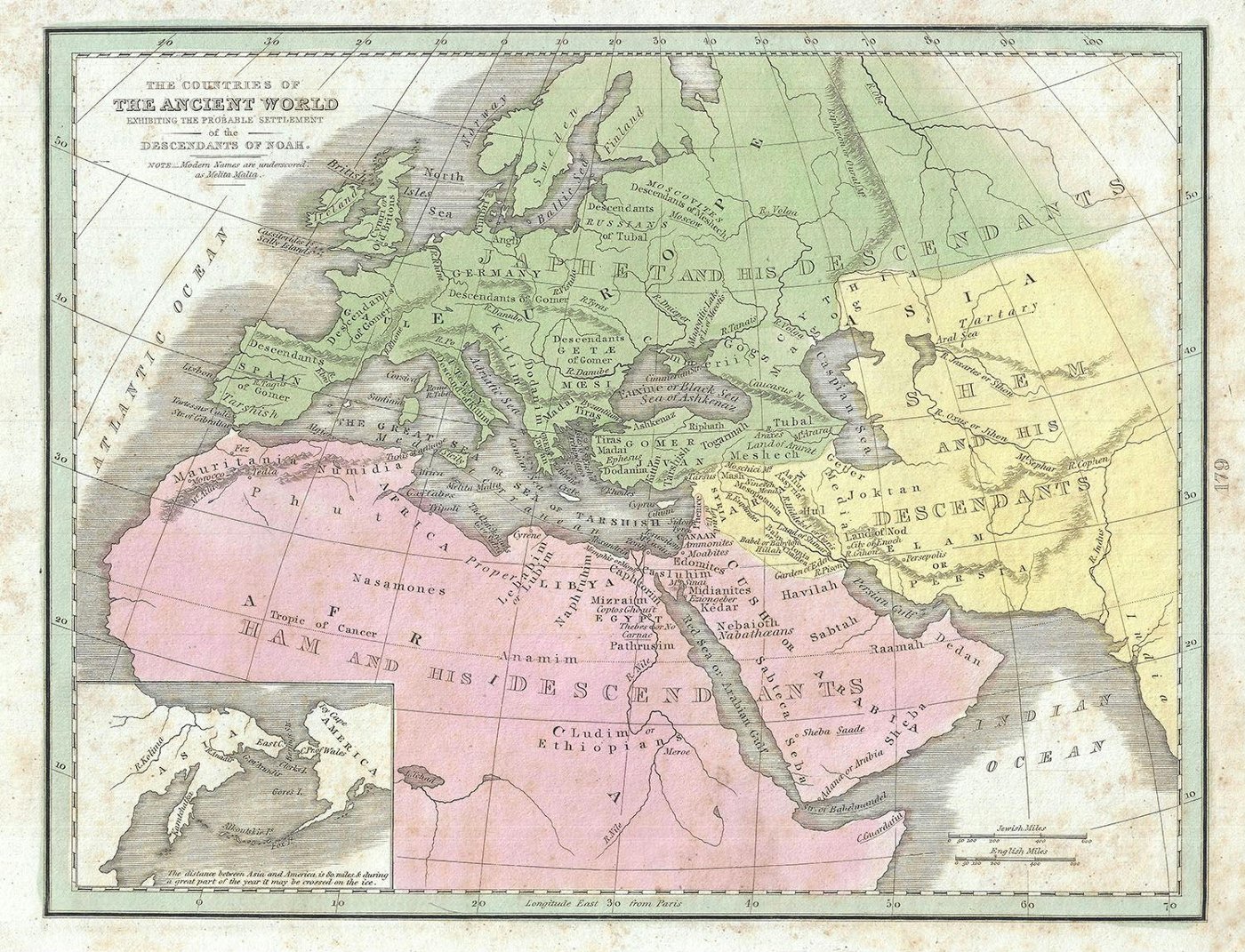 Genesis 10
The Table of Nations
Genesis 10 is a 'map of peoples' — seventy nations descended from Noah's sons Shem, Ham and Japheth, spreading out after the flood. Many of its names are recognisable in the ancient record: Egypt (Mizraim), Asshur (Assyria), the Hittites, Sidon, Javan (the Ionian Greeks). It reads like an ancient world atlas, ordering the known peoples around Israel by kinship. But it is a theological genealogy, not a modern ethnography: it groups nations by ancient relationship and geography, and it does not line up neatly with the language families or genetics of modern science.