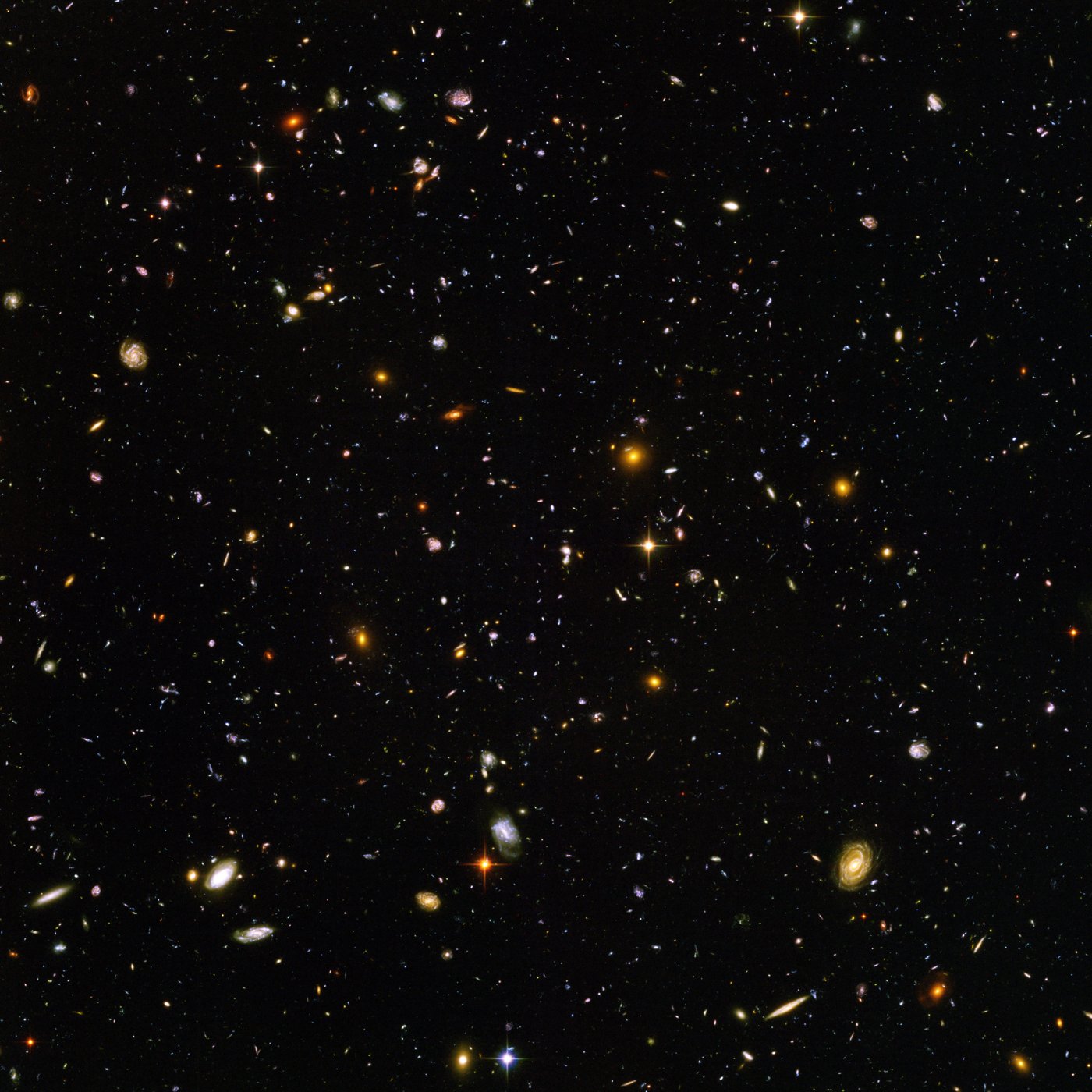

The famous figure of about 6,000 years is not a biblical statement — it is Archbishop James Ussher's 1650 calculation, adding up the genealogies to date creation to 4004 BC. Modern science, from radiometric dating to astronomy, points instead to an earth of about 4.5 billion years and a universe of about 13.8 billion. Christians respond across a wide range: young-earth (the days are 24 hours, the genealogies are complete), old-earth or day-age (the 'days' are long ages), and framework/literary readings (Genesis 1 is ordered theology, not a science timetable). The Bible itself never states the age of the earth.
- The ~6,000-year figure traces to Ussher's Annals (1650), dating creation to 4004 BC by summing genealogies.
- Mainstream science: earth ~4.54 billion years, universe ~13.8 billion years.
- Major faithful positions: young-earth creation, old-earth / day-age, and framework / literary readings of Genesis 1.
What the evidence showsThe scientific case for a very old earth and universe is broad and independent — geology, radioactive decay, ice cores, and the light-travel time of distant stars all converge. Ussher's date is one careful pre-modern reading of the genealogies, not a claim the text makes outright.
Where it stopsScience can date rocks; it cannot say whether God created, or why there is something rather than nothing. And the Bible's silence on the earth's age means the disagreement is largely about how to read Genesis 1 — its genre and the meaning of 'day' (Hebrew yom) — not a simple Bible-vs-science contest.
Sources & further reading