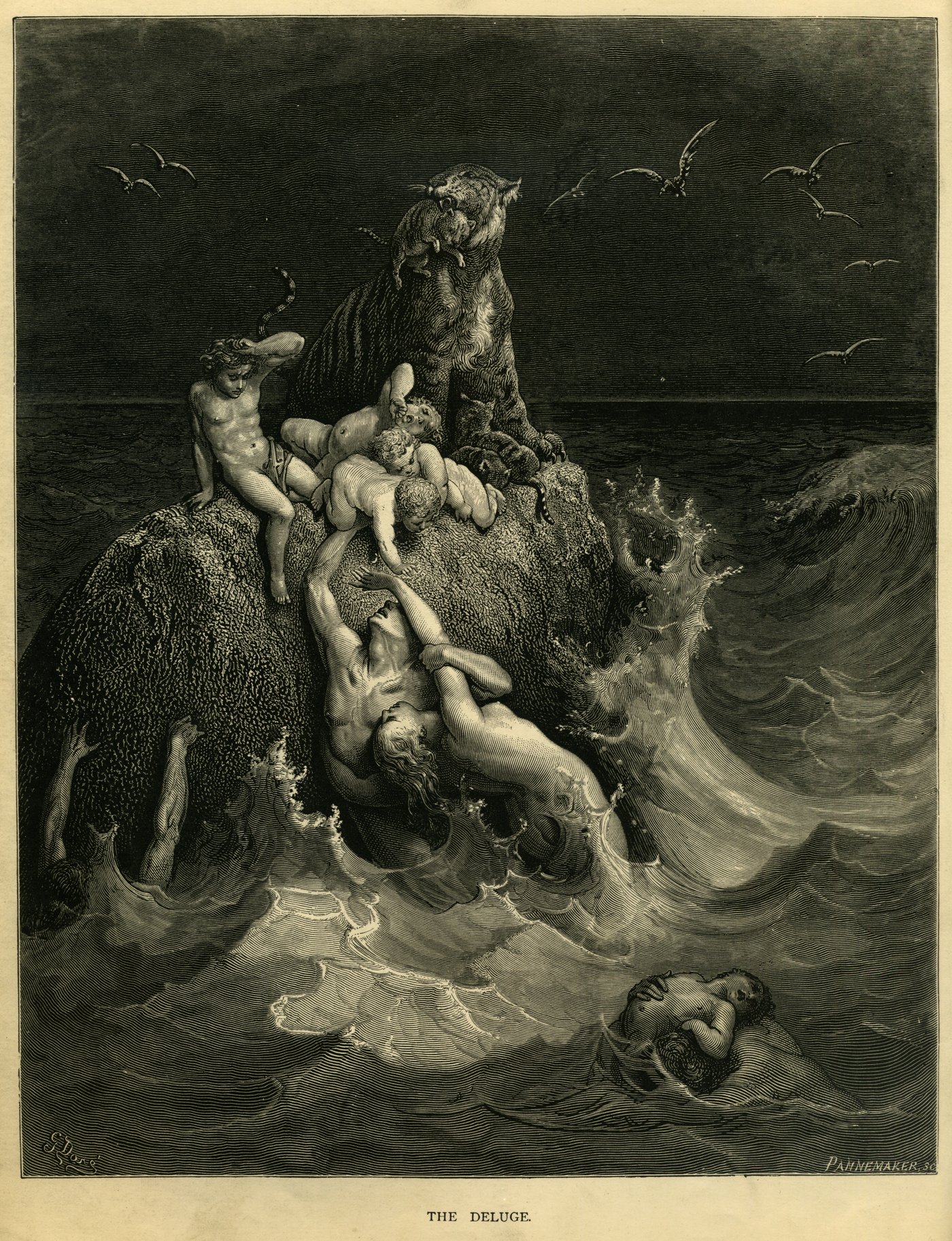

Flood stories are found around the world, and the closest by far are Mesopotamian — the Atrahasis epic and Gilgamesh tablet XI, with a favoured man, an ark, and birds sent out. That closeness is real and worth facing honestly. On the scale of the flood, Christians again divide: some read a global deluge, others a vast regional flood of the Mesopotamian world (the 'world' of the text's first hearers). Geology does not support a single recent worldwide flood, which is part of why many faithful readers hold the regional view. The theological point of the story — human corruption, judgment, and a rescued remnant — stands under either reading.
- Closest parallels: the Atrahasis epic and Gilgamesh tablet XI (ark, favoured survivor, birds released).
- Real river-flood deposits have been excavated at Mesopotamian cities (Ur, Kish, Shuruppak) — evidence of major LOCAL floods, not a global one.
- Against a single global flood: the ordered fossil record, ice-core and tree-ring series that run unbroken for tens of thousands of years, and the absence of one worldwide flood layer.
- Some scholars tie the tradition to a real regional event, such as the proposed Black Sea flood (the 'Black Sea deluge hypothesis').
- Main Christian readings: a global flood, or a large regional flood of the ancient Near-Eastern world.
- Mainstream geology does not support a single recent worldwide flood.
What the evidence showsAncient flood traditions, and their close Mesopotamian parallels, are well documented. Christians hold a range of honest readings of the flood's extent, and the story's moral and theological weight does not depend on settling that.
Where it stopsThe geological evidence tells against one recent global flood, and archaeology cannot confirm the Genesis event as described; where the text's 'earth' ends and the wider planet begins is itself part of the interpretive debate.
Sources & further reading