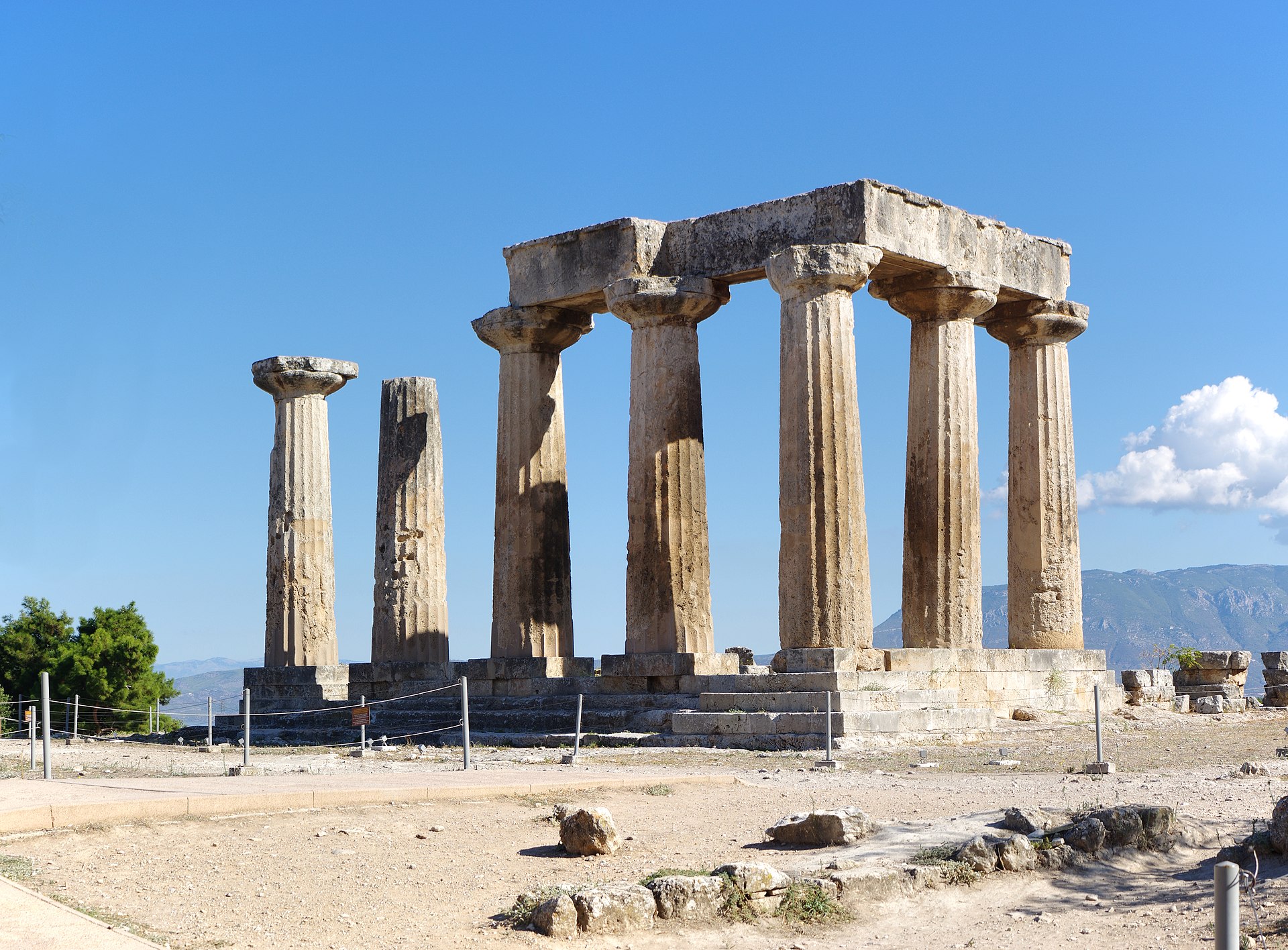

কালানুক্রমিক পাঠ যা করে দেখায়, সোজা পাঠ তা পারে না: পত্রটিকে তার লেখার মুহূর্তের ঠিক পাশে রাখা যায়। পৌল করিন্থে পৌঁছান, দেড় বছর থাকেন, আর সেখানে থাকতেই এমন একটি মণ্ডলীকে লেখেন যাকে তাড়াহুড়ো করে ছেড়ে আসতে হয়েছিল। প্রেরিত 18 আর 1 থিষলনীকীয় একসঙ্গে পড়ুন — পত্রটি আর হাওয়ায় ভাসা দলিল থাকে না; হয়ে ওঠে চিঠি, এই রাস্তা থেকে, এই বছরে পাঠানো।
কাহিনিতে এটি কোথায়: পঞ্চম অঙ্ক — মণ্ডলীর 'পৃথিবীর প্রান্ত পর্যন্ত' ছড়িয়ে পড়া। প্রেরিত পুস্তক কাহিনির মেরুদণ্ড; পত্রগুলি হলো তার চরিত্রেরা সেই সময়ে যা লিখছিলেন। করিন্থ সেই কব্জা যেখানে দুটো শেষমেশ এঁটে বসে, কারণ নতুন নিয়মের পুরো সময়রেখাকে নোঙর করা একমাত্র তারিখটি এই অধ্যায়েই।
এই অধ্যায় কী করছে: একটি বড় রোমান নগরে বাস্তব চাপের মধ্যে স্থাপিত মণ্ডলী দেখানো — আর ক্রমে পড়া পাঠকের জন্য দেখানো প্রেরিত পুস্তক ও পত্রাবলি কীভাবে খাপ খায়: কাহিনি আর চিঠিপত্র একই জীবন, দুই কোণ থেকে দেখা।
- প্রেরিত 18:1–4 — পৌল আসেন, আকিলা ও প্রিস্কিল্লার সঙ্গে দেখা হয় (ক্লৌদিয় তাঁদের রোম থেকে বের করে দিয়েছিলেন — সেটিও একটি তারিখযোগ্য ঘটনা), আর প্রতি বিশ্রামবারে সমাজগৃহে শিক্ষা দিতে দিতে তাঁবু তৈরির কাজ করেন।
- প্রেরিত 18:5–11 — সীল ও তীমথিয় মাকিদনিয়া থেকে আসেন (এই মুহূর্তটাই 1 থিষলনীকীয় প্রতিফলিত করে — নিচে দেখুন)। বিরোধিতা বাড়ে; পৌল অইহুদিদের দিকে ফেরেন এবং দেড় বছর থাকেন।
- প্রেরিত 18:12–17 — নোঙর-বিন্দু: পৌলকে আখায়ার প্রদেশপাল (proconsul) গাল্লিয়োর সামনে টেনে আনা হয়, যিনি মামলা খারিজ করেন। ডেলফিতে পাওয়া একটি শিলালিপি গাল্লিয়োর কার্যকাল আনু. খ্রিস্টাব্দ 51–52 বলে জানায় — পৌলের করিন্থ-বাস, আর তার সঙ্গে নতুন নিয়মের পুরো কালানুক্রম, একটি জানা বছরে বেঁধে দেয়।
মূল পদ: প্রেরিত 18:9–10 · তাতে কী: ক্রমে পড়ার এটাই ফল: যে শিক্ষাকে আপনি হয়তো কালাতীত বিমূর্ত তত্ত্ব হিসেবে পড়েছেন, তা আসলে ঘরের জন্য মন-কেমন করা নতুন বিশ্বাসীদের কাছে একজন পালকের জরুরি চিঠি — একটি নামধারী নগর থেকে, একটি স্থির করা যায় এমন বছরে। আর সেই বছর অনুমান নয় — ডেলফিতে খুঁড়ে পাওয়া একটি পাথর তা মীমাংসা করে দেয়।