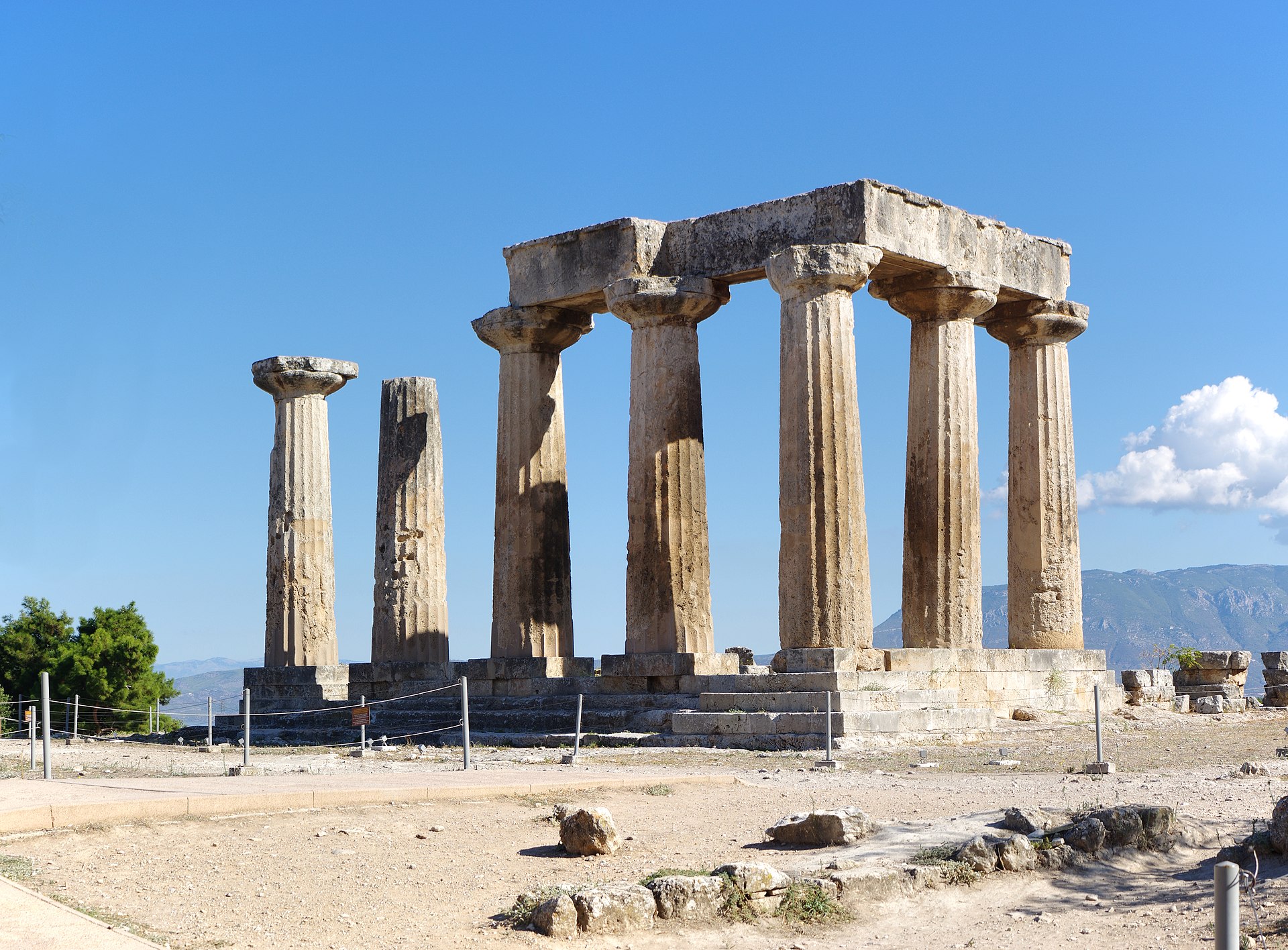

यहाँ वह करामात है जो कालक्रमिक पठन कर दिखाता है और सीधा पठन नहीं कर सकता: आप पत्र को उस क्षण के ठीक बगल में रख सकते हैं जब वह लिखा गया। पौलुस कुरिन्थुस पहुँचते हैं, डेढ़ वर्ष रहते हैं, और वहीं रहते हुए उस कलीसिया को लिखते हैं जिसे उन्हें जल्दबाज़ी में छोड़ना पड़ा था। प्रेरितों के काम 18 और 1 थिस्सलुनीकियों को साथ पढ़ें, तो पत्र कोई हवा में तैरता दस्तावेज़ नहीं रहता — वह डाक बन जाता है, इसी गली से, इसी वर्ष भेजी गई।
कहानी में यह कहाँ है: पाँचवाँ अंक — कलीसिया का 'पृथ्वी की छोर तक' फैलना। प्रेरितों के काम कथा की रीढ़ है; पत्र वे हैं जो उसके पात्र उसी समय लिख रहे थे। कुरिन्थुस वह कब्ज़ा है जहाँ दोनों आखिरकार आपस में जुड़ते हैं, क्योंकि इसी अध्याय में वह एक तिथि है जो पूरी नए नियम की समयरेखा को थामती है।
यह अध्याय क्या कर रहा है: एक बड़े रोमी नगर में वास्तविक दबाव में स्थापित कलीसिया को दिखाना — और क्रम से पढ़ने वाले पाठक के लिए यह दिखाना कि प्रेरितों के काम और पत्रियाँ कैसे एक-साथ बैठते हैं: कहानी और पत्राचार एक ही जीवन हैं, दो कोणों से देखे गए।
- प्रेरितों 18:1–4 — पौलुस पहुँचते हैं, अक्विला और प्रिस्किल्ला से मिलते हैं (जिन्हें क्लौदियुस ने रोम से निकाला था — जो स्वयं एक तिथि-योग्य घटना है), और हर सब्त आराधनालय में सिखाते हुए तंबू बनाने का काम करते हैं।
- प्रेरितों 18:5–11 — सीलास और तीमुथियुस मकिदुनिया से आते हैं (यही वह क्षण है जिसे 1 थिस्सलुनीकियों दर्शाता है — नीचे देखें)। विरोध बढ़ता है; पौलुस अन्यजातियों की ओर मुड़ते हैं और डेढ़ वर्ष रहते हैं।
- प्रेरितों 18:12–17 — आधार-बिंदु: पौलुस को अखाया के प्रांताधिपति (proconsul) गल्लियो के सामने घसीटा जाता है, जो मुकदमा खारिज कर देता है। डेल्फ़ी में मिला एक शिलालेख गल्लियो के कार्यकाल को लगभग 51–52 ईस्वी का बताता है — पौलुस के कुरिन्थुस-प्रवास को, और उसके साथ पूरे नए नियम के कालक्रम को, एक ज्ञात वर्ष से बाँधते हुए।
मुख्य पद: प्रेरितों के काम 18:9–10 · तो क्या: क्रम से पढ़ने का यही फल है: जो शिक्षा आपने शायद कालातीत अमूर्त सिद्धांत के रूप में पढ़ी हो, वह घर की याद में डूबे नए विश्वासियों को एक चरवाहे की ज़रूरी डाक निकलती है — एक नामित नगर से, एक तय किए जा सकने वाले वर्ष में। और वह वर्ष अनुमान नहीं है — डेल्फ़ी में खोदा गया एक पत्थर उसे तय कर देता है।