খসড়া অনুবাদ. মাতৃভাষী খ্রিস্টানদের সংশোধন স্বাগত। পদের পাঠ KJV (ইংরেজি)-তে থাকে।
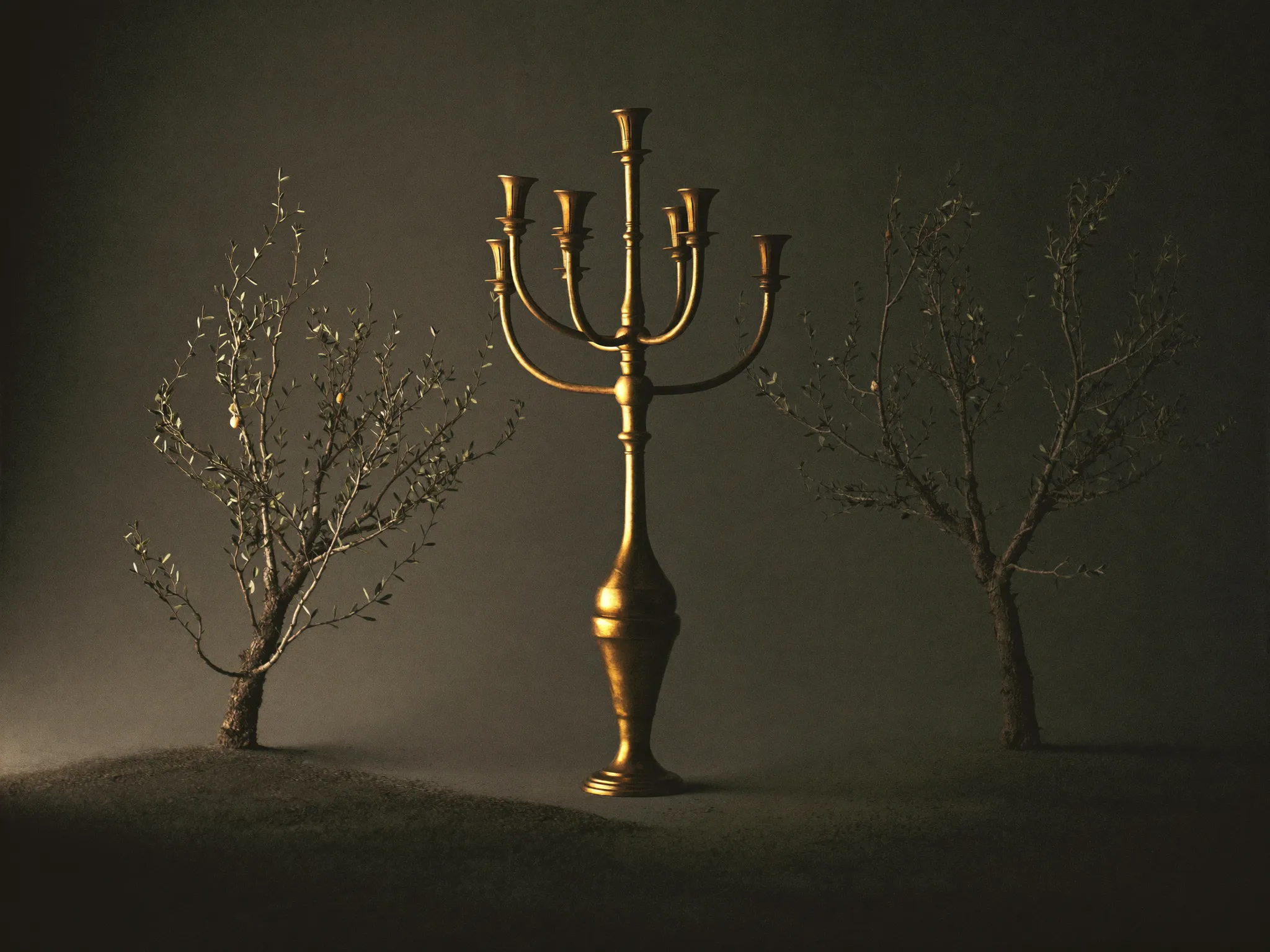
সখরিয় 3 — এই ব্যক্তি কি আগুন থেকে বের করে নেওয়া কাঠের মত নয়?
চতুর্থ দর্শন: যিহোশূয় মহাযাজক সদাপ্রভুর দূতের সামনে দাঁড়িয়ে আছেন, আর তাঁকে দোষ দেবার জন্য শয়তান তাঁর ডানদিকে দাঁড়িয়ে আছে। সদাপ্রভু শয়তানকে বললেন, শয়তান, সদাপ্রভু তোমাকে তিরস্কার করুন — এই ব্যক্তি কি আগুন থেকে বের করে নেওয়া কাঠের মত নয়? যিহোশূয় ময়লা পোশাক পরে দাঁড়িয়ে আছেন। আদেশ: তার ময়লা পোশাক খুলে নাও। আর তাঁকে বললেন, দেখ, আমি তোমার পাপ দূর করে দিয়েছি এবং আমি তোমাকে সুন্দর পোশাক পরাব — আর তাঁর মাথায় একটি পরিষ্কার পাগড়ি। এরপর এক দায়িত্ব: আমার পথে চল ও আমার আদেশ পালন কর। তারপর প্রতিশ্রুতি: দেখ, আমি আমার দাস সেই শাখাকে নিয়ে আসব। কারণ দেখ, যে পাথর আমি যিহোশূয়ের সামনে রেখেছি; এক পাথরের উপরে সাতটি চোখ: আমি এক দিনেই এই দেশের পাপ দূর করব।
“তখন সেই স্বর্গদূত তাঁর সামনে যারা দাঁড়িয়ে ছিল তাঁদের বললেন, “তার ময়লা পোশাক খুলে নাও।” তারপর তিনি যিহোশূয়কে বললেন, “দেখ, আমি তোমার পাপ দূর করে দিয়েছি এবং আমি তোমাকে সুন্দর পোশাক পরাব।””
— সখরিয় 3:4
- v.1-2 শয়তান তিরস্কৃত, আগুন থেকে বের করে নেওয়া কাঠ
- v.3-5 ময়লা পোশাকের বদলে পরিষ্কার পোশাক
- v.6-7 ঈশ্বরের পথে চলার দায়িত্ব
- v.8-10 আমার দাস সেই শাখা; এক দিনেই পাপ দূর
পক্ষসমর্থন কখনও প্রমাণ অস্বীকার করে না; তা মনোনয়ন ও উদ্ধারের কাছে আবেদন করে: সদাপ্রভু যিনি... বেছে নিয়েছেন... আগুন থেকে বের করে নেওয়া কাঠ। অভিযোগের উত্তর সাধুর নথি নয়, ঈশ্বরের মনোনয়ন।
জ্বলন্ত আগুন থেকে টেনে নেওয়া কাঠ ঝলসানো, ধোঁয়া-ওঠা ও রক্ষাপ্রাপ্ত — তার অস্তিত্ব সম্পূর্ণভাবে সেই হাতের কাছে ঋণী যা তাকে ছিনিয়ে এনেছে। যিহূদা 9 ঠিক এই তিরস্কারেরই প্রতিধ্বনি করে; যিহূদা 23 একে প্রত্যেক উদ্ধারপ্রাপ্ত প্রাণের চিত্র বানায়।
ধার্মিক গণিত হওয়ার নাটকীয় রূপ: ময়লা পোশাক (পাপ) সরানো হয়, সুন্দর পোশাক (নিজের নয় এমন ধার্মিকতা) প্রদান করা হয় — উভয়ই সদাপ্রভুর দূতের আদেশে, কোনোটিই যিহোশূয়ের চেষ্টায় নয়। অনুগ্রহ খুলে নেয় আর অনুগ্রহ পরায়।
পোশাকগুলো ছিল উৎসবের পোশাক — কেবল পরিষ্কার নয়, মহিমান্বিত। ঈশ্বর তাঁর অনুতপ্তদের পরীক্ষাকালে নয়, সম্মানে পুনঃস্থাপিত করেন; অপব্যয়ী ছেলে পায় সবচেয়ে ভালো পোশাক, কাজের উর্দি নয়।
আগে অনুগ্রহ, পরে দায়িত্ব — এই ক্রম সুসমাচারের। যিহোশূয় নিঃশর্তভাবে শুচি হন, তারপর শর্তসাপেক্ষে নিযুক্ত হন: শুচিকরণ বিনামূল্যে; অব্যাহত উপযোগিতা ও প্রবেশাধিকার বাধ্যতার পথে চলে।
যারা এখানে দাঁড়িয়ে আছে তাদের মধ্যে যাতায়াত করার অধিকার — সেবারত স্বর্গদূতদের মধ্যে প্রবেশাধিকার: স্বর্গীয় সভায় স্থান পাওয়া এক যাজক। বাধ্য সাধুরা তাদের পার্থিব পদ স্বর্গীয় সহভাগিতার ভিতরে যাপন করেন।
শাখা — সখরিয়ের মহান মশীহ-উপাধি (এখানে ও 6:12-এ), যা যিশাইয় ও যিরমিয়ের দায়ূদের অঙ্কুরগুলোকে এক নামে একত্র করে। যিহোশূয়ের শুচিকরণ ছিল একটি নমুনা; শাখা আনেন ফসল।
যিহোশূয় ও তাঁর সঙ্গীরা চিহ্নের মত — চিহ্ন, প্রতীকী মানুষ। পুরো দৃশ্যটি ছিল পোশাক-পরা ভাববাণী: এক শুচিকৃত ও মুকুটধারী মহাযাজক সেই যাজকের পূর্বাভাস দিচ্ছেন যাঁর কোনো শুচিকরণের প্রয়োজন নেই।
শাখাই আবার পাথর — স্থাপিত, খোদাই করা, সর্বদর্শী (সাতটা চোখ — পূর্ণ দৃষ্টি, তুলনা করুন প্রকাশিত বাক্য 5:6)। ভিত্তিপ্রস্তর, পরীক্ষিত পাথর, কোণের প্রধান পাথর: অন্য রূপকে মশীহ।
এক দিনেই এই দেশের পাপ দূর করব। প্রক্রিয়া নয়, একটি দিন — যে দিন এক উৎস খোলা হল (13:1), যে দিন মেষশাবক একবারেই চিরকালের জন্য পাপ বহন করলেন। খ্রিস্টান পাঠকের কাছে পুণ্য শুক্রবারই এই পদের তারিখ।
অভিযোক্তা যখন আপনার ময়লা আবার দেখায় — আর সেই দৃশ্য সত্যি — তখন যিহোশূয়ের নীরবতা ও ঈশ্বরের পক্ষসমর্থন শিখুন: মনোনীত, ছিনিয়ে আনা, নতুন পোশাকে সজ্জিত। ধার্মিক গণিত হওয়া এমন কিছু যা আপনার উপর এবং আপনার জন্য করা হয়েছে; আপনার অংশ হল তিনি যা পরিয়েছেন তা পরে থাকা, আর তিনি যা খুলে নিয়েছেন তা আবার পরতে অস্বীকার করা। তারপর 7 পদকে গুরুত্ব দিন: যারা বিনামূল্যে শুচি হয়েছে তাদের চলার দায়িত্ব দেওয়া হয়েছে, আর চলা সভার দরজা খোলে।
দর্শনের প্রত্যেক চিত্র খ্রিস্টে মিলিত হয়: তিনিই সেই সদাপ্রভুর দূত যিনি পক্ষসমর্থন করেন, সেই শাখা যিনি আসেন, সাত চোখের সেই পাথর, এবং সেই দিন যেদিন পাপ দূর করা হল — গলগথায় এক দিনেই। তিনি আমাদের পাপের ময়লা পোশাক পরলেন, যেন আমরা তাঁর ধার্মিকতার সুন্দর পোশাক পরতে পারি।
এই পাতায় আপনার ভাষায় শাস্ত্রের পাঠ: ইন্ডিয়ান রিভাইজড ভার্সন (IRV), © 2017, 2019 ব্রিজ কানেক্টিভিটি সলিউশনস — কোনো পরিবর্তন ছাড়া এই লাইসেন্সের অধীনে ব্যবহৃত: CC BY-SA 4.0 · eBible.org
স্বর্গের বিচারালয়: মহাযাজক — সমগ্র ইস্রায়েলের প্রতিনিধি — কাঠগড়ায়, আর শয়তান অভিযোক্তার স্থানে। অভিযোক্তার মামলা জোরালো ছিল: পোশাক সত্যিই ময়লা ছিল। সত্যের উপর গড়া অভিযোগই তার সবচেয়ে পুরনো অস্ত্র।
পুরো দৃশ্যে যিহোশূয় নিজের পক্ষে একটি কথাও বলেন না। ঈশ্বরের সামনে এক পাপীর ধার্মিক গণিত হওয়া সম্পূর্ণভাবে অন্য একজনের দ্বারা পরিচালিত — অভিযুক্ত কেবল ময়লাই জোগায় এবং কেবল পোশাকই গ্রহণ করে।