খসড়া অনুবাদ. মাতৃভাষী খ্রিস্টানদের সংশোধন স্বাগত। পদের পাঠ KJV (ইংরেজি)-তে থাকে।
ইফিষীয় 3 — খ্রিস্টের অনুসন্ধানের অতীত ঐশ্বর্য
পৌল তাঁর ব্যাখ্যা থামিয়ে নিজের আদেশপ্রাপ্তির কথা প্রকাশ করেন — পরজাতীয়দের মধ্যে খ্রিস্টের অনুসন্ধানের অতীত ঐশ্বর্য প্রচার করা এবং ঈশ্বরে দীর্ঘকাল গুপ্ত নিগূঢ়তত্ত্ব সকল মানুষকে দেখানো। অধ্যায়টি শেষ হয় নতুন নিয়মের সবচেয়ে বিস্তৃত প্রার্থনাগুলির একটিতে: পাঠকেরা যেন অন্তরের মানুষে শক্তিতে বলবান হয়, খ্রিস্ট যেন বিশ্বাসের দ্বারা তাদের হৃদয়ে বাস করেন, তারা যেন খ্রিস্টের সেই প্রেম বুঝতে পারে যা জ্ঞানের অতীত, তারা যেন ঈশ্বরের সমস্ত পূর্ণতায় পরিপূর্ণ হয়। সমাপ্তির স্তুতিগান তাঁর উদ্দেশে, যিনি আমাদের সমস্ত প্রার্থনা বা চিন্তার চেয়ে অনেক বেশি করতে সক্ষম।
“উপরন্তু যে শক্তি আমাদের মধ্যে কাজ সম্পন্ন করে, সেই শক্তি অনুসারে যিনি আমাদের সব প্রার্থনার চিন্তার থেকে অনেক বেশি কাজ করতে পারেন, মণ্ডলীতে এবং খ্রীষ্ট যীশুতে যুগপর্য্যায়ের যুগে যুগে তারই মহিমা হোক। আমেন।”
— ইফিষীয় 3:20-21
- v.1-7 পৌল, পরজাতীয়দের জন্য যীশু খ্রিস্টের বন্দি
- v.8-13 খ্রিস্টের অনুসন্ধানের অতীত ঐশ্বর্য প্রচার করতে
- v.14-19 অন্তরের শক্তি ও ঐশ্বরিক পূর্ণতার জন্য পৌলের প্রার্থনা
- v.20-21 স্তুতিগান — যিনি সক্ষম, তাঁর উদ্দেশে
এখন প্রকাশিত নিগূঢ়তত্ত্ব: পরজাতীয়েরা ইস্রায়েলের টেবিলে দ্বিতীয় শ্রেণির অতিথি নয়। তারা সহ-উত্তরাধিকারী, সহ-দেহ, সহ-অংশীদার — গ্রিকে তিনটি সহ- শব্দ (সুনক্লেরোনোমা, সুসসোমা, সুম্মেতোখা)।
এক আমূল সমতা, যা পৌলের পরিচর্যাকে সংজ্ঞায়িত করেছিল।
সবচেয়ে ক্ষুদ্রের চেয়েও ক্ষুদ্র — গ্রিক এলাখিস্তোতেরো, একটি সর্বোচ্চ-মাত্রার তুলনামূলক রূপ। ক্ষুদ্রতমতর। পৌল নিজের অযোগ্যতা বর্ণনা করতে একটি শব্দ উদ্ভাবন করেন।
অনুসন্ধানের অতীত — গ্রিক আনেক্সিখনিয়াস্তোস, যার পদচিহ্ন অনুসরণ করা যায় না। কোনো অনুসন্ধানকারী এই ঐশ্বর্যের শেষ পর্যন্ত পৌঁছাতে পারে না। খ্রিস্টের সম্পদের কোনো তালিকা নেই, কারণ তার কোনো সীমা নেই।
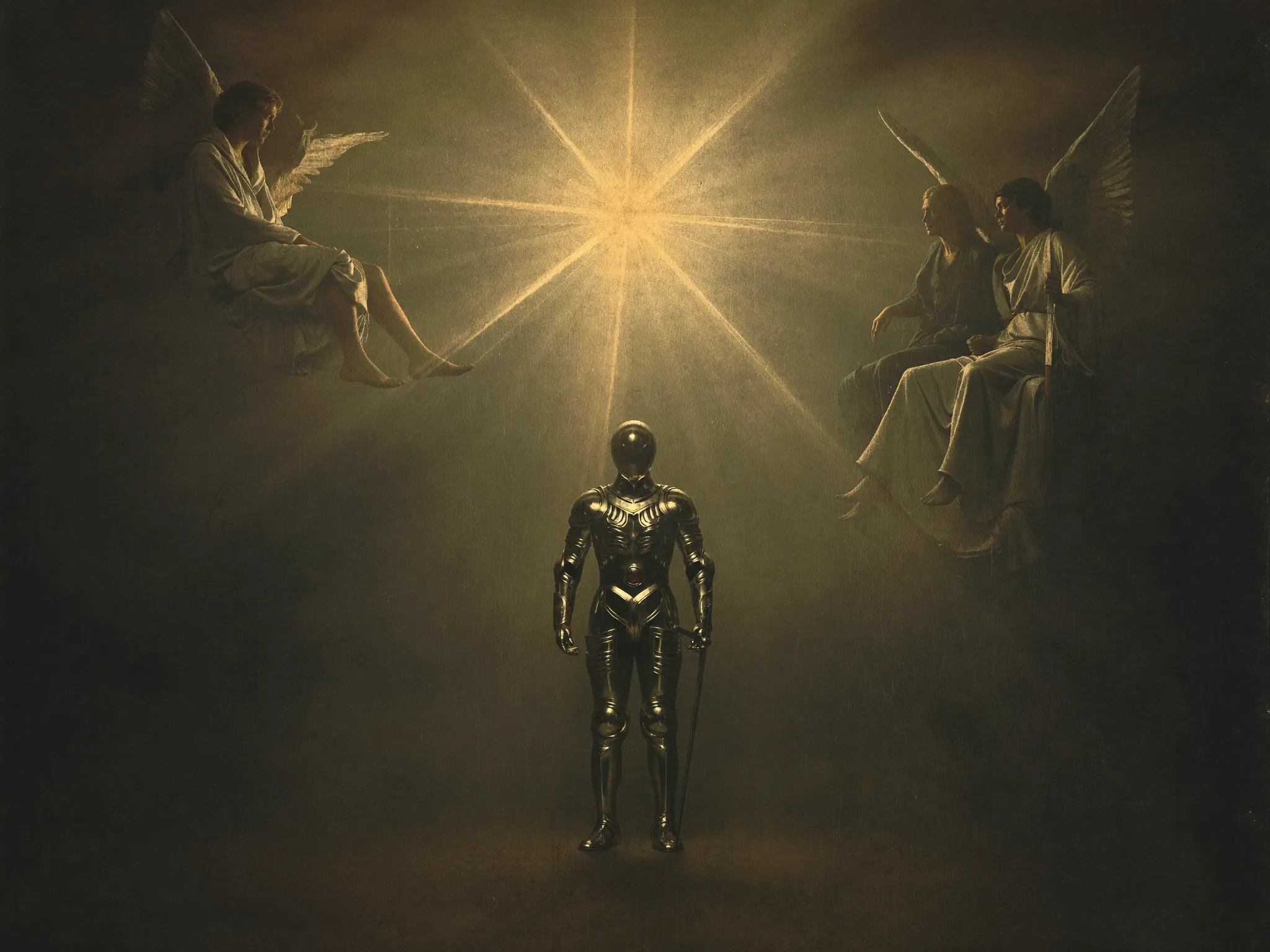
বিস্ময়কর: মণ্ডলী অদৃশ্য জগতের কাছে ঈশ্বরের প্রদর্শনশালা। স্বর্গদূতেরা ঈশ্বরের প্রজ্ঞা শিখছে তাঁর লোকদের মধ্যে তিনি যা করেন তা দেখে।
বহুবিধ — গ্রিক পলুপোইকিলোস, বহুবর্ণ, যেন সূচিকর্মে বোনা একটি কাপড়। ঈশ্বরের প্রজ্ঞা একরঙা নয়; তার প্রতিটি রং আছে।
বিশ্বাসীর কাছে আসার অধিকারের জন্য তিনটি শব্দ: সাহস, প্রবেশাধিকার, নির্ভরতা। তিনটিই নির্ভর করে যাঁতে — খ্রিস্টে। তাঁর বাইরে এই তিনটির কোনোটিই নেই।
ঐশ্বর্য অনুসারে — তাঁর দানের পরিমাপ তাঁর হাতে থাকা জোগান, আমাদের প্রয়োজনের আকার নয়।
অন্তরের মানুষে…বলবান — পৌল বাহ্যিক পরিস্থিতির জন্য নয়, ভেতরের ইস্পাতের জন্য প্রার্থনা করেন।
বাস করেন — গ্রিক কাতোইকেসাই, স্থায়ীভাবে বসতি করা, শুধু বেড়াতে আসা নয়। পৌল খ্রিস্টের আগমনের জন্য নয়, তাঁর স্থায়ী বসবাসের জন্য প্রার্থনা করেন।
বদ্ধমূল ও ভিত্তিযুক্ত — দুটি রূপক, কৃষিজ ও স্থাপত্যিক। প্রেম একই সঙ্গে মাটি ও ভিত্তির পাটাতন।
চারটি মাত্রা — কিন্তু কীসের? পদটি বিষয়টিকে পরের পদ পর্যন্ত অনুক্ত রাখে: খ্রিস্টের প্রেম।
সমস্ত পবিত্রজনের সঙ্গে — কেউ একা খ্রিস্টের প্রেম বোঝে না। সম্প্রদায় সেই বোধ ভাগ করে নেয়।
এক মহিমান্বিত আপাত-বিরোধ: সেই প্রেমকে জানা যা জ্ঞানের অতীত। পদটি দুটোই দাবি করে: অভিজ্ঞতামূলক উপলব্ধি ও বুদ্ধিগত নম্রতা।
ঈশ্বরের সমস্ত পূর্ণতায় পরিপূর্ণ — শাস্ত্র একজন বিশ্বাসীর সামনে যে সর্বোচ্চ লক্ষ্য কখনও রেখেছে। এর চেয়ে কম যেকোনো কিছু খুব নিচু লক্ষ্য।
অনেক বেশি — গ্রিক হুপের এক পেরিসসু, একটি ত্রিগুণ সর্বোচ্চ-মাত্রা। অতীতের অতীতের অতীত।
যে শক্তি আমাদের মধ্যে কাজ করে সেই শক্তি অনুসারে — তিনি শুধু তত্ত্বগতভাবে সক্ষম নন; সেই শক্তি ইতিমধ্যে বিশ্বাসীর মধ্যে কর্মরত।
মণ্ডলীতে মহিমা — মণ্ডলী ঈশ্বরের অনন্ত মহিমার প্রধান ক্ষেত্র। প্রতিটি সমবেত মণ্ডলী এই অনন্ত স্তুতিগানের অংশ।
যুগপর্যায়ের যুগে যুগে — গ্রিক অনন্তকালের শব্দগুলি স্তূপ করে: এইস পাসাস তাস গেনেয়াস তু আইওনোস তোন আইওনোন। মেয়াদ-শেষ-হীন মহিমা।
এই সপ্তাহে 14-19 পদকে অন্য একজন ব্যক্তির জন্য আপনার প্রার্থনা হিসেবে নিন। প্রার্থনা করুন অন্তরের মানুষ যেন বলবান হয়, খ্রিস্ট যেন তাদের হৃদয়ে বাস করেন, তারা যেন সেই প্রেম জানতে পারে যা জ্ঞানের অতীত। অন্যদের জন্য আমরা যে প্রার্থনাগুলি করি তার অধিকাংশই খুব ছোট। পৌলেরটি ব্যবহার করুন।
অধ্যায়ের সমগ্র প্রার্থনা খ্রিস্টকে আরও গভীরভাবে জানার জন্য — তিনি যেন স্থায়ীভাবে বাস করেন, প্রেমপ্রাপ্ত হন, তাঁর চার মাত্রায় উপলব্ধ হন। প্রার্থনার সমাপ্তির স্তুতিগান খ্রিস্ট যীশুর দ্বারা মহিমা আরোপ করে। তিনিই সেই মাধ্যম, যার মধ্য দিয়ে মণ্ডলী থেকে অনন্ত প্রশংসা উঠবে।
এই পাতায় আপনার ভাষায় শাস্ত্রের পাঠ: ইন্ডিয়ান রিভাইজড ভার্সন (IRV), © 2017, 2019 ব্রিজ কানেক্টিভিটি সলিউশনস — কোনো পরিবর্তন ছাড়া এই লাইসেন্সের অধীনে ব্যবহৃত: CC BY-SA 4.0 · eBible.org
যীশু খ্রিস্টের বন্দি — রোমের নয়। পৌল কৈসরকে তাঁর শিকলের মালিকানা নিতে দিতে অস্বীকার করেন। তিনি একটি উদ্দেশ্যে খ্রিস্টের দ্বারা ধৃত।
একটি নতুন দৃষ্টিভঙ্গি, যা প্রত্যেক দুঃখভোগী খ্রিস্টান ধার নিতে পারে।