வரைவு மொழிபெயர்ப்பு. தாய்மொழி கிறிஸ்தவர்களின் திருத்தங்கள் வரவேற்கப்படுகின்றன. வசன உரை KJV (ஆங்கிலம்)-ல் இருக்கும்.
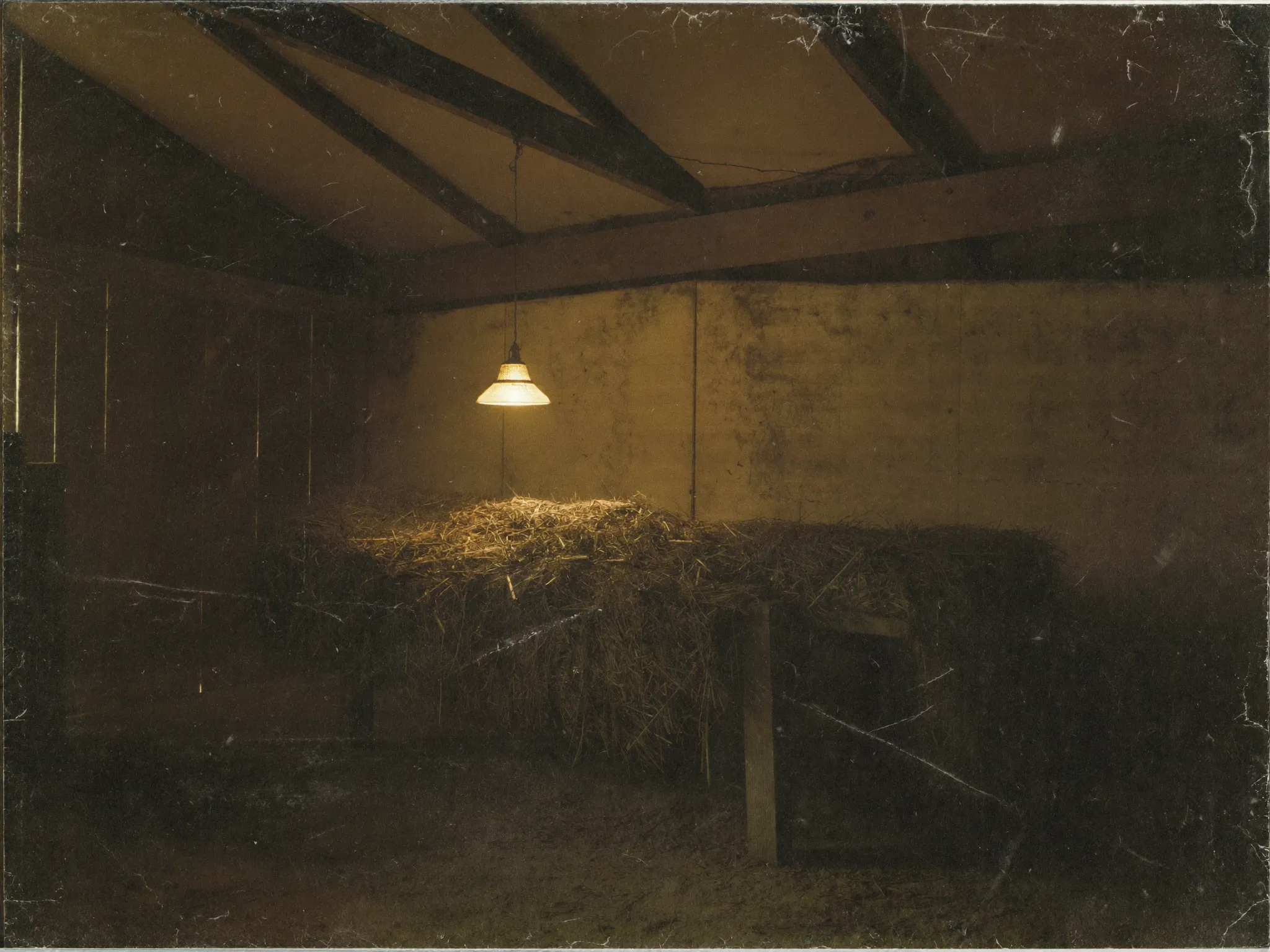
லூக்கா 2 — இன்று கர்த்தராகிய கிறிஸ்து என்னும் இரட்சகர் உங்களுக்காகப் பிறந்திருக்கிறார்
அகுஸ்துராயன் மக்கள் தொகைக் கணக்கெடுப்புக்குக் கட்டளையிடுகிறான். யோசேப்பும் மரியாளும் பெத்லகேமுக்குப் போகிறார்கள்; அவள் தன் முதற்பேறான குமாரனைப் பெற்று, அவரை ஒரு முன்னணையில் கிடத்துகிறாள். வயல்வெளியில் மேய்ப்பர்கள் — இதோ, எல்லா மக்களுக்கும் மிகவும் சந்தோஷத்தை உண்டாக்கும் நற்செய்தியை உங்களுக்கு அறிவிக்கிறேன். பரம சேனையின் திரள் கூட்டம் — உன்னதத்திலிருக்கிற தேவனுக்கு மகிமையும், பூமியிலே சமாதானமும், மனிதர்கள்மேல் பிரியமும் உண்டாவதாக. எட்டாம் நாள்; இயேசு விருத்தசேதனம் பண்ணப்படுகிறார். அவர் தேவாலயத்தில் ஒப்புக்கொடுக்கப்படுகிறார்; சிமியோன் — ஆண்டவரே, உமது வார்த்தையின்படி நான் இப்பொழுது சமாதானத்தோடு உயிரை விடுவேன். அன்னாள் நன்றி செலுத்துகிறாள். அவர்கள் நாசரேத்துக்குத் திரும்புகிறார்கள். பன்னிரண்டு வயதில் அவர் தேவாலயத்தில் இருக்கிறார் — நான் என் பிதாவின் காரியங்களை செய்யவேண்டும் என்பது உங்களுக்குத் தெரியாதா? அவர் ஞானத்திலும், வளர்ச்சியிலும், தேவகிருபையிலும், மனிதர்கள் தயவிலும் அதிகமாக வளர்ந்தார்.
“தேவதூதன் அவர்களைப் பார்த்து: பயப்படாமலிருங்கள்; இதோ, எல்லா மக்களுக்கும் மிகவும் சந்தோஷத்தை உண்டாக்கும் நற்செய்தியை உங்களுக்கு அறிவிக்கிறேன். இன்று கர்த்தராகிய கிறிஸ்து என்னும் இரட்சகர் உங்களுக்காக தாவீதின் ஊரிலே பிறந்திருக்கிறார்.”
— லூக்கா 2:10-11
- v.1-7 பெத்லகேமில் பிறப்பு
- v.8-20 மேய்ப்பர்களும் தூதர்களும்
- v.21-39 சிமியோனும் அன்னாளும்
- v.40-52 தேவாலயத்தில் சிறுவன் இயேசு
தூதர்களின் பாடல். அந்தப் பிறப்புக்குப் பரலோகத்தின் பதில்: மேலே மகிமை, கீழே சமாதானம். இவ்விரண்டும் இணைந்தவை — தேவனுக்கு மகிமை மீண்டும் கொடுக்கப்படுவதிலிருந்தே பூமியில் சமாதானம் பாய்ந்து வருகிறது.
மனிதர்கள்மேல் பிரியம். தம்முடைய குமாரனைக் கொடுத்ததில் வெளிப்பட்ட பிதாவின் தயவு. இந்த வரி ஒரு வாழ்த்து அல்ல; இப்போதுதான் நடந்ததைப் பற்றிய ஒரு விவரணை.
சிமியோனின் பாடல் (Nunc Dimittis). அந்த முதியவர் இப்போது மரிக்கலாம்; தேவன் தனக்கு வாக்களித்திருந்த இரட்சிப்பை அவர் கண்டுவிட்டார்.
ஒரு மாதிரி மரணம் — கிறிஸ்துவைக் கண்ட கண்கள் சமாதானத்தோடு உறங்குகின்றன. கிறிஸ்தவனுடைய முடிவு இங்கே வரையறுக்கப்படுகிறது: இரட்சகரைக் கண்டபின், சமாதானத்தோடு விடைபெறுதல்.
பதிவுசெய்யப்பட்ட கிறிஸ்துவின் முதல் வார்த்தைகள். பன்னிரண்டு வயதிலேயே அவர் பிதாவையும் அவருடைய காரியங்களையும் அறிந்திருந்தார். குமாரத்துவம் சிறுவயது முதலே வாழப்பட்டது; பிற்காலத்தில் அடையப்பட்டதல்ல.
என் பிதாவின் காரியங்கள். மிகப் பழைய ஊழிய நோக்க அறிக்கை. அதைத் தொடர்ந்து வரும் முழு வாழ்க்கையும் இந்த ஐந்து வார்த்தைகளின் செயல்வடிவமே.
ஒரு கிறிஸ்தவனுடைய நாள்காட்டிக்கான சோதனை 49-ஆம் வசனம். என் பிதாவின் காரியங்கள் — உங்களுடையதும் அதுவா? கிறிஸ்துவின் முதல் வார்த்தைகள் அவருடைய வாழ்க்கையின் இலக்கைப் பெயரிடுகின்றன; பன்னிரண்டு வயதில், இருபது வயதில், அல்லது இப்போது உங்களிடம் கேட்கப்பட்டால் உங்கள் முதல் பதில் என்னவாக இருக்கும்? அவருடைய காரியங்கள் இன்றைய உங்கள் சந்திப்புகளை மறுவடிவமைக்கட்டும்.
லூக்கா 2 கிறிஸ்துவைப் பற்றிய அறிக்கைகளை அடுக்கிவைக்கிறது — தூதர்கள், மேய்ப்பர்கள், சிமியோன், அன்னாள், இறுதியில் அந்தச் சிறுவன்தாமே. இந்த அதிகாரத்தின் பல குரல்களும் ஒரு நபரில் ஒன்றுசேருகின்றன. தாவீதின் ஊருக்கு அறிவிக்கப்பட்ட இரட்சகரே சிமியோன் கையில் ஏந்திய இரட்சகர்; தம்முடைய பிதாவின் காரியங்களைத் தாமதிக்காத சிறுவனும் அவரே.
இந்தப் பக்கத்தில் உங்கள் மொழியிலுள்ள வேத உரை: இந்தியன் ரிவைஸ்டு வெர்ஷன் (IRV), © 2017, 2019 பிரிட்ஜ் கனெக்டிவிட்டி சொல்யூஷன்ஸ் — மாற்றமின்றி இந்த உரிமத்தின் கீழ் பயன்படுத்தப்பட்டது: CC BY-SA 4.0 · eBible.org
உங்களுக்காக. இந்தச் சுட்டுப்பெயர் அறிவிப்பை வடிவமைக்கிறது. இரட்சகர் குறிப்பிட்ட மக்களுக்குக் கொடுக்கப்படுகிறார் — முதலில் மலைச்சரிவிலிருந்த மேய்ப்பர்களுக்கு, அவர்கள் மூலமாக இந்த வசனத்தை வாசிக்கும் ஒவ்வொருவருக்கும்.
ஒரே வாக்கியத்தில் மூன்று பட்டங்கள் — இரட்சகர், கிறிஸ்து, கர்த்தர். ஊழியப்பணி, மேசியா என்னும் அடையாளம், ஆண்டவத்துவம். ஒரே வரியில் கிறிஸ்தவம்.