मसुदा भाषांतर. मातृभाषी ख्रिस्ती लोकांच्या सुधारणा स्वागत आहेत. वचनाचा मजकूर KJV (इंग्रजी) मध्ये राहतो.
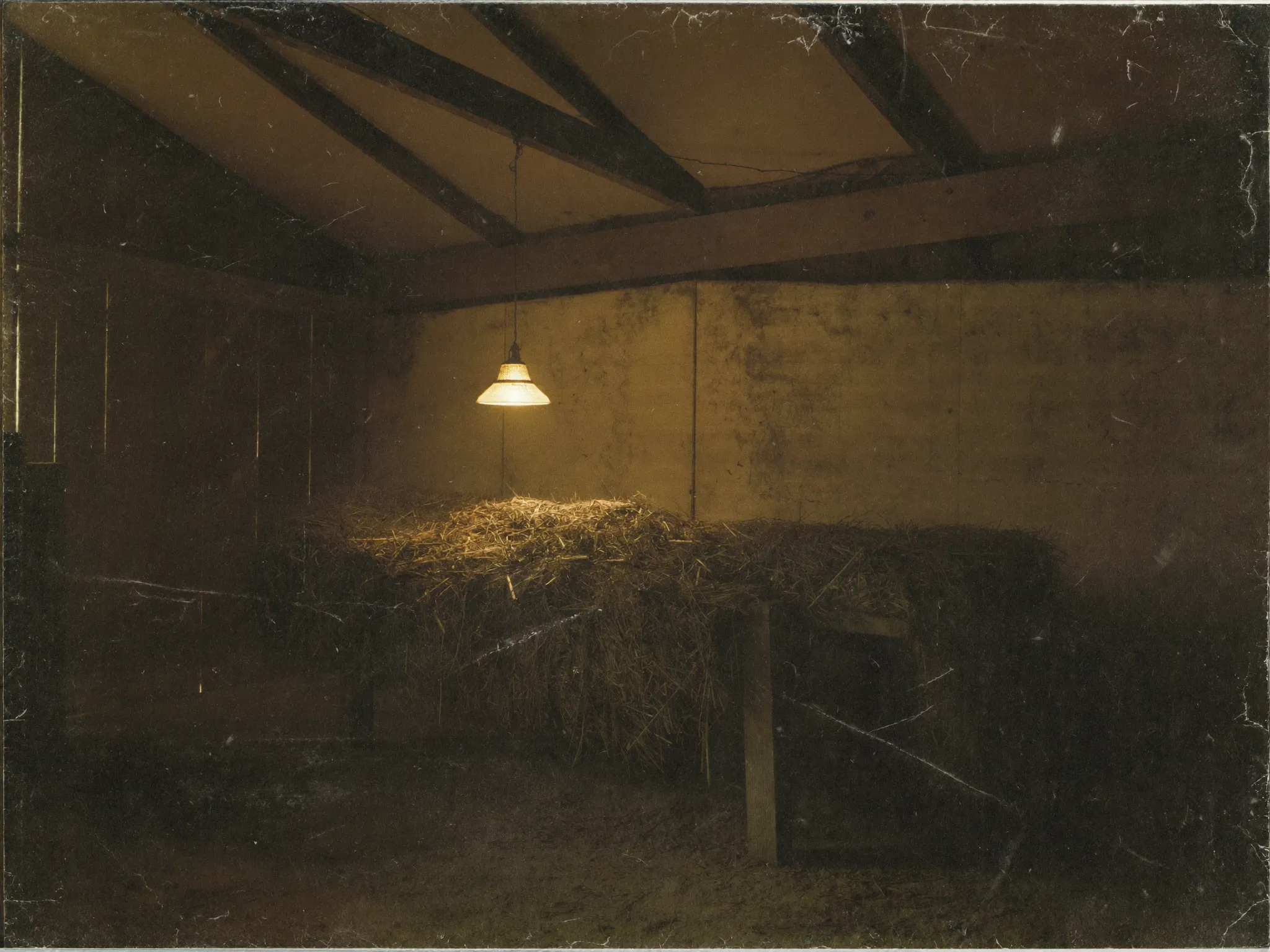
लूककृत शुभवर्तमान 1 — माझा जीव प्रभूला थोर मानतो
ज्या गोष्टींचे शिक्षण थियफिलाला मिळाले आहे त्यांचा निश्चितपणा त्याने जाणावा म्हणून लूक त्याला लिहितो. गब्रीएल देवदूत जखऱ्याला योहानाच्या जन्माची घोषणा करतो; तो शंका घेतो आणि मुका होतो. गब्रीएल नासरेथ येथे मरीयेकडे येतो — पाहा! तू गरोदर राहशील आणि तुला मुलगा होईल त्याचे नाव तू येशू ठेव. मरीया अलीशिबेला भेटायला जाते; उदरातील बाळ उडी मारते. मरीयेचे मॅग्निफिकॅट — माझा जीव प्रभूला थोर मानतो. योहानाचा जन्म होतो; जखऱ्याची जीभ मोकळी होते; बेनेडिक्टस — इस्राएलाचा देव प्रभू, ह्याची स्तुती असो, कारण त्याने आपल्या लोकांची भेट घेतली आणि लोकांची खंडणी भरून सुटका केली.
“कारण देवाला कोणतीही गोष्ट अशक्य नाही.”
— लूककृत शुभवर्तमान 1:37
- v.1-4 लूकने थियफिलाला केलेले समर्पण
- v.5-25 योहानाच्या जन्माची घोषणा
- v.26-38 मरीयेला झालेली घोषणा
- v.39-56 मरीया अलीशिबेला भेटते; मॅग्निफिकॅट
- v.57-80 योहानाचा जन्म; बेनेडिक्टस
मी प्रभूची दासी आहे. आपले आयुष्य उलथेपालथे करणारी घोषणा ही तरुणी स्वीकारते आणि शरणागतीने उत्तर देते. आपल्या म्हणण्याप्रमाणे मला होवो.
महागड्या आज्ञापालनासाठी पाचारण झालेल्या प्रत्येक ख्रिस्ती व्यक्तीसाठी आदर्श प्रार्थना. मरीयेने गैरसोय टाळण्यासाठी सौदेबाजी केली नाही; तिने आपले हात उघडले.
मॅग्निफिकॅटची पहिली ओळ. आपल्या गरोदरपणाला मरीयेचा प्रतिसाद उपासना आहे — आपल्या परिस्थितीविषयी चिंता नव्हे, तर त्या परिस्थितीत कार्य करणाऱ्या देवाची स्तुती.
थोर मानतो. देव जितका मोठा आहे तितका मोठा तो दिसावा असे करणे. उपासना त्याला मोठे करत नाही; ती उपासकाची दृष्टी अशी जुळवते की त्याला तो योग्य प्रकारे दिसावा.
स्वर्गीय दिवसाची पहाट. पहाटेसमान ख्रिस्त. जखऱ्या येणाऱ्याला दीर्घ रात्रीनंतरचा सूर्योदय म्हणतो. हीच प्रतिमा मलाखी 4:2 मध्ये परत येईल — न्यायीपणाचा सूर्य उगवेल.
देवाच्या दयेमुळे. हाच हेतू. ही भेट जगाने ती कमावली म्हणून नव्हे, तर देवाची दया कोमल आहे म्हणून आहे. तारणाची संपूर्ण कथा येथेच रुजलेली राहते.
देवाची योजना तुमच्या योजनेची पुनर्रचना करते तेव्हा वचन 38 ही प्रार्थना आहे. मरीयेने सौदा केला नाही; तिने आपले हात उघडले. आपल्या म्हणण्याप्रमाणे मला होवो. देवाने सोपवलेले कार्य गैरसोयीचे वाटेल तेव्हा हे शब्द पुन्हा म्हणा. ही शरणागती म्हणजे ते दार आहे ज्यातून त्याचे मोठे हेतू तुमच्या जीवनात प्रवेश करतात.
लूककृत शुभवर्तमान 1 ख्रिस्तांच्या जन्मापूर्वीच त्यांच्याविषयीच्या गीतांनी भरून जाते — त्यांच्या नावाची घोषणा, प्रभूला थोर मानणारा त्यांच्या आईचा जीव, स्वर्गीय दिवसाच्या पहाटेसाठी देवाची स्तुती करणारे त्यांच्या अग्रदूताचे वडील. एकही चमत्कार होण्यापूर्वीच शुभवर्तमान त्यांच्या आगमनाने जिवंत झालेले आहे. लूकमध्ये येशूंविषयीचे पहिले शब्द उपासना आहेत.
या पानावरील तुमच्या भाषेतील पवित्र शास्त्राचा मजकूर: इंडियन रिव्हाइज्ड व्हर्जन (IRV), © 2017, 2019 ब्रिज कनेक्टिव्हिटी सोल्युशन्स — कोणताही बदल न करता या परवान्याअंतर्गत वापरलेला: CC BY-SA 4.0 · eBible.org
कोणतीही गोष्ट अशक्य नाही. म्हातारपणी अलीशिबा गरोदर असल्याविषयी देवदूताने दिलेल्या आश्वासनानंतर हे वचन येते. मरीयेला सांगितले जात आहे की ज्या देवाने वांझ उदर उघडले, तोच देव कुमारीकडून जन्म घडवून आणू शकतो.
अशक्य वाटणाऱ्या परिस्थितीसाठी पाठ करून ठेवण्याजोगी ओळ. तुम्हाला हवे असलेले सर्वकाही घडेल असे नव्हे, तर देवाला केवळ अशक्यतेमुळे कोणतीही गोष्ट रोखली जात नाही.